Article

Multipath Error Fusion Modeling Methods for Multi-GNSS
1
GNSS Research Center, Wuhan University, 129 Luoyu Road, Wuhan 430079, China
2
Collaborative Innovation Center of Geospatial Technology, Wuhan University, 129 Luoyu Road, Wuhan 430079, China
3
Geomatics College, Shandong University of Science and Technology, Qingdao 266590, China
*
Author to whom correspondence should be addressed.
Remote Sens. 2021, 13(15), 2925; https://doi.org/10.3390/rs13152925
Submission received: 5 July 2021 / Revised: 21 July 2021 / Accepted: 22 July 2021 / Published: 26 July 2021

Abstract

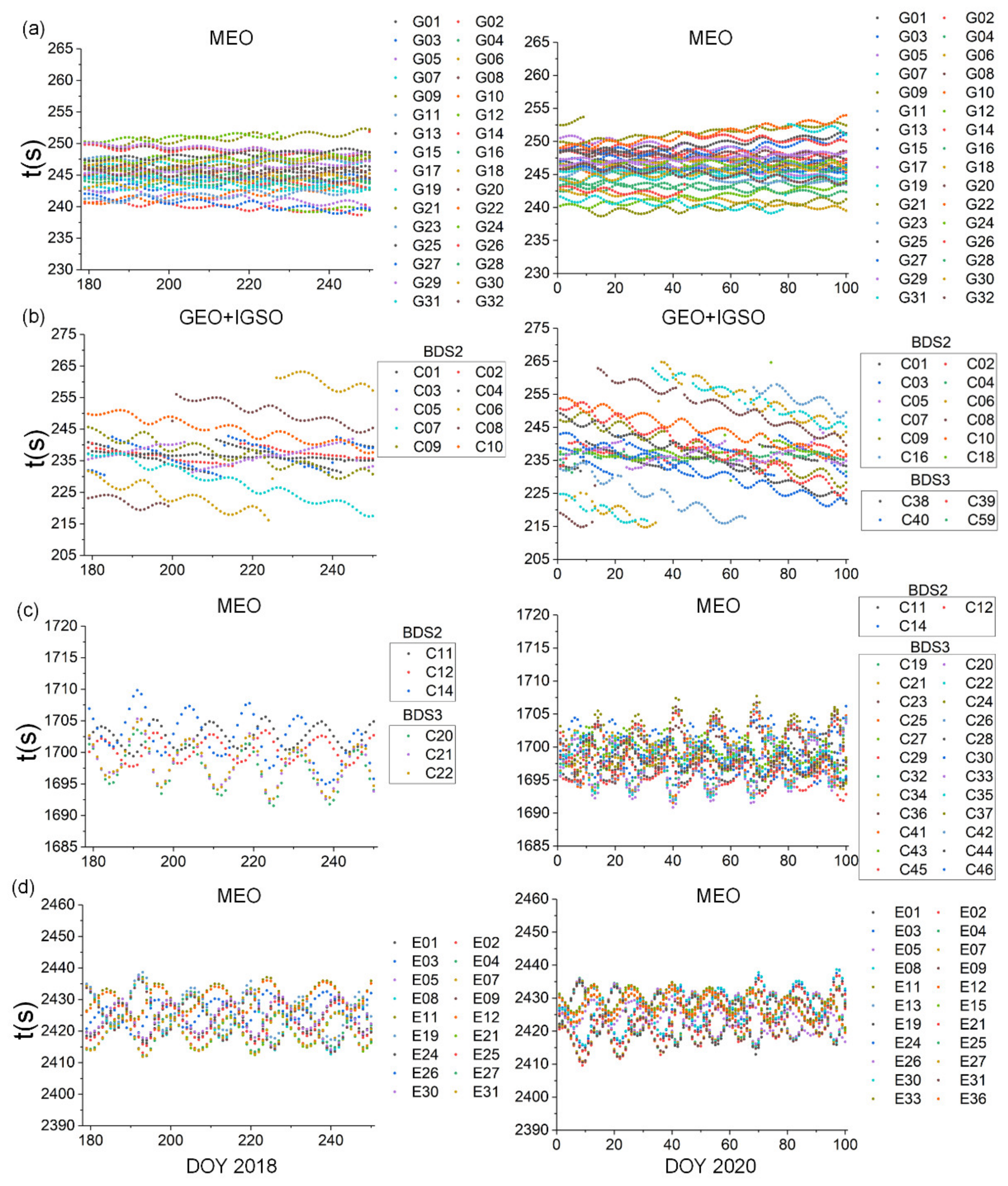
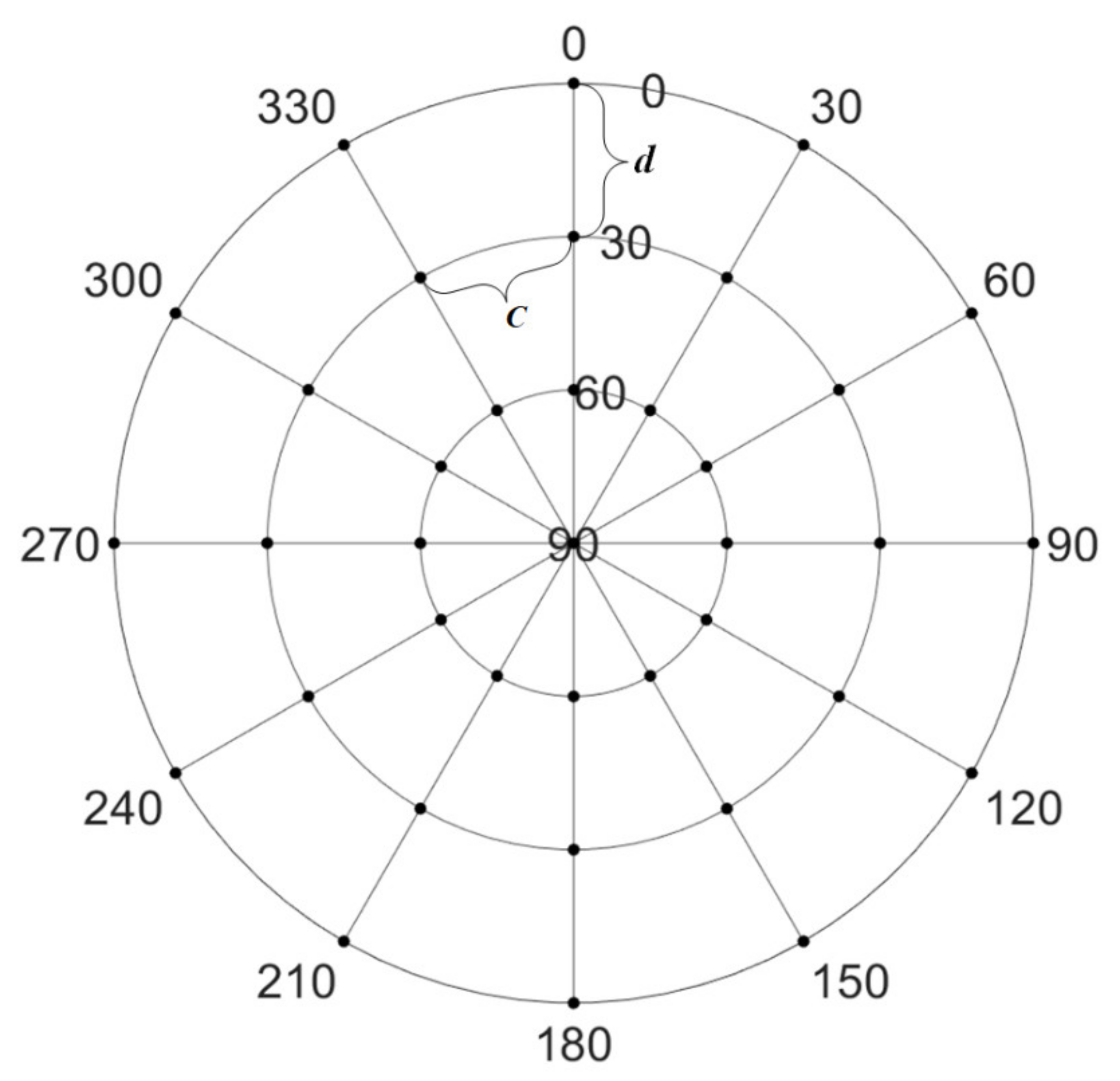
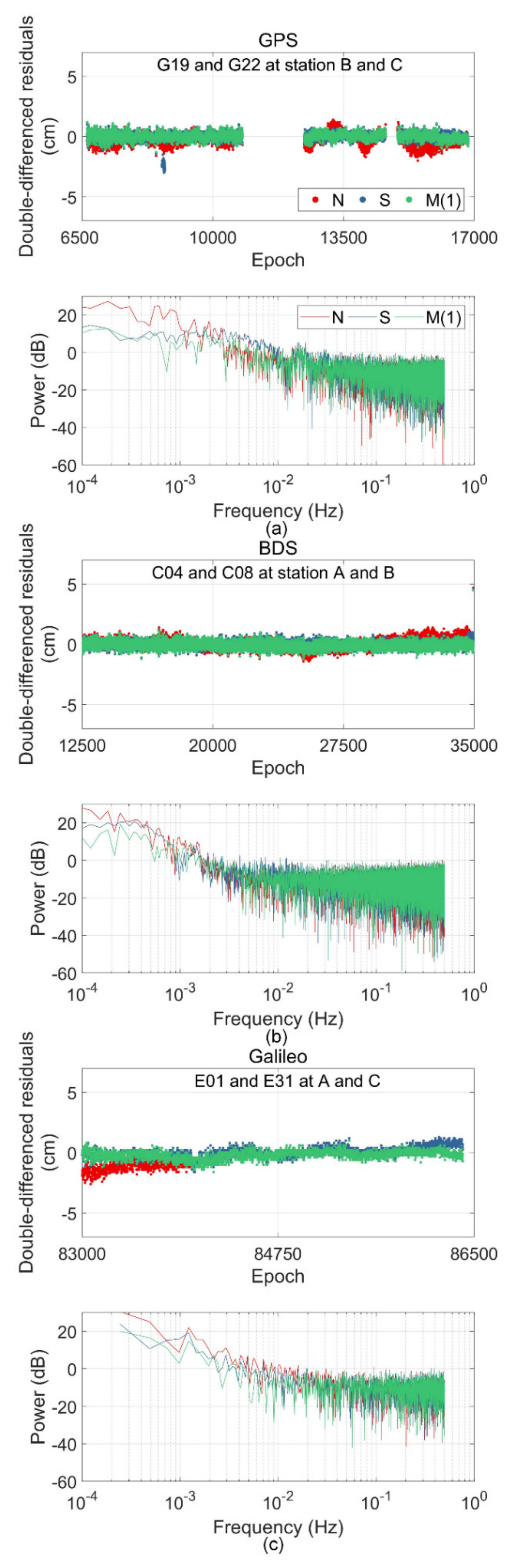
The multipath error is considered to be the most limiting factor for high precision positioning applications. The sidereal filtering (SF) method can be used to mitigate the multipath error in the observation domain, and it has been successfully applied in the multipath mitigation in global positioning systems (GPS) and regional BeiDou navigation satellite systems (BDS2). However, there are few reports on the SF method in other systems. The performance of the SF method relies on the explicit orbit repeat periods of satellites in diverse systems or even different types of constellations. It is therefore inconvenient to utilize the SF method for multi-GNSS multipath error mitigation. Alternatively, a space domain multipath error reduction method, which establishes the multi-point hemispherical grid model (MHGM) using the residuals of the double-differenced carrier phase observations in the ambiguity-fixed period, has been modified. It is an integrated model for multi-GNSS, without considering the diversity of different systems and constellations. To compare the performance of MHGM and SF from a multi-GNSS point of view, the determination method of orbit repeat periods via the broadcast ephemerides is summarized, and the SF method is extended to the global BeiDou navigation satellite system (BDS3) and Galileo navigation satellite system. Further test results show that the performance of MHGM and SF are comparable from the perspective of root mean squares (RMS) and the power spectrum analysis of double-differenced residuals, as well as the static positioning results. This implies that the space domain MHGM can obtain similar correction effects as the SF method in the observation domain, but the former is more flexible for modeling with various systems’ data. In addition, the established MHGM using the data of multi orbit periods demonstrates a better performance compared with that of only one orbit period, and an average improvement of 13.1% in the RMS of the double-differenced residuals can be achieved.
Keywords: multipath; sidereal filtering; multi-point hemispherical grid model; multi-GNSS; fusion solution multipath; sidereal filtering; multi-point hemispherical grid model; multi-GNSS; fusion solution