Article

An Empirical Model to Estimate Abundance of Nanophase Metallic Iron (npFe0) in Lunar Soils


1
Key Laboratory of Lunar and Deep Space Exploration, National Astronomical Observatories, Chinese Academy of Sciences, Beijing 100101, China
2
School of Astronomy and Space Science, University of Chinese Academy of Sciences, Beijing 100049, China
3
Key Laboratory of Space Active Opto-Electronics Technology, Shanghai Institute of Technical Physics, Chinese Academy of Sciences, Shanghai 200083, China
*
Author to whom correspondence should be addressed.
Remote Sens. 2020, 12(6), 1047; https://doi.org/10.3390/rs12061047
Submission received: 23 February 2020 / Revised: 17 March 2020 / Accepted: 19 March 2020 / Published: 24 March 2020
(This article belongs to the Special Issue Lunar Remote Sensing and Applications)

Abstract

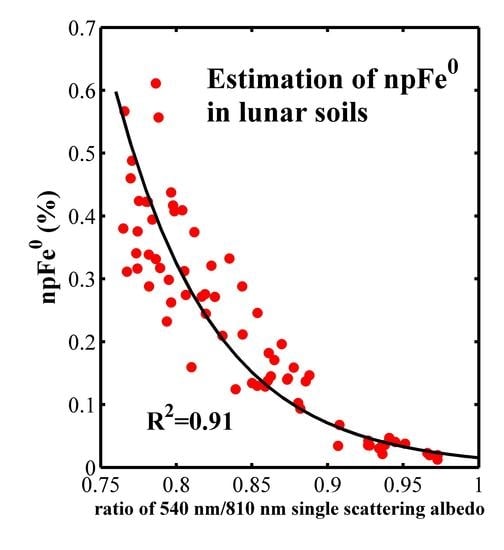
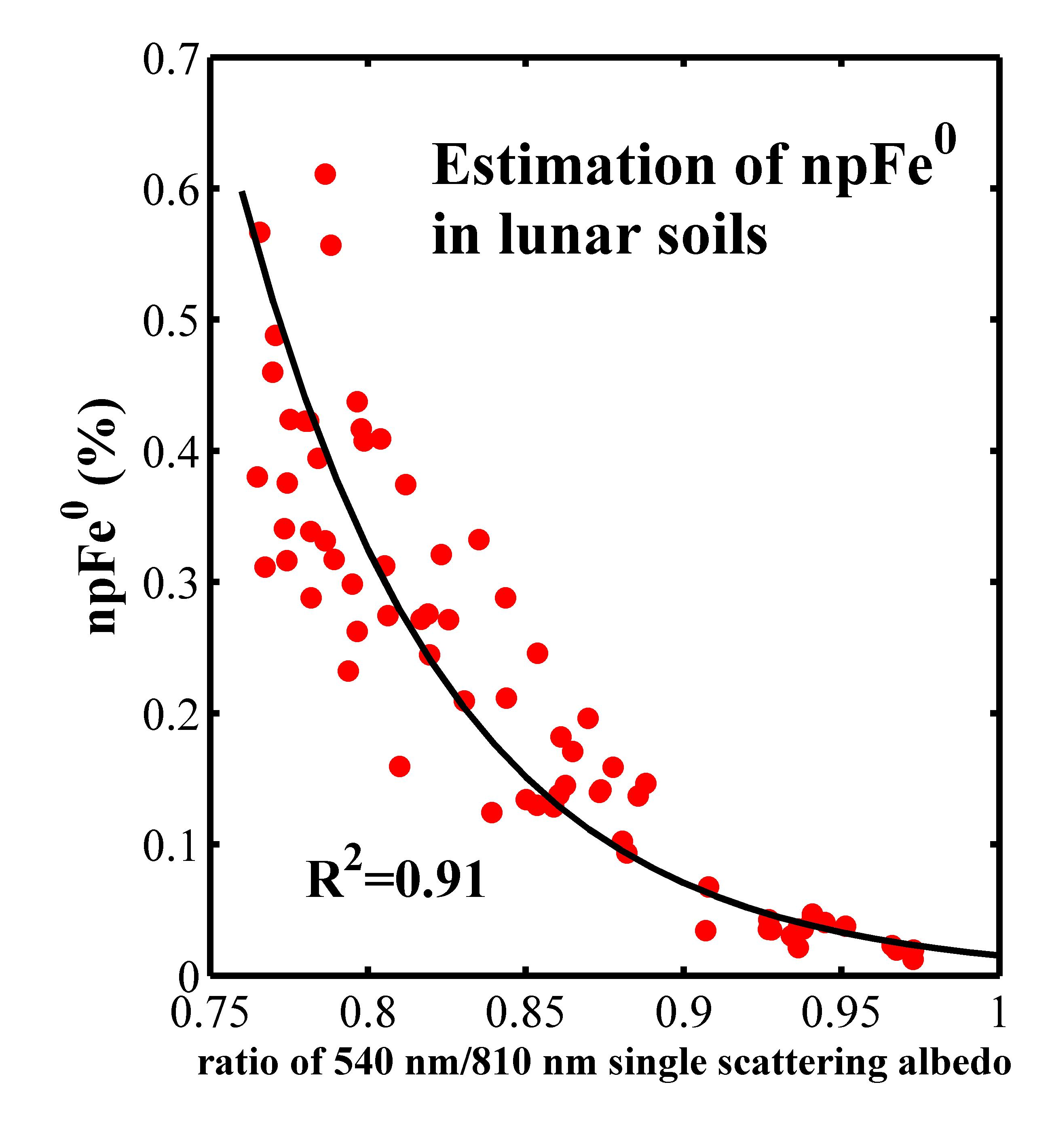
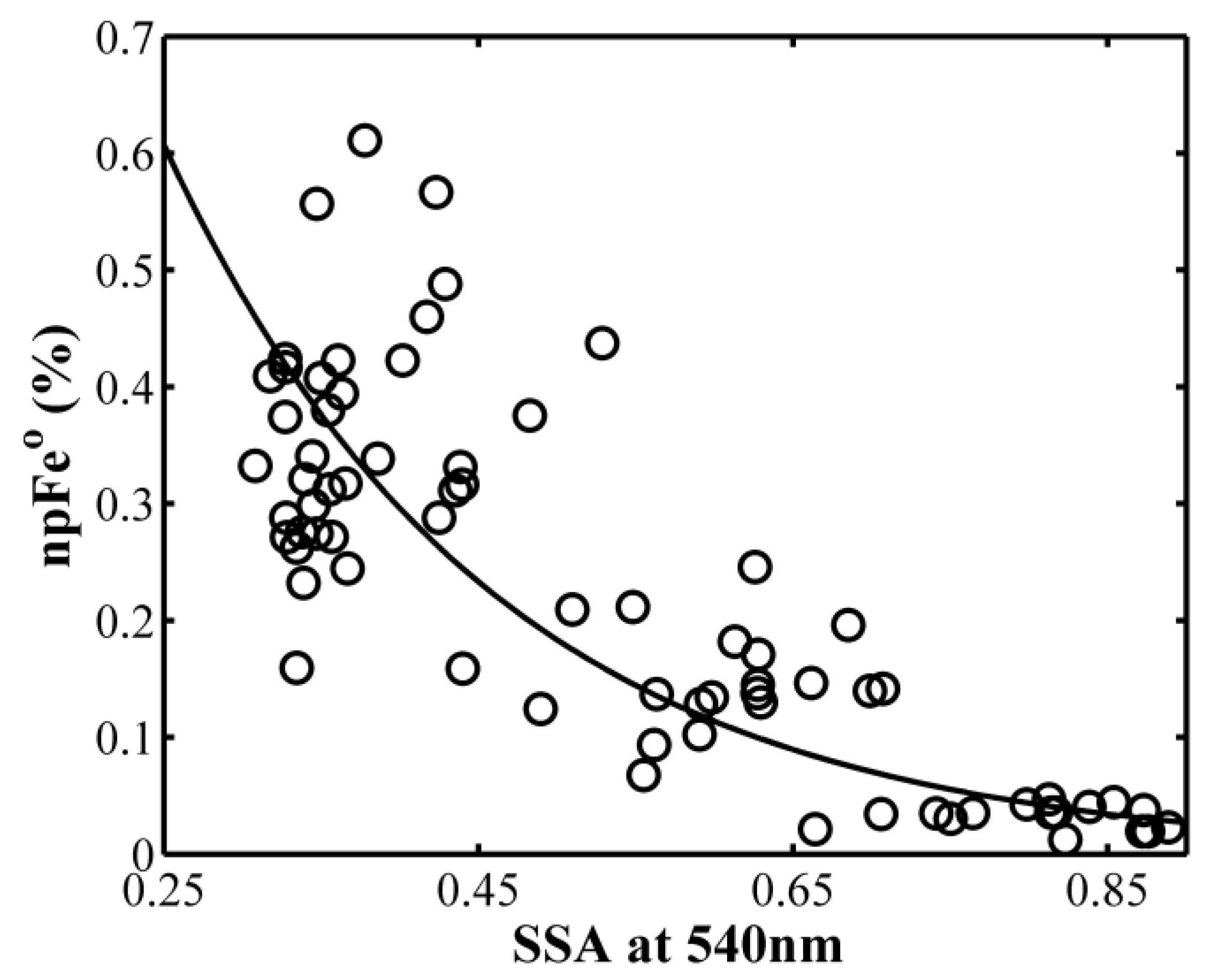
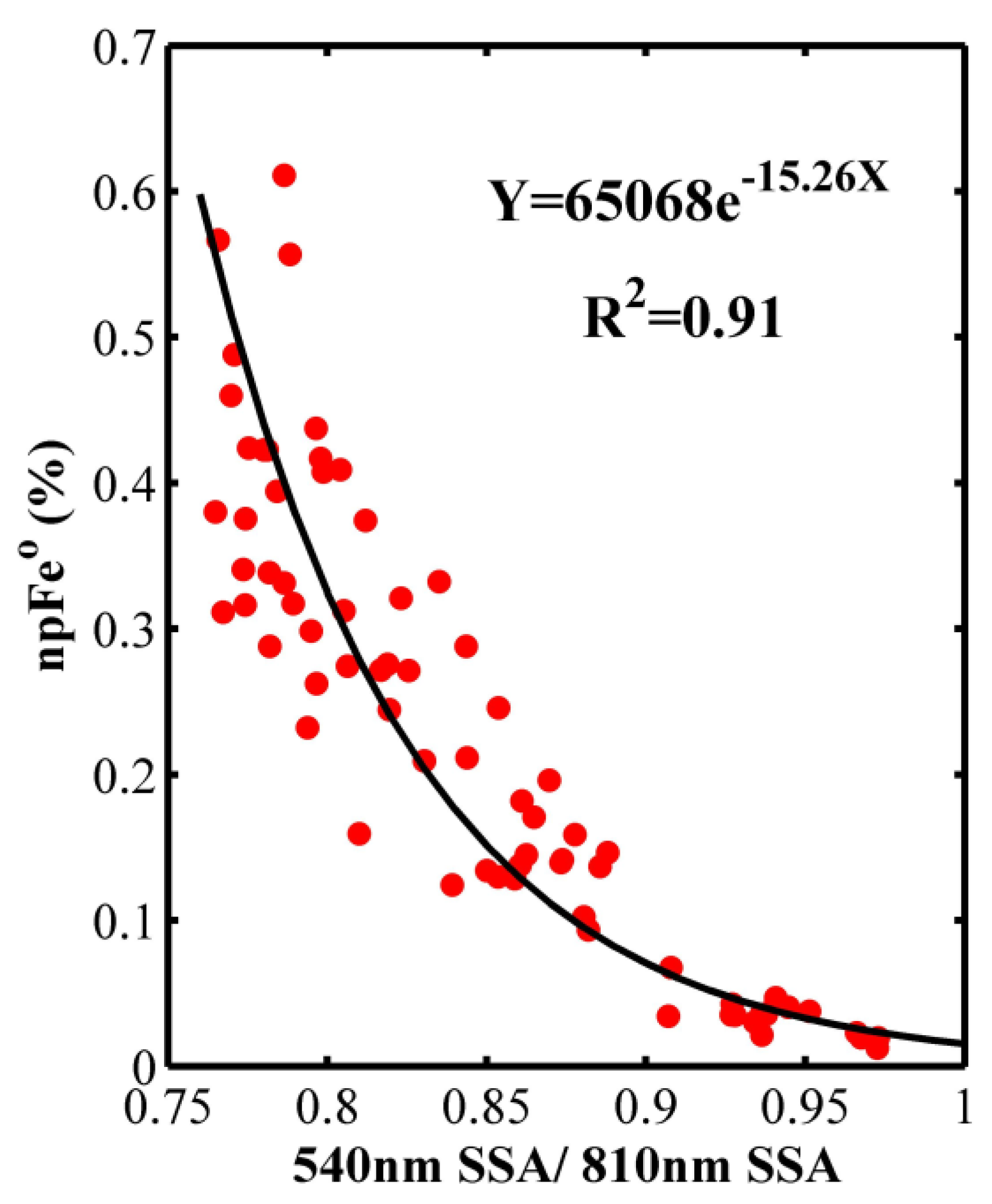
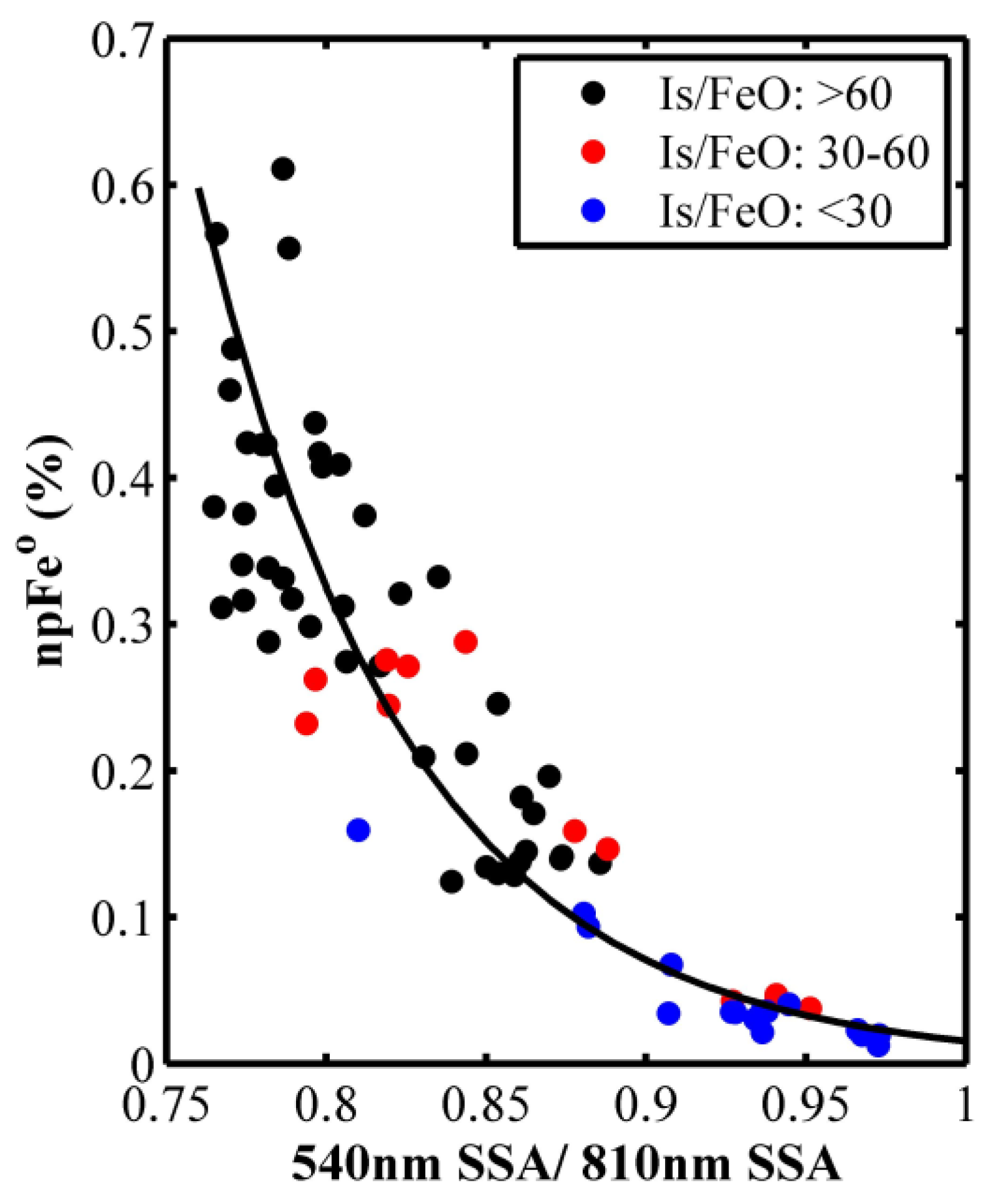
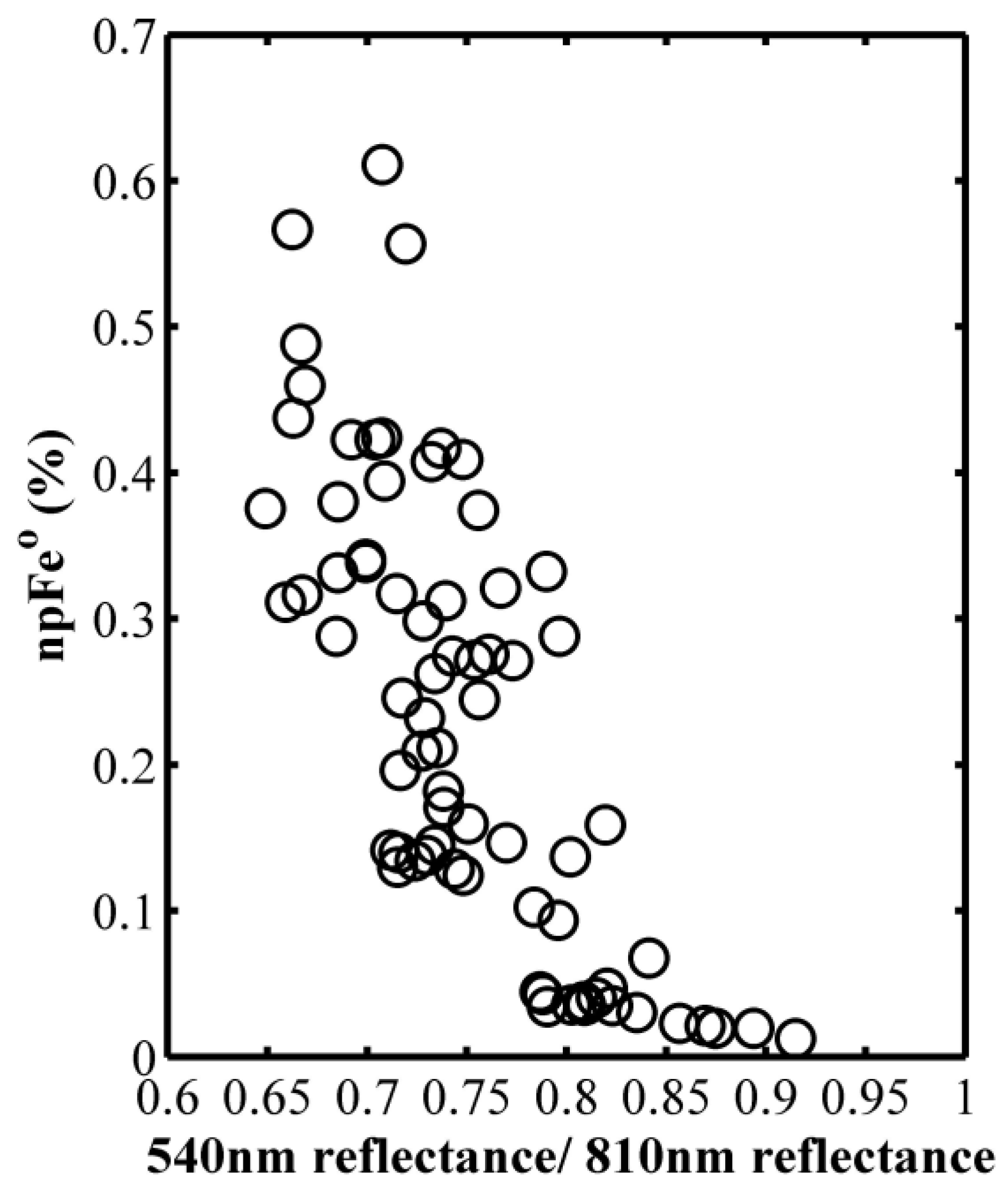
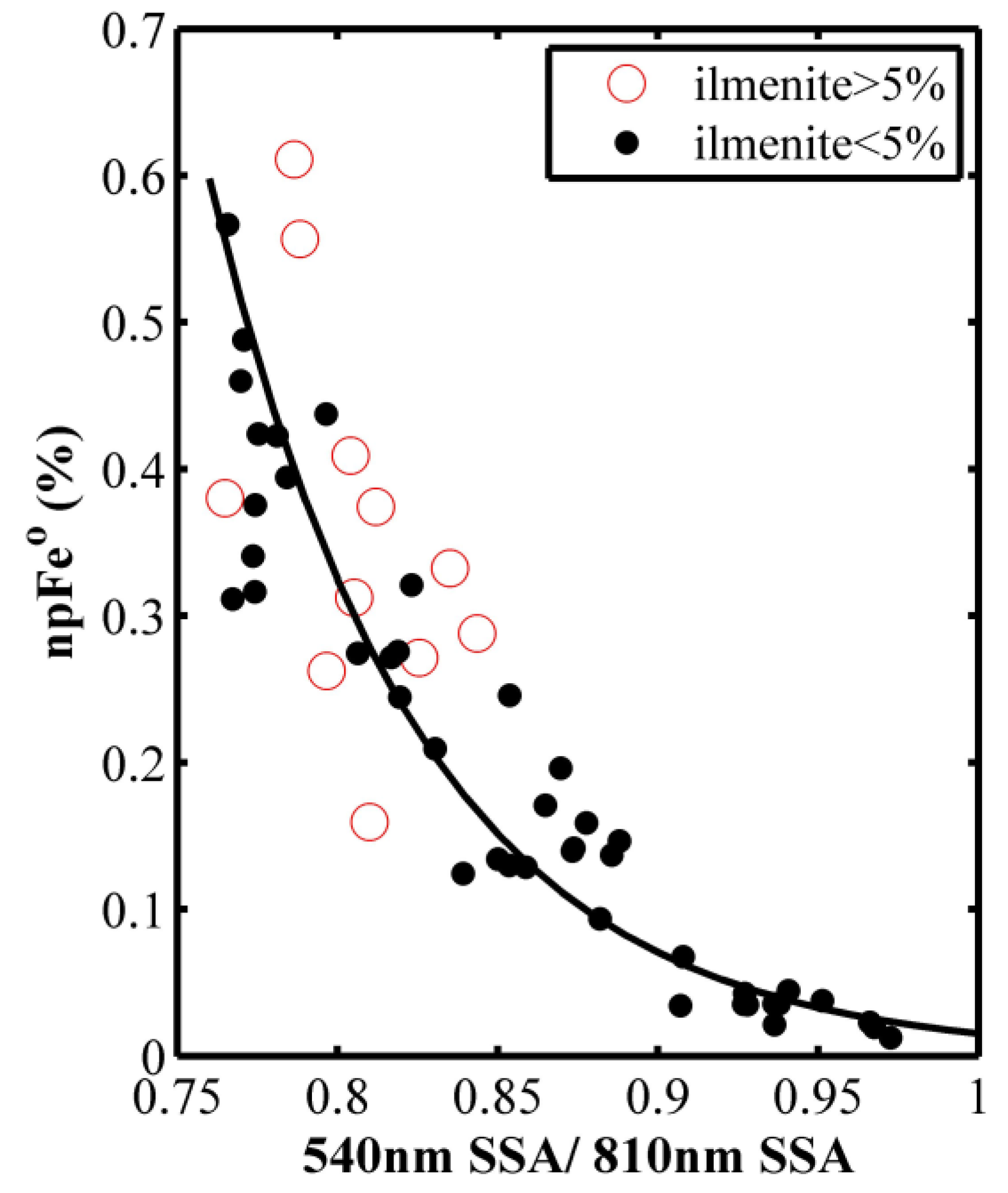
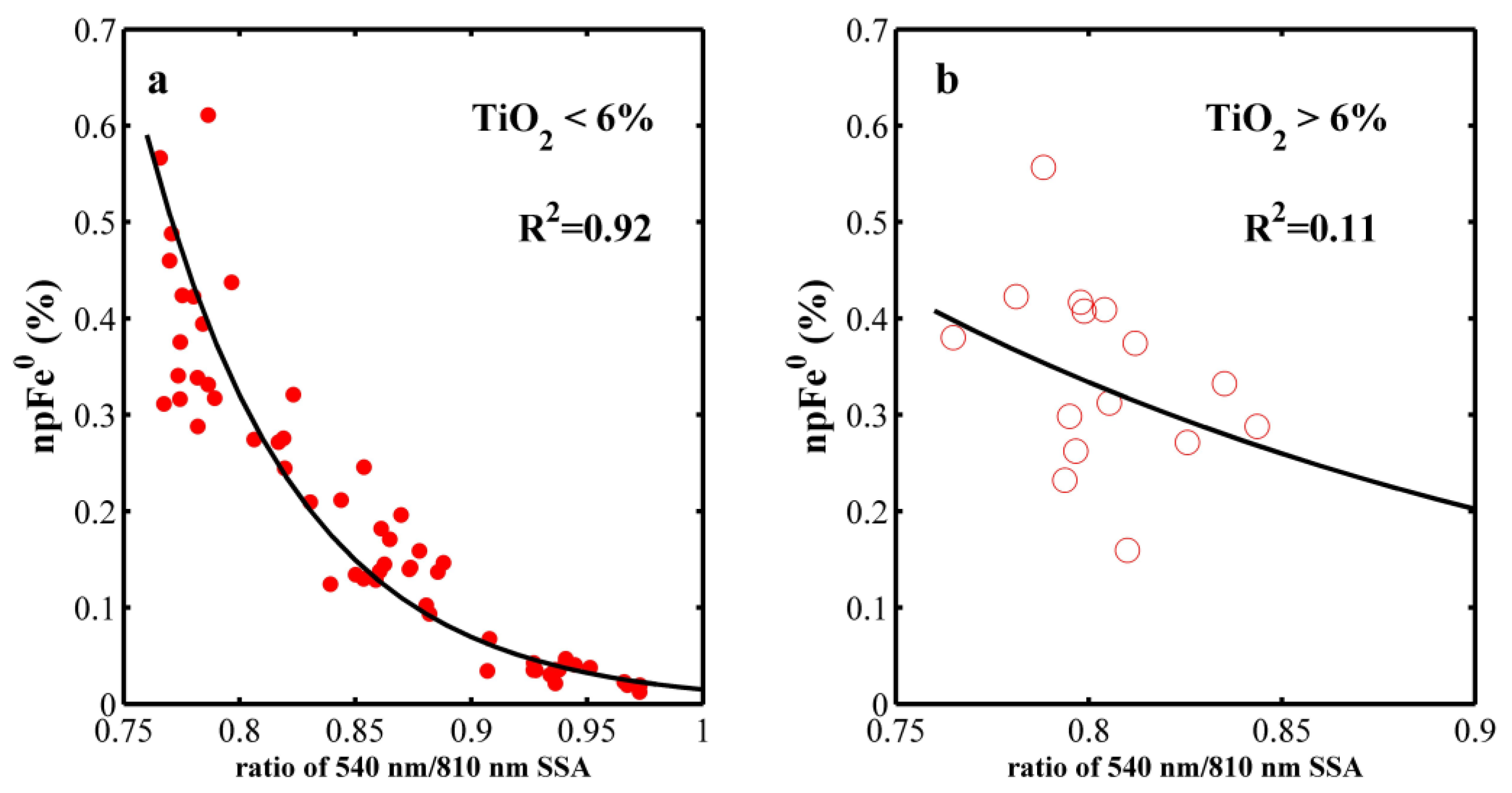
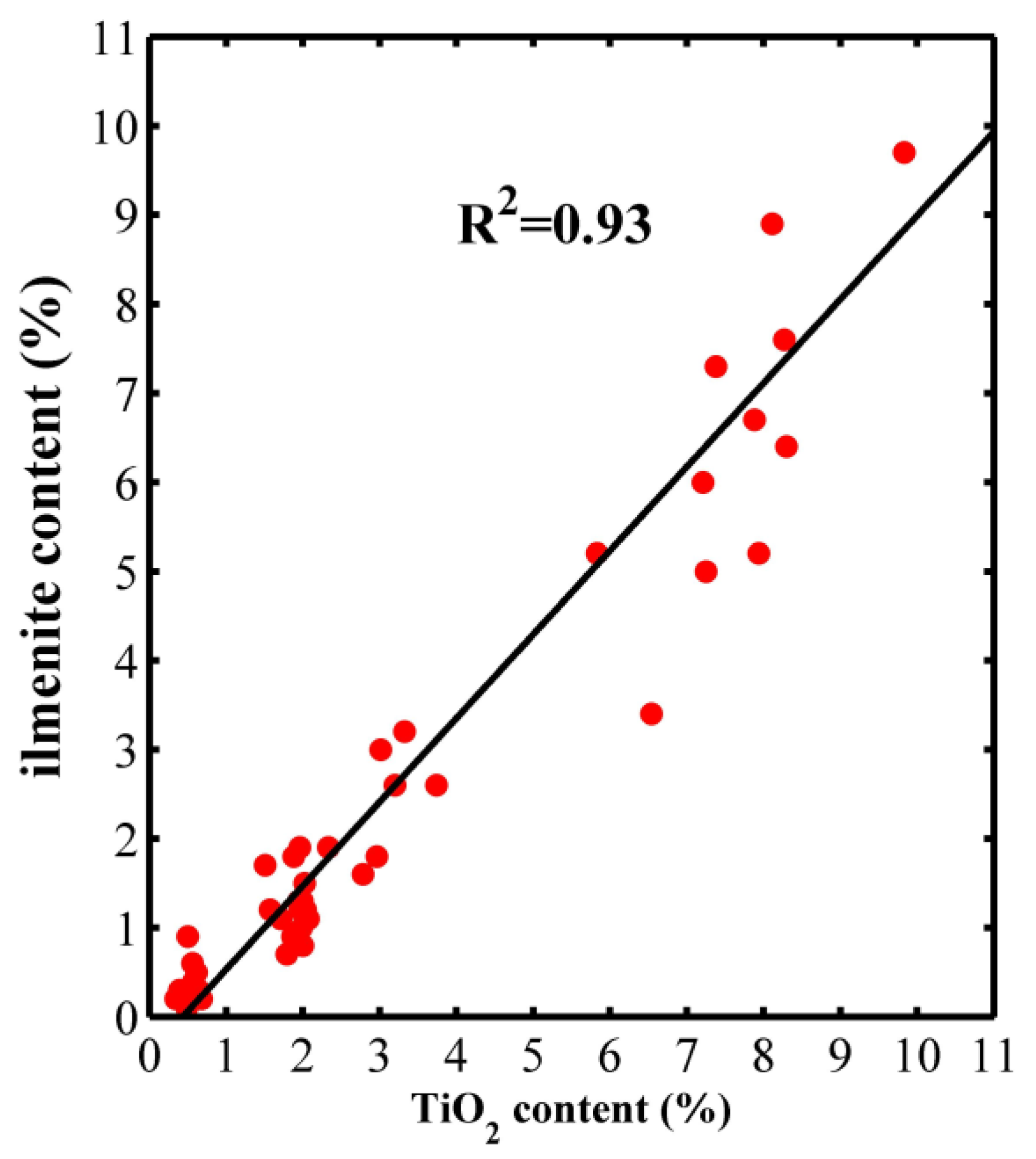
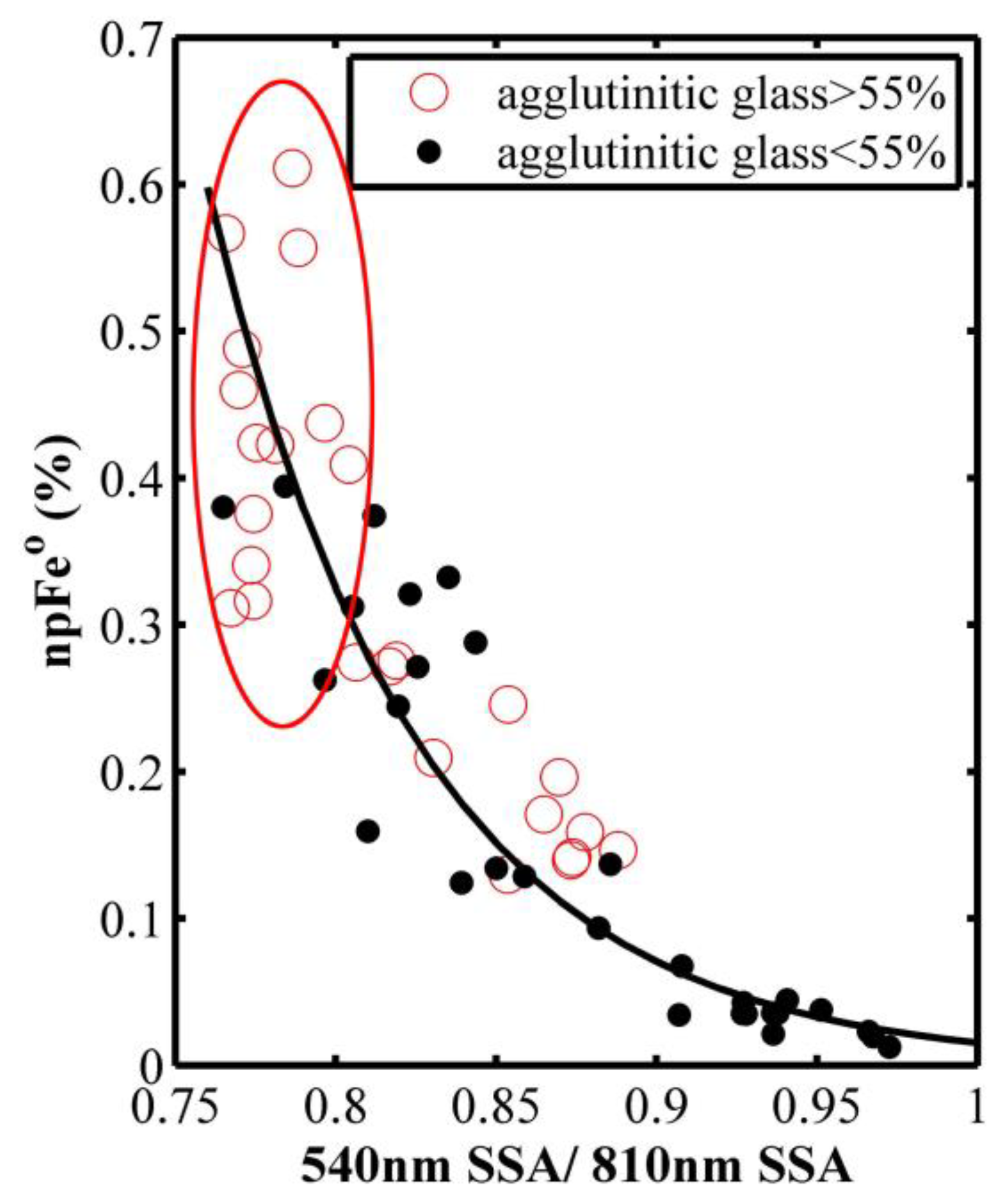
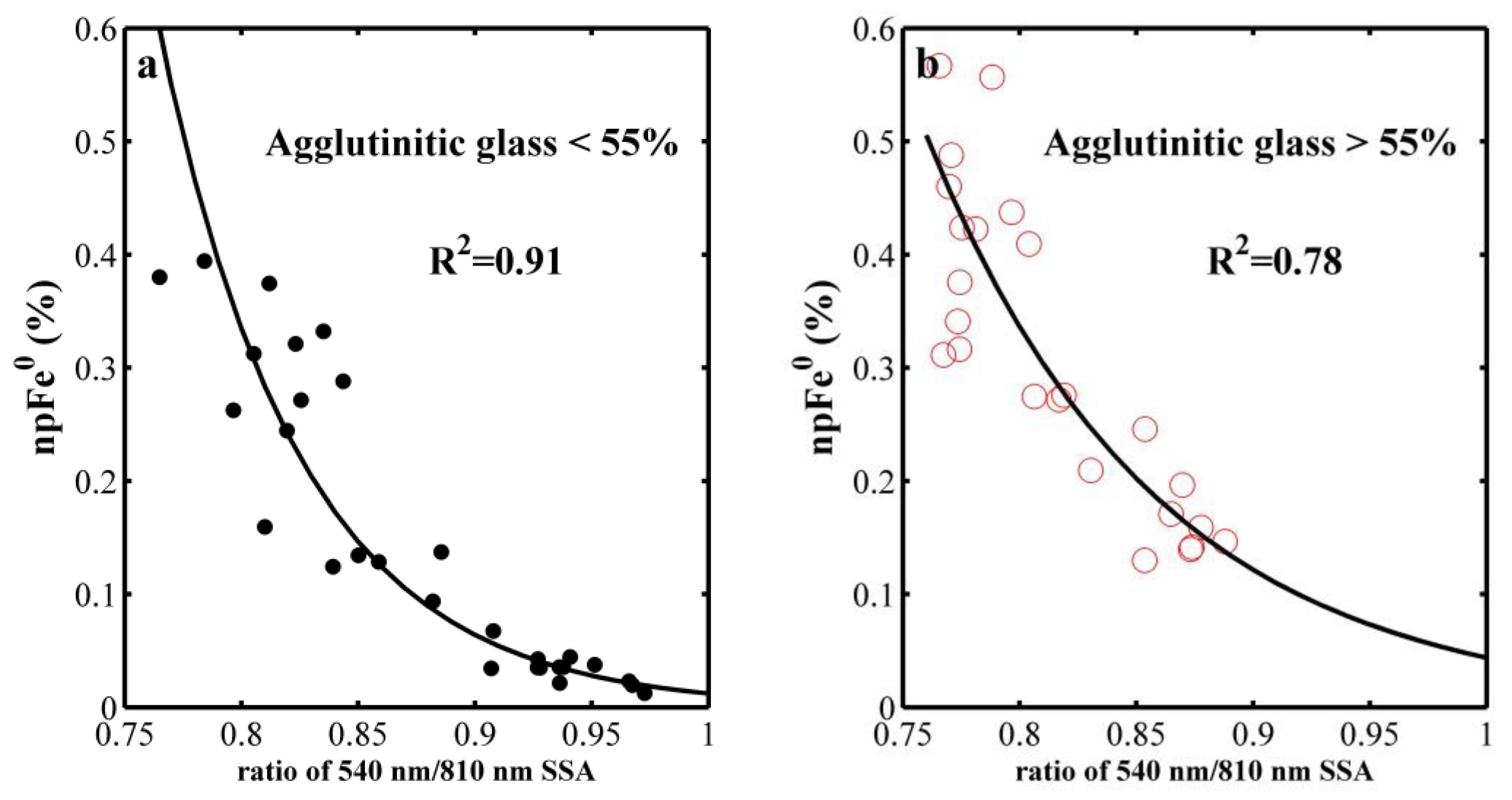
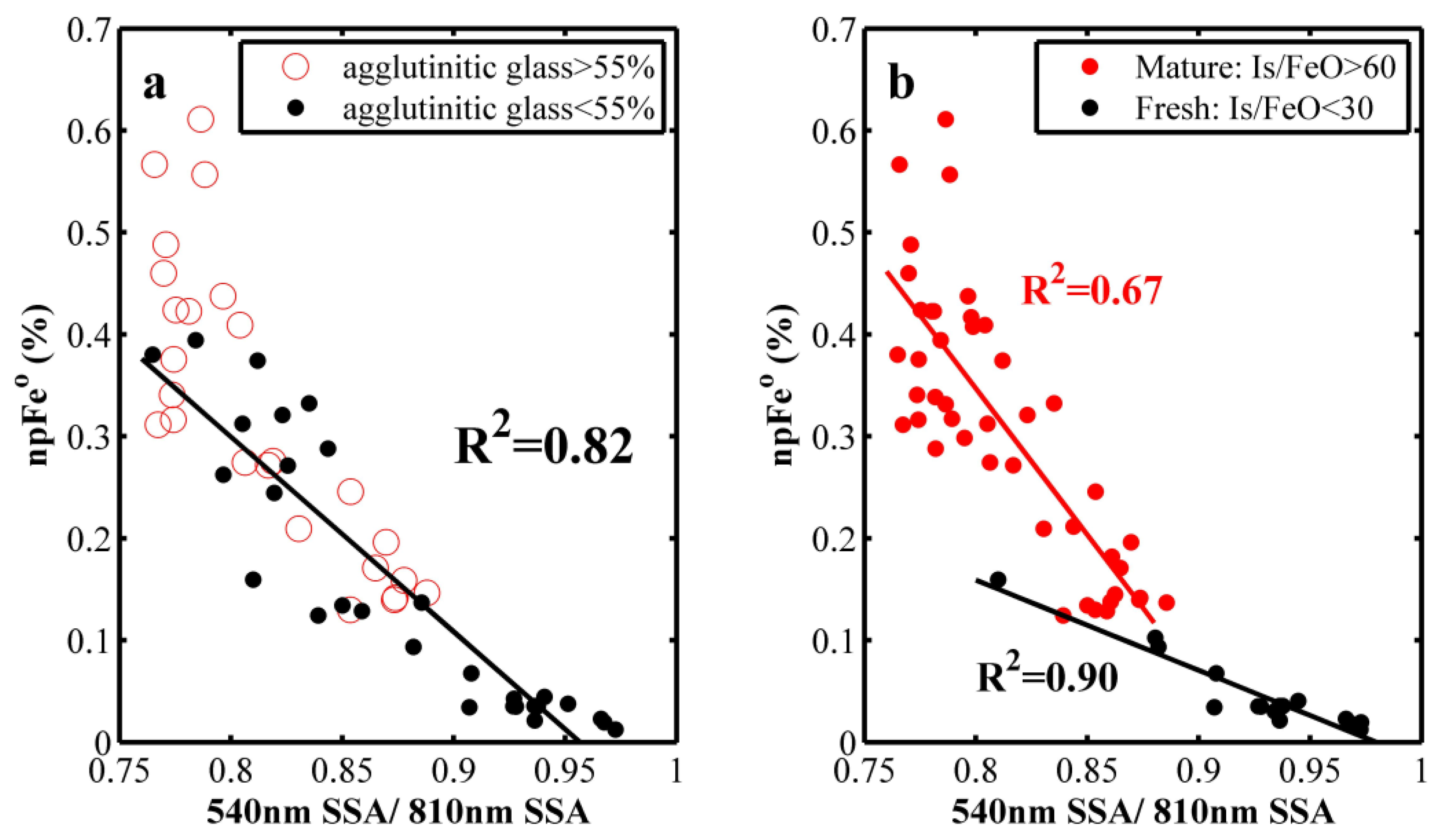
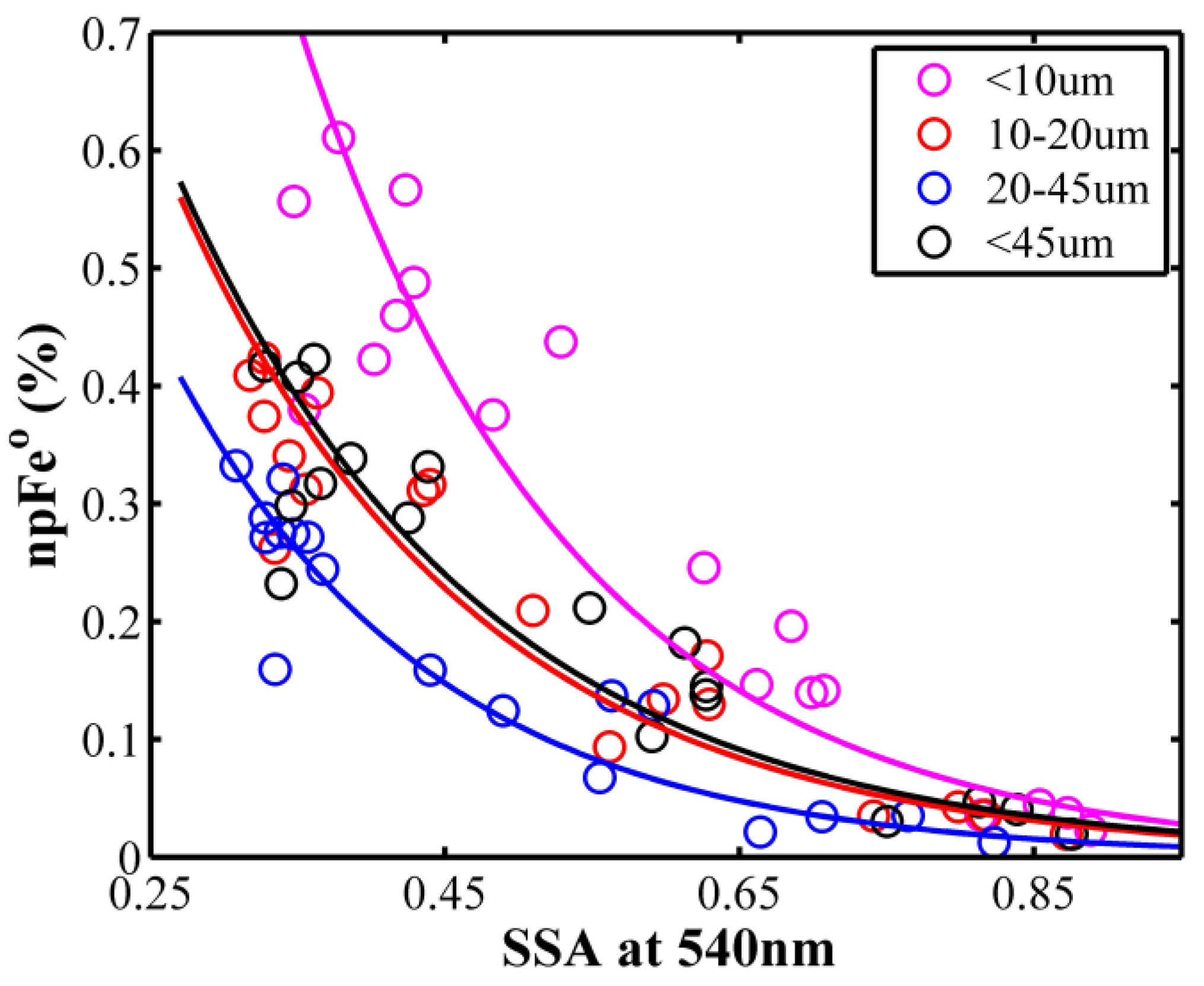
Lunar soils gradually become mature when they are exposed to a space environment, and nanophase metallic iron (npFe0) generates within them. npFe0 significantly changes the optical properties of lunar soils and affects the interpretation of the remotely sensed data of the lunar surface. In this study, a correlation analysis was conducted between npFe0 abundance and reflectance spectra at short wavelengths for lunar soil samples in four size groups based on their spectral and compositional data, collected by the Lunar Soil Characterization Consortium (LSCC). Results show that 540 nm single scattering albedo (SSA) of lunar soils correlates well with their corresponding npFe0 abundance for each size group of lunar soil samples. However, it is poorly correlated with npFe0 abundance when all size groups were considered because of the strong interference from grain size variation of lunar soils. To minimize the effect of grain size, the correlation of npFe0 abundance with the spectral ratio of 540 nm/810 nm SSA of all size groups for LSCC samples was calculated and results show that a higher correlation existed between them (R2 = 0.91). This ratio can serve as a simple empirical model for estimating npFe0 abundance in lunar soils. However, bias could be introduced to the estimation result when lunar soils possess a high content of agglutinitic glass and ilmenite. Our future work will focus on improving the model’s performance for these lunar soils.
Keywords: npFe0; single scattering albedo; lunar soil characterization consortium npFe0; single scattering albedo; lunar soil characterization consortium
Graphical Abstract