Article

Characteristics and Seasonal Variations of Cirrus Clouds from Polarization Lidar Observations at a 30°N Plain Site


1
School of Electronic and Information, Wuhan University, Wuhan 430072, China
2
Key Laboratory of Geospace Environment and Geodesy, Ministry of Education, Wuhan 430072, China
3
State Observatory for Atmospheric Remote Sensing, Wuhan 430072, China
*
Author to whom correspondence should be addressed.
Remote Sens. 2020, 12(23), 3998; https://doi.org/10.3390/rs12233998
Submission received: 2 November 2020 / Revised: 30 November 2020 / Accepted: 3 December 2020 / Published: 6 December 2020
(This article belongs to the Section Atmospheric Remote Sensing)

Abstract

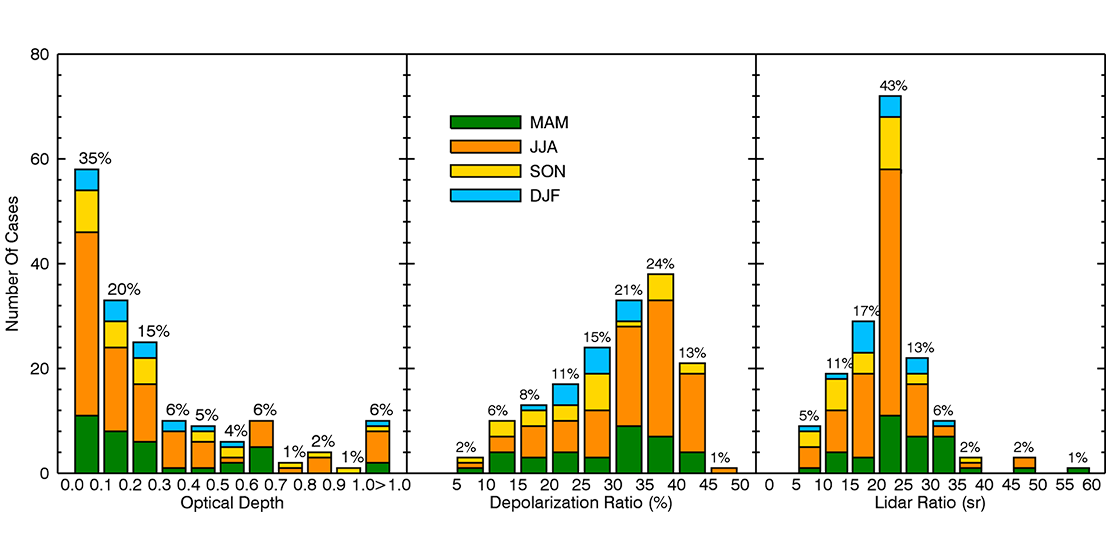
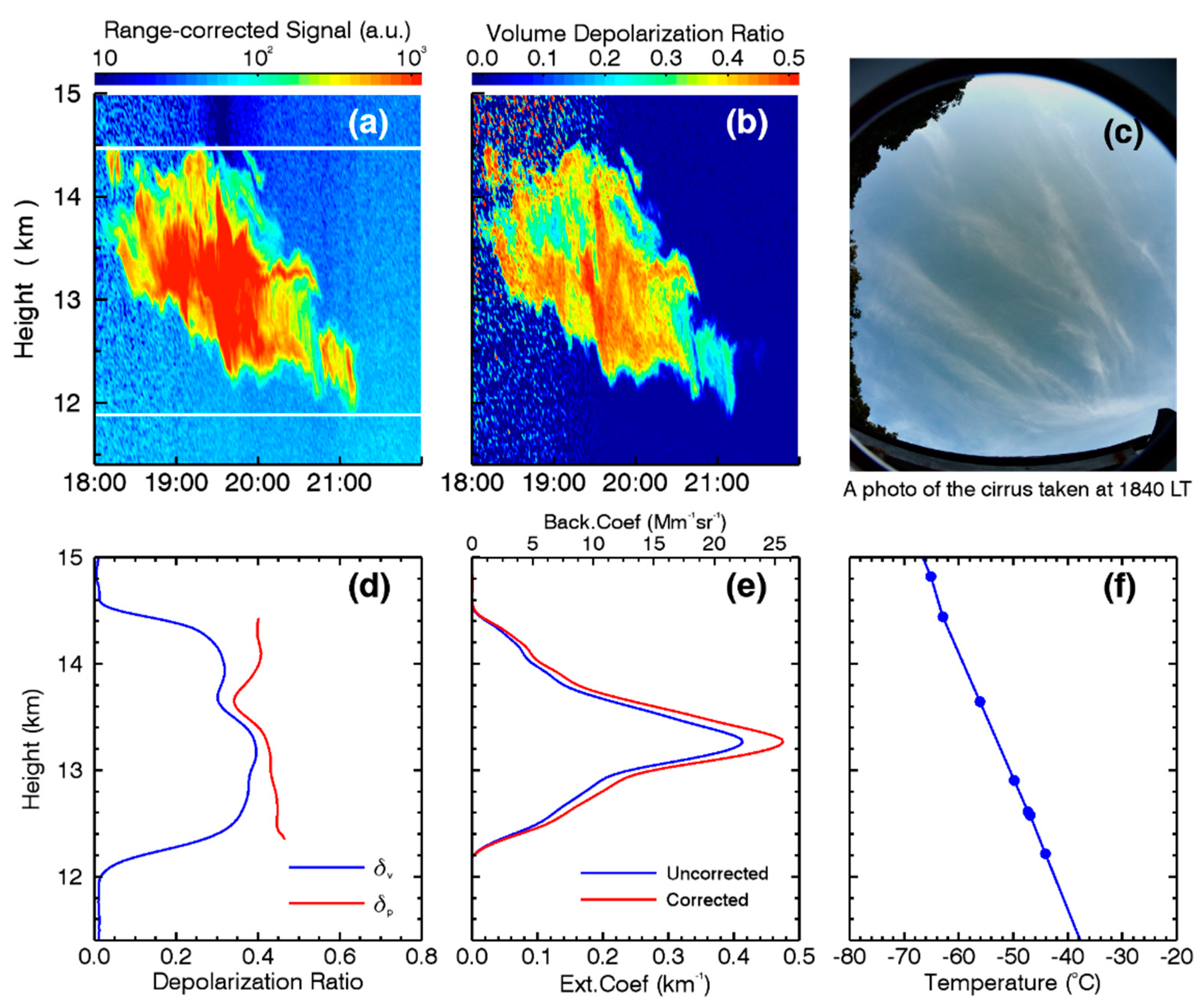
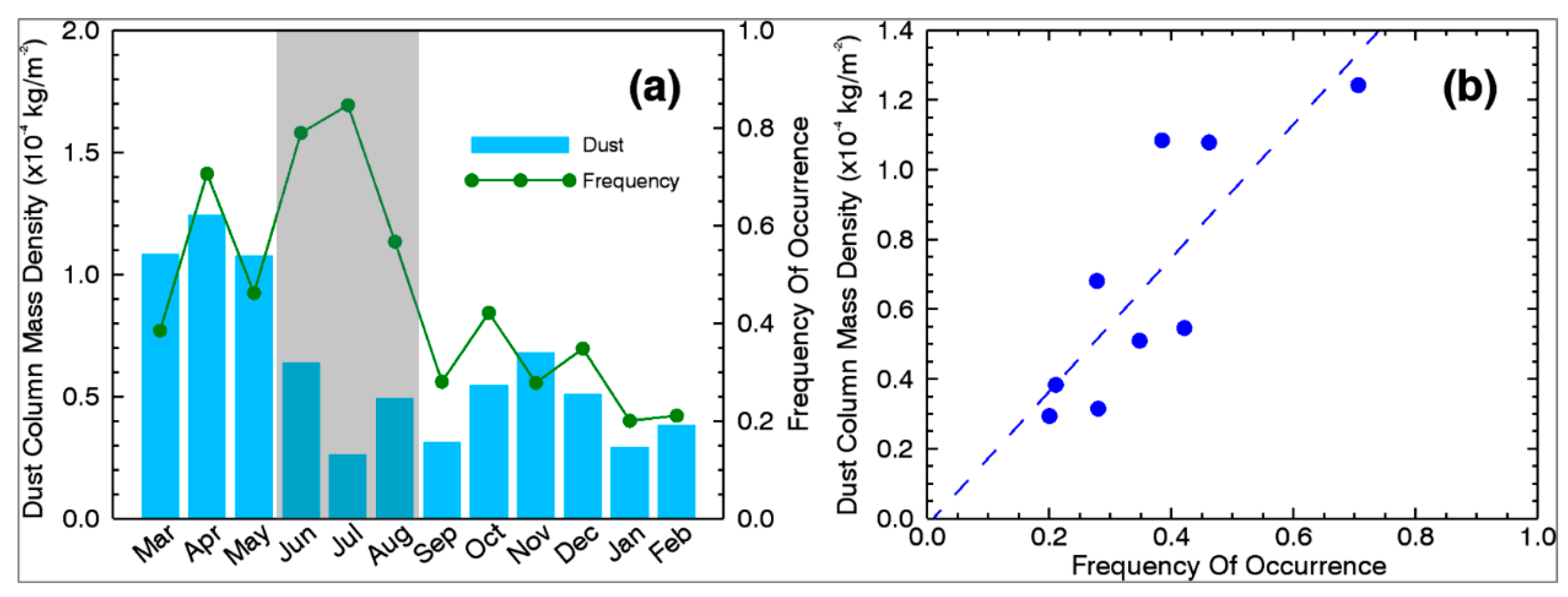
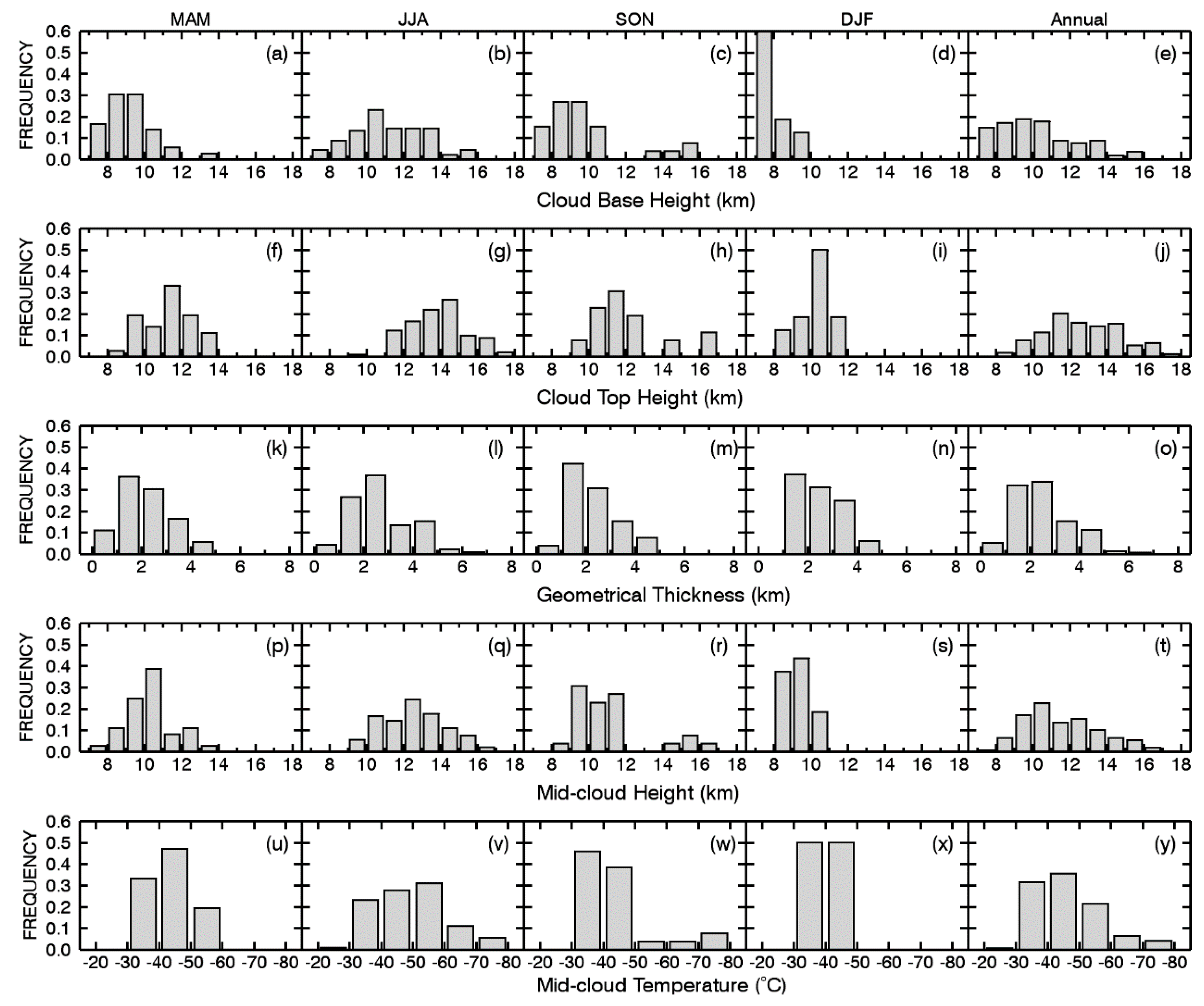
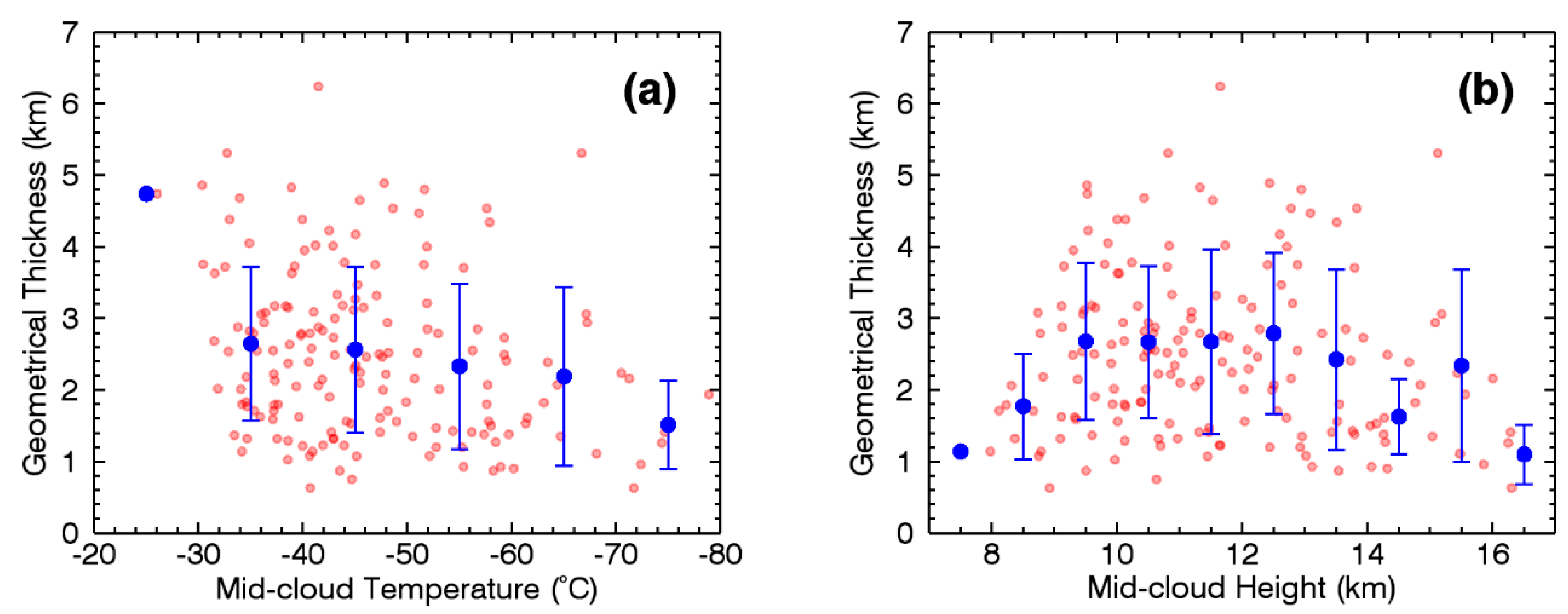
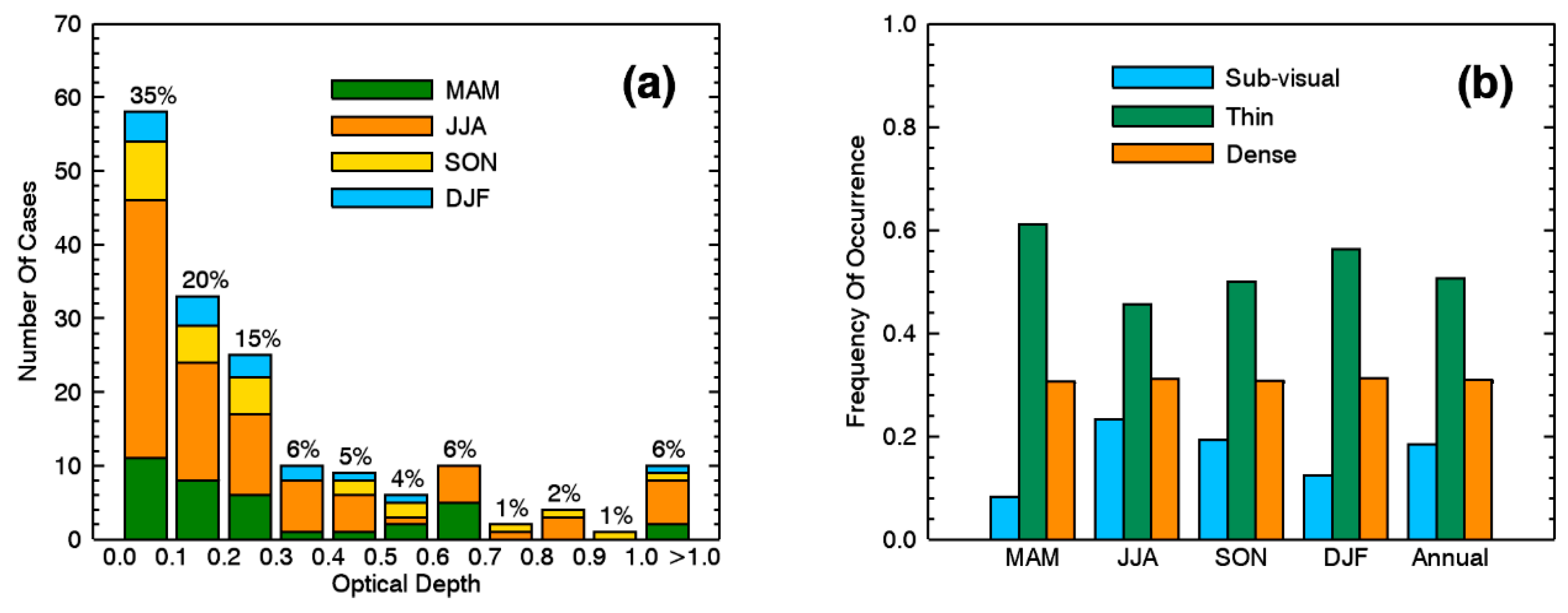
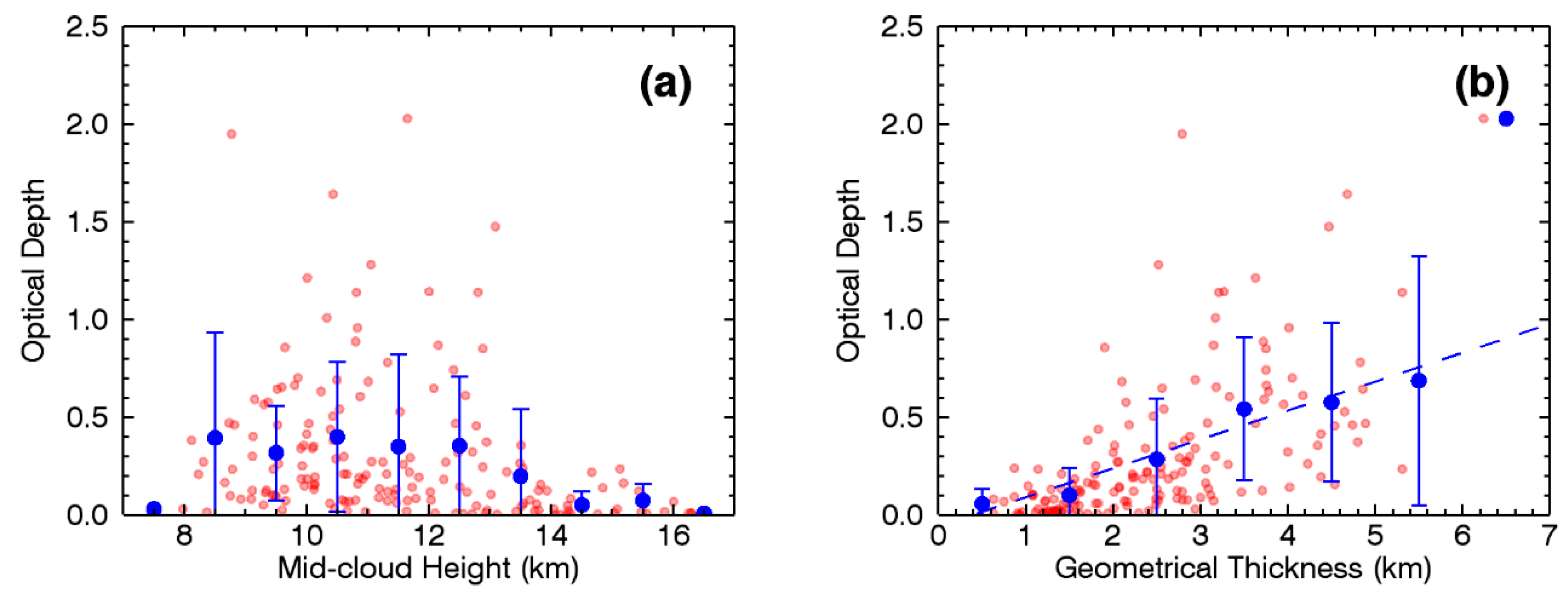
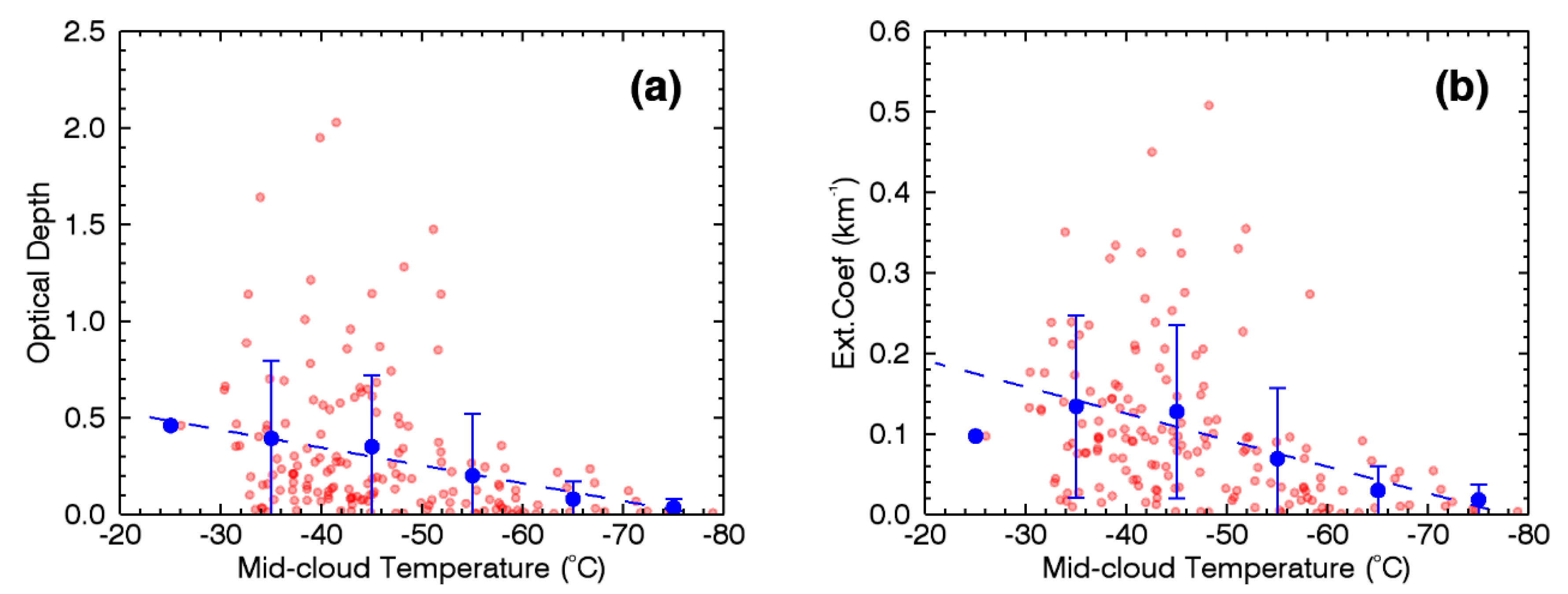
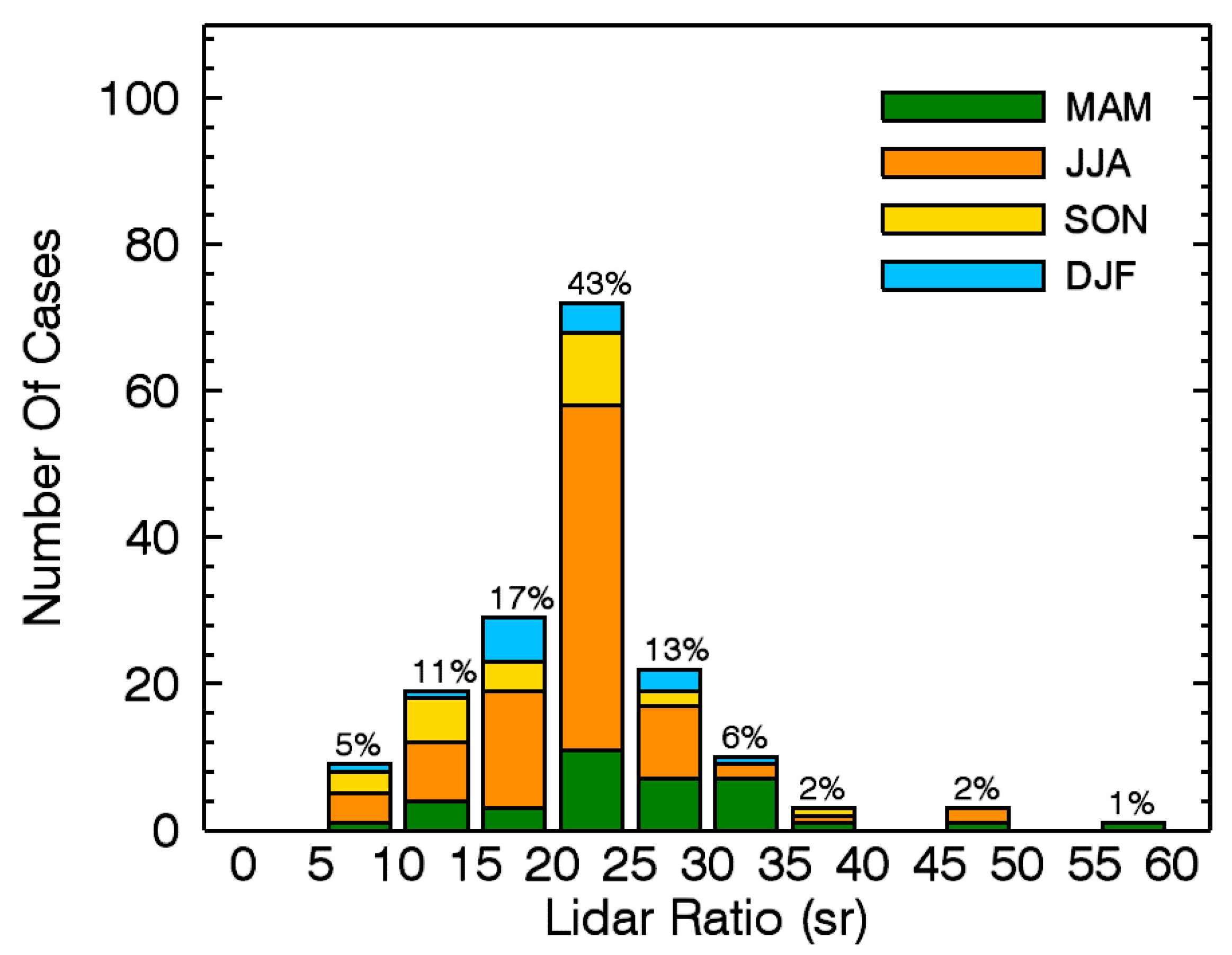
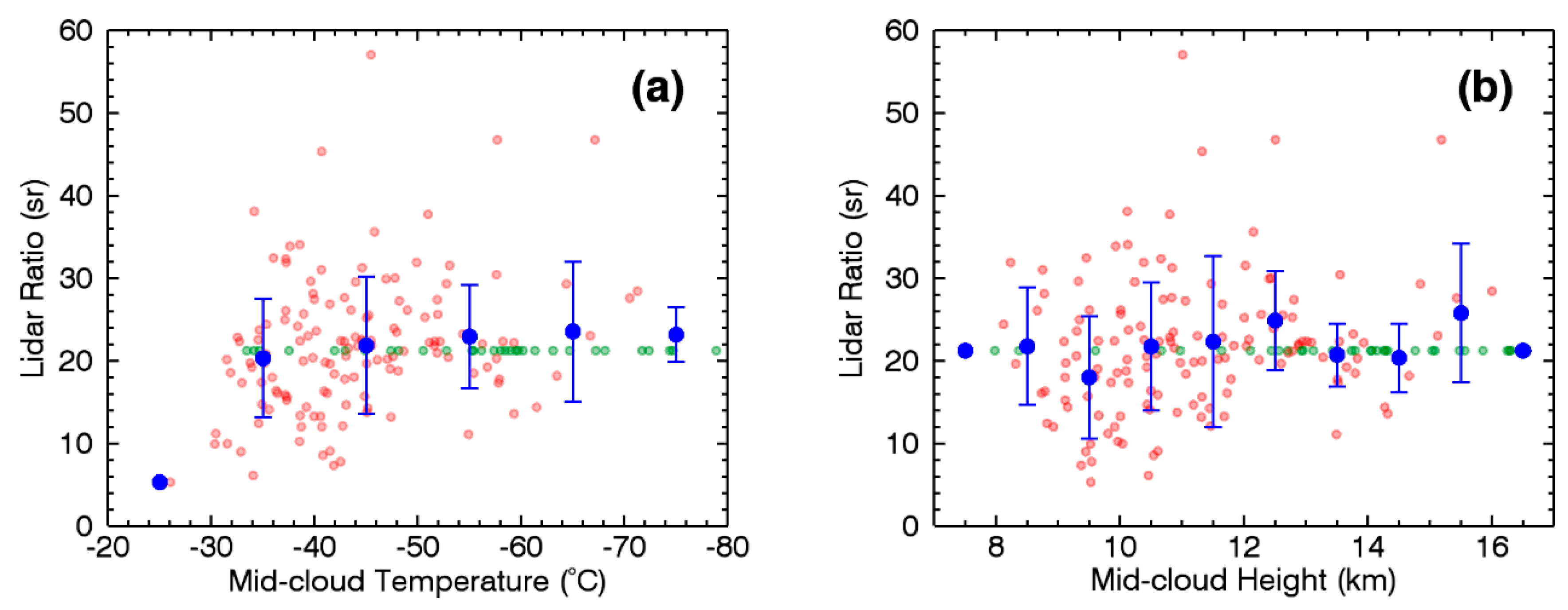
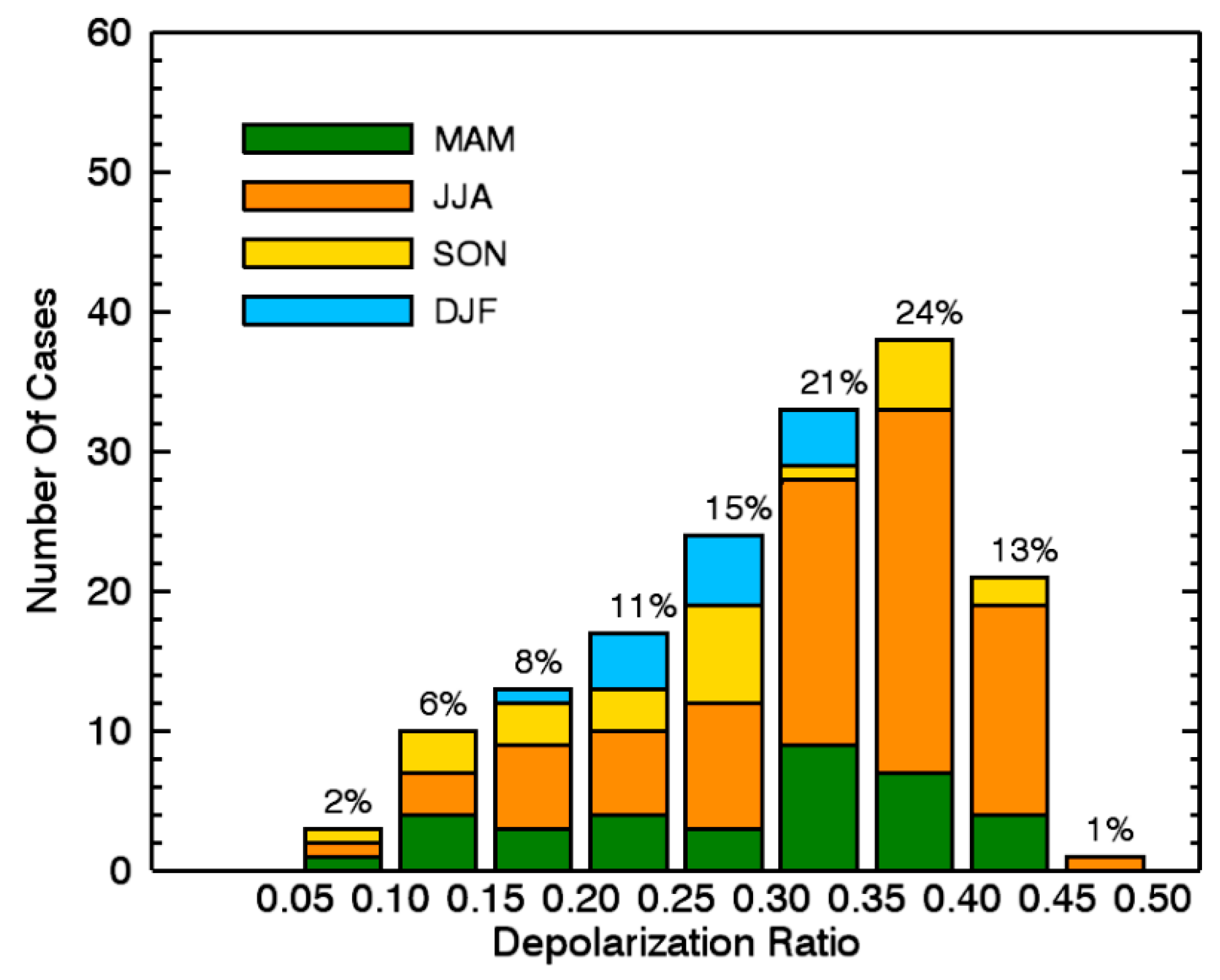
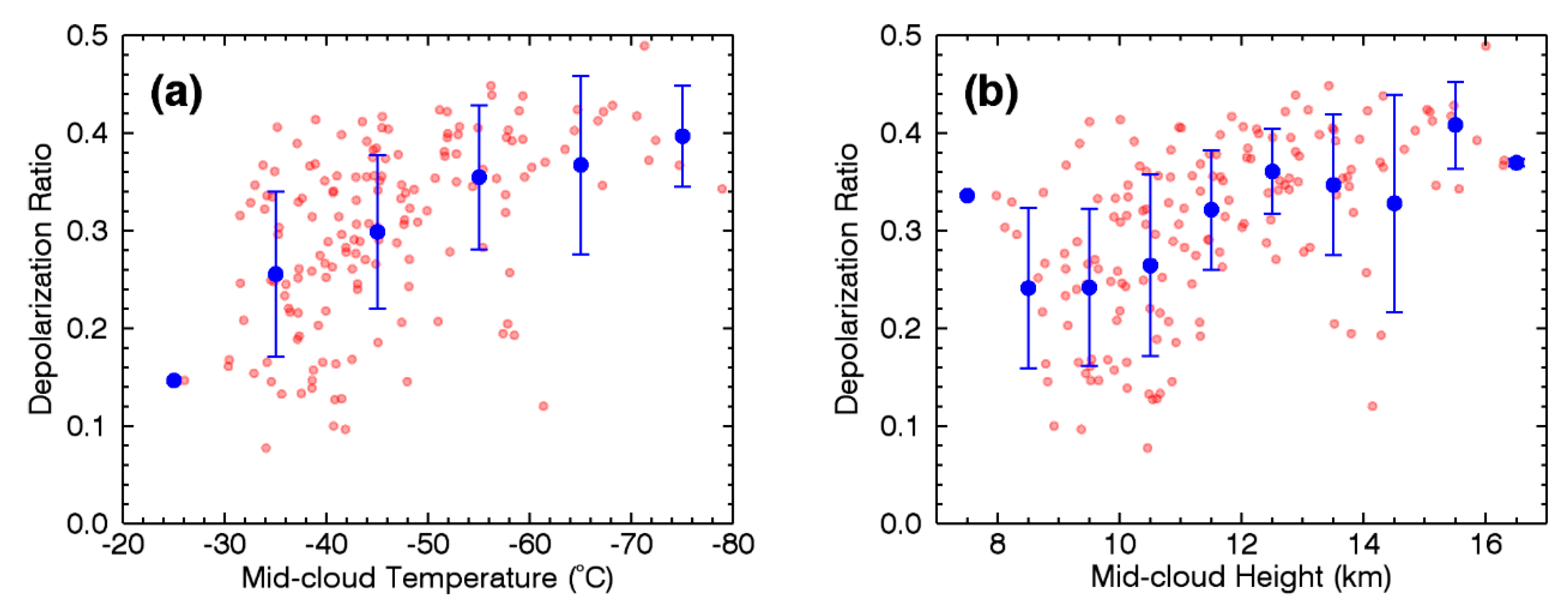
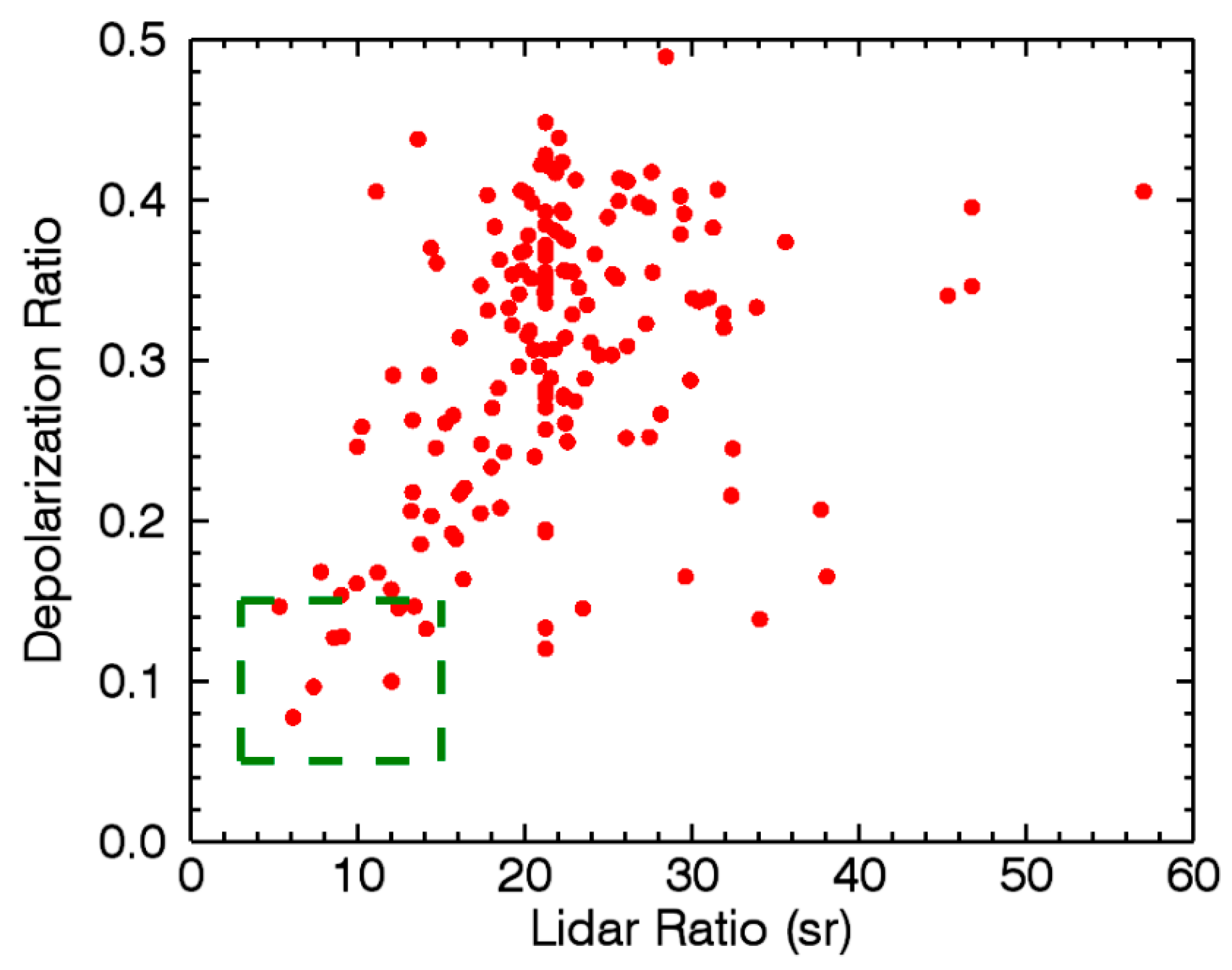
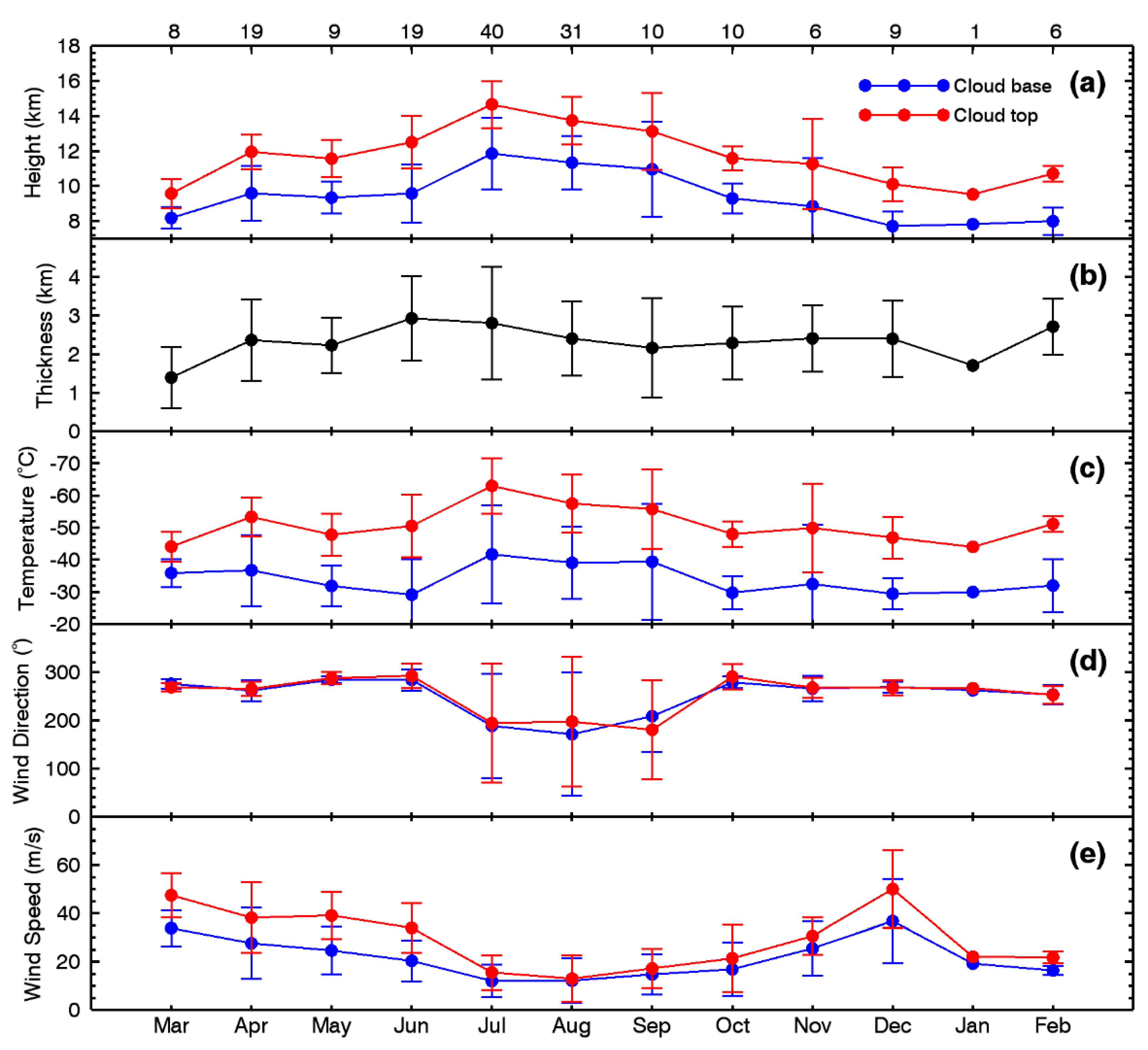
Geometrical and optical characteristics of cirrus clouds were studied based on one year of polarization lidar measurements (3969 h on 228 different days between March 2019 and February 2020) at Wuhan (30.5°N, 114.4°E), China. The cirrus clouds showed an overall occurrence frequency of ~48% and occurrence mid-cloud altitude of ~8–16 km over the 30°N plain site. The mean values of their mid-cloud height and temperature were 11.5 ± 2.0 km and −46.5 ± 10.7 ℃, respectively. The cirrus geometrical thickness tended to decrease with decreasing mid-cloud temperature, with a mean value of 2.5 ± 1.1 km. With the decrease of mid-cloud temperature, the cirrus optical depth (COD) tended to decrease, but the depolarization ratio tended to increase. On average, the COD, lidar ratio, and particle depolarization ratio were respectively 0.30 ± 0.36, 21.6 ± 7.5 sr, and 0.30 ± 0.09 after multiple scattering correction. Out of a total of the observed cirrus events, sub-visual, thin, and dense cirrus clouds accounted for 18%, 51%, and 31%, respectively. The cirrus clouds showed seasonal variations with cloud altitude maximizing in a slightly-shifted summertime (July to September) where the southwesterly wind prevailed and minimizing in winter months. Seasonally-averaged lidar ratio and depolarization ratio showed maximum values in spring and summer, respectively. Furthermore, a positive correlation between the cirrus occurrence frequency and dust column mass density was found in other seasons except for summer, suggesting a heterogeneous ice formation therein. The cirrus cloud characteristics over the lidar site were compared with those observed at low and mid latitudes.
Keywords: polarization lidar; cirrus cloud; cirrus optical properties polarization lidar; cirrus cloud; cirrus optical properties
Graphical Abstract