Article

Comparison of the Sentinel-3A and B SLSTR Tandem Phase Data Using Metrological Principles


1
National Physical Laboratory, Teddington TW11 0LW, UK
2
Department of Meteorology, University of Reading, Reading RG6 6ET, UK
3
RAL Space, Didcot OX11 0QX, UK
4
Department of Physics, University of Bath, Bath BA2 7AY, UK
5
European Space Agency, 2201 AZ Noordwijk, The Netherlands
*
Author to whom correspondence should be addressed.
Remote Sens. 2020, 12(18), 2893; https://doi.org/10.3390/rs12182893
Submission received: 26 June 2020 / Revised: 27 August 2020 / Accepted: 2 September 2020 / Published: 7 September 2020

Abstract

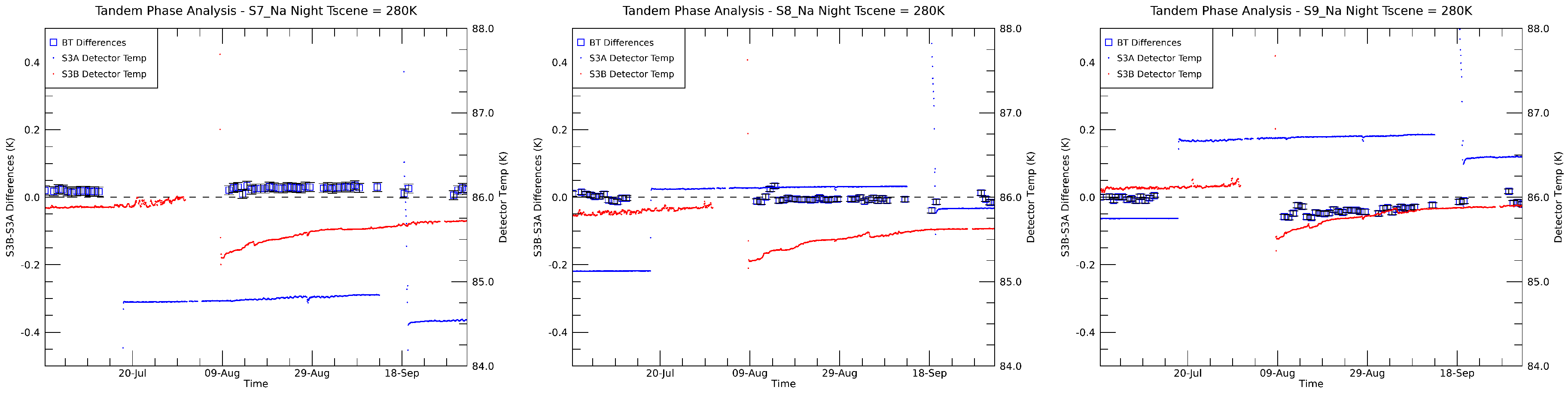
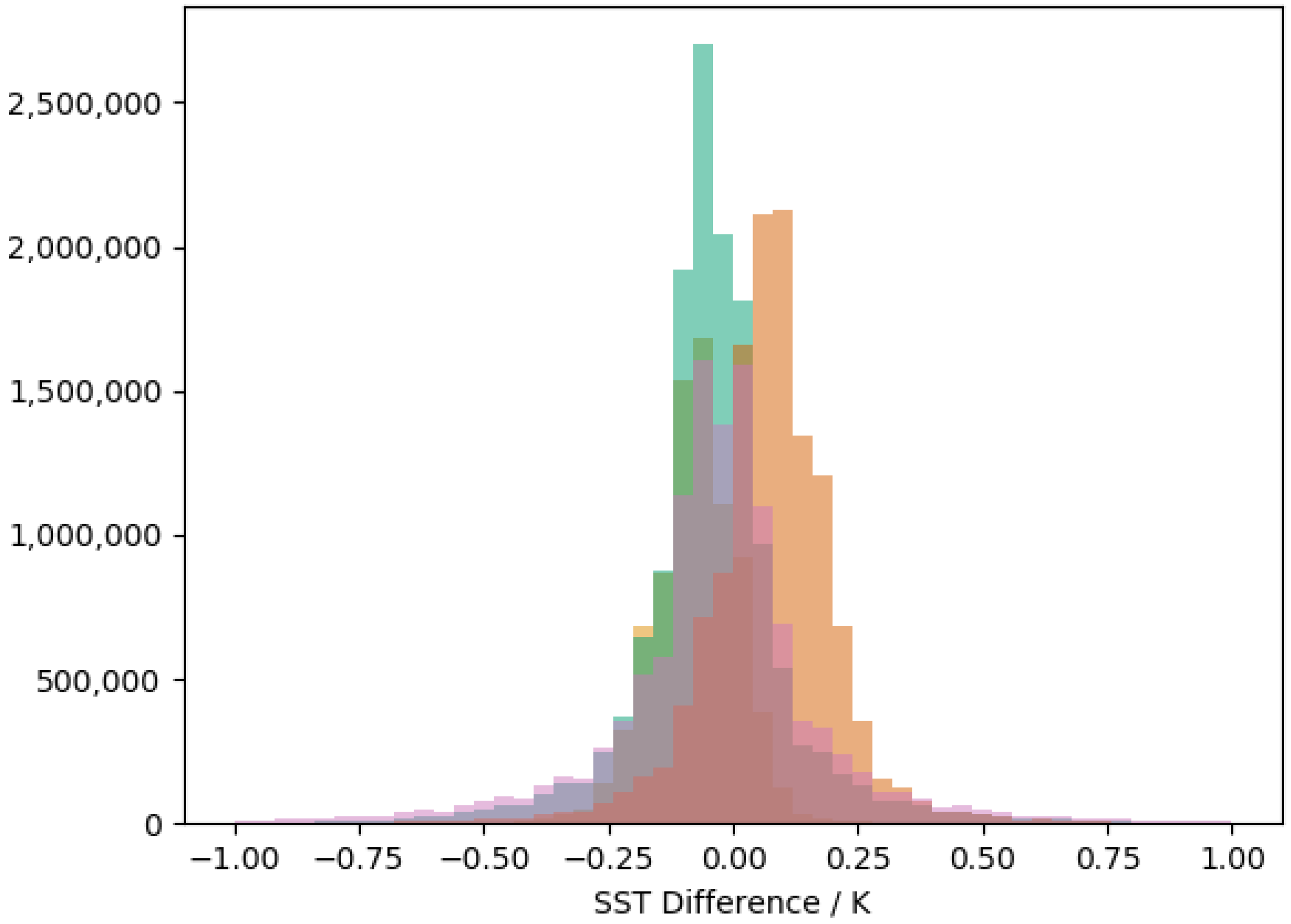
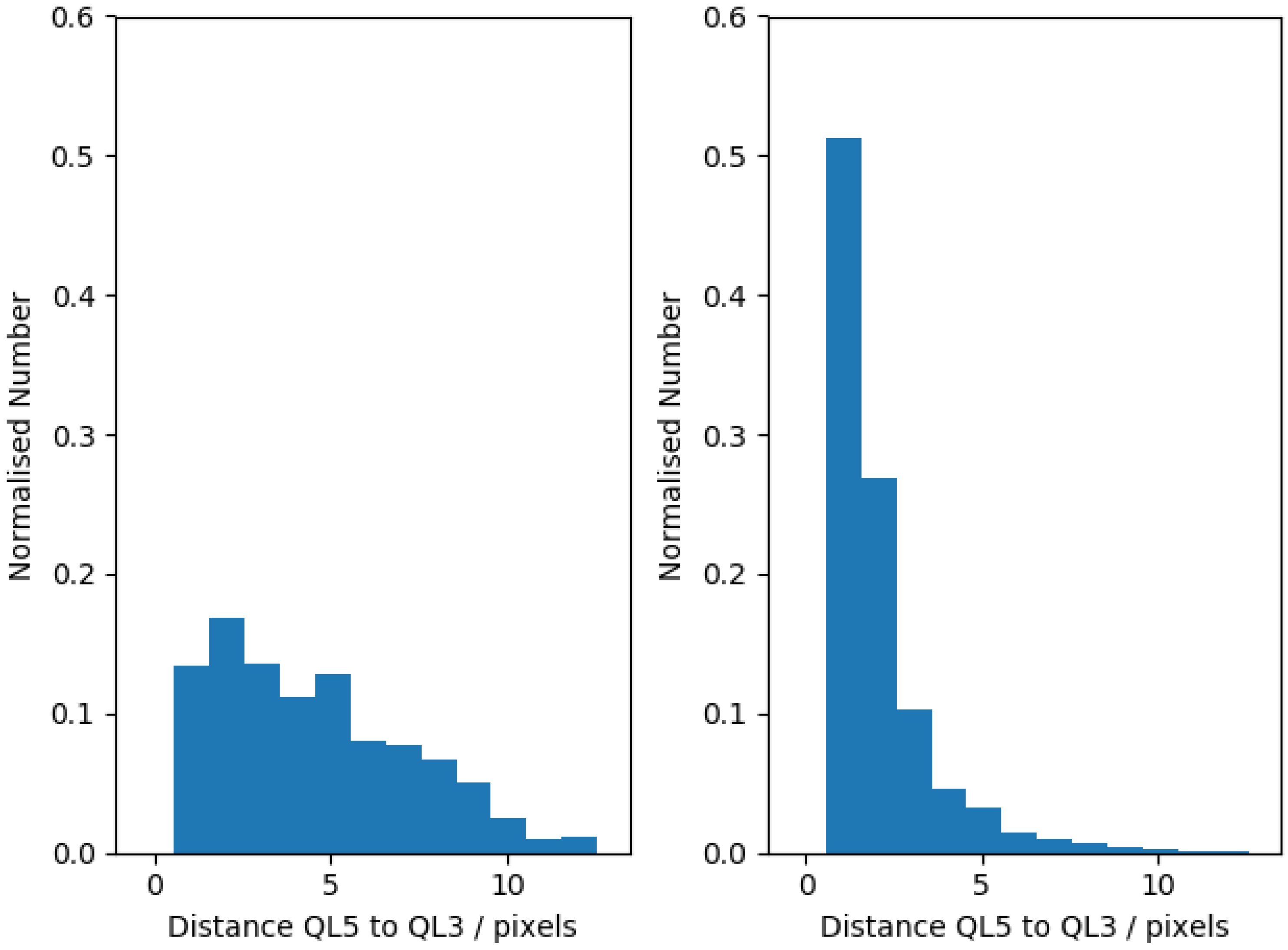
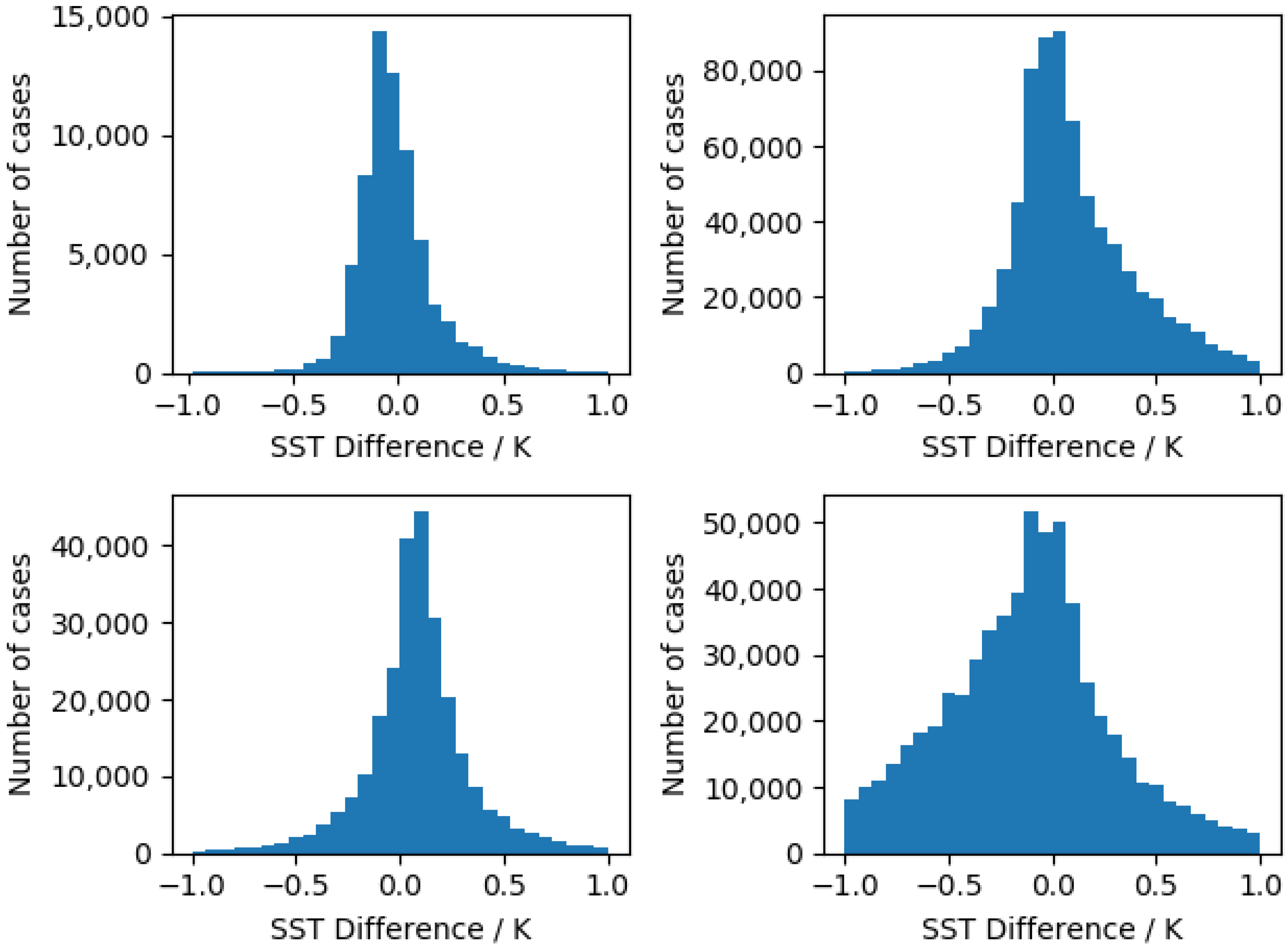
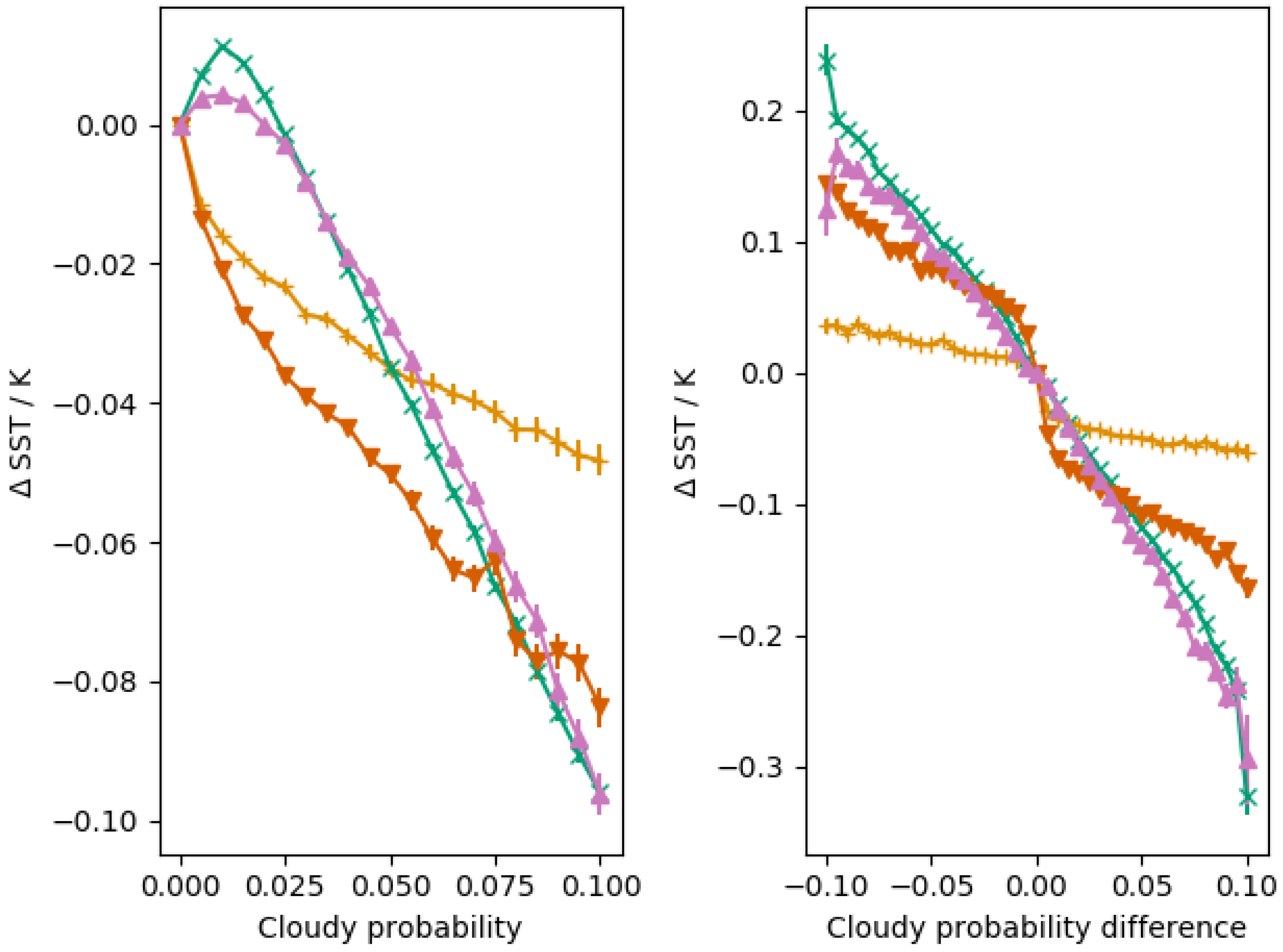
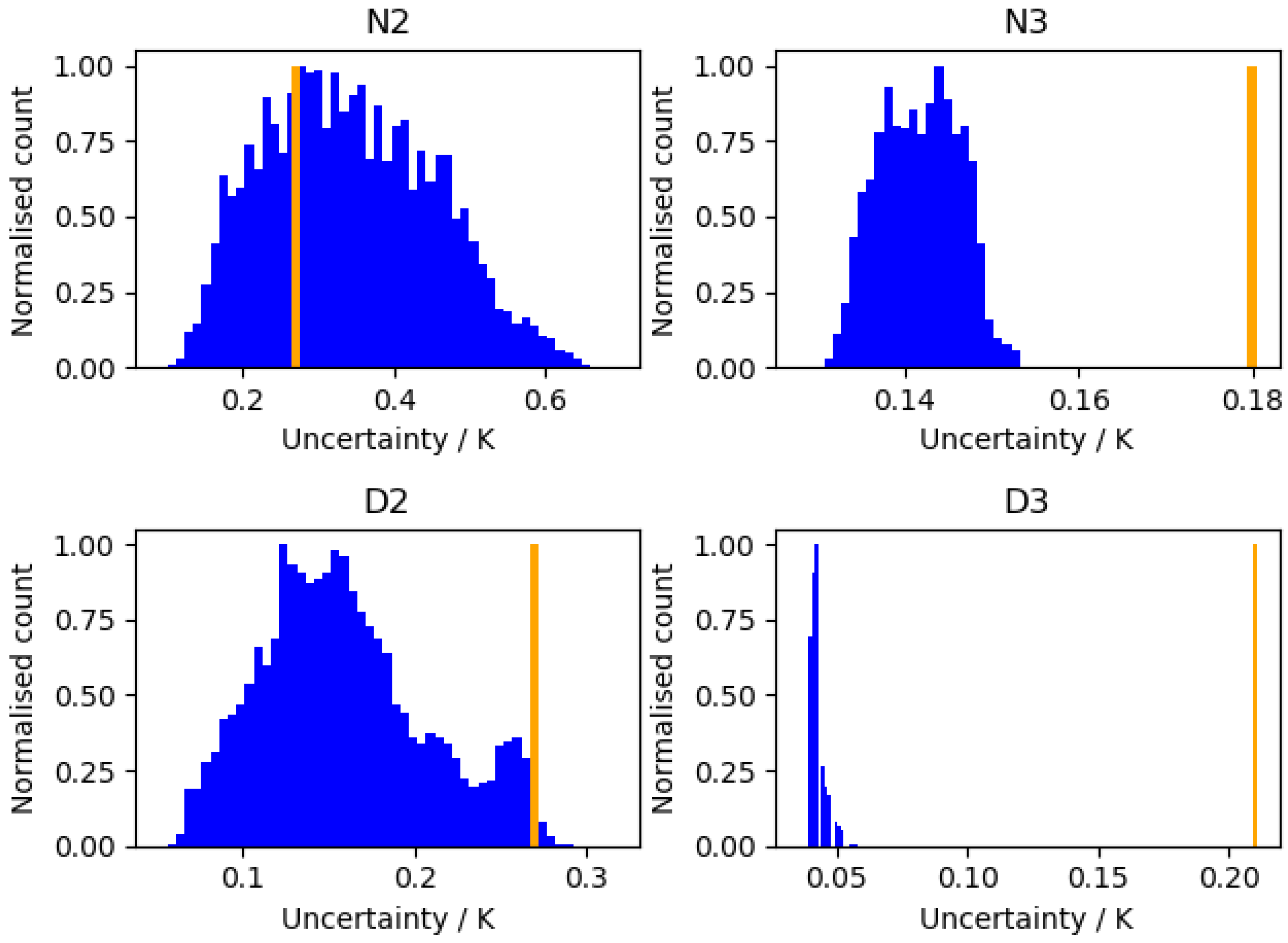
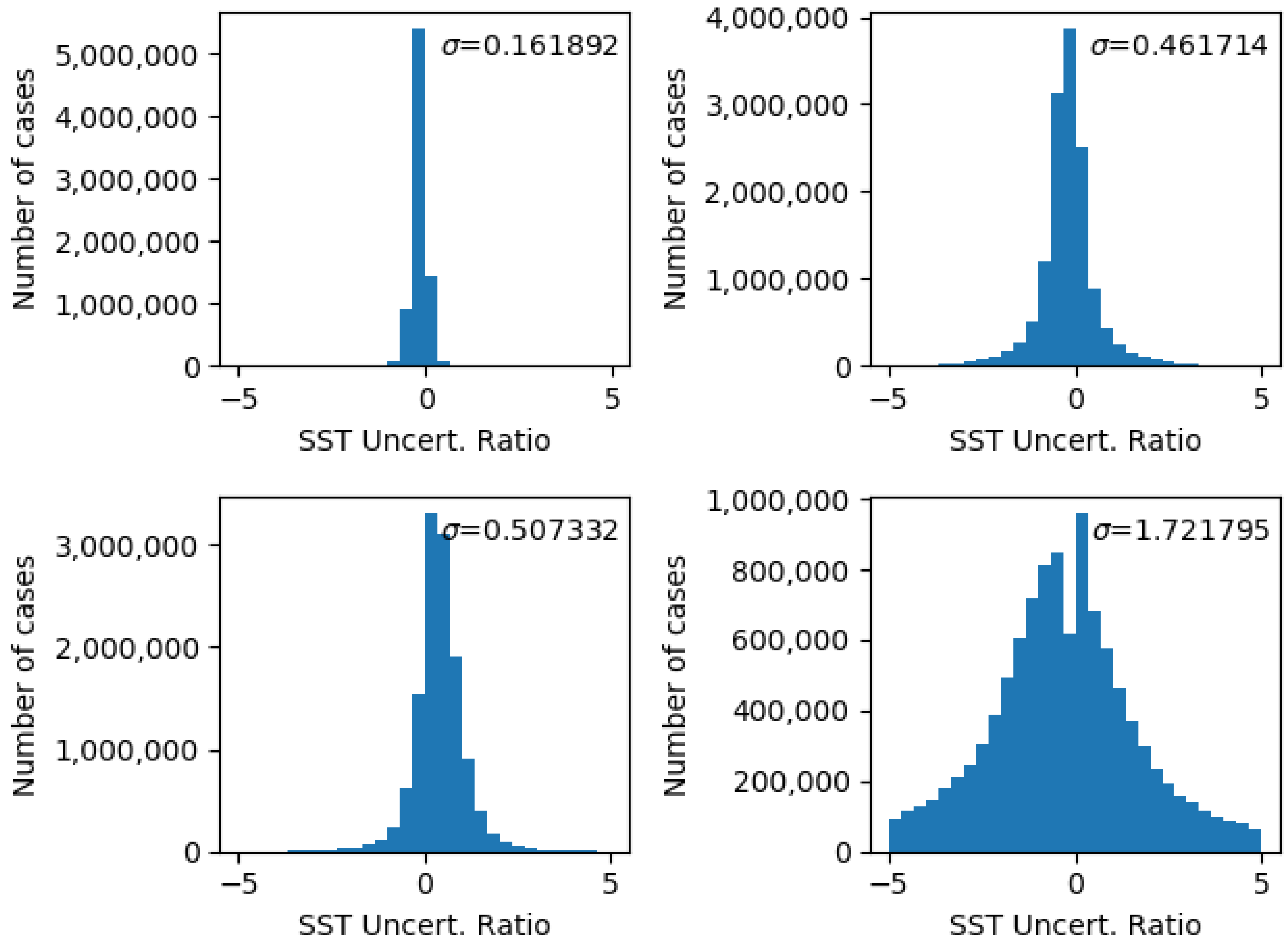
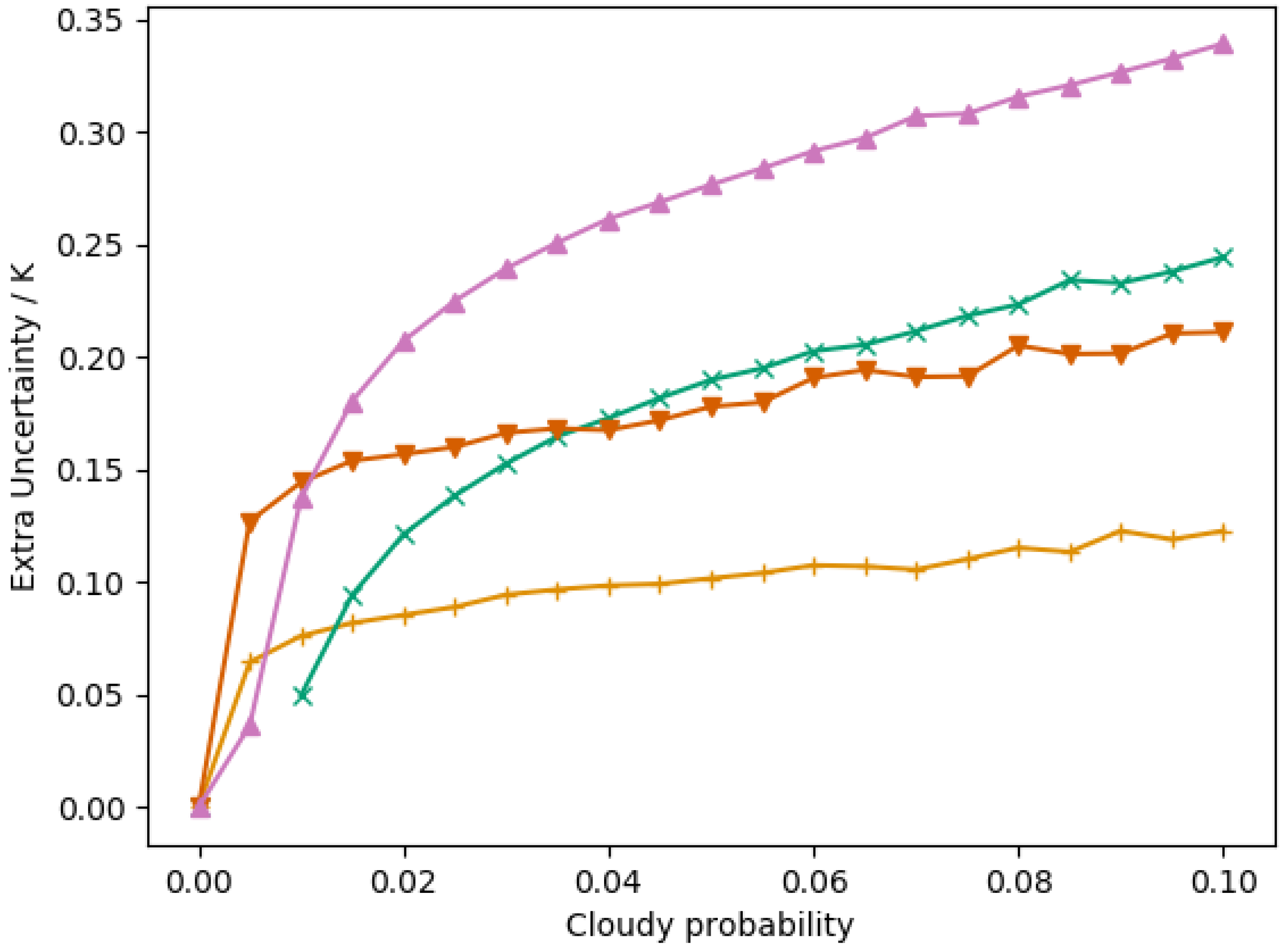
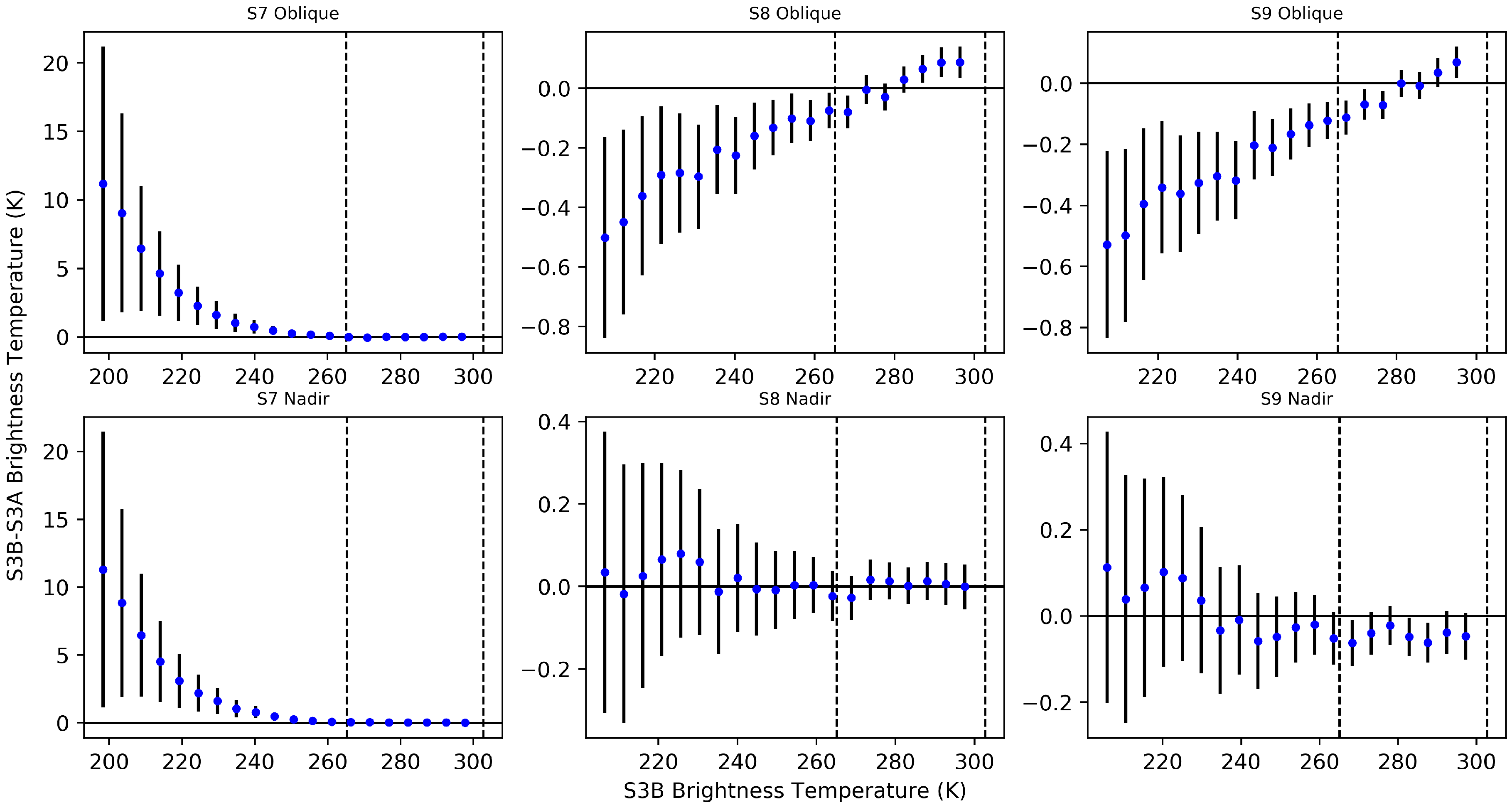
The Sentinel-3 mission is part of the Copernicus programme space segment and has the objective of making global operational observations of ocean, land and atmospheric parameters with its four on-board sensors. Two Sentinel-3 satellites are currently on orbit, providing near-daily global coverage. Sentinel-3A was launched on 16 February 2016 and Sentinel-3B on 25 April 2018. For the early part of its operation, Sentinel-3B flew in tandem with Sentinel-3A, flying 30 s ahead of its twin mission. This provided a unique opportunity to compare the instruments on the two satellites, and to test the per pixel uncertainty values in a metrologically-robust manner. In this work, we consider the tandem-phase data from the infrared channels of one of the on-board instruments: the Sea and Land Surface Temperature Radiometer, SLSTR. A direct comparison was made of both the Level 1 radiance values and the Level 2 sea surface temperature values derived from those radiances. At Level 1, the distribution of differences between the sensor values were compared to the declared uncertainties for data gridded on to a regular latitude-longitude grid with propagated pixel uncertainties. The results showed good overall radiometric agreement between the two sensors, with mean differences of ∼0.06 K, although there was a scene-temperature dependent difference for the oblique view that was consistent with what was expected from a stray light effect observed pre-flight. We propose a means to correct for this effect based on the tandem data. Level 1 uncertainties were found to be representative of the variance of the data, expect in those channels affected by the stray light effect. The sea surface temperature results show a very small difference between the sensors that could be in part due to the fact that the Sentinel-3A retrieval coefficients were also applied to the Sentinel-3B retrieval because the Sentinel-3B coefficients are not currently available. This will lead to small errors between the S3A and S3B retrievals. The comparison also suggests that the retrieval uncertainties may need updating for two of the retrieval processes that there are extra components of uncertainty related the quality level and the probability of cloud that should be included. Finally, a study of the quality flags assigned to sea surface temperature pixel values provided valuable insight into the origin of those quality levels and highlighted possible uncertainties in the defined quality level.
Keywords: Sentinel-3; sea and land surface temperature radiometer (SLSTR); tandem phase; earth observation metrology; calibration; validation Sentinel-3; sea and land surface temperature radiometer (SLSTR); tandem phase; earth observation metrology; calibration; validation