1. Introduction
The rapidly growing sharing economy over the past decade has taken center stage in urban studies, alongside the proliferation of digital platforms, the strengthening of sustainability goals, and increasing pressure for the efficient use of urban resources. The sharing economy is a model that enables idle or underutilized assets, services, and spaces to re-enter circulation through digital technologies, creating economic as well as social and spatial transformations [
1,
2]. This model reshapes a wide range of areas, from consumption practices to the organization of urban space, from governance relations to the management of environmental impacts. Parallel to this transformation, the sharing city approach has emerged in the literature. This approach encompasses not only market-oriented digital platforms but also a broad framework that includes co-management practices, community-based sharing initiatives, shared use of urban infrastructure, and normative goals such as justice, inclusivity, and sustainability [
3]. Programs in cities such as Seoul, Amsterdam, Barcelona, Toronto, and Melbourne demonstrate that sharing-based policies can transform urban well-being, reduce environmental impact, and reshape governance forms.
However, the literature exhibits a fragmented thematic structure and conceptual inconsistency. Studies focus on different sectors (e.g., car and bicycle sharing, short-term housing rentals, coworking), different emphases (social dimensions, regulatory frameworks, operational efficiency), and the indicators used vary greatly among researchers. This situation both complicates comparative analysis and limits the analytical use of the concept. There is also a clear imbalance in terms of geographical representation: the literature focuses heavily on North American, Western European, and East Asian metropolises, while cities in developing countries remain largely invisible. However, sharing practices vary significantly depending on contextual factors such as digital infrastructure, governance capacity, cultural norms, and spatial development models. These contextual differences are critical to understanding why the sustainability performance of the sharing economy manifests itself unequally across cities.
This study aims to present one of the first comprehensive meta-syntheses that brings together sharing economy indicators, which have been addressed in a scattered manner in the literature, in a dimension-based and systematic way. By comparatively examining conceptual approaches, indicators, methodological trends, and geographical distribution in the literature, it systematizes the effects of the sharing economy in cities across four recurring analytical dimensions: spatial, operational, governance, and environmental. Furthermore, based on observed interactions between dimensions, the study conceptualizes these relationships as a “Hybrid Dimension” to better explain cross- dimensional dynamics. Thus, a comprehensive analytical framework is proposed that enhances the comparability of existing studies. In this context, the study focuses on the following research question:
How do the sharing economy and sharing city literature conceptualize urban systems, which key analytical dimensions emerge from the literature, and what thematic and geographical gaps can be identified?
The main objective of this study is to systematically identify how the sharing economy is conceptualized in urban research, to classify existing indicators within a multidimensional framework, and to reveal thematic and geographical gaps through qualitative meta-synthesis.
This research aims to provide a multidimensional assessment of how the sharing economy is conceptualized at the city level and how it is operationalized through different indicators. This study adopts an exploratory qualitative meta-synthesis approach aimed at identifying analytical dimensions emerging inductively from the literature rather than testing predefined theoretical assumptions. Accordingly, the analytical structure was derived through iterative coding and thematic interpretation, and the hybrid dimension represents an interpretative outcome of this inductive synthesis rather than a predefined analytical category.
The study discusses the potential role of the sharing economy in sustainable urban transformation. In this context, the identified indicators are discussed in relation to SDG 11 (Sustainable Cities and Communities) to demonstrate their relevance to ongoing sustainability debates. In particular, the sub-targets of SDG 11 on sustainable transportation (11.2), inclusive and participatory planning (11.3), and environmental impact reduction (11.6) are directly linked to the spatial, governance, and environmental dimensions identified in this study. In this context, the sharing economy is approached not merely as a digital business model, but as a multi-layered transformation dynamic intersecting with urban accessibility, governance capacity, and environmental performance indicators. The Sustainable Development Goals [
4] aim for the inclusive, safe, resilient, and sustainable transformation of cities. However, how SDG 11 should be measured, localized, and adapted to different contexts at the city level remains a controversial and developing area in the literature [
5,
6].
This study aims to contribute conceptually to the more systematic and comparable assessment of SDG 11 within the context of the sharing economy through the proposed multidimensional and relational analytical framework. However, the implementation and monitoring of SDG 11 cannot be reduced solely to indicator definition, as they also depend on governance capacity that enables the integration of these indicators into policy processes. The literature on localizing the SDGs further shows that contextual adaptation of indicators, institutional capacity limitations, and multi-actor coordination challenges remain significant barriers [
5,
7]. Therefore, achieving sustainable city goals requires not only performance measurement but also stronger institutional capacities for monitoring, coordination, and policy design.
In this context, the study examines the relationship between the sharing economy and sustainable city goals not only at the level of performance indicators but also in terms of governance capacity. In this regard, it raises the question of the need for local governments to evolve beyond a regulatory role to take on a more constructive and guiding role in relation to sharing platforms.
Thanks to this approach, the study provides a systematic foundation at both the conceptual and methodological levels for the integration of the sharing economy into urban research and sustainable city policies. By integrating scattered indicator approaches using meta-synthesis methods, it proposes a measurable and comparable multidimensional analytical framework. This framework creates an assessment ground aligned with SDG 11 targets in terms of monitoring the sharing economy at the city level and integrating it into policy design. In this regard, the contribution of the study can be summarized under three headings:
- (i)
The systematic classification of indicators in the literature into four analytical dimensions,
- (ii)
Highlighting thematic and geographical gaps, and
- (iii)
Proposing a multidimensional assessment approach that can support the monitoring of SDG 11 objectives.
2. Theoretical Background: Sharing Economy and Sharing Cities
The sharing economy and sharing city approaches are two transformative areas that have rapidly gained importance in both academic writing and urban policy agendas over the past decade, feeding into each other. While the sharing economy was initially defined as the re-use of idle capacity through digital platforms and the reorganization of service-based interactions between users [
6,
8], it is now considered a paradigm that creates multidimensional effects on the spatial, social, governance, and environmental structures of cities. Car and bicycle sharing [
9], short-term residential rentals [
10,
11,
12], coworking spaces [
13,
14], and everyday object sharing are associated with values such as access-based usage, flexibility, low cost, and sustainability. However, it is emphasized that negative externalities such as pressure on the housing market [
15], platform monopolization, data asymmetries, and social inequality are becoming increasingly apparent [
16,
17].
This multifaceted field of influence has gained a more comprehensive framework with the emergence of the “sharing city” approach in urban studies. The sharing city is a multidimensional model that explains the integration of the sharing economy with urban development processes and the institutionalization of community-based sharing practices [
18]. This approach represents an alternative urban lifestyle that encompasses not only digital platforms but also normative goals such as social and spatial justice, commons, solidarity, sustainability, and inclusive governance. Furthermore, some researchers argue that due to the economic dominance of large platforms and their impact on the public sphere, the sharing city approach should be considered not only an economic but also a cultural, social, and governance project [
19].
The effects of the sharing economy in cities are shaped not only by consumption-based practices but also through collaborative production and cooperation processes. Co-working spaces [
13] and production/maker spaces [
20,
21] demonstrate that the sharing economy creates new forms of production in the urban space; thus, sharing becomes a dynamic that spans scales from interpersonal interaction to local governance.
In line with this literature, the sharing city model encompasses multidimensional processes such as the efficient use of spatial resources, environmental sustainability goals, the strengthening of shared spaces, and the integration of platform-based governance models with local policies [
22]. This framework reveals the role of the sharing economy not only in the economic structure of cities but also in spatial organization, operational processes, governance actor relationships, and environmental impacts.
One of the key factors determining the urban impacts of the sharing economy is the dynamics of platform capitalism. The structure of platforms, which centralizes ownership, access, and data flow [
23] reshapes the distribution of urban services through algorithmic steering and demand intensity, creating new inequalities in spatial justice [
20,
24,
25]. From a Foucauldian perspective, data-driven platforms may also be interpreted as contemporary forms of disciplinary power through mechanisms resembling a digital panopticon [
26], reinforcing the governance implications of platform capitalism. Furthermore, the operational structures of digital platforms, which rely on invisible labor and user contributions [
27], prioritize efficiency metrics while pushing the assessment of social impacts into the background [
16].
In the context of governance, the sharing economy’s structure, which generates speed, scale, and uncertainty, challenges the regulatory capacity of local governments and drives most cities into a reactive policy cycle [
28]. The pressures that short-term rentals exert on the housing market [
12], and asymmetries in data sharing by platforms [
29] have led to the proliferation of restrictive regulations. This situation demonstrates that the proactive, inclusive, and data-driven governance models envisioned by the sharing city approach have not yet been institutionalized [
3]. In the field of environmental sustainability, although the sharing economy offers potential in terms of resource efficiency and emission reduction, many studies indicate that the effects remain at the level of unquantified claims; the absence of standard indicators limits empirical verification [
30,
31].
Recent urban applications and academic studies indicate that the sharing city literature can be analytically interpreted through several recurring themes. Based on the qualitative coding and thematic synthesis of the reviewed studies, four main analytical dimensions emerged from the literature. These dimensions were not predefined but were identified through iterative coding and thematic interpretation.
- (1)
Spatial Dimension: The distribution of sharing points within the city, accessibility, the redefinition of public and semi-public spaces, and the proliferation of shared-use spaces.
- (2)
Operational Dimension: The operating mechanisms of digital platforms, service density planning, user behavior, digital access, data-driven management, and operational efficiency.
- (3)
Governance Dimension: Local government–platform interaction, regulatory models, data sharing processes, public–private partnerships, and community-based governance practices.
- (4)
Environmental Dimension: Carbon emission reduction, resource efficiency, waste management, support for sustainable production–consumption cycles, and the promotion of alternative transportation models.
These four dimensions provide a comprehensive framework for the analytical assessment and policy design of sharing cities; they demonstrate that the sharing economy creates a multidimensional urban transformation space not only through digitalization but also through spatial planning, operational functioning, governance capacity, and environmental performance. This theoretical discussion reveals that the literature has a multidimensional but fragmented structure; it shows that the lack of systematic classification of indicators and the failure to address inter-dimensional relationships in a comprehensive manner creates a significant gap. Therefore, there is a need for systematic research examining which indicators are used to evaluate the sharing economy in cities, which dimensions these indicators focus on, and which thematic-geographical gaps they reveal. This study adopts a comprehensive qualitative meta-synthesis method in this direction, restructuring the urban impacts of the sharing economy based on spatial, operational, governance, and environmental dimensions.
3. Material and Methods
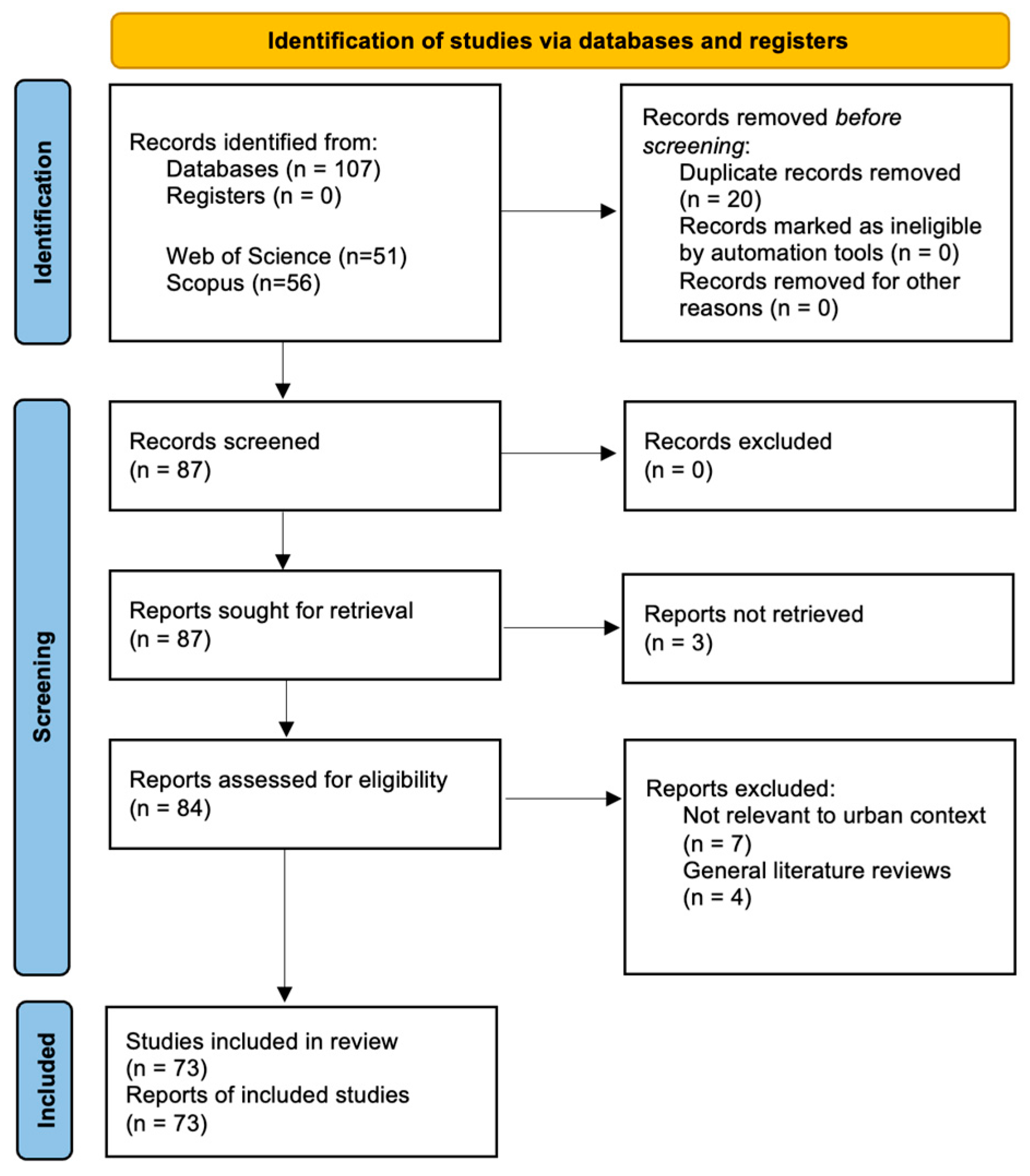
This study is a qualitative meta-synthesis designed and reported in accordance with the PRISMA 2020 guidelines (Preferred Reporting Items for Systematic Reviews and Meta-Analyses) to systematically evaluate the academic literature examining the sharing economy in an urban context. The aim is to identify which indicators are used to evaluate the sharing economy in cities and to classify these indicators under analytically emerging dimensions. The review was not registered in a public database.
This study does not employ mathematical or statistical modeling, as its objective is exploratory knowledge synthesis rather than hypothesis testing or numerical prediction. Instead, it adopts a structured qualitative meta-synthesis approach based on systematic literature review procedures. The analytical model of the study relies on PRISMA-based article selection, qualitative coding, thematic classification, and cross-dimensional comparison of indicators derived from the reviewed studies. The dataset consists of 73 peer-reviewed publications obtained from the Web of Science and Scopus databases using predefined search strings and inclusion criteria. Web of Science and Scopus were selected due to their high indexing standards and rigorous peer-review filtering, ensuring the methodological quality and consistency of the reviewed studies. During the analysis process, indicators identified in the literature were coded and grouped according to recurring analytical themes, allowing the emergence of spatial, operational, governance, and environmental dimensions. The resulting analytical structure therefore represents a conceptual analytical framework derived from qualitative evidence rather than mathematical modeling. This approach is consistent with exploratory meta-synthesis studies aiming to develop integrative conceptual frameworks rather than predictive models, as the objective is analytical interpretation rather than statistical generalization.
3.1. PRISMA Process
The study conducted a search in the Web of Science and Scopus databases using a query that encompassed both the sharing economy and collaborative city literature. The search terms and string were as follows:
“sharing economy”, “collaborative economy”, or “platform economy” and publications containing at least one of the concepts “sharing city”, “shareable city”, or “collaborative city”.
(TITLE-ABS-KEY (“sharing economy” OR “collaborative economy” OR “platform economy”)) AND (TITLE-ABS-KEY (“sharing city” OR “shareable city” OR “collaborative city”))
PRISMA Steps:
Step 1. Identification: A total of 107 publications were found, 51 in Web of Science and 56 in Scopus.
Step 2. Screening: 20 duplicate publications were excluded; the remaining 87 studies were screened at the title-abstract level; Three reports (2 journal articles and 1 conference paper) could not be retrieved at the full-text stage. No records were excluded at the title–abstract screening stage.
Step 3. Eligibility: Of the 84 full-text articles assessed for eligibility, 7 were excluded due to weak relevance to the urban context.
Step 4. Inclusion: In addition, 4 publications identified as general literature reviews were excluded from the analytical dataset, resulting in a final sample of 73 peer-reviewed studies.
The inclusion criteria were: (i) peer-reviewed journal, (ii) English publication, (iii) urban context relevance, (iv) conceptual fit. Studies focusing solely on national-level policy without urban reference were excluded.
No date restrictions were applied to the search; however, the studies naturally concentrated on the period 2015–2024.
Figure 1 summarizes the selection stages in the process. The reviewed studies and their coded indicators are systematically synthesized through thematic analysis and presented in detail in
Appendix A (see also
Supplementary Materials) to ensure transparency and reproducibility.
3.2. Data Coding and Analysis Process
The 73 included studies were analyzed using a systematic coding template (see
Appendix A). The coding recorded: publication year, geographic focus, method used (qualitative, quantitative, mixed), and the spatial, operational, governance, and environmental dimensions addressed by the study. All indicators extracted from the studies were classified according to the relevant dimensions and are presented in detail in
Appendix A.
Qualitative meta-synthesis [
32,
33] is an interpretive method that conceptually brings together fragmented literature to form a new whole. This method is particularly suitable due to the variation in sharing economy indicators across different studies; it has enabled both the comparative classification of existing indicators and the reinterpretation of themes.
This study adopts an exploratory qualitative meta-synthesis approach aimed at identifying recurring analytical dimensions emerging from the literature rather than testing predefined hypotheses. Although initial thematic categories were informed by the literature, the final dimensions were refined through an iterative inductive coding process. The hybrid dimension therefore represents an interpretative synthesis of observed interactions rather than a predefined conceptual assumption. Coding consistency was ensured through iterative cross-checking of themes and indicators throughout the analysis process.
Coding Stages:
(A) Data Extraction: Indicators representing the impact of the sharing economy in cities were systematically extracted from each study text. Example indicators:
“Access Rate,” “Public Transportation Integration,” “Service Density,” “Cost Efficiency,” “Carbon Emission Reduction.”
(B) Analytical Synthesis: The extracted indicators were grouped under four dimensions, and the relationship of the same indicator with multiple dimensions (cross-coding) was evaluated. For example, “Access Rate to Sharing Points”: primarily relates to the spatial dimension but also points to the operational dimension due to data-driven positioning mechanisms and to the theme of spatial justice due to inequalities in service distribution. Such multiple interactions have strengthened the analytical framework by revealing inter-dimensional relationships that are often neglected in the literature. The hybrid dimension emerged inductively from recurring overlaps identified during the iterative cross-coding process, rather than being predefined prior to analysis. This process has not only organized the indicators in the literature but has also enabled their conceptual restructuring, contributing to the development of the study’s theoretical framework.
4. Results
The main outcome of this meta-synthesis is the identification of four recurring analytical dimensions—spatial, operational, governance, and environmental—through which the sharing economy is examined in urban studies. The analysis further reveals that the literature remains structurally fragmented, with most studies focusing on limited dimensional interactions rather than holistic integration. In particular, spatial–governance relations emerge as the dominant research focus, while environmental performance indicators and operational equity metrics remain comparatively underexplored. These findings highlight the need for a more integrated analytical framework to evaluate the multidimensional urban impacts of the sharing economy. The dataset consists of 73 peer-reviewed studies, enabling a comparative assessment of dimensional coverage and thematic gaps in the literature.
4.1. General Trends
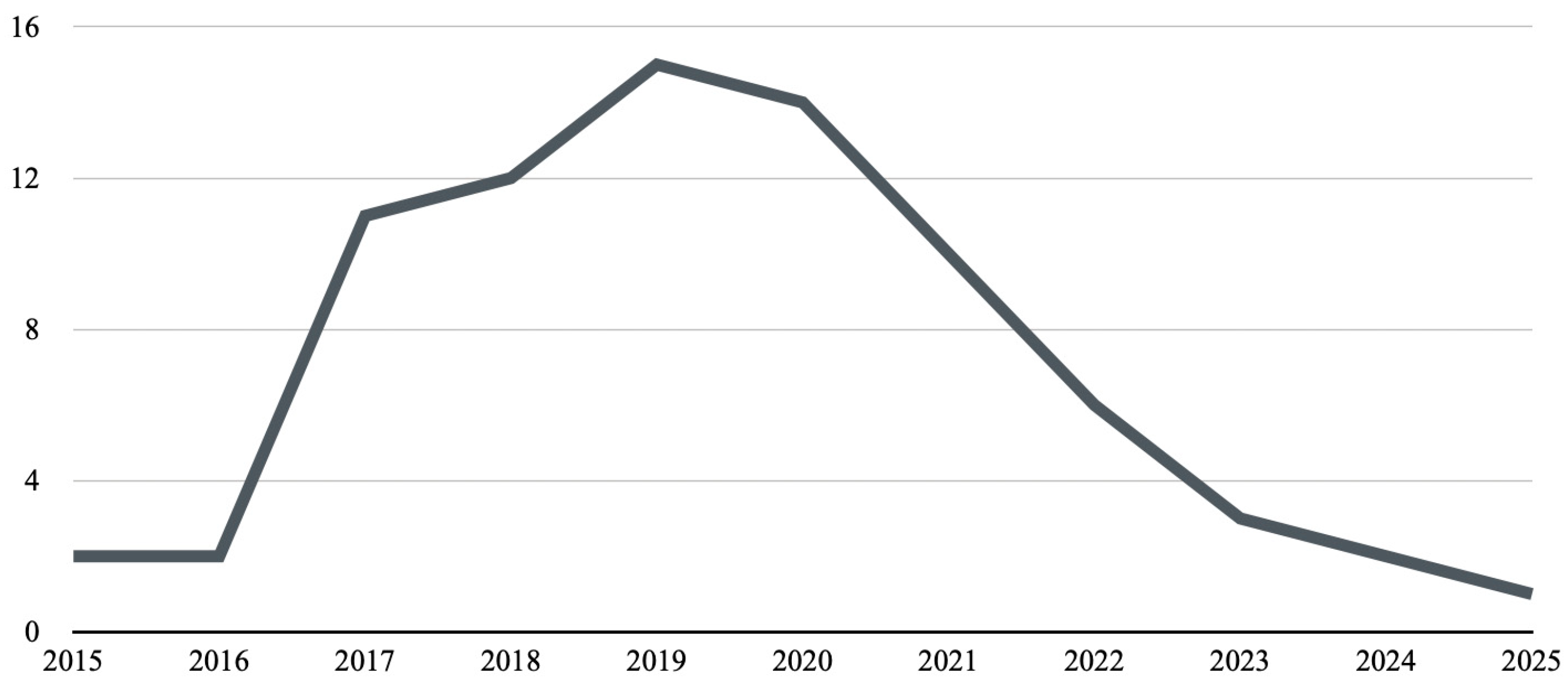
The 73 studies examined within the scope of the qualitative meta-synthesis reveal how the sharing economy and sharing city literature are positioned in the urban context through temporal, geographical, and methodological trends. The concept became visible at the city scale in the mid-2010s; its intersection with digital platforms and smart city discussions, particularly after 2015, significantly increased the number of publications. The period between 2018 and 2022 represents the most intensive period of production in the literature (
Figure 2).
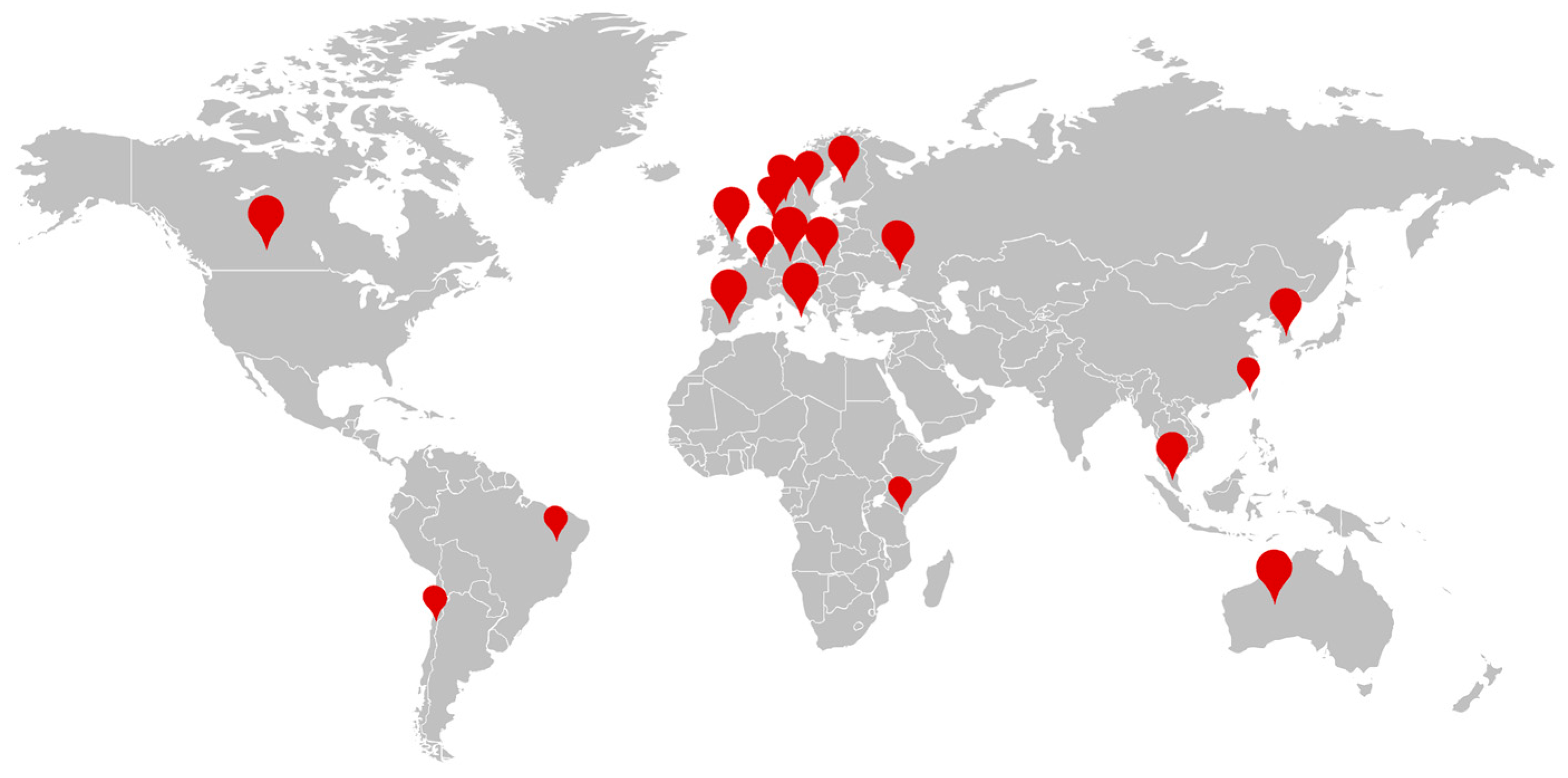
When examining the geographical distribution, it is evident that studies are largely concentrated in developed countries. The United States, Germany, the United Kingdom, Sweden, and France are prime examples (
Figure 3). While research in these countries focuses more on technological infrastructure, sustainability, and governance themes, issues such as social inequality, development, and access are prominent in developing country examples such as Kenya, Brazil, China, and the Philippines. This situation points to a clear geographical imbalance in terms of spatial justice and digital infrastructure in the literature.
Methodologically, the literature is diverse, but the mixed-methods approach is dominant: 52 of the 73 studies (72%) use both qualitative and quantitative techniques. This trend indicates a strengthening of holistic designs aimed at analyzing the multi- dimensional urban impacts of the sharing economy. This is followed by case studies focusing on contextual assessments (11 studies, 15%). Theoretical and typology-focused publications that feed the conceptual side of the literature are limited to 8 studies (11%). Studies using only qualitative or only quantitative methods are represented by only one example each (1%). This distribution generally shows that the qualitative approach is still dominant in the literature; however, with the rise in mixed methods, there is a shift towards more measurable and comparable analyses of the spatial, governance, operational, and environmental impacts of the sharing economy (
Table 1).
4.2. Indicators by Dimension
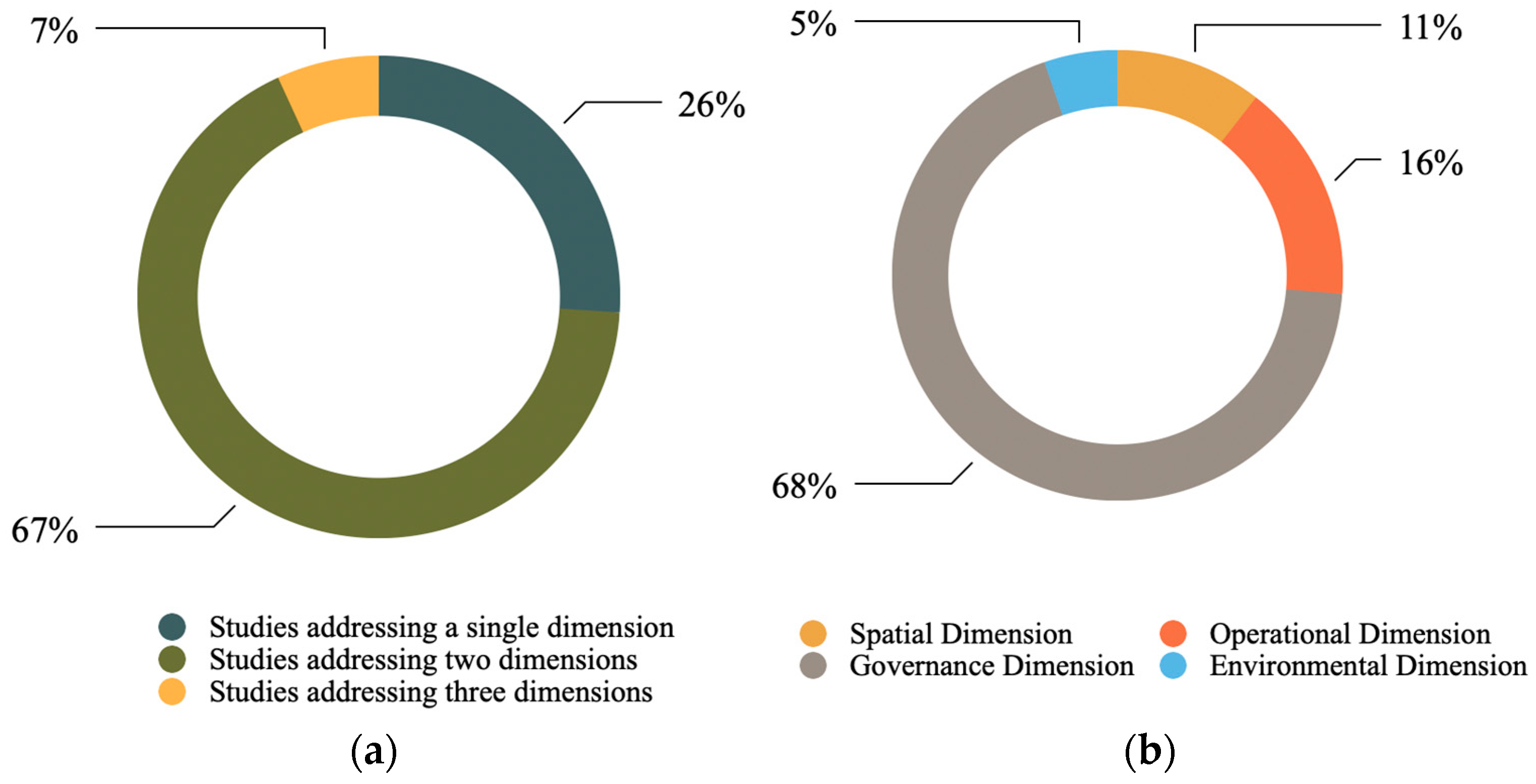
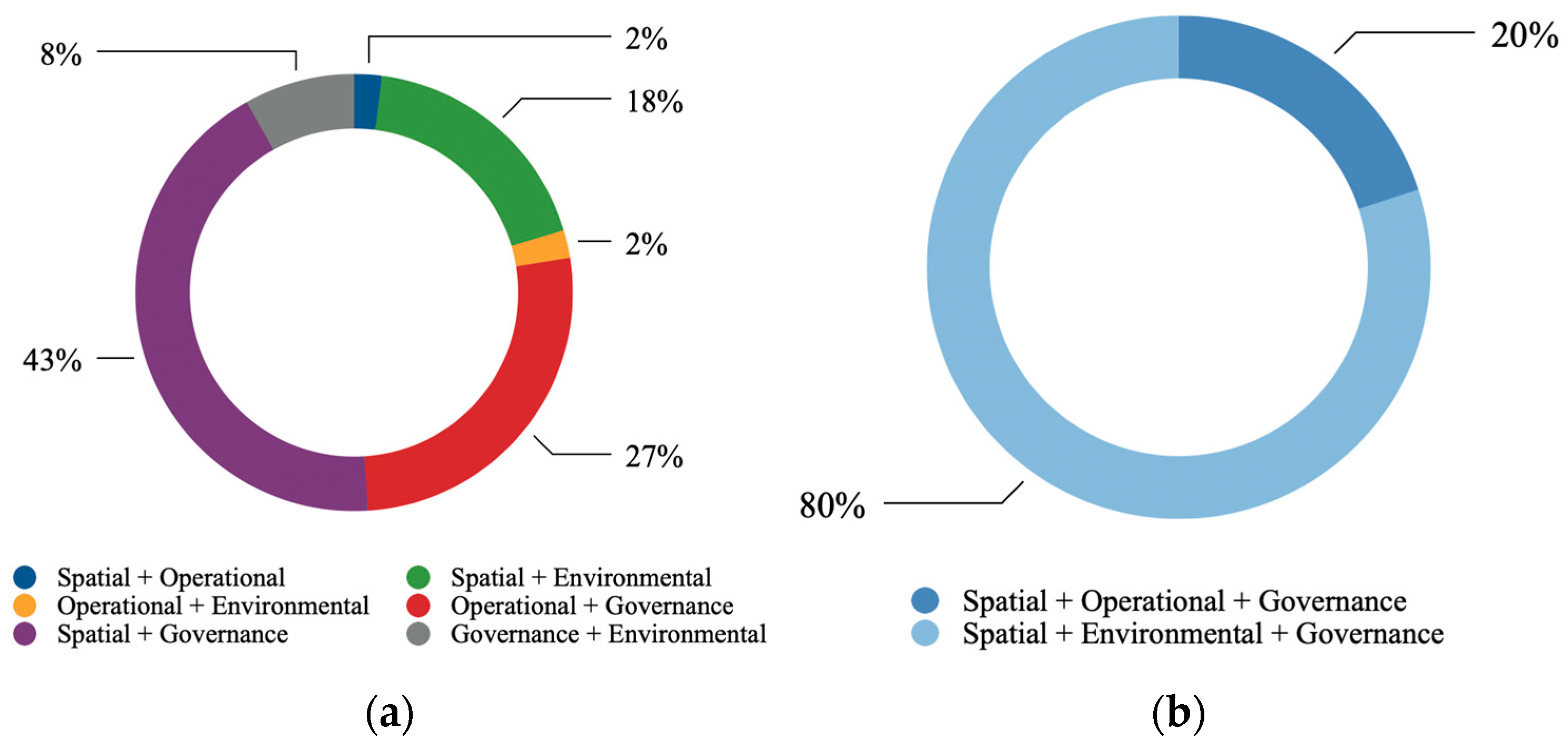
Appendix A shows the dimensions in which the 73 studies examined address the sharing economy. The findings reveal that studies in the literature are limited to a single dimension, while the use of multiple dimensions is becoming more widespread. Only 19 studies were limited to a single dimension, while 49 studies evaluated two dimensions together. The most common pairings are spatial–governance and operational–governance dimensions. Only 5 studies combine three dimensions; there are no publications that holistically address all four dimensions. This indicates that, despite the importance of a multi-dimensional approach, its application in the literature remains limited (
Figure 4a). Furthermore, in multidimensional studies, the relationships between dimensions are often not explicitly established. For example, the relationships between operational infrastructure and environmental impacts generally remain at a theoretical level; the connections between governance and spatial planning are not systematically analyzed in most studies. Therefore, although the use of multiple dimensions has increased, this use remains largely fragmented and thematic.
Figure 4b shows which dimensions single-dimensional studies focus on. A total of 68% of the 19 studies addressed the governance dimension; the operational dimension accounted for 16%, the spatial dimension for 11%, and the environmental dimension for only 5%. This distribution shows that governance-focused analyses dominate the single-dimensional literature; however, the main concentration in the overall literature is at the intersection of the Spatial and Governance dimensions.
According to
Figure 5a, the most common pairing in two-dimensional studies is the spatial–governance dimension, accounting for 43% of the 49 publications. The operational–governance pairing ranks second at 27%. Spatial–environmental pairings account for 18%. In contrast, the environmental dimension is considered in conjunction with other dimensions only to a very limited extent; this indicates that environmental impacts remain secondary in the literature. As shown in
Figure 5b, the most common triple combination is Spatial + Environmental + Governance dimensions (4 studies). This group corresponds to studies that address environmental sustainability and governance axes in conjunction with spatial planning. In contrast, the fact that there is only 1 study combining the Spatial + Operational + Governance dimensions indicates that the comprehensive examination of operational processes and governance mechanisms is still limited in the literature.
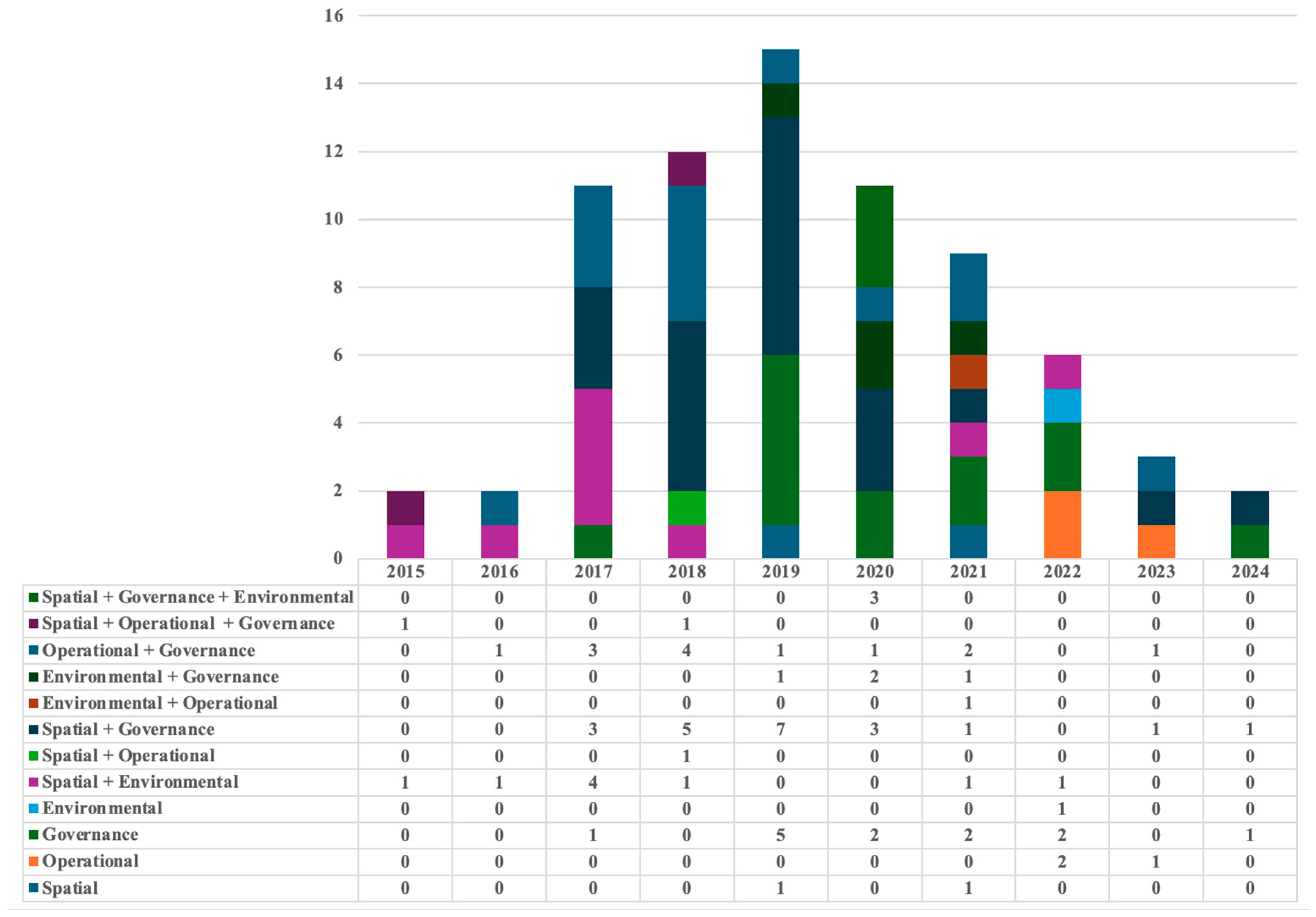
Figure 6 shows the thematic distribution of the dimensions over the years. The number of publications peaked in the 2017–2020 period, reaching a high of 15 publications in 2019. The spatial dimension was represented regularly each year, while the governance dimension intensified in 2019–2020. The operational dimension was most studied in 2018; the environmental dimension, despite having the lowest share in the literature, rose relatively in 2017 and 2020. Multidimensional studies increased in the 2017–2021 period, followed by a significant decline in the number of publications after 2022. Overall, the period between 2015 and 2019 is seen as a period of concentration in which multi- dimensional analyses developed in the sharing economy literature.
4.2.1. Spatial Dimension of the Sharing Economy
The effects of the sharing economy on urban space are addressed in the literature under five sub-themes: spatial accessibility, spatial justice, public space use transportation and mobility, and spatial transformation and sharing infrastructure. These themes were evaluated together with relevant actors, policy strategies, and implementation tools.
Spatial Accessibility: Balanced access to sharing services is a fundamental indicator of the spatial dimension. Local governments regulate the distribution of sharing points within cities through inclusive design and access mapping; mapping systems, navigation applications, and density analyses support this process [
34]. Furthermore, multimodal strategies for public transport–sharing integration are being implemented in cities such as Amsterdam and Helsinki through joint ticketing and API-based data integration [
35].
Spatial Justice: Equal access to sharing services for different socio-economic groups is at the heart of spatial justice debates. Municipalities aim to increase equity in low income areas using tools such as service density, inequality mapping, and access indicators. This approach is highlighted in studies from London and Prague [
15,
30,
36].
Public Space Usage: The sharing economy is transforming the functions of public spaces; the reconfiguration of parking lots, vacant lots, and temporary structures into shared spaces is becoming widespread [
3,
15,
36]. Community initiatives, neighborhood forums, and shared use guides support this transformation socially [
16,
37].
Transportation and Mobility: Car, bicycle, and scooter sharing systems play a critical role in reshaping urban mobility. Mobility companies and transportation authorities use data-driven distribution and reservation systems in areas such as micromobility incentives, route planning, and station optimization [
34].
Spatial Transformation and Sharing Infrastructure: The sharing economy increasingly influences urban transformation by reshaping infrastructure capacity and spatial density dynamics. Sharing practices contribute to the reconfiguration of urban spatial structures through the emergence of shared infrastructures and new forms of collective space use [
38]. Smart infrastructure monitoring, sensor-based transformation schedules, and density threshold analyses are being implemented in examples such as Germany, the US, China, and Australia [
39,
40].
In general, these findings show that the spatial dimension is not limited to physical arrangements; it constitutes a multi-layered planning area that includes governance, technological, and social components. Indicators related to sub-themes are presented in
Table 2.
4.2.2. Operational Dimension of the Sharing Economy
The operational dimension of the sharing economy is one of the most intensively studied areas in the literature. Studies emphasize the decisive role of measurable indicators such as user behavior, service usage, technological operation, economic sustainability, service quality, and stakeholder collaboration in platform success. Within this framework, operational dynamics are addressed under thematic subheadings.
User Participation and Experience: User density, participation rate, new user acquisition, and user diversity are critical indicators for the sustainability of platforms and [
31]. indicate that motivation, trust, and interaction increase adoption, while [
30] show that socio-demographic differences create inequalities in access. However, empirical studies measuring the impact of user behavior on micromobility governance are limited, and indicators remain predominantly platform centric.
Service Usage and Efficiency: Usage frequency, occupancy rate, service duration, and efficiency coefficient are prominent metrics in micromobility and transportation systems. Similar efficiency gains are observed in shared urban freight systems, where collaborative logistics models reduce operational redundancy and improve resource utilization in city-scale delivery networks [
43]. References [
44,
45] emphasize that these indicators directly affect operational performance. Reference [
35] demonstrates the decisive role of usage intensity and service duration in optimization processes for scooter sharing. However, these analyses are mostly based on technical models; spatial and social equity dimensions are rarely integrated.
Platform Performance and Technological Functioning: Technical stability, access speed, uptime ratio, and feedback loops are key measures of platform performance. Reference [
23] and uptime indicators in platform reports highlight the continuity requirements of large-scale systems. Reference [
6] notes that speed and access optimization are critical for user experience, while [
46] shows that feedback rates are decisive for reliability and satisfaction.
Economic Sustainability: Revenue growth, cost efficiency, and contribution to the local economy constitute the economic components of the operational dimension. Reference [
6] highlights the importance of dynamic pricing and data-driven revenue models. Reference [
3] emphasizes that stakeholder collaborations support the local economic cycle. Reference [
47] shows that cost reduction is essential for financial sustainability, particularly in transportation-based platforms. However, studies empirically examining the impact of platforms on local economies are limited.
Service Quality and Satisfaction: Satisfaction rates, complaint levels, resolution speed, and technical support capacity are key indicators determining the operational effectiveness of platforms. References [
8,
46] emphasize that trust, transparency, and feedback mechanisms are decisive for continued use. Reference [
48] notes that technical support speed is a critical metric for platform reliability. However, satisfaction indicators mostly focus on individual experience; social integration or collective usage effects are evaluated to a limited extent.
Collaboration and Stakeholder Management: Public–private partnerships, data sharing protocols, and participatory processes strengthen the institutionalization of the operational structure. Applications in Seoul demonstrate that government–platform data sharing and publicly supported models provide strong coordination [
41,
49,
50]. Community participation, forums, and co-design processes increase the legitimacy of sharing initiatives [
16]. Stakeholder analyses and collaboration monitoring panels enable the evaluation of municipality–platform coordination [
51].
General thematic trends show that the operational dimension is largely defined by technology, data, performance, and user-focused technical indicators, while critical indicators such as social inclusion and equitable access are only partially integrated into the analyses. The operational indicators identified in this study are presented in detail in
Table 3.
4.2.3. The Governance Dimension of the Sharing Economy
The governance dimension of the sharing economy shows that transformations in cities are influenced not only by technological or spatial dynamics but also by institutional governance capacity, governance structures, and policy design, highlighting the active role of local governments in steering sustainable consumption and sharing initiatives [
52]. Cities adopt different modes of governance in relation to sharing economy practices, including regulatory, facilitative, and collaborative approaches [
53]. As a result of the thematic analysis, the governance dimension was addressed through seven sub- dimensions: policies and regulations, stakeholder participation, transparency and accountability, financing, education–awareness, monitoring–evaluation, and crisis management–flexibility.
Policies and Regulations: Licensing, data management, and regulatory guidelines related to the platform economy form the strategic framework of cities [
54,
55]. Reference [
50] shows that integrating sharing-based goals into municipalities’ strategic plans strengthens governance capacity and stakeholder alignment. Thus, the regulatory framework becomes a fundamental sub-dimension that supports both legal compliance and innovative governance models.
Stakeholder Participation: Community participation increases the inclusiveness of governance through forums and workshops conducted with NGOs and citizens [
41]. Partnerships and multi-stakeholder platforms strengthen institutional coordination between municipalities, the private sector, and civil society, reflecting governance strategies through which cities coordinate multiple actors in sharing economy ecosystems [
56]. Digital participation mechanisms and e-participation tools support data-driven, transparent, and inclusive decision-making process [
57].
Transparency and Accountability: Open data portals, API access, and periodic performance reports increase transparency and strengthen the traceability of service quality [
30,
58]. User feedback panels and request tracking systems are critical tools that support the accountability cycle of platforms [
46].
Finance and Resource Management: The sustainability of sharing-based services is linked to budget prioritization, public–private financing models, and the efficient management of infrastructure resources. Budget allocation for municipal sharing infrastructure [
3], the increased investment capacity of mixed financing models [
51,
59] and resource efficiency-focused planning strategies [
39] are key elements of this sub- dimension.
Education and Awareness: Awareness campaigns and community education programs strengthen behavioral change and acceptance of a sharing-based culture. Municipalities and social enterprises highlight the economic, environmental, and social benefits of sharing, while universities support the knowledge infrastructure through capacity-building programs [
3,
16].
Monitoring and Evaluation: Performance indicators, digital monitoring dashboards, and feedback integration mechanisms enable data-driven assessment of the urban impacts of the sharing economy. Municipal perspectives also highlight the importance of monitoring sustainability outcomes and evaluating governance effectiveness in urban sharing practices [
60]. These systems allow for the monitoring of user satisfaction, spatial accessibility, and sustainability outcomes and support evidence-based policy updates [
47,
55].
Crisis Management and Resilience: Scenario-based crisis plans and adaptive service designs ensure the continuity of sharing services during emergencies [
50,
61]. Practical examples of flexibility include the allocation of electric vehicle sharing networks to healthcare workers during emergencies or the conversion of sharing spaces into temporary shelters [
40].
These findings show that the governance dimension is not limited to regulations; it encompasses multi-layered elements such as participatory governance, digital data management, financing strategies, and organizational flexibility.
Table 4 systematically summarizes these indicators.
4.2.4. The Environmental Dimension of the Sharing Economy
The environmental dimension of the sharing economy highlights its relationship with sustainable urban policies and necessitates an assessment of the ecological impacts of sharing practices. The literature discusses the contribution of the sharing economy to environmental sustainability in terms of carbon reduction, resource efficiency, energy savings, and sustainable consumption behaviors. Thematic analysis shows that this dimension is grouped into four sub-themes: carbon emissions, resource use, energy efficiency, and environmentally friendly consumption behavior.
Carbon Emissions and Reduction Potential: Sharing-based transportation applications (car and bicycle sharing, electric vehicle infrastructure) play a decisive role in reducing transportation-related emissions in cities. Empirical city-level analyses indicate that shared mobility systems can contribute to measurable reductions in urban carbon emissions depending on usage intensity and policy integration [
64]. Municipalities and platform companies make the reduction impact visible through carbon calculation tools and performance reports [
30,
65]. Furthermore, the integration of ecosystem-based solutions such as green corridors, rain gardens, and green roofs with sharing applications supports the preservation of urban ecosystem services, providing an indirect reduction contribution [
39].
Resource Use: The impact of the sharing economy on resource consumption manifests through avoiding new product production and improving the efficiency of the usage cycle. Shared product pools and reuse applications reduce individual ownership, leading to a decrease in energy and material use associated with production. Life-cycle efficiency increases as products are used at higher capacity and for longer periods; the standardization of maintenance and repair processes reduces total resource consumption [
55].
Energy Efficiency: Energy efficiency encompasses both the infrastructural energy needs of digital platforms and the savings generated in sharing-based physical spaces. Efficient server systems and low-energy consumption algorithms used in digital platforms contribute to reducing the carbon footprint [
6,
61]. In physical sharing spaces, shared areas and equipment can create a collective arrangement that consumes less energy than individual use [
66].
Environmentally Friendly Consumption Behavior: The sharing economy strengthens sustainable consumption behaviors by directing individuals towards access-oriented consumption patterns rather than ownership. Sharing-based models contribute to the spread of environmentally positive behaviors such as extending product life, reuse, and a culture of repair [
8,
16].
In this context, the environmental dimension reveals the multidimensional potential of the sharing economy to support low-carbon, resource-efficient, and sustainable consumption practices in cities.
Table 5 systematically summarizes these indicators.
5. Discussion
The findings of this study provide three important implications for the sharing economy literature. First, they demonstrate that existing research remains fragmented across analytical dimensions, limiting the understanding of the sharing economy as an integrated urban system. Second, the results reveal a clear imbalance between governance–spatial research and the relatively limited focus on environmental performance and operational equity. Third, the proposed multidimensional and hybrid analytical framework offers a structured approach for evaluating sharing economy impacts in relation to urban sustainability goals. Overall, the study demonstrates that without integrated multidimensional assessment frameworks, the urban sustainability impacts of the sharing economy cannot be systematically evaluated. These findings therefore provide both theoretical and policy-relevant insights for assessing sharing economy practices within urban sustainability transitions.
This discussion interprets the meta-synthesis findings in relation to sustainability transitions and urban governance debates. In this regard, SDG 11 (Sustainable Cities and Communities) within the United Nations Sustainable Development Goals is considered as the basic reference framework for analyzing the effects of the sharing economy at the city level. Thus, the extent to which the indicators derived from the literature conceptually align with and diverge from the SDG 11 targets is systematically discussed. In this context, the SDG alignment is used as an interpretative policy reference rather than implying a direct causal relationship.
5.1. Limitations of Multi-Dimensional Structure and Fragmented Approaches
The meta-synthesis identified four recurring analytical dimensions emerging from the literature that structure how the sharing economy has been analyzed in urban contexts: spatial, operational, governance, and environmental. These dimensions emerged inductively from the analysis rather than being predefined categories. However, the literature largely addresses these dimensions in a fragmented manner. Most of the 73 publications analyzed (68%) discuss only two dimensions together, very few (7%) cover three dimensions; no study was found that addresses all four dimensions holistically. This situation makes it difficult to analytically evaluate the multi-layered and interdependent effects of the sharing economy on the urban system in a comprehensive manner. The inability to combine indicators from different dimensions on a common analytical ground makes it difficult to systematically compare the effects of the sharing economy at the city scale. This limitation becomes particularly apparent in the context of SDG 11 (Sustainable Cities and Communities) within the United Nations Sustainable Development Goals. The goals defined under SDG 11—sustainable transportation (11.2), participatory planning (11.3), and environmental impact reduction (11.6)—require joint analysis that takes into account the interrelationships between spatial, governance, and environmental dimensions. However, in the literature, these themes are mostly examined through sectoral or singular indicators; the relational structure between transportation, accessibility, governance capacity, and environmental performance is not sufficiently analyzed. This fragmentation also reflects earlier conceptual debates highlighting the diversity of interpretations and operationalizations of the sharing economy in urban research [
55].
This leaves open the question of how the sharing economy can be aligned with normative goals such as social and spatial justice, equal access, and environmental sustainability. Therefore, the fragmented approach in the literature is not only a theoretical shortcoming but also produces a significant limitation in terms of policy design. The lack of a measurable and comparable assessment framework that is consistent with global sustainability goals makes it difficult to systematically integrate the sharing economy into urban planning and local policy-making processes. In this context, addressing the four dimensions simultaneously and relationally can be considered an approach that not only provides analytical integrity but also contributes to the development of a multi-criteria urban assessment framework that can be conceptually aligned with SDG 11 targets. The hybrid dimension should therefore be interpreted as an analytical synthesis construct rather than a separate empirical category.
5.2. Fragmentation and Neglect of Normative Goals
Neglect of Spatial Justice: Although the spatial dimension is frequently studied, indicators are mostly shaped around technical efficiency; metrics such as accessibility, distribution, and optimization are rarely associated with urban inequality. Although the limited access of low-income neighborhoods to car sharing or the displacement effects created by short-term rentals have been identified in previous studies, these issues have not been translated into comparable justice indicators. In particular, spatial justice remains insufficiently operationalized through measurable indicators. Furthermore, the need for more granular environmental data metrics remains insufficiently addressed in the current literature. These aspects are crucial for understanding how sharing economy practices may produce uneven spatial outcomes and differentiated environmental impacts across urban areas.
Inadequate Measurement of the Environmental Dimension: Although environmental benefits such as emission reduction and resource efficiency are frequently emphasized, measurable indicators remain extremely limited. Impacts are often conveyed conceptually; metrics such as long-term carbon footprint, environmental load, or energy savings are not used systematically. Furthermore, the lack of granular environmental data at the urban and district scale limits the empirical assessment of environmental impacts. Therefore, environmental claims are not sufficiently supported by empirical indicators. The limited representation of environmental indicators in the literature reveals a structural gap between the sustainability discourse of the sharing economy and its measurable environmental performance.
5.3. Spatial–Governance Intersection and the Reactive Role of Management
Meta-synthesis findings show that the most intense intersection in the literature occurs between the Spatial and Governance dimensions (n = 21). However, this concentration is shaped by regulatory responses to emerging spatial and social impacts rather than proactive planning of the sharing economy’s urban transformation. Bans on short-term rentals, quota systems, tax regulations, and licensing mechanisms constitute the dominant areas of discussion in the literature. This situation indicates that local governments mostly treat the sharing economy as an area of reactive control. However, SDG 11’s targets 11.2 (sustainable transport), 11.3 (participatory planning), and 11.6 (environmental impact reduction) require not only regulatory interventions but also guiding and enabling policy design. In this context, the “enabling governance” proposed in this study implies that local governments should move beyond being mere regulators of sharing platforms and position themselves as strategic actors that build data infrastructure, develop inclusive access principles, and establish performance monitoring mechanisms aligned with sustainability goals. However, the increasing involvement of local governments in these processes also raises challenges related to financial constraints, institutional capacity, and the potential risks associated with excessive centralization of decision-making power. These limitations highlight the importance of transparent governance structures, accountability mechanisms, and multi-actor participation.
Therefore, the spatial–governance concentration observed in the literature reflects a regulation-oriented pattern rather than strong integration. This finding suggests that, for the sharing economy to align with sustainable city goals, governance approaches must evolve from a reactive position to an enabling and capacity-building model. These findings also resonate with Foucauldian perspectives suggesting that platform-mediated urban systems may generate new forms of governance and control through data-driven coordination and digital monitoring mechanisms [
26]. The proposed four-dimensional and hybrid-dimensional analytical framework provides a measurable and comparable assessment framework that can support this transition. This perspective positions governance not only as a regulatory mechanism but also as a planning instrument that integrates sustainability objectives into urban decision-making processes. In this sense, the proposed framework contributes to sustainability research by translating the sharing economy from a platform-centered phenomenon into a measurable urban sustainability governance approach.
5.4. Geographical and Scalar Gaps
In addition to thematic and governance gaps, a clear asymmetry is observed in terms of geographical representation and urban scale. The fact that almost all of the publications examined are concentrated in Global North cities (the US, Western Europe, developed Asia) fundamentally limits the generalizability of the literature. The functioning of sharing practices varies significantly in developing countries depending on contextual factors such as digital infrastructure, institutional arrangements, and the role of the informal economy. This geographical narrowness calls into question the validity and applicability of the indicators and policies produced by the literature in different urban contexts. Furthermore, the focus of studies on large metropolitan areas leads to the neglect of governance and operational challenges in medium-sized cities in the research agenda.
5.5. The Emergence and Analytical Value of the Hybrid Dimension
The thematic omissions identified above (equity, environment), reactive governance, and geographical representation gaps demonstrate that the current fragmented methodology fails to fully capture urban dynamics. These challenges have given rise to the need for the Hybrid Dimension as an analytical solution. The Hybrid Dimension framework, developed through qualitative meta-synthesis, offers a holistic perspective that acknowledges the interconnected, simultaneous, and interdependent nature of the sharing economy’s impacts. As detailed in the methodology section, through a cross-coding mechanism, this framework aims to systematically reveal the inter-dimensional integration that has been addressed to a limited extent in the literature by interpreting Spatial Justice indicators as necessarily related to Operational Efficiency and Governance Capacity. This framework offers an interdisciplinary tool that shifts governance models away from being reactive and directs them toward an enabling role that integrates normative goals such as justice and sustainability into planning. This analytical shift aims to contribute to future empirical studies evaluating the urban sharing economy by advancing them in a holistic and comparative methodological direction, thereby addressing fragmentation and indicator gaps in the literature.
Meta-synthesis findings indicate that most SDG 11 targets are related to interactions between dimensions rather than individual dimensions. Therefore, the proposed “Hybrid Dimension” is considered an analytical integration tool to enable the holistic and measurable alignment of SDG 11 targets. A significant portion of SDG 11 targets (particularly 11.2 sustainable transportation, 11.3 participatory planning, and 11.6 environmental impact reduction) directly overlap with spatial, governance, and environmental dimensions. However, existing SDG 11 indicators are limited in clearly demonstrating the relationship between these goals and platform-based urban transformation processes.
The four-dimensional and hybrid-dimensional analytical framework proposed by this study offers a complementary tool for measuring SDG 11 targets in a more comprehensive and comparable manner at the city level. In this context, the conceptual overlaps between the themes emerging from the meta-synthesis findings and the SDG 11 sub-targets are presented systematically in
Table 6. The table shows how the proposed analytical dimensions can be aligned with SDG 11 targets and the level of analytical contribution this alignment provides. The alignment assessment conducted reveals that SDG 11 targets are mostly addressed in the literature through sectoral and singular indicators, while holistic approaches that consider interactions between dimensions remain limited. The analytical framework proposed in this study, which includes a multidimensional and “hybrid dimension” approach, conceptually overlaps with SDG 11 indicators and proposes a complementary perspective that could contribute to a more systematic assessment of the effects of the sharing economy in the context of urban sustainability. These findings also support earlier theoretical discussions emphasizing that sharing cities should be understood as multidimensional urban transformation processes rather than single-domain innovations [
18].
6. Conclusions
This study presents a qualitative meta-synthesis and offers one of the few indicator-based multidimensional syntheses of sharing city literature: spatial, operational, governance, and environmental. The 73 peer-reviewed articles analyzed in accordance with the PRISMA protocol show that the discourse on multidimensional approaches is increasing in the literature, but the structural integration between dimensions remains limited. A significant portion of the studies are limited to two-dimensional analyses; a comprehensive framework that addresses all four dimensions simultaneously and relationally is not found.
The findings point to a literature trend concentrated particularly at the spatial—governance intersection. However, this concentration is shaped around regulatory responses to platform-based transformations rather than proactive planning capacity. The limited representation of environmental performance and spatial justice indicators highlights the gap between sustainability claims and measurable analytical tools. Furthermore, the geographical concentration of the literature on Global North metropolises points to a significant research gap regarding mid-sized cities and developing countries.
Based on these findings, the study proposes a “Hybrid Dimension” approach that systematizes the indicators used in a scattered manner in the literature into four analytical dimensions and makes the interactions between dimensions visible. This framework enables the assessment of the effects of the sharing economy within a relational and interdependent structure rather than through individual performance indicators. Thus, it provides not only a conceptual synthesis but also a comparable and measurable basis for evaluation.
The study also aligns the proposed multidimensional framework conceptually with SDG 11 (Sustainable Cities and Communities) within the United Nations Sustainable Development Goals. In particular, the sub-goals of sustainable transportation (11.2), participatory planning (11.3), and environmental impact reduction (11.6) require the simultaneous assessment of spatial, governance, and environmental dimensions. The proposed analytical model provides a complementary framework for monitoring SDG 11 targets in a more comprehensive and systematic manner within the context of the sharing economy at the city level.
Future research may empirically test and operationalize the proposed framework through applications in different urban contexts to evaluate its analytical robustness and policy relevance. Beyond classifying the existing literature, this study highlights the need for governance approaches to evolve from reactive regulatory models toward enabling and capacity-building governance structures. This enabling governance perspective positions local governments as strategic actors responsible for developing data infrastructures, ensuring inclusive access, and monitoring sustainability performance. Such a transition appears essential for improving the integration of sharing economy practices with sustainable urban development goals.


_Li.png)