Article

The Effects of Different Rural Landscape Types on Restorative Benefits from the Perspective of Audio-Visual Interaction

College of Horticulture, Nanjing Agricultural University, Nanjing 211800, China
*
Author to whom correspondence should be addressed.
Sustainability 2026, 18(8), 3683; https://doi.org/10.3390/su18083683
Submission received: 5 March 2026 / Revised: 2 April 2026 / Accepted: 4 April 2026 / Published: 8 April 2026

Abstract

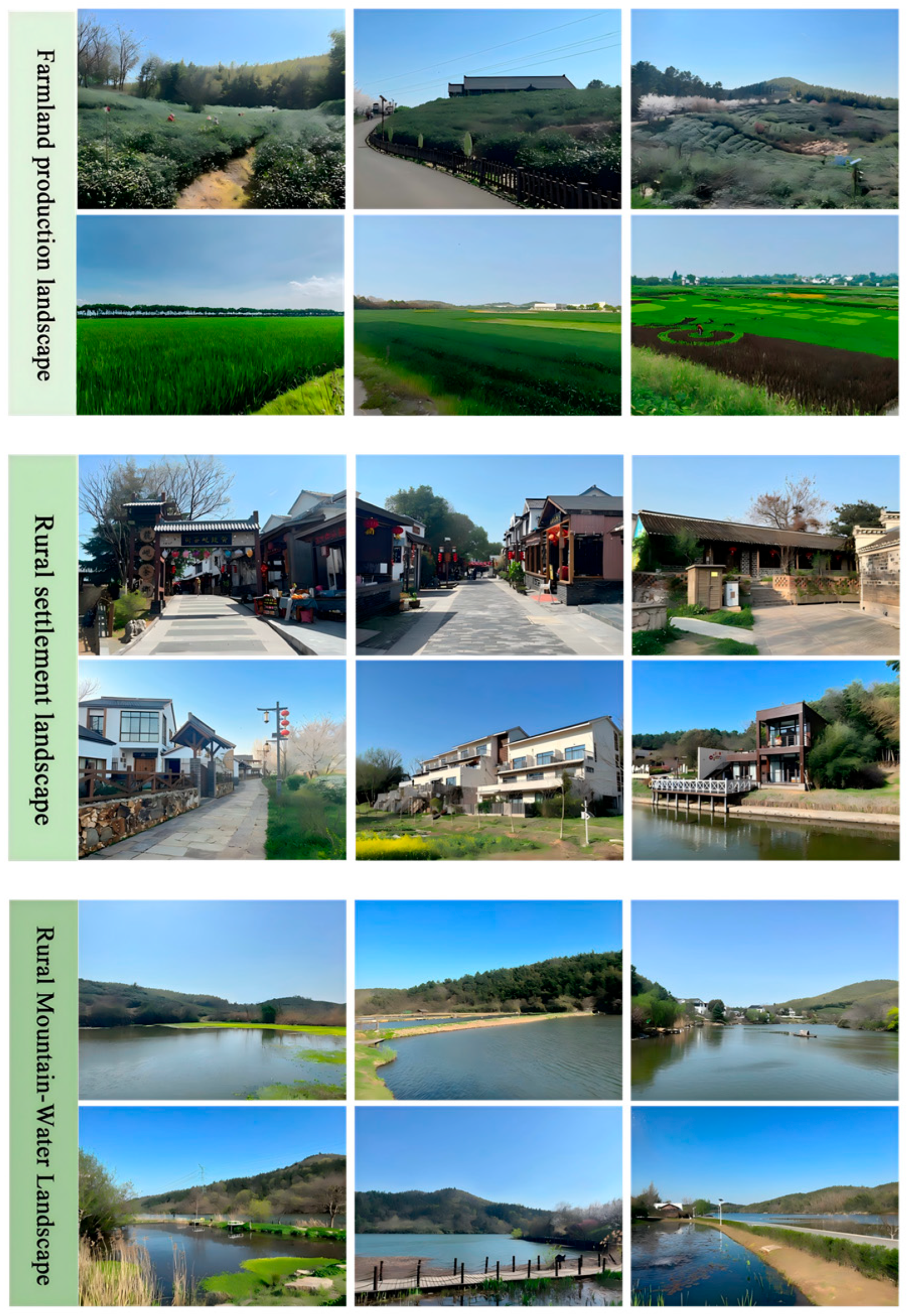
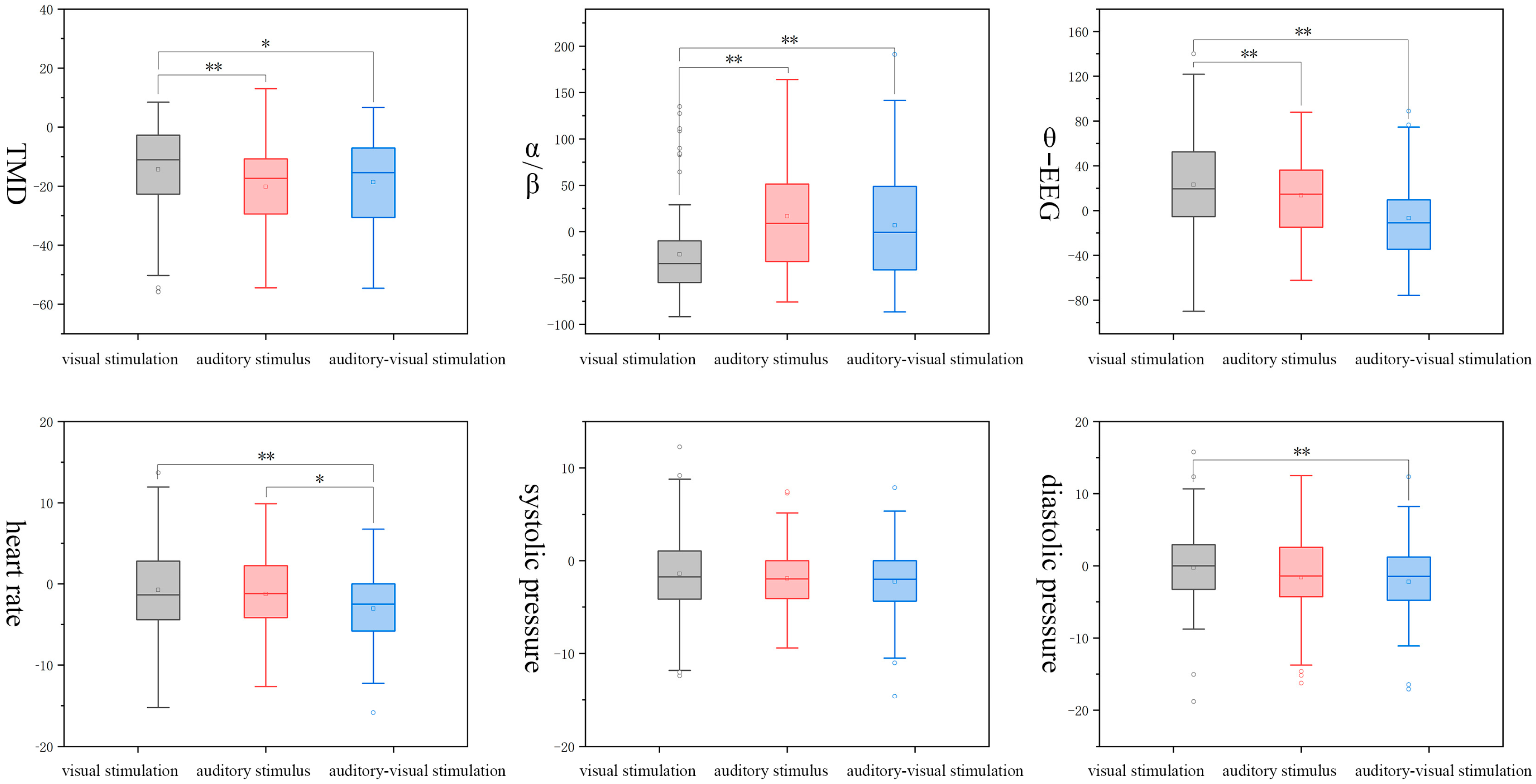
As public demand for health and well-being continues to rise, rural landscapes are increasingly valued as settings for stress reduction and psycho-physiological restoration. Drawing on five “Beautiful Villages” in Jiangning District, Nanjing (China), this study categorizes rural landscapes into three types—farmland production landscapes, rural settlement landscapes, and rural mountain–water landscapes—based on the proportional dominance of key landscape elements. Audio-visual stimuli were developed from on-site photography and field recordings to construct controlled rural audio-visual environments. Using a combination of physiological indicators and self-reported psychological assessments, we systematically compare restorative responses across modalities (visual, auditory, and audio-visual) and across landscape types, and examine how specific landscape elements relate to restorative outcomes. Results show that (1) auditory stimuli generally produce stronger restorative responses than visual stimuli, and audio-visual interactions are evident; (2) restorative benefits vary significantly across the three rural landscape types; and (3) visually natural and structurally rich elements are associated with greater restoration, while auditory cues can direct visual attention and natural sounds are positively linked to restorative outcomes. These findings advance understanding of multi-sensory restorative processes in rural landscapes and provide evidence for sustainable rural landscape planning and design by supporting healthier, more restorative, and more human-centered rural environments.
Keywords: landscape typology; multi-sensory perception; psycho-physiological restoration; visual attention; health and well-being; sustainable rural development landscape typology; multi-sensory perception; psycho-physiological restoration; visual attention; health and well-being; sustainable rural development