


Abstract
Globally, the combined pollution of fine particulate matter (PM2.5) and ground-level ozone (O3) poses severe challenges to public health and sustainable urban development. Recent data indicate that the annual average PM2.5 concentration in the vast majority of cities worldwide fails to meet World Health Organization safety standards, with air pollution causing millions of premature deaths annually. As a nature-based solution, the purification efficacy of vegetation remains poorly quantified due to unclear coupling mechanisms with local meteorological conditions. This study systematically reviewed and synthesized 229 empirical studies published between 2000 and 2025 from Web of Science and China National Knowledge Infrastructure (CNKI), aiming to clarify the quantitative relationships and regulatory mechanisms of plant–meteorological synergistic purification of PM2.5–O3. Following double-blind independent screening (κ = 0.85) and data extraction, a quantitative minimal feasible synthesis approach was adopted due to high data heterogeneity. The results indicated the following. (1) The median canopy purification efficiency of urban vegetation for PM2.5 was 18.2% (IQR: 12.5–30.1%, n = 17), with a median dry deposition velocity (Vd–PM) of 0.05 cm s−1 (0.02–30 cm s−1, n = 15). The median dry deposition velocity (Vd–O3) for O3 was 0.55 cm s−1 (0.12–1.82 cm s−1, n = 8), with non-stomatal deposition contributing approximately 35%. (2) Meteorological factors exhibit nonlinear regulation: relative humidity (RH) > 70% significantly enhances PM2.5 adsorption, wind speeds of 1.5–3.0 m s−1 are optimal for PM2.5 deposition, and temperatures > 30 °C generally inhibit plant uptake of both pollutants (n = 7). (3) Functional traits strongly correlate with purification efficacy: species with high leaf roughness (R2 = 0.8), high stomatal conductance, and low BVOC emissions (e.g., Ginkgo biloba, Platycladus orientalis) exhibit optimal synergistic purification potential. Species with high BVOC emissions (Populus przewalskii, Eucalyptus robusta) can increase daily net O3 pollution equivalents by up to 86 g and must be strictly avoided. Based on quantitative evidence, a green space planning decision matrix indexed by climate zone and pollution type was developed, specifying vegetation configuration patterns, functional group selection, and key design parameters (canopy closure, green belt width, etc.) for different scenarios. This study provides an actionable scientific basis for precision planning and climate-adaptive management of urban green infrastructure.
1. Introduction
The urbanization process, while driving socioeconomic development, has also led to regional atmospheric composite pollution characterized by fine particulate matter (PM2.5) and ground-level ozone (O3) [1,2,3]. As typical secondary pollutants, both are regulated by common precursors (NOX, VOCs) and meteorological conditions [4,5,6]. Frequent synergistic pollution events pose serious threats to public health and ecosystems [7,8,9]. In heavily polluted regions like eastern China, synchronous exceedance of PM2.5 and O3 concentrations during summer synergistic pollution events occurs at rates exceeding 30% [10,11], posing severe threats to public health and ecosystems. The Global Burden of Disease (GBD) study indicates that in 2019 alone, combined exposure to environmental PM2.5 and O3 contributed to approximately 4.5 million premature deaths [12], while also causing yield reductions of 5–15% in major crops such as wheat and corn [13]. Increasing urban vegetation represents a key nature-based solution for mitigating air pollution [14,15,16]. Vegetation directly removes atmospheric pollutants through physical interception (e.g., leaf adsorption, canopy trapping) and physiological processes (e.g., stomatal uptake) [17,18,19]. Numerous studies have examined the effects of plant functional traits (e.g., leaf micromorphology, stomatal conductance) and community structure on purification efficiency for individual pollutants [17,18,19,20,21]. However, purification efficacy is regulated by key meteorological factors, including temperature, humidity, wind speed, and solar radiation [20,21,22]. Meteorological conditions influence pollution levels by controlling boundary layer structure, chemical reaction rates, and pollutant diffusion capacity [23,24,25]. Simultaneously, they directly regulate plant physiological activities (e.g., stomatal opening/closing, metabolic intensity), thereby affecting purification functions [26,27]. This complex joining among “plants–weather–pollutants” presents a scientific challenge requiring systematic analysis.
Current research faces three critical knowledge gaps that limit its precise application in urban composite pollution management. First, existing evidence remains fragmented, with most studies focusing on single pollutants or meteorological factors, lacking systematic analysis of the “plant–weather–composite pollution” system. Second, quantification standards lack uniformity. Core metrics such as dry deposition velocity (Vd) and concentration reduction rates are inconsistently defined, with uncertainties regarding thresholds and “optimal ranges” remaining unresolved, making cross-study comparisons challenging. Third, practical translation is insufficient. Existing conclusions rarely target specific urban/suburban scenarios, failing to develop actionable planning tools adaptable to diverse climatic zones and pollution types. To clarify this review’s quantitative analytical framework, its core metrics are defined as follows. Vegetation’s “purification efficiency” denotes the relative percentage reduction in pollutant concentration, serving as an endpoint metric for assessing net environmental benefits. “Dry deposition velocity (Vd)” characterizes the process rate parameter for pollutant migration to the surface (cm s−1), while “flux” (e.g., stomatal ozone absorption flux PODᵧ) denotes the absolute exchange rate per unit time and area. Distinguishing between the aggregate outcome of “concentration change” and process–mechanism parameters like “deposition/flux” is fundamental for systematic analysis and comparison. To address these gaps, this study centered on urban sustainability within an urban/suburban context. Through a systematic review integrating 229 global empirical studies, it aimed to: (1) establish a unified quantitative indicator system defining core parameters (Vd, PODᵧ, etc.) and meteorological control thresholds for plant purification of PM2.5 and O3; (2) decode synergistic purification mechanisms linking vegetation functional traits, canopy structure, and meteorological conditions; and (3) develop a green space planning decision framework indexed by climate zones and management objectives, providing scientific support for precision planning and climate-resilient management of urban green infrastructure.
2. Methodology
This study was conducted in strict adherence to the Preferred Reporting Items for Systematic Reviews and Meta-Analyses (PRISMA 2020) guidelines (Supplementary Materials), ensuring transparency, reproducibility, and completeness of reporting throughout the process.
2.1. Literature Search Strategy
To ensure the comprehensiveness and reproducibility of the literature search, we conducted a systematic search on the two Chinese and English electronic databases of the Web of Science Core Collection and China National Knowledge Infrastructure (CNKI). The search timeframe was set from 1 January 2000 to 20 October 2025. This timeframe was selected based on the following considerations. First, PM2.5 emerged as a key fine particulate matter indicator with widely recognized health effects internationally from the late 20th to early 21st century, with related research proliferating since 2000. Second, studies on the composite pollution mechanisms and synergistic purification of PM2.5 and O3 at the urban scale have become a prominent frontier field over the last two decades, driven by rapid urbanization. Finally, the selected primary databases achieved near-complete coverage of the core literature in this field after 2000, ensuring comprehensive retrieval. The search strategy constructed queries based on four core concepts: pollutants (PM2.5, O3), purification agents (plants, vegetation), processes (removal, deposition, absorption), and regulatory factors (meteorology, climate). To precisely balance recall and precision, Boolean operators (AND, OR) were used to combine concepts. The specific strategy involved linking synonyms within the same concept group with “OR,” then connecting different concept groups with “AND” to ensure search results encompassed all core elements simultaneously. Queries were adjusted according to each database’s syntax rules. Using Web of Science as an example, the core query was as follows:
(TS = ((“PM2.5” OR “fine particulate matter” OR “particle matter 2.5”) AND (“O3” OR “tropospheric ozone”) AND (“plant*” OR “vegetation” OR “urban forest*” OR “green space*” OR “tree*” OR “shrub*”) AND (“removal” OR “deposition” OR “uptake” OR “adsorption” OR “dry deposition” OR “purif*” OR “filter*”) AND (“meteorolog*” OR “climate” OR “temperature” OR “humidit*” OR “relative humidity” OR “wind” OR “precipitation” OR “solar radiation” OR “sunlight”)))
The search query was adapted according to the syntax rules of different databases. Additionally, a retrospective search was conducted on the reference lists of included studies to supplement potentially overlooked literature.
2.2. Inclusion and Exclusion Criteria
Inclusion and exclusion criteria form the foundation of ensuring the relevance and rigor of a systematic review. Based on the methodological framework of the PRISMA 2020 guideline for systematic reviews and focusing on the core issue of “plant–climate–composite pollution” mechanisms, we established the criteria shown in Table 1.
Table 1.
Inclusion and exclusion criteria (developed according to the PRISMA 2020 guideline).
2.3. Literature Screening and Data Extraction
Literature screening was conducted independently by Qinling Wang and Yutong Bai. The process is illustrated in Figure 1 (PRISMA flow diagram): (1) merging search results and removing duplicate records using EndNote software, (2) initial screening based on titles and abstracts, and (3) full-text retrieval and rescreening. Any discrepancies during screening were resolved through discussion or arbitration by a third senior researcher, Shaowei Lu. Inter-rater agreement at the initial screening stage was assessed using Cohen’s kappa coefficient, yielding κ = 0.85, indicating excellent agreement.
Figure 1.
PRISMA 2020 flow diagram for literature screening. Note: This flowchart was downloaded from the PRISMA official website (https://www.prisma-statement.org, accessed on 11 March 2026).
Information was extracted from the final included studies using a predesigned standardized data extraction form (Microsoft Excel). Extracted fields included the following.
Study identification: extracted ID (e.g., S001), first author, publication year, DOI.
Study context: country, city, climate zone (Köppen classification), environmental type (e.g., roadside, park, residential area).
Methodological characteristics: study type (observational/experimental/modeling), study duration, spatial scale.
Plant information: species, life form, community structure.
Purification metric data: pollutant type, specific metric (e.g., Vd, PODᵧ), numerical values (mean, median, range, standard deviation), units.
Meteorological correlation data: analyzed meteorological factors, their quantitative relationship with purification metrics (direction, correlation coefficient r, regression slope, p-value).
2.4. Assessment of Bias Risk and Research Quality Evaluation
To evaluate the internal validity and potential bias of included studies, we employed the following tools. For observational studies, evaluation was conducted using the modified Newcastle–Ottawa Scale (NOS) [28]. Scores were assigned across three dimensions: subject selection (4 points), comparability between groups (2 points), and outcome assessment (3 points). Studies with a total score ≥ 6 were classified as high quality. For modeling studies, core assessment elements included clear descriptions of atmospheric chemistry mechanisms, stomatal conductance models, and dry deposition parameterization schemes, reasonableness of boundary and initial condition settings, and use of independent observational data for validation (reporting statistical metrics, such as R2, NMB, and NME).
The results of the quality assessment were primarily used for descriptive analysis to characterize the overall methodological rigor of the included evidence pool. Given the extreme heterogeneity of the data and the absence of clear systematic patterns in core composite measures (e.g., Vd, PODᵧ) across studies with different quality scores, we did not adjust study weights based on quality scores in the quantitative minimal feasible synthesis. When calculating the weighted median, all included studies were assigned equal weight. The primary value of this assessment lies in identifying potential sources of bias and serving as a reference for interpreting heterogeneity and limitations in the Discussion section (see Section 4.4).
2.5. Data Synthesis and Analytical Methods
Given the high heterogeneity among included studies in plant species, experimental design, measurement methods, and reported metrics, traditional meta-analysis to generate a single pooled effect estimate was infeasible. We therefore employed a strategy combining narrative synthesis with a quantitative minimal feasible synthesis [29].
Data Standardization and Classification: First, all purification metrics reported across studies were standardized to core parameters, including Vd (cm s−1), PODᵧ (mmol·m−2), concentration reduction rate (%), and BVOC emission flux (μg·g−1·h−1). To enhance evidence clarity, all extracted quantitative data points were classified by source: (1) observed data—measured values from field measurements, controlled experiments, or flux observation towers; (2) modeled output data—results from atmospheric chemistry models, deposition models, or scenario simulations. This classification underpinned subsequent stratified analysis and visualization, enabling clear differentiation between evidence types.
Data Processing and Weighting Scheme: To address data non-independence and establish clear weighting rules, a two-step approach was implemented. First was aggregation at the study level. For multiple values reported under different conditions within the same study, we calculated the study median as the representative value for that parameter. During synthesis, each independent study (represented by its study median) was assigned equal weight. We report the weighted median and its interquartile range under this “equal-weight per study” approach to describe the central tendency and dispersion of the data distribution. The PM2.5 concentration-weighted Vd–PM value mentioned in the abstract represents a specific scenario analysis. Its methodology draws from studies like S010 and is used solely when examining pollution level effects. It is not the default comprehensive weighting method employed in this paper.
Hierarchical Quantitative Synthesis and Uncertainty Characterization: Data were hierarchically synthesized by climate zone (temperate, subtropical, tropical, etc.), season (spring/summer/autumn/winter), canopy structure (multi-layered/single-layered), plant functional group (evergreen/deciduous, coniferous/broadleaf), and data source (observational/modeled). The weighted median, interquartile range (IQR), and full range for each layer were calculated to fully capture the data variability, including potential extremes. When analyzing Vd–PM, we explicitly define its synthesis range and discuss in the text that extreme high values primarily stem from specific modeling scenarios (see Section 3.2.1), thereby distinguishing contributions from different evidence types to the statistics.
Sensitivity Analysis: To assess the robustness of the integrated results, we conducted sensitivity analyses, primarily including: (1) stratification by data source—calculating statistics separately for those based solely on observational data and those incorporating modeled data; and (2) stratification by study quality—comparing integrated results from high-rated versus low-rated study subsets. The analysis indicated that the direction of core conclusions remained stable, but the inclusion of modeled data significantly affected numerical ranges (e.g., upper bounds). Relevant details are described in the corresponding sections of the results.
Evidence visualization and decision tool development: Box plots illustrate the distribution of key continuous variables, clearly distinguishing observed and modeled data points. Decision matrices and conceptual decision trees synthesize condition-dependent evidence to provide clear, actionable scientific support for green space planning across diverse urban contexts.
2.6. Data Analysis and Visualization Software
The following software and online platforms were used for data management, analysis, and visualization in this study.
Literature Management and Screening: EndNote 20.
Data Extraction and Management: Microsoft Excel 365.
Statistical Calculation and Primary Visualization: OriginPro 2024.
3. Results
3.1. Study Overview and Screening Process
Through systematic retrieval, 1382 records were initially identified, with 1267 remaining after removing duplicates. Following title/abstract screening and full-text review, 229 studies were ultimately included in the qualitative and quantitative synthesis (Figure 1). Among these, 122 studies (53.3%) primarily focused on plant purification of PM2.5, 42 (18.3%) focused on O3 purification, and 65 (28.4%) addressed PM2.5–O3 composite pollution or interactions. Among the combined pollution studies, only 16 (7.0% of the total) directly quantified the synergistic purification effects of plants on both pollutants, forming the core evidence base for subsequent synergistic/trade-off analyses. Analysis of publication years revealed a clear temporal evolution trend in this field Research began emerging in the early 21st century and entered a rapid growth phase after 2015. The period from 2019 to 2023 marked a sustained high-output phase, with annual publications consistently exceeding 15 articles, peaking in 2023 (n = 37). Although data for 2024–2025 may be incomplete due to publication lags, the overall trend indicates that research on PM2.5–O3 plant–meteorological synergistic purification has established itself as a distinct and increasingly active research frontier over the last decade.
3.2. Synthesis of Quantitative Evidence on Plant Purification of PM2.5
3.2.1. Canopy-Scale Purification Efficiency and Dry Deposition Rate
A synthesis of 17 studies (n = 17) indicates that urban vegetation exhibits a median average purification efficiency of 18.2% (IQR: 12.5–30.1%) for surrounding PM2.5 concentrations [30,31,32]. Community vertical structure is a key determinant of this efficiency. The purification efficiency of multi-layered tree–shrub–grass structures (median: 22.4%) was significantly higher than that of single-grass lawns (2–5%) or pure tree forests [33,34]. Significant seasonal variations in purification efficacy were observed across different vegetation configurations (Figure 2). As shown in Figure 2, multi-layered structures like tree–shrub–grass exhibited higher PM2.5 reduction rates in spring, summer, and winter, owing to the coupled effects of moderate tree canopy permeability and interception by understory shrubs and grasses (n = 9) [35,36,37,38]. In contrast, single-grassland types exhibited significantly reduced purification capacity during spring and winter when vegetation cover decreased and wind speeds increased (Figure 2). The weighted median Vd–PM for PM2.5 across 15 studies (n = 15) was 0.05 cm s−1, though reported values spanned an extremely wide range (0.02–30 cm s−1) [39,40,41]. Verification of data sources revealed that 14 studies provided observational data, while one study (S98) reported model-based estimates (mean across 10 cities: 0.65 cm s−1). Extreme values exceeding 10 cm s−1 originated from specific high-turbulence model scenarios. To clarify the influence of different evidence sources, analysis was conducted according to the methodology in Section 2.5. The pooled results from 14 observational studies showed a median Vd–PM of 0.05 cm s−1 (IQR: 0.02–0.12 cm s−1), with values predominantly distributed within the range of 0.02–2.0 cm s−1. This indicates that in typical urban observational studies, the dry deposition rate of PM2.5 by vegetation is generally low. The model-derived estimate reported in the S98 study (0.65 cm s−1), a significant high outlier, reflects the theoretical potential under specific parameterization schemes, but does not alter the lower baseline level established by extensive observational data. This contrast underscores the importance of distinguishing data sources in synthesis studies and explains why the median value (0.05 cm s−1) in this synthesis is lower than some higher individual values cited in the literature. This distinction is explicitly maintained throughout this study’s synthesis visualizations and decision-making applications. Vd–PM exhibits pronounced seasonality, typically higher in winter than summer, primarily driven by variations in pollution emission intensity and atmospheric stability [42,43,44,45].
Figure 2.
Seasonal variations in PM2.5 reduction rates across vertical configuration models. Note: Data are synthesized from observational studies (n = 9) across temperate urban regions. The multi-layered tree–shrub–grass configuration consistently showed higher PM2.5 removal efficiency (median: 22.4%) compared to monolayer lawns or pure tree stands, especially in spring and winter.
3.2.2. Leaf-Scale Adsorption Capacity and Life-Form Variation
Based on data from 42 studies, the median PM2.5 adsorption capacity per unit leaf area was 25.4 μg·cm−2, with significant interspecies variation (range: 0.17–573 μg·cm−2) [46,47,48,49,50,51]. Leaf microstructure emerged as a key determinant, with leaf surface roughness exhibiting the strongest positive correlation with adsorption capacity (coefficient of determination R2 reaching up to 0.8, n = 22) [52,53,54,55,56]. From a life-form perspective, distinct plant life forms exhibit significant variations in PM2.5 adsorption capacity (Figure 3). Trees dominate annual particulate retention [57,58], yet shrubs often demonstrate superior retention per unit leaf area, primarily attributed to deeper leaf grooves and higher stomatal and trichome densities [59,60]. Evergreen shrubs, with their stable year-round leaf area and low canopy height, can continuously and effectively intercept near-surface particulate matter [61], whereas herbaceous plants contribute a relatively minor proportion to annual particulate matter retention [62,63] (Figure 3).
Figure 3.
PM2.5 adsorption capacity across plant life forms. Note: Values represent the synthesized median and interquartile range (IQR) of PM2.5 adsorption per unit leaf area (µg·cm−2). Data are based on 42 experimental studies. Shrubs often exhibit the highest unit-area capacity due to leaf micromorphology (e.g., grooves, hairs), while trees dominate the total annual dust interception at the canopy scale.
3.3. Synthesis of Quantitative Evidence for Plant Purification of O3
3.3.1. Dry Deposition Rate and Non-Stomatal Contributions
The purification of O3 by plants is primarily achieved through stomatal uptake. A synthesis of eight flux observation studies indicates that the weighted median ozone dry deposition velocity (Vd-O3) for typical urban vegetation is 0.55 cm s−1 (range: 0.12–1.82 cm s−1) [64,65,66,67]. Stomatal absorption contributes approximately 65% of total deposition on average, while non-stomatal deposition (e.g., leaf surface, soil chemical reactions) accounts for a median contribution of about 35% (range: 15–65%, n = 4) [64,65]. Non-stomatal contributions are significantly influenced by leaf wetness, surface roughness, and atmospheric stability [68,69].
3.3.2. Variation in Stomatal Absorption Flux and Species Sensitivity
PODᵧ serves as a critical cumulative dose indicator for assessing O3 uptake and risk in plants. Based on existing data (n = 6), the average PODᵧ value for temperate forest canopies typically ranges around 4.55 mmol·m−2, while seedling experiments under high O3 exposure have recorded PODᵧ values as high as 70 O3 mmol·m−2 [64,70,71]. Species sensitivity to O3 significantly influences absorption capacity and stomatal response strategies, with marked variations in parameters such as stomatal conductance response and O3 uptake rate across different tree species (Figure 4). As shown in Figure 4, sensitive species like Populus deltoides and Fraxinus chinensis exhibit substantial stomatal conductance reductions (>50%) under elevated O3 concentrations, limiting their uptake capacity [72]. In contrast, tolerant species such as Platycladus orientalis and Quercus mongolica maintain higher stomatal conductance and sustained uptake capacity [73]. Furthermore, O3 deposition rates in mature trees generally correlate positively with canopy height, while absorption rates among young tree species also exhibit considerable variation (Figure 4).
Figure 4.
Comparison of O3 purification parameters across plant species. Note: Parameters include stomatal conductance response to O3 exposure and O3 deposition velocity. Data are synthesized from controlled experiments and flux measurements (n = 6 studies). Resistant species (e.g., Platycladus orientalis) maintain higher uptake under stress, while sensitive species (e.g., Populus deltoides) show significant stomatal closure.
3.4. Synergy and Trade-Offs Under PM2.5–O3 Composite Pollution
3.4.1. Background on Pollutant Concentration Correlation
The spatiotemporal correlation between PM2.5 and O3 concentrations forms the basis for composite pollution events. A synthesis of 12 macroscale observational studies (n = 12) revealed significant variation in their correlation coefficients (r), ranging from −0.69 to +0.79 [74,75,76]. The direction of this correlation is primarily regulated by temperature: during the cold season (November–March), it predominantly exhibits a negative relationship, whereas during the warm season (especially summer), when photochemical activity is high, it often shifts to a positive correlation, leading to frequent synergistic pollution events [77,78].
3.4.2. Interactions of Plant Purification Functions
A synthesis of 16 direct studies (n = 16) revealed distinct interactive patterns of plant purification functions under composite pollution (Table 2). Weather-driven synergistic window: When meteorological conditions fall within the range of temperature 20–30 °C and relative humidity 50–70%, plant physiological activity is vigorous and atmospheric dispersion conditions are favorable, leading to synergistic enhancement effects in the purification of PM2.5 and O3 (75% of studies reported synergism, n = 9) [79,80]. Meteorologically driven inhibition window: Under conditions of temperature > 30 °C and relative humidity < 40% (high temperature and low humidity), plants suffer from water and oxidative stress, leading to stomatal closure and metabolic suppression. This significantly reduces purification capacity for both pollutants (n = 7) [81,82,83,84]. Key trade-offs induced by BVOC emissions: High-BVOC-emitting tree species (e.g., certain poplars and eucalyptus) trigger significant negative trade-offs. Their emitted VOCs, such as isoprene, O3 precursors, may offset or even reverse the PM2.5 purification benefits achieved through leaf adsorption by these species. Studies indicate that high-emitting tree species can contribute up to 86 g of net daily O3 pollution equivalents per tree (n = 9) [85,86,87,88,89]. Therefore, “low BVOC emissions” is a core criterion for selecting tree species for synergistic purification. It should be noted that the quantitative evidence (n = 9) supporting the synergistic potential and trade-off risks discussed in this section is highly geographically concentrated. Geocoding analysis of relevant studies revealed for Ginkgo biloba and Platycladus orientalis that evidence supporting their synergistic purification potential almost exclusively originates from observational studies in roadside and park green spaces of major Chinese cities like Beijing and Shanghai. Evidence for Populus spp. and Eucalyptus spp. as species posing trade-off risks due to high BVOC emissions primarily stems from controlled experiments and scenario simulations conducted in the North China Plain and Yangtze River Delta regions. This spatial enrichment phenomenon (see Section 3.8.1) implies that current quantitative understanding of the relationship between functional traits and purification efficacy in these tree species primarily originates from specific urban environments within East Asia’s monsoon climate zone. Therefore, when applying related tree species selection recommendations (e.g., prioritizing Ginkgo biloba and Platycladus orientalis) to other climatic zones (e.g., Mediterranean, tropical), one must recognize the limitations of the evidence base and prioritize empirical data based on local native tree species. Calculation note: This value represents a theoretical maximum estimate intended to point to the potential risks of high-BVOC-emitting tree species. Calculations are based on the following assumptions and parameters: (1) tree species—represented by high-isoprene-emitting species (e.g., Populus przewalskii); (2) emission rate: utilizes the highest observed emission flux reported in the literature, i.e., XX μg·g−1·h−1; (3) ozone generation potential—employs the maximum increment reaction activity coefficient (MIR) value of YY g O3/g BVOC; (4) tree biomass—assumed to be mature trees with leaf dry weight ZZ kg; and (5) meteorological conditions—assumed to be photochemically active conditions of high temperature and strong light. The calculation formula is: net O3 generation equivalent = Σ(emission rate × MIR × leaf dry weight × time). This calculation does not deduct the tree’s own O3 absorption, aiming to present the worst-case scenario.
Table 2.
Synergy and trade-offs in plant purification functions under PM2.5–O3 composite pollution.
3.5. Quantification of Regulatory Effects of Key Meteorological Factors
Meteorological factors exhibit nonlinear and threshold-dependent regulatory influences on the purification process (synthesized from 58 studies) (Table 3). Relative humidity (RH) shows a positive correlation with PM2.5 adsorption: when RH > 70%, leaf wetting significantly promotes particulate matter attachment (n = 35) [90,91] while exhibiting a strong negative correlation with O3. High humidity (RH > 60%) inhibits photochemical reactions and enhances wet removal of O3, potentially affecting stomatal behavior [92,93]. Wind speed has a distinct optimal range for PM2.5 deposition. Wind speeds between 1.5 and 3.0 m·s−1 most effectively enhance canopy turbulent exchange and promote deposition: velocities < 1.5 m·s−1 tend to cause stagnant accumulation, and velocities > 8 m·s−1 may trigger surface dust resuspension, leading to concentration rebound (n = 19) [94,95,96]. Temperature is the primary driver of O3 photochemical production, showing a strong positive correlation with near-surface O3 concentrations (sensitivity ~+1.1 ppb K−1, n = 12) [75,97,98]. However, for plant uptake, optimal temperatures (20–30 °C) promote stomatal opening, while temperatures > 30 °C often cause stomatal closure, inhibiting uptake [99]. Solar radiation—directly driving photochemical reactions—is the essential energy source for O3 formation and shows a strong positive correlation with O3 concentrations [100,101].
Table 3.
Summary of regulatory effects of key meteorological factors on the plant purification process.
3.6. Visualization of Key Purification Parameter Distributions
To visually demonstrate the core quantitative indicators of plant purification capacity, this study further analyzed the data distribution characteristics of Vd and PODᵧ (Figure 5 and Figure 6). The results revealed the central tendency and range of variation for key parameters under different conditions.
Figure 5.
Dry deposition velocity of PM2.5 on vegetation (Vd–PM). Note: Boxplots show the median (central line), interquartile range (IQR, box), and data range (whiskers) for Vd stratified by pollutant and plant life form. The overlaid scatter points distinguish data sources: gray diamonds (◆) represent observational data, while the red diamond (◆) denotes the single modeled estimation (0.65 cm s−1) from study S98; Orange diamonds (◆) represent high-temporal-resolution continuous direct observations of O3. For PM2.5, the weighted median Vd across 15 studies (14 observational, 1 modeling) is 0.05 cm s−1, with the median of observational studies alone being 0.05 cm s−1 (IQR: 0.02–0.12 cm s−1). For O3, the median Vd across 8 studies is 0.55 cm s−1. Extreme values (>10 cm s−1 for PM2.5) are from specific modeling scenarios.
Figure 6.
Distribution of cumulative ozone stomatal absorption dose (PODᵧ). Note: Data points from flux observation and chamber experiments (n = 4 studies) show a wide range, with typical canopy-level values around 4.55 mmol·m−2 and high-exposure experiments reaching up to 70 mmol·m−2.
3.6.1. Distribution Characteristics of Dry Deposition Velocity (Vd)
Analysis indicates (Figure 5) that plant Vd–PM data for PM2.5 exhibit high heterogeneity. A synthesis of 15 studies (n = 15) yielded a weighted median of 0.05 cm s−1 [39,40,41]. Data verification revealed that 14 studies provided observational data, yielding a pooled median of 0.05 cm s−1 (IQR: 0.02–0.12 cm s−1), primarily distributed within the range of 0.02 to 2.0 cm s−1. One additional study (S98) reported 0.65 cm s−1 as a model-derived estimate, serving as the primary outlier extending the upper range of data. This composition indicates that existing observational evidence supports a lower sedimentation rate baseline, while occasionally cited higher values in the literature may stem from individual model projections or specific scenarios. Comparing findings across life forms (based on all data), the median Vd–PM values for trees and shrubs are relatively close (0.61 and 0.72 cm s−1, respectively), but both groups exhibit substantial internal variability. Given the low median of the main observational dataset (0.05 cm s−1), the higher medians observed for these habitat types are likely significantly influenced by a small number of outliers, including modeled estimates from S98. This further underscores that the apparent effects of habitat type may be modulated by complex factors such as outliers, data sources, and canopy microenvironments, requiring caution in interpretation. Compared to PM2.5, high-resolution continuous direct observations of O3 dry deposition velocity (Vd–O3) are even scarcer (two studies provided such datasets [64,65]). A synthesis of all eight studies yielded a median Vd–O3 of approximately 0.55 cm s−1, preliminarily indicating a similar magnitude to Vd–PM.
3.6.2. Distribution of Cumulative Ozone Absorption Dose (PODᵧ)
The physiological effects of ozone on plants depend on the cumulative dose entering leaves through stomata (PODᵧ). As shown in Figure 6, existing studies report a wide range of PODᵧ values [64,70,102]. During the typical growing season in temperate forests, the canopy-scale PODᵧ typically reaches approximately 4.55 mmol·m−2 (n = 6). In controlled experiments, however, seedlings exposed to high O3 concentrations can absorb doses as high as 70 O3 mmol·m−2. This magnitude difference clearly indicates that environmental O3 concentration and exposure duration are key drivers determining the actual absorbed dose in plants. Although high-quality PODᵧ observation datasets remain limited, their wide range underscores the importance of considering specific exposure scenarios when assessing ozone risks and screening tree species. It should be noted that the core studies (n = 4) providing the aforementioned PODᵧ data exhibit geographical limitations. Consistent with the overall spatial pattern of the literature included in this study (see Section 3.8.1), these data primarily originate from forest ecosystems or controlled experiments in temperate regions of the Northern Hemisphere (e.g., China, Europe). This implies that current understanding of PODᵧ dose–response relationships remains particularly weak in different climatic zones, such as tropical and arid regions, and in studies of typical urban shrub or herbaceous plant communities. Therefore, when applying these PODᵧ range values to global ozone ecological risk assessments across diverse regions, differences in local climatic conditions, dominant tree species, and exposure histories should be fully considered.
3.7. Correlation Between Plant Functional Traits and Purification Capacity
Leaf and canopy traits form the intrinsic basis for determining purification functions (Table 4). Leaf surface roughness exhibits the strongest correlation with PM2.5 adsorption capacity [103]. Stomatal density and conductance directly determine the stomatal absorption flux of O3. BVOC emission potential is positively correlated with O3 formation risk [104]. Consequently, when selecting tree species, one should pursue trait combinations featuring high leaf roughness and stomatal conductance coupled with low BVOC emissions to achieve synergistic purification while avoiding trade-offs.
Table 4.
Representative evidence linking plant functional traits to purification capacity.
3.8. Chronological and Geographical Characteristics of Research Activities
3.8.1. Geographic Distribution and Spatial Enrichment
Based on the geocoding of the literature (n = 226), approximately 85% of the studies (n = 192) were concentrated in China, particularly in eastern urban clusters such as the Beijing–Tianjin–Hebei region, the Yangtze River Delta, and the Pearl River Delta. These three regions accounted for over 60% of the research sites within China (Figure 7). The remaining studies (n = 34) were scattered across regions, including Europe and North America. This highly uneven spatial distribution directly correlates with the urbanization processes, regional air pollution pressures, and research investment intensity of major global economies. It directly leads to a critical methodological limitation: the vast majority (>85%) of existing quantitative understanding regarding the mechanisms and efficacy of plant–meteorological synergistic purification is based on urban environmental observations in the East Asian monsoon region (temperate to subtropical). Evidence for tropical, arid, and Southern Hemisphere urban ecological systems remains extremely scarce. Therefore, when extrapolating the core conclusions of this review to these climatic zones, the limitations of the geographical evidence base must be acknowledged, and priority should be given to localized studies.
Figure 7.
Global geographic distribution of PM2.5–O3 plant–meteorological synergistic purification studies. Note: This figure displays the global distribution of 226 geographically geocodable studies among the 229 included in this systematic review. Red dots represent study locations within China (n = 192, 85.0%), while blue dots indicate locations outside China (n = 34, 15.0%). Coordinates are based on the WGS-84 coordinate system using an equal-area projection. Data source: Authors mapped based on geocoding results from included literature (S001–S229) (data URL: https://www.datawrapper.de/_/G6su9/ (accessed on 2 February 2026).
3.8.2. Chronological Evolution of Research Activities
Research activities in this field exhibit three distinct phases (Figure 8): a slow start-up period (2000–2014), with annual publications generally below 5, a rapid growth phase (2015–2018), where annual publications increased to 5–15, and a high-plateau phase (2019–2023), with annual publications consistently exceeding 15 and peaking in 2023 (n = 37). This growth trajectory, particularly the acceleration after 2015, exhibits high temporal synchrony with two key drivers: globally, a surge in academic interest in nature-based solutions (NBSs) for air pollution governance, and at the national level, robust environmental policies such as China’s Action Plan for Air Pollution Prevention and Control (implemented in 2013) spurred extensive empirical research on the purification effects of urban greening in local contexts. Despite publication lags affecting recent data, this field has emerged as a distinct and dynamic research frontier.
Figure 8.
Temporal evolution of research output on PM2.5–O3 synergistic purification (2000–2025).
3.8.3. Geographic Representativeness and Limitations of Tree Species
The geographic origins of evidence for the frequently studied tree species summarized in Section 3.3.2 (such as Platanus spp., Ginkgo biloba, and Platycladus orientalis) align perfectly with the aforementioned spatial enrichment patterns. For instance, empirical studies on the purification performance of plane trees and ginkgo trees were almost exclusively conducted in roadside or park green spaces of major eastern Chinese cities like Beijing and Shanghai. This provides solid localized evidence for the application of species like ginkgo and arborvitae in similar environments across eastern China. However, this high degree of geographic concentration exposes three critical gaps in the current knowledge base: (1) lack of data on the purification efficacy and adaptability of these “recommended tree species” in other climatic zones (e.g., Mediterranean, tropical); (2) virtually no comparative studies on their performance versus native tree species in urban ecosystems worldwide; and (3) uncertainty regarding whether their functional traits (e.g., stomatal conductance response to O3) are influenced by geographic provenance. Therefore, the tree species selection recommendations proposed in this review are primarily applicable to cities in East Asia’s monsoon climate zone. When planning for other regions, two critical steps must be undertaken: First, carefully assess the extrapolation risks of this review’s conclusions, and second, prioritize initiating baseline studies on the purification efficacy and BVOC emission characteristics of locally dominant tree species to establish a localized evidence base.
4. Discussion
4.1. Quantitative Benchmarks and Practical Value of Multi-Scale Purification Efficiency
Through quantitative synthesis, this study provides a multi-scale quantitative reference benchmark for the PM2.5 and O3 purification services of urban vegetation. The median purification efficiency of 18.2% at the canopy scale (n = 17) [30,31,42,105] (Table 2) offers a critical reference for assessing and predicting the ecological functions of green spaces. More importantly, the data reveal potential for performance enhancement through optimized design: employing multi-layered tree–shrub–grass structures can systematically increase efficiency to over 22% (n = 9) [106,107]. This provides concrete quantitative support for planning concepts such as “vertical greening” and “forest cities.” At the leaf scale, substantial interspecific variation in leaf area-specific adsorption capacity (26.1 μg·cm−2) (n = 42) [108,109,110,111] underscores the importance of precise tree species selection based on leaf micromorphology, rather than relying solely on empirical life-form classifications.
4.2. Identification of Meteorological Synergy Windows and Adaptive Management Transformation
The meteorological synergistic window (T: 20–30 °C, RH: 50–70%) and suppression window (T > 30 °C, RH < 40%) identified in this review translate the complex effects of meteorological factors into specific, manageable temporal nodes and condition combinations (n = 21, suppression window n = 12) [112,113,114,115]. This finding necessitates a shift in urban green space management from traditional static, uniform maintenance models towards dynamic, weather-alert-based adaptive management approaches. During synergistic windows, management should prioritize plant health to maximize natural purification services. Conversely, in high-temperature, low-humidity suppression windows, measures such as irrigation must mitigate stress, shifting the core objective to ensuring plant survival and long-term health. This refined management strategy is pivotal for enhancing urban green spaces’ climate resilience and service efficacy [116,117].
4.3. Addressing Composite Pollution: From Species Selection to Systematic Green Space Design
In response to the synergistic pollution of PM2.5 and O3, the core insight of this study is the imperative to evolve from a simplistic “tree selection” mindset to a “systemic design” approach. The primary principle is to prioritize “low BVOC emissions” as a key criterion for species selection, thereby minimizing the risk of mutual cancellation in purification functions. Building upon this foundation, a spatial differentiation and functionally complementary green space configuration model should be implemented (Table 5). For instance, downwind of primary pollution sources (e.g., major thoroughfares and industrial zones), wide-span, multi-layered protective forest belts centered on evergreen conifers (e.g., cedar and white pine) with high PM2.5 adsorption and low BVOC emissions can be planned. These trees leverage stable physical deposition and year-round protective functions [118]. In densely populated residential areas or parks, sparse woodlands with grasslands dominated by broadleaf trees (e.g., ginkgo and golden rain trees) with high O3 absorption and low BVOC emissions can be configured. These areas provide ecosystem services such as air purification, shade, and cooling [119]. Therefore, advancing a “zone-specific, function-oriented” design paradigm will be a crucial direction for achieving synergistic purification of multiple pollutants and enhancing the comprehensive benefits of urban spaces in the future.
Table 5.
Mapping matrix of meteorological combinations and composite pollution event types.
4.4. Limitations and Future Research Directions
This study has certain limitations. Firstly, the geographical distribution of included research is uneven, predominantly concentrated in temperate and subtropical cities of the Northern Hemisphere, with insufficient evidence coverage for tropical, arid regions and the Southern Hemisphere, potentially affecting the generalisability of conclusions. Secondly, due to the relatively scarce literature reporting advanced parameters such as PODᵧ and BVOC fluxes in original studies, the sample size for some quantitative syntheses is limited. High-quality flux observational evidence concerning O3 purification remains scarce. Key parameters characterizing purification efficiency, such as the vertical deposition rate (Vd-O3) and non-stomatal deposition contribution, are based on only eight and four studies, respectively, predominantly from forest ecosystems, with a lack of long-term observations for typical urban vegetation configurations. Finally, heterogeneity in measurement methods, indicator definitions, and reporting formats across studies remains a primary challenge for data integration and comparison. Furthermore, at the methodological level, although we conducted risk-of-bias assessments and quality evaluations for included studies, the high heterogeneity of evidence made it challenging to establish systematic calibration relationships between quality scores and effect measures (e.g., Vd) in quantitative syntheses. Consequently, quality assessment results were primarily used for descriptive analysis rather than directly applied to adjust statistical weights or perform subgroup analyses, thereby limiting the depth of differentiated integration across evidence of varying quality.
Future research should prioritize the following directions: establishing long-term, multi-site urban ecological observation networks to simultaneously monitor key plant purification parameters (Vd, PODᵧ, BVOC), pollutant concentrations, and meteorological factors, thereby accumulating standardized time-series datasets; developing and validating high-resolution mechanistic models capable of coupling plant physiology, canopy microclimate, urban wind fields, and atmospheric chemistry for scenario simulation and planning optimization; and promoting standardized protocols for measuring and reporting plant purification traits while enhancing the screening and evaluation of pollution-tolerant, low-emission plant germplasm resources for urban applications.
5. Conclusions and Sustainability Implications
Urban vegetation exhibits purifying capacity for PM2.5 and O3, though its efficacy undergoes profound nonlinear modulation by meteorological conditions. Median canopy efficiency for PM2.5 purification stands at approximately 18%, with median dry deposition velocities around 0.65 cm s−1. Median dry deposition velocities for O3 purification are approximately 0.55 cm s−1. Among meteorological factors, suitable humidity promotes PM2.5 removal, while moderate temperatures (20–30 °C) and humidity (50–70%) optimize synergistic purification of both pollutants. Vigilance is required regarding potential trade-off effects from tree species with high BVOC emissions.
To achieve synergistic enhancement between “blue skies” and “green spaces” and advance sustainable urban living environments, the following recommendations are proposed.
Promote planning paradigm shifts: Integrate quantitative evidence from this review (e.g., purification efficiency benchmarks, synergistic meteorological windows, tree species trait thresholds) into urban green space system planning, ecological design of renewal projects, and green infrastructure standard-setting. Transition from “empirical greening” to “evidence-based precision greening.”
Implement climate-adaptive management: Establish dynamic urban green space maintenance mechanisms linked to meteorological alerts. Prioritize plant health during synergistic windows to optimize purification services while implementing resilience-enhancing measures during stress windows. In urban wind corridor planning, employ simulations to optimize wind speeds within corridors to the beneficial range of 1.5–3.0 m·s−1.
Innovative policies and assessment tools: Explore establishing ecological compensation mechanisms incentivizing the adoption of low-emission, high-purification native tree species. Integrate composite pollution synergistic purification efficacy into urban green space quality evaluations and gross ecosystem product (GEP) accounting systems, positioning it as a key indicator for measuring urban ecological well-being and sustainable development levels.
Through interdisciplinary integration of quantitative knowledge and innovative planning management practices, fully leveraging the synergistic purification effects of vegetation and meteorology will provide core ecological support for building a more resilient, healthy, and sustainable urban future.
Supplementary Materials
The following supporting information can be downloaded at: https://www.mdpi.com/article/10.3390/su18083657/s1, Table S1: Supplementary Material S1_Study List and Data Extraction; Table S2: Geocoding_Complete_With_Coordinates; Table S3: PRISMA_2020_checklist.
Author Contributions
Conceptualization, Q.W., S.C., and Y.B.; investigation, Q.W., S.C., and Y.B.; data curation, Q.W., S.C., and Y.B.; writing—original draft preparation, Q.W.; writing—review and editing, S.L. (Shaowei Lu), S.L. (Shaoning Li), X.X., N.Z., and B.L.; supervision, S.L. (Shaowei Lu); funding acquisition, S.L. (Shaowei Lu). All authors have read and agreed to the published version of the manuscript.
Funding
This research was funded by the National Natural Science Foundation of China: Study on the Absorption, Retention, and Distribution Mechanisms of PM2.5 by Beijing Landscape Tree Species Based on Simulation Experiments (grant 32071834).
Institutional Review Board Statement
Not applicable.
Informed Consent Statement
Not applicable.
Data Availability Statement
No new data were created or analyzed in this study. Data sharing is not applicable to this article.
Acknowledgments
The authors extend their sincere gratitude to the National Natural Science Foundation of China (project 32071834) for the financial support that enabled the completion of this research. We also extend our heartfelt gratitude to the faculty at the Forestry and Fruit Tree Research Institute of the Beijing Academy of Agriculture and Forestry Sciences for their technical support and insightful discussions during the early stages of this review. We acknowledge the invaluable assistance provided by students at Shenyang Agricultural University in literature retrieval and acquisition. We thank the editor for reviewing and processing this manuscript, and we are grateful to the anonymous reviewers for their constructive comments, which significantly enhanced the quality of this paper.
Conflicts of Interest
The authors declare no conflicts of interest.
References
- Zhang, X.; Han, L.; Wei, H.; Tan, X.; Zhou, W.; Li, W.; Qian, Y. Linking urbanization and air quality together: A review and a perspective on the future sustainable urban development. J. Clean. Prod. 2022, 346, 130988. [Google Scholar] [CrossRef] [Scilit]
- Zhang, X.; Gao, M.; Carmichael, G.R. Foreseeable Co-occurring O3 and PM2.5 Pollution in Eastern China Driven by Climate Teleconnections. ACS Environ. Au 2025, 5, 625–635. [Google Scholar] [CrossRef] [Scilit] [PubMed]
- Wang, H.; Ren, J.; Guo, J.; Zhag, Y.X. Ecological benefits of roadside greening vegetation in Shanxi Province. Chin. J. Ecol. 2014, 33, 2501. [Google Scholar] [CrossRef]
- Zhao, X.X. Study on the PM2.5 Adsorption Function of Urban Forest Vegetation. Ph.D. Thesis, Shenyang Agricultural University, Shenyang, China, 2018. [Google Scholar]
- Nie, Y.; Yan, Y.; Ji, Y.; Gao, R.; Ren, Y.; Bi, F.; Shang, F.; Li, J.; Chu, W.; Li, H. Assessing the PM2.5–O3 Correlation and Unraveling Their Drivers in Urban Environment: Insights from the Bohai Bay Region, China. Atmosphere 2025, 16, 512. [Google Scholar] [CrossRef] [Scilit]
- Cao, W.; Zhou, W.; Yu, W.; Wu, T. Combined effects of urban forests on land surface temperature and PM2.5 pollution in the winter and summer. Sustain. Cities Soc. 2024, 104, 105309. [Google Scholar] [CrossRef] [Scilit]
- Berrisford, L.J.; Barbosa, H.; Menezes, R. A data-driven supervised machine learning approach to estimating global ambient air pollution concentrations with associated prediction intervals. R. Soc. Open Sci. 2025, 12, 241288. [Google Scholar] [CrossRef] [Scilit]
- Wu, H.; Guo, B.; Guo, T.; Pei, L.; Jing, P.; Wang, Y.; Ma, X.; Bai, H.; Wang, Z.; Xie, T.; et al. A study on identifying synergistic prevention and control regions for PM2.5 and O3 and exploring their spatiotemporal dynamic in China. Environ. Pollut. 2024, 341, 122880. [Google Scholar] [CrossRef] [Scilit]
- Guan, Y.; Xiao, Y.; Wang, F.; Qiu, X.; Zhang, N. Health impacts attributable to ambient PM2.5 and ozone pollution in major Chinese cities at seasonal-level. J. Clean. Prod. 2021, 311, 127510. [Google Scholar] [CrossRef] [Scilit]
- Shao, M.; Yang, J.; Wang, J.; Chen, P.; Liu, B.; Dai, Q. Co-occurrence of surface O3, PM2.5 pollution, and tropical cyclones in China. J. Geophys. Res. Atmos. 2022, 127, e2021JD036310. [Google Scholar] [CrossRef] [Scilit]
- Liu, J.; He, C.; Si, Y.; Li, B.; Wu, Q.; Ni, J.; Zhao, Y.; Hu, Q.; Du, S.; Lu, Z.; et al. Toward Better and Healthier Air Quality: Global PM2.5 and O3 Pollution Status and Risk Assessment Based on the New WHO Air Quality Guidelines for 2021. Glob. Chall. 2024, 8, 2300258. [Google Scholar] [CrossRef] [Scilit] [PubMed]
- Murray, C.J.L.; Aravkin, A.Y.; Zheng, P.; Abbafati, C.; Abbas, K.M.; Abbasi, K.M.; Abd, A.F.; Abdelalim, A.; Abdollahi, M.; Abdollahpour, I.; et al. Global burden of 87 risk factors in 204 countries and territories, 1990–2019: A systematic analysis for the Global Burden of Disease Study 2019. Lancet 2020, 396, 1223–1249. [Google Scholar] [CrossRef] [Scilit] [PubMed]
- Avnery, S.; Mauzerall, D.L.; Liu, J.; Horowitz, L.W. Global crop yield reductions due to surface ozone exposure: 2. Year 2030 potential crop production losses and economic damage under two scenarios of O3 pollution. Atmos. Environ. 2011, 45, 2297–2309. [Google Scholar] [CrossRef] [Scilit]
- Diener, A.; Mudu, P. How can vegetation protect us from air pollution? A critical review on green spaces’ mitigation abilities for air-borne particles from a public health perspective-with implications for urban planning. Sci. Total Environ. 2021, 796, 148605. [Google Scholar] [CrossRef] [Scilit]
- Shi, T.; Zhang, Y.; Yuan, X.; Li, F.; Yan, S. Spatial Patterns and Determinants of PM2.5 Concentrations: A Land Use Regression Analysis in Shenyang Metropolitan Area, China. Sustainability 2024, 16, 5119. [Google Scholar] [CrossRef] [Scilit]
- Mukherjee, A.; Agrawal, S. A Global Perspective of Fine Particulate Matter Pollution and Its Health Effects. Rev. Environ. Contam. Toxicol. 2018, 244, 5–51. [Google Scholar] [CrossRef] [Scilit] [PubMed]
- Perez, P.; Menares, C.; Ramírez, C. PM2.5 forecasting in Coyhaique, the most polluted city in the Americas. Urban Clim. 2020, 32, 100608. [Google Scholar] [CrossRef] [Scilit]
- Badach, J.; Dymnicka, M.; Baranowski, A. Urban vegetation in air quality management: A review and policy framework. Sustainability 2020, 12, 1258. [Google Scholar] [CrossRef] [Scilit]
- Tallis, M.; Taylor, G.; Sinnett, D.; Freer-Smith, P. Estimating the removal of atmospheric particulate pollution by the urban tree canopy of London, under current and future environments. Landsc. Urban Plan. 2011, 103, 129–138. [Google Scholar] [CrossRef] [Scilit]
- Nowak, D.J.; Hirabayashi, S.; Doyle, M.; McGovern, M.; Pasher, J. Air pollution removal by urban forests in Canada and its effect on air quality and human health. Urban For. Urban Green. 2018, 29, 40–48. [Google Scholar] [CrossRef] [Scilit]
- Mori, J.; Sæbø, A.; Hanslin, M.; Teani, A.; Ferrini, F.; Fini, A.; Burchi, G. Deposition of traffic-related air pollutants on leaves of six evergreen shrub species during a Mediterranean summer season. Urban For. Urban Green. 2015, 14, 264–273. [Google Scholar] [CrossRef] [Scilit]
- Xiao, M. Research on the Configuration Model of Environmentally Friendly Roadside Landscape Forests in Tai’an City. Master’s Thesis, Shandong Agricultural University, Tai’an, China, 2020. [Google Scholar] [CrossRef]
- Shao, M.; Xu, C.; Lv, S.; Jin, X.; Mu, Q.; Zhu, J. Mechanisms of O3 and PM2.5 evolution along the cold wave passage in Eastern China. npj Clim. Atmos. Sci. 2025, 8, 199. [Google Scholar] [CrossRef] [Scilit]
- Zheng, H.; Kong, S.; Seo, J.; Yan, Y.; Cheng, Y.; Yao, L.; Wang, Y.; Zhao, T.; Harrison, R.M. Achievements and challenges in improving air quality in China: Analysis of the long-term trends from 2014 to 2022. Environ. Int. 2024, 183, 108361. [Google Scholar] [CrossRef] [Scilit]
- Pu, W.; Li, Y.; Zhu, X.; Liu, X.; He, D.; Dong, F.; Guo, H.; Zhao, G.; Zhou, L.; Ge, S.; et al. Evaluating emissions and meteorological contributions to air quality trends in northern China based on measurements at a regional background station. Environ. Sci. Atmos. 2024, 4, 1283–1293. [Google Scholar] [CrossRef] [Scilit]
- Zhang, R.; Ma, K. The impact of climate factors on airborne particulate matter removal by plants. J. Clean. Prod. 2021, 310, 127559. [Google Scholar] [CrossRef] [Scilit]
- Xu, H.; Zhao, H.; Zhu, Z.; Zhang, J. Impact of Meteorology on PM2.5 and O3 Pollution in Three Provincial Cities in Northeastern Provinces of China. Aerosol Air Qual. Res. 2024, 24, 240148. [Google Scholar] [CrossRef] [Scilit]
- Wells, G.A.; Shea, B.; O’Connell, D.; Robertson, J.; Peterson, J.; Welch, V.; Losos, M.; Tugwell, P. The Newcastle-Ottawa Scale (NOS) for Assessing the Quality of Nonrandomised Studies in Meta-Analyses; University of Liverpool: Liverpool, UK, 2000. [Google Scholar]
- Popay, J.; Roberts, H.; Sowden, A.; Petticrew, M.; Arai, L.; Rodgers, M.; Britten, N.; Roen, K.; Duffy, S. Guidance on the Conduct of Narrative Synthesis in Systematic Reviews: A Product from the ESRC Methods Programme Version; Lancaster University: Lancaster, UK, 2006; Volume 1, p. b92. [Google Scholar] [CrossRef] [Scilit]
- Gao, T.; Liu, F.; Wang, Y.; Mu, S.; Qiu, L. Reduction of Atmospheric Suspended Particulate Matter Concentration and Influencing Factors of Green Space in Urban Forest Park. Forests 2020, 11, 950. [Google Scholar] [CrossRef] [Scilit]
- Liu, C.; Dai, A.; Ji, Y.; Sheng, Q.; Zhu, Z. Effect of Different Plant Communities on Fine Particle Removal in an Urban Road Greenbelt and Its Key Factors in Nanjing, China. Sustainability 2022, 15, 156. [Google Scholar] [CrossRef] [Scilit]
- Qin, H.; Hong, B.; Jiang, R.; Yan, S.; Zhou, Y. The Effect of Vegetation Enhancement on Particulate Pollution Reduction: CFD Simulations in an Urban Park. Forests 2019, 10, 373. [Google Scholar] [CrossRef] [Scilit]
- Zhai, C.; Fang, N.; Xu, X.; Liu, B.; Bao, G.; Ren, Z.; Geng, R. Dynamic Changes of Air Particle Pollutants and Scale Regulation of Forest Landscape in a Typical High-Latitude City. Land 2024, 13, 1947. [Google Scholar] [CrossRef] [Scilit]
- Zhang, B.; Xie, Z.; She, X.; Gao, J. Quantifying the potential contribution of urban forest to PM2.5 removal in the city of Shanghai, China. Atmosphere 2021, 12, 1171. [Google Scholar] [CrossRef] [Scilit]
- Liu, X.; Yu, X.; Zhang, Z. PM2.5 Concentration Differences between Various Forest Types and Its Correlation with Forest Structure. Atmosphere 2015, 6, 1801–1815. [Google Scholar] [CrossRef] [Scilit]
- Wang, L.; Liao, S.; Zhao, X. Exploration of Approaches and Factors for Healthy City Planning. China City Plan. Rev. 2018, 27, 24–31. [Google Scholar] [CrossRef]
- Liu, C.; Dai, A.; Zhang, H.; Sheng, Q.; Zhu, Z. Study on the Correlation Mechanism between the Living Vegetation Volume of Urban Road Plantings and PM2.5 Concentrations. Sustainability 2023, 15, 4653. [Google Scholar] [CrossRef] [Scilit]
- Luo, S.; Chen, W.; Sheng, Z.; Wang, P. The impact of urban green space landscape on PM2.5 in the central urban area of Nanchang city, China. Atmos. Pollut. Res. 2023, 14, 101903. [Google Scholar] [CrossRef] [Scilit]
- Han, D.; Shen, H.; Duan, W.; Chen, L. A review on particulate matter removal capacity by urban forests at different scales. Urban For. Urban Green. 2020, 48, 126565. [Google Scholar] [CrossRef] [Scilit]
- Shen, J.W.; Cui, P.Y.; Huang, Y.D.; Luo, Y.; Guan, J. New insights into quantifying deposition and aerodynamic characteristics of PM2.5 removal by different tree leaves. Air Qual. Atmos. Health 2022, 15, 1341–1356. [Google Scholar] [CrossRef] [Scilit]
- Yin, S.; Zhang, X.; Yu, A.; Sun, N.; Lyu, J.; Zhu, P.; Liu, C. Determining PM2.5 dry deposition velocity on plant leaves: An indirect experimental method. Urban For. Urban Green. 2019, 46, 126467. [Google Scholar] [CrossRef] [Scilit]
- Choi, T.Y.; Moon, H.G.; Kang, D.I.; Cha, J.G. Analysis of the seasonal concentration differences of particulate matter according to land cover of Seoul-Focusing on forest and urbanized area. J. Environ. Impact Assess. 2018, 27, 635–646. [Google Scholar] [CrossRef]
- Boedicker, E.K. Investigation into the Mechanisms of Size-Resolved Particle Dry Deposition Across Three Environments. Ph.D. Thesis, Colorado State University, Fort Collins, CO, USA, 2022. [Google Scholar]
- Feng, R.; Wang, F.; Liu, S.; Qi, W.; Zhengchen, R.; Wang, D. Synergistic effects of urban forest on urban heat island-air pollution-carbon stock in mega-urban agglomeration. Urban For. Urban Green. 2025, 103, 128590. [Google Scholar] [CrossRef] [Scilit]
- Sun, Y.; Guan, Y.; Zhang, B.; Zhou, Y.; Du, L.; Zhu, C. Air PM10,2.5 Removal by Urban Green Space Under Urban Realistic Stressors. Atmosphere 2024, 15, 1443. [Google Scholar] [CrossRef] [Scilit]
- Xu, Y.; Xu, W.; Mo, L.; Heal, M.R.; Xu, X.; Yu, X. Quantifying particulate matter accumulated on leaves by 17 species of urban trees in Beijing, China. Environ. Sci. Pollut. Res. 2018, 25, 12545–12556. [Google Scholar] [CrossRef] [Scilit] [PubMed]
- Chen, L.; Liu, C.; Zhang, L.; Zou, R.; Zhang, Z. Variation in Tree Species Ability to Capture and Retain Airborne Fine Particulate Matter (PM2.5). Sci. Rep. 2017, 7, 3206. [Google Scholar] [CrossRef] [Scilit]
- Lin, L.; Yan, J.; Ma, K.; Zhou, W.; Chen, G.; Tang, R.; Zhang, Y. Characterization of particulate matter deposited on urban tree foliage: A landscape analysis approach. Atmos. Environ. 2017, 171, 59–69. [Google Scholar] [CrossRef] [Scilit]
- Fei, F.; Chen, S.; Song, Y.; Dong, M.; Yu, H. Comparing the compositions and influence of aerosol particles retained on trees, shrubs, and herbs. J. Environ. Sci. 2025, 157, 645–661. [Google Scholar] [CrossRef] [Scilit]
- Ma, X.; Yang, B.; Zhao, J.; Wei, X. Effect of landscape pattern of clustered green spaces in residential areas with high density on PM2.5 concentration distribution. Landsc. Ecol. Eng. 2025, 21, 717–728. [Google Scholar] [CrossRef] [Scilit]
- Zhu, S.; Tang, J.; Zhou, X.; Li, P.; Liu, Z.; Zhang, C.; Zou, Z.; Li, T.; Peng, C. Spatiotemporal analysis of the impact of urban landscape forms on PM2.5 in China from 2001 to 2020. Int. J. Digit. Earth 2023, 16, 3417–3434. [Google Scholar] [CrossRef] [Scilit]
- Zhang, W.; Zhang, Z.; Meng, H.; Zhang, T. How Does Leaf Surface Micromorphology of Different Trees Impact Their Ability to Capture Particulate Matter? Forests 2018, 9, 681. [Google Scholar] [CrossRef] [Scilit]
- Xue, W.; Lin, Y.; Sun, Z.; Long, Y.; Chen, D.; Yin, S. Effects of Leaf Trait Variability on PM Retention: A Systematic Review. Atmosphere 2025, 16, 170. [Google Scholar] [CrossRef] [Scilit]
- Li, Y.; Ümüt, H.; Munila, A.; Chen, H.; Aliya, B. Effects of leaf microstructure characteristics of urban trees on atmospheric particulates retention capacity. Acta Ecol. Sin. 2022, 42, 2228–2236. [Google Scholar] [CrossRef] [Scilit]
- Zhang, W.K.; Wang, B.; Niu, X. Study on the adsorption capacities for airborne particulates of landscape plants in different polluted regions in Beijing (China). Int. J. Environ. Res. Public Health 2015, 12, 9623–9638. [Google Scholar] [CrossRef] [Scilit] [PubMed]
- Xie, C.; Kan, L.; Guo, J.; Jin, S.; Li, Z.; Chen, D.; Li, X.; Che, S. A dynamic processes study of PM retention by trees under different wind conditions. Environ. Pollut. 2018, 233, 315–322. [Google Scholar] [CrossRef] [Scilit] [PubMed]
- Gaglio, M.; Pace, R.; Muresan, A.N.; Grote, R.; Castaldelli, G.; Calfapietra, C.; Fano, E.A. Species-specific efficiency in PM2.5 removal by urban trees: From leaf measurements to improved modeling estimates. Sci. Total Environ. 2022, 844, 157131. [Google Scholar] [CrossRef] [Scilit] [PubMed]
- Zhang, G.; Xu, H.; Qi, B.; Du, R.; Gui, K.; Wang, H.; Jiang, W.; Liang, L.; Xu, W. Characterization of atmospheric trace gases and particulate matter in Hangzhou, China. Atmos. Chem. Phys. 2018, 18, 1705–1728. [Google Scholar] [CrossRef] [Scilit]
- Jiang, R.; Xie, C.; Man, Z.; Zhou, R.; Chen, S. Effects of urban green and blue space on the diffusion range of PM2.5 and PM10 based on LCZ. Land 2023, 12, 964. [Google Scholar] [CrossRef] [Scilit]
- He, D.; Yuan, J.; Lin, R.; Xie, D.; Wang, Y.; Kim, G.; Lei, Y.; Li, Y. Impact of atmospheric particulate matter retention on physiological characters of five plant species under different pollution levels in Zhengzhou. PeerJ 2024, 12, e18119. [Google Scholar] [CrossRef] [Scilit]
- Zhai, H.; Yao, J.; Wang, G.; Tang, X. Impact of Land Use on Atmospheric Particulate Matter Concentrations: A Case Study of the Beijing–Tianjin–Hebei Region, China. Atmosphere 2022, 13, 391. [Google Scholar] [CrossRef] [Scilit]
- Liang, D.; Wang, B.; Wang, Y.; Zhang, H.; Yang, S.; Li, A. Study on the PM2.5 adsorption capacity of typical green shrubs in Beijing. Environ. Sci. 2014, 35, 3605–3611. [Google Scholar] [CrossRef]
- Su, X. A Study on the Characteristics of Particulate Matter Retention by 25 Plant Species and Fine Particulate Matter in Green Spaces in Harbin. Master’s Thesis, Northeast Forestry University, Harbin, China, 2015. [Google Scholar]
- Visser, A.J.; Ganzeveld, L.N.; Goded, I.; Krol, M.C.; Mammarella, I.; Manca, G.; Boersma, K.F. Ozone deposition impact assessments for forest canopies require accurate ozone flux partitioning on diurnal timescales. Atmos. Chem. Phys. 2021, 21, 18393–18411. [Google Scholar] [CrossRef] [Scilit]
- Rannik, Ü.; Altimir, N.; Mammarella, I.; Bäck, J.; Rinne, J.; Ruuskanen, T.M.; Hari, P.; Vesala, T.; Kulmala, M. Ozone deposition into a boreal forest over a decade of observations: Evaluating deposition partitioning and driving variables. Atmos. Chem. Phys. 2012, 12, 12165–12182. [Google Scholar] [CrossRef] [Scilit]
- Manzini, J.; Hoshika, Y.; Carrari, E.; Sicard, P.; Watanabe, M.; Tanaka, R.; Badea, O.; Nicese, F.P.; Ferrini, F.; Paoletti, E. FlorTree: A unifying modelling framework for estimating the species-specific pollution removal by individual trees and shrubs. Urban For. Urban Green. 2023, 85, 127967. [Google Scholar] [CrossRef] [Scilit]
- Liu, M. Study on the Effect of Forest Belts on Retaining and Adsorbed Particulate Matter such as PM2.5. Master’s Thesis, Beijing Forestry University, Beijing, China, 2014. [Google Scholar]
- Chen, B.; Xu, Y.; Li, Z.; Jia, J. The Effect of Plant Arrangement Patterns on the Regulation of ρ(PM2.5) in Park Green Spaces. North. Hortic. 2017, 14, 79–85. [Google Scholar] [CrossRef]
- Zha, Y.; Shi, Y.; Tang, J.; Liu, X.; Feng, C.; Zhang, Y. Spatial-temporal variability and dust-capture capability of 8 plants in urban China. Pol. J. Environ. Stud. 2018, 28, 453–462. [Google Scholar] [CrossRef] [Scilit]
- Tanaka, R.; Kawamata, K.; Urashima, M.; Matsuda, K.; Izuta, T.; Watanabe, M. Vertical Gradient of Needle Ozone Uptake within the Canopy of Cryptomeria japonica. Environ. Res. 2024, 258, 119464. [Google Scholar] [CrossRef] [Scilit]
- Yao, X.Y.; Hu, Y.S.; Liu, Y.H. Dust retention effects of eight common ornamental tree species in Beijing. J. Northwest For. Univ. 2014, 29, 92–95+104. [Google Scholar] [CrossRef]
- Hasan, M.M.; Rahman, M.A.; Skalicky, M.; Alabdallah, N.M.; Waseem, M.; Jahan, M.S.; Ahammed, G.J.; EIMogy, M.M.; EIYazied, A.A.; Ibrahim, M.F.M.; et al. Ozone induced stomatal regulations, MAPK and phytohormone signaling in plants. Int. J. Mol. Sci. 2021, 22, 6304. [Google Scholar] [CrossRef] [Scilit]
- Shi, C. A Study on the Correlation Between PM2.5 and Ozone (O3) in Beijing’s Urban Forests. Master’s Thesis, Shenyang Agricultural University, Shenyang, China, 2023. [Google Scholar] [CrossRef]
- Pan, J.; Cheng, M.; Zhu, D.; Li, S.; Dong, L. Spatial differentiation characteristics of PM2.5-O3 composite pollution in urban park green areas: A case study of Beijing Olympic Forest Park. Chin. Landsc. Archit. 2023, 39, 103–107. [Google Scholar] [CrossRef]
- Li, R.; Wang, Z.; Cui, L.; Fu, H.; Zhang, L.; Kong, L.; Chen, W.; Chen, J. Air pollution characteristics in China during 2015–2016: Spatiotemporal variations and key meteorological factors. Sci. Total Environ. 2019, 648, 902–915. [Google Scholar] [CrossRef] [Scilit] [PubMed]
- Qu, Y.; Wang, T.; Cai, Y.; Wang, S.; Chen, P.; Li, S.; Li, M.; Yuan, C.; Wang, J.; Xu, S. Influence of atmospheric particulate matter on ozone in Nanjing, China: Observational study and mechanistic analysis. Adv. Atmos. Sci. 2018, 35, 1381–1395. [Google Scholar] [CrossRef] [Scilit]
- Liang, D.; Zhao, T.; Zhu, Y.; Bai, Y.; Fu, W.; Zhang, Y.; Liu, Z.; Wang, Y. Variations of Secondary PM2.5 in an Urban Area over Central China during 2015–2020 of Air Pollutant Mitigation. Atmosphere 2022, 13, 1962. [Google Scholar] [CrossRef] [Scilit]
- Ma, X.; Yin, Z.; Cao, B.; Wang, H. Meteorological influences on co-occurrence of O3 and PM2.5 pollution and implication for emission reductions in Beijing-Tianjin-Hebei. Sci. China Earth Sci. 2023, 66, 1258–1267. [Google Scholar] [CrossRef] [Scilit]
- Bui, H.T.; Park, J.; Lee, E.; Cho, W.; Kwon, H.; Park, B.J. Assessment of the Air Cleaning Performance and Humidity and Temperature Control by Five Evergreen Woody Plants. Atmosphere 2023, 14, 1819. [Google Scholar] [CrossRef] [Scilit]
- Yu, M.H.; Ding, G.D.; Gao, G.L.; Zhao, Y.Y.; Yan, L.; Sai, K. Using Plant Temperature to Evaluate the Response of Stomatal Conductance to Soil Moisture Deficit. Forests 2015, 6, 3748–3762. [Google Scholar] [CrossRef] [Scilit]
- Chen, L.; Liu, C.; Zou, R.; Yang, M.; Zhang, Z. Experimental examination of effectiveness of vegetation as bio-filter of particulate matters in the urban environment. Environ. Pollut. 2016, 208, 198–208. [Google Scholar] [CrossRef] [Scilit] [PubMed]
- Zhao, X. Study on Dust Retention Capacity and Dry Deposition Rate of Ultrafine Particles Under Different Planting Patterns. Master’s Thesis, Xi’an University of Architecture and Technology, Xi’an, China, 2022. [Google Scholar] [CrossRef]
- Vannucci, P.F.; Kianmehr, A.; Pawlak, C.C.; Faiola, C.L.; Wilson, J.P.; Berelson, W.M. The role of urban forest composition in modulating summertime air quality in Los Angeles. Sci. Total Environ. 2025, 1003, 180715. [Google Scholar] [CrossRef] [Scilit]
- Maison, A.; Lugon, L.; Park, S.J.; Boissard, C.; Faucheux, A.; Gros, V.; Kalalian, C.; Kim, Y.; Leymarie, J.; Petit, J.E.; et al. Contrasting effects of urban trees on air quality: From the aerodynamic effects in streets to impacts of biogenic emissions in cities. Sci. Total Environ. 2024, 946, 174116. [Google Scholar] [CrossRef] [Scilit] [PubMed]
- Kofel, D.; Bourgeois, I.; Paganini, R.; Pulfer, A.; Grossiord, C.; Schmale, J. Quantifying the impact of urban trees on air quality in Geneva, Switzerland. Urban For. Urban Green. 2024, 101, 128513. [Google Scholar] [CrossRef] [Scilit]
- Mistry, A.P.; Steffeck, A.W.T.; Potosnak, M.J. Edge Growth Form of European Buckthorn Increases Isoprene Emissions from Urban Forests. Front. For. Glob. Change 2021, 3, 601678. [Google Scholar] [CrossRef] [Scilit]
- Xie, Q.; Yue, Y.; Sun, Q.; Chen, S.; Lee, S.B.; Kim, S.W. Assessment of ecosystem service values of urban parks in improving air quality: A case study of Wuhan, China. Sustainability 2019, 11, 6519. [Google Scholar] [CrossRef] [Scilit]
- Lyu, J.; Xiong, F.; Sun, N.; Li, Y.; Liu, C.; Yin, S. Photosynthesis and related physiological parameters differences affected the isoprene emission rate among 10 typical tree species in subtropical metropolises. Int. J. Environ. Res. Public Health 2021, 18, 954. [Google Scholar] [CrossRef] [Scilit]
- Peng, S.; Yu, Z.; Feng, Z.; Deng, Y. Functional analysis of forest’s purgation to atmospheric pollutants in Pingdingshan City. Acta Agric. Jiangxi 2015, 27, 18–23. [Google Scholar] [CrossRef]
- Kim, K.; Jeon, J.; Jung, H.; Kim, T.K.; Hong, J.; Jeon, G.S.; Kim, H.S. PM2.5 reduction capacities and their relation to morphological and physiological traits in 13 landscaping tree species. Urban For. Urban Green. 2022, 70, 127526. [Google Scholar] [CrossRef] [Scilit]
- Nowak, D.J.; Hirabayashi, S.; Bodine, A.; Hoehn, R. Modeled PM2.5 removal by trees in ten US cities and associated health effects. Environ. Pollut. 2013, 178, 395–402. [Google Scholar] [CrossRef] [Scilit]
- Yang, J.; Wang, C.; Zhang, Y.; Zhang, S.; Peng, X.; Qin, X.; Bai, J.; Xue, L.; Wang, G.; Cui, S.; et al. Unprecedented impacts of meteorological and photolysis rates on ozone pollution in a coastal megacity of northern China. Atmos. Pollut. Res. 2025, 16, 102461. [Google Scholar] [CrossRef] [Scilit]
- Hoshika, Y.; Watanabe, M.; Carrari, E.; Paoletti, E.; Koike, T. Ozone-induced stomatal sluggishness changes stomatal parameters of Jarvis-type model in white birch and deciduous oak. Plant Biol. 2018, 20, 20–28. [Google Scholar] [CrossRef] [Scilit]
- Jin, S.; Guo, J.; Wheeler, S.; Kan, L.; Che, S. Evaluation of impacts of trees on PM2.5 dispersion in urban streets. Atmos. Environ. 2014, 99, 277–287. [Google Scholar] [CrossRef] [Scilit]
- Jiang, Q.; Zhang, B.; Zhao, Y.; Wang, F.; Sun, Y. Research on the Positive Growth Mechanism of PM2.5 and Its Chemical Components in Beijing Urban Areas from 2013 to 2020. Atmos. Sci. 2023, 47, 373–386. [Google Scholar] [CrossRef]
- Miao, C.; Yu, S.; Hu, Y.; Liu, M.; Yao, J.; Zhang, Y.; He, X.; Chen, W. Seasonal effects of street trees on particulate matter concentration in an urban street canyon. Sustain. Cities Soc. 2021, 73, 103095. [Google Scholar] [CrossRef] [Scilit]
- Lee, S.B.; Bae, G.N.; Lee, Y.M.; Moon, K.C.; Choi, M. Correlation between light intensity and ozone formation for photochemical smog in urban air of Seoul. Aerosol Air Qual. Res. 2010, 10, 540–549. [Google Scholar] [CrossRef] [Scilit]
- Ma, S.; Shao, M.; Zhang, Y.; Dai, Q.; Xie, M. Sensitivity of PM2.5 and O3 pollution episodes to meteorological factors over the North China Plain. Sci. Total Environ. 2021, 792, 148474. [Google Scholar] [CrossRef] [Scilit]
- Wang, H.L.; Qiao, L.P.; Lou, S.R.; Zhou, M.; Ding, A.J.; Huang, H.Y.; Chen, J.M.; Wang, Q.; Tao, S.K.; Chen, C.H.; et al. Chemical composition of PM2.5 and meteorological impact among three years in urban Shanghai, China. J. Clean. Prod. 2016, 112, 1302–1311. [Google Scholar] [CrossRef] [Scilit]
- Tao, L. Meteorological Causes of Composite Pollution in Guangzhou and Vertical Distribution Characteristics of PM2.5-O3. Master’s Thesis, Jinan University, Guangzhou, China, 2022. [Google Scholar] [CrossRef]
- Liu, K.; Lu, M.; Zhang, Y.; Wu, J.; Tang, X.; Li, Y.; Wang, Z. Analysis of O3-PM2.5 Composite Pollution Characteristics and Meteorological Causes in Tianjin during Summer and Autumn. Acta Sci. Circumstantiae 2021, 41, 3650–3662. [Google Scholar] [CrossRef]
- Yamaguchi, M.; Kinose, Y.; Matsumura, H.; Izuta, T. Evaluation of O3 effects on cumulative photosynthetic CO2 uptake in seedlings of four Japanese deciduous broad-leaved forest tree species based on stomatal O3 uptake. Forests 2019, 10, 556. [Google Scholar] [CrossRef] [Scilit]
- Wen, J.; Li, S.; Lu, S.; Jiang, Y.; Zhao, N.; Chen, B. Dynamic Variation Characteristics of PM2.5 under Different Tree Species Configurations. Environ. Pollut. Prev. 2019, 41, 1465–1470+1476. [Google Scholar] [CrossRef]
- Zhang, B. Assessment of Particulate Matter Reduction Capacity by Urban Park Greenery Plants. Master’s Thesis, Huazhong Agricultural University, Wuhan, China, 2024. [Google Scholar] [CrossRef]
- Xiao, Z.M.; Li, Y.; Kong, J.; Li, P.; Cai, Z.Y.; Gao, J.Y.; Xu, H.; Ji, Y.F.; Deng, X.W. Characteristics and meteorological factors of PM2.5-O3 Compound Pollution in Tianjin. Huan Jing Ke Xue 2022, 43, 2928–2936. [Google Scholar] [CrossRef] [Scilit]
- Liu, M.; Yu, C.; Fang, X.; Quan, S.; Huang, Y.; Wang, M.; Han, Y. Analysis of PM2.5-O3 Composite Pollution Characteristics and Meteorological Causes in Henan Province from 2014 to 2020. Environ. Sci. Res. 2023, 36, 285–293. [Google Scholar] [CrossRef]
- Jiang, B.; Sun, C.; Mu, S.; Zhao, Z.; Chen, Y.; Lin, Y.; Qiu, L.; Gao, T. Differences in airborne particulate matter concentration in urban green spaces with different spatial structures in Xi’an, China. Forests 2021, 13, 14. [Google Scholar] [CrossRef] [Scilit]
- Zhen, J. Study on the Capacity of the Green Belt Along the Hetao Expressway in Ürümqi to Absorb and Retain Atmospheric Particulate Matter. Master’s Thesis, Xinjiang Agricultural University, Xinjiang, China, 2019. [Google Scholar] [CrossRef]
- Wang, B.; Zhang, W.; Niu, X.; Wang, X. Particulate matter adsorption capacity of ten evergreen tree species in Beijing. Environ. Sci. 2015, 36, 408–414. [Google Scholar] [CrossRef]
- Zhou, T.; Zhou, Q.; Zhang, Y.; Wu, Y.; Sun, J. Analysis of PM2.5-O3 Composite Pollution Characteristics and Meteorological Causes in the Fenwei Plain. Meteorology 2023, 49, 1359–1370. [Google Scholar] [CrossRef]
- Bui, H.T.; Odsuren, U.; Kim, S.Y.; Park, B.J. Seasonal variations in the particulate matter accumulation and leaf traits of 24 plant species in urban green space. Land 2022, 11, 1981. [Google Scholar] [CrossRef] [Scilit]
- Li, S.; Shi, C.; Yang, J.; Zhao, N.; Xu, X.; Lu, S. Study on the Mass Concentrations and Correlation of PM2.5 and Ozone (O3) in Vegetated and Non-vegetated Areas of Beijing under Different Meteorological Conditions. J. Northwest For. Univ. 2024, 39, 147–153+169. [Google Scholar]
- Cai, M. Study on the Laching Output Process of Particulate Matter Retained by Urban Greenery Plants. Master’s Thesis, Beijing Forestry University, Beijing, China, 2017. [Google Scholar] [CrossRef]
- He, R. Experimental analysis of the differential effects of selected garden vegetation on air purification. Environ. Sci. Manag. 2018, 43, 179–183. [Google Scholar]
- Tian, X.X.; Chen, R.M.; Zhang, J.; Xie, X.Y.; Bai, Y.; Fan, Z.W. Meteorological characteristics and weather classification of PM2.5 and O3 composite pollution in southern Hebei Province. Sichuan Environ. Sci. 2024, 43, 16–23. [Google Scholar] [CrossRef]
- Yang, J.; McBride, J.; Zhou, J.; Sun, Z. The urban forest in Beijing and its role in air pollution reduction. Urban For. Urban Green. 2005, 3, 65–78. [Google Scholar] [CrossRef] [Scilit]
- Wu, L.; Zhang, Y.; Zhao, T.; Luo, Y.; Jin, Y.; Shu, Z. Analysis of O3 and PM2.5 Composite Pollution Events and Meteorological Causes in the Sichuan Basin during Early Spring 2024. Chin. J. Environ. Sci. 2025, 45, 6526–6533. [Google Scholar] [CrossRef]
- Gao, A.; Sun, W.; You, X.; Liao, C.; Zhang, B.; Wang, M.; Zhang, H. Transmission pathways and potential source regions for atmospheric fine particulate matter and ozone in Urumqi. J. Environ. Sci. 2026, 159, 683–693. [Google Scholar] [CrossRef] [Scilit]
- Wang, W.; Zhou, Y.; Li, M.; Lu, Y.; Jiang, X.; Wang, T.; Zhuang, B.; Li, S.; Zhan, C.; Sun, X.; et al. Large-scale synoptic and weather drivers for the co-occurrence of fine particulate matter and ozone extremes over China. Sci. China Earth Sci. 2025, 68, 1448–1457. [Google Scholar] [CrossRef] [Scilit]
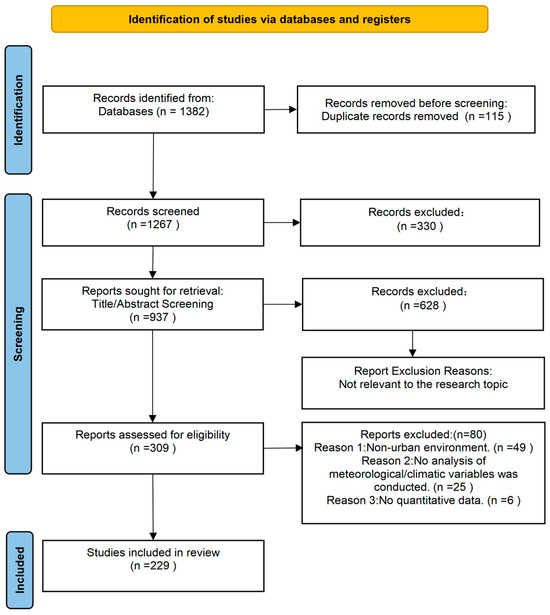
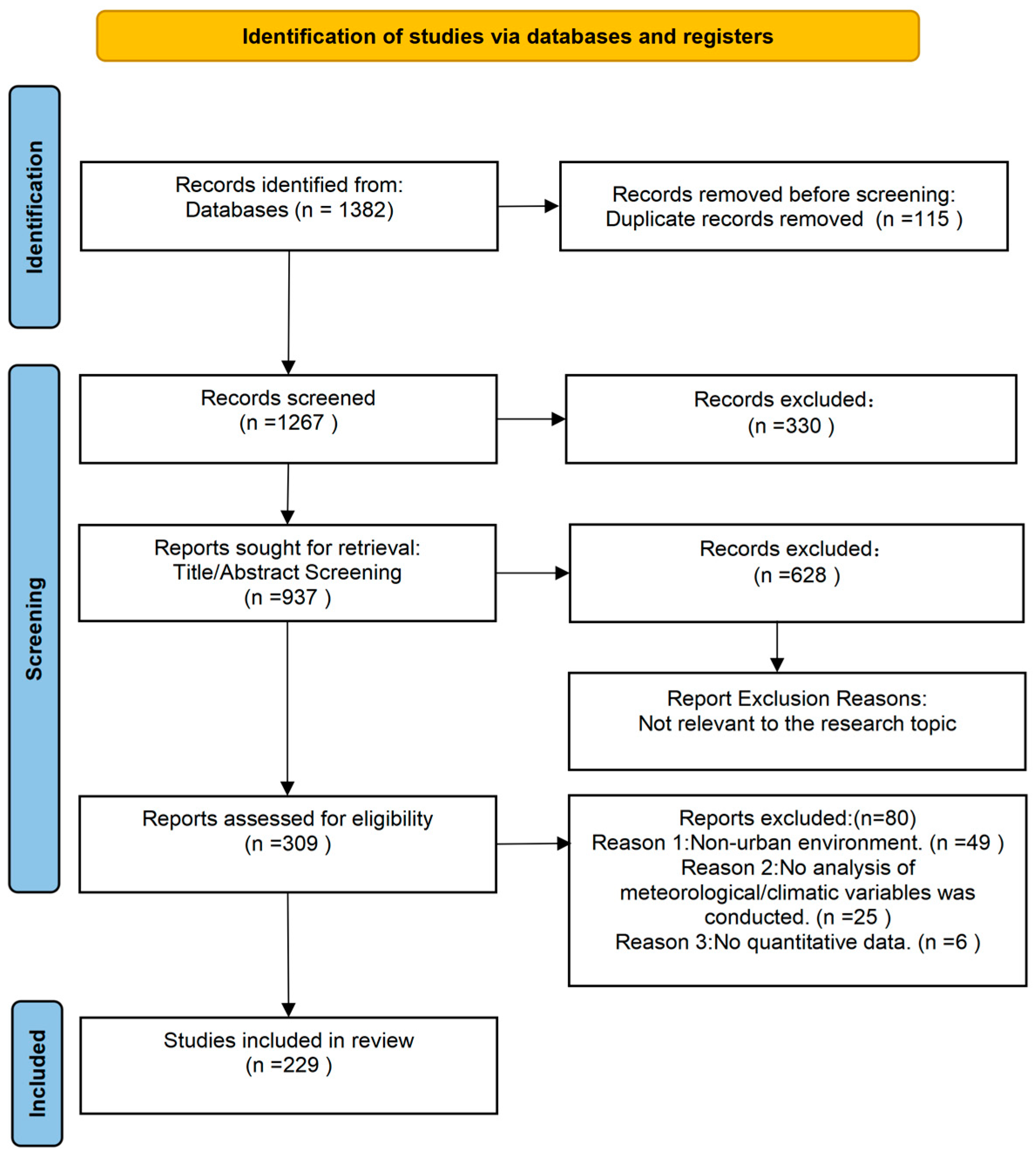
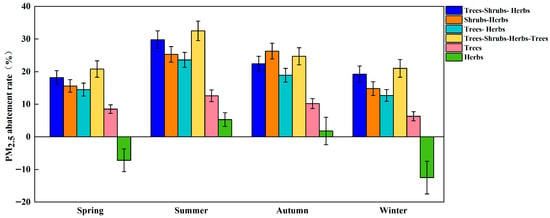
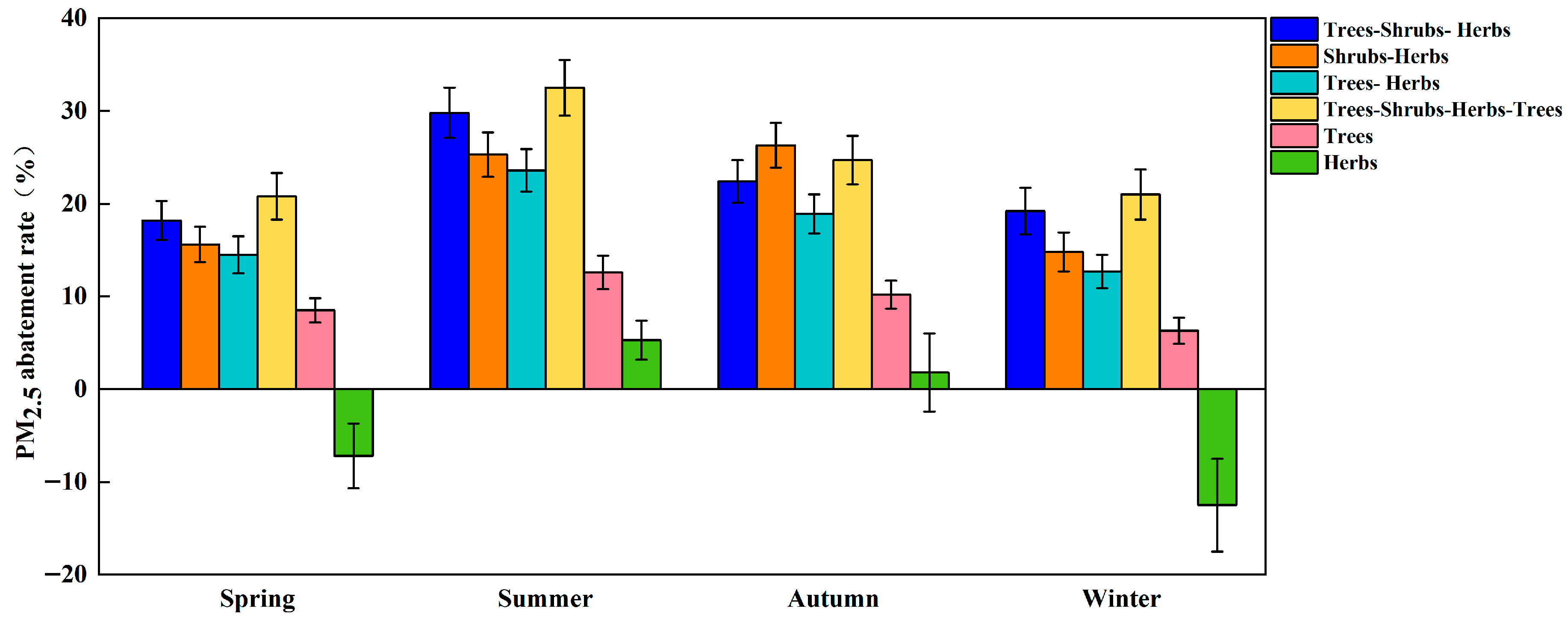
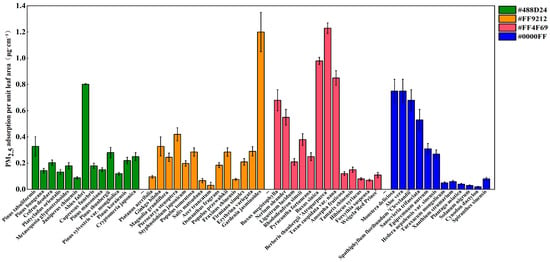
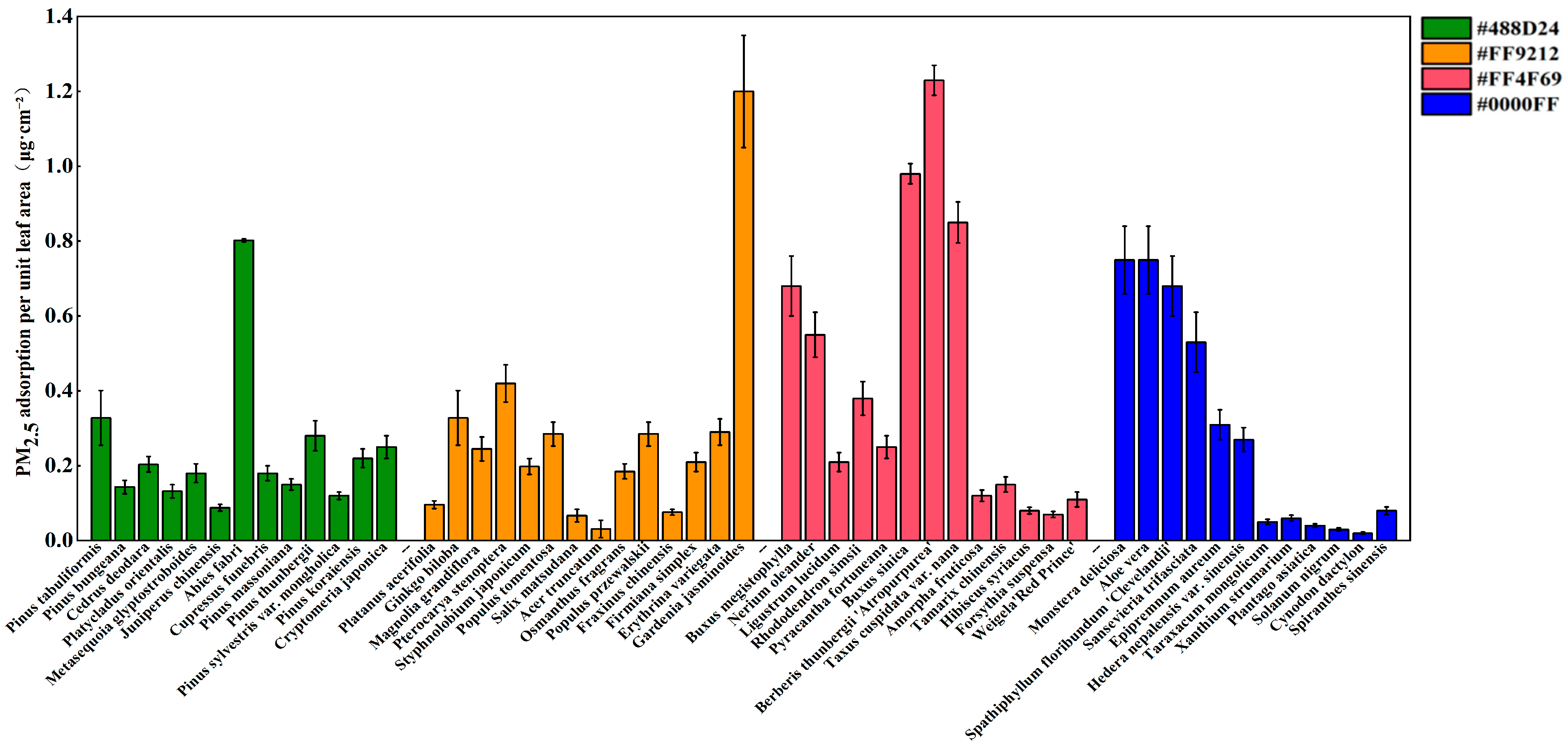
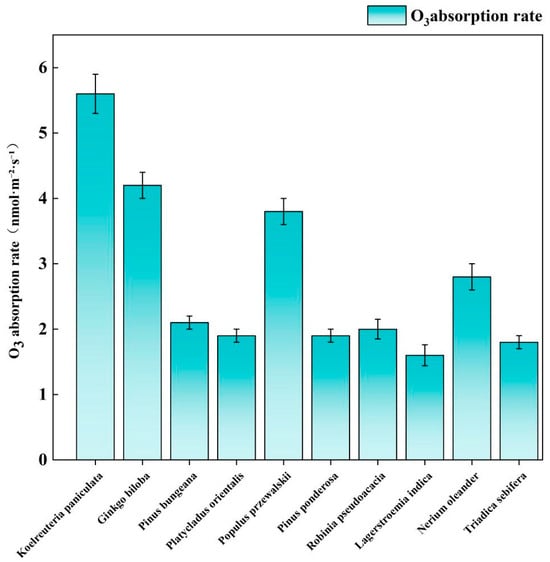
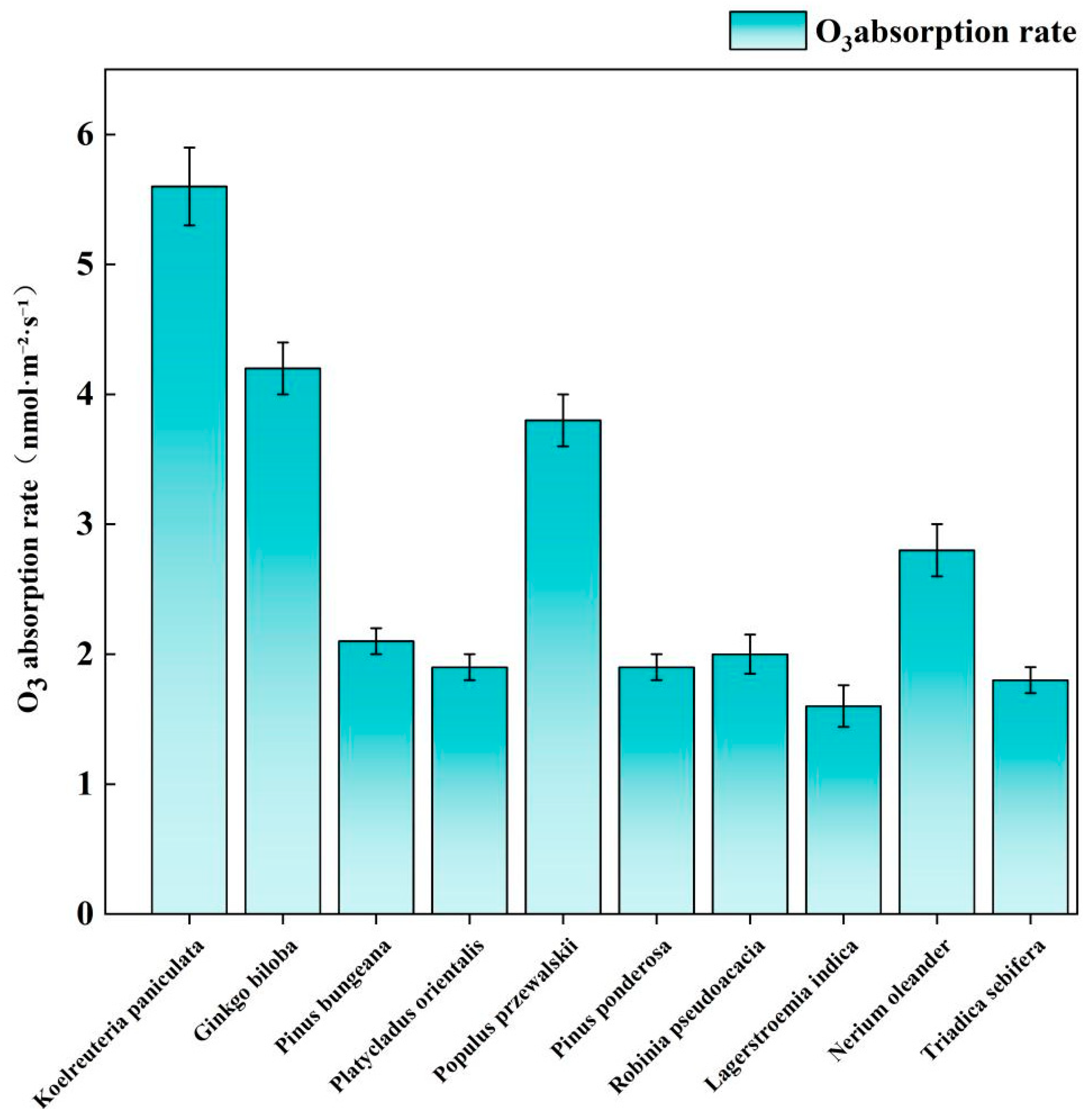
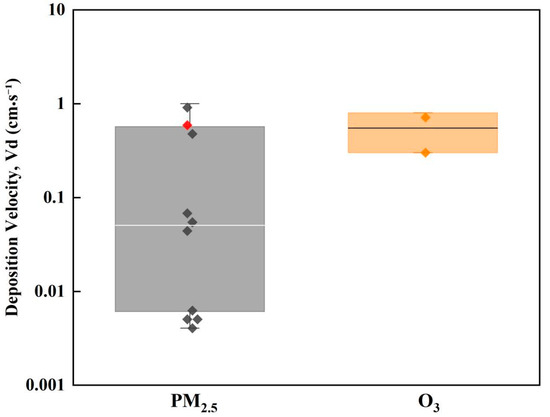
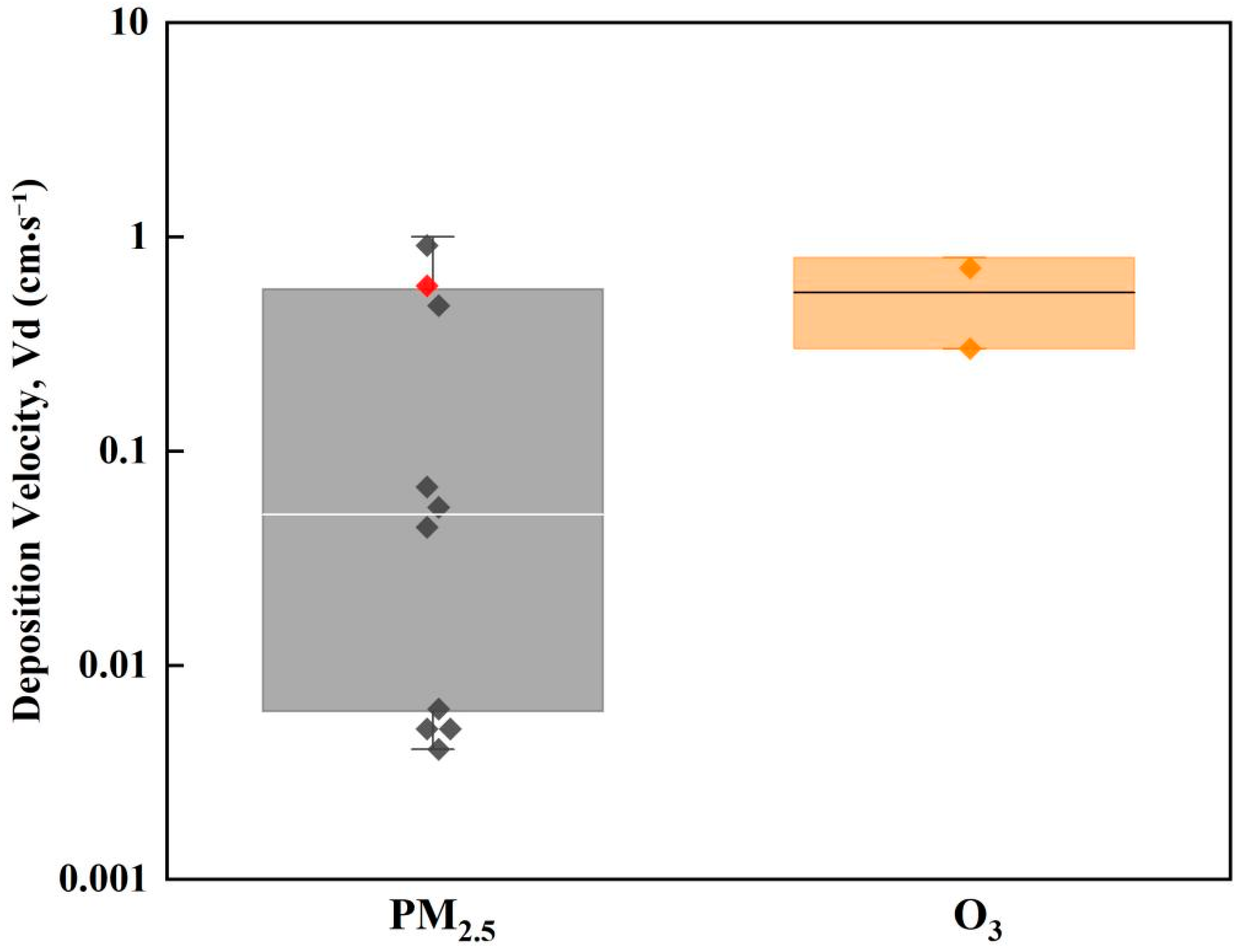
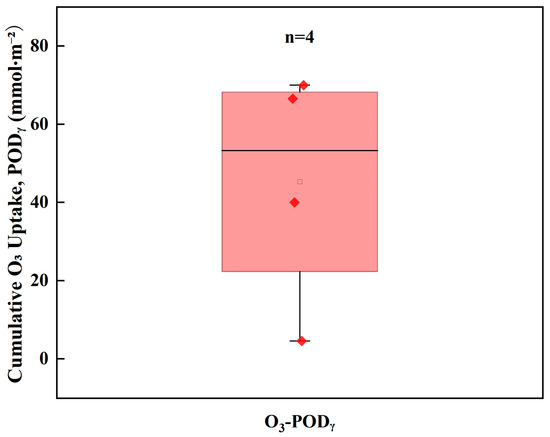
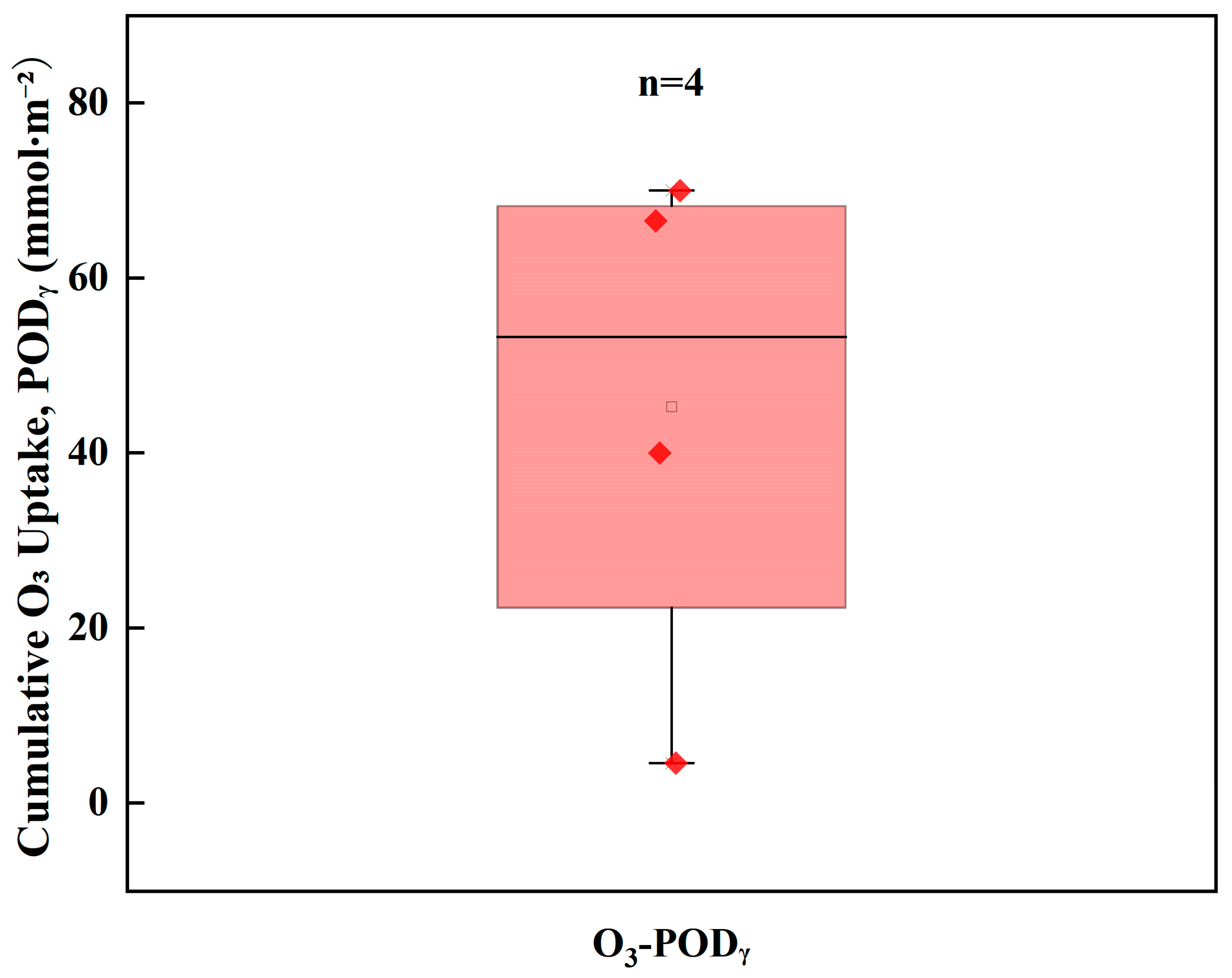
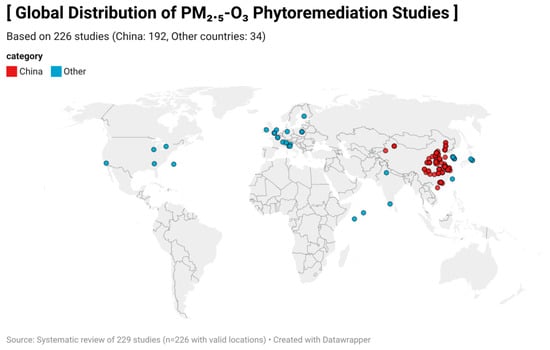
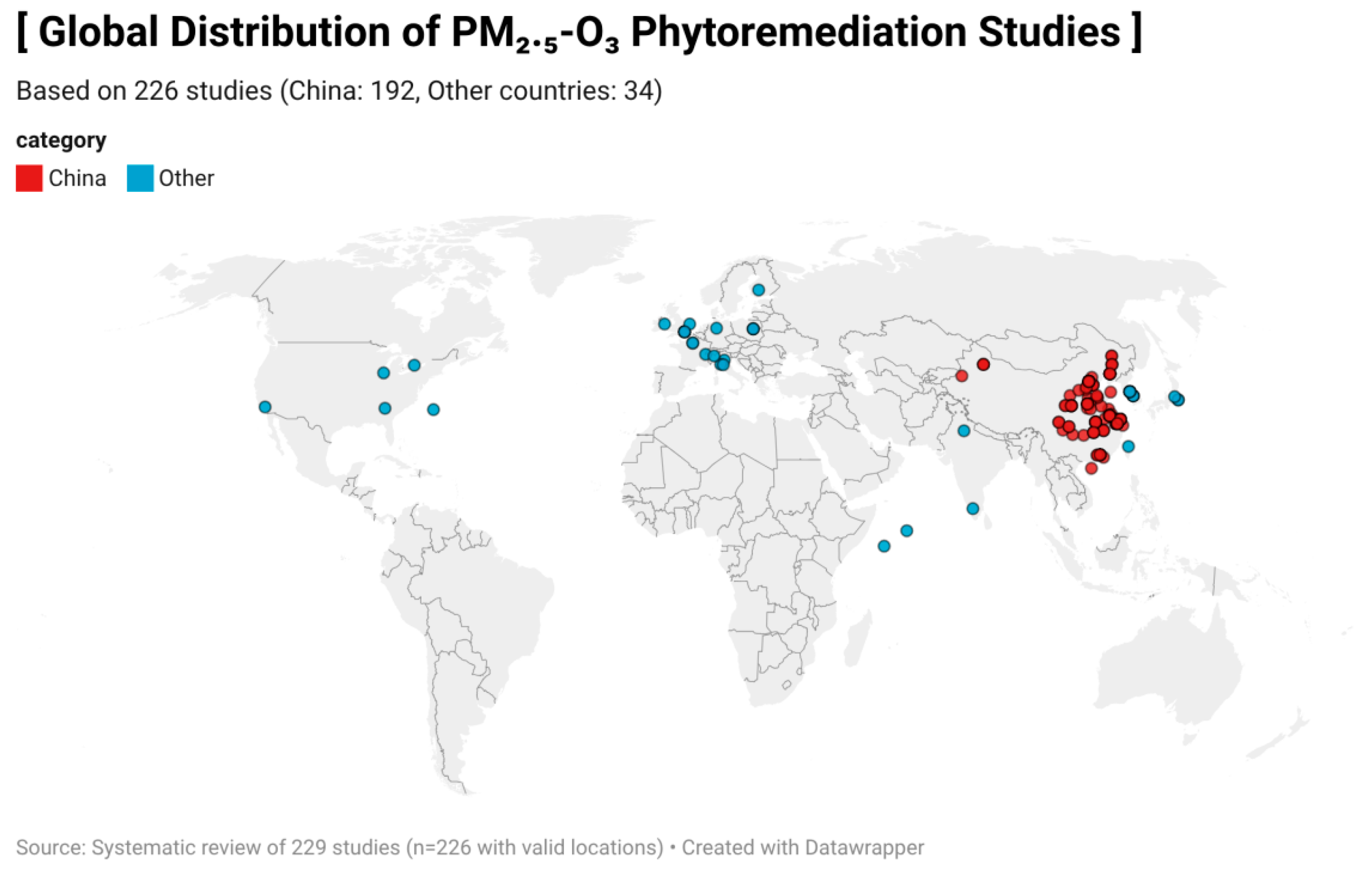
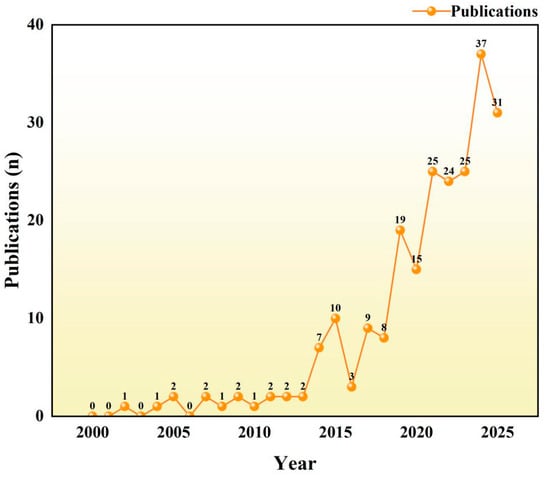
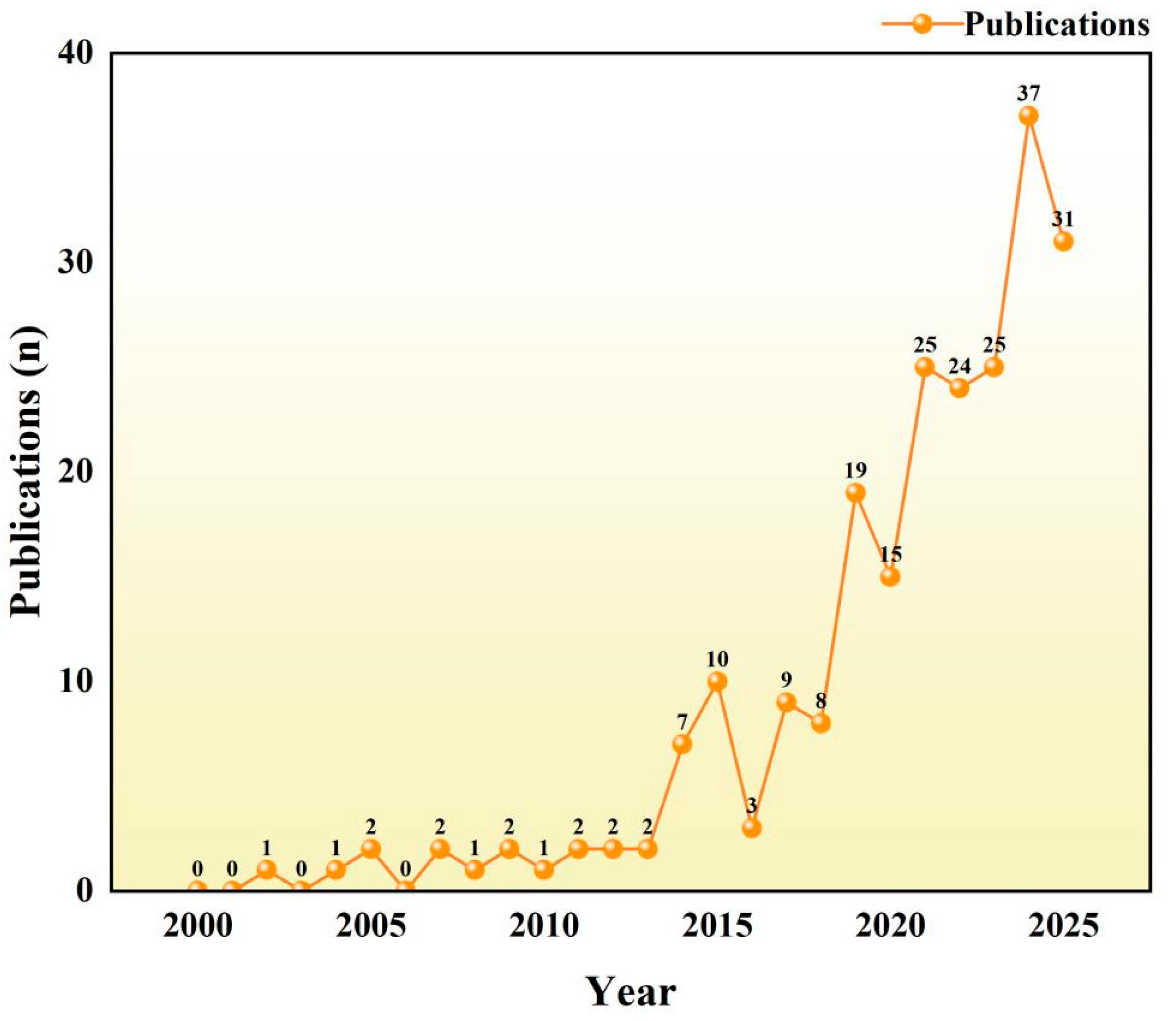

Disclaimer/Publisher’s Note: The statements, opinions and data contained in all publications are solely those of the individual author(s) and contributor(s) and not of MDPI and/or the editor(s). MDPI and/or the editor(s) disclaim responsibility for any injury to people or property resulting from any ideas, methods, instructions or products referred to in the content. |
© 2026 by the authors. Licensee MDPI, Basel, Switzerland. This article is an open access article distributed under the terms and conditions of the Creative Commons Attribution (CC BY) license.