1. Introduction
The first applications of logistics date back to ancient times and have evolved significantly with today’s Industry 4.0 technologies. Logistics is one of the most essential components of the supply chain. An effective transportation system not only strengthens the supply chain but also provides a competitive advantage to companies. Therefore, efficient and effective logistics activities on a global scale are of critical importance for firms. Logistics can be defined as a service consisting of people, processes, and technology to deliver the right product, in the right quantity, at the right cost, at the right time, in the right place, under the right conditions, to the right customer, popularly known as the 7Rs of logistics [
1].
The World Bank has identified six key dimensions to evaluate countries’ logistics performance: customs, infrastructure, ease of arranging shipments, quality of logistics services, tracking and tracing, and timeliness of deliveries [
2]. The Logistics Performance Index (LPI) developed by the World Bank is used to assess the logistics performance of countries. The evaluation of logistics performance has been an important topic in the literature for many years. In order to enhance the logistics performance of a country or a company, it is essential first to identify and weigh the factors affecting performance, and then to conduct an appropriate evaluation. Logistics costs account for approximately 30% of a company’s total expenses, which makes the professional management of logistics a necessity [
3].
In recent years, increasing environmental concerns have made it necessary to include the sustainability factor in logistics performance evaluation. Therefore, the sustainability dimension has been incorporated into performance assessment criteria. It has been observed in the literature that a wide variety of methods have been employed in logistics performance evaluation. In particular, MCDM (Multi-Criteria Decision-Making) methods are frequently utilized in decision-making problems involving multiple alternatives and criteria [
4]. MCDM methods are used to select the most appropriate alternative among several options in situations where conflicting criteria exist [
5]. They are effectively applied in the evaluation of alternatives during the decision-making process in both traditional and fuzzy environments. Therefore, it is noteworthy that MCDM methods are frequently preferred in logistics performance evaluation studies [
1,
6,
7,
8,
9]. In real-world decision-making environments, the evaluation of criteria cannot always be expressed numerically and precisely. In such uncertain situations, linguistic expressions are often utilized. Consequently, fuzzy logic is integrated into MCDM methods to obtain more reliable and tangible results during the decision-making process in fuzzy environments. The literature includes numerous studies that employ fuzzy logic-based MCDM methods for the evaluation of logistics performance. Therefore, the selection of decision-making methods appropriate for uncertain environments is of critical importance in performance evaluation.
In recent years, studies on MCDM methods used in logistics performance evaluation have been examined. For example, in the study conducted by [
9], it was stated that considering the factors affecting logistics performance with equal weights is unrealistic, and the criteria were weighted based on expert opinions. This study involved consultations with five experts. Two of these experts were academics with experience in the logistics sector, while the remaining three were executives from the three major logistics companies where the performance evaluation was conducted. The experts’ experience ranged from 10 to 15 years. Expert opinions were collected using specially prepared matrices. Experts scored the criteria and alternatives according to their importance. Using a linguistic variable table, the scores were converted and used in the applications.
In
Section 2 of this study, the motivation for conducting the research is explained in detail, and the original contributions to the literature are highlighted.
Section 3 provides the definition of the identified problem and the research methodology. In
Section 4, the steps of the Fuzzy AHP, Spherical Fuzzy MULTIMOORA, and Heuristic Fuzzy COPRAS methods used in the application are presented. In
Section 5, study gaps, limitations of the review and future study directions are presented. In addition, recommendations for future research are discussed. In
Section 6, the findings are evaluated comprehensively, the study’s place in the literature is highlighted, and the contributions of this study are presented.
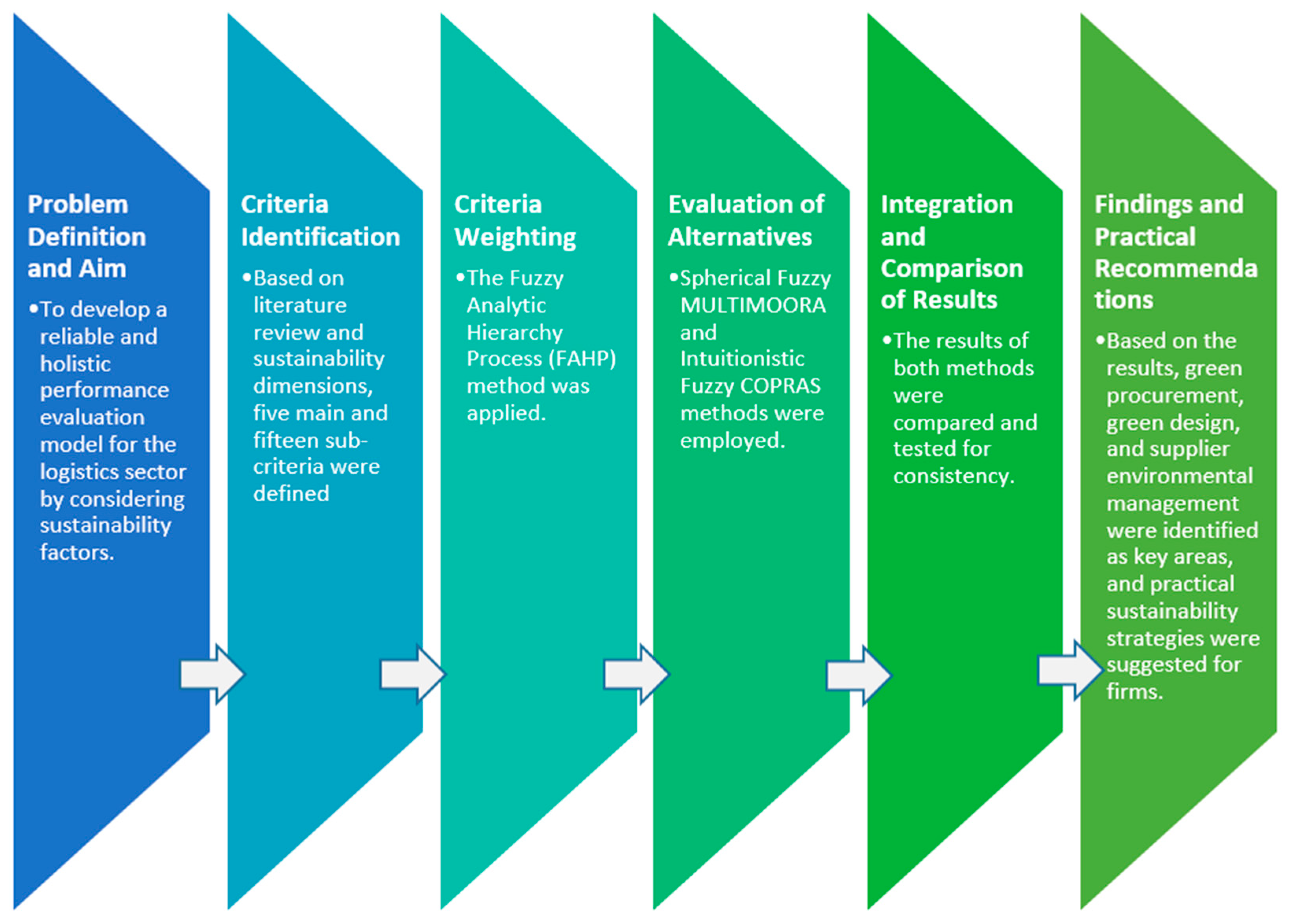
Figure 1 presents the developed research framework of this study.
2. Literature Review
Various studies from the literature have been presented to illustrate how MCDM methods are applied in logistics performance evaluation research. In their study, ref. [
10] emphasized the transformation of the logistics sector driven by globalization and technological advancements, focusing on the evaluation of countries’ logistics performance. Since the criteria weights in the Logistics Performance Index (LPI) developed by the World Bank are assumed to be equal, it does not provide a realistic assessment. To address this limitation, this study employed MCDM methods to determine the weights of the criteria. After determining the weights, the logistics performances of countries were evaluated using the TOPSIS, VIKOR, and CODAS methods. Finally, the Borda count method was applied to obtain the final ranking.
Ref. [
7] addressed the limitation arising from the World Bank’s Logistics Performance Index (LPI) assigning equal weights to its criteria by recalculating the criterion weights using the SWARA and CRITIC methods. A new integrated MCDM model was proposed using the PIV (Proximity Indexed Value) method. This model provided more objective results in ranking countries’ logistics performance, thereby contributing to the literature.
Ref. [
11] presented an integrated and consistent model for decision makers in selecting third-party logistics within a sustainable supply chain by using the Fuzzy AHP and Fuzzy VIKOR methods. The combination of the FAHP and FVIKOR methods provided more accurate ranking results and identified reliability, delivery time, customer satisfaction, logistics cost, network management, and service quality as the most influential factors in logistics outsourcing.
In this context, ref. [
9] reinforced the contribution of their previous study on sustainable 3PL selection by considering the economic, social, and environmental criteria of third-party logistics (3PL) providers. In their study, ref. [
9] presented an analysis of global third-party logistics providers in terms of economic, social, and environmental sustainability. After determining the weights of performance evaluation criteria using the entropy method, the MARCOS method was applied for performance ranking. The analysis results highlighted carbon emissions (20.50%) as the most significant performance indicator among logistics companies. The proposed model provided an example for measuring the performance of 3PL providers and emphasized key criteria for improving the performance of logistics companies.
The Best Worst Method (BWM) was used to determine the importance weights in the study. These studies in the literature provide valuable contributions to the evaluation of logistics performance through different methodological approaches. However, in today’s context, where sustainability goals are gaining increasing importance, approaches aiming to minimize the environmental impacts of logistics activities have become a priority.
Table 1 presents a comparative overview of recent studies in the field of logistics and sustainability using MCDM methods, in terms of the weighting and ranking methods used, fuzzy set types, and integration structures. This comparison clearly highlights the ways in which the current study differs from previous approaches in the literature.
This literature review has revealed the strengths and weaknesses of existing approaches and has formed the basis for the integrated model proposed in our study.
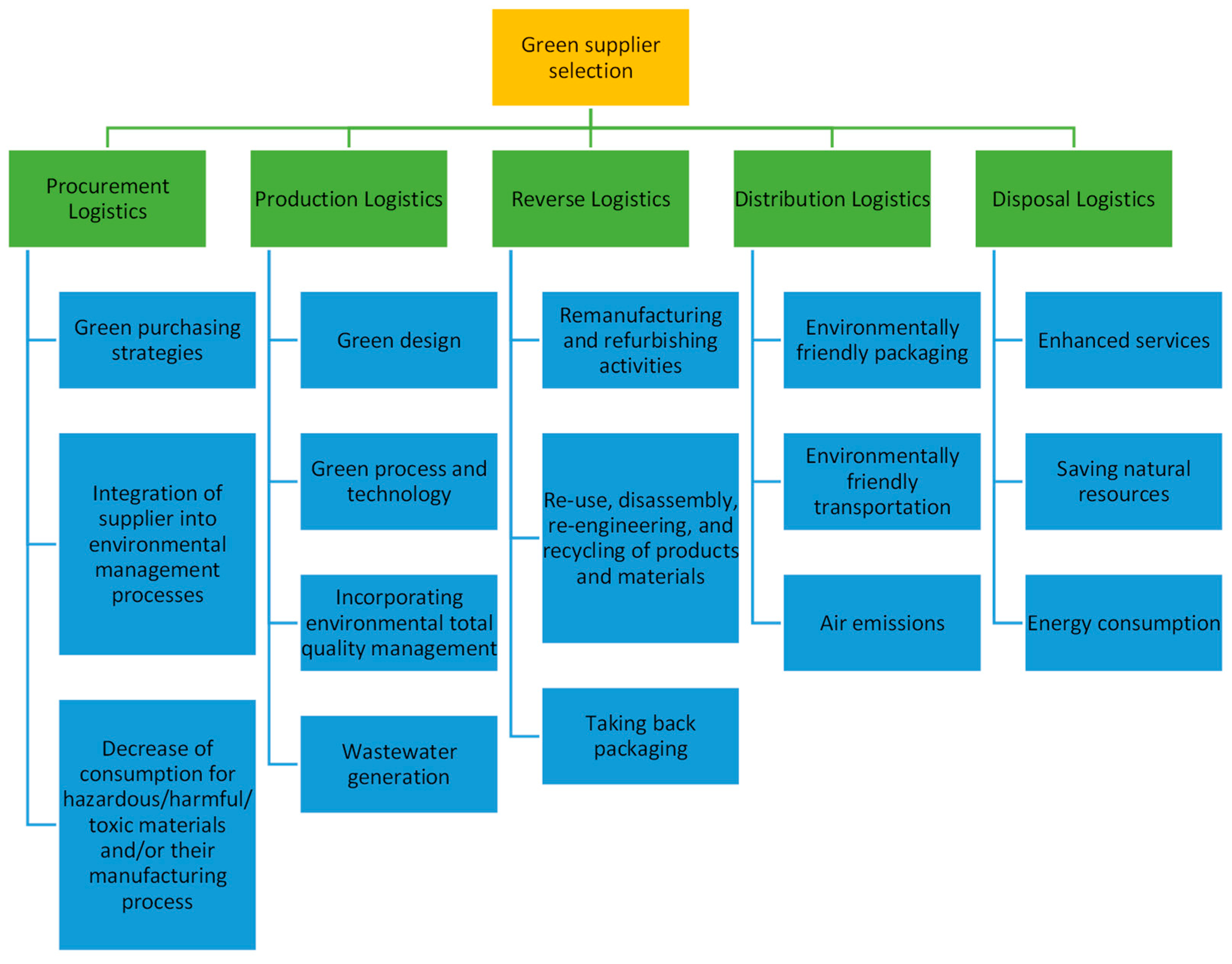
In order to support today’s sustainability goals, businesses are developing various strategies to reduce the environmental impacts of logistics activities. Modern enterprises pay close attention to this issue to ensure environmental sustainability. In this context, sustainable logistics is addressed under five main categories:
Procurement logistics (green purchasing strategies, guiding suppliers to establish their own environmental programs, integration into environmental management processes, reduction in hazardous/harmful/toxic materials and their use in production processes).
Production logistics (green design, utilization of green processes and technologies, adoption of environmental total quality management).
Reverse logistics (remanufacturing and refurbishing activities, reuse of products and materials, disassembly, reengineering and recycling, return of packaging).
Distribution logistics (environmentally friendly packaging, eco-friendly transportation methods, selection of carrier type).
Disposal logistics (advanced services, conservation of natural resources, energy consumption).
The 15 sub-criteria determined based on these five main categories allow for the evaluation of sustainable logistics performance from a holistic perspective. These criteria enable the assessment of logistics companies’ sustainability across environmental, economic, and operational dimensions. Therefore, to accurately measure sustainable logistics performance, it is necessary to determine an appropriate set of criteria and to use reliable methods for weighting these criteria. In their study, ref. [
13] applied a fuzzy decision-making method to a logistics center location selection problem under uncertainty and selected the most suitable logistics center. Ref. [
14] aimed to identify the optimal logistics center location and proposed a new ARAS-F method. Such studies demonstrate that fuzzy logic-based decision-making methods can be successfully applied in various subfields of logistics systems. In this context, the combination of criteria and methods proposed in this study provides a concrete contribution to the literature by addressing gaps in the holistic evaluation of sustainable logistics performance.
In summary, the literature contains numerous studies using various methods for logistics performance evaluation and sustainability-based decision-making problems. However, no study has been found that determines criteria weights using the Fuzzy AHP method and simultaneously applies the Spherical Fuzzy MULTIMOORA and Heuristic Fuzzy COPRAS methods for performance ranking specifically to evaluate sustainable logistics performance. In today’s complex and multidimensional decision-making problems, evaluations based on a single method are often insufficient. Therefore, fuzzy logic-based MCDM methods have been preferred to reduce the impact of uncertainties, balance subjective differences in decision makers’ judgments, and enhance the reliability of results. MCDM methods provide highly effective outcomes as they represent multiple expert opinions and allow for comparisons between methods. The integrated or hybrid use of these methods is important not only for singular perspectives but also for producing comprehensive, reliable, and balanced decisions. The originality of this study stems from addressing sustainable logistics performance in a multidimensional manner and presenting an integrated decision support model that considers uncertainties. The structure of the study is summarized below.
Unlike most existing studies, which rely on a single fuzzy MCDM technique, this research proposes an integrated, three-stage decision-making model. This model combines the FAHP, spherical fuzzy MULTIMOORA and intuitionistic fuzzy COPRAS techniques to evaluate sustainable logistics performance. First, FAHP is used to derive criteria weights based on expert opinion in an uncertain environment. Next, two different fuzzy ranking procedures—Spherical Fuzzy MULTIMOORA and Intuitionistic Fuzzy COPRAS—are applied to obtain alternative rankings in spherical and intuitionistic fuzzy environments, respectively. This dual-environment structure enables the results to be cross-validated and enhances the robustness of the evaluation. To the authors’ knowledge, no previous study has employed these three methods simultaneously to assess logistics sustainability performance, highlighting the methodological novelty of the proposed integrated model.
3. Materials and Methods
This section presents the adopted methodological framework. The study involves the integrated application of MCDM methods with fuzzy logic to evaluate sustainable performance in the logistics sector. In this context, the importance weights of logistics criteria were first determined using the Fuzzy AHP method. The fuzzy approach allowed decision makers to express their subjective judgments. Using the determined criterion weights, a logistics performance evaluation model was developed by combining the Spherical Fuzzy MULTIMOORA and Heuristic Fuzzy COPRAS methods. Additionally, the criteria presented in this study (procurement logistics, production logistics, reverse logistics, distribution logistics, and disposal logistics) provide a comprehensive and multidimensional analysis framework with environmental and operational sub-criteria linked to the main criteria. Within this framework, both the logistics practices of firms and their environmental sustainability aspects were analyzed in detail.
3.1. Problem Definition and Research Methodology
The problem addressed in this study is to provide a reliable and accurate performance evaluation model for logistics companies while also considering the sustainability dimension. In the existing literature, logistics performance evaluation studies generally assume equal importance for all criteria and often overlook uncertainties in the decision-making environment. Some studies focusing on the performance evaluation of third-party logistics (3PL) providers emphasize determining the relative importance of criteria.
Expert judgements in sustainability-oriented logistics performance problems involve a high degree of uncertainty, hesitation and linguistic vagueness. Therefore, this study employs FAHP to realistically model subjective expert evaluations under fuzzy conditions and determine the criteria weights. To reduce method-specific bias and enhance the robustness of the results, two complementary fuzzy ranking methods—Spherical Fuzzy MULTIMOORA and Intuitionistic Fuzzy COPRAS—are subsequently employed for performance evaluation. The spherical fuzzy environment provides a broader and more flexible representation of membership, non-membership and degrees of hesitation compared to classical and intuitionistic fuzzy sets. Meanwhile, the intuitionistic fuzzy COPRAS method offers a compensatory structure for benefit-based evaluations. Consequently, the proposed methodological framework is expected to deliver a more reliable and comprehensive assessment than single-method approaches.
In this study, each of the three evaluated major logistics companies has three subsidiary companies, and the performance data of these subsidiaries were averaged to calculate the sustainable logistics performance of the main companies. The mean values derived from the operational and sustainability criteria of the subsidiaries were used to assess the performance of the main companies. This approach enhances data diversity and depth, providing a more reliable representation of the overall performance of each major company.
In this study, the importance weights of the criteria were determined using the Fuzzy AHP method. In this way, the verbal judgments of experts were mathematically modeled, and the relative importance of the criteria was calculated in a more reliable manner. All criteria considered in the model are benefit type and selected to reflect environmental and operational sustainability dimensions of logistics. Thus, both fuzzy ranking procedures were modeled accordingly. The obtained weights were used in the performance ranking stage with two different fuzzy decision-making methods: Spherical Fuzzy MULTIMOORA and Heuristic Fuzzy COPRAS. These two methods were applied independently to the same set of criteria and alternatives, and their results were compared to analyze the consistency of the model. The Spherical Fuzzy MULTIMOORA method allows for more flexible representation of uncertain judgments through its three-parameter structure (membership, non-membership, hesitation), while the Heuristic Fuzzy COPRAS method provides flexibility in converting complex fuzzy numerical expressions into decision scores. This methodology offers an original contribution to the literature as a sustainable performance evaluation model that considers decision makers’ subjective judgments and aligns with environmental sensitivity in the logistics sector, where uncertainty is dominant.
3.2. Fuzzy Sets
Fuzzy logic is based on the theory of fuzzy sets, which was first introduced by [
15]. Unlike classical set theory, which has a binary (0–1) membership structure, fuzzy sets allow elements to belong to a set to varying degrees within the range [0, 1]. This enables uncertainty, verbal expressions, and human-like thinking to be modeled mathematically. In this context, membership functions represent the degree to which objects belong to a set and can take various forms such as triangular, trapezoidal, Gaussian, and sigmoidal. In applications, the triangular membership function is particularly preferred and has also been used in this study.
The triangular membership function is one of the most commonly used functions among fuzzy numbers. This function is defined by three parameters:
(lower bound),
(peak point), and
(upper bound). The function value changes linearly between l and u, reaching the maximum membership degree of 1 at point m. Due to its simple structure and ease of computation, it is widely preferred in many fuzzy logic applications. The general form of the triangular membership function is as follows:
: lower bound (the point where the fuzzy number starts).
: peak point (the point at which the maximum membership degree is reached, µ = 1).
: upper bound (the point where the fuzzy number ends).
: evaluated variable.
: membership function (the degree to which the value belongs to the set).
3.3. Fuzzy AHP
Fuzzy AHP was developed to address the inability of the traditional AHP method to fully reflect the uncertainties in human judgments. In classical AHP, expert opinions are expressed with precise values, whereas in Fuzzy AHP, these opinions are modeled using triangular or trapezoidal fuzzy numbers [
16,
17]. This allows decision makers’ verbal assessments to be translated into a mathematical model more realistically. According to Buckley, the geometric mean method is used in a fuzzy environment to obtain criterion weights and determine the performance of alternatives. The steps of the method are as follows:
In the equation, the pairwise comparison matrix of the
expert is represented with triangular fuzzy numbers for
′ in Equation (3).
: Fuzzy pairwise comparison matrix of . expert (dimension ).
: Number of criteria (or sub-criteria).
(lower bound): The lowest possible value.
(peak): The most likely value (maximum membership).
(upper bound): The highest possible value.
Indices indicate the positions of the criteria.
: Number of experts.
: Fuzzy pairwise comparison value between criteria in the aggregated decision matrix.
,: triangular fuzzy values of criterion i relative to criterion j provided by expert .
Step 4. To calculate the priority vector of the obtained triangular fuzzy comparison matrix, the fuzzy geometric mean is computed for each row:
: Fuzzy geometric mean of criterion
i.
Then, these values are normalized to obtain the fuzzy weights:
: Normalized fuzzy weight (for each criterion).
: Fuzzy sum of all values.
Step 5. The fuzzy weight of each criterion is converted into a crisp value. In this study, the following formula is used:
Thus, the crisp criterion weights to be used in the decision-making process are obtained.
Step 6. In the previous steps, fuzzy pairwise comparison matrices were constructed for both main criteria and sub-criteria, fuzzy geometric means were calculated, normalized to obtain criterion weights, and then defuzzified into crisp values. After this stage, the spherical weights of the sub-criteria are calculated. For this purpose, the local weight of each sub-criterion is multiplied by the weight of its corresponding main criterion:
: Crisp weight of the i main criterion.
: Local weight of the . sub-criterion under the i main criterion.
: Spherical weight of the corresponding sub-criterion.
When this process is repeated for all main criterion groups, the spherical weights of all criteria to be used in the decision model are obtained. The sum of these weights should be 1:
3.4. Spherical Fuzzy Sets
The Spherical Fuzzy Set (SFS), introduced to the literature by [
18], is a fuzzy set approach developed to allow decision makers to express their uncertain, contradictory, or hesitant evaluations more flexibly. An SFS is defined by three parameters: membership (
), non-membership (
), and hesitation (
). An SFS defined on a universal set
is expressed as follows:
Each parameter can independently take a value in the range [0, 1], but it must satisfy the following constraint:
: membership degree of the element.
: non-membership degree of the element.
: hesitation degree of the element.
This structure allows the membership, non-membership, and hesitation degrees to be defined simultaneously for each element.
3.5. Spherical Fuzzy MULTIMOORA
In recent years, MULTIMOORA has been adapted to various fuzzy set extensions to reflect uncertainties more flexibly. In particular, spherical fuzzy numbers have added a new dimension to the method due to their ability to simultaneously model membership, non-membership, and hesitation parameters. The SFS structure, defined by [
18], represents the uncertainties in decision makers’ judgments more realistically and is therefore increasingly used in MCDM applications.
The SF-MULTIMOORA approach enables the evaluation of alternatives by applying the three sub methods of MULTIMOORA (Ratio System, Reference Point, and Full Multiplicative Form) within the SFS environment. In this way, both the criterion weights and the alternative performance values are expressed using spherical fuzzy numbers, and the aggregation, normalization, and defuzzification processes are performed with arithmetic operations specific to SFS [
18]. As a result, a more flexible and reliable ranking of alternatives is achieved compared to classical and other fuzzy extensions.
Step 1. Decision matrices are constructed, which involve evaluating alternatives using a scale by the decision makers. For each alternative
and criterion
, the evaluation values are entered as an SFS triplet
according to the scale presented in
Table 3. Linguistic expressions are used during the construction of the decision matrices. For benefit criteria, the linguistic term corresponding to a higher value is used, whereas for cost criteria, the linguistic term corresponding to a lower value is applied.
Step 2. In the spherical fuzzy environment, the Spherical Weighted Arithmetic Mean (SWAM) operator is used to aggregate the evaluations of multiple experts into a single common value. This method combines the expert-based values of the membership (
), non-membership (
), and hesitancy (
) parameters for each alternative
and criterion
j. Its formulation is as follows:
: Expert index .
: Weight of the expert ( in the case of equal importance).
: Membership degree assigned by the . expert for the . alternative and . criterion.
: Non-membership degree assigned by the . expert for the . alternative and . criterion.
: Hesitancy degree assigned by the . expert for the . alternative and . criterion.
After combining the experts’ evaluations using the SWAM operator, the aggregated spherical fuzzy decision matrix
is defined based on the resulting values:
In the literature [
18], it is emphasized that decision makers often treat all criteria as benefit criteria when evaluating cost related criteria. Accordingly, the logic of “lower cost → higher evaluation” is adopted. Thus, during the construction of the decision matrix
D, the criterion type (benefit/cost) will be directly considered at the stage of linguistic assignment.
Step 3. The aggregated spherical fuzzy decision matrix D obtained in the previous step is associated with the criterion weights to generate the weighted spherical fuzzy decision matrix . This process aims to reflect the relative importance weight of each criterion in the decision matrix. The weighting procedure is performed using the spherical fuzzy scalar multiplication operator. The weight of each criterion is applied to the spherical fuzzy value (, ,) as follows:
Using Equation (14), it is transformed into the aggregated weighted spherical fuzzy decision matrix. This is presented by the following equation:
The aggregated weighted spherical fuzzy decision matrix constructed through the first three steps will serve as the starting point for the three methods to be applied.
3.5.1. Spherical Fuzzy Ratio Method
Step 1. In the Ratio System (RS) approach, which is the first component of the MULTIMOORA method, the overall performance of each alternative is calculated by considering all criteria. At this stage, the aggregated and weighted spherical fuzzy decision matrix serves as the basis:
In this step, the aggregated weighted spherical fuzzy decision matrix is used to obtain the
values by applying Equation (17).
: Membership, non-membership, and hesitancy values of the alternative for the criterion.
: . Spherical fuzzy performance value of the alternative in the RS approach.
Step 2. In the next stage, the obtained fuzzy values are defuzzified to convert them into crisp values. The score function used for this purpose is as follows:
: Membership, non-membership, and hesitancy degrees of the alternative obtained using SWAM.
: Crisp (defuzzified) performance value of the alternative.
Step 3. Alternatives are ranked based on their defuzzified values, and the one with the highest value is determined as the best alternative.
3.5.2. Spherical Fuzzy Reference Method
The second component of the MULTIMOORA method is the Reference Point (RP) approach. In this approach, the best values for each criterion are determined, and the alternatives are ranked based on their distances from these reference points.
Accordingly, the reference point
is expressed as a spherical fuzzy coordinate vector for each criterion:
Step 2. The difference between the criterion based weighted cell of each alternative
and the reference point coordinate
is calculated using the distance:
: The weighted spherical fuzzy value of the alternative for the criterion.
: The reference (ideal) spherical fuzzy value for the criterion.
: Reference point coordinates of criterion .
The membership, non-membership, and hesitancy degrees of the alternative for the criterion (values obtained after SWAM).
: The distance of the alternative from the reference point for the criterion.
As a result of this process, a distance matrix is obtained.
For each alternative, the maximum distance is calculated. The alternatives are then ranked in ascending order based on these values. The alternative with the smallest maximum distance is considered the best one, as it is the closest to the reference point.
3.5.3. Spherical Fuzzy Full Multiplicative Form Method
The third component of the MULTIMOORA method is the Full Multiplicative Form (FMF) approach. In this approach, a multiplicative summary is obtained for each alternative by multiplying the spherical fuzzy values of the criteria, and the alternatives are ranked accordingly.
Step 1. Based on the weighted spherical fuzzy decision matrix , the spherical fuzzy multiplicative summary for the . alternative is calculated as follows:
: The product of the membership degrees of all criteria for the alternative.
: The value derived from the non-membership degrees.
: The value derived from the hesitancy degrees.
Step 2. The obtained spherical fuzzy summary value is converted into a crisp value using the score function. This function is the same as the score function used in the Ratio System and Reference Point approaches:
3.5.4. Order of Preference by Similarity to Ideal Solution (Dominance Method)
In the MULTIMOORA method, the three different approaches (Ratio System, Reference Point, Full Multiplicative Form) produce separate results. However, since the ranking of each method may differ, dominance analysis is applied to obtain a final decision ranking [
19]. The dominance approach is based on comparing the rankings of alternatives obtained from the three methods. If an alternative outperforms another in all three methods, it is considered fully dominant; if it outperforms in at least two methods, it is considered partially dominant. In this way, potential differences among the methods are balanced, resulting in a more reliable and comprehensive final ranking for the alternatives.
3.6. Intuıtıve Fuzzy Sets
The concept of Intuitionistic Fuzzy Set (IFS) was first introduced by [
20] as an extension of classical fuzzy set theory. An IFS considers not only the membership degree (
) for each element but also the non-membership degree (
). This allows the judgments of decision makers, which may be uncertain or contradictory, to be modeled in a more comprehensive manner.
Mathematically, an intuitionistic fuzzy set
defined over a universal set
is expressed as follows:
: the membership degree of .
: the non-membership degree of .
: the hesitancy degree of .
The constraint is as follows:
Thanks to this structure, unlike fuzzy sets, decision makers can express not only “to what extent an element belongs” but also “to what extent it does not belong.” The hesitancy degree represents the decision maker’s uncertainty. Intuitionistic fuzzy sets are widely used, particularly in MCDM problems, for modeling uncertain and subjective evaluations [
20,
21].
3.7. Intuitionistic Fuzzy COPRAS
The COPRAS method is one of the MCDM techniques developed by [
22]. The method stands out by allowing alternatives to be evaluated based on both benefit and cost criteria. In an intuitionistic fuzzy environment, the COPRAS method has been extended to account for the uncertain, contradictory, and hesitant judgments of decision makers [
23].
In MCDM methods, the objective is to select the most suitable alternative among , based on nnn criteria expressed as . The steps of the method are as follows:
Step 1: In the Intuitionistic Fuzzy COPRAS method, the first stage involves expressing the evaluations provided by decision makers for each alternative–criterion pair in the form of (
). These evaluations are used to construct the intuitionistic fuzzy decision matrix
using the linguistic scale in
Table 4. Each cell is expressed as follows:
: membership degree of the expert’s evaluation.
: non-membership degree of the expert’s evaluation.
: weight of the Expert.
If the experts are of equal importance, then for each expert. In this way, each cell becomes a consolidated intuitionistic fuzzy value reflecting the opinions of all experts, and the final form of the decision matrix is obtained.
Step 3: The intuitionistic fuzzy decision matrix obtained in the previous step is weighted to reflect the different importance levels of the criteria. As a result, the weighted intuitionistic fuzzy decision matrix is obtained. The weighting process is applied to the components of the intuitionistic fuzzy number in each cell. Accordingly, given the criterion weight . It is defined as follows:
Thus, the relative importance of the criteria is directly reflected in the decision matrix.
: The new membership degree scaled by the criterion weight .
: The new non-membership degree scaled by the criterion weight .
: The new hesitancy degree remaining after applying the criterion weight.
Step 4: After obtaining the weighted intuitionistic fuzzy decision matrix , the performance of each alternative is calculated separately based on benefit and cost criteria.
represents the set of benefit criteria. The weighted scores of alternative
for the benefit criteria are summed to calculate its total performance
.
represents the set of cost criteria. The weighted scores of alternative for the cost criteria are summed to obtain its total cost .
Step 5: After calculating the benefit () and cost () scores for each alternative based on the weighted values obtained from the intuitionistic fuzzy decision matrix, the final evaluation is performed using these values. If a criterion is of the benefit type, is generally calculated using the difference and summed to obtain the value. If all criteria are of the benefit type, the cost term () is set to zero, and it is directly accepted as .
Step 6: In the general case (when both benefit and cost criteria are considered), the relative importance of each alternative is determined using the following formula:
: The benefit score function of alternative .
: The cost score function of alternative .
: The minimum cost value among all alternatives.
Step 7: In the final stage, the relative utility of each alternative is calculated as follows:
: The highest
value among all alternatives.
The alternatives are then ranked in descending order of ; the alternative with the highest utility is determined as the best choice.
6. Conclusions
This study provides a multi-criteria evaluation of logistics performance from a sustainability perspective, identifying critical priorities for efforts to reduce environmental impacts in the sector. The criterion weighting results obtained through the Fuzzy AHP method, together with the performance rankings generated using the Spherical Fuzzy MULTIMOORA and Intuitionistic Fuzzy COPRAS methods, offer significant theoretical and practical implications for the field.
In this context, this study makes an important methodological contribution to the literature by integrating FAHP, Spherical Fuzzy MULTIMOORA, and Intuitionistic Fuzzy COPRAS into a single decision-making framework. The fact that both fuzzy ranking methods produced consistent and identical results demonstrates the internal coherence and robustness of the proposed hybrid framework, thereby eliminating the need for conducting an external sensitivity analysis.
Combining the uncertainty modeling capability of fuzzy set theory with robust ranking techniques allows for a more accurate representation of the complexity and ambiguity inherent in decision-making processes. Ref. [
26] proposed a hybrid MCDM model for selecting an appropriate 3PL provider for a company in India. In their study, triangular fuzzy numbers were employed to manage the subjective and uncertain conditions encountered in the evaluation of 3PL providers. The findings demonstrate that fuzzy-based MCDM approaches offer high flexibility and accuracy in addressing complex supply chain problems.
Ref. [
27] analyzed 121 articles published between 2002 and 2024 that focused on 3PL provider selection processes. The results of their analysis revealed that the three most commonly used approaches in 3PL provider selection are MCDM, Mathematical Programming and Artificial Intelligence methods. In this context, considering the methodological trends highlighted in the literature, the MCDM approach was also adopted in this study.
The fact that all criteria were treated as benefit-oriented and that fuzzy logic was employed in the weighting process reduces errors stemming from subjective judgments and provides more reliable results.
From a practical perspective, the proposed model enables logistics managers to identify the most effective green practices and allocate limited resources efficiently. The findings support the alignment of corporate strategies with environmental policy frameworks such as the United Nations Sustainable Development Goals, particularly Goal 9 (Industry, Innovation and Infrastructure) and Goal 12 (Responsible Consumption and Production).
The analyses clearly indicate that achieving sustainable logistics performance requires focusing on the early stages of the logistics supply chain. Among the main criteria, procurement logistics (52.5%) holds the highest level of importance, emphasizing that sustainability efforts must begin at the source. This is followed by production logistics (26.4%), which represents the next stage of the chain. The combined weight of these two main criteria demonstrates that efforts to reduce environmental impacts should be directed primarily toward internal processes and supplier management.
These critical criteria are followed by reverse logistics (12.2%), distribution logistics (6.1%), and disposal logistics (2.7%). This finding indicates that reverse logistics, which represents the principles of the circular economy, holds significant importance among logistics functions, yet plays a complementary role compared to the procurement and production stages.
A detailed analysis of the sub-criteria of procurement logistics reveals that the sub-criterion of green purchasing strategies (35.6%) holds by far the highest importance. This indicates that companies should promote environmentally friendly practices at the very beginning of the supply chain and that raw material selection exerts the greatest leverage on sustainability. The second-priority sub-criterion, guiding suppliers toward environmental programs (12.5%), emphasizes that environmental responsibility is not solely an internal issue but also requires the integration of suppliers to create a sustainable value chain. This is critically important for risk management in the logistics sector and for environmental oversight across the supply chain.
Within the main criterion of production logistics, green design (15.1%) and the use of green processes (7.3%) stand out. Investments in green design processes enhance resource efficiency during production and logistics stages while reducing the carbon footprint. The high importance assigned to this criterion indicates that companies seek not only cost-effectiveness but also a long-term sustainable competitive advantage. Other sub-criteria, such as environmental total quality management and the reduction in hazardous materials, are considered less significant, suggesting that current logistics managers prioritize tangible process improvements.
At the end of the supply chain, reuse and remanufacturing activities (8.3%) are identified as the most important sub-criteria, indicating that strategies to extend product life are prioritized in the transition to a circular economy. In contrast, taking back packaging (1.0%) is considered less significant.
From the perspective of distribution logistics, environmentally friendly packaging (3.8%) and environmentally friendly transportation methods (1.7%) stand out, while the choice of carrier type (0.6%) plays a complementary role. This suggests that logistics managers focus on reducing the carbon impact of packaging and last-mile delivery, while assigning a lower priority to overall carrier selection.
From the perspective of disposal logistics, enhanced services (1.7%) and saving natural resources (0.8%) are important for improving environmental performance, while energy consumption (0.3%) plays a complementary role. Overall, the distribution of main and sub-criteria enables a comprehensive assessment of sustainable logistics performance and allows managers to strategically identify investment areas that minimize environmental impact.
The proposed integrated model can be used to evaluate the sustainable performance of different logistics companies, thereby allowing its generalizability to be tested. Additionally, due to its adaptability to various industries and firms, the model is considered flexible and capable of enhancing the effectiveness of decision support processes.