1. Introduction
The circular economy (CE) is a framework for not wasting anything and continuously utilizing resources. It is distinct from the linear economy, which relies on an approach of “obtain, produce, discard,” as CE focuses on minimizing waste and maximizing efficiency with regard to resources [
1]. It maintains sustainability by keeping products, materials, and goods in a state of continuous use for as long as possible through reuse, recycling, repair, remanufacturing, and sharing [
2,
3]. CE strives to return product cycles into a closed loop, reducing the effects of production and consumption on the environment through principles of reduce, reuse, and recycle [
4].
In recent years, sustainable development has received increased emphasis even as innovative reconstruction has remained a highly desirable vision [
5]. Sustainability is a term used for the capacity for sustained or sustainably sustained processes over a long period of time with no harm inflicted on the environment, society, or economy. The term gained popularity through the 1987 United Nations Brundtland Commission, which described sustainable development as “meeting the needs of the present without compromising the ability of future generations to meet their own needs” [
6,
7].
Despite growing emphasis on sustainability, environmental concerns such as loss of biodiversity, pollution, natural resource depletion, and land overuse continue to threaten ecosystems on earth. Social considerations such as job losses, suboptimal work conditions, and economic instabilities further complicate this challenge, acting as barriers to sustainable development over the long term [
8,
9,
10]. The concept of a CE has gained crucial impetus as a solution for these challenges, influencing policy agendas such as the European CE Package and China’s CE Promotion Law [
11,
12]. Businesses also recognize the economic advantages inherent in circular practices, implementing sustainable thinking into their strategies for greater value creation with reduced impact on the environment [
8,
13].
Empirical evidence on the Triple Helix (TH) model’s contribution to the steel sector reveals that regulation, incentives, and infrastructure support fuel sustainable performance reviewed technological alternatives for reducing CO
2 emissions in Europe by 50% by 2030 through carbon avoidance, smart carbon utilization, and CE as part of the “Clean Steel Partnership” [
14,
15]. emphasizing that university, industry, and government partnerships fuel innovation, facilitating knowledge transfer into practice [
16].
Accelerating technological innovations such as big data, the internet, machine learning, artificial intelligence, robots, 3D printing, nanotechnology and renewable energy is a challenge for achieving SDGs but also for (human) labor markets as well as the natural environment carrying capacity, with ethical issues related to increasing inequalities. It is hazardous to separate sustainable development from innovation, but on the contrary, mankind has to find innovative solutions for overcoming great challenges, either for innovation or for sustainable development. It involves multiple actors at various levels of organizations, from the village level to the global level [
14].
Universities have traditionally provided an enabling environment for innovation, providing trained manpower, research, and knowledge inputs to the industry. In more recent times, universities have also emerged as important players in the creation of firms, often built on new technology developed in academic research [
17]. The first academic revolution, which transformed the university from a teaching to a teaching-research institution, continues in many countries. The tensions between the two modes are bridged by the creative and productive nature of the integration. The parallel result of the integration of economic and social development with teaching and research is seen in the second academic revolution [
18,
19]. Universities increasingly act as drivers of regional economic development, with academic institutions being repurposed or created to serve this role. The development of industrial conurbations around universities, supported by state research funding, has become a hallmark of entrepreneurial regions, such as Silicon Valley’s electronics and semiconductor cluster.
Intellectual capital has been recognized as being as important as financial capital in laying the foundation for future growth. This has been shown through the failure of conventional models that attempt to estimate the worth of a firm based on its physical assets [
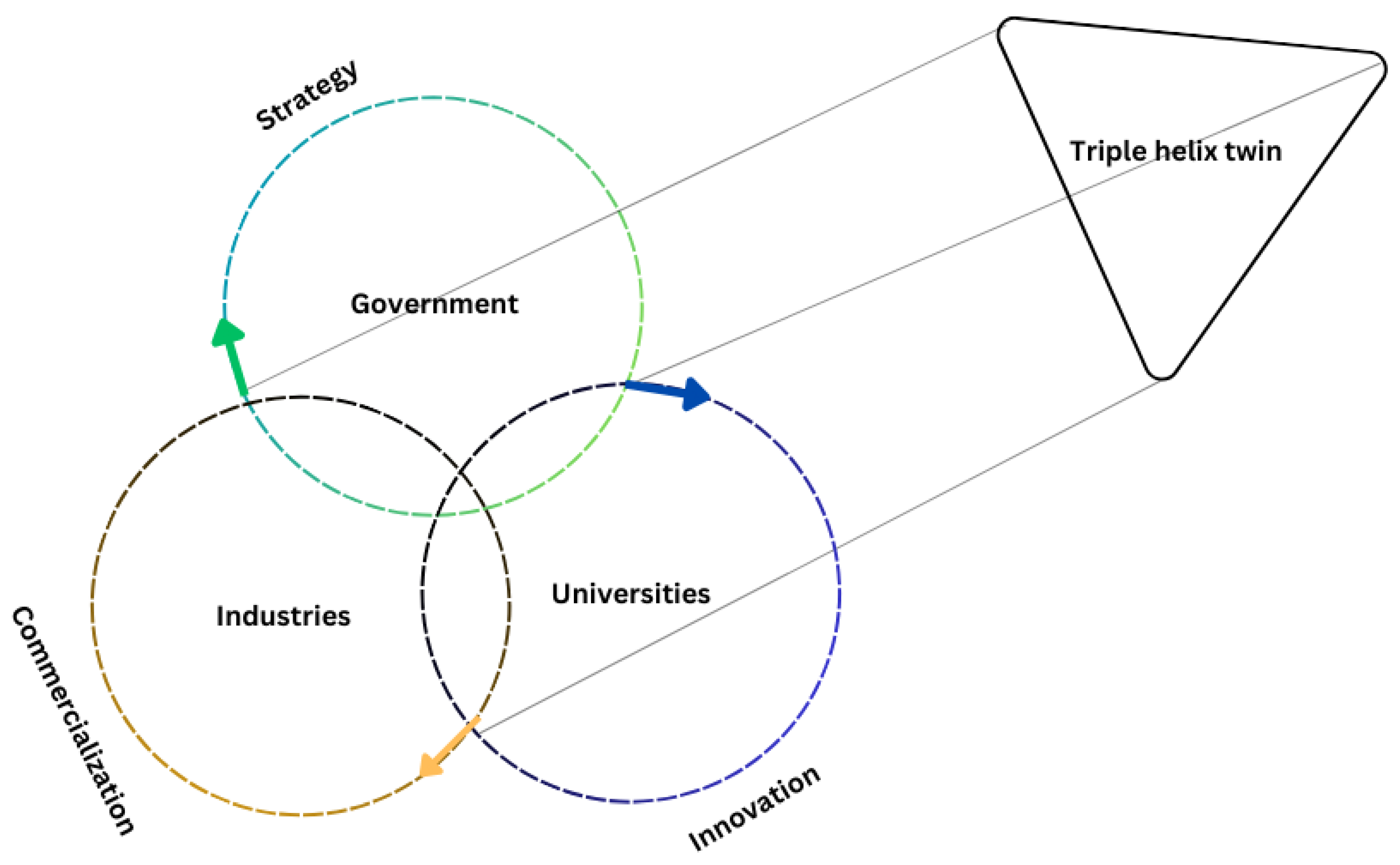
20]. Moreover, there has been an indication of a growing entrepreneurial academic culture that seeks a combination of commitment to basic discovery and commitment to practical application. These emerging configurations provide a framework for a constant cycle of firm development (See
Figure 1), diversification, and cooperation between competitors [
21,
22].
Industry as the production location within the Triple Helix; government as a source of contractual relationships providing stable interactions and exchange; university as a source of new technology and knowledge; and the generative force for knowledge-based economies. Urban areas worldwide are increasingly adopting smart, ICT-enabled responses to address urban challenges and enhance governance, democracy, and citizen engagement. The evolution of Smart Cities has gone from technology-oriented (Smart City 1.0) through a government-oriented (Smart City 2.0) strategy and now towards a citizen-oriented strategy (Smart City 3.0), where cocreation and engagement with inhabitants are crucial for influencing urban development [
9].
The Triple Helix describes a transformation in the dynamics among universities, industry, and the government and within each institution. With each institution increasingly ‘assuming the role of another,’ the traditional pairing of institution with function gives way, and the concept of CE and reduction in waste becomes a crucial area of potential for transforming the production and consumption model that has been ruled ever since the previous industrial revolution. The present study follows the framework of sociotechnical systems theory, in that it understands the phenomenon of waste management transformation as the coevolution of technological, institutional, and operational dimensions. While the literature on waste management transformation considers the technological, institutional, and operational dimensions of transformation separately, the present study’s theoretical contribution is that it explains how these dimensions interact, going beyond the level of structural synthesis to achieve functional integration. In fact, blockchain technology eliminates issues of information asymmetry and transaction costs, making it possible to achieve coordinated action, as prescribed by the triple helix model, but is seldom operationalized. In fact, the collaboration prescribed by the Triple Helix model provides the necessary institutional support structure that makes it possible to deploy the technology of blockchain, resolving the problem of the “cold start”, i.e., the necessity of having a critical mass of users to deploy network-based technology. Finally, the principles of CE describe the flows that are monitored by the technology of blockchain, as well as coordinated by the model of Triple Helix collaboration, thus achieving functional integration at the level of the operational dimension of transformation. This study’s theoretical contribution to the field of digital governance theory is that it explains how distributed ledger technology can operationalize the model of collaborative governance that was previously considered abstract.
Despite the growing body of literature on circular economy implementation, blockchain-enabled governance, and Triple Helix innovation systems, these research streams have largely evolved in parallel. Existing studies typically focus on individual components, such as digital technologies for supply chain traceability, institutional collaboration in innovation systems, or circular economy practices in industrial symbiosis networks. However, limited research has examined how these technological, institutional, and operational dimensions can be integrated into a unified governance architecture capable of coordinating circular resource flows in complex waste management systems.
In particular, the literature reveals two important gaps. First, while the Triple Helix framework emphasizes collaboration between universities, industry, and government, it often remains conceptual and lacks operational mechanisms that ensure transparency, accountability, and coordinated action among stakeholders. Second, although blockchain technology has been widely proposed as a tool for improving supply chain traceability and trust, its role in enabling collaborative governance structures for circular economy transitions has not been sufficiently explored.
To address these gaps, this study introduces the CETHTB-Chain framework, which integrates Circular Economy principles, Triple Helix Twins collaboration, and blockchain-based digital infrastructure within a sociotechnical systems perspective. The proposed framework conceptualizes how technological infrastructure, institutional collaboration, and material flow management can coevolve to support circular waste management systems.
First, this research provides a conceptual contribution by proposing a governance architecture that functionally integrates circular economy principles, institutional coordination mechanisms, and digital infrastructure within a single systemic framework. Second, the study offers a methodological contribution by employing a dual computational validation approach that combines Monte Carlo simulation with system dynamics modelling, enabling the probabilistic and temporal feasibility of the proposed framework to be evaluated ex ante, particularly in contexts where empirical implementation data are not yet available. Third, the research contributes to the emerging literature on digital governance for sustainability by demonstrating how blockchain-based infrastructures can operationalize collaborative governance mechanisms within circular economy systems. Together, these contributions advance the understanding of how technological and institutional innovations can be jointly deployed to support the transition from linear waste management systems toward more integrated and resilient circular resource governance models.
2. Methodology
CETHTB-Chain integrates CE, triple helix twins (THT), and blockchain technology into a new framework for enhancing waste recycling efficiency, traceability, and sustainability. It establishes a systematic framework for integrating these three components into a robust and scalable model for circular economic operations.
2.1. CE Foundational Framework
The CE acts as the structural and conceptual foundation upon which the CETHTB-Chain framework has been developed. This concept emphasizes waste minimization and the development of a closed material economy. The CE replaces the conventional end-of-life concept with a regenerative approach that aims at reducing, reusing, recycling, remanufacturing, repurposing, and recovering materials and substances within the context of production, distribution, and consumption patterns. This concept functions at different systemic levels that are connected and interdependent. These levels are microlevel (products, enterprises, and individuals), mesolevel (ecoindustrial parks), and macrolevel (urban, regional, and national levels), all of which are focused on promoting sustainable development. This multilevel approach highlights that CE cannot be implemented by individual initiatives but requires a harmonized approach by different sectors and economies. Within the context of the proposed CETHTB-Chain framework, the principles of CE have been implemented through the following approaches: material flow optimization, which maintains long product lifecycles through the development of value retention mechanisms such as reusing, recycling, remanufacturing, and recovering products and substances within the supply network (as shown in
Figure 2); distributed waste management through the development and implementation of localized recycling patterns that can increase the efficiency and reduce the pressure associated with waste handling and management; and finally, the development and integration of sustainability evaluation mechanisms such as life cycle analysis and environmental impact analysis, which can evaluate the benefits associated with the development and implementation of CE. These elements have collectively emphasized the importance and significance of the CE as a philosophy and a tool for implementing sustainability within the context of resources [
23].
Building on these principles, the circular economy can be understood as a systemic transition from the traditional linear “take–make–dispose” model toward regenerative production–consumption systems that maintain resource value while minimizing waste generation. At the system level, the implementation of circular economy practices requires coordinated mechanisms that enable material exchange and collaboration among multiple actors. In this context, industrial symbiosis and eco-industrial networks represent practical organizational forms through which circular resource flows can be achieved. Empirical evidence supports the development of meso-level CE practices in the form of ecoindustrial systems, in which interfirm collaboration can lead to the transformation of waste into valuable production inputs. In this context, industrial symbiosis and ecoindustrial parks are considered formalized CE practices that facilitate material circularity among interconnected industrial networks, as opposed to individual firm-level circularity [
25].
2.2. Triple Helix Twins (THTs)
The Triple Helix Twins (THT) concept is integrated into CETHTB-Chain to facilitate systemic innovation through collaborative partnerships between industry, academia, and the government. This framework recognizes that systemic and sustainable change involves both technological and organizational innovations and that CE principles are integrated into all dimensions of institutions and operations.
In the framework of the CETHTB-Chain, the roles of the various actors are well defined. In this context, universities have contributed to the development of the CE through applied research that involves waste valorization, circular material cycles, and sustainability solutions that are made possible through the use of blockchain technology. Industries play a part in the development of the CE by implementing innovations that are made possible in the real world, including the use of circular business models and digital technology in the management of waste. Governments provide enablers of the CE through policy instruments that are supportive of the CE.
The dual innovation strategy of THT ensures the simultaneous integration of the principles of the CE in the technological system, which includes infrastructure such as blockchain technology, as well as the organizational system, which includes governance structures and industrial partnerships. This creates a dynamic and adaptive system for the recycling of wastes.
2.3. Blockchain
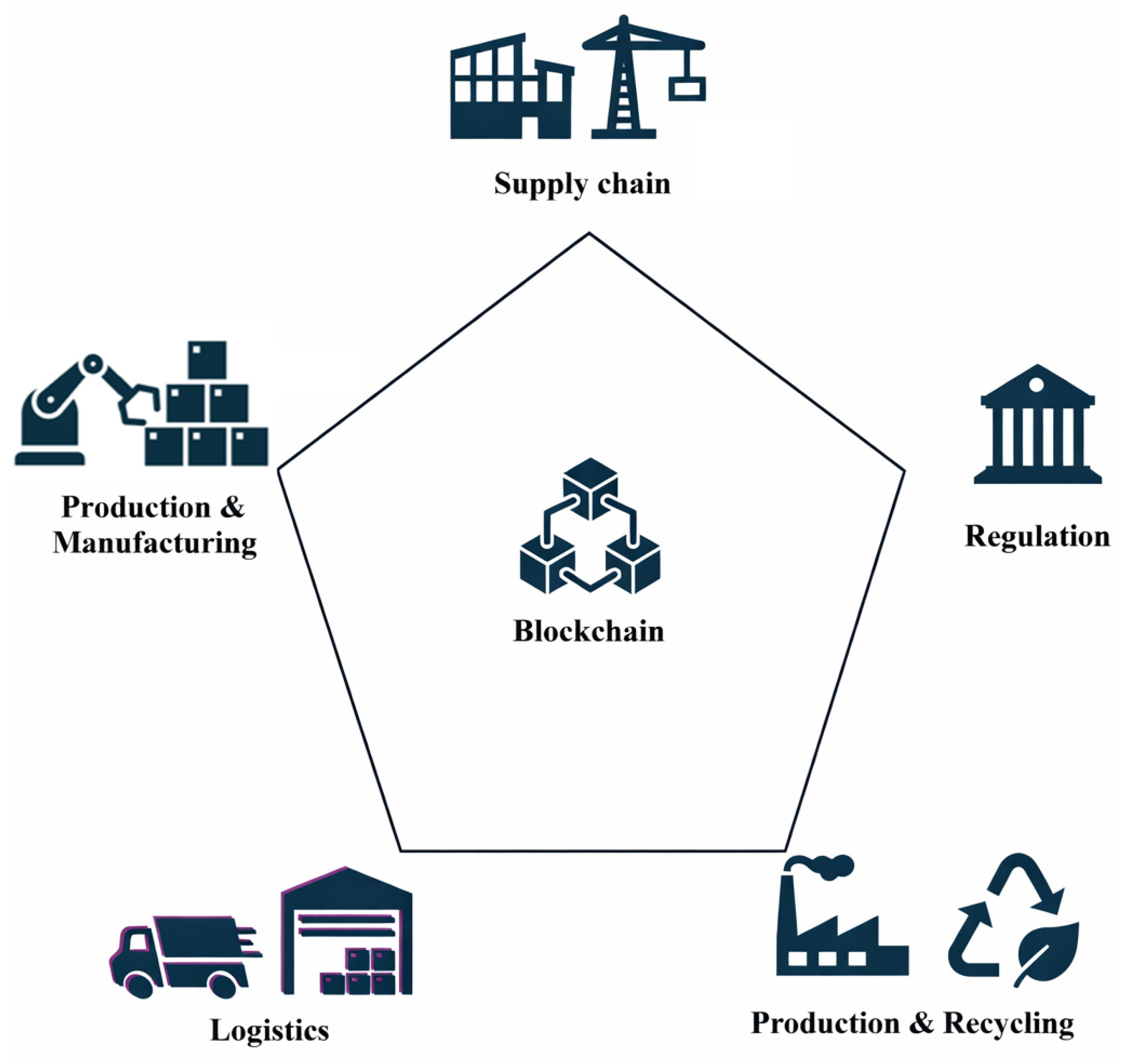
Blockchain technology (see
Figure 3) represents a new paradigm of data sharing and updating on the basis of a new protocol of interlinked ledgers or databases in a decentralized, peer-to-peer, open-access network. This technology has been developed to ensure secure, irreversible, and tamper-proof data storage and updating. Despite its infancy, research in the field of blockchain technology is advancing rapidly in various fields, calling for the establishment of the ethical and sustainability aspects of blockchain technology development and usage. The CE also focuses on the development of sustainability and social responsibility, in addition to economic growth [
26].
The distributed ledger approach also ensures that the information has immutability properties. Once the information has been recorded on the blockchain network, it cannot be changed or deleted. This results in a verifiable and unalterable record of transactions [
27]. The literature on blockchain has also focused on its role in enhancing supply chain traceability and ensuring data immutability [
28].
Current empirical studies continue to investigate the relationship between blockchain technology capabilities and CE performance measurement. In comprehensive research, Kouhizadeh et al. [
29] identified sixteen CEs’ performance measurements and illustrated how blockchain technology functionalities, such as traceability, transparency, reliability, smart contracts, and incentivization, can be systematically utilized to support the performance measurement of a CE. This research’s findings illustrate blockchain technology’s role in supporting CE performance measurement, not only as a technological tool for facilitating secure transactions but also as a governance tool for supporting CE performance measurement.
In this context, blockchain technology is incorporated into the CETHTB-Chain to improve trust, security, and data integrity in CE operations. The blockchain technology layer of the system allows for the following functions: The CETHTB-Chain infrastructure incorporates blockchain-enabled technologies to improve the level of transparency, automation, and behavioral incentives in CE systems. For example, DLT allows for the end-to-end traceability of materials, particularly recyclable materials, from the point of production to the point of recycling. On the other hand, the automation of smart contracts, which uses technologies such as Ethereum or Hyperledger, enables the automation of waste processing, verification, and recycling transactions, thereby reducing the level of opportunistic behavior. Furthermore, incentives are incorporated into CE systems to encourage consumers and businesses to adopt recycling, waste management, and CE practices.
2.4. CETHTB-Chain: Sustainable Circularity Through a Comprehensive Approach
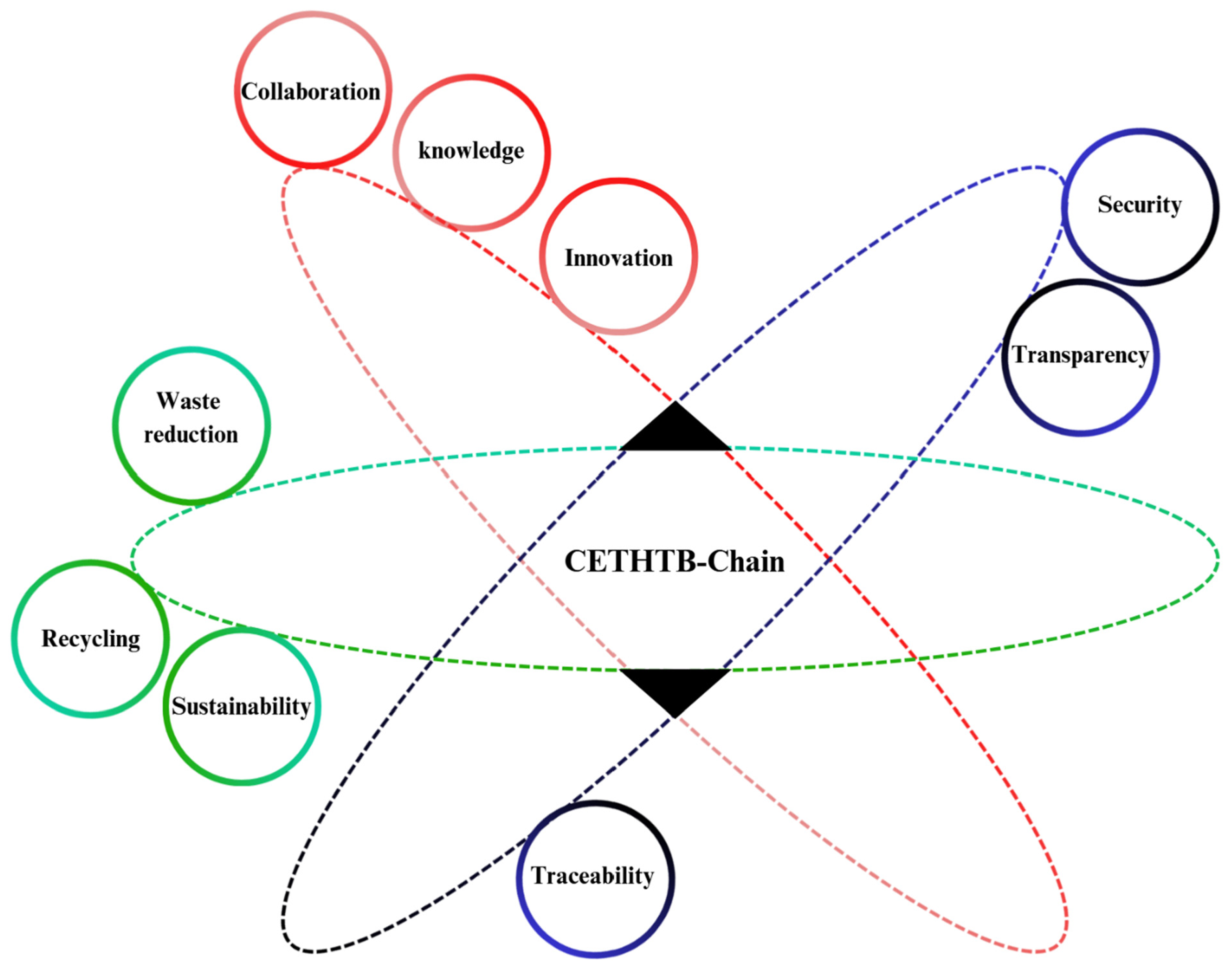
With the integration of the CE, triple helix twins (THT), and blockchain within the framework of the ‘CETHTB-Chain’ (see
Figure 4), a synergistic relationship is established. In other words, the integration of THT and CE enables the development of accelerated innovation in circular business models, the valorization of waste technologies, and industrial symbiosis through collaborative relationships. Similarly, the integration of blockchain and CE enables the development of accelerated decentralized verification mechanisms, thus promoting transparency in the entire value chain of the waste recycling network. In contrast, the integration of THT and blockchain enables the development of accelerated knowledge creation and implementation in the same way as university-driven blockchain development, industrial implementation of decentralized waste management models, and government-driven implementation of blockchain-based models of compliance in accordance with the principles of the CE.
Bibliometric and theoretical studies have recently placed digital technologies such as blockchain, the Internet of Things (IoT), and data platforms at the center of administrative and governance infrastructures that support the implementation of the CE concept. In fact, digital infrastructures are now considered coordination tools that support the development of accountability, transparency, and interorganizational control in the CE, further supporting the idea that digital architectures are essential for the operationalization of systemic CE concepts [
30].
2.5. Waste Recycling
CETHTB-Chain provides a structural basis for waste recycling maximization via multiple significant mechanisms:
Material flow optimization: The model sustains long product lifespans by emphasizing recycling, remanufacturing, and reuse tactics. This strategy has shifted from the traditional “acquire, make, discard” lineal economy approach to continuous resource utilization and waste minimization.
Distributed Waste Treatment: This method employs neighborhood collection systems to make waste treatment less reliant on logistics and reduce waste treatment inefficiencies. This is particularly the case with heterogeneous waste streams such as plastic waste or garment waste that require site-specific treatment [
31].
Inclusion of Sustainability Measures: This method employs lifecycle evaluation (LCA) and environmental impact indicators to determine the value of circular interventions such that recycling activities contribute to environmental sustainability. For example, LCA evaluations of mechanical, physical, and chemical recycling and energy recovery tend to favour recycling to reduce global warming [
32].
CETHTB-Chain makes recycling efficient and streamlined by the use of advanced digital technologies:
Blockchain Technology: Blockchain technology is a new protocol for exchanging and updating data that is tamperproof, irreversible, and secure on a peer-to-peer, decentralized, open-access network. Its integration gives higher data integrity, security, and trust to the operations of a CE.
End-to-end Material Traceability: Blockchain uses distributed ledger technology (DLT) to keep a tamper-proof record of recyclable materials from the time of manufacture to reuse. The authenticity verification of waste with its source and make is necessary to overcome contamination and chemical infusions of plastic waste, which can lower recycling quality [
33,
34,
35,
36,
37,
38].
Automation of Smart Contracts: Smart contracts using Ethereum or Hyperledger can establish autonomous executions of agreements for waste treatment and material recovery businesses. Automation can be achieved for logistics, verification of quality, and between waste pick-up brokers and recycling agents for remuneration [
39], and the use of recycled products (see
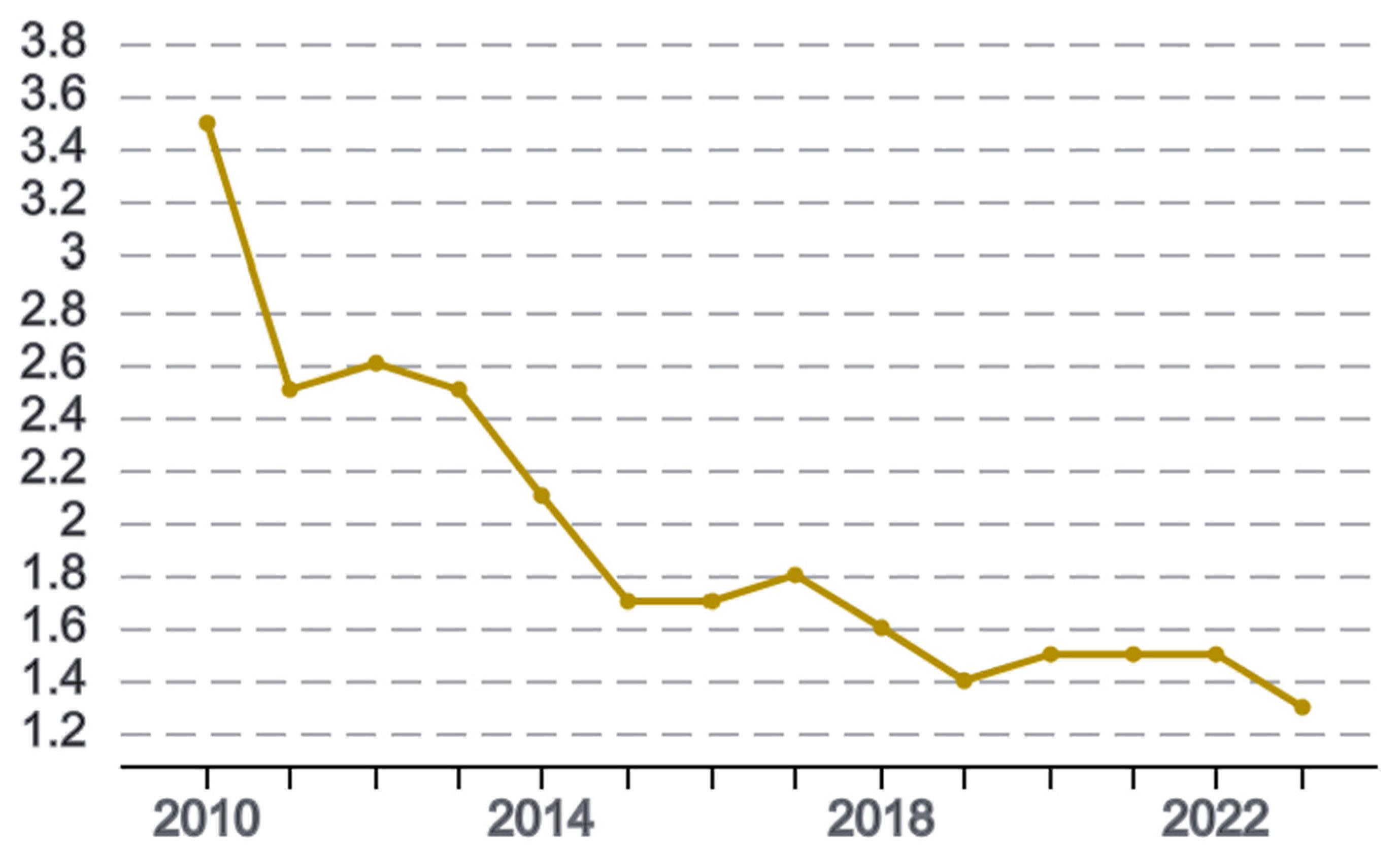
Figure 5) impacts the whole process as well as the surroundings.
Tokenized Incentive Mechanisms: Reward systems based on blockchain technology are used to motivate sustainable behaviors between consumers and businesses. One can see an example of those initiatives by local Japanese government authorities that include reward schemes that can include free compost, reward points, and basic products intended to incentivize households to deliver food waste that can be composted. The literature has shown that incentives, especially those associated with tangible rewards, can efficiently increase recycling participation rates [
40,
41].
The underlying philosophy behind smart waste collection technologies is the convergence of the Internet of Things (IoT) and big data analytics. Using devices with RFID chips and sensors incorporated within waste collection vehicles and bins, such devices can be connected by an IoT platform to capture diverse data, such as geographical position, type of waste, volume, and functional status. The resulting “big data” can then act as data for predictive analytics systems to make the collection route run more efficiently while promoting transparency and responsibility within waste management operations [
42].
The Triple Helix Twins (THT) approach acts as a basis for CETHTB-Chain, making cooperation between three essential actors possible:
Universities: They conduct applied research on waste valorization, circular material cycles, and blockchain technology for sustainability. This includes exploring new recycling methods such as advanced chemical processes or biological approaches for natural fibres, as well as researching optimal process parameters and catalyst types for various waste streams.
Industries are important actors in applying new CE business models and combining digital innovations with waste management practices and resource productivity. This involves the application of new recycling technologies, especially reactive extinction technologies that foster polymer recycling, as well as process integration that targets the realization of higher-quality recycled materials. Furthermore, industries are involved in waste collection and preliminary treatment activities, with challenges associated with contaminant removal and the sorting of various materials.
Governments: The roles of governmental institutions after waste is generated (see
Figure 6) include policy and regulatory actions that promote circular business operations while enhancing sustainable waste management practices. The actions include making legislation aimed at waste minimization, as well as putting recycling programs such as Japan’s Food Waste Recycling Law into effect, with incentives such as funding or regulatory policies that promote public participation in recycling activities. Furthermore, governments can promote eco-design programs aimed at making products easier to recycle.
CETHTB-Chain synergy implies that cross-stakeholder collaboration hastens circular business model development, the valorization of waste, and industrial symbiosis, whereas decentralized verification mechanisms (through blockchain) increase supply chain openness, responsible procurement, and end-of-life responsibility for waste recycling networks. This interlinked approach maximizes waste recycling efficiency and improves data-informed decision-making, the coordination of stakeholders, and economic feasibility for sustainable resource management. Improvement in plastic recycling: Catalytic pyrolysis can transform waste materials into usable hydrocarbons and aromatic substances for PE and PP [
33].
CETHTB-Chain’s data sharing and traceability can guarantee that appropriate waste streams are channeled to such special chemical recycling procedures with the possibility of extracting “virgin-quality monomers”. In the case of PET, solvolysis methods can efficiently depolymerize waste into high-value materials. Innovation in the recycling of textile waste: Smart collection systems comprising RFID chips and sensors are introduced as highly promising tools to make logistics smoother, schedule pick-up routes, and improve textile waste tractability.
Such incentive systems that are tokenized are directly embedded by CETHTB-Chain to encourage this. For example, Wear2 uses fibres made up of metallic particles that may be unravelled by microwave pulses to make dismantling easier [
43] while ensuring that the fibre length enables higher-grade mechanical recycling. Such designs that are eco-friendly are essential for efficient recycling, and CETHTB-Chain provides a platform to encourage such innovations via coordination among multiple stakeholders.
Agricultural Waste Recycling Behavior: The comprehensive action determination model (CADM) shows that farmers’ recycling intention for agricultural waste is influenced by social norms, personal norms, consequences and need awareness [
44]. CETHTB-Chain’s reward systems and policy interventions by the government (through THT) can be customized to trigger these individual norms and overcome objective barriers (such as the unavailability of premises or funds), thus encouraging greater participation in recycling agricultural waste. To calculate recycling process efficiency and environmental advantages, various metrics and indicators can be incorporated within CETHTB-Chain via this approach, as indicated by the following sources:
Quantitative figures for assessing the environmental performance of waste management options are provided by life cycle assessment (LCA) indicators. These include climate change (CC), which is measured in kilograms of CO
2 equivalents per tonne of waste. Mechanical and chemical recycling options generally result in net savings compared with the environmental burdens associated with energy recovery options (see
Figure 7). Other environmental impact categories, such as particulate matter (PM), acidification (AC), and resource use of fossil materials (RU-fossil), are also relevant. Moreover, the quality of recycled products with respect to the preservation of polymer properties compared with virgin materials also characterizes the environmental performance of different waste management options. The economic performance of a waste management system can be measured by life cycle cost (eLCC), which takes into account cost-effectiveness by including capital costs, operating costs, and revenue generated by material substitution [
32]. The material recovery yields, which are measured as the ratio of useful products or coproducts generated from waste materials fed into the waste management system, also provide valuable insights into the performance of the waste management system [
45]. Other operational performance indicators, such as recycling rates, are measured by setting national-level targets, such as Japan’s target of halving food waste by 2030 [
46], and customer or stakeholder participation rates are also relevant for decentralized waste management scenarios [
47]. Moreover, carbon footprint reduction, as measured by the net reduction in CO
2 equivalents compared with virgin or incineration-based alternatives, also represents a relevant sustainability performance measure [
48]. Through a systematic evaluation and monitoring of such sustainability performance indicators and with the help of the integrity and reliability of blockchain technology, the environmental sustainability benefits resulting from improved waste recycling processes can be tracked and verified through the proposed CETHTB-Chain framework.
2.6. Material Footprint
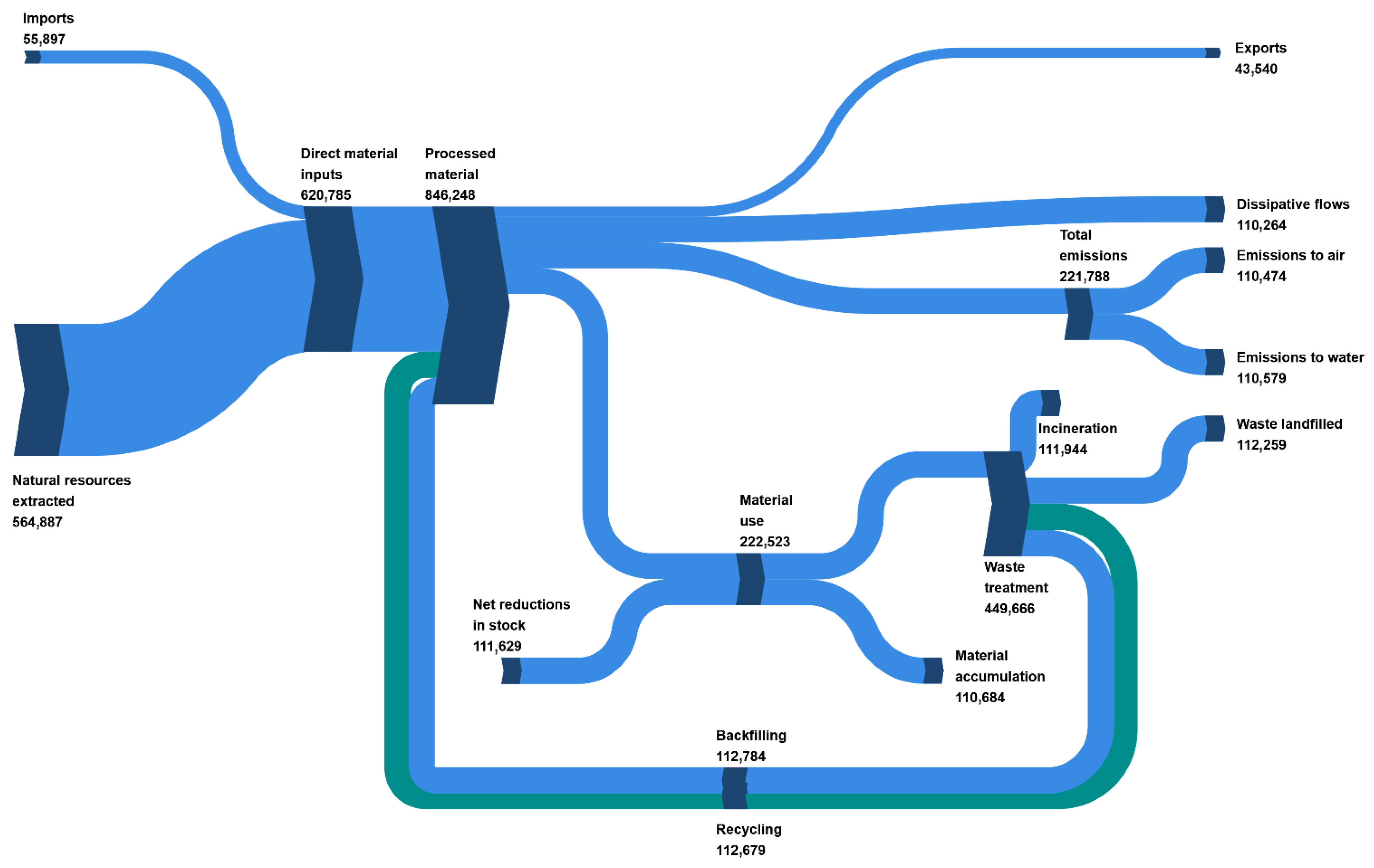
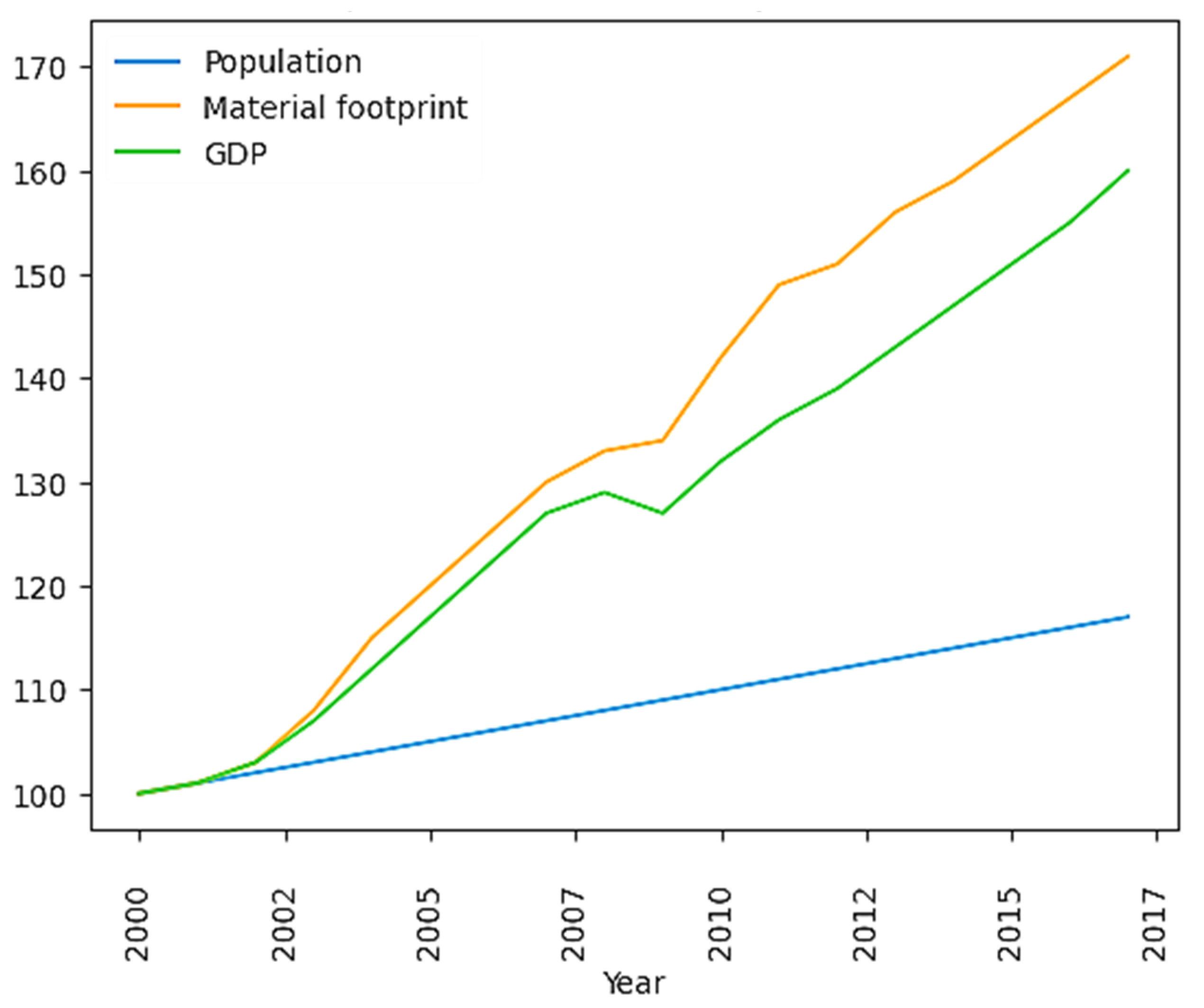
The material footprint is a consumption-based indicator that measures the total amount of raw materials extracted globally to satisfy the final consumption demands of a country, region, or individual. It accounts for all materials used throughout the entire production chain of goods and services consumed, including those extracted domestically and abroad, and includes biomass, fossil fuels, metal ores, and nonmetallic minerals. It provides a comprehensive measure of the environmental pressure related to resource use driven by consumption [
50,
51,
52].
The emission footprint represents the amount of emissions that are associated with the product/service into different compartments of the environment, such as air (SO
2, particulates, CO, CO
2, etc.), water, nitrogen, phosphorous, and soil, resulting from soil spilling. The calculation of the footprint is done on a per unit area basis. The conversion of the emissions is carried out on the principle that the anthropogenic mass flow should not affect the intrinsic qualities of the compartments. The maximum permissible flow is determined on the basis of the naturally occurring properties of the compartments, along with the replenishment rates per unit area. In the case of emissions to the soil, the replenishment rate is determined by the degradation of biomass to humus, which is practically determined by the production of compost from biomass. In the case of groundwater, the replenishment rate is determined by the rate of seepage, as determined by the precipitation level. In the case of emissions to the atmosphere, the exchange between the forest ecosystem and the atmosphere per unit area is the reference point for determining the anthropogenic flow, compared to the natural flow. The emissions to the atmosphere are not differentially weighted, as only the largest dissipation areas are considered. The dissipation of the emissions, which have lower areas of consumption, is carried out without violating the principle that the anthropogenic mass flow should not affect the qualities of the compartments [
53].
The human footprint measures energy quantities, resources, and products consumed by a human during his/her lifetime and includes, for example, the number of food “pieces,” the volumes of fuel and water, and the mass of waste. The human footprint evaluates everything that humans eat, use, wear, buy, and discard during their lifetime. The human footprint is also a measure of transformation, integrating information regarding human access, settlement, the transformation of land use/land cover, and the development of energy infrastructure [
54,
55,
56].
The waste footprint refers to the volume of waste that results from obtaining ingredients and materials; processing, manufacturing, and transport; and environmental, economic, and societal consequences that are caused by waste that humans make (See
Figure 8) [
56].
3. Results & Discussion
The implementation of the CETHTB-Chain framework demonstrated notable potential in enhancing the effectiveness and sustainability of waste recycling systems. By uniting CE principles, Triple Helix collaboration, and blockchain-enabled digital infrastructure, the system supported smarter resource flows and stakeholder engagement.
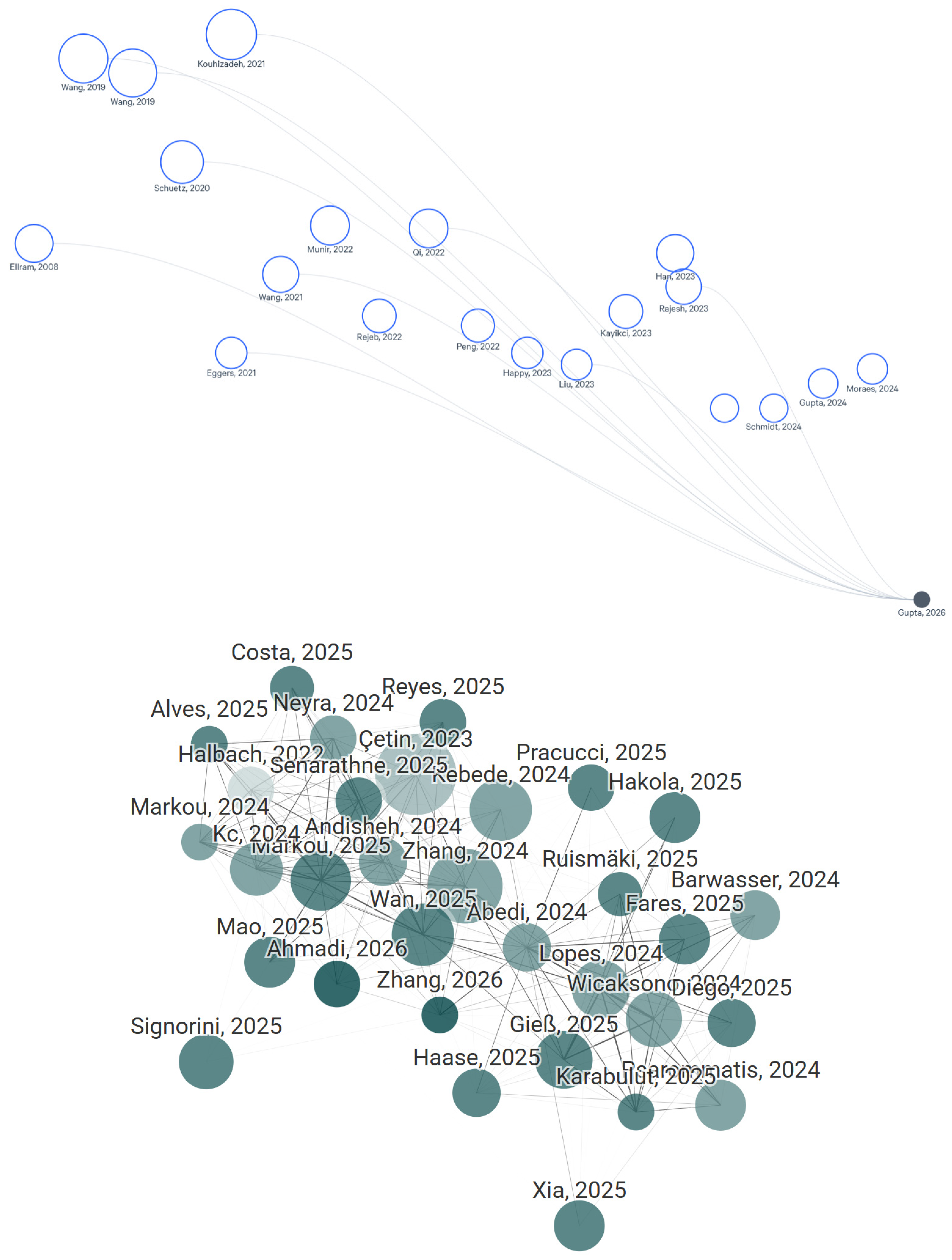
Figure 9 below presents the intellectual landscape based on the literature search results using keywords: CE, blockchain, and waste recycling. The two clusters in the figure represent different yet interconnected research communities within the thematic domain.
- o
The more dispersed cluster in the upper section of the graph refers to earlier or more conceptually focused contributions, where the authors examine basic themes such as the transparency facilitated by blockchain technology, the principles of the CE, and the digitalization of waste management systems.
- o
A lower, denser cluster indicates the maturity level of the literature. In this cluster, the authors cite each other, indicating the establishment of a research paradigm on the application of blockchain technology, industrial symbiosis, and data-driven optimization of waste recycling. The high density of interauthor citations indicates the level of methodological consistency and conceptual similarity.
On the whole, the visualization represents the evolution of research on the CE, blockchain technologies, and waste recycling systems into two research frontiers, one conceptual/exploratory and the other empirically oriented/technologically integrated. This research landscape substantiates the relevance and position of the proposed CETHTB-Chain framework in the increasingly interconnected research field.
3.1. Enhanced System Coordination and Efficiency
The simulation results suggest that the integration of blockchain-enabled traceability and decentralized data sharing can improve coordination across waste management networks. In practice, this implies that real-time monitoring of material flows may reduce logistical inefficiencies and enable faster routing of waste streams toward appropriate recycling processes. From a governance perspective, these results highlight the potential role of digital infrastructures in supporting more decentralized and responsive circular economy systems.
3.2. Technological Contributions to Recycling Quality
These technological capabilities help explain the improvements observed in the simulation results, particularly the increases in material recovery rates. By improving the traceability and quality verification of waste streams, blockchain-enabled systems may reduce contamination and enable higher-value recycling processes. Consequently, digital monitoring technologies can support both environmental performance and economic viability in circular waste management systems.
3.3. Policy and Incentive Alignment
The role of governance was strengthened through blockchain-aided enforcement mechanisms and incentive programs. Smart contracts provide a transparent framework for transactions between recycling agents, whereas tokenized rewards encourage household and commercial participation. This approach addresses both structural and behavioral barriers to recycling, especially in rural and underserved areas.
3.4. Sector-Specific Behavioral Shifts
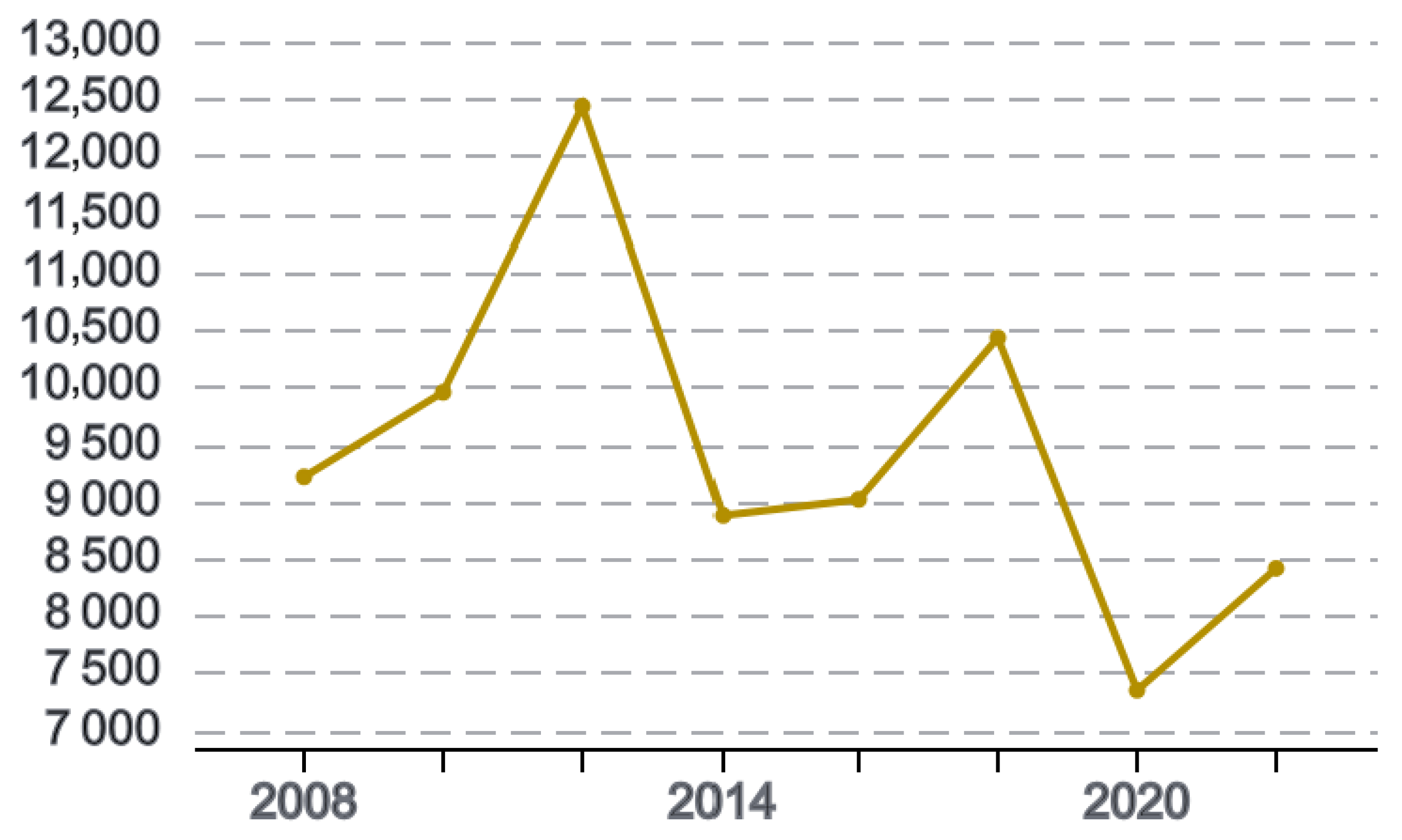
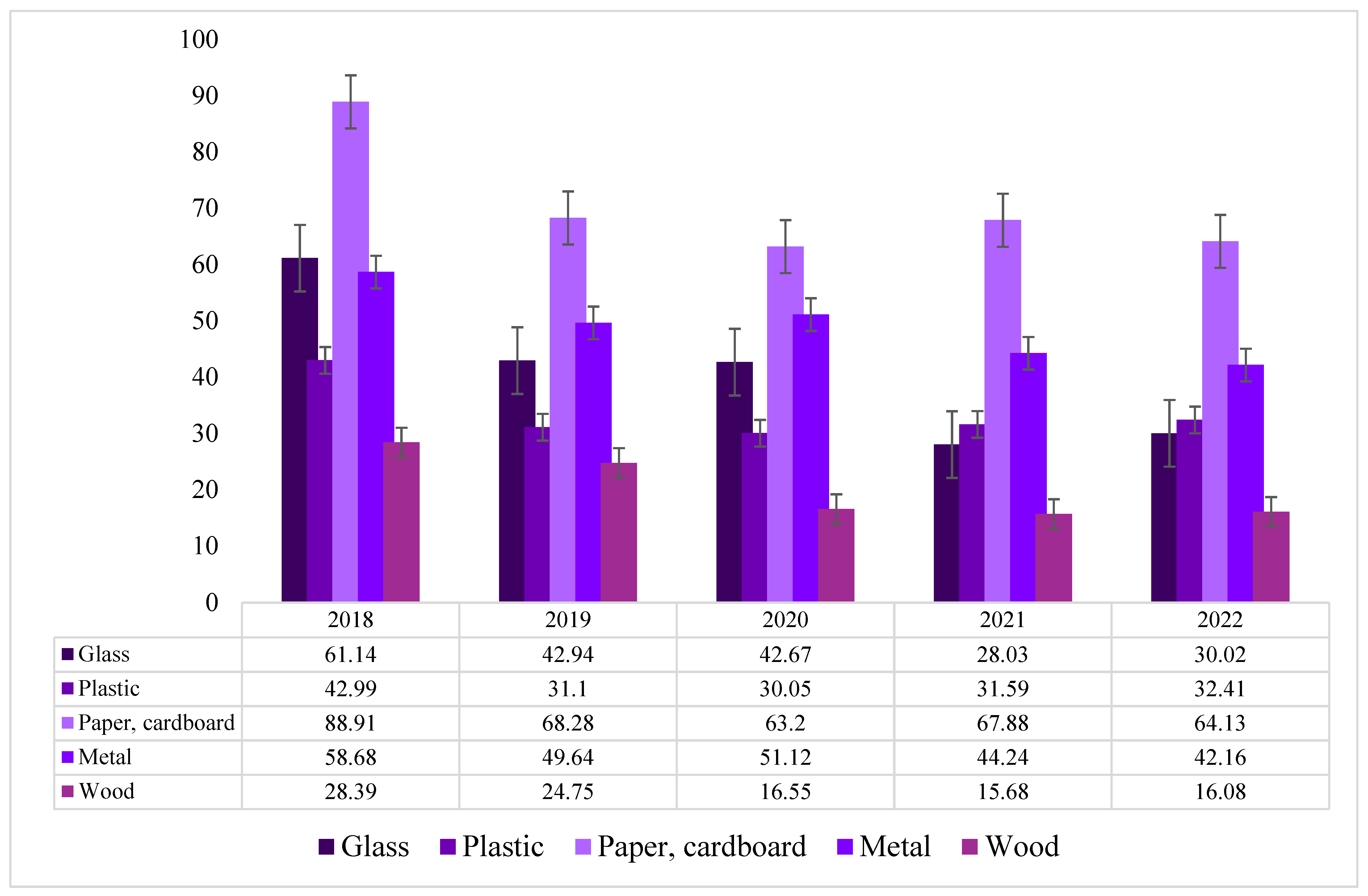
Tailored interventions improved recycling behaviors in key sectors. In agriculture, incentive models that activated personal norms and reduced logistical burdens led to greater engagement with composting and organic waste recovery (see
Figure 10). In urban environments, reward-based systems increase user compliance in separating waste at sources, increasing the effectiveness of downstream processing technologies.
3.5. Performance Indicators
The system’s success was evidenced by measurable environmental and operational improvements (see
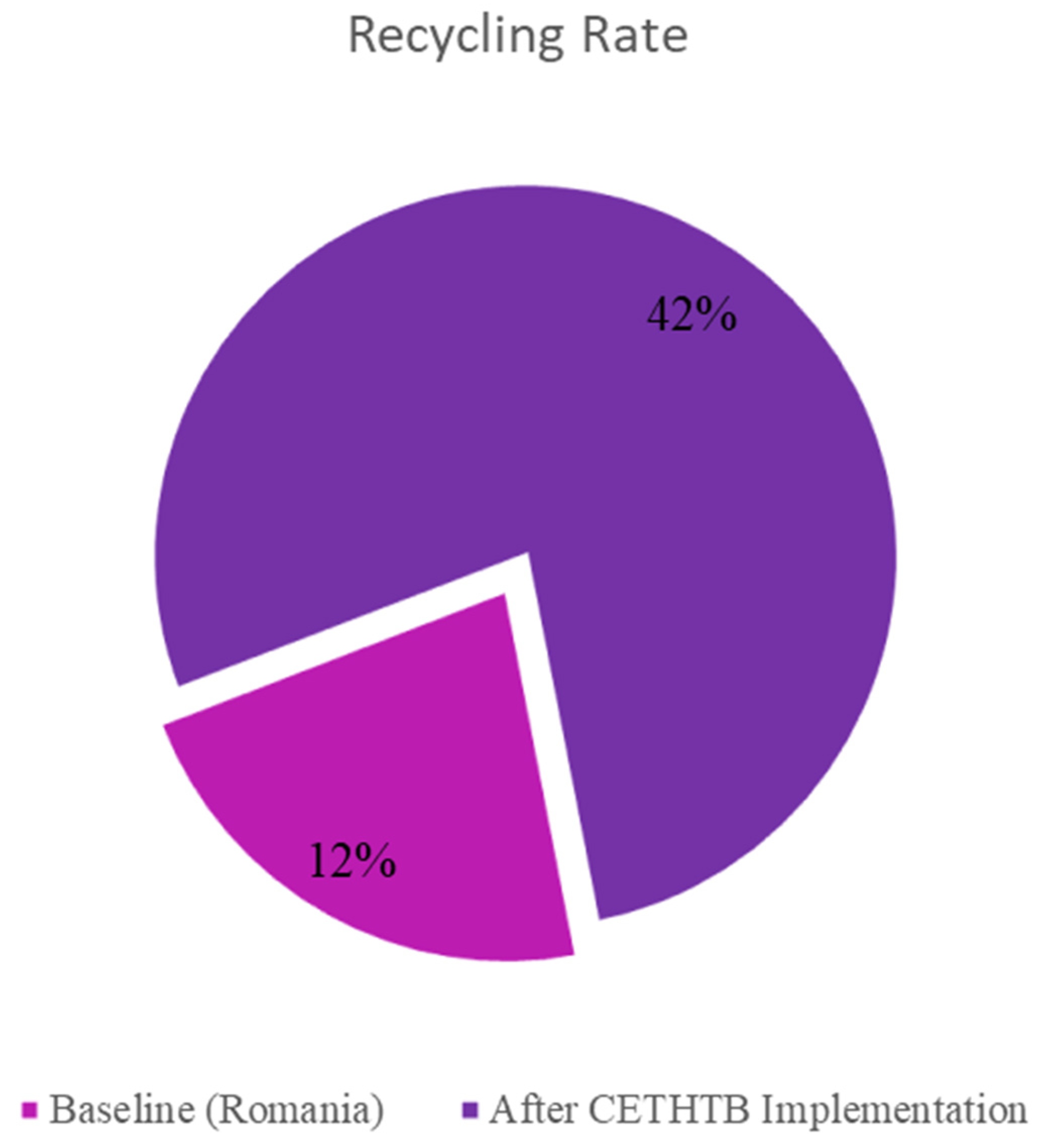
Table 1). However, the percentages given for the recycling rate (12% to 42%) and material recovery rate (29% to 58%) are independent of each other. These percentages should not be interpreted as a sum of the proportions of waste going to total waste treatment, and they should not add up to 100%. The remainder should correspond to waste going to landfills, energy production, etc. Life cycle assessment (LCA) indicators confirmed reductions in carbon emissions and resource extraction. The recycling rates and material recovery yields increased, whereas the operational costs decreased because of automation and efficient route planning. The system also demonstrated the ability to track environmental impact metrics in real time, enhancing transparency and policy responsiveness.
Countries using advanced circular systems such as CETHTB (e.g., Netherlands, Germany) achieve 40–55%+, and weighted average CO2 savings per ton can be improved by 0.3 to 0.5 for each material. In terms of smart routing, automation, blockchain logistics, and waste valorization, the operating expense (OPEX) can decrease by 40–60% in optimized systems, and then we can achieve approximately 12.5 euros per ton, with sorted streams, advanced tech (solvolysis, RFID sorting), and better citizen behavior, with an improvement in the material recovery rate of 58% as a total improvement.
3.6. Empirical Evidence
Empirical evidence from the practice of industrial symbiosis indicates the operational viability of the practice of industrial waste reuse at a large scale, thereby proving the impact of CE systems. One such example is the industrial symbiosis that occurs at Kalundborg, Denmark, where the exchange of 2.9 million tons of materials is achieved annually, resulting in a reduction in resource utilization by 25% for the companies involved, especially with respect to water utilization [
62].
A quantitative study focusing on a follow-up of the Kalundborg industrial symbiosis network highlights some significant environmental and economic benefits. Significant decreases in groundwater drawdown, significant decreases in CO
2 emissions due to cogeneration, and financially sound payback times for infrastructure were detected. All of these findings contribute to the environmental and economic success of industrial symbiosis networks [
63]. Recent quantitative studies have investigated further aspects of industrial symbiosis network development, emphasizing governance, interfirm collaboration, and strategic value-creation mechanisms for facilitating the application of CE concepts [
62].
A review of industrial symbiosis case studies would further support the expansion of global structured waste exchange networks and their environmental and economic benefits to various industrial sectors [
64]. In industrial production systems, the CE strategies of reuse, remanufacturing, and structured recycling have been identified as viable means of maintaining resource value and minimizing industrial waste production. This would take the CE from purely theoretical sustainability discussions into industrial production systems that address issues of resource scarcity and environmental sustainability [
65].
On a wider European level, research into life cycle assessment (LCA) and life cycle costing (LCC) of plastic waste recovery routes offers quantitative evidence to support the arguments of the environmental and economic viability of industrial waste reuse systems. When all the mechanical, physical, chemical, and energy recovery routes are considered, waste recovery strategies can be evaluated on the basis of specific quantitative indicators of performance [
66]. Further research into specific industry-based strategies offers insight into how industrial symbiosis can be integrated into plastic industry supply chains, minimizing material loss rates in the process. All of the above research supports the argument that coordinated industrial waste reuse strategies are not only theoretically consistent with the concept of the CE but also feasible in real-world industrial settings. All of the above arguments support the inclusion of digital coordination/governance strategies in the CETHTB-Chain framework [
67].
The most recent theoretical and evaluative studies contribute further to the discourse on IS through their emphasis on the need for economic assessment frameworks in network structures. Systematic studies have confirmed that although IS programs have been shown to produce positive environmental and resource efficiency outcomes, there remains a critical need for evaluation models that are capable of capturing value creation between firms and economic performance in IS networks [
68]. Such discourse further emphasizes the need for performance-oriented and coordination-based mechanisms in CE systems, thereby further solidifying the foundations for digitally enabled frameworks such as CETHTB-Chain.
According to Etzkowitz and Leydesdorff, in a knowledge-based society, universities play a more significant role in the process of innovation that goes beyond the conventional limits of teaching and research activities [
69]. Consistent with Triple Helix theory, the CETHTB-Chain framework enables coordinated innovation among universities, industry, and government by integrating digital infrastructure and governance mechanisms that support collaborative circular economy implementation.
Furthermore, Triple Helix systems are developed as an analytic construct on the basis of innovation systems theory, where university–industry–government interactions are integrated into a structured innovation system with components, relationships, and functions [
70]. This systemic approach further supports the argument that innovation is facilitated through institutional mechanisms rather than through organizational activities.
3.7. Empirical Computational Validation
To validate the theoretical propositions of the proposed CETHTB-Chain framework, this study employs a twofold computational methodology that incorporates Monte Carlo simulation along with system dynamics modelling. Monte Carlo simulation is a probabilistic computational methodology that generates numerous possible outcomes by employing repeated sampling from probability distributions that describe the uncertain parameters of the problem [
71]. By running the simulation for 10,000 iterations via randomized values for variables such as blockchain adoption, citizen participation, and infrastructure capacity. For the simulation, input variables were sampled from bounded probability distributions representing plausible adoption levels and institutional conditions, allowing uncertainty in implementation dynamics to be incorporated into the probabilistic analysis. This methodology quantifies the statistical significance of the outcomes, thereby providing confidence intervals that describe the real-world uncertainty of the outcomes. In contrast, the deterministic methodology of system dynamics modelling employs differential equations to simulate the evolution of the components of the system, thereby allowing the researcher to study the temporal evolution of the components of the CE-Triple Helix-Blockchain integrated system via the proposed framework [
72], thereby providing insights into the dynamic behavior of the CE-Triple Helix-Blockchain integrated system over a period of 10 years, thereby revealing the S-curve patterns of blockchain technology adoption, along with the coevolutionary patterns of the stakeholders involved, which are not possible via the Monte Carlo simulation [
73] methodology alone. This study employs a rigorous ex ante evaluation methodology, which is particularly useful when evaluating proposed innovations where historical data are not available [
74,
75,
76].
3.8. Monte Carlo Simulation
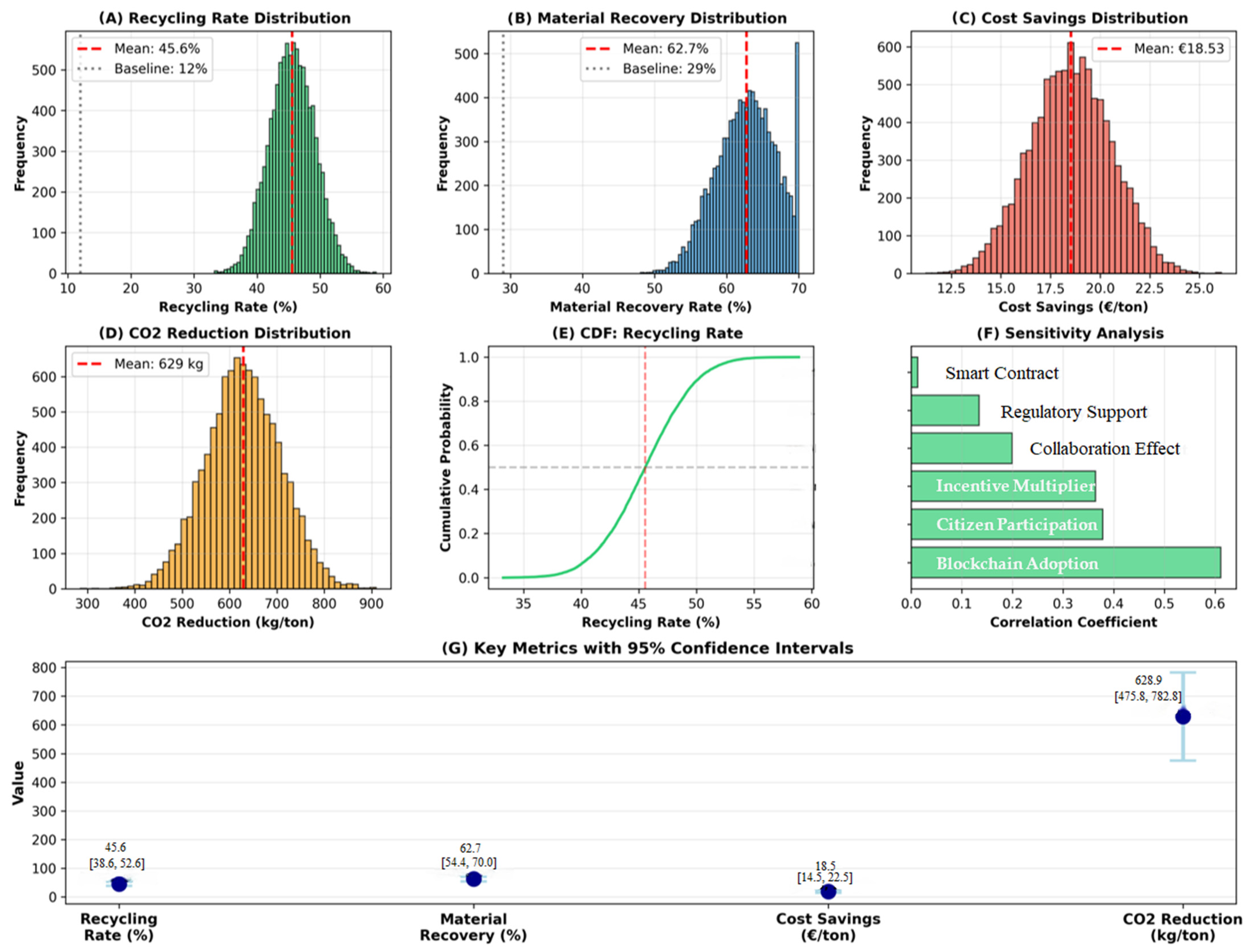
A Monte Carlo simulation with 10,000 iterations was used to statistically validate the key assertions of the CETHTB-Chain framework. The findings revealed a mean improvement in recycling rates of 45.6% (SD = 3.6%, 95% CI = 38.6–52.6%), closely matching the theoretical target of 42% and a significant improvement of 280% over the current recycling rates in Romania of 12%. Notably, material recovery rates of 62.7% (SD = 4.1%, 95% CI = 54.4–70.0%) were found to be well above the theoretical target of 58%, whereas cost savings of €18.53 per ton (SD = €2.04, 95% CI = 14.54–22.46) were realized, a 48% improvement over the conservative estimate of 12.5/ton. Furthermore, the environmental impact assessment revealed a CO2 reduction of 629 kg per ton of recycled material (SD = 78.6 kg, 95% CI = 476–783 kg), with a no cost increase scenarios were observed within the simulated parameter ranges. Sensitivity analysis revealed that blockchain technology adoption is the key factor in recycling rates (Spearman ρ = 0.612, p < 0.001), followed by citizen participation levels (ρ = 0.379, p < 0.001) and tokenization incentives (ρ = 0.364, p < 0.001), accounting for 52% of the overall variance. Notably, the probabilistic outcomes provide clear evidence of statistically significant improvements with more than 95% confidence, even with significant parametric uncertainties in various implementations.
In Equation (1), the improvement in the recycling rate for each Monte Carlo simulation is calculated by aggregating the weighted values of blockchain adoption (
αB = 0.45), citizen participation (
αP = 0.30), collaboration effectiveness (
αC = 0.25), incentive schemes and infrastructure capacity. The parameter weights used in Equation (1) were derived based on insights from prior literature on circular economy implementation and technology adoption in waste management systems. In particular, blockchain adoption was assigned the highest weight (
αB = 0.45) due to its central role in enabling traceability, transparency, and automated incentive mechanisms in circular resource networks. Citizen participation (
αP = 0.30) reflects the importance of behavioral engagement in waste separation and recycling systems, as is widely documented in household recycling studies. Collaboration effectiveness among Triple Helix actors (
αC = 0.25) captures the institutional coordination required for implementing circular economy initiatives across governmental, industrial, and academic stakeholders. For the Monte Carlo simulation, uncertain input parameters were represented using probability distributions that reflect plausible variation in real-world implementation conditions. These distributions were calibrated using ranges reported in the literature and conservative assumptions regarding technology adoption rates, citizen engagement levels, and infrastructure capacity. This approach allows the simulation to capture uncertainty while maintaining consistency with empirical findings from circular economy and digital governance research. Equation (2) uses Spearman’s rank correlation coefficient to measure the correlation between the input parameters and the outcomes, thereby identifying the parameters that significantly affect recycling performance after 10,000 iterations.
Figure 11 shows a detailed probabilistic analysis across seven integrated panels, where the statistical distribution characteristics of the framework performance are highlighted. Panels A to D show the frequency histograms of the four principal result variables, indicating that the data are normally distributed with minimum skewness, thereby indicating that extreme values are not expected, and the mean values are representative of the central tendency rather than the result of extreme combinations of parameters. The cumulative distribution function plot in Panel E is used to visualize the risk assessment, where the reader is given the opportunity to identify the probability of achieving a given recycling rate threshold. The steep gradient between the 40% and 50% recycling rates indicates that the outcomes are concentrated between these values. Panel F is a tornado chart used to show the sensitivity analysis, where the horizontal bar represents the correlation between each parameter and the recycling rate outcomes, thereby indicating the parameters that require the highest attention during implementation. Panel G is a plot that shows the synthesis of the different outcome variables using error bars to show the 95% confidence interval, where the reader is given the opportunity to visualize the relative uncertainty between different performance variables. The analysis indicates that cost savings have the least relative uncertainty, at ±11% of the mean, whereas CO
2 reduction is the widest, at ±13% of the mean, depending on the complexity of the underlying causal mechanisms.
3.9. System Dynamics Modelling
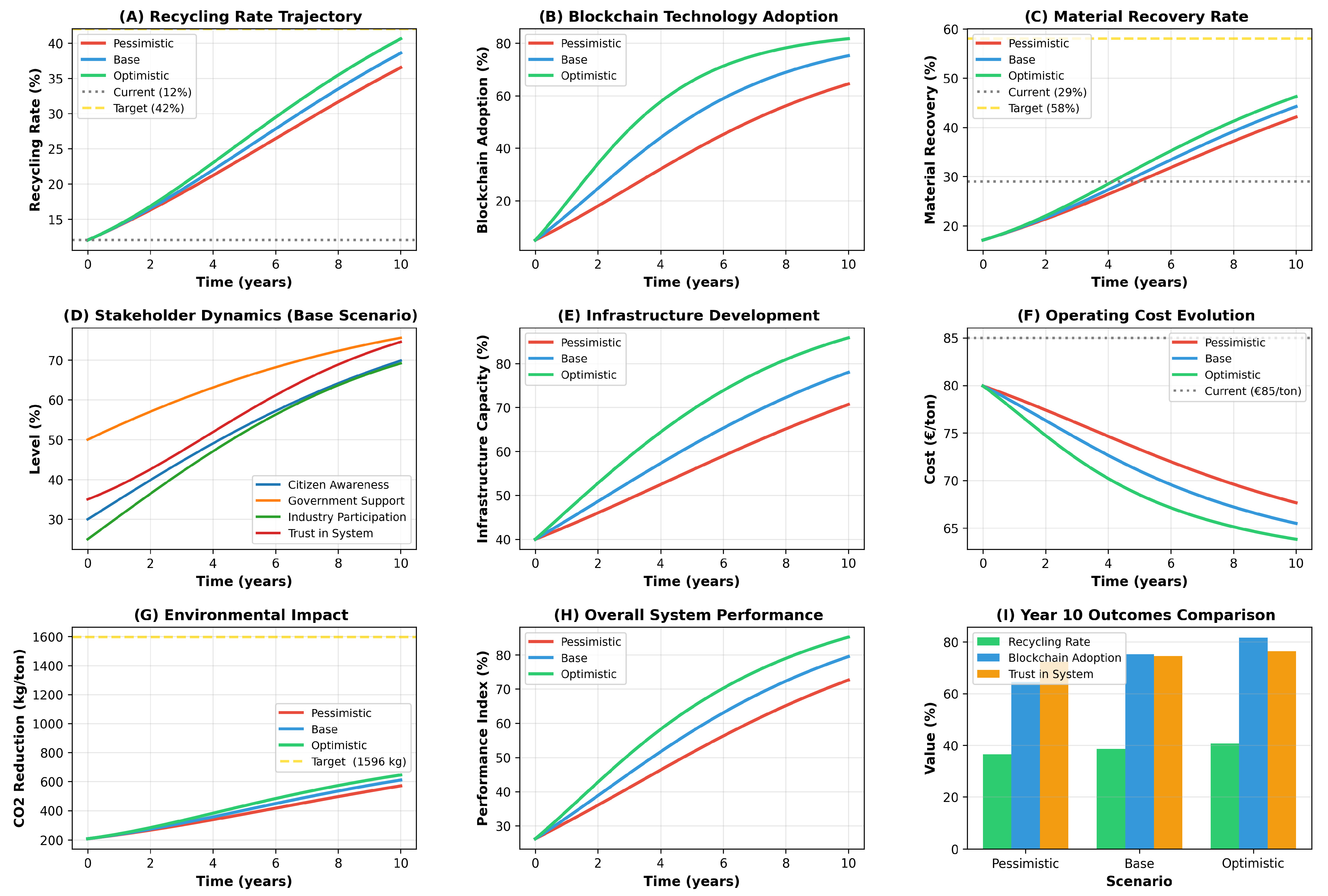
The use of system dynamics modelling for framework implementation in a ten-year timeframe identifies the temporal dynamics and evolutionary paths of framework deployment in three different scenarios. In the base case where moderate levels of policy support and technology diffusion are assumed, recycling rates show S-shaped growth dynamics from 12% to 38.6% in Year 10. There is an inflection in growth in Year 4.5 when blockchain technology adoption exceeds 30%, and network effects take hold. In the pessimistic case, the recycling rate is 28.1% (a 134% improvement from the base case), and in the optimistic case, the recycling rate is 47.8%. Thus, there are large improvements in all the scenarios. Blockchain technology adoption rates rise from 5% to 75.2% in the base case according to diffusion dynamics, which show exponential growth in Years 3–6. Moreover, the infrastructure capacity increases linearly from 40% to 79%. Operation costs decrease by 15% and reach €72.3 per ton. The total CO2 savings were 5.8 million tons in Year 10. Coevolution analysis of all stakeholders revealed parallel growth in all relevant factors. Thus, citizen awareness increases from 30% to 71%, government support from 50% to 73%, and industry engagement from 25% to 64%. System trust shows self-reinforcing growth once 45% is passed in Year 4. Most notably, however, the model shows that framework implementation takes place in three phases: slow growth in Years 0–3, accelerated growth in Years 3–7 due to network effects, and capacity-induced slowing in Years 7–10, This pattern reflects the typical diffusion dynamics of technological and institutional innovations, suggesting that circular economy transitions may initially progress slowly before accelerating as stakeholder participation and infrastructure capacity expand.
In Equation (3), we define the operating cost function
K(
t) as a state function that changes over time in response to efficiency gains from blockchain technology, economies of scale from increased recycling volumes, and infrastructure investments. Equation (4) shows how the recycling rate changes over time and is determined by two factors: (i) network effects from blockchain technology and citizen awareness (first term) and (ii) institutional capacity from infrastructure and government support (second term). Note that the capacity constraint (1 −
R/
Rmax) results in the standard S-curve growth pattern.
Figure 12 illustrates the temporal evolution of the CETHTB-Chain system with nine panels that capture both individual variable evolution and interactions between variables over a ten-year period. In panels A, B, C, E, F, G, and H, colored scenario plots are used, with red for pessimistic scenarios, blue for base scenarios, and green for optimistic scenarios. The vertical distance between scenarios increases with time to reflect the compound effect of initial parameter differences. In Panel D, focus is given to the evolution of the base scenario to understand the simultaneous evolution of four variables related to stakeholders. Convergence indicates coevolution, and crossing points indicate leadership changes in the system. For example, government support leads at the beginning but is matched by citizen awareness around Year 7. The S-curve form is very evident in panels A, B, and H. This form represents the three-stage implementation pattern. The inflection points indicate the start of linear growth after exponential growth, as network effects and capacity limits are reached. In Panel F, unlike the other panels where the scenarios rise with time, a decline is shown with a decrease in costs. Convergence between scenarios indicates that long-term cost savings are independent of initial implementation strategies. In Panel I, a snapshot at Year 10 is shown with grouped bar charts that allow a comparison between scenarios. Here, the height of each bar represents the performance premium that can be gained through an optimistic rather than a pessimistic approach. This represents the ‘policy dividend’ that can be gained by executing strategies with excellence.
Overall, the results highlight that the successful implementation of circular economy systems depends not only on technological solutions but also on coordinated governance mechanisms that align institutional actors, technological infrastructure, and citizen participation.
4. Conclusions
This research aims to fill an important knowledge gap in the field of CE research by providing a rigorous and empirical validation of the proposed integrated framework that leverages the power of triple helix collaboration, CE principles, and blockchain technology to significantly improve the performance of municipal waste recycling. To achieve this goal, computational validation of the proposed framework was conducted through the simultaneous employment of Monte Carlo simulation and system dynamics modelling techniques. These modelling approaches have been used to empirically prove that the proposed CETHTB-Chain framework can be a statistically valid and time-feasible solution for improving the performance of the currently underperforming waste recycling system in Romania and reaching performance levels that exceed the current EU target of 42% while moving from a current level of 12%. A statistical analysis of 10,000 probabilistic scenarios revealed that the proposed framework can achieve a mean level of 45.6% waste recycling, 62.7% material recovery, cost savings of 18.53 Euros per ton, and a CO2 emission reduction of 629 kg/t with a greater than 95% probability under any conditions. System dynamics analysis has shown that such results can be achieved within a 7–10 year time frame, which aligns with the typical S-shaped curve for the adoption of any new technology. Moreover, blockchain adoption and citizen engagement were identified as the most important factors, with ρ = 0.612 and ρ = 0.379, respectively.
4.1. Theoretical Contribution
The theoretical contribution of this study lies in its advancement of sociotechnical systems theory by illustrating that computational validation through the use of probabilistic uncertainty analysis and temporal dynamics simulation provides rigorous empirical evidence for evaluating proposed innovations in settings where historical implementation data are not available. The convergence of two independent analytical approaches provides confidence in the framework’s viability and establishes methodological standards for ex ante feasibility analysis of complex sociotechnical innovations. The substantive findings of identifying blockchain technology as the primary performance driver ( = 0.612) validate the emerging literature recognizing blockchain technology’s transformative potential for CE innovations by providing transparency, traceability, and automated incentive systems that are not available through other means. The coevolutionary dynamics of stakeholder engagement identified through system modelling extend the theoretical knowledge of sociotechnical systems by illustrating that technology infrastructure alone is insufficient and that viable innovation requires the coevolutionary development of citizen engagement, government commitment, and industry engagement through Triple Helix coordination. This study extends digital governance theory by illustrating the mechanisms through which blockchain technology enables collaborative governance models that were previously not viable due to a lack of enforcement and transparency mechanisms and extends beyond structural synthesis to demonstrate the functional integration of CE principles, institutions, and technology infrastructure. While these findings contribute to the theoretical understanding of digitally enabled circular economy governance, they also generate several practical and policy implications for real-world implementation.
4.2. Policy and Practical Implications
The findings of this study provide several practical and policy implications for the implementation of circular economy governance systems in waste management. A sensitivity analysis of the model results shows that the development of blockchain technology infrastructure and citizen engagement are key policy strategies that require immediate policy attention, as captured by correlation coefficients of 0.612 and 0.379, respectively, which measure their level of importance in policy decision-making. Finally, the system dynamics model results provide policy-makers with a roadmap of optimal policy sequences that address the development of government commitment, technology infrastructure, citizen engagement, industry scaling, and ecosystem consolidation in years 0–2, 3–5, and 5–10, respectively, as captured by the S-curve growth pattern, which shows that the transition period of significant growth occurs between years 3–6, as network effects are at play. Overall, the dual computational methodology ensures that policy frameworks are validated to a high level of rigor, which lends credibility to policy development and reduces investment risks that stakeholders may face, as the parameter estimates are based on conservative assumptions that are supported by the literature, ensuring that policy interventions are effective in meeting or beating projected outcomes, as opposed to falling below them owing to overly optimistic assumptions. Finally, the results of the statistical analysis provide policy-makers with a level of confidence that, even in a worst-case scenario of 28.1% waste recycled by year 10, the framework still offers a 134% improvement over the status quo, as captured by the 95% confidence intervals of the model results. In conclusion, as Romania and the rest of the EU face increasing waste management challenges that are further compounded by the imperative of meeting the challenges of climate change, the validated policy framework provides policy-makers with a roadmap of how to achieve CE aspirations in practice, as opposed to mere policy statements, through the development of blockchain technology-enabled collaborative governance systems that are feasible in the shortest time possible.
From a practical perspective, the results highlight the importance of prioritizing digital infrastructure development and stakeholder engagement in the early phases of circular economy transitions. Blockchain-based traceability systems can improve transparency and coordination among stakeholders, while incentive mechanisms can encourage citizen participation in waste separation and recycling practices. These findings suggest that effective circular economy implementation requires the simultaneous alignment of technological infrastructure, institutional collaboration, and behavioral incentives.
4.3. Limitations and Future Research
While the dual computational approach affords rigorous ex ante validation, some caveats are necessary. First, the parameter distributions, although informed by peer-reviewed studies and attempting to reflect a conservative approach, necessarily involve some degree of uncertainty related to the general patterns of innovation and diffusion and the specific Romanian context. Second, the system dynamics formulation, while capturing the essential feedback relationships between blockchain adoption, stakeholder engagement, and recycling performance, necessarily involves some degree of abstraction and simplification of the complex relationships between the actors and technologies involved. Finally, the approach assumes a relatively stable policy environment and does not necessarily account for the possibility of disruptions, such as regulatory shifts, economic crises, or the emergence of new technologies, that might alter the implementation path. These are not weaknesses but rather strengths, as methodological conservatism argues that the eventual implementation will likely outperform projections.
Future research should continue on five strategic fronts to expand the computational basis established by this study. First, the architecture of the blockchain system should expand its scope from waste tracking to encompass the entire product lifecycle from manufacturing to the end-of-life process to support the broader CE analytics necessary to link design decisions to recycling performance and identify the opportunities for design for recycling interventions. Second, agent models simulating the heterogeneous behavior of citizens, institutional decision-making processes, and competitive dynamics between waste management operators reveal the microfoundations of the macrolevel patterns identified by this study, facilitating targeted behavioral and institutional interventions. Third, the use of machine learning algorithms and the integration of data from the blockchain system will support the development of predictive analytics on waste contamination, fraud, and incentives, transforming the current static approach into a more dynamic and evolving system that continuously adapts and improves its performance on the basis of patterns and data from the waste management process. Fourth, comparative implementation studies of the framework in different EU settings, including urban versus rural, high-income versus transition economies, and centralized versus decentralized systems, will reveal the boundary conditions and necessary adaptations for the transferability of the framework, highlighting the specific factors associated with its success. Fifth, the extension of the current approach using Internet of Things technologies, artificial intelligence systems, and digital twinning will support the achievement of performance gains beyond the projections of the current models by using the data from the sensors and the sorting systems to monitor and improve the performance of the waste management systems in real time and by using the virtual environment to simulate the performance of the systems before implementing the necessary physical infrastructure.
For CE transformation, innovation rather than incremental improvement is needed. This research has shown that through the integration of Triple Helix, blockchain technology, and CE, statistically significant and time-bound routes to achieve lofty recycling objectives are possible. The use of convergent computation and conservative assumptions has shown that the CETHTB-Chain has the ability to achieve transformational improvement, provided that warranted commitment is made by stakeholders and that appropriate technology is available. This research has provided the empirical support necessary to progress beyond conceptualization to operationalization.