3.1. Properties of Prepared FeOOH
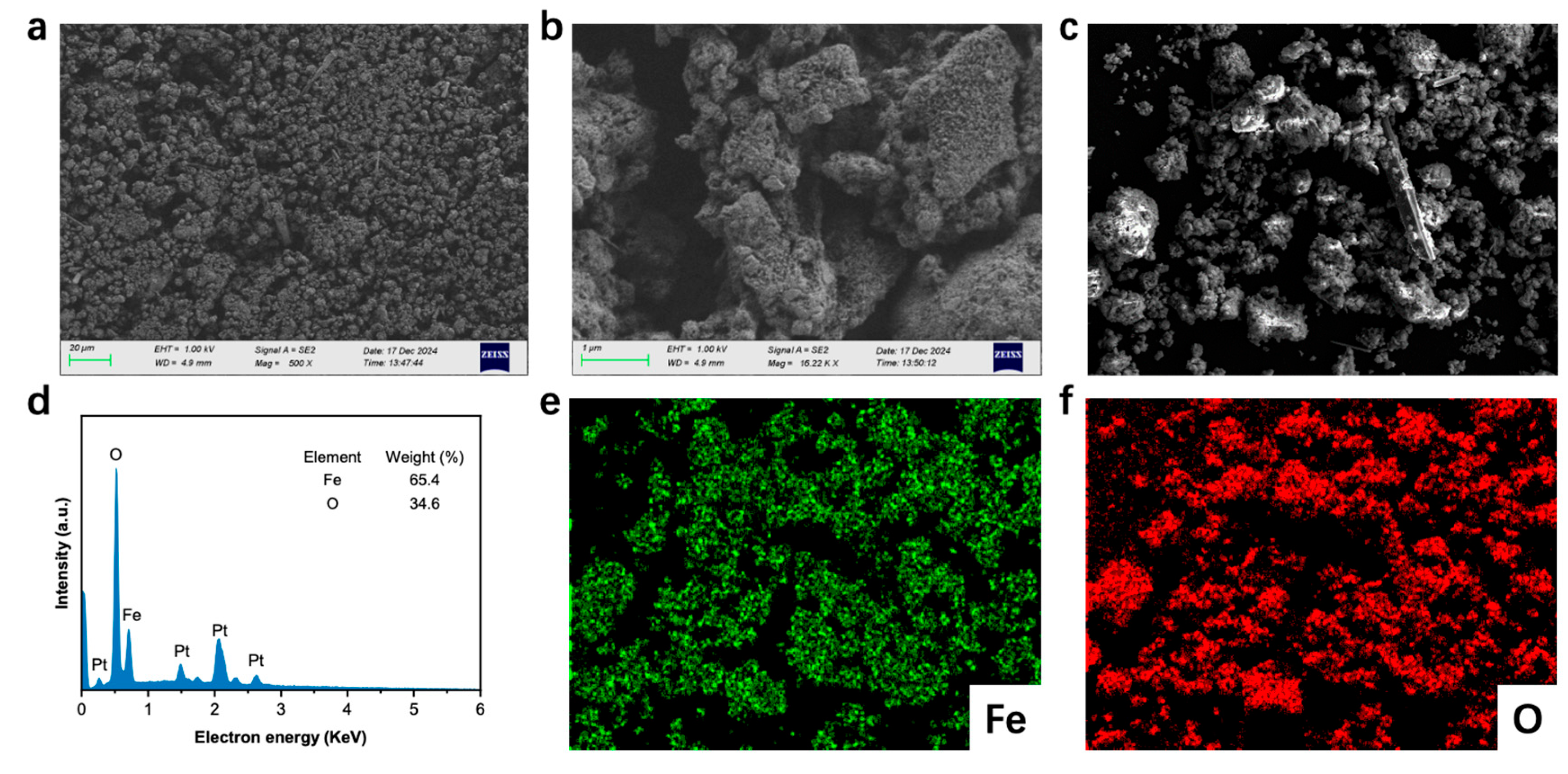
The morphology and elemental distribution of the synthesized FeOOH, intended for application as a catalyst in MEA-based CO
2 capture systems, were characterized using scanning electron microscopy (SEM), energy-dispersive X-ray spectroscopy (EDS), and elemental mapping, as presented in
Figure 2. The low-magnification SEM image (
Figure 2a) reveals that the FeOOH particles are agglomerated, irregular in shape, and vary in size, suggesting a significant surface area. At higher magnification (
Figure 2b), the particles exhibit a porous microstructure, which are advantageous for catalytic and adsorption processes due to enhanced surface interactions. The elemental mapping (
Figure 2c) and EDS spectrum (
Figure 2d) confirm the presence of Fe and O as the primary elements, with weight percentages of 65.6% Fe and 34.4% O. Furthermore, the Fe (
Figure 2e) and O (
Figure 2f) elemental maps distribution maps further reveal a homogeneous spatial dispersion of both elements, confirming the uniform composition of the synthesized FeOOH. These morphological and compositional characteristics collectively support the material’s suitability for use in catalytically active systems.
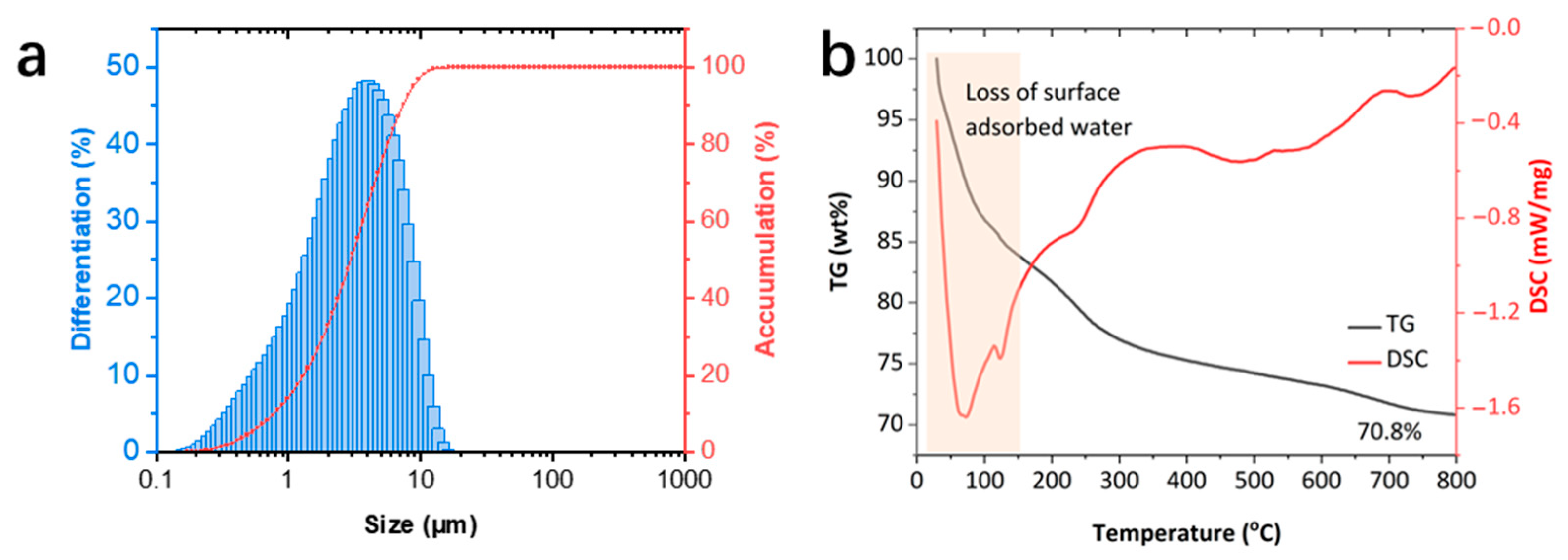
As shown in
Figure 3a, the synthesized FeOOH particles exhibit an average diameter of approximately 3.1 μm. As shown by TG curve in
Figure 3b, the prepared FeOOH exhibits an obvious weight loss of 16.8 wt% due to vaporization of surface-adsorbed water, observed under 150 °C. Previous research has demonstrated that water adsorption on catalyst surfaces enhances catalytic activity by facilitating reaction mechanisms. Thus, a higher surface water content may contribute to increased catalytic efficiency. Furthermore, TG analysis reveals no significant mass loss above 400 °C, confirming the material’s thermal stability. The continuous weight loss observed up to 800 °C further confirms the dehydration of β-FeOOH, leading to the formation of Fe
2O
3 [
19]. The DSC results are consistent with this weight loss trend, showing endothermic heat absorption corresponding to the dehydration process.
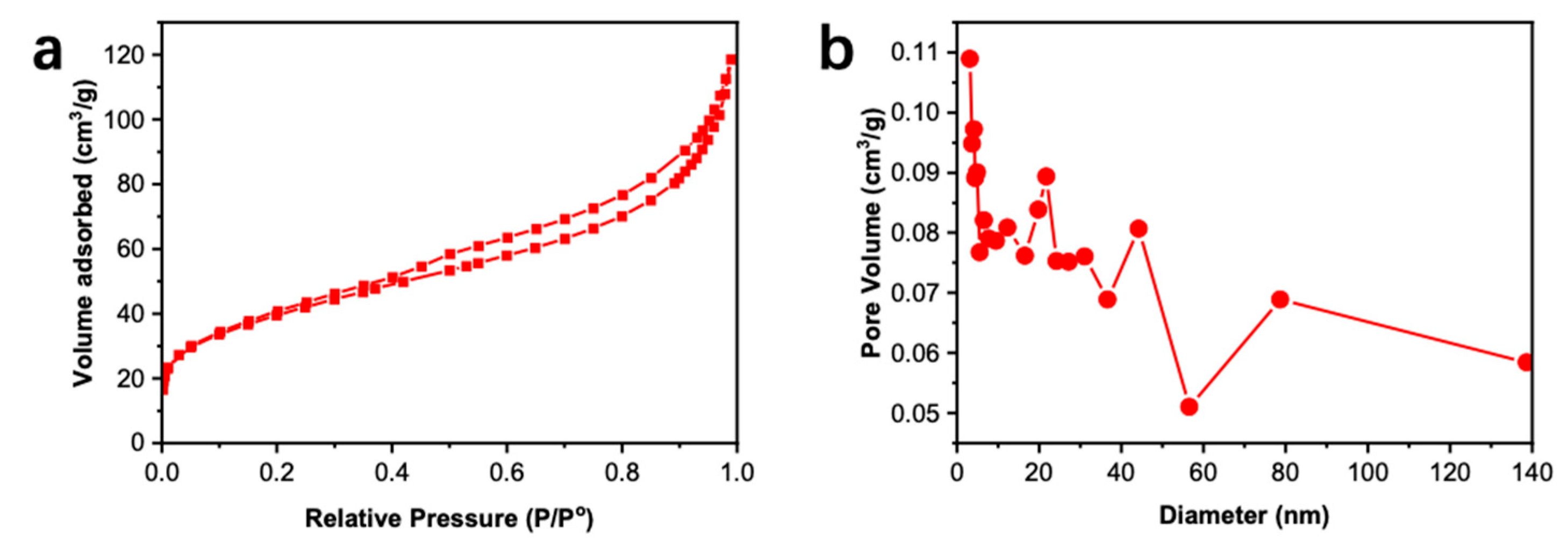
The N
2 adsorption–desorption isotherms (
Figure 4a) exhibit a Type IV isotherm with a pronounced hysteresis loop, indicating the mesoporous nature of the prepared FeOOH material [
20]. In liquid MEA, the catalytically relevant interactions are expected to occur primarily on the external surface and within mesopores, where solvated MEA and ionic species (e.g., HCO
3−/carbamate) can readily access active sites. Micropores, if present, are likely to contribute less due to steric and diffusion constraints in the viscous, strongly solvating MEA solution. The slight N
2 uptake at low relative pressures (P/P
0 < 0.2) suggests the presence of micropores, while the sharp increase in adsorption at higher pressures (P/P
0 > 0.4) confirms the dominance of mesopores. The specific surface area, calculated using the Brunauer–Emmett–Teller theory, is 287 m
2/g, providing abundant active sites for CO
2 adsorption. The large surface area, combined with the presence of surface OH groups, is a key factor in improving the catalytic performance of FeOOH as a CO
2 capture catalyst in MEA solution [
8]. The pore size distribution (
Figure 4b) reveals a narrow and uniform peak within the mesopore range (2–50 nm), further confirming the well-controlled pore structure. This well-developed mesoporous architecture and high surface area facilitate efficient CO
2 diffusion, adsorption, and activation, making FeOOH a promising catalyst for CO
2 capture applications in MEA solution.
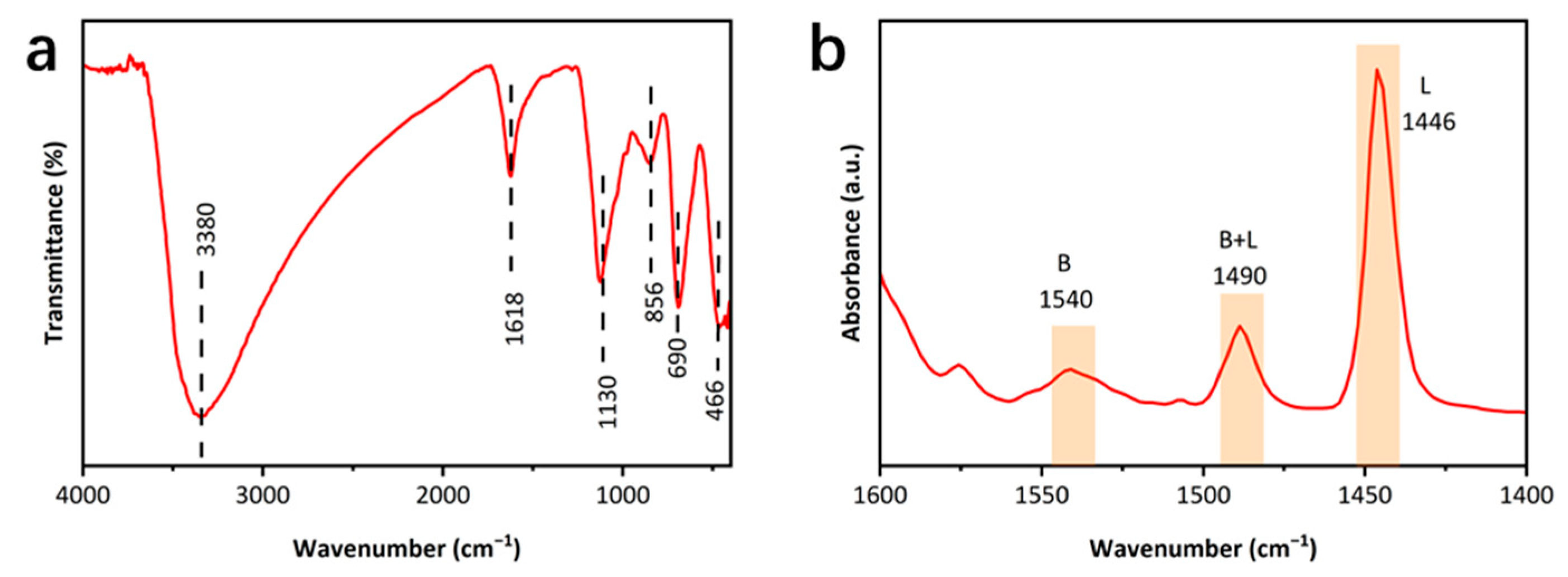
FT-IR reveals crucial information about the functional groups present in FeOOH, as shown in
Figure 5a. The broad absorption band observed around 3400–3600 cm
−1 indicates the presence of hydroxyl groups (-OH), which are essential for CO
2 capture [
21,
22]. A strong peak near 1618 cm
−1 corresponds to bending vibrations of hydroxyl groups [
23]. Peaks in the 1130 cm
−1 is attributed to Fe-O stretching vibrations, confirming the structural integrity of FeOOH [
24]. The presence of hydroxyl groups is particularly significant as they facilitate CO
2 absorption by providing active sites for CO
2 molecules, enhancing the efficiency of the capture process. The identification of hydroxyl groups implies that FeOOH can interact with CO
2 through proton transfer mechanisms, contributing to improved CO
2 capture efficiency in systems like MEA.
As shown in
Figure 5b, Pyrolysis-Infrared Spectroscopy (Py-IR) is employed to detect Lewis acid and Brønsted acid sites on the surface of FeOOH. The peak observed at 1450 cm
−1 is associated with Lewis acid sites (denoted as L), while the peak at 1540 cm
−1 corresponds to Brønsted acid sites (denoted as B) [
25]. A peak observed at 1490 cm
−1 indicates the simultaneous presence of both Brønsted and Lewis acid sites. These results suggest that FeOOH exhibits a combination of acid sites, contributing to enhanced CO
2 adsorption through both proton donation (Brønsted acid sites) and acceptor mechanisms (Lewis acid sites) [
26]. The presence of these acidic sites will improve the interaction between FeOOH and CO
2, enhancing its catalytic performance for CO
2 capture and desorption processes.
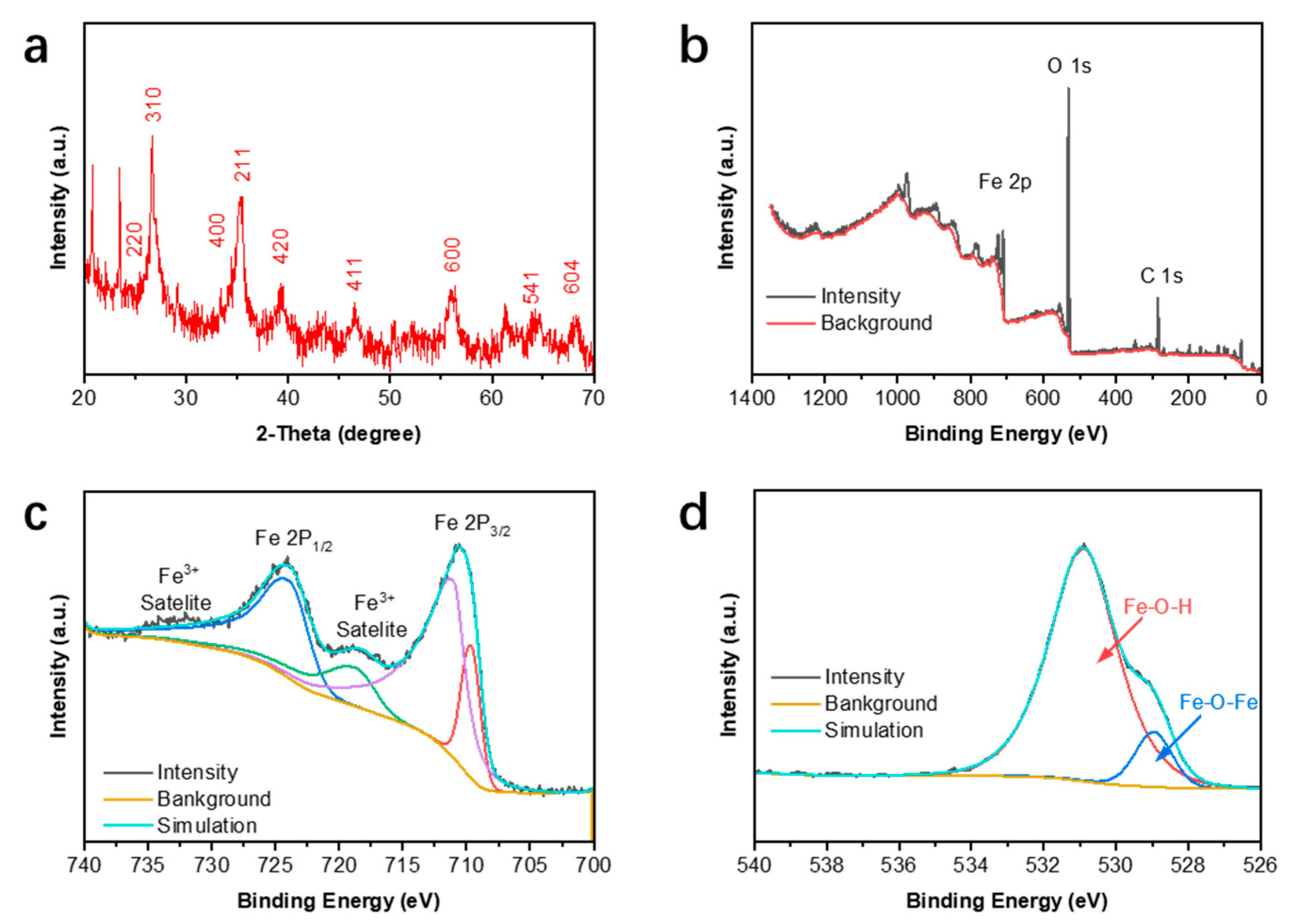
The XRD pattern (
Figure 6a) confirms the crystalline phase of FeOOH, indicating the material adopts an orthorhombic structure. The β-FeOOH phase shows distinct diffraction peaks at 26.7°, 34.0°, 35.2°, 39.2°, 46.5°, 55.9°, 61.3°, 64.2°, and 67.9°, corresponding to crystal lattice planes (310, 400, 211, 420, 411, 600, 541, and 604). These peaks align well with the reference pattern of akaganeite (JCPDS 75-1549), confirming the β-FeOOH phase [
27]. However, the peaks appear relatively broad, which is consistent with small crystallites and/or microstrain. A quantitative crystallite size evaluation requires peak-width (FWHM) analysis with instrumental broadening correction. Despite the broadness, the overall crystalline nature contributes to the stability of FeOOH, providing a solid structural foundation for its catalytic performance. These structural properties are essential for its application in CO
2 capture processes.
The chemical composition and surface states of the prepared FeOOH were further investigated using X-ray Photoelectron Spectroscopy (XPS), as shown in
Figure 6b–d. The XPS survey spectrum (
Figure 6b) reveals the dominant presence of Fe and O, indicating high purity with no significant impurity peaks. The Fe 2p high-resolution spectrum (
Figure 6c) displays two prominent peaks at approximately 711 eV (Fe 2p
3/2) and 724 eV (Fe 2p
1/2), along with satellite peaks, confirming the presence of Fe
3+ in the FeOOH phase [
28]. These binding energies are consistent with the formation of FeOOH, which is essential for catalytic activity in CO
2 capture. The O 1s high-resolution spectrum (
Figure 6d) shows two main peaks at approximately 531.5 eV, attributed to hydroxyl groups (–OH), and 529.8 eV, assigned to lattice oxygen (O
2−) [
29,
30]. The presence of these surface hydroxyl groups is particularly significant as they enhance CO
2 adsorption and activation, contributing to the catalytic performance of FeOOH. Overall, the XPS analysis highlights the presence of Fe
3+ and surface hydroxyl groups, both of which are critical for CO
2 capture applications. The FeOOH structure exhibits chemical characteristics that support its efficiency in catalytic CO
2 absorption processes.
3.2. Catalytic CO2 Capture Performance
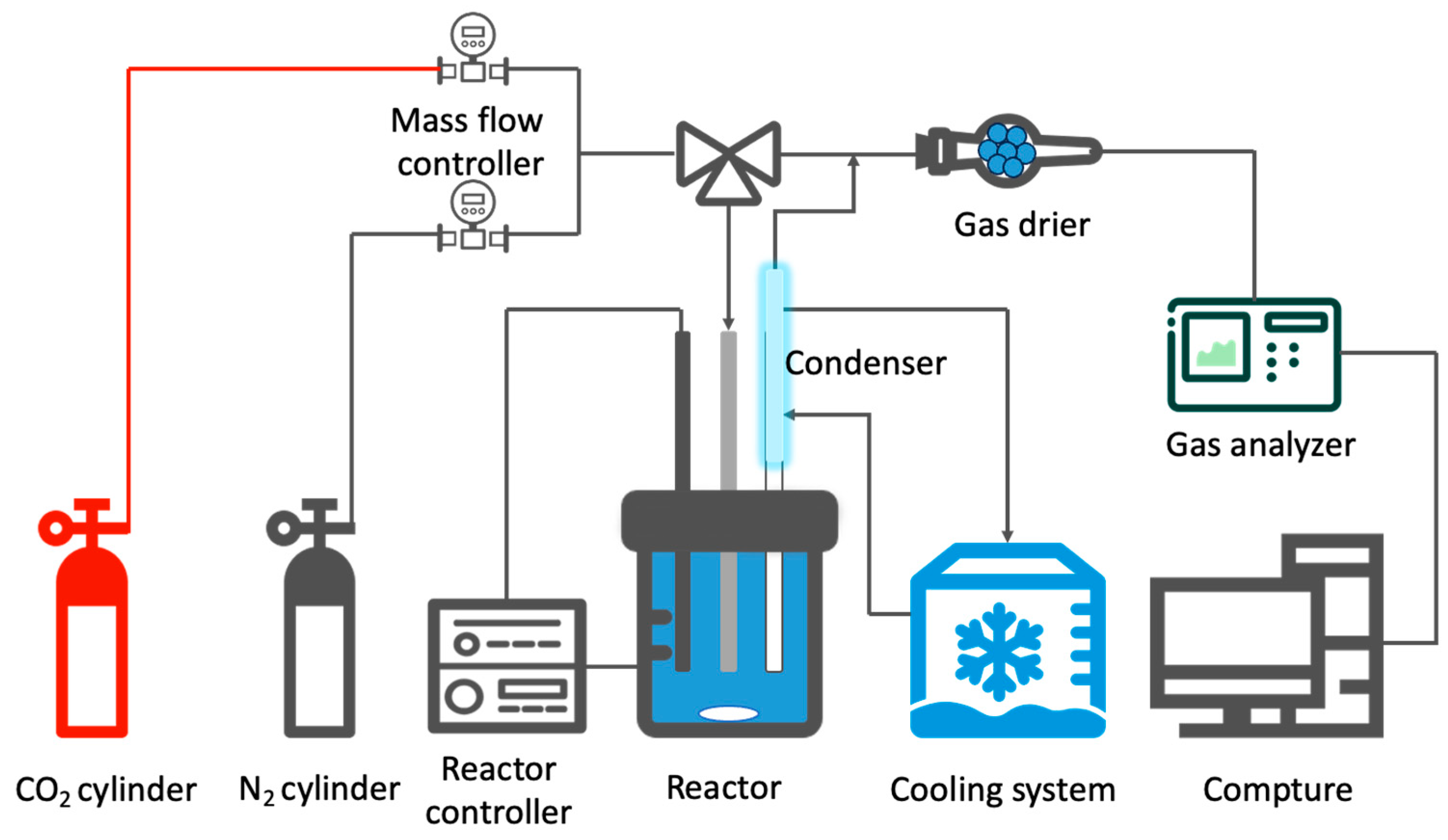
In this study, a 30 wt% MEA solution was used as the control (blank) sample, while FeOOH catalysts were added at various concentrations (0.1, 0.2, 0.4, and 0.8 wt%) to evaluate their effects on CO
2 absorption and desorption behavior.
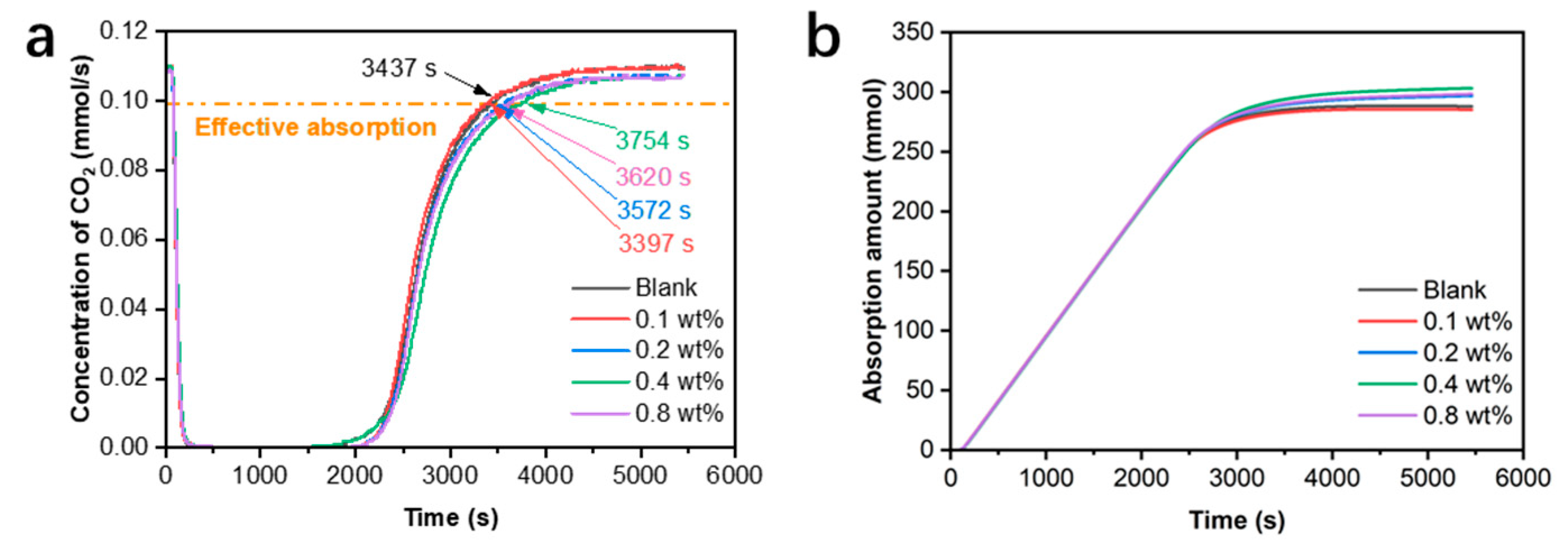
Figure 7a illustrates the CO
2 concentration in the reactor’s exhaust gas over time, which reflects the portion of CO
2 not captured by the MEA solution. Initially, the CO
2 concentration rapidly dropped from 0.11 mmol/s to 0 mmol/s, indicating efficient absorption. It remained at zero for approximately 2000 s, signifying complete CO
2 removal during this stage. Thereafter, the concentration rose sharply between 2000 and 3500 s, reflecting the depletion of the MEA absorption capacity. In the presence of FeOOH, the outlet CO
2 concentration remained lower throughout the process, indicating enhanced absorption performance. This improvement can be attributed to increased mass transfer efficiency facilitated by the dispersed catalyst particles. Following the peak period, the absorption rate slowed down and entered a steady-state phase, governed primarily by reaction kinetics. Under lower MEA availability, the CO
2 capture rate decreased accordingly. Therefore, the enhancement observed in this study likely arises from a combined effect of surface catalytic reactions and improved gas–liquid mass transfer, with catalytic proton-transfer pathways playing a dominant role under the investigated conditions.
As defined by the International Energy Agency, the effective absorption time refers to the duration required to reduce the outlet CO
2 concentration to 10% of its initial value [
31]. According to
Figure 7a, the blank sample exhibited an effective absorption time of 3457 s with a total absorbed amount of 284.62 mmol. In comparison, FeOOH-modified samples achieved extended absorption times of 3397 s (0.1 wt%), 3572 s (0.2 wt%), 3754 s (0.4 wt%), and 3620 s (0.8 wt%), with corresponding CO
2 uptake values of 281.82, 290.00, 296.70, and 291.37 mmol, respectively. These results indicate that catalyst incorporation improves both absorption time and capacity.
Figure 7b presents the total amount of CO
2 absorbed over the test period. The blank sample absorbed 287.95 mmol, while catalyst-modified samples absorbed 285.12 (0.1 wt%), 296.88 (0.2 wt%), 303.17 (0.4 wt%), and 298.28 mmol (0.8 wt%). These results indicate that FeOOH primarily enhances the kinetic performance of CO
2 absorption, accelerating the approach to equilibrium, while the thermodynamic equilibrium capacity of the MEA system remains essentially unchanged. At a higher catalyst loading of 0.8 wt%, a slight decline in performance was observed. This behavior may be related to increased mass-transfer resistance and reduced effective utilization of catalytic sites, potentially arising from particle agglomeration, partial blockage of the gas–liquid interface, or local heterogeneity in catalyst dispersion. Further quantitative studies on slurry rheology and dispersion stability are required to clarify the dominant factors. Among all loadings, 0.4 wt% consistently yielded the best performance in both absorption duration and total uptake. This enhancement is attributed to surface-mediated CO
2 adsorption by FeOOH, which increases the local concentration of reactants near the gas–liquid interface.
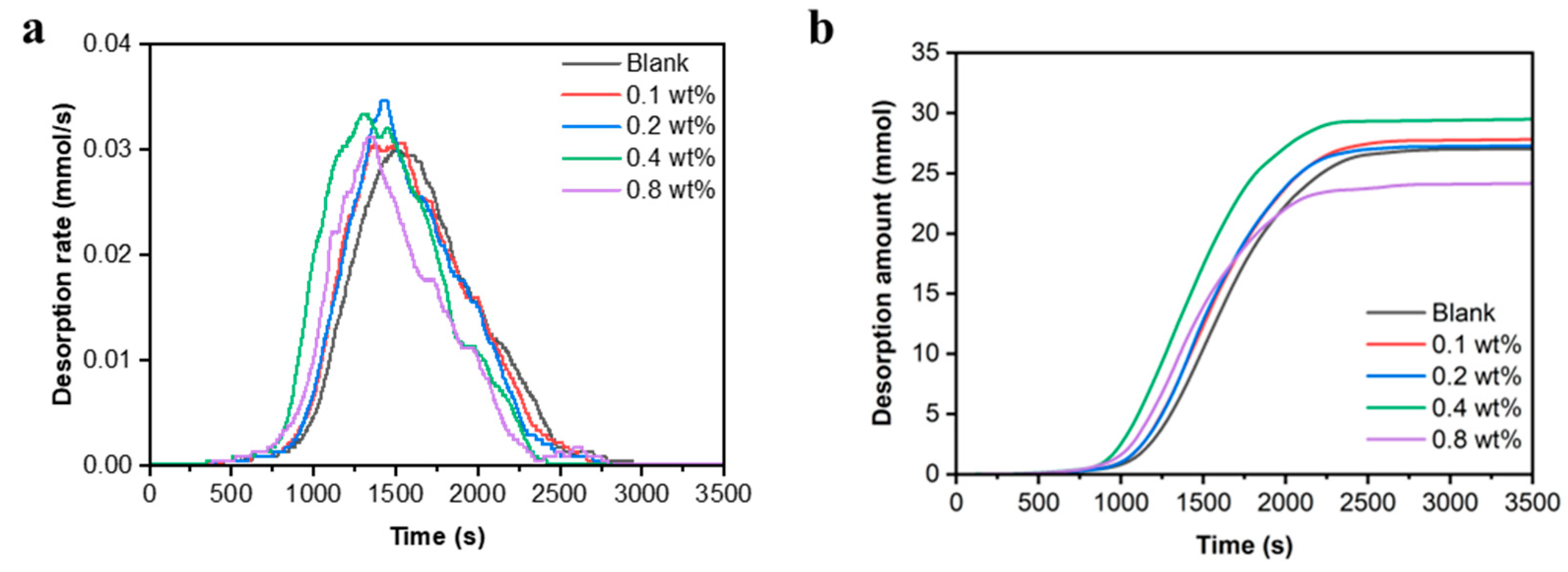
The CO
2 desorption performance under the influence of FeOOH catalysts at different weight loadings (blank, 0.1 wt%, 0.2 wt%, 0.4 wt%, and 0.8 wt%), presented in
Figure 8. From
Figure 8a, CO
2 desorption exhibits an initial increase followed by a gradual decline. With the addition of catalysts, CO
2 desorption occurs earlier compared to the blank sample. The desorption time is reduced sequentially from 0.1 wt% to 0.4 wt% catalyst loading and slightly delayed at 0.8% but still greater than the blank sample. This improvement is mainly due to the catalytic sites provided by FeOOH—specifically Lewis acid and Brønsted acid sites. The Brønsted acid sites facilitate proton transfer, accelerating the decomposition of carbamates, while Lewis acid sites enhance proton transfer during the protonated amine process, thus boosting CO
2 desorption rates [
32,
33]. For the blank sample without catalysts, the peak desorption time occurs at 1496 s, while with catalysts, this peak time decreases to 1484 s, 1440 s, and 1335 s. The peak area increases and then decreases, indicating that the catalysts enhance the desorption process up to a certain concentration.
Figure 8b shows that the amount of CO
2 desorbed from the blank sample is 27.03 mmol. With catalyst additions of 0.1, 0.2, and 0.4 wt%, the desorbed amounts increase to 27.28 mmol (1.03%), 27.79 mmol (2.8%), and 29.97 mmol (10.9%), respectively, indicating enhanced diffusion and mass transfer at lower catalyst concentrations. However, at 0.8 wt% loading, the desorbed amount drops to 24.1 mmol due to particle agglomeration, which increases solution viscosity and hinders desorption efficiency—resulting in lower performance than the blank. However, higher catalyst loadings (beyond 0.4 wt%) lead to increased apparent viscosity and bubble coalescence, which reduces the effective gas–liquid interfacial area and counteracts the kinetic benefits of the additional active sites. Thus, 0.4 wt% is identified as the optimal catalyst loading.
Notably, mesoporous β-FeOOH, with a BET surface area of 287 m
2/g, achieves a 10.9% increase in CO
2 desorption from a 30 wt% MEA solution at 85 °C. This enhancement surpasses that of previously reported catalysts, including TiO(OH)
2 nanosheets (180 m
2/g, +6.2%), Fe-BEA zeolite (520 m
2/g, +8.4%), and AlOOH nanorods (210 m
2/g, +5.5%) [
8,
9,
10]. Despite its moderate surface area, β-FeOOH exhibits superior activity, highlighting that the density and type of Brønsted/Lewis acid sites, rather than surface area alone, play a dominant role in determining catalytic performance under the tested conditions. It should be noted that the addition of FeOOH particles may also influence hydrodynamic factors such as foam formation and gas holdup during bubbling, which could affect the apparent absorption rate.
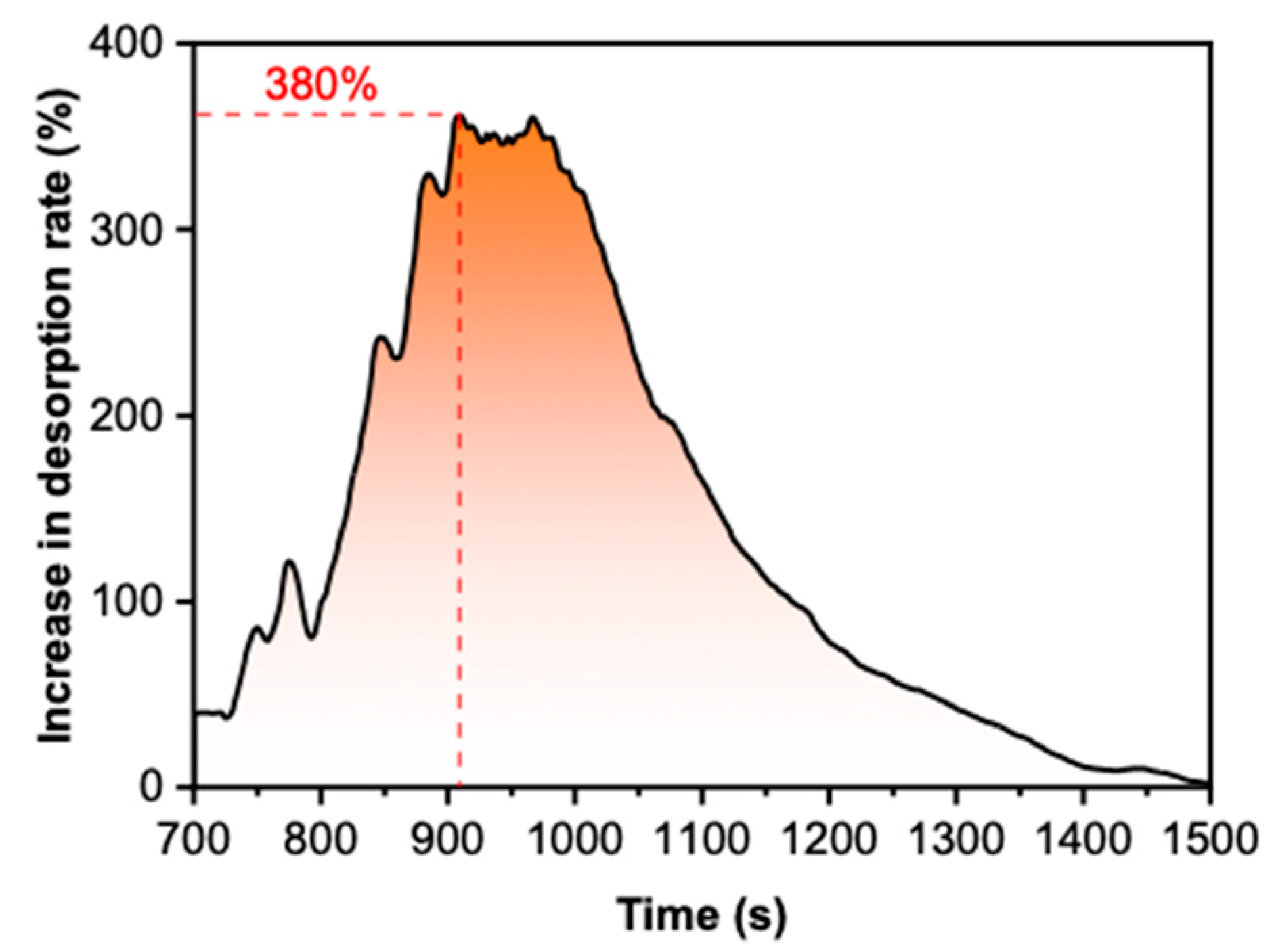
Figure 9 illustrates the comparison of CO
2 desorption rates with and without the assistance of the prepared FeOOH catalyst at the optimal loading of 0.4 wt%. The
X-axis represents time, while the
Y-axis indicates the CO
2 desorption rate. A prominent peak at approximately 380% demonstrates a significant enhancement in desorption rate with the FeOOH catalyst, compared to the baseline without the catalyst. This sharp peak, followed by a decline, suggests the catalyst enables a fast initial reaction, likely due to the availability of active sites, before stabilizing or potentially depleting over time. The remarkable increase in desorption rate highlights the catalytic efficiency of FeOOH, which not only accelerates the desorption process but also dramatically reduces the energy consumption required for CO
2 desorption. These findings emphasize the potential of the FeOOH catalyst in improving the efficiency and sustainability of CO
2 capture and conversion processes. It should be noted that the enhanced CO
2 desorption reported here is evaluated based on the outlet CO
2 concentration in the gas phase. The present study does not explicitly distinguish between selective CO
2 regeneration and possible solvent degradation pathways such as heat-stable salt formation or amine loss.
3.4. DFT Analysis and Catalytic Mechanism
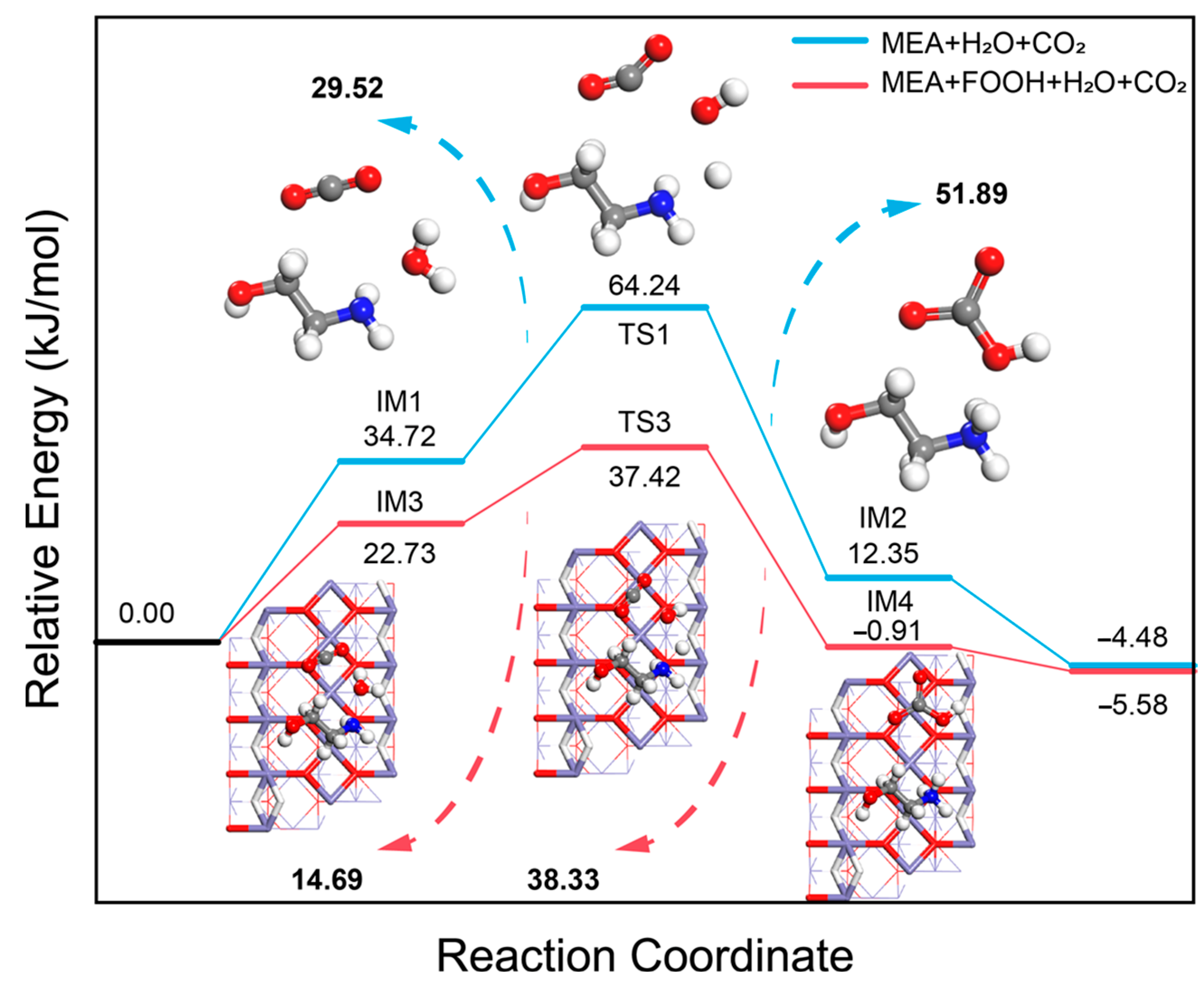
To provide energetic insight into the proposed proton-transfer-assisted desorption mechanism, density functional theory (DFT) calculations were performed on representative FeOOH surface models as shown in
Figure 11. The calculations focus on the interaction between FeOOH and MEA-related species, as well as the role of Brønsted and Lewis acid sites in stabilizing intermediates and facilitating proton transfer. The optimized structures indicate that surface hydroxyl groups and coordinatively unsaturated Fe sites on FeOOH can form strong hydrogen bonding and coordination interactions with MEA-derived species, with calculated H-bond lengths typically observed in the range of 1.8 to 2.1 Å.
These interactions promote proton transfer from surface –OH groups to bicarbonate (HCO
3−) or carbamate (MEACOO
−) species, facilitating the formation of unstable intermediates that decompose more readily to release CO
2. The calculated adsorption energies show that MEA-related intermediates are more strongly stabilized on acidic FeOOH surfaces compared to non-catalyzed environments, indicating a favorable thermodynamic driving force for surface-assisted activation. Specifically, the energy barrier associated with the rate-limiting proton transfer step is significantly reduced by approximately
$15–20 kJ/mol in the presence of FeOOH. This substantial reduction in the activation energy barrier suggests that the catalyst provides a lower-energy pathway for CO
2 desorption. These results support the experimental observation in
Section 3.2, where the 0.4 wt% FeOOH catalyst successfully reduced the peak desorption time from 1496 s to 1335 s and increased the total CO
2 desorption by 10.9%. Therefore, the enhancement in desorption kinetics can be rationalized by a feasible catalytic pathway from an energetic standpoint rather than simple physical adsorption effects. It should be noted that the present DFT calculations are based on simplified surface models and do not explicitly account for solvent effects, and therefore provide qualitative rather than quantitative insights.
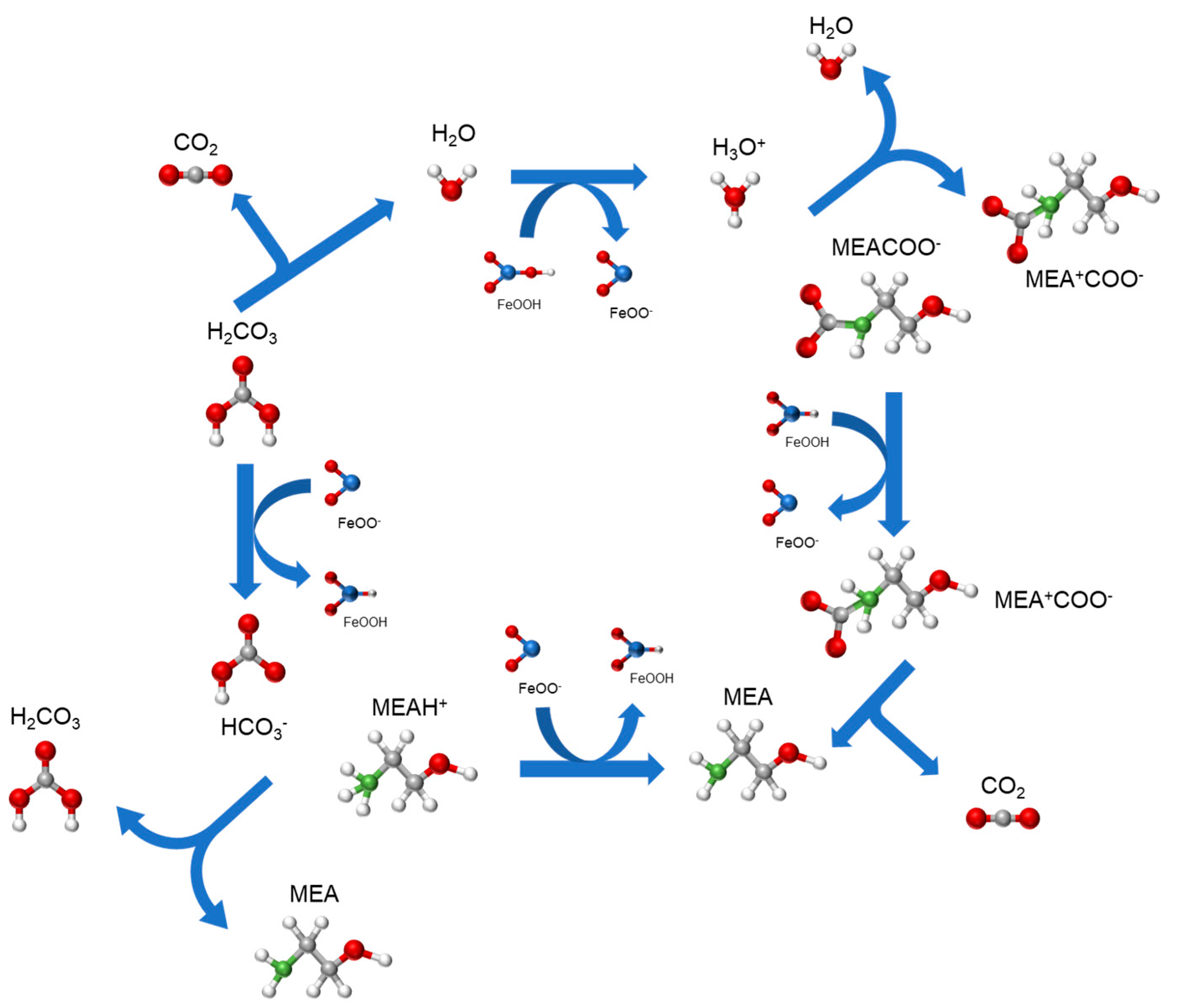
The possible catalytic CO
2 reaction mechanism of FeOOH catalyst is shown in
Figure 12. The absorption and desorption of CO
2 in aqueous MEA solutions proceed primarily via the zwitterion mechanism, as originally proposed by Caplow and Danckwerts [
34,
35]. During the initial stage of absorption, CO
2 reacts with MEA to form a zwitterionic intermediate (MEA
+COO
−), which subsequently interacts with another MEA molecule to generate carbamate (MEACOO
−) and a protonated amine (MEAH
+), as shown in reactions (R1) and (R2). Under conditions of high CO
2 loading, the carbamate species undergo hydrolysis, regenerating free MEA and forming bicarbonate ions (HCO
3−), as indicated in reaction (R3). These fundamental steps represent the core chemistry of CO
2 capture in MEA systems. However, the thermal desorption of CO
2 is hindered by slow reaction kinetics and high energy requirements, necessitating the use of a suitable catalyst.
β-FeOOH, possessing a large specific surface area (287 m
2/g) and bifunctional acid–base character, mainly promotes the kinetics of CO
2 absorption and desorption, thereby shortening the time required to reach equilibrium, rather than significantly changing the equilibrium CO
2 capacity of the MEA system. Its role is to provide a heterogeneous acid–base interface that facilitates proton transfer and intermediate stabilization during the MEA–CO
2 reaction process. As illustrated in Reactions (R1) and (R2), FeOOH does not participate as a reactant in carbamate formation but assists this process through surface-mediated interactions. The Brønsted acid sites can facilitate proton donation and transfer, while the Lewis acidic/basic sites can stabilize electron-rich or electron-deficient species, promoting charge redistribution during the conversion between MEA, CO
2, and carbamate species. Through these surface-assisted acid–base interactions, FeOOH lowers the kinetic barriers associated with proton transfer steps and intermediate transformations, leading to enhanced absorption efficiency without altering the thermodynamic equilibrium [
9].
In the desorption phase, uncatalyzed pathways rely on the thermal decomposition of HCO
3− and MEACOO
−, which are generally slow and energy-intensive. FeOOH facilitates the breakdown of both bicarbonate (HCO
3−) and zwitterionic intermediates (MEA
+COO
−), accelerating the release of CO
2. At the onset of desorption, when CO
2 loading is high, HCO
3− is the dominant source of CO
2, as outlined in reaction (R3). At 85 °C, FeOOH participates in proton generation either by abstracting OH
− from water to form H
+ (R4) or by deprotonating water to yield H
3O
+ (R5). These protons subsequently interact with HCO
3− to form carbonic acid (H
2CO
3), which rapidly decomposes upon heating, as described in reactions (R6) and (R7). Compared to the uncatalyzed route, this pathway is more kinetically favorable. As desorption proceeds and CO
2 loading decreases, MEACOO
− becomes the primary source of CO
2. Brønsted acid sites in FeOOH facilitate proton transfer to MEACOO
−, forming MEA
+COO
−, which then thermally decomposes to yield CO
2 and regenerate MEA, as depicted in reactions (R8) and (R9). These steps are further supported by DFT calculations, which show that the presence of FeOOH significantly lowers the energy barrier for proton transfer and intermediate decomposition, providing a kinetically more favorable pathway for CO
2 desorption.
The catalytic cycle is maintained through regeneration of active intermediates via reactions with protonated amines or bicarbonate, as shown in reaction (R10). This self-sustaining sequence allows FeOOH to preserve its catalytic functionality over multiple cycles of operation.
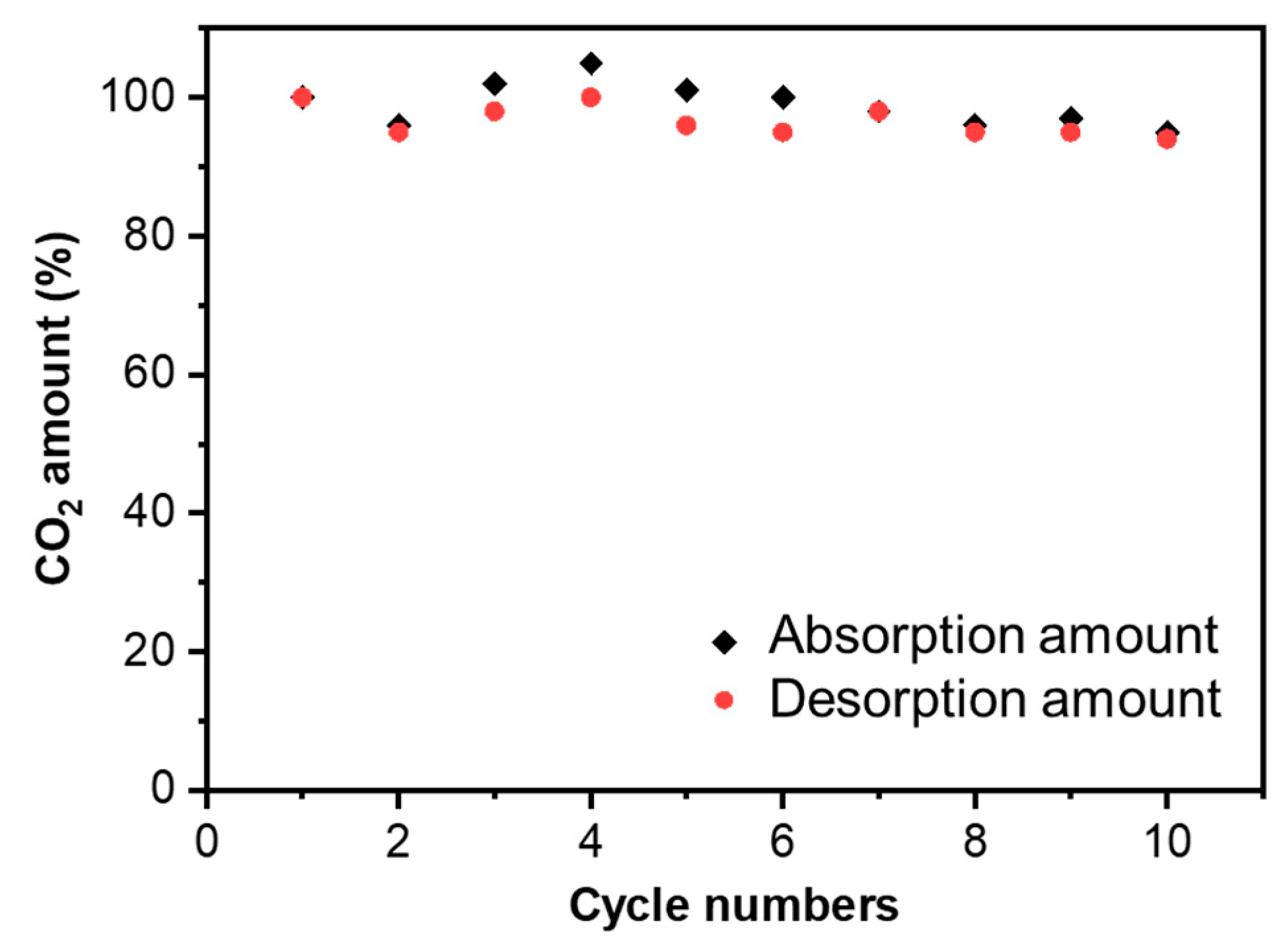
Overall, the proposed mechanism highlights how FeOOH lowers the activation energy of both absorption and desorption processes by providing proton donors and acceptors via Brønsted and Lewis acid sites. This dual-functionality plays a key role in enhancing CO2 capture efficiency while reducing thermal energy input, as evidenced by consistent performance over 10 consecutive cycles.




 ,
,