1. Introduction
Sustainable development of urban territories and effective land use planning represent one of the key challenges of modern urban studies. According to global estimates, more than half (approximately 52%) of the world’s population currently resides in urban areas, while urban growth rates (about 2.2% per year) exceed overall population growth [
1]. Under these conditions, the quality of life in cities increasingly depends on rational territorial organization, minimization of negative environmental impacts, and sustainable socio-economic development. Issues of sustainable urban development remain at the center of attention of the global scientific community [
2,
3,
4,
5].
Recent advancements in urban remote sensing have shifted from simple photogrammetric reconstruction to sophisticated noise-filtering algorithms in dense environments. While traditional methods rely on global geoid models (EGM2008), recent studies [
6] demonstrate that in “complex natural–environmental conditions,” the integration of regional geoid corrections (like GEOID_UA_XGM2019) is crucial for sub-decimeter vertical accuracy. However, a significant gap remains in establishing a cost-effective workflow that balances high-density urban vegetation removal with the preservation of micro-relief features essential for hydrological runoff modeling.
A decisive role in spatial planning processes is played by the availability of high-accuracy and up-to-date geospatial data, which form the basis for the analysis of engineering, environmental, and urban planning tasks. In this context, digital elevation modeling is of particular importance, as it provides the fundamental spatial framework for assessing natural terrain conditions, analyzing land suitability, and supporting decision-making in urban land use management. Traditionally, digital elevation models (DEMs) have been generated using classical topographic surveys, ground geodetic measurements, as well as aerial imagery acquired from manned aircraft and satellite systems [
7,
8,
9,
10]. Recent studies in 2024 and 2025 have further advanced the benchmarking of vertical accuracy in UAV-derived models. For instance, research published in the
Mersin Photogrammetry Journal (2025) highlights that while horizontal precision is easily achieved, vertical RMSE optimization remains sensitive to flight geometry and sensor calibration in urban zones [
11]. The challenge of achieving sub-decimeter vertical accuracy in urban environments is a central theme in recent geodetic research. Specifically, Yurt and Şahin [
11] demonstrated that vertical RMSE is highly dependent on the synergy between flight altitude and the density of the ground control network, which is consistent with the methodology applied in this study. Furthermore, the integration of these models into decision-support systems for urban planning and flood risk management has been identified as a priority in recent work by [
11], emphasizing the shift from simple data acquisition to the creation of interactive GIS-based digital twins. The integration of UAV-derived data into GIS platforms has evolved from simple mapping to the creation of complex spatial decision-support systems. As noted by Bandeira and Guimarães [
12], the use of 3D terrain models is now essential for sustainable urban infrastructure development and land-use optimization. High-resolution DEMs generated from UAV photogrammetry provide a superior basis for surface runoff modeling compared to satellite data. Recent applications in urban flood monitoring [
13] prove that such models allow for precise identification of drainage bottlenecks, which is critical for preventing the types of infrastructure failures discussed in
Table 1. However, under dense urban development conditions, these approaches often fail to provide sufficient spatial resolution, positional accuracy, and data timeliness, which significantly limits their applicability for detailed urban land use planning and management of urban development processes.
Recent advances in UAV photogrammetry have enabled the generation of high-resolution terrain models at relatively low cost compared to airborne LiDAR and classical aerial surveying. Numerous studies have demonstrated the applicability of UAV-derived DEMs in environmental monitoring, infrastructure mapping, and hazard assessment. However, existing research typically focuses on either data acquisition workflows or applied modeling (e.g., flood simulation), while limited attention is paid to the accuracy-controlled generation and validation of DEMs as a standalone geospatial product. In many cases, DEM accuracy is assumed rather than rigorously evaluated, which introduces uncertainty in downstream spatial analyses. Furthermore, inconsistencies remain in the integration of UAV-derived elevation data with national geodetic systems and geoid models, particularly in Eastern European contexts where legacy coordinate frameworks are still widely used. This creates methodological challenges when combining UAV data with archival cartographic sources.
In contemporary studies, DEMs are also widely applied in hydrological and environmental analyses, including surface runoff assessment, flood zoning, and drainage system planning [
14,
15,
16,
17,
18,
19]. High-resolution elevation data are essential for terrain suitability assessment, infrastructure planning, and environmental risk evaluation [
20]. Insufficient consideration of terrain morphology and drainage conditions in urban planning has repeatedly resulted in large-scale emergencies accompanied by flooding, infrastructure damage, and significant economic losses. These examples emphasize the critical role of high-quality topographic data as a fundamental component of engineering and urban planning analyses. The historical flood events listed in
Table 1 emphasize the catastrophic risks of using outdated elevation data, justifying the need for the high-frequency UAV monitoring proposed in this study.
At the same time, recent advances in unmanned aerial vehicles (UAVs) and digital photogrammetry have opened new opportunities for the generation of high-precision three-dimensional terrain models. UAV-based aerial surveys integrated with geographic information systems (GIS) enable the rapid production of digital elevation models, orthophotos, and dense point clouds with centimeter-level spatial accuracy. Such capabilities are particularly important for the analysis of complex urbanized landscapes and for supporting spatial planning processes. Compared with satellite data and conventional aerial photography, UAV technologies provide higher spatial resolution, greater operational flexibility, and the possibility of frequent data updates.
Numerous studies report the use of satellite-derived DEMs, airborne laser scanning (LiDAR), and photogrammetric techniques for engineering design, environmental assessment, and hydrological modeling [
8,
9,
10,
18,
19]. However, considerably less attention has been paid to the methodological aspects of generating and validating high-accuracy digital elevation models as a key preparatory stage for urban land use spatial planning. The quality and reliability of DEMs largely determine the accuracy of subsequent spatial analyses and the robustness of urban planning decisions.
Within this study, particular emphasis is placed on the integration of UAV-based photogrammetry and geographic information systems for the generation and accuracy assessment of a digital elevation model in an urbanized territory. The resulting DEM is considered as a fundamental spatial information basis for further zoning, territorial analysis, and planning of urban land use development.
The objective of this study is to develop and validate a methodological approach for generating a high-accuracy UAV-derived digital elevation model integrated with GIS tools and national geodetic frameworks. The study focuses on DEM accuracy assessment using independent control data in order to provide a reliable spatial basis for urban planning and geospatial analysis.
This study proposes an integrated workflow combining UAV photogrammetry, national geodetic systems, and geoid-based correction followed by independent statistical validation.
2. Materials and Methods
This study follows a structured workflow for UAV-based digital elevation model generation and validation. The methodology consists of four main stages:
- (1)
Acquisition of UAV imagery and ground control data;
- (2)
Photogrammetric processing and point cloud generation;
- (3)
Geodetic harmonization using geoid-based height corrections;
- (4)
Independent statistical validation of DEM accuracy.
The workflow emphasizes reproducibility and compatibility with national geodetic reference systems, which is critical for integrating UAV-derived datasets into existing spatial planning frameworks.
This study addresses the identified limitations by proposing an integrated approach that combines UAV photogrammetry, national geodetic reference systems, and geoid-based height corrections, followed by independent statistical validation using large-scale cartographic data. The novelty of the study lies in: a reproducible methodology for digital elevation model generation in urban terrain conditions; integration of UAV data with existing geodetic systems; and quantitative validation of elevation accuracy using independent control datasets.
By focusing on the reliability of primary spatial data, the study provides methodological contributions relevant to urban planning, engineering geodesy, and spatial data infrastructure development.
Significant practical experience in the use of unmanned aerial vehicles (UAVs) by leading countries in the military domain has demonstrated a wide range of civilian tasks in which UAVs are highly effective [
21,
22,
23]. Their development is a priority due to economic feasibility and the ability to fully exploit advanced technological characteristics that are unattainable for manned aviation [
20,
24,
25].
Compared with manned aircraft, UAVs offer a number of advantages, including high cost efficiency, the ability to acquire ultra-high-resolution imagery from altitudes of 1–10 m, rapid acquisition of results, and minimal environmental impact [
7,
8,
9,
26,
27]. This determines their widespread application in terrain monitoring and in the analysis of surface runoff formation conditions.
The use of UAVs in the field of civil protection and emergency monitoring has been addressed in a number of scientific studies [
22,
28,
29,
30,
31]. Some studies focus on the application of various types of UAVs for aerial photography and mapping [
21,
32,
33]. The development of digital photogrammetric methods has contributed to the emergence of automated software packages for processing aerial imagery and generating digital elevation models, which are widely used in scientific and applied research [
28].
Methodological approaches to distributed hydrological modeling using GIS tools are presented in [
10,
34,
35], where the principles of designing hydrological information systems for reproducing the components of a catchment environment are discussed.
Problem statement. Accurate terrain representation in urban environments requires the integration of heterogeneous spatial data sources, including UAV imagery, GNSS measurements, and archival cartographic materials. However, differences in coordinate systems and vertical datums introduce systematic errors that may significantly affect DEM accuracy. Therefore, the key methodological challenge addressed in this study is the harmonization and validation of UAV-derived elevation data within a consistent geodetic framework.
In current practice, the calculation of volumes and discharges of surface runoff within urbanized areas is performed in accordance with the requirements of national regulatory documents—DSTU 8691:2016 [
16] and DBN V.2.5-75:2013 [
15]. Despite the fact that the adverse impact of surface runoff on water quality has been observed for a long time, national regulatory documents governing surface water quality were developed only in 2022. In this regard, the Law of Ukraine “On Wastewater Disposal and Treatment” was adopted and entered into force in August 2023 [
36]. For example, in [
16], annual volumes of surface runoff were determined on the basis of statistical analysis of hydro meteorological observation data and normative calculation relationships.
Given that these methodologies are standardized and generally accepted, analytical relationships are not presented in this section. Instead, the main focus is placed on the sources of spatial data, the principles of digital terrain model construction, and the integration of results into a GIS environment.
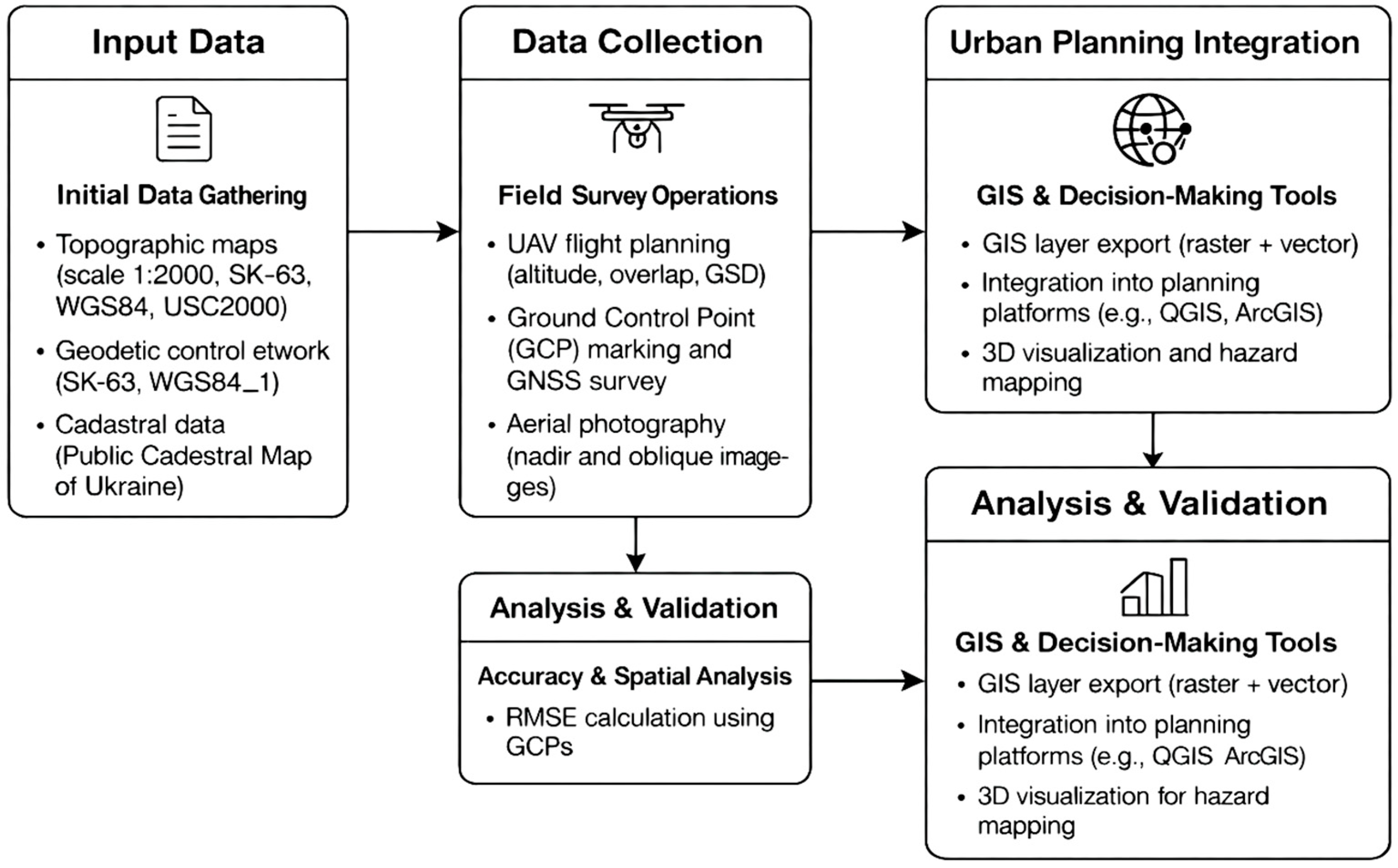
In general, the study proposes the use of a technological flowchart (
Figure 1).
This scheme illustrates the input parameters and data acquisition conditions, the output results and methods of their processing, as well as the possibilities for integrating verified results into urban planning systems
3. Results and Discussion
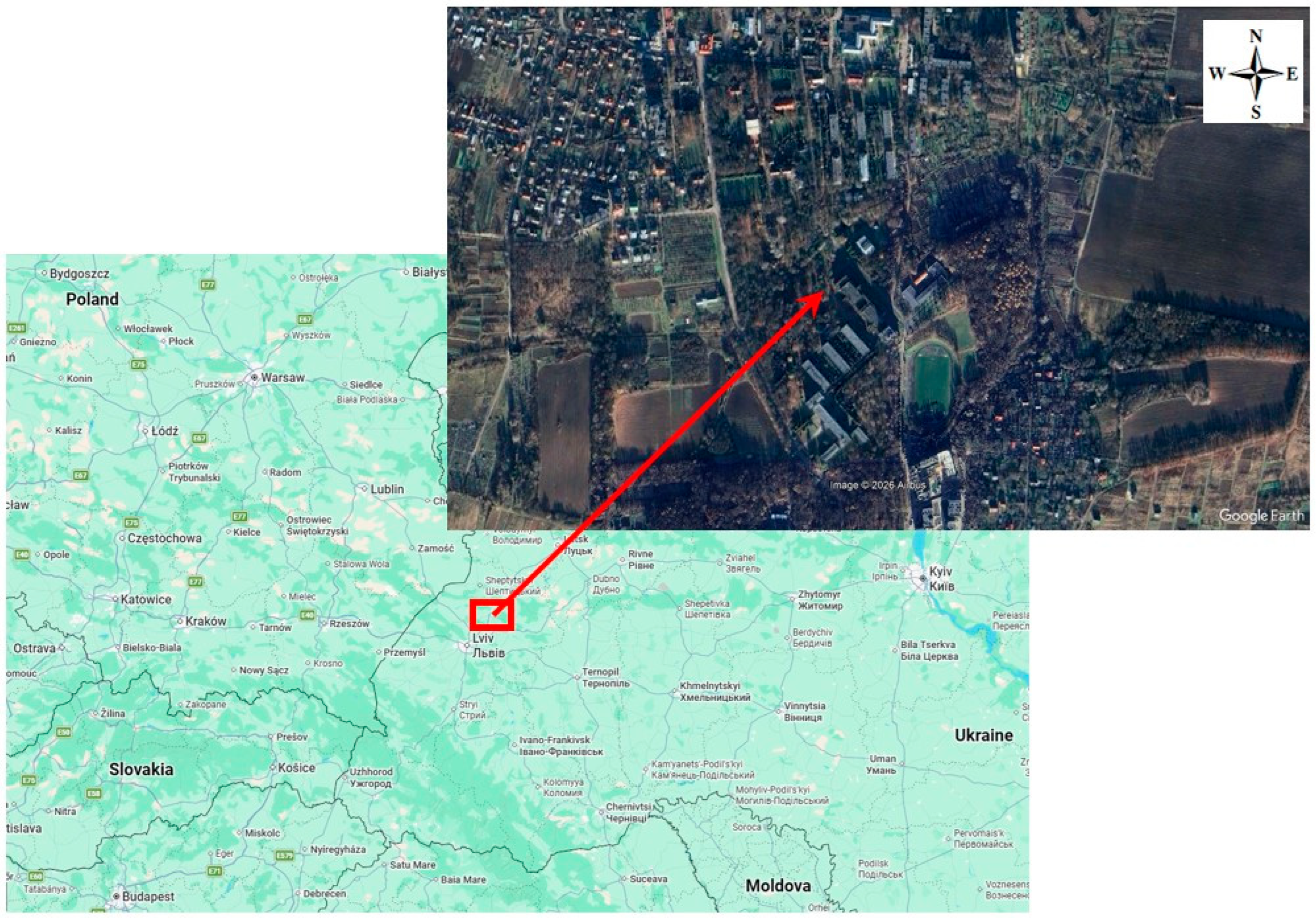
The land plot of Lviv National Environmental University in Dubliany, Lviv Territorial Community, Lviv region has been the subject of study. Since its establishment on 9 January 1856, the University’s grounds have consistently expanded and developed.
Currently, the main part of the University’s territory spans 53.08 hectares (
Figure 2).
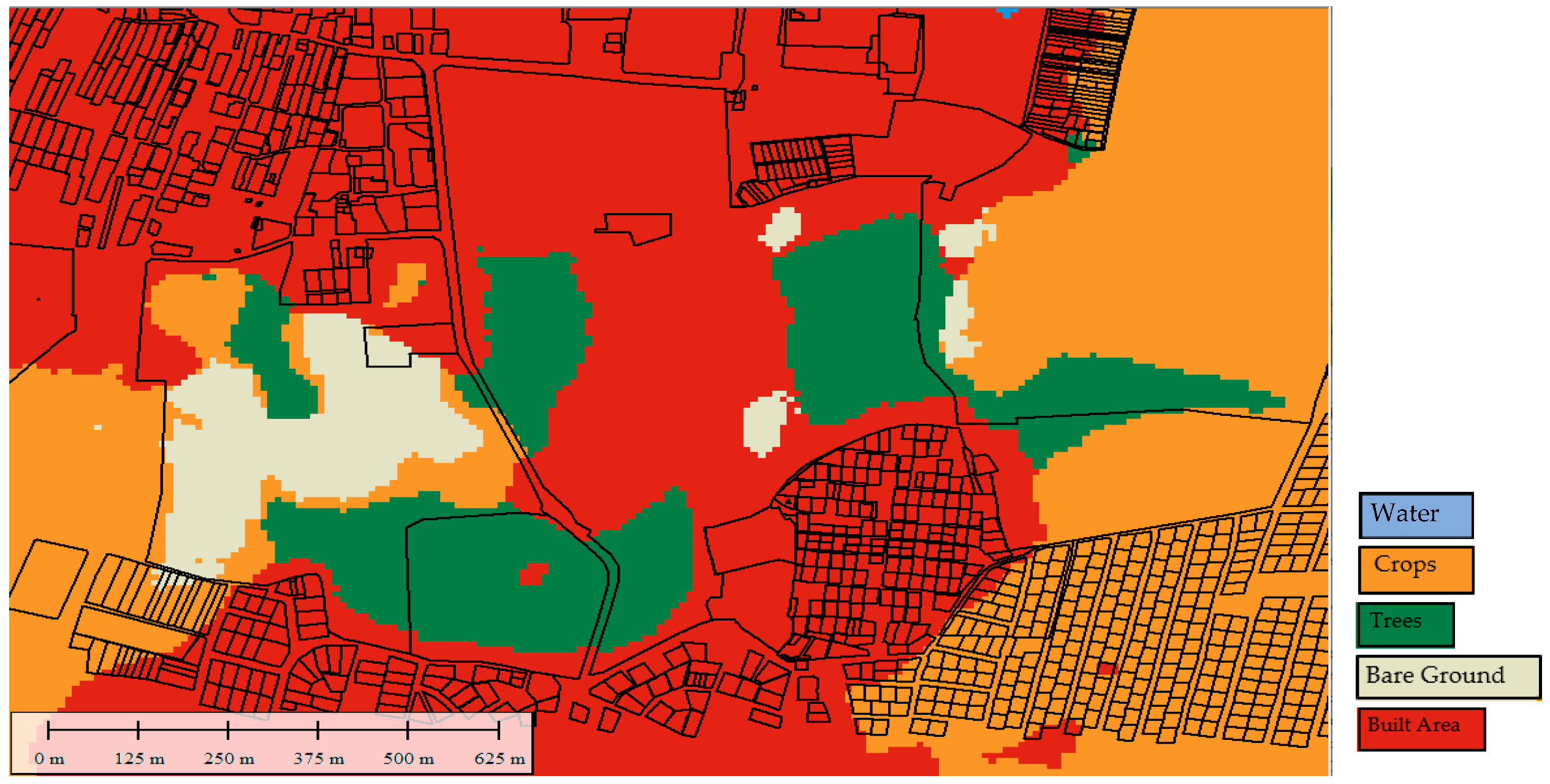
The current condition of the University’s grounds can be evaluated using topographic maps, plans, satellite imagery, and aerial photographs. The LULC (Land Use Land Cover) model, depicted in
Figure 3, is produced annually using Sentinel-2 satellite images and is made available by the European Space Agency and its affiliated organizations [
37].
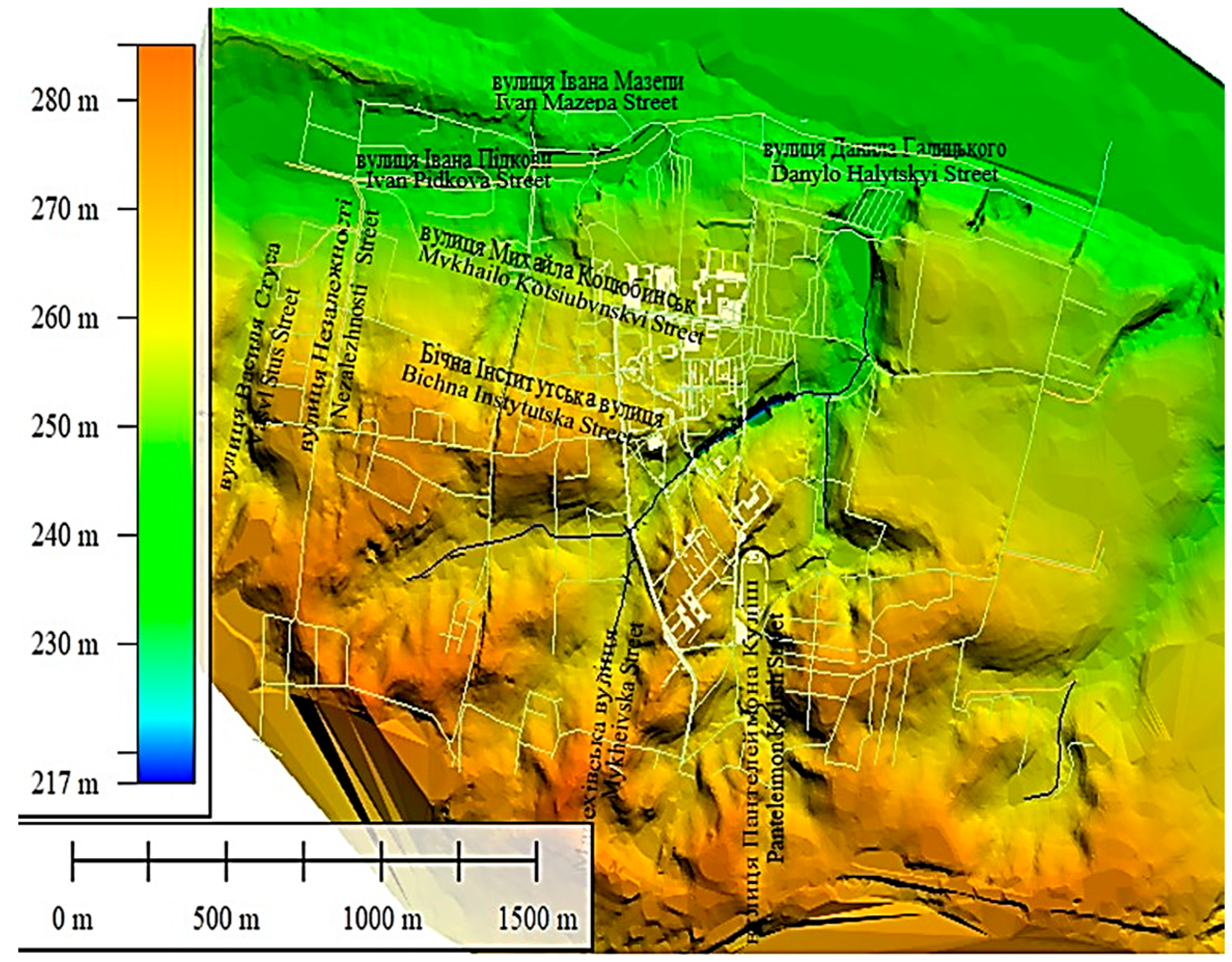
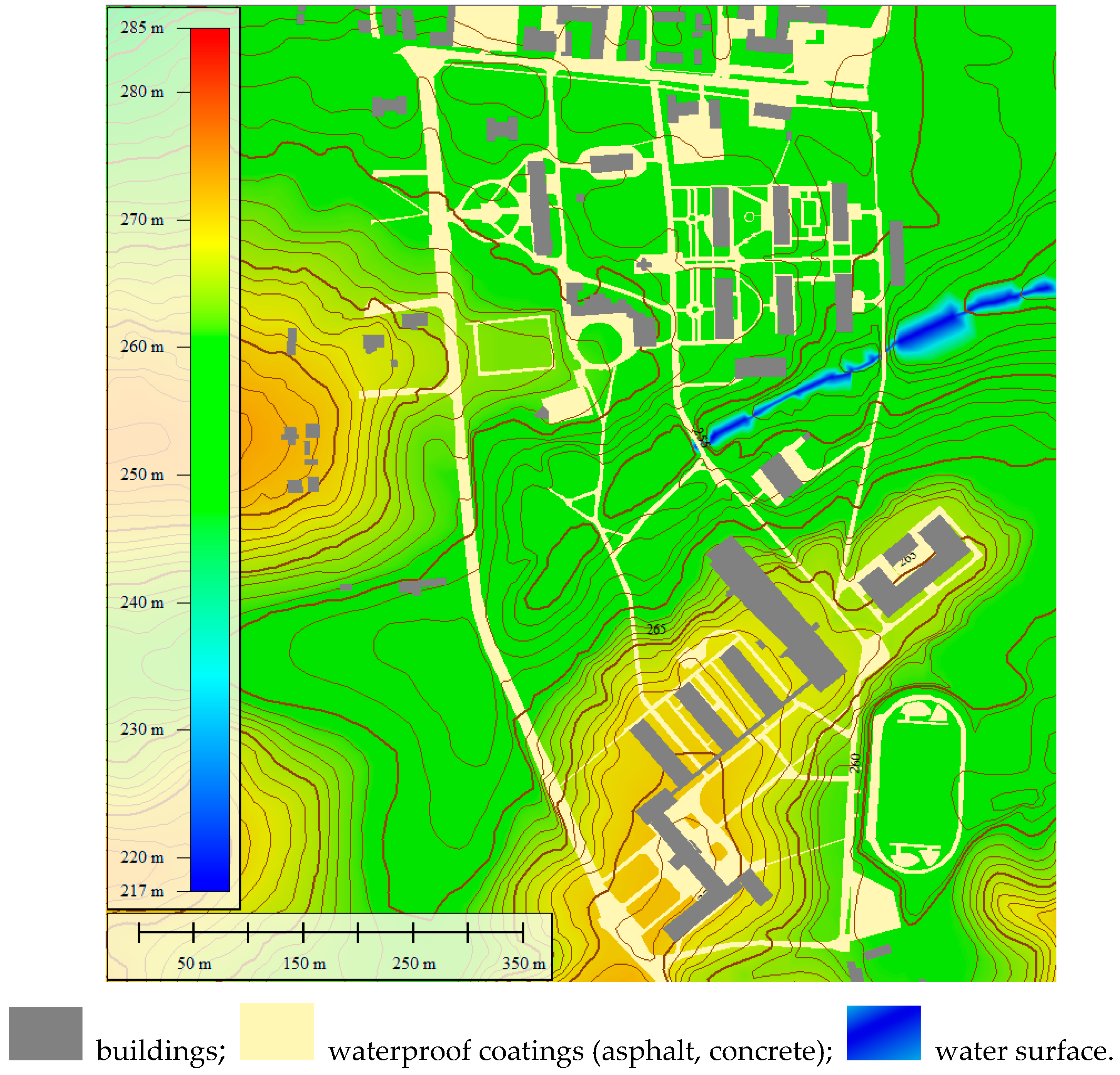
The terrain of the study area is characterized as hilly, with elevation variances ranging from 217 m to 280 m (based on the Baltic Height System of 1977). Within the study area itself, the height difference is 16.6 m (
Figure 4).
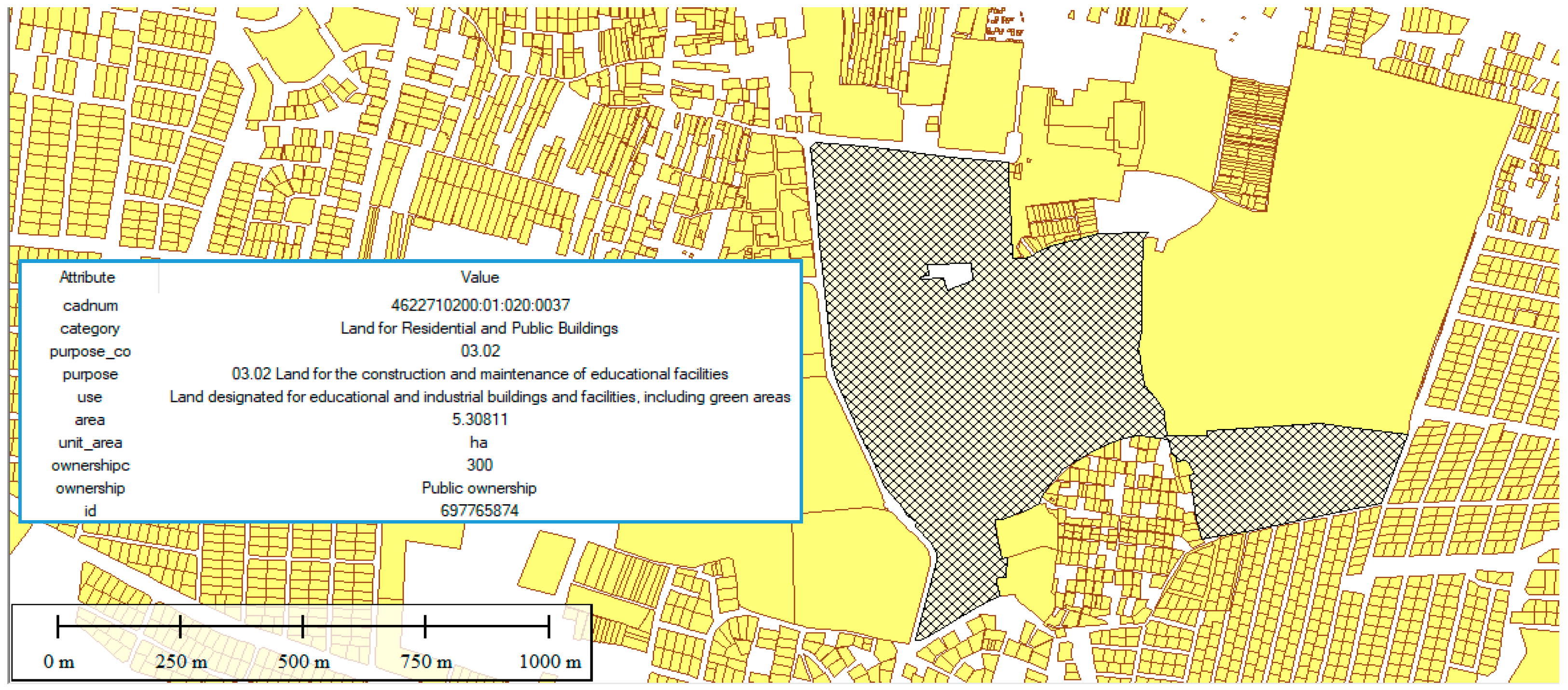
The University campus is divided by a gully, with the Malyniaky Park in the southeastern part and the Dublianskyi Park (2.61 hectares) on the slopes of the gully. The University buildings are located on the southern and northern plateaus. The gully contains a stream, which is a right tributary of the Yarychivka River, which in turn is a tributary of the Poltva River in the Western Buh River basin. The location and information from the Public Cadastral Map of Ukraine are depicted in
Figure 5.
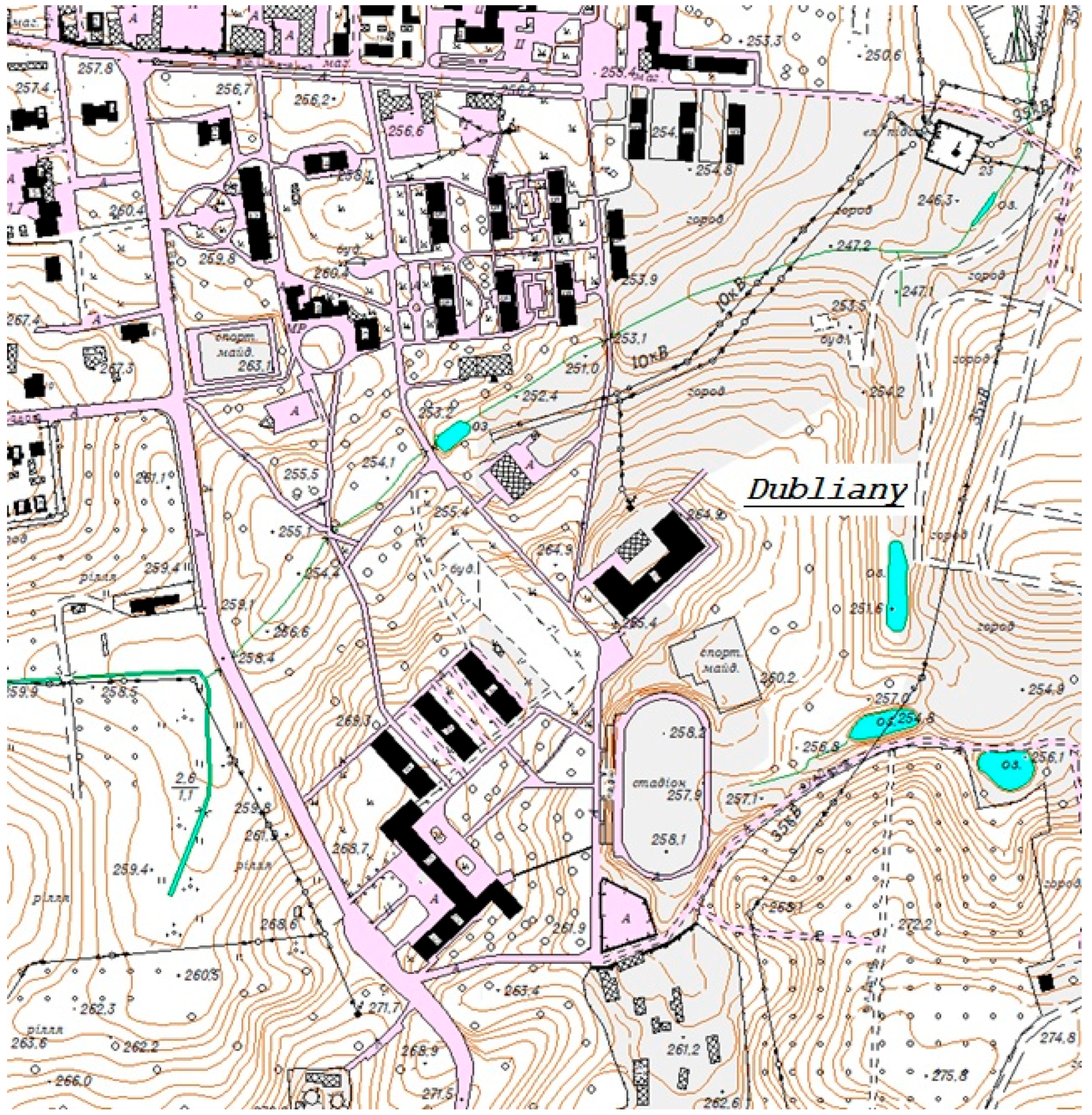
To ensure topographic accuracy, the study utilized a digital topographic plan of the city of Dubliany at a scale of 1:2000. The plan was created in the SK-63 coordinate system and reflects the terrain conditions as of May 2018, with a horizontal cross-section of the relief through 1 m, Baltic Height System of 1977 (
Figure 6). Additionally, it provides elevations of notable terrain points, water surface cuts, cliffs, rocks, ravines, landslides, and more.
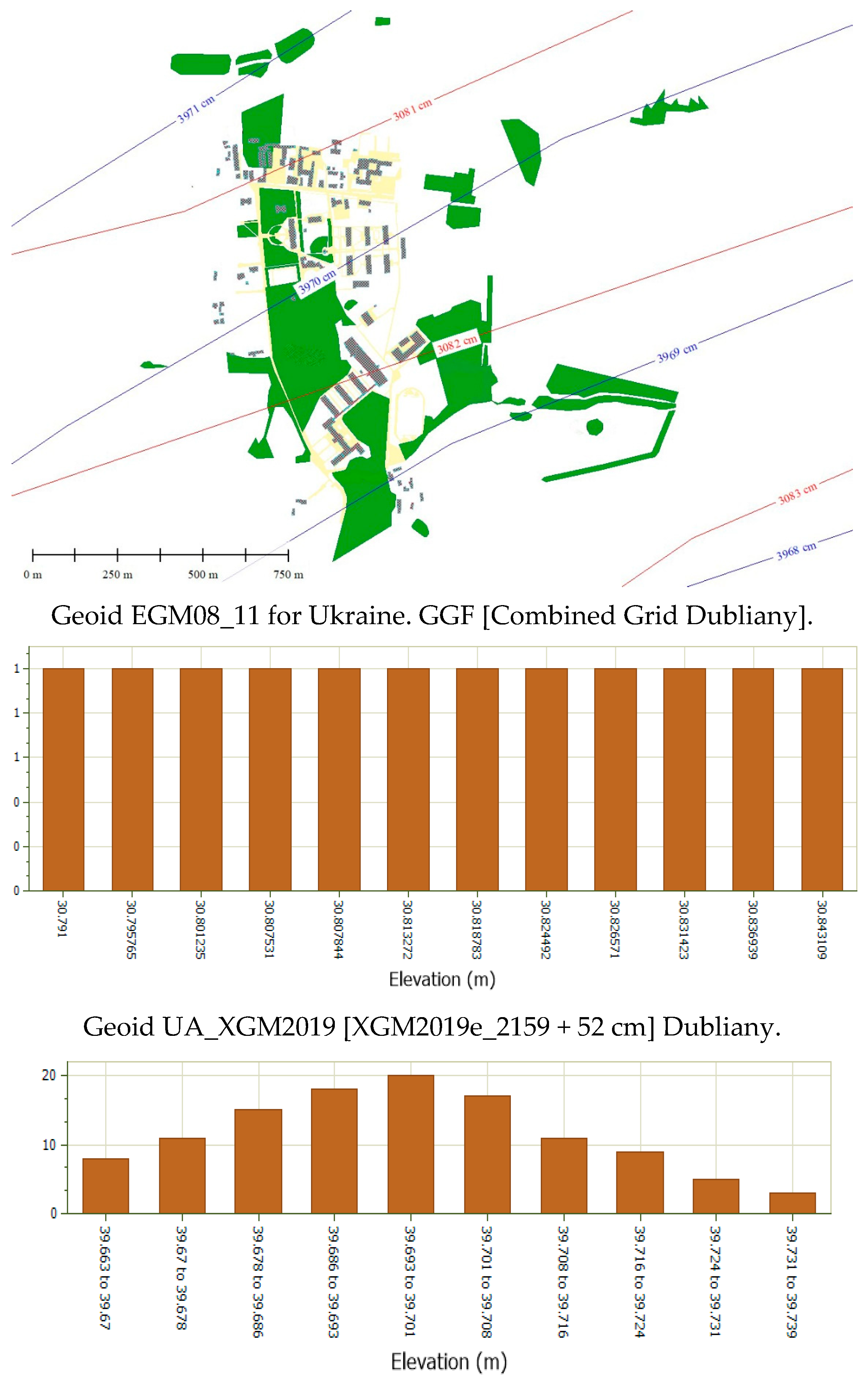
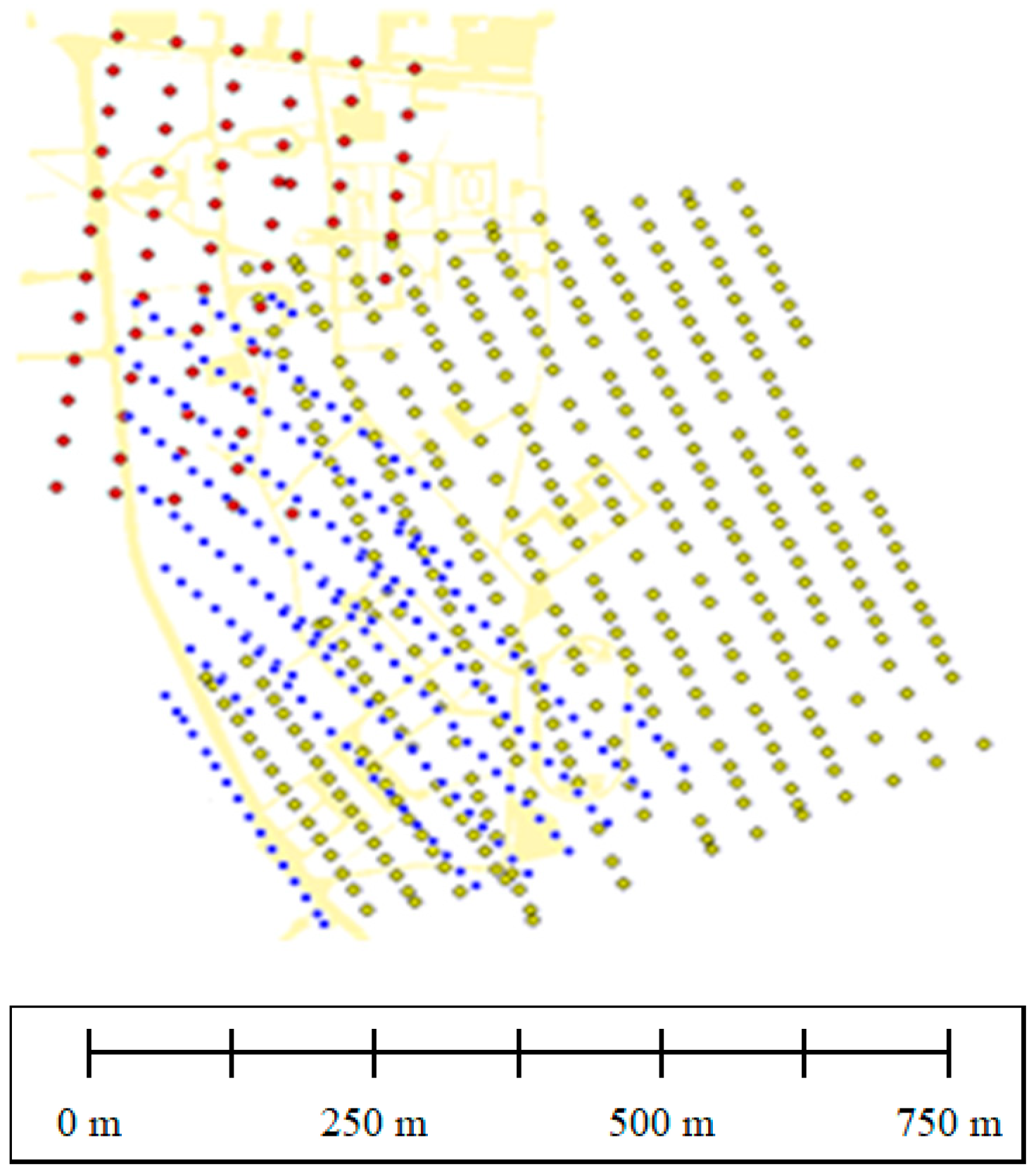
The digital plan includes a cartographic representation of the terrain, displayed as a set of horizontal lines. Given the heterogeneity of the available cartographic data describing the relief of the study area and the point elevations obtained from GNSS surveys, it was necessary to determine an appropriate method for accurately transforming GNSS-derived ellipsoidal heights referenced to the WGS84 ellipsoid into geodetic (normal/optometric) heights “above mean sea level.” A regional geoid model derived from the XGM2019e geoid model was used for the territory of Ukraine. This model, known as GEOID_UA_XGM2019, represents a grid of geoid–ellipsoid separations (height anomalies) with a spatial resolution of 2′ across Ukraine. A locally adapted geoid model, Geoid EGM08_11 for Ukraine, based on the global EGM2008 geoid model, is also available. It has a relatively coarser resolution (2.5′) and provides a grid of geoid undulations relative to WGS84 required for converting GNSS ellipsoidal heights into normal/optometric heights. Based on practical experience from high-precision geodetic surveys in Lviv and its surroundings, the use of UA_XGM2019 is considered more appropriate, or alternatively, a combined application of both models, with EGM08_11 employed as a control or reference model. Based on the GEOID_UA_XGM2019 [XGM2019e_2159 + 52 cm] model utilized by the ZAKPOS network operator [
38], in Dubliany, Lviv region, the geoid’s height above the ellipsoid’s surface ranges from 3969 cm in the southeastern outskirts to 3971 cm in the northwestern outskirts. The relief display isoclines are depicted in blue in
Figure 7. According to the Geoid EGM08_11 for Ukraine geoid model integrated into the Digitals software product, the heights in the study area vary between 3079 cm in the southeastern outskirts to 3084 cm in the northwestern outskirts (isoclines are shown in red in
Figure 7). The histograms illustrate the distribution of corrections to the geodetic heights, ranging from 39.66 m to 39.74 m for the XGM2019 geoid model and from 30.79 m to 30.84 m for the EGM 08 geoid model within this area.
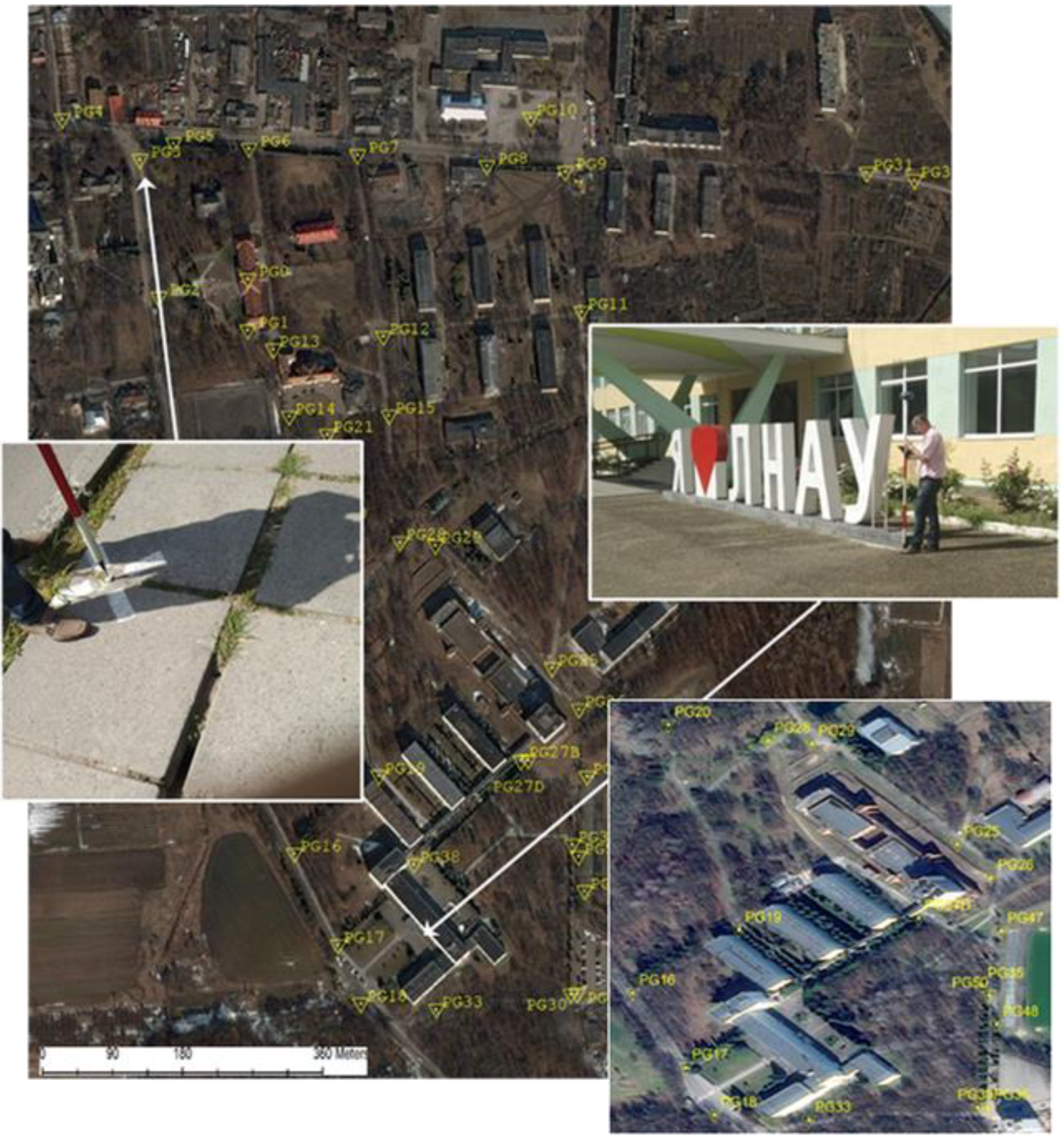
Ground control points are essential for UAV-based photogrammetric technology [
39]. At LNEU, there is a network of 67 points fixed and marked on the ground in the SK-63 coordinate system, with heights given in the Baltic Height System of 1977 (
Figure 8). From 2021 to 2023, the ground markings were updated, spatial coordinates redefined, and 26 new GNNS points added to the network in the WGS84 system. Subsequently, the coordinates were recalculated into the modern USC 2000 Zone 5 coordinate system, and the heights were adjusted from geodetic to normal using the geoid model “Geoid EGM08_11 for Ukraine”.
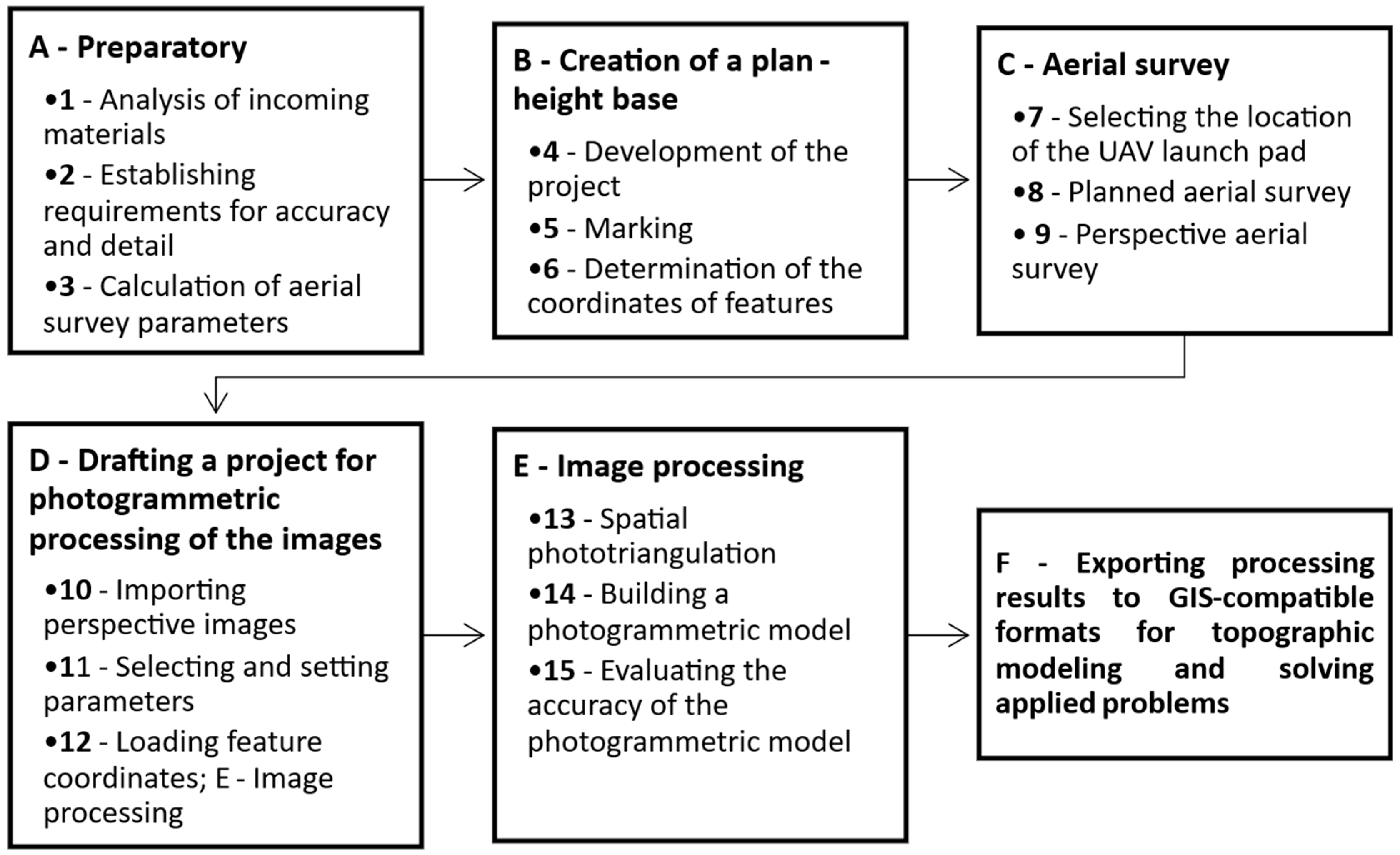
The technical and organizational processes leading to the creation of a digital elevation model are illustrated in
Figure 9. The choice of the technological scheme was primarily based on the type of final product, required accuracy, content, and volume of information, technical support, performers’ qualifications, and work schedule.
The aerial survey data was processed using the Pix4Dmapper program (Pix4Dmapper Trial version, (Pix4D S.A.,
https://www.pix4d.com/product/pix4dmapper-photogrammetry-software/, accessed on 9 October 2025), which involved three stages. During the first stage, the program processed the images, their EXIF files, flight route record files, and ground control point (GCP) catalogs to select connecting points in the overlapping areas of the images. This involved using search algorithms (detectors) and digital descriptions (descriptors) of special points in the images; comparison of the descriptors of special points of digital images to find identical (connecting) points in different images; optimization of camera models; determination of the geolocation of the model. The second stage involved densifying the 3D point cloud to create a textured 3D surface based on the image orientation elements and measurements of the connecting points’ positions. Finally, the third stage resulted in the creation of an orthophoto map and a raster map, allowing for interpretation and study of the surveyed territory.
The aerial survey covered a 63.4-hectare area over two flight days. As shown in
Figure 10, three photogrammetric blocks were obtained, which overlap with a total of 632 aerial photographs taken by DJI Phantom 4 Pro and DJI Mavic 2 Pro (DJI, Shenzhen, China) quadcopters from heights of 330 m and 380 m, respectively. The technical and operational characteristics of these devices can be found in
Table 2 [
4,
41].
A critical parameter that influences the detail and accuracy of photogrammetric models is the ground sample distance (GSD), which is the size of the camera pixel projection on the ground.
where
is the focal length of the digital camera lens,
is the height of the photo,
is the linear size of the pixel matrix of the digital camera, and
is the number of pixels in a row of the pixel matrix of the digital camera.
Ensuring a high number of images in photogrammetric blocks is vital to guarantee the detailed interpretation of objects in the survey area and the accuracy of the spatial model. Recommended values of GSD parameters for topographic plans are provided in
Table 3.
For the calculation, the modified Formula (1) for the relationship between the GSD parameter and the shooting height and camera parameters is used
where
is the size of the pixel projection on the earth’s surface, cm/pixel;
is the width of the camera sensor, mm;
is the focal length, mm;
is the survey height, m;
is the frame width, pixel (
Table 4).
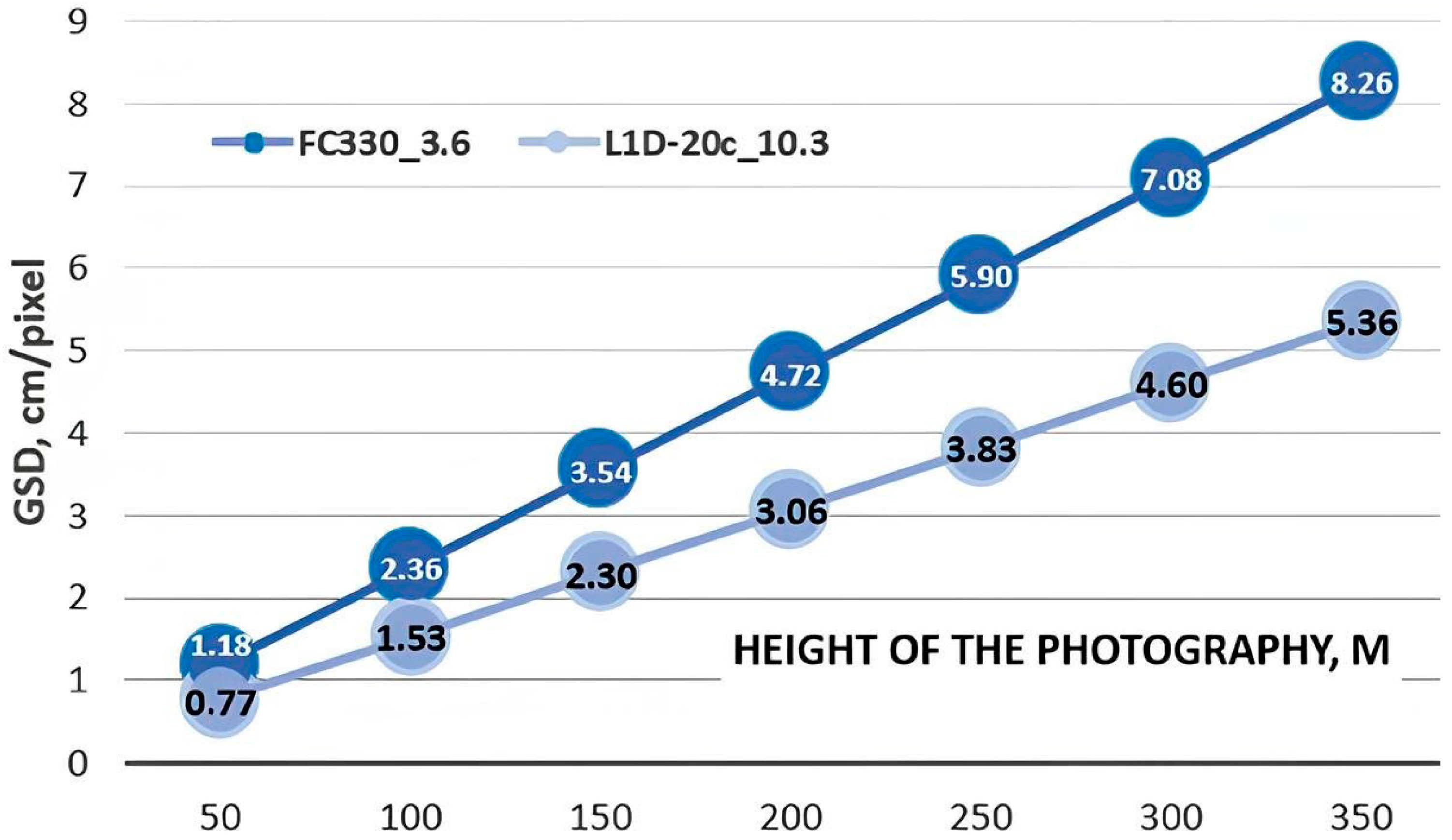
The graphs in
Figure 11 display the results of the photo analysis for the chosen quadcopters, i.e., the dependence of GSD on the height of the photography. The calculations reveal that the resolution of the aerial images for block 1 corresponds to a scale of 1:2000, while blocks 2 and 3 correspond to a scale of 1:1000 [
42].
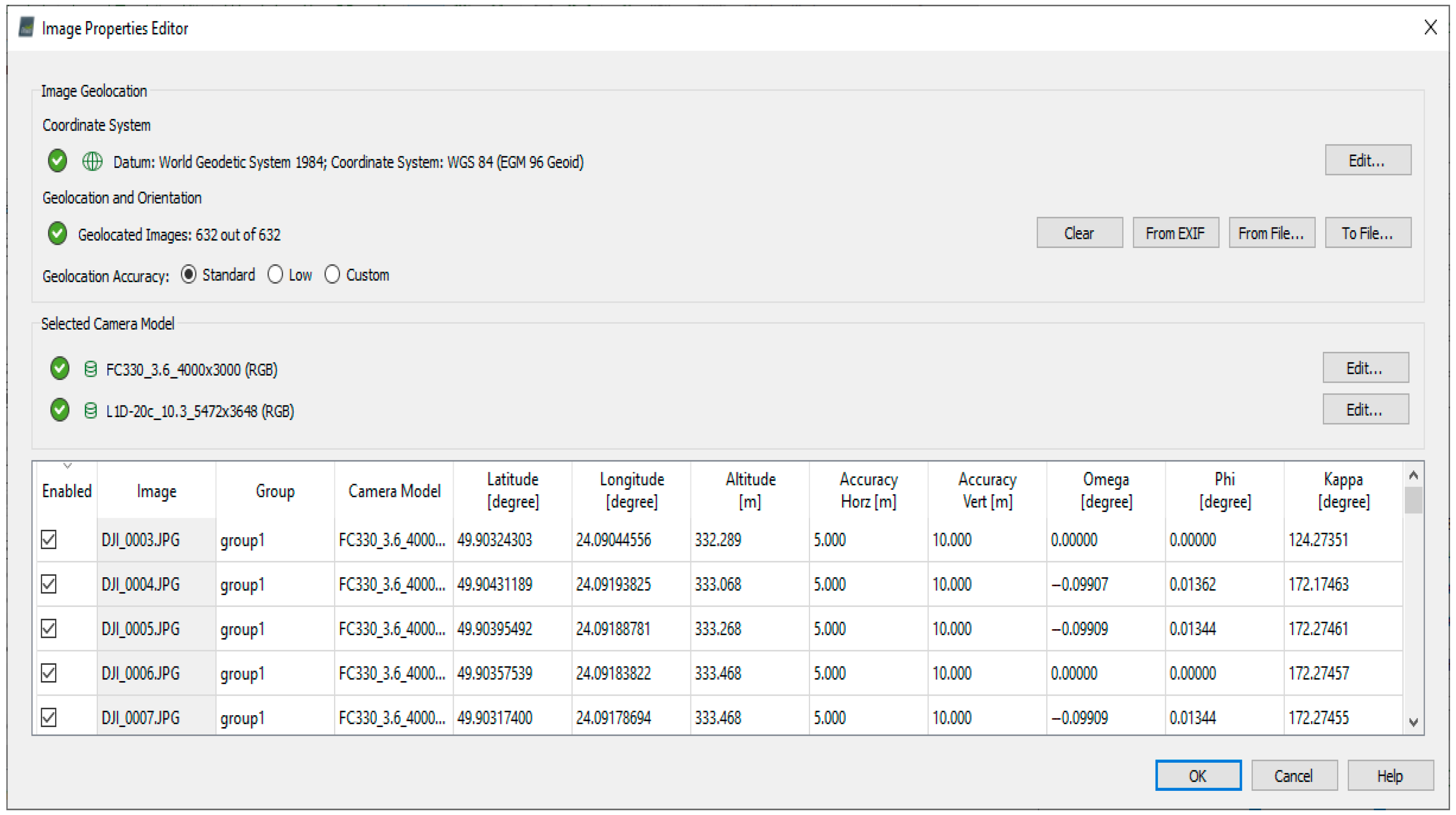
To produce a digital elevation model (DEM) and an orthophotoplan using aerial photographs, the input data consists of JPEG image files, EXIF files containing approximate coordinates of image centers and angular orientation elements, as well as text files with coordinates of reference points and their photo sketches.
The peculiarity of this project is that there are no GPS track files and records of the IMU module, which records navigation parameters, namely the angles of rotation and tilt of the images at the time of their acquisition. In all three blocks, the images were geolocated in the WGS84 coordinate system with visualization of the graphical scheme of projection centers on the electronic map (
Figure 12).
As the research confirmed, one of the typical ways of designing a project, namely the Standard—3D Maps template, proved to be accessible, easy and appropriate.
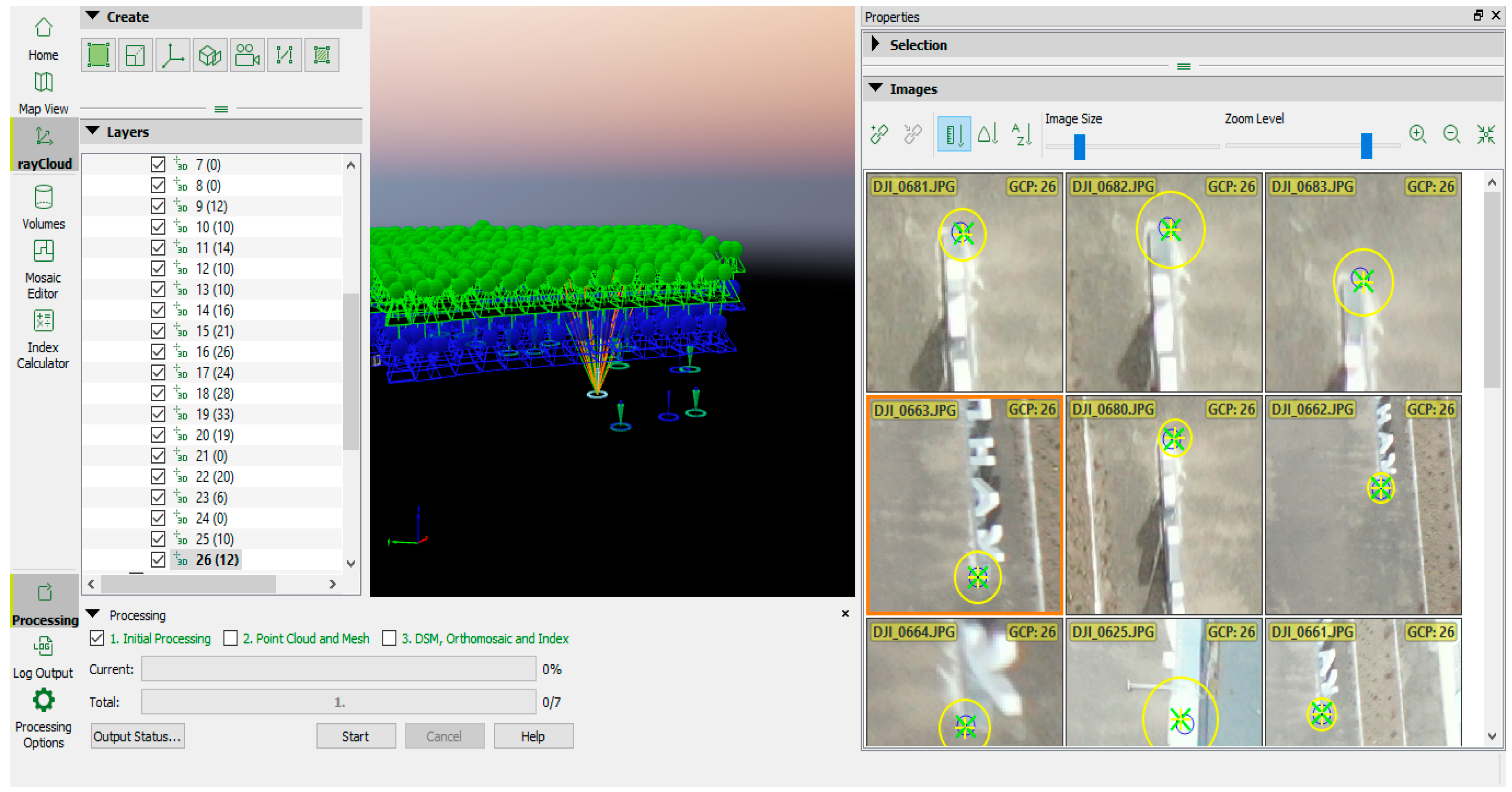
Using the Basic Editor function, the reference points selected in the catalog were visually recognized on the images by a human operator independently, and their exact location was manually marked on at least two images of the block. After confirmation, the point in the list acquired the appropriate status—control, plan reference (2D) or spatial reference (3D). The program interface allowed for the selection of reference points on the GCPs/MTPs layer one by one, displaying their properties and a list of images where they could be identified on the right sidebar. Each reference point was then added to the model with its exact position determined from at least two images. An illustration of coordinating point No. 26, which was depicted on 12 aerial images, is shown below in
Figure 13.
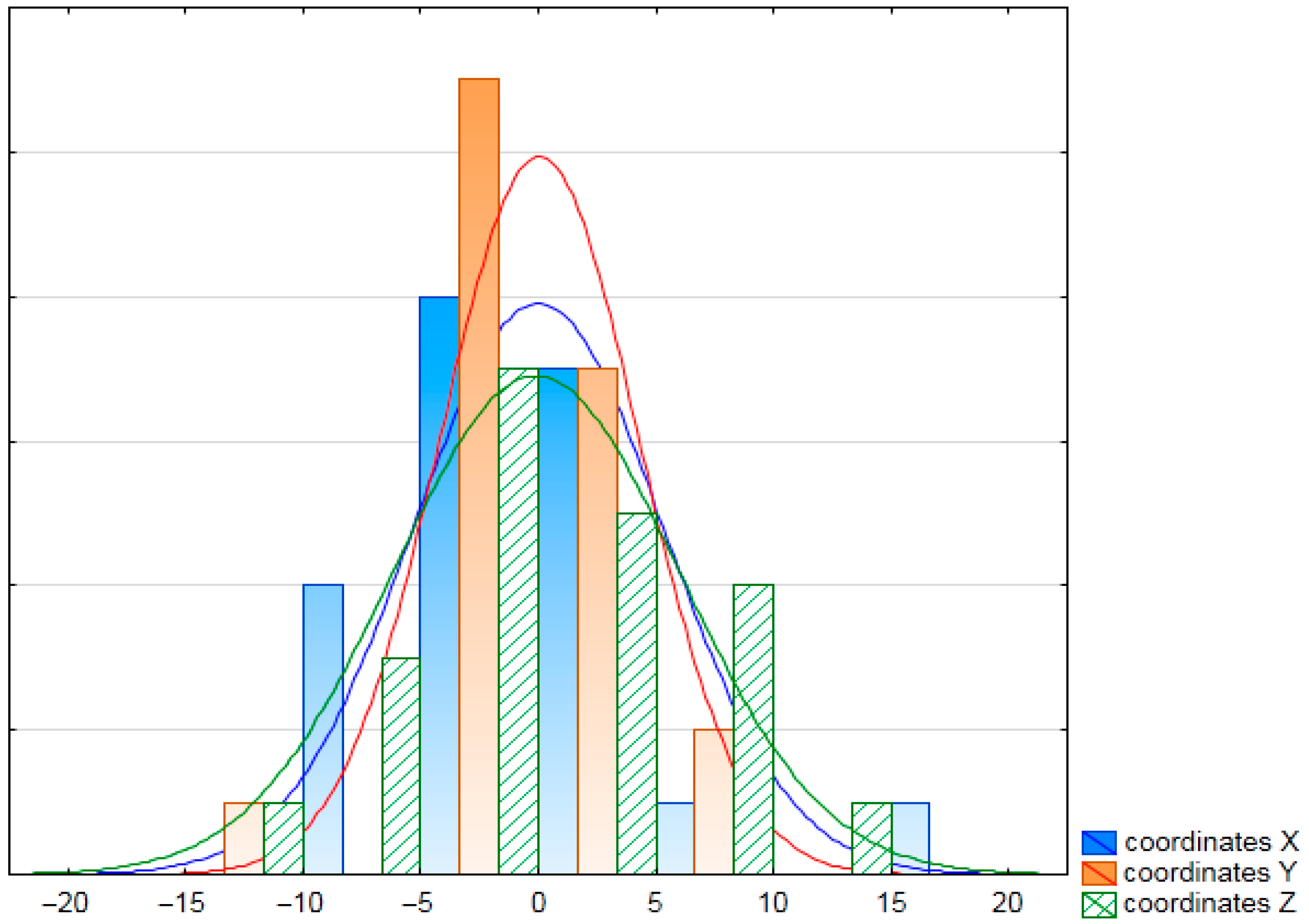
After the coordination was completed, a quality report was generated using the Process > Generate Quality Report procedure. The analysis of the received quality report and the performed reference point alignment showed that 520 out of 632 project images successfully passed the calibration procedure and orientation elements were determined for them. The average square errors of the block alignment by reference points are equal to the following along the X, Y, Z axes: m m
In general, the distribution of errors follows a normal law, as evidenced by the histogram (
Figure 14).
Created using Statistica 13.5.0.17 (TIBCO Software Inc., Palo Alto, CA, USA, 2024). The analysis was conducted exclusively for academic purposes using the official demo version available from
https://statistica.software.informer.com/.
The second and third stages of Point Cloud and Mesh and DSM, Orthomosaic and Index processing, respectively, allowed not only compacting 3D point clouds and generating 3D textured surfaces, but also creating a DEM, orthophoto, reflectance map, and index map. A second report assessing the quality of the work has been received.
All stages of aerial image processing with basic settings are shown in
Figure 15.
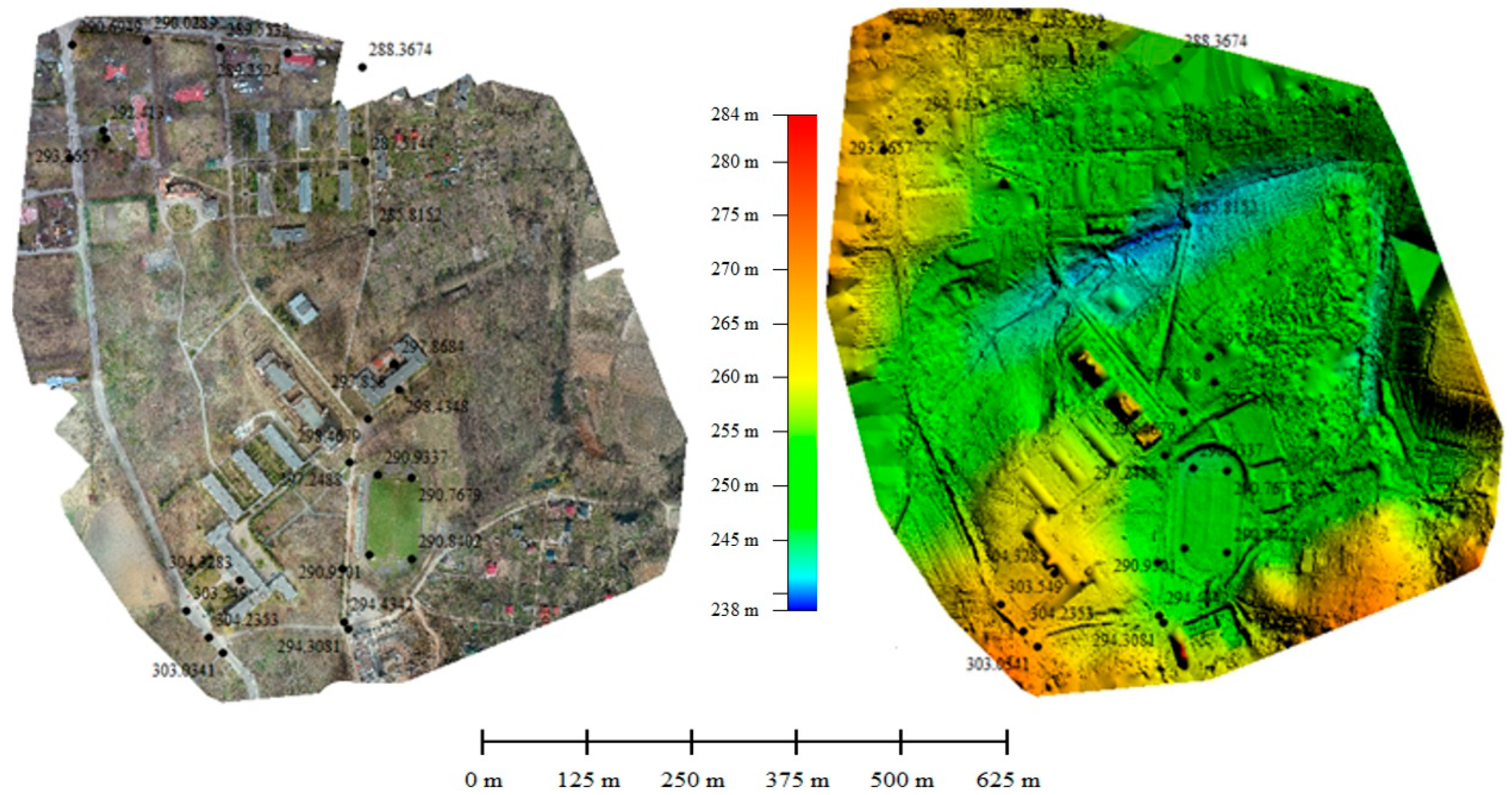
Thus, the orthophoto map was created with the following parameters: coordinate system: WGS_1984_UTM_Zone_35N; file format: 4-channel raster image of GeoTIFF format; bit depth—8 Bit/Channel/Pixel; volume—1.17 GB; raster size—16,151 × 19,389 pixels. The parameters of the created raster digital model are as follows: coordinate system: WGS_1984_UTM_Zone_35N; file format: 1-channel raster image of GeoTIFF format; bit depth—32 Bit/Pixel; volume—1.17 Gb; raster size—1615 × 1938 pixels; resolution—0.5 m (
Figure 16). These models were created to map waterproof coatings on the University’s concrete and paved areas (
Figure 16).
In order to adjust the elevations of each DEM pixel to the values of the raster transition field, the ArcMAP program (ArcMap 10.x (ArcGIS Desktop, Educational License; Esri, Redlands, CA, USA). Available online:
https://www.esri.com/en-us/arcgis/products/arcgis-desktop/overview, accessed on 1 September 2025) utilized the Map Algebra tool with reference to the EGM2008 geoid. This process enabled the acquisition of control points featuring elevation values from the raster DEM.
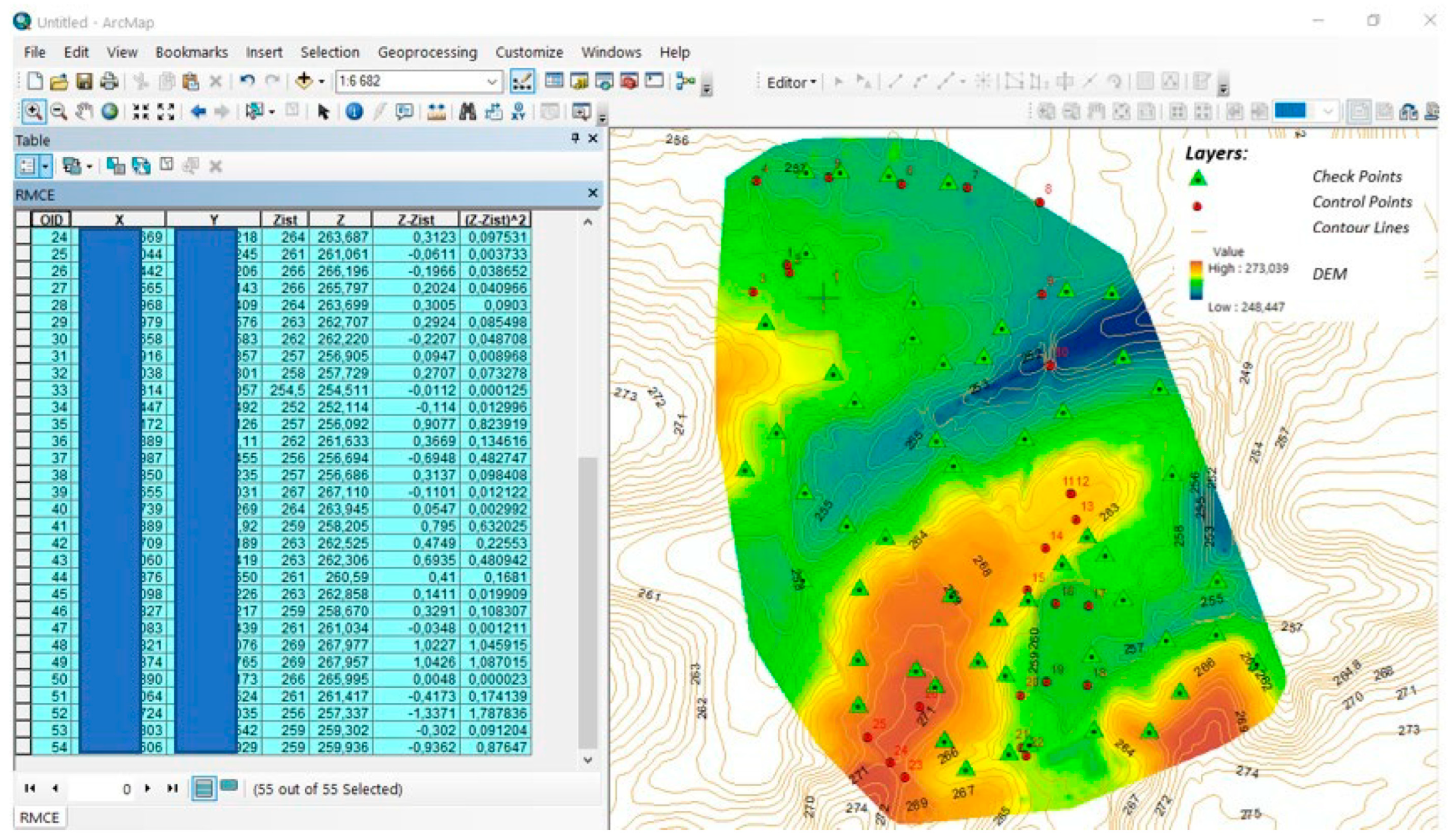
To independently verify the accuracy of the raster DEM, data from a digital topographic plan at a 1:5000 scale were used. The plan provided horizontal and elevation layers, which were then exported to ESRI shapefiles with the coordinate system set to SK63, Zone 1. In ArcMap, a point shapefile was created to cover the area of the DEM with control points. These points were positioned directly at picket points and on horizontals to avoid the need for elevation calculations. To independently verify the accuracy of the raster DEM, data from a digital topographic plan at a 1:5000 scale were used. The plan provided horizontal and elevation layers, which were then exported to ESRI shapefiles with the coordinate system set to SK63, Zone 1. In ArcMap, a point shapefile was created to cover the area of the DEM with control points (
Figure 17). These points were positioned directly at picket points and on horizontals to avoid the need for elevation calculations. A total of 55 control points with known XY coordinates in the SC63 system and Z coordinates in the 1977 Baltic system were created in this manner, as shown in
Figure 18.
The calculation of the mean square error in determining the heights of the points of the created DEM
was performed using the formula
where
is the number of control points,
is the reference point elevation taken from a large-scale plan, and
is the elevation of the points in the DEM under study.
The mean square error of the average elevation in each pair
will be equal to
Thus, the assessment of the reliability of determining
and
showed the following results, respectively:
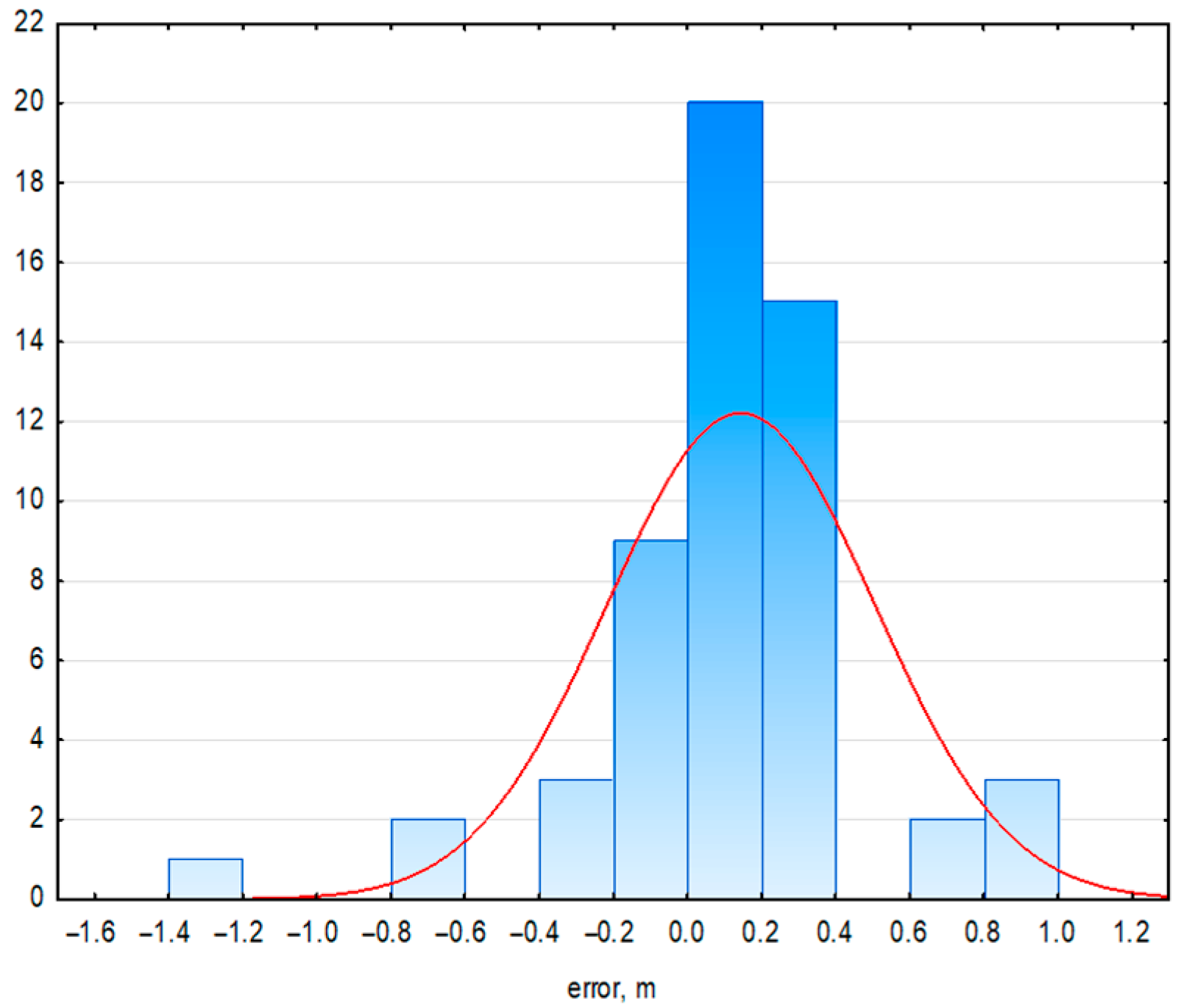
The research also performed a statistical analysis of the distribution of deviations in the values of the marks at the control points, as is clearly illustrated in the histogram (
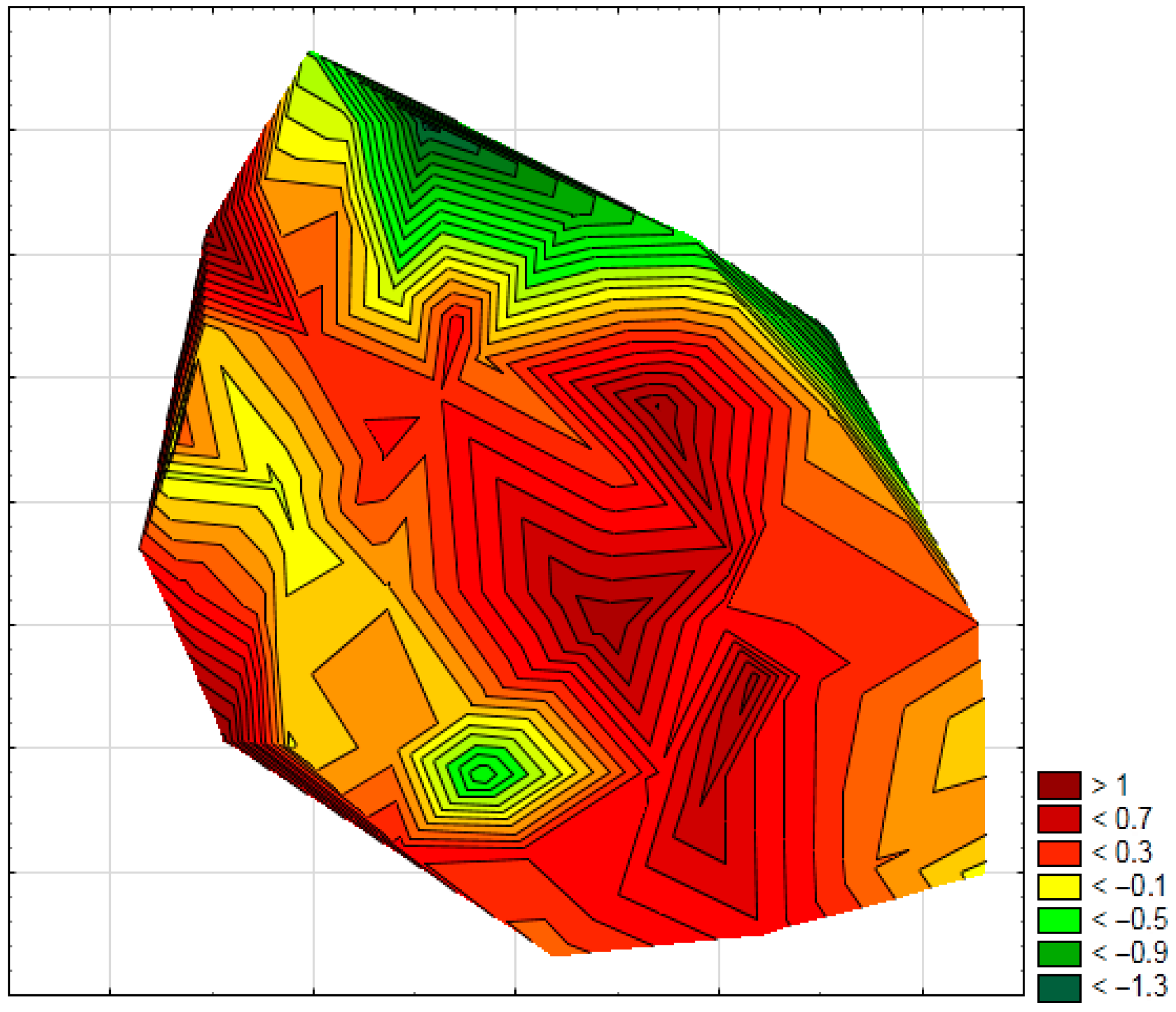
Figure 19). The Statistica software package was used to display the differences in elevations across the experimental area (
Figure 20).
The analysis of
Figure 20 shows that the elevations at the control points vary the most at the edges of the site, while they show minimal differences in the central part. Generally, the differences in elevations range from −1.34 m to +1.04 m, with an average value of +0.11 m.
As demonstrated by recent studies, the accuracy of surface runoff zoning constitutes a key factor in the assessment and mitigation of environmental risks in urban environments.
Table 5 illustrates the correlation between the accuracy levels of surface runoff models, identified flood risks, and the associated potential environmental threats. Analysis of the data indicates that high-precision surface runoff zoning (GSD ≤ 10 cm, RMSE < 0.3 m) is critically important for effective flood prevention and the preservation of ecological stability in urban areas. This level of spatial detail is particularly vital for the protection of cultural heritage assets, which are frequently located in low-lying historical districts characterized by obsolete drainage infrastructure.
Simultaneously, the study allowed for the formation of a
Table 6, which outlines the ways to achieve a balance between the technical capabilities of UAVs and urban planning objectives.
The results obtained from the analysis of the accuracy of the created DEM indicate that automatic algorithms are suitable for creating orthophotos, but they do not fully ensure the production of a horizontal map with a 1 m relief cross-section. To create a DEM from a point cloud, it is necessary to filter out all points that are above the ground. Most available software packages accomplish this by using algorithms that classify the point cloud [
32,
33,
43]. However, the outcomes are often unsatisfactory, leading to DEM errors. According to the authors, the solution to this problem is to have human operators finalize the created models.
The presence of vegetation, such as trees and bushes, can significantly distort the relief model and make it difficult to use UAV aerial surveys for mapping at scales of 1:500 and 1:1000. However, if the survey data is carefully planned and supplemented with ground survey materials such as a total station and satellite receiver, UAV surveys can be used for mapping at scales of 1:2000, 1:5000, and smaller.
The relationship between UAV survey parameters, the accuracy of terrain feature detection, and the scale of GIS-generated maps is critically important for effective spatial planning in urban environments. Based on the experience gained and the conducted investigations, the authors recommend the following key practical guidelines for surveys in complex urban environments:
- –
To plan the flight altitude according to the required spatial resolution (GSD ≤ 5–10 cm for mapping scales of 1:1000–1:2000);
- –
To ensure high image overlap values (at least 80–90% forward overlap and 70–80% side overlap) in order to improve the stability of the photogrammetric block;
- –
To distribute ground control points uniformly over the entire study area, with mandatory coverage of boundary zones and morphologically complex terrain features;
- –
To perform ground measurements under stable weather conditions with minimal wind influence and uniform illumination;
- –
To combine automatic processing with selective manual quality control of point cloud classification in areas with dense vegetation, high building density, or sharp elevation changes.
The distinctive feature of the proposed approach is the integration of UAV aerial imagery with a dense ground control network, national geodetic reference systems, and geoid-based height corrections, followed by a detailed statistical validation of elevation accuracy. The achieved vertical accuracy (RMSE ≈ 0.25 m) demonstrates that UAV-derived DEMs, when properly planned and calibrated, are suitable for large-scale urban hydrological applications, including runoff zoning, drainage design, and flood risk assessment. In contrast to studies based on satellite DEMs or unverified UAV products, the present work provides a reproducible workflow with quantified uncertainty, which is essential for engineering and urban planning purposes.
Another important contribution of this study is the demonstration of how terrain complexity, vegetation cover, and urban infrastructure significantly influence DEM quality and must be explicitly considered during flight planning, photogrammetric processing, and ground control configuration. The results confirm that automated classification algorithms alone are insufficient for high-accuracy urban DEM generation and that operator-assisted filtering remains necessary for reliable relief reconstruction.
Although this research does not yet perform full quantitative surface runoff simulation, it establishes a validated geospatial foundation required for such modeling. In this sense, the study differs from traditional runoff investigations by focusing on the accuracy and reliability of the primary spatial input data, which largely determine the quality of subsequent hydrological predictions.
The obtained RMSE value of approximately 0.25 m indicates that the generated DEM satisfies the accuracy requirements for large-scale urban mapping. This level of vertical precision enables the use of UAV-derived elevation models in engineering applications where sub-meter accuracy is required. The results confirm that proper ground control distribution and geodetic harmonization significantly improve elevation reliability compared to purely automated workflows.
4. Conclusions and Directions for Further Research
This study demonstrates a reproducible methodology for generating and validating a high-accuracy digital elevation model derived from UAV photogrammetry. The integration of UAV imagery, ground control networks, and geoid-based height correction enables the production of elevation datasets suitable for large-scale urban applications.
Unmanned aerial vehicles (UAVs) offer several advantages over traditional geodetic methods, satellites, or manned aircraft for data collection. These advantages include the speed of obtaining photos, the ability to capture images from low altitudes, and the capacity to take photos in emergency areas without risking the pilot’s safety. However, to ensure the necessary accuracy of mapping materials during UAV aerial photography, several factors must be considered, such as survey height, flight speed, angular deployment, and the correct use of non-metric consumer cameras, as these parameters impact the subsequent photogrammetric processing.
To achieve a balance between the technical capabilities of UAVs and urban planning tasks in the context of sustainable urban development, systematic integration of technologies into planning processes is required. The following provisions can serve as key aspects of an effective balance:
- (1)
Combining UAV imagery with soil, infrastructure, and social data maps for comprehensive analysis;
- (2)
Integration of data into GIS platforms with the development of development scenario simulators (e.g., in QGIS with SAGA, WhiteboxTools, etc. modules);
- (3)
Focusing UAV surveys on areas with a high risk of flooding or social vulnerability;
- (4)
Use for post-disaster urban recovery (e.g., Kherson, Ukraine);
- (5)
Creation of a CMR for damage analysis and post-war reconstruction planning, taking into account climate risks;
- (6)
Technical advantages of UAVs for sustainable urban development by reducing the cost of surveying territories compared to traditional methods (lidar, classical geodesy).
Thus, summarizing the above, it should be noted that sustainable urban development requires a systematic link between modern technologies and planning. UAVs provide accurate data on physical space, urban planning defines sustainable development goals, and the proposed analysis tools (GIS, modeling) translate data into practical solutions. At the same time, the criterion for success is when UAV data becomes the basis for decision-making—from local improvements to regional strategies.
This study demonstrates a methodological framework for generating a high-precision digital elevation model from UAV photogrammetry specifically oriented toward subsequent hydrological runoff analysis in complex urbanized environments. Unlike many previous studies that primarily focus either on UAV image acquisition or on generalized hydrological modeling, the present research emphasizes the critical intermediate stage—the accuracy-controlled creation and validation of a DEM as a prerequisite for reliable surface runoff modeling.
Compared with satellite-derived DEMs and unverified UAV products reported in previous studies, the proposed approach provides a more transparent and reproducible validation framework. While LiDAR-based datasets may offer higher theoretical accuracy, their cost and limited accessibility constrain practical implementation in many regions. In contrast, UAV photogrammetry represents a cost-effective alternative when supported by rigorous geodetic control and statistical validation.
The primary contribution of the study lies in the validation-focused approach to DEM generation, emphasizing geodetic consistency and independent accuracy assessment. By addressing the often-overlooked intermediate stage between data acquisition and spatial modeling, the research highlights the importance of reliable elevation data as a foundation for urban geospatial analyses.
Future research will extend the proposed methodology toward full hydrological modeling by deriving slope, flow direction, flow accumulation, and runoff depth maps from the validated DEM and by integrating precipitation data and urban drainage networks. Comparative analyses with satellite-based and LiDAR-derived DEMs are also planned to further assess the advantages and limitations of UAV-based terrain modeling for urban flood risk management and sustainable land-use planning.





 ,
,