Article

Coupling Mechanisms and Policy Effects of the Carbon–Electricity–Energy Ternary Market: A System Dynamics Approach

1
School of Nuclear Science and Engineering, North China Electric Power University, Beijing 102206, China
2
MOE Key Laboratory of Resources and Environmental Systems Optimization, Ministry of Education, North China Electric Power University, Beijing 102206, China
3
State Grid Energy Research Institute, Beijing 102209, China
*
Author to whom correspondence should be addressed.
Sustainability 2026, 18(6), 2909; https://doi.org/10.3390/su18062909
Submission received: 19 January 2026 / Revised: 12 March 2026 / Accepted: 12 March 2026 / Published: 16 March 2026

Abstract

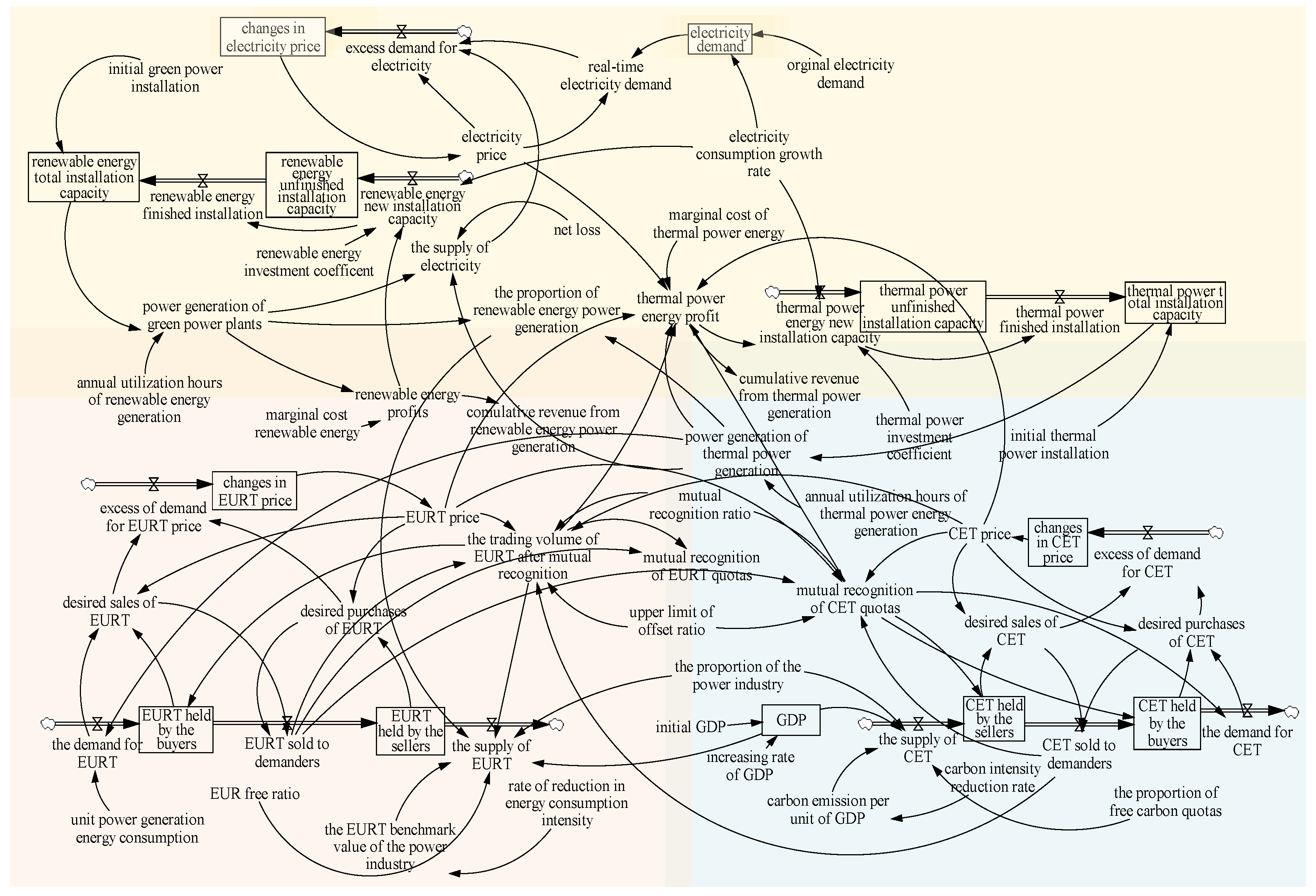
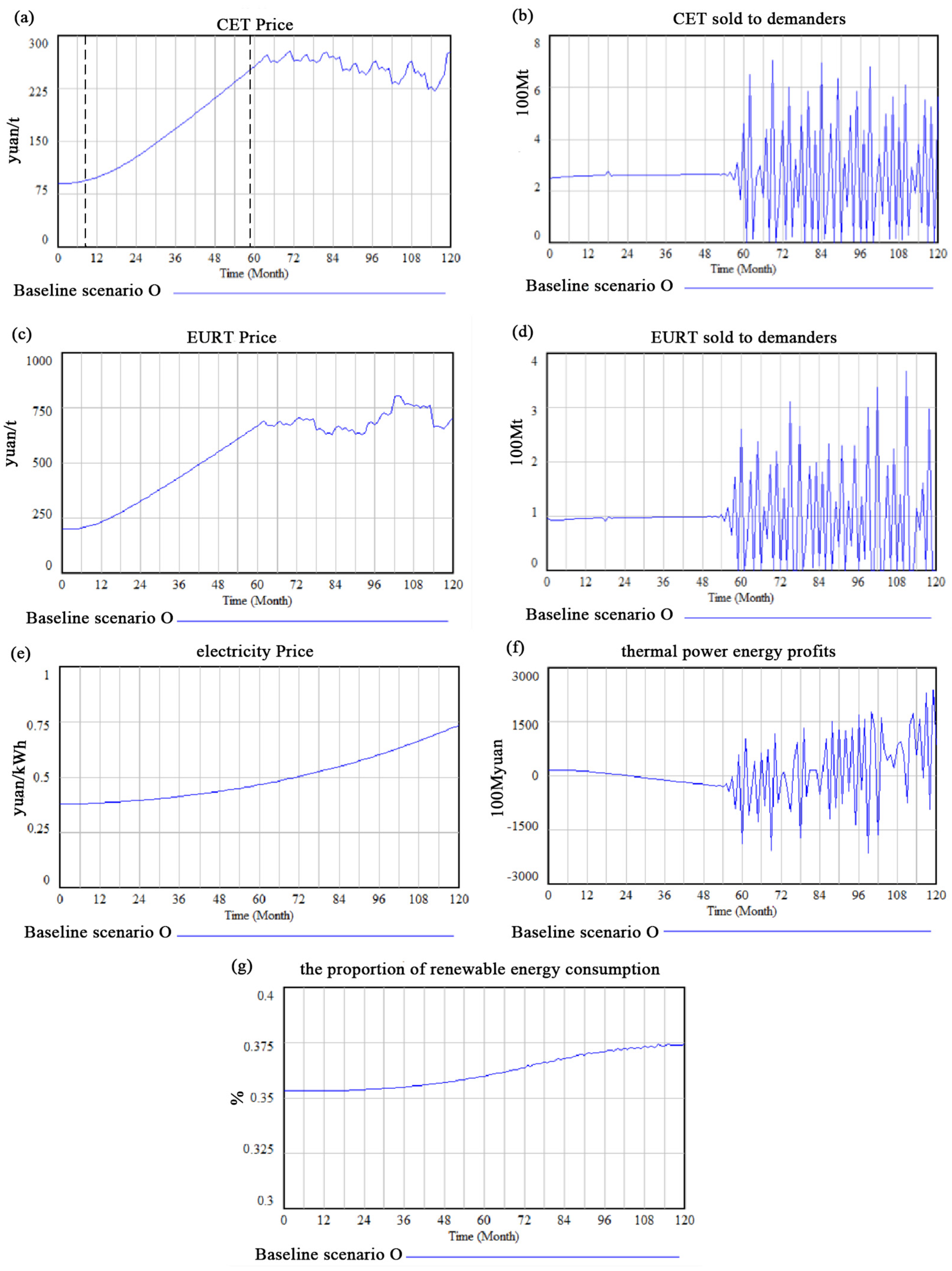
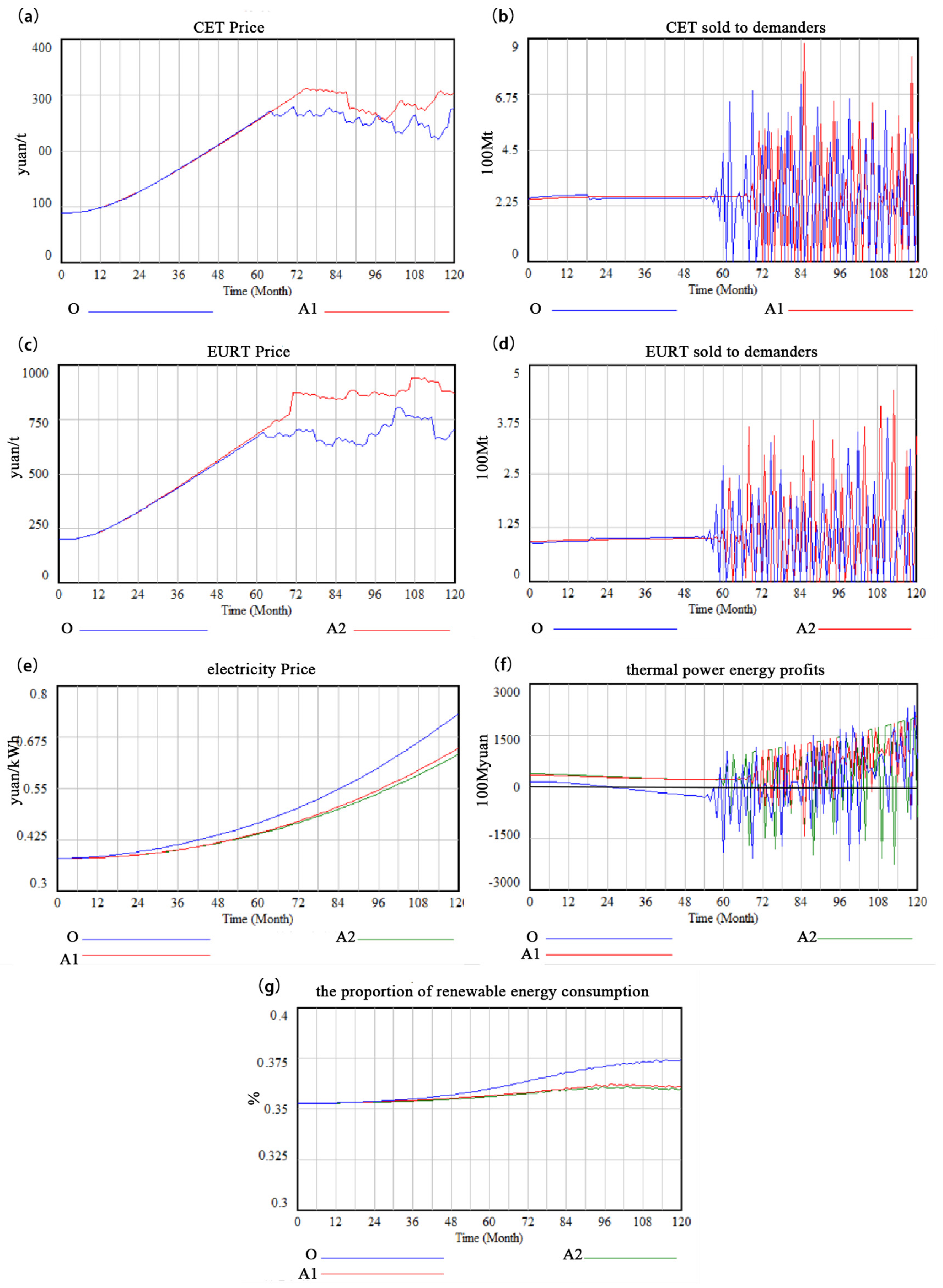
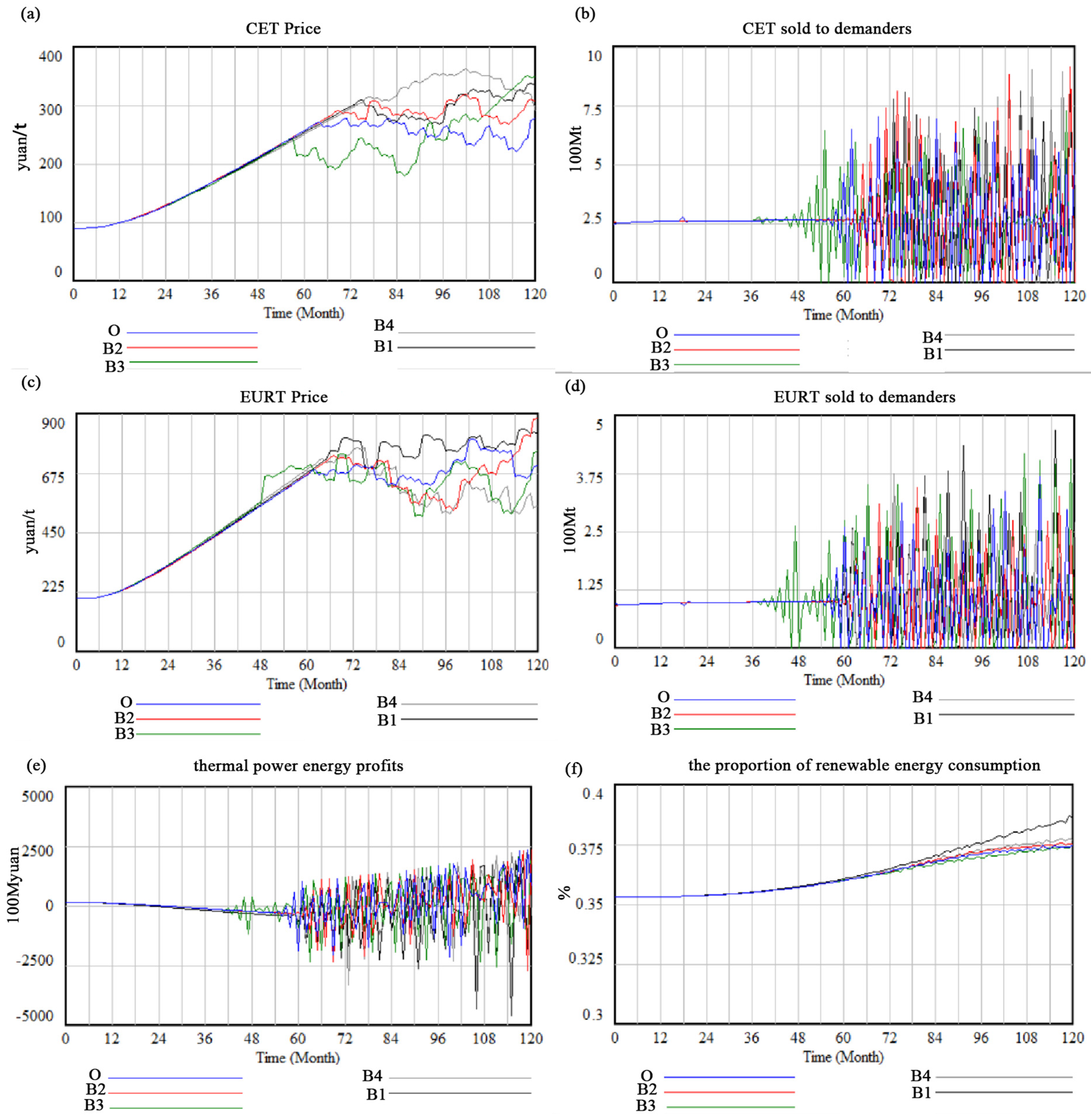
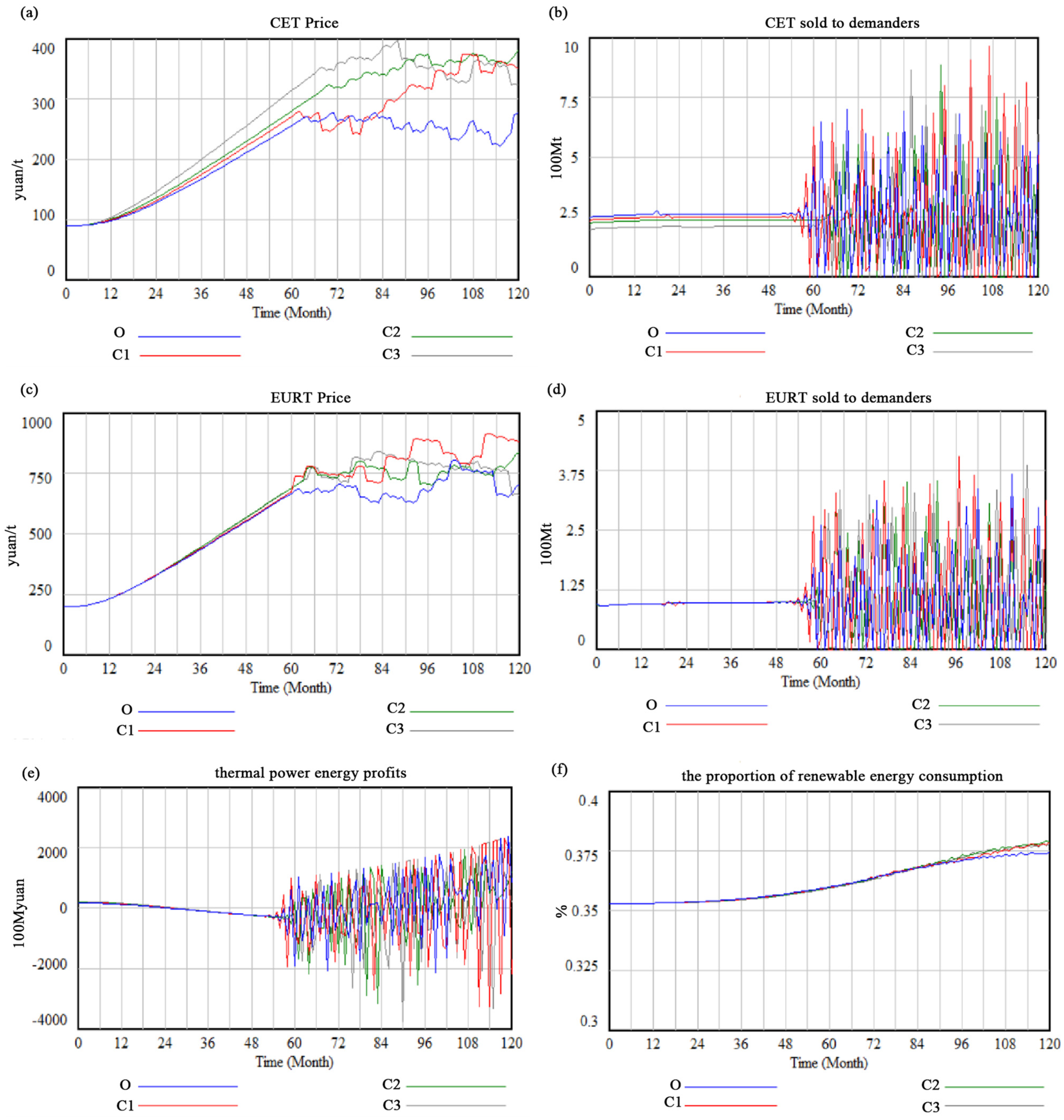
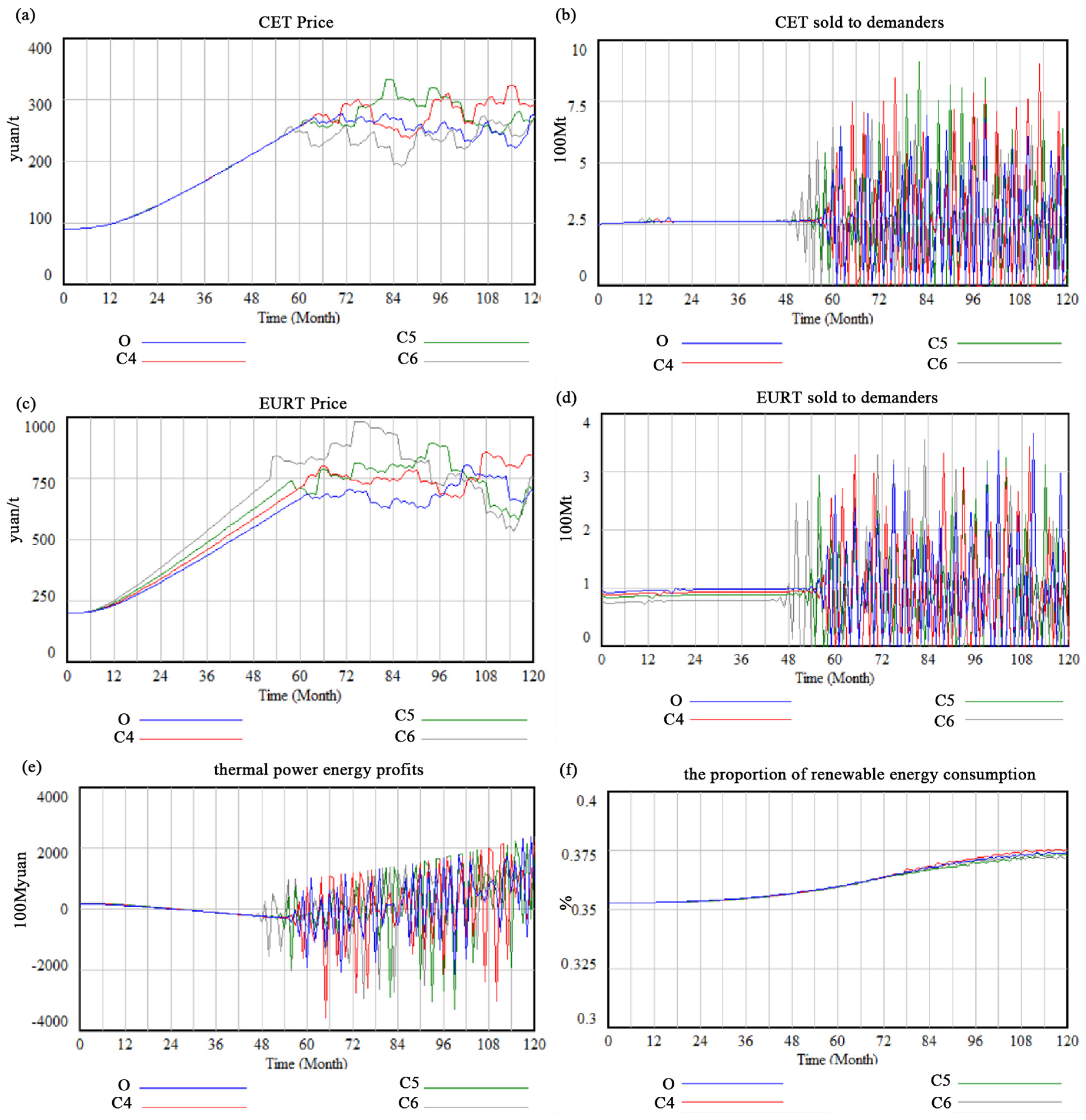
In the context of China’s transition from “dual control of energy consumption” to “dual control of carbon emissions,” understanding the synergistic mechanisms among carbon emission trading (CET), energy use rights trading (EURT), and electricity markets is critical for achieving the nation’s dual carbon goals. This study develops a system dynamics (SD) model to examine the coupled interactions within this “carbon–electricity–energy” ternary market system, focusing on thermal power enterprises as the primary analytical subject. The model reveals that the ternary market framework drives energy conservation and emission reduction through three key mechanisms: price signal transmission, dual regulatory constraints, and mutual quota recognition. These mechanisms propagate low-carbon incentives throughout the industrial chain by transmitting cost signals to end-users via electricity prices. Compared to binary market structures, the ternary framework achieves superior outcomes, it facilitates higher renewable energy consumption, maintains more stable price levels, enhances market liquidity for both carbon and energy rights, and improves resource allocation efficiency alongside environmental–economic performance. However, the simulation also exposes critical inefficiencies under the current “dual control of energy consumption” regime. The parallel operation of EURT and CET markets creates functional overlap and duplicated compliance burdens. This redundancy increases enterprise costs without commensurate environmental gains, validating the necessity of transitioning to carbon-focused dual control. Further analysis demonstrates that a mutual recognition mechanism between carbon and energy rights effectively alleviates dual compliance pressures and improves enterprise profitability. Optimal market performance emerges when the recognition ratio is appropriately calibrated. Additionally, gradually increasing the share of auctioned quotas while maintaining appropriate levels of free allowances can drive emission reductions without compromising enterprise profitability. This research provides both theoretical foundations and practical policy recommendations for building an efficient multi-market coordination mechanism, facilitating the policy transition, and advancing low-carbon transformation in China’s power sector.
Keywords: carbon–electricity–energy market; simulation; system dynamics; thermal power carbon–electricity–energy market; simulation; system dynamics; thermal power