1. Introduction
The use of portable toilets (PTs) has become increasingly crucial in addressing the global sanitation crisis. As urbanization increases and populations grow, inadequate sanitation facilities lead to significant public health risks. Portable sanitation solutions offer flexibility and accessibility, making them an essential part of modern sanitation efforts worldwide.
An estimated 2.4 billion people lack access to safe toilet facilities, with many more relying on inadequate or unsafe sanitation practices [
1]. In regions such as sub-Saharan Africa, where reports suggest only 30% of the population uses safe sanitation, the lack of integrated systems exacerbates public health issues. Open defecation and inadequate sanitation can cause severe health risks, including the transmission of diseases such as cholera and diarrhea, which disproportionately affect women and children [
1]. In response to these challenges, PTs have emerged as practical solutions, providing safe and hygienic sanitation options in areas where fixed sanitation facilities are unavailable or inadequate. Additionally, PTs are commonly utilized in various contexts, including construction sites, large outdoor events, disaster relief efforts, and rural areas without access to permanent sanitation infrastructure. It is estimated that approximately 3.6 million portable sanitation units are in use worldwide, filling the gap where fixed facilities are absent or insufficient [
2]. These units offer immediate access to hygiene, especially in times of crisis, when rapid deployment is critical to reducing disease transmission.
The design of PTs has evolved significantly to include features such as odor control and ecological waste management, enhancing their utility in diverse environments [
2]. Community involvement in the development of sanitation solutions, including PTs, is necessary to ensure they meet local needs and cultural preferences [
3]. However, PTs not only contribute to improved public health; their use also aligns with sustainable development goals by supporting environmental hygiene. For example, recent studies have optimized wastewater treatment processes for the chemicals commonly found in portable toilet waste, highlighting efforts to reduce the environmental impact of portable sanitation [
2]. Moreover, the development and deployment of such technologies can effectively manage the chemical oxygen demand (COD) in wastewater, minimizing potential ecological harm.
The economic benefits of utilizing PTs extend beyond immediate health advantages. They can facilitate social events, festivals, and public gatherings, generating economic activity and community engagement. In contexts such as refugee camps or rural areas with inadequate sanitation facilities, PTs support dignity and hygiene, thereby improving the quality of life for marginalized populations [
4]. Additionally, enhancing access to improved sanitation through PTs can reduce healthcare costs associated with sanitation-related diseases. A comprehensive analysis indicated that the economic burden of inadequate sanitation and water supply represents a significant public health challenge; thus, investing in portable sanitation solutions can lead to substantial cost savings in the long term [
5]. The necessity of using PTs in today’s society cannot be overstated. Their role in mitigating public health risks, supporting economic activities, and enhancing environmental sustainability makes them an invaluable resource in addressing global sanitation challenges. As we aim for universal access to sanitation, PTs offer a viable and immediate solution while emphasizing the need for context-sensitive approaches to sanitation provision.
In light of growing environmental concerns, it is essential to ensure that portable sanitation systems do not contribute to ecological deterioration. This paper not only identifies the weaknesses of portable sanitation in relation to environmental threats but also proposes solutions to mitigate these adverse effects.
2. Research Methodology
This study is a systematic literature review designed to identify, appraise, and synthesize evidence on cleaning and disinfection methods for portable sanitation, with a focus on transitions from conventional chemical agents to sustainable green technologies. Comprehensive searches were carried out in Scopus, Web of Science, PubMed, IEEE Xplore, ScienceDirect, and Google Scholar, supplemented by gray literature searches of the World Health Organization (WHO), United Nations Human Settlements Programme (UN Habitat), United States Environmental Protection Agency (EPA), industry white papers, conference proceedings, and patents. Search terms combined controlled vocabulary and keywords for portable sanitation (e.g., “portable toilet”, “mobile sanitation”, “mobile toilet”), cleaning and disinfection (e.g., “disinfection”, “sanitization”), chemical agents (e.g., “quaternary ammonium”, “formaldehyde”), and sustainable alternatives (e.g., “enzymatic”, “photocatalytic”, “biodegradable”, “biopreparation”). Searches were limited to English-language records and to publications within the timeframe (2006–2026).
3. The Global Landscape of Mobile Sanitation
PTs have become an important infrastructure component for the operational continuity of modern society in both urban and rural areas. The use of PTs plays a critical role in sectors where fixed infrastructure is inadequate or nonexistent. In particular, outdoor events such as music festivals, sporting activities, weddings, and corporate meetings are among the most common uses of PTs [
6]. On the other hand, real estate building and construction sites necessitate the use of PTs. In addition, PTs save lives in the event of the collapse of fixed health and water infrastructure following natural disasters (earthquakes, floods, hurricanes) or humanitarian crises (war, internal conflict). In these disasters, PTs serve as a primary barrier to prevent the spread of diarrheal epidemics such as cholera, diarrhea, and dysentery. Thanks to PTs, the risk of spreading diseases is strongly reduced [
7]. Moreover, these PTs not only provide waste management but also offer a source of privacy, security, and psychological support for individuals in distress and first responders.
Figure 1 summarizes the main application areas of PTs.
Sanitation infrastructure planning requires different capacity calculations depending on the operational context. According to the Portable Sanitation Association International (PSAI) guidelines, a minimum of one unit should be provided for every 50 participants in a short-term public event. However, the number of units needed changes as the duration of the event increases or the number of participants increases [
8]. Construction sites require a much stricter ratio of 1 toilet unit per 10 workers according to the American National Standards Institute (ANSI) and PSAI standard [
9]. On the other hand, in disaster situations, the Shelter Field Guide guidelines mandate 1 toilet per 20 people to protect public health [
10].
The adoption of portable sanitation solutions and preferred technologies varies from region to region. In Asian countries like India and China, mobile sanitation systems are rapidly becoming widespread thanks to government-funded sanitation encouragement and rapid urbanization. Regional programs aimed at reducing open defecation in the public zone are increasing demand for low-cost and durable units [
6]. North America maintains a dominant position in the global market, accounting for approximately 43% of the total market. This leadership is largely sustained by a well-developed rental ecosystem and the extensive integration of units into national parks, construction sites, and outdoor recreation sectors. High standards for personal hygiene and strict regulatory requirements drive the widespread use of advanced features and disability-compliant cabinets in the United States of America and Canada. Similarly, the European market is specifically characterized by high environmental awareness, which encourages the adoption of eco-labeled models and recyclable materials to comply with stringent regional hygiene regulations. In other regions like the Middle East and Africa, demand is increasingly centered on large-scale industrial projects for the oil sector and humanitarian operations for public health initiatives in rural areas.
4. Challenges of Conventional Portable Toilet Cleaning
Conventional PTs play a critical role in maintaining sanitary conditions in various environments, particularly during events such as festivals, construction projects, and emergency situations. However, the cleaning and maintenance of these facilities present several significant challenges that need to be addressed to ensure hygiene and user satisfaction.
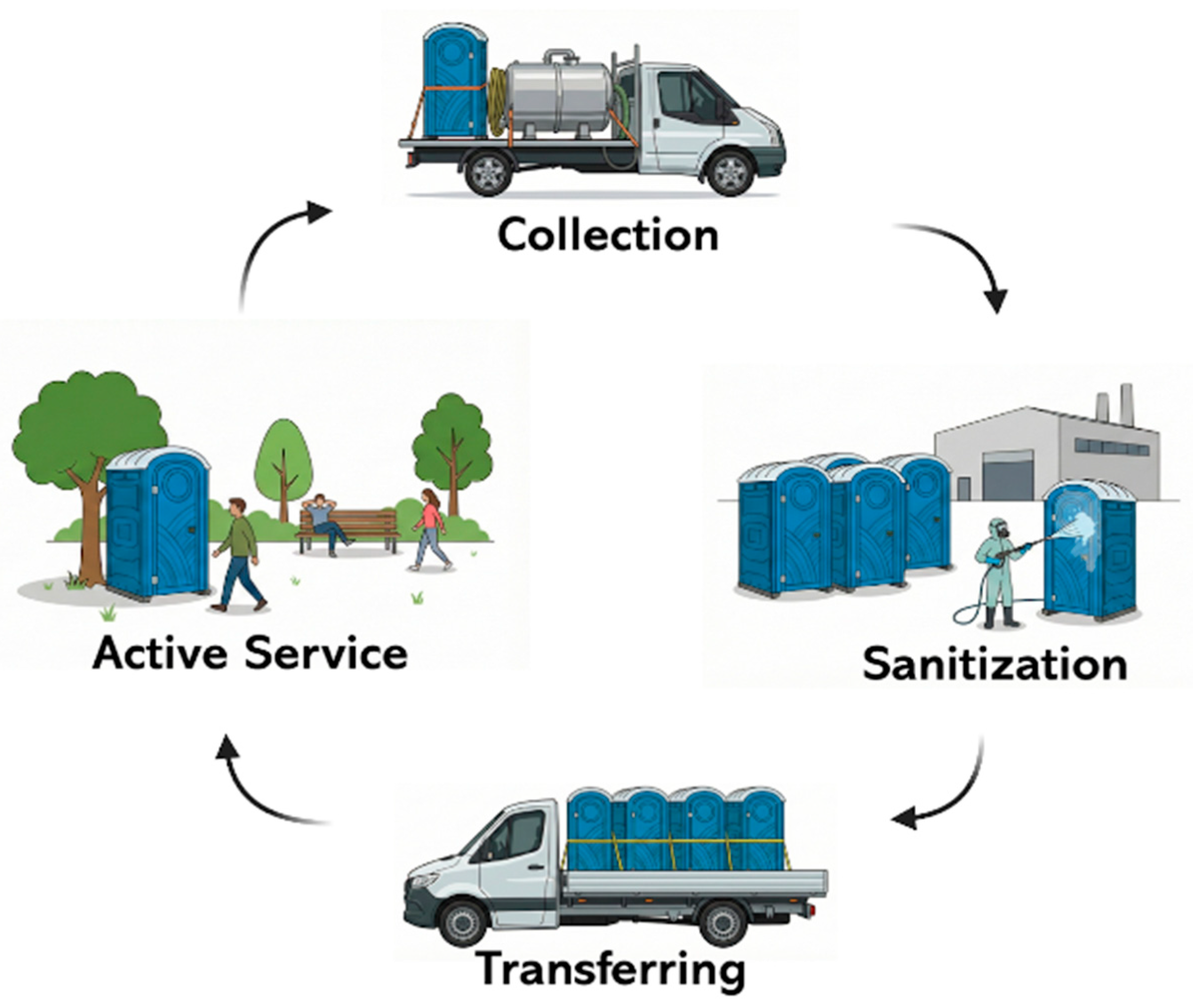
A primary challenge in PT sanitation is the infrequent and inadequate cleaning schedules, which directly impact overall sanitation standards. The service cycle of a PT is illustrated in
Figure 2. Studies reveal that users frequently report discomfort due to improper maintenance, including unoptimized cleaning intervals and ineffective waste disposal systems within PTs [
11]. For instance, a significant proportion of users in urban settings often express discomfort stemming from unclean facilities, which discourages usage and leads to public health issues [
12,
13]. Moreover, the challenge of maintaining sufficient sanitation resources (such as cleaning personnel and supplies) can exacerbate situations where PTs are placed in high-traffic areas. The resultant inefficiency in cleanliness leads to a negative perception of PT usage, with many individuals avoiding these facilities altogether [
12,
13]. The need for structured maintenance schedules has been emphasized as a potential remedy to enhance user experience and reduce health risks associated with improperly maintained sanitation facilities [
11].
Conventional PTs often face significant limitations regarding water supply and essential hygiene products, such as soap and hand sanitizers. Research shows that limited access to clean water can directly affect the cleaning effectiveness of these facilities and lead to a higher risk of disease transmission [
14]. Particularly vulnerable populations, such as those experiencing homelessness, face even greater difficulties, as inadequate facilities often exacerbate issues related to menstrual hygiene and general sanitation [
12,
13]. In settings where PTs lack essential hygiene products, users may not wash their hands after using the facilities, increasing the likelihood of disease spread, particularly gastrointestinal infections, which are highly prevalent in poorly sanitized environments [
14]. Thus, facilitating better access to water for cleaning and hygiene is a clear yet challenging necessity in improving PTs sanitary conditions [
12].
Socioeconomic factors significantly influence the availability and quality of PT sanitation services. Limited financial resources often hinder the ability to implement and maintain high standards of toilet cleaning facilities, especially in underserved communities where health care and sanitation resources are already stretched thin [
14]. Addressing these disparities can involve collaborations between government, non-governmental organizations, and local communities to enhance access to cleaner, well-maintained PTs [
15].
Finally, effective waste disposal from PTs poses another significant challenge. Wastewater treatment plants (WWTPs) play a crucial role in processing the effluents collected from PTs. However, several challenges arise during the treatment of this wastewater, particularly when comparing it to typical domestic wastewater. The issues stem from the specific characteristics of the wastewater generated by PTs, the treatment technologies involved, and regulatory compliance.
One of the major challenges in treating wastewater from portable toilets (WPT) is the variability in its composition. PTs typically receive a mix of human waste, chemical sanitizers, and organic matter from varying sources (e.g., events, construction sites). This variability can lead to fluctuations in biochemical oxygen demand (BOD), nitrogen content, and pathogen concentration during the treatment process. Studies indicate that conventional WWTPs may not be adequately equipped to handle this kind of waste due to their design criteria based on more homogeneous input sources [
16]. However, the effluent from PTs provides very concentrated waste, which often overloads old technology wastewater treatment (WWT). Additionally, the chemical residues consist of pharmaceuticals contained within human feces and PT products used for cleaning and deodorizing the septic tanks. This is a significant problem in areas where WWT is inadequate.
Wastewater from PTs is predominantly composed of human waste, which contains high levels of organic material. This leads to elevated BOD and chemical oxygen demand (COD) levels, indicating a substantial potential for organic degradation. Studies have shown that the organic load can be significantly higher than that of conventional domestic sewage [
17]. Additionally, PTs often utilize chemical sanitizers to manage odor and enhance user experience. These chemicals, which may include various formaldehyde-containing substances and surfactants, can inhibit microbial activity in WWTPs and disrupt biological treatment processes [
18]. This disruption can reduce the efficiency of treatment for subsequent wastewater streams.
Studies indicate that PTs contain high concentrations of sulfides (around 1200 mg/L). The presence of these sulfides arises from the decomposition of organic matter and contributes to unpleasant odors, complicating the treatment of sludge generated during the wastewater treatment process [
19]. Hydrogen sulfide, in particular, can be toxic to microbial populations essential for effective treatment in WWTPs [
19].
Research indicates that effluent from PTs often contains higher concentrations of pathogens, including enteric viruses and bacteria, which pose significant public health risks. Conventional WWTP processes, especially those not designed for advanced pathogen removal, struggle to effectively reduce these microorganisms, potentially allowing them to enter receiving waters [
20]. Moreover, certain microcontaminants, such as pharmaceuticals and personal care products from the chemical additives used in PTs, may survive standard treatments and contribute to groundwater and surface water contamination.
From an operational perspective, most service providers sell or rent PTs while servicing them based on chemical products in holding tanks. Nevertheless, the disposal of this accumulated waste presents significant logistical challenges. The standard practice is to dispose of this sewage at the local water treatment plant. Many WWTPs, especially in low-income countries, often lack the infrastructure and technical capacity to adequately transport and treat wastewater from PTs. These facilities may not be designed to handle sudden surges in unique incoming loads typical in events that increase the use of PTs, leading to overloading and reduced treatment efficacy. This treatment inadequacy can result in non-compliance with effluent discharge regulations, which can have legal and environmental repercussions for facility operators [
21].
The management of human waste within the European Union (EU) is governed by a comprehensive framework of regulations aimed at safeguarding public health, protecting the environment, and promoting sustainable waste management practices. These regulations encompass the treatment, disposal, and transportation of human waste, particularly regarding wastewater derived from municipal and portable sanitation facilities. One of the fundamental pieces of legislation governing waste management in the EU is the Waste Framework Directive (2008/98/EC), which establishes a comprehensive legal framework for waste management across member states. This directive aims to protect the environment and human health by preventing and reducing the adverse impacts of waste generation and management.
The Urban Wastewater Treatment Directive (91/271/EEC) is another critical regulation that sets standards for the collection, treatment, and discharge of wastewater from urban areas, including wastewater derived from PTs. In addition to EU-wide regulations, individual member states may have their own specific regulations concerning the management of human waste. These national regulations must align with EU directives while addressing local hydrological, environmental, and public health needs. For instance, some countries have implemented stricter local regulations regarding the disposal of sludge or portable toilet wastewater (PTW) to protect sensitive ecosystems or densely populated areas.
5. Traditional Chemical Cleaners in Portable Toilets
Fecal matter is naturally broken down by bacteria, and this process releases gases that cause bad smells. Chemical cleaners are often used to suppress biological activity, to kill pathogens, and to keep ingredients dissolved in PTs. In addition, the tank liquid contains strong perfumes and blue dyes. When the fecal matter falls into the tank, the blue liquid visually masks the contents. These cleaners prevent the waste from decomposing while it sits in the tank and also prevent odor formation [
22]. The color turning green as the chemical’s effectiveness decreases and the biocide reaches the end of its lifespan serves as an indicator that it is time for service.
The platforms typically rely on aggressive biocides and deodorants that are effective within the self-contained unit. Disinfectant liquid contains a complex chemical cocktail that varies according to the manufacturer’s formulation. Formaldehyde, phenols, quaternary ammonium compounds (QACs), glutaraldehyde, and bromine-based compounds are some key chemical classes historically and currently used in PTs sanitation [
2]. Apart from these, some ancillary additives can be used for masking agents, dyes, and fragrances to hide the appearance and smell of feces. Also, surfactants are added to reduce surface tension, and alcohols are used to enhance the efficacy of biocides [
23]. A classification of these chemicals according to their intended use is presented in
Table 1. This section will examine these chemicals, along with their roles and side effects.
5.1. Formaldehydes
Formaldehyde and its derivatives are highly effective for slowing biological decomposition. This bacteriostatic effect is based on the alkylation mechanism by cross-linking proteins and nucleic acids in microorganism cells. This process inhibits bacterial activity in the waste tank, thus cutting off the production of odor-causing gases such as methane and hydrogen sulfide at the source [
18]. However, formaldehyde has high toxicity when discharged into WWTPs. Thus, it can disrupt the treatment process by also killing beneficial bacteria in these facilities. Accepting formaldehyde-rich waste into facilities may cause biological processes to take weeks to recover. Driven by these operational risks and ecotoxicological concerns, regulatory frameworks can be shifted. For instance, the use of formaldehyde in PTs is legally banned in California and faces strict restrictions under EU regulations [
33,
34]. There is a paradoxical reason why formaldehyde is considered effective in the industry. Although formaldehyde prevents biological activity in waste tanks, the chemical itself goes through rapid biodegradation in nature and in treatment plants when diluted. Therefore, its use is based on having a protective effect within the waste tank and a manageable toxicity after discharge [
24].
5.2. Phenolics
Phenol compounds are aromatic molecules consisting of a hydroxyl group linked to a benzene ring. It is a powerful antimicrobial that acts by destroying the cell membrane and precipitating proteins [
2]. In some formulations, it is used as an alternative to formaldehyde or in combination with surfactants. A study by Parra-Orobio et al. [
22] identified phenols as the main organic pollutant in PTW. These compounds are classified as refractory. They exhibit resistance to conventional biological treatment processes and excessively increase COD. Due to their toxicity and persistence, they are classified as contaminants of emerging concern (CECs) [
35].
5.3. Quaternary Ammonium Compounds
Quaternary ammonium compounds (QACs) such as benzalkonium chloride, didecyldimethylammonium chloride, and cetylpyridinium chloride exhibit high antimicrobial efficacy against enveloped viruses and bacterial pathogens [
36]. QACs interact with microbial cell membranes via ionic and hydrophobic mechanisms. Thus, providing a lysis mechanism by disrupting membrane integrity and causing intracellular components to leak out [
27]. The main advantages of choosing QACs are their rapid inactivation in as little as seconds, even in the presence of soil contamination or dense water. Furthermore, they have prolonged residual activity on surfaces and broad-spectrum protection against both bacteria and viruses, such as SARS-CoV-2 [
37]. However, the widespread use of QACs creates significant environmental and operational challenges. When discharged into WWTPs, high loads of QACs may inhibit critical biological processes. Specifically, they disrupt nitrification and denitrification mechanisms, consequently reducing the plant’s capacity to remove nitrogen [
38]. Furthermore, QACs decrease the efficiency of anaerobic digestion systems by inhibiting methane-producing bacteria, resulting in the accumulation of volatile fatty acids and system instability. Additionally, the most alarming long-term risk is the promotion of antimicrobial resistance (AMR). The presence of QACs at sublethal concentrations in the environment creates a selective pressure that drives the evolution and spread of AMR through genetic mutations and horizontal gene transfer. This mechanism can inadvertently lead to the emergence of superbugs resistant to both disinfectants and antibiotics [
39]. Unlike formaldehyde, QACs are stable substances with slow rates of biodegradation from an ecotoxicological perspective. Instead of breaking down, they tend to adsorb strongly to sewage sludge and sediments [
37]. This persistence leads to toxic effects on aquatic organisms, particularly algae, which are more sensitive to QACs than fish and crustaceans [
40]. Some studies have also demonstrated bioaccumulation potentials in humans, with detections reported in human blood and breast milk [
41,
42].
5.4. Glutaraldehyde
Glutaraldehyde is a stronger cross-linking agent than formaldehyde due to its structure containing two aldehyde groups. Moreover, it is effective over a wider pH range and high organic load in PT systems. The primary mechanism is to irreversibly cross-link the proteins and enzyme systems in the cell walls of microorganisms through alkylation. Thanks to this mechanism, it stops the biological decomposition of waste, preventing gas and odor formation at the tank [
19]. However, this activity comes at an environmental cost. When glutaraldehyde arrives at WWTPs, it has the potential to inhibit anaerobic digestion processes. It may also have a toxic effect on bacteria in biological treatment systems, reducing the COD removal efficiency of the plant [
24].
5.5. Bromine-Based Compounds
Bromine-based compounds are strong oxidizing agents belonging to the halogen group and are generally preferred in formaldehyde-free formulations [
25]. Many products marketed as green alternatives contain bromine-based compounds, particularly bronopol (2-bromo-2-nitropropane-1,3-diol), as active ingredients [
18]. Although bronopol is not highly toxic to mammals, it is acutely toxic to some bacteria and microalgae species [
43]. In addition, DBNPA (2,2-dibromo-3-nitrilopropionamide) is also used thanks to losing its toxicity by hydrolyzing before reaching the treatment plant. These compounds provide disinfection by disrupting cellular metabolism and membrane integrity, oxidizing thiol groups in bacterial enzymes [
26]. They can also serve as neutralizing odor-causing organic molecules [
24]. In the study by Vítěz et al. [
18] on PTs chemicals, it was found that Bronopol could cause even greater respiratory inhibition on activated sludge microorganisms than formaldehyde. The study revealed that bronopol significantly reduces the respiratory activity of activated sludge and creates an ecotoxicological threat to biological treatment processes. While these compounds are effective in odor control, they may suppress microbial populations in treatment plants.
5.6. Functional Additives
The formulation of mobile sanitation chemicals is not limited to active ingredients that provide pathogen control. Supplementary chemicals, used to esthetically hide feces and other solids, visually monitor biocide efficacy, and enhance the functionality of existing biocides, also play a significant role in the cocktail. Surfactants, such as sodium dodecyl benzene sulfonate (SDBS), sodium alkyl benzene sulfonate (SABS), and dodecyl benzene sulfonic acid (DBSA), can be used to clean the surface of the waste tank, prevent fecal matter from adhering, and facilitate the penetration of biocides into microorganisms [
2]. Some surfactants, although not present in the blue chemical cocktail, can be detected in the PTW. These enter the tank as a result of using liquid or solid soap for disinfection purposes [
44].
Triphenylmethane and acid blue subclasses are commonly used for coloring the tank liquid. These dyes not only visually mask the waste but also serve as a chromatographic indicator showing when the chemical has reached saturation level. The color changes from blue to green as biocide activity decreases. Furthermore, terpene-based compounds such as limonene and citral are used to mask unpleasant odors and to contribute to the dissolution of oily waste thanks to their solvent properties [
41]. PTW contains a complex chemical cocktail that varies according to the manufacturer’s formulation. However, it causes significant challenges when the waste is discharged into the larger ecosystem, such as sewage.
6. Environmentally Friendly Solutions
Consumer interest in products that are safe for health and the environment is growing, which has led to the emergence of a new category of products on the market labeled “green” [
44]. Consumer interest in organic products and increasingly restrictive legal regulations will cause the green market to develop very intensively. There is no single, globally accepted scientific definition of “green cleaning products.” A publication by Temkin et al. [
44] adopted the definition as “products advertised as healthier, non-toxic, or free of harmful chemicals, as well as products certified for safety or environmental protection by independent institutions.” Calderon et al. [
45], examining the concentration of volatile organic compounds (VOCs) in air in conventional and “green” cleaning products, indicate that there are no official “green” standards for these types of products. In another study, researchers used two types of products to conduct experiments on VOC emissions from conventional and so-called eco-friendly cleaning products. The first type consisted of “conventional” products without labels indicating they were “ecological products,” while the second type had claims such as “green,” “eco-friendly,” “natural,” “plant-based,” and “non-toxic” on their labels [
46]. This classification of “green products” highlights the lack of better methods and standards for awarding products the green label.
6.1. Legal and Regulatory Requirements
The same problems arise in areas related to legal definition. For the purposes of this article, a brief description of the legal status of green products in the United States of America (USA) and the European Union (EU) will be given. In the USA, the reliable source of information about products from the green category is the Environmental Protection Agency (EPA) [
47]. There is no single definition of green products in regulations. The term “greener products” refers to products that have fewer negative impacts on human health and the environment throughout their life cycle compared to other products performing the same function. To be labeled a “greener product”, a product must meet rigorous standards. In official EPA sources, the term “greener products” is used interchangeably with “environmentally friendly products” and “sustainable products.” The EPA, as an agency, does not issue certifications for green products itself; however, it does support standards and criteria that can be used to identify green products, maintains lists of recommended standards and ecolabels, and designates labeling programs for specific product categories (e.g., ENERGY STAR, Safer Choice, WaterSense) [
48].
There is no definition of “green products” in EU law as well. According to “The Communication on Building the Single Market for Organic Products” [
49], the European Commission clearly stated that “there is no widely accepted, science-based definition of what a green product and a green organization actually are.” For the purposes of the document, the Commission proposes the following definition: “green products” can be defined as those that use resources more efficiently and cause less environmental damage along their life cycle, from the extraction of raw materials to their production, distribution, and use up to the end of life (including reuse, recycling and recovery) compared to other similar products of the same category. “Green products” exist in any product category regardless of being eco-labeled or marketed as green. It is their environmental performance that defines them as ‘green’ [
50]. Currently, “green products” must meet the standards of specific legal acts and technical standards. Some of these are mandatory, while others are optional but desirable on the market. Selected legal and regulatory requirements are presented in
Table 2.
6.2. Greenwashing
The lack of a clear definition for the green cleaning products in regulations and the voluntary nature of obtaining certification mean that a large number of products with misleading labels appear on the EU market. For years, the EU failed to combat such practices until the Directive 2024/825 9 of the European Parliament and of the Council of 28 February 2024 amending Directives 2005/29/EC [
57] and 2011/83/EU [
58] with regard to empowering consumers in the ecological transition by better protection against unfair practices and better information. In order to combat various forms of greenwashing (misleading environmental claims), this directive introduces a number of changes to enable consumers to make informed purchases, promote sustainable consumption, and eliminate practices that harm a sustainable economy.
From the perspective of the accuracy and clarity of declarations and labeling of green cleaning products, the directive recommends amendment of Article 6, paragraph 1, and Article 2 of Directive 2005/29/EC [
57] by adding paragraph “d”: “making environmental claims relating to future environmental performance without clear, objective, publicly available, and verifiable commitments set out in a detailed and realistic performance plan that includes measurable and time-bound targets and other appropriate elements necessary to support its implementation, such as resource allocation, and that is regularly verified by an independent third-party expert whose findings are made available to consumers.” Some other important changes have been done in Annex I of Directive 2005/29/EC [
57]. The first change is inclusion practices displaying sustainability labels that are not based on a certification scheme and are not established by public authorities. These labels may refer to a number of characteristics, including characteristics of a product, process, or the trader’s activities. Before affixing a sustainability label, a business should ensure that, in accordance with the publicly available terms of the certification scheme, it meets minimum requirements for transparency and credibility, including objective monitoring of compliance with the scheme’s requirements. The second change in Annex I of Directive 2005/29/EC [
57] is the prohibition of using a general environmental claim without a recognized high environmental performance that is relevant to that claim. Examples of general environmental claims include “environmentally friendly,” “eco-friendly,” “green,” “nature-friendly,” “ecological,” “environmentally sound,” “climate-friendly,” “environmentally benign,” “carbon-friendly,” “energy-efficient,” “biodegradable,” “bio-based,” or similar terms that suggest or create the impression of high environmental performance. When the specification of the environmental claim is provided clearly and prominently in the same medium, it is not considered a general environmental claim. A third important change is forbidding the use of misleading claims by making environmental claims about an entire product or a business’s operations, while only certain aspects of the product or part of the business’s operations are covered. Last but not least, the final change pertains to making claims based on greenhouse gas offsets. Claiming that a product has a neutral, reduced, or positive environmental impact in terms of emissions may mislead consumers into believing that such claims refer to the product itself or to the supply and production of that product, or it may create the false impression that consuming the product has no environmental impact. Examples include claims such as “climate neutral,” “certified as carbon neutral,” “carbon beneficial,” “climate neutral,” “climate compensated,” “reduced climate impact,” or “limited carbon footprint” [
57].
Member States have time until 27 March 2025, to adopt and publish the regulations necessary to implement the above directive. The changes declared by the Member States are planned to apply from 27 September 2026 [
56].
The use of “green products” in PT servicing is becoming more relevant due to growing awareness of environmental sustainability and hygiene. Green cleaning products, often characterized by their plant-based, biodegradable, and non-toxic ingredients, are essential in maintaining sanitation while minimizing harm to the environment. A prevalent concern is that green cleaning products are often perceived as less effective than conventional chemical cleaners [
59]. New, eco-friendly detergent formulations (phosphate-free, lower pH) achieved cleaning efficiency equal to or slightly higher than a commercial product [
59]. For instance, the effectiveness of eco-enzymes and other biodegradable components in cleaning solutions indicates their potential in achieving desired cleanliness levels while remaining environmentally responsible [
60].
6.3. Green Cleaners
Natural acidic solutions have gained popularity as effective cleaning agents for PTs due to their ability to disinfect, deodorize, and remove mineral deposits. Natural acidic solutions like acetic acid and citric acid are generally biodegradable and non-toxic. Their use contributes to a reduced environmental footprint compared to many synthetic cleaning products.
Acetic acid, commonly known as vinegar, is a natural acid that can be effectively used to clean PTs. It acts as a disinfectant capable of killing bacteria and disinfecting surfaces. Studies have shown that vinegar can be effective in inactivating pathogens and has been shown to be preferred in various practical sanitation applications [
61]. Its value lies not only in its disinfectant properties but also in its ability to neutralize odors, making it particularly useful in maintaining freshness in portable sanitation units.
Another acidic solution could contain lactic acid, produced during the fermentation of carbohydrates, and is recognized for its antibacterial properties. This acid can be effective in removing stains and preventing bacterial growth, particularly in high-moisture environments like PTs. Its ability to lower pH levels creates an unfavorable environment for harmful microorganisms, thereby enhancing sanitation.
Citrus-based cleaners are recognized as effective and eco-friendly options for cleaning PTs. These cleaners utilize the natural properties of citrus fruits, particularly the citric acid and essential oils they contain, which contribute to their cleaning and antimicrobial effectiveness. Citrus cleaners are typically derived from the peels and juices of citrus fruits such as lemons, limes, and oranges. Citric acid is a key component in these cleaners; it acts as both a disinfectant and a chelating agent, capable of breaking down mineral deposits and stains. Furthermore, the essential oils derived from citrus peels, such as limonene, possess natural antibacterial and antifungal properties, making them effective in eliminating odors and sanitizing surfaces. These products are generally biodegradable and non-toxic, aligning with the growing demand for green cleaning solutions. The natural acidity of citrus can effectively neutralize odors, an important attribute in PTs. Additionally, studies have shown that citrus extracts can reduce bacterial growth, providing an effective means for maintaining hygiene in high-use facilities like PTs. The pleasant fragrance of citrus also contributes to a more favorable user experience compared to traditional chemical cleaners.
Hydrogen peroxide is a natural disinfectant and can serve as a green alternative to bleach for toilet cleaning. Studies demonstrate hydrogen peroxide possesses bactericidal properties, showing reductions of ≥4 log10 CFU/mL against multiple bacterial strains on surfaces [
62]. It was confirmed that disinfectants significantly reduce surface contamination when contact time is ≥15 min [
63]. Alfa et al. specifically highlighted an accelerated hydrogen peroxide cleaner’s effectiveness in reducing pathogenic spores. While research focuses more on hospital environments than PTs, the consistent bacterial elimination across studies suggests hydrogen peroxide is a robust cleaning agent [
64].
Derived from plant oils, Castile soap is a promising biodegradable soap that can be used for cleaning toilets. Its non-toxic formula allows it to clean effectively without compromising hygiene or safety. It can be mixed with water and essential oils for additional antibacterial properties, making it a versatile cleaner for various surfaces in bathrooms [
65]. Castile soap could potentially be used for PT cleaning, though direct research on it is still limited.
Nitrates as a controlled addition to wastewater can bring many benefits. Inorganic nitrate salts, such as calcium nitrate (Ca(NO
3)
2), ammonium nitrate (NH
4NO
3), potassium nitrate (KNO
3), or sodium nitrate (NaNO
3), are also some oxidizers of chemicals added to cocktails [
66]. These salts are generally not used for biocide purposes. Instead, they chemically provide oxygen to bacteria in the waste tank [
67]. Nitrates act by providing additional oxygen to the system, delaying the onset of anaerobic processes. This reduces unpleasant odors and prevents the presence of toxic gases such as hydrogen sulfide. Once dissolved oxygen is consumed, bacteria in the system can utilize the oxygen contained in nitrates. When oxygen from nitrates is depleted, bacteria use the oxygen from sulfates, generating hydrogen sulfide [
66]. It is important to know that excessive nitrates in sewage and surface waters negatively impact aquatic ecosystems [
68]. However, research confirms that adding nitrates to wastewater does not significantly increase the inorganic nitrogen content of discharged wastewater while also having a beneficial effect on odor reduction. The effectiveness of adding nitrates to wastewater was tested on a large scale by adding calcium nitrates to the inlet of a wastewater treatment plant. The addition of nitrates significantly reduced sulfide concentrations in the air and in the wastewater by up to 98.7% [
69]. This metabolic alteration chemically inhibits odor formation without killing bacteria, thus increasing the acceptability of PTW for treatment plants [
67].
In addition to the solutions discussed, emerging nanotechnologies such as silver nanoparticles and graphene oxide composites have been explored for efficient water disinfection, contaminant monitoring, and development of waste-repellent nanocoating in toilet parts and sanitary fixtures. These nanomaterials also demonstrate strong antimicrobial properties and anti-fouling surface characteristics that prevent contaminant adhesion. However, concerns regarding their potential ecotoxicity and the release of free, non-biodegradable nanoparticles into wastewater systems remain a significant barrier [
70].
Interest in plant extracts and essential oils is growing in the designing and production of cleaning products. Natural plant extracts are complex mixtures of biologically active compounds, including surfactants, organic acids, flavonoids, phenols, tannins and other secondary metabolites that are responsible for removing cells from the surface and affecting cell walls and membranes [
71]. Products containing these ingredients are characterized by high biodegradability and low toxicity compared to conventional detergents, allowing them to be classified as eco-friendly [
72]. There are numerous plant extracts that have already been extensively investigated. In the research of Potočnik et al. [
73], extracts from soap nuts, quillaja bark, and horse chestnuts were used to reduce the number of
Escherichia coli cells on waterproof surfaces. Additionally, the effectiveness of saponins has been checked. The results showed a significant reduction in bacteria cell counts with increasing cleaning agent concentration. Furthermore, studies have shown that natural plant extracts have excellent surface-active properties, including the ability to reduce the surface tension of water (22 mN/m in the case of soap nut extract) and high emulsifying potential (74 in the case of quillaja bark extract). In a study conducted by Vijayraj et al., the efficacy of neem oil (
Azadirachta indica), lemon (
Citrus limon), and lemongrass (
Cymbopogon citratus) was investigated. These ingredients exhibit antimicrobial properties, including destabilizing microbial cell membranes and inhibiting biofilm formation [
72]. Furthermore, lemon oil and lemongrass impart a pleasant fragrance, which enhances the user experience and perceived consumer value of the cleaning product. Rhoades et al. [
74] examined the antibacterial potential of using oregano essential oil in liquid soap for washing hands and food-contact surfaces. The results showed that bacteria counts were reduced on both hand and waterproof surfaces after using the soap containing oregano oil. However, conventional cleaning and antibacterial agents offer a distinct advantage over plant extracts and essential oils: their effectiveness at relatively low concentrations. For example, studies of Rhoades et al. on oregano essential oil have shown that a concentration of 0.5%
v/
v is necessary to achieve effective antibacterial activity [
74]. Necessary high concentrations of essential oils are problematic in concentrated types of products, which require dilution before use. Furthermore, the need to use such concentrations significantly increases production costs.
One of the green solutions is also microbial biosurfactants. These are molecules naturally synthesized by bacteria, filamentous fungi, and yeasts, such as
Bacillus subtilis,
Pseudomonas aeruginosa,
Arthrobacter,
Acinetobacter calcoaceticus,
Candida lipolytica,
Candida bombicola, and others. Due to their natural origin, biosurfactants possess properties that allow them to be used in eco-friendly products. These properties include high biodegradability, low toxicity, and stability across a wide range of temperatures and pH values, as well as extreme salinity [
75]. The above features provide biosurfactants with great versatility of use and constitute an interesting commercial alternative, for example, for emulsification, lubrication, wetting, detergents, foaming, dispersion, or solubilization [
75,
76]. Biosurfactants are amphiphilic in nature, containing hydrophilic and hydrophobic fragments in their structure, thanks to them reducing the interfacial tension between fluids of different degrees of polarity [
75]. Although they have not been tested and are not commonly used in products for PTs.
Moreover, recent advancements have demonstrated that alternatives like electrolyzed water (EW) are effective in sanitation applications. EW utilizes a process that transforms ordinary salt into a powerful cleaning and disinfecting agent, making it a viable option for PTs where harsh chemicals might pose risks to users and the environment [
77]. Its properties make it particularly suitable for the dynamic conditions found in PTs, where the elimination of odors and microorganisms is crucial for maintaining hygienic conditions. Electrolyzed water exhibits potent antimicrobial activity against a variety of pathogens, significantly reducing their population on treated surfaces. Research has shown that EW can reduce microbial load on surfaces by 0.6 to 2.6 log CFU/g, which is comparable to traditional disinfectants like sodium hypochlorite [
78]. Given the limitations of traditional cleaners, electrolyzed water presents a practical, on-site solution for achieving desired levels of sanitation in PTs. However, the greatest hopes lie in the development of biopreparations. Due to advances in biotechnology, products containing microorganisms, enzymes, or even a mixture of both will replace environmentally harmful chemicals. Biopreparations will be discussed in more detail in the next chapter.
7. Biopreparations
Increased awareness of the consequences of using chemical cocktails and tightening regulations have led to the use of alternative formulations. Biopreparations are described as complex cocktails that can be made up of purified enzymes, plant-derived extracts, or living microorganisms that are intended to neutralize unwanted substances and catalyze the breakdown of organic pollutants [
79]. Microbiological biopreparations are used in WWTP for various purposes, including acceleration of the biodegradation of organic matter, suppression of pathogens with competitive exclusion, consuming the bad odor instead of masking it, and reducing solid waste volume [
80]. Biopreparations can contain the microorganism itself or consist of enzymes that are microbial products. The purpose of using biopreparations, unlike traditional chemical methods, is to biologically eliminate waste and odor at the source, reduce their volume, and make the system sustainable. The treatment performance of biological agents is evaluated by monitoring parameters such as BOD, COD, and Total Suspended Solids (TSS). Changes in nitrogen and phosphorus concentrations also characterize the pollution load and stabilization level of wastewater. Biopreparations that can be used for cleaning PTs include microorganisms, enzymes, or mixtures of these.
7.1. Microbial Formulations
Microorganisms carry out the biological degradation process by converting pollutants into less harmful substances through their metabolic activities or by directly incorporating them into their bodies. Biopreparations may contain bacteria such as
Pseudomonas spp.,
Bacillus spp., and yeast like
Candida spp. and
Rhodotorula spp. that are effective in eliminating bad odor by directly metabolizing ammonia and sulfur gases or by blocking the pathways of sulfide-producing compounds [
81].
Bacillus spp. are often chosen in these formulations thanks to their capacity to form endospores. These endospores enable bacteria to survive in variable and challenging environmental conditions like high ammonia levels or pH fluctuations [
82]. On the other hand,
Pseudomonas spp. are also preferred due to their biosurfactant production ability and metabolic versatility to utilize organic compounds such as hydrocarbons and oils as carbon sources. They play a critical role, particularly in the breakdown of organic load and hydrophobic pollutants [
83].
The use of individual microorganism strains for treatment purposes has field applications such as poultry, oil industry wastewater, dairy industry wastewater, and textile dye removal [
84,
85]. In a study using
Aspergillus strains, municipal sewage sludge was bioaugmented with fungi, followed by sequential treatment with cement-based solidification/stabilization, resulting in a significant reduction in organic load and leachate potential. It was reported that the combination of fungal treatments resulted in a decrease in COD and BOD values of approximately 50% or more compared to raw sludge [
86]. The hyphal structures of fungi penetrate the solid waste matrix, facilitating mechanical decomposition, while the potent oxidative enzymes they secrete, such as lignin peroxidase and laccase, enable the mineralization of organic pollutants that bacteria have difficulty breaking down. This makes the use of fungi a promising approach for stabilizing fecal sludge with high cellulosic content. In addition, lactic acid bacteria inhibit the growth of pathogens (
Salmonella,
E. coli, etc.) through a competitive exclusion mechanism by lowering the pH of the environment and producing antimicrobial metabolites such as bacteriocins [
87]. Furthermore, yeasts such as
Saccharomyces cerevisiae and
Candida spp. can survive even in challenging conditions that limit bacterial activity, such as high COD and low pH, thus playing a complementary role to bacterial processes in the treatment of acidic wastewater and the biodegradation of lipids.
Additionally, synergistic microorganism consortia can be used as biopreparations for short-term PTs or pit latrines with deeper waste volumes. A study using a synergistic consortium of
Lactobacillus spp. and
Acetobacter spp. bacteria and
Saccharomyces spp. yeasts in sewage treatment showed that after 96 h of application, improvements of 69.73%, 68.66%, and 24.70% were achieved in BOD, COD, and TSS values, respectively [
88]. Another study investigated the effectiveness of the commercial biopreparation called ACS ODO_1 in eliminating coliform bacteria. The biopreparation, composed of lactic acid bacteria, photoautotrophic bacteria, and yeasts, achieved the highest efficiency in bacterial removal when used with aeration. However, the study also showed that using the product alone could increase the microbial load in some cases [
80]. In waste management, the commonly used concept of “Effective Microorganisms (EM)” refers to a mixed culture containing beneficial microorganisms found in nature, such as lactic acid bacteria, photosynthetic bacteria, yeasts, and actinomycetes [
89].
7.2. Enzymatic Formulations
Solids such as fecal matter and toilet paper in the waste tank significantly affect the cleaning period of PTs. The cellulases, amylases, lipases, and proteases in the biopreparation enzymatically break down toilet paper, fats, and proteins, thus helping to maintain the liquid balance. The major enzyme classes and some producer strains used for this purpose are listed in
Table 3. Ammonia and sulfur, found in the protein components of human feces, are substrates for reactions that cause bad odor. Proteases catalyze the hydrolysis of peptide bonds, transforming proteins into shorter peptides and individual amino acids [
90]. In addition, proteases are also essential for reducing BOD and COD of the wastewater. A study conducted on kitchen wastewater from vegetarian and non-vegetarian restaurants observed that amylase performed better in treating non-vegetarian wastewater, while protease performed better in treating vegetarian wastewater. Thanks to the enzyme cocktail used, BOD was removed by 97.8%, COD by 98.4%, and TSS by 98.6% in non-vegetarian wastewater [
91]. The activity of proteases is highly dependent on the pH of the holding tank environment. In many PT systems, the accumulation of urea and its subsequent conversion to ammonia can raise the pH to alkaline levels, which may suppress the activity of certain proteases. Consequently, effective biopreparations often utilize alkaline-stable proteases derived from
Bacillus species, which maintain high catalytic rates even in concentrated, high-pH fecal sludge [
82].
Lipases hydrolyze solid/liquid fats and triglycerides into glycerol and fatty acids. Cocktails that contain lipases are particularly useful in WWT for industries like dairy, meatpacking, and oil refineries [
92]. The main microbial lipase producers are
Pseudomonas spp.,
Burkholderia cepacia,
Chromobacterium viscosum and
Candida antarctica. A scum layer of foam and grease can form on the surface of the waste tank of PTs, trapping odors and potentially clogging cleaning equipment. Although high production costs and insufficient research into large-scale WWT performance limit the use of lipase, they can be mixed into biopreparations for PTs with smaller working volumes.
The main component of dry hygiene materials such as toilet paper and tissues is cellulose. The accumulation of consolidated toilet paper and napkins fills the tank volume and makes the recleaning process difficult. The cellulose in toilet paper constitutes a significant portion (23%) of the organic load in wastewater [
93]. Cellulases cause the paper to break down, reducing the volume of sludge and contributing to the liquefaction rate. Furthermore, cellulases also create a substrate for biochemical transformation by converting cellulose into fermentable sugars [
94]. Fungi such as
Trichoderma spp. and
Aspergillus spp. produce cellulases with high hydrolytic power. However, the synergistic effect of endoglucanases, cellobiohydrolases, and beta-glucosidases is necessary for the effective hydrolysis of cellulose. For example, the glucose formed as a result of hydrolysis may have an inhibitory effect on the beta-glucosidase enzyme. This can slow down the effective biodegradation process [
95]. In addition, the heterogeneous composition of wastewater containing lipids, proteins, and other pollutants stands out as a factor that restricts enzyme access to cellulose, thereby reducing hydrolysis efficiency.
Sewage systems and PT tank waste can also contain a high concentration of complex polysaccharides, including starch, glycogen, and other carbohydrate derivatives originating from human feces and hygiene products. These macromolecules are organic pollutants that complicate treatment processes by increasing the viscosity of wastewater and creating a high BOD [
96]. Amylases are a class of hydrolase enzymes that break the α-1,4-glycosidic bonds in these complex sugar molecules, converting them into simpler sugars such as dextrin, maltose, and glucose. Specifically, the fungi
Aspergillus oryzae and
Bacillus spp. are the main biological producers of amylase used in reducing colloidal organic matter. The ability of amylases to selectively break down starch allows them to be used in fields such as the textile, brewing, and food industries [
85]. However, the high cost of industrial-scale enzyme production and purification and the presence of high concentrations of pollutants in waste that cause inhibition are some of the factors that limit the use of amylase.
Table 3.
Main enzyme classes, producers and targeted contents of PT waste tanks.
Table 3.
Main enzyme classes, producers and targeted contents of PT waste tanks.
| Enzyme Class | Biological Sources | Targeted Substrates | References |
|---|
| Proteases | Bacillus spp., | The proteinaceous fraction of human waste (amino acid, urea, ammonia- and sulfur-containing residues). | [91,97] |
| Amylases | Aspergillus spp.,
Bacillus spp. | Carbohydrate part of the waste,
starch from intestinal contents, organic solids in PT. | [36] |
| Cellulases | Trichoderma spp.,
Cellulomonas spp.,
Pseudomonas spp., | Toilet paper, tissue, and microfibrils on cotton-derived products. | [98] |
| Lipases | Pseudomonas spp.,
Achromobacter spp.,
Bacillus spp.,
Fusarium spp.,
Aspergillus spp. | Lipid-rich fecal matter,
body fats and emulsified fats in soapy water,
lipid residue in the PT tank. | [91,99] |
| Ureases | Bacillus spp., | Urea and uric acid found in urine and feces. | [100] |
8. Economic Aspects of Conventional and Sustainable Portable Toilet Systems
Beyond the environmental and health benefits, it is worth considering the benefits of biopreparation formulations from an economic point of view. The costs and life cycle assessment (LCA) of different technologies used in portable toilets vary significantly. There are hardly any comprehensive studies in the scientific literature on the LCA or life cycle costs (LCC) of products primarily based on biopreparations based on microorganisms and/or enzymes. The scientific literature on this topic is still scarce, reflecting that this is an emerging field that remains under active investigation. However, several studies have tracked LCC and environmental impacts of resource-oriented sanitation technologies in comparison with conventional toilets, which could be used to assess costs for biopreparation products.
For instance, Shi et al. demonstrated that resource-oriented toilet systems achieved higher net present economic value and lower environmental impacts than conventional toilets when assessed using both LCA and cost–benefit analysis [
101]. Another study by Anand and Apul compared five toilet technology scenarios—standard toilets, high-efficiency toilets, rainwater-flushed standard and high-efficiency toilets, and composting toilets—using LCC and environmental assessment methods to evaluate costs, energy use, and global warming potential over a long service life in university buildings. It found that alternative technologies (rainwater-flushed and composting toilets) perform better economically and environmentally than standard systems. Specifically, high-efficiency and rainwater-flushed toilets, as well as composting toilets, required less water and energy compared with conventional systems. The analysis showed that alternative sanitation systems can be both cost-effective and environmentally preferable to standard potable water-based toilets, particularly when water and wastewater costs are high [
102]. The study from 2024 on various on-site sanitation systems in Haiti was provided by Jean-Baptiste and Monette [
103]. They used either drying beds or lagoons for the treatment of human excreta, employing an environmental LCA approach. Research shows that the toilet stage, particularly the usage phase, contributes most significantly to overall environmental and health impacts, whereas the treatment stage has the lowest impact. Key influencing factors include the consumption of toilet paper, wood shavings, greenhouse gas emissions, water use, and the transportation of fecal sludge. Substituting toilet paper with recycled paper, using sawdust or ash as litter, and employing water-efficient toilets were identified as strategies to reduce environmental and human health impacts [
103].
The above observations can be applied to the LCA and LCC of portable toilets containing biodegradable products. Currently, chemical solutions remain the most widely used, despite numerous associated costs, including the production of chemical raw materials (which generates a high carbon footprint and consumes significant resources such as water and energy), the import of raw materials from distant regions (transportation costs and additional carbon footprint), high emissions of VOCs (leading to potential regulatory or tax costs), frequent servicing (transportation and resource use), and disposal costs at WWTPs. The popularity of chemical solutions is reinforced by the widespread familiarity with the technology (requiring minimal R&D investment), rapid action, efficiency, and easy access to raw materials, which keeps the overall product and service costs relatively low.
In contrast, the adoption of microorganism-based toilet systems has the potential to significantly reduce many of the above costs. Microbial cultures can be produced in strategically located facilities, lowering transportation costs, and their cultivation consumes fewer natural resources than the production or extraction of synthetic chemical additives. VOC emissions are also reduced with these alternative solutions. Furthermore, the use of microorganisms can alleviate the burden on WWTPs that rely on biological treatment processes. Conventional chemical additives often result in elevated BOD, COD, phosphorus, nitrogen, and salinity levels, reducing WWTP efficiency and, in cases of high salinity, potentially causing infrastructure damage. Fecal matter treated with microbial preparations can lower BOD, COD, phosphorus, and nitrogen, thereby easing WWTP operation and reducing associated costs. Microorganism-based systems also reduce the volume of waste in holding tanks, enabling less frequent servicing and minimizing carbon footprint and resource consumption. However, transitioning to such products requires investment in manufacturing infrastructure. Many production facilities would need modifications, including new production lines, expanded infrastructure, and climate-controlled storage areas to accommodate microbial cultures, which could make costs higher.
9. Summary, Conclusions and Future Work
PTs are commonly used worldwide, in both developed and developing countries, to provide sanitation facilities and manage waste collection. Many countries have implemented regulatory frameworks to promote sustainable consumption and environmental protection. In EU, several smaller-scale regulations have been introduced to control the production and use of portable toilet products, as well as to govern the conditions for their discharge into wastewater treatment plants. These include, among others, Regulation (EC) No 1907/2006 of the European Parliament and of the Council [
51], Regulation 1272/2008—CLP Regulation [
52], Regulation 648/2004, and Directive 2008/98—Waste Framework Directive [
54]. In the USA, a reliable source of information and certification for environmentally friendly products is the EPA, which provides guidelines and labeling programs supporting the identification of safer and more sustainable chemical formulations [
47].
Traditionally, PT products have relied on harsh chemicals for cleaning and maintenance. While effective, these products often fail to align with evolving regulations and the growing environmental awareness of end-users. Although some eco-friendly alternatives have been introduced to the PT market, current scientific knowledge has not yet yielded cleaning products that fully satisfy user expectations, production requirements, and stringent legal and environmental standards.
One of the most promising approaches in PT’s maintenance is the use of biopreparations, which offer numerous advantages. Primarily, these biopreparations contribute to the efficient degradation of waste directly within the PT’s fecal tank, supporting rather than hindering wastewater treatment plant operations. In the event of leaks or illegal discharge, their use results in reduced environmental impact. Additionally, biopreparations help minimize unpleasant and potentially toxic odors in PTs. Their application aligns with regulatory requirements and the growing trend toward “green products.” Furthermore, biopreparations allow for the use of microorganisms and enzymes specifically tailored to the composition of the waste, enhancing the overall effectiveness of the treatment process. Despite their benefits, biopreparations also come with certain drawbacks. A key limitation is that the effectiveness of microorganisms and enzymes is confined to a narrow range of temperatures and pH levels in wastewater. This is particularly challenging given that regulatory frameworks, such as those set by the EU, apply uniformly across diverse climates, from colder northern regions to warmer southern areas. Another issue is the delayed onset of action in biopreparations, which conflicts with users’ expectations for immediate effectiveness and odor neutralization upon first use. Furthermore, the highly variable composition of waste in portable toilets, depending on their specific application, complicates the process of selecting appropriate microorganisms and enzymes, making it a complex and demanding task.
Presented solutions, based on biopreparations, enzymatic products, and safe chemical compounds, align with at least two of the 17 Sustainable Development Goals (SDGs) [
104]. The SDGs were adopted by the United Nations as an agenda comprising 169 targets. The agenda establishes global directions for sustainable development, integrating social, environmental, and economic dimensions. The solutions here provide a practical example of implementing sustainable development principles in the field of sanitation technology. They primarily support the achievement of SDG 6—Clean Water and Sanitation, as the use of biodegradable and non-toxic formulations limits the release of biocidal substances or formaldehyde into the environment, which could otherwise disrupt wastewater treatment processes or contaminate groundwater. These solutions can also facilitate natural biodegradation processes, allowing wastewater from portable toilets to be integrated into conventional treatment systems. Additionally, they contribute to SDG 12—Responsible Consumption and Production. Green chemistry emphasizes the design of products that minimize toxicity at the stage of synthesis and formulation. In practice, this results in reduced use of hazardous raw materials, greater biodegradability, and decreased generation of hazardous waste during the operation and disposal of sanitation units.
Table 4 provides a general comparison of both types of technologies, highlighting the main differences and identifying areas for improvement.
Future scientific work should focus on developing optimal portable toilet products that satisfy both end-user requirements and legal regulations. To address this challenge, it is crucial to identify and select consortia of microorganisms capable of performing multiple functions within the product. The most critical aspect is designing a microbial consortium that can operate effectively across a wide range of temperatures and pH values, without competing for resources. Beyond initial waste degradation, these microorganisms should also serve a deodorizing function, reducing unpleasant odors, including toxic hydrogen sulfide, by introducing and promoting aerobic bacteria and oxygen additives into the system. Looking ahead, researchers should explore microorganisms capable of producing pleasant-smelling VOCs. This multifaceted approach would significantly enhance the overall performance and user experience of PT products while meeting stringent regulatory standards. Through metabolic engineering, microorganisms can be modified to selectively produce esters, terpenoids, aldehydes, and methyl ketones. Incorporating these engineered microorganisms into cleaning products could potentially reduce or eliminate the need for chemical fragrance additives. For products marketed as “eco-friendly,” the key challenge lies in selecting optimal dyes and fragrances that neither harm the environment nor impede the effectiveness of microorganisms. By leveraging the power of beneficial microorganisms, it is possible to develop more effective, environmentally friendly, and pleasant-smelling solutions for portable toilet maintenance. However, implementing such technologies requires significant investment in adapting production infrastructure and ensuring appropriate environmental and temporal conditions for the product to function effectively in portable toilets. This approach represents a promising avenue for creating sustainable, high-performance cleaning solutions that meet both user expectations and environmental standards.
Moreover, it is important to further investigate the LCA and LCC of microorganism-based products in future research. Although their initial purchase price may be slightly higher, reduced toxicity lowers expenses related to worker safety, hazardous waste management, regulatory compliance, and potential interference with wastewater treatment processes. Enhanced biodegradation of organic matter can also decrease sludge accumulation and reduce the frequency of servicing, thereby lowering transportation, maintenance, and operational costs. Research on resource-oriented and biologically based sanitation systems suggests that, despite higher upfront capital costs, long-term operational and maintenance expenses may be lower than those associated with conventional chemical approaches, particularly when environmental externalities and resource recovery are taken into account. Therefore, the economic feasibility of green and biological products should be assessed through LCC and LCA frameworks rather than considering only the purchase price, ensuring alignment with both financial performance and sustainability goals in line with the United Nations SDGs.
Biopreparations are the future of portable toilet maintenance, providing a sustainable alternative to chemical cleaners. They efficiently degrade waste, reduce unpleasant odors, and minimize environmental impact, while aligning with SDG 6 and SDG 12. Despite challenges with temperature, pH, and variable waste, advances in microbial and enzymatic formulations offer a promising pathway to eco-friendly, effective, and user-friendly sanitation solutions.