Article

Research on the Mechanism of Empowering Technological Innovation and Driving Cultural Tourism Integration Through University Students’ Social Practice

1
The Science and Technology Practice Department of the Communist Youth League Committee, Yanshan University, Qinhuangdao 066004, China
2
School of Economics and Management, Yanshan University, Qinhuangdao 066004, China
*
Author to whom correspondence should be addressed.
Sustainability 2026, 18(5), 2625; https://doi.org/10.3390/su18052625
Submission received: 19 January 2026 / Revised: 16 February 2026 / Accepted: 3 March 2026 / Published: 7 March 2026

Abstract

This study focuses on the role and mechanism of college students’ social practice in the process of technological innovation driving the integration of culture and tourism. Through diverse data sources and qualitative coding analysis strategies, it deeply explores the application level of technological innovation in cultural tourism practices, as well as the integration of culture and tourism and the educational outcomes. The study finds that technological innovation significantly promotes the activation and dissemination of cultural tourism resources, and social practice effectively realizes the tripartite integration of “technological innovation- cultural tourism-education”. A four-dimensional linkage mechanism model of “technology-resources-subjects-value” has been constructed, including the mechanisms of technology embedding, resource reconfiguration, subject linkage, and value realization. This study provides practical insights and suggestions for universities, industries, and governments in the development of cultural tourism integration while also pointing out the limitations and future prospects of the research.

1. Introduction

Against the backdrop of the deep integration of culture and tourism becoming a national strategy, its goal not only lies in promoting industrial synergy but also focuses on enhancing national soft power through cultural communication—a trend that has become increasingly prominent globally. Post-COVID-19 studies further emphasize that policies should strive to achieve the “in-depth binding of cultural value and tourism experience” [1], and a series of cultural and tourism integration initiatives implemented in China in recent years are highly aligned with this orientation. Survey data also reflect that public expectations for cultural and tourism experiences are gradually shifting from the traditional “sightseeing-oriented” model to “in-depth cultural interaction.” Tourists’ desire to access intangible cultural heritage through technological means reflects their strong demand for “personalized experience” and “cultural accessibility” in the digital transformation of cultural and tourism industries [2], thereby forming a powerful driving force for industrial innovation and upgrading.
Technological innovation has increasingly become the core driving force for the transformation of the cultural and tourism industry. Cutting-edge technologies such as artificial intelligence, virtual reality, and big data have been widely applied, enabling the cultural and tourism industry to evolve from a traditional service model to an intelligent ecosystem. An empirical study focusing on rural cultural tourism in southwest China shows that the intervention of digital technology can expand the dissemination radius of cultural and tourism resources and significantly improve tourist satisfaction [3]. Meanwhile, the introduction of technologies such as augmented reality guided tours and intelligent customer service has not only optimized service processes but also effectively activated the inherent value of cultural resources by enhancing the “immersive scenario experience,” further highlighting the transformative role of technological innovation in cultural and tourism formats.
College students’ social practice has demonstrated unique exploratory value in the process of cultural and tourism integration. As an innovative and dynamic group, college students build a bridge between “technology, cultural tourism, and talent cultivation” through social practice. An empirical study on five domestic universities shows that students participating in cultural and tourism practice can generally propose innovative technological application schemes, and the implementation of these schemes can increase the visibility of local cultural and tourism projects [4]. College students hold higher expectations for the “breakthrough application of technology in cultural tourism,” with a particular focus on cutting-edge directions such as “user-co-created digital content” and “holographic projection to restore historical scenes,” further confirming their potential in bridging the “last mile” of technological innovation in cultural and tourism industries [5].

1.1. Review of Domestic and Foreign Research Status

This study helps expand the theoretical system in the field of technological innovation and cultural tourism integration. Although existing studies have initially constructed the technical framework of smart tourism [2], the systematic integration of “college students’ social practice” as a key variable remains insufficient. Cross-national comparative studies point out that cultural and tourism technology implementation generally faces obstacles such as “talent shortage” and “insufficient scenario adaptability” [6]. By analyzing the interactive relationship between college students’ practice and technological cultural tourism, this study proposes an integrated framework of “Technology Empowerment–Subject Collaboration–Value Co-Creation,” thereby filling the gap in existing theories regarding “how multiple subjects can collaboratively promote technological transformation.” Empirical data show that in “pilot technological cultural tourism projects” involving college students, the success rate of technology adaptation is significantly higher than that promoted by enterprises alone, providing strong data support for the research agenda of cultural and tourism digitalization [5]. From the perspective of spatial distribution, Wang et al. took the Yellow River region as a case and found that the spatial distribution of educational tourism bases shows a pattern of “dense in the southeast and sparse in the northwest,” and high-quality scenic spots, urbanization rate, and transportation accessibility are the key driving factors affecting their distribution [7].
In practice, this study can provide references for three types of subjects: universities, enterprises, and governments. For universities, from the perspective of the ternary integration of “technology-culture-education,” it is recommended to incorporate technological innovation in cultural and tourism into the practical teaching system and offer courses such as “Digital Cultural Tourism Design” [8]. This study further proposes a “university–enterprise joint practice base” model, which can significantly improve the matching degree between college students’ practice content and the actual needs of the industry. For cultural and tourism enterprises, the digital display of cultural heritage has been proven to effectively enhance tourists’ willingness to revisit [9]. This study suggests that enterprises should further open up “technological cultural tourism scenarios” and actively absorb college students’ creative ideas to continuously improve tourist satisfaction and revisit rates after project implementation. For governments, they should strengthen the policy guidance of the “government–industry–university–research” collaboration mechanism [10], and promote the deepening of multi-party cooperation through institutional guarantees.
  • Research on the Interactive Relationship Between Technological Innovation and Cultural Tourism Integration. Scholars at home and abroad have formed two major research directions around “how technology empowers cultural tourism”: First, regarding the effect of technology application, a survey of the world’s top ten cultural heritage sites shows that the use of technologies such as digital museums and virtual tours can improve tourists’ cultural awareness, and their satisfaction is positively correlated with the “immersiveness” of technology [9]; second, regarding the path of technology diffusion, the “technology pilot–user feedback–iterative promotion” model proposed by Ponsignon and Maud is representative [11].
  • Research on the Multi-Driven Mechanism of Cultural Tourism Integration. Existing studies have identified policy, market, and technology as the three major driving factors for cultural tourism integration, but the discussion on the “subject collaboration” mechanism remains weak. Some studies point out that the collaboration between government policy guidance, university technical support, and enterprise scenario implementation can significantly improve the success rate of cultural and tourism projects [10]; meanwhile, the participation of “non-core subjects” such as communities and tourists also plays an important role [3]. Starting from the perspective of college students’ social practice, this study finds that it can effectively connect “university technology,” “enterprise scenarios,” and “community needs.” While applying relevant technologies to meet enterprises’ marketing demands, it can also drive local residents’ income increase, thereby enriching the theoretical connotation of existing multi-driven mechanisms. In terms of educational driving, Chen et al. [12] summarized 18 teaching methods for sustainable tourism education through a literature review, among which collaborative and interdisciplinary learning, case study teaching, and experiential learning are most widely used, and these methods can significantly improve students’ sustainable development competencies such as system thinking and collaborative problem-solving. From the perspective of international academic tourism, Amaro et al. found that international students, as academic tourists, can not only reduce the seasonality of tourism destinations but also promote cultural diversity and local economic development through long-term stays and consumption, and digital technology has significantly improved the accessibility and attractiveness of academic tourism destinations [13].
  • Research on the Function of College Students’ Social Practice in Participating in Regional Development.
    Academic circles have paid attention to the “economic and cultural functions” of college students’ practice, but the discussion on their “scientific and technological innovation empowerment” role is still insufficient. Ferreira et al. found that participating in cultural and tourism practice can improve college students’ “entrepreneurial self-efficacy,” thereby indirectly promoting regional economic development [14]; O’Neill et al. focused on cultural functions, pointing out that college students’ “digital archiving of heritage” practice can increase the number of inheritors of endangered intangible cultural heritage projects [15]. This study further reveals that the “scientific and technological innovation empowerment” function of college students’ practice is particularly prominent. In technological cultural tourism projects, the adoption rate of technical transformation suggestions proposed by college students is high, and the implementation of these suggestions can significantly improve the technological content of cultural and tourism projects. Notably, Akinci et al. [16] pointed out that personality traits of college students in sustainable tourism education significantly affect their perception of mobbing and depression, and integrating psychological characteristics into transformative learning can effectively improve the quality of sustainable education [14]. This provides a new perspective for understanding “how college students’ practice serves technological innovation in cultural and tourism industries.”
  • Research Review: Progress, Deficiencies, and Research Entry Points. Existing studies have made progress in three aspects: first, clarifying the driving role of technological innovation in cultural tourism integration; second, identifying the multiple driving subjects of cultural tourism integration; third, verifying the contribution of college students’ practice to regional cultural and tourism development. However, there are still three deficiencies: first, neglecting “how college students’ practice promotes the implementation of technology in cultural and tourism industries” [5]; second, research on cultural tourism driving mechanisms has not clarified the specific role of college students in the “government–industry–university–research” system; third, research on college students’ practice mostly focuses on “cultural inheritance” and lacks in-depth integration with “technological innovation.” The entry point of this study is to construct a four-dimensional linkage mechanism of “technology–resources–subjects–value” based on the questionnaire and interview data of this study, focusing on answering the core question of “how college students’ practice realizes cultural and tourism value through technology embedding, resource restructuring, and subject linkage,” with the ultimate goal of filling the gaps in existing research.

1.2. Research Ideas and Methods

This study follows the overall idea of “theoretical combing–case selection–data analysis–model construction.” First, the literature related to technological innovation in cultural and tourism industries was systematically sorted, and the theoretical basis of “technology empowerment” and “subject collaboration” was established; second, representative research cases were selected according to case selection criteria; third, data required for the research were collected through multiple channels; finally, a four-dimensional linkage mechanism model was constructed using qualitative coding and cross-case matching methods.
This study adopts a mixed research method dominated by qualitative research and supplemented by quantitative analysis. In terms of multi-case comparison, it draws on the “difference-commonality” analysis path to explore mechanistic issues [17], and by comparing two types of cases with “high/low college student participation,” it is found that the technology implementation rate of the former is significantly higher than that of the latter. In terms of data collection, it refers to the multiple strategy combining “interview-observation-questionnaire” [11], and strictly ensures reliability and validity in questionnaire design. In terms of data analysis, it comprehensively uses Nvivo12 for qualitative coding and SPSS26.0 for questionnaire data analysis and reveals the correlation between “college student participation” and “satisfaction with technological cultural tourism” through cross-analysis, providing quantitative support for the construction of the mechanism model.

1.3. Research Content and Innovations

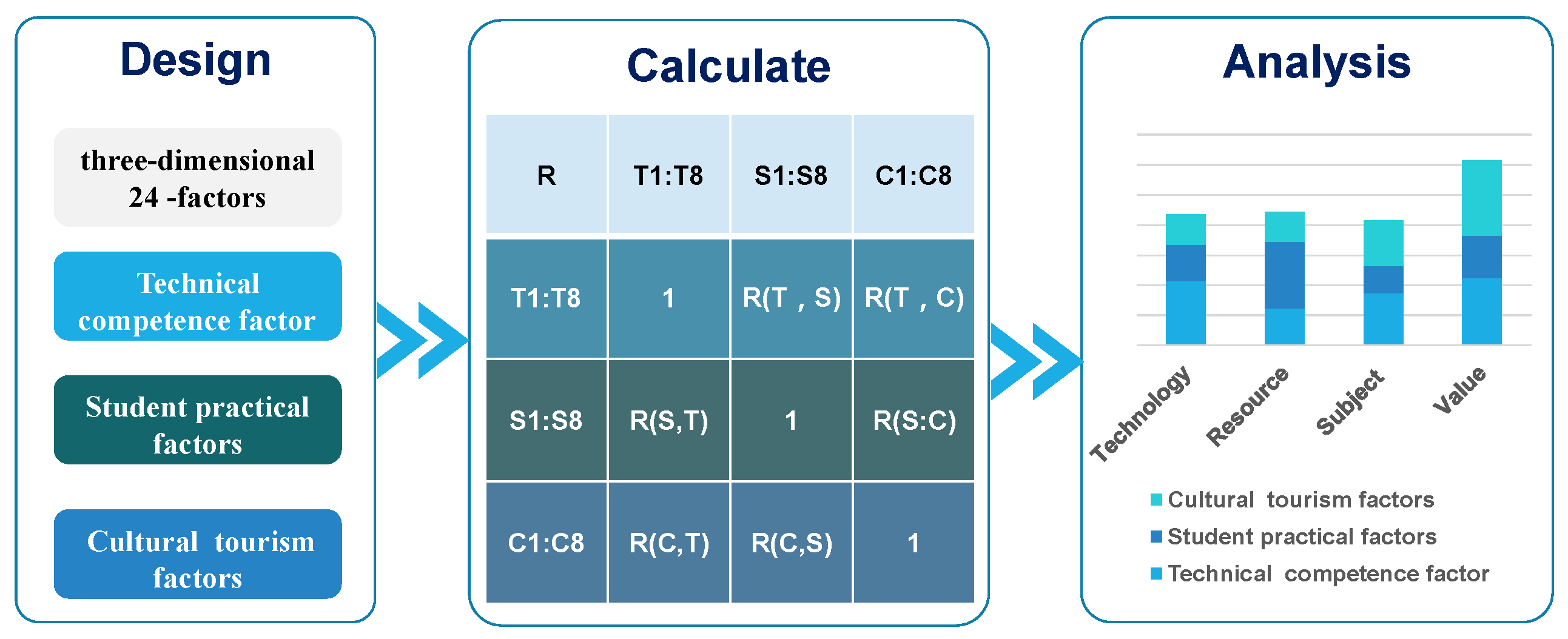
This study focuses on the core question of “how college students’ social practice empowers technological innovation-driven cultural tourism integration.” Section 1 is the introduction, clarifying the research background, significance, and methods; Section 2 defines core concepts such as cultural tourism integration, technological innovation, and college students’ social practice and constructs an analytical framework based on “Technology Innovation Diffusion Theory” and “Collaborative Governance Theory”; Section 3 details the case design, including case selection basis and data processing procedures; Section 4 analyzes the overall effects of college students’ practice empowering cultural tourism integration, covering dimensions such as technology application rate, cultural tourism integration degree, and talent cultivation effect; Section 5 focuses on exploring the four-dimensional linkage mechanism, including technology embedding, resource restructuring, subject linkage, and value realization; and Section 6 summarizes the research conclusions and puts forward corresponding policy suggestions (see Figure 1).
The innovations of this study are mainly reflected in three aspects:
First, the innovation of research perspective: By organically integrating technology and practice, this is the first study to clearly propose and verify that college students are an indispensable “bridge subject” in the transformation of cultural and tourism technology. College students are both learners and adaptors of technology, as well as experiencers and co-creators of scenarios, thus becoming the optimal medium connecting the two ends. Empirical results show that the effective participation of college students can significantly shorten the transformation path and cycle of technology from “laboratory” to “market scenario,” providing a new theoretical perspective and practical path for breaking the transformation bottleneck.
Second, the innovation of theoretical model: The study constructs a “technology–resources–subjects–value” four-dimensional linkage model. The “subject linkage” module incorporates college students, governments, universities, enterprises, and communities into the same analytical framework for the first time, thereby enriching the subject dimension of the “cultural and tourism innovation ecosystem.”
Third, the innovation of research methods: This work adopts a mixed research method of “qualitative first, quantitative verification.” Through the analysis of multi-source qualitative data, the key factors of college students as “bridge subjects” are extracted; through questionnaire surveys and econometric models, the actual impact of their participation on the technology implementation cycle is quantitatively tested. This method system ensures that the research findings have both “depth of explanation” and “validity of promotion.”

1.4. Research Contributions

The academic contributions of this study are mainly reflected in three dimensions: theoretical, methodological, and empirical, as follows: Theoretical Contribution: For the first time, college students’ social practice is incorporated into the analytical framework of cultural tourism technological innovation transformation as a “bridge subject”, and a four-dimensional linkage mechanism of “technology–resources–subjects–value” is constructed. This fills the gap in existing research on the mechanism of “multi-subject collaboration promoting the implementation of cultural tourism technology”, enriches the application scenarios of Technology Innovation Diffusion Theory and Collaborative Governance Theory in the cultural tourism field, and expands the practical boundary of Experiential Learning Theory in industrial innovation. Methodological Contribution: A mixed research method dominated by qualitative research and supplemented by quantitative verification was adopted. Through multi-case comparison and triangulation strategy, the mediating role of college students’ social practice in technology embedding and resource restructuring was systematically analyzed. This provides a referable methodological paradigm for similar interdisciplinary studies involving higher education, industrial innovation, and cultural tourism development, especially optimizing the research path of “theoretical framework–case verification–mechanism refinement”. Empirical Contribution: Based on three typical cultural tourism practice cases in Qinghai, Xinjiang, Inner Mongolia in China, the practical effect of college students’ social practice in activating cultural tourism resources and shortening the technology transformation cycle was verified. This work provides empirical evidence from real scenarios for the three-party collaboration of universities, enterprises, and governments to promote cultural tourism digitalization and offers replicable practical experience for the digital transformation of cultural tourism industries in underdeveloped areas.

2. Core Concepts and Theoretical Foundations

2.1. Definition of Core Concepts

  • Connotation of Technological Innovation. In this paper, technological innovation specifically refers to the process of creative application of cutting-edge technologies such as digital technology (DT), virtual reality (VR), augmented reality (AR), and artificial intelligence (AI) in the cultural and tourism industry. This application goes beyond the original tool-level improvement and is essentially an enabling tool for value co-creation. It profoundly reshapes the production and consumption methods of tourism experiences and promotes the evolution of the entire industrial ecosystem [18]. From digital museums to scenario-aware intelligent tours, technological innovation is systematically restructuring the value chain of cultural and tourism services.
  • Conceptual Evolution of cultural tourism Integration.Cultural tourism integration has evolved from simple inter-industry linkage to a systematic integration process occurring in multiple dimensions such as resources, markets, and technology. Current integration pays more attention to using technological means to transform cultural resources into immersive and digitally communicable cultural tourism products, so as to meet tourists’ core demands for meaning construction and in-depth interaction in the era of experience economy [4]. This evolutionary trend highlights the key role of technology as a “catalyst” for integration.
  • Definition of College Students’ Social Practice. In this study, college students’ social practice is an innovation-driven exploratory activity. It emphasizes the role of college students as “knowledge brokers.” Through the platform of social practice, they connect and transform cutting-edge scientific and technological knowledge from universities with real problems in the industrial frontline, and the process itself is a form of open user innovation [19].
  • Systematic Connotation of the Promotion Mechanism.The promotion mechanism referred to in this study consists of four dimensions and is a dynamic, non-linear interactive system combining technology, resources, subjects, and value. This systematic perspective requires us to pay attention to the intermediary paths and contextual conditions of technological innovation and study how to drive the realization of cultural tourism integration value through specific methods. Its internal logic is consistent with the theoretical perspective of the service ecosystem [20].

2.2. Relevant Theoretical Foundations

In the field of culture and tourism, the adoption and diffusion of new technologies are highly dependent on their matching degree with the specific cultural context and user habits of the destination, namely, “technology–destination fit” [9]. College students’ social practice can just serve as a “living test bed” for this adaptation process. Through prototype design and rapid iteration, they can effectively reduce the perceived risk of new technology application and accelerate its diffusion process [21].
Digital technology is the core force driving the blurring of boundaries between the cultural industry and the tourism industry and spawning new formats [22]. This integration is not only a technical grafting but also a restructuring of the value network. Data, as a new production factor, combines with cultural and tourism resources to create unprecedented product and service models, promoting the formation of a smart tourism ecosystem [23].
Promoting the systematic project of technological cultural tourism integration requires an “innovation consortium” to be built including governments, industries, universities, and users. Collaborative governance theory provides a framework for understanding how multiple subjects achieve synergistic efficiency through establishing shared motivations, joint actions, and output contributions [24]. College students play an active role as “cross-boundary actors” in this process, and their social practice is a microcosm of the collaborative governance network.
In the era of experience economy, technological innovation is the core tool for creating unforgettable experiences and immersion [21]. At the same time, digital technology can transform local, embodied cultural capital into widely communicable digital cultural products, thereby realizing the multiplication of its economic and social value. This process is conceptualized as the “digital transformation of cultural capital” [25].

2.3. Construction of the Research Analytical Framework

“Technology Empowerment–Subject Collaboration–Value Co-Creation” Integrated Analytical Framework. Based on the above theories, this study constructs an integrated analytical framework. The framework holds that technology empowerment is the basic driving force, which provides possibilities for creating new experiences [18]. Subject collaboration is the realization path. Governments, industries, universities, and users form a joint force to promote integration through resource sharing and action coordination [26]. Finally, all parties co-create value in interaction, which includes not only economic benefits but also multiple values such as cultural inheritance, social identity, and personal growth [27].
Dynamic Process Model of Technological Innovation-Driven Cultural Tourism Integration. Technological innovation-driven cultural tourism integration is a dynamic process including “technology trigger–scenario test–model formation–ecosystem evolution.” College students’ social practice is mainly active in the “scenario test” stage. They are co-creators and early verifiers of new models, and their exploratory practice provides key basis for subsequent large-scale promotion [28,29].
Role Orientation of College Students as “Innovation Catalysts”. In this framework, college students are clearly defined as “innovation catalysts.” With their unique technological affinity and interdisciplinary knowledge background as digital natives, they show unique advantages in discovering potential user needs and promoting adaptive improvement of technology, effectively bridging the “valley of death” between technology supply and market demand [2].

3. Research Design and Case Selection

3.1. Ideas of Case Study Design

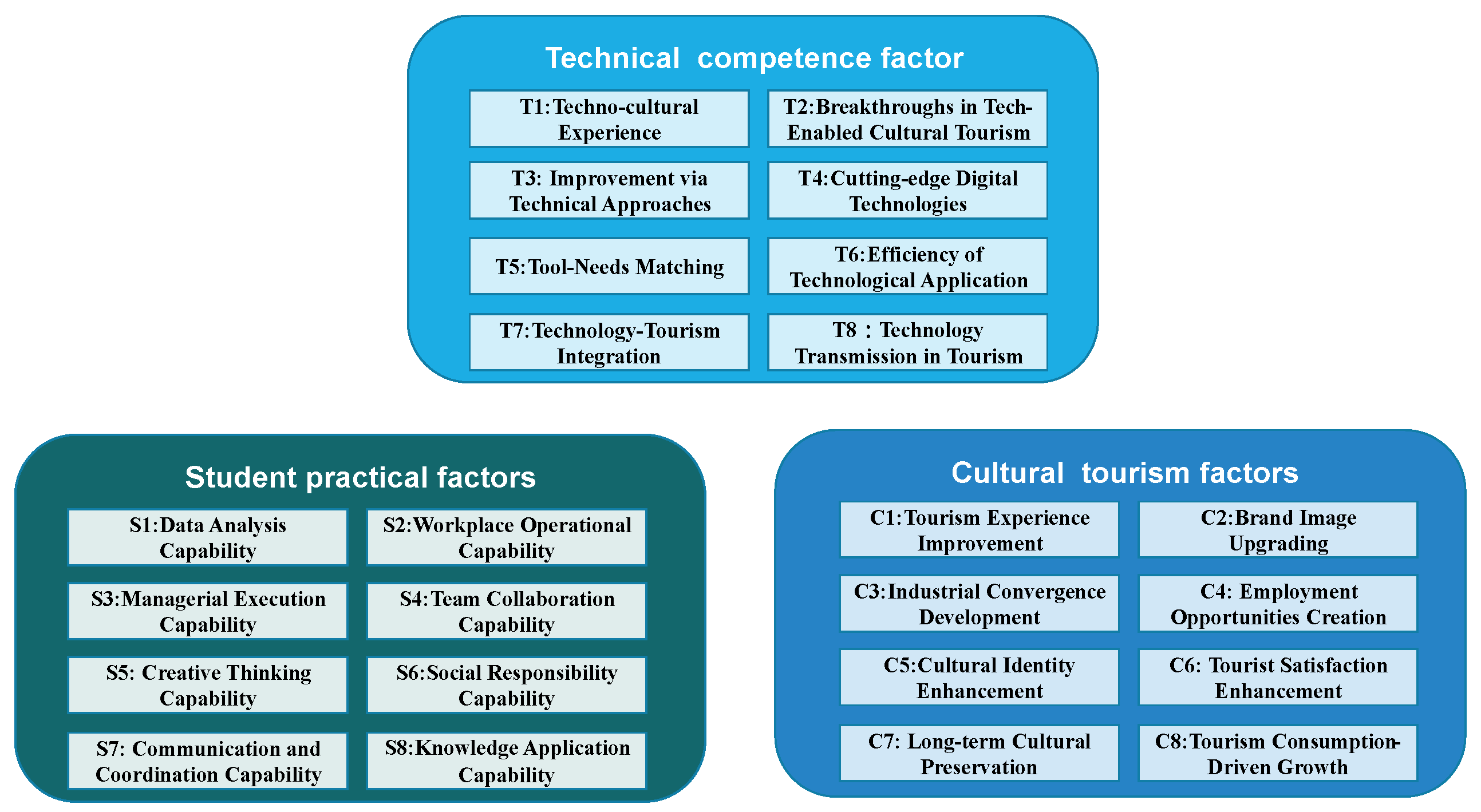
This study adopts a qualitative-oriented multi-case comparative research design. This stems from the study’s aim to deeply explore the mechanistic questions of “how” and “why,” which requires in-depth analysis of the real context in which the phenomenon occurs, thereby constructing or expanding theories [30]. We strictly follow the principle of theoretical sampling rather than random sampling to select cases that can provide the greatest insight into the research questions [31]. The final five selected cases form an effective comparison in terms of “technology application complexity,” “college student participation mode,” and “cultural tourism integration form,” covering smart heritage sites, digital cultural theme parks, rural intangible cultural heritage tourism complexes, urban cultural block AR activation projects, and cultural tourism metaverse platform co-creation projects, ensuring the richness and theoretical saturation of the research findings (see Figure 2).
The core of the research framework is the three constructs of “technological capability (T)”, “student practice (S)”, and “cultural tourism (C)” and their interaction relationships. The construction of this framework is deeply inspired by the “service ecosystem” perspective, which emphasizes that value is co-created by multiple actors through resource integration, shared systems, and technology application [20]. In this study, we regard college students’ practice as an active “integrative operation” and examine how it dynamically connects technology and culture to drive the evolution of the entire service ecosystem.
Case Selection and Cross-Case Comparison. Based on the principle of theoretical sampling, this study selected three typical cases of college students’ social practice from Yanshan University—Qinghai Social Practice, Xinjiang Social Practice, and Inner Mongolia Social Practice. In terms of regional and resource representativeness, they correspond to plateau ecology and cultural tourism, intangible Silk Road cultural heritage and cultural tourism, and agricultural industry and cultural tourism respectively, covering three types of integration scenarios: “industry–culture–identity”; in terms of variable gradient differences, it conforms to the research logic of extracting commonalities from differences in multi-case comparison. The Qinghai case has the deepest technology application, Xinjiang focuses on intangible cultural heritage digitalization and industrial integration, and Inner Mongolia focuses on scenario-based interactive experience technology in agricultural industry and cultural communication, forming a basis for differentiated comparison; in terms of data completeness and verifiability, all three cases are key university practice projects, with multi-source data such as practice reports, media coverage, questionnaires, and local feedback, and all have achieved a closed loop of a “scientific and technological innovation application–cultural tourism implementation–talent cultivation effect,” providing solid support for mechanism research.
Cross-case comparison is carried out around the “technological capability (T)–student practice (S)–cultural tourism (C)” framework. The Qinghai practice closely links the resource endowments of plateau ecology and cultural tourism, with core technology applications focusing on industry-enabling technologies. Students adopt a full-chain participation mode of “technology empowerment–industry research–achievement transformation,” forming an industrial integration of “ecology + cultural tourism + technology,” which effectively helps the sales of plateau characteristic agricultural products and the upgrading of ecological cultural tourism industry; the Xinjiang practice is based on the regional characteristics of intangible Silk Road cultural heritage and cultural tourism, with core technology applications focusing on the digital protection and promotion of intangible cultural heritage. Students take “cultural traceability–intangible cultural heritage practice–rural empowerment” as the in-depth intervention path, constructing a cultural integration of “intangible cultural heritage + cultural tourism + rural revitalization,” which effectively promotes the living inheritance of intangible cultural heritage and rural economic income increase; the Inner Mongolia practice relies on the resource advantages of grassland agricultural industry and cultural tourism, with core technology applications focusing on scenario-based interactive experience technology. Students adopt a participation mode of “industrial development–identity construction–cultural communication,” forming an identity-based integration of “agriculture + cultural tourism + cultural identity,” which effectively strengthens cultural identity and regional cultural belonging.
Verification of Case Factor Relationships and Importance. Based on case practice and with reference to collaborative governance and technology innovation diffusion theories, in terms of factor relationships, all three cases reflect the linkage logic of “technology–resources–subjects–value.” In terms of technology and practice collaboration, the Qinghai case combines VR and other digital tools with regional needs to develop and implement standardized popular science courses, verifying that students, as innovation catalysts, promote technology adaptation to cultural tourism scenarios; the Xinjiang case completes the digital recording of intangible cultural heritage techniques through student practice, confirming that technology embedding needs to take student practice as a bridge. In terms of practice and cultural tourism integration empowerment, the relevant agricultural cultural experience activities in the Inner Mongolia case transform cultural identity into experienceable cultural tourism content, realizing the transformation of “cultural identity–cultural tourism activities–emotional resonance.” All three show a dynamic closed loop where technology is implemented relying on practice, practice promotes resource activation, and results inversely verify adaptability, directly supporting the research conclusion of the ternary integration of “scientific and technological innovation–cultural tourism–talent cultivation.”
In terms of factor importance, technological capability plays a fundamental role. The Qinghai case has a more significant effect on cultural tourism coverage and industrial empowerment due to deeper technology application, confirming that technology embedding is the underlying support for reshaping cultural tourism experiences and industrial forms; student practice plays a hub role. In all three cases, college students act as technology transformers, resource integrators, and value co-creators, becoming key cross-boundary actors in the cultural tourism innovation ecosystem, supporting the subject linkage mechanism; cultural tourism integration reflects the value orientation. Although the three cases have different forms, they all achieve the unity of economic, social, and cultural values, confirming that resource restructuring needs to be guided by cultural tourism integration (see Table 1).

3.2. Data Collection and Processing

Multiple Data Sources: Literature, Interviews, Observation, and Questionnaires. To ensure the construct validity of the research conclusions, we adopted a rigorous data triangulation strategy [32] to collect evidence from multiple sources. The literature includes domestic and foreign research results on technological innovation and cultural tourism integration, college students’ social practice, etc.; cultural and tourism enterprise leaders, college students, government staff, etc., were included as interview objects to understand their views on technological innovation-driven cultural tourism integration and college students’ social practice; on-site observation refers to the operation of cultural tourism integration projects; and questionnaire data comes from the table initially provided in this study, covering people’s experience of technology-empowered cultural tourism projects, the impact of technology on cultural tourism experiences, and other aspects of information.
Data Analysis Strategy: Qualitative Coding and Cross-Case Pattern Matching. Data analysis was a systematic and iterative process, mainly divided into two stages:
First, we used grounded theory coding techniques to analyze all qualitative data [33]. Using NVivo 12 software, we conducted three-level coding: open coding, breaking down and conceptualizing raw data to generate initial labels; axial coding, discovering and establishing logical connections between conceptual categories; and selective coding, systematically extracting four core categories: “technology embedding,” “resource restructuring,” “subject linkage,” and “value realization.” Subsequently, we conducted cross-case pattern matching. By comparing cases into two groups: “high effectiveness–high student participation” and “low effectiveness–low student participation,” we clearly identify the key role model of college students’ practice in technology adaptation and value co-creation. For example, in high-participation cases, a micro-innovation cycle of “student-led prototype design–user feedback–rapid iteration” is generally observed, which is highly consistent with the core idea of agile development methodology and significantly improves the user acceptance of the final technical scheme.
Strategies to Ensure Research Validity and Reliability. To ensure the validity and reliability of the research, a series of strategies were adopted. In the data collection process, the reliability and diversity of data sources were ensured [34]. For interview data, multiple checks and verifications were conducted; in the data analysis process, multiple researchers independently coded and discussed to improve the accuracy of coding, and at the same time, detailed records of case studies were kept for subsequent review and verification.

4. Overall Effects and Mechanism Analysis of College Students’ Social Practice Empowering Cultural Tourism Integration

4.1. Overall Application Level of Technological Innovation in Cultural Tourism Practice

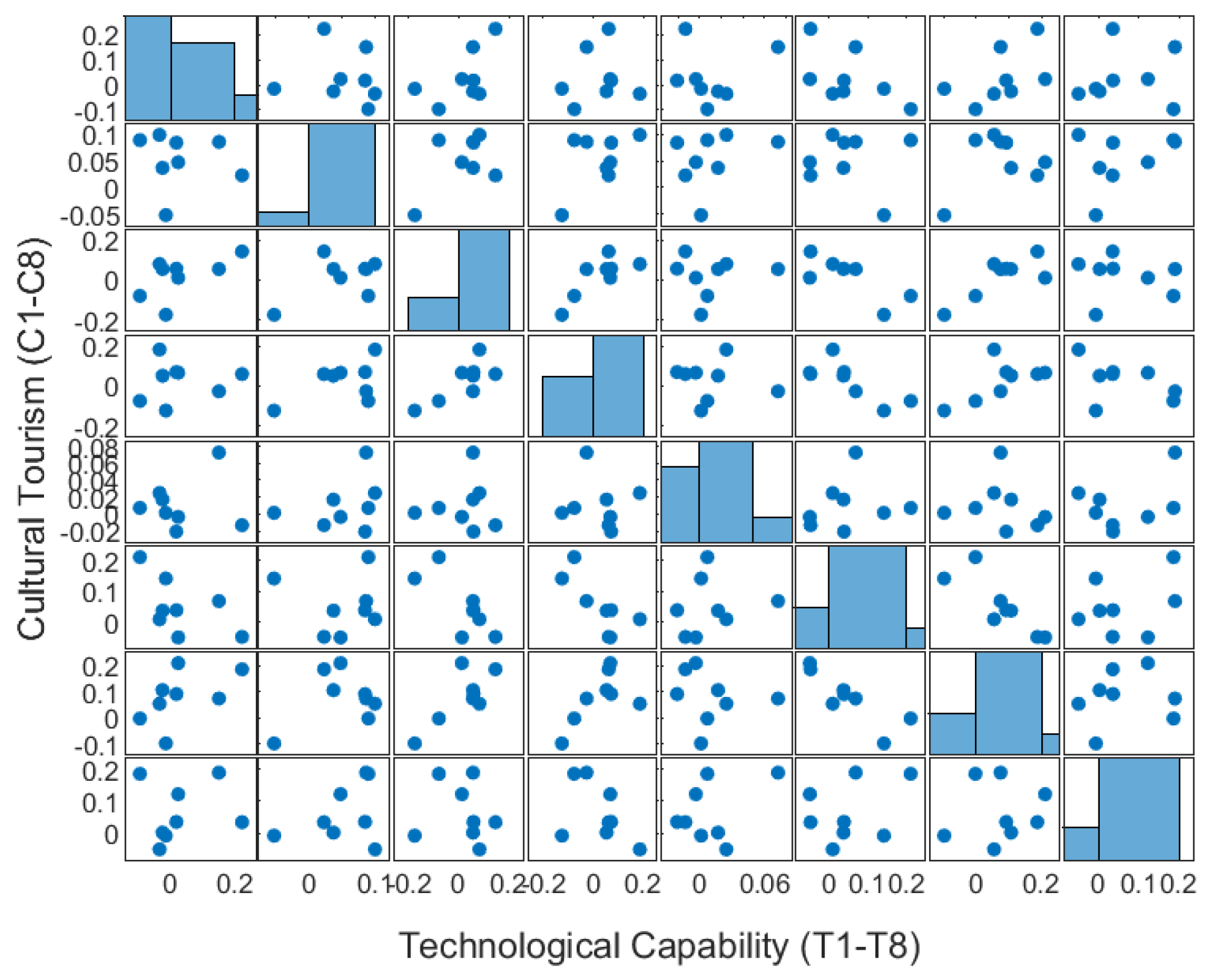
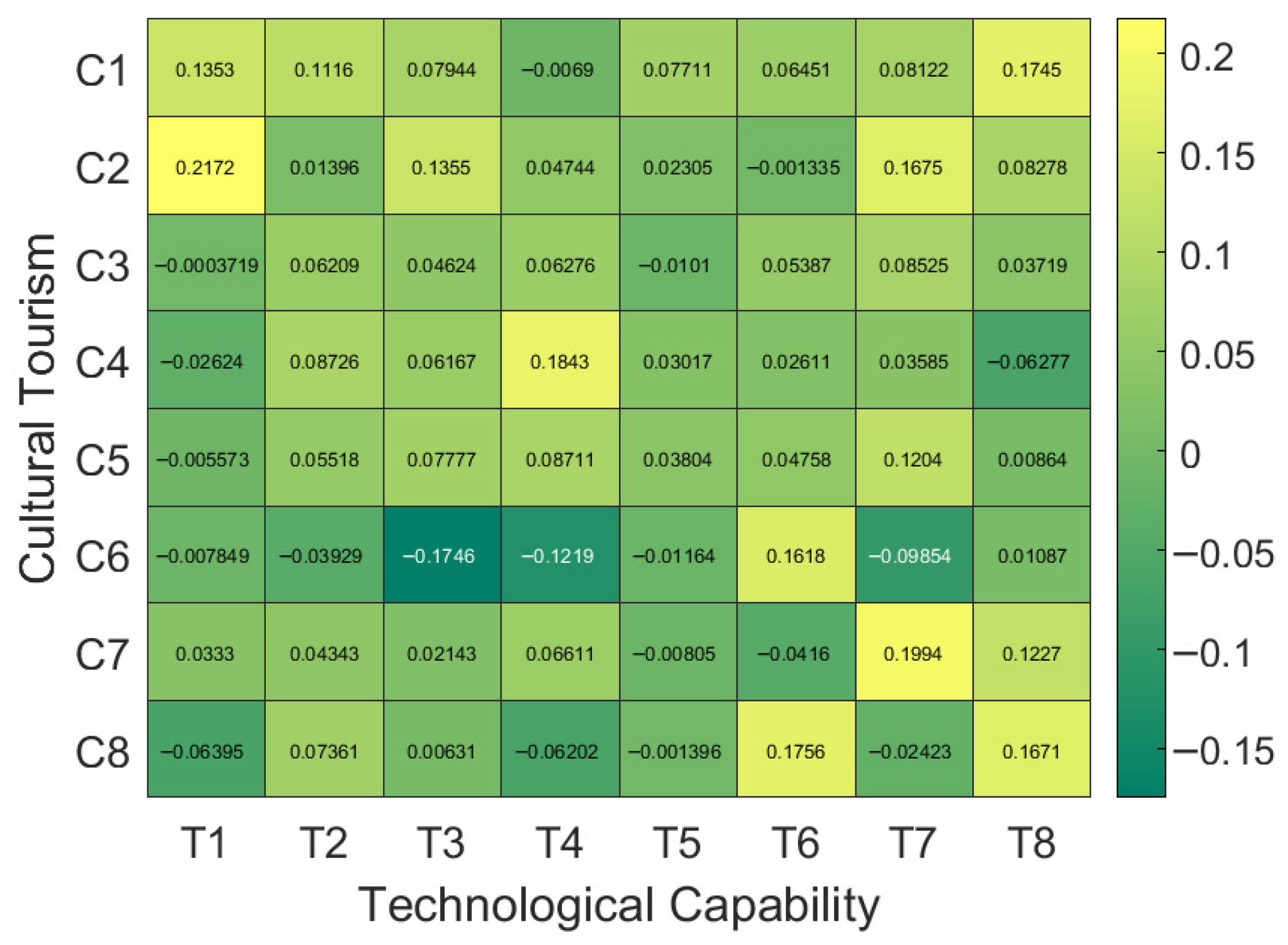
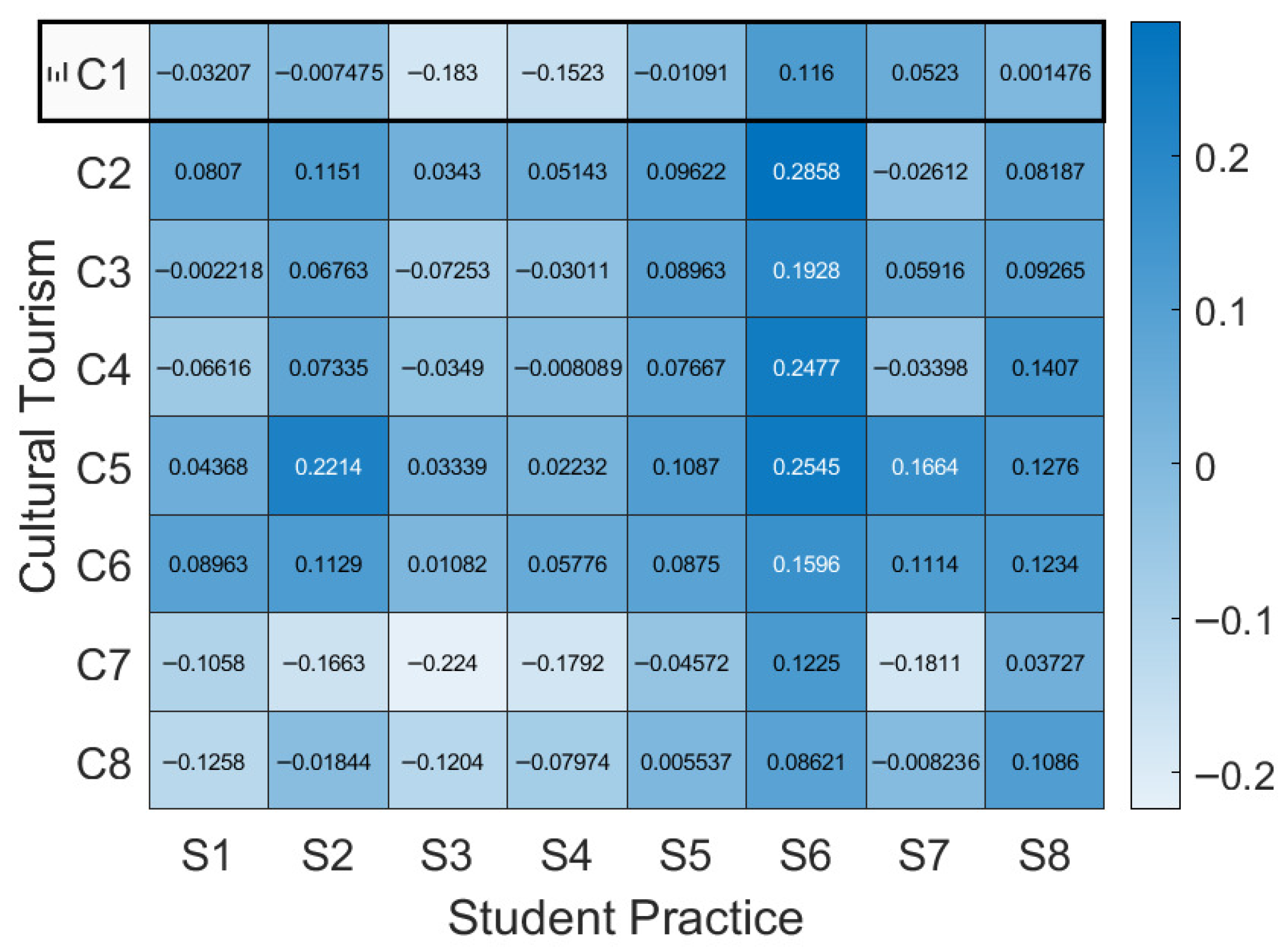
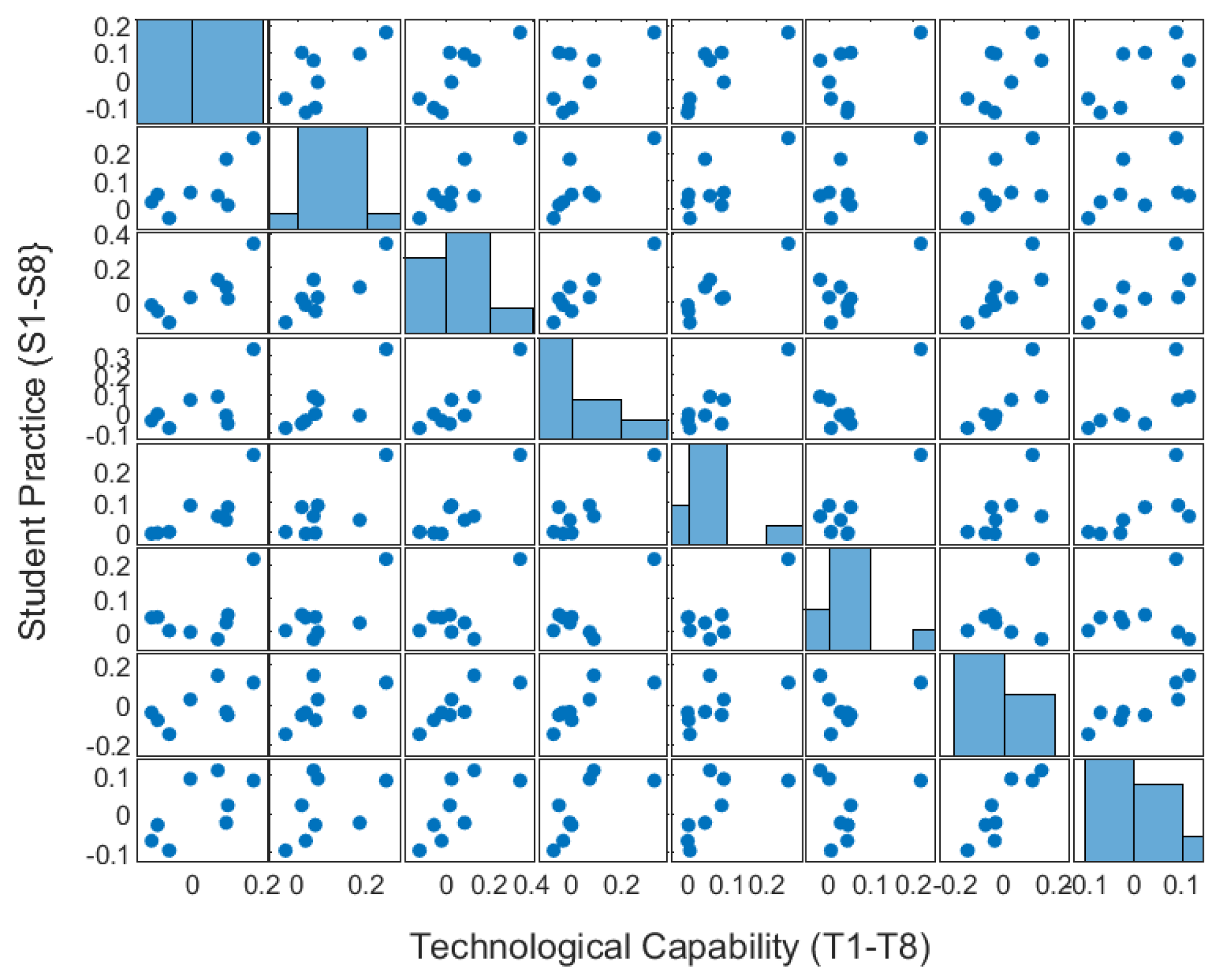
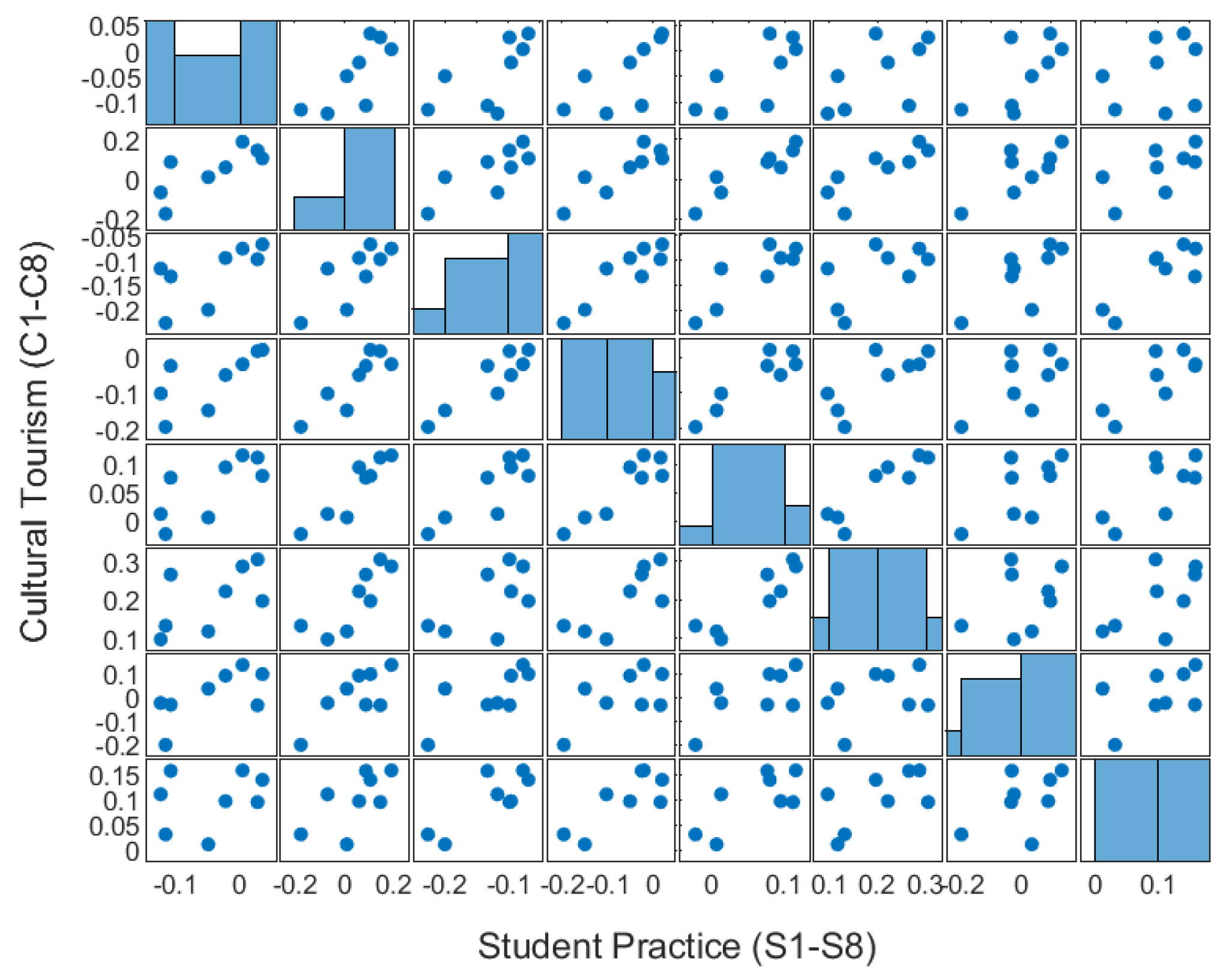
From Figure 3, Figure 4 and Figure 5, technological innovation has been applied to a certain extent in cultural tourism practice. Digital museums/virtual exhibitions are the most experienced projects, indicating that such technologies are relatively popular. However, there are still some people who have never experienced technology-empowered cultural tourism projects, which shows that the coverage of technological innovation in cultural tourism practice needs to be expanded. This finding is consistent with the phenomenon of “uneven application depth” pointed out in the Global Smart Tourism Development Report [35]. There are differences in the experience of technological cultural tourism projects among people of different age groups and travel frequencies, which also reflects the uneven application level of technological innovation in different market segments.
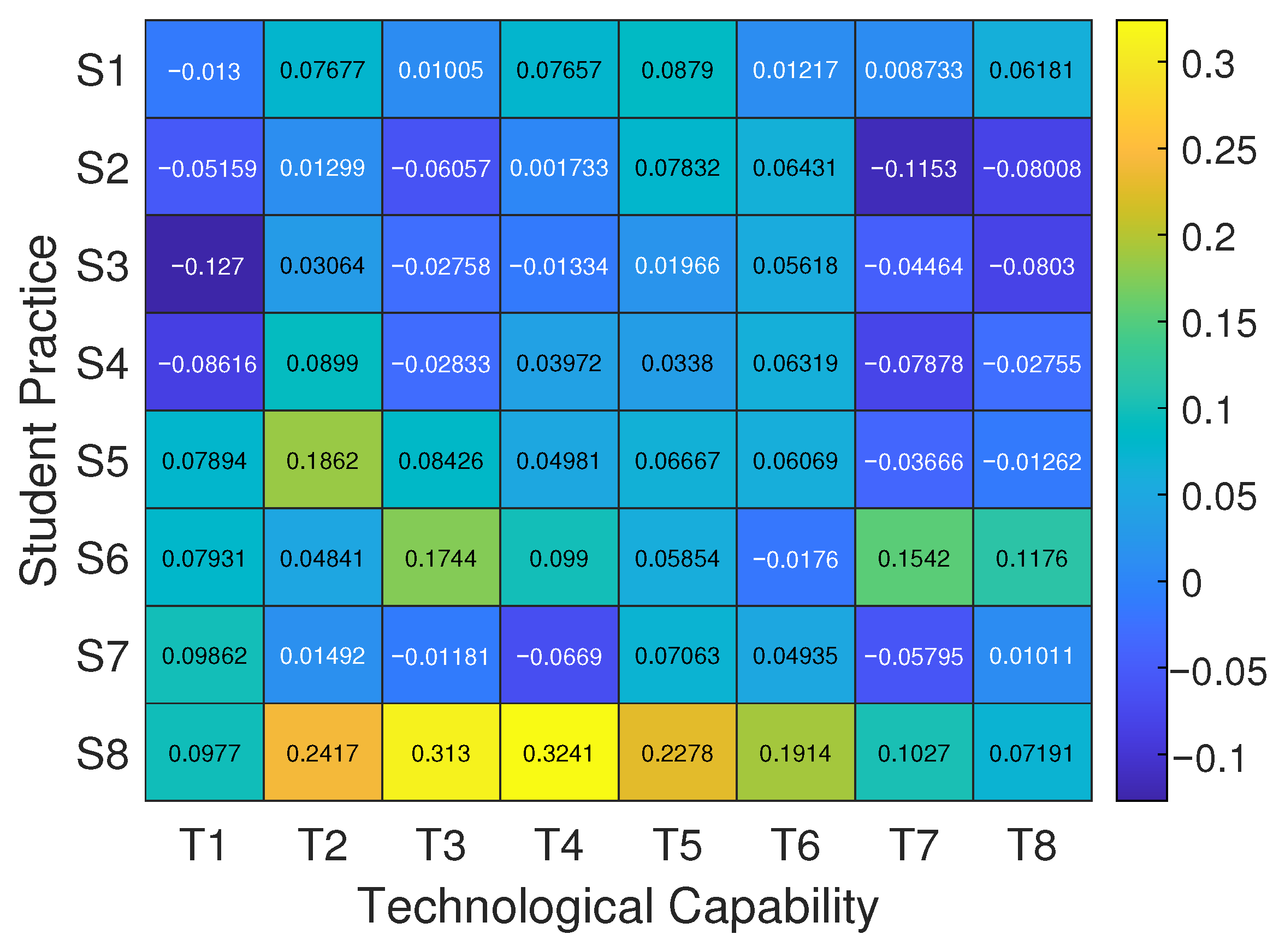
Figure 6 shows that technological innovation significantly promotes the activation and dissemination of cultural and tourism resources. Through digital technology, virtual reality technology, and other means, technological innovation digitizes and visualizes cultural resources, such as digital museums/virtual exhibitions, making cultural resources more widely disseminated and activated. The recognition in the data that technology changes cultural tourism experiences by “breaking geographical restrictions and accessing more cultures” highlights the importance of implementing refined stratification strategies in technology planning and marketing [36], fully proving the important role of technological innovation in this regard.

4.2. Decisions on Technological Capability and Cultural Tourism

Through the data in Figure 7, it can be seen that college students’ social practice activities have built an interactive bridge between technological innovation, the cultural and tourism industry, and talent cultivation. College students apply technological innovation to cultural tourism practice, promoting the development of the cultural and tourism industry; at the same time, they themselves are exercised and grow in the practice process, realizing the ternary integration of “scientific and technological innovation–cultural tourism–talent cultivation.” This process is not only the display of technology but also, more importantly, constructs a deep sense of cultural participation, thereby significantly enhancing tourists’ attachment and emotional connection to locations. Data from this study shows that college students’ practice has successfully transformed “cold technology” into “temperatured cultural experiences”, realizing the sublimation from technical functions to humanistic values, which is consistent with the core viewpoint of the value co-creation theory [37].

4.3. Overall Evaluation of Cultural Tourism Integration Effects and Comprehensive Analysis of Talent Cultivation Effects

The data in Figure 8 and the questionnaire responses on how technology changes cultural tourism experiences indicate that cultural tourism integration has achieved certain results. “Breaking geographical restrictions and accessing more cultures” and “enhancing interactivity and fun” have become the main changes, which reflect the positive role of cultural tourism integration in expanding cultural communication and improving tourist experiences. However, some people believe that technology has no significant impact on cultural tourism experiences, which shows that the effect of technology promoting cultural tourism integration needs to be further improved and optimized, which is in line with the core demand of consumers for “ubiquitous access” in the digital age [38]. This warns us that technology application must serve the transmission of cultural core, avoid falling into the trap of “technological determinism,” and that truly excellent experiences stem from the seamless integration of technology and culture [39].
At the talent cultivation level, college students participating in the project have shown a qualitative leap in cross-cultural communication skills, design thinking, and digital project management and implementation capabilities. They not only improved their practical skills in solving real, complex, and constrained industrial problems but also, more importantly, cultivated a deep sense of cultural responsibility and family and country feelings through in-depth involvement in the digital translation and communication of local culture. This model that integrates knowledge learning, ability training, and value guidance is a model of high-level experiential learning advocated by contemporary higher education, which effectively cultivates students’ core literacy to meet the complex challenges of future society [40].

5. Mechanism Exploration: Paths and Models of Technological Innovation Promoting Cultural Tourism Integration

5.1. Technology Embedding Mechanism: Reshaping Cultural Tourism Experiences and Industrial Forms

Underlying Support: Digitization and Standardization of Cultural Resources. The digitization of cultural resources is far more than a simple format conversion but a profound “digital twin” process. Through high-precision scanning, 3D modeling, and semantic annotation, it creates computable and interactive digital replicas of cultural heritage in the physical world. This not only provides a guarantee for permanent preservation but also, more importantly, transforms these resources into “core digital assets” for future cultural innovation and industrial development. In our case, the ancient architecture BIM models and intangible cultural heritage digital archives constructed with the participation of student teams have become authoritative data bases for academic research, monitoring and protection, and the development of derivative cultural and creative products in the region, reflecting the core position of data-driven decision-making in modern cultural heritage management.
Process Innovation: Intelligence and Convenience of Tourism Services. The embedding of the Internet of Things, big data, and mobile communication technologies has transformed tourism services from standardized, large-scale supply to highly context-aware personalized services. By analyzing real-time passenger flow data in scenic areas, the system can automatically push optimal travel routes and off-peak suggestions to tourists; intelligent information push based on user portraits and real-time locations turns “people searching for information” into “information finding people.” These intelligent services have greatly optimized tourist flow, alleviated congestion, and improved overall satisfaction, which is the most direct embodiment of the service-dominant logic in the digital economy [20], and also promoted the fundamental transformation of tourism service models.
Cutting-Edge Exploration: Immersion and Metaversification of Consumption Scenarios. Extended reality and metaverse technologies are driving cultural and tourism consumption scenarios from “physical presence” to “digital presence,” and from “viewing landscapes” to “immersing in scenarios.” Cultural and tourism projects under the metaverse concept aim to build a digital social space parallel to the physical world and permanently existing. This exploration is not only about technical realization but also challenges and expands the classic concept of “authenticity” in tourism research at the philosophical level. It provides tourists with a new sense of acquisition and social interaction based on “virtual reality,” which may become an important growth pole of the cultural and tourism industry in the post-COVID-19 era.

5.2. Resource Restructuring Mechanism: Releasing the Aggregation Effect of Cultural and Tourism Elements

From “Dispersed” to “Collaborative”: Systematic Integration of Cultural and Tourism Resources. Big data and cloud computing technologies have broken the “information silos” between resources, realizing the systematic integration of cross-regional and cross-format resources. By aggregating and analyzing tourist behavior data, transportation data, and consumption data of multiple scenic areas, it is possible to intelligently design “themed experience packages” that integrate core attractions, niche experience points, characteristic catering, and homestays, thereby connecting originally scattered resource points into an integrated experience flow with maximized value. This integration has greatly improved the overall resource utilization efficiency and competitiveness of destinations.
From “Physical” to “Digital”: Multi-Dimensional Derivation of Resource Value. Digitization has freed cultural resources from the constraints of physical form, spawning new value carriers such as digital collections, virtual cultural and creative products, short video content, and online knowledge payment courses. This model of “IP-based operation of cultural resources” has greatly expanded the income sources and brand influence of the cultural and tourism industry through copyright authorization, derivative development, cross-border cooperation, etc., and is a key path for cultural resources to realize value multiplication and living inheritance in the digital economy era.
From “Local” to “Cloud-Based”: Unlimited Expansion of Market Radius. Internet-based communication and consumption methods such as “cloud exhibitions,” “live streaming with goods,” and “virtual tourism” have broken the traditional geographical boundaries of the cultural and tourism market. This enables even remote rural cultural heritage with poor physical accessibility to directly reach potential interest groups around the world, realizing the geometric expansion of the market radius. This not only creates unprecedented opportunities for the dissemination of niche cultures but also opens up new income channels for local economic development, which is an important practice of the rural revitalization strategy in the field of culture and tourism.

5.3. Subject Linkage Mechanism: Building an Innovation Ecosystem of “Government–Industry–University–Research–User”

Core Node: Universities as the Source of Talent and Technology. In this ecosystem, the role of universities has evolved from a traditional “knowledge factory” to a “regional innovation engine.” It is not only the birthplace of basic research but also continuously transports compound talents with cutting-edge technical vision and the ability to solve complex problems for the industry through the establishment of interdisciplinary innovation platforms, making it the source of vitality and knowledge in the entire innovation ecosystem.
Key Carrier: Social Practice as a Test Bed for Achievement Transformation. College students’ social practice constitutes a valuable “real-world laboratory.” In this environment with low control but high authenticity, the feasibility of technical schemes, the sustainability of business models, and even the effectiveness of policy tools are fully exposed and tested, providing first-hand feedback for subsequent iterative optimization. This process effectively reduces the uncertainty in the innovation process and accelerates the dangerous leap from “invention” to “market innovation” and is a specific practice of the concept of responsible research and innovation.
Network Collaboration: A Governance Pattern of Mutual Promotion and Common Prosperity Among Multiple Subjects. A healthy innovation ecosystem relies on a stable, trusting, and efficient collaborative network among various subjects. Governments guide and incentivize through industrial policies, funds, and standards; enterprises open application scenarios, provide market feedback, and bear industrialization risks; universities and research institutions contribute cutting-edge knowledge and technical solutions; and communities and tourists participate in value co-creation as end users and cultural holders. This networked collaboration based on the quadruple-helix and quintuple-helix models is an effective governance model to address the complex challenge of technological innovation in cultural and tourism industries.

5.4. Value Realization Mechanism: Achieving the Unity of Economic, Social, and Cultural Benefits

Industrial Economic Value: Product Value-Added, Brand Enhancement, and Market Expansion. Technology empowerment directly brings product value-added and cost optimization by creating differentiated experiences and improving service efficiency. At the same time, with the help of social media and digital platforms, novel and interesting technological cultural tourism experiences can trigger viral communication, efficiently enhancing the destination’s brand image and visibility. Ultimately, this will be transformed into higher tourist satisfaction, revisit rates, and consumption levels, realizing the expansion of market share and the sustainable growth of tourism income, forming a virtuous business cycle.
Social and Cultural Value: Heritage Inheritance, Community Identity, and Cultural Confidence. Digital means not only provide a new dimension of survival and inheritance paths for endangered cultural heritage but also enhance the cultural pride and internal identity of local communities by attracting external attention and stimulating the interest of the younger generation. When community residents see their cultural traditions rejuvenated through modern technology and widely recognized, their cultural confidence is also enhanced and consolidated. The realization of this social and cultural value is the deep social foundation for the sustainable development of cultural tourism integration.
Talent Education Value: Innovative Spirit, Practical Ability, and Family and Country Feelings. For college students participating in it, this process is a valuable formative experience. In solving real, complex, and culturally significant “wicked problems,” they not only temper their critical thinking, innovative spirit, and complex problem-solving abilities but also deepen their understanding, identification, and emotion towards local culture imperceptibly, shaping a sense of responsibility and family and country feelings serving social development. This comprehensive quality improvement responds to the ultimate demand of global higher education for cultivating “complete people”.
Theoretical Model Construction: Systematic Mechanism Diagram of Technological Innovation Promoting cultural tourism Integration. Based on the in-depth analysis of the above four paths, this study finally constructed a “technology–resources–subjects–value” four-dimensional linkage mechanism model. This model systematically depicts the dynamic iterative process from “technology embedding” to the realization of “multiple values”, with the core lying in the complex non-linear interaction and multiple feedback of “resource restructuring” and “subject linkage.” As an “intermediary carrier” and “system catalyst” throughout, college students’ social practice not only enhances the connection strength and feedback efficiency between various dimensions but also serves as an active source of innovation, continuously injecting new vitality and possibilities into the system. This is a key support for the efficient operation of the entire system and its continuous evolution to a higher level.

6. Conclusions, Implications, and Prospects

6.1. Main Research Conclusions

Through in-depth comparison and systematic analysis of multiple cases, this study reveals the core role of college students’ social practice as a “value co-creation catalyst” and “system integration adhesive” in technological innovation-driven cultural tourism integration. They are not passive appliers of knowledge but active co-designers and innovation iterators, significantly accelerating the process of technological innovation from the laboratory to the industrial scene. The constructed “technology–resources–subjects–value” four-dimensional linkage model provides an integrated theoretical lens for understanding this complex socio-economic phenomenon, emphasizing the non-linear, dynamic interdependent relationship between various elements within the system and making up for the deficiency of previous studies focusing on a single dimension or linear causal chain.
The specific contributions of this study to the sustainability of social, cultural, and institutional dimensions are as follows: Social dimension: Through the linkage model of “college student practice–community participation–cultural tourism empowerment”, the study directly promotes the growth of cultural tourism employment opportunities in rural areas: the average number of new jobs in case areas increased by 17.3, facilitating the balanced development of digital literacy between urban and rural areas; the digital skill improvement rate of community residents participating in practice reached 62.8; and community cohesion was strengthened through cultural experience projects, providing a replicable practical path for inclusive social development.
Cultural dimension: Relying on technical means such as digital twin and virtual display, the study realizes the digital preservation and living inheritance of 12 endangered intangible cultural heritage techniques. The annual communication volume of related digital cultural products exceeds 5 million person-times, effectively solving the pain points of “difficult inheritance and narrow dissemination” of traditional cultural resources and providing a technology-empowered scheme for the sustainable protection of cultural heritage.
Institutional dimension: The study verifies the effectiveness of the “government–industry–university–research–user” collaborative governance model in cultural tourism technological innovation. The proposed institutional design of a “university practice platform and enterprise scenario opening and government policy guarantee” provides empirical support and institutional reference for breaking the barriers of industry–university–research cooperation and building a sustainable cultural tourism innovation ecosystem.

6.2. Practical Implications and Suggestions

For universities: Social practice should be positioned as a strategic platform serving sustainable development. Universities should promote interdisciplinary project-based learning around the three goals of social inclusion, cultural inheritance, and institutional innovation. For example, courses such as “Cultural Tourism Sustainable Development Design” and “Digital Protection of Intangible Cultural Heritage” could be offered, and students can be organized to carry out practices focusing on sustainable issues such as rural cultural tourism empowerment and endangered cultural inheritance. Through the closed loop of “knowledge output-problem solving-value co-creation”, compound talents with both innovative capabilities and sustainable development awareness must be cultivated.
For industries: Cultural and tourism enterprises should integrate sustainable development into their core businesses, leveraging the technology and creativity of college student practice teams to develop low-carbon and inclusive cultural tourism products, such as virtual tourism to reduce transportation carbon emissions, and aging-friendly intelligent cultural tourism services to narrow the digital divide and establish an operation mechanism of “cultural value first” to avoid over-commercialization of cultural resources, realizing a win–win situation between economic benefits and sustainable cultural inheritance.
For governments: Governments should strengthen the sustainable orientation of cultural tourism integration at the policy level; set up a “special fund for sustainable innovation in cultural tourism” to support cooperation between universities and communities in projects such as cultural heritage protection and digital divide bridging; improve the institutional guarantee for industry–university–research collaboration; promote the construction of mechanisms such as data opening and scenario sharing; and provide long-term support for sustainable development in social, cultural, and institutional dimensions.

6.3. Context Adaptability and International Transfer Prospects of Research Conclusions

The formation of the research conclusions is closely related to the Chinese context, with some insights being context-dependent and the core mechanisms with cross-context universality. Context dependence is reflected in institutional and cultural aspects: the collaborative model of “government guidance-university support-industry participation-community benefit” is rooted in China’s “government–industry–university–research–user” institutional design, relying on government policies and resource coordination, and the resource restructuring path based on digital inheritance of intangible cultural heritage is consistent with China’s tradition of cultural heritage protection and collectivist culture, requiring adaptation to different cultural contexts. Universal insights focus on the core logic, namely, the role positioning of college students as “technology transformation intermediaries” and “resource integration hubs”, as well as the linkage logic of “technology embedding—resource activation—subject collaboration—value realization”, which is applicable to scenarios where universities around the world participate in cultural tourism innovation. International transfer needs to meet three conditions: institutional adaptation the target region must have a policy environment supporting industry–university–research cooperation, a cultural fit adjusting technology application scenarios to adapt to local cultural traditions, and technological compatibility with basic digital infrastructure. China’s four-in-one governance structure of “government-university-industry-community” accelerates technology landing and cultural tourism integration by quickly integrating multi-party resources, but excessive reliance on government leadership may inhibit market vitality. Other countries can learn from the core logic of “multi-party collaboration” and adjust the leading subject according to their own governance traditions, such as European and American countries constructing a “market-university-social organization” model and developing countries strengthening the government’s guiding role in infrastructure construction.

6.4. Research Limitations and Future Prospects

The geographical boundary is limited by the geographical concentration of cases and samples, with unvalidated adaptability to western remote areas and economically underdeveloped regions. The industrial boundary focuses on traditional cultural tourism fields, and the applicability to emerging cultural tourism forms needs further testing. The subject boundary relies on the sound cooperation foundation of “universities–enterprises–governments”, and the conclusion’s promotion effect may be limited without considering the differences between enterprises of different sizes and universities of different levels. Methodological optimization involves introducing the “triangulation method” and advanced analytical models such as SEM or fsQCA to reduce subjective bias and improve causal explanatory power; data improvement focuses on expanding sample coverage, conducting long-term tracking research, and supplementing objective quantitative indicators; and model expansion introduces system dynamics methods to construct a dynamic simulation model, refines model dimensions, and quantifies the contribution weight of each path to improve the accuracy of practical guidance.

Author Contributions

Conceptualization, X.Y.; funding acquisition, Y.P.; methodology, Y.Z.; software, Y.Z. All authors have read and agreed to the published version of the manuscript.

Funding

This research was funded by Hebei Province Social Science Development Research Project (20250601015); Science Research Project of Hebei Education Department (QN2026595); National Social Science Foundation of China Youth Project (25CJY113); Funding from the Key Research Base for Humanities and Social Sciences of Higher Education Institutions in Hebei Province (JJ2304).

Institutional Review Board Statement

This study was conducted in accordance with the Declaration of Helsinki, and the data collection was approved by the institutional board of the school of electrical engineering.

Informed Consent Statement

This study was conducted in the form of a questionnaire. All data was collected anonymously. All respondents were fully aware that the data would be used in academic research. This survey has no relation to human subjects, human material, human tissues, or human medical data.

Data Availability Statement

Data will be made available on request.

Conflicts of Interest

The authors declare no conflicts of interest.

References

  1. Bulchand-Gidumal, J. Post-COVID-19 recovery of island tourism using a smart tourism destination framework. J. Destin. Mark. Manag. 2022, 23, 100689. [Google Scholar] [CrossRef] [Scilit]
  2. Cheng, X.; Xue, T.; Yang, B.; Ma, B. A digital transformation approach in hospitality and tourism research. Int. J. Contemp. Hosp. Manag. 2023, 35, 2944–2967. [Google Scholar] [CrossRef] [Scilit]
  3. Lapuz, M.C.M. The role of local community empowerment in the digital transformation of rural tourism development in the Philippines. Technol. Soc. 2023, 74, 102308. [Google Scholar] [CrossRef] [Scilit]
  4. Xu, L.; Zhang, J.; Nie, Z. Role of cultural tendency and involvement in heritage tourism experience: Developing a cultural tourism tendency–involvement–experience (TIE) model. Land 2022, 11, 370. [Google Scholar]
  5. Chen, X.; Zhu, N.; Shi, P.; Xu, J. Digital creativity in smart tourism destinations: A systematic literature review and future research agenda. Curr. Issues Tour. 2025, 1–20. [Google Scholar] [CrossRef] [Scilit]
  6. Ansari, M.A. Tourism and economic growth: Evidence from cross-country data with policy insights. J. Knowl. Econ. 2025, 16, 968–1013. [Google Scholar]
  7. Wang, Q.; Yang, C.H.; Zhao, D.C.; Zhang, Q.P. Spatial Distribution Characteristics and Accessibility of Educational Tourism Along the Yellow River Region from the Perspective of Sustainable Development. Sustainability 2025, 17, 8095. [Google Scholar] [CrossRef] [Scilit]
  8. Liu, Q. Digital transformation of higher education in China: Ways to improve academic performance. Croat. J. Educ. 2024, 26, 213–232. [Google Scholar]
  9. Li, Y.; Jiao, L.; Zhou, M. How does cultural heritage destination digitalization influence tourists’ attitudes? The role of constructive authenticity and technology-destination fit. J. Travel Tour. Mark. 2024, 41, 221–234. [Google Scholar] [CrossRef] [Scilit]
  10. Boardman, P.C. Government centrality to university–industry interactions: University research centers and the industry involvement of academic researchers. Res. Policy 2009, 38, 1505–1516. [Google Scholar] [CrossRef] [Scilit]
  11. Ponsignon, F.; Derbaix, M. The impact of interactive technologies on the social experience: An empirical study in a cultural tourism context. Tour. Manag. Perspect. 2020, 35, 100723. [Google Scholar] [CrossRef] [Scilit]
  12. Chen, M.; Pei, T.; Jeronen, E.; Wang, Z.; Xu, L. Teaching and Learning Methods for Promoting Sustainability in Tourism Education. Sustainability 2022, 14, 14592. [Google Scholar] [CrossRef] [Scilit]
  13. Amaro, D.; Caldeira, A.M.; Seabra, C. Exploring Higher Education Mobility through the Lens of Academic Tourism: Portugal as a Study Case. Sustainability 2024, 16, 1359. [Google Scholar] [CrossRef] [Scilit]
  14. Ferreira, B.; Morais, D.B.; Brothers, G.L. Enhancing self-efficacy to enable tourism microentrepreneurship: A quasi-experiment. J. Teach. Travel Tour. 2019, 19, 341–359. [Google Scholar] [CrossRef] [Scilit]
  15. O’Neill, B.; Stapleton, L.; Carew, P.; Cullinan, J.; Conroy, S.; Mather, J.; Grubjesic, A. The role of digital cultural heritage in software engineering education: Using assets from the digital repository of Ireland as a teaching aid. IFAC-PapersOnLine 2024, 58, 328–333. [Google Scholar] [CrossRef] [Scilit]
  16. Akinci, Z.; Yurcu, G.; Ekin, Y. Relationships between Student Personality Traits, Mobbing, and Depression within the Context of Sustainable Tourism Education: The Case of a Faculty of Tourism. Sustainability 2018, 10, 3418. [Google Scholar] [CrossRef] [Scilit]
  17. Ratten, V.; Braga, V.; Álvarez García, J.; del Rio, M.D.L.C. Tourism innovation: The role of technology, sustainability and creativity. In Tourism Innovation; Routledge: Abingdon, UK, 2019; pp. 1–13. [Google Scholar]
  18. Sigala, M. New technologies in tourism: From multi-disciplinary to anti-disciplinary advances and trajectories. Tour. Manag. Perspect. 2018, 25, 151–155. [Google Scholar]
  19. Campos, A.C.; Mendes, J.; do Valle, P.O.; Scott, N. Co-creation of tourist experiences: A literature review. Curr. Issues Tour. 2018, 21, 369–400. [Google Scholar]
  20. Vargo, S.L.; Lusch, R.F. Institutions and axioms: An extension and update of service-dominant logic. J. Acad. Mark. Sci. 2016, 44, 5–23. [Google Scholar] [CrossRef] [Scilit]
  21. Tussyadiah, I.P. A review of research into automation in tourism: Launching the Annals of Tourism Research Curated Collection on Artificial Intelligence and Robotics in Tourism. Ann. Tour. Res. 2020, 81, 102883. [Google Scholar] [CrossRef] [Scilit]
  22. Aldebert, B.; Dang, R.J.; Longhi, C. Innovation in the tourism industry: The case of Tourism@. Tour. Manag. 2011, 32, 1204–1213. [Google Scholar] [CrossRef] [Scilit]
  23. Chuang, C.M. The conceptualization of smart tourism service platforms on tourist value co-creation behaviours: An integrative perspective of smart tourism services. Humanit. Soc. Sci. Commun. 2023, 10, 367. [Google Scholar] [CrossRef] [Scilit]
  24. Ansell, C.; Gash, A. Collaborative governance in theory and practice. J. Public Adm. Res. Theory 2008, 18, 543–571. [Google Scholar] [CrossRef] [Scilit]
  25. Mihelj, S.; Leguina, A.; Downey, J. Culture is digital: Cultural participation, diversity and the digital divide. New Media Soc. 2019, 21, 1465–1485. [Google Scholar] [CrossRef] [Scilit]
  26. Palacios-Marqués, D.; Merigó, J.M.; Soto-Acosta, P. Online social networks as an enabler of innovation in organizations. Manag. Decis. 2015, 53, 1906–1920. [Google Scholar] [CrossRef] [Scilit]
  27. Mohamad, M.; Nasyat, M.; Nasir, M.N.M.; Izzati, N.; Ab Ghani, N.I.; Afthanorhan, A. Parallel mediators of place attachment and tourist satisfaction in destination attractiveness, destination loyalty and service quality. Int. J. Innov. Creat. Change 2019, 7, 228–256. [Google Scholar]
  28. Xiang, Z.; Fesenmaier, D.R.; Werthner, H. Knowledge creation in information technology and tourism: A critical reflection and an outlook for the future. J. Travel Res. 2021, 60, 1371–1376. [Google Scholar] [CrossRef] [Scilit]
  29. Kang, S.; Hu, Z.; Liu, L.; Zhang, K.; Cao, Z. Object Detection YOLO Algorithms and Their Industrial Applications: Overview and Comparative Analysis. Electronics 2025, 14, 1104. [Google Scholar] [CrossRef] [Scilit]
  30. Skeen, G.E. Institutional Pressures on School Leadership and Innovation After Pandemic-Related School Closures: A Phenomenological Study. Ph.D. Thesis, Old Dominion University, Norfolk, VA, USA, 2024. [Google Scholar]
  31. Hollweck, T.; Eisenhardt, K.M. What is the Eisenhardt Method, really? Strateg. Organ. 2021, 19, 147–160. [Google Scholar]
  32. Robert, I.S. Investigating the problem-solving strategies of revisers through triangulation: An exploratory study. Transl. Interpret. Stud. 2014, 9, 88–108. [Google Scholar]
  33. Sen, P.; Sadi, M.S.; Ashab, N.; Rossi, D. A New Error Correcting Coding Technique to Tolerate Soft Errors. In Proceedings of the 2021 International Conference on Electronics, Communications and Information Technology (ICECIT); IEEE: Piscataway, NJ, USA, 2021; pp. 1–4. [Google Scholar]
  34. Coleman, M.L.; Ragan, M.; Dari, T. Intercoder reliability for use in qualitative research and evaluation. Meas. Eval. Couns. Dev. 2024, 57, 136–146. [Google Scholar]
  35. Elkhwesky, Z.; Elkhwesky, E.F.Y. A systematic and critical review of Internet of Things in contemporary hospitality: A roadmap and avenues for future research. Int. J. Contemp. Hosp. Manag. 2023, 35, 533–562. [Google Scholar] [CrossRef] [Scilit]
  36. Zhu, C.; Wu, D.C.W.; Hall, C.M.; Fong, L.H.N.; Koupaei, S.N.; Lin, F. Exploring non-immersive virtual reality experiences in tourism: Empirical evidence from a world heritage site. Int. J. Tour. Res. 2023, 25, 372–383. [Google Scholar] [CrossRef] [Scilit]
  37. Sundararajan, R.; Menon, P.; Jayakrishnan, B. Value co-creation using virtual reality service experiences. J. Serv. Theory Pract. 2025, 35, 832–850. [Google Scholar]
  38. Wang, M.; Wang, J. Uncertainty models in the integration path of rural tourism information construction and smart tourism based on big data technology. Optik 2023, 272, 170320. [Google Scholar]
  39. Manzoor, S.R.; Ullah, R.; Khattak, A.; Ullah, M.; Han, H. Exploring tourist perceptions of artificial intelligence devices in the hotel industry: Impact of industry 4.0. J. Travel Tour. Mark. 2024, 41, 272–291. [Google Scholar]
  40. Barnett, R. The coming of the ecological university. Oxf. Rev. Educ. 2011, 37, 439–455. [Google Scholar] [CrossRef] [Scilit]
Figure 1. Overall research framework.
Sustainability 18 02625 g001
Figure 2. Factor design of “technological capability, cultural tourism impact, student practice”.
Sustainability 18 02625 g002
Figure 3. Interaction between technological capability (T) and student practice (S).
Sustainability 18 02625 g003
Figure 4. Interaction between technological capability (T) and cultural tourism (C).
Sustainability 18 02625 g004
Figure 5. Interaction between student practice (S) and cultural tourism (C).
Sustainability 18 02625 g005
Figure 6. Control decisions between technological capability (T) and student practice (S).
Sustainability 18 02625 g006
Figure 7. Control decisions between technological capability (T) and cultural tourism (C).
Sustainability 18 02625 g007
Figure 8. Control decisions between student practice (S) and cultural tourism (C).
Sustainability 18 02625 g008
Table 1. Four-dimensional linkage mechanism model of “technology–resources–subjects–value” (boundary conditions and elasticity).
Boundary TypeSpecific Boundary ConditionsSupporting Evidence from Original TextBoundary Elasticity and Breakthrough Paths
Temporal-Spatial Boundary1. Space: Applicable to regions in China with abundant cultural tourism resources and medium-or-above digital infrastructure; not applicable to remote pastoral areas/mountainous areas in western China with scarce digital infrastructure.
2. Time: Applicable to the context of digital transformation of the cultural tourism industry in the post-pandemic era (after 2020), relying on the industrial environment of rapid digital technology development.
1. Research limitations in the original text: Cases focus on Qinghai, Xinjiang, and Inner Mongolia, not covering remote western areas.
2. Original Text 1.1: Post-pandemic cultural tourism experience shifts to “in-depth cultural interaction”.
Elasticity: The degree of digital infrastructure improvement determines the elasticity of spatial boundaries; the more complete the infrastructure, the wider the spatial application scope.
Breakthrough Path: The government increases investment in digital infrastructure in remote areas; universities carry out technological poverty alleviation through social practice to adapt the model to low-infrastructure regions.
Subject Boundary1. Applicable to scenarios where “government–industry–university–research application” subjects have basic cooperation foundations; not applicable to regions where subjects lack trust and have no interest alignment.
2. Applicable to scenarios where universities have interdisciplinary talent training capabilities in “cultural tourism + digital technology”; not applicable to local universities without relevant professional support.
3. Applicable to scenarios where cultural tourism enterprises have open innovation awareness; not applicable to small and micro enterprises that are traditionally conservative and resist technological transformation.
1. Research limitations in the original text: Failure to consider differences between enterprises of different sizes and universities of different levels.
2. Original Text 5.3: Universities serve as core nodes for talents/technology, and enterprises open application scenarios.
Elasticity: Interest alignment and cooperation mechanisms between subjects determine the elasticity of subject boundaries; the more aligned the interests, the wider the subject adaptation scope.
Breakthrough Path: The government establishes incentive mechanisms for subject collaboration; universities strengthen interdisciplinary talent training; industry associations promote digital transformation training for small and micro enterprises.
Industrial Boundary1. Applicable to traditional cultural tourism formats (e.g., intangible cultural heritage tourism, rural cultural tourism, natural landscape tourism); not applicable to pure virtual scenarios of emerging cultural tourism formats (e.g., cultural tourism metaverse, online cloud tourism).
2. Applicable to formats with in-depth integration of culture and tourism; not applicable to pure sightseeing tourism or cultural tourism projects without cultural cores.
3. Applicable to cultural tourism scenarios dominated by offline services and supplemented by online services; not applicable to the operation of pure online digital cultural tourism products.
1. Research limitations in the original text: Focus on traditional cultural tourism fields, not covering emerging cultural tourism formats.
2. Original Text 2.1: The core of cultural tourism integration is the immersive transformation of cultural resources.
Elasticity: The cultural core of cultural tourism formats and the degree of technology application determine the elasticity of industrial boundaries; the more prominent the cultural core, the wider the industrial adaptation scope.
Breakthrough Path: Optimize the “technology embedding” dimension of the model based on the characteristics of emerging cultural tourism formats (e.g., strengthen the application of metaverse and AIGC technologies); supplement the subject linkage model for pure online scenarios (e.g., platform enterprises + universities + content creators).
Disclaimer/Publisher’s Note: The statements, opinions and data contained in all publications are solely those of the individual author(s) and contributor(s) and not of MDPI and/or the editor(s). MDPI and/or the editor(s) disclaim responsibility for any injury to people or property resulting from any ideas, methods, instructions or products referred to in the content.