1. Introduction
Earth–rock dams are a widely adopted type of dam in hydraulic engineering, valued for their economic construction and strong adaptability [
1], and they have been deployed on a large scale globally since the 1950s [
2]. However, due to limitations in early filling technologies and the inevitable aging processes during long-term service, these dams commonly face safety hazards such as leakage, cracks, and voids, with leakage being a particularly prominent issue [
3,
4]. Leakage pathways are often concealed and progressive, which can lead to dam instability or even failure, posing serious threats to project safety and the surrounding environment [
3,
5]. Therefore, accurately detecting the spatial distribution of leakage and identifying the evolution patterns of seepage channels have become core tasks for ensuring the safety of earth–rock dam projects [
4,
5,
6].
Traditional geophysical exploration methods, while extensively used in geotechnical engineering, face challenges in achieving extensive, non-destructive leakage detection due to their point-scale measurement nature [
2,
4]. By contrast, electrical resistivity tomography (ERT) offers advantages such as efficiency, cost-effectiveness, and non-invasiveness. It can acquire spatiotemporal evolution information within the medium, providing an effective technical means for identifying seepage pathways [
7]. In recent years, this method has shown significant progress in fields like landslide monitoring, piping warning, and embankment leakage detection, demonstrating considerable application potential in earth–rock dam engineering [
5,
8,
9]. The strong correlation between electrical resistivity and soil hydraulic parameters also lends it unique value in slope stability assessment [
10]. For instance, by using ERT to identify lithological interfaces characterized by high-resistivity–high-permeability and low-resistivity–low-permeability features, potential slip surfaces can be precisely located, providing a critical basis for analyzing slope instability mechanisms and early warning [
10].
Electrical resistivity is a fundamental physical parameter of geomaterials, effectively reflecting their physical characteristics and state changes [
11], and different types of geomaterials exhibit distinct resistivity properties [
12]. The value of this property is closely related to numerous factors such as temperature, water content, pore water composition, particle type, and structure [
13]. A deep analysis of the electrical parameter characteristics of earth–rock dam materials, exploration of the intrinsic mechanisms behind resistivity variations, and development of resistivity models suitable for practical engineering conditions are of key importance for enhancing the accuracy and reliability of the resistivity method in leakage detection for earth–rock dams [
12].
In this paper, we systematically review the resistivity characteristics and research progress of common soil materials—sand and clay—used in earth–rock dam engineering. We summarize the main measurement methods and instrumentation for resistivity, analyze the applicability and limitations of different methods, and focus on discussing the key influencing factors and current state of model development for the resistivity of various materials. Our aim is to provide theoretical support for the long-term safe operation and sustainable management of such dams.
2. Measurement Methods and Instruments for Soil Material Resistivity
Soil material resistivity is determined based on Ohm’s law: under constant current conditions (
I), the voltage drop (
V) between the electrodes at the sample’s ends is measured to calculate the resistance value
R. This value is then combined with the sample’s geometric parameters (cross-sectional area
A and electrode spacing
L) and applied in formula (1) to ultimately determine the resistivity [
14].
The methods for determining soil material resistivity can be categorized based on electrode configuration forms and sample apparatus types. From the perspective of electrode system classification, existing methods are primarily divided into two main categories: the two- and four-electrode methods.
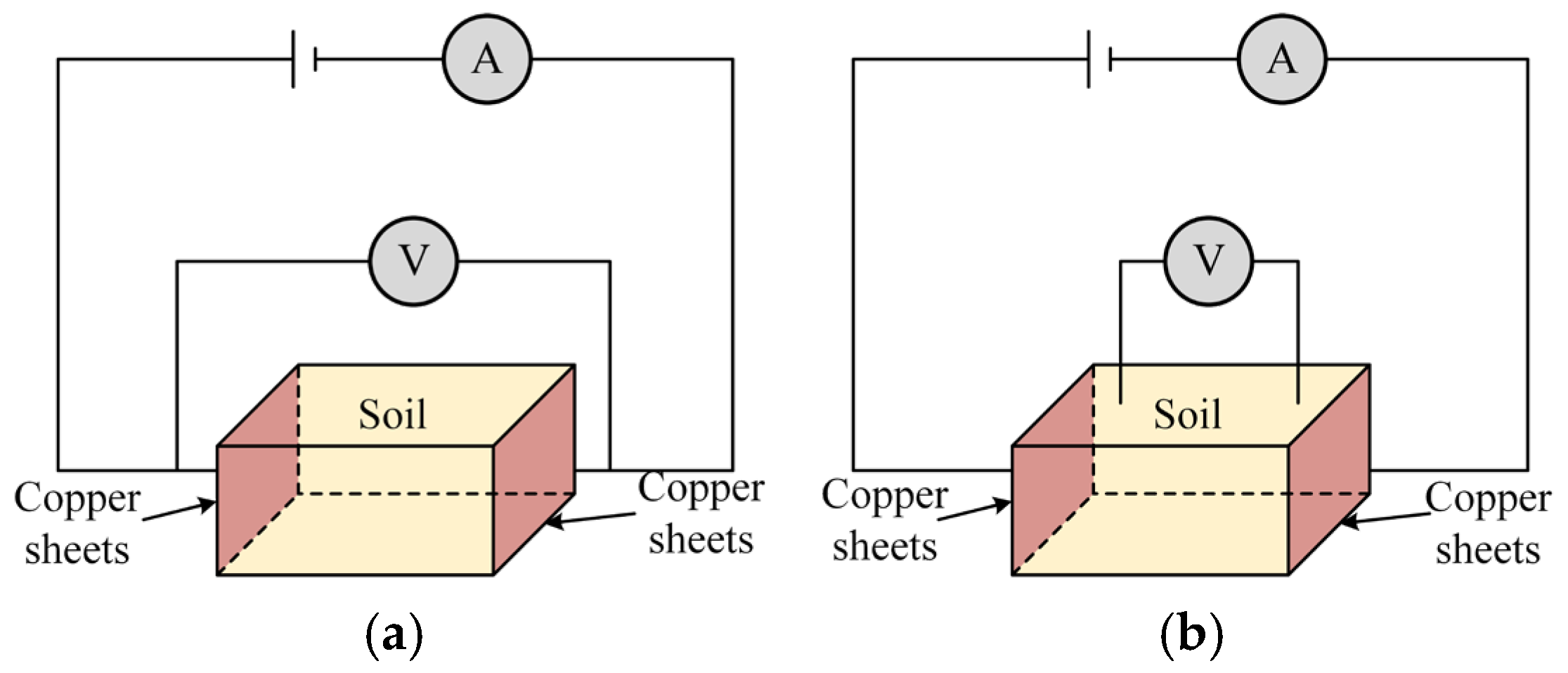
Two-electrode method (
Figure 1a): Resistivity is calculated by directly measuring the voltage drop across the two ends of the soil sample, offering the advantage of operational simplicity. However, the condition of the electrode–soil contact interface significantly impacts measurement accuracy. To mitigate interference from contact resistance, it is recommended to apply conductive materials to the contact surfaces and perform contact impedance correction to account for interface effects.
Four-electrode method (
Figure 1b): A separated configuration is utilized where external current electrodes and internal voltage electrodes are spatially isolated. It is widely applied in field testing systems such as Wenner and Schlumberger arrays. In laboratory settings, current is injected via external electrodes, while intermediate electrodes measure the potential gradient, enabling precise resistivity calculation. While this approach effectively mitigates contact resistance interference, it encounters practical challenges in conventional geotechnical testing. Specifically, the insertion of probes/metal rings risks disturbing the soil matrix, and dynamic changes in electrode spacing during compression or triaxial tests introduce computational complexity in parameter derivation. Consequently, for investigating resistivity evolution during soil deformation processes, the two-electrode system is recommended due to its simplicity and reduced experimental interference.
The measurement accuracy of the four-electrode method is strongly influenced by operational parameters, particularly the applied test voltage and the penetration depth of the potential electrodes. Using an improved laboratory Wenner four-electrode system, Li et al. systematically investigated the effects of these parameters on resistivity measurements of sand and clay under varying water contents and dry densities. The results indicate the existence of an optimal voltage window [
15]. When the applied voltage is below 30 V, polarization and charge absorption effects dominate, leading to unstable measurement signals. By contrast, above 30 V, Joule heating becomes significant, causing localized temperature increases within the soil and a consequent reduction in the measured resistivity. Accordingly, a test voltage of 30 V is recommended for laboratory four-electrode measurements to balance the interference from polarization and thermal effects.
The penetration depth of the potential electrodes represents another critical factor. Li et al. further demonstrated that, for sand and kaolin, the measured resistivity increases linearly with electrode penetration depth, and they introduced a penetration depth parameter
and surface resistivity
to quantify this relationship [
16]. Empirical correlations between these parameters and the soil water content and dry density were established. Based on the exponential decay of the resistivity growth rate with increasing penetration depth, a tangent method was proposed to determine the threshold of the “minimum effective penetration depth.” This threshold ensures that the measured resistivity is representative of the true bulk properties of the entire specimen, which is particularly critical for soils with low water content and low density.
The choice between the two- and four-electrode configurations is governed by the required measurement precision and the physical nature of the sample–electrode interface. The two-electrode method is characterized by its experimental simplicity and is generally sufficient for high-impedance materials where the internal resistance of the sample far exceeds that of the measurement leads. However, its primary limitation lies in the inevitable inclusion of lead resistance and contact impedance in the final data, which can introduce significant artifacts, particularly in low-resistance regimes.
By contrast, the four-electrode method decouples the current-carrying and voltage-sensing paths. From a static measurement perspective, this arrangement eliminates the ohmic drop across the leads, ensuring that the measured potential reflects only the intrinsic resistivity of the sample. In dynamic measurements, such as electrochemical impedance spectroscopy or biological tissue analysis, the distinction becomes even more critical. While a two-electrode setup captures the complex interfacial dynamics—including electrode polarization and double-layer capacitance—the four-electrode configuration bypasses these surface effects by sensing the potential drop within the bulk phase. This allows for a more accurate characterization of the material’s internal electrochemical behavior without the interference of electrode–electrolyte interface phenomena.
Based on the testing apparatus, they can be further divided into two major categories (
Table 1):
Specialized insulated containers: These include cylindrical molds and standard rectangular containers like the Miller soil box, which are suitable for independent resistivity testing.
Modified conventional instruments: These involve retrofitting consolidometers or triaxial apparatus to enable simultaneous observation of mechanical tests and resistivity monitoring. Such devices must prioritize addressing compatibility issues between electrode arrangement and mechanical loading systems.
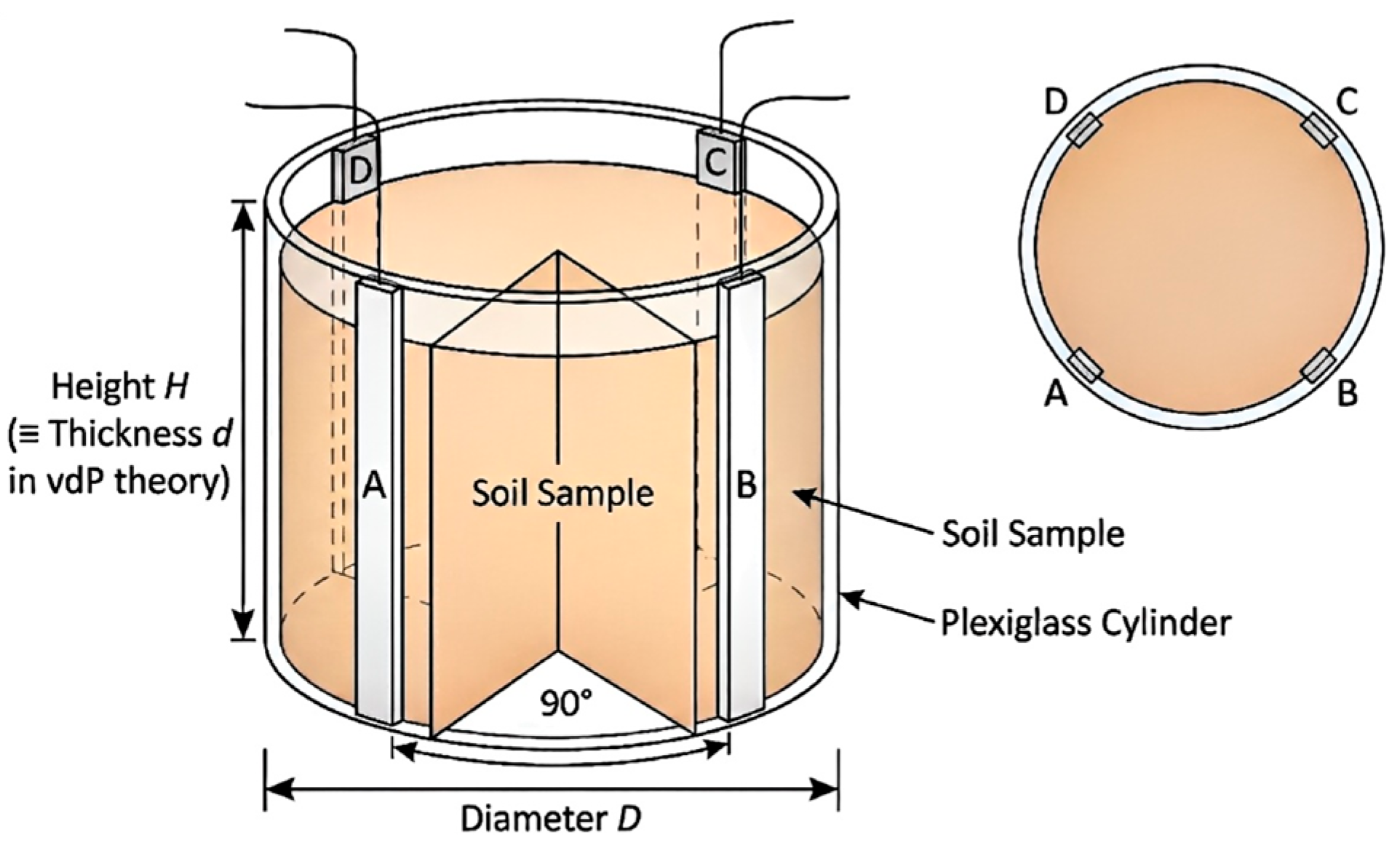
To minimize soil sample disturbance caused by probe insertion and relax the stringent requirements on specimen shape, Ma et al. developed a resistivity testing device based on the van der Pauw principle [
21]. The device features four full-length electrodes symmetrically arranged along the inner wall of a cylindrical container. Resistivity can be calculated by measuring voltage and current under alternating excitation and measurement configurations and applying the van der Pauw equation. Its innovation lies in equating the specimen height to the thickness in van der Pauw theory, thereby extending the method to geotechnical applications (
Figure 2). Tests demonstrate that measurements obtained with this device for various fine-grained soils under different water contents and compaction heights show good agreement with the results from the Miller soil box (relative error < 1%). With advantages such as non-destructiveness and strong adaptability to specimen shape, the device offers a new approach for in situ and non-destructive resistivity testing.
However, it should be noted that the reported validation was conducted exclusively on fine-grained soils. Whether this method is equally applicable to coarse-grained soils, such as sandy gravels or widely graded granular materials, remains to be verified. Coarse-grained soils often exhibit larger particle sizes, more heterogeneous pore structures, and potential challenges in ensuring uniform electrode–specimen contact, which may affect the accuracy and repeatability of resistivity measurements using this configuration. Future studies could extend the evaluation to include coarse-grained and mixed soils to further clarify the method’s applicability across a broader range of geomaterials.
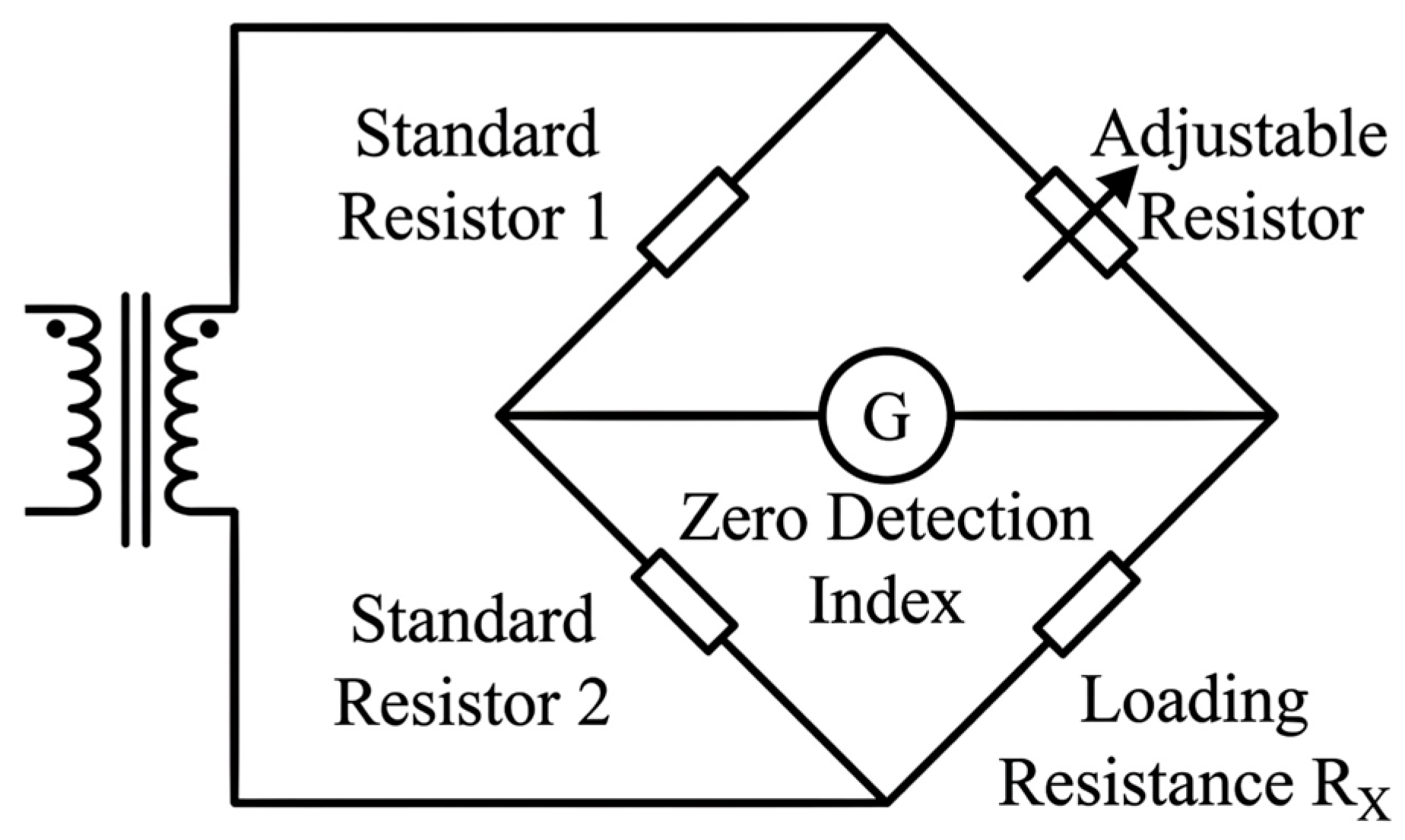
In addition, Liu et al. developed and utilized the ESEU-1 soil resistivity tester (
Figure 3), which employed an AC bridge to measure sample resistance [
22]. This method effectively overcame the large detection errors of conventional DC volt–ampere methods and demonstrated good compatibility with standard geotechnical testing instruments.
The accuracy of electrical resistivity measurements and their comparability across different studies are significantly influenced by specimen geometry and boundary conditions. Taking the four-probe method as an example, its conventional geometric factor
is based on the assumption of a semi-infinite medium. Direct application of
to specimens of finite dimensions introduces systematic errors, the magnitude of which depends on the relative proportions between probe spacing
and specimen characteristic dimensions, such as radius
and height
[
23]. Therefore, the actual geometric factor
must be determined according to the real specimen shape and probe configuration. Currently, finite element simulation has become an effective means for systematically studying geometric factors, allowing correction by establishing empirical relationships between
and dimensionless parameters
and
.
Although various types of resistivity measurement instruments can meet the basic requirement of measuring specimen resistivity, a standardized set of specifications regulating specimen size and measurement requirements has yet to be established. This lack of standardization has led to inconsistencies in measurement criteria, specimen geometries, and dimensions adopted by researchers domestically and internationally, resulting in certain discrepancies in the data obtained. Moreover, existing studies rarely explore the influence of specimen geometry on resistivity measurement outcomes. To address this gap and move toward future standardization, a scenario-based framework is proposed. For static or long-term monitoring applications, standardization efforts should prioritize specimen representativity. Specimen dimensions could be based on the Representative Elementary Volume concept, with a stipulated minimum cylindrical diameter of no less than four times the electrode spacing and ten times the maximum particle size to mitigate boundary effects. A standardized preparation procedure for remolded soils, such as employing a standard compaction method to achieve target dry density and saturation, is equally essential. In dynamic or cyclic loading tests, integration with established mechanical testing protocols is paramount. It is advisable to adopt standard specimen geometries from widely used devices such as resonant column or cyclic triaxial systems (e.g., consolidated-undrained specimens of 50 mm in diameter and 100 mm in height) incorporating pre-embedded, uniformly designed electrodes. The measurement protocol should require synchronized resistivity acquisition at defined phases of the loading cycle (e.g., at peak or valley values of specified cycles) to enable direct correlation between electrical response and mechanical evolution. Electrode configuration must be rigorously distinguished by measurement principle: a four-electrode system is recommended for DC and low-frequency AC tests, with defined current/potential electrode spacing ratios, specified interfacial treatments (e.g., the use of saturated porous bronze plates with conductive gel), and recommended minimum AC frequencies to minimize polarization effects (e.g., >10 Hz for clays, >1 Hz for sands). For non-contact methods like electromagnetic induction, establishing a calibration protocol using standardized resistivity solutions is necessary. Fundamentally, for any testing scenario, the cornerstone of a functional standardization framework is the mandatory reporting of comprehensive metadata. This must encompass complete soil physical parameters (gradation, USCS classification, void ratio, saturation), pore fluid conductivity, test boundary conditions (stress state, drainage), detailed electrode system specifications, excitation signal characteristics, and the full data processing methodology, including all temperature correction procedures and formulae applied.
3. Influencing Factors of Soil Resistivity
Soil electrical resistivity is governed by a combination of multiple factors, with distinct conductive mechanisms existing for different soil types. In general, the resistivity of sandy soils is primarily controlled by the conductive pathways of pore water, whereas in clayey soils, it is jointly determined by surface double-layer conduction and pore water conduction. Although an increase in water content reduces resistivity in both cases, the decline is often more pronounced in clays due to their active specific surface area and ion exchange capacity [
17]. An increase in saturation promotes the continuity of conductive paths, which typically results in an approximately linear decrease in resistivity in sandy soils, whereas in clayey soils, it often exhibits nonlinear behavior owing to surface ion adsorption and complex micro-porous structures [
24]. Furthermore, pore water conductivity, ambient temperature, and the soil’s own particle composition and structural arrangement significantly influence resistivity. This section systematically elaborates on the influencing mechanisms and research progress of various factors on soil resistivity from multiple dimensions, including porosity, water content, saturation, pore water properties, temperature, soil type and structure, hydraulic conductivity, seepage processes, and dynamic loading.
3.1. Porosity
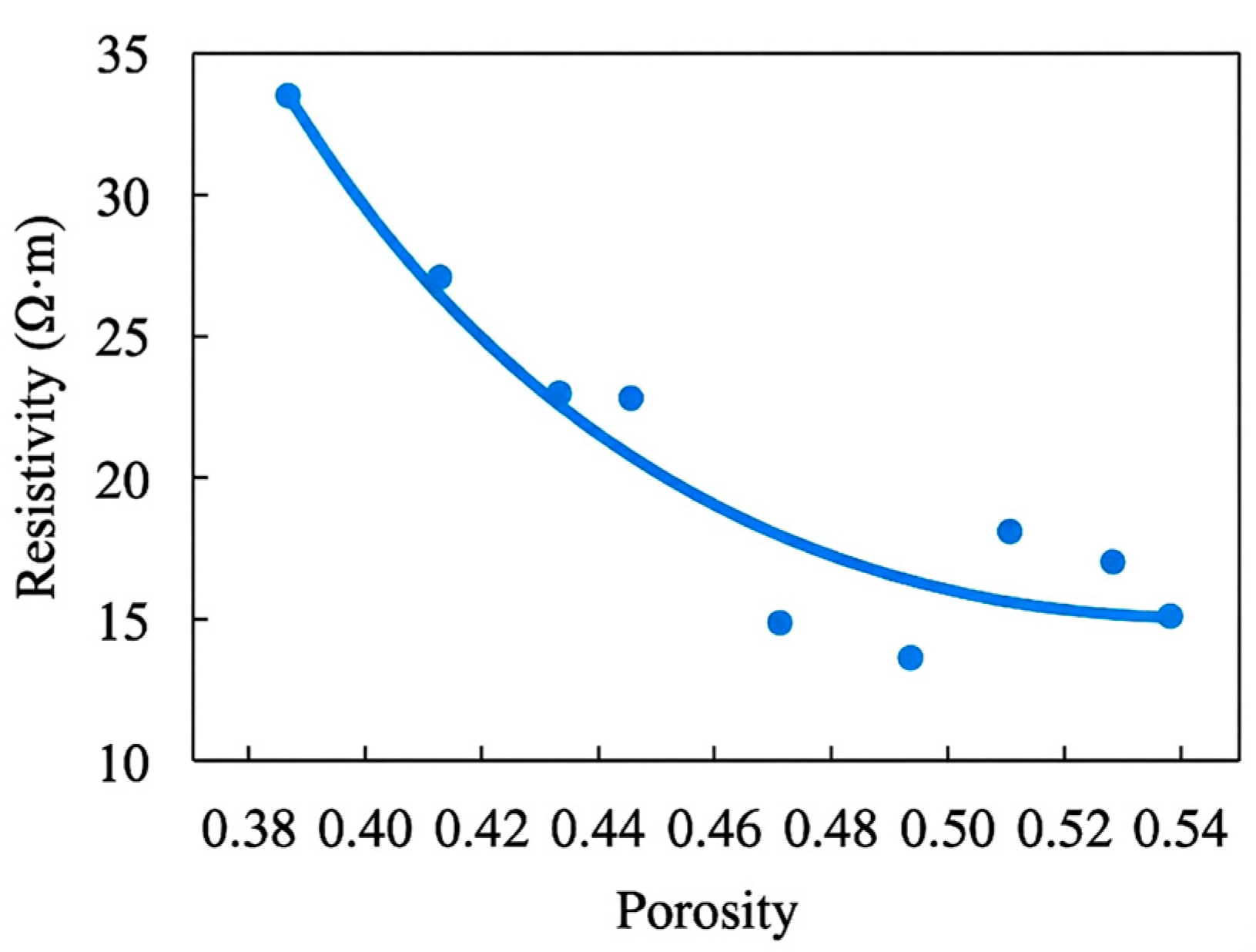
Porosity directly influences the spatial distribution and connectivity of conductive media within the soil. For sandy soils, resistivity is predominantly governed by the conductive pathways of pore water. Higher porosity generally indicates better pore connectivity, which facilitates the formation of continuous low-resistivity water channels, thereby resulting in lower resistivity. Conversely, under low porosity conditions, pores tend to be isolated or tortuous, restricting conductive pathways and leading to higher resistivity. This relationship was first experimentally demonstrated by Archie [
11].
The situation is more complex for clayey soils, where resistivity results from the combined effects of surface double-layer conduction and pore water conduction. Changes in porosity alter the relative contribution of these two conductive mechanisms: at high porosity, the contribution from pore water conduction increases, tending to lower resistivity; at low porosity, surface conduction via the double layer becomes dominant, making resistivity more strongly influenced by clay mineral type and surface properties.
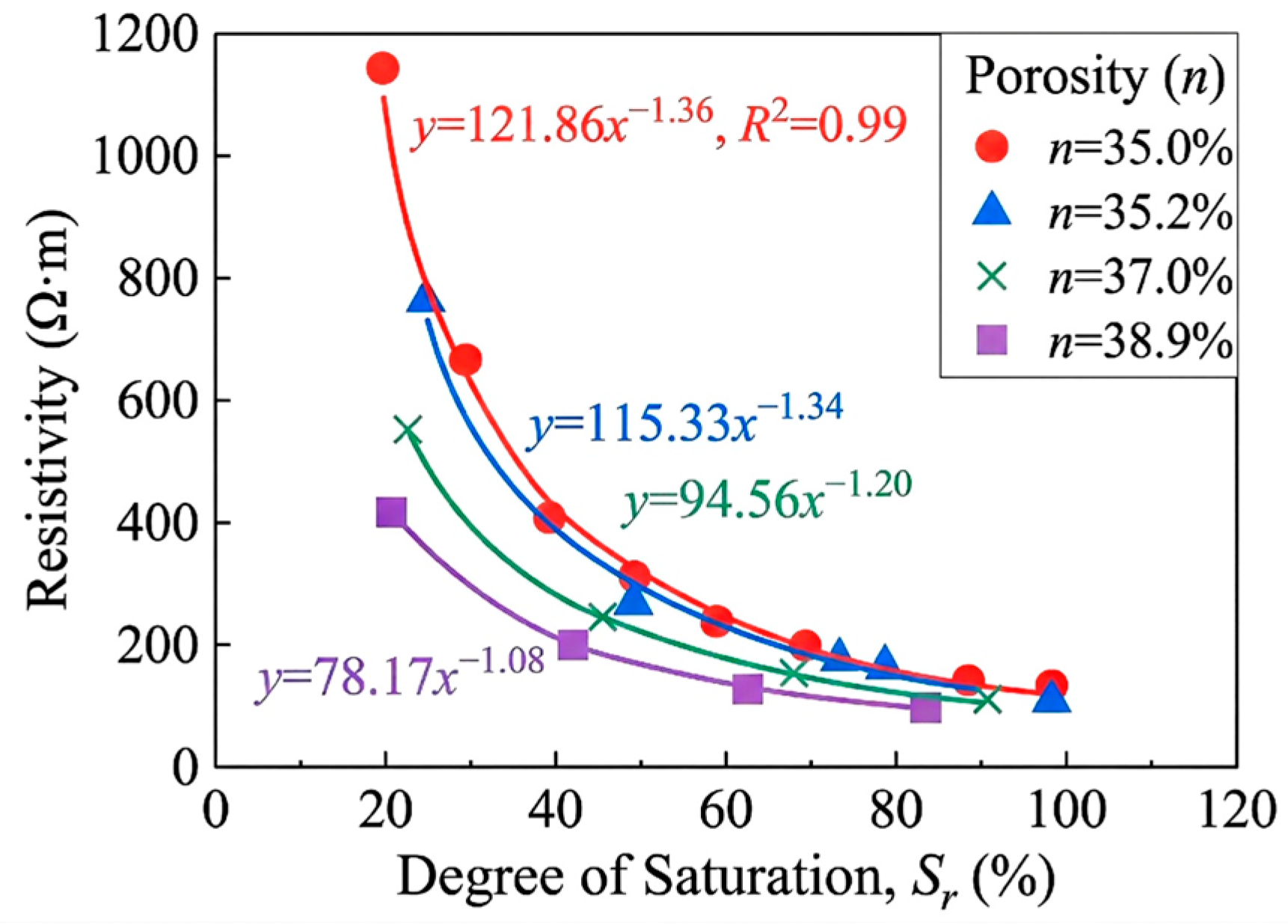
Cha et al. and Wang et al. investigated the quantitative relationship between porosity and resistivity for unsaturated clays and saturated sands, respectively, under controlled water content or saturation conditions (
Figure 4 and
Figure 5, respectively), providing experimental support for the mechanisms described above [
25,
26].
3.2. Water Content
Water content is one of the most active factors influencing the electrical resistivity of soil. In sandy soils, with their relatively large pores, an increase in water content directly increases the volume of pore water, facilitating the formation of continuous electrolytic conductive pathways. Consequently, resistivity typically exhibits a significant decline. For clayey soils, where a double layer exists on particle surfaces, the conductive mechanism is dominated by surface ion migration, supplemented by pore water conduction. Nonetheless, an increase in water content similarly enhances ion mobility and improves the connectivity of the conductive network.
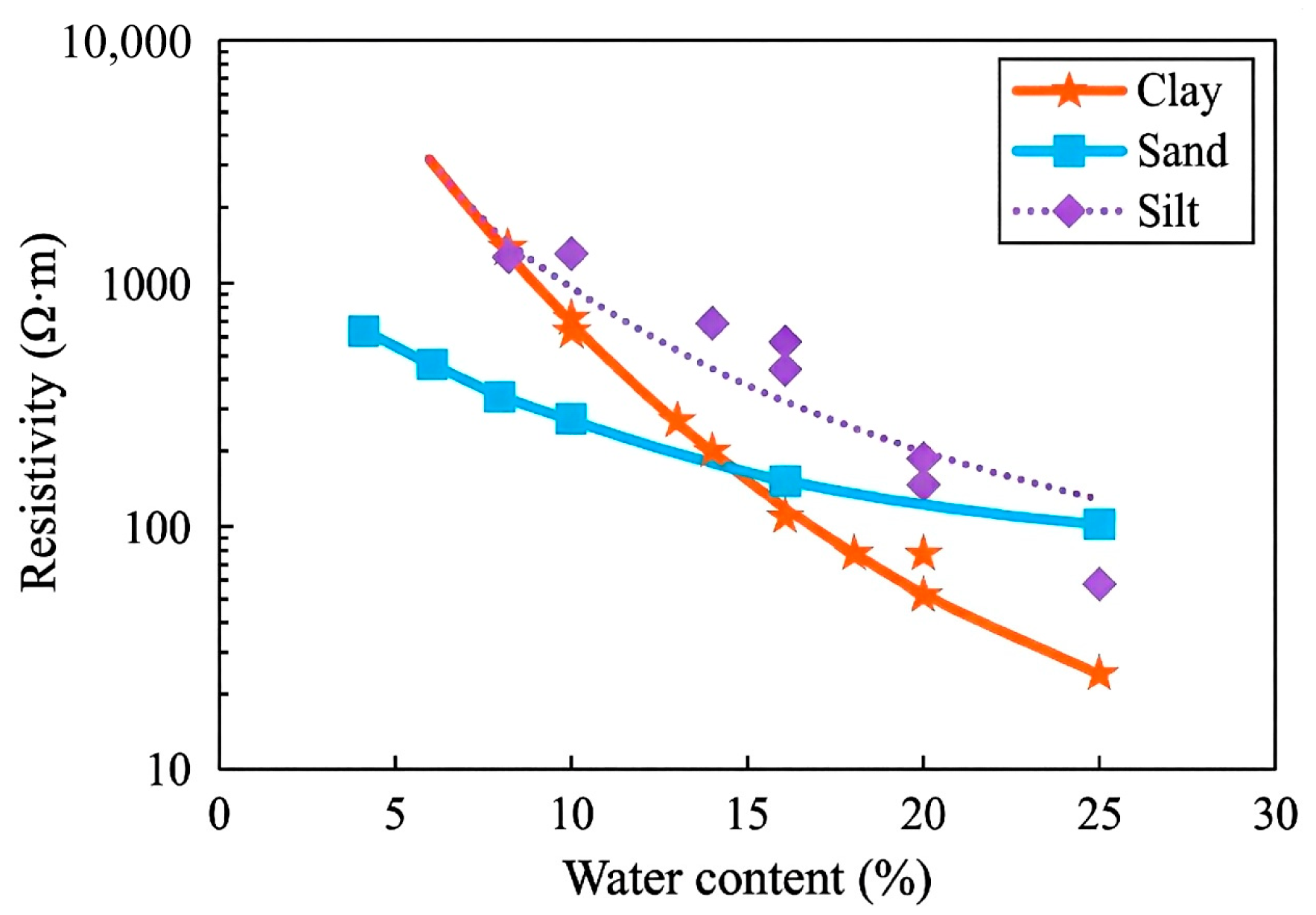
Research by Liu et al. indicates that, under identical porosity conditions, the resistivity of clay, sand, and silt all decreases with rising water content, with clay exhibiting a more rapid rate of decline (
Figure 6) [
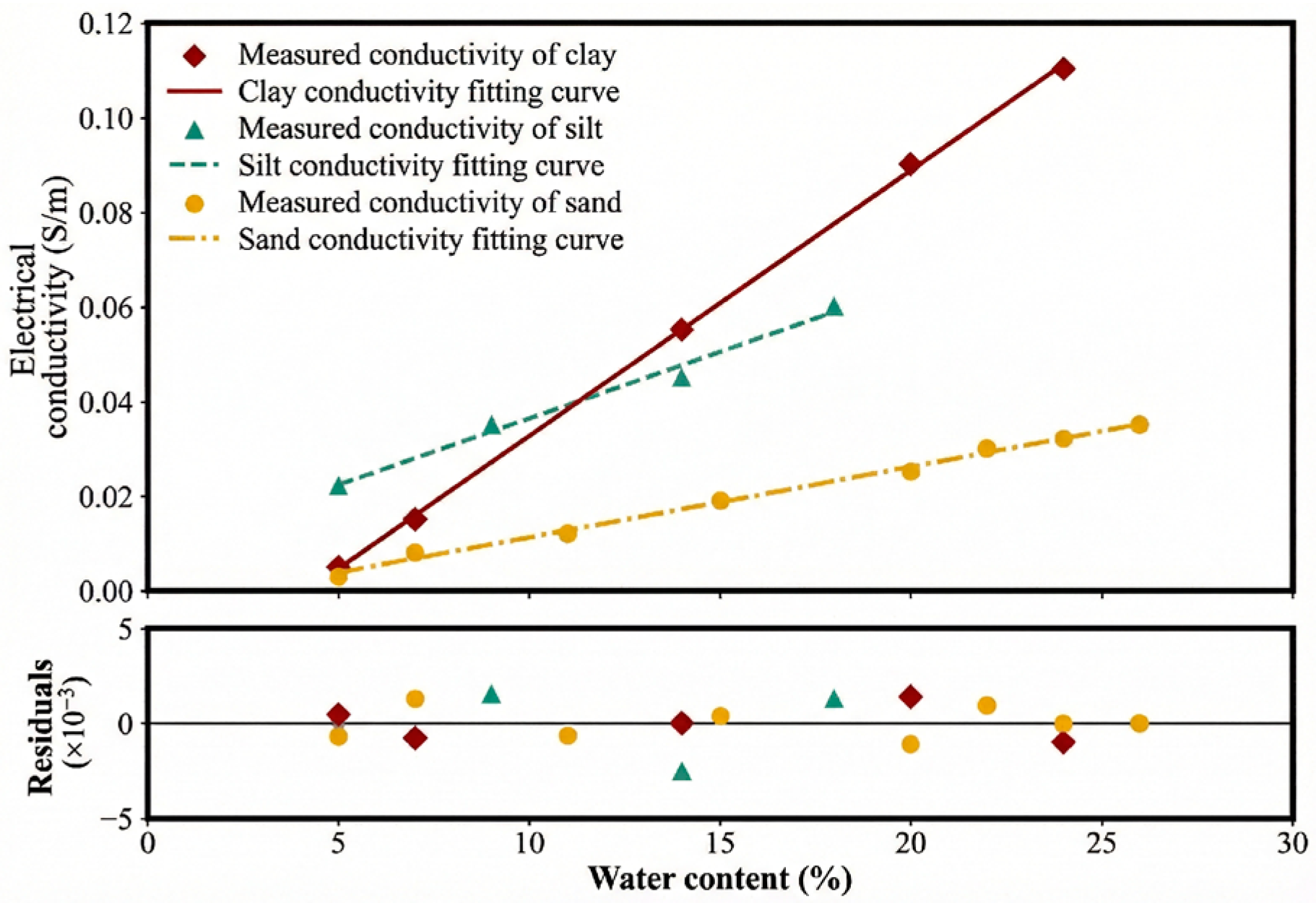
17]. Sun et al. performed data fitting on the resistivity–water content relationship for different soil types (
Figure 7), providing further quantitative validation of this pattern [
27].
Recent studies have deepened the understanding of this phenomenon from a microscopic perspective. Cao et al., utilizing a three-dimensional fractal model and numerical simulations, revealed that the decrease in soil resistivity with increasing water content is not uniform [
28]. Instead, a jump of several orders of magnitude occurs within a narrow critical water content threshold. The fundamental mechanism lies in the abrupt change in the pore water connectivity network: At high water content, pore water forms a continuous and intricate network of conductive paths. When the water content falls below the critical threshold, this network ruptures, forcing electric current to pass through highly resistive soil particles and air-filled pores, leading to a sharp increase in resistivity. This discovery unveils the physical essence behind the abrupt inflection point observed in the macroscopic resistivity–water content relationship.
3.3. Saturation
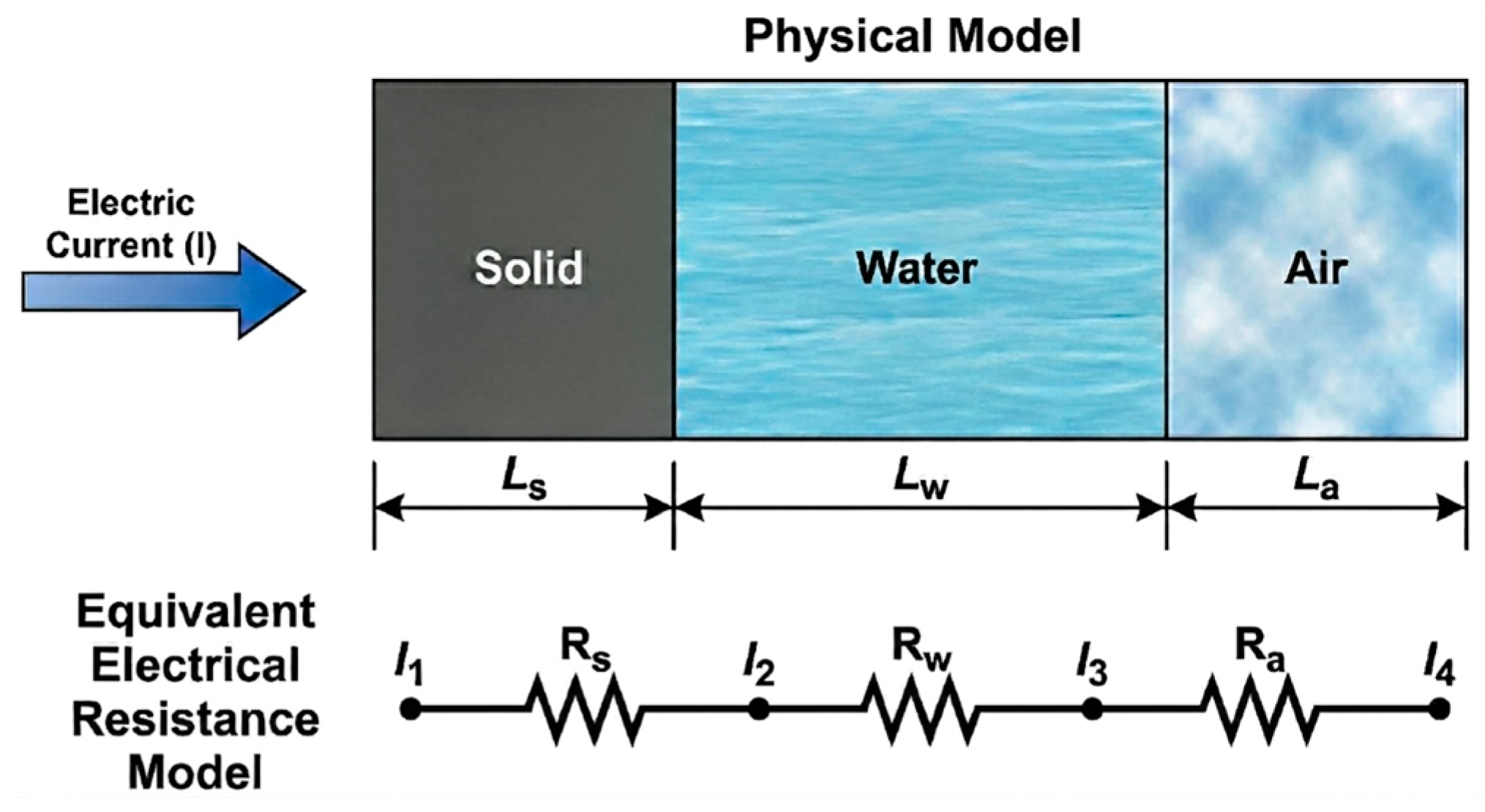
Saturation is a key parameter characterizing the degree to which pore space is filled with water and is closely related to electrical resistivity. Keller and Frischknecht established a relevant theoretical framework for electrical conduction [
24]. Through controlled variable experiments, Liu et al. found that the resistivity–saturation curves exhibit distinct patterns for sandy soil, silty soil, and clayey soil: sandy soil shows an approximately linear decrease, clayey soil exhibits nonlinear variation, and silty soil falls between the two [
17]. Research by Jin et al. further confirmed that resistivity decreases with increasing saturation and tends to stabilize as full saturation is approached, indicating that the conductive network is sufficiently developed at this stage [
29]. Experiments by Xiao et al. on saturated sandy soil revealed that resistivity decays exponentially with increasing saturation, with high-permeability sand exhibiting a faster decay rate, highlighting the regulatory role of pore structure parameters [
30].
3.4. Pore Water Type
The electrical conductivity of pore water is a primary determinant of soil resistivity. Its effectiveness in conduction depends on the concentration, type, and mobility of free ions in the water. Rhoades et al. noted that the conductivity of pore fluid is constrained jointly by the dissociation of salts and the water content [
31]. Experiments by Kalinski and Kelly demonstrated that, at a fixed water content, soil resistivity is approximately inversely proportional to the electrical conductivity of the pore water [
32,
33]. Wang et al. prepared pore water with five different electrical conductivities and tested the resistivity of saturated sandy soil [
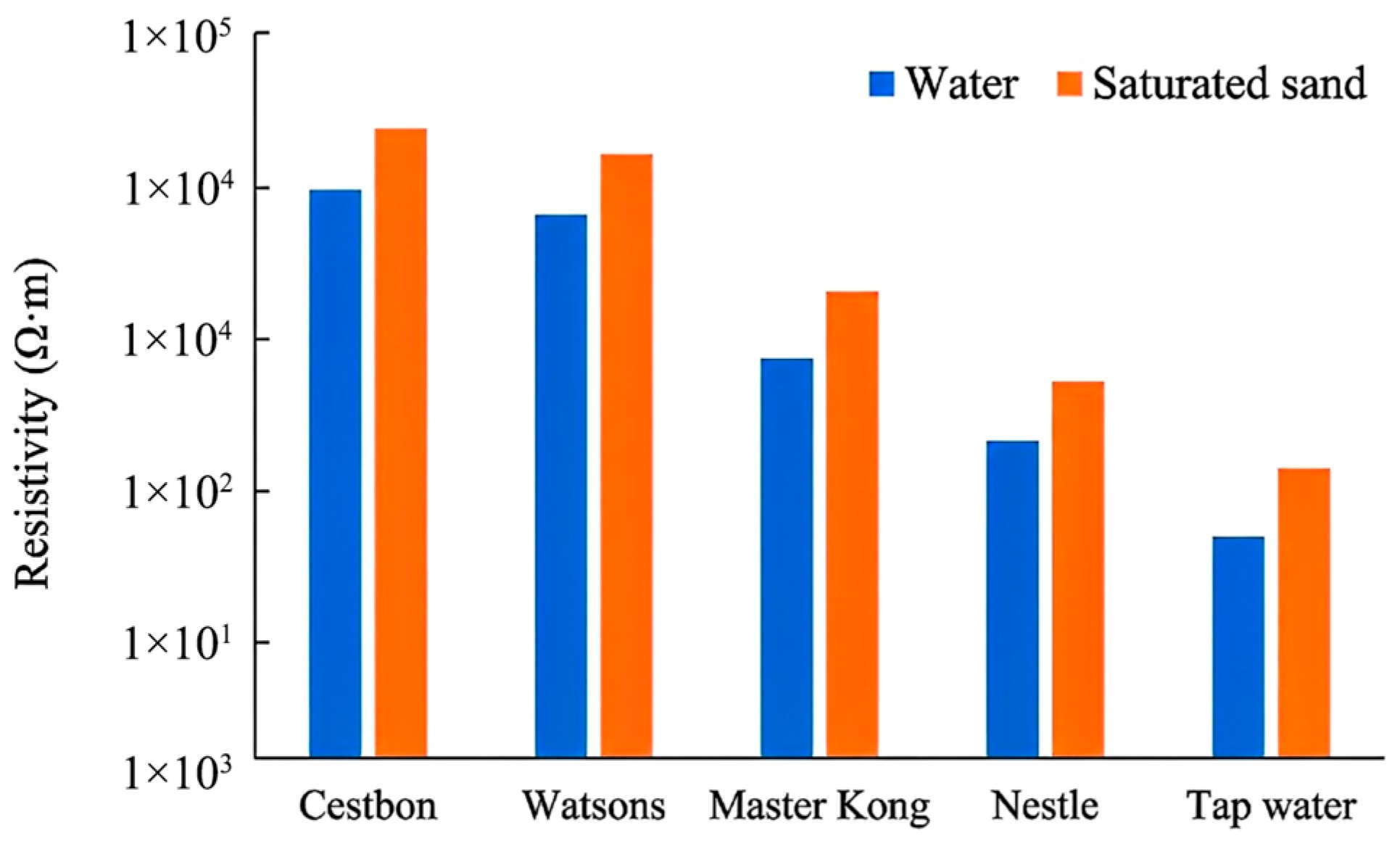
26]. The results clearly show that the conductive performance of saturated sandy soil is positively correlated with the electrical conductivity of the pore water (
Figure 8).
3.5. Temperature
Temperature regulates resistivity by influencing ion migration activity and the chemical equilibrium of pore water. On one hand, increased temperature enhances the thermal motion capability of ions in the pore water, thereby accelerating their migration rate. On the other, higher temperatures alter the ionization equilibrium of water and promote mineral dissolution, consequently increasing the ion concentration in the solution. The combined effect of these two mechanisms leads to a decrease in resistivity as temperature rises. Furthermore, for soils rich in clay minerals, temperature variations affect the thickness of the double layer and the hydration state of ions, which further amplifies this thermally enhanced conductivity effect.
Keller and Frischnecht studied the relationship between soil temperature and resistivity changes and derived the following relationship [
24]:
where
ρ18 and
ρT represent the soil resistivity at 18 °C and
T, and
α is the empirical coefficient, typically taken as 0.025 °C
−1.
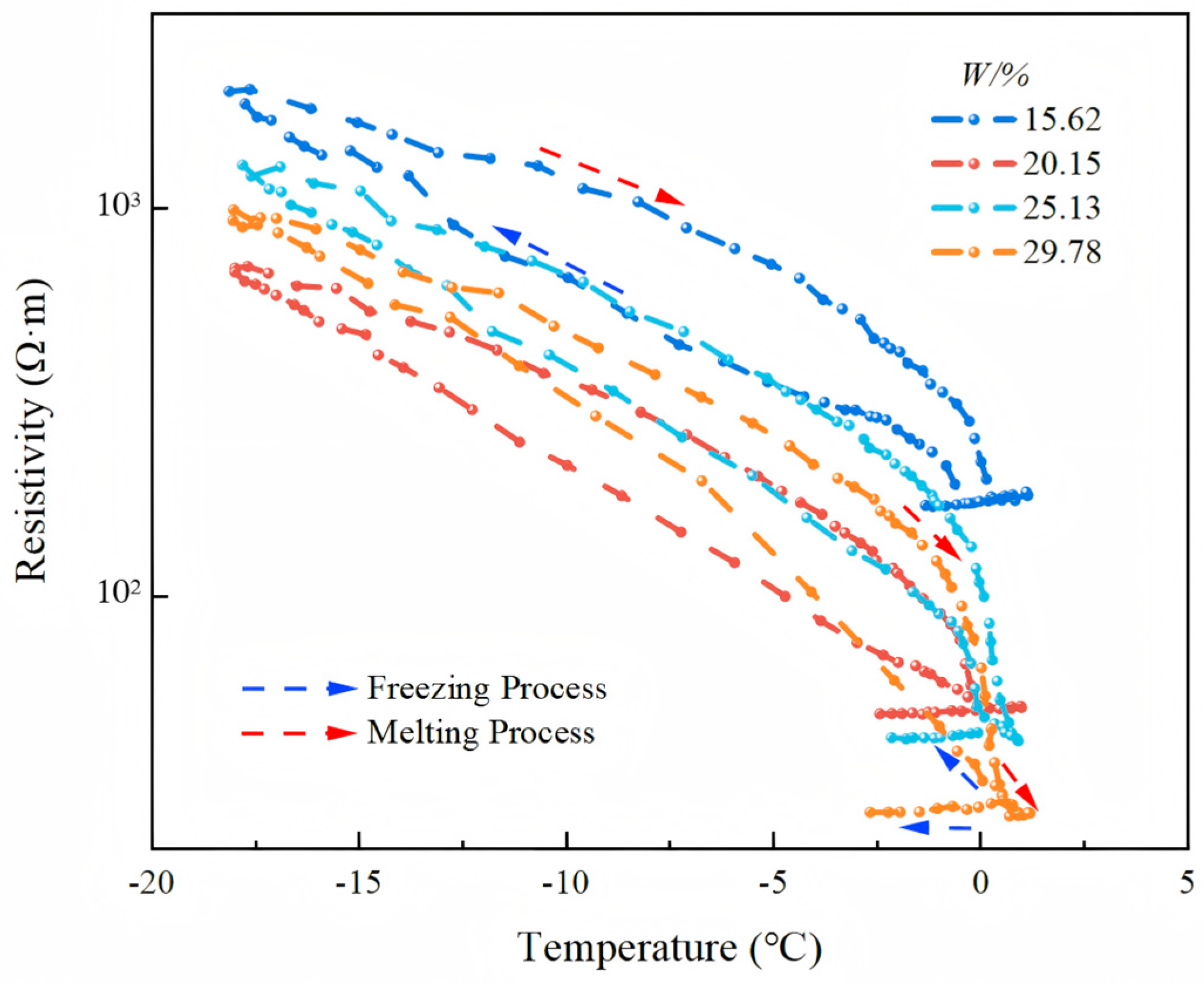
Cao et al. experimentally identified three distinct temperature-dependent stages of soil resistivity: above 0 °C, resistivity increases with decreasing temperature; near the 0 °C transition, it exhibits a sudden change during the phase shift from slightly above to below freezing; and below 0 °C, it continues to rise as temperatures drop [
34]. Building on this, Sima et al. developed a linear-heating-based simulation model using numerical simulations and principles of current fields and heat transfer to study resistivity dynamics during soil warming [
35]. Recently, Sun et al. investigated silty clay in freezing engineering, demonstrating through real-time monitoring of electrical conductivity, unfrozen water volume fraction (
θ), and temperature during freeze–thaw cycles (
Figure 9) that both resistivity and unfrozen water content exhibit temperature hysteresis [
36]. This hysteresis was quantified based on differences in electrical activation energy between freezing and thawing phases, and a theoretical resistivity-
θ model was proposed, integrating fractal characteristics of pore water pathways and heterogeneous moisture distribution in phase-change zones.
3.6. Soil Type and Structure
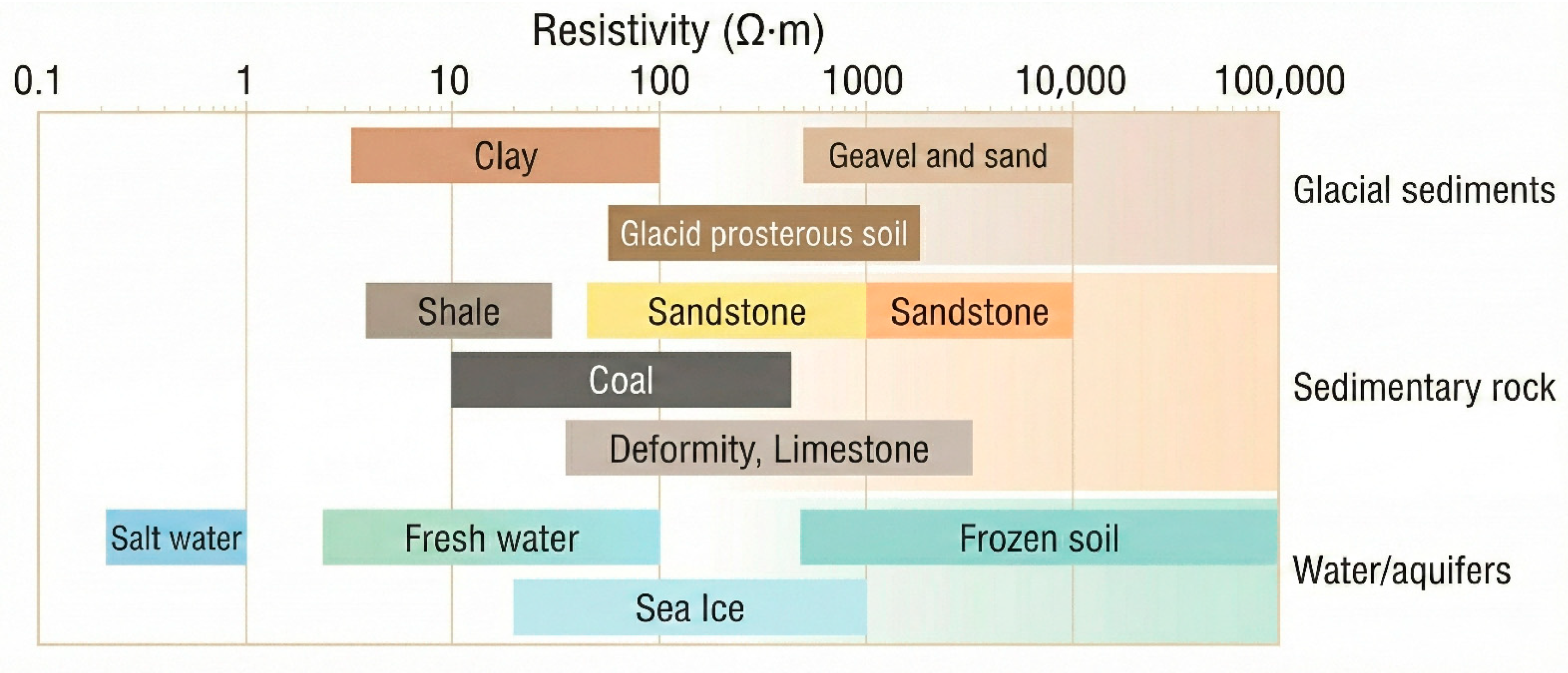
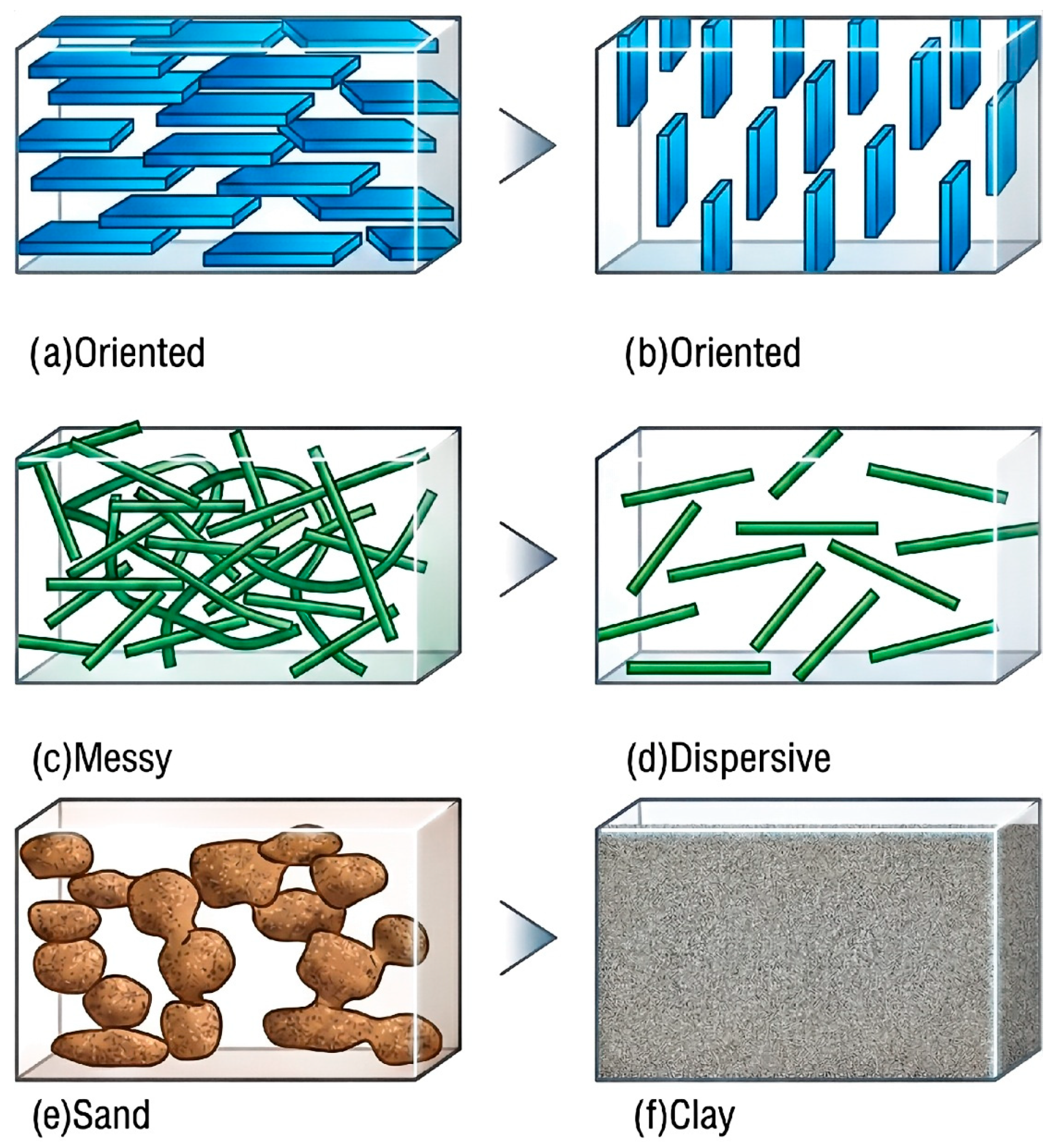
The inherent material properties and structure of soil are fundamental factors influencing its electrical resistivity. The mineral composition, fine-grained content, shape, and arrangement of soil particles collectively determine its electrical characteristics. Generally, clay with a high fine-grained content exhibits lower resistivity than sandy soil due to its large specific surface area and well-developed double layers (
Figure 10 and
Figure 11). Experiments by Yoon et al. demonstrated that an increase in fine-grained content typically reduces porosity, thereby leading to higher resistivity [
37]. However, if the fine particles themselves are highly conductive, this may conversely result in lower resistivity.
Particle size also directly affects pore structure and connectivity. Research by Abd Malik et al. found that under fully saturated conditions, resistivity significantly decreases as particle size decreases from gravel to clay [
38]. This is primarily attributed to finer-grained soils exhibiting higher porosity and more continuous pore water networks. Concurrently, the reduction in particle size is accompanied by an increase in polarizability, indicating an enhanced charge storage capacity in fine-grained soils [
39]. The authors of that study caution that in practical engineering applications, non-uniform particle sizes within a soil layer may lead to overlapping resistivity values; therefore, interpretation should be combined with particle size analysis for comprehensive assessment.
3.7. Hydraulic Conductivity
An intrinsic physical correlation exists between the hydraulic conductivity k and electrical resistivity of soils, as both properties are governed by pore structure, connectivity, and grain size distribution. Olabode and San conducted a study on granite residual soil slopes and demonstrated a statistically significant positive correlation (R
2 > 0.91) between soil resistivity and empirically derived hydraulic conductivity [
10]. Typically, coarse-grained soils with high permeability (e.g., gravelly sands) exhibit higher resistivity, whereas fine-grained, low-permeability soils (e.g., clayey sands) are characterized by lower resistivity.
Mechanistically, this is attributed to the presence of interconnected macropores in coarse-grained soils, which facilitate pathways for both electric current and fluid flow. Conversely, in fine-grained soils, the predominance of micro-pores enhances surface conduction—thereby reducing resistivity—while the high tortuosity of these pores significantly impedes fluid movement. Consequently, electrical resistivity tomography (ERT) serves not only to delineate moisture conditions and lithological variations but also to indirectly map the spatial distribution of hydraulic properties. This capability holds significant engineering value for identifying potential seepage zones in slopes and embankments.
3.8. Seepage Processes and Hysteresis Effects
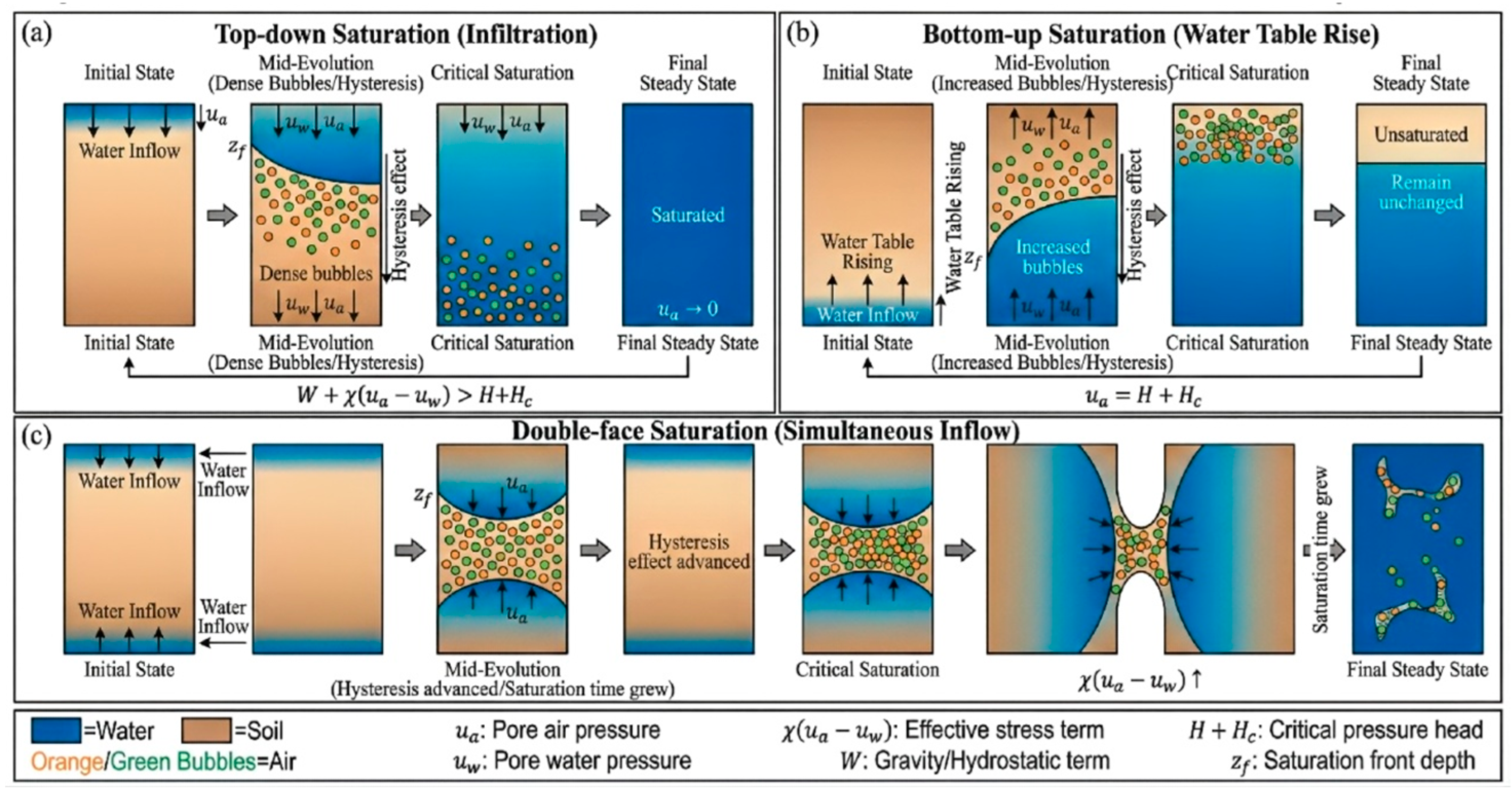
Not only is soil resistivity governed by static physical properties, but it is also intricately linked to dynamic seepage processes, exhibiting pronounced hysteresis effects—particularly under unsaturated conditions. Utilizing a high-density resistivity monitoring system, Cui et al. captured real-time moisture migration in loess under distinct infiltration modes: ponding, capillary absorption, and composite infiltration [
40].
The study revealed a high consistency between the front of decreasing resistivity and the advancement of the wetting front, while observing that hysteresis effects varied significantly across different modes (
Figure 12). By integrating a modified Archie’s model with the Van Genuchten model, the researchers established a quantitative correlation between resistivity and matric suction. This formulation enabled the inversion of soil water potential variations during the seepage process directly from resistivity data.
The underlying mechanism hinges on the entrapment and release of pore air. During ponding infiltration, compressed pore air forms a hydraulic barrier; the air escapes as bubbles only after the internal pressure exceeds a critical threshold. This phenomenon significantly slows the advancement of the wetting front and manifests as a distinct “plateau phase” in the resistivity response curve. These findings underscore the necessity of accounting for air–water two-phase interactions when analyzing resistivity variations associated with seepage in unsaturated soils.
3.9. Dynamic Loading and Structural Evolution
Dynamic loads can drastically alter the internal structure of soil, inducing a dynamic response in its electrical resistivity. Wang et al. conducted a study on the re-liquefaction of saturated sands and demonstrated that under impact loading, the variation in resistivity synchronizes with the evolution of Excess Pore Water Pressure (EPWP) across four distinct stages [
41]. It should be noted, however, that the authors did not account for the influence of temperature fluctuations induced by dynamic loading, which may also affect resistivity measurements. For future research in similar dynamic settings, it is recommended to incorporate real-time temperature monitoring and apply appropriate temperature compensation to isolate the effects. This process reveals that resistivity is sensitive to the transient reorganization, densification, and evolution of anisotropy within the soil’s microstructure. Consequently, these findings provide a basis for utilizing resistivity to monitor internal structural changes and liquefaction progression in earth–rock dams subjected to seismic events or other dynamic loads.
Furthermore, the operational parameters of the testing method itself significantly influence resistivity measurements. Minagawa et al. highlighted the ratio of probe spacing to the characteristic dimension of the specimen as a critical parameter. A larger ratio facilitates the acquisition of more stable and representative bulk resistivity values, helping to mitigate fluctuations caused by local heterogeneity [
23]. Li et al. further noted that measurement deviations arising from insufficient probe penetration depth are particularly pronounced in soils characterized by low water content and low dry density [
15]. These findings underscore that resistivity is the result of a coupling between intrinsic material properties and testing conditions. Therefore, in both practical research and engineering applications, it is imperative to standardize testing operations while controlling the material state to ensure data authenticity and comparability.
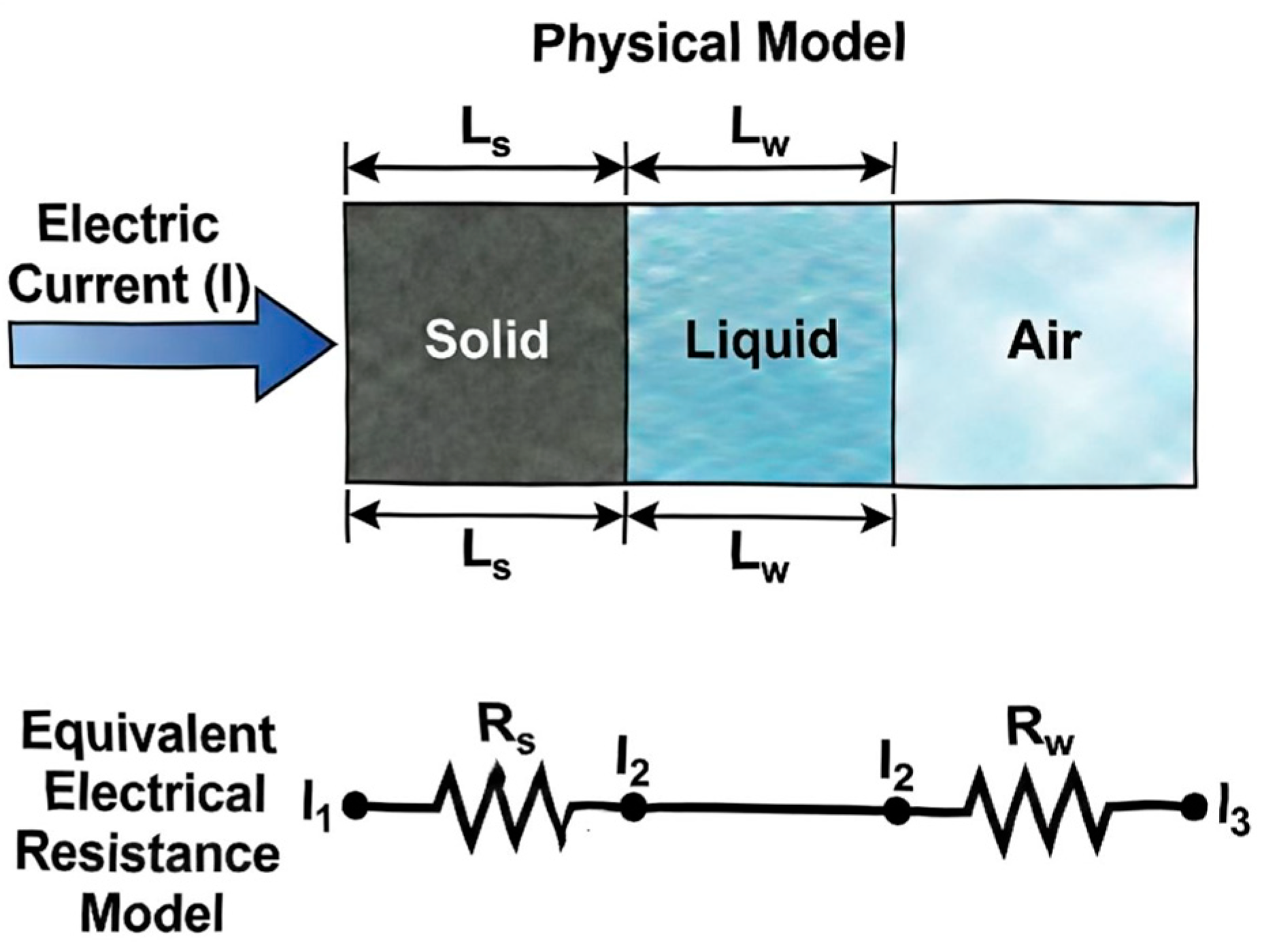
Existing research has established a relatively systematic understanding of the mechanisms governing soil resistivity. By focusing on key parameters such as porosity, water content, and saturation, and integrating Archie’s law, mineralogy, and temperature effects, scholars have developed various empirical models and theoretical frameworks. Recent studies have also made progress in quantifying multi-factor coupling effects through systematic experimentation and multivariate regression analysis. For instance, Sangprasat et al., in a study on substation backfill, demonstrated that a multivariate nonlinear model incorporating the plasticity index and dry density significantly improved prediction accuracy for cohesive soils (R
2 > 0.89). This validates the feasibility of indirectly assessing resistivity using routine geotechnical indices [
42].
However, several limitations persist in the current body of knowledge regarding soil resistivity. First, there is a scarcity of systematic, quantitative research on resistivity evolution under complex multi-physical coupling, specifically hydro-mechanical-chemical interactions. Second, the reliance of most experiments on idealized, homogeneous samples fails to adequately capture the spatial heterogeneity and anisotropy inherent in in situ engineering soils. Third, high-resolution characterization techniques for elucidating microscopic conduction mechanisms in fine-grained soils, such as clays, require further development. Addressing these challenges, future research should aim to develop multi-scale models that bridge microscopic mechanisms with macroscopic responses, while actively promoting a standardized resistivity evaluation system that comprehensively accounts for material characteristics, environmental conditions, and testing methodologies. Moreover, an in-depth understanding of the multi-factor influence mechanisms of soil resistivity helps improve the service performance of earth–rock dams and extend their lifespan, which is in line with the goals of sustainable infrastructure development.
5. Discussion
Accurate detection of seepage hazards in earth–rock dams plays a crucial role in ensuring their long-term safe operation. As a non-invasive and carbon-efficient geophysical tool, ERT minimizes the environmental footprint and structural risks associated with traditional intrusive drilling. By enabling the early identification of internal erosion and seepage evolution in sand and clay cores, this technology facilitates proactive maintenance, thereby extending the service life of water conservancy infrastructure and ensuring the long-term security of water and energy resources. Furthermore, by establishing high-precision resistivity–saturation models, engineers can implement targeted grouting and localized repairs, significantly reducing the consumption of cement and chemical grouting materials, which are associated with high carbon emissions and potential soil contamination. Consequently, advancing resistivity research is not merely a geophysical endeavor but a strategic contribution to resource efficiency and disaster risk reduction in global water management.
In this paper, we systematically review the research progress on resistivity testing methods, main influencing factors, and relevant models for common soil materials used in earth–rock dams. Based on this review, the following discussion addresses the current limitations and future research directions.
5.1. Standardizing and Refining Testing Methods
Although existing resistivity measurement techniques, such as the two- and four-electrode methods, along with their associated instruments, can meet basic measurement requirements, the accuracy of results heavily depends on operational details, including electrode–soil contact conditions, specimen geometry, and boundary effects. The current lack of unified testing standards and specifications within the industry leads to poor comparability of data across different studies. In coupled testing involving soil deformation processes, achieving accurate and continuous resistivity monitoring with minimal disturbance remains a technical challenge. Establishing a standardized testing framework that accounts for specimen geometry effects and probe configuration is a prerequisite for improving data reliability and promoting wider application of the method.
5.2. Deciphering Complex Micro-Mechanisms
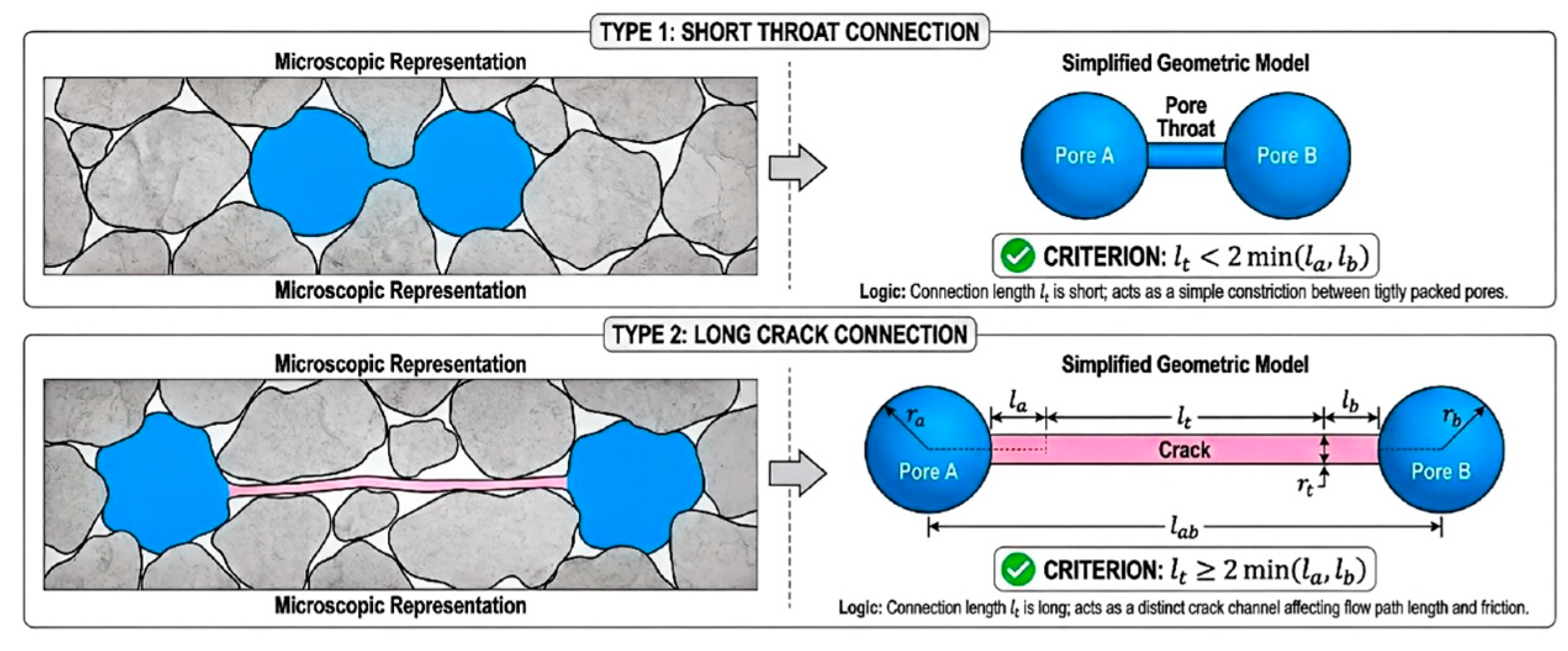
Soil resistivity is jointly controlled by various factors such as porosity, moisture conditions, pore water chemistry, temperature, and soil structure. Moreover, the conductive mechanisms of sand and clay are fundamentally different. Recent studies have begun to focus on resistivity responses and their hysteresis effects under complex processes such as seepage–stress coupling and freeze–thaw cycles. However, current understanding is largely derived from macroscopic experimental phenomena. There is still a lack of in-depth explanation regarding the quantitative patterns of resistivity variation under coupled multi-physical fields and key microscopic mechanisms such as double-layer behavior and abrupt changes in pore water network connectivity. Future research needs to employ micro- and meso-scale observation techniques to develop a cross-scale theoretical framework linking microstructural evolution to macroscopic electrical responses. In this context, the integrated application of Atomic Force Microscopy (AFM) and micro/nanoscale X-ray Computed Tomography (CT) offers a transformative approach. AFM, utilizing its various electrical modes (e.g., conductive AFM, Kelvin Probe Force Microscopy), can directly quantify the local surface conductivity, surface potential, and electrical double layer structure at the nanoscale. This allows for elucidating how changes in pore water chemistry or stress conditions alter “surface conduction” by affecting interfacial ion distribution and mobility. Conversely, X-ray CT provides non-destructive, high-resolution 3D imaging of soil specimens. Through image segmentation and pore network modeling, it can precisely quantify critical structural parameters such as pore connectivity, throat size distribution, tortuosity, and anisotropy, thereby delineating the “geometric architecture” of ionic transport paths and their dynamic evolution during freeze–thaw or stress cycles. The synergistic combination of these techniques enables the integration of nanoscale interfacial electrochemistry (characterized by AFM) with microscale pore geometric constraints (defined by CT) into unified numerical models. By performing simulations based on realistic 3D structures, it becomes possible to quantitatively deconvolve how macroscopic resistivity responses emerge from the co-evolution of microscopic interfacial behavior and pore network geometry during coupled processes. This paves the way for the mechanistic prediction and modeling of complex phenomena such as resistivity hysteresis.
5.3. Balancing Mechanistic and Practical Modeling
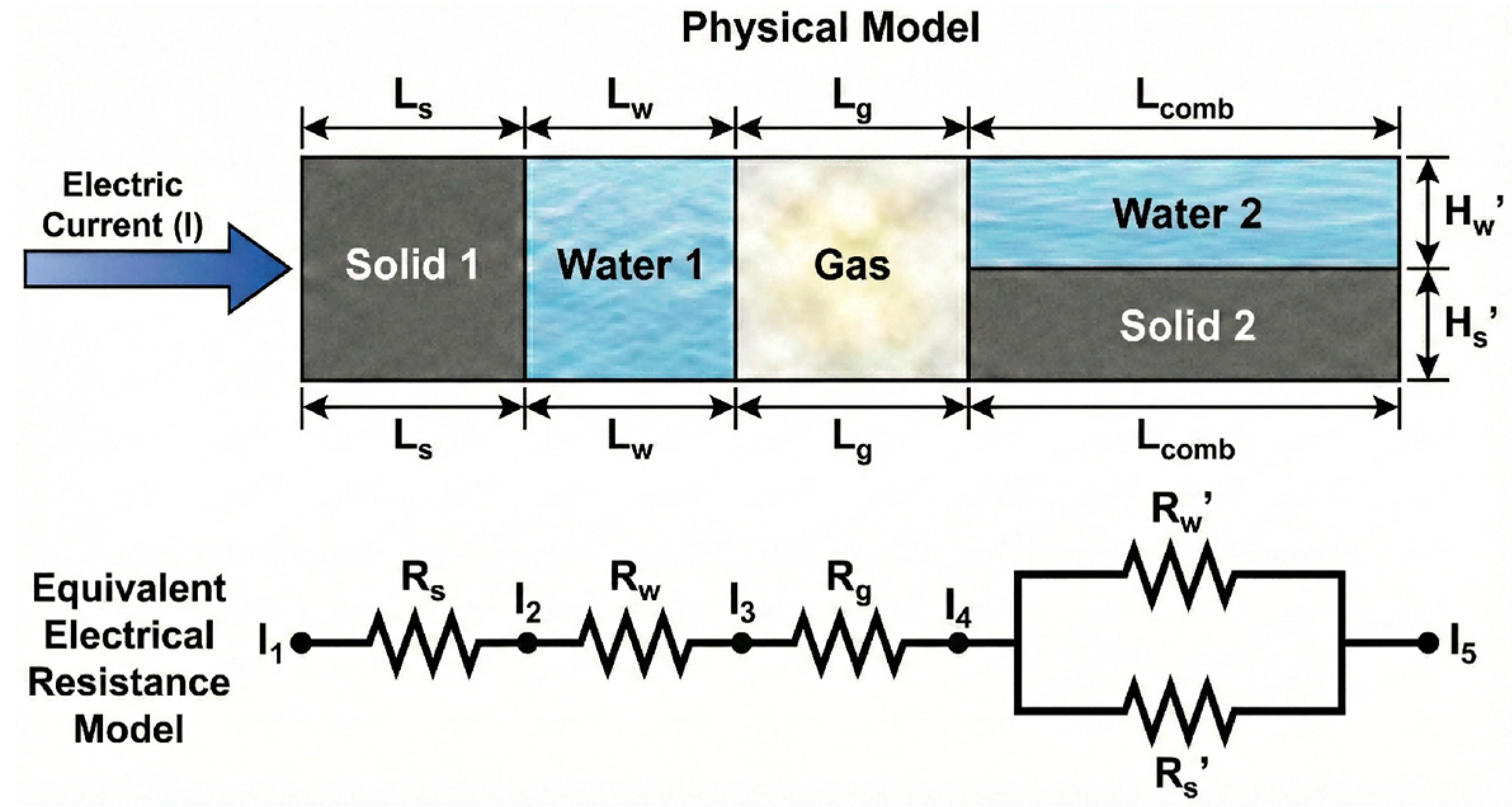
The evolution of resistivity models has progressed from empirical formulas like the Archie equation to physics-based models such as the Waxman–Smits model and three-phase parallel models and further to statistical models. In recent years, models addressing specific issues like measurement value correction, resistivity–permeability coefficient correlation, and pore network simulation have continued to emerge. However, most models have limited applicability and struggle to accurately describe resistivity behavior under complex stress paths, dynamic loading, or dynamic changes in unsaturated states. Developing next-generation models that integrate clear physical mechanisms, can characterize multi-field coupling processes, and possess good generalization capability is key to improving prediction accuracy and engineering application value. To achieve this, constructing reliable cross-scale models that bridge microscopic mechanisms with macroscopic responses is essential. A practical methodology should begin with systematically paired experimental data, correlating microstructural characterization with macro-scale resistivity measurements under controlled conditions to identify governing micro-features. Computational upscaling based on 3D pore structure simulations (e.g., finite element analysis) can then establish a quantitative physics-based link between scales. Given the complexity of natural soils, a hybrid modeling approach—augmenting classical physical models with microstructure-informed parameters while employing machine learning to capture nonlinear relationships from multi-scale datasets—is recommended. Ultimately, establishing standardized, open multi-scale benchmark datasets across the research community will be crucial for the consistent development, comparison, and validation of robust and generalizable next-generation models.
5.4. Quantitative ERT for Infrastructure Health Monitoring
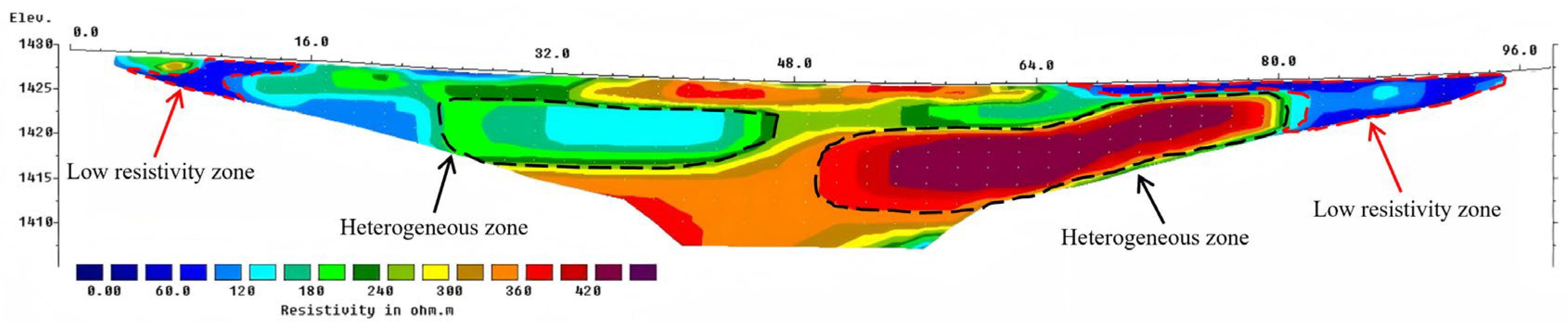
ERT has already demonstrated certain advantages in seepage detection for earth–rock dams and slope stability evaluation. The intrinsic relationship between its parameters and the hydraulic/mechanical properties of soils provides a new perspective for engineering safety assessment. Specifically, in a field application on the upstream slope of an earth–rock dam, ERT inversion profiles successfully identified several prominent low-resistivity anomalies and heterogeneous zones within the embankment, which were consistent with localized seepage paths (
Figure 17).
However, while these field results effectively highlight suspicious regions, achieving precise spatial localization of seepage points and accurate quantitative estimation of engineering parameters remains a significant challenge. Due to the inherent non-uniqueness of geophysical inversion and the complexity of environmental noise, current methods often provide more of a “zonal” indication rather than a pinpoint characterization. Future research should focus on deepening the theoretical connection between resistivity and key engineering parameters such as the permeability coefficient and matric suction and on developing multi-parameter cooperative inversion algorithms based on ERT data. This will advance the technology from its current qualitative or semi-quantitative identification stage towards more precise quantitative evaluation, enabling it to play a greater role in the long-term performance monitoring and risk early warning of major infrastructure.