1. Introduction
Despite substantial investments in digital transformation (DT), translating digital initiatives into sustained competitive benefits remains a complex organizational challenge [
1,
2]. Digital transformation can reshape organizational processes, capabilities, and value-creation mechanisms [
1,
2,
3]. However, how these digital capabilities are translated into sustainability-oriented competitive outcomes remains an important research question, particularly as firms increasingly integrate digitalization with ESG and green innovation [
4,
5]. This challenge has become increasingly important as firms face growing stakeholder expectations regarding environmental and social responsibility and long-term value creation [
6,
7]. Against this backdrop, identifying the organizational mechanisms through which digital transformation contributes to sustainable competitiveness remains an important research priority.
Against this backdrop, digital transformation has become a strategic imperative that enables firms to develop and continuously reconfigure organizational capabilities in response to rapidly changing business environments. Recent advances in digital technologies, including artificial intelligence (AI), big data analytics, cloud computing, blockchain, and the Internet of Things (IoT), have fundamentally transformed how firms process information, allocate resources, optimize operations, and support managerial decision-making [
1,
2]. Beyond improving operational efficiency, digital transformation enables firms to integrate sustainability considerations into organizational processes by strengthening ESG-related governance practices [
4,
8] and fostering green technology innovation [
5,
9]. Consequently, digital transformation is increasingly recognized not merely as a technological initiative but as a strategic organizational capability that can support sustainable competitiveness through stronger organizational capabilities and sustainability-oriented innovation.
Prior research has established digital transformation as an important organizational transformation that can reshape business processes, organizational capabilities, and value-creation mechanisms [
1,
2]. Recent empirical studies further show that digital transformation can improve ESG performance [
4,
8] and facilitate green innovation [
5,
9]. Recent studies have also examined these sustainability relationships through different causal configurations, including ESG–green innovation–financial performance and digital finance–green innovation–ESG pathways [
10,
11]. Consequently, limited evidence explains the specific process through which digital transformation strengthens ESG performance, subsequently facilitates green technology innovation, and ultimately contributes to sustainable competitiveness. This gap is particularly relevant in emerging economies, where resource constraints and differences in digital readiness may shape firms’ ability to leverage digital technologies effectively [
12].
At the same time, environmental, social, and governance (ESG) performance has become a central component of corporate sustainability strategies, extending beyond regulatory compliance and disclosure requirements to shape firms’ strategic decision-making and long-term value creation. Digital transformation can facilitate ESG performance by improving information processing, transparency, and organizational capabilities related to sustainability management [
4,
8]. As organizations increasingly integrate digital technologies into sustainability-related activities, they are better positioned to strengthen ESG performance and support green technology innovation [
4,
5]. Consequently, ESG performance is increasingly recognized not merely as a sustainability outcome, but also as a strategic organizational capability that may facilitate sustainability-oriented innovation and contribute to sustainable competitiveness.
Among sustainability-oriented innovation activities, green technology innovation (GTI) plays a pivotal role in enhancing environmental performance, improving resource efficiency, and strengthening sustainable competitiveness. GTI encompasses the development of environmentally friendly products, production processes, and organizational practices that enable firms to generate both long-term economic and environmental value [
13,
14]. Previous studies have shown that green technology innovation can enhance corporate advantage, enterprise competitiveness, and firm value [
13,
15,
16]. However, limited evidence explains how digital transformation, ESG performance, and green technology innovation operate jointly as a sequential mechanism leading to sustainable competitiveness.
Previous studies have examined ESG performance as an outcome of digital transformation [
8,
17]. Recent research has also examined ESG performance as an antecedent of green innovation and subsequent firm outcomes [
11]. However, limited evidence explains how ESG performance and green technology innovation operate as complementary sequential mechanisms within a broader pathway through which digital transformation enhances sustainable competitiveness. Addressing this gap is particularly relevant in emerging economies such as Thailand, where the translation of digital capabilities into sustainability-oriented competitive outcomes remains an important research issue.
Furthermore, digital transformation does not necessarily translate into green technology innovation. Although firms increasingly invest in digital technologies to enhance operational efficiency and strengthen organizational capabilities, such investments are not always directed toward sustainability-oriented innovation. The extent to which digital transformation fosters green technology innovation may therefore depend on financial conditions and fiscal incentives that shape firms’ strategic resource allocation [
18,
19]. In particular, income tax burden represents a financial condition that may influence firms’ resource allocation and investment incentives by affecting the internal resources available for innovation-related activities [
19,
20]. Consequently, this study examines income tax burden as a boundary condition that may influence the effectiveness of digital transformation in promoting green technology innovation.
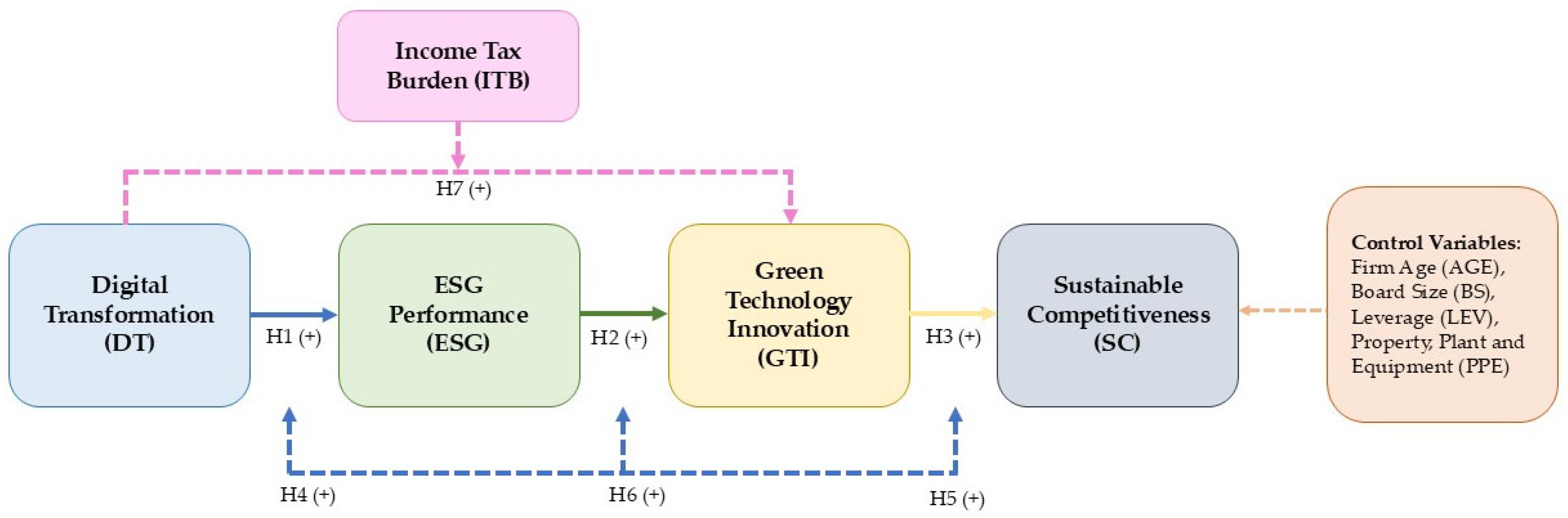
To address these research gaps, this study develops and empirically examines a sequential sustainability transformation framework linking digital transformation, ESG performance, green technology innovation, and sustainable competitiveness. The proposed framework posits that digital transformation enhances sustainable competitiveness indirectly through ESG performance and green technology innovation. ESG performance functions as a strategic organizational capability that facilitates green technology innovation, which subsequently enhances sustainable competitiveness. In addition, this study incorporates income tax burden (ITB) as a contextual boundary condition that moderates the relationship between digital transformation and green technology innovation, recognizing that financial pressures may influence firms’ strategic resource allocation for sustainability-oriented innovation.
Drawing on panel data from firms listed on the Stock Exchange of Thailand during the period 2021–2024, this study makes three primary contributions to the literature. First, it develops and empirically validates a sequential sustainability transformation framework that explains how digital transformation enhances sustainable competitiveness through the complementary roles of ESG performance and green technology innovation, thereby extending prior studies that examine these relationships through separate or alternative causal mechanisms. This framework provides a more comprehensive explanation of the organizational mechanisms through which firms transform digital capabilities into sustainable competitiveness.
Second, the study extends the digital transformation and sustainability literature by incorporating income tax burden as a contextual boundary condition influencing the relationship between digital transformation and green technology innovation. In doing so, it recognizes that the effectiveness of digital transformation may depend not only on firms’ internal organizational capabilities but also on financial conditions that shape strategic resource allocation for sustainability-oriented innovation. This perspective broadens the understanding of how contextual factors may influence digital transformation outcomes and provides a more comprehensive explanation of firms’ sustainability transformation processes.
Third, by providing evidence from firms listed on the Stock Exchange of Thailand (SET), this study extends the growing literature on digital transformation and sustainability to an emerging-market context, where differences in digital readiness and resource constraints may affect firms’ ability to leverage digital technologies effectively [
12]. The Thai setting provides evidence on how digital transformation, ESG performance, and green technology innovation jointly contribute to sustainable competitiveness within an evolving sustainability environment. This evidence contributes to a broader understanding of sustainability transformation processes in emerging markets.
The findings provide important practical implications for managers and policymakers by demonstrating how digital transformation can be strategically integrated with ESG performance and green technology innovation to enhance sustainable competitiveness. Specifically, the findings support managerial decision-making regarding digital investment and sustainability strategies while providing evidence to inform public policies that promote sustainability-oriented transformation and long-term value creation in emerging economies.
The remainder of this paper is organized as follows.
Section 2 reviews the relevant literature and develops the research hypotheses.
Section 3 presents the research design, data sources, variable measurement, and empirical methodology.
Section 4 presents the empirical results.
Section 5 reports the robustness checks.
Section 6 discusses the findings and highlights their theoretical and practical implications. Finally,
Section 7 concludes the study, acknowledges its limitations, and outlines directions for future research.
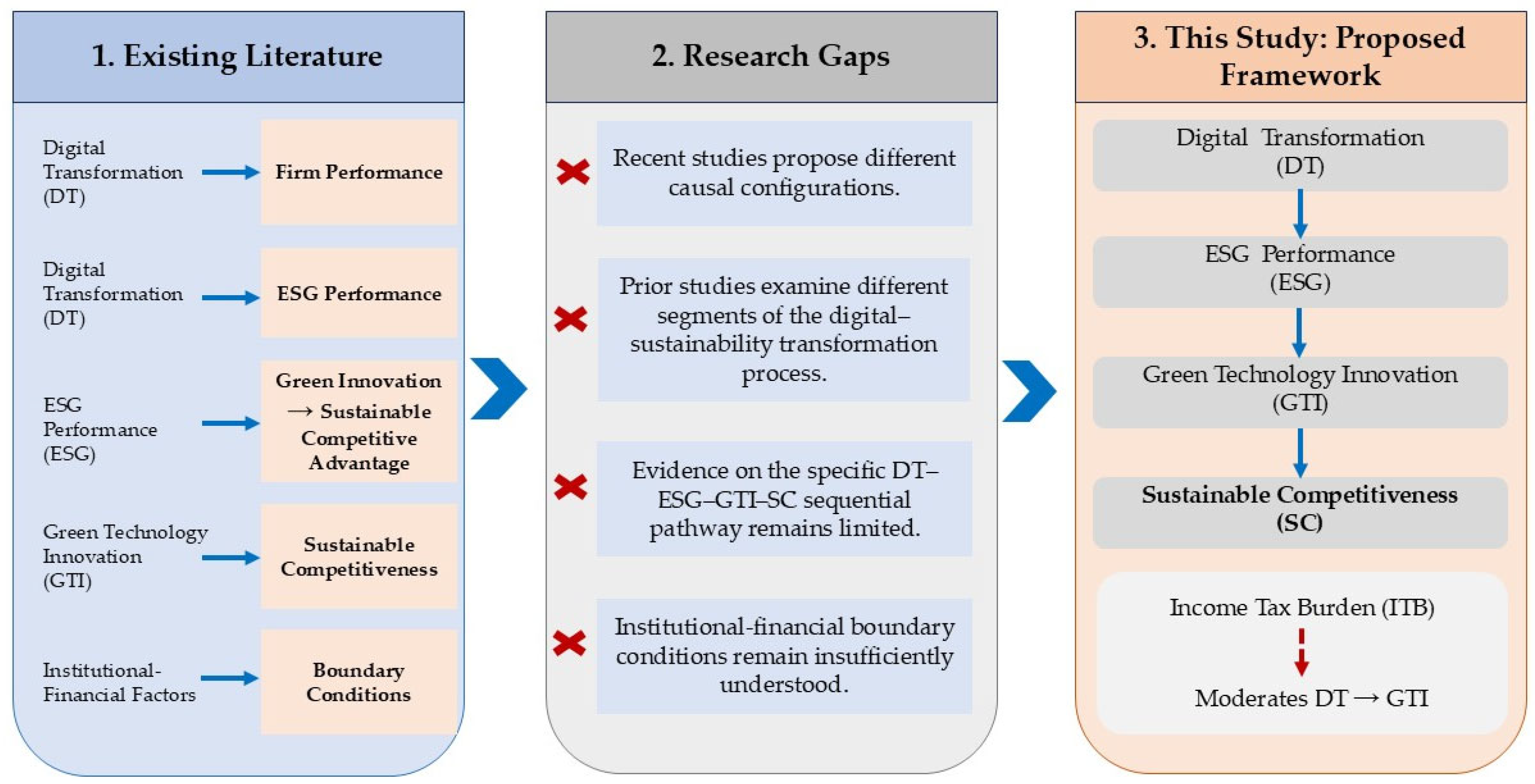
To further illustrate the motivation for this study and highlight its contribution relative to prior research,
Figure 1 summarizes the major research gaps and positions the proposed framework within the existing literature.
3. Research Design
3.1. Sample and Data Sources
This study employs a quantitative panel-data design to examine the relationships among digital transformation (DT), environmental, social, and governance (ESG) performance, green technology innovation (GTI), and sustainable competitiveness (SC). Financial and firm-level data, including ESG performance, were obtained from Bloomberg, while DT and GTI data were manually collected through content analysis of firms’ Form 56-1 One Reports and annual reports. The annual ESG100 rankings published by the Thaipat Institute were used as the sampling frame for selecting the study sample. The ESG100 provides an appropriate sampling frame because it identifies SET-listed firms recognized for outstanding environmental, social, and governance performance, making these firms particularly relevant for examining the proposed sustainability-oriented relationships [
43].
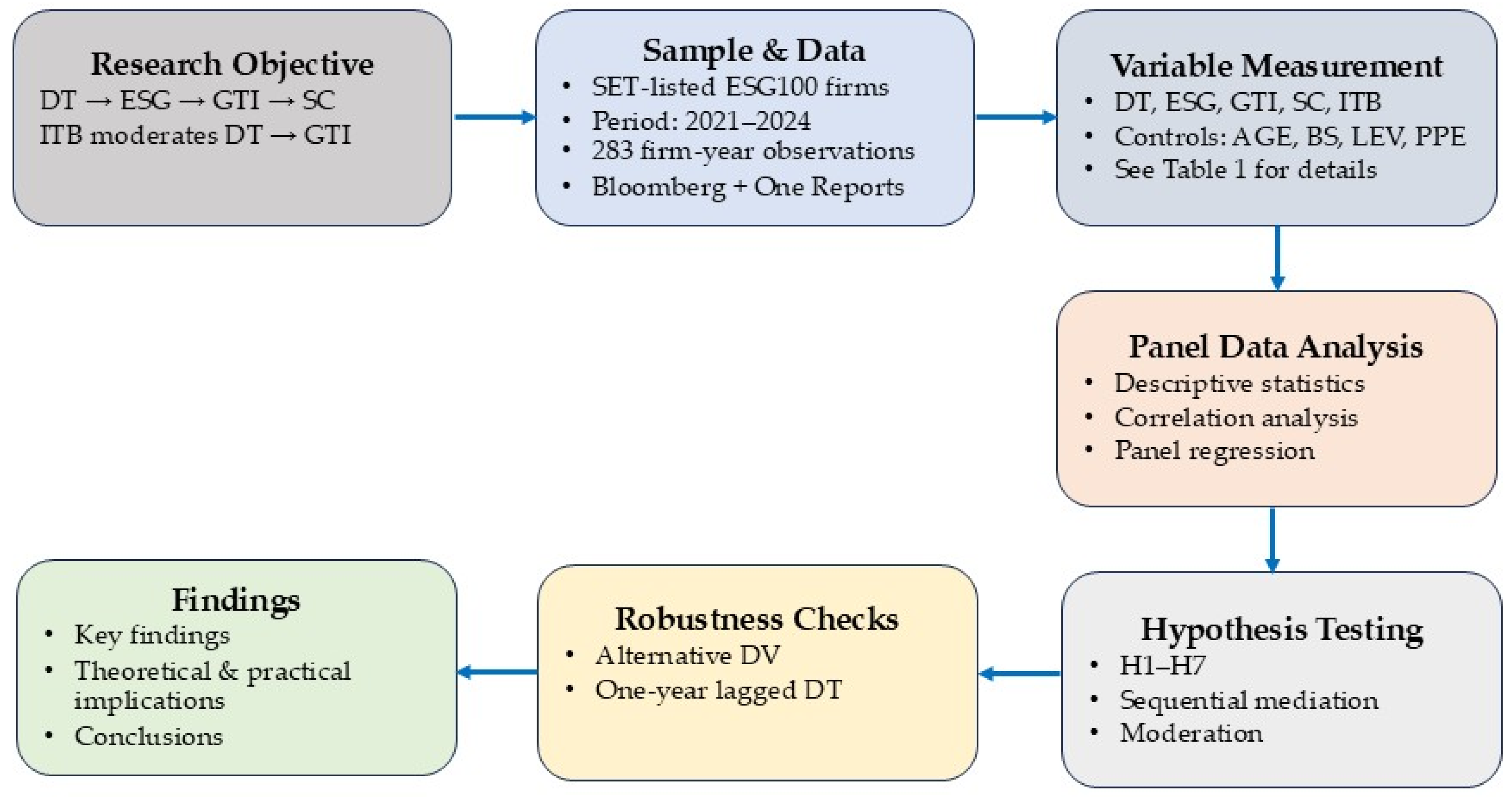
Figure 3 summarizes the research methodology and the principal stages of the empirical analysis.
The study covers the period 2021–2024, with 2021 representing an important institutional and technological transition point in Thailand. The starting year coincides with the effective implementation of Form 56-1 One Report for financial periods ending from 31 December 2021 [
44], providing a more structured and consistent source of corporate disclosure related to strategy, governance, technology, and sustainability. The period also captures the acceleration of digital initiatives during the COVID-19 disruption and their subsequent transition toward more selective and strategic implementation among Thai firms [
45]. Comparable financial, ESG, and disclosure data were consistently available throughout this period.
The initial sample consisted of SET-listed companies included in the annual ESG100 rankings published by the Thaipat Institute during 2021–2024. Companies listed on the Market for Alternative Investment (mai), financial institutions, real estate investment trusts (REITs), and mutual funds were excluded because of differences in regulatory structures, financial reporting practices, and operating characteristics. Because the ESG100 rankings are updated annually, the sample composition varies across years. After applying these criteria and excluding firms with incomplete data, the final sample comprised 131 unique firms and 283 firm-year observations in an unbalanced panel: 66 observations in 2021, 70 in 2022, 74 in 2023, and 73 in 2024.
Thailand provides an appropriate emerging-market setting for examining how digital transformation, ESG performance, and green technology innovation jointly contribute to sustainable competitiveness under evolving institutional and sustainability conditions.
3.2. Variable Measurement
This study employs panel data from firms listed on the Stock Exchange of Thailand that were included in the ESG100 index during the period 2021–2024, yielding 283 firm-year observations. The empirical model includes an independent variable, mediating variables, a dependent variable, a moderating variable, and several control variables.
3.2.1. Independent Variable
Digital Transformation (DT): Digital transformation is measured using a text-based Digital Transformation Index (DTI) constructed from keyword-frequency analysis of firms’ annual reports and One Reports. Consistent with prior digital transformation research, the index captures the extent to which firms strategically integrate digital technologies into business operations, managerial processes, and sustainability-related activities [
1,
2].
The disclosure-based text-analysis approach is particularly suitable in emerging-market contexts because digital transformation reflects firms’ strategic orientation toward digital integration and organizational transformation. The DTI was developed using a multidimensional keyword dictionary covering major categories of digital technologies, including artificial intelligence and analytics, big data and data management, blockchain and distributed technologies, cloud computing and digital infrastructure, and digital technology applications. Detailed keyword categories are reported in
Appendix A. The keyword dictionary was refined through iterative review and manual validation to ensure consistency with digital transformation disclosures in Thai listed firms.
Consistent with prior text-analysis approaches in digital transformation research [
46], AI-assisted text analysis combined with manual coding procedures was employed to improve coding consistency and measurement reliability. The frequency of digital transformation-related keywords was identified, verified, and standardized across firms to construct the Digital Transformation Index (DTI). The index ranges from 0 to 1, with higher values indicating greater digital transformation intensity and stronger strategic integration of digital technologies within firms. The DTI demonstrated satisfactory internal consistency, with a Cronbach’s alpha coefficient of 0.89.
3.2.2. Dependent Variable
Sustainable Competitiveness (SC): Sustainable competitiveness is measured as Earnings Before Interest and Taxes (EBIT) divided by average total assets. This accounting-based measure reflects a firm’s ability to generate operating returns from its existing asset base while minimizing the influence of financing and tax decisions. Consistent with the Resource-Based View, firms that deploy valuable organizational resources more efficiently are expected to achieve superior operational performance and sustain competitive advantage over time [
25]. Moreover, innovation-driven firms that effectively transform organizational resources into operating performance are more likely to strengthen long-term competitiveness [
16]. Compared with market-based measures, the EBIT-to-average-assets ratio captures firms’ underlying operational capability and resource utilization efficiency, making it particularly appropriate for assessing sustainable competitiveness because it reflects long-term value creation rather than short-term market fluctuations.
3.2.3. Mediating Variables
(1) ESG Performance (ESG): ESG performance is measured using the Bloomberg ESG Disclosure Score, which ranges from 0 to 100 and captures firms’ environmental, social, and governance practices. This measure is widely used in sustainability and ESG research because of its consistency, comparability, and standardized coverage across firms and time [
47].
(2) Green Technology Innovation (GTI): Green technology innovation is defined as the development or significant improvement of products, production processes, and service activities that reduce environmental impact and support sustainable development. Consistent with the prior sustainability and green innovation literature, GTI reflects firms’ capability to integrate environmental considerations into organizational innovation activities to improve both sustainability performance and long-term competitiveness [
13,
16].
In emerging-market contexts, disclosure-based measurement is particularly appropriate because sustainability-oriented innovation activities are often communicated through annual reports, sustainability reports, and One Reports rather than through standardized patent systems. Building upon prior green innovation and content-analysis approaches [
33,
48], this study constructs a multidimensional GTI index using a content-analysis approach based on firms’ annual reports and One Reports. The GTI framework covers green product innovation, green process innovation, and green service innovation. Detailed GTI dimensions and indicators are reported in
Appendix B.
Each indicator was evaluated using a three-point scoring system ranging from 0 to 2, where higher scores indicate greater engagement in sustainability-oriented innovation activities and environmentally related technological development. To improve coding consistency and reduce subjectivity, AI-assisted text analysis was combined with manual validation procedures. The resulting GTI index demonstrated satisfactory internal consistency (Cronbach’s alpha = 0.89).
3.2.4. Moderating Variable
Income Tax Burden (ITB): Income tax burden is measured using the effective tax rate (ETR), calculated as total income tax expense divided by pre-tax profit, consistent with prior tax research [
20]. Higher values indicate greater effective tax burdens faced by firms. The data were obtained from Bloomberg.
3.2.5. Control Variables
To control for firm-specific characteristics that may influence sustainable competitiveness, this study includes several control variables commonly used in sustainability and innovation research. Firm Age (AGE) is measured as the natural logarithm of firm age to capture organizational maturity and experience. Board Size (BS) is measured as the number of board members and is commonly used to capture board characteristics related to corporate governance. Leverage (LEV) is measured as total liabilities divided by total assets to capture financial risk and capital structure effects. Property, Plant, and Equipment (PPE) is measured as fixed assets divided by total assets and reflects firms’ capital intensity and operational infrastructure [
4,
8].
Table 1 summarizes the definitions and measurements of all variables used in the empirical analysis.
3.3. Model Specification
3.3.1. Panel Regression Framework
This study employs a panel regression framework using firm-level panel data over the period 2021–2024. Panel-data estimation is suitable because it allows the analysis of both cross-sectional and longitudinal variations while controlling for unobserved firm-specific heterogeneity [
49].
Both fixed-effects (FE) and random-effects (RE) models are estimated, and the Hausman specification test is employed to determine the appropriate model specification. To improve estimation robustness, robust standard errors clustered at the firm level are applied following [
50] to address heteroskedasticity and autocorrelation issues. In addition, year dummy variables are included to control for macroeconomic and time-specific effects across periods.
Firm-level control variables, including Firm Age (AGE), Board Size (BS), Leverage (LEV), and Property, Plant, and Equipment (PPE), are incorporated to account for differences in firm characteristics, governance structure, financial risk, and capital intensity across firms.
3.3.2. Regression Models
To test the proposed hypotheses, the following panel regression models are estimated:
ESG Performance Model (H1)
Equation (1) examines the effect of digital transformation on ESG performance.
Green Technology Innovation Model (H2)
Equation (2) examines the effects of digital transformation and ESG performance on green technology innovation.
Sustainable Competitiveness Model (H3–H6)
Equation (3) examines the effects of digital transformation, ESG performance, and green technology innovation on sustainable competitiveness.
Equation (4) examines the moderating effect of income tax burden on the relationship between digital transformation and green technology innovation, where β0 denotes the intercept, β1–βk represent the estimated coefficients, i denotes firms, t denotes years, μi captures unobserved firm-specific effects, λt represents year fixed effects, and εᵢₜ denotes the idiosyncratic error term.
3.3.3. Mediation and Moderation Testing
The sequential mediation effect of digital transformation on sustainable competitiveness through ESG performance and green technology innovation (DT → ESG → GTI → SC) is evaluated by examining the indirect effects across the proposed sequential mediation framework. The indirect effects are estimated as the product of the relevant path coefficients within the mediation model. The indirect effects are estimated using the product-of-coefficients approach, whereby the relevant path coefficients are multiplied to quantify the indirect effects through ESG performance and green technology innovation [
51]. This approach enables the examination of the direct, specific indirect, sequential indirect, and total indirect effects within the proposed mediation framework.
The moderating effect of income tax burden is examined by incorporating the interaction term between digital transformation and income tax burden (DT × ITB) into the green technology innovation model. A positive and statistically significant interaction coefficient indicates that income tax burden strengthens the relationship between digital transformation and green technology innovation.
3.4. Estimation Strategy
The empirical analysis proceeds in three stages. First, baseline panel regression models are estimated to examine the direct relationships among digital transformation, ESG performance, green technology innovation, and sustainable competitiveness. The preferred panel-data specification is selected based on the Hausman specification test, and firm-clustered robust standard errors are applied throughout the analysis to account for heteroskedasticity and within-firm serial correlation.
Second, mediation analyses are conducted to evaluate the indirect and sequential mediation effects of digital transformation on sustainable competitiveness through ESG performance and green technology innovation. The mediation results are interpreted by examining both the significance and magnitude of the indirect effects estimated from the proposed panel regression models.
Third, moderation analysis is performed to assess whether income tax burden influences the relationship between digital transformation and green technology innovation. The moderating effect is evaluated by examining the statistical significance and direction of the interaction coefficient between digital transformation and income tax burden.
Finally, robustness analyses are conducted to assess the stability of the empirical findings under alternative model specifications. Two supplementary analyses are performed. First, an alternative non-financial measure of sustainable competitiveness, proxied by marketing efficiency (income divided by marketing expenses), is employed to examine whether the baseline findings remain consistent across different measures of sustainable competitiveness. Second, a one-year lagged digital transformation variable (L_DT) is used to evaluate the temporal robustness of the proposed relationships. Both robustness analyses are estimated using the same random-effects specification with year fixed effects and firm-clustered robust standard errors as the baseline models to ensure the comparability of the empirical results.
4. Results
4.1. Descriptive Statistics and Correlations
Table 2 presents the descriptive statistics of the study variables. The results indicate variation across firms in terms of sustainable competitiveness, digital transformation, ESG performance, green technology innovation, and firm characteristics.
Sustainable competitiveness (SC) shows dispersion across observations, reflecting differences in firms’ operational performance. Digital transformation (DT) also varies across firms, indicating differences in the adoption and integration of digital technologies. ESG performance has a relatively high average value, although variation remains across firms, suggesting differences in ESG-related practices and governance activities.
Green technology innovation (GTI) demonstrates variation across observations, indicating differences in firms’ engagement in green innovation activities. Income tax burden (ITB) also varies across firms, reflecting differences in effective tax rates and tax-related financial conditions.
Overall, the descriptive statistics suggest sufficient variation in the variables for the subsequent panel regression analysis.
Table 3 presents the correlation matrix of the study variables. The results indicate that digital transformation (DT), ESG performance (ESG), and green technology innovation (GTI) are positively and significantly correlated with sustainable competitiveness (SC), providing preliminary support for the proposed hypotheses.
Specifically, DT is positively associated with both ESG and GTI, while ESG also exhibits a positive association with GTI. These findings are consistent with the proposed conceptual framework linking digital transformation, ESG performance, and green technology innovation. In addition, income tax burden (ITB) is positively associated with GTI, suggesting that tax-related financial conditions may be linked to firms’ engagement in green technology innovation activities.
Importantly, the pairwise correlations among the explanatory variables remain below the commonly accepted threshold of 0.80, indicating that multicollinearity is unlikely to pose a serious concern [
52].
4.2. Regression Results
Table 4 reports the panel regression results examining the relationships among digital transformation (DT), ESG performance (ESG), green technology innovation (GTI), sustainable competitiveness (SC), and the moderating role of income tax burden (ITB). All models include year fixed effects and clustered robust standard errors, while the random-effects specification was selected based on the Hausman specification test results.
Model (1) shows that digital transformation has a positive and statistically significant effect on ESG performance (β = 0.365, p < 0.01), supporting Hypothesis 1. This finding suggests that firms with stronger digital transformation are more likely to improve ESG-related practices, including transparency, governance quality, and sustainability-oriented management activities.
Model (2) indicates that both digital transformation (β = 0.199, p < 0.01) and ESG performance (β = 0.280, p < 0.01) positively influence green technology innovation, supporting Hypothesis 2. The results imply that firms with stronger ESG performance are more likely to engage in sustainability-oriented innovation activities and environmentally adaptive technological development.
Model (3) demonstrates that ESG performance (β = 0.373, p < 0.01) and green technology innovation (β = 0.516, p < 0.01) positively affect sustainable competitiveness, providing support for Hypothesis 3. In contrast, the direct effect of digital transformation on sustainable competitiveness becomes statistically insignificant (β = 0.070, p > 0.10) after ESG performance and green technology innovation are incorporated into the model. This finding suggests that the effect of digital transformation on sustainable competitiveness is primarily transmitted through ESG-related practices and green technology innovation rather than through a direct pathway. These findings provide support for the proposed mediation relationships in Hypotheses 4–6.
Model (4) reports the moderating effect of income tax burden on the relationship between digital transformation and green technology innovation. The results show that income tax burden positively influences green technology innovation (β = 0.202,
p < 0.01). More importantly, the interaction term between digital transformation and income tax burden is positive and statistically significant (β = 0.395,
p < 0.01), supporting Hypothesis 7. This finding indicates that firms facing higher income tax burdens are more likely to utilize digital transformation capabilities to support sustainability-oriented innovation activities.
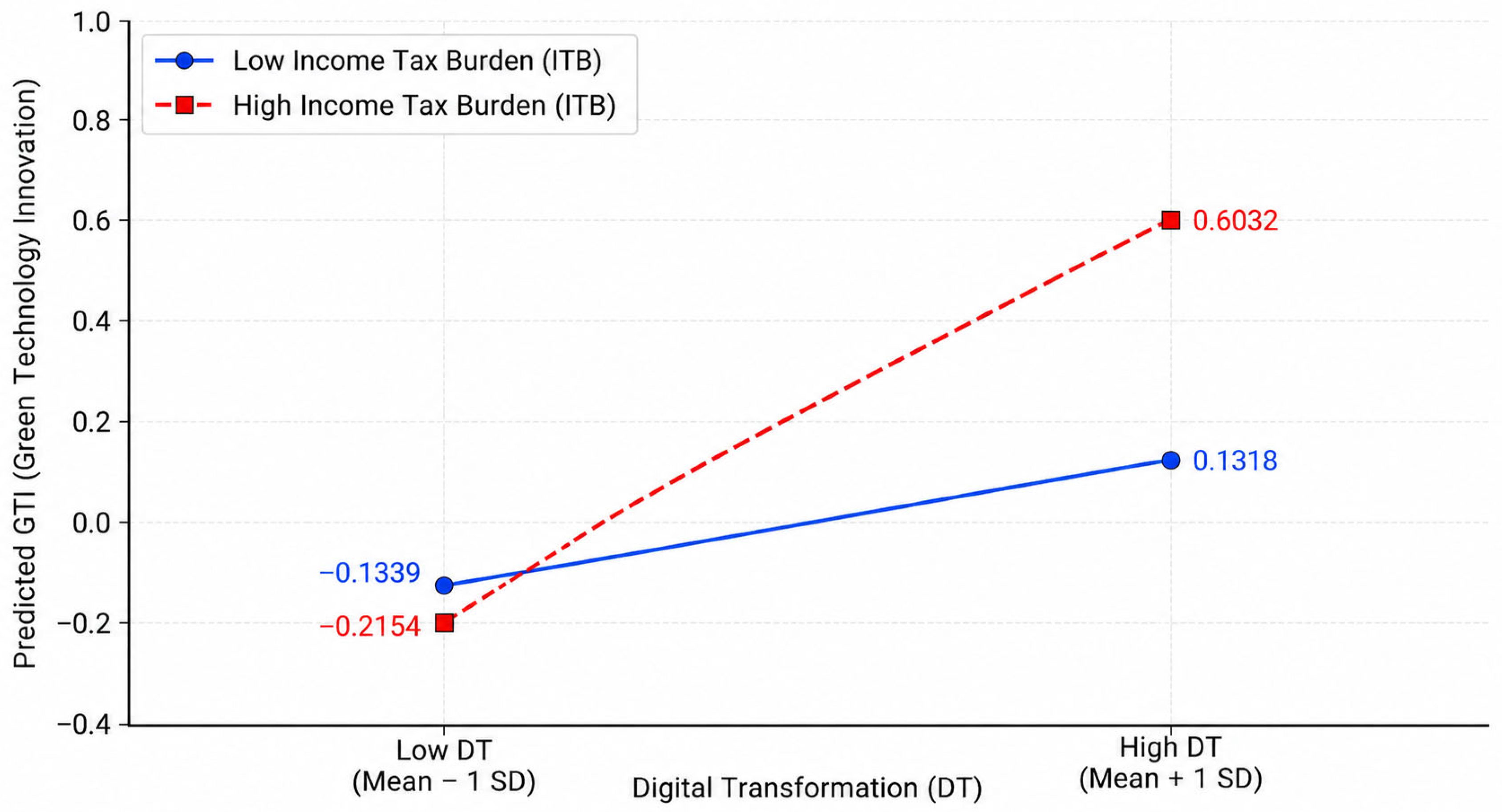
Figure 4 further illustrates that the positive relationship between digital transformation and green technology innovation becomes stronger under higher income tax burden conditions.
Overall, the findings suggest that digital transformation contributes to sustainable competitiveness indirectly through ESG performance and green technology innovation. In addition, income tax burden strengthens firms’ incentives to transform digital capabilities into sustainability-oriented innovation activities.
Figure 4 further illustrates the moderating effect of income tax burden on the relationship between digital transformation and green technology innovation. The slope for firms with high income tax burden is steeper than that for firms with low income tax burden, indicating that the positive effect of digital transformation on green technology innovation becomes stronger under higher income tax burden conditions.
4.3. Sequential Mediation Analysis
The mediation analysis presented in
Table 5 examines the transmission mechanisms through which digital transformation influences sustainable competitiveness. The indirect and sequential indirect effects were estimated using the product-of-coefficients approach based on the panel regression results reported in
Table 4.
The results indicate that digital transformation influences sustainable competitiveness primarily through ESG performance and green technology innovation. The indirect effect through ESG performance (0.136) and the indirect effect through green technology innovation (0.103) are both larger than the direct effect of digital transformation on sustainable competitiveness (0.070). This finding suggests that the competitive value of digital transformation is mainly realized through ESG-related practices and sustainability-oriented innovation activities rather than through a direct pathway.
Moreover, the sequential indirect effect through ESG performance and green technology innovation (0.053) provides additional evidence supporting the proposed sequential mediation relationship. The results imply that digital transformation strengthens ESG-related practices, which subsequently facilitate green technology innovation and improve sustainable competitiveness.
Overall, the mediation analysis supports the proposed view that the relationship between digital transformation and sustainable competitiveness operates indirectly through ESG performance and green technology innovation, consistent with Hypotheses 4–6.
5. Robustness Checks
To further assess the robustness of the empirical findings, an additional analysis is conducted using an alternative non-financial measure of sustainable competitiveness. The alternative measure is proxied by marketing efficiency, calculated as income divided by marketing expenses and obtained from Bloomberg. This indicator captures firms’ ability to convert marketing expenditures into organizational and market-related competitive performance. The robustness analysis examines whether the proposed sustainability transformation framework remains valid beyond the accounting-based measure of sustainable competitiveness.
Table 6 reports the robustness analysis using an alternative non-financial measure of sustainable competitiveness obtained from Bloomberg. The alternative measure is proxied by marketing efficiency, calculated as income divided by marketing expenses. The results remain generally consistent with the baseline findings. ESG performance continues to exhibit a positive and statistically significant effect on the alternative non-financial measure of sustainable competitiveness (β = 0.123,
p < 0.05), while green technology innovation also maintains a positive effect (β = 0.091,
p < 0.10). In contrast, the direct effect of digital transformation remains statistically insignificant.
Overall, the robustness analysis suggests that the proposed sustainability-oriented mediation relationships are not limited to the accounting-based measure of sustainable competitiveness and remain generally consistent when an alternative non-financial measure of sustainable competitiveness is employed.
Table 7 reports the lagged robustness analysis using one-year lagged digital transformation (L_DT). The results remain generally consistent with the baseline estimations. Lagged digital transformation maintains a positive association with green technology innovation, suggesting that digital transformation contributes to the development of sustainability-oriented innovation capabilities over time. ESG performance also continues to exhibit a strong positive relationship with green technology innovation, while green technology innovation remains positively associated with both the financial and non-financial measures of sustainable competitiveness.
In contrast, the direct lagged effect of digital transformation on sustainable competitiveness remains statistically insignificant, indicating that the contribution of digital transformation to sustainable competitiveness operates primarily through indirect sustainability-related organizational mechanisms rather than through immediate direct effects. Overall, the lagged estimations provide additional support for the proposed sequential mediation framework.
6. Discussion
This study advances the understanding of how digital transformation contributes to sustainable competitiveness by uncovering a sequential and process-based mechanism linking digital transformation, ESG performance, green technology innovation, and sustainable competitiveness. While prior research has established that digital transformation can reshape organizational processes, capabilities, and value-creation mechanisms [
1,
2], the results of this study indicate that the competitive value of digital transformation does not arise through a simple direct pathway. Instead, digital transformation enhances sustainable competitiveness primarily through ESG-related practices and green technology innovation. Extending prior research on the organizational outcomes of digital transformation, the findings reveal that its direct effect becomes statistically insignificant once ESG performance and green technology innovation are incorporated into the model. This evidence suggests that digital transformation creates sustainable competitive value by strengthening sustainability-oriented organizational capabilities rather than through technology adoption alone. Accordingly, this study extends the digital transformation and sustainability literature by demonstrating that intermediate organizational mechanisms, rather than digital technologies themselves, are the primary drivers through which digital transformation generates long-term sustainable competitiveness.
From the perspective of Dynamic Capabilities Theory, digital transformation enables firms to continuously reconfigure organizational resources and capabilities in response to changing technological and sustainability demands. Complementing this perspective, the Resource-Based View suggests that these digitally enabled capabilities become valuable strategic resources that strengthen firms’ abilities in data integration, transparency, operational coordination, and sustainability-related decision-making. These capabilities subsequently improve ESG performance by enhancing environmental management practices, governance quality, and organizational accountability. This interpretation is consistent with recent evidence showing that digital transformation can improve corporate ESG performance [
4,
8]. The present findings extend this evidence by showing that ESG performance serves as an intermediate organizational mechanism through which digital resources are translated into sustainability-oriented competitive outcomes. Accordingly, ESG performance should be viewed not merely as a disclosure outcome but as an important organizational mechanism embedded within digitally transformed organizational processes.
The findings further indicate that ESG performance plays a critical enabling role in shaping firms’ sustainability-oriented innovation activities. Firms with stronger ESG performance are more likely to reduce stakeholder-related uncertainty, improve organizational legitimacy, and obtain access to financial and institutional resources that support long-term innovation investment. This interpretation aligns with Stakeholder Theory [
26], which emphasizes the importance of stakeholder relationships in facilitating resource mobilization, and the Resource-Based View and Natural Resource-Based View [
25,
32], which emphasize the strategic value of organizational and environmentally oriented capabilities. Consistent with previous empirical evidence [
27,
35], the present findings indicate that firms with stronger ESG performance are better positioned to develop green technology innovation. However, this study extends the existing literature by demonstrating that ESG performance functions not merely as an indicator of corporate sustainability but as an active organizational capability that enables the transformation of digital capabilities into sustainability-oriented innovation. The findings therefore extend prior ESG research by positioning ESG performance as an active strategic mechanism that facilitates sustainability-oriented innovation rather than merely representing a passive reporting outcome.
Among the proposed mechanisms, green technology innovation exhibits the strongest direct contribution to sustainable competitiveness. This finding suggests that sustainability-oriented innovation represents the primary channel through which firms transform ESG-related capabilities into measurable competitive outcomes. Consistent with prior studies, green innovation and green technological innovation can strengthen corporate advantage and enterprise competitiveness [
13,
16]. Beyond its environmental benefits, green technology innovation strengthens firms’ technological capabilities and creates strategic advantages that support long-term sustainable competitiveness. While previous studies have primarily examined the direct relationship between green innovation and firm performance, the present findings further demonstrate that green technology innovation constitutes the final strategic mechanism through which digital transformation and ESG performance jointly generate sustainable competitiveness. However, this study extends the literature by situating green technology innovation within a sequential transformation process linking digital transformation, ESG performance, and sustainable competitiveness. This interpretation is further supported by the systematic review of [
31], which conceptualizes green innovation as a strategic implementation process involving organizational actions and capabilities. Their review emphasizes that successful green innovation depends on the integration of organizational resources, sustainability-oriented capabilities, and institutional support to generate long-term competitive and environmental value. Accordingly, the present findings provide empirical evidence that digital transformation and ESG performance jointly facilitate the implementation of green technology innovation, thereby strengthening sustainable competitiveness.
The empirical results further demonstrate that the direct effect of digital transformation on sustainable competitiveness becomes statistically insignificant after ESG performance and green technology innovation are incorporated into the model. This finding implies that digital transformation alone may be insufficient to generate sustainable competitiveness. Instead, the findings suggest that firms may realize greater long-term competitive benefits when digital capabilities are effectively integrated with ESG-oriented governance practices and sustainability-oriented innovation activities. Extending prior research on the organizational implications of digital transformation [
1,
2], the present findings indicate that the competitive benefits of digital transformation are realized predominantly through sequential sustainability-oriented organizational capabilities. This result provides empirical support for the proposed sequential mediation framework and highlights the importance of ESG performance and green technology innovation as complementary organizational mechanisms rather than independent mediators. In this sense, ESG performance and green technology innovation operate as critical transmission mechanisms through which digital transformation contributes to sustainable competitiveness.
Importantly, this study also highlights the moderating role of income tax burden in strengthening the relationship between digital transformation and green technology innovation. The findings indicate that the positive relationship between digital transformation and green technology innovation becomes stronger among firms facing higher income tax burdens. One possible explanation is that greater tax-related financial pressure encourages firms to improve operational efficiency, optimize resource allocation, and pursue environmentally adaptive innovation strategies that strengthen long-term competitiveness. This interpretation is broadly consistent with prior evidence showing that environmental and green taxation can influence firms’ resource allocation and green innovation activities, although these effects may vary across institutional and financial conditions [
38,
39,
40]. While prior studies have generally examined the direct effects of taxation on corporate investment or environmental performance, the present findings demonstrate that income tax burden also functions as an important boundary condition influencing how effectively digital transformation is translated into green technology innovation. This result extends the emerging literature by integrating taxation into the digital transformation–sustainability framework, thereby highlighting the importance of institutional and financial conditions in shaping sustainability-oriented innovation. In this context, digital transformation provides firms with technological and informational capabilities that facilitate sustainability-oriented innovation under higher financial pressure conditions.
From a theoretical perspective, these findings extend Dynamic Capabilities Theory [
21] by demonstrating that the competitive value of digital transformation depends on firms’ ability to continuously reconfigure organizational resources under financial pressure conditions. Rather than generating sustainable competitiveness directly, digital transformation creates value by enabling organizational capabilities that facilitate ESG performance and green technology innovation. The findings are also consistent with the Natural Resource-Based View (NRBV) [
32], which argues that environmentally oriented organizational capabilities constitute strategic resources for achieving sustainable competitive advantage. Furthermore, the findings reinforce Stakeholder Theory [
26] by suggesting that sustainability-oriented governance and stakeholder engagement facilitate the transformation of digital capabilities into green technology innovation and sustainable competitiveness. Collectively, these findings extend the existing literature by integrating Dynamic Capabilities Theory, Stakeholder Theory, and the Natural Resource-Based View into a unified sequential sustainability transformation framework that explains how digital transformation generates sustainable competitiveness through complementary organizational capabilities rather than through technology adoption alone. Therefore, the effectiveness of digital transformation in generating sustainable competitiveness depends on the alignment of dynamic organizational capabilities and sustainability-oriented governance, while financial conditions may further shape firms’ ability to translate digital capabilities into green technology innovation.
Overall, the findings highlight that sustainable competitiveness in the digital era is not driven by technology adoption alone, but by the integration of digital capabilities, ESG-oriented governance, and sustainability-oriented innovation activities within a coherent strategic framework. This interpretation complements the findings of [
53], which showed that corporate environmental responsibility engagement contributes to firm value through corporate innovation. Extending this perspective, the present study demonstrates that sustainability-oriented organizational practices not only enhance financial outcomes but also strengthen sustainable competitiveness through the integration of digital capabilities and green technology innovation. The robustness analysis further indicates that the main relationships remain generally consistent when an alternative non-financial measure of sustainable competitiveness and lagged digital transformation are considered, providing additional support for the proposed sustainability transformation framework. Such an integrated approach may be particularly relevant in emerging economies, where differences in digital readiness can shape firms’ ability to leverage digital technologies effectively [
12].
From a managerial perspective, the findings suggest that digital transformation alone may be insufficient to generate sustainable competitive advantages. Instead, firms should integrate digital transformation strategies with ESG-related practices and green innovation initiatives to fully realize the strategic value of digital capabilities. This integrated approach enables managers to allocate organizational resources more effectively, strengthen sustainability-oriented decision-making, and enhance long-term competitiveness rather than pursuing isolated digital investments with limited strategic impact. From a policy perspective, the findings indicate that sustainability-oriented competitiveness may benefit from coordinated support for digital transformation, ESG-related governance, and long-term green innovation. Prior evidence that environmental and green taxation can influence green technology innovation further highlights the potential role of policy conditions in shaping firms’ sustainability-oriented innovation decisions [
38,
39]. The findings also suggest that public policies promoting digital transformation should be accompanied by ESG initiatives and incentives for green technology innovation, thereby creating an institutional environment that supports sustainable competitiveness, particularly in emerging economies.
Taken together, this study contributes to the literature by demonstrating that digital transformation, ESG performance, green technology innovation, and financial conditions jointly form an interconnected sustainability-oriented transformation process. These findings complement prior studies documenting the positive organizational outcomes of digital transformation [
1,
2] by showing that its contribution to sustainable competitiveness is primarily realized through ESG performance and green technology innovation rather than through a direct effect. Thus, rather than contradicting prior evidence, the findings clarify the organizational mechanisms through which the competitive benefits of digital transformation may emerge.
7. Conclusions
This study develops and empirically validates a sequential sustainability transformation framework explaining how digital transformation contributes to sustainable competitiveness through ESG performance and green technology innovation among Thai ESG100-listed firms during the period 2021–2024. The findings demonstrate that digital transformation enhances sustainable competitiveness not through a simple direct technological effect, but primarily through interconnected sustainability-oriented organizational mechanisms involving ESG performance and green technology innovation. By identifying these complementary organizational mechanisms, this study extends the digital transformation and sustainability literature beyond technology-centric explanations and provides empirical evidence that sustainable competitiveness is supported by the integration of digital capabilities, sustainability-oriented governance, and green technology innovation.
Specifically, ESG performance and green technology innovation operate as interconnected and complementary mediating mechanisms. ESG performance functions as a strategic enabling mechanism that strengthens stakeholder trust, organizational legitimacy, and access to strategic resources, while green technology innovation serves as an important channel through which sustainability capabilities are transformed into tangible competitive outcomes. The findings further indicate that the direct effect of digital transformation on sustainable competitiveness becomes statistically insignificant after ESG performance and green technology innovation are incorporated into the model. This result suggests that digital transformation alone may be insufficient to generate sustainable competitiveness unless firms effectively integrate digital capabilities with ESG-related practices and green innovation activities. These findings are consistent with a sequential sustainability transformation process through which digital transformation contributes to sustainable competitiveness via ESG performance and green technology innovation rather than through technology adoption alone.
Importantly, this study also identifies the moderating role of income tax burden (ITB) in strengthening the relationship between digital transformation and green technology innovation. The findings indicate that the positive relationship between digital transformation and green technology innovation becomes stronger under higher levels of income tax burden. This finding extends the digital transformation and sustainability literature by demonstrating that financial conditions shape the effectiveness with which digital capabilities are translated into sustainability-oriented innovation. The robustness analysis further indicates that the main relationships remain generally consistent when an alternative non-financial competitiveness indicator is employed, providing additional support for the proposed sustainability transformation framework.
7.1. Theoretical Implications
This study offers several important theoretical contributions. First, it develops and empirically examines a sequential sustainability transformation framework explaining how digital transformation influences sustainable competitiveness through ESG performance and green technology innovation rather than through a direct technological pathway alone. Second, the study reconceptualizes ESG performance as an active strategic mechanism that facilitates the transformation of digital capabilities into green innovation activities rather than treating ESG solely as a reporting or outcome variable. Third, the findings identify green technology innovation as an important direct contributor to sustainable competitiveness, highlighting its role as a strategic mechanism through which sustainability-oriented organizational capabilities are translated into competitive outcomes.
In addition, this study extends Dynamic Capabilities Theory by demonstrating that the strategic value of digital transformation depends on firms’ ability to continuously reconfigure organizational resources under financial pressure conditions. The findings also complement the Natural Resource-Based View and Stakeholder Theory by highlighting the roles of environmentally oriented capabilities and stakeholder-oriented governance in transforming digital capabilities into sustainable competitive advantage. Collectively, these findings contribute to the literature by integrating Dynamic Capabilities Theory, Stakeholder Theory, and the Natural Resource-Based View into a unified theoretical framework that explains sustainable competitiveness through complementary organizational mechanisms operating within a sequential sustainability transformation process.
7.2. Managerial Implications
The findings suggest that digital transformation alone may be insufficient to generate long-term sustainable competitiveness. Firms are more likely to achieve sustained competitive advantages when digital transformation is strategically integrated with ESG-related practices and green innovation activities. Managers should therefore position digital transformation as a strategic enabler of ESG-related governance, stakeholder engagement, and green innovation.
In addition, ESG initiatives should be translated into concrete green technology innovation projects rather than being treated solely as disclosure or compliance activities. This integrated approach enables managers to allocate organizational resources more effectively, strengthen sustainability-oriented decision-making, and improve firms’ ability to achieve long-term competitive advantages through coordinated digital and sustainability strategies. The findings also suggest that the positive relationship between digital transformation and green technology innovation becomes stronger under higher levels of income tax burden. Accordingly, managers should align digital transformation initiatives with ESG strategies and long-term green innovation planning to strengthen sustainable competitiveness.
7.3. Policy Implications
The findings highlight that strengthening competitiveness in a sustainability-driven economy may benefit from integrated policy frameworks that extend beyond ESG disclosure requirements alone. Policymakers should promote coordinated strategies that support the alignment of digital transformation, ESG-related governance, and green technology innovation.
In particular, policies that encourage firms to allocate resources toward sustainability-oriented innovation activities may strengthen the effectiveness of digital transformation in improving long-term competitiveness. The findings further suggest that policy interventions should emphasize the simultaneous development of digital capabilities, ESG, and innovation ecosystems rather than promoting these initiatives independently. Digital infrastructure development, ESG-related standards, and innovation-support mechanisms should therefore be implemented in a coordinated manner to accelerate sustainability-oriented transformation among firms, particularly in emerging economies.
7.4. Limitations and Future Research Directions
This study is subject to several limitations. First, the analysis focuses exclusively on firms included in the ESG100 rankings published by the Thaipat Institute. Because these firms generally exhibit stronger sustainability engagement and ESG-related governance practices than other listed firms, the findings may not be fully generalizable to all firms listed on the Stock Exchange of Thailand. Future research may extend the analysis to a broader sample of listed firms or compare ESG100 and non-ESG100 firms to further examine the generalizability of the proposed sustainability transformation framework. Second, the use of secondary data may limit the ability to capture firm-level strategic intentions and managerial decision-making processes. Third, the relatively short observation period may not fully capture the long-term effects of digital transformation and green innovation activities.
In addition, although this study applies panel-data estimation with clustered robust standard errors, lagged robustness analysis, and multiple measures of sustainable competitiveness, potential endogeneity concerns may still remain due to reverse causality and omitted variable bias. Therefore, the findings should be interpreted primarily as evidence of association rather than strict causal relationships. Future research may employ dynamic panel models, instrumental-variable approaches, or generalized method of moments (GMM) estimation to further address endogeneity concerns.
Future studies may also examine whether the sequential sustainability transformation process identified in this study differs across industries with varying levels of digital maturity, environmental regulation, and institutional development. Such investigations would provide a deeper understanding of the contextual conditions under which digital transformation generates sustainable competitiveness. In addition, cross-country comparative studies may provide further insights into how institutional environments influence the effectiveness of the proposed sustainability transformation framework.