1. Introduction
The textile, apparel, and fashion (TAF) industry has been evaluated as a major consumer of resources and a significant producer of waste across its entire supply chain, leading major nations to pursue a sustainable transition [
1]. The textile industry accounts for approximately 10% of global greenhouse gas emissions and has maintained a linear economic structure in which a truckload of textile waste is buried or incinerated every second [
2]. To address these issues, the European Union (EU) announced the ‘EU Strategy for Sustainable and Circular Textiles,’ making the commercialization of textile recycling technologies and the establishment of supply chains an urgent priority [
3].
Furthermore, the ‘Ecodesign for Sustainable Products Regulation (ESPR),’ enacted by the European Commission [
4], aims to significantly improve the circularity, energy performance, and other environmental sustainability aspects of products placed on the EU market, designating the TAF industry as a priority target [
1]. The Digital Product Passport (DPP) has been established as part of the EU Ecodesign for Sustainable Products Regulation (ESPR), which entered into force in 2024. However, product-group-specific requirements for textiles, including detailed DPP provisions, are still to be specified through delegated acts [
5]. The first ESPR and Energy Labelling Working Plan 2025–2030 identifies textiles as a priority product group, with textile-related ecodesign and DPP requirements expected to be developed within this implementation process [
6]. The Extended Producer Responsibility (EPR) scheme holds producers financially responsible for the entire lifecycle of products, particularly the costs of waste collection and recycling [
7]. Anti-greenwashing measures are also developing at different legal stages. The Directive empowering consumers for the green transition was adopted in 2024 and strengthens consumer protection against misleading environmental claims, whereas the Green Claims Directive remains a proposal intended to require companies to substantiate explicit environmental claims using reliable and verifiable evidence [
8]. As such, major regulatory and policy frameworks related to sustainability in the TAF industry can be classified into several key themes.
As global textile waste problems intensify, the first Textiles Recycling Expo was held in Brussels, Belgium in June 2025. This exhibition served as an international platform to promote innovation and collaboration in the textile recycling industry, attracting 126 exhibiting companies and 3336 visitors from 67 countries, making it the largest event in the textile recycling sector. Following the European debut in Brussels in June 2025, the Textiles Recycling Expo USA 2026, held from 29–30 April in Charlotte, North Carolina, USA, holds great symbolic significance as the first specialized textile recycling exhibition in North America. In particular, Charlotte, the host city, is a traditional textile manufacturing hub and has recently attracted investment in large-scale textile recycling facilities, reflecting the region’s growing role in textile recycling and circularity.
Although scientific methodologies such as Sustainability Assessment of Textile Industry (SATIN) [
9,
10] and balanced indices such as the Framework for Integrated Sustainability Assessment (FISA) [
11,
12] have been proposed to help small and medium-sized enterprises self-diagnose sustainability levels and set improvement strategies, a standardized framework for systematically classifying and evaluating the sustainability concepts of participating companies remains insufficient relative to the rapidly expanding textile recycling market. Existing sustainability indicators are primarily focused on the marketing aspects of finished product brands, and the absence of ‘common indicators’ that can clearly distinguish the sustainability contributions of companies with diverse recycling technologies (mechanical, chemical, biological, etc.) [
13] in a mixed exhibition environment hinders sustainable decision-making [
14]. Consequently, even brands participating in eco-friendly material exhibitions struggle to effectively communicate their strengths and differentiators. Accordingly, this study distinguishes between two analytical components. “Functional classification” refers to the categorization of exhibitors according to their primary business functions, whereas the “sustainability assessment framework” refers to the four-dimensional evaluative structure and associated KPIs used to assess their sustainability characteristics.
2. Theoretical Background
2.1. Sustainability Assessment Research
Research on sustainability assessment in the TAF industry is currently one of the most actively studied areas. In particular, following the adoption of the United Nations’ 2030 Sustainable Development Agenda [
15], academic and industrial interest in sustainability across the textile and fashion industry has been continuously increasing. This agenda emphasized the achievement of 169 specific targets over 15 years, including gender equality, climate change response, and quality education, to protect human dignity and restore the Earth’s ecosystems.
According to [
16], the performance of TAF companies should be measured according to the Triple Bottom Line (TBL) framework, balancing three dimensions—economic, environmental, and social—rather than focusing solely on economic profit. They argue that an integrated approach combining Life Cycle Assessment (LCA), which measures only environmental impacts, with Life Cycle Costing (LCC), which simultaneously considers economic costs, is necessary, and highlight the need to evaluate the potential of digital technologies such as blockchain in improving sustainability performance through enhanced transparency and traceability in the supply chain [
17] presents the Circular Economy (CE) model as a key assessment tool for improving sustainability, proposing an evaluation perspective that goes beyond mere pollution reduction to redesign the entire value chain—from raw material extraction to post-consumer disposal—in a circular manner [
18] evaluates that current sustainability innovation in the textile industry is biased toward ecological rather than social innovation, emphasizing the need to move toward a balanced sustainability assessment system encompassing not only environmental but also social performance.
Study [
19], a systematic review of research published between 2009 and 2019 using the Triple Bottom Line (TBL) framework—i.e., the environmental, social, and economic dimensions—found that sustainability assessment in the current textile industry is biased toward the environmental dimension, and that further development and validation of economic and social indicators are needed. It also points out the urgency of establishing a comprehensive assessment framework suitable for developing country production sites where actual pollution is concentrated, as most research is being conducted in developed countries.
2.2. Sustainability Framework Research
Frameworks for sustainability assessment and practice have evolved from simple environmental impact assessments to increasingly integrating data science, circular economy business models, and resource-based perspectives. Life Cycle Assessment (LCA), a key tool for measuring sustainability, initially focused only on environmental impacts such as fossil fuel depletion and climate change, but has gradually expanded to Life Cycle Sustainability Assessment (LCSA), which includes social and economic dimensions. For the transition to sustainable production and consumption systems, prior studies [
20,
21] emphasize a Circular Economy framework that moves away from the linear model (acquire–manufacture–consume–dispose). Based on European Environment Agency (EEA) data, they argue for the combination of business models, technology, and social innovation for a fundamental transformation in textile production and consumption patterns. Specifically, they propose four key approaches: extending product durability and lifespan, access-based models through rental or sharing, collection and resale of secondhand clothing, and recycling and reuse for resource circulation.
Life Cycle Assessment (LCA) has been widely used to quantify the environmental impacts of textile products across different life-cycle stages. For example, Bianco et al. [
22] conducted an LCA case study of a woolen undershirt and demonstrated how inventory data can be used to evaluate environmental impacts in the textile sector. This indicates that LCA provides a useful inventory-based approach for assessing product- or process-level environmental performance, although it requires detailed primary and secondary data that may not be readily available for rapid screening of heterogeneous exhibitors.
The study in [
21] derived four frameworks research, education and engagement, reuse, recovery and redistribution, and recycling—as means of enabling companies to secure sustained competitive advantage by reinserting waste into the supply chain system, going beyond simply reducing waste. It proposes a strategic roadmap that simultaneously secures environmental value and corporate competitiveness through the organic combination of the four practices.
Comprehensively, based on prior research related to sustainability assessment and frameworks, End-of-Life (EoL) options commonly mentioned were derived as frameworks, and for Sustainability, based on sustainability assessment research, it was derived by dividing into renewability of raw materials and sustainability of processes. Finally, Technical & Digital Attributes were included to reflect content on digital technologies that have been frequently mentioned recently to enhance transparency and traceability in the supply chain.
2.3. Theoretical Positioning of the Proposed Framework
The framework proposed in this study responds to these three constraints. It retains Material Renewability, Process Sustainability, and End-of-Life Options as dimensions grounded in the circular economy literature and the waste management hierarchy and adds Technical & Digital Attributes as a standalone fourth dimension. It is scored against publicly disclosed and third-party verifiable evidence, which allows heterogeneous recycling technologies—mechanical, chemical, and biological—to be compared on common criteria under the information conditions that actually prevail in an exhibition environment.
Table 1 summarizes how the proposed framework is positioned relative to established approaches with respect to unit of analysis, dimensional coverage, data requirements, and the specific limitation each leaves unaddressed in this context. As the table indicates, the framework is best understood not as a substitute for life cycle assessment but as a screening layer positioned upstream of it: it is designed to narrow a heterogeneous supplier field to a comparable shortlist, after which inventory-based methods can be applied to the selected firms. It should be noted that the proposed framework does not aim to provide a comprehensive assessment of sustainability across the full environmental, social, and economic dimensions of the Triple Bottom Line (TBL). Rather, TBL is used as a theoretical reference for positioning the present study within the broader sustainability assessment literature. The proposed framework specifically provides a preliminary assessment of exhibitors’ circularity-related characteristics, technological capabilities, and publicly evidenced practices.
3. Materials and Methods
3.1. Research Questions
This study aimed to classify companies in the textile recycling sector into categories based on exhibitor information provided on the official website of the ‘2026 Textiles Recycling Expo’ and systematize the characteristics of each category. By presenting preliminary data providing a comprehensive overview of the textile recycling industry structure, we seek to establish a foundation for more in-depth sustainability assessment and industry policy discussions. To this end, the following research questions (RQs) were established.
RQ1: Develop a functional classification of participating companies based on their primary business functions.
RQ2: Develop a sustainability assessment framework for evaluating the sustainability characteristics of participating companies.
RQ3: Evaluate the sustainability of exhibition-participating brands using the derived framework.
3.2. Research Subject and Procedure
This study conducted a qualitative content analysis to establish a functional classification of participating companies and to develop a sustainability assessment framework for evaluating their sustainability characteristics. The research subjects were set as companies that officially participated in the 2026 Textiles Recycling Expo, and the study was conducted based on empirical data in order to ground the framework in observed exhibitor characteristics rather than in a priori theoretical categories.
Accordingly, this study is positioned as an exploratory and applied study with a theoretical foundation, in which a literature-informed framework is preliminarily applied to actual exhibition participants to examine its practical applicability.
The 2026 Textiles Recycling Expo USA was selected as the empirical setting because it is the first specialized textile recycling exhibition in North America and includes exhibitors representing diverse technologies and functions across the textile recycling value chain. The 78 participating exhibitors therefore provided an appropriate setting for examining the functional structure of the emerging textile recycling sector and for preliminarily applying the proposed assessment framework across heterogeneous organizational types.
The analysis consisted of two distinct analytical levels. First, the 78 exhibitors were functionally classified according to their primary business activities into four groups: Hard-tech Infrastructure, Chemical & Material Innovation, Logistics & Waste Management, and Knowledge & Support Services. Second, the sustainability characteristics of the selected companies were assessed using a separate four-dimensional framework comprising Material Renewability, Process Sustainability, End-of-Life Options, and Technical & Digital Attributes. Thus, the four functional categories were used solely for classifying company activities and were not treated as sustainability assessment dimensions.
In this study, recycling serves as the central analytical context linking the functional classification and sustainability assessment. The functional classification captures exhibitors’ roles across the textile recycling value chain, including recycling equipment and process automation, chemical recycling, recycled material production, and waste collection and management. The sustainability assessment framework further evaluates recycling-related characteristics through KPIs concerning recycled content, recyclability, textile-to-textile recycling participation, and end-of-life options.
The research procedure consisted of three major stages: data collection, classification system construction, and preliminary framework application. In the data collection stage, primary data was secured from the list of participating companies published on the official website of the 2026 Textiles Recycling Expo, and organized based on a comprehensive classification framework. Information on each company’s technical characteristics, business areas, and sustainability-related activities was primarily sourced from company introduction materials provided on the exhibition’s official website, and when information was insufficient, additional investigation and supplementation using the company’s official website and publicly available corporate materials was conducted. When sufficient publicly available information was not available to assess a specific indicator, the item was recorded as “not available (N/A)” rather than assigned a zero score. N/A values were excluded from the calculation of mean scores, as the absence of publicly disclosed information does not necessarily indicate the absence of the corresponding sustainability practice or capability. Through this process, a dataset was built for a total of 78 participating companies.
The analysis followed a three-stage coding sequence. Open coding was conducted based on the 21 official categories presented by the exhibition to systematize the basic information needed for data analysis. At this stage, each company profile was segmented into meaning units describing technology type, position in the value chain, material inputs, and any stated environmental claim. Axial coding was then conducted to organize materials reflecting various technology types and value chain stages in the textile recycling industry. Codes referring to the same functional role were merged, and the 21 official expo categories were consolidated into 11 specific categories nested within four functional groups, the criterion for grouping being the company’s primary function in the recycling value chain rather than the material it handles. In the next stage, selective coding was performed to derive a framework that can multi-dimensionally classify the sustainability of participating companies. Here the axial categories were re-read against the sustainability assessment literature, and codes were sorted according to the stage of the material lifecycle they addressed input, transformation, or post-use with a residual group of codes referring to information and traceability technologies that did not map onto any single lifecycle stage. These four groupings became the dimensions of the assessment framework reported in
Section 4.2. The dimensions were therefore derived inductively from the exhibitor data and subsequently cross-checked against prior research, rather than being imposed deductively.
Finally, to pilot the derived framework, a total of 11 companies were selected through purposive sampling from the 78 participating companies to be representative of each sub-category. The selection criterion was maximum variation: for each of the 11 specific categories, the company whose publicly available documentation was most complete was selected, so that the pilot would test the framework across the full range of functional types rather than within a single technology domain. As shown in
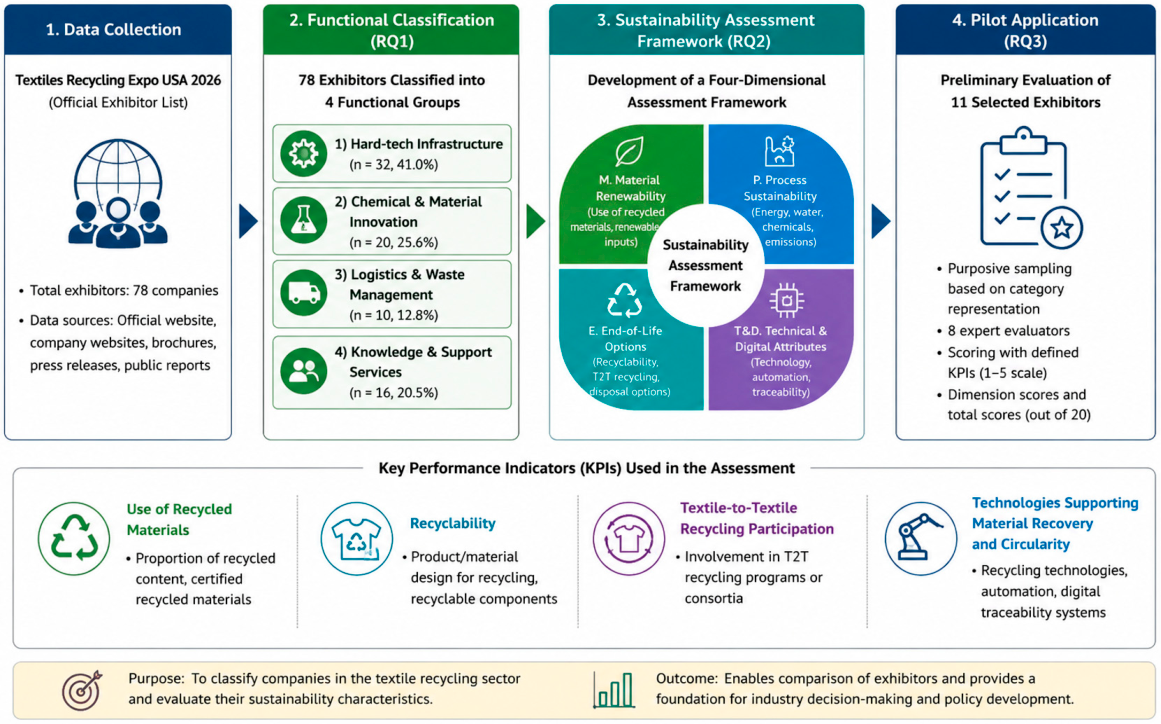
Table 2, the selected companies were coded from B1 to B11 by category for analysis. The overall research framework and analytical procedure, from data collection and functional classification to framework development and preliminary pilot application, are summarized in
Figure 1.
3.3. Analysis Method
To address the limitations of ambiguous sustainability labeling mentioned in the introduction, a comprehensive sustainability assessment framework was developed. The framework was developed based on qualitative content analysis, referencing sustainability assessment frameworks related to the TAF industry and prior research related to sustainability.
Candidate indicators identified during selective coding were retained as KPIs only if they satisfied three criteria. The first was literature recurrence: the indicator had to appear in at least two independent prior studies or regulatory instruments, so that the framework would rest on established rather than idiosyncratic constructs. The second was evidentiary verifiability: the indicator had to be substantiable through a third-party certification, a published technical specification, or an equivalent externally auditable record, since an indicator that can only be confirmed by the company itself cannot serve the anti-greenwashing purpose of the framework. The third was discriminant capacity: the indicator had to differentiate among the four functional groups, and indicators that were either universally present or universally absent across the 78 companies were excluded as non-informative.
Two of the authors carried out the coding. Two lead authors conducted independent coding on the 78 participating companies and categorized them according to their technical characteristics. Coding was performed independently and without reference to the other coder’s assignments, using a shared coding manual that specified the operational definition of each functional category and the decision rule for companies spanning multiple categories, namely assignment to the category corresponding to the firm’s primary revenue-generating activity as described in its own materials. To maximize the exclusion of the researchers’ subjective views and biases, two researchers cross-validated the analysis data. Disagreements were recorded and resolved through negotiated agreement, and cases that could not be resolved by discussion were referred to the external expert for arbitration. Finally, the classification system was confirmed through review and consensus by one expert with over 10 years of practical experience in the fashion, textiles, and sustainability fields.
The completed framework was then applied in a pilot evaluation. A survey was conducted with 8 experts to score the sustainability of the 11 selected companies using the developed framework.
3.4. Expert Evaluation Procedure
To enhance the validity and objectivity of the proposed sustainability assessment framework, an expert-based evaluation was conducted. Eight experts with academic or professional experience relevant to textile sustainability, recycling technologies, environmental management, and sustainability assessment participated in the evaluation. The expert panel consisted of six experts from academia and two experts from industry, thereby incorporating both academic and practical perspectives into the evaluation.
Each company was independently evaluated by the eight experts using a five-point scale. Higher scores represented stronger evidence of performance in relation to the corresponding sustainability criterion, whereas lower scores indicated limited evidence. When sufficient information was not available to support a reasonable assessment, the corresponding item was treated as unavailable rather than assigning an arbitrary numerical score. The individual ratings were subsequently compiled and used to calculate the sustainability assessment results.
Inter-rater consistency was examined using the two-way random-effects, absolute-agreement, average measures intraclass correlation coefficient [ICC(2,k)] and Kendall’s coefficient of concordance (W). For the observations with complete ratings from all eight experts, the ICC(2,k) was 0.340. Kendall’s coefficient of concordance was W = 0.240, χ2(153) = 183.528, p = 0.047, demonstrating that the concordance among the expert ratings was statistically significant, although its magnitude was relatively modest. These findings suggest that, despite some variation in the absolute scores assigned by individual experts, a statistically detectable degree of consistency was present in their relative evaluations.
4. Results
4.1. Categorization of Exhibitors Based on Function (RQ 1)
The 78 participating companies were categorized into four major categories based on their technical characteristics (
Table 3), and such exhibition participation data can be used as material for analyzing the value chain of eco-friendly textiles and the recycling industry. First, Hard-tech Infrastructure relates to the physical machinery and systems for recycling, including companies related to baling and shredding equipment, fiber manufacturing and processing equipment, and process automation. Second, Chemical & Material Innovation is a high-value-added sector dealing with upgrading recycled materials or chemical decomposition, including companies related to chemical recycling, material improvement, and final material production. Third, Logistics & Waste Management is an upstream sector responsible for resource recovery and sorting, including companies related to collection and transport, waste supply and trade, and comprehensive management services. Finally, Knowledge & Support Services is a sector related to R&D and consulting, classified as companies related to consulting or specialized research.
In summary, a large number of companies exist in the collection, transport, and sorting systems sector, confirming that automation and scaling of the pre-recycling stage is a key issue in the textile recycling industry. Some companies (OMRA, Pellenc, Stadler) possess optical sorting and sensor-based technologies, confirming the importance of AI and sensor convergence technologies. In terms of specific categories, Process Automation represented the largest group, with 22 companies (28.2%), followed by Recycled Material Production with 11 companies (14.1%) and Chemical Recycling with eight companies (10.3%). This distribution indicates the prominent presence of automation and processing technologies among the exhibitors. INNOCHEM, and Jiaren are pursuing polymer-level regeneration, and chemical recycling technology can be seen as functioning as a key intermediate process for realizing the textile circular economy [
25]. Manufacturing, application, and systems are being integrated, with recycled textiles entering a stage of integration into existing spinning and weaving systems, suggesting that commercial viability has strengthened from the previous experimental stage.
Companies such as Roseco Srl, ESO RECYCLING, and New Retex A/S were active across 4–6 broad categories spanning collection to sorting and recycling line supply, confirming that the textile recycling industry is not a single-technology industry but a ‘system industry’ with a full value chain structure from collection–sorting–recycling–manufacturing–verification. A notable finding was the high proportion of waste sorting systems, which can be interpreted as a market response to the mandatory textile waste separation regulations in advanced countries such as the EU.
4.2. Development of the Sustainability Assessment Framework (RQ2)
A four-dimensional sustainability assessment framework was developed as shown in
Table 4, referencing the exhibitor categorization data from
Section 4.1 derived through qualitative case analysis, sustainability assessment frameworks related to the TAF industry [
23,
24,
26,
27], and prior research related to sustainability [
28,
29,
30,
31,
32].
The first assessment dimension is Material Renewability, defined as the core principle of the circular economy that reduces dependence on non-renewable resources and decouples economic activity from resource consumption through renewable or recycled inputs. This includes not only the use of rPET (recycled polyester), but also the adoption of bio-based materials and regenerative agricultural materials that presuppose soil recovery [
33] (Rhodes, 2017), as well as company policies that fundamentally prevent environmental burdens arising from the raw material extraction process.
The second assessment dimension is Process Sustainability, defined as technological innovation that minimizes resource consumption and blocks pollutant discharge in the manufacturing and processing stages after raw material procurement. This includes waterless dyeing technology [
34] in dyeing and finishing processes with high environmental impact, energy-efficient automated sorting systems, and the use of low-impact chemicals [
28], aiming to simultaneously achieve production efficiency and environmental protection. The Cleaner Production (CP) methodology defined by the United Nations Environment Programme [
35] was referenced, prioritizing prevention of waste generation within the production process and improvement of energy efficiency over end-of-pipe treatment methods.
The third assessment dimension is End-of-Life (EoL) Options, defined as a management system that ensures materials re-enter the value chain through recyclability, biodegradability, design for disassembly, and upcycling after a product’s use has ended, rather than leading to landfill or incineration. This includes considering recyclability and biodegradability from the design stage and building service models that promote upcycling. This embodies the perspective of Extended Producer Responsibility (EPR), where brands take responsibility for the entire lifecycle of products. It is grounded in the Waste Management Hierarchy specified in the Waste Framework Directive [
36], which ranks waste management options in order of environmental preference: Prevention > Reuse > Recycling > Recovery > Disposal [
37].
Finally, the fourth assessment dimension is Technical & Digital Attributes, which covers enabling technologies that facilitate transparency, traceability, and efficiency within the supply chain, including AI-driven sorting algorithms, blockchain for supply chain history management, and the introduction of Digital Product Passports (DPP) containing product sustainability information [
27,
38]. Accordingly, these attributes are treated as enabling capabilities for traceability, transparency, and verification rather than as direct measures of sustainability performance. This can prevent greenwashing and provide consumers with accurate information. In particular, the DPP is expected to function as a key policy tool for improving product-level transparency and traceability by making relevant sustainability information digitally accessible. Under the EU’s Ecodesign for Sustainable Products Regulation (ESPR), which is already in force, the first Ecodesign and Energy Labelling Working Plan 2025–2030 identifies textiles as one of the priority product groups. However, the detailed ecodesign requirements and DPP provisions for textiles have not yet been enacted and are expected to be specified through future delegated acts [
39]. With respect to research on AI-based automated material classification and the circular economy, analyzed how automated classification technologies leveraging computer vision and machine learning models enhance the accuracy and scalability of textile recycling, emphasizing that these technologies constitute a core enabling technology underpinning the circular economy [
40].
Table 4.
Sustainability Assessment Framework and Its Theoretical Basis.
Table 4.
Sustainability Assessment Framework and Its Theoretical Basis.
| Criterion | Definition & Scope | Theoretical Support & Evidence |
|---|
1. Material
Renewability | Definition: Evaluates the sustainability of raw inputs, focusing on the transition away from virgin, non-renewable resources.
Scope: Includes the use of rPET (recycled polyester), bio-based feedstocks, and regenerative agricultural materials. | Ellen MacArthur Foundation, 2013;
Fois et al., (2022);
Rhodes, 2017
[2,26,33] |
2. Process
Sustainability | Definition: Assesses the environmental impact of manufacturing and processing, identifying technologies that reduce resource consumption.
Scope: Includes waterless dyeing technologies, energy-efficient sorting mechanisms, and low-impact chemical additives. | Ibrahim & Hussain, 2021;
Butturi et al., 2025
Khatri et al., 2015;
UNEP, 1990
[28,32,34,35] |
| 3. End-of-Life Options | Definition: Examines how the brand contributes to the post-consumer phase, ensuring materials do not end up in landfills.
Scope: Includes services facilitating recyclability, biodegradability, disassembly, and upcycling. | Jia et al., 2020;
European Union, 2008;
European Commission, 2022, 2025;
Ahmed et al., 2025
[23,24,36,39,41] |
4. Technical & Digital
Attributes | Definition: Covers enabling technologies that facilitate transparency, traceability, and efficiency within the supply chain.
Scope: Includes AI-driven sorting algorithms, blockchain for transparency, and digital traceability passports. | Roh, 2025;
SGS, 2025;
European Commission, 2022;
European Commission, 2025
[27,29,39,41] |
In summary, four core criteria for evaluating sustainability in the textile and fashion industry were presented through the development of a framework that can be used as a four-dimensional sustainability assessment framework for sustainability. First, material circularity using renewable raw materials and not emitting harmful substances was emphasized. Second, process eco-friendliness that increases energy efficiency and prevents pollution was proposed as a major indicator. In addition, post-use management plans that allow recycling or upcycling instead of landfill after the product’s end of life were focused on. Finally, the technical requirements for ensuring transparency and traceability in the supply chain using blockchain and digital passports were described. This framework ultimately aims to systematically direct the transition toward a circular economy system that minimizes waste and maximizes resource efficiency.
4.3. Framework Dimensions and KPIs (RQ 3)
4.3.1. Framework Dimensions and KPI Definition
Through this framework, key performance indicators (KPIs) for measuring the actual sustainability contributions of recycling textile exhibiting companies were defined in detail through four key categories covering from raw material extraction to the end-of-life stage of products (
Table 5). The Material Renewability (M) category evaluates departure from virgin (non-renewable) resources and can evaluate companies that comply with the ‘Material Health’ and ‘Safe and Renewable Inputs’ principles of circular economy literature. In detail, use of recycled polyester (rPET)—i.e., post-consumer recycled content—can be verified through GRS (Global Recycled Standard) or RCS (Recycled Claim Standard) certification. The renewability of raw materials can be proven through certifications such as USDA Bio Preferred and ISCC Plus for bio-based feedstocks. Additionally, the market competitiveness of upcycled products can be measured by comprehensively evaluating the aesthetic value, durability, and mass production potential of the products.
Process Sustainability (P) evaluates the technical capability to minimize the environmental load in the manufacturing and processing stages. This is grounded in the UN Environment Programme’s (UNEP) ‘Cleaner Production’ methodology, which prioritizes pollution prevention and resource efficiency. In detail, water resource reduction efficiency compared to conventional methods can be quantified through supercritical CO2 dyeing, AirDye technology, and similar waterless dyeing technologies. For energy-efficient sorting, energy consumption per process unit or adoption of renewable energy can be documented and evaluated.
End-of-Life Options (E) measures how much the company contributes to preventing landfill in the post-consumer phase. This is grounded in the Waste Management Hierarchy legal framework with the priority order of Prevention > Reuse > Recycling > Recovery > Disposal. Recyclability can be evaluated by confirming participation in chemical recycling infrastructure or textile-to-textile closed-loop partnerships. For biodegradability evaluation, certified test results or third-party verification reports according to international standards such as EN 13432 [
42] can be confirmed. Design for Disassembly (DfD) can be evaluated by assessing whether the ease of separating components for recycling—through dissolvable threads or mono-material construction—is achieved.
Finally, Technical & Digital Attributes (T&D) can evaluate the level of application of Industry 4.0 technologies that guarantee transparency and traceability in the supply chain. For example, the accuracy and material recognition speed of automated sorting systems using NIR (near-infrared) spectroscopy can be verified to evaluate whether AI
automatic sorting is possible. Additionally, the level of managing the history from raw materials to finished products transparently through blockchain or digital ID systems can also be evaluated. The use of AI and automation in textile recycling machinery is another identified trend; these advances assist with sorting tasks, increase processing speed, and reduce reliance on manual labor, thereby improving recycling efficiency [
43]. The importance of such technologies stems from the fact that current techniques for textile waste management still require substantial human labor. Post-consumer textile waste management is rendered more difficult by the sheer volume of products involved as well as by technical and economic barriers [
44]. The first step in sorting reusable post-consumer textiles is likely to be manual sorting, whereas the non-reusable fraction must be automatically sorted by fiber type and color in order to supply the recycling market [
45].
Table 5.
Framework Dimensions and KPIs.
Table 5.
Framework Dimensions and KPIs.
| Main Category | Detailed Evaluation Items (KPI) | Evaluation
Criteria | Description |
|---|
Material
Renewability (M) | Use of rPET | Recycled Content Certification | Verification for post-consumer recycled content (e.g., GRS, RCS). |
| Bio-based feedstocks | Bio-based Content Verification | Certification for renewable feedstock origins (e.g., USDA Bio Preferred, ISCC Plus, RSB). |
| Upcycling Quality Grade | Design Quality & Scalability | Aesthetic value, durability, and mass-production potential of the upcycled product. |
Process
Sustainability (P) | Waterless dyeing | Water Usage Reduction Efficiency | Quantifiable data proving significant water reduction (e.g., scCO2 dyeing, AirDye). |
| Energy-efficient sorting | Energy Efficiency Rating | Documentation of energy consumption per unit or renewable energy adoption. |
End-of-Life
Options (E) | Recyclability | Textile-to-textile recycling
participation | Evidence of closed-loop recycling partnerships (e.g., chemical recycling infrastructure). |
| Biodegradability | Biodegradability certification (EN 13432, OK biodegradable/TÜV Austria, ISO 14855 [46],
ASTM D6400 [47]) | Certified test results or third-party verification per EN 13432. |
| Disassembly | Design for Disassembly (DfD) | Dissolvable threads, mono-material construction for easy component separation. |
Technical
&
Digital
Attributes (T&D) | AI sorting | Sorting Accuracy and Material Recognition | Technical specifications verifying accuracy and speed of automated sorting (e.g., NIR spectroscopy). |
| Traceability passports | Supply Chain Transparency Level | Blockchain or digital ID systems (e.g., DPP) to track product history from raw material to finished good. |
4.3.2. Sustainability Scoring
The four core categories derived in this study—Material Renewability (M), Process Sustainability (P), End-of-Life Options (E), and Technical & Digital Attributes (T&D)—can be used as criteria for evaluating the degree of sustainability of participating exhibition companies in the textile and fashion industry. Within these dimensions, recycling is operationalized through specific KPIs addressing the use of recycled materials, recyclability, textile-to-textile recycling participation, and technologies supporting material recovery and circularity. For the 8-expert evaluation, the researchers purposively selected 11 participating exhibitors and provided the experts with each company’s official website and publicly available objective materials, asking them to evaluate the companies according to the defined KPIs. We evaluated on a 5-point Likert scale considering detailed evaluation factors through 8 expert evaluation, and the results are presented as shown in
Table 6. Each KPI is scored on a 1–5 ordinal scale based on available public evidence. The resulting scores represent publicly evidenced sustainability-related capabilities rather than direct measures of actual operational sustainability performance. A low score may therefore reflect limited availability or disclosure of public evidence and should not necessarily be interpreted as indicating poor sustainability performance. Scores are aggregated into dimension totals, which are then used to classify brands into sustainability typologies. Scores are aggregated into dimension totals, which are then used to classify brands into sustainability typologies.
Based on the sustainability assessment detailed in
Table 5, the total scores of the 11 exhibitors show noticeable differences, ranging from 10.3 to 16.3 out of 20. ESO RECYCLING Società Benefit achieved the highest overall score (16.3) by maintaining strong and balanced performance across all four criteria, closely followed by MARGASA (15.8). In contrast, companies like Trosort (10.3) and Brightfiber Textiles (11.5) recorded lower totals, primarily due to their limitations in digital integration. A key trend observed from the data is that while most firms perform well in Material Renewability and Process Sustainability, their scores in Technical & Digital Attributes (T&D) remain consistently low (e.g., INNOCHEM SRL at 2.1). This indicates a clear industry gap where physical recycling technologies are advancing much faster than the implementation of digital traceability.
5. Discussion
This study established a functional classification of exhibitors and developed a four-dimensional sustainability assessment framework for evaluating their sustainability characteristics. The framework developed in this study provides a systematic approach that goes beyond generic ‘eco-friendly’ labels, identifying the sustainability value of exhibiting companies through four core dimensions (Material Renewability, Process Sustainability, End-of-Life Options, and Technical & Digital Attributes). The application of this framework to the B2B market can address the industry’s critical need for clarity and comparability. Specifically, it can support buyers in making informed decisions, help organizers plan balanced exhibitions, and enable researchers to track industry trends more effectively.
Importantly, the scores reported in this study should be interpreted as indicators of publicly evidenced sustainability-related capabilities rather than as direct measures of actual operational sustainability performance. Because the assessment relies on publicly available information, a low score may reflect limited disclosure or insufficient publicly verifiable evidence rather than poor sustainability performance. Therefore, the results should be interpreted with caution, particularly when comparing organizations with different levels of disclosure capacity.
However, given the functional heterogeneity of the participating organizations, the four dimension scores are intended primarily to provide multidimensional profiles of circularity- and technology-related sustainability characteristics rather than to establish a definitive ranking of overall sustainability performance across companies.
The predominance of Process Automation among the specific functional categories suggests a strong exhibitor focus on automated processing and sorting technologies. Chemical Recycling, although not the largest category, also represents a notable segment of the participating exhibitors, reflecting continued interest in polymer-level regeneration technologies. INNOCHEM, and Jiaren are pursuing polymer-level regeneration, and chemical recycling technology can be seen as functioning as a key intermediate process for realizing the textile circular economy. The high proportion of waste sorting systems can be interpreted as a market response to the mandatory textile waste separation regulations in advanced countries such as the EU.
Compared with existing sustainability assessment approaches, the proposed framework differs primarily in its scope, data requirements, and intended application. TBL and LCSA provide broad conceptual or life-cycle perspectives encompassing environmental, social, and economic dimensions, while LCA offers a more detailed assessment of environmental impacts based on quantitative life-cycle data. SATIN and FISA similarly provide structured approaches to sustainability assessment but generally require more systematic organizational or performance information. In contrast, the present framework focuses on circularity-related characteristics, technological capabilities, and publicly evidenced practices of heterogeneous organizations participating in the textile recycling sector. Its four dimensions—Material Renewability, Process Sustainability, End-of-Life Options, and Technical & Digital Attributes—allow preliminary assessment using publicly available evidence, which may facilitate application where standardized company-level sustainability data are limited.
6. Conclusions
This study developed a four-dimensional sustainability assessment framework—Material Renewability, Process Sustainability, End-of-Life Options, and Technical & Digital Attributes—for classifying exhibitors in the textile recycling industry, using the 2026 Textiles Recycling Expo USA as an empirical case. Beyond the descriptive findings reported above, this study offers several implications for theory, practice, and policy.
This framework contributes to the sustainability assessment literature by translating a generic, marketing-driven “eco-friendly” label into four operationalizable, KPI-based dimensions. In doing so, it extends prior Triple Bottom Line (TBL)- and Life Cycle Assessment (LCA)-based approaches—which have traditionally centered on finished-product brands—to the B2B, exhibition-level unit of analysis, a context largely unaddressed in existing literature. The explicit inclusion of Technical & Digital Attributes as a standalone dimension, rather than as a subcomponent of process or end-of-life criteria, also responds to recent calls in the literature to treat digital traceability (e.g., Digital Product Passports) as a distinct pillar of circularity rather than a peripheral technical feature.
The proposed framework is not specifically limited to small companies; rather, it may have potential practical applications for organizations of different sizes operating in textile-recycling B2B contexts. For B2B buyers and sourcing managers, it may provide reference information to support procurement-related decision-making, while the functional classification may assist exhibition organizers in planning balanced exhibitor recruitment and thematic programming. The framework may also provide reference information for policy research by identifying differences in publicly evidenced circularity- and technology-related capabilities among exhibitors. However, given the preliminary nature of this study, these potential applications require further validation across a larger and more diverse range of organizations with different sizes and functional characteristics.
Several limitations should be acknowledged. First, the framework was preliminarily applied to a purposive pilot sample of 11 exhibitors drawn from a single expo, which limits the generalizability of the scoring results to the broader textile recycling industry or to other geographic markets. Second, sustainability scores were derived from an 8-expert Likert-scale evaluation. Inter-rater agreement was assessed using ICC(2,k) and Kendall’s coefficient of concordance (W), which indicated a statistically significant but relatively modest level of agreement among the expert ratings. Therefore, the scoring results should be interpreted as preliminary and exploratory. Third, because scores relied primarily on publicly available company information, dimensions such as Process Sustainability and Technical & Digital Attributes may be underestimated for companies that possess relevant capabilities but do not disclose them publicly—a limitation common to disclosure-based sustainability assessments more broadly.
Another limitation concerns the reliance on publicly available information for the sustainability assessment. Because the evaluation was based primarily on company websites, exhibition profiles, and publicly disclosed technical information, the resulting scores may reflect differences in companies’ disclosure practices and communication capacity rather than their actual sustainability performance. In particular, companies with limited public disclosure may receive relatively low scores even when relevant sustainability practices or technologies are implemented internally. Therefore, the results should be interpreted as a preliminary assessment of publicly evidenced sustainability performance rather than as a direct measure of actual operational performance. Future applications of the framework should complement publicly available information with additional evidence, such as audited documentation, third-party certification records, direct company data, or on-site verification, to improve the accuracy and reliability of the assessment.
Building on these limitations, future research should extend the framework to a larger and more geographically diverse sample of exhibitors, including the original Brussels 2025 expo and subsequent editions, to assess its cross-context validity and determine whether the Technical & Digital Attributes gap reflects a stable industry-wide pattern or is specific to the North American market. Future refinement of the framework should also distinguish a common core set of indicators applicable across exhibitor types from category-specific modules tailored to the distinct functions of equipment manufacturers, material producers, recyclers, waste-management firms, and knowledge/service organizations. Such refinement would improve comparability while avoiding artificial penalties for indicators that are not applicable to particular organizational functions.
Finally, as Digital Product Passport regulations advance toward implementation ahead of the EU’s 2027 target, longitudinal tracking of exhibitors’ Technical & Digital Attributes scores across successive expo cycles would offer valuable evidence on whether regulatory pressure is narrowing the digital–physical capability gap identified in this study. The findings should be interpreted as reflecting the sustainability characteristics of the exhibition participants examined in this study, rather than as representing the textile recycling industry as a whole.