2.1. Questionnaire Design and Indicator Selection
Previous studies have shown that the inclusiveness, convenience, aesthetic quality, and functionality of urban street public spaces are closely associated with residents’ activity behavior and cognitive experience [
12,
13]. From the perspective of activity behavior, factors such as traffic safety, landscape perception, facility provision, slow-mobility continuity, service accessibility, and spatial quality may influence residents’ route choices, activity frequency, healthy lifestyle choices, and social interaction [
14,
15,
16,
17,
18].
Compared with the literature linking street environments to activity behavior, direct research on the relationship between street environments and health literacy remains relatively limited. Existing studies have more often explained this relationship through health-supportive environments, restorative perception, and environmental evaluation. For example, greenery, spatial openness, streetscape quality, visual environment, and pedestrian friendliness may influence residents’ judgments of restoration, comfort, health supportiveness, and activity attractiveness [
19,
20,
21]. Therefore, in this study, health literacy was operationalized in the context of street-based health promotion through three dimensions: behavioral motivation, cognitive ability, and participation willingness. These dimensions were used to reflect the internal conditions that support residents’ health-promoting activity behavior in street spaces.
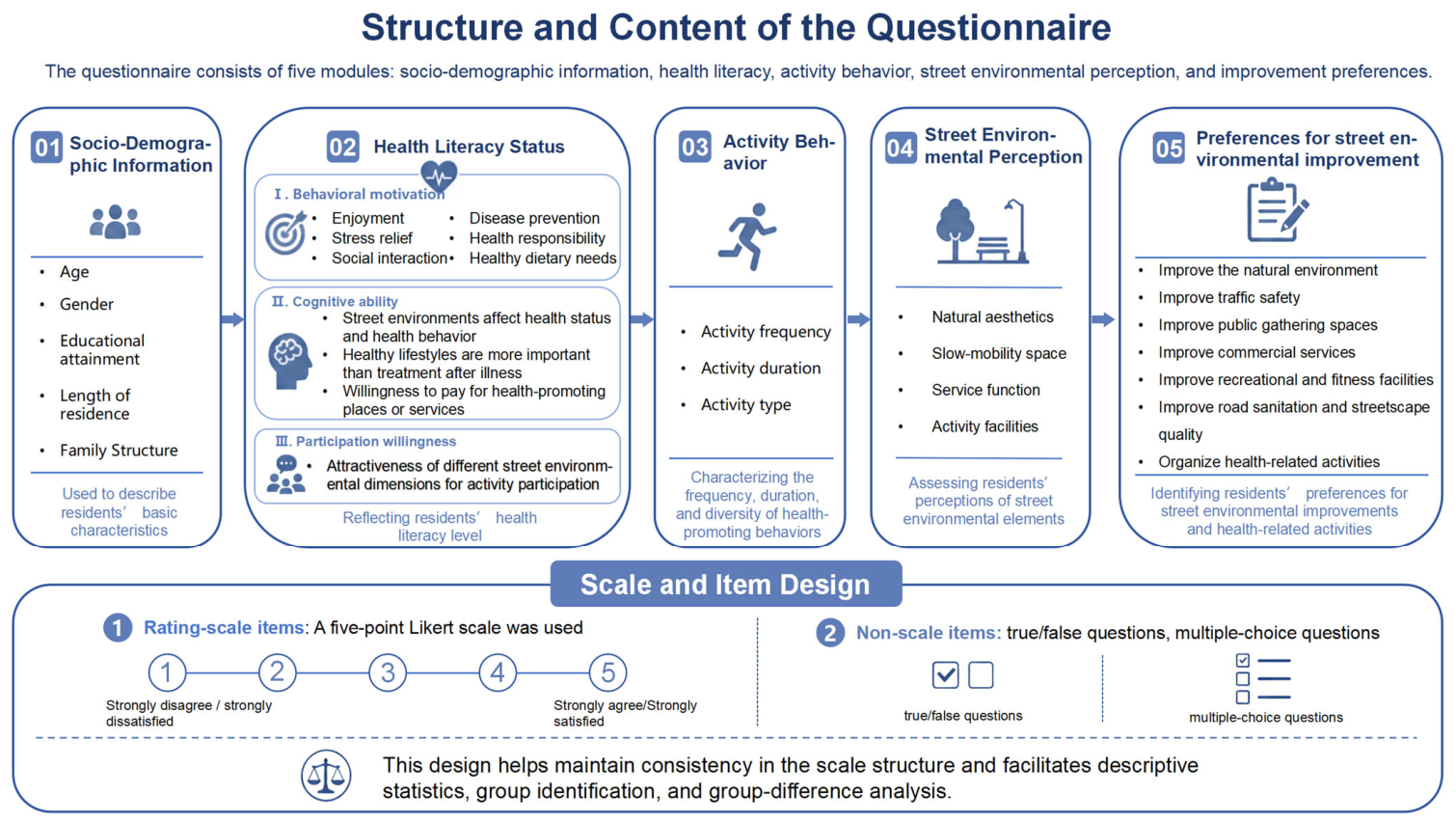
Based on this evidence, a questionnaire consisting of five modules was designed (
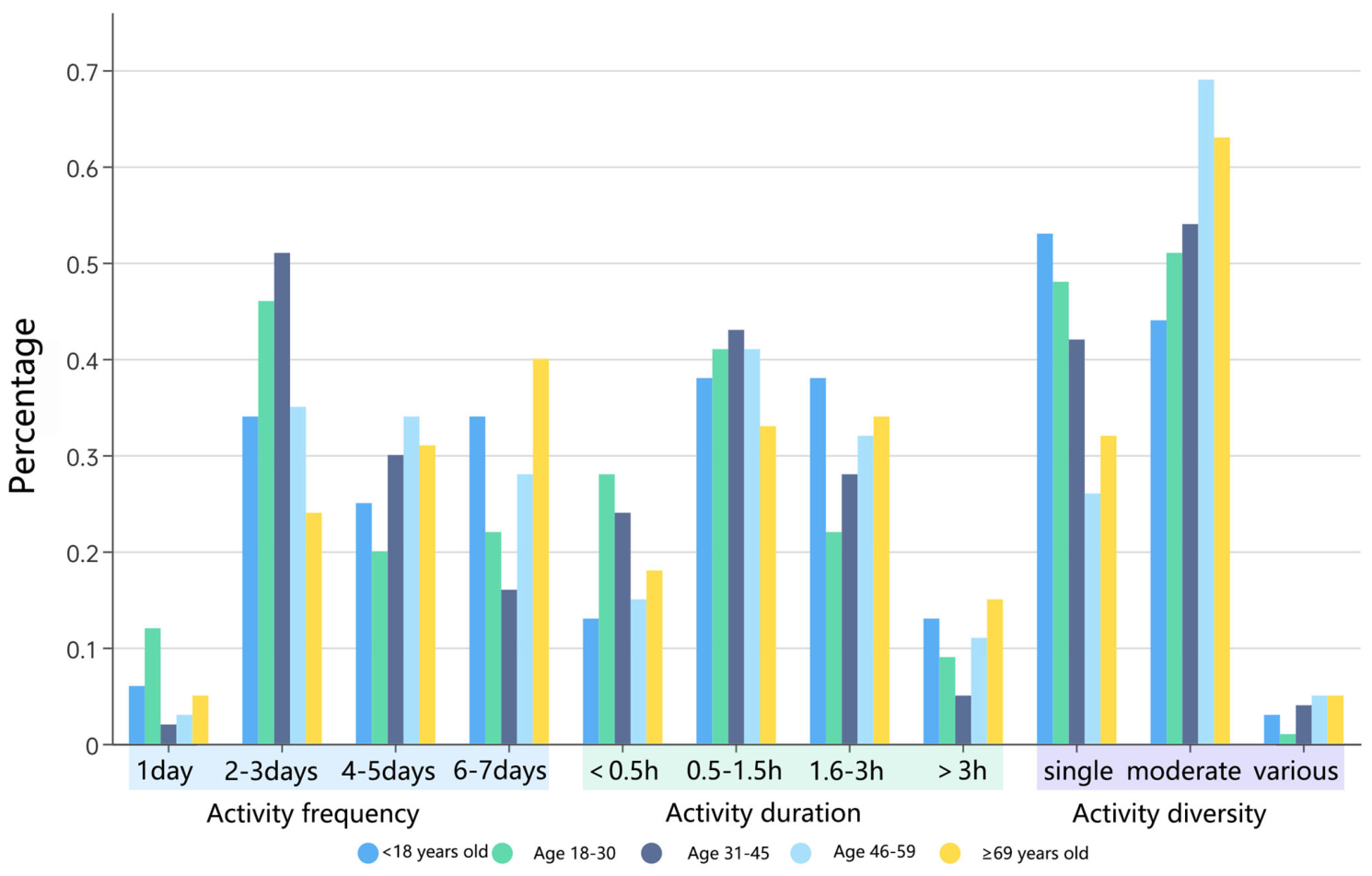
Figure 2). The first module collected socio-demographic information, including age, gender, educational attainment, length of residence, and household structure. The second module measured health literacy through behavioral motivation, cognitive ability, and participation willingness. Behavioral motivation included enjoyment, stress relief, social interaction, disease prevention, health responsibility, and healthy dietary needs. Cognitive ability concerned residents’ understanding of the relationship between street environments, health status, health behavior, and the importance of healthy lifestyles. Participation willingness focused on the attractiveness of different street environmental dimensions for activity participation. The third module measured activity behavior, including activity frequency, activity duration, and activity type. The fourth module assessed residents’ perceptions of street environmental elements in their neighborhood. The fifth module collected residents’ preferences for street environmental improvement. The street environmental perception indicators were developed by integrating and adapting previous studies on walkability, service accessibility, restorative environments, public space quality, and activity-supportive facilities, and were further contextualized to old urban neighborhood renewal in Jinan. Accordingly, an initial pool of 24 street environmental indicators was established.
Before constructing the street environmental evaluation dimensions, the reliability and validity of the initial 24-item scale were examined. The results showed that the overall Cronbach’s alpha was 0.946, the standardized alpha was 0.947, the KMO value was 0.964, and Bartlett’s test of sphericity was significant at the 0.001 level, indicating that the scale had high internal consistency and was suitable for factor analysis. Exploratory factor analysis (EFA) and principal component analysis (PCA) were then used to examine the dimensional structure and item loadings. The results showed that the EFA pattern loading and PCA rotated loading of the sound environment item were substantially lower than those of the other street environmental indicators; therefore, this item was removed from the subsequent evaluation system. After this refinement, 23 indicators were retained and grouped into four dimensions: slow-mobility space, service function, natural aesthetics, and activity facilities (
Table 1).
2.2. Study Area and Sample Source
Jinan is the capital city of Shandong Province, China, and a nationally recognized historic and cultural city. Its old urban areas have a long development history, a relatively high population concentration, and well-preserved street and lane patterns. These areas support typical everyday street functions but also face problems such as limited public activity spaces, aging street facilities, and insufficient health-supportive environmental conditions. According to the Jinan Urban Renewal Special Plan (2021–2035), old urban neighborhoods in Jinan are mainly distributed within the Second Ring Road of the central urban area, with a total building area of approximately 65.81 million m2 and about 731,000 households. By 2025, the city plans to renovate approximately 21.53 million m2 of old residential compounds, involving about 267,000 households.
Based on this context, the area within the Second Ring Road of Jinan was selected as the initial study area. Using the number of households in residential compounds built before 2005, the street-level resident population from the Seventh National Population Census, and the average household size, this study constructed an indicator representing the estimated proportion of residents living in old residential compounds. This indicator was used to measure the concentration of old residential spaces across subdistricts. The formula is as follows:
where
denotes the estimated proportion of residents living in pre-2005 residential compounds in subdistrict;
denotes the total number of households in residential compounds built before 2005 in subdistrict;
denotes the resident population of subdistrict; and 2.69 denotes the average household size. The results showed that approximately 41% of the subdistricts had an
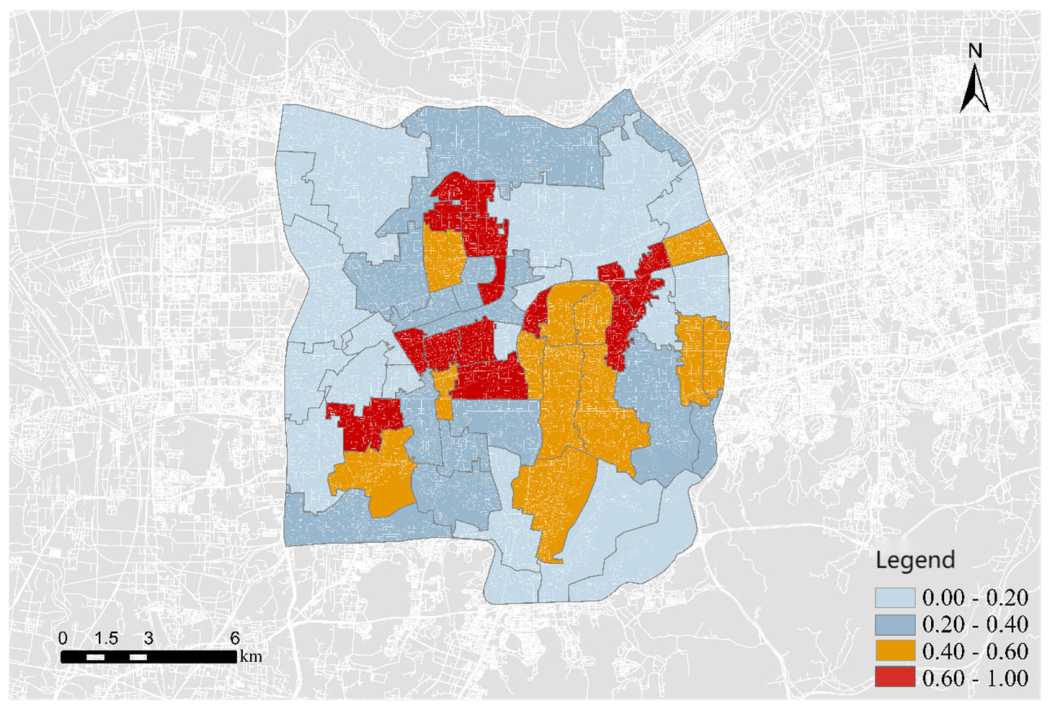
value greater than 0.4, forming a relatively clear separation from other areas in the empirical distribution. Therefore, subdistricts with
were selected as the sample areas (
Figure 3).
The survey was conducted in the selected sample areas from March to November 2025. The questionnaire survey was conducted in public street spaces with the assistance of local neighborhood committees. Before the field survey, the research team contacted local neighborhood committees to assist in recruiting eligible respondents. Respondents were required to have lived in the sampled area for at least six months and to have had outdoor activity experience within the survey area during the previous week. These criteria ensured that respondents were familiar with the local street environment and had recent experience relevant to evaluating its influence on their activity behavior.
To reduce possible temporal bias, daily surveys were conducted in two periods: 7:00–11:00 and 14:00–17:00. During fieldwork, questionnaires were distributed across multiple sites with the assistance of local community staff, and the research team attempted to include residents with different socio-demographic characteristics and street-use patterns. A total of 1518 questionnaires were distributed. After manually excluding questionnaires with missing key variables and obviously invalid responses, 1404 valid questionnaires were retained for analysis.
2.3. Data Processing and Analytical Methods
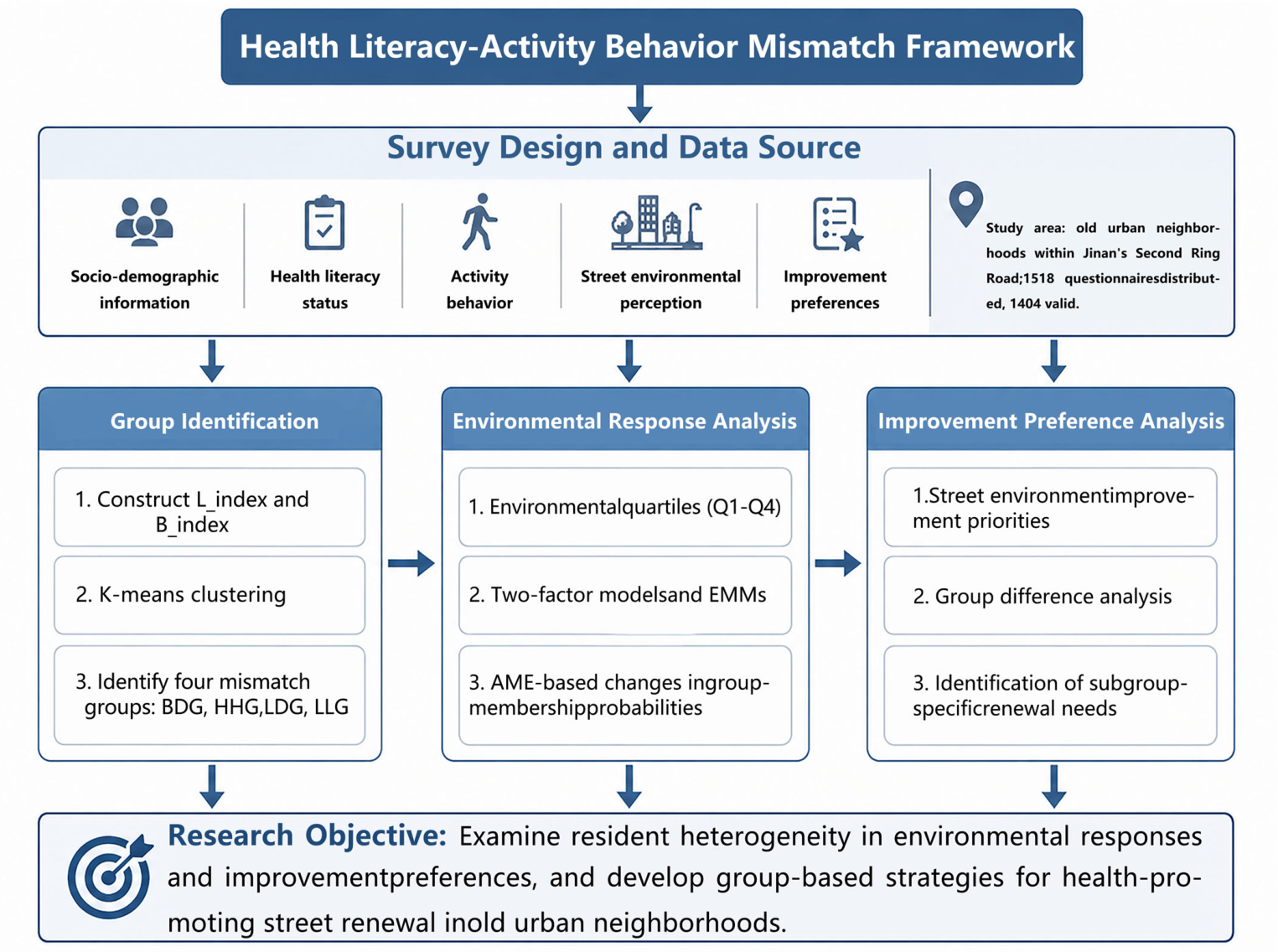
Based on the valid questionnaire data, the analysis was conducted in four steps: index construction, group identification, environmental response analysis, and improvement preference analysis. K-means clustering, estimated marginal means (EMMs), average marginal effects (AME), and multiple-response analysis (MRA) were used. First, the health literacy index and activity behavior index were constructed. To eliminate dimensional differences among variables, all relevant variables were standardized as follows:
where
denotes the standardized value of respondent
on variable
,
denotes the original value, and
and
denote the mean and standard deviation of variable
, respectively. The two indices were then calculated using the equal-weighted mean method:
where
denotes the health literacy index of respondent
, and
denotes the activity behavior index. BM, CA, and PI represent behavioral motivation, cognitive ability, and participation willingness, respectively, while BF, BT, and BD represent activity frequency, activity duration, and activity diversity, respectively. For consistency and comparability between the two indices, the three standardized components of each index were averaged with equal weights. This approach avoids assigning additional subjective weights and allows health literacy and activity behavior to be compared on the same standardized scale.
Second, health literacy–activity behavior mismatch groups were identified. K-means clustering was applied using standardized
and
as clustering variables to identify different literacy–behavior relationship types. To further characterize the structural deviation between activity behavior and health literacy, the mismatch index
and absolute mismatch index
were defined as follows:
where
indicates that the activity behavior index is higher than the health literacy index, representing a behavior-leading pattern;
indicates that the health literacy index is higher than the activity behavior index, representing a literacy-leading pattern; and
represents the absolute gap between the two indices, with larger values indicating a higher degree of mismatch.
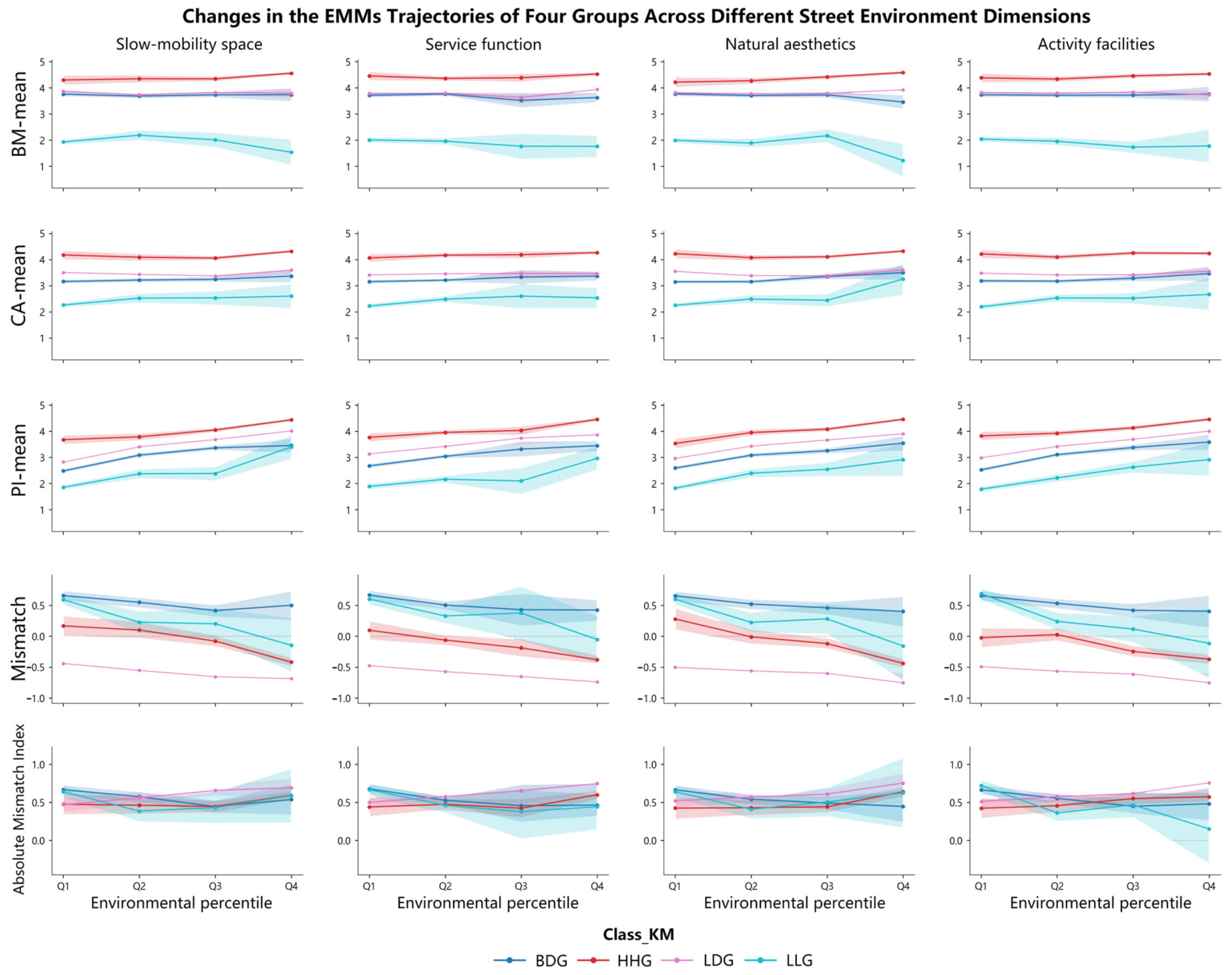
Third, differentiated responses to street environmental dimensions were compared across groups. The four dimensions—slow-mobility space, service function, natural aesthetics, and activity facilities—were divided into quartiles (Q1–Q4) according to the sample distribution. A two-factor framework of “environmental quartile × group type” was then constructed. Behavioral motivation, cognitive ability, participation willingness, the mismatch index, and the absolute mismatch index were used as outcome variables to test the main effects of environment and group, as well as their interaction effects. The models controlled for socio-demographic variables, including age, gender, educational attainment, length of residence, and household structure.
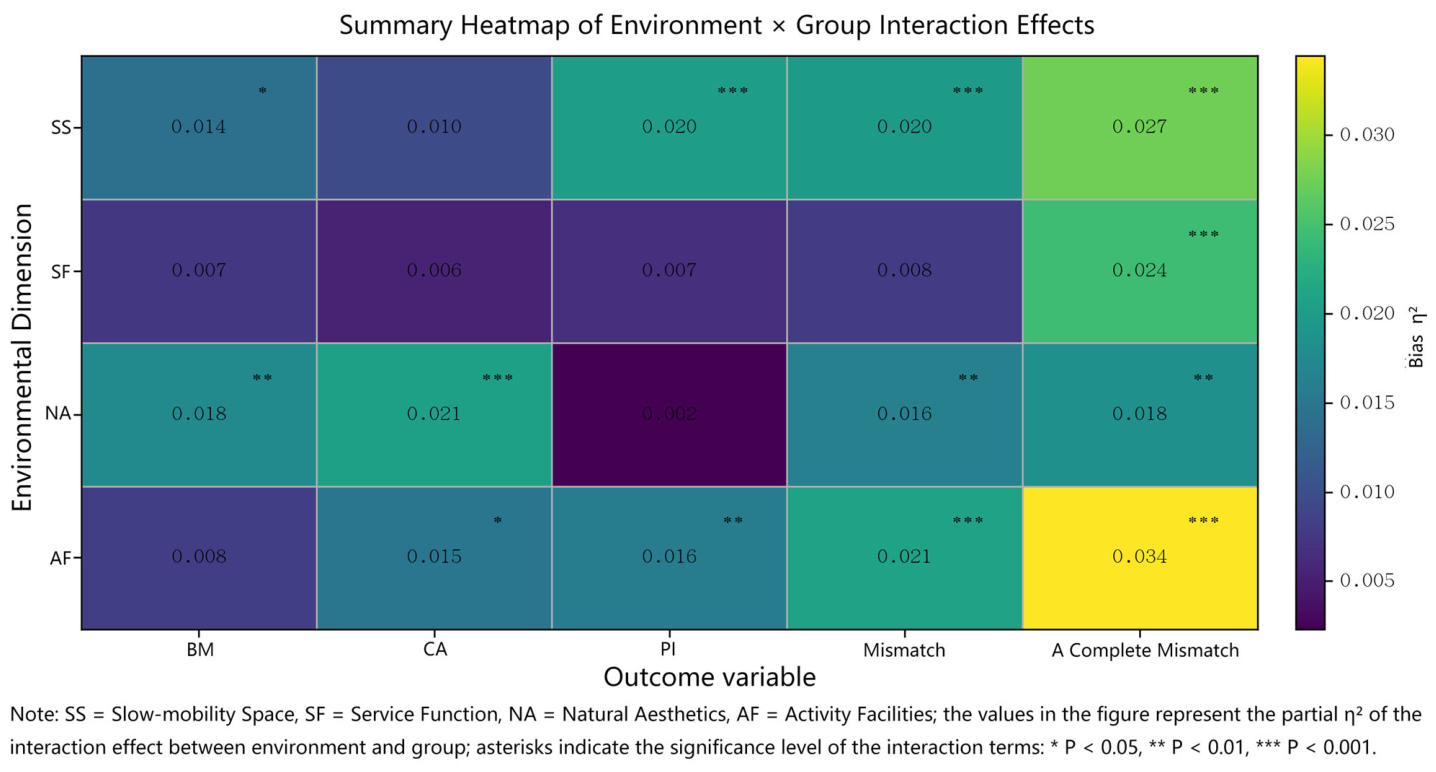
To present group response trajectories under different environmental levels, EMMs were extracted, and partial was used to compare the strength of associations between environmental dimensions and group responses. Because group types were identified from the health literacy and activity behavior indices, between-group differences in behavioral motivation, cognitive ability, and participation willingness have a certain constructed nature. Therefore, this analysis did not aim to re-test baseline group differences, but to examine within-group response trajectories and their changes across environmental gradients.
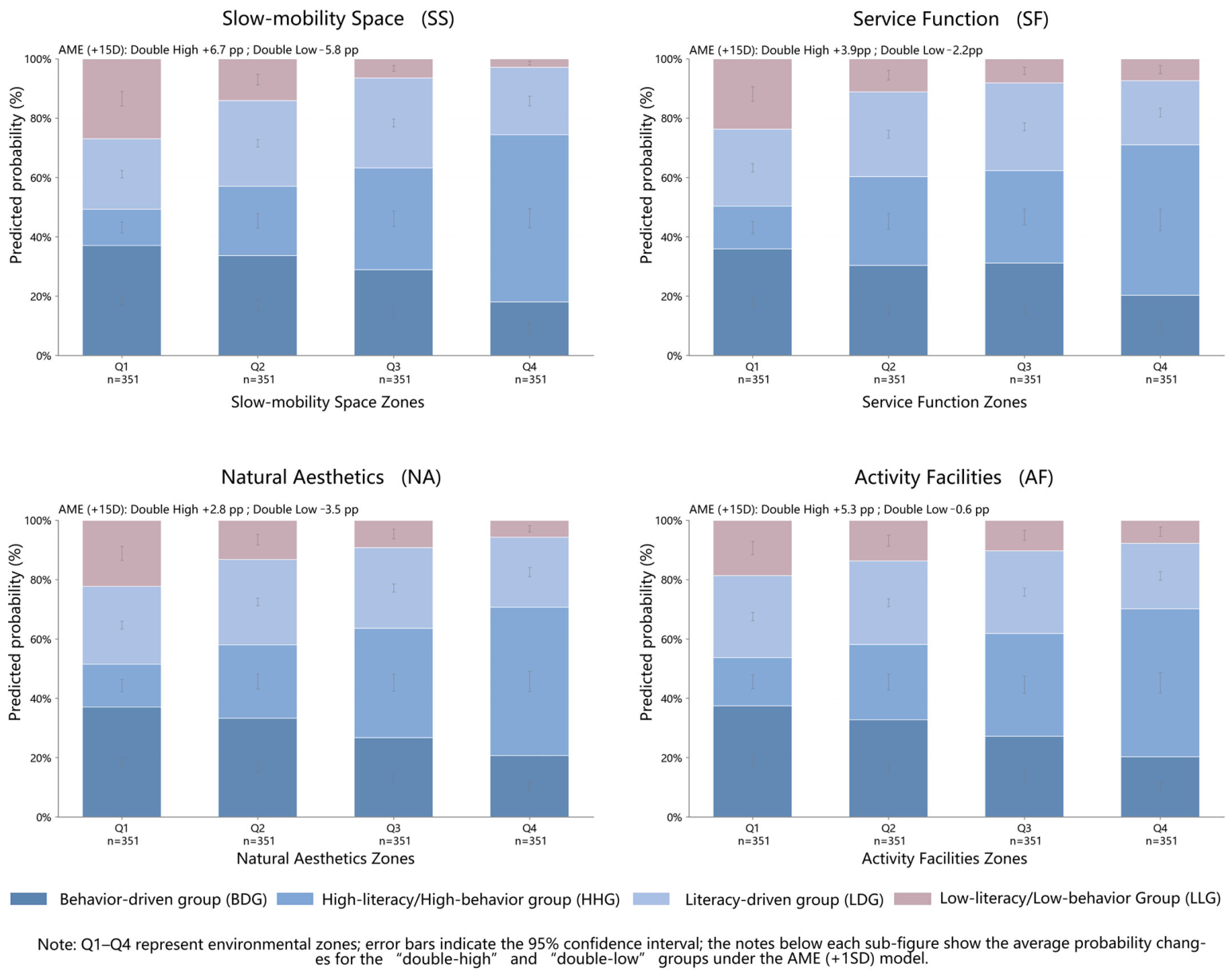
In addition, AME was used to estimate the average change in group membership probability associated with a one-standard-deviation increase in each street environmental dimension. AME was calculated based on a multinomial logit model, with mismatch group type as the dependent variable and the four street environmental dimensions as explanatory variables. Socio-demographic variables were included as controls. This method reflects, at the model-predicted level, the direction and relative strength of associations between street environmental dimensions and group structure.
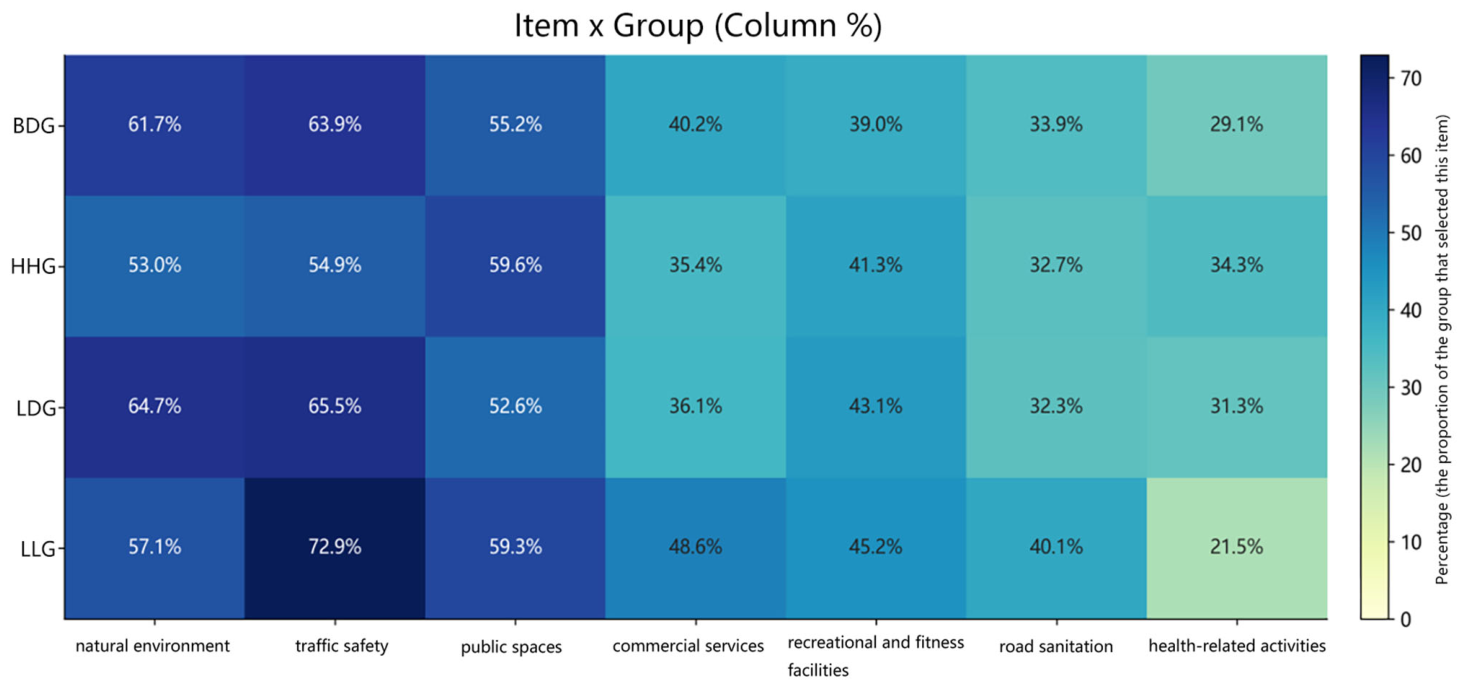
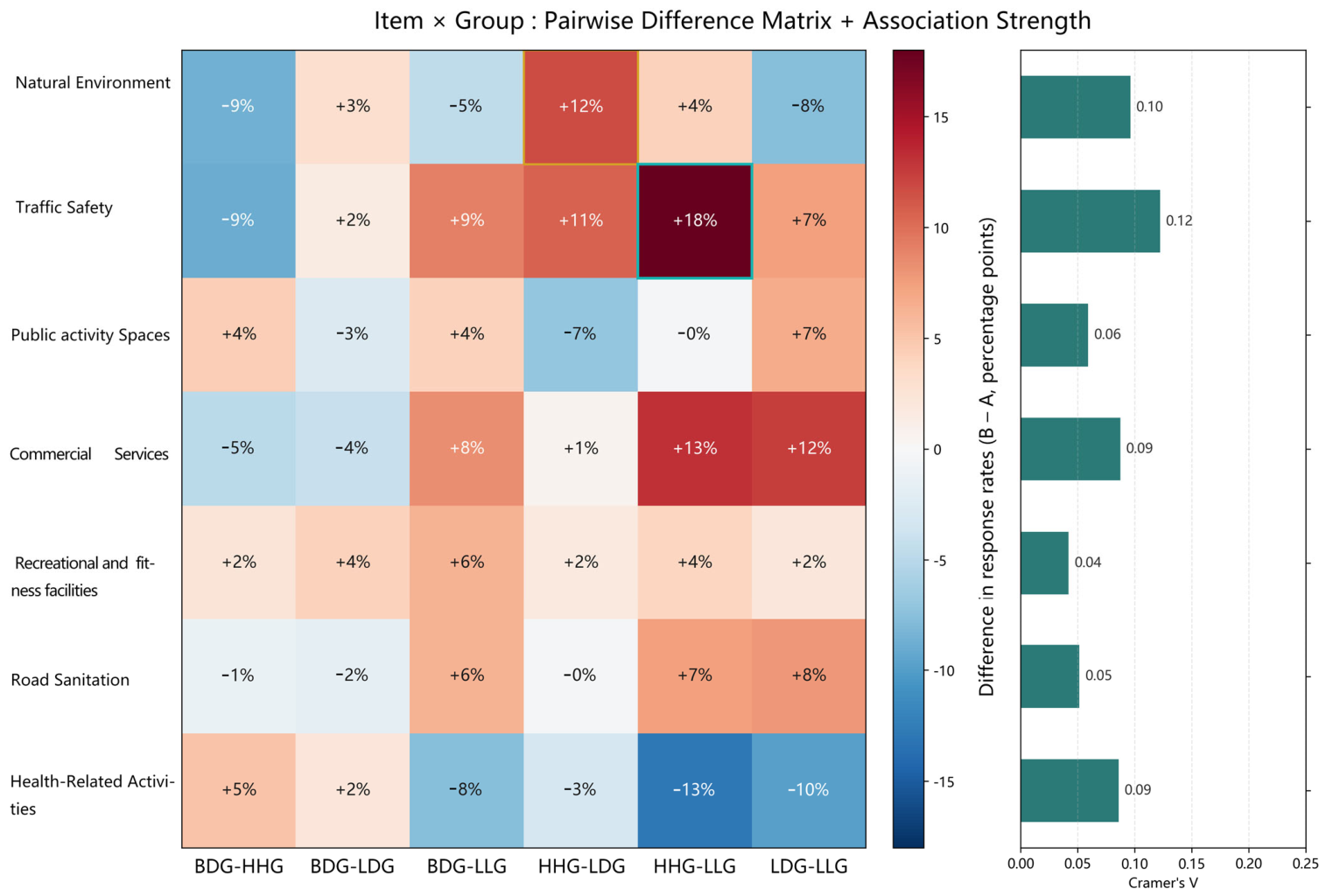
Fourth, group differences in street environmental improvement preferences were identified. The improvement items included traffic safety, natural environment, commercial services, public activity spaces, road sanitation, recreational and fitness facilities, and health-related activities. Because respondents could select multiple items, MRA was used to capture the combined characteristics of improvement preferences. Chi-square tests and Cramer’s V were further used to compare the significance and effect size of group differences across improvement items.