


Abstract
This empirical study examines differences in environmental, social, and governance (ESG) ratings across global firms. We investigate whether ESG ratings vary across three critical dimensions: geographic location, industry type, and firm size. Using Refinitiv ESG ratings for 1982 firms across four continents over the 2015–2025 period, with cross-validation against S&P Global ESG scores for the subset of 1397 firms covered by both providers over the same period, we test three primary hypotheses and a set of pillar-specific subsidiary hypotheses through ANOVA, MANOVA, and multivariate regression. Our findings reveal significant variation in ESG ratings across continents (joint MANOVA: F = 51.73, p < 0.001, partial η2 = 0.074), with European firms exhibiting the highest ratings, followed by a near tie between North American and Asian firms, and Australian firms in the lowest position. Industry classification shows a significant manufacturing > services pattern in environmental and social pillar ratings but no difference in the governance rating, consistent with the pillar-specific reformulation of the industry hypothesis. Firm size has the largest effect (F = 191.74, η2 = 0.247), with larger firms receiving systematically higher ratings across all three pillars. Multi-provider validation indicates substantial agreement between Refinitiv and S&P Global (Pearson r = 0.738), with the central findings replicating across providers. These results contribute to understanding the institutional, geographic, and organizational factors associated with corporate ESG ratings and have implications for how researchers and practitioners interpret cross-provider rating differences and pillar-level versus aggregate reporting.
1. Introduction
Environmental, social, and governance (ESG) factors have become increasingly central to corporate strategy and investment decision-making in the 21st century [1,2]. As stakeholders demand greater corporate accountability and sustainability [3,4], understanding the factors that influence ESG ratings across different contexts has become critical for academics, practitioners, and policymakers alike. The rapid growth of sustainable investing, which now represents trillions of dollars in managed assets globally [5], underscores the practical importance of ESG metrics in capital allocation decisions.
Despite the growing prominence of ESG considerations, significant questions remain regarding how ESG ratings vary across different organizational and institutional contexts [6,7]. Do firms operating in different geographic regions demonstrate different levels of ESG commitment? Are there systematic differences between manufacturing and service industries or among firms of different sizes? These questions are not merely academic; they have profound implications for investment strategies, regulatory approaches, and corporate best practices. Prior research has explored various determinants of corporate social performance [8,9], yet important gaps remain in our understanding of how geographic, industry, and size factors interact to shape ESG outcomes.
This study addresses these questions through an empirical analysis of 1982 global firms using Refinitiv ESG ratings data, with cross-validation against S&P Global ESG scores for the subset of 1397 firms covered by both providers. We focus on three key dimensions of variation: (1) geographic location, examining firms incorporated across four continents; (2) industry classification, comparing manufacturing and service sectors with pillar-specific hypotheses; and (3) organizational size, analyzing small, medium, and large companies. By employing ANOVA, MANOVA, and multivariate regression, we provide descriptive evidence on ESG rating patterns across these critical dimensions, computed as firm-level averages over the eleven-year 2015–2025 Refinitiv panel.
Our research makes four specific contributions to the existing empirical literature. First, we provide the first joint analysis of geographic, industry, and size effects on ESG ratings using both Refinitiv and S&P Global ratings on a global panel of 1982 firms over the eleven-year (2015–2025) period. Second, we test pillar-specific industry hypotheses (H2a, H2b, H2c) that predict differential effects of industry classification across the environmental, social, and governance pillars, rather than treating ESG as a single aggregate measure. Third, we document substantial within-continent heterogeneity through a country-level decomposition of the Asia category. Fourth, we provide multi-provider validation by replicating all primary results using S&P Global ESG scores for the firms covered by both providers.
The remainder of this paper is organized as follows. Section 2 presents the theoretical framework and reviews relevant literature on the determinants of ESG ratings. Section 3 describes our methodology. Section 4 presents our analysis and results. Section 5 discusses the findings and their implications. Section 6 offers concluding remarks, acknowledges limitations, and outlines future research directions.
2. Theoretical Basis and Literature Review
2.1. Theoretical Framework
This study integrates three complementary theoretical perspectives, namely institutional theory, stakeholder theory, and resource-based view, to develop a comprehensive framework for understanding variations in ESG ratings across firms.
Institutional Theory: DiMaggio and Powell [10] argue that organizations become similar through isomorphic processes: coercive (regulatory pressures), mimetic (imitation), and normative (professionalization). Scott [11] identifies three institutional pillars, namely regulative, normative, and cultural-cognitive, that shape organizational behavior. European markets exemplify strong regulative pressures through comprehensive ESG requirements [6]. Matten and Moon [12] show that European systems emphasize implicit CSR embedded in institutions, whereas American systems emphasize explicit, voluntary CSR approaches. Whitley [13] demonstrates that national business systems fundamentally shape corporate environmental approaches through distinctive institutional configurations. Firms operating in stronger institutional environments face greater pressure to adopt ESG practices to maintain legitimacy [14]. Campbell [15] further argues that institutional conditions, including regulation, industry self-regulation, and stakeholder monitoring, determine whether corporations behave in socially responsible ways.
Stakeholder Theory: Freeman [3] and Mitchell, Agle, and Wood [4] argue that firm success depends on effectively managing diverse stakeholder relationships. Stakeholders vary in power, legitimacy, and urgency [4], creating different pressures across contexts. European stakeholders possess greater power and organizational capacity [16], with strong labor unions, active civil-society organizations, and engaged institutional investors. Manufacturing firms face concentrated environmental scrutiny from local communities, regulators, and environmental groups [17], while service firms face different social and governance pressures from customers, employees, and investors [9]. Larger firms face greater scrutiny due to their visibility [18] and depend on multiple stakeholder groups for legitimacy and continued operations [19]. Donaldson and Preston [20] emphasize that stakeholder management is not merely instrumental but reflects normative commitments to treating stakeholders as ends in themselves.
The Resource-Based View: Barney [21] and Hart [22] argue that sustained competitive advantages arise from valuable, rare, and inimitable resources. Hart’s (1995) [22] paper conceptualized pollution prevention, product stewardship, and sustainable development as firm-level capabilities that form the basis of environmental strategies. ESG practices require substantial financial resources, specialized capabilities, and organizational infrastructure [23]. Large firms possess slack resources that enable ESG investments without compromising core operations [24,25]. Waddock and Graves [8] demonstrate that financial performance enables ESG investments, creating a virtuous cycle. Larger firms employ specialized sustainability personnel [26,27], achieve economies of scale in ESG programs [28], and develop dynamic capabilities for sustainability [29,30]. Aragón-Correa and Sharma [31] argue that proactive environmental strategy depends on organizational capabilities that vary systematically with firm characteristics.
All three theories indicate descriptive associations between geographic locations, industry types, firm size, and ESG ratings. The underlying mechanisms are not directly measured in this study and are presented as plausible interpretations of the observed patterns.
2.2. Regulatory and Institutional Context
The post-2017 regulatory environment differs substantially from the period covered by earlier ESG ratings studies. The European Union has implemented a multi-layered ESG disclosure architecture consisting of the SFDR (2019) [32], the EU Taxonomy Regulation (2020) [33], and the CSRD (2022) [34], the last of which substantially expanded the scope of mandatory non-financial reporting and introduced the European Sustainability Reporting Standards (ESRS). At the global level, the International Sustainability Standards Board issued IFRS S1 (general sustainability disclosure) and IFRS S2 (climate-related disclosure) in 2023 [35], providing a global baseline that several jurisdictions have incorporated into national disclosure regimes. In the United States, the SEC adopted final climate-related disclosure rules in March 2024 [36], though their implementation has been subject to litigation and partial suspension. Recent empirical research has documented the effects of these instruments on firm-level disclosure and capital allocation [37,38,39]. The analytical window adopted in this study (2015–2025) spans both the pre- and post-regulatory-wave periods, allowing the analysis to reflect both legacy practices and the contemporary regulatory environment.
2.3. Geographic Variations
Europe has established the world’s most comprehensive ESG frameworks [40]. The EU’s Non-Financial Reporting Directive (2014) requires large companies to disclose environmental, social, and governance information, while the Corporate Sustainability Reporting Directive (2021) substantially expands the scope of these requirements and the associated reporting standards [41,42]. The EU Emissions Trading System creates direct financial incentives for carbon reduction [43]. Beyond regulation, European stakeholders demonstrate stronger sustainability preferences rooted in cultural values that emphasize collective responsibility [44]. The European Social Model emphasizes stakeholder capitalism, with co-determination systems giving employees board representation and influence over corporate strategy [45,46]. Hall and Soskice’s [47] varieties-of-capitalism framework distinguishes coordinated market economies (prevalent in continental Europe) that institutionally support stakeholder orientation from liberal market economies (UK, US), which emphasize shareholder primacy. Empirical evidence consistently confirms European ESG leadership across multiple rating systems and time periods [6,48,49].
North American systems emphasize shareholder primacy and market-based governance [16], with ESG practice evolving primarily through voluntary initiatives and investor pressure rather than regulatory mandates [50]. The Business Roundtable’s 2019 statement on stakeholder capitalism suggests evolving norms, but legal frameworks still prioritize shareholder interests [51]. Recent SEC climate disclosure rules suggest convergence toward European approaches [52], though political polarization creates inconsistent pressures across states and administrations [53]. Institutional investors increasingly engage on ESG issues, but their influence varies according to ownership concentration and investment horizon [54,55].
Asian markets show substantial institutional diversity [56], with development priorities sometimes conflicting with sustainability goals [57]. Japan demonstrates mature ESG practice reflecting its coordinated market economy traditions [58,59], while China reflects state-directed sustainability priorities with enforcement challenges [60,61]. Emerging Asian economies face fundamental tensions between rapid development and sustainability [62]. Holtbrügge and Dögl [63] note that multinational corporations may transfer ESG practices to Asian operations, but local institutional contexts moderate adoption. Rootes [64] and Vandenbergh [65] highlight weaker civil-society pressure in many Asian contexts than in Europe.
Australia combines British institutional traditions with a resource-dependent economy, creating distinctive tensions between economic interests centered on mining and fossil fuels and growing environmental concerns [66]. Strong environmental activism coexists with powerful extractive-industry lobbying, producing inconsistent policy signals.
Institutional theory predicts that geographic location shapes ESG through regulatory, normative, and cognitive pressures [10,11]. European mandatory disclosure, environmental standards, stakeholder governance, and civil-society pressure generate higher ESG ratings [6,40]. North American voluntary approaches suggest intermediate performance [16]. Asian development priorities and institutional diversity create variable pressures [56]. Prior research confirms European leadership [6,48]. As such, we formulate H1 related to geographic location.
H1.
Significant differences in firms’ ESG ratings exist across the continents of firms’ countries of incorporation, with firms incorporated in European countries receiving higher ESG ratings than firms incorporated in other continents.
2.4. Industry Considerations
Traditional perspectives suggest that manufacturing faces greater environmental impacts requiring substantial mitigation investments [17,67,68], while services face different social and governance challenges, including labor practices, data privacy, and executive compensation [69,70]. Manufacturing industries with visible environmental footprints, such as chemicals, mining, and heavy industry, face concentrated stakeholder pressure and regulatory scrutiny [71,72]. Service industries, particularly financial services, face governance pressures from sophisticated institutional investors and regulators concerned with systemic risk [73].
However, several factors may reduce overall industry differences in ESG performance. First, some rating methodologies adjust scores for sector-specific materiality, enabling meaningful cross-sector comparisons while accounting for different ESG priorities [37,74]. Second, the professionalization of sustainability has diffused common ESG management practices across sectors as consulting firms, reporting frameworks, and professional networks create industry-agnostic best practices [75,76,77]. Third, supply-chain integration increasingly blurs traditional sector boundaries, as service firms face pressure regarding their suppliers’ environmental practices while manufacturing firms emphasize service components [78]. Fourth, institutional investors apply uniform ESG criteria across portfolio companies regardless of sector, creating convergent pressures [5,73,79].
Overall, empirical evidence on industry effects is mixed. Some studies find significant sectoral variations [9,80], while others report smaller or inconsistent effects [7]. Yet, pillar-specific arguments motivate three subsidiary hypotheses. The environmental and social pillars capture impacts that vary systematically by industry type: manufacturing operations involve direct material throughput, energy use, and large operational workforces, which create larger and more salient environmental footprints and worker-safety concerns than the activities of most service firms. Governance, in contrast, is shaped primarily by listing regimes, ownership structures, and board composition, which are largely independent of industry classification. We therefore expect industry differences to emerge in the environmental and social pillars but not in the governance pillar:
H2a (Environmental).
Manufacturing firms receive higher environmental pillar ratings than service firms.
H2b (Social).
Manufacturing firms receive higher social pillar ratings than service firms.
H2c (Governance).
Manufacturing and service firms do not differ significantly in governance pillar ratings.
2.5. Firm Size
Resource-based theory predicts that larger firms possess greater resources for ESG investments. Waddock and Graves [8] demonstrate that financial performance, correlated with size, enables ESG investments, suggesting a virtuous cycle in which resources enable sustainability, which enhances performance. Large firms possess organizational slack, i.e., uncommitted resources available for discretionary initiatives [24,25]. They employ dedicated sustainability personnel with specialized expertise [26,27], achieve economies of scale in ESG programs by spreading fixed costs across larger revenue bases [28,81], and develop sophisticated management systems for tracking and improving ESG performance [82]. In contrast, Jenkins [83] and Battisti and Perry [84] document that small firms face distinct resource constraints that limit ESG investments despite potentially genuine sustainability commitments. Udayasankar [85] argues that size effects may be curvilinear, with both very large and very small firms showing strong CSR, although most evidence supports monotonic positive relationships.
Stakeholder salience theory predicts that larger firms face greater scrutiny and accountability pressures. Mitchell et al. [4] argue that stakeholder salience depends on power, legitimacy, and urgency, attributes that increase with firm visibility. Larger firms attract more media attention, analyst coverage, and activist campaigns [18,71]. Reputational concerns motivate substantial ESG investments to protect brand value and market position [1,86,87]. Institutional investors concentrate holdings in large-cap stocks, subjecting these firms to more intensive ESG engagement [54]. Proxy advisors evaluate larger firms more systematically, creating additional governance pressures [88].
Institutional theory emphasizes that larger organizations face greater legitimacy demands from diverse constituents. Deephouse [89] and Deephouse and Carter [90] show that organizational legitimacy requires conforming to institutional expectations, which intensify with visibility. Large firms must maintain social licenses to operate across multiple jurisdictions with varying stakeholder expectations [72,91]. Bansal and Clelland [92] demonstrate that environmental legitimacy reduces firm risk, with the strongest effects observed for highly visible firms. Hannan and Freeman [93] argue that large organizations face both structural inertia and greater institutional pressures.
Extensive empirical research documents positive size-ESG relationships across diverse contexts, time periods, and measurement approaches [8,69,94,95,96,97,98]. Drempetic et al. [49] specifically examine how firm size is associated with Refinitiv (Thomson Reuters ASSET4) ESG scores, finding significant positive effects. Dang et al. [99] recommend employee count as a measure of firm size for socially oriented research, given its direct relevance to workforce-related ESG dimensions. In line with these arguments, we formulate H3:
H3.
Significant differences exist in firms’ ESG ratings among firms of different sizes, with larger firms receiving higher ESG ratings than smaller firms.
Table 1 summarizes the three theoretical perspectives that motivate our hypotheses, mapping each theory to its focal variable, predicted pattern, and underlying mechanism.
Table 1.
Theoretical framework: mapping of theories to focal variables, predictions, and unmeasured mechanisms.
3. Methodology
During the preparation of this manuscript, the authors used ChatGPT 4.0 and Claude Sonnet 4.0 for the purposes of drawing Figure 1, checking references for authenticity and completeness, and copyediting. The authors have reviewed and edited the output and take full responsibility for the content of this publication.
Figure 1.
Conceptual model: theoretical framework and hypotheses.
The primary objective of this study is to explore differences in firms’ ESG ratings across geographic locations, industry classifications, and organizational size using Refinitiv ESG ratings for 1982 global firms across four continents over an eleven-year period spanning 2015–2025. While extensive research examines the determinants of ESG performance, most studies treat ESG as a unidimensional construct or assume that the environmental, social, and governance pillars move in parallel across firm characteristics. This assumption may be problematic for several reasons.
First, stakeholder salience theory suggests that different stakeholders prioritize different ESG dimensions [4]. Employees and communities may prioritize social performance, while institutional investors emphasize governance [73]. If stakeholder configurations vary systematically across industries, pillar-level performance should also vary systematically. Second, the materiality literature demonstrates that ESG issues differ in relevance across industries [100]. Environmental issues are material in extractive industries; governance issues are material in financial services. If firms respond to material issues, industry-specific pillar patterns should emerge. Third, measurement research documents substantial disagreement among ESG ratings providers [37,101]. However, less attention has been paid to whether aggregation within providers obscures meaningful variation. If pillar-level effects oppose each other, aggregate scores may mask economically significant patterns.
We address such concerns by examining the overall ESG rating as both a one-dimensional and multidimensional construct, as well as assessing ESG ratings at the pillar level. Our analysis responds to calls for more granular ESG research [7] and contributes to understanding how stakeholder configurations shape dimension-specific sustainability outcomes. Figure 1 illustrates our conceptual model, showing the theoretical foundations underlying the hypotheses.
3.1. Data Source
ESG ratings were obtained from Refinitiv (now LSEG Data & Analytics), which provides firm-year ESG ratings drawn from publicly available company disclosures and assessed against over 600 ESG metrics across ten themes. The Refinitiv ESG score is a composite measure ranging from 0 to 1 (re-scaled from a 0–100 percentile distribution) that reflects a firm’s relative ESG profile, commitment, and effectiveness based on company-reported information. The score decomposes into three pillar scores—environmental, social, and governance—reported on the same 0–1 scale. The Refinitiv methodology applies pillar-level weighting rather than a sector-relative materiality adjustment.
To assess whether the documented patterns were robust to rating-provider choice, we also obtained S&P Global ESG scores for the subset of firms covered by both providers over the same period. The S&P Global ESG score is on a 0–100 scale and reflects a similar conceptual approach but with different indicator selection and aggregation choices.
Firm characteristics (employees, sales, total assets, country of incorporation, NAICS classification) were obtained from Compustat for the matched panel. The Refinitiv database returned 2311 unique firms with ESG ratings during the 2015–2025 period. We averaged each firm’s ESG scores across the eleven-year period, requiring at least two valid yearly observations for inclusion. After applying the inclusion criteria (valid country, valid industry classification, and location in one of the four primary continents), the analytical sample for testing H1 and H2 contained 1982 firms. For the firm-size analyses, the sample was further restricted to firms with valid Compustat employee data, yielding 1174 firms. Sample construction is detailed in Table 2.
Table 2.
Sample selection.
3.2. Variables
Overall ESG Rating: The Refinitiv ESG score, a continuous variable on a 0–1 scale (re-scaled from a 0–100 percentile distribution) reflecting a firm’s relative ESG profile, commitment, and effectiveness based on company-reported information across over 600 ESG metrics.
Environmental score: Refinitiv environmental pillar score on a 0–1 scale, measuring firm environmental management, including resource use, emissions, and innovation [100,102].
Social score: Refinitiv social pillar score on a 0–1 scale, evaluating workforce, human rights, community, and product responsibility dimensions [103,104].
Governance score: Refinitiv governance pillar score on a 0–1 scale, assessing management quality, shareholder rights, and CSR strategy [1,105].
All three ESG pillar scores share the same 0–1 scale, enabling direct comparability in the MANOVA framework. All ESG scores were averaged at the firm level across the 2015–2025 period to improve stability and to reflect each firm’s typical ESG profile over the period, following the long-window averaging approach used in prior cross-sectional ESG research [1,7].
Continents: Categorical variable indicating the continents of firms’ countries of incorporation, derived from Compustat’s country-of-incorporation field (fic) with ISIN-prefix fallback for missing values. Countries were categorized into four continents: (1) North America (United States, Canada, Mexico, plus tax-haven incorporations in Bermuda and Cayman Islands), (2) Asia (East, Southeast, South, and West Asia, including the Gulf states), (3) Europe (the EU plus the United Kingdom, Switzerland, Norway, and other non-EU European countries), and (4) Australia (Australia and New Zealand). This corresponds more closely to the regulatory and institutional environment that the institutional-theory framing invokes than the stock-exchange-listing classification used in the prior version of this paper [6,10,98].
Industry Class: We constructed industry classifications from the NAICS 2-digit sector code (with SIC fallback where NAICS is missing). For the binary specification used in H2, we categorized NAICS sectors 21, 23, and 31–33 as manufacturing, and the remaining sectors as services. Sector-level analyses using the NAICS 2-digit codes directly are reported as a robustness check in Section 4.8 [9,106,107,108].
Company Size: Employee count (in thousands) was log-transformed, yielding three categories: small (log < 1.0, i.e., fewer than 10,000 employees), medium (1.0 ≤ log < 1.5, i.e., 10,000 to ~31,600), and large (log ≥ 1.5, i.e., 31,600 or more). These cutoffs correspond approximately to the small/mid/large-cap thresholds used in equity-index construction. This classification was available for 1174 firms with employee data. As a robustness check, we re-estimated the firm-size analysis using continuous log-employees in Model C of the multivariate regression (Section 4.5) [90,101].
Regarding measurement and language, throughout this paper, we treat the Refinitiv and S&P Global scores as ESG ratings, that is, vendor-assigned signals of the respective ESG profiles that combine substantive firm actions with the firm’s disclosure footprint. Because these ratings are constructed largely from disclosed information, they should not be considered direct measures of underlying environmental, social, or governance performance. We therefore use “ESG ratings” when referring to our measured outcomes and reserve “ESG performance” for conceptual statements or for references to the prior literature in which that term is standard.
3.3. Sample Characteristics
Table 3 summarizes the distribution of our sample across continents, industries, and firm-size categories. Manufacturing firms represent 44.7% of the sample and service firms 55.3%. Geographically, North America contributes the largest share of firm observations (35.4%), followed by Asia (28.9%), Europe (26.5%), and Australia (9.2%). For the size analysis (1174 firms with valid employee data), small firms predominate (47.3%), followed by medium (27.5%) and large (25.2%) firms.
Table 3.
Sample distribution.
4. Analysis and Results
We employ two complementary approaches to examine each hypothesis. First, treating the three ESG pillar scores as a joint profile, we apply MANOVA to test whether group means differ simultaneously across the environmental, social, and governance pillars. Second, we follow the omnibus MANOVA with separate one-way ANOVAs on each pillar score to identify which pillars drive the multivariate effect. This MANOVA—ANOVA structure is appropriate when the three dependent variables are correlated and theoretically interrelated, as they are here. All inferences below are accompanied by partial eta-squared (MANOVA) or eta-squared (ANOVA) effect sizes. Section 4.5 then provides the multivariate regression models, including continent, industry, and size simultaneously, as predictors of the overall ESG rating, and Section 4.6, Section 4.7, Section 4.8 and Section 4.9 report a series of robustness analyses.
4.1. Testing H1: Geographic Differences
We begin our formal hypothesis testing by examining geographic differences in ESG ratings. Table 4a reports the standard MANOVA test statistics, all of which indicate that firms located in the four continents exhibit substantial differences when the environmental, social, and governance pillar scores are considered simultaneously (Pillai’s Trace = 0.218, F = 51.73, p < 0.001, partial η2 = 0.074). The joint multivariate test result supports H1.
Table 4.
MANOVA and ANOVA results by continent (H1).
Drilling down to the individual pillars, Table 4b reports the one-way ANOVAs for each pillar score. All three pillars show significant continental differences, with the largest effect on the environmental pillar (F = 81.33, p < 0.001, η2 = 0.110), followed by social (F = 66.97, p < 0.001, η2 = 0.092) and governance (F = 21.80, p < 0.001, η2 = 0.032). The pattern is consistent with the institutional theory prediction that regulatory differences across continents matter most for environmental disclosure. Descriptively, European firms achieve the highest mean ESG rating (M = 0.636), followed by a near tie between North American firms (M = 0.542) and Asian firms (M = 0.538), with Australian firms in the lowest position (M = 0.466). Post hoc Tukey HSD comparisons confirm that all pairwise contrasts are statistically significant, except the Asia versus North America contrast (p = 0.97). Figure 2 illustrates these pillar means by continent.
Figure 2.
Mean differences in ESG pillar score by continent.
4.2. Testing H2: Industry Differences
The same procedure was followed to test the second hypothesis, which compares the ESG ratings between the manufacturing and service industries. Table 5a reports the MANOVA statistics, testing whether manufacturing and service firms differ when the environmental, social, and governance pillar scores are considered simultaneously (Pillai’s Trace = 0.0262, F = 17.71, p < 0.001, partial η2 = 0.026). The omnibus multivariate test is significant, indicating a joint industry effect on the pillar profile.
Table 5.
MANOVA and ANOVA results by industry (H2).
Drilling down to the individual pillars, Table 5b reports the one-way ANOVAs for each pillar score. Manufacturing firms score significantly higher than service firms in the environmental pillar (F = 46.52, p < 0.001, η2 = 0.023; M = 0.555 vs. 0.480) and the social pillar (F = 27.28, p < 0.001, η2 = 0.014; M = 0.596 vs. 0.548), supporting H2a and H2b. The governance pillar shows no significant difference (F = 0.49, p = 0.482; M = 0.584 vs. 0.578), failing to reject the null hypothesis in H2c. Figure 3 illustrates these pillar means by industry. Taken together, H2 is partially supported in the pillar-specific form: the predicted higher-manufacturing pattern holds for the environmental and social pillars but not for the governance pillar, consistent with the theoretical reasoning that industry-specific exposures shape E and S outcomes, while governance is determined primarily by listing regime and ownership structure.
Figure 3.
Mean differences in ESG pillar scores by industry.
4.3. Testing H3: Size Differences
This section presents the statistical results examining differences in ESG ratings across our three size categories. Table 6a reports the MANOVA statistics, testing whether firms of different sizes differ when the environmental, social, and governance pillar scores are considered simultaneously (Pillai’s Trace = 0.2914, F = 66.53, p < 0.001, partial η2 = 0.157). The omnibus multivariate test is highly significant, indicating that size has a substantial joint effect on the pillar profile. Size explains approximately 16% of the variance in the combined ESG dimensions, the largest single effect documented in this study. H3 is strongly supported.
Table 6.
MANOVA and ANOVA results by company size (H3).
Drilling down to the individual pillars, Table 6b reports one-way ANOVAs for each pillar score. The size effect is most pronounced on the environmental pillar (F = 220.50, p < 0.001, η2 = 0.274) and substantial on the social pillar (F = 164.54, p < 0.001, η2 = 0.219), with a smaller but still significant effect on the governance pillar (F = 38.91, p < 0.001, η2 = 0.062). Across all three pillars, smaller firms consistently receive less favorable ratings, with the gap most pronounced on the environmental pillar. Post hoc Tukey HSD comparisons (computed on the overall ESG mean) identify three homogeneous groups: small firms exhibit the lowest mean ESG score (M = 0.495), medium firms occupy an intermediate position (M = 0.620), and large firms achieve the highest scores (M = 0.700); all pairwise differences are statistically significant. Figure 4 illustrates these pillar means by company size.
Figure 4.
Mean differences in ESG pillar scores by company size.
4.4. Summary of Primary Hypotheses Tests
The three univariate tests above provide initial support for the primary hypotheses. H1 is supported: ESG ratings vary significantly across the four continents, with European firms clearly leading. H2 is partially supported in the pillar-specific form: manufacturing firms exceed service firms in the environmental and social pillars (supporting H2a and H2b) but not in the governance pillar (failing to reject H2c). H3 is strongly supported: firm size exhibits the largest effect among the three variables, with larger firms receiving systematically higher ratings across all three ESG pillars. The next subsection extends these univariate tests by introducing multivariate models with simultaneous controls for the other two factors, and the subsequent subsections address concerns through within-continent decomposition, multi-provider validation, sector-level robustness, and assumption diagnostics.
4.5. Multivariate Models
The univariate ANOVAs above test each of the three explanatory variables in isolation, which leaves open the question of whether each effect survives the inclusion of the other two as covariates. We address this concern with a series of OLS regression models. Model A includes continent and industry as predictors of the overall ESG, using the primary sample of 1982 firms. Model B adds the firm-size category, restricting the sample to the 1174 firms with valid employee data. Model C replaces the categorical size variable with continuous log-employees, providing a robustness check on the categorical specification. Model D returns to the primary sample of 1982 firms and adds the continent × industry interaction to test whether the industry effect varies systematically across continents. Coefficients and fit statistics for all four models are reported in Table 7.
Table 7.
Multivariate regression models of the overall ESG rating.
Model A shows that continent and industry are both independently associated with ESG ratings after mutual control (R2 = 0.095). Taking Asia as the baseline category, European firms score significantly higher (b = 0.101, p < 0.001), Australian firms score significantly lower (b = −0.068, p < 0.001), and North American firms score similarly to Asian firms (b = 0.007, p = 0.455). Service firms score significantly lower than manufacturing firms (b = −0.041, p < 0.001). Model B adds size, increasing R2 to 0.347. With size controlled, the North American coefficient turns significantly negative relative to Asia (b = −0.060, p = 0.007), suggesting that the Asia–North America near tie in Model A partly reflects compositional differences in firm size. Size coefficients are large: medium firms score 0.080 points below large firms (p < 0.001), and small firms score 0.197 points below large firms (p < 0.001). Model C substitutes continuous log-employees for the size category, increasing R2 further to 0.376, with each one-unit increase in log-employees associated with a 0.120-unit increase in the ESG rating (p < 0.001). Model D adds the continent × industry interaction (F = 11.43, df = 3, p < 0.001), confirming that the industry effect varies across continents, while both main effects remain significant.
To address the omitted firm-level controls and potential reverse causality, we estimate two additional specifications, which are reported in Table 7b. Model E extends Model C by adding two Compustat-derived firm-level controls that the literature has linked to ESG ratings: profitability, measured as the firm-mean gross margin (sale-cogs)/sale, winsorized 1%/99%, and leverage, measured as the firm-mean total debt (DLC + DLTT) divided by total assets, winsorized 1%/99%. The sample shrinks to 927 firms, with non-missing values on all controls.
Adding profitability and leverage increases the model R2 from 0.376 (Model C) to 0.471 (Model E), and the size coefficient on log(employees) increases from 0.120 to 0.147 (p < 0.001), indicating that the size effect is not an artifact of these omitted controls. Profitability enters positively and significantly (b = 0.075, p < 0.001), consistent with the literature in which more profitable firms invest more in disclosure-intensive ESG activities; leverage is positive but not significant (b = 0.043, p = 0.147). Critically, the continent and industry effects estimated in Model E remain essentially unchanged in sign, magnitude, and significance relative to Models A–C, indicating that the headline geographic and industry findings are robust to controlling for firm profitability and leverage.
Model F implements a reverse-causality robustness test in which all firm-level controls are computed on the early panel (2015–2017) and used to predict the late-panel (2018–2025) ESG rating. This specification breaks contemporaneous simultaneity between firm characteristics and ratings. With N = 898 firms, the model attains an R2 of 0.432. The early-period size variable (log employees in 2015–2017) significantly predicts later ESG ratings (b = 0.057, p < 0.001), and the geographic and industry effects are preserved. While Model F cannot rule out all forms of endogeneity (firm characteristics and ESG ratings co-evolve), it does rule out the simple reverse-causality story in which higher ratings drive firm growth or profitability over the sample period: by construction, the controls in Model F are determined before the outcome is observed. We therefore treat the size and industry effects as descriptive findings that are not driven by simple feedback from rating to firm size, while continuing to acknowledge that ownership structure, board composition, and investor pressure remain unobserved (see Section 5.5).
4.6. Within-Asia Country Heterogeneity
The continent-level analyses treat Asia as a single category, which conceals substantial within-region institutional heterogeneity. To address this, we report the country-level ANOVAs for the four Asian countries with at least 20 sampled firms: Japan (n = 280), India (n = 79), Republic of Korea (n = 64), and Malaysia (n = 28). The within-Asia country ANOVA for the overall ESG is not statistically significant (F = 1.60, p = 0.19, R2 = 0.011), indicating that the four major Asian countries do not differ significantly in their mean Refinitiv ESG ratings over the 2015–2025 panel.
Country-level descriptive statistics are presented in Table 8. Korean firms score highest among the four sampled Asian countries at M = 0.571, followed by Indian firms (M = 0.563), Malaysian firms (M = 0.544), and Japanese firms (M = 0.528). None of these countries approaches the European continental mean of 0.636.
Table 8.
Within-Asia country breakdown of overall ESG ratings.
4.7. Multi-Provider Robustness: Refinitiv vs. S&P Global
A central concern in cross-provider ESG research is whether documented patterns are robust to the choice of rating provider. For the subset of 1397 firms with valid full-panel-averaged ESG scores from both Refinitiv and S&P Global over the 2015–2025 window, the Pearson correlation between the two providers is r = 0.738 (Spearman rank correlation = 0.781, both p < 0.001), strong and substantial and is materially stronger than that obtained on shorter analytical windows, consistent with the interpretation that long-horizon averaging dampens provider-specific year-to-year noise. The pattern qualifies but does not overturn the cross-provider divergence documented by Berg, Kölbel, and Rigobon [34] and Gibson Brandon, Krueger, and Schmidt [46] on shorter windows. Cross-provider statistics and replications of all three primary hypotheses are reported in Table 9. Replicating H1, H2, and H3 using S&P Global ESG scores yields broadly consistent results. The continent effect remains highly significant (S&P H1: F = 55.34, p < 0.001, R2 = 0.106), with Europe again leading. The industry effect replicates in the same direction: manufacturing firms also score higher than service firms in S&P data (F = 4.26, p = 0.039). The size effect replicates strongly (F = 92.44, p < 0.001, R2 = 0.207), with the same large > medium > small ordering. The convergent pattern across providers strengthens the inferences drawn from the Refinitiv-based primary analysis.
Table 9.
Multi-provider validation: Refinitiv versus S&P Global ESG.
4.8. Sector-Level Robustness
The binary manufacturing-versus-services classification in H2 is necessarily coarse and may conceal substantial within-category variation. To address this concern, we re-estimate the industry analysis using the NAICS two-digit sector code directly. Restricting the analysis to the 16 sectors with at least 20 sampled firms (N = 1267), the sector-level ANOVA is highly significant (F = 6.29, p < 0.001, R2 = 0.070). The sector ordering reveals important within-category heterogeneity that the binary specification obscures. Among manufacturing sectors, NAICS 32 (Chemicals/Pharmaceuticals) and NAICS 33 (Machinery/Electronics) score the highest, whereas NAICS 21 (Mining/Oil and Gas) scores the lowest among all sectors. We discuss this finding in Section 5.2: the simple manufacturing-vs-services contrast captures one form of industry variation but conceals a second, arguably more important one: the within-manufacturing variation between high-impact resource-extractive sectors and high-margin processing sectors. Sector-level descriptive statistics are presented in Table 10.
Table 10.
NAICS 2-digit sector-level robustness analysis.
4.9. Assumption Diagnostics
The ANOVA and MANOVA results above assume equal within-group variances. Given the unbalanced sample sizes across groups (most pronounced in the continent comparison), we test the equal-variance assumption using Levene’s test and report Welch’s ANOVA as a robust alternative. Levene’s test rejects the equal-variance null for all three primary hypotheses (H1: W = 4.45, p = 0.004; H2: W = 4.42, p = 0.036; H3: W = 9.91, p < 0.001), indicating that group variances are heterogeneous. The Welch’s ANOVA, which does not assume equal variances, confirms all three primary findings (H1: F = 59.11, p < 0.001; H2: F = 26.74, p < 0.001; H3: F = 195.92, p < 0.001). The robustness tests therefore support the same substantive conclusions as the standard ANOVAs. For the MANOVA results, we rely on Pillai’s trace as the primary statistic, given its known robustness to violations of the equal-covariance assumption. Diagnostic statistics for Levene’s and Welch’s tests are summarized in Table 11.
Table 11.
Assumption diagnostics for ANOVA models.
5. Discussion and Implications
5.1. Geographic Differences: A Moderate and Nuanced Hierarchy
Two features of the H1 results merit theoretical attention. First, the omnibus continent effect is moderate in size (MANOVA partial η2 = 0.074; pillar-level ANOVAs yield η2 values between 0.032 and 0.110). That geography is a moderate rather than dominant determinant of ESG ratings is consistent with the institutional-diffusion mechanisms theorized by DiMaggio and Powell [10]—coercive pressure from spreading disclosure mandates, mimetic adoption of practices from leading firms, and normative pressure from the cross-border professionalization of sustainability roles—through which ESG management practices diffuse across regions.
Second, the ordering of continents is nuanced rather than a strict ranking. Europe (0.636) retains a clear top position, but North America (0.542) and Asia (0.538) are essentially indistinguishable as a pair (Tukey HSD contrast not significant), and Australia (0.466) occupies the lowest position. The Australia result is partly mechanical (the Australian sample is small and concentrated in extractive industries, which receive lower Refinitiv environmental scores), while the Asia–North America near tie indicates that the four continents are not cleanly separated in their ESG ratings. Multivariate Model B confirms that the European advantage survives the inclusion of industry and size controls (b = 0.107, p < 0.001), and that the North American coefficient turns significantly negative relative to Asia once size is controlled for, suggesting that the apparent Asia–North America near tie reflects compositional differences in firm size between the two regions.
5.2. Industry Differences in the Environmental and Social Pillars
The H2 analysis reveals a significant manufacturing > services difference (F = 26.54, p < 0.001), and the pillar-specific decomposition shows that the difference is driven by the environmental and social pillars, with no significant difference in governance—exactly the pattern predicted by the H2a/H2b/H2c.
These industry differences are concentrated in precisely the pillars where sector-specific operational exposures are most salient: manufacturing activities carry larger and more visible environmental and workforce footprints than most service activities, whereas governance is shaped primarily by listing regime and ownership structure rather than by sector. More broadly, because ESG rating providers differ in indicator selection, weighting, and the treatment of sector materiality, an industry contrast estimated under one provider’s methodology need not transfer mechanically to another; this is the same comparability–informativeness tension documented in the cross-provider divergence literature [37,109] and analyzed in the ESG disclosure literature [38,39]. Researchers reporting industry effects should therefore be explicit about the materiality treatment embedded in the chosen provider’s methodology.
The sector-level robustness check (Section 4.8) further qualifies the binary industry finding. Among manufacturing sectors, NAICS 21 (Mining/Oil and Gas) scores lower than any other sector, while NAICS 32 (Chemicals/Pharmaceuticals) and NAICS 33 (Machinery/Electronics) score the highest. The within-manufacturing variation between extractive and processing sectors is larger than the manufacturing-vs-services variation captured by the binary specification. The implication is that the binary contrast, even when significant, captures only a coarse slice of the actual industry variation in ESG ratings.
5.3. Within-Continent Heterogeneity: The Asia Result
The within-Asia decomposition (Section 4.6) presents a more cautious picture than continent-level aggregation alone. Country-level means across the four major sampled Asian countries are tightly clustered (Republic of Korea (0.571), India (0.563), Malaysia (0.544), and Japan (0.528)), and the within-Asia ANOVA does not reach statistical significance (p = 0.19). None of these countries approaches the European continental mean of 0.636. Averaged over the eleven-year panel, the four major Asian countries do not differ significantly in their mean ESG ratings, indicating that cross-country differences within Asia are modest rather than reflecting large, stable institutional gaps.
These findings complicate but do not invalidate the comparative-capitalism framing of Witt and colleagues [110]: East and Southeast Asian economies differ in their corporate-governance and disclosure regimes, but those differences do not translate cleanly into stable, large-magnitude differences in measured ESG ratings over a long window. Research seeking to test institutional-theory claims about ESG should not assume that long-window country-level rating differences within a continent are large; the pattern is closer to convergence than to divergence over 2015–2025.
5.4. The Persistent Size Effect and Disclosure-Cost Asymmetries
The size effect is the largest and most robust effect documented in this study (η2 = 0.247; multivariate R2 rises from 0.095 in Model A to 0.376 in Model C when log-employees replaces the size categories). The resource-based-view explanation is straightforward: larger firms possess the slack resources, dedicated personnel, and economies of scale that comprehensive ESG programs require [22,23]. However, an alternative interpretation, emphasized by Drempetic, Klein, and Zwergel [49] and Christensen, Serafeim, and Sikochi [109], is that the size effect is, in part, a disclosure-cost artifact: ESG rating providers score on the basis of disclosed information, and the fixed cost of high-quality disclosure is asymmetric across firm size.
Our data cannot distinguish between these two mechanisms, and we caution against interpreting the size effect as evidence that larger firms have better underlying sustainability performance rather than merely better-quantified disclosure. The recent ISSB and CSRD disclosure standards [34,35], by raising the disclosure floor for all firms, plausibly narrow the disclosure-asymmetry component of the size effect over time. A valuable extension would track the size effect across the pre- and post-CSRD periods to test this prediction directly.
To operationalize the disclosure-cost hypothesis more directly, we exploit pillar-level variation in the size effect. If smaller firms receive lower ESG ratings primarily because they bear disproportionately high disclosure costs relative to their revenue base, the size gradient should be largest for the pillar that most heavily rewards detailed disclosure (environmental, where raters score Scope 1, 2, and 3 emissions, water and waste streams, biodiversity exposure, and climate-risk reporting) and smallest for the pillar that is most determined by structural features rather than detailed disclosure (governance, where raters score board independence, audit committee composition, executive compensation structure, and shareholder rights). The pillar ANOVAs in Table 6b are consistent with this pattern: the size effect is most pronounced on the environmental pillar (η2 = 0.274), substantial on the social pillar (η2 = 0.219, where disclosure of workforce composition, health and safety incidents, supply-chain audits, and community engagement programs is similarly disclosure-heavy), and visibly smaller on the governance pillar (η2 = 0.062). The environmental-to-governance ratio of effect sizes (4.4×) is the largest pillar gradient we observe for any of the three explanatory variables. We interpret this monotone pattern as evidence that disclosure-cost asymmetries are a non-trivial component of the size effect on ESG ratings. We are careful, however, not to over-interpret this evidence as decisive: the largest firms may also genuinely invest more in environmental management (a substantive channel), and the pillars are not perfectly comparable in their underlying construction. The pattern is informative about the rating signal, not necessarily about substantive ESG action.
5.5. Limitations
Several limitations warrant explicit acknowledgment. First, the dependent variable is a vendor-assigned ESG rating, not a direct measure of environmental, social, or governance performance. Because Refinitiv and S&P Global construct their scores from disclosed firm-level information, the rating combines what a firm does with how completely it discloses what it does; the geographic, industry, and size differences we document therefore reflect a mixture of substantive action and disclosure footprint that the data alone cannot fully disentangle. Second, even with the additional Compustat controls in Models E and F (profitability, leverage, log employees, with continent and industry fixed effects), we cannot directly observe ownership structure, board composition, or institutional-investor pressure, all of which plausibly affect both firm size and ESG ratings. Some of the residual size effect almost certainly reflects these unobservables rather than a pure scale effect; we treat the size coefficient as descriptive of the rating gradient rather than as a causal estimate of how firm growth changes ESG actions. Third, our cross-sectional firm-mean specification does not exploit within-firm variation; a panel with firm fixed effects would identify time-varying changes in ratings but would also absorb the cross-sectional differences (continent, industry, size) that are the focus of H1 through H3. Fourth, while the lagged-controls specification (Model F) provides some reassurance against simple reverse-causality stories in which higher ESG ratings cause firms to grow or become more profitable, it does not address the simultaneity operating within the early window. Fifth, generalizability is limited to the universe of publicly listed firms large enough to receive Refinitiv coverage; smaller private firms, particularly in developing markets, are not represented.
5.6. Practical Implications: Reading the Rating Signal
Because the dependent variable in this study is a vendor-assigned ESG rating that combines substantive ESG action with disclosure footprint, the implications for practice are most defensibly framed in terms of how users should interpret the rating signal, rather than as claims about underlying ESG outcomes. We sharpen the discussion of practical implications along those lines for three constituencies.
For investors, the headline finding is that ESG ratings carry meaningful information about geographic and size differences in firm-level disclosure profiles but should not be treated as direct measures of environmental, social, or governance outcomes. The Refinitiv-versus-S&P Global rank correlation of 0.781, while substantial, leaves enough cross-provider disagreement that investment strategies built around the absolute level of a single rating are exposed to provider-methodology risk. Investors using ratings for portfolio screening should (a) verify robustness across at least two providers, (b) treat the size gradient with caution because some of it reflects small-firm disclosure capacity rather than substantive ESG behavior, and (c) supplement rating-based screens with direct evidence on the underlying activities they actually care about (Scope 1–3 emissions for climate concerns, attrition and safety incidents for workforce concerns, and board independence for governance concerns).
For policymakers, the geographic ranking—Europe substantially above Asia, North America, and Australia in ESG ratings—is best interpreted as evidence that mandatory disclosure regimes (SFDR, CSRD, EU Taxonomy, ISSB) raise ESG rating levels by increasing disclosure completeness, with an additional substantive component that the data alone cannot fully separate. As mandatory reporting expands to more jurisdictions, the European advantage in ESG ratings may narrow. Policymakers should therefore distinguish between using ratings as an indicator of compliance with disclosure mandates (an appropriate use) and using them as evidence of substantive environmental or social outcomes (a use that warrants additional measurement instruments).
For managers, the practical question is how to improve the firm’s ESG rating profile, which the pillar-specific evidence in Section 4.1, Section 4.2 and Section 4.3 helps to inform. Because the size effect is largest on the environmental pillar (η2 = 0.274) and smallest on the governance pillar (η2 = 0.062), smaller firms can close some of the ESG ratings gap with comparatively modest investments in governance disclosure (board composition, audit committee structure, executive compensation structure) that do not require the operational data systems needed for high-quality environmental disclosure. Larger firms whose ratings still trail those of comparable peers should focus on the same environmental disclosure dimensions where raters concentrate scoring weight. In all cases, managers should recognize that ratings reward what is disclosed and verifiable, so investments in measurement infrastructure (carbon accounting systems, human-capital data systems, sustainability reporting capabilities) translate into rating improvements in a way that purely substantive but undisclosed actions do not.
6. Conclusions and Future Research
This empirical study examined ESG rating differences across 1982 global firms using Refinitiv ESG ratings averaged over the 2015–2025 panel, with cross-validation against S&P Global ratings on a 1397-firm subset over the same window. Our analysis yields four principal conclusions. First, geographic location is significantly associated with ESG ratings, with European firms clearly leading; the cross-continent ordering of the remaining categories is nuanced, with Asia and North America essentially tied and Australia occupying the lowest position. Second, industry classification is significantly related to ESG ratings under Refinitiv’s pillar-weighted aggregation, with manufacturing firms scoring higher than service firms in the environmental and social pillars but not in the governance pillar. Third, firm size is significantly and positively associated with ESG ratings and emerges as the largest effect in the multivariate analysis. Fourth, the central findings replicate under the S&P Global rating provider, with a substantial cross-provider correlation.
Our findings open several promising avenues for future research. First, a dynamic panel analysis with year fixed effects across the pre- and post-CSRD periods would allow direct testing of whether mandatory disclosure regimes change the magnitude of cross-continent ESG rating differences over time. Second, country-level analyses within Asia and Europe with larger samples could exploit the cross-country regulatory variation that the continent-level classification necessarily aggregates. Third, the cross-provider divergence we document points to a research agenda on the specific features of provider methodologies that drive disagreement: indicator selection, weighting, materiality adjustment, and disclosure-coverage choices likely operate through distinct channels. Fourth, mechanism testing for the size effect—distinguishing genuine performance differences from disclosure-cost asymmetries—would speak directly to the interpretation of ESG ratings as measures of corporate sustainability. Finally, extending ESG rating coverage to firms in Africa, Latin America, and the Middle East would enable a more globally representative analysis.
Author Contributions
Conceptualization, S.J.W. and W.R.; Methodology, S.J.W. and W.R.; Software, S.J.W.; Validation, S.J.W.; Formal analysis, S.J.W. and W.R.; Writing—original draft, W.R.; Writing—review and editing, S.J.W. and W.R. All authors have read and agreed to the published version of the manuscript.
Funding
This research received no external funding.
Institutional Review Board Statement
Not applicable.
Informed Consent Statement
Not applicable.
Data Availability Statement
The raw data supporting the conclusions of this article will be made available by the authors on request.
Acknowledgments
During the preparation of this manuscript, the authors used ChatGPT 4.0 and Claude Sonnet 4.0 for the purposes of drawing Figure 1, checking references for authenticity and completeness, and for copyediting. The authors have reviewed and edited the output and take full responsibility for the content of this publication.
Conflicts of Interest
The authors declare no conflicts of interest.
References
- Eccles, R.G.; Ioannou, I.; Serafeim, G. The impact of corporate sustainability on organizational processes and performance. Manag. Sci. 2014, 60, 2835–2857. [Google Scholar] [CrossRef] [Scilit]
- Amel-Zadeh, A.; Serafeim, G. Why and how investors use ESG information: Evidence from a global survey. Financ. Anal. J. 2018, 74, 87–103. [Google Scholar] [CrossRef] [Scilit]
- Freeman, R.E. Strategic Management: A Stakeholder Approach; Pitman: Boston, MA, USA, 1984. [Google Scholar]
- Mitchell, R.K.; Agle, B.R.; Wood, D.J. Toward a theory of stakeholder identification and salience: Defining the principle of who and what really counts. Acad. Manag. Rev. 1997, 22, 853–886. [Google Scholar] [CrossRef] [Scilit]
- Boffo, R.; Patalano, R. ESG Investing: Practices, Progress and Challenges; OECD: Paris, France, 2020. [Google Scholar]
- Ioannou, I.; Serafeim, G. What drives corporate social performance? The role of nation-level institutions. J. Int. Bus. Stud. 2012, 43, 834–864. [Google Scholar] [CrossRef] [Scilit]
- Chatterji, A.K.; Levine, D.I.; Toffel, M.W. How well do social ratings actually measure corporate social responsibility? J. Econ. Manag. Strategy 2009, 18, 125–169. [Google Scholar] [CrossRef] [Scilit]
- Waddock, S.A.; Graves, S.B. The corporate social performance-financial performance link. Strateg. Manag. J. 1997, 18, 303–319. [Google Scholar]
- Brammer, S.; Pavelin, S. Corporate reputation and social performance: The importance of fit. J. Manag. Stud. 2006, 43, 435–455. [Google Scholar] [CrossRef] [Scilit]
- DiMaggio, P.J.; Powell, W.W. The iron cage revisited: Institutional isomorphism and collective rationality in organizational fields. Am. Sociol. Rev. 1983, 48, 147–160. [Google Scholar] [CrossRef] [Scilit]
- Scott, W.R. Institutions and Organizations: Ideas and Interests, 3rd ed.; Sage Publications: Thousand Oaks, CA, USA, 2008. [Google Scholar]
- Matten, D.; Moon, J. ‘Implicit’ and ‘explicit’ CSR: A conceptual framework for a comparative understanding of corporate social responsibility. Acad. Manag. Rev. 2008, 33, 404–424. [Google Scholar] [CrossRef] [Scilit]
- Whitley, R. Divergent Capitalisms: The Social Structuring and Change of Business Systems; Oxford University Press: Oxford, UK, 1999. [Google Scholar]
- Suchman, M.C. Managing legitimacy: Strategic and institutional approaches. Acad. Manag. Rev. 1995, 20, 571–610. [Google Scholar] [CrossRef] [Scilit]
- Campbell, J.L. Why would corporations behave in socially responsible ways? An institutional theory of corporate social responsibility. Acad. Manag. Rev. 2007, 32, 946–967. [Google Scholar] [CrossRef] [Scilit]
- Aguilera, R.V.; Williams, C.A.; Conley, J.M.; Rupp, D.E. Corporate governance and social responsibility: A comparative analysis of the UK and the US. Corp. Gov. Int. Rev. 2006, 14, 147–158. [Google Scholar] [CrossRef] [Scilit]
- Henriques, I.; Sadorsky, P. The relationship between environmental commitment and managerial perceptions of stakeholder importance. Acad. Manag. J. 1999, 42, 87–99. [Google Scholar] [CrossRef] [Scilit]
- Brammer, S.; Pavelin, S. Factors influencing the quality of corporate environmental disclosure. Bus. Strategy Environ. 2008, 17, 120–136. [Google Scholar]
- Surroca, J.; Tribó, J.A.; Waddock, S. Corporate responsibility and financial performance: The role of intangible resources. Strateg. Manag. J. 2010, 31, 463–490. [Google Scholar]
- Donaldson, T.; Preston, L.E. The stakeholder theory of the corporation: Concepts, evidence, and implications. Acad. Manag. Rev. 1995, 20, 65–91. [Google Scholar] [CrossRef] [Scilit]
- Barney, J. Firm resources and sustained competitive advantage. J. Manag. 1991, 17, 99–120. [Google Scholar] [CrossRef] [Scilit]
- Hart, S.L. A natural-resource-based view of the firm. Acad. Manag. Rev. 1995, 20, 986–1014. [Google Scholar] [CrossRef] [Scilit]
- Russo, M.V.; Fouts, P.A. A resource-based perspective on corporate environmental performance and profitability. Acad. Manag. J. 1997, 40, 534–559. [Google Scholar] [CrossRef] [Scilit]
- Cyert, R.M.; March, J.G. A Behavioral Theory of the Firm; Prentice-Hall: Englewood Cliffs, NJ, USA, 1963. [Google Scholar]
- Bourgeois, L.J. On the measurement of organizational slack. Acad. Manag. Rev. 1981, 6, 29–39. [Google Scholar] [CrossRef] [Scilit]
- Amran, A.; Lee, S.P.; Devi, S.S. The influence of governance structure and strategic corporate social responsibility toward sustainability reporting quality. Bus. Strategy Environ. 2014, 23, 217–235. [Google Scholar]
- Strand, R. Strategic leadership of corporate sustainability. J. Bus. Ethics 2014, 123, 687–706. [Google Scholar] [CrossRef] [Scilit]
- Lepoutre, J.; Heene, A. Investigating the impact of firm size on small business social responsibility: A critical review. J. Bus. Ethics 2006, 67, 257–273. [Google Scholar] [CrossRef] [Scilit]
- Teece, D.J.; Pisano, G.; Shuen, A. Dynamic capabilities and strategic management. Strateg. Manag. J. 1997, 18, 509–533. [Google Scholar] [CrossRef] [Scilit]
- Sharma, S.; Vredenburg, H. Proactive corporate environmental strategy and the development of competitively valuable organizational capabilities. Strateg. Manag. J. 1998, 19, 729–753. [Google Scholar] [CrossRef]
- Aragón-Correa, J.A.; Sharma, S. A contingent resource-based view of proactive corporate environmental strategy. Acad. Manag. Rev. 2003, 28, 71–88. [Google Scholar] [CrossRef] [Scilit]
- European Commission. Regulation (EU) 2019/2088 on sustainability-related disclosures in the financial services sector (SFDR). Off. J. Eur. Union 2019, L 317, 1–16. [Google Scholar]
- European Commission. Regulation (EU) 2020/852 on the establishment of a framework to facilitate sustainable investment (EU Taxonomy). Off. J. Eur. Union 2020, L 198, 13–43. [Google Scholar]
- European Commission. Directive (EU) 2022/2464 amending Regulation (EU) No 537/2014, Directive 2004/109/EC, Directive 2006/43/EC and Directive 2013/34/EU, as regards corporate sustainability reporting (CSRD). Off. J. Eur. Union 2022, L 322, 15–80. [Google Scholar]
- International Sustainability Standards Board. IFRS S1 General Requirements for Disclosure of Sustainability-Related Financial Information and IFRS S2 Climate-Related Disclosures; IFRS Foundation: London, UK, 2023. [Google Scholar]
- Securities and Exchange Commission. The Enhancement and Standardization of Climate-Related Disclosures for Investors (Final Rule). Release No. 33-11275. 2024. Available online: https://www.federalregister.gov/documents/2024/03/28/2024-05137/the-enhancement-and-standardization-of-climate-related-disclosures-for-investors (accessed on 1 January 2026).
- Berg, F.; Koelbel, J.F.; Rigobon, R. Aggregate confusion: The divergence of ESG ratings. Rev. Financ. 2022, 26, 1315–1344. [Google Scholar] [CrossRef] [Scilit]
- Ilhan, E.; Krueger, P.; Sautner, Z.; Starks, L.T. Climate risk disclosure and institutional investors. Rev. Financ. Stud. 2023, 36, 2617–2650. [Google Scholar] [CrossRef] [Scilit]
- Krueger, P.; Sautner, Z.; Tang, D.Y.; Zhong, R. The effects of mandatory ESG disclosure around the world. J. Account. Res. 2024, 62, 1795–1847. [Google Scholar] [CrossRef] [Scilit]
- Kinderman, D. The challenges of upward regulatory harmonization: The case of sustainability reporting in the European Union. Regul. Gov. 2020, 14, 674–697. [Google Scholar]
- European Commission. Directive 2014/95/EU on disclosure of non-financial and diversity information. Off. J. Eur. Union 2014, L 330, 1–9. [Google Scholar]
- Jackson, G.; Bartosch, J. Corporate sustainability reporting as a governing mechanism. In The Sustainability Debate; Palgrave Macmillan: London, UK, 2021; pp. 277–296. [Google Scholar]
- Ellerman, A.D.; Buchner, B.K. The European Union emissions trading scheme: Origins, allocation, and early results. Rev. Environ. Econ. Policy 2007, 1, 66–87. [Google Scholar] [CrossRef] [Scilit]
- Gjølberg, M. Measuring the immeasurable? Constructing an index of CSR practices and CSR performance in 20 countries. Scand. J. Manag. 2009, 25, 10–22. [Google Scholar]
- Vitols, S. Varieties of corporate governance: Comparing Germany and the UK. In Varieties of Capitalism; Oxford University Press: Oxford, UK, 2001; pp. 337–360. [Google Scholar]
- Gospel, H.; Pendleton, A. Finance, corporate governance and the management of labour: A conceptual and comparative analysis. Br. J. Ind. Relat. 2003, 41, 557–582. [Google Scholar] [CrossRef] [Scilit]
- Hall, P.A.; Soskice, D. Varieties of Capitalism: The Institutional Foundations of Comparative Advantage; Oxford University Press: Oxford, UK, 2001. [Google Scholar]
- Liang, H.; Renneboog, L. On the foundations of corporate social responsibility. J. Financ. 2017, 72, 853–910. [Google Scholar]
- Drempetic, S.; Klein, C.; Zwergel, B. The influence of firm size on the ESG score: Corporate sustainability ratings under review. J. Bus. Ethics 2020, 167, 333–360. [Google Scholar] [CrossRef] [Scilit]
- Lydenberg, S. Universal investors and socially responsible investors: A tale of emerging affinities. Corp. Gov. Int. Rev. 2007, 15, 467–477. [Google Scholar] [CrossRef] [Scilit]
- Bebchuk, L.A.; Tallarita, R. The illusory promise of stakeholder governance. Cornell Law Rev. 2020, 106, 91–178. [Google Scholar]
- Securities and Exchange Commission (SEC). The Enhancement and Standardization of Climate-Related Disclosures for Investors. Proposed Rule, Release No. 33-11042. 2022. Available online: https://www.sec.gov/rules-regulations/2024/03/s7-10-22 (accessed on 1 January 2026).
- Fisch, J.E. The uncertain stewardship potential of index funds. In Global Shareholder Stewardship; Cambridge University Press: Cambridge, UK, 2022; pp. 466–502. [Google Scholar]
- Gibson Brandon, R.; Krueger, P.; Schmidt, P.S. ESG rating disagreement and stock returns. Financ. Anal. J. 2021, 77, 104–127. [Google Scholar] [CrossRef] [Scilit]
- Bebchuk, L.A.; Hirst, S. Index funds and the future of corporate governance: Theory, evidence, and policy. Columbia Law Rev. 2019, 119, 2029–2146. [Google Scholar]
- Chapple, W.; Moon, J. Corporate social responsibility (CSR) in Asia: A seven-country study of CSR web site reporting. Bus. Soc. 2005, 44, 415–441. [Google Scholar]
- Witt, M.A.; Redding, G. Asian business systems: Institutional comparison, clusters and implications for varieties of capitalism and business systems theory. Socio-Econ. Rev. 2013, 11, 265–300. [Google Scholar] [CrossRef] [Scilit]
- Buchanan, J.; Chai, D.H.; Deakin, S. Empirical analysis of legal institutions and institutional change: Multiple-methods approaches and their application to corporate governance research. J. Institutional Econ. 2014, 10, 1–20. [Google Scholar]
- Dore, R. Stock Market Capitalism: Welfare Capitalism: Japan and Germany Versus the Anglo-Saxons; Oxford University Press: Oxford, UK, 2000. [Google Scholar]
- Marquis, C.; Qian, C. Corporate social responsibility reporting in China: Symbol or substance? Organ. Sci. 2014, 25, 127–148. [Google Scholar] [CrossRef] [Scilit]
- Tan, J. Institutional structure and firm social performance in transitional economies: Evidence of multinational corporations in China. J. Bus. Ethics 2009, 86, 171–189. [Google Scholar] [CrossRef] [Scilit]
- Jamali, D.; Neville, B. Convergence versus divergence of CSR in developing countries: An embedded multi-layered institutional lens. J. Bus. Ethics 2011, 102, 599–621. [Google Scholar] [CrossRef] [Scilit]
- Holtbrügge, D.; Dögl, C. How international is corporate environmental responsibility? A literature review. J. Int. Manag. 2012, 18, 180–195. [Google Scholar] [CrossRef] [Scilit]
- Rootes, C. Environmental movements: Local, national and global. Environ. Politics 2003, 12, 1–12. [Google Scholar] [CrossRef] [Scilit]
- Vandenbergh, M.P. Climate change: The China problem. South. Calif. Law Rev. 2008, 81, 905–958. [Google Scholar]
- Pearse, G. Quarry Vision: Coal, Climate Change and the End of the Resources Boom; Black Inc.: Taichung, Taiwan, 2009. [Google Scholar]
- Konar, S.; Cohen, M.A. Does the market value environmental performance? Rev. Econ. Stat. 2001, 83, 281–289. [Google Scholar] [CrossRef] [Scilit]
- Hoffman, A.J. Institutional evolution and change: Environmentalism and the US chemical industry. Acad. Manag. J. 1999, 42, 351–371. [Google Scholar] [CrossRef] [Scilit]
- Brammer, S.; Millington, A. Corporate reputation and philanthropy: An empirical analysis. J. Bus. Ethics 2005, 61, 29–44. [Google Scholar] [CrossRef] [Scilit]
- Zingales, L. Towards a political theory of the firm. J. Econ. Perspect. 2017, 31, 113–130. [Google Scholar] [CrossRef] [Scilit]
- King, A.A.; Lenox, M.J. Industry self-regulation without sanctions: The chemical industry’s responsible care program. Acad. Manag. J. 2000, 43, 698–716. [Google Scholar]
- Gunningham, N.; Kagan, R.A.; Thornton, D. Social license and environmental protection: Why businesses go beyond compliance. Law Soc. Inq. 2004, 29, 307–341. [Google Scholar] [CrossRef] [Scilit]
- Gillan, S.L.; Hartzell, J.C.; Koch, A.; Starks, L.T. Firms’ Environmental, Social and Governance (ESG) Choices, Performance and Managerial Motivation. Unpublished Working Paper. 2010. Available online: https://sites.pitt.edu/~awkoch/ESG%20Nov%202010.pdf (accessed on 1 June 2026).
- FTSE Russell. FTSE Russell ESG Ratings and Data Model. 2020. Available online: https://www.ftserussell.com (accessed on 1 January 2026).
- Doh, J.P.; Guay, T.R. Corporate social responsibility, public policy, and NGO activism in Europe and the United States: An institutional-stakeholder perspective. J. Manag. Stud. 2006, 43, 47–73. [Google Scholar]
- Brown, H.S.; de Jong, M.; Levy, D.L. Building institutions based on information disclosure: Lessons from GRI’s sustainability reporting. J. Clean. Prod. 2009, 17, 571–580. [Google Scholar]
- Gond, J.P.; Herrbach, O. Social reporting as an organisational learning tool? A theoretical framework. J. Bus. Ethics 2006, 65, 359–371. [Google Scholar] [CrossRef] [Scilit]
- Lanz, R.; Miroudot, S. Intra-Firm Trade: Patterns, Determinants and Policy Implications; OECD Trade Policy Papers, No. 114; OECD: Paris, France, 2011. [Google Scholar]
- Busch, T.; Bruce-Clark, P.; Derwall, J.; Eccles, R.; Hebb, T.; Hoepner, A.; Klein, C.; Krueger, P.; Paetzold, F.; Scholtens, B.; et al. Impact investments: A call for (re)orientation. SN Bus. Econ. 2021, 1, 33. [Google Scholar] [CrossRef] [Scilit]
- Dam, L.; Scholtens, B. Does ownership type matter for corporate social responsibility? Corp. Gov. Int. Rev. 2012, 20, 233–252. [Google Scholar] [CrossRef] [Scilit]
- Bloom, N.; Genakos, C.; Sadun, R.; Van Reenen, J. Management practices across firms and countries. Acad. Manag. Perspect. 2012, 26, 12–33. [Google Scholar] [CrossRef] [Scilit]
- Dhaliwal, D.S.; Li, O.Z.; Tsang, A.; Yang, Y.G. Voluntary nonfinancial disclosure and the cost of equity capital: The initiation of corporate social responsibility reporting. Account. Rev. 2011, 86, 59–100. [Google Scholar] [CrossRef] [Scilit]
- Jenkins, H. A critique of conventional CSR theory: An SME perspective. J. Gen. Manag. 2004, 29, 37–57. [Google Scholar] [CrossRef] [Scilit]
- Battisti, M.; Perry, M. Walking the talk? Environmental responsibility from the perspective of small-business owners. Corp. Soc. Responsib. Environ. Manag. 2011, 18, 172–185. [Google Scholar]
- Udayasankar, K. Corporate social responsibility and firm size. J. Bus. Ethics 2008, 83, 167–175. [Google Scholar]
- Fombrun, C.; Shanley, M. What’s in a name? Reputation building and corporate strategy. Acad. Manag. J. 1990, 33, 233–258. [Google Scholar]
- Rhee, M.; Haunschild, P.R. The liability of good reputation: A study of product recalls in the US automobile industry. Organ. Sci. 2006, 17, 101–117. [Google Scholar] [CrossRef] [Scilit]
- Iliev, P.; Lowry, M. Are mutual funds active voters? Rev. Financ. Stud. 2015, 28, 446–485. [Google Scholar]
- Deephouse, D.L. Does isomorphism legitimate? Acad. Manag. J. 1996, 39, 1024–1039. [Google Scholar] [CrossRef] [Scilit]
- Deephouse, D.L.; Carter, S.M. An examination of differences between organizational legitimacy and organizational reputation. J. Manag. Stud. 2005, 42, 329–360. [Google Scholar] [CrossRef] [Scilit]
- Boutilier, R.G.; Thomson, I. Modelling and measuring the social license to operate: Fruits of a dialogue between theory and practice. Soc. Licence 2011, 1, 1–10. [Google Scholar]
- Bansal, P.; Clelland, I. Talking trash: Legitimacy, impression management, and unsystematic risk in the context of the natural environment. Acad. Manag. J. 2004, 47, 93–103. [Google Scholar] [CrossRef] [Scilit]
- Hannan, M.T.; Freeman, J. Structural inertia and organizational change. Am. Sociol. Rev. 1984, 49, 149–164. [Google Scholar] [CrossRef] [Scilit]
- Gregory, R.P. The influence of firm size on ESG score controlling for ratings agency and industrial sector. J. Sustain. Financ. Invest. 2024, 14, 86–99. [Google Scholar]
- Stanwick, P.A.; Stanwick, S.D. The relationship between corporate social performance, and organizational size, financial performance, and environmental performance: An empirical examination. J. Bus. Ethics 1998, 17, 195–204. [Google Scholar] [CrossRef] [Scilit]
- Elsayed, K.; Paton, D. The impact of environmental performance on firm performance: Static and dynamic panel data evidence. Struct. Change Econ. Dyn. 2005, 16, 395–412. [Google Scholar] [CrossRef] [Scilit]
- López, M.V.; Garcia, A.; Rodriguez, L. Sustainable development and corporate performance: A study based on the Dow Jones sustainability index. J. Bus. Ethics 2007, 75, 285–300. [Google Scholar] [CrossRef] [Scilit]
- Hahn, R.; Kühnen, M. Determinants of sustainability reporting: A review of results, trends, theory, and opportunities in an expanding field of research. J. Clean. Prod. 2013, 59, 5–21. [Google Scholar] [CrossRef] [Scilit]
- Dang, C.; Li, Z.F.; Yang, C. Measuring firm size in empirical corporate finance. J. Bank. Financ. 2018, 86, 159–176. [Google Scholar] [CrossRef] [Scilit]
- Khan, M.; Serafeim, G.; Yoon, A. Corporate sustainability: First evidence on materiality. Account. Rev. 2016, 91, 1697–1724. [Google Scholar] [CrossRef] [Scilit]
- Gyönyörová, L.; Stachoň, M.; Stašek, D. ESG ratings: Relevant information or misleading clue? Evidence from the S&P Global 1200. J. Sustain. Financ. Invest. 2023, 13, 1075–1109. [Google Scholar]
- Eccles, R.G.; Klimenko, S. The investor revolution. Harv. Bus. Rev. 2019, 97, 106–116. [Google Scholar]
- Freeman, R.E.; Harrison, J.S.; Wicks, A.C. Managing for Stakeholders: Survival, Reputation, and Success; Yale University Press: London, UK, 2007. [Google Scholar]
- Turban, D.B.; Greening, D.W. Corporate social performance and organizational attractiveness to prospective employees. Acad. Manag. J. 1997, 40, 658–672. [Google Scholar] [CrossRef] [Scilit]
- Aguilera, R.V.; Cuervo-Cazurra, A. Codes of good governance worldwide: What is the trigger? Organ. Stud. 2004, 25, 415–443. [Google Scholar] [CrossRef] [Scilit]
- Fisher, A.G.B. Production, primary, secondary and tertiary. Econ. Rec. 1939, 15, 24–38. [Google Scholar] [CrossRef] [Scilit]
- Clark, C. The Conditions of Economic Progress; Macmillan: New York, NY, USA, 1940. [Google Scholar]
- Cohen, J. Statistical Power Analysis for the Behavioral Sciences, 2nd ed.; Lawrence Erlbaum: Mahwah, NJ, USA, 1988. [Google Scholar]
- Christensen, D.M.; Serafeim, G.; Sikochi, A. Why is corporate virtue in the eye of the beholder? The case of ESG ratings. Account. Rev. 2022, 97, 147–175. [Google Scholar]
- Witt, M.A.; Kabbach de Castro, L.R.; Amaeshi, K.; Mahroum, S.; Bohle, D.; Saez, L. Mapping the business systems of 61 major economies: A taxonomy and implications for varieties of capitalism and business systems research. Socio-Econ. Rev. 2018, 16, 5–38. [Google Scholar]
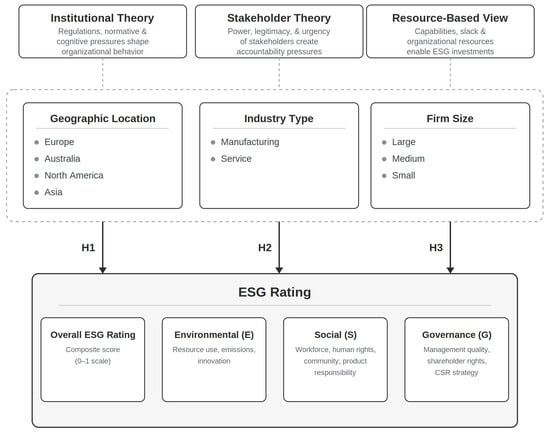
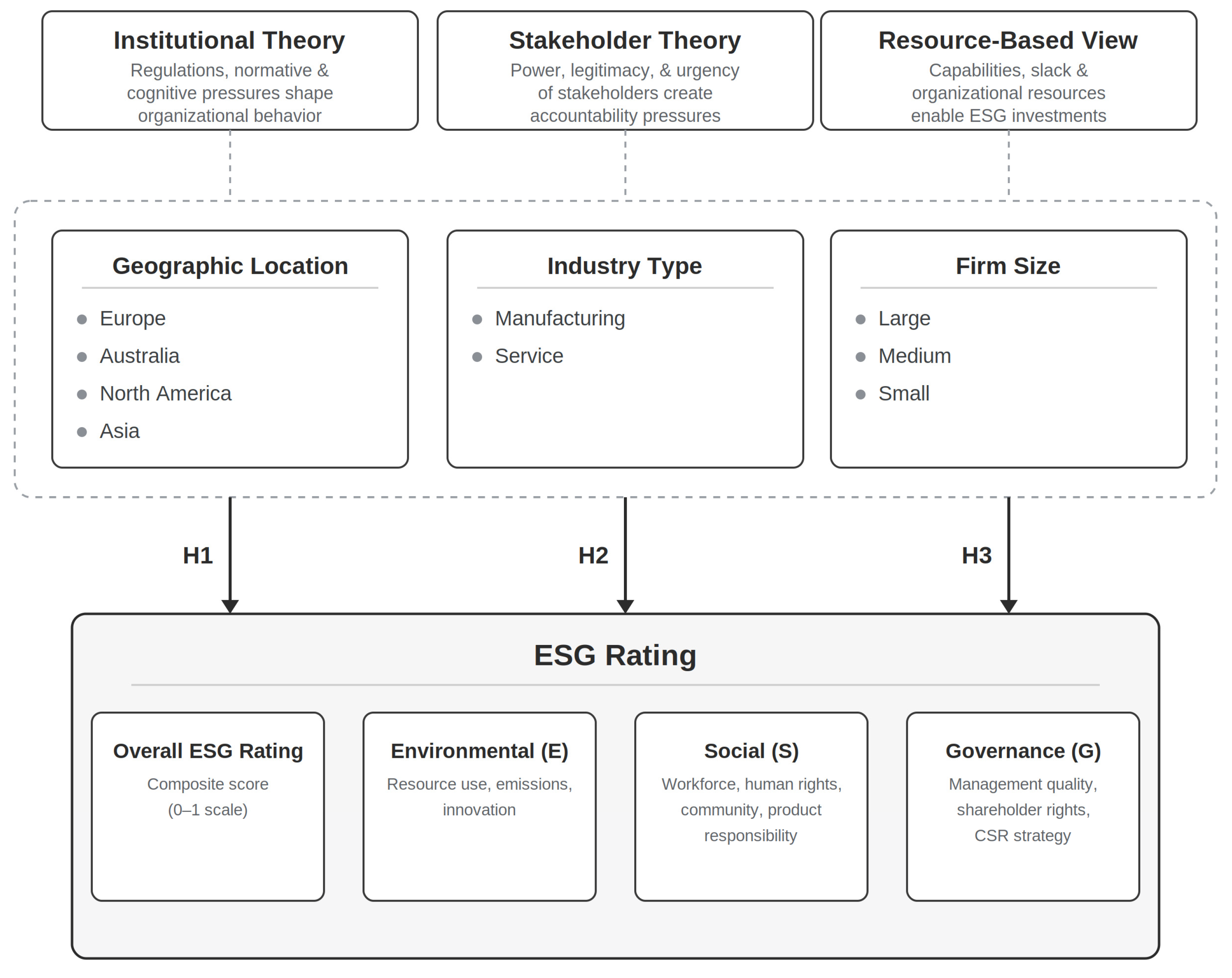
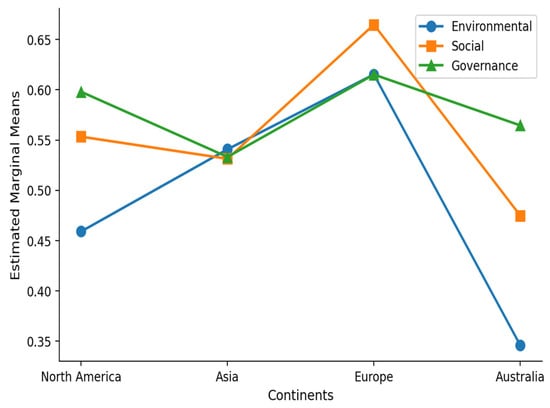
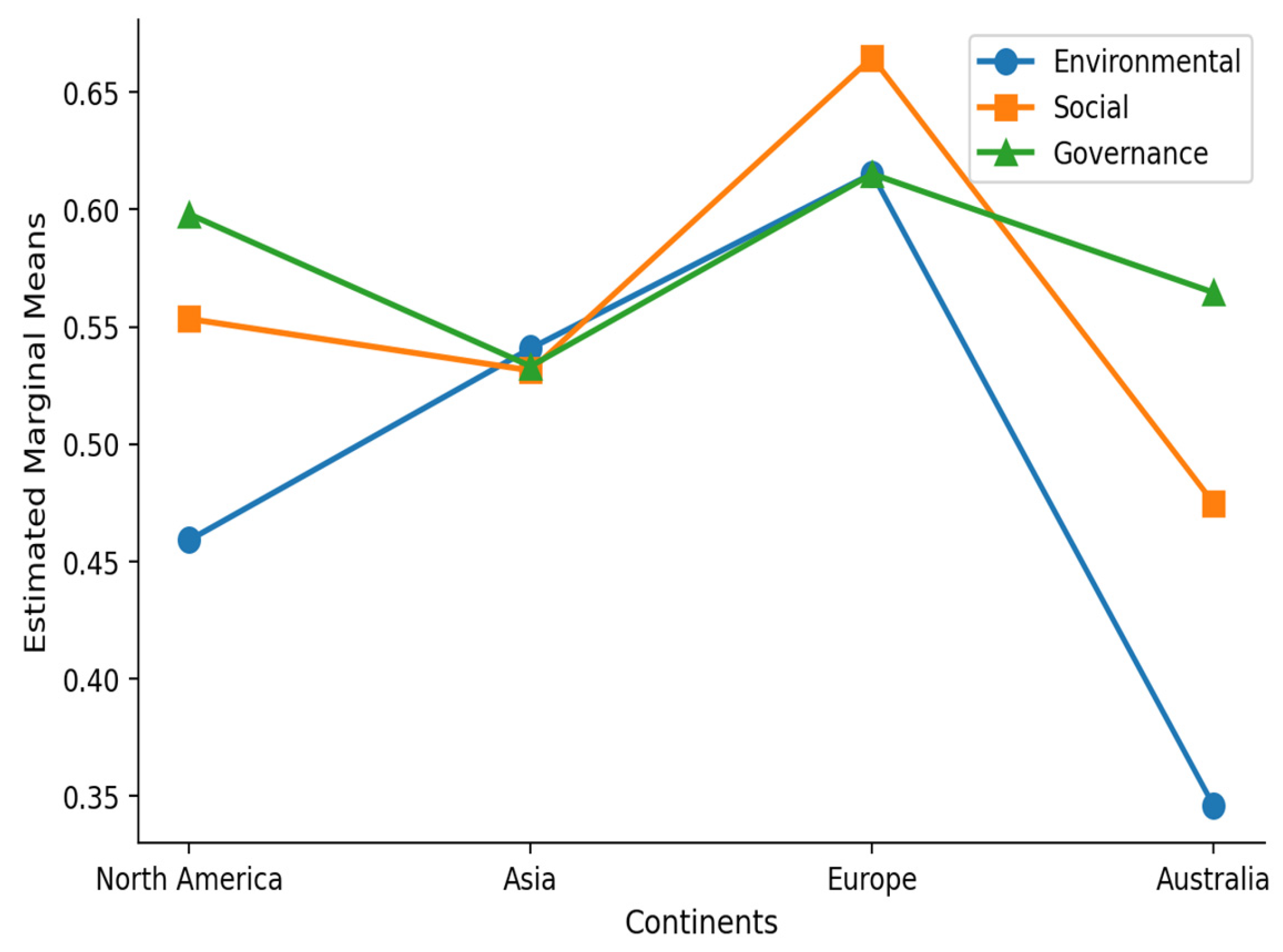
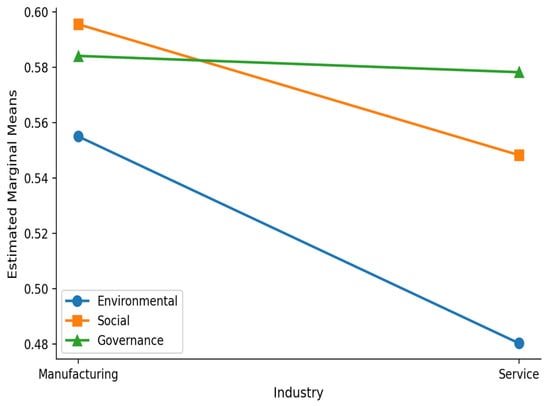
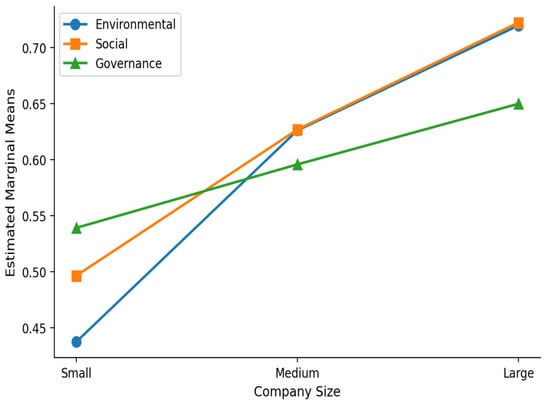

Disclaimer/Publisher’s Note: The statements, opinions and data contained in all publications are solely those of the individual author(s) and contributor(s) and not of MDPI and/or the editor(s). MDPI and/or the editor(s) disclaim responsibility for any injury to people or property resulting from any ideas, methods, instructions or products referred to in the content. |
© 2026 by the authors. Licensee MDPI, Basel, Switzerland. This article is an open access article distributed under the terms and conditions of the Creative Commons Attribution (CC BY) license.