Article

Microplastics and Related Plastic Additives in Chicken Meat: Occurrence, Human Health Risks, and Implications for Sustainable Green Production

1
Institute of Quality Standard and Monitoring Technology for Agro-Products, Guangdong Academy of Agricultural Sciences, Guangzhou 510640, China
2
Guangdong Provincial Key Laboratory of Quality & Safety Risk Assessment for Agro-Products, Guangzhou 510640, China
3
Key Laboratory of Testing and Evaluation for Agro-Product Safety and Quality, Ministry of Agriculture and Rural Affairs, Guangzhou 510640, China
4
College of Marine Sciences, South China Agricultural University, Guangzhou 510642, China
5
Guangdong Agricultural Monitoring Technology Co., Ltd., Guangzhou 510640, China
*
Authors to whom correspondence should be addressed.
Sustainability 2026, 18(12), 6315; https://doi.org/10.3390/su18126315 (registering DOI)
Submission received: 24 April 2026 / Revised: 16 June 2026 / Accepted: 18 June 2026 / Published: 19 June 2026

Abstract

Microplastics and related plastic additives, particularly in agricultural products and food, have attracted concern due to their widespread distribution and potential impacts on human health. However, there is still insufficient research on microplastics and plastic additives in meat products, especially chicken meat. This study analyzed the abundance of microplastics, phthalates (PAEs), and phenolic antioxidants in small free-range farms, large cage-raised farms, and heated and unheated prefabricated chicken products and assessed the health risks of their consumption to humans. Polyvinyl chloride (PVC) comprised the main microplastic in all chicken samples, with concentration ranges of 51,163.64–73,080.00 μg/kg. As PVC has a very high hazard score among polymers, these results have significant importance. Dibutyl phthalate was the main PAEs detected, with concentrations ranging from 112.20 to 640.11 μg/kg dry weight. Only one antioxidant, nonylphenol, was detected, with a concentration range of 0 to 5.14 μg/kg dry weight. The chicken samples in this study contained low levels of PAEs and phenolic antioxidants, and their intake levels did not exceed the daily tolerable intake, posing low risks to human health. However, after heating, the levels of PAEs and nonylphenol in pre-cooked chicken products increase from 214.15 to 287.02 to 446.20–463.62 μg/kg dry weight and from 0 to 2.3 to 2.94–5.14 μg/kg dry weight, respectively, necessitating consideration of the health risks of low-dose and combined exposure. This study provides a theoretical basis for quantifying the health risks posed by environmental pollutants in food, driving the transition to green production and promoting sustainable development.

1. Introduction

The widespread use of plastic products causes white pollution, as most of these products are not properly handled after use. Globally, about 80% of plastic products are discarded [1], causing a serious burden on the environment. Due to the lack of enzymes and microorganisms that break down plastics in the environment, as well as plastic’s characteristics of impact resistance and corrosion resistance, most plastic is only split into smaller fragments in the environment. Plastic fragments and particles smaller than 5 mm are known as microplastics (MPs) [2,3]. Some MPs are prepared at the micron level at the beginning of the industrial production process, and some are generated after large plastics are crushed and decomposed via physical and chemical effects [4]. MP pollution has become a global environmental problem, being detected in the atmosphere, water, and soil in various regions [5].
Plasticizers and antioxidants are common plastic additives. In the production of plastic products, various chemical additives are usually added to organic polymers to give them better properties. Phthalates (PAEs) are often used as plasticizers in thermoplastic manufacturing to reduce the intermolecular forces of polymers and the softening and embrittlement temperatures of plastic products, as well as improve the elongation and flexural strength of plastic. Approximately 8.1 million tons of PAEs are produced globally each year, and 80% of plastic products have been reported to contain PAEs [6,7,8]. In addition, PAEs are particularly important for polyvinyl chloride (PVC) products, being the most useful PVC plasticizer, as it can occupy more than 70% market share [9]. Antioxidants can capture free radicals in plastic products, delay or inhibit their oxidation, and extend their service life. Common antioxidants include lead- or cadmium-based compounds, bisphenol A (BPA), phosphite, phosphonites, nonylphenol compounds, and octylphenol [10,11]. BPA, nonylphenol compounds, and octylphenol are among the most widely used antioxidants, and their production volume has increased year by year, with these compounds being added to polyethylene (PE), polypropylene (PP), and PVC products [10,12,13]. Chemical additives, such as plasticizers and antioxidants, are contained in the plastic, but most do not form chemical bonds with the polymer matrix, and some only form weak bonds. When the polymer chain breaks, forming pores or cracks, these additives are released, implying that MPs can be a source of various organic pollutants in the environment for extended durations. Gardon et al. [14] detected 26 organic pollutants, such as phthalates, antioxidants, and polycyclic aromatic hydrocarbons (PAHs), in the leachate of plastic products made for cultured pearl oysters, discovering that the content of additives in the newly manufactured products was higher than that in the aged products. Xu et al. [15] found that microplastics from agrofilms used in soil to increase crop yields and reduce the use of chemical fertilizers and herbicides can release additives at levels ranging from 228 to 3455 μg/kg, with phenolic antioxidants and phthalates accounting for 54.1% and 25.2%, respectively.
The widespread MPs and related additives in the environment may enter the food chain, posing potential risks to human health, causing widespread attention. Wiesinger et al. [16] systematically investigated plastic additives and processing aids on the global market and identified a total of more than 10,000 different chemicals, of which more than 2400 were potentially hazardous. Plastic additives, such as PAEs, BPA, and alkylphenols, have been recognized as endocrine-disrupting chemicals (EDCs). These EDCs can imitate the role of endogenous hormones by stimulating hormone receptors—estrogen, androgen, and progesterone—in order to interfere with the synthesis of various types of hormones, affect the body’s endocrine system, and subsequently generate reproductive development toxicity [17,18,19]. In addition, EDCs may cause cardiovascular, neurological, and other systemic dysfunctions, malfunctions in glucose and lipid metabolism, epigenetic changes, and an increased risk of various types of cancer [20,21,22].
Diet may be an important route for MPs and related additives to enter the human body. Plastic fibers and fragmented MPs have been detected in drinking water, with an abundance of MPs up to 100 particles/L in specific regions [23]. Foods such as seafood, soy sauce, honey, beer, and seaweed also contain MPs in varying abundance [24]. The risk of ingesting MPs and additives such as plasticizers and antioxidants through food consumption should not be overlooked, but current research on chicken and related prefabricated food products remains insufficient. As chicken and other poultry meat contain more unsaturated fatty acids and are considered healthier than pork and beef, poultry consumption has grown rapidly in recent years and has surpassed beef to become the main meat consumed [25]. According to the United States Department of Agriculture, global chicken production in 2025 is estimated to be 105.822 million metric tons, while beef is 61.55 million metric tons and pork is 116.68 million metric tons, of which China’s chicken production accounts for 15.5 million metric tons [26]. Factors such as the farming environment (e.g., air and soil), water, and fencing used during the farming process, and plastic packaging of pre-cooked products may all contribute to the contamination of chicken meat with MPs and related additives [27]. To assess the contamination levels of MPs, plasticizers, and antioxidants in chicken meat and determine their impact on human health, we analyzed chicken meat from small-scale free-range farms, large-scale cage-raised farms, and prefabricated food. This study addresses a gap in poultry food safety risk assessment, providing critical information for consumers, health departments, and producers, while also offering a foundation for developing policy strategies to reduce MP and its additives in chicken products, achieve green production, and promote sustainable development.

2. Materials and Methods

2.1. Sample Collection

The raw chicken used in this study was purchased from a small-scale free-range chicken farm and a nearby large-scale cage-raised chicken farm in Jiangmen, Meizhou, and Shaoguan, Guangdong Province, all of which were hens around 160 days of age with similar body weights. Detailed information on sampling locations and farm characteristics is provided in Tables S1 and S2. Prefabricated chicken products were purchased from online platforms, and salt-baked chicken was selected as the representative product, selecting the three brands with the largest sales volume. The material information of the packaging bag for prefabricated chicken products is provided by the manufacturer, which is PE plastic. All chicken samples were temporarily stored in a 4 °C incubator during transportation and stored in a −20 °C refrigerator after arriving at the laboratory. Both breeds of chicken were yellow-feathered broilers. A total of 36 samples were collected from March to August 2024. Three individuals were collected from each farm, and six individuals from each brand were purchased and randomly divided into heated and unheated groups. Different individuals from the same farm or the same brand were combined into one sample, resulting in a total of 12 samples. For the heating group, the entire bag of prefabricated chicken product was placed in water at 100 °C and heated for 20 min. The unheated group was placed at room temperature 25 °C for 20 min after thawing. For each individual, an equal weight of muscle tissue from breast and leg meat was taken. In order to avoid contamination from plastics and related additives, metal scissors were used in the collection process of chicken, glassware was used in the transfer and storage process of samples, and metal vessels were used in the heating process of prefabricated chicken products.

2.2. Chemicals

The ammonia solution (≥25%) was purchased from Aladdin (Shanghai, China), while the 11 MP mixed standard was purchased from Frontier Laboratories Ltd. (Koriyama, Japan). Diisodecyl ortho-phthalate and a solution of 12 types of PAEs, both with a concentration of 1000 μg/mL, were mixed into a standard solution with a hexane solvent. The molecular formulas and abbreviations of the 11 MPs and 13 PAEs are detailed in Table 1. Chromatography-grade hexane, methyl alcohol (MeOH), chloroform, acetonitrile (ACN), ammonium formate, and ammonium acetate were obtained from Anpel Laboratory Technologies (Shanghai, China). 4-tert-octyl phenol, 4-n-octyl phenol, nonylphenol, 4-n-nonylphenol, BPA, 4-tert-Octylphenol-13C6, 4-n-octyl phenol-D17, nonylphenol-13C6,4-n-nonylphenol-2,3,5,6-D4, and bisphenol A-3,3′,5,5′-D4 were purchased from BeNa Culture Collection (Beijing, China), while chromatography-grade formic acid was obtained from Macklin Biochemical Technology (Shanghai, China). Concentrated hydrochloric acid was provided by Guangzhou Chemical Reagent Factory. The QuEChERS (quick, easy, cheap, effective, rugged, safe) EN salting agent (each 2 g contains 1.2 g of anhydrous magnesium sulfate, 0.3 g of sodium chloride, 0.2 g of sodium citrate dibasic sesquihydrate, and 0.3 g of trisodium citrate dihydrate) was purchased from Biocomma Limited (Shenzhen, China).

2.3. Analysis of MP Content

MP analysis was achieved using GCMS QP2010 PLUS (Shimadzu, Kyoto, Japan) with a PY-3030D Pyrolysis analyzer (Frontier, Koriyama, Japan). For preprocessing, in accordance with the methods used by Chen et al. [28], each sample was minced using a meat grinder. Then, 2 g was weighed and treated with 10 mL of concentrated nitric acid for 48 h until the proteins were completely dissolved. The digested solution was filtered through a 0.22 μm glass fiber filter membrane, which was then placed in 10 mL of chloroform and sonicated for 30 min to elute the microplastics from the filter membrane. The solution was collected, concentrated to approximately 1 mL, and diluted to a final volume of 2 mL, and then 375 μL was transferred to the pyrolysis cup. After the solvent evaporated, an appropriate amount of quartz wool was added, and pyrolysis–gas chromatography–mass spectrometry (PY-GC/MS) analysis was subsequently conducted, with the following parameters: pyrolysis temperature—550 °C; carrier gas—helium with a split ratio of 80:1; column—SH-5MS (30 m × 0.25 mm × 0.25 μm); flow rate of the chromatographic column—1.2 mL/min; heating procedure—40 °C held for 1 min, then heated to 310 °C at 15 °C per min and held for 10 min; ion source temperature—250 °C; and scanning range of m/z—29–600. Samples with detected microplastic content higher than the standard curve should be retested after dilution. Spiked recovery experiments were employed to evaluate target loss during sample preparation and validate the suitability of the analytical method, with each sample retested once. The spiked recovery rate ranges from 80% to 120%, and the relative standard deviation (RSD) value was less than 20%. The characteristic pyrolysis products, qualitative and quantitative ions, recoveries, RSD values, linear equations, determination coefficients (R2), limits of detection (LODs), and limits of quantification (LOQs) for microplastic analysis are shown in Tables S3–S5. MP analysis was conducted by Guangzhou Climb Biological Technology Co., Ltd. (Guangzhou, China).

2.4. Analysis of Phthalate Plasticizers

The analytical methods of PAEs used in this study were based on those by Lin et al. [29]. After freeze-drying and calculating the water loss (Table S7), 0.5 g of the sample was weighed into an 8 mL glass bottle, 3 mL of ultrapure water (pH = 2) was added, and the solution was vortexed for 1 min; then 3 mL of acetonitrile was added, and the solution was vortexed for 1 min. Next, the sample was sonicated for 10 min, mixing the sample halfway through. Then, 2 g of QuEChERS EN salting agent was added, and the solution was vortexed for 5 min and centrifuged at 3000 rpm for 5 min.
Ultra-high-performance liquid chromatography–quadrupole/electrostatic field orbitrap high-resolution mass spectrometry (UPLC-Q/Orbitrap HRMS, Q-Exactive Orbitrap MS, Thermo Fisher Scientific, Waltham, MA, USA) was used to analyze the 13 PAEs. The chromatographic column was a Kinetex Biphenyl (100 mm × 3.0 mm, 2.6 μm) at 40 °C with a flow rate of 0.4 mL/min (Phenomenex, Inc., Torrance, CA, USA), and the initial mobile phase consisted of 0.1% formic acid aqueous solution (mobile phase A) and methanol (mobile phase B). The gradient elution procedure is detailed in Table S8.
The mass spectrometry conditions were as follows: electrospray voltage of 4 kV, capillary temperature of 275 °C, auxiliary gas heater temperature of 300 °C, sheath gas flow rate of 46 arbitrary units, auxiliary gas flow rate of 5 arbitrary units, Orbitrap detector type, mass spectrometry resolution of 70,000 FWHM, scanning range of 50–750 m/z, and maximum injection time of 200 ms. The MS automated gain control target was 1.0 ×10⁶ with a mass deviation of 5 × 10⁻⁶, and [M+H]+ ions were used for quantitative analysis, with each sample retested once. The linear equations, R2, LODs, and LOQs for PAEs analysis are shown in Table S9.

2.5. Analysis of Phenolic Antioxidants

The analytical methods of phenolic antioxidants used here are in reference to those by Yu et al. [30]. Ultra-performance liquid chromatography–tandem triple quadrupole mass spectrometry (UPLC-MS/MS, TSQ Altis Plus, Thermo Fisher Scientific, Waltham, MA, USA) was used for the determination of five commonly used antioxidants, including 4-tert-Octyl phenol (4-tOP), 4-n-octyl phenol (4-nOP), nonylphenol (NP), 4-n-nonylphenol (4-n-NP), and BPA. Briefly, 1 g of lyophilized sample powder was added to a stoppered glass tube, along with 100 μL of a five-antioxidant isotope mixing standard (100 μg/L) and 5 mL of acetonitrile; the solution was vortex-mixed and underwent ultrasonic extraction for 15 min and centrifugation at 8000 r/min for 5 min. The upper layer of the solution was taken, the residue was extracted again with 5 mL acetonitrile, and the supernatant was combined and allowed to stand at −20 °C for 2 h, and then subsequently centrifuged at 8000 r/min for 5 min.
The sample supernatant was diluted with 30 mL of water and mixed well, and then passed through a Polar Enhanced Polymer (PEP) column activated with 18 mL of methanol and 6 mL of water, equilibrated at a rate of 1 mL/min. The supernatant was then washed with 12 mL of 60% methanol aqueous solution (v/v), eluted with 6 mL of acetonitrile, blown to near dryness with nitrogen at 50 °C, and then reconstructed with 1 mL of methanol to be measured.
The separation was carried out on a C18 column (3 μm, 50 mm × 3 mm) at 30 °C with a flow rate of 400 μL/min. The initial mobile phase consisted of 0.05% ammonia solution (mobile phase A) and methanol (mobile phase B), and the gradient elution procedure is detailed in Table S10. The electrospray ionization (ESI) source was selected for mass spectrometry analysis, and analytes were detected in multiple reaction monitoring (MRM) mode. The mass spectrometry conditions were as follows: voltage of −4500 V, ion source temperature of 650 °C, atomizing gas pressure of 55 psi, auxiliary gas pressure of 65 psi, and curtain gas pressure of 20 psi. Each sample was retested once. The qualitative and quantitative ions, collision energies, isotopic internal standard, linear equations, R2, LODs, and LOQs of the five antioxidants are shown in Tables S11 and S12.

2.6. Risk Assessment of MPs

The estimated annual intake (EAI) of MPs through chicken consumption can be calculated using the following formula [31,32]:
EAI = C × AIR
where C is the concentration of MPs in chicken meat and AIR is the annual ingestion rate of chicken. According to data from the Food and Agriculture Organization of the United Nations (FAO, 2025) [33], the global per capita supply of poultry meat is 18 kg/year, with chicken accounting for 93% of this total with an annual ingestion rate of 16.74 kg/year.
The risk assessment methods for MPs used here are in reference to previous research [34,35]. A hazard index is calculated using polymer type and hazard scores, with the following formula:
P H I = Σ P n × S n
where Pn is the percentage of microplastic polymer types in each sample, Sn is the hazard score of a single type of microplastic polymer, which is listed in Table S13, and PHI is the polymer hazard index after being calculated. Since there is currently no hazard score for SBR polymers, this study only assessed the risks of 10 other polymers.

2.7. Risk Assessment of Plastic Additives

The intake risk of phthalates and phenolic antioxidants can be assessed by comparing their daily intake with the recommended daily allowable intake. The estimated daily intake (EDI, μg/kgbw/day) of phthalates and phenolic antioxidants can be calculated using the following formula [36]:
E D I = C × f o o d   i n t a k e ÷ B W
where food intake is the daily ingestion rate of chicken meat, calculated by annual ingestion rate ÷ 365, and BW is the average body weight for adults, assumed to be 60 kg, C is the concentration of phthalates and phenolic antioxidants in chicken meat (μg/kg wet weight), can be calculated using the following formula:
C = C d × ( 1 w )
where Cd is the dry weight concentration, and w is the moisture content, based on the weight before and after freeze-drying, is calculated to be 71.8%.
The formula for calculating the health risk index (HI) is [37]:
HI = EDI ÷ RfD
where RfD is the allowable daily reference intake or TDI (tolerable daily intake). An HI value below 1 indicates a lower risk to human health, while a value above 1 indicates a higher risk to human health, necessitating the implementation of appropriate control measures.

2.8. Quality Assurance and Quality Control

To avoid contamination, glassware or metal utensils were used during sampling and analysis, and cotton lab coats and nitrile gloves were worn throughout the experiment. Preprocessing was performed in a fume hood to avoid the influence of air in the experimental environment on the results. Every six samples includes one procedural blank (where only DBP was detected, at a concentration of 3 ng/g, other target analytes were not detected) and one spiked blank sample. The final result was obtained after subtracting the background value.

2.9. Statistical Analysis

Data analysis was performed using SPSS 25.0 software. The mean differences between groups were assessed using one-way analysis of variance (ANOVA), and multiple comparisons were performed using Bonferroni correction, Least Significant Difference (LSD), and the Student–Newman–Keuls method (S-N-K). A p-value less than 0.05 was statistically significant.

3. Results and Discussion

3.1. MP Levels in Chicken Meat and Their Health Risks

The content and types of MPs in chicken meat are shown in Table 2. MPs were detected in all samples, with PVC and polyamide-6 (PA6) being the primary types. Moreover, the abundance of PVC—ranging from 51,163.64 to 73,080.00 μg/kg (μg/kg = ppb)—is one order of magnitude higher than that of PA6, which ranges from 184.39 to 1965.00 μg/kg. There were no significant differences in microplastic content among groups from free-range farms, cage-raised farms, and unheated and heated prefabricated chicken meat products (p > 0.05). The packaging material of prefabricated chicken meat products is PE plastic, which was not detected in this study, whether in the heated nor unheated group. In previous studies, Yang et al. [31] observed a significant increase in PE and PP particles released from herbal solutions within heated flexible plastic packaging. Other studies have found that brief heat treatment induces polymer chain breakage, disrupting their structure and consequently leading to the release of significant quantities of MPs [32,38,39]. In Yang et al.’s study [31], both water at 100 °C and microwave heating were employed, and as a result, we speculate that temperature, heating method, and time may be the decisive factors in the release of plastic particles. Wang et al. [40] found that when food containers made of PE, PS, and PP were heated at 100 °C for 2 h, microplastics were virtually undetectable in the simulated food solution. After 4 h, the amount of microplastics gradually increased, and at 6 h, it reached twice that found at 4 h. However, no release of microplastics from the packaging materials was observed in this study, which may be related to the short heating time.
Previous studies have detected MPs in various foods, with the most prevalent findings observed in aquatic products such as fish. Mukhopadhyay et al. [41] investigated microplastic abundance in the muscle tissue of two fish species from the Periyar River and found that microplastic abundance ranged from 0.01 to 0.001 pieces/g in Etroplus suratensis and from 0.08 to 0.02 pieces/g in Etroplus maculatus. MP concentrations in freshwater fish ranged from 2 to 80 items per individual, with an average concentration of 18.3 items per individual, while the abundance of MPs in marine fish ranged from 0.14 to 44.0 items per individual [42,43]. However, MPs in fish are mostly distributed in organs such as gills, liver, and intestines, with only a few studies detecting their presence in muscle tissue [44,45,46]. Various types of MPs, such as Nylon 66, PE, PP, PS, polyethylene terephthalate (PET), polymethyl methacrylate (PMMA), and polyamide (PA), can be detected in fish, and their abundance is related to fish feeding habits [47]. The abundance of MPs in benthic fish is significantly higher than that in pelagic fish, and fish that are omnivorous and have a wide range of food preferences have greater MP abundance than carnivorous fish [43,48]. Furthermore, Bai et al. [49] discovered that the ravine structures on vegetable leaf surfaces readily trap large quantities of plastic particles, and that MPs can accumulate and be transported within vegetables via leaves, roots, and exosomes. Due to most studies using infrared analysis methods, the unit of MP abundance is mainly particles/g or items/individual. However, the infrared method cannot analyze particles below 6 μm in the sample, nor can it determine the weight of MPs contained in the sample. Lin et al. [50] used the same PY-GC/MS method as this study to analyze MPs in beef, detecting the presence of ultra-high-molecular-weight polyethylene (UHMWPE), PET, PVC, PS, and PMMA, with PVC having the highest abundance of up to 253 ± 171 μg/g (μg/g = ppm). In comparison, the chicken in this study had lower levels of MPs.
PVC and PA6 MPs detected in chicken meat in this study may have been introduced during the farming process, and this finding is supported by previous research. MPs in feed, soil, air, and water can potentially enter chicken meat. Wu et al. [51] found that MPs were contained in cattle feed, pig feed, and chicken feed, with MP abundance in chicken feed being 960 ± 109 particles/kg, which may be caused by feed packaging. Varying amounts of MPs were also detected in chicken crops and gizzards [52]. PVC material is used to make fences, wall panels, sun-proof ceiling panels, water pipes, and ventilation pipes in livestock and poultry breeding because of its corrosion resistance, easy cleaning, and low cost. PA6 possesses wear resistance and elasticity characteristics and is often manufactured into fiber form. The PA6 found in chicken meat may originate from feed packaging bags, and we speculate that, generally, MPs in chicken meat may originate from feed or the environment and be ingested through the diet. Existing research confirms that MPs can enter the bloodstream and penetrate cell membranes to enter organs and tissues [53].
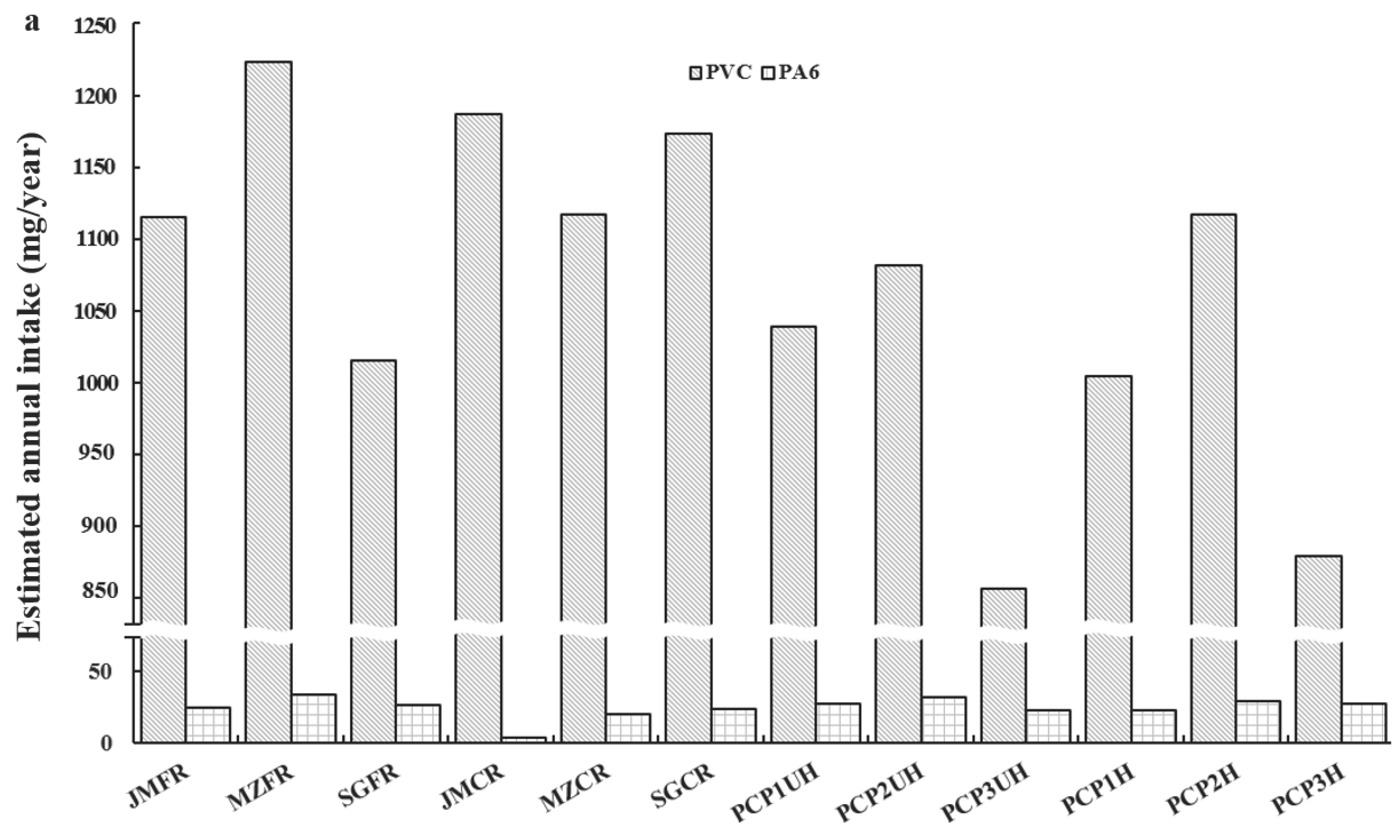
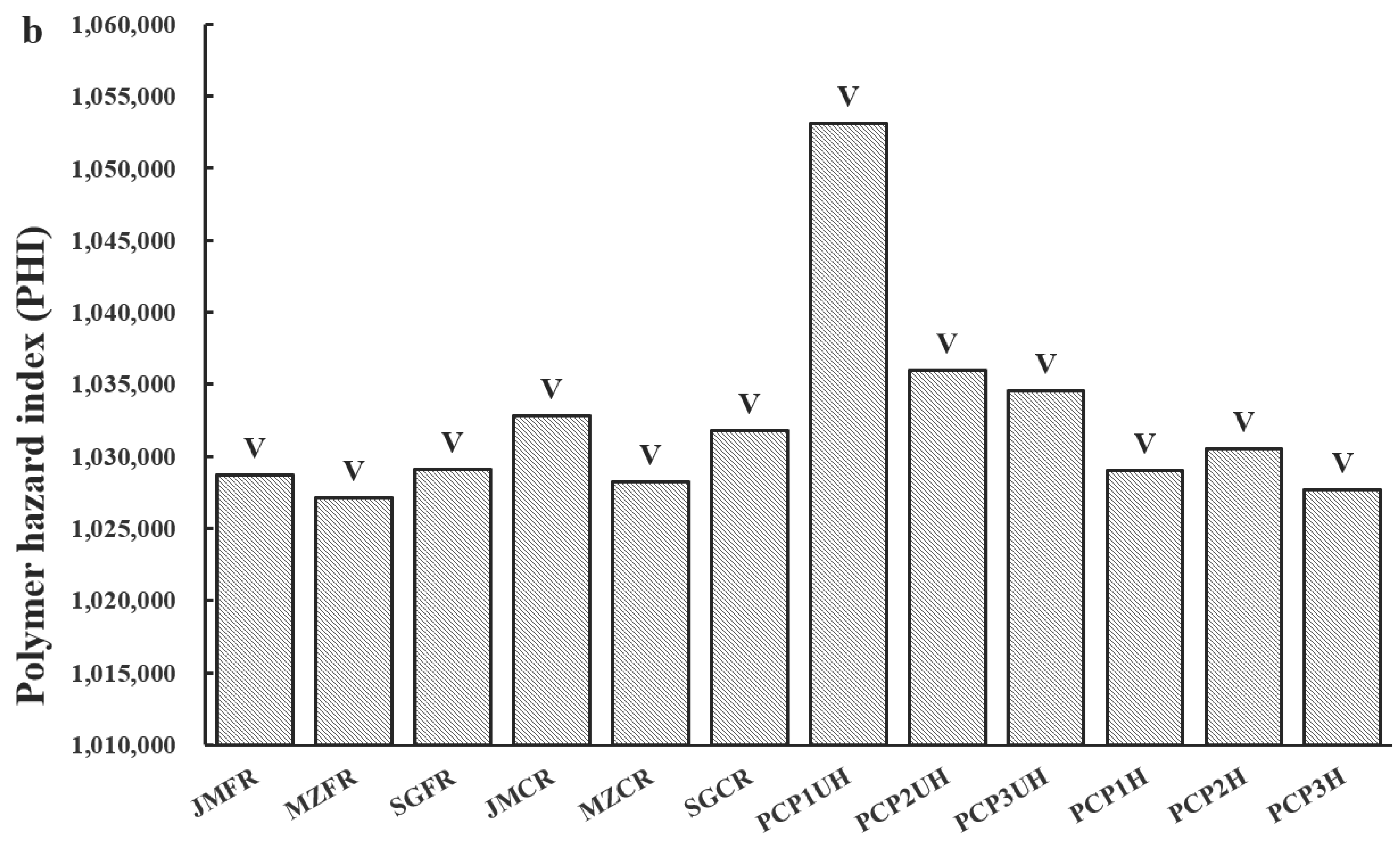
By combining global chicken consumption data with detected MP levels, we estimated the annual per capita intake of MPs (Figure 1a) via chicken consumption and assessed the hazard level (Figure 1b) of MPs in chicken meat. For clearer presentation, the estimated annual intake of microplastics is expressed in mg/year rather than μg/year. Our research indicates that the per capita intake of PVC MPs ranges from 856.42 to 1223.36 mg/year, whilst that of PA6 MPs ranges from 3.01 to 32.98 mg/year. According to statistics, the global average per capita intake of MPs through consumption of shellfish and other molluscs is 751 items/year [54]. Cox et al. [55] estimated that the amount of MPs ingested through water, food, and other dietary sources is between 39,000 and 52,000 particles per year. Although most MPs can be excreted from the body, some may enter various tissues within the human body; notably, previous studies have detected MPs in human placental and cardiac tissues [56,57]. Smaller microplastics can even cross the blood–brain barrier and enter the central nervous system, causing neuronal damage [58].
The PHI scores for all chicken samples ranged from 1,027,135 to 1,053,096 (Figure 1b), and there were no significant differences in PHI scores among the groups (p > 0.05). PHI assessment shows that MP contamination in chicken has reached the highest risk level of V, indicating a PHI score above 10,000, according to research by Lithner et al. [59]. This result is primarily attributed to the high proportion of PVC in the chicken meat analyzed in this study, which received a hazard score of 10,551, indicating a higher risk than most polymer types. The hazard score of low-level PA6 in chicken is 50, which belongs to the II level, indicating a lower risk. Ingestion of PVC and PA6 microplastics may cause intestinal tissue damage, oxidative damage, and impaired immune function. PVC is more toxic than PA6 due to its thermal instability, and a large amount of heat stabilizers is required during the production process. Among all plastic types, PVC also demands the highest volume of additives, with plasticizers typically used at a ratio of 35–40% [60]. Both heat stabilizers and plasticizers may induce extremely high levels of reproductive toxicity. However, the hazard level of MPs does not directly reflect their actual hazards; it only reflects the hazards of the raw materials used to produce the polymer.

3.2. PAE Levels in Chicken Meat and Their Health Risks

As shown in Table 3, among the 13 PAEs tested, DDP, DEEP, DHXP, DIDP, DNP, and DPHP were not detected in any of the samples. BMPP and individual samples of DCHP and DNPP were below the LOD, while DBEP was detected at low concentrations (LOQ-14.18 μg/kg dry weight) in individual samples. DBP was detected in all samples, accounting for the majority of the 13 phthalates, ranging from 112.20 to 640.11 μg/kg dry weight. No significant differences were observed between small free-range farms, large cage--raised farms, and unheated pre-cooked chicken products (p > 0.05). However, after heat treatment, the levels of DBP in the pre-cooked chicken products increased significantly (p < 0.05) from 214.15 to 287.02 μg/kg dry weight to 428.90–640.11 μg/kg dry weight, and the levels of DBEP was also the same. The concentration range of total PAEs across all samples was 112.20–653.76 μg/kg dry weight.
Based on the weight before and after freeze-drying, the moisture content of chicken is calculated to be 71.8% (Table S7), and the total PAE concentration converted into wet weight is 31.64–184.36 μg/kg. Compared with other foods, the PAE levels in raw chicken and pre-cooked chicken products in this study were moderate. In milk, the DBP and DEP concentrations were 4.07–9.79 ng/g and 0.39–0.86 ng/g, respectively [61]. The PAE concentration range of fish, shrimp, crab, and shellfish near Hangzhou Bay, China, was 64–2840 ng/g [62]. Among them, crab has the highest total PAE concentration (mean value of 811 ng/g), followed by fish (465 ng/g), shrimp (293 ng/g), and shellfish (261 ng/g). Owing to the lipophilic nature of phthalates, their concentrations are also elevated in foods with high fat content, such as vegetable oils. Wei et al. [63] detected 18 types of PAEs in edible oil sold in Hubei, China, with a total concentration range of 1.188 to 10.415 mg/kg, and an average of 3.456 mg/kg. The use of plastic products in the production process may cause plasticizer contamination in food. Since plastic additives do not form chemical bonds with the polymer matrix, although no significant increase in microplastics was observed in either the heated or unheated groups, there were still significant differences in the release of additives. When cooked food was immediately placed in packaging materials made of PE or PET, the concentrations of DEHP and DBP both increased significantly [64]. Beyond temperature, numerous factors influence the migration of PAEs from packaging into food. Migration levels are higher in highly acidic foods and those with low NaCl concentrations [65,66]. Variables such as contact time, temperature (above 40 °C), acidity, and NaCl concentration can affect the relatively weak physical bonding between the polymer and PAE molecules, leading to their leaching [67,68].
Due to their similar structures to endogenous hormones, PAEs such as DBP and DBEP can specifically bind to relevant hormone receptors, thereby affecting endocrine function and hormone levels. PAEs interfere with an individual’s growth and development and also exhibit reproductive toxicity, affecting the number of oocytes in females and shortening the reproductive cycle [69]. In addition, current research has found that DBP exhibits male reproductive toxicity, potentially leading to testicular dysfunction, reduced sperm quality, decreased levels of reproductive hormones, and reduced expression of testosterone-synthesizing proteins [70].
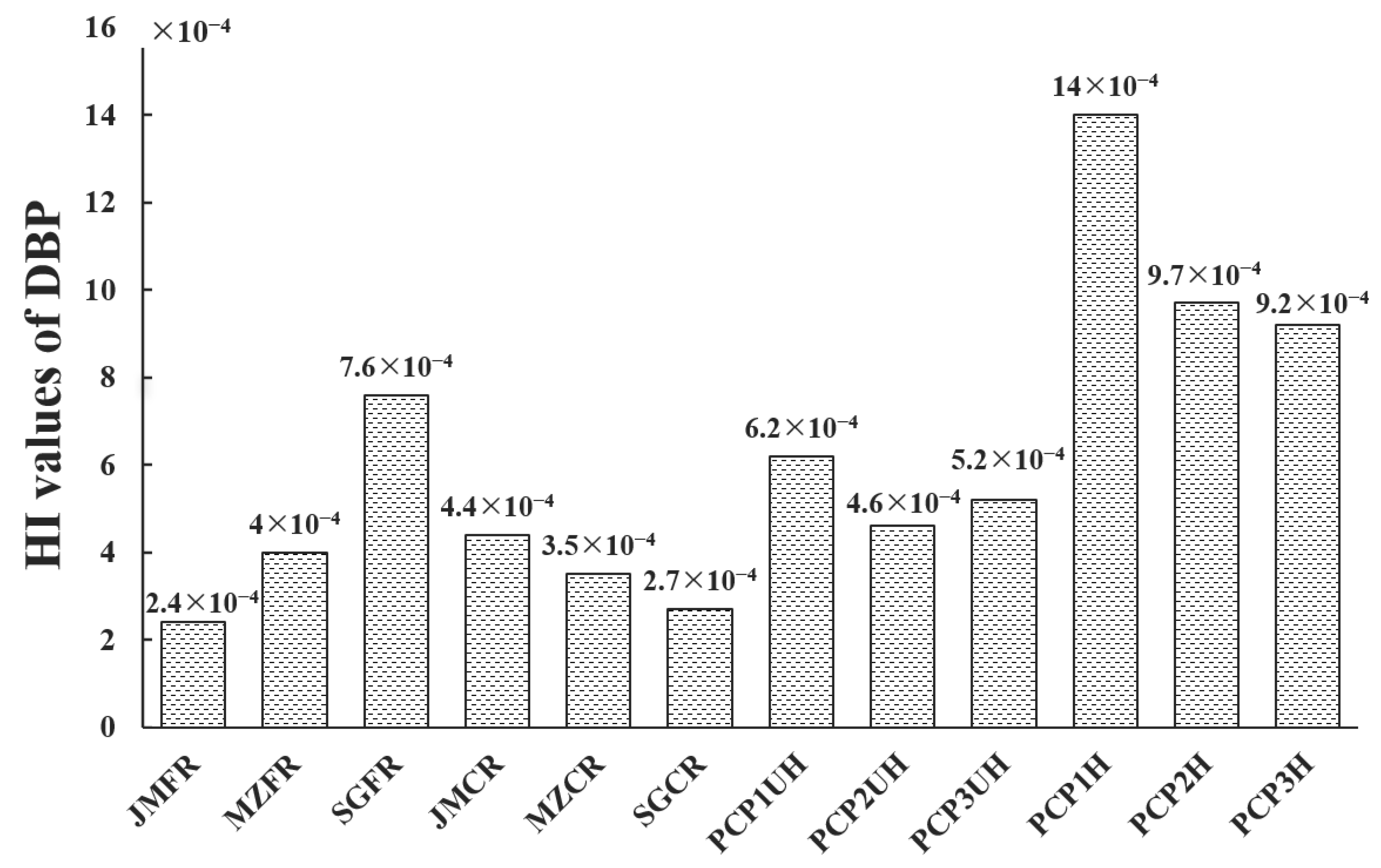
Based on wet weight concentration values (converted from measured dry weight concentrations) and chicken consumption levels, we calculated the daily intake of PAEs, with its EDI ranging from 0.024 to 0.14 μg/kgbw/day, indicating that consumption of chicken meat results in a relatively low intake of PAEs (Table 4). The range of PAE intake from consuming shellfish in different coastal regions was 0.004–1.11 μg/kgbw/day [71]. Research has found that daily diets may be the primary route of phthalate intake [72,73]. For example, when consuming vegetable oils, cereals, and dairy products, daily intake levels of DEHP and DBP are relatively high and may exceed the TDI (DEHP: 50 μg/kgbw/day, DBP: 10 μg/kgbw/day) [74]. HI values were calculated to assess the health risks of PAEs through chicken consumption, but only for DBP, as it is the only PAEs detected in this study that possesses TDI values (Table S14). The health risks associated with DBP were less than 1, indicating that the risk of PAEs in chicken meat is relatively low (Figure 2). However, some studies demonstrate that even when exposure levels fall below the recommended daily intake, low-dose exposure to PAEs can still lead to reproductive hormone disruption [75].

3.3. Phenolic Antioxidant Levels in Chicken Meat and Their Health Risks

In this study, only NP was detected among the five phenolic antioxidants, with concentrations ranging from 0 to 5.14 μg/kg dry weight (Table 5). There were no significant differences in NP concentrations between large-scale cage–raised farms, small-scale free-range farms, and unheated prefabricated chicken meat product groups (p > 0.05). However, significant differences were observed between unheated prefabricated chicken meat products and heated prefabricated chicken meat product groups (p < 0.05). Based on the weight before and after freeze-drying, the moisture content of chicken was calculated to be 71.8%, and the NP concentration converted into wet weight was 0–1.45 μg/kg. Nonylphenol is one of the most commonly used antioxidants, and its addition level in PE plastics can range from 0.05% to 3% [76]. We speculate that only NPs were detected among the five phenolic antioxidants in this study due to the addition of antioxidants in plastic packaging, but further research is needed to determine the reasons. Compared with previous studies, the concentrations of NP detected in chicken meat were relatively low. In the muscle tissue of fish and eels, the abundance of NP ranges from 0.35 to 17 mg/kg wet weight, whilst in fat tissue, it ranges from 19 to 420 mg/kg wet weight [77]. In samples of vegetables and fruits, including pumpkin, sweet potato, citrus, and apple, the concentration range of NP was 5.1 ± 2.6 to 12.2 ± 3.6 μg kg−1 [78]. Particular attention should be paid to vegetables whose roots are eaten, as Dodgen et al. [79] proved that, because NP is absorbed and transported to other parts of the ground through the roots, the NP content in the roots of some plants is much higher than that in leaves and other parts. Furthermore, like phthalate plasticizers, phenolic antioxidants also readily migrate into high-fat foods. The content of NP may be particularly high in pulses, nuts, and dairy products [80]. Niu et al. [81] reported that the concentration range of NP in milk was 196 to 2101 μg/kg dry weight. When infants aged 0–1 months were exclusively fed formula milk, their daily exposure to NP exceeded the TDI (5 μg/kgbw/day). For PVC stretch film, NP only migrates to water in a small amount, but in ethanol solution, food simulants, and rapeseed oil, the migration amount is significantly higher and, if heated for a long time, will increase significantly [82].
A large number of studies have shown that the toxicity of NP is multifaceted, as it can induce estrogenic effects and also produce toxic effects through non-estrogenic pathways. Animal experiments have shown that nonylphenol can induce the appearance of mixed gonads in offspring, affecting sexual differentiation. It is also neurotoxic, interferes with neurotransmitter synthesis, and affects cellular energy metabolism, liver, and immune function [83].
Based on wet weight concentration values (converted from measured dry weight concentrations) and chicken consumption levels, we calculated the EDI and HI values of NP (Table 6), with EDI ranging from 0 to 9.5 × 10⁻⁴ μg/kgbw/day, HI ranging from 0 to 1.90 × 10⁻⁴. The Danish Veterinary and Food Administration proposes that the TDI of NP is 5 μg/kgbw/day (Table S14). Based on this, the health risk index of NP is less than 1, indicating a low hazard. Lu et al. [84] calculated the average daily intake of NP among 144 Taiwanese residents, which was 28.04 ± 25.32 μg/day. Rice was the main source of NP, followed by aquatic products and livestock products. In Germany, the estimated daily dietary intake of NP for adults is 7.5 μg/day, while in Sweden, it is 27 μg/day [85,86]. Assuming an average adult weight of 60 kg, the daily intake of NP in these regions does not exceed the TDI value of 300 μg/day, indicating that the overall risk of NP exposure through daily dietary intake is relatively low.

3.4. The Correlation Between Microplastics and Related Additives

Existing research shows that microplastics or plastic products will release phthalates, nonylphenol and other related additives, and are affected by many factors such as plastic type, temperature, and contact time [87]. Zhong et al. [88] studied several types of microplastics such as PE, poly(butylene adipate-co-terephthalate) (PBAT)—starch-based—polylactic acid (PLA), and PLA, and the results showed that PE has the highest PAEs leaching potential. Cao et al. [89] found that diisobutyl phthalate and DBP were the predominant components (68–94%) in the leachate from PE microplastics, which is consistent with the findings of this study, where DBP accounted for the vast majority. Microplastics collected from beaches and the ocean were found to contain added phenolic compounds such as NP and BPA, some samples also contained high concentrations of these compounds [90]. Some studies believe that the main or most sources of PAEs and NP in the environment are various types of microplastics [89,90]. A positive correlation was found between the abundance of microplastics and PAE concentrations in samples collected from seawater in Jiaozhou Bay, Shandong, and soil in Xuzhou, Jiangsu [91,92]. However, some studies have not found a significant relationship between MPs and additives [93]. In this study, no positive correlation was found between MPs, PAEs, and phenolic antioxidants. The relationship between microplastics and additives such as PAEs and phenolic antioxidants has not yet been fully studied. It must be recognized that the composition of microplastics and related additives in different samples will be different. Factors such as limited sample size and insufficient sampling area will affect the correlation results. More research is needed to conduct a comprehensive analysis of the correlation between MPs and additives such as PAEs and NP.

3.5. Limitations and Future Prospects

Due to the advantage of using mass spectrometry for accurate identification, an increasing number of studies have used thermal pyrolysis mass spectrometry to report mass-based quantitative results in samples. However, recent studies have reported that the pyrolysis products of fatty acid lipids are similar to those of PE, which can lead to an overestimation of the true concentration in the sample or false positives [94]. No PE was detected in the samples collected for this study. In addition, because microplastics exist in particulate form, their distribution pattern in organisms is not as uniform as soluble compounds. Although this study collected meat samples from multiple body parts and ground them using a meat grinder, the representativeness of the results may still be limited due to the small sample size (2 g) used in the analysis. The use of pyrolysis methods to analyze microplastics is still in its early stages, future research should develop more pre-treatment methods and explore more characteristic products to expand the applicable scope and accuracy of detection.
This study also has some limitations in the following aspects. First, although the PY-GCMS method is sensitive and accurate and can detect the quality of microplastics, it destroys their structure and cannot obtain information such as the particle size, morphology, and quantity of microplastics. Second, only NP was detected in the prefabricated chicken products; therefore, further research is needed to determine whether the other four phenolic antioxidants were not added to the plastic packaging. Then, in this study, the only method used to heat the prefabricated chicken products were boiling in water, which may not match the actual usage habits of consumers such as microwave heating and steaming. More heating methods are needed to compare the differences. Moreover, this study only assessed conditions in chicken and prefabricated chicken products and did not assess potential impacts from the processing of prefabricated chicken products. Future research should further assess the risks associated with the processing of prefabricated chicken products and the use of antioxidants in packaging materials to enable more accurate traceability. Finally, since MPs, PAEs, and NP may coexist in food, a single exposure to all three will have toxic effects. It is necessary to conduct risk assessment research on whether the toxicity after combined exposure has a synergistic effect.

4. Conclusions

In summary, this study analyzed the contents of microplastics and additives such as PAEs and phenolic antioxidants in large-scale cage-raised farms, small-scale free-range farms, and prefabricated chicken products in Guangdong Province, China. In the samples of this study, only PVC and PA6 were detected in microplastics, with PVC accounting for the majority. Only DBEP and DBP were detected in PAEs, with DBP accounting for the majority. Phenolic antioxidants were only detected with NP. The concentration ranges of PVC, DBP, and NP in chicken meat from large-scale cage-raised farms were 66,717.79–70,919.23 μg/kg, 125.92–203.72 μg/kg dry weight, and 0–2.59 μg/kg dry weight, respectively. The concentration ranges of PVC, DBP, and NP in chicken meat from small-scale free-range farms were 60,650.31–73,080.00 μg/kg, 112.20–352.13 μg/kg dry weight, 0–2.70 μg/kg dry weight, respectively. There was no significant difference in the levels of microplastics, PAEs, and phenolic antioxidants in samples from large-scale cage-raised farms and small-scale free-range farms. The PVC concentrations in the unheated and heated groups of prefabricated chicken products were 51,163.64–64,620.44 μg/kg and 52,520.00–66,724.32 μg/kg, respectively. PAEs and phenolic antioxidants levels in prefabricated chicken products increased significantly after heating, the DBP concentration increased from 214.15 to 287.02 μg/kg dry weight to 428.90–640.11 μg/kg dry weight, and the NP concentration increased from 0 to 2.3 μg/kg dry weight to 2.94–5.14 μg/kg dry weight. By comparison with TDI values, PAEs and phenolic antioxidants pose a lower dietary risk in the chicken meat samples of this study. However, due to the higher hazard score of PVC, more attention should be paid to the high levels of PVC in chicken. Existing research serves as a reminder to remain vigilant regarding the harm caused by low-dose exposure to plasticizers. No positive correlation between MPs, PAEs, and phenolic antioxidants, was observed in this study. MPs, PAEs and phenolic antioxidants may coexist in food. Whether they will produce toxic synergistic effects, joint exposure assessments should be carried out in the future to understand their hazard risks.

Supplementary Materials

The following supporting information can be downloaded at https://www.mdpi.com/article/10.3390/su18126315/s1, Table S1: Latitude and longitude of sampling points; Table S2: Detailed information about the farm characteristics; Table S3: The characteristic pyrolysis products and qualitative and quantitative ions for microplastic analysis; Table S4: Recoveries and RSDs of MP analysis; Table S5: Linear equations, determination coefficients (R2), LODs, and LOQs of MPs; Table S6: Concentrations of various microplastics in the mixed standards; Table S7: Moisture content of the sample; Table S8: Gradient elution procedure for 13 PAEs; Table S9: Linear equations, determination coefficients (R2), LODs, and LOQs of 13 PAEs; Table S10: Gradient elution procedure for 5 antioxidants; Table S11: Five antioxidants and isotope internal standard mass spectrometry parameters; Table S12: Linear equations, determination coefficients (R2), LODs, and LOQs of antioxidants; Table S13: The hazard score and hazard level of a single type of microplastic polymer; Table S14: TDI (tolerable daily intake) value of DBP and NP; Figure S1: Py-GCMS standard curve and mass spectra (partial sample); Figure S2: UPLC-Q/Orbitrap HRMS chromatogram and mass spectrum (partial sample); Figure S3: UPLC-MS/MS standard curve and mass spectra (partial sample).

Author Contributions

Writing—original draft: K.X.; methodology: J.W.; formal analysis: X.H.; writing—review and editing: Y.Z.; validation: S.H.; investigation: K.B. and J.L.; funding acquisition: X.W. All authors have read and agreed to the published version of the manuscript.

Funding

This work was supported by the National Key Research and Development Program of China (2025YFF1107503), the Guangzhou Key Research and Development Program (2024B03J1386), the Guangzhou Basic Research Program (2023A04J0782), and the State Key Laboratory of Swine and Poultry Breeding Industry (2025ZQQZ-G24).

Institutional Review Board Statement

Not applicable.

Informed Consent Statement

Not applicable.

Data Availability Statement

The original contributions presented in the study are included in the article or Supplementary Materials; further inquiries can be directed to the corresponding authors.

Conflicts of Interest

Author Jiahui Li was employed by the company Guangdong Agricultural Monitoring Technology Co., Ltd. The remaining authors declare that the research was conducted in the absence of any commercial or financial relationships that could be construed as a potential conflict of interest.

References

  1. Babaremu, K.O.; Okoya, S.A.; Hughes, E.; Tijani, B.; Teidi, D.; Akpan, A.; Igwe, J.; Karera, S.; Oyinlola, M.; Akinlabi, E.T. Sustainable plastic waste management in a circular economy. Heliyon 2022, 8, e09984. [Google Scholar] [CrossRef] [PubMed]
  2. Thompson, R.C.; Olsen, Y.; Mitchell, R.P.; Davis, A.; Rowland, S.J.; John, A.W.; McGonigle, D.; Russell, A.E. Lost at sea: Where is all the plastic? Science 2004, 304, 838. [Google Scholar] [CrossRef] [PubMed]
  3. Thompson, R.C.; Moore, C.J.; vom Saal, F.S.; Swan, S.H. Plastics, the environment and human health: Current consensus and future trends. Philos. Trans. R. Soc. B Biol. Sci. 2009, 364, 2153–2166. [Google Scholar] [CrossRef] [PubMed]
  4. Osman, A.I.; Hosny, M.; Eltaweil, A.S.; Omar, S.; Elgarahy, A.M.; Farghali, M.; Yap, P.-S.; Wu, Y.-S.; Nagandran, S.; Batumalaie, K.; et al. Microplastic sources, formation, toxicity and remediation: A review. Environ. Chem. Lett. 2023, 21, 2129–2169. [Google Scholar] [CrossRef] [PubMed]
  5. Liu, J.; Zheng, L. Microplastic migration and transformation pathways and exposure health risks. Environ. Pollut. 2025, 368, 125700. [Google Scholar] [CrossRef] [PubMed]
  6. Yang, Q.; Wu, Y.; Zhang, S.; Xie, H.; Han, D.; Yan, H. Recent advancements in the extraction and analysis of phthalate acid esters in food samples. Food Chem. 2025, 463, 141262. [Google Scholar] [CrossRef] [PubMed]
  7. Li, X.; Wang, Q.; Jiang, N.; Lv, H.; Liang, C.; Yang, H.; Yao, X.; Wang, J. Occurrence, source, ecological risk, and mitigation of phthalates (PAEs) in agricultural soils and the environment: A review. Environ. Res. 2023, 220, 115196. [Google Scholar] [CrossRef] [PubMed]
  8. Khoshmanesh, M.; Farjadfard, S.; Ahmadi, M.; Ramavandi, B.; Fatahi, M.; Sanati, A.M. Review of toxicity and global distribution of phthalate acid esters in fish. Sci. Total Environ. 2024, 953, 175966. [Google Scholar] [CrossRef] [PubMed]
  9. Halden, R.U. Plastics and health risks. Annu. Rev. Public Health 2010, 31, 179–194. [Google Scholar] [CrossRef] [PubMed]
  10. Zhang, L.; He, Y.; Jiang, L.; Shi, Y.; Hao, L.; Huang, L.; Lyu, M.; Wang, S. Plastic additives as a new threat to the global environment: Research status, remediation strategies and perspectives. Environ. Res. 2024, 263, 120007. [Google Scholar] [CrossRef] [PubMed]
  11. Pfaendner, R. A Brief History of Plastic Additives. Part 1: Antioxidants. Macromol. Mater. Eng. 2025, 310, 2500039. [Google Scholar] [CrossRef]
  12. Sharma, P.; Vishwakarma, R.; Varjani, S.; Gautam, K.; Gaur, V.K.; Farooqui, A.; Sindhu, R.; Binod, P.; Awasthi, M.K.; Chaturvedi, P.; et al. Multi-omics approaches for remediation of bisphenol A: Toxicity, risk analysis, road blocks and research perspectives. Environ. Res. 2022, 215, 114198. [Google Scholar] [CrossRef] [PubMed]
  13. Ügdüler, S.; Van Geem, K.M.; Roosen, M.; Delbeke, E.I.P.; De Meester, S. Challenges and opportunities of solvent-based additive extraction methods for plastic recycling. Waste Manag. 2020, 104, 148–182. [Google Scholar] [CrossRef] [PubMed]
  14. Gardon, T.; Huvet, A.; Paul-Pont, I.; Cassone, A.-L.; Sham Koua, M.; Soyez, C.; Jezequel, R.; Receveur, J.; Le Moullac, G. Toxic effects of leachates from plastic pearl-farming gear on embryo-larval development in the pearl oyster Pinctada margaritifera. Water Res. 2020, 179, 115890. [Google Scholar] [CrossRef] [PubMed]
  15. Xu, Y.; Xiong, B.; Huang, Y.-M.M.; Xu, J.; He, Y.; Lu, Z. Exploring additives beyond phthalates: Release from plastic mulching films, biodegradation and occurrence in agricultural soils. Sci. Total Environ. 2024, 918, 170763. [Google Scholar] [CrossRef] [PubMed]
  16. Wiesinger, H.; Wang, Z.; Hellweg, S. Deep Dive into Plastic Monomers, Additives, and Processing Aids. Environ. Sci. Technol. 2021, 55, 9339–9351. [Google Scholar] [CrossRef] [PubMed]
  17. Padmanabhan, V.; Song, W.; Puttabyatappa, M. Praegnatio Perturbatio—Impact of Endocrine-Disrupting Chemicals. Endocr. Rev. 2021, 42, 295–353. [Google Scholar] [CrossRef] [PubMed]
  18. Diamanti-Kandarakis, E.; Bourguignon, J.-P.; Giudice, L.C.; Hauser, R.; Prins, G.S.; Soto, A.M.; Zoeller, R.T.; Gore, A.C. Endocrine-Disrupting Chemicals: An Endocrine Society Scientific Statement. Endocr. Rev. 2009, 30, 293–342. [Google Scholar] [CrossRef] [PubMed]
  19. Schantz, S.L.; Widholm, J.J. Cognitive effects of endocrine-disrupting chemicals in animals. Environ. Health Perspect. 2001, 109, 1197–1206. [Google Scholar] [CrossRef] [PubMed]
  20. Raja, G.L.; Subhashree, K.D.; Kantayya, K.E. In utero exposure to endocrine disruptors and developmental neurotoxicity: Implications for behavioural and neurological disorders in adult life. Environ. Res. 2022, 203, 111829. [Google Scholar] [CrossRef] [PubMed]
  21. den Braver-Sewradj, S.P.; van Spronsen, R.; Hessel, E.V.S. Substitution of bisphenol A: A review of the carcinogenicity, reproductive toxicity, and endocrine disruption potential of alternative substances. Crit. Rev. Toxicol. 2020, 50, 128–147. [Google Scholar] [CrossRef] [PubMed]
  22. Hall, J.M.; Greco, C.W. Perturbation of Nuclear Hormone Receptors by Endocrine Disrupting Chemicals: Mechanisms and Pathological Consequences of Exposure. Cells 2019, 9, 13. [Google Scholar] [CrossRef] [PubMed]
  23. Yang, L.; Kang, S.; Luo, X.; Wang, Z. Microplastics in drinking water: A review on methods, occurrence, sources, and potential risks assessment. Environ. Pollut. 2024, 348, 123857. [Google Scholar] [CrossRef] [PubMed]
  24. Pham, D.T.; Kim, J.; Lee, S.-H.; Kim, J.; Kim, D.; Hong, S.; Jung, J.; Kwon, J.-H. Analysis of microplastics in various foods and assessment of aggregate human exposure via food consumption in Korea. Environ. Pollut. 2023, 322, 121153. [Google Scholar] [CrossRef] [PubMed]
  25. Zhao, S.; Li, T.; Wang, G.; Zhang, Y. Adjustment of Meat Consumption Structure under the Dual Goals of Food Security and Carbon Reduction in China. Agriculture 2023, 13, 2242. [Google Scholar] [CrossRef]
  26. CORRECTION: Livestock and Poultry: World Markets and Trade. Available online: www.fas.usda.gov/data/livestock-and-poultry-world-markets-and-trade-04102025 (accessed on 25 May 2026).
  27. Akanda, M.R.; Kawsar, M.A.; Sabuj, M.S.S.; Ashik-Uz-Zaman, M.; Siddiqui, M.S.I.; Hossain, M.A. Microplastic pollution in livestock farming in Bangladesh: A critical review of its key findings and mitigation strategies to address public health. Environ. Monit. Assess. 2025, 197, 732. [Google Scholar] [CrossRef] [PubMed]
  28. Chen, J.; Chen, G.; Peng, H.; Qi, L.; Zhang, D.; Nie, Q.; Zhang, X.; Luo, W. Microplastic exposure induces muscle growth but reduces meat quality and muscle physiological function in chickens. Sci. Total Environ. 2023, 882, 163305. [Google Scholar] [CrossRef] [PubMed]
  29. Lin, W.; Zhang, Y.; Huang, Y.; Wang, J.; Li, M.; Lü, H.; Huang, X. QuEChERS Method for Simultaneous Determination of Phthalates and Their Metabolites in Aquatic Products. Food Sci. 2025, 46, 365–375. [Google Scholar] [CrossRef]
  30. Yu, S.; Wu, X.; Peng, S. Pollution levels and dietary exposure risk assessment of phenolic endocrine disruptors in commercially available aquatic products in Shanghai from 2024 to 2025. J. Food Saf. Qual. 2026, 17, 318–325. [Google Scholar] [CrossRef]
  31. Yang, J.; Kim, P.-G.; Chung, M.-w.; Hong, E.; Park, S.-A.; Jung, J.; Seo, J.H. First assessment of microplastic exposure from heated liquid herbal medicine: Packaging breakdown and ingestion risk. Ecotoxicol. Environ. Saf. 2025, 303, 119069. [Google Scholar] [CrossRef] [PubMed]
  32. Huber, M.; Archodoulaki, V.-M.; Pomakhina, E.; Pukánszky, B.; Zinöcker, E.; Gahleitner, M. Environmental degradation and formation of secondary microplastics from packaging material: A polypropylene film case study. Polym. Degrad. Stab. 2022, 195, 109794. [Google Scholar] [CrossRef]
  33. FAO. Food Outlook–Biannual Report on Global Food Markets; FAO: Rome, Italy, 2025. [Google Scholar] [CrossRef]
  34. Zhu, L.; Kang, Y.; Ma, M.; Wu, Z.; Zhang, L.; Hu, R.; Xu, Q.; Zhu, J.; Gu, X.; An, L. Tissue accumulation of microplastics and potential health risks in human. Sci. Total Environ. 2024, 915, 170004. [Google Scholar] [CrossRef] [PubMed]
  35. Hongsawat, P.; Thinjong, W.; Chouychai, B.; Punyapalakul, P.; Prarat, P. Microplastics in retail shellfish from a seafood market in eastern Thailand: Occurrence and risks to human food safety. Mar. Pollut. Bull. 2024, 201, 116228. [Google Scholar] [CrossRef] [PubMed]
  36. Choi, S.; Lee, A.; Lim, J.-E.; Kim, S.; Choi, K.; Moon, H.-B.; Kho, Y.; Park, J. Phthalates and Alternative Plasticizers in Duplicated Diet Samples from Korea. Environ. Sci. Technol. 2025, 59, 27087–27097. [Google Scholar] [CrossRef] [PubMed]
  37. Ekici, M.; Çakır Biçer, N. National-level assessment of dietary bisphenol A exposure using EFSA-based models and health risks in Turkey. J. Food Compos. Anal. 2025, 148, 108411. [Google Scholar] [CrossRef]
  38. Liu, G.; Wang, J.; Wang, M.; Ying, R.; Li, X.; Hu, Z.; Zhang, Y. Disposable plastic materials release microplastics and harmful substances in hot water. Sci. Total Environ. 2022, 818, 151685. [Google Scholar] [CrossRef] [PubMed]
  39. Xia, Y.; Wang, W.-X. Subcellular toxicity assessments of microplastics released from food containers. J. Hazard. Mater. 2025, 489, 137541. [Google Scholar] [CrossRef] [PubMed]
  40. Wang, J.; Lee, J.; Kwon, E.E.; Jeong, S. Quantitative analysis of polystyrene microplastic and styrene monomer released from plastic food containers. Heliyon 2023, 9, e15787. [Google Scholar] [CrossRef] [PubMed]
  41. Mukhopadhyay, P.; Valsalan, S.A. Microplastics in fish and a bivalve species sampled from freshwater environment and retail outlets, and the assessment of human exposure. Food Control 2024, 166, 110664. [Google Scholar] [CrossRef]
  42. Du, L.; Pan, B.; Han, X.; Li, D.; Meng, Y.; Liu, Z.; Xiong, X.; Li, M. Enhanced ecological risk of microplastic ingestion by fish due to fragmentation and deposition in heavily sediment-laden river. Water Res. 2025, 278, 123306. [Google Scholar] [CrossRef] [PubMed]
  43. Lo, H.S.; Wong, L.C.; Lai, K.P.; Cheung, S.G. The influences of spatial-temporal variability and ecological drivers on microplastic in marine fish in Hong Kong. Environ. Pollut. 2023, 327, 121527. [Google Scholar] [CrossRef] [PubMed]
  44. Sun, X.; Meng, L.; Liang, J.; Li, Q.; Du, J.; Zhu, M.; Zhao, Y.; Zheng, S. Microplastic Distribution Patterns in Fish and Implications for Safe Consumption. Environ. Sci. Technol. 2025, 59, 17393–17402. [Google Scholar] [CrossRef] [PubMed]
  45. Piskuła, P.; Astel, A. Comparative study on microplastic abundance in fish organs from marine and freshwater ecosystems of the southern Baltic Sea region: Influence of habitat zone and feeding preferences. Mar. Pollut. Bull. 2026, 223, 118959. [Google Scholar] [CrossRef] [PubMed]
  46. Yu, X.; Gutang, Q.; Wang, Y.; Wang, S.; Li, Y.; Li, Y.; Liu, W.; Wang, X. Microplastic and associated emerging contaminants in marine fish from the South China Sea: Exposure and human risks. J. Hazard. Mater. 2024, 480, 136200. [Google Scholar] [CrossRef] [PubMed]
  47. Sacco, V.A.; Zuanazzi, N.R.; Selinger, A.; Alliprandini da Costa, J.H.; Spanhol Lemunie, É.; Comelli, C.L.; Abilhoa, V.; de Sousa, F.C.; Fávaro, L.F.; Rios Mendoza, L.M.; et al. What are the global patterns of microplastic ingestion by fish? A scientometric review. Environ. Pollut. 2024, 350, 123972. [Google Scholar] [CrossRef] [PubMed]
  48. Zhou, C.; Ran, M.; Wang, Z.; Li, M.; Wang, X.; Zhang, C.; Song, Z. Baseline biomonitoring of microplastic pollution in freshwater fish from the Chishui River, China: Insights into accumulation patterns and influencing factors. J. Hazard. Mater. 2025, 495, 139055. [Google Scholar] [CrossRef] [PubMed]
  49. Bai, Y.; Song, Y.; He, X.; He, W.; Chen, Y.; Zhao, M.; Zhang, J.; Han, W.; Bai, W. Evidence of microplastic accumulation on the surface of lettuce and analysis of contamination sources. J. Hazard. Mater. 2025, 492, 138201. [Google Scholar] [CrossRef] [PubMed]
  50. Lin, P.-C.; Chen, Y.-L.; Lee, Y.-Y.; Lin, S.-f.; Huang, B.-W.; Tran, V.-N.; Mutuku, J.K.; Chang-Chien, G.-P. Integrated quantification and polymer characterization for diverse microplastics in cattle muscle tissues via pyrolysis-GC-MS/MS. J. Anal. Appl. Pyrolysis 2026, 194, 107488. [Google Scholar] [CrossRef]
  51. Wu, R.-T.; Cai, Y.-F.; Chen, Y.-X.; Yang, Y.-W.; Xing, S.-C.; Liao, X.-D. Occurrence of microplastic in livestock and poultry manure in South China. Environ. Pollut. 2021, 277, 116790. [Google Scholar] [CrossRef] [PubMed]
  52. Bilal, M.; Taj, M.; Habib Ul, H.; Yaqub, A.; Ali Shah, M.I.; Muhammad, S.; Rafiq, N.; Usman, A.; Abbas, M.; Sultana, S.; et al. First Report on Microplastics Quantification in Poultry Chicken and Potential Human Health Risks in Pakistan. Toxics 2023, 11, 612. [Google Scholar] [CrossRef] [PubMed]
  53. Kelly, F.J.; Fussell, J.C. Toxicity of airborne particles—Established evidence, knowledge gaps and emerging areas of importance. Philos. Trans. R. Soc. A Math. Phys. Eng. Sci. 2020, 378, 20190322. [Google Scholar] [CrossRef] [PubMed]
  54. Ding, J.; Sun, Y.; He, C.; Li, J.; Li, F. Towards Risk Assessments of Microplastics in Bivalve Mollusks Globally. J. Mar. Sci. Eng. 2022, 10, 288. [Google Scholar] [CrossRef]
  55. Cox, K.D.; Covernton, G.A.; Davies, H.L.; Dower, J.F.; Juanes, F.; Dudas, S.E. Human Consumption of Microplastics. Environ. Sci. Technol. 2019, 53, 7068–7074. [Google Scholar] [CrossRef] [PubMed]
  56. Yang, Y.; Xie, E.; Du, Z.; Peng, Z.; Han, Z.; Li, L.; Zhao, R.; Qin, Y.; Xue, M.; Li, F.; et al. Detection of Various Microplastics in Patients Undergoing Cardiac Surgery. Environ. Sci. Technol. 2023, 57, 10911–10918. [Google Scholar] [CrossRef] [PubMed]
  57. Ragusa, A.; Svelato, A.; Santacroce, C.; Catalano, P.; Notarstefano, V.; Carnevali, O.; Papa, F.; Rongioletti, M.C.A.; Baiocco, F.; Draghi, S.; et al. Plasticenta: First evidence of microplastics in human placenta. Environ. Int. 2021, 146, 106274. [Google Scholar] [CrossRef] [PubMed]
  58. Liu, Z.; You, X.-Y. Recent progress of microplastic toxicity on human exposure base on in vitro and in vivo studies. Sci. Total Environ. 2023, 903, 166766. [Google Scholar] [CrossRef] [PubMed]
  59. Lithner, D.; Larsson, Å.; Dave, G. Environmental and health hazard ranking and assessment of plastic polymers based on chemical composition. Sci. Total Environ. 2011, 409, 3309–3324. [Google Scholar] [CrossRef] [PubMed]
  60. Navarro, R.; Pérez Perrino, M.; Gómez Tardajos, M.; Reinecke, H. Phthalate Plasticizers Covalently Bound to PVC: Plasticization with Suppressed Migration. Macromolecules 2010, 43, 2377–2381. [Google Scholar] [CrossRef]
  61. Feng, Y.-L.; Zhu, J.; Sensenstein, R. Development of a headspace solid-phase microextraction method combined with gas chromatography mass spectrometry for the determination of phthalate esters in cow milk. Anal. Chim. Acta 2005, 538, 41–48. [Google Scholar] [CrossRef]
  62. Hu, H.; Mao, L.; Fang, S.; Xie, J.; Zhao, M.; Jin, H. Occurrence of phthalic acid esters in marine organisms from Hangzhou Bay, China: Implications for human exposure. Sci. Total Environ. 2020, 721, 137605. [Google Scholar] [CrossRef] [PubMed]
  63. Wei, H.; Yang, X.; Cheng, L.; Zhang, Q.; Mao, J.; Li, P. Simultaneous analysis of PAEs in edible oil and dietary exposure assessment in Hubei. Food Chem. 2025, 468, 142389. [Google Scholar] [CrossRef] [PubMed]
  64. Cirillo, T.; Fasano, E.; Castaldi, E.; Montuori, P.; Amodio Cocchieri, R. Children’s Exposure to Di(2-ethylhexyl)phthalate and Dibutylphthalate Plasticizers from School Meals. J. Agric. Food Chem. 2011, 59, 10532–10538. [Google Scholar] [CrossRef] [PubMed]
  65. Fang, H.; Wang, J.; Lynch, R.A. Migration of di(2-ethylhexyl)phthalate (DEHP) and di-n-butylphthalate (DBP) from polypropylene food containers. Food Control 2017, 73, 1298–1302. [Google Scholar] [CrossRef]
  66. Leechart, P.; Inthorn, D.; Thiravetyan, P. Effect of NaCl on antimony and phthalate compounds leached from PET bottles. Water Supply 2015, 15, 766–772. [Google Scholar] [CrossRef]
  67. Wang, Y.; Wen, Y.; Xiao, P.; Sun, J.; Chen, M.; Gu, C.; Kong, Y.; Gu, A.; Zhang, J.; Wang, Y. Di-n-butyl phthalate promotes lipid accumulation via the miR200c-5p-ABCA1 pathway in THP-1 macrophages. Environ. Pollut. 2020, 264, 114723. [Google Scholar] [CrossRef] [PubMed]
  68. Cirillo, T.; Fasano, E.; Esposito, F.; Del Prete, E.; Cocchieri, R.A. Study on the influence of temperature, storage time and packaging type on di-n-butylphthalate and di(2-ethylhexyl)phthalate release into packed meals. Food Addit. Contam. Part A Chem. Anal. Control Expo. Risk Assess. 2013, 30, 403–411. [Google Scholar] [CrossRef] [PubMed]
  69. Xu, Y.; Sun, Y.; Lei, M.; Hou, J. Phthalates contamination in sediments: A review of sources, influencing factors, benthic toxicity, and removal strategies. Environ. Pollut. 2024, 344, 123389. [Google Scholar] [CrossRef] [PubMed]
  70. Li, H.; Zhou, W.; Wang, H.; Zhang, J.; Sun, X.; Qu, Z.; Yu, J.; Cai, Z.; Xu, X. Down-regulation of TET2 inhibits testosterone synthesis in offspring mice exposed to DBP during pregnancy through LH/cAMP/PKA/StAR signaling mediated by LHR. Ecotoxicol. Environ. Saf. 2025, 293, 118025. [Google Scholar] [CrossRef] [PubMed]
  71. Lin, X.; Lin, L.; Chang, S.; Xing, Y.; Zhang, Y.; Yang, C. Insights into pollution characteristics and human health risks of plasticizer phthalate esters in shellfish species. Sci. Total Environ. 2024, 932, 172984. [Google Scholar] [CrossRef] [PubMed]
  72. Liu, S.; Guo, W.; Qian, Y.; Gu, S.; Zheng, J.; Xu, K.; Deng, P.; Shi, Y.; Liu, Y.; Zhu, H. Food-Associated Phthalate Exposure and Health Risk: Insights from Urinary Biomonitoring and Dose–Response Modeling. Environ. Sci. Technol. 2025, 59, 25613–25622. [Google Scholar] [CrossRef] [PubMed]
  73. Zhang, Q.; Wang, L.; Wu, Q. Occurrence and combined exposure of phthalate esters in urban soil, surface dust, atmospheric dustfall, and commercial food in the semi-arid industrial city of Lanzhou, Northwest China. Environ. Pollut. 2024, 354, 124170. [Google Scholar] [CrossRef] [PubMed]
  74. da Costa, J.M.; Kato, L.S.; Galvan, D.; Lelis, C.A.; Saraiva, T.; Conte-Junior, C.A. Occurrence of phthalates in different food matrices: A systematic review of the main sources of contamination and potential risks. Compr. Rev. Food Sci. Food Saf. 2023, 22, 2043–2080. [Google Scholar] [CrossRef] [PubMed]
  75. Chen, Q.; Yang, H.; Zhou, N.; Sun, L.; Bao, H.; Tan, L.; Chen, H.; Ling, X.; Zhang, G.; Huang, L.; et al. Phthalate exposure, even below US EPA reference doses, was associated with semen quality and reproductive hormones: Prospective MARHCS study in general population. Environ. Int. 2017, 104, 58–68. [Google Scholar] [CrossRef] [PubMed]
  76. Hermabessiere, L.; Dehaut, A.; Paul-Pont, I.; Lacroix, C.; Jezequel, R.; Soudant, P.; Duflos, G. Occurrence and effects of plastic additives on marine environments and organisms: A review. Chemosphere 2017, 182, 781–793. [Google Scholar] [CrossRef] [PubMed]
  77. Ho, H.T.T.; Watanabe, T. An integrated modelling framework and a modified method for evaluating non-carcinogenic health risks from nonylphenol-contaminated food consumption in Long An, Vietnam. Environ. Sci. Pollut. Res. Int. 2018, 25, 29433–29450. [Google Scholar] [CrossRef] [PubMed]
  78. Lu, J.; Wu, J.; Stoffella, P.J.; Wilson, P.C. Analysis of Bisphenol A, Nonylphenol, and Natural Estrogens in Vegetables and Fruits Using Gas Chromatography–Tandem Mass Spectrometry. J. Agric. Food Chem. 2013, 61, 84–89. [Google Scholar] [PubMed]
  79. Dodgen, L.K.; Li, J.; Parker, D.; Gan, J.J. Uptake and accumulation of four PPCP/EDCs in two leafy vegetables. Environ. Pollut. 2013, 182, 150–156. [Google Scholar] [CrossRef] [PubMed]
  80. Chung, S.W.C. The development of isomer-specific analysis of branched 4-nonylphenol in food for dietary exposure—A critical review of analytical methods and occurrence in foodstuffs. Food Addit. Contam. Part A Chem. Anal. Control Expo. Risk Assess. 2021, 38, 842–855. [Google Scholar] [CrossRef] [PubMed]
  81. Niu, Y.; Zhang, J.; Duan, H.; Wu, Y.; Shao, B. Bisphenol A and nonylphenol in foodstuffs: Chinese dietary exposure from the 2007 total diet study and infant health risk from formulas. Food Chem. 2015, 167, 320–325. [Google Scholar] [CrossRef] [PubMed]
  82. Kawamura, Y.; Ogawa, Y.; Mutsuga, M. Migration of nonylphenol and plasticizers from polyvinyl chloride stretch film into food simulants, rapeseed oil, and foods. Food Sci. Nutr. 2017, 5, 390–398. [Google Scholar] [CrossRef] [PubMed]
  83. Hong, Y.; Feng, C.; Yan, Z.; Wang, Y.; Liu, D.; Liao, W.; Bai, Y. Nonylphenol occurrence, distribution, toxicity and analytical methods in freshwater. Environ. Chem. Lett. 2020, 18, 2095–2106. [Google Scholar] [CrossRef]
  84. Lu, Y.-Y.; Chen, M.-L.; Sung, F.-C.; Paulus Shyi-Gang, W.; Mao, I.F. Daily intake of 4-nonylphenol in Taiwanese. Environ. Int. 2007, 33, 903–910. [Google Scholar] [CrossRef] [PubMed]
  85. Guenther, K.; Heinke, V.; Thiele, B.; Kleist, E.; Prast, H.; Raecker, T. Endocrine Disrupting Nonylphenols Are Ubiquitous in Food. Environ. Sci. Technol. 2002, 36, 1676–1680. [Google Scholar] [CrossRef] [PubMed]
  86. Gyllenhammar, I.; Glynn, A.; Darnerud, P.O.; Lignell, S.; van Delft, R.; Aune, M. 4-Nonylphenol and bisphenol A in Swedish food and exposure in Swedish nursing women. Environ. Int. 2012, 43, 21–28. [Google Scholar] [CrossRef] [PubMed]
  87. Liu, H.; Zheng, D.; Liu, X.; Hou, J.; Wu, Q.; Li, Y. Environmental microplastic and phthalate esters co-contamination, interrelationships, co-toxicity and mechanisms. A review. Environ. Geochem. Health 2024, 46, 525. [Google Scholar] [CrossRef] [PubMed]
  88. Zhong, X.; Yi, X.; Cheng, F.; Tong, H.; Xu, W.; Yang, X. Leaching of di-2-ethylhexyl phthalate from biodegradable and conventional microplastics and the potential risks. Chemosphere 2023, 311, 137208. [Google Scholar] [CrossRef] [PubMed]
  89. Cao, Y.; Lin, H.; Zhang, K.; Xu, S.; Yan, M.; Leung, K.M.Y.; Lam, P.K.S. Microplastics: A major source of phthalate esters in aquatic environments. J. Hazard. Mater. 2022, 432, 128731. [Google Scholar] [CrossRef] [PubMed]
  90. Franzellitti, S.; Canesi, L.; Auguste, M.; Wathsala, R.H.G.R.; Fabbri, E. Microplastic exposure and effects in aquatic organisms: A physiological perspective. Environ. Toxicol. Pharmacol. 2019, 68, 37–51. [Google Scholar] [CrossRef] [PubMed]
  91. Liu, Y.; Li, Z.; Jalón-Rojas, I.; Wang, X.H.; Fredj, E.; Zhang, D.; Feng, L.; Li, X. Assessing the potential risk and relationship between microplastics and phthalates in surface seawater of a heavily human-impacted metropolitan bay in northern China. Ecotoxicol. Environ. Saf. 2020, 204, 111067. [Google Scholar] [CrossRef] [PubMed]
  92. Li, Q.; Zeng, A.; Jiang, X.; Gu, X. Are microplastics correlated to phthalates in facility agriculture soil? J. Hazard. Mater. 2021, 412, 125164. [Google Scholar] [CrossRef] [PubMed]
  93. Wang, M.-H.; Chen, C.-F.; Albarico, F.P.J.B.; Chen, C.-W.; Dong, C.-D. Occurrence and distribution of phthalate esters and microplastics in wastewater treatment plants in Taiwan and their toxicological risks. Chemosphere 2022, 307, 135857. [Google Scholar] [CrossRef] [PubMed]
  94. Rauert, C.; Pan, Y.; Okoffo, E.D.; O’Brien, J.W.; Thomas, K.V. Extraction and Pyrolysis-GC-MS analysis of polyethylene in samples with medium to high lipid content. J. Environ. Expo. Assess. 2022, 1, 13. [Google Scholar] [CrossRef]
Figure 1. The estimated annual intake (EAI) (a) and polymer hazard index (PHI) (b) with the hazard level (above the bars) of microplastics through the consumption of chicken. V: highest risk level. JMFR: Jiangmen free-range chicken farm; MZFR: Meizhou free-range chicken farm; SGFR: Shaoguan free-range chicken farm; JMCR: Jiangmen cage-raised chicken farm; MZCR: Meizhou cage-raised chicken farm; SGCR: Shaoguan cage-raised chicken farm; PCP1UH: prefabricated chicken product 1, unheated; PCP2UH: prefabricated chicken product 2, unheated; PCP3UH: prefabricated chicken product 3, unheated; PCP1H: prefabricated chicken product 1, heated; PCP2H: prefabricated chicken product 2, heated; PCP3H: prefabricated chicken product 3, heated.
Sustainability 18 06315 g001aSustainability 18 06315 g001b
Figure 2. HI values of DBP after consumption of chicken and prefabricated chicken products. JMFR: Jiangmen free-range chicken farm; MZFR: Meizhou free-range chicken farm; SGFR: Shaoguan free-range chicken farm; JMCR: Jiangmen cage-raised chicken farm; MZCR: Meizhou cage-raised chicken farm; SGCR: Shaoguan cage-raised chicken farm; PCP1UH: prefabricated chicken product 1, unheated; PCP2UH: prefabricated chicken product 2, unheated; PCP3UH: prefabricated chicken product 3, unheated; PCP1H: prefabricated chicken product 1, heated; PCP2H: prefabricated chicken product 2, heated; PCP3H: prefabricated chicken product 3, heated.
Sustainability 18 06315 g002
Table 1. Molecular formulas and abbreviations of 11 MPs and 13 PAEs.
CompoundsAbbreviationMolecular Formula
PolystyrenePS(C8H8)n
PolyethylenePE(C2H4)n
PolypropylenePP(C3H6)n
Poly(methyl methacrylate)PMMA(C5H8O2)n
Polyvinyl chloridePVC(C2H3Cl)n
PolycarbonatePC(C16H14O3)n
Polyethylene terephthalatePET(CH8O4)n
Polyamide 6PA6[-NH-(CH2)5-CO]n
Polyamide 66PA66[-NH(CH2)6-NH-CO-(CH2)4-CO-]n
Acrylonitrile–butadiene–styreneABS(C8H8·C4H6·C3H3N)x
Styrene butadiene rubberSBR(C4H6)x·(C8H8)y
Diisodecyl ortho-phthalateDIDPC28H46O4
Di-n-decyl phthalateDDPC28H46O4
Bis(2-ethoxyethyl) phthalateDEEPC16H22O6
Diphenyl phthalateDPHPC20H14O4
Bis(2-butoxyethyl) phthalateDBEPC20H30O6
ButylbenzylphthalateBBPC19H20O4
Di-N-pentyl phthalateDNPPC18H26O4
Bis(4-Methyl-2-pentyl) PhthalateBMPPC20H30O4
Dicyclohexyl phthalateDCHPC20H26O4
Di-n-Hexyl phthalateDHXPC20H30O4
Di-n-octyl phthalateDNOPC24H38O4
Dinonyl phthalateDNPC26H42O4
Dibutyl phthalateDBPC16H22O4
Table 2. MP types and abundance in chicken meat (μg/kg).
MP Types and Abundance
PSPEPMMAPPPVCPETPCPA6PA66ABSSBR
JMFRN.D.N.D.N.D.N.D.65,598.73N.D.N.D.1452.23N.D.N.D.N.D.
MZFRN.D.N.D.N.D.N.D.73,080.00N.D.N.D.1965.00N.D.N.D.N.D.
SGFRN.D.N.D.N.D.N.D.60,650.31N.D.N.D.1564.42N.D.N.D.N.D.
JMCRN.D.N.D.N.D.N.D.70,919.23N.D.N.D.184.39N.D.N.D.N.D.
MZCRN.D.N.D.N.D.N.D.66,717.79N.D.N.D.1159.51N.D.N.D.N.D.
SGCRN.D.N.D.N.D.N.D.70,075.12N.D.N.D.1408.45N.D.N.D.N.D.
PCP1UHN.D.N.D.N.D.N.D.62,065.00N.D.N.D.1585.00N.D.N.D.N.D.
PCP2UHN.D.N.D.N.D.N.D.64,620.44N.D.N.D.1883.21N.D.N.D.N.D.
PCP3UHN.D.N.D.N.D.N.D.51,163.64N.D.N.D.1327.27N.D.N.D.N.D.
PCP1HN.D.N.D.N.D.N.D.60,022.60N.D.N.D.1316.38N.D.N.D.N.D.
PCP2HN.D.N.D.N.D.N.D.66,724.32N.D.N.D.1686.49N.D.N.D.N.D.
PCP3HN.D.N.D.N.D.N.D.52,520.00N.D.N.D.1586.67N.D.N.D.N.D.
JMFR: Jiangmen free-range chicken farm; MZFR: Meizhou free-range chicken farm; SGFR: Shaoguan free-range chicken farm; JMCR: Jiangmen cage-raised chicken farm; MZCR: Meizhou cage-raised chicken farm; SGCR: Shaoguan cage-raised chicken farm; PCP1UH: prefabricated chicken product 1, unheated; PCP2UH: prefabricated chicken product 2, unheated; PCP3UH: prefabricated chicken product 3, unheated; PCP1H: prefabricated chicken product 1, heated; PCP2H: prefabricated chicken product 2, heated; PCP3H: prefabricated chicken product 3, heated; N.D.: not detected.
Table 3. Concentrations of PAEs in chicken meat (μg/kg dry weight).
JMFRMZFRSGFRJMCRMZCRSGCRPCP1UHPCP2UHPCP3UHPCP1HPCP2HPCP3H
BBP<LOD<LOD<LOD<LOD<LOD<LOD<LOD<LOD<LOD<LOD<LOD<LOD
BMPPN.D.N.D.N.D.N.D.N.D.N.D.<LOD<LOD<LOD<LODN.D.<LOD
DBEP<LOQ12.66<LOQ<LOQ14.18<LOQ<LOQ<LOQ6.9913.6513.5817.70
DBP112.20185.57352.13203.72162.80125.92287.02214.15240.46640.11450.04428.90
DCHPN.D.N.D.N.D.N.D.N.D.N.D.N.D.<LODN.D.N.D.<LODN.D.
DDPN.D.N.D.N.D.N.D.N.D.N.D.N.D.N.D.N.D.N.D.N.D.N.D.
DEEPN.D.N.D.N.D.N.D.N.D.N.D.N.D.N.D.N.D.N.D.N.D.N.D.
DHXPN.D.N.D.N.D.N.D.N.D.N.D.N.D.N.D.N.D.N.D.N.D.N.D.
DIDPN.D.N.D.N.D.N.D.N.D.N.D.N.D.N.D.N.D.N.D.N.D.N.D.
DNOP<LOD<LODN.D.N.D.N.D.<LODN.D.<LODN.D.<LOD<LOD<LOD
DNPN.D.N.D.N.D.N.D.N.D.N.D.N.D.N.D.N.D.N.D.N.D.N.D.
DNPPN.D.N.D.<LODN.D.<LOD<LODN.D.N.D.N.D.N.D.N.D.<LOD
DPHPN.D.N.D.N.D.N.D.N.D.N.D.N.D.N.D.N.D.N.D.N.D.N.D.
∑PAEs112.20198.23352.13203.72176.98125.92287.02214.15247.45653.76463.62446.60
JMFR: Jiangmen free-range chicken farm; MZFR: Meizhou free-range chicken farm; SGFR: Shaoguan free-range chicken farm; JMCR: Jiangmen cage-raised chicken farm; MZCR: Meizhou cage-raised chicken farm; SGCR: Shaoguan cage-raised chicken farm; PCP1UH: prefabricated chicken product 1, unheated; PCP2UH: prefabricated chicken product 2, unheated; PCP3UH: prefabricated chicken product 3, unheated; PCP1H: prefabricated chicken product 1, heated; PCP2H: prefabricated chicken product 2, heated; PCP3H: prefabricated chicken product 3, heated; <LOD: below the limit of detection; N.D.: not detected; <LOQ: below the limit of quantification.
Table 4. The daily EDI of PAEs through consumption of chicken and prefabricated chicken products (μg/kgbw/day).
JMFRMZFRSGFRJMCRMZCRSGCRPCP1UHPCP2UHPCP3UHPCP1HPCP2HPCP3H
DBEP/0.0027//0.0031///0.00150.00290.00290.0038
DBP0.0240.0400.0760.0440.0350.0270.0620.0460.0520.140.0970.092
∑PAEs0.0240.0430.0760.0440.0380.0270.0620.0460.0530.140.100.10
JMFR: Jiangmen free-range chicken farm; MZFR: Meizhou free-range chicken farm; SGFR: Shaoguan free-range chicken farm; JMCR: Jiangmen cage-raised chicken farm; MZCR: Meizhou cage-raised chicken farm; SGCR: Shaoguan cage-raised chicken farm; PCP1UH: prefabricated chicken product 1, unheated; PCP2UH: prefabricated chicken product 2, unheated; PCP3UH: prefabricated chicken product 3, unheated; PCP1H: prefabricated chicken product 1, heated; PCP2H: prefabricated chicken product 2, heated; PCP3H: prefabricated chicken product 3, heated; /: no EDI value.
Table 5. Concentrations of phenolic antioxidants in chicken meat (μg/kg dry weight).
JMFRMZFRSGFRJMCRMZCRSGCRPCP1UHPCP2UHPCP3UHPCP1HPCP2HPCP3H
4-tOPN.D.N.D.N.D.N.D.N.D.N.D.N.D.N.D.N.D.N.D.N.D.N.D.
4-nOPN.D.N.D.N.D.N.D.N.D.N.D.N.D.N.D.N.D.N.D.N.D.N.D.
NP2.272.70<LOQN.D.2.59<LOQ2.16N.D.2.305.142.943.94
4-n-NPN.D.N.D.N.D.N.D.N.D.N.D.N.D.N.D.N.D.N.D.N.D.N.D.
BPAN.D.N.D.N.D.N.D.N.D.N.D.N.D.N.D.N.D.N.D.N.D.N.D.
JMFR: Jiangmen free-range chicken farm; MZFR: Meizhou free-range chicken farm; SGFR: Shaoguan free-range chicken farm; JMCR: Jiangmen cage-raised chicken farm; MZCR: Meizhou cage-raised chicken farm; SGCR: Shaoguan cage-raised chicken farm; PCP1UH: prefabricated chicken product 1, unheated; PCP2UH: prefabricated chicken product 2, unheated; PCP3UH: prefabricated chicken product 3, unheated; PCP1H: prefabricated chicken product 1, heated; PCP2H: prefabricated chicken product 2, heated; PCP3H: prefabricated chicken product 3, heated; N.D.: not detected; <LOQ: below the limit of quantification.
Table 6. EDI and HI values of NP in chicken meat.
JMFRMZFRSGFRJMCRMZCRSGCRPCP1UHPCP2UHPCP3UHPCP1HPCP2HPCP3H
EDI
(μg/kgbw/day)
4.19 × 10−44.98 × 10−4//4.78 × 10−4/4.00 × 10−4/4.26 × 10−49.50 × 10−45.44 × 10−47.27 × 10−4
HI8.39 × 10−59.96 × 10⁻⁵//9.57 × 10−5/7.99 × 10−5/8.52 × 10−51.90 × 10−41.09 × 10−41.45 × 10−4
JMFR: Jiangmen free-range chicken farm; MZFR: Meizhou free-range chicken farm; SGFR: Shaoguan free-range chicken farm; JMCR: Jiangmen cage-raised chicken farm; MZCR: Meizhou cage-raised chicken farm; SGCR: Shaoguan cage-raised chicken farm; PCP1UH: prefabricated chicken product 1, unheated; PCP2UH: prefabricated chicken product 2, unheated; PCP3UH: prefabricated chicken product 3, unheated; PCP1H: prefabricated chicken product 1, heated; PCP2H: prefabricated chicken product 2, heated; PCP3H: prefabricated chicken product 3, heated; /: no EDI value.
Disclaimer/Publisher’s Note: The statements, opinions and data contained in all publications are solely those of the individual author(s) and contributor(s) and not of MDPI and/or the editor(s). MDPI and/or the editor(s) disclaim responsibility for any injury to people or property resulting from any ideas, methods, instructions or products referred to in the content.