Article

How Does Progressive Visual Feedback Enhance Controllability? An Empirical Study of LLM-Driven, Culturally Sensitive Sustainable Rural Landscape Design

1
College of Landscape Architecture and Arts, Northwest A&F University, Xianyang 712100, China
2
School of Art and Design, Dalian Polytechnic University, Dalian 116034, China
*
Author to whom correspondence should be addressed.
Sustainability 2026, 18(12), 6160; https://doi.org/10.3390/su18126160
Submission received: 9 April 2026 / Revised: 6 June 2026 / Accepted: 12 June 2026 / Published: 15 June 2026
(This article belongs to the Section Tourism, Culture, and Heritage)

Abstract

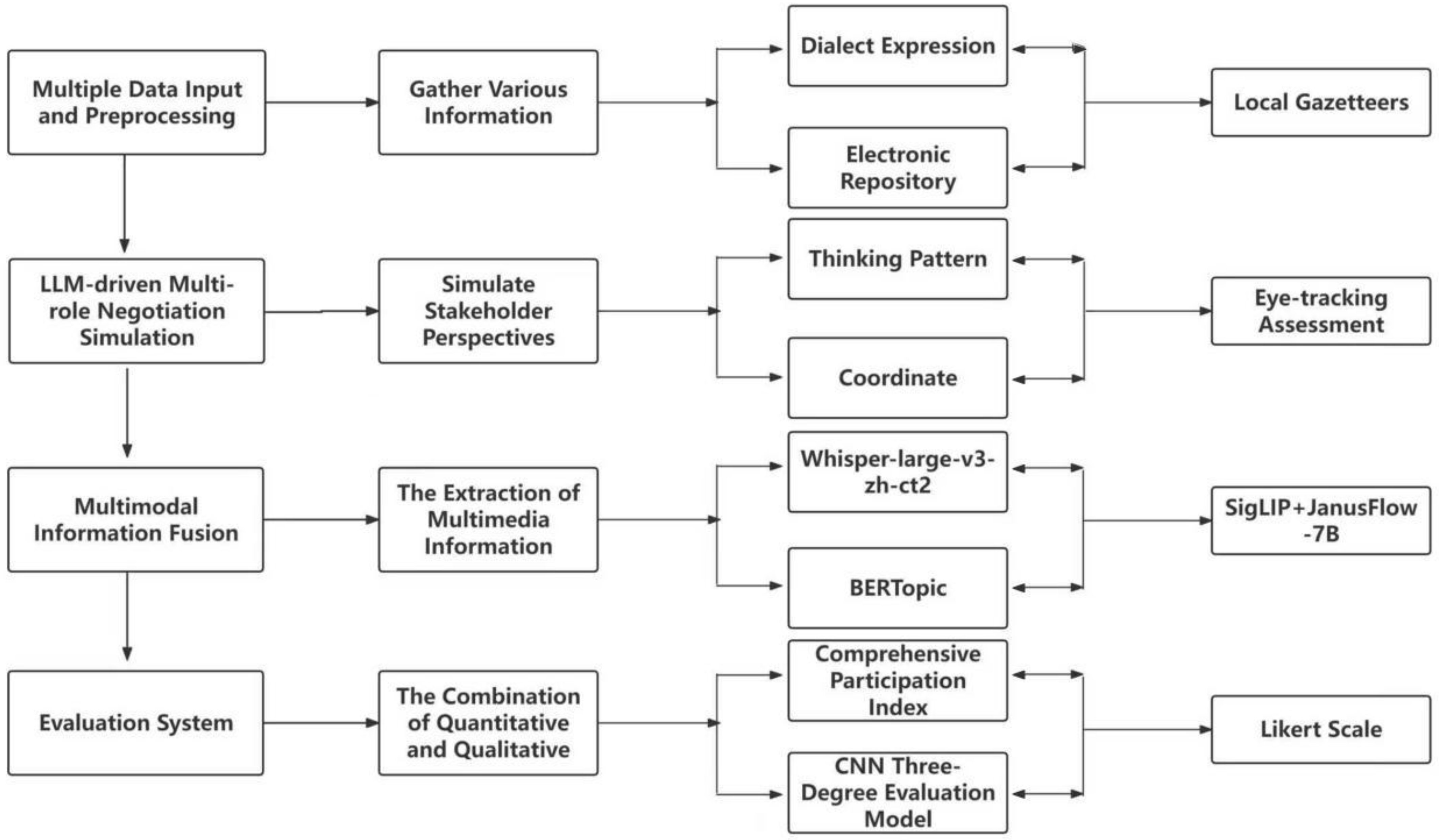
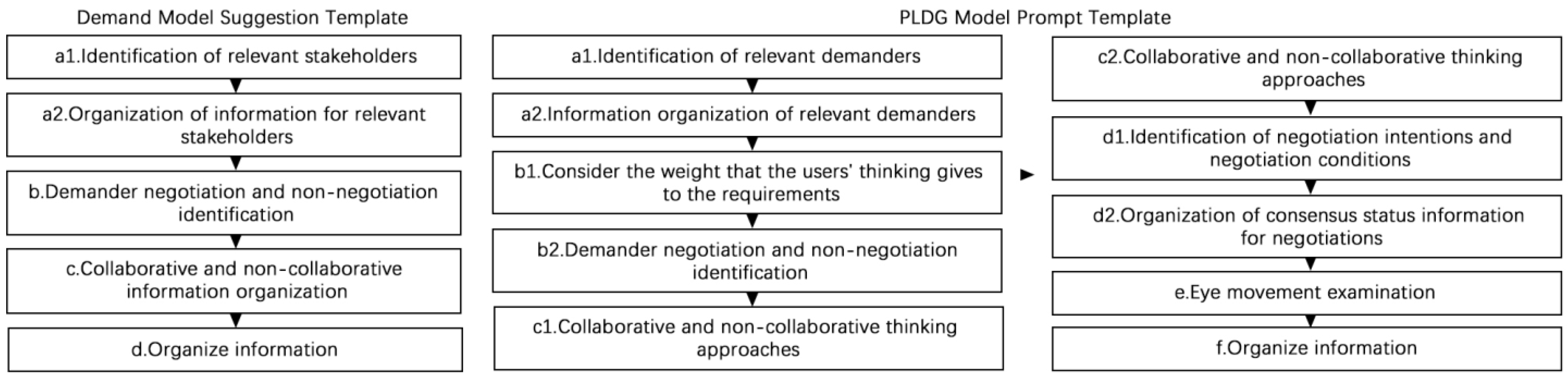
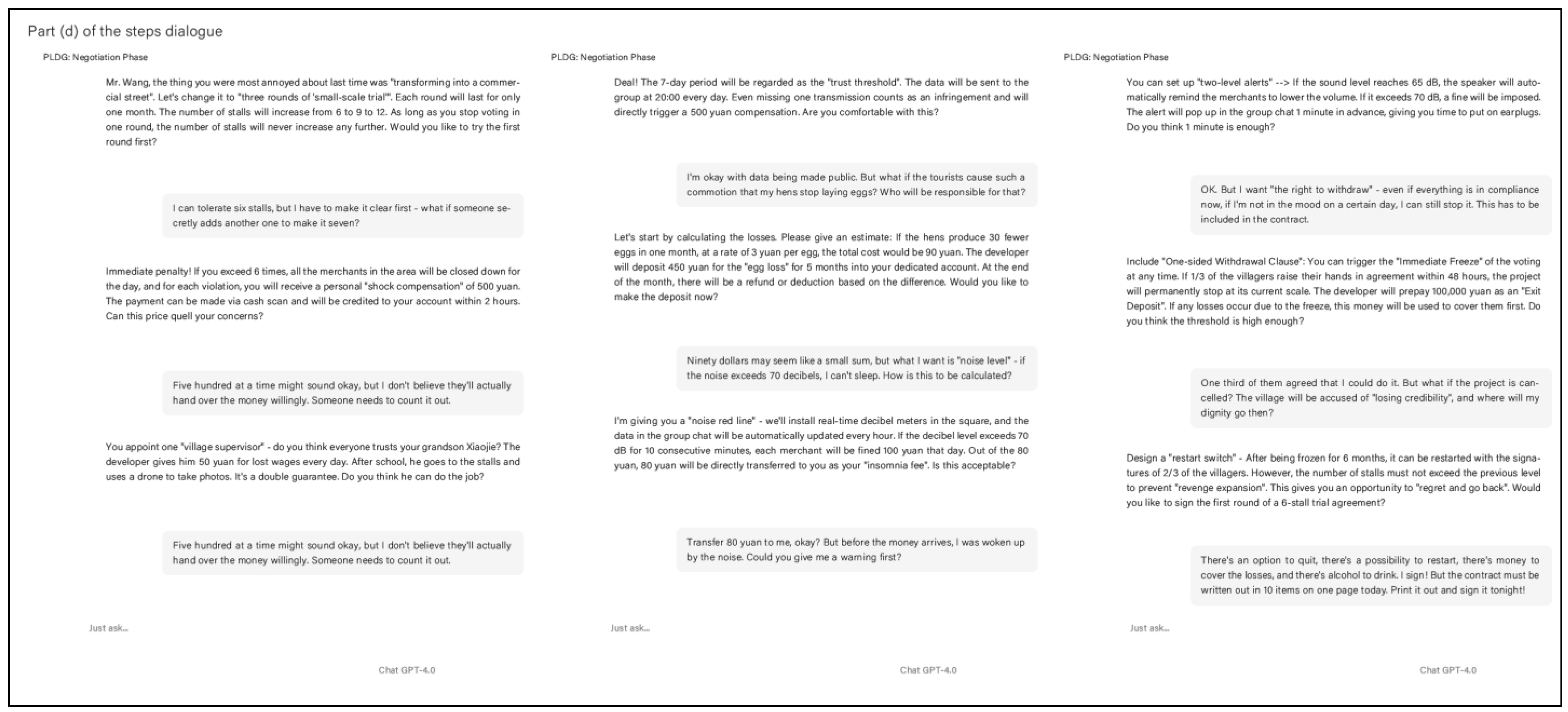
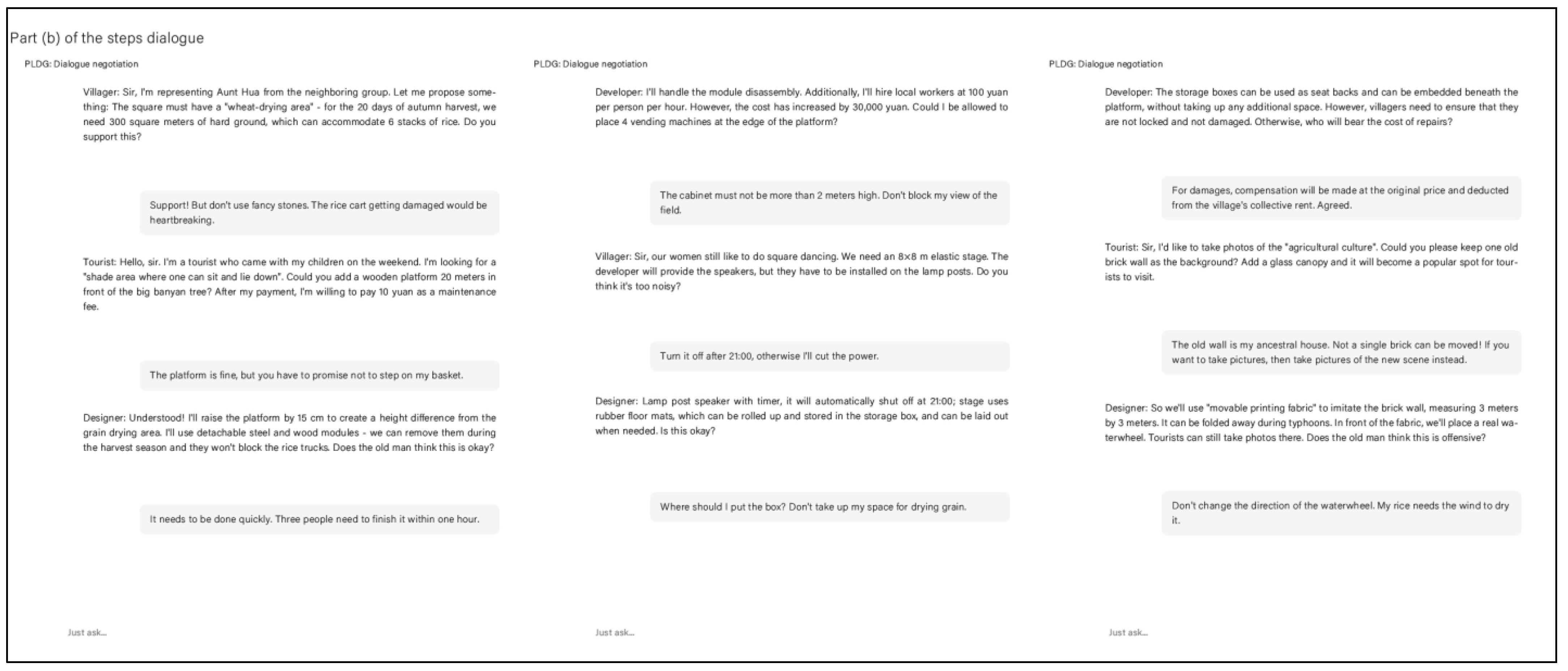
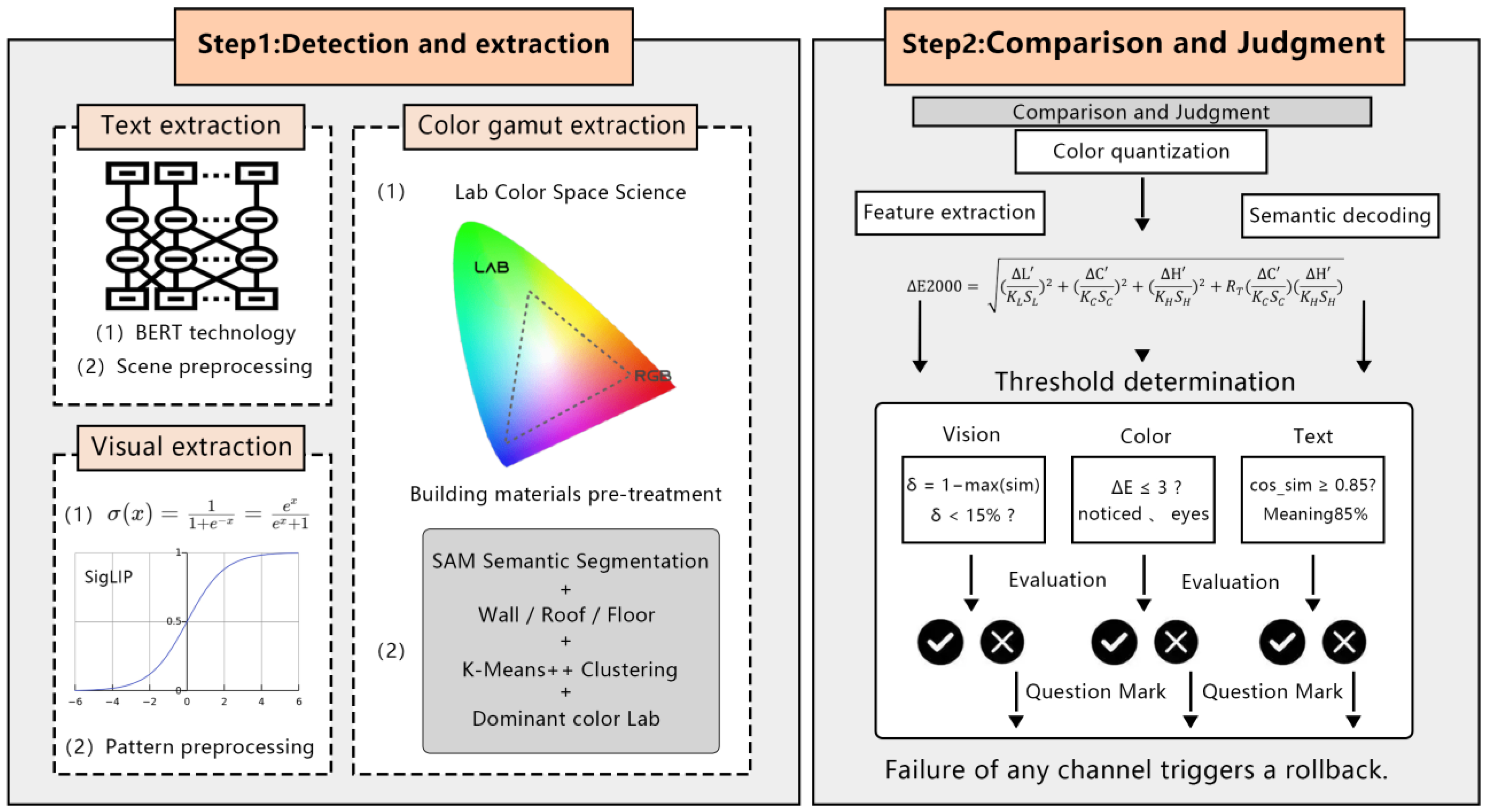
As artificial intelligence (AI) becomes increasingly important in rural revitalization, building consensus among multiple stakeholders and developing participatory digital co-creation platforms has grown increasingly urgent. However, existing large language model (LLM) systems predominantly adopt a one-shot generation paradigm, making it challenging to accurately capture villagers’ cultural aspirations and frequently resulting in a significant disconnect between design outputs and community expectations. This situation reveals deficiencies in progressive deliberation mechanisms and cultural controllability. To address these issues, this study proposes a multimodal Participatory Landscape Demand Generation (PLDG) system to enhance AI-generated dialogue controllability, facilitate effective cultural translation in sensitive rural contexts, and promote sustainable development where landscape design both drives and reflects rural revitalization. The system leverages LLMs to simulate stakeholder participatory interactions in village landscape design scenarios. Using culturally distinctive Chinese villages as case studies, the research conducts multi-role simulated dialogues, multimodal semantic extraction, and iterative consensus-building, and evaluates the resultant data to generate landscape design proposals. The results indicate that the PLDG system significantly improves participation efficiency among diverse design stakeholders and enhances the sustainability of design decisions. Compared to conventional methods, metrics such as cultural compatibility, villager participation, and design innovation show substantial improvements. These findings demonstrate the considerable potential of human-AI collaboration in future rural planning. This study introduces the Culture Constraint-Driven Rural Landscape AI Collaborative Design Framework (PLDG), validating its practical efficacy in identifying culturally sensitive elements, ensuring cultural congruence, facilitating community participation, and fostering design innovation. Consequently, it provides a reusable, iterative operational tool for the digital renewal of sustainable rural landscapes.
Keywords: large language model (LLM); rural design (RD); cultural sensitivity (CS); prompt template (PT) large language model (LLM); rural design (RD); cultural sensitivity (CS); prompt template (PT)