1. Introduction
Coal is commonly used as a source of energy because of its cost-effectiveness, efficiency, and convenience as well as high levels of energy. However, a significant source of carbon emissions comes from conventional coal-based fossil fuel-fired power plants [
1]. Based on 2025 information from a Statista report, roughly 58% of electricity consumption is provided by coal burning thermal power stations in China [
2]. Meanwhile, China remains the world’s largest CO
2 emitter, accounting for 31.9% of global emissions. Therefore, reducing coal consumption and carbon emissions while ensuring a stable electricity supply has become an important research focus in the energy sector.
The Chinese government is trying to promote power generation from renewable energy, such as concentrated solar power (CSP) technology, which is gaining increasing attention due to its superior heat collection advantages [
3]. However, stand-alone CSP systems still suffer from several drawbacks, including high investment costs, fluctuations in solar irradiation, and large land requirements. Meanwhile, many existing coal-fired power plants are under increasing pressure to reduce coal consumption and improve operational flexibility. Therefore, integrating solar thermal energy with conventional coal-fired power plants to form solar-aided coal-fired power generation (SAPG) systems is considered an effective approach that combines the advantages of renewable energy utilization and coal consumption reduction.
SAPG has different kinds of integration modes. Utilizing extraction steam displacement for high-pressure (HP) heaters represents the optimal choice for a SAPG facility [
4,
5]. Zoschak et al. discovered the initial seven integration approaches in 1975 for using clean energy solar heat in a steam power plant that uses fossil fuels, aiming to improve efficiency and decrease fossil fuel consumption [
6]. In addition, Zhu et al. described the seven hybrid schemes (five schemes for solar tower and two schemes for parabolic trough collectors (PTCs)). The study found a solar tower field demonstrates superior energy quality compared to a PTC field across all the key metrics, including solar power-to-electricity efficiency, power output efficiency, and fuel consumption rate [
7]. However, due to the high construction cost and large land requirement of solar tower systems, parabolic trough collectors (PTCs) still account for the largest share of commercial CSP applications worldwide [
3]. Compared with other concentrated solar collector technologies, PTC systems offer several advantages, including high thermal efficiency, favorable economic performance, good scalability, and compatibility with thermal energy storage systems. These advantages make PTCs a promising option for integration into SAPG systems. SAPG systems have various kinds of investigation methods such as performance analysis, system optimization studies, techno-economic analysis, and integration with energy systems under design and off-design operation [
8]. Wu et al. found that heating feedwater and reheated exhaust steam with thermal solar energy while using Fuel Saving (FS) mode can boost the solar power-to-electricity efficiency by 6.01% and the overall cycle efficiency by 1.91% [
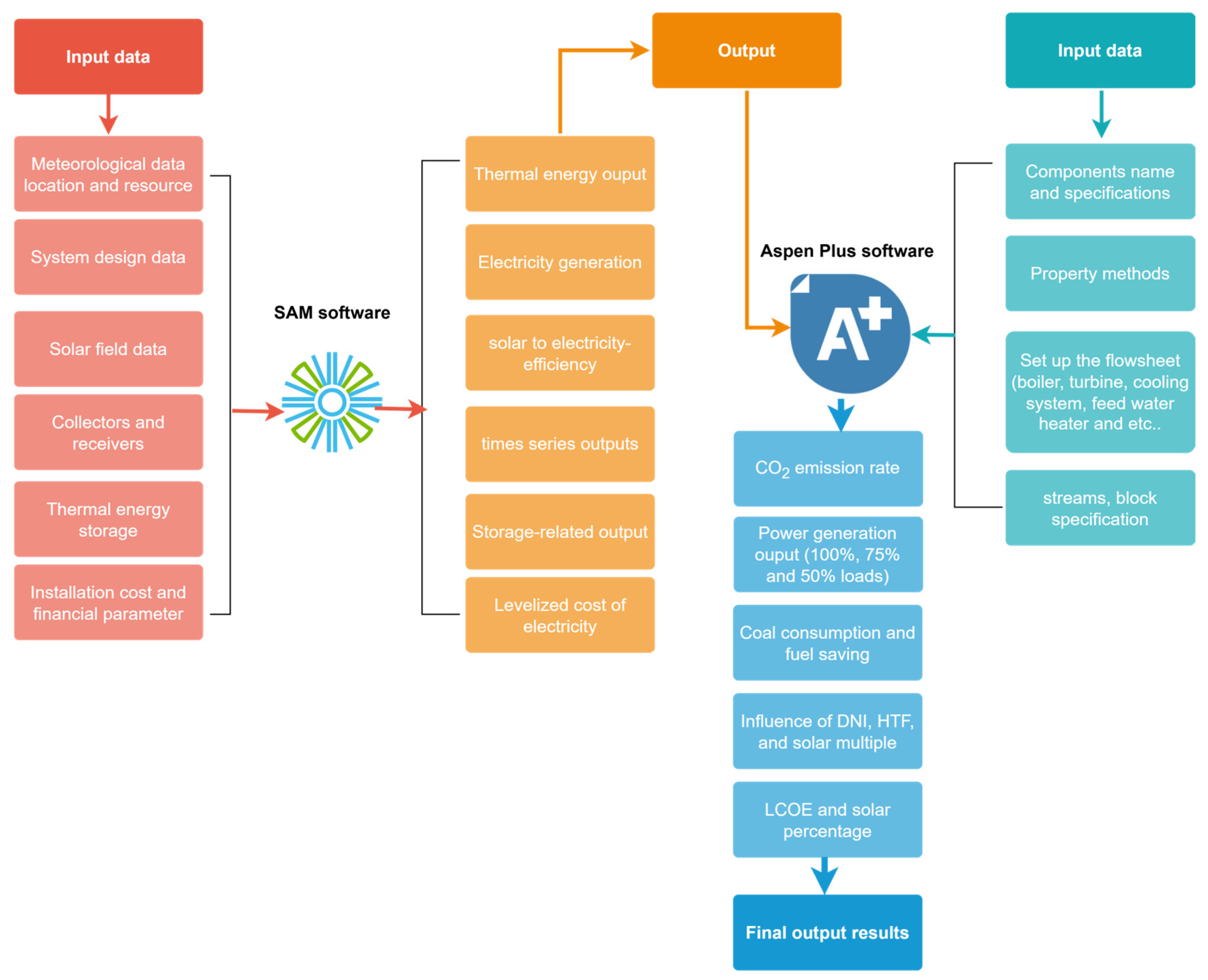
9]. Shalaby et al. presented a study to enhance the efficiency of a 1 kW output organic Rankine Cycle by assessing eight distinct working fluids. This was achieved through simulation using Aspen Plus software and PTC design with System Advisor Model (SAM) software [
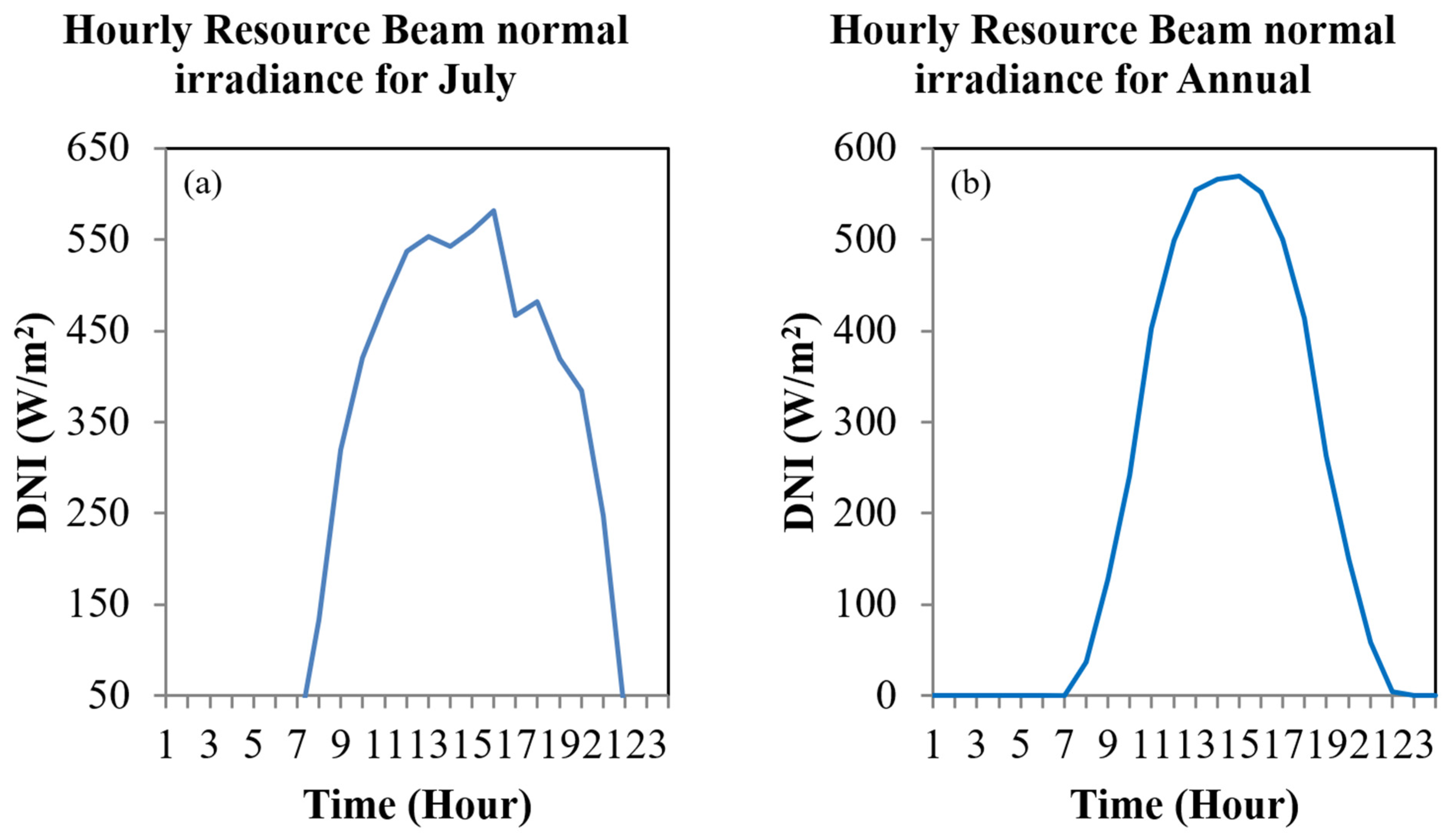
10]. When Peng et al. examined the 330 MW performance of an off-design SAPG system, they found that during the summertime, the maximum net solar-to-electricity efficiency could approach 26.3%. However, this efficiency decreases to 11.5% in the winter due to a higher solar incident angle and a lower Direct Normal Irradiance (DNI) [
11]. Wu et al. further investigated the optimization of the solar field size and the working fluid velocity, and the results demonstrated that an appropriate solar field configuration can effectively improve the system performance [
12].
In addition, several studies have conducted comprehensive analyses of SAPG systems from the perspectives of energy, exergy, environment, and economics (4E). Suresh et al. reported that SAPG systems can significantly reduce coal consumption, ash production, and CO
2 emissions [
13]. Moreover, under Fuel Saving (FS) mode, SAPG plants can reduce coal consumption by 15.04 g/kWh compared with conventional coal-fired power plants [
14]. Younoussi Saidou et al. found that solar energy accounted for approximately 15% of the annual electricity generation of the hybrid system, while substantial reductions in coal consumption and carbon emissions were also achieved [
15]. These studies indicate that SAPG technology has significant potential for improving energy utilization efficiency, reducing coal consumption, and mitigating environmental pollution.
Although SAPG systems offer advantages such as increased power generation, reduced coal consumption, and lower CO
2 emissions, the intermittency and variability of solar irradiation still pose challenges to system operational stability and dispatchability [
16]. Compared with stand-alone CSP systems, SAPG systems can maintain stable operation by leveraging coal-fired units, thereby offering certain advantages in improving solar energy utilization efficiency [
17]. Nevertheless, according to the substantially higher initial investment needed for the field of solar collectors, the unit thermo-economic cost rises from 16.9% to 21.6% [
14]. Zhai et al. performed an analysis grounded in the 1st and 2nd laws of thermodynamics’ fundamentals, taking into account factors such as load ratio and solar irradiation. The investigation found that the boiler at the SAPG plant had the most exergy loss, making up around 76.74% of the overall exergy loss [
18]. Ezeanya et al. [
19] determined that a heat storage time of 18 h and an SM value of 4.2 produced the lowest LCOE. According to the analysis, adding thermal energy storage (TES) into a SAPG plant can drastically lower the LCOE. By enhancing the thermal storage and optimizing the solar multiple, the system can generate more power at a reduced cost.
Therefore, in order to improve system flexibility and solar energy utilization, increasing attention has been given to the application of TES in SAPG systems. In addition, recent studies have highlighted the importance of thermal stability and thermo-mechanical behavior in thermal-energy-related systems. For example, investigations on the effects of heating–cooling cycles on the mechanical properties and the damage evolution of rocks, as well as studies on thermal stimulation and fracture evolution in deep geothermal reservoirs, have provided valuable insights into the development of thermal energy storage systems and advanced thermal energy utilization technologies [
20,
21]. Wu et al. used TES technology in a simulation study on a 330 MW
e SAPG system. Their approach utilized molten salt for the storage medium and thermal oil as the heat transfer fluid (HTF). The results showed how heat storage devices could be used to stabilize solar energy output, enhancing the SAPG systems’ reliability under various loads when running in FS mode. They also raise the yearly peak efficiency of solar-to-electricity and enhance the increase of solar thermal energy’s proportion of total energy generation [
22]. Zhang et al. proposed a novel linear Fresnel SAPG system integrated with TES. Based on this system, two flexibility enhancement schemes were designed by sharing a single TES unit. The research results indicate that the new system improves the overall exergy efficiency under all load conditions, reaching a peak value of 46.3% at 90% load. The carbon emission rate decreases as the load reduces, achieving a reduction of up to 118.18 g/kWh at 50% load [
23].
In summary, in both industrialized and developing countries where coal remains the dominant source of electricity generation, SAPG technology represents an important and effective approach for reducing carbon emissions and coal consumption. The existing studies have conducted extensive analyses on the thermodynamic performance, the system optimization, and the economic feasibility of SAPG systems; however, several limitations remain. First, comparative studies among different SAPG integration schemes are still limited. Second, most of the existing research does not include TES systems and primarily employs thermal oil as the HTF, without achieving the integration of the thermal storage and the heat transfer media. Third, the current studies mainly focus on design-point thermodynamic performance, while investigations on part-load operation characteristics and solar irradiation fluctuations remain insufficient. Recent studies have also highlighted the importance of flexible operation and part-load optimization in SAPG systems, indicating that coordinated solar–coal integration strategies can effectively improve energy efficiency and economic performance under varying operating conditions [
24,
25]. In addition, studies that combine Aspen Plus with SAM for coupled thermodynamic and annual dynamic simulations are still relatively scarce.
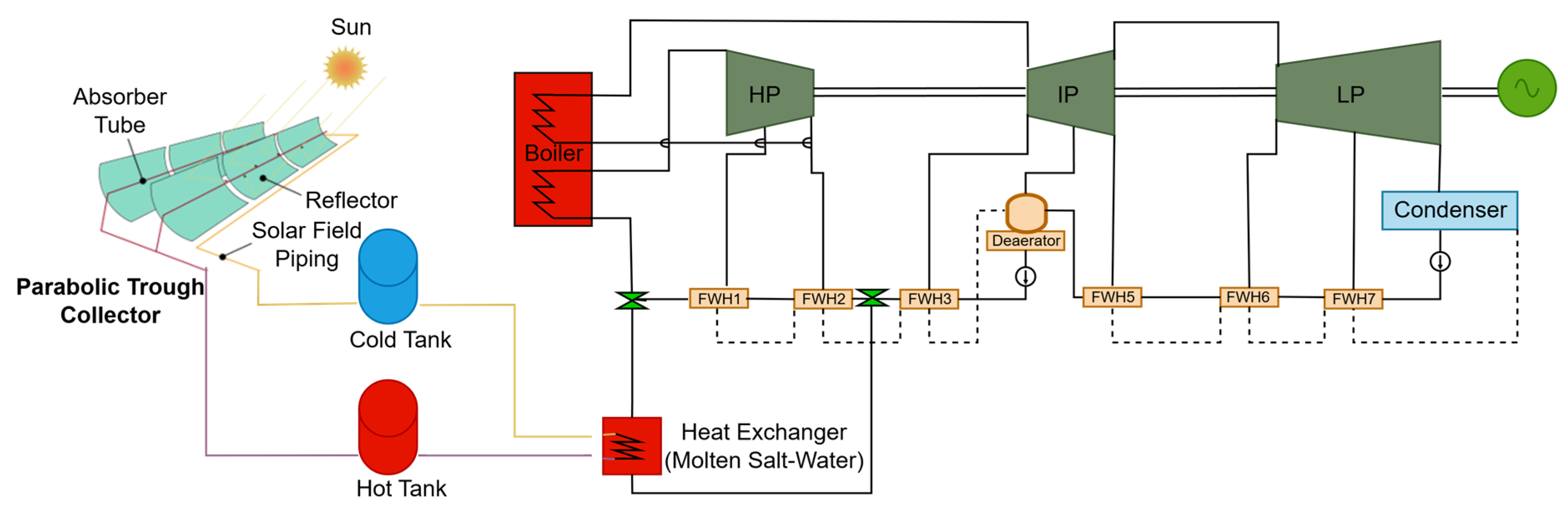
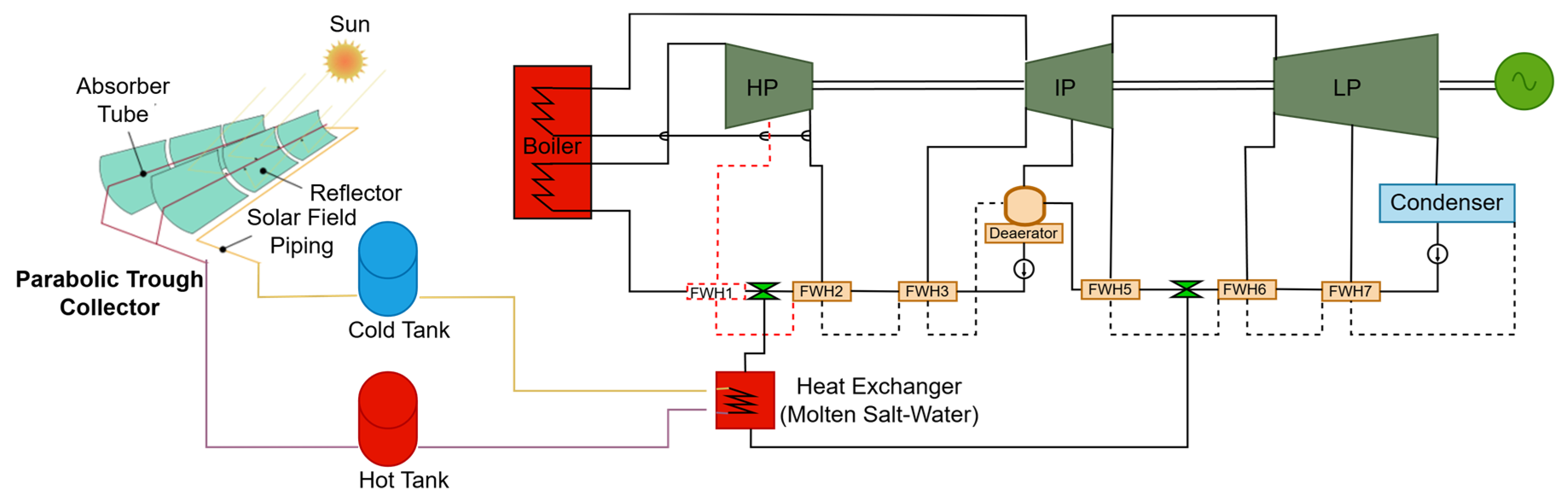
In this study, two different SAPG integration schemes combined with TES are proposed and comparatively investigated using a coupled Aspen Plus and SAM framework. A 350 MWe coal-fired power plant integrated with a 100 MWe PTC solar field is employed to evaluate the thermodynamic, economic, and environmental performance under both steady-state and dynamic operating conditions in FS mode. Particular attention is given to the influence of TES on annual average solar contribution, LCOE, and system operational flexibility. In addition, the differences between the two integration schemes are systematically analyzed under various operating scenarios and parameter conditions. The findings of this study are expected to provide useful guidance for the design and optimization of SAPG systems integrated with TES.
4. Conclusions
In this investigational paper, a 350 MWe existing coal-based plant integrated with a 100 MWe concentrated solar power (CSP) system was modeled to evaluate thermodynamics and financial parameters under Fuel Saving (FS) mode. The main conclusions are as follows:
- (1)
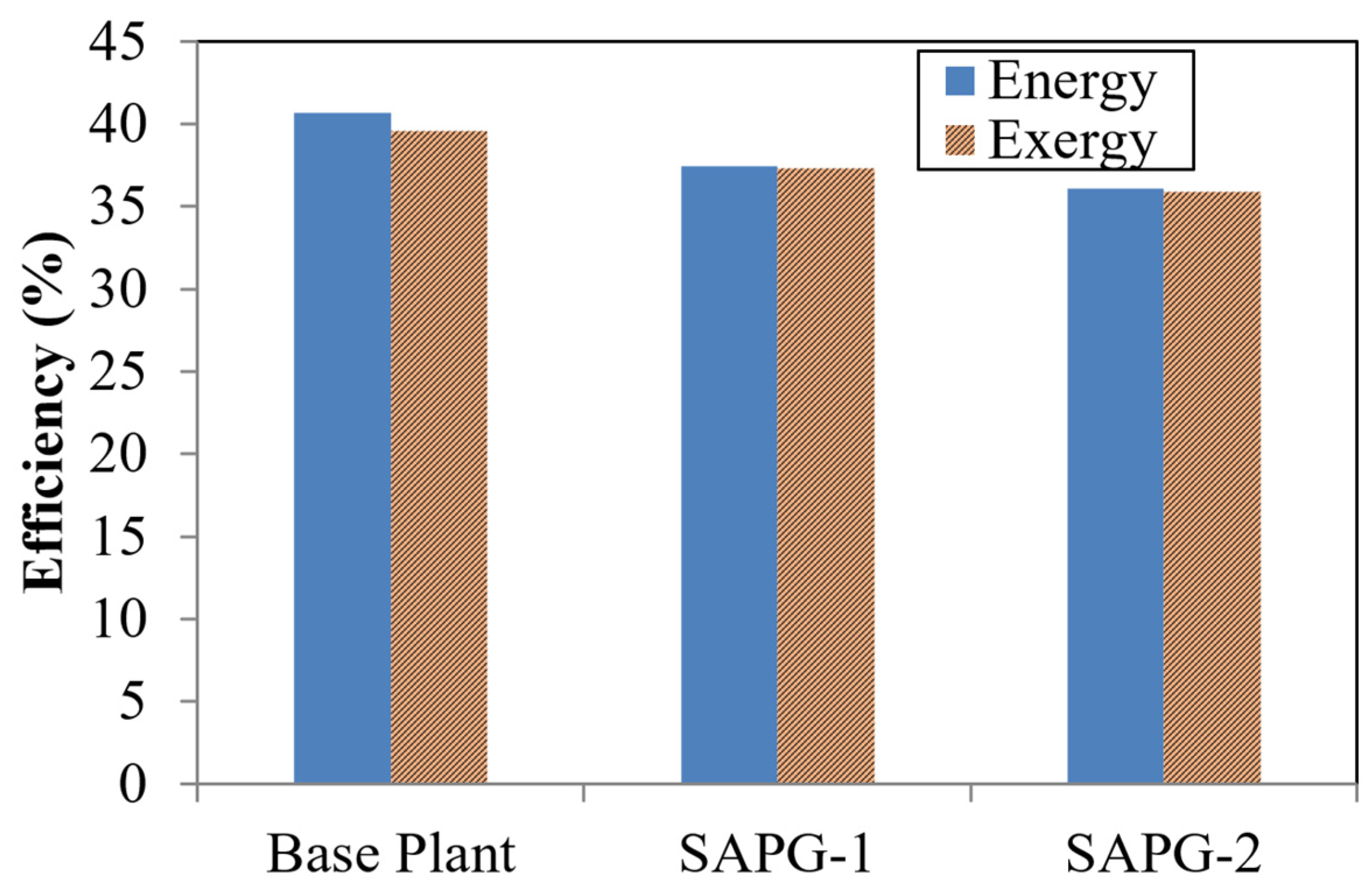
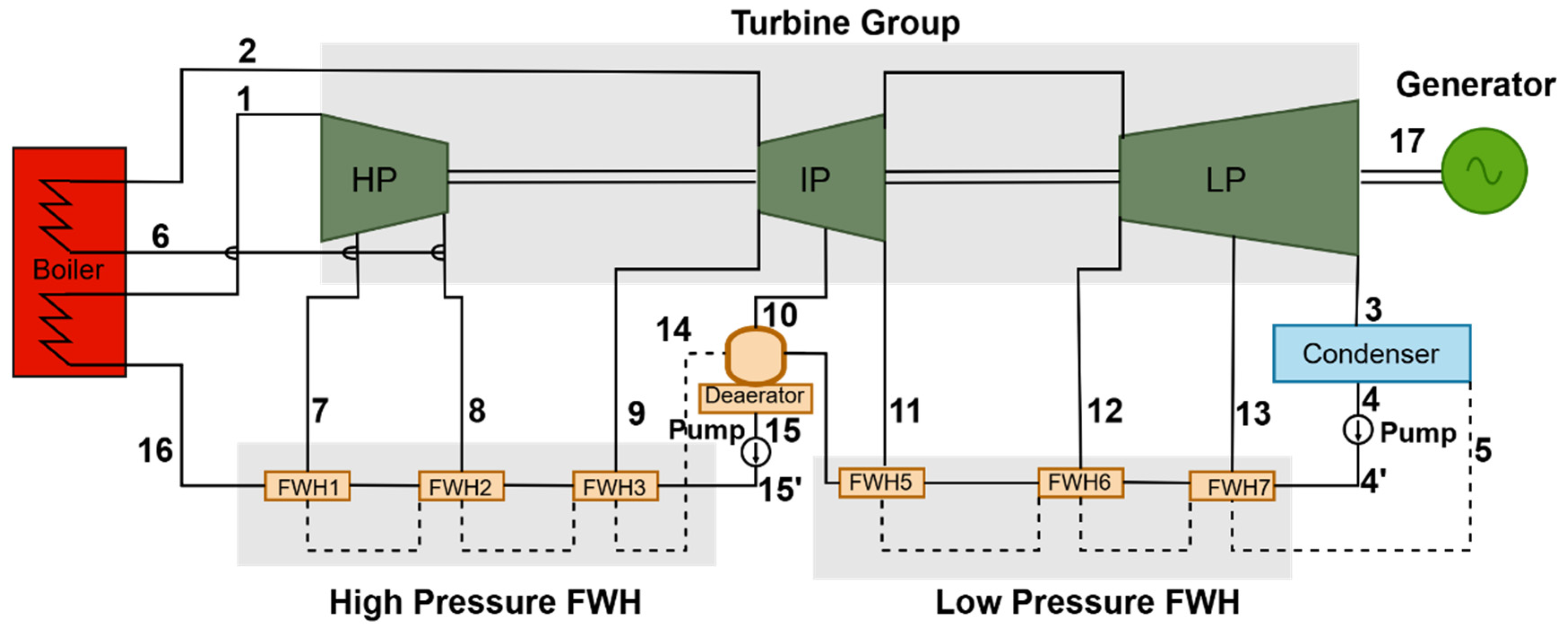
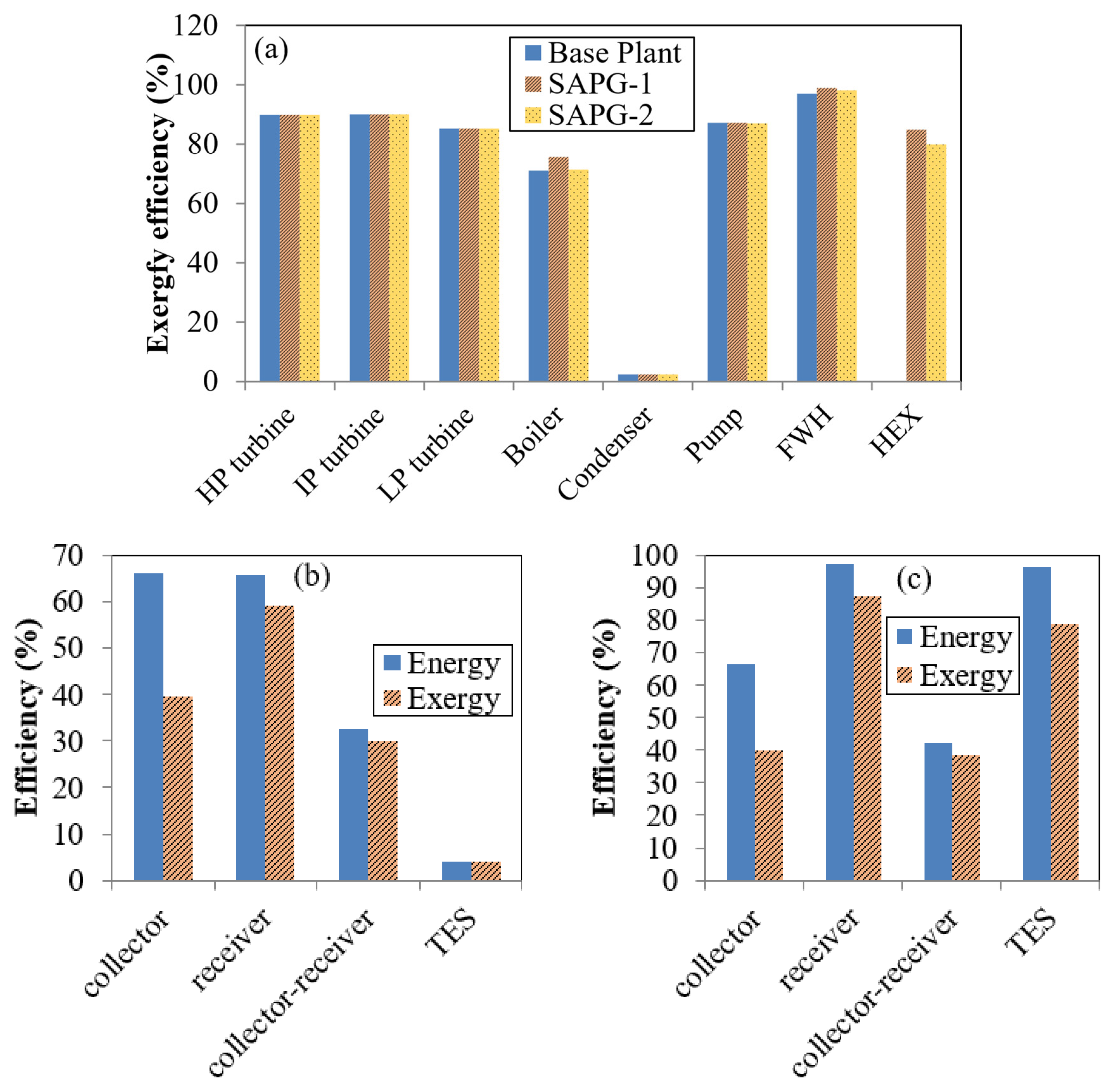
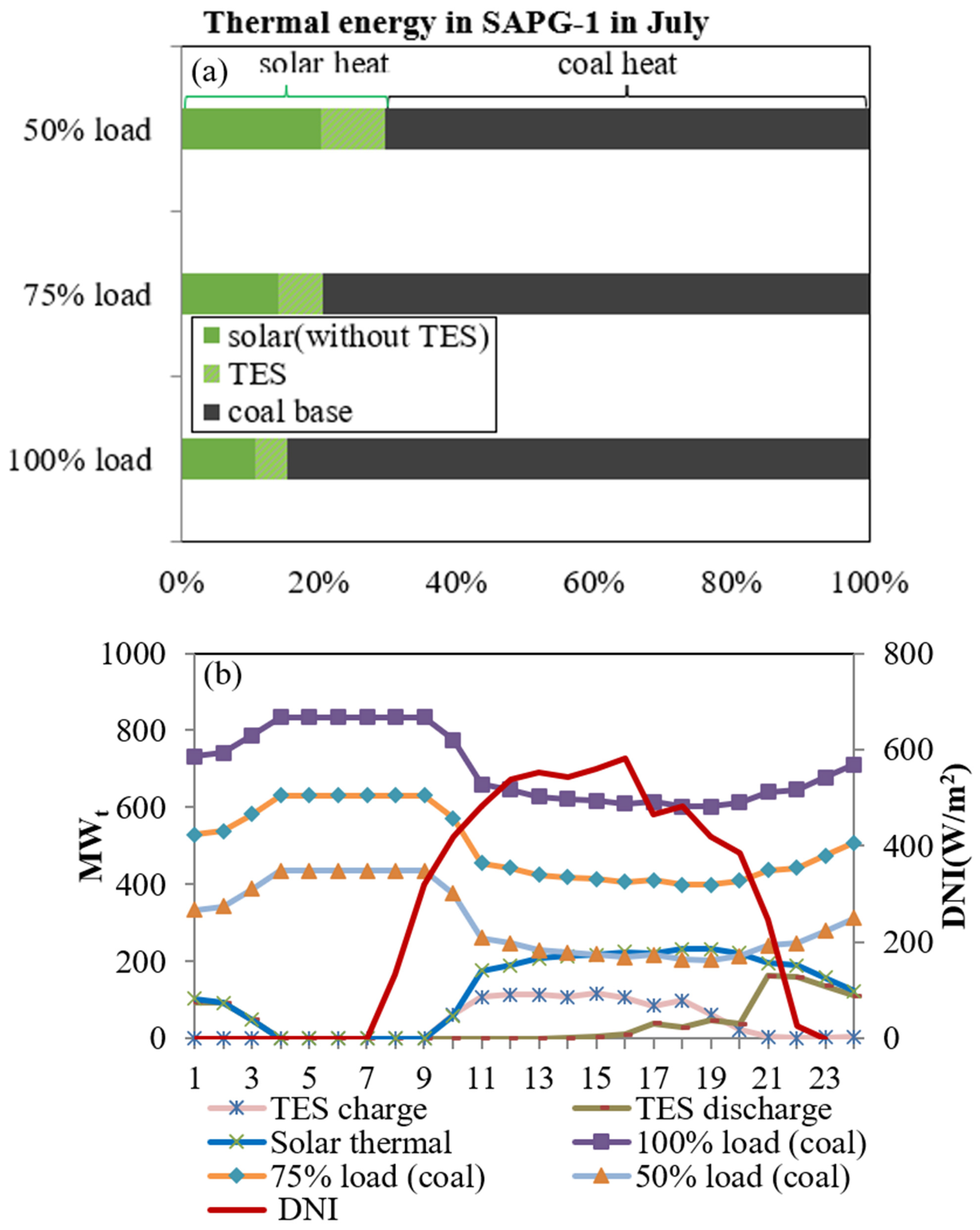
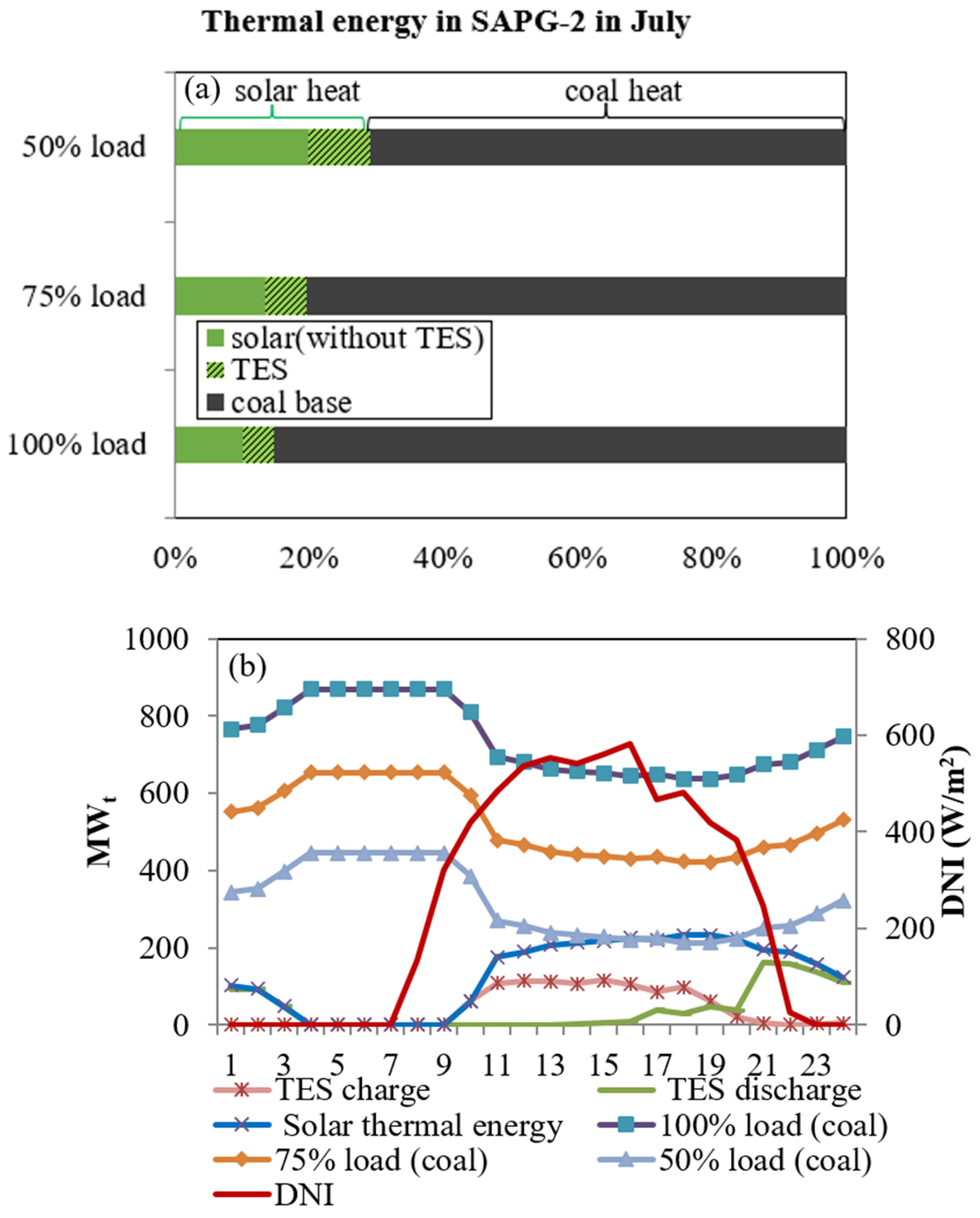
The base plant has a thermal efficiency of 40.67%, while SAPG-1 and SAPG-2 show slightly lower efficiencies of 37.44% and 36.06%. The TES integration improves energy and exergy efficiencies under average July conditions. In both the SAPG systems, the boiler contributes the most to exergy losses, about 55% in SAPG-1 and 60% in SAPG-2. SAPG-1 has lower exergy losses than SAPG-2 due to smaller temperature differences, leading to better overall performance.
- (2)
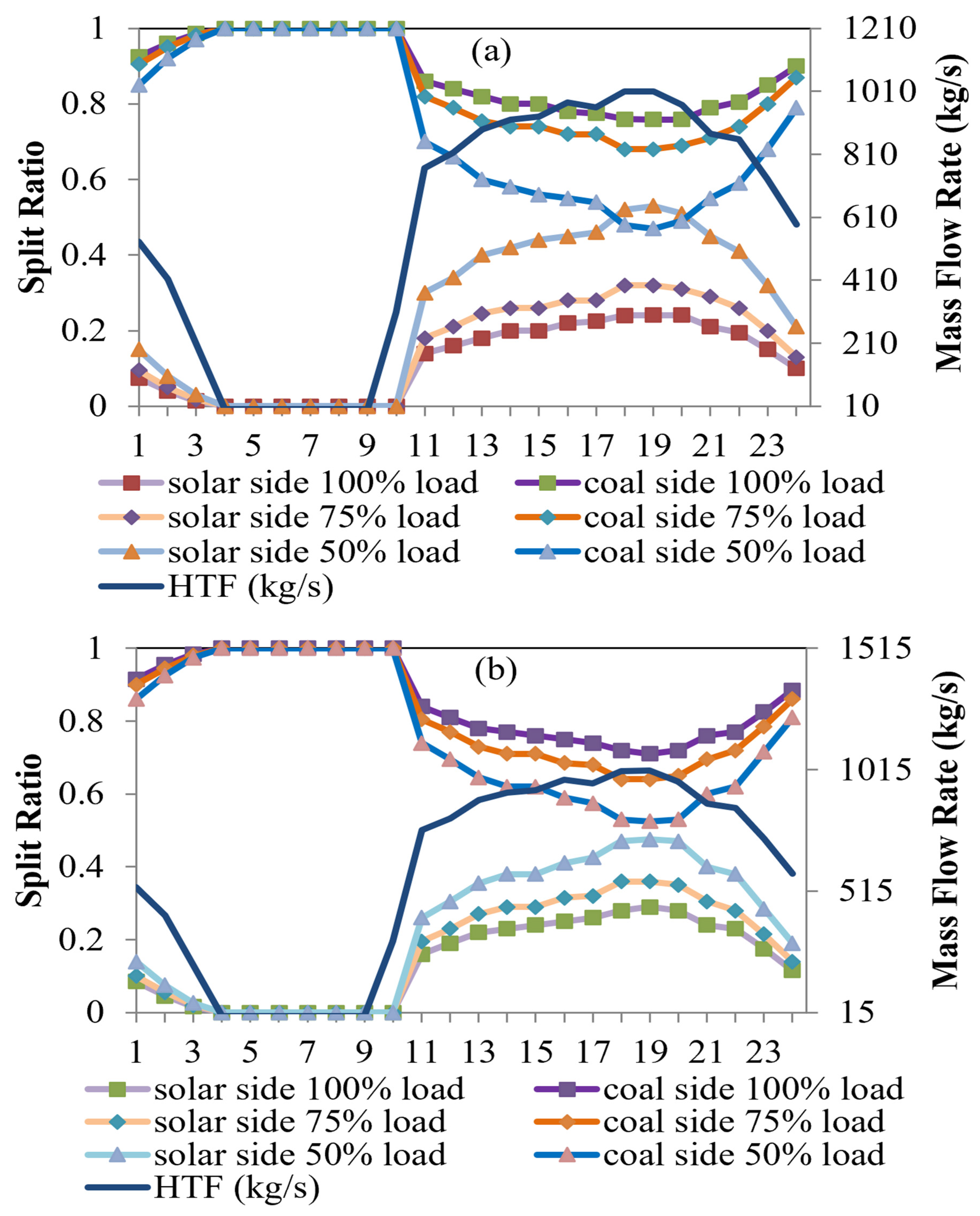
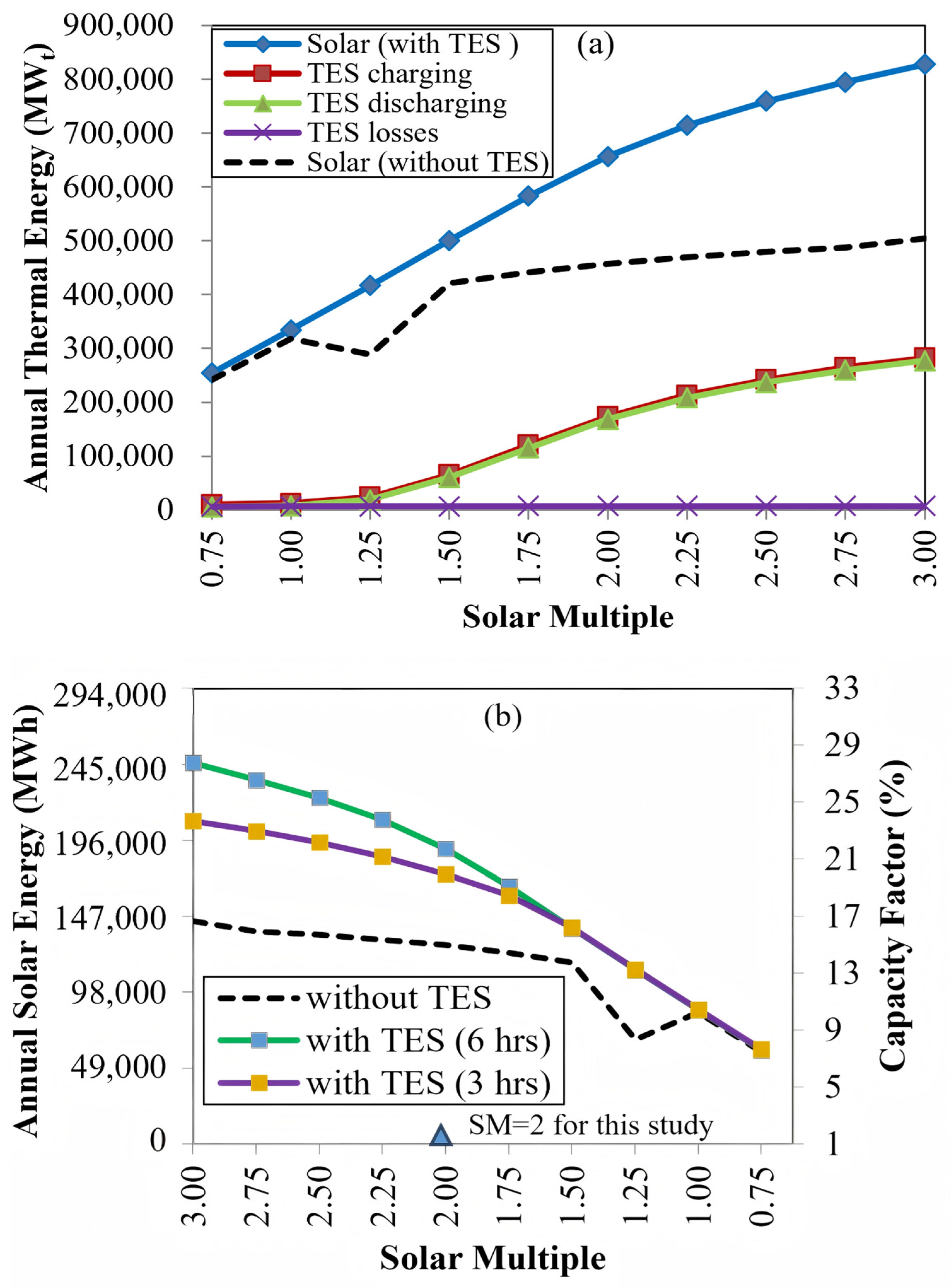
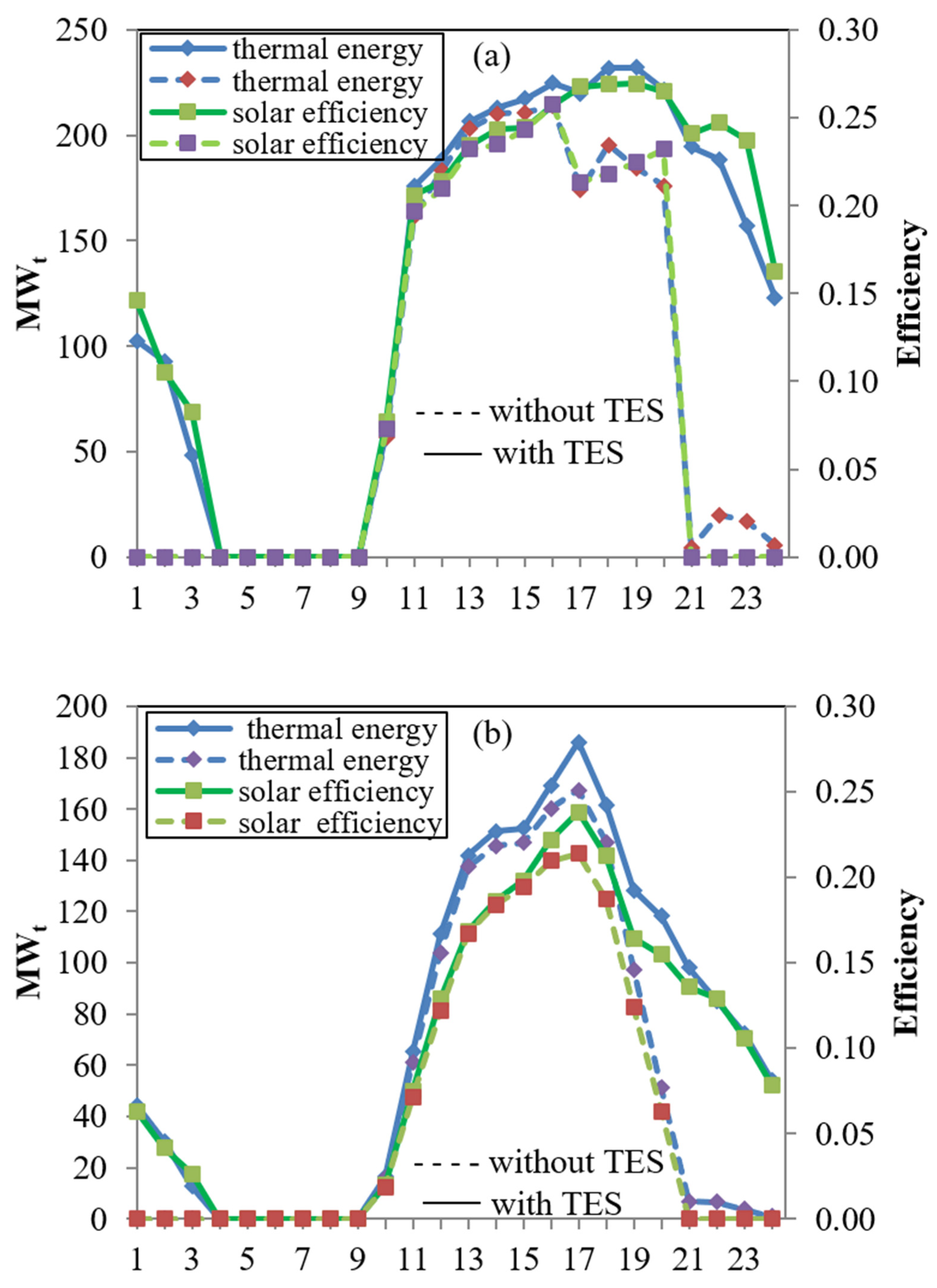
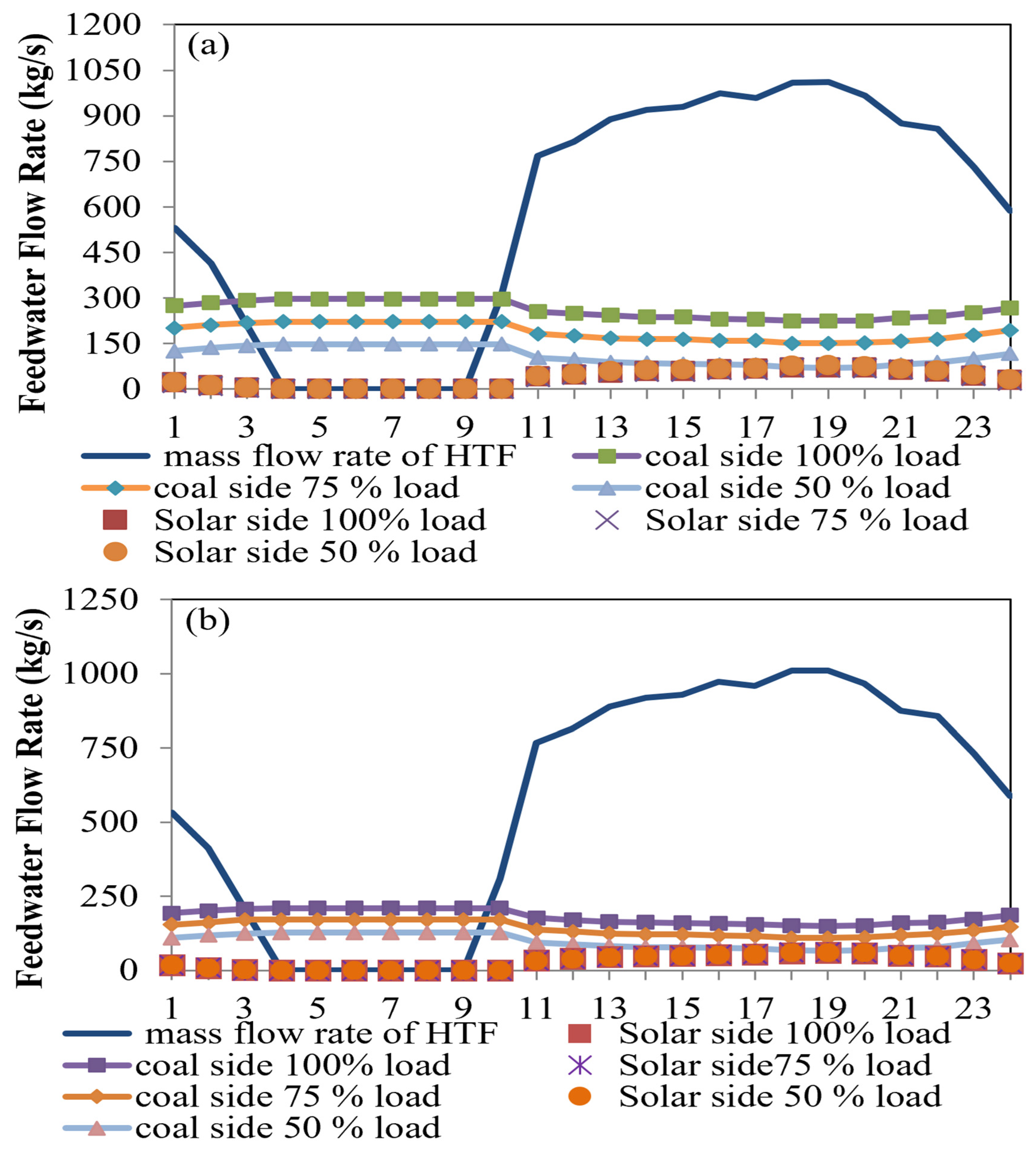
TES contributes significantly by managing 31.33% of the solar thermal energy cycle, with an average daily supply of 3098.99 MWt to both the SAPG systems. At the peak, the HTF flow rate reaches around 1009.74 kg/s, while the secondary feedwater flow rates are 71 kg/s for SAPG-1 and 62 kg/s for SAPG-2. An inverse relationship exists between the collector HTF flow and the primary feedwater flow, with a sharp decline at a solar multiple of 1.25, highlighting the importance of TES in handling surplus solar energy.
- (3)
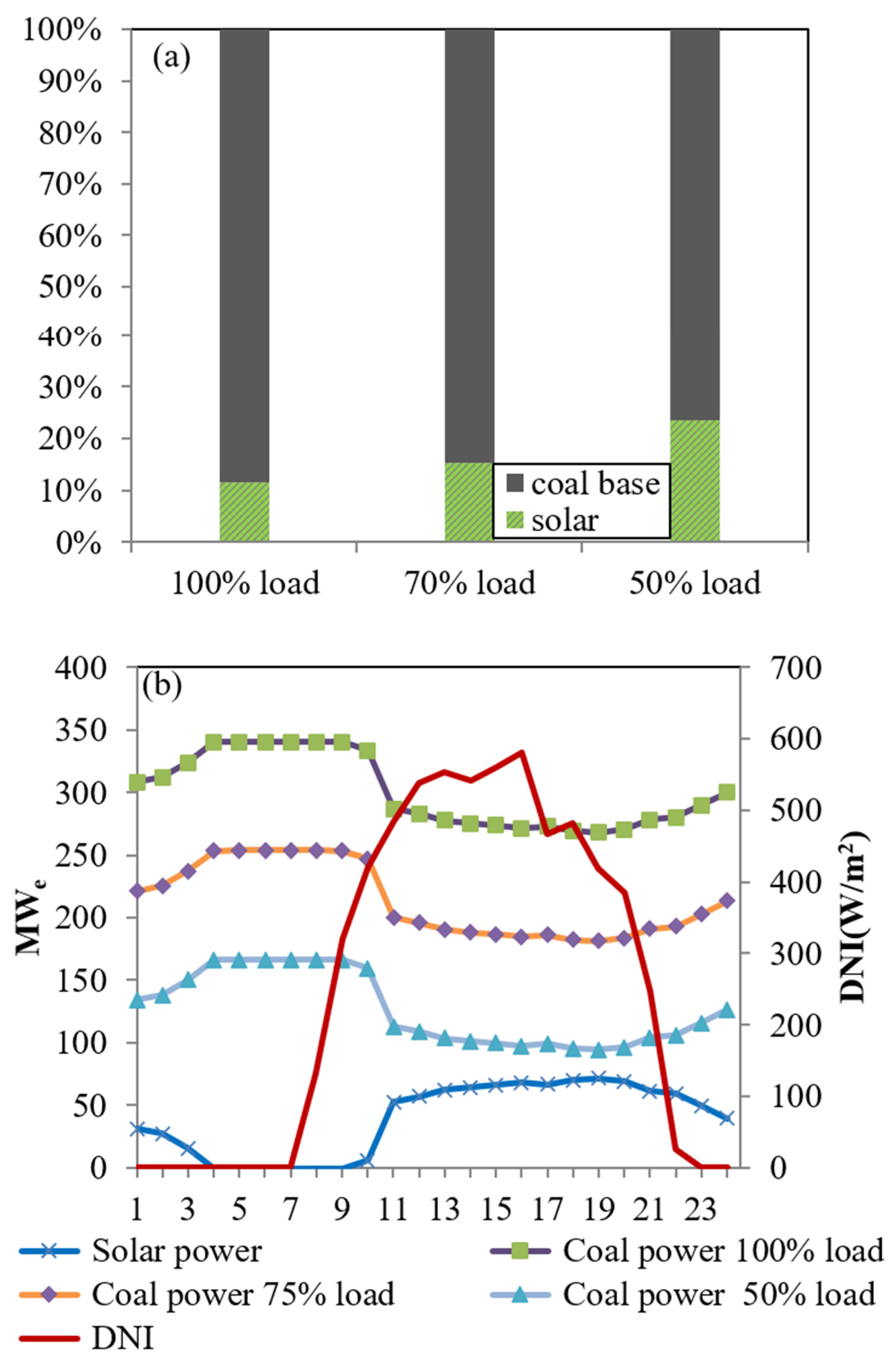
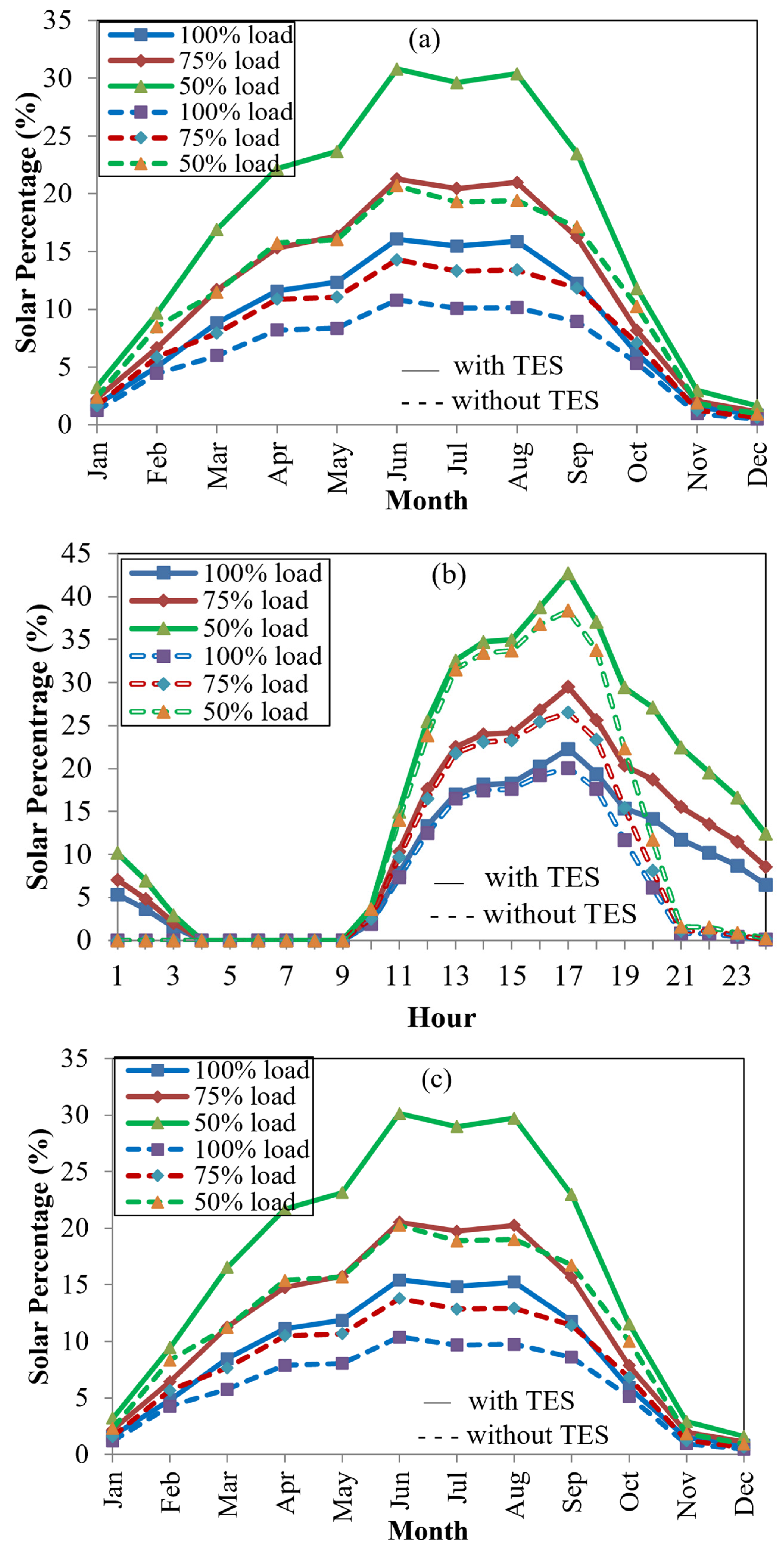
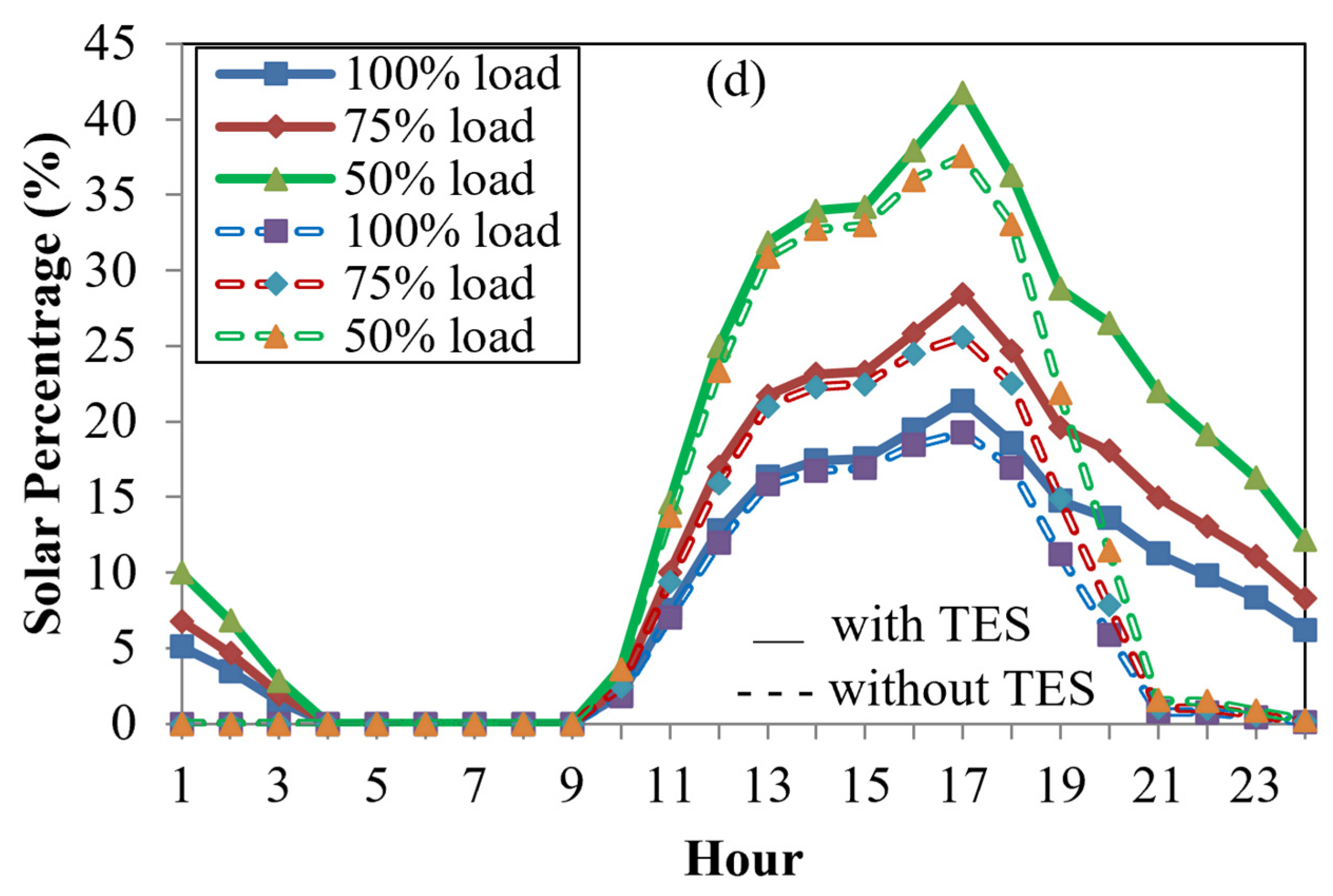
The integration of TES enhances the solar-to-electric conversion efficiency, reaching a peak of 26.95% in July compared to 22.45% without TES. On an annual scale, the highest average efficiency with TES is 23.83%, whereas it drops to 21.38% without TES. The annual hourly average solar contribution analysis reveals that at the lowest load condition, SAPG-1 achieves the highest solar contribution of 42.67% with TES and 38.37% without TES, significantly higher than at a full load (22.28% and 20.04%, respectively). Similarly, SAPG-2 exhibits a slightly lower solar contribution, with TES reaching 21.40% at the highest load condition.
- (4)
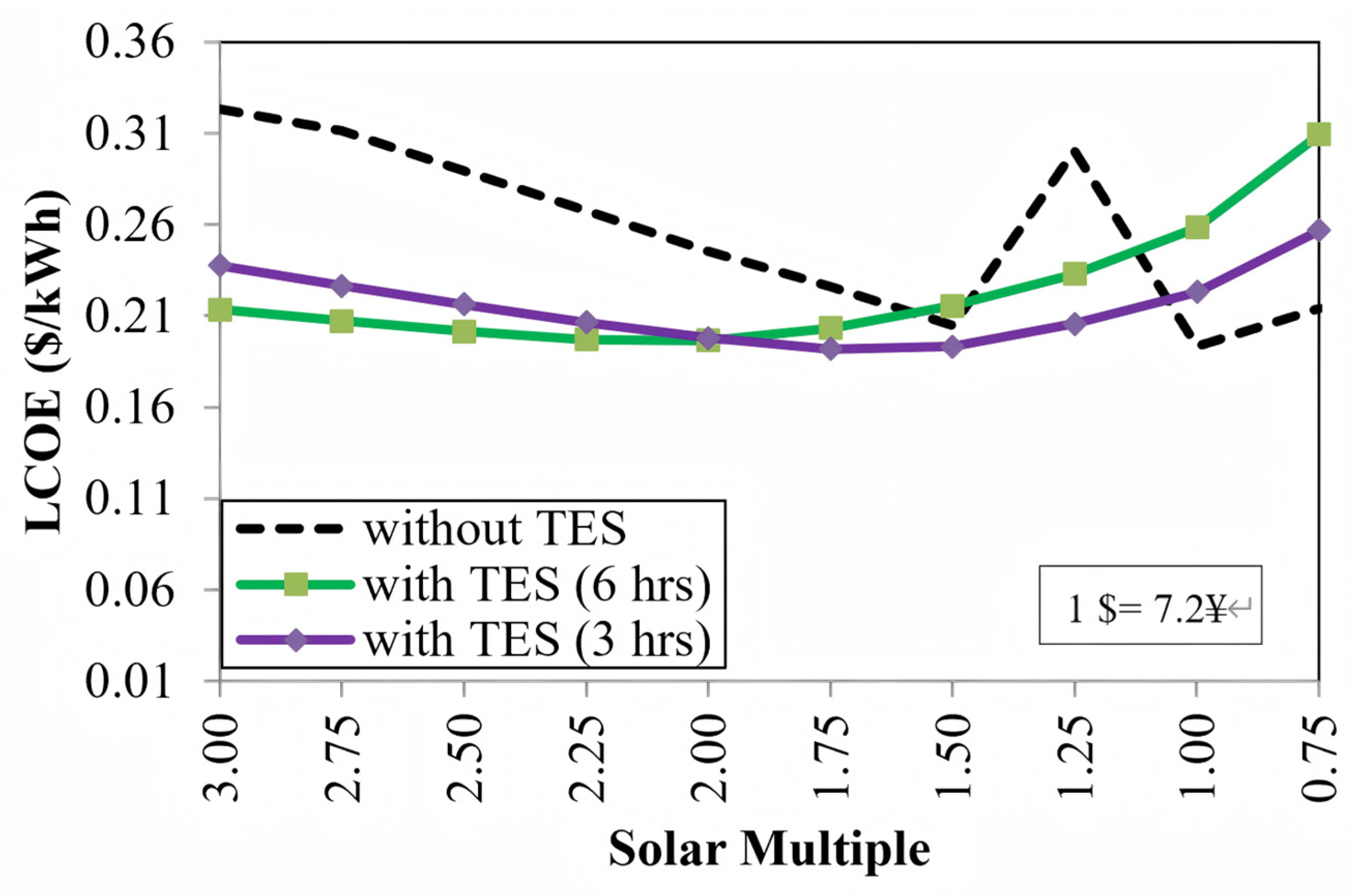
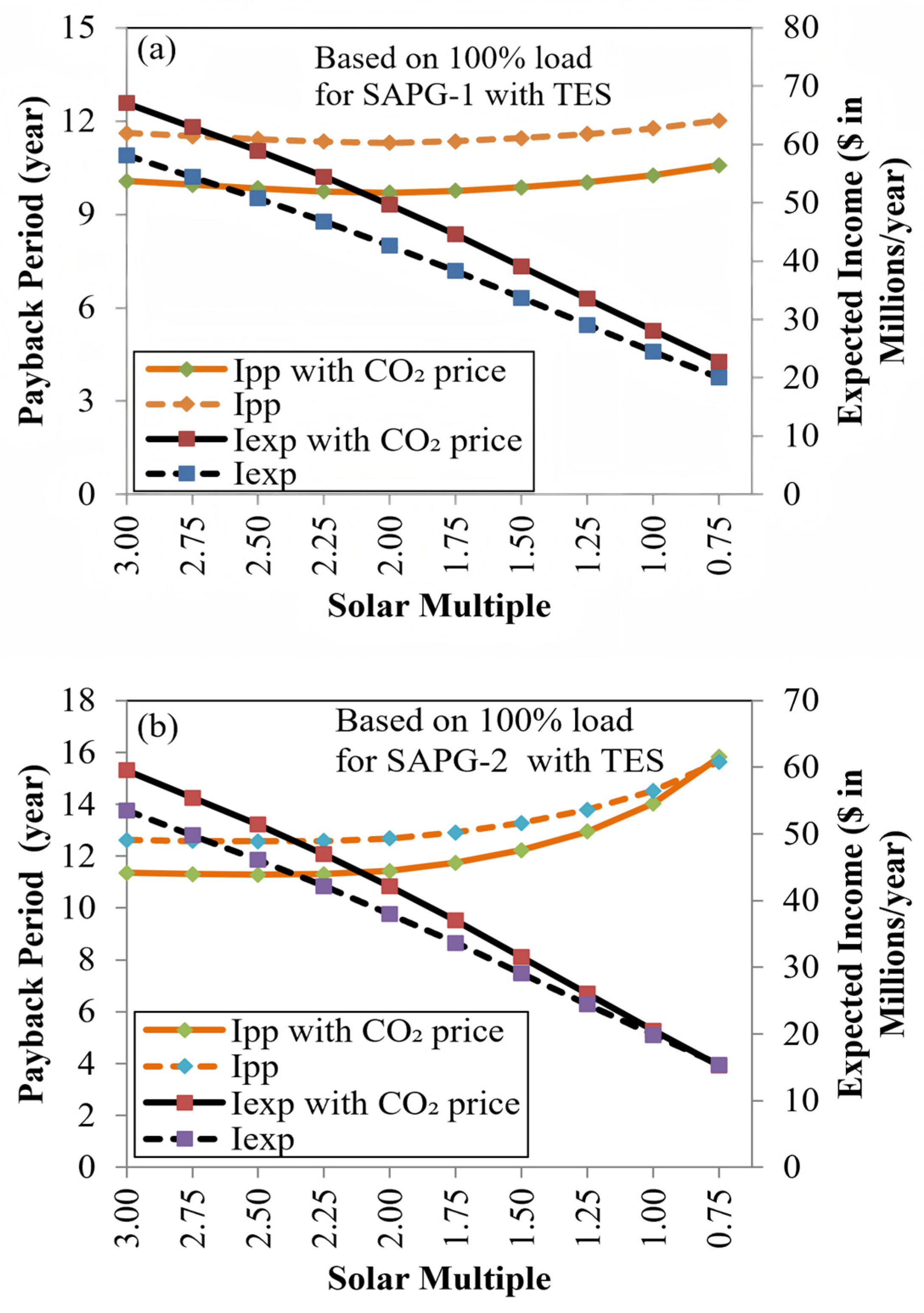
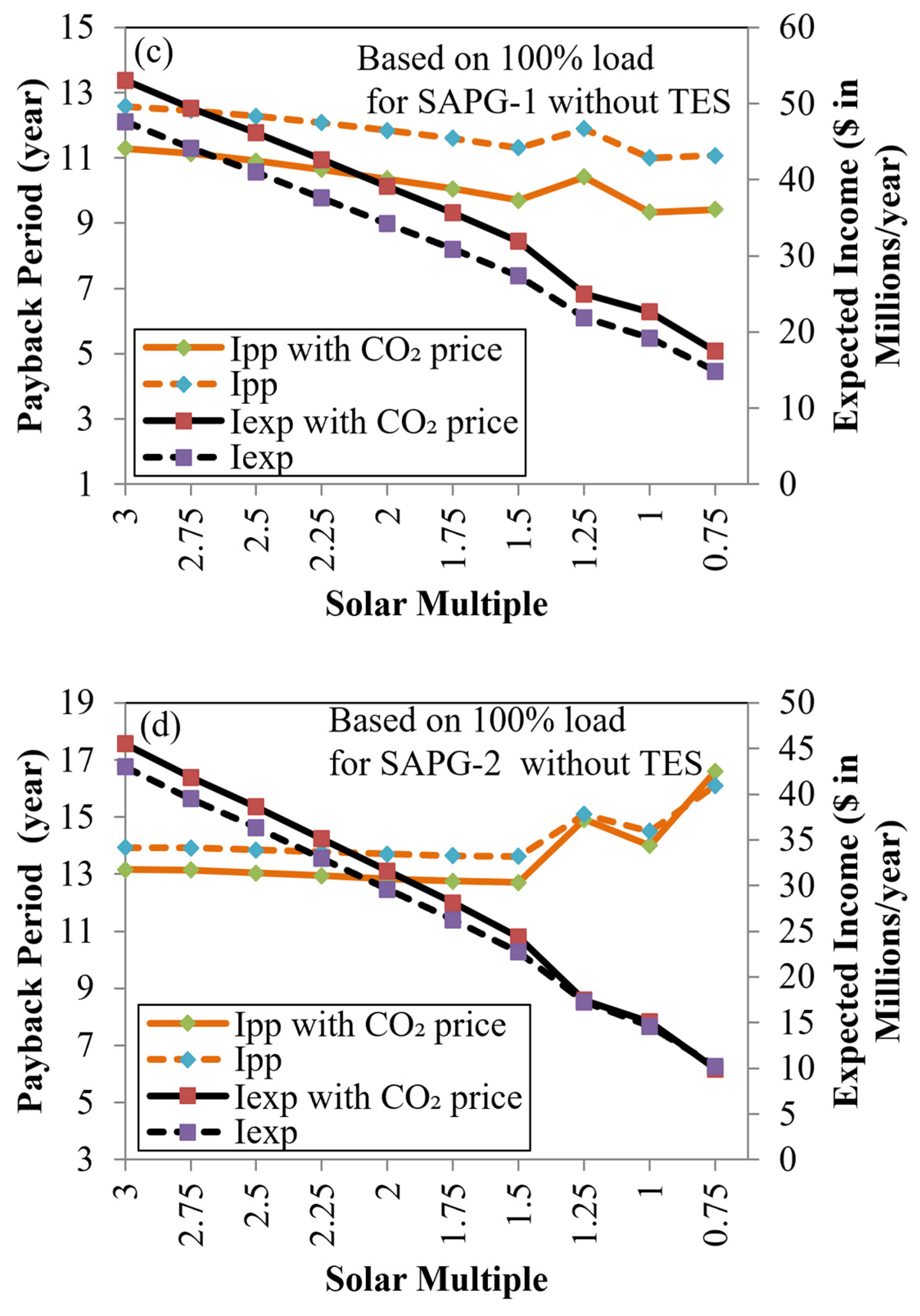
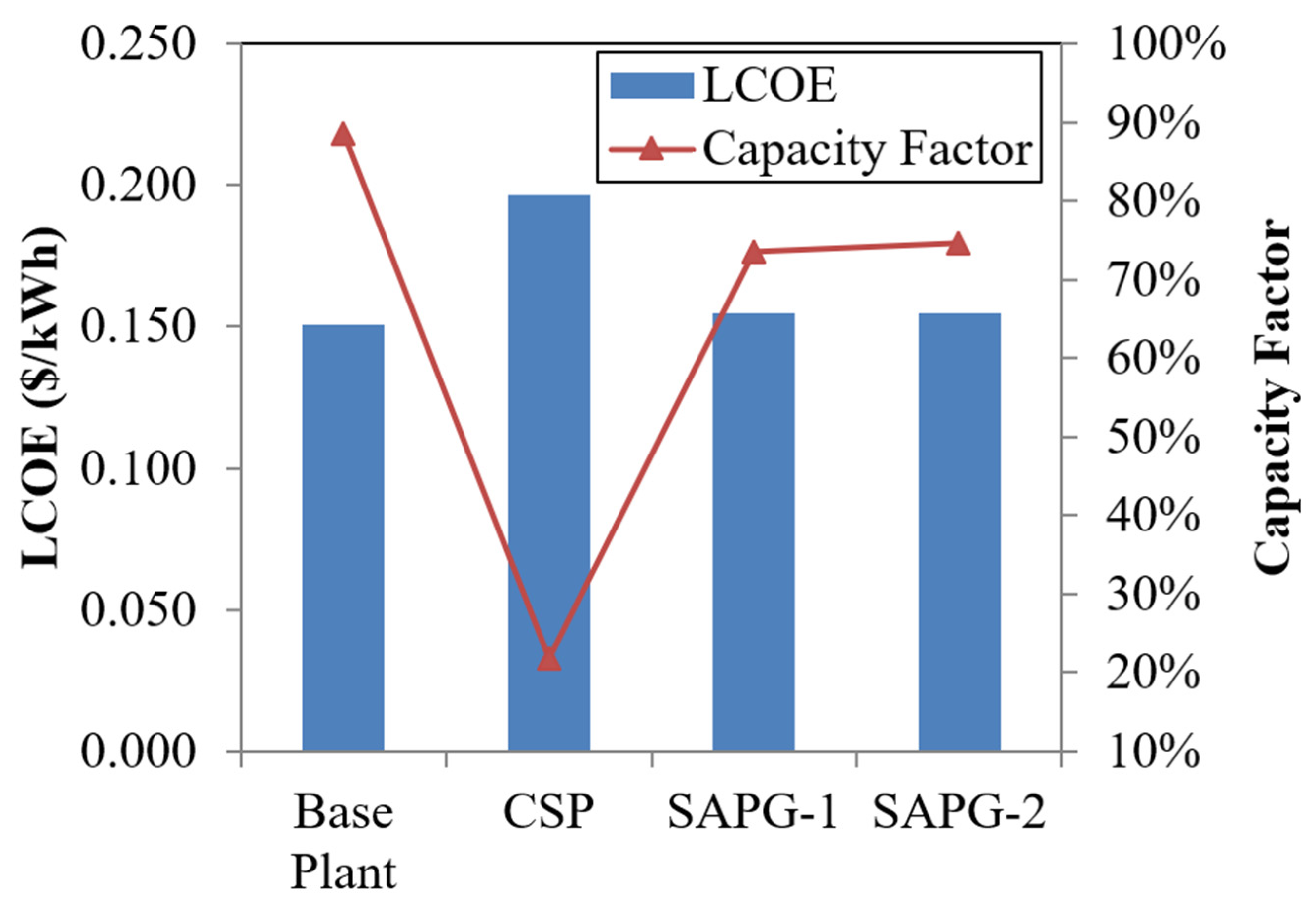
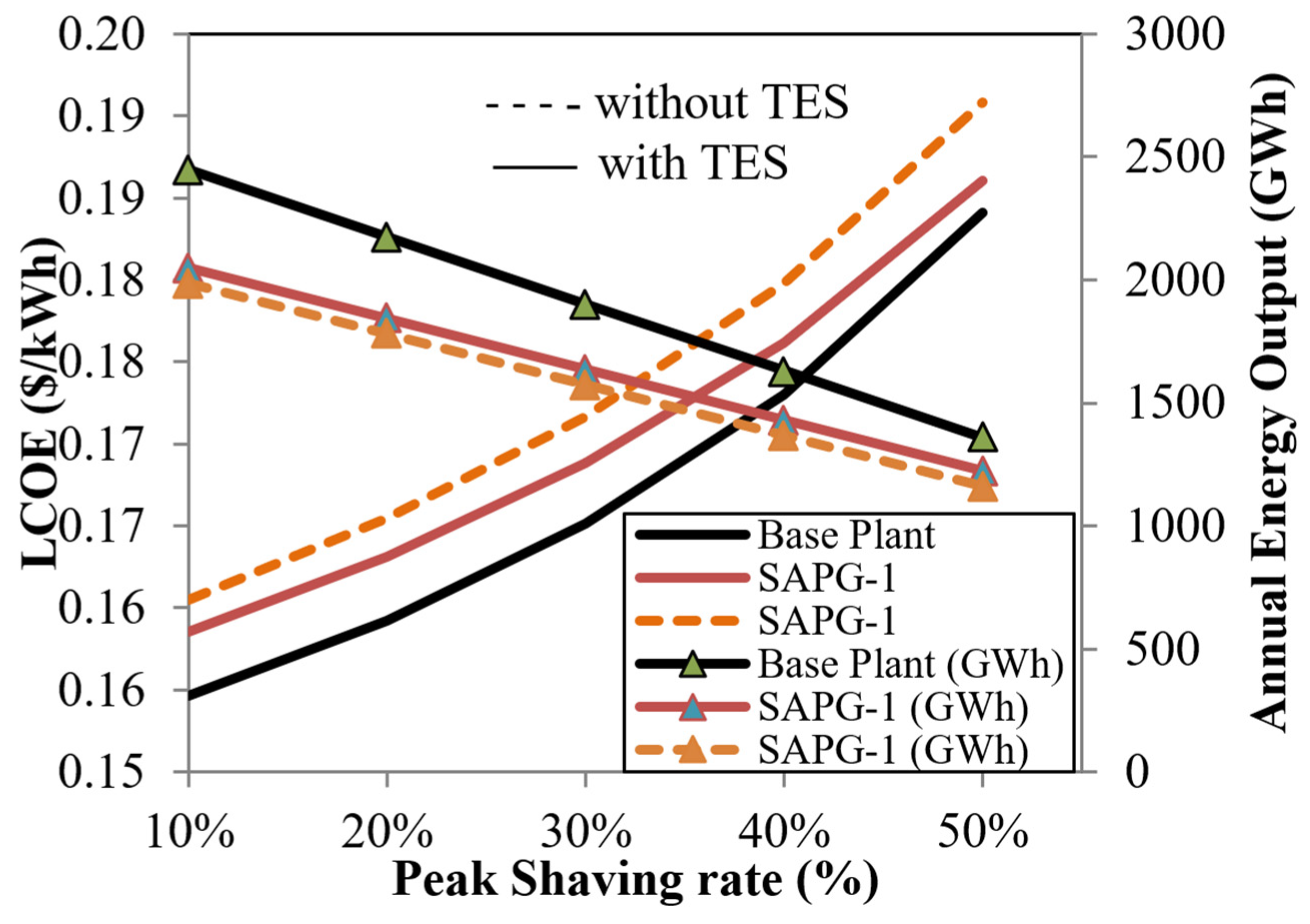
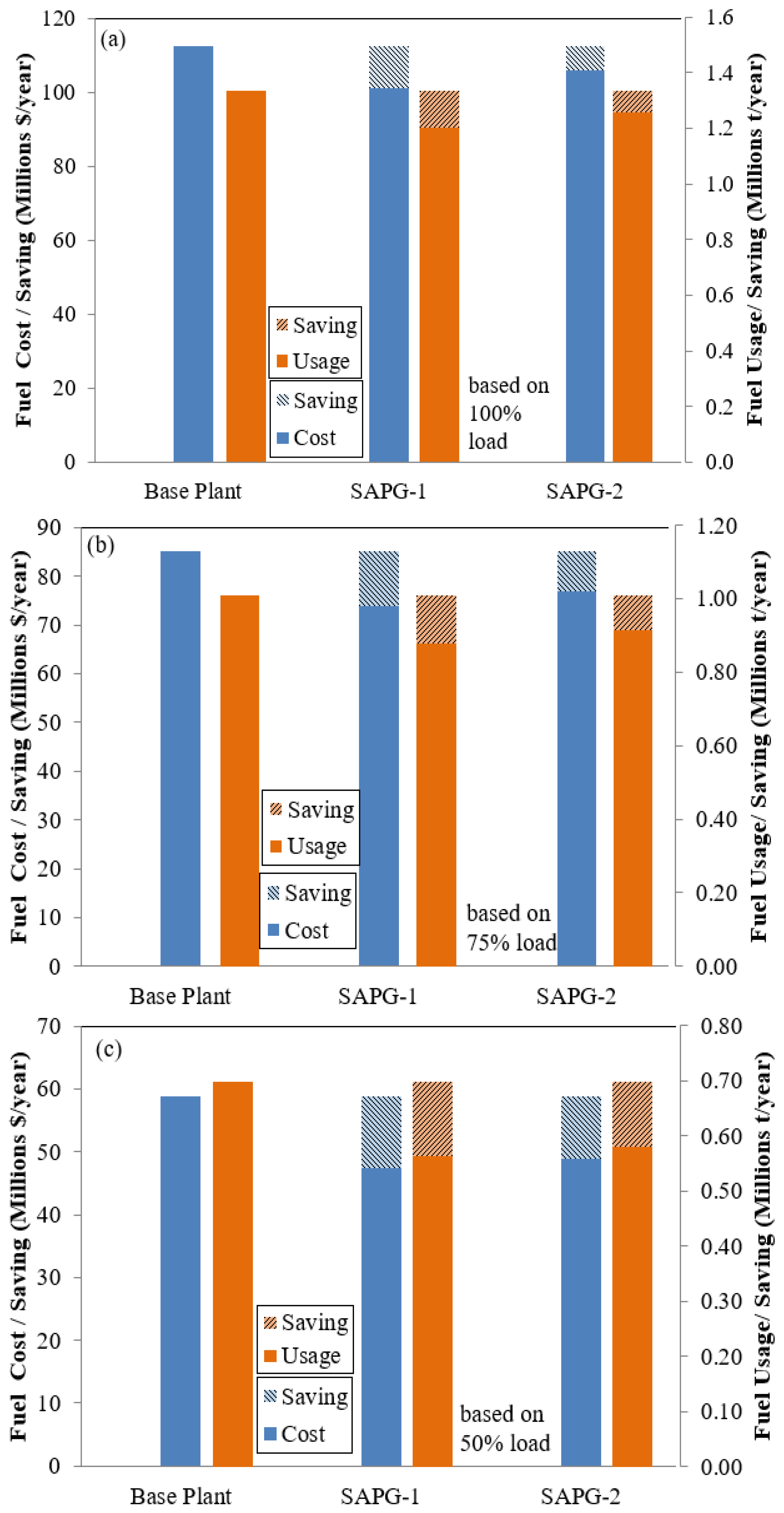
The LCOE for the CSP system decreases from $0.31/kWh at a solar multiple (SM) of 0.75 to $0.21/kWh at an SM of approximately 3. However, without a TES system, the LCOE increases from $0.21/kWh to $0.32/kWh. At an SM of 2, SAPG-1 demonstrates a shorter payback period and a higher expected income compared to SAPG-2 under both TES and non-TES scenarios. The SAPG systems achieve a lower LCOE and higher capacity factors than standalone solar, enhancing economic viability. Under full-load operation, SAPG-1 and SAPG-2 reduce annual coal consumption from 1.34 million tons (base plant) to 1.20 million tons and 1.26 million tons, respectively.
- (5)
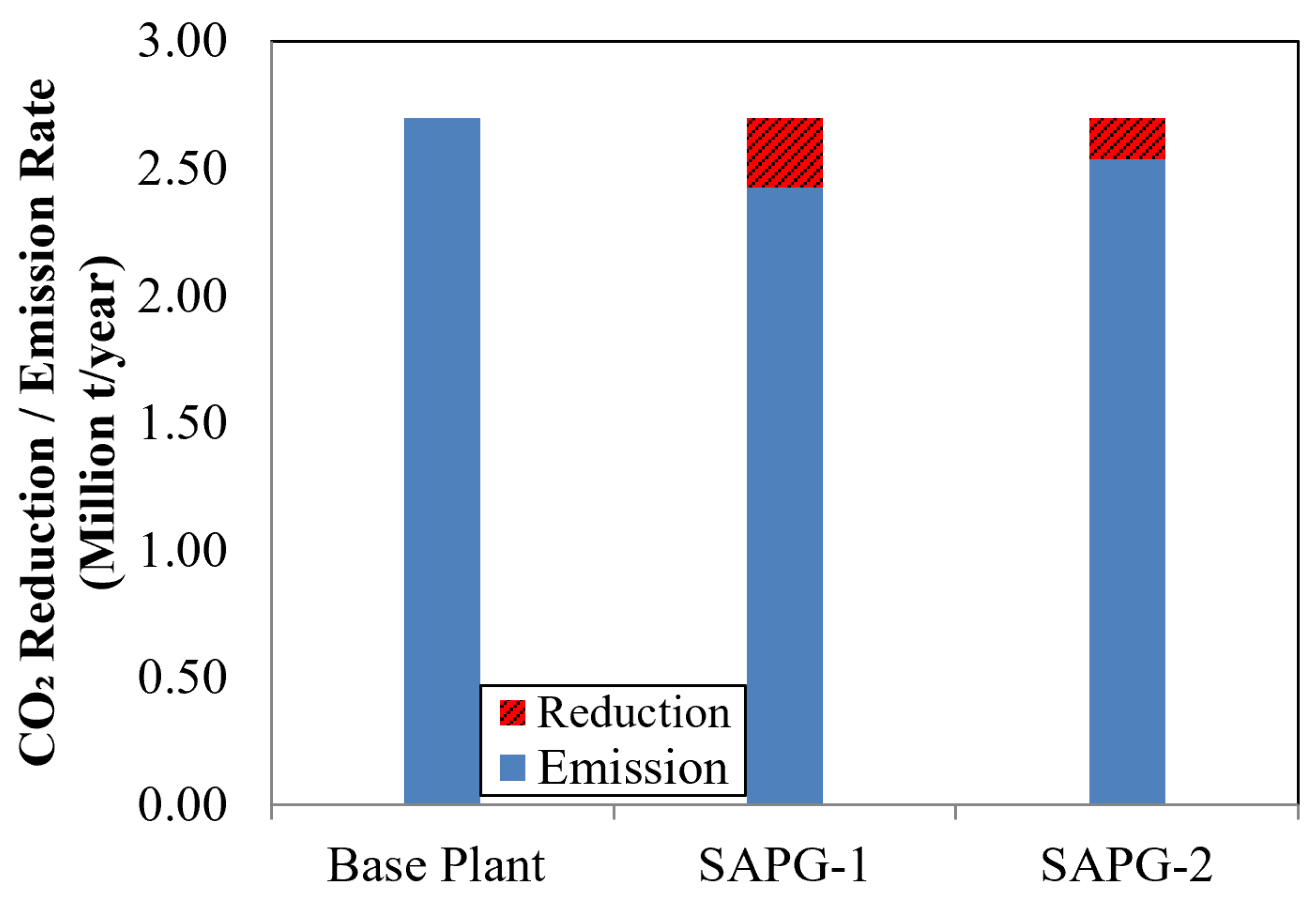
In terms of cost savings, SAPG-1 achieves an annual fuel cost reduction of $11.28 million across all the load levels. SAPG-2, while yielding smaller savings, achieves reductions of $6.64 million at full load, $8.16 million at 75% load, and $10 million at 50% load. Additionally, at full-load operation, SAPG-1 reduces CO2 emissions by 0.27 million tons per year (10.02%), whereas SAPG-2 achieves a reduction of 0.16 million tons per year (5.90%), both contributing significantly to environmental sustainability.
Overall, this study provides a comparative evaluation of two SAPG integration schemes combined with TES under both steady-state and dynamic operating conditions. The coupled Aspen Plus–SAM framework enables the comprehensive thermodynamic and annual performance analyses, while the results clarify the influence of TES on solar contribution, operational flexibility, and LCOE. Compared with SAPG-2, SAPG-1 demonstrates slightly better thermodynamic and economic performance due to lower boiler heat demand and more favorable feedwater integration characteristics. The findings of this work provide useful references for the future design and optimization of SAPG systems.
However, several limitations still exist in the present study. The current work mainly focuses on quasi-steady-state operating conditions, while detailed transient dynamic behaviors under rapid solar irradiation fluctuations have not been thoroughly investigated. Meanwhile, several potential challenges still exist in the integration of CSP systems with coal-fired power plants, including the coordination of thermal energy supply between solar and coal-fired subsystems, the operational stability under fluctuating solar irradiation conditions, the land requirements for solar field installation, and the increased complexity of system control and maintenance. In addition, comprehensive sensitivity analyses involving fuel price, TES cost, operation and maintenance expenses, future energy price scenarios, and possible variations in CSP plant costs, as well as practical issues related to large-scale engineering implementation, such as maintenance coordination, long-term operational reliability, and the availability of suitable land resources near coal-fired power plants, still require further investigation in future work.





 ,
,