

Article

Education for Sustainability Through Transformative Learning: A Competency-Based Design in Teacher Education


by
Esra Çakar Özkan
Department of Curriculum and Instruction, Faculty of Education, Burdur Mehmet Akif Ersoy University, Burdur 15030, Türkiye
Sustainability 2026, 18(12), 6027; https://doi.org/10.3390/su18126027
Submission received: 17 April 2026 / Revised: 1 June 2026 / Accepted: 1 June 2026 / Published: 12 June 2026
(This article belongs to the Section Sustainable Education and Approaches)

Abstract

Teacher education programs often fail to bridge the gap between sustainability knowledge and its practice, leaving pre-service teachers ill-equipped to implement Education for Sustainable Development (ESD). Addressing this knowledge–action gap, the present study draws on Mezirow’s ten-phase perspective transformation model and the UNESCO ESD competency framework. It examines how a competency-based pedagogical design is associated with (a) pre-service social studies teachers’ sustainability awareness and (b) the transformation of their experiences across the stages of transformative learning. A sequential explanatory mixed-methods design was employed with 33 pre-service teachers enrolled in a “Sustainable Development and Education” course during the fall semester of the 2025–2026 academic year. The ten-week instructional program was organized around four core processes: disorienting dilemma, critical reflection, rational discourse, and action. Quantitatively, the Wilcoxon Signed-Rank Test revealed statistically significant increases in overall sustainability awareness and across all three sub-dimensions—economy, society, and environment—with large effect sizes according to Cohen’s criteria. Qualitatively, participants shifted from individual responsibility to systemic awareness, revised their consumption practices, and reframed sustainability as a pedagogical responsibility. Disconfirming patterns also emerged: some retained their initial perspectives, while others reported heightened feelings of helplessness despite greater awareness. Findings suggest that transformative learning offers a robust framework for action-oriented sustainability education, while demonstrating that behavioral and professional transfer remains a complex process.

1. Introduction

The increasing complexity of sustainability challenges on a global scale necessitates a fundamental transformation not only in policy and technology, but also in societal value systems and individual behavioral patterns [1]. For this transformation to be lasting, educational systems must also be restructured. The United Nations Educational, Scientific and Cultural Organization (UNESCO) defines education’s role in this process as “a key enabler for all Sustainable Development Goals,” emphasizing more strongly than ever the contribution of learning processes to human well-being [2]. The capacity of educational systems to realize this transformation depends largely on teachers, who directly shape students’ understanding and attitudes toward sustainability. Teachers constitute a critical component of the education system [3,4]. Despite this critical role, a notable tension emerges. UNESCO’s [5] research indicates that more than 90% of teachers worldwide consider integrating sustainability topics into the curriculum ‘very important.’ However, one in four teachers feels inadequately prepared to teach these topics and reports a significant lack of knowledge and resources, particularly in areas requiring behavioral change. Recent studies add a structural dimension to this issue: although pre-service teachers generally demonstrate strong conceptual awareness and positive attitudes toward sustainability, a persistent gap in translating this knowledge into behavior and teaching practice has been consistently documented in both experimental studies and literature reviews [6,7,8,9,10]. Deficiencies in teacher education programs in addressing sustainability in an action-oriented and integrated manner are also widely reported [11]. This suggests that the observed gap reflects not only individual limitations but also structural and institutional constraints [8].
This structural issue is also evident at the content level, where ESD often remains an elective or supplementary component rather than being embedded at the core of teacher education programs [12]. There is evidence that transformative approaches often depend on individual faculty initiatives rather than institutional policy, and that even when course titles shift from “Environmental Education” to ESD, the pedagogical approach does not change meaningfully [13]. This underscores the need to address sustainability in teacher education not merely as knowledge transmission, but through a transformative approach that encompasses behavior and action.
The limitations of traditional transmission-based approaches in preparing individuals to confront complex sustainability challenges are widely acknowledged, and the necessity of transformative education is increasingly emphasized [14,15]. To overcome these limitations and support the paradigm shift toward sustainability, ESD is increasingly drawing on transformative learning [16,17,18]. A systematic review of transformative learning in sustainability research from 1999 to 2019 confirms this convergence as an emerging field of inquiry [19]. The review also notes that transformative learning theory is often used as a “buzzword” without engagement with its underlying concepts. It identifies three operational dimensions—learning processes, outcomes, and conditions—through which the theory can be more rigorously applied in ESD. In this context, Jack Mezirow’s Transformative Learning Theory provides a critical theoretical foundation. Rooted in constructivist, humanistic, and critical social theory traditions [20], this theory describes a deep learning process that extends beyond knowledge or skill acquisition to fundamentally reshape how individuals perceive themselves and the world [21,22]. Mezirow [22] defines transformative learning as “learning that transforms problematic frames of reference—sets of fixed assumptions and expectations (habits of mind, meaning perspectives, mindsets)—to make them more inclusive, discriminating, open, reflective, and emotionally able to change” (p. 58). This transformation occurs through critical self-reflection, rational discourse, and action [23]. The UNESCO ESD learning objectives framework [24] (p. 10) identifies eight core competencies, including systems thinking, anticipation, normative and strategic competence, collaboration, critical thinking, self-awareness, and integrated problem-solving. This eight-competency framework builds on the foundational reference framework of Wiek et al. [25] and was subsequently consolidated by Brundiers et al. [26] into an agreed-upon reference framework. A strong theoretical alignment exists between this framework and transformative learning theory, as both aim to reconstruct how individuals interpret and engage with the world [27]. The theory has not gone unchallenged. Newman [28] questioned whether transformative learning is empirically distinct from other forms of substantive adult learning, arguing that what is labeled “transformative” may reflect a difference in degree rather than kind, and that the phenomenon is verified largely through participants’ self-reports. Hoggan [29] later addressed this concern by repositioning transformative learning as an analytic metatheory and proposing three criteria—depth, breadth, and relative stability—for determining when learning can reasonably be called transformative. Against this backdrop, this study is grounded in the premise that the knowledge–action gap observed in sustainability education may be addressed through transformative learning-based pedagogical designs.
This theoretical framing also provides the rationale for situating the study within the context of social studies teacher education. By integrating disciplines such as history, geography, economics, citizenship, and environmental studies, social studies education represents a particularly relevant field for engaging with sustainability and global issues [30]. The pivotal role of teachers in fostering knowledge, skills, and values within citizenship education is well established [31]. The integration of social studies education with ESD offers a particularly fertile ground for transformative pedagogy [12]. For these reasons, pre-service social studies teachers were identified as the focus of this study.
A review of the literature reveals three key gaps. First, research in teacher education has largely focused on knowledge and attitudes, while the action dimension remains underexplored [10]. Second, empirical investigations of transformative pedagogical approaches in classroom contexts remain limited, with many studies confined to program or document analysis [12]. Third, studies that examine the intersection of transformative learning and ESD in an integrated manner—combining qualitative and quantitative approaches and operationalizing competency frameworks as pedagogical design references—are still scarce [32].
This study contributes to the literature in three ways. First, it provides empirical evidence—quantitative and qualitative—on how the knowledge–action gap in teacher education can be addressed through transformative learning. Second, it operationalizes the ESD competency framework [24] as a pedagogical design reference, thereby establishing a direct link between theoretical constructs and instructional practice. Third, it offers a context-specific empirical contribution to a body of literature in which mixed-methods intervention studies within social studies teacher education remain limited. To address these gaps, this study uses a mixed-methods approach to examine changes in pre-service social studies teachers’ sustainability awareness following the implementation of transformative learning-based activities in the ‘Sustainable Development and Education’ course. Accordingly, the study seeks to answer the following research questions:
  • How do pre-service teachers’ sustainability awareness levels change before and after transformative learning-based activities?
  • How do pre-service teachers’ experiences regarding the stages of transformative learning theory transform?

2. Materials and Methods

2.1. Research Design

This study used a sequential explanatory design, a mixed-methods research design. In the sequential explanatory design, quantitative data are first collected and analyzed; subsequently, a qualitative data collection process is initiated to explain and interpret the quantitative findings in depth [33]. The primary rationale for choosing this design is the multi-layered nature of the transformative learning process, which requires first identifying general trends through measurable outcomes and then understanding these trends in depth at the level of subjective experiences. In the first phase, changes in pre-service teachers’ sustainability awareness levels were systematically revealed through quantitative data; in the second phase, the processes of meaning confusion, critical questioning, perspective transformation, and action orientation underlying these changes were described in depth through qualitative data. The sequential structuring of the two phases allows quantitative findings to be substantiated by qualitative data, enabling the research findings to attain a comprehensive explanatory power.
The quantitative dimension is based on a single-group pre-test and post-test quasi-experimental design. This design allows for examining within-group changes by comparing measurements of the same participant group before and after the implementation, in situations where forming a control group is difficult [34]. The qualitative dimension, conducted after quantitative data analysis, was grounded in a case study approach. A case study is a qualitative research design that aims to understand a phenomenon or process in depth and holistically within a specific context [35]. In this study, the case is the “Sustainable Development and Education” course in which activities based on transformative learning theory were implemented. The experiences of pre-service teachers within this course are treated as the unit of analysis. In the sequential explanatory design, shaping the qualitative phase based on quantitative findings facilitates the identification of which participant experiences and patterns need to be examined in greater detail; thus, the depth provided by the case study is meaningfully built upon the general picture revealed by the quantitative phase [36].

2.2. Study Group

The study group consists of 33 pre-service teachers enrolled in the second year of the Social Studies Teaching Program at the Faculty of Education during the fall semester of the 2025–2026 academic year. Convenience sampling was adopted to determine the study group. Convenience sampling refers to the inclusion of individuals who are accessible to the researcher and who participate voluntarily [37]. This method was chosen because the study took place within the Sustainable Development and Education course, with participants drawn from its enrolled students. This sampling approach enabled the research process to proceed uninterrupted in a natural educational setting. Of the study group, 22 participants (66.7%) were female and 11 (33.3%) were male.

2.3. Data Collection Instruments

Two different types of data collection instruments, quantitative and qualitative, were utilized in the study. While a single measurement instrument was used in the quantitative dimension, two different instruments were employed in the qualitative dimension.

2.3.1. Quantitative Data Collection Instrument

The quantitative data of the study were collected using the Sustainable Development Awareness Scale [38]. The scale consists of three sub-dimensions, namely economy, society, and environment, comprising a total of 36 items, and is structured in a 5-point Likert-type rating format. When the item distribution across sub-dimensions is examined, items 1 through 13 measure awareness related to the economy sub-dimension (13 items), items 14 through 22 to the society sub-dimension (9 items), and items 23 through 36 to the environment sub-dimension (14 items). Items 1, 8, 10, 24, 31, and 35 are reverse-scored items, while item 26 serves as a control item. The minimum possible score on the scale is 36 and the maximum is 180.
During the development of the scale, data were collected from 425 senior pre-service science teachers enrolled at seven public universities in Turkey. As a result of the reliability analysis, Cronbach’s Alpha coefficient for the overall scale was 0.91, while the sub-dimension coefficients were 0.77 for economy, 0.87 for society, and 0.82 for environment. These values indicate that the scale has high internal consistency [39]. For construct validity, confirmatory factor analysis (CFA) was conducted using the AMOS software (Amos 29); the obtained fit indices (χ2/df = 1.677, RMSEA = 0.040, S-RMR = 0.044, GFI = 0.889, AGFI = 0.871, IFI = 0.931, TLI = 0.923) demonstrated that the three-factor structure was consistent with the data [35].
In the present study, Cronbach’s alpha was recalculated for the study group at pretest and posttest. The values are reported in Table 1 for each sub-dimension.
Posttest alpha coefficients ranged from 0.807 to 0.825, with an overall coefficient of 0.905. These values indicate high internal consistency at posttest. Pretest coefficients were lower. The environment sub-dimension showed the lowest value (α = 0.486), followed by the economy sub-dimension (α = 0.656). This pattern reflects restricted variance at pretest, since Cronbach’s alpha is mathematically sensitive to the variance of item responses [40]. Mean scores on these sub-dimensions corresponded to approximately 84% of the theoretical maximum. Such clustering leaves limited score variability for estimating inter-item correlations. The increase in alpha from pretest to posttest, together with the parallel decrease in standard deviations, suggests that participants’ responses became more internally consistent after the implementation.

2.3.2. Qualitative Data Collection Instruments

Structured Reflective Journal
The study’s qualitative data were collected through a structured reflective journal developed by the researcher. Reflective journals are qualitative data-collection instruments through which individuals record their learning experiences in writing and externalize their cognitive and affective changes [41]. In the literature, it is emphasized that reflective journals serve a dual function in transformative learning research, both as a source of research data that captures participants’ internal meaning-making processes in their natural context and as a pedagogical tool that triggers critical reflection [42]. The structured reflective journal developed in this study was designed with this dual function in mind and used to monitor pre-service teachers’ cognitive and affective changes throughout the process.
However, the journal also forms part of the intervention itself. This dual role creates a methodological tension: writing in the journal may both indicate and trigger the changes being measured [41]. Therefore, it should be taken into consideration that journal data may reflect not only what occurred after the intervention but also a meaning-making process shaped by the act of writing itself. Due to this limitation, journal data were cross-evaluated with interview data, and whether the findings obtained from the two sources converged was systematically examined [33].
This dual role has further methodological implications. The journal does not record transformation that occurs elsewhere. It is itself one of the contexts in which meaning-making takes place. Part of what the data document is therefore the participants’ engagement with the act of structured reflection, not transformation independent of it. Recent work in transformative learning research has likewise treated reflective writing as a constitutive instrument of change, not only an observational one [42]. In this study, the reflexive coupling between the journal as a pedagogical tool and as a data source is treated as a feature of the design rather than a flaw to be removed. Still, it limits the interpretive scope of the findings. The journal data should be read as evidence of how participants articulated change within a reflective-writing context, not as a direct window onto transformation as such.
The journal was structured under five dimensions based on Mezirow’s [43] transformative learning theory and ESD competencies: (i) initial thoughts and disorienting dilemma, (ii) group interaction and dialogue, (iii) critical questioning, (iv) transformation and new perspective, and (v) transfer to professional identity and action. The journal was implemented in a process-oriented structure in which the relevant section was completed upon the conclusion of each phase.
During the development of the data collection instrument, expert opinion was first sought for content validity. Various revisions were made in line with expert feedback: questions with similar content were merged to reduce repetition and closed or leading expressions were reformulated as open-ended items. Questions enabling participants to express their experiences with concrete examples were added to the disorienting dilemma section, and the questions in the critical questioning dimension were restructured to encourage deeper thinking. To strengthen the transfer to professional identity dimension, questions allowing participants to develop concrete implementation plans were added, and the instructions were simplified to enhance the overall comprehensibility of the form. Following the expert revisions, the instrument was piloted with a group of five participants who were not included in the research group but were taking the same course at the same grade level. As a result of the pilot application, it was found that participants considered some questions lengthy and multi-dimensional, and some expressions insufficiently clear. Accordingly, the questions were simplified, conceptual explanations were added, and prompts requesting examples were included to help participants express their experiences more concretely. Following all these revisions, the data collection instrument was finalized.
Semi-Structured Interview Form
The second qualitative data collection instrument of the study is a semi-structured interview form developed by the researcher. Semi-structured interviews are a data collection method that allows participants to provide in-depth responses within a framework of predetermined questions and enables the researcher to ask follow-up questions when necessary [36]. In this study, the interview form was administered within the scope of the qualitative phase of the sequential explanatory design to facilitate a deeper understanding and explanation of the patterns emerging from the reflective journal data.
The interview form was developed based on Mezirow’s [43] transformative learning theory. The form contains two to four open-ended questions for each phase and was structured in a way that allows participants to convey their experiences in their own words. Expert opinion was sought for the content validity of the form, and two questions that were leading in nature and contained assumptions were revised in line with expert recommendations. Following the expert revisions, the instrument was piloted with two pre-service teachers who were not included in the research group but had previously taken the course. As a result of the pilot application, it was observed that the questions were found to be clear and comprehensible by the participants, that the interview flow followed a natural course, and that the questions were able to elicit the targeted experiences with sufficient depth. Accordingly, no changes were made to the form, and the instrument was put into practice in its final version. The interviews were conducted individually with five pre-service teachers selected on a voluntary basis following the completion of the ten-week implementation process. In addition to the voluntary basis, having participated in different group studies was also taken into consideration in the selection of participants, thereby ensuring diversity in dialogue and group interaction experiences. Each interview lasted an average of 25 to 35 min, was audio-recorded with the participants’ consent, and the recordings were transcribed without any modifications.
The number of interviews was guided by data saturation. Saturation is the point at which new interviews no longer produce new themes [44]. In sequential explanatory designs, the qualitative phase uses a smaller purposeful subsample to explain patterns from the quantitative phase [33]. The interviews were analyzed iteratively alongside the journal data (n = 33). By the fifth interview, no new codes were emerging. This indicated that saturation had been reached. The five participants were also selected from different group-work compositions to ensure diversity of perspectives.
The interview cases were used to explain the quantitative findings. They clarified the meaning behind the increases in the economy and society sub-dimensions. They also gave voice to both representative and disconfirming cases behind the aggregate effect sizes. Finally, they helped interpret the reduction in score variance as a shift toward a shared, systemic view of sustainability.
The interviews were conducted by the course instructor. Neutral prompts and confidentiality assurances were used to reduce bias. Even so, self-presentation bias and the instructor–participant asymmetry cannot be ruled out, and should be considered when reading the interview excerpts.

2.4. Design of the Instructional Program

The design process for the instructional program was initiated with a systematic approach that identified the gap between the current situation and the desired state [45]. In this process, two fundamental layers of need were identified: that ESD has not been systematically incorporated into teacher education programs [11,12] and that despite the development of conceptual awareness among pre-service teachers, a notable disconnect exists in translating this knowledge into behavior and teaching practice [3,8]. The intersection of these two layers of need determined the study’s design focus: to develop an instructional program that bridges the gap between knowledge and action, with an emphasis on both competency and transformation.
Drawing on this needs analysis, the program was structured within the framework of Wiggins and McTighe’s [46] backward design principle. In this approach, learning outcomes are defined first, followed by assessment methods, and finally learning experiences. This sequence aligns with competency-based education, which defines learning as the integrated mobilization of knowledge, skills, and attitudes [47,48,49]. In sustainability, this requires the simultaneous targeting of cognitive, socio-emotional, and behavioral domains [24].
The UNESCO ESD [24] competency framework was designated as the outcome reference for the program. This framework, consisting of systems thinking, anticipatory, normative, strategic, collaboration, critical thinking, self-awareness, and integrated problem-solving competencies, was selected because it concretizes an integrated understanding of learning that extends from knowledge to action and can be directly linked to the professional identity development of pre-service teachers [24,48]. In alignment with the backward design principle, competencies were first identified, followed by the design of the structured reflective journal as an assessment instrument, and finally, the learning experiences corresponding to transformative learning theory were constructed. The integration of ESD competencies with transformative learning theory enabled the program to simultaneously address both its purposive and pedagogical dimensions [16,17,18].
Hoggan [29] has repositioned transformative learning as an analytic metatheory. He proposes six outcome categories—worldview, self, epistemology, ontology, behavior, and capacity—assessed through three criteria: depth, breadth, and relative stability. This typology is mainly an outcome-oriented tool. It is designed to classify and justify claims of transformation after learning has taken place. The present study, however, focuses on the pedagogical design of a ten-week intervention rather than on the retrospective classification of outcomes. For this reason, Mezirow’s process-oriented phases were used as the design backbone. Hoggan’s criteria of depth, breadth, and stability informed the cautious interpretation of the findings. In the qualitative analysis, an account was classified as transformative when it met at least two of Hoggan’s three criteria. Depth refers to a restructuring of underlying assumptions, not the addition of new content within an existing frame. Breadth refers to the application of the changed perspective across more than one domain, such as personal practice, social interpretation, and professional identity. Relative stability refers to the consistency of the changed perspective across multiple journal entries and the interview. Accounts that reflected only conceptual enrichment within an unchanged frame (e.g., RJ32) were classified as developmental and are reported as disconfirming cases.
Figure 1 shows how the four design layers of the program are integrated into a single architecture. Backward design serves as the structural backbone. The UNESCO ESD competency framework provides the outcome reference. Mezirow’s four core processes form the pedagogical framework. The 7R model is the instructional framework for the dialogue phase. The structured reflective journal cuts across all phases as the assessment-and-reflection instrument.
In this study, Mezirow’s [43,50] ten-phase theoretical framework was addressed in terms of four core processes: disorienting dilemma, critical reflection, dialogue/rational discourse, and action. The four core processes were operationalized as follows. The disorienting dilemma corresponds to Phases 1–2 (the dilemma itself and self-examination involving fear, anger, guilt, or shame). Critical reflection corresponds to Phase 3 (a critical assessment of assumptions). Dialogue/rational discourse primarily corresponds to Phase 4 (the recognition that one’s discontent and the process of transformation are shared); however, in Mezirow’s theory, discourse permeates the entire process. Action encompasses Phases 5–10, extending from exploring new roles, relationships, and actions to reintegration into one’s life. The acknowledgment that the ten-phase model is not experienced by every individual in the same sequence and with the same intensity [50] allows this framework to be applied in a cyclical and context-sensitive manner. Contemporary studies examining the intersection of ESD and transformative learning position transformative learning as the pedagogical foundation of sustainability education based on Mezirow’s theoretical framework [16,17,51].
For the content validity of the program, the opinions of two academics, one specializing in curriculum and instruction and the other in environmental education and sustainability, were sought. As a result of the expert evaluations, the competency alignments of some activities were reorganized, the pedagogical rationales for transitions between phases were strengthened, and the content density was balanced. Following these revisions, the program was finalized and implemented.

2.5. Implementation Process

The implementation was carried out within the scope of the “Sustainable Development and Education” elective course during the fall semester of the 2025–2026 academic year, with 2 course hours per week over 10 weeks. Table 2 presents, in an integrated manner, the weekly content, activities, targeted UNESCO ESD competency, and theoretical phase information for the process.
To clarify how each activity was linked to the targeted UNESCO ESD competencies, the competencies were operationalized through observable performance indicators. These indicators were drawn from the UNESCO learning objectives framework [24].
For example, systems thinking was operationalized as the ability to identify multiple interconnected drivers of a local sustainability problem. This was assessed through the ‘My Neighborhood’ project report. Critical thinking was defined as the ability to question assumptions and consider alternative perspectives in Philosophy for Children (P4C) [52] discussions. It was assessed through analysis of group discussion transcripts. Collaboration was framed as joint product development and peer-feedback exchange during the 7R workshops, assessed through peer-evaluation forms. Strategic competency was operationalized as the planning and public execution of the sustainability exhibition.
These indicators were embedded in the structured reflective journal prompts for each phase. They allowed the design to monitor competency-relevant evidence throughout the program. However, no separate competency-assessment instrument was administered. A summary of the activity–indicator–competency alignment is presented in Supplementary Materials File S1 (Table S1).
A conceptual clarification is needed here. The term ‘competency-based’ is used in this study in a design-oriented sense, not an assessment-oriented one. Following the backward-design logic [46], the UNESCO ESD competencies [24] served as the outcome reference for the program. Learning experiences and reflective tasks were built around them. Competency-relevant evidence was monitored through the journal prompts and the activity–indicator alignment (Table S1). However, no separate competency-assessment instrument was used, and competency acquisition was not measured against an external performance standard. In this sense, the design is more precisely described as competency-informed rather than competency-assessed [47,48,49]. This distinction matters for the interpretation of the findings: the study reports changes in self-reported sustainability awareness and qualitative indicators of transformative learning, not directly measured competency attainment.
Disorienting dilemma (Weeks 1–2): Initial knowledge structures were made visible, and a state of meaning confusion was created through a concept-mapping activity, a P4C discussion, and a poster activity designed around the planetary boundaries model.
Critical reflection (Weeks 3–4): Within the ‘My Neighborhood’ project, observations and interviews in real living environments transformed intuitive disruption into systematic problem identification. Solution proposals were then developed within the framework of the UN 2030 Agenda and the 17 SDGs, extending from local problems to global policy contexts.
Dialogue (Weeks 5–7): The 7R model (Reduce, Reuse, Respect, Rethink, Reflect, Recycle, Redistribute) was adopted as the core instructional framework. Although the 7R model originated in early childhood education for sustainability [53,54], in the present study, it was adapted to the higher education context through collaborative tasks oriented toward pre-service teachers’ professional identity and collaboration competency. Collaboration competency was translated into concrete performance through group work, product development, and peer feedback sessions [53,54].
Action (Weeks 8–10): Learning was extended beyond the classroom through three components: examination of eco-school practices, the collaborative writing of a sustainability manifesto, and a public exhibition held within the university [13,17]. Detailed implementation steps and photographs of student products are presented in Supplementary Materials File S1.

2.6. Data Analysis

2.6.1. Analysis of Quantitative Data

The data from the Sustainable Development Awareness Scale were analyzed using IBM SPSS Statistics version 29 (IBM Corp., Armonk, NY, USA). Prior to the analysis, missing and erroneous values in the dataset were checked, and whether the data followed a normal distribution was tested using skewness and kurtosis coefficients and the Shapiro–Wilk test. Within the scope of descriptive statistics, arithmetic mean, standard deviation, and median values were calculated. To determine the internal consistency of the scale for this sample, Cronbach’s Alpha was calculated separately for the pre-test and post-test. Based on the normality test results, the Wilcoxon Signed-Rank Test was used to assess the significance of the difference between pre-test and post-test scores, with a significance level of 0.05.
Effect sizes were calculated using the formula r = Z/√N [50]. To improve the robustness of effect size interpretation, 95% confidence intervals for r were estimated using Fisher’s z-transformation, which provides stable analytical bounds for correlation-based effect sizes in small samples. A sensitivity power analysis was conducted in G*Power version 3.1.9.6 (Heinrich Heine University Düsseldorf, Düsseldorf, Germany) [55] to determine the minimum detectable effect size under the conditions of n = 33, α = 0.05, and statistical power = 0.80. Item 26, which functioned as a control item, was excluded from all analyses.
The analyses involved four within-group comparisons: the overall scale and three sub-dimensions. Multiple testing was therefore considered. The four tests are not statistically independent, since the sub-dimension scores are nested within the total score. As a robustness check, a conservative Bonferroni correction was applied. This lowered the significance threshold to α = 0.0125. All four comparisons remained significant at this adjusted threshold (p < 0.001). The results are therefore unlikely to reflect inflation of Type I error due to multiple comparisons.

2.6.2. Analysis of Qualitative Data

The interview data were analyzed using the content analysis technique. The interviews were audio-recorded with the participants’ consent and the recordings were transcribed without any modifications. The transcripts were read by the researcher and coded using a deductive approach in which Mezirow’s [43] ten-phase perspective transformation model was addressed as four core processes, namely disorienting dilemma (Phases 1–2), critical reflection (Phase 3), rational discourse (Phase 4), and action (Phases 5–10). In addition, inductive coding was employed to identify original concepts emerging from the dataset.
The reflective journals were analyzed using descriptive analysis in accordance with the researcher-developed coding framework. The coding framework encompasses five dimensions determined in line with Mezirow’s ten-phase perspective transformation model, namely meaning confusion, group interaction/dialogue, critical questioning, transformation, and action, and qualitatively examines participant expressions within each dimension based on the same theoretical framework. The five dimensions of the coding framework were aligned with Mezirow’s theoretical phases, and the transformation and transfer to professional identity dimensions were addressed in an integrated manner under the action phase. In this way, a transition was made from the five-dimensional data collection structure to a four-phase analytical framework, and the findings were presented in the order of disorienting dilemma, critical reflection, rational discourse, and action. The themes and codes used in the analysis are presented in Table 3.
To protect participant confidentiality throughout the analysis process, reflective journal data were coded RJ1–RJ33, and interview data were coded I1–I5. Participant quotations were selected based on the criteria of representativeness, diversity, and deviant patterns for each theme; individual expressions unique to a single participant were not presented as representative quotations without an accompanying contextual explanation.
All interview transcripts and reflective journals were originally produced in Turkish. The participant quotations presented in this manuscript were translated from Turkish to English by the researcher. To ensure the accuracy and conceptual fidelity of the translations, a bilingual colleague with a PhD in Curriculum and Instruction and an undergraduate degree in English Language Teaching independently reviewed the translated excerpts against the original Turkish texts. The original Turkish data, together with the translated excerpts, have been retained as part of the audit trail for this study.
All data obtained from the interview transcripts and reflective journals were independently coded by the researcher and an independent expert. Inter-rater reliability was first calculated using Miles and Huberman’s [56] percentage agreement formula, yielding 86% agreement for the interview data and 83% for the reflective journals. To account for chance agreement, Cohen’s kappa coefficients were also calculated [57]. The analysis yielded κ = 0.82 for the interview data and κ = 0.77 for the reflective journals, indicating substantial to almost perfect agreement between the two coders [58]. Cohen’s kappa was reported alongside the percentage agreement because the deductive coding framework may inflate percentage agreement by constraining the category space. Items on which the coders disagreed were re-evaluated through mutual discussion and a consensus was reached.

2.7. Validity and Reliability

The validity and reliability of the quantitative instrument used in this study were established in the original scale development study [38] and confirmed in the present sample through Cronbach’s alpha coefficients reported in Section 2.1 (Table 1). The remainder of this section addresses the validity and reliability of the qualitative dimension.
The validity and reliability of the qualitative dimension were ensured within the framework of the credibility, transferability, dependability, and confirmability criteria proposed by Lincoln and Guba [59].
Three different strategies were used in combination for credibility. Within the scope of prolonged engagement, the researcher maintained continuous and close interaction with the participants throughout the ten-week implementation process, which enhanced the depth and reliability of the data. Within the scope of triangulation, two different qualitative data collection instruments, namely the structured reflective journal and the interview form, were employed, thereby strengthening the consistency of the findings through the comparison of data obtained from different sources. Within the scope of peer debriefing [59], the opinions of experts with in-depth knowledge of the field were sought both during the design of the instructional program and at the data analysis stage. This allowed the theoretical consistency of the study and the appropriateness of analytical decisions to be evaluated from an independent perspective.
A thick description strategy was adopted for transferability. The study group, implementation context, and data collection process were described in detail to provide readers with a basis for assessing similar contexts. Convenience sampling was used to determine the study group, and the study was conducted within the scope of the Sustainable Development and Education course, with participants consisting of students enrolled in this course, which naturally ensured that the research was conducted with individuals who had directly experienced the phenomenon under investigation.
An audit trail strategy was employed for dependability. The data collection, analysis, and reporting processes were systematically documented, and transformative learning theory was used both as a deductive coding framework and as the theoretical scaffold for integrating the inductive codes emerging from the dataset. Inter-rater agreement was assessed using both Miles and Huberman’s [56] percentage agreement formula and Cohen’s kappa [54]; the detailed values are reported in Section 2.6.2.
To address confirmability, the risk of bias arising from the researcher serving as the course instructor was mitigated by managing the reflexivity process at three levels [33,59]. At the first level, the researcher recorded their own expectations and possible interpretive tendencies in a researcher’s journal following each data collection phase. At the second level, participants were informed that the reflective journals would not affect their course grades to reduce social desirability bias, and an open environment was created during the interviews, allowing participants to share negative experiences [36]. At the third level, raw data, coding schemes, and researcher journals were kept open to external audit [36]. Nevertheless, the researcher’s identity as a faculty member means that social desirability bias cannot be eliminated and this is acknowledged as a structural limitation of the study.

3. Findings

3.1. Quantitative Findings

To seek an answer to the first sub-question of the study, namely “How do pre-service teachers’ sustainability awareness levels change before and after activities based on transformative learning theory?”, the pre-test and post-test scores obtained from the Sustainable Development Awareness Scale were analyzed. Prior to the analyses, a normality test was conducted to determine the appropriate statistical test. The Shapiro–Wilk test was preferred because it yields more robust and reliable results for assessing normality than the Kolmogorov–Smirnov test, particularly in small and medium-sized samples [60]. The sample size in this study methodologically supported this preference. The normality test results are presented in Table 4.
Table 4 shows that the pre-test scores of the environment sub-dimension follow a normal distribution (W = 0.975, p = 0.633); however, the pre-test and post-test scores for the total score and the economy and society sub-dimensions did not meet the normality assumption (p < 0.05). The post-test scores of the environment sub-dimension also did not follow a normal distribution (W = 0.889, p = 0.003). Since most of the data did not follow a normal distribution, the nonparametric Wilcoxon Signed-Rank Test was used to assess the statistical significance of the difference between pre- and post-test scores. Descriptive statistics regarding the pre-test and post-test scores of the pre-service teachers are presented in Table 5, and the Wilcoxon Signed-Rank Test results are presented in Table 6.
Table 5 and Table 6 together show that the pre-service teachers’ total scores on the sustainability awareness scale increased from X ¯ = 154.64 (SD = 11.33) in the pre-test to X ¯ = 170.79 (SD = 8.68) in the post-test. The Wilcoxon Signed-Rank Test indicates that this increase is statistically significant (z = −5.014, p < 0.001, r = 0.87, 95% CI [0.75, 0.94]), with all participants demonstrating higher post-test scores.
Consistent improvements were observed across all sub-dimensions. In the economy dimension, scores increased significantly (z = −5.026, p < 0.001, r = 0.88), with all participants showing positive change. In the society dimension, scores increased significantly (z = −4.561, p < 0.001, r = 0.79), although six participants showed no change. Similarly, in the environment dimension, scores increased significantly (z = −4.942, p < 0.001, r = 0.86), with only one participant showing no change.
Effect sizes across all dimensions ranged from 0.79 to 0.88, indicating large effects according to Cohen’s criteria [61]. To support the interpretation of these estimates, 95% confidence intervals were calculated using Fisher’s z-transformation. The confidence intervals remained within the moderate-to-large effect range across all dimensions, with lower bounds ranging from 0.61 to 0.75. Notably, the decrease in standard deviation across all dimensions suggests reduced variability, indicating a more homogeneous distribution of sustainability awareness following the implementation. These findings collectively indicate that statistically significant and practically meaningful increases in pre-service teachers’ sustainability awareness were observed following the implementation.

3.2. Qualitative Findings

To seek an answer to the second sub-question of the study, namely “How do pre-service teachers’ experiences regarding the stages of transformative learning theory transform?”, the findings obtained from the reflective journals of 33 pre-service teachers and the semi-structured interviews conducted with 5 pre-service teachers were presented in an integrated manner. The findings were addressed under four processes derived from Mezirow’s ten-phase perspective transformation model [43] in accordance with the alignment framework described in Section 2.

3.2.1. Disorienting Dilemma Phase

The findings obtained from both data sources reveal that most pre-service teachers approached sustainability prior to the process predominantly within a framework limited to environmental protection and recycling practices. Throughout the process, a significant number of participants encountered knowledge and experiences that conflicted with their limited understanding and began to question their existing assumptions. RJ3 conveyed this initial state and the subsequent rupture as follows:
I used to think of sustainability more as a topic confined to the environment… Learning that sustainable development is not only an environmental but also an economic and social issue made me realize that what I thought I knew was not quite accurate.
(RJ3)
The interview data also point to a similar pattern:
At first, I thought of sustainability only as protecting the environment and recycling… Realizing that sustainability has economic and social dimensions surprised me.
(I1)
The elements that triggered confusion over meaning varied among participants. For some, the realization of mistaken assumptions regarding everyday life practices was decisive:
I was very surprised when I learned that pizza boxes and store receipts cannot be recycled.
(RJ8)
For others, the disorienting dilemma took shape through more complex social and technological issues. RJ11 conveyed this experience in the context of a nuclear energy discussion:
The topic that made us think the most was nuclear energy. With its low cost and high production potential, we touched upon and researched many points we had not previously considered regarding the environmental problems it generates.
(RJ11)
On the other hand, some participants experienced the process without a notable disruption, perceiving it instead as an opportunity to deepen their existing knowledge and broaden their conceptual scope. For these participants, the process functioned not as a dismantling of their existing framework but as an enrichment of it:
I had some idea about it, but after this process I began to look at sustainability from a much broader perspective.
(RJ32)
In summary, most participants entered with an environment-only conception of sustainability and encountered triggers that varied in form and intensity—from everyday consumption assumptions to complex socio-technological issues—while a smaller group experienced the phase as conceptual enrichment rather than disruption.

3.2.2. Critical Reflection Phase

The findings indicate that a significant portion of the pre-service teachers underwent a transformation in their ways of thinking in the process following the meaning confusion. The prominent pattern in this dimension is the transition from an emphasis on individual responsibility to systemic awareness. While participants initially associated environmental problems with individual behaviors, throughout the process, they developed an awareness that these problems are connected to policy, economy, and social structure. RJ14 conveyed this transformation as follows:
I used to think that environmental problems could be solved only through individual behaviors. However, I came to understand that government policies, economic systems, and social awareness are at least as important as individual behaviors.
(RJ14)
The interview data support this pattern:
At first, I thought that if everyone did their part, the problem would be solved, but I realized that it is also related to the system.
(I3)
The questioning of individual consumption habits also emerges as a common dimension that became prominent in both data sources. I2 conveyed this transformation through a concrete behavioral change:
Now I question whether I really need something when shopping. The first question I ask myself when shopping is no longer how much I like the product, but ‘Do I really need this product?’
(I2)
The depth of critical reflection varied among participants. While some participants defined their transformation primarily at the level of individual habits, others reached a systemic and structural reframing. RJ8 expressed this transformation through the lens of individual inertia as follows:
Previously, I used to think that doing something on my own would not be effective, but I later realized that we are in this situation precisely because everyone thinks this way. If each individual acted consciously, we could make a very great difference.
(RJ8)
RJ11, on the other hand, situated the issue within a broader social context:
Just as the world is not small enough to be polluted by a single person, it is also a reality that environmental problems emerge when everyone thinks this way. Therefore, [sustainability] it is a societal problem.
(RJ11)
In summary, the dominant pattern in this phase was a shift from individual to systemic accounts of environmental problems, accompanied by the questioning of personal consumption habits—though the depth of reflection varied across participants.

3.2.3. The Dialogue and Rational Discourse Phase

Both data sources reveal that group interaction served a certain function in the development of pre-service teachers’ perspectives. However, the intensity and form of this function varied among participants.
The first prominent pattern in the findings is the process of critical dialogue, in which participants tested their own assumptions against others’ perspectives. RJ17 conveyed this experience as follows:
When developing solution proposals, I had only looked at it from an environmental perspective. However, my peers’ emphasis on the economic dimension enabled me to look at it from a different angle.
(RJ17)
It was also observed that during the dialogue process, participants re-evaluated their views not merely through intuition but through evidence and reasoning. I3 expressed this experience as follows:
I was initially opposed to nuclear energy, but when I saw the data on carbon emissions, I realized that my thinking had been somewhat superficial.
(I3)
Another pattern is participants’ openness to acknowledging that their own views might be incorrect. RJ4 conveyed this experience as follows:
Throughout the discussion I defended my own view, but in the end I realized I was wrong about some things. This was not a situation I was accustomed to.
(RJ4)
RJ11’s expression also supports this pattern:
While I was clearly arguing that a price could be paid for technological development, I now think somewhat more moderately.
(RJ11)
The transition from individual meaning-making to socially constructed shared understanding also emerges as a prominent pattern in this dimension. The transition from individual meaning-making to shared meaning construction refers to the process in which each participant entered with their own perspective, but, through intra-group dialogue and deliberation, these individual meaning-making processes were transformed into a new shared understanding. The meaning produced in this process represents not a simple sum of individual views but a new understanding co-constructed through discussion and consensus. RJ16 and I2 conveyed this process as follows:
At first it seemed like we would never find common ground, but in the end we realized that everything we had all said actually led to the same point.
(RJ16)
While I was thinking about the economic dimension, my peer brought in the social dimension. When the two were combined, a very different picture emerged.
(I2)
However, not all participants experienced this process the same way. Some participants stated that group interaction had a limited effect on their perspective. I1 conveyed this situation as follows:
Everyone in the group was already thinking similarly; not many different views emerged.
(I1)
RJ32, while evaluating the process positively, noted that their individual view had not changed:
The group work was nice, but in the end, I stayed with my own thinking.
(RJ32)
This pattern suggests that the effectiveness of the rational discourse process depends not only on the presence of dialogue but also on the diversity of views within the group and the individual’s openness to the process.
In summary, dialogue functioned as a vehicle for testing assumptions, revising views through evidence, and constructing shared meaning, but its impact depended on the diversity of perspectives within the group and the individual’s openness to revision.

3.2.4. The Action Phase

The findings indicate that for some participants, the learning process extended beyond the level of awareness and was concretized at the behavioral and professional level. Two primary patterns stand out in this dimension: perspective transformation observed in everyday life practices and the association of sustainability with the teaching role.
Some participants defined the process at the level of personal awareness and behavioral change. RJ27 conveyed this transformation through a concrete consumption practice:
We realized that a product is designed as ‘waste’ even before it is purchased, that is, at the production stage. Now I think about the environmental impact of products when buying items at the checkout.
(RJ27)
The interview data support this pattern:
After this process, I feel more conscious and responsible.
(I2)
The emotional dimension of transformation stands out as a pattern observed exclusively in the reflective journal data. RJ15 expressed not only increased sensitivity but also a sense of helplessness:
I can say that I have become more sensitive, but I feel more helpless; because in the face of these situations, neither anything is being done nor are we seeing any response from the world.
(RJ15)
However, some participants defined the transformation within a more collective framework of responsibility:
A move I make will also be a small trigger of the butterfly effect.
(RJ28)
A significant portion of the participants associated the awareness they gained with their future teaching roles and defined sustainability as a pedagogical responsibility. While the interview data reflect this tendency at a general level, the reflective journal data reveal it within a more detailed pedagogical framework. I5 expressed this orientation as follows:
When I become a teacher, I will definitely incorporate these activities into my lessons.
(I5)
RJ27 defined this responsibility with a more comprehensive pedagogical understanding:
When I become a Social Studies teacher, I will teach my students not only theoretical knowledge but also how every behavior we engage in regarding sustainability shapes our future.
(RJ27)
Some participants, however, did not limit this transformation solely to their future teaching role and expressed that they had transferred what they learned to different contexts even before completing the process:
In the Community Service Practices course, we applied the topics and activities we learned within the scope of this course.
(I4)
Participants also proposed concrete practices for integrating sustainability into instructional processes. These proposals exhibited a diversity of activities, ranging from recycling-based activities and nature trips to poster projects and project-based learning.
In summary, for some participants, the process extended beyond awareness into behavior and professional identity. Concrete consumption changes coexisted with affective tensions—notably a sense of helplessness alongside increased sensitivity—and many participants reframed sustainability as a pedagogical responsibility, in some cases already transferring it to other course contexts.

4. Discussion

Following the implementation of the transformative learning-based program, a statistically significant increase was observed in pre-service teachers’ sustainability awareness scores. Similar intervention studies indicate that transformative pedagogies are positively associated with sustainability awareness [16,17]. Indeed, the transformative learning approach has been reported to support critical reflection, self-awareness, and openness to diversity among pre-service teachers [32]. While the present study is consistent with this general trend, it appears noteworthy in two respects.
The sequential explanatory design allowed the qualitative phase to explain the patterns from the quantitative phase. Three points of integration can be highlighted. First, the significant increase across all three sub-dimensions is illuminated by participants’ shift from an environment-centered conception of sustainability to a multidimensional one. Second, the large effect size in the economy dimension converges with the qualitative finding that participants re-examined consumption practices and connected sustainability to economic systems. Third, the reduction in score variance from pre- to post-test parallels the qualitative movement toward a shared, systemic framing through dialogue. Disconfirming cases (e.g., RJ32, RJ15) show that this convergence was not uniform. These linkages indicate that the qualitative themes do not merely accompany the quantitative findings but help explain why and for whom the observed changes occurred.
First, the increase was observed consistently across all three dimensions, namely economic, social, and environmental. Research demonstrates that teachers largely focus on the environmental dimension in ESD practices, while the economic and social dimensions remain insufficiently addressed [62]. This pattern may be evaluated as a positive indicator of the potential of multidimensional program design to close this gap. Second, the fact that the effect size in the economy dimension yielded the highest value may suggest that this dimension represents a relatively underexplored area for pre-service teachers and may therefore harbor a greater capacity for conceptual transformation.
At this point, it seems useful to discuss the possible reasons for the high effect sizes. Given that a single-group quasi-experimental design was employed, it is difficult to attribute this increase solely to the intervention; maturation and other factors associated with the course process may also have played a role. Nevertheless, it is thought that the ten-week intervention period and the backward-designed program aligned with the four core processes derived from Mezirow’s ten-phase perspective transformation model [43] are associated with the observed increase. Brooks and Brooks [63] note that multi-component transformative learning approaches integrating nature experience, action learning, and design thinking support individual transformation. It is also considered that public action activities, such as the exhibition and manifesto, may have contributed to this process.
This pattern may also be examined within the framework of agency. Research by the OECD [64] reveals that most participating education systems prioritize environmental awareness, yet only 26% focus on developing student agency. This finding raises a structural gap, suggesting that awareness-focused programs may remain without transforming into agency. The transformative learning-based design positioned students not as recipients of knowledge but as subjects who produce meaning and act within a social context. This approach may help close the agency gap identified above. The implications for pre-service teacher agency are taken up in more detail in the discussion of the action phase below.
A sensitivity power analysis was conducted to contextualize the magnitude of the observed effect sizes given the sample size. With n = 33, α = 0.05, and statistical power set at 0.80, the analysis indicated that the present study was sensitive to medium-to-large effects (approximately d = 0.50). The observed effect sizes (r = 0.79 to 0.88) substantially exceed this threshold. This suggests that the statistical significance of the observed changes is not an artifact of small-sample testing. Instead, it reflects a robust within-group difference between pretest and posttest scores. The large effect sizes should still be interpreted cautiously. Smaller effects may not have been detectable within the present sample. The 95% confidence intervals reported in Table 6 remain within the moderate-to-large range, but they are wide owing to the modest sample size.
Finally, the possibility of a ceiling effect should not be overlooked when interpreting the high effect sizes obtained across the dimensions (0.79 to 0.88). The pre-test total mean for the study group was 154.64, corresponding to approximately 86% of the scale’s theoretical maximum. The literature on pre-service teachers’ initial levels of sustainability awareness does not present a consistent picture: while some studies report relatively high awareness scores [65], others indicate that ESD comprehension remains at the level of environmental protection and that SDG knowledge is insufficient [66]. In either case, this raises the question of how well the scale can capture differentiation at the upper end [60]. Indeed, the decline in the post-test standard deviation in the economy dimension points to clustering at the upper end. This interpretation is supported by the pretest reliability coefficients reported in Section 2. The lower pretest alpha values for the environment (α = 0.486) and economy (α = 0.656) sub-dimensions reflect restricted variance from clustering at the upper end of the scale. Posttest alpha values returned to the 0.80–0.83 range as participants’ responses became more consistent. For this reason, the obtained effect sizes should be interpreted cautiously, not as the absolute effect of the intervention but as the observed magnitude of change in this sample on this scale [61].
These findings can be read in relation to Newman’s [28] caution that what is labeled as transformative learning may reflect differences in degree rather than a categorically distinct form of learning. The qualitative data partly support this caution: some participants underwent systemic reframing of their assumptions, while others described the process as a conceptual broadening of existing views (e.g., RJ32), and still others reported emotional intensification (e.g., increased sensitivity coupled with helplessness, RJ15) without an accompanying restructuring of premises. Rather than treating these patterns as failures of transformation, they are better understood as evidence that change along Mezirow’s phases is graded and uneven across individuals. The present findings therefore do not refute Newman’s critique; they support approaching transformative learning as a continuum, in line with Hoggan’s [29] criteria of depth, breadth, and relative stability.
The findings regarding the disorienting dilemma phase show that the triggering experience varied meaningfully among individuals in both form and intensity. Feng and colleagues [67] demonstrate that in interdisciplinary learning contexts, meaning confusion can manifest across different dimensions such as self-identity, problem-solving, conceptual understanding, and collaboration. The literature emphasizes that not every experience of meaning confusion prepares the ground for transformation; when confronted with emotional discomfort, individuals may remain within automatic stress responses and orient themselves toward re-establishing a sense of comfort and security [68,69]. The pattern observed in the present study supports these findings: for one participant, the shattering of a mistaken assumption regarding an everyday consumption practice served as the trigger, while for another, grasping the multidimensional nature of a complex social issue such as nuclear energy proved to be decisive; a portion of participants, meanwhile, broadened their conceptual framework without experiencing a notable disruption. This diversity demonstrates that the disorienting dilemma is not a uniform content that can be transmitted from the instructor to the student but rather emerges spontaneously in experiential contexts that resonate with the individual’s world of meaning. From a pedagogical standpoint, the most important implication of this finding is as follows: ESD designs targeting transformative learning should treat meaning confusion not merely as an initial condition but as a dynamic pedagogical resource that needs to continue being nourished in different forms throughout the entire process and must be supported by an emotionally safe environment.
Regarding the critical reflection phase, participants were observed to undergo a transition from an emphasis on individual responsibility toward systemic awareness. This finding reveals that addressing critical thinking in the sustainability context solely in terms of cognitive skills is insufficient. Indeed, the literature emphasizes that critical thinking needs to be expanded to encompass social, political, and cultural dimensions through concepts such as critical action, critical pedagogy, and criticality, while cognitive skills are not excluded from this broader framework but are positioned as a complementary and indispensable element [70,71].
Critical reflection has further been positioned in the literature as a core component of teacher identity development [72,73]. From this perspective, the transformation toward systemic awareness observed in the present study may contribute not only at the content level but also to the restructuring of teacher identity. At the same time, the variation in reflective depth among participants is consistent with Moon’s model [41] and suggests that reflective depth should be addressed more deliberately in instructional design.
Regarding the dialogue and rational discourse phase, it was observed that the role of group interaction in perspective change varied among participants. Činčera and colleagues [74] report that the effectiveness of transformative social learning depends on conditions such as individual openness and institutional support. McClain [21] suggests that emotions and relationships are important elements shaping the learning experience and that these dimensions may need to be integrated into the dialogue process. Priestley and colleagues [75] note that teacher agency emerges from the interaction between individual capacity and contextual conditions; from this perspective, it is not surprising that dialogue remained limited in groups with a homogeneous composition. Nevertheless, the literature supports the general effect of participatory discussion environments: students who participate in discussions are approximately 4 times more likely to transition to sustainability actions than those who do not [76]. While this finding confirms that the transformative potential of dialogue exists, the present study provides a more detailed picture of the conditions under which this potential can fully operate. The findings of the present study suggest that the transformative potential of rational discourse may depend less on the presence of dialogue than on the diversity of views within the group and the individual’s readiness. This finding raises the need for group composition to be treated as a pedagogical decision in ESD programs and for diversity to be intentionally designed.
In the transformation and action phase, two patterns deserve particular attention. The first is the redefinition of sustainability as a professional responsibility by some participants and their transfer of what they learned to different course contexts. Vidal and Kuckuck [10] argue that the literature has neglected the action dimension; taking this assessment into consideration, this pattern may be evaluated as a positive indicator that a transformative learning-based design may be associated with action-oriented change.
This pattern can be read within Priestley and colleagues’ ecological model of teacher agency [75], in which agency emerges from the interplay of past experiences, contextual conditions, and future orientations. Participants’ reported intention to integrate sustainability into their future teaching practices is consistent with the projective dimension of the model. This suggests an incipient orientation toward agency rather than its consolidated formation. Whether this orientation stabilizes into professional practice would require longitudinal follow-up. The development of such agency through transformative learning may therefore be evaluated not only as an individual transformation but as an outcome with potential for systemic change—a perspective consistent with the OECD’s [77] emphasis on sustainability and global competencies in the reconceptualization of the teaching profession.
The second and more original finding is the emergence of a sense of helplessness alongside increasing awareness. Grund and colleagues [51] note that confronting sustainability crises can lead to lasting psychological distress, and that the pedagogy of the disorienting dilemma involves dimensions that require ethical care. This pattern, framed in the literature through affective learning [78], eco-anxiety [79,80], and transformative discomfort [69], suggests that transformative learning has a multidimensional character encompassing emotional tension as well as cognitive change. This pattern is consistent with large-scale empirical evidence: in a survey of 10,000 young people across ten countries, Hickman et al. [81] documented that awareness of the climate crisis was associated with widespread distress and impaired functioning, mirroring the awareness-to-distress pattern observed here. Pihkala’s [82] process model of eco-anxiety further suggests that such emotional intensification can be read not as a failure of the learning process but as a phase within it, in which distress may, over time, be channeled toward engagement. While the present study documented this pattern in teacher education, more comprehensive research is needed before causal conclusions can be drawn.

5. Conclusions

This study examined the changes observed in pre-service teachers following a pedagogical framework in which three theoretical layers, namely transformative learning theory, the UNESCO ESD competency framework, and the 7R model, were integrated through the backward design principle. The findings can be summarized around three key conclusions.
First, a statistically significant increase was observed across all dimensions of sustainability awareness following the implementation. The fact that this increase was not limited to the environmental dimension but also encompassed the economic and social dimensions may be evaluated as a positive indicator of the potential of multidimensional program design. Second, participants experienced all phases of transformative learning at varying intensities and in different forms, and the patterns of individual variation throughout this process once again highlight the importance of multilayered design. Third, and most originally, the transformative process exhibited a multidimensional character. The data point to emerging tendencies toward the reframing of professional identity, the early formation of teacher agency, and the surfacing of emotional tension. Given the short duration of the intervention (ten weeks), these are best read as initial indicators rather than as established or stabilized transformations.
One possible contribution of this study to the literature is that it provides empirical indicators suggesting that the integrated implementation of a transformative learning-based pedagogical framework in the context of ESD may be associated with changes in awareness, action, and professional agency. This integrated approach, in which the backward design principle constitutes the structural backbone of the program, transformative learning theory forms the pedagogical framework, the UNESCO ESD competency framework serves as the outcome reference, and the 7R model provides the instructional framework for the dialogue phase, is presented as a model proposal open to being tested in similar contexts.

6. Limitations

This study was conducted at a single university with a small sample (n = 33), and convenience sampling was used because participants were drawn from the enrolled students of a specific elective course. This sampling strategy was appropriate for the ecological validity of the design but reduces the representativeness of the sample with respect to pre-service social studies teachers more broadly. The findings should therefore be interpreted as analytically transferable to comparable instructional contexts (i.e., elective ESD courses in social studies teacher education programs structured around transformative learning) rather than as statistically generalizable to the wider population. Replication across multiple institutions, with stratified or randomized sampling, would be necessary to support broader claims.
A further limitation concerns the mismatch between the original validation sample of the Sustainable Development Awareness Scale (n = 425 pre-service science teachers from seven universities) and the sample used in the present study (n = 33 pre-service social studies teachers from a single university). The current sample size does not meet established criteria for confirmatory factor analysis. Kline [83] recommends a participants-to-parameters ratio of at least 20:1 and considers samples below 100 generally inadequate. Tabachnick and Fidell [84] likewise indicate that substantially larger samples are required for stable CFA solutions. For these reasons, no re-validation of the three-factor structure was undertaken with the present sample. The internal consistency coefficients reported here therefore provide evidence of reliability only, not of factor structure.
The single-group pretest–posttest design used in this study is classified by Shadish, Cook, and Campbell [85] as a pre-experimental design because it lacks a counterfactual. Without a control group, four internal validity threats deserve explicit consideration. First, maturation cannot be ruled out. Participants may have developed cognitively and attitudinally during the ten-week period through factors unrelated to the intervention. The second year of teacher education is itself a period of professional growth. Second, testing effects may have inflated post-test scores. Participants completed the same scale twice within ten weeks. This repetition may have sensitized them to the items, especially the reverse-scored ones. Third, history refers to external events occurring during the intervention period. Public and media discourse on sustainability, climate policy, and environmental crises was active in 2025–2026. These external factors may have contributed independently to the observed changes. Fourth, regression to the mean is unlikely to fully explain the results. The pre-test mean was already high (154.64 out of 180). However, this threat cannot be dismissed for participants with extreme initial scores. A control or comparison group was not feasible in this study. The intervention was embedded in an elective course offered to a single cohort. Forming an equivalent non-treated group would have required either denying course content to enrolled students or recruiting from a program with a non-comparable curriculum. Both options raise ethical and ecological-validity concerns. Together, these threats reinforce the methodological choice to describe the observed changes as concurrent with the intervention rather than as effects produced by it.
Reactivity is a further concern. Participants knew they were taking part in a study. They also completed repeated reflective tasks and worked with the researcher in her role as the course instructor. These conditions may have produced Hawthorne effects, social desirability bias, and demand characteristics. Such effects may have inflated the awareness scores and the depth of reflection in the journals. The researcher’s dual role as instructor and interviewer also raises the risk of self-presentation bias in the interviews. Several safeguards were applied: anonymous coding of journals, voluntary participation in interviews, non-leading prompts, and triangulation between data sources. Still, without a control group, reactivity cannot be fully separated from genuine transformation. The findings should therefore be read as concurrent with the intervention, not as effects free of these influences.
As clarified in Section 2.4, the design of this study is competency-informed rather than competency-assessed. The UNESCO ESD competencies guided the instructional architecture and the structuring of reflective evidence (Table S1). However, no separate competency-assessment instrument was used, and competency attainment was not measured against an external performance standard. The findings should therefore not be read as direct evidence of competency acquisition. The link between transformative learning and the actual development of ESD competencies—especially performance-based and behavioral indicators such as systems thinking, anticipatory thinking, and strategic competency—should be examined through dedicated assessment instruments in future work.
Finally, this study documented experiences across the phases of transformative learning during a 10-week implementation process. Whether the perspective transformations and competency development observed during the implementation process were sustained over the long-term falls outside the scope of this study.

7. Future Directions and Implications for Practice

The limitations of this study point to several interrelated priority research areas for future studies.
First, experimental and quasi-experimental designs with control groups, conducted with larger and more diverse samples, can provide stronger, more generalizable evidence regarding the effectiveness of the proposed pedagogical framework. Studies incorporating control groups can strengthen the attributability of observed changes to the intervention, thereby contributing to the establishment of causal inferences on more solid foundations. Studies across different disciplines and instructional levels can reveal the context-dependence of the model and which pedagogical components are more effective under different conditions.
Since the findings obtained in the study are based on self-report measurement instruments, the use of observation, performance assessment, and behavior-based data collection methods in future studies may be recommended. Such multiple data sources can reveal the relationship between sustainability awareness and actual behaviors in a more holistic manner. Future studies in which UNESCO ESD competencies are operationalized with measurable indicators—building on the activity–indicator alignment proposed here (Table S1)—and their relationships with transformative learning processes are empirically tested can offer valuable contributions to the literature.
In this context, addressing the Theory of Planned Behavior [86] alongside transformative learning theory in future studies may offer a complementary theoretical framework for explaining the extent to which changes at the level of attitude and intention in sustainability education are translated into actual teaching behaviors. The transformative learning process produces three changes that map conceptually onto the Theory of Planned Behavior components: Shifts in attitude, re-evaluations of subjective norms and an increased sense of agency. These correspond, respectively, to the Theory of Planned Behavior’s attitude, subjective norm, and perceived behavioral control. However, despite the transformative potential of ESD, empirical evidence regarding how students’ attitudes, subjective norms, and perceived behavioral control shape their sustainability intentions remains limited [76]. Studies targeting this gap can clarify the capacity of transformative learning to produce not only cognitive and affective but also behavioral outcomes, thereby offering important theoretical and empirical contributions to the field of education for sustainability.
Given the short-term nature of the implementation, longitudinal studies are needed to examine how professional identity transformation and agency development are sustained over time, particularly through post-graduation teaching practice. The emotional transformation dimension observed in this study also warrants systematic attention; research grounded in eco-anxiety and affective learning frameworks can deepen our understanding of the role of emotions in transformative learning and strengthen the affective dimension of sustainability pedagogy.
In terms of practical implications, sustainability in teacher education should be embedded in the core of the curriculum rather than offered as an elective or supplementary component [12]. Burns [87] argues that such integration requires a comprehensive sustainability pedagogy targeting content, perspective, process, context, and design. The agency development process should be treated as an inseparable part of this design: programs aimed at developing pre-service teacher agency need to jointly support safe and critical discourse, public action components, and professional identity transformation [75]. The framework proposed in the present study—transformative learning theory as the pedagogical framework, the UNESCO ESD competency framework as the outcome reference, and backward design as the program development approach—offers one operationalization of this orientation.

Supplementary Materials

The following supporting information can be downloaded at: https://www.mdpi.com/article/10.3390/su18126027/s1, File S1: Instructional Design and Implementation Details. Table S1. Activity–Indicator–Competency Alignment.

Funding

This research received no external funding.

Institutional Review Board Statement

This study was conducted in accordance with the Declaration of Helsinki and approved by the Non-Interventional Clinical Research Ethics Committee (GOKA) of Burdur Mehmet Akif Ersoy University on 10 December 2025 (Decision No. GO 2025/2403).

Informed Consent Statement

Written informed consent was obtained from all participants prior to data collection. Participants were informed of the voluntary nature of their participation, their right to withdraw at any time without penalty or impact on academic standing, and the anonymization procedures used for journal and interview data.

Data Availability Statement

The raw data supporting the conclusions of this article will be made available by the author on request.

Conflicts of Interest

The author declares no conflicts of interest.

References

  1. Narong, D.K. Business and management education for sustainability: A state-of-the-art review of literature post-UN Decade of Education for Sustainable Development (2015–2023). Int. J. Manag. Educ. 2025, 23, 101115. [Google Scholar] [CrossRef]
  2. UNESCO. Education for Sustainable Development: A Roadmap; United Nations Educational, Scientific and Cultural Organization: Paris, France, 2020. [Google Scholar] [CrossRef]
  3. Crespo-Martín, J.; Muñoz-Losa, A.; Corbacho-Cuello, I. Promoting sustainability engagement in primary education: Knowledge, behaviors, and gender differences. J. Educ. Res. 2026, 1–9. [Google Scholar] [CrossRef]
  4. OECD. Creating Effective Teaching and Learning Environments: First Results from TALIS; OECD Publishing: Paris, France, 2009. [Google Scholar] [CrossRef]
  5. UNESCO. Teachers Have Their Say: Motivation, Skills and Opportunities to Teach Education for Sustainable Development and Global Citizenship; UNESCO: Paris, France, 2021; Available online: https://unesdoc.unesco.org/ark:/48223/pf0000379914 (accessed on 1 March 2026).
  6. Akhmetova, A.I.; Mukazhanova, R.A.; Aitpayeva, A.K.; Urazova, M.B.; Jamoldinova, O.R.; Khodjaev, B.K. An examination of pre-service teachers’ environmental attitudes, behaviors, and knowledge. Eurasia J. Math. Sci. Technol. Educ. 2025, 21, em2643. [Google Scholar] [CrossRef]
  7. Li, H. Sustainability consciousness of pre-service English teachers. Discov. Sustain. 2025, 6, 68. [Google Scholar] [CrossRef]
  8. Muñoz-Losa, A.; Crespo-Martín, J.; Hernández-Barco, M.A.; Corbacho-Cuello, I. Enhancing sustainability: Exploring the knowledge, actions, and willingness of pre-service primary school teachers. Sustainability 2025, 17, 1120. [Google Scholar] [CrossRef]
  9. Tal, T. Pre-service teachers’ reflections on awareness and knowledge following active learning in environmental education. Int. Res. Geogr. Environ. Educ. 2010, 19, 263–276. [Google Scholar] [CrossRef]
  10. Vidal, M.; Kuckuck, M. Pre-Service Teacher Action Competence in Education for Sustainable Development: A Scoping Review. Sustainability 2025, 17, 3856. [Google Scholar] [CrossRef]
  11. Fischer, D.; King, J.; Rieckmann, M.; Barth, M.; Büssing, A.; Hemmer, I.; Lindau-Bank, D. Teacher education for sustainable development: A review of an emerging research field. J. Teach. Educ. 2022, 73, 509–524. [Google Scholar] [CrossRef]
  12. Bourn, D.; Soysal, N. Transformative learning and pedagogical approaches in education for sustainable development: Are initial teacher education programmes in England and Turkey ready for creating agents of change for sustainability? Sustainability 2021, 13, 8973. [Google Scholar] [CrossRef]
  13. VanWynsberghe, R. Education for sustainability, transformational learning time and the individual–collective dialectic. Front. Educ. 2022, 7, 838388. [Google Scholar] [CrossRef]
  14. Baumber, A. Transforming sustainability education through transdisciplinary practice. Environ. Dev. Sustain. 2022, 24, 7622–7639. [Google Scholar] [CrossRef]
  15. Sterling, S. Learning for resilience, or the resilient learner? Towards a necessary reconciliation in a paradigm of sustainable education. Environ. Educ. Res. 2010, 16, 511–528. [Google Scholar] [CrossRef]
  16. Balsiger, J.; Förster, R.; Mader, C.; Nagel, U.; Sironi, H.; Wilhelm, S.; Zimmermann, A.B. Transformative learning and education for sustainable development. GAIA 2017, 26, 357–359. [Google Scholar] [CrossRef]
  17. Boström, M.; Andersson, E.; Berg, M.; Gustafsson, K.; Gustavsson, E.; Hysing, E.; Lidskog, R.; Löfmarck, E.; Ojala, M.; Olsson, J.; et al. Conditions for transformative learning for sustainable development: A theoretical review and approach. Sustainability 2018, 10, 4479. [Google Scholar] [CrossRef]
  18. Sterling, S.; Dawson, J.; Warwick, P. Transforming sustainability education at the creative edge of the mainstream: A case study of Schumacher College. J. Transform. Educ. 2018, 16, 237–250. [Google Scholar] [CrossRef]
  19. Rodríguez Aboytes, J.G.; Barth, M. Transformative learning in the field of sustainability: A systematic literature review (1999–2019). Int. J. Sustain. High. Educ. 2020, 21, 993–1013. [Google Scholar] [CrossRef]
  20. Tisdell, E.J. Themes and variations of transformational learning: Interdisciplinary perspectives on forms that transform. In The Handbook of Transformative Learning: Theory, Research, and Practice; Taylor, E.W., Cranton, P., Eds.; Jossey-Bass: San Francisco, CA, USA, 2012; pp. 21–36. [Google Scholar]
  21. McClain, A.L. New developments in transformative learning. New Dir. Adult Contin. Educ. 2024, 2024, 20–29. [Google Scholar] [CrossRef]
  22. Mezirow, J. Transformative learning as discourse. J. Transform. Educ. 2003, 1, 58–63. [Google Scholar] [CrossRef]
  23. Singer-Brodowski, M. The potential of transformative learning for sustainability transitions: Moving beyond formal learning environments. Environ. Dev. Sustain. 2023, 27, 20621–20639. [Google Scholar] [CrossRef]
  24. UNESCO. Education for Sustainable Development Goals: Learning Objectives; UNESCO Publishing: Paris, France, 2017. [Google Scholar] [CrossRef]
  25. Wiek, A.; Withycombe, L.; Redman, C.L. Key Competencies in Sustainability: A Reference Framework for Academic Program Development. Sustain. Sci. 2011, 6, 203–218. [Google Scholar] [CrossRef]
  26. Brundiers, K.; Barth, M.; Cebrián, G.; Cohen, M.; Diaz, L.; Doucette-Remington, S.; Dripps, W.; Habron, G.; Harré, N.; Jarchow, M.; et al. Key Competencies in Sustainability in Higher Education—Toward an Agreed-Upon Reference Framework. Sustain. Sci. 2021, 16, 13–29. [Google Scholar] [CrossRef]
  27. O’Grady, M. Transformative education for sustainable development: A faculty perspective. Environ. Dev. Sustain. 2023, 27, 20745–20761. [Google Scholar] [CrossRef]
  28. Newman, M. Calling transformative learning into question: Some mutinous thoughts. Adult Educ. Q. 2012, 62, 36–55. [Google Scholar] [CrossRef]
  29. Hoggan, C.D. Transformative learning as a metatheory: Definition, criteria, and typology. Adult Educ. Q. 2016, 66, 57–75. [Google Scholar] [CrossRef]
  30. González-Valencia, G.A.; Sabater, M.M.; Fernández, A.S. Critical global citizenship education: A study on secondary school students. Front. Educ. 2022, 7, 867113. [Google Scholar] [CrossRef]
  31. Arthur, J.; Davies, I.; Hahn, C. (Eds.) The SAGE Handbook of Education for Citizenship and Democracy; SAGE Publications: London, UK, 2008. [Google Scholar]
  32. Avsec, S.; Ferk Savec, V. Pre-service teachers’ perceptions of, and experiences with, technology-enhanced transformative learning towards education for sustainable development. Sustainability 2021, 13, 10443. [Google Scholar] [CrossRef]
  33. Creswell, J.W.; Plano Clark, V.L. Designing and Conducting Mixed Methods Research, 3rd ed.; SAGE: Thousand Oaks, CA, USA, 2018. [Google Scholar]
  34. Fraenkel, J.R.; Wallen, N.E.; Hyun, H.H. How to Design and Evaluate Research in Education, 8th ed.; McGraw-Hill: New York, NY, USA, 2012. [Google Scholar]
  35. Yin, R.K. Case Study Research and Applications: Design and Methods, 6th ed.; SAGE: Thousand Oaks, CA, USA, 2018. [Google Scholar]
  36. Merriam, S.B.; Tisdell, E.J. Qualitative Research: A Guide to Design and Implementation, 4th ed.; Jossey-Bass: San Francisco, CA, USA, 2016. [Google Scholar]
  37. Yıldırım, A.; Şimşek, H. Sosyal Bilimlerde Nitel Araştırma Yöntemleri [Qualitative Research Methods in the Social Sciences], 8th ed.; Seçkin Yayınevi: Ankara, Türkiye, 2011. [Google Scholar]
  38. Atmaca, A.C.; Kıray, S.A.; Pehlivan, M. Development of a measurement tool for sustainable development awareness. Int. J. Assess. Tools Educ. 2019, 6, 80–91. [Google Scholar] [CrossRef]
  39. Büyüköztürk, Ş. Bilimsel Araştırma Yöntemleri [Scientific Research Methods], 23rd ed.; Pegem Akademi: Ankara, Türkiye, 2017. [Google Scholar]
  40. Tavakol, M.; Dennick, R. Making sense of Cronbach’s alpha. Int. J. Med. Educ. 2011, 2, 53–55. [Google Scholar] [CrossRef]
  41. Moon, J.A. Learning Journals: A Handbook for Reflective Practice and Professional Development, 2nd ed.; Routledge: London, UK, 2006. [Google Scholar]
  42. Chirema, K.D. The use of reflective journals in the promotion of reflection and learning in post-registration nursing students. Nurse Educ. Today 2007, 27, 192–202. [Google Scholar] [CrossRef]
  43. Mezirow, J. Transformative Dimensions of Adult Learning; Jossey-Bass: San Francisco, CA, USA, 1991. [Google Scholar]
  44. Guest, G.; Bunce, A.; Johnson, L. How many interviews are enough? An experiment with data saturation and variability. Field Methods 2006, 18, 59–82. [Google Scholar] [CrossRef]
  45. Witkin, B.R.; Altschuld, J.W. Planning and Conducting Needs Assessments: A Practical Guide; SAGE Publications: Thousand Oaks, CA, USA, 1995. [Google Scholar]
  46. Wiggins, G.; McTighe, J. Understanding by Design, 2nd ed.; Association for Supervision and Curriculum Development: Alexandria, VA, USA, 2005. [Google Scholar]
  47. Biemans, H.; Nieuwenhuis, L.; Poell, R.; Mulder, M.; Wesselink, R. Competence-based VET in the Netherlands: Background and pitfalls. J. Vocat. Educ. Train. 2004, 56, 523–538. [Google Scholar] [CrossRef]
  48. Rieckmann, M. Learning to transform the world: Key competencies in education for sustainable development. In Issues and Trends in Education for Sustainable Development; Leicht, A., Heiss, J., Byun, W.J., Eds.; UNESCO: Paris, France, 2018; pp. 39–59. [Google Scholar]
  49. Weinert, F.E. Concept of competence: A conceptual clarification. In Defining and Selecting Key Competencies; Rychen, D.S., Salganik, L.H., Eds.; Hogrefe and Huber Publishers: Seattle, WA, USA, 2001; pp. 45–65. [Google Scholar]
  50. Mezirow, J. Learning to think like an adult: Core concepts of transformation theory. In Learning as Transformation: Critical Perspectives on a Theory in Progress; Mezirow, J., Ed.; Jossey-Bass: San Francisco, CA, USA, 2000; pp. 3–33. [Google Scholar]
  51. Grund, J.; Singer-Brodowski, M.; Büssing, A.G. Emotions and transformative learning for sustainability: A systematic review. Sustain. Sci. 2024, 19, 307–324. [Google Scholar] [CrossRef]
  52. Lipman, M. Thinking in Education, 2nd ed.; Cambridge University Press: Cambridge, UK, 2003. [Google Scholar]
  53. Engdahl, I. Early childhood education for sustainability: The OMEP world project. Int. J. Early Child. 2015, 47, 347–366. [Google Scholar] [CrossRef]
  54. Engdahl, I.; Rabušicová, M. Education for Sustainable Development in Practice: A Report for the OMEP World Assembly and Conference on the OMEP World ESD Project 2010–2011; World Organisation for Early Childhood Education (OMEP): Stockholm, Sweden, 2011; Available online: https://omepworld.org/sdm_downloads/2011-esd-report-wa/ (accessed on 1 March 2026).
  55. Faul, F.; Erdfelder, E.; Lang, A.-G.; Buchner, A. G*Power 3: A flexible statistical power analysis program for the social, behavioral, and biomedical sciences. Behav. Res. Methods 2007, 39, 175–191. [Google Scholar] [CrossRef] [PubMed]
  56. Miles, M.B.; Huberman, A.M. Qualitative Data Analysis: An Expanded Sourcebook, 2nd ed.; SAGE Publications: Thousand Oaks, CA, USA, 1994. [Google Scholar]
  57. Cohen, J. A coefficient of agreement for nominal scales. Educ. Psychol. Meas. 1960, 20, 37–46. [Google Scholar] [CrossRef]
  58. Landis, J.R.; Koch, G.G. The measurement of observer agreement for categorical data. Biometrics 1977, 33, 159–174. [Google Scholar] [CrossRef]
  59. Lincoln, Y.S.; Guba, E.G. Naturalistic Inquiry; SAGE Publications: Beverly Hills, CA, USA, 1985. [Google Scholar]
  60. Field, A.P. Discovering Statistics Using IBM SPSS Statistics, 5th ed.; SAGE: Newbury Park, CA, USA, 2018. [Google Scholar]
  61. Cohen, J. A power primer. Psychol. Bull. 1992, 112, 155–159. [Google Scholar] [CrossRef]
  62. Parry, S.; Metzger, E. Barriers to learning for sustainability: A teacher perspective. Sustain. Earth Rev. 2023, 6, 2. [Google Scholar] [CrossRef]
  63. Brooks, R.E.; Brooks, A.K. An emerging transformative learning journey to foster sustainability leadership in professional development programs. J. Transform. Educ. 2024, 22, 415–432. [Google Scholar] [CrossRef]
  64. OECD. Education Policy Outlook 2023: Empowering All Learners to Go Green; OECD Publishing: Paris, France, 2023. [Google Scholar] [CrossRef]
  65. Crespo-Martín, J.; Corbacho-Cuello, I.; Muñoz-Losa, A. Teacher education as an agent for sustainability: Validation of an SDGs-focused knowledge, attitude, and behavior questionnaire for pre-service primary teachers. Sustain. Dev. 2025, 33, 8057–8071. [Google Scholar] [CrossRef]
  66. García-González, E.; Jiménez-Fontana, R.; Azcárate, P. Education for sustainability and the sustainable development goals: Pre-service teachers’ perceptions and knowledge. Sustainability 2020, 12, 7741. [Google Scholar] [CrossRef]
  67. Feng, X.; Sundman, J.; Aarnio, H.; Taka, M.; Keskinen, M.; Varis, M. Towards transformative learning: Students’ disorienting dilemmas and coping strategies in interdisciplinary problem-based learning. Eur. J. Eng. Educ. 2025, 50, 428–450. [Google Scholar] [CrossRef]
  68. Mälkki, K. Coming to grips with edge-emotions: The gateway to critical reflection and transformative learning. In European Perspectives on Transformation Theory; Fleming, T., Kokkos, A., Finnegan, F., Eds.; Palgrave Macmillan: Cham, Switzerland, 2019; pp. 59–73. [Google Scholar] [CrossRef]
  69. Taylor, E.W. An update of transformative learning theory: A critical review of the empirical research (1999–2005). Int. J. Lifelong Educ. 2007, 26, 173–191. [Google Scholar] [CrossRef]
  70. Felix, S.M.; Lønnum, M.; Lykknes, A.; Staberg, R.L. Teachers’ understanding of and practices in critical thinking in the context of education for sustainable development: A systematic review. Educ. Sci. 2025, 15, 824. [Google Scholar] [CrossRef]
  71. Reffhaug, M.B.A.; Lysgaard, J.A. Conceptualisations of ‘critical thinking’ in environmental and sustainability education. Environ. Educ. Res. 2024, 30, 1519–1534. [Google Scholar] [CrossRef]
  72. Avalos, B. Teacher professional development in teaching and teacher education over ten years. Teach. Teach. Educ. 2011, 27, 10–20. [Google Scholar] [CrossRef]
  73. El Atmani, Z.; Madrane, M. Reflective practice as a way of developing the professional identity of teachers and professionalizing nursing education. Int. J. Mod. Educ. Comput. Sci. 2023, 15, 57–68. [Google Scholar] [CrossRef]
  74. Činčera, J.; Goldman, D.; Válková, T. Social learning in teacher professional development for environmental and sustainability education. Teach. Dev. 2026, 30, 1–21. [Google Scholar] [CrossRef]
  75. Priestley, M.; Biesta, G.; Robinson, S. Teacher Agency: An Ecological Approach; Bloomsbury Academic: London, UK, 2015. [Google Scholar]
  76. Adeyemi, A.E.; Ahn, J.; Xu, Z.; Muko, H.; Matt, B. Promoting SDGs through education: A theory of planned behavior analysis of Japanese and Nigerian students’ sustainability actions. Sustain. Dev. 2025, 33, 6901–6916. [Google Scholar] [CrossRef]
  77. OECD. Teaching for the Future: Global Engagement, Sustainability and Digital Skills, International Summit on the Teaching Profession; OECD Publishing: Paris, France, 2023. [Google Scholar] [CrossRef]
  78. Dirkx, J.M. Engaging emotions in adult learning: A Jungian perspective on emotion and transformative learning. New Dir. Adult Contin. Educ. 2006, 2006, 15–26. [Google Scholar] [CrossRef]
  79. Ojala, M. Facing anxiety in climate change education: From therapeutic practice to hopeful transgressive learning. Can. J. Environ. Educ. 2016, 21, 41–56. Available online: https://cjee.lakeheadu.ca/article/view/1393 (accessed on 1 March 2026).
  80. Pihkala, P. Eco-anxiety and environmental education. Sustainability 2020, 12, 10149. [Google Scholar] [CrossRef]
  81. Hickman, C.; Marks, E.; Pihkala, P.; Clayton, S.; Lewandowski, R.E.; Mayall, E.E.; Wray, B.; Mellor, C.; van Susteren, L. Climate anxiety in children and young people and their beliefs about government responses to climate change: A global survey. Lancet Planet. Health 2021, 5, e863–e873. [Google Scholar] [CrossRef]
  82. Pihkala, P. The process of eco-anxiety and ecological grief: A narrative review and a new proposal. Sustainability 2022, 14, 16628. [Google Scholar] [CrossRef]
  83. Kline, R.B. Principles and Practice of Structural Equation Modeling, 4th ed.; Guilford Press: New York, NY, USA, 2016. [Google Scholar]
  84. Tabachnick, B.G.; Fidell, L.S. Using Multivariate Statistics, 6th ed.; Pearson: Boston, MA, USA, 2013. [Google Scholar]
  85. Shadish, W.R.; Cook, T.D.; Campbell, D.T. Experimental and Quasi-Experimental Designs for Generalized Causal Inference; Houghton Mifflin: Boston, MA, USA, 2002. [Google Scholar]
  86. Ajzen, I. The theory of planned behavior. Organ. Behav. Hum. Decis. Process. 1991, 50, 179–211. [Google Scholar] [CrossRef]
  87. Burns, H.L.; Kelley, S.S.; Spalding, H.E. Teaching sustainability: Recommendations for best pedagogical practices. J. Sustain. Educ. 2019, 19, 1–16. Available online: https://pdxscholar.library.pdx.edu/cgi/viewcontent.cgi?article=1059&context=elp_fac (accessed on 1 March 2026).
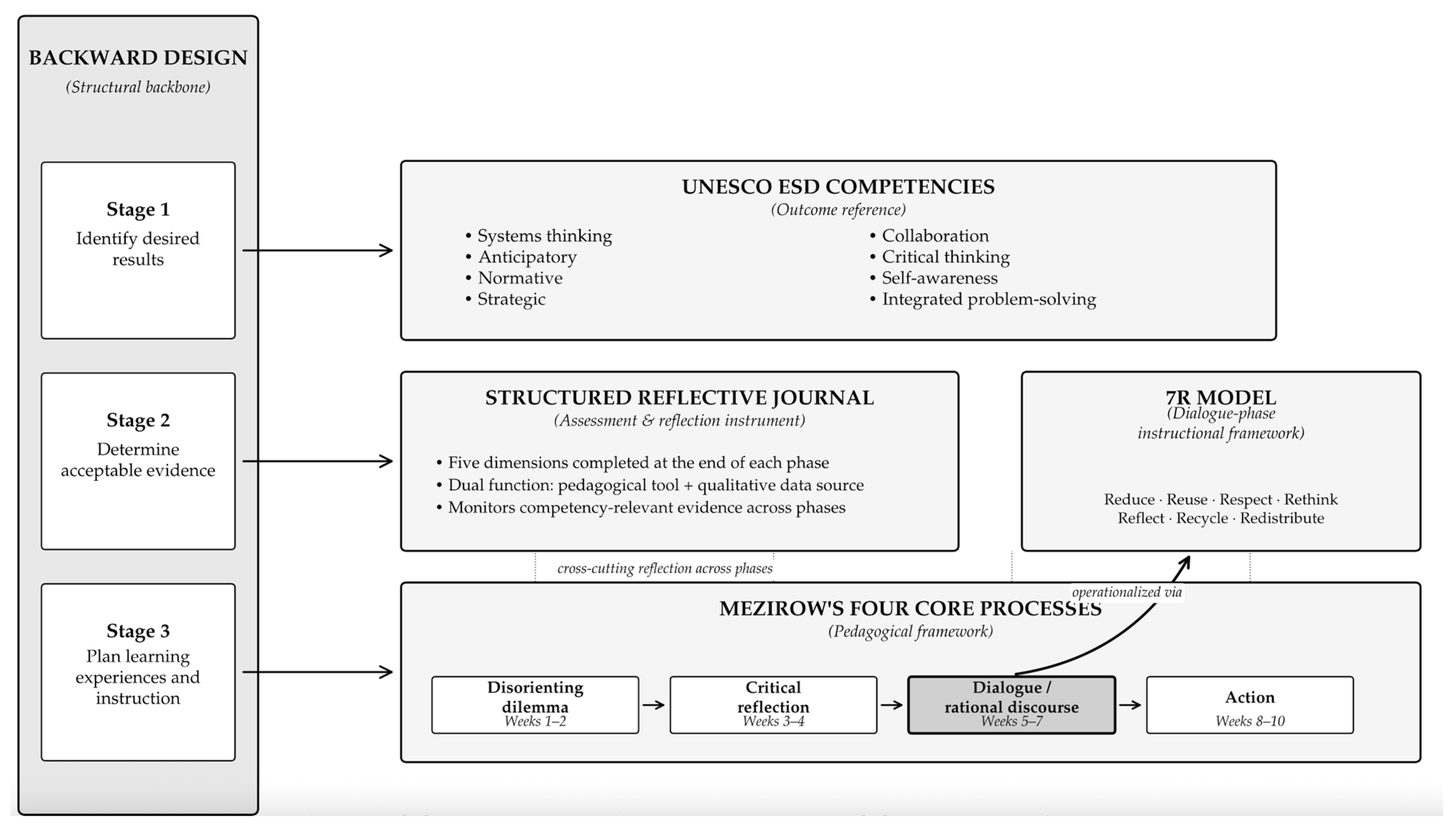
Figure 1. Integrated framework of the instructional program.
Sustainability 18 06027 g001
Table 1. Cronbach’s alpha coefficients at pretest and posttest.
Sub-DimensionItemsPretest (α)Posttest (α)
Economy130.6560.824
Society90.7530.807
Environment140.4860.825
Overall scale360.8250.905
Table 2. Overview of the weekly implementation process.
WeekContent ActivitiesCompetencyPhase
1The Concept and Dimensions of Sustainable Development/
Environmental Crises
Concept Mapping activity
P4C discussion based on “The Man” animation
Self-awareness/
Critical thinking
Disorienting Dilemma
2Transition from Anthropocene to Ecocene/
The 9 Planetary Boundaries
Voice of Nature activity Self-awareness/Normative competency
Poster preparation on the 9 planetary boundariesSystems thinking
3National and international policies and agreements“My Neighborhood” project designSystems thinking
Critical thinking
Self-awareness
Critical Reflection
4UN 2030 Agenda, 17 SDGs“My Neighborhood” project reportingSystems thinking
Critical thinking
Self-awareness
5Sustainability-oriented teaching methods7R model activitiesStrategic competency CollaborationDialogue
67R framework and workshopGroup work and product development with the 7R model
Group presentations and peer feedback
Collaboration
Critical thinking
77R framework and workshopGroup work and product development with the 7R model
Group presentations and peer feedback
Collaboration
Critical thinking
8Sustainable school culture and eco-schoolsExamining national and international case studiesSystems thinking
Critical thinking
Action
9Manifesto and Exhibition preparationExhibition plan preparationCollaboration
10ExhibitionUniversity-wide exhibitionStrategic competency Collaboration
Informing visitors in the context of sustainabilityStrategic competency
Collaboration
Publishing a sustainability manifestoNormative competency
Strategic competency
Transformation Tree fingerprint activityIntegrated problem-solving Anticipatory
Table 3. Coding Framework.
ThemeCodes
Disorienting DilemmaRecognition of the limited nature of prior sustainability understanding, Awareness of misconceptions in everyday practices, Encountering complex socio-technological issues, Expansion of the conceptual framework (without strong disruption)
Critical ReflectionShift from individual responsibility to systemic awareness, relating issues to political, economic, and social structures, questioning personal consumption habits, and awareness of individual inertia
Rational DiscourseTesting assumptions through alternative perspectives, revising views based on evidence and justification, acceptance of the possibility of being wrong, construction of shared meaning, limited diversity of perspectives *, persistence of unchanged individual viewpoints *
ActionPerspective
Transformation
Changes in daily consumption practices, development of a sense of collective responsibility, increased awareness accompanied by feelings of helplessness *
Professional Identity IntegrationReframing sustainability as a pedagogical responsibility, intention to integrate sustainability into teaching practices, transfer of learning across contexts, development of concrete instructional practices
* Disconfirming patterns.
Table 4. Normality Test Results.
VariableKolmogorov–SmirnovShapiro–Wilk
StatisticdfpStatisticdfp
Pre-Test Total0.135330.1320.914330.012
Post-Test Total0.20733<0.0010.81933<0.001
Pre-Test Economy0.188330.0050.84433<0.001
Post-Test Economy0.21633<0.0010.881330.002
Pre-Test Society0.187330.0050.916330.015
Post-Test Society0.27733<0.0010.72133<0.001
Pre-Test Environment0.090330.2000.975330.633
Post-Test Environment0.183330.0070.889330.003
Table 5. Descriptive Statistics Regarding Pre- and Post-Test Scores.
VariableMeasurementn X ¯ SDMedianSkewnessKurtosis
TotalPre-Test33154.6411.33156.00−1.2732.798
Post-Test33170.798.68174.00−1.4431.452
EconomyPre-Test3353.945.6655.00−1.8185.110
Post-Test3359.123.1460.00−0.9700.040
SocietyPre-Test3339.643.5640.00−1.0832.418
Post-Test3342.942.9444.00−1.4510.801
EnvironmentPre-Test3358.584.5358.00−0.238−0.005
Post-Test3365.733.8867.00−1.1380.904
Table 6. Wilcoxon Signed-Rank Test Results.
VariableNegative RankPositive RankTiedzpr *95% CI *
Total0330−5.014<0.0010.87[0.75, 0.94]
Economy0330−5.026<0.0010.88[0.75, 0.94]
Society0276−4.561<0.0010.79[0.61, 0.90]
Environment0321−4.942<0.0010.86[0.67, 0.92]
* Effect sizes (r) were calculated using the formula r = Z/√n. Values of r ≥ 0.50 indicate a large effect size [50]. 95% confidence intervals were estimated using Fisher’s z-transformation.
Disclaimer/Publisher’s Note: The statements, opinions and data contained in all publications are solely those of the individual author(s) and contributor(s) and not of MDPI and/or the editor(s). MDPI and/or the editor(s) disclaim responsibility for any injury to people or property resulting from any ideas, methods, instructions or products referred to in the content.


