


Abstract
This study examines how organizational pro-environmental values are associated with employee sustainable behavior through differentiated motivational pathways and under what leadership conditions these associations are strengthened. Drawing on self-determination theory, we propose that autonomous and controlled motivation serve as distinct mediating mechanisms, while green transformational leadership facilitates the internalization of organizational pro-environmental values into autonomous motivation. A two-study design was adopted. Study 1, based on individual-level survey data from 158 employees in tourism enterprises, showed that employee-rated organizational pro-environmental values were positively associated with both high-level and general-level sustainable behavior through different pathways: autonomous motivation mediated the relationship with high-level sustainable behavior, whereas controlled motivation mediated the relationship with general-level sustainable behavior. Study 2, a scenario-based experiment with 234 participants with tourism-related work experience, showed that green transformational leadership strengthened the effect of organizational pro-environmental values on autonomous motivation and amplified the corresponding indirect effect on high-level sustainable behavior intention. Supplementary analyses further indicated that this moderating role did not equivalently extend to the controlled-motivation pathway toward general-level intention. These findings advance research on employee sustainable behavior by distinguishing behavioral levels, motivational mechanisms, and leadership-based boundary conditions. Practically, the study suggests that organizations should embed pro-environmental values, align motivational strategies with behavioral goals, and develop green transformational leadership.
1. Introduction
Employee sustainable behavior has become an increasingly important micro-foundation of organizational sustainability, particularly in service-intensive industries such as tourism. Tourism enterprises operate in environmentally sensitive contexts, where employees’ daily actions—such as conserving resources, reducing waste, following environmental procedures, and initiating environmental improvements—can cumulatively shape organizational environmental performance [1,2]. As sustainability transitions depend not only on formal policies and technological systems but also on employees’ everyday behavioral enactment, understanding how organizations can foster employee sustainable behavior has become an important issue for both sustainability researchers and practitioners [3,4,5].
Existing research has shown that organizational pro-environmental values play an important role in encouraging employees’ environmentally responsible behavior. As organizationally conveyed environmental signals, these values shape employees’ interpretations of expected conduct and influence their engagement in environmentally responsible actions. Prior studies consistently show that when organizations emphasize environmental responsibility, employees are more likely to engage in sustainable behavior [6,7,8,9]. However, most of this research treats sustainable behavior as a unidimensional construct and therefore overlooks the possibility that different forms of behavior may be driven by distinct psychological mechanisms [4,10].
This limitation is important because employee sustainable behavior is not homogeneous. Some behaviors are relatively routine and compliance-oriented, such as saving electricity, reducing paper use, following environmental rules, and properly handling recyclable materials. Other behaviors are more proactive and discretionary, such as suggesting environmental improvements, initiating green ideas, and voluntarily participating in sustainability initiatives [10,11]. These two forms of behavior differ not only in behavioral difficulty but also in the motivational resources they require. Routine sustainable behavior may be more easily encouraged by organizational expectations and external regulation, whereas proactive sustainable behavior is more likely to require personal endorsement, value internalization, and autonomous engagement. Therefore, treating employee sustainable behavior as a single construct may obscure the differentiated mechanisms through which organizational values shape employee action.
To explain these differentiated mechanisms, the present study draws on self-determination theory. Self-determination theory distinguishes between autonomous motivation, which reflects self-endorsed and personally meaningful reasons for action, and controlled motivation, which reflects external pressure, obligation, or evaluation concerns [12]. This distinction provides a useful theoretical lens for understanding why organizational pro-environmental values may lead to different forms of sustainable behavior through different motivational pathways. Specifically, organizational pro-environmental values may foster autonomous motivation when employees internalize environmental goals as personally meaningful. At the same time, such values may also activate controlled motivation when employees perceive sustainable behavior as expected, monitored, or required by the organization. We therefore argue that autonomous motivation should be more closely linked to high-level sustainable behavior, whereas controlled motivation should be more closely linked to general-level sustainable behavior.
Another unresolved issue concerns the conditions under which organizational pro-environmental values are translated into employee motivation. Organizational values provide important normative cues, but they do not automatically lead to value internalization. Their motivational impact may depend on how these values are communicated, enacted, and reinforced in employees’ daily work environment [13]. In this regard, green transformational leadership may play a critical role. Green transformational leaders articulate an environmental vision, explain the meaning of sustainable practices, encourage employees’ participation in environmental improvement, and model environmentally responsible behavior [8,14,15,16]. Such leadership behaviors may help employees interpret organizational pro-environmental values as meaningful and self-relevant rather than as distant organizational rhetoric. Accordingly, green transformational leadership may strengthen the relationship between organizational pro-environmental values and autonomous motivation, thereby enhancing employees’ intention to engage in more proactive and high-level sustainable behavior.
To address these gaps, we develop and test a moderated mediation model that integrates organizational pro-environmental values, differentiated motivational mechanisms, and green transformational leadership. Specifically, we distinguish between high-level and general-level sustainable behavior and examine whether autonomous motivation and controlled motivation function as distinct mediating pathways. We further examine whether green transformational leadership strengthens the link between organizational pro-environmental values and autonomous motivation and whether this moderation extends to the indirect effect on high-level sustainable behavior intention. To test the model, we adopt a two-study design. Study 1 uses individual-level survey data from employees in tourism enterprises to examine the differentiated motivational pathways. Study 2 uses a scenario-based experiment to test the causal moderating role of green transformational leadership and to clarify the scope of the moderated mediation effect.
This study contributes to the literature in three ways. First, it advances research on employee sustainable behavior by distinguishing between high-level and general-level sustainable behavior, thereby providing a more fine-grained understanding of sustainability-related action in organizations. Second, it extends the application of self-determination theory in workplace sustainability research by showing that autonomous and controlled motivation serve as differentiated pathways linking organizational pro-environmental values to different behavioral outcomes. Third, it identifies green transformational leadership as a leadership-based boundary condition for value internalization, thereby explaining when organizational pro-environmental values are more likely to translate into autonomous motivation and proactive sustainable behavior. These insights also provide practical guidance for tourism enterprises seeking to promote employee sustainable behavior through value embedding, differentiated motivational strategies, and green leadership development.
2. Literature Review and Hypothesis Development
2.1. Employees’ Sustainable Behavior
Employee sustainable behavior can be broadly understood as employees’ actions that contribute to environmental sustainability by reducing environmental harm, conserving resources, or supporting environmentally responsible practices in the workplace [17,18]. In organizational research, this construct is commonly discussed under related labels such as employee green behavior, workplace pro-environmental behavior, and organizational citizenship behavior for the environment. Although these terms are not always identical, they converge in describing employee actions that help organizations achieve environmental objectives through everyday work practices and environmentally oriented initiative-taking [10]. Rather than treating sustainability as an outcome driven solely by organizational policy or technological systems, recent research increasingly emphasizes employees’ behavior as a critical micro-foundation of organizational environmental performance [19].
As the literature has evolved, the focus of pro-environmental behavior research has gradually shifted from private-sphere behavior and sustainable consumption to the workplace, where employees’ daily decisions regarding energy use, resource conservation, waste handling, and environmental improvement can cumulatively shape organizational sustainability outcomes [20]. This workplace perspective is important because employee sustainable behavior is not a unitary construct. Prior research has distinguished between required or task-related green behavior prescribed by organizational roles and voluntary or discretionary green behavior that reflects initiative, extra effort, and citizenship toward the environment [10,21]. Related measurement work has similarly shown that workplace environmental behavior can include routine compliance-oriented actions as well as more proactive forms such as eco-initiatives and environmental citizenship [22,23].
Building on this literature, the present study conceptualizes employee sustainable behavior as employees’ environmentally relevant actions in organizational settings that either reduce negative environmental impacts or actively support environmental improvement [24]. More specifically, we distinguish between general-level sustainable behavior, which is relatively routine and compliance-based, and high-level sustainable behavior, which is more proactive, discretionary, and improvement-oriented. This distinction is consistent with the broader workplace sustainability literature and provides a more fine-grained basis for examining how organizational values and motivational processes shape different forms of employee sustainability-related action [4,25].
2.2. Organizational Pro-Environmental Values and Employees’ Sustainable Behavior
Organizational pro-environmental values reflect the extent to which environmental sustainability is embedded in an organization’s priorities, norms, and managerial practices. Such values are communicated through formal policies, daily routines, symbolic cues, and management systems that signal what kinds of behaviors are expected, supported, and rewarded in the workplace [26]. When employees perceive that environmental responsibility is a meaningful organizational priority rather than a peripheral slogan, they are more likely to interpret sustainable action as legitimate, appropriate, and aligned with the organization’s broader goals [27].
Prior research suggests that organizationally conveyed environmental values influence employee behavior through at least two related mechanisms. First, they shape employees’ interpretations of the work environment by creating a green psychological climate or sustainability-oriented normative context, which in turn encourages environmentally responsible conduct [6]. Second, they strengthen employees’ identification with the organization and increase the perceived fit between personal and organizational environmental values, thereby making employees more willing to act in ways that support environmental goals [13]. In other words, organizational pro-environmental values do not merely communicate environmental expectations; they also help define what constitutes appropriate and meaningful behavior within the organization.
This logic is particularly relevant in the context of employee sustainable behavior. As discussed above, employee sustainable behavior includes both relatively routine, compliance-oriented actions and more proactive, initiative-based actions. If an organization consistently emphasizes environmental sustainability and incorporates it into its practices, employees should be more inclined to engage in both forms of behavior. This argument is also consistent with research on workplace green behavior, showing that organizationally embedded green practices and values can shape both routine and discretionary forms of employee environmental action. For example, studies on green human resource management suggest that organizational green practices influence employees’ in-role and extra-role green behavior through psychological and value-based mechanisms [9]. Similarly, research on workplace pro-environmental behavior indicates that organizational interventions are more likely to be effective when they activate relevant psychological conditions and make environmental goals meaningful in the work context [26]. These findings suggest that organizational pro-environmental values may provide both normative guidance for general-level sustainable behavior and motivational legitimacy for high-level sustainable behavior. On the one hand, clear organizational expectations can encourage employees to comply with everyday environmental procedures and conservation practices. On the other hand, a strong pro-environmental value context can also legitimize and stimulate more discretionary forms of environmental initiative, such as suggesting improvements and voluntarily contributing to environmental innovation [4,8,10].
Accordingly, organizational pro-environmental values should be positively related to employees’ sustainable behavior at different levels. Therefore, the following hypotheses are proposed:
H1.
Organizational pro-environmental values are positively related to employees’ high-level sustainable behavior.
H2.
Organizational pro-environmental values are positively related to employees’ general-level sustainable behavior.
2.3. The Mediating Roles of Autonomous Motivation and Controlled Motivation
To explain how organizational pro-environmental values are translated into employee behavior, the present study draws on self-determination theory [28,29]. Self-determination theory distinguishes between higher-quality, more self-endorsed forms of motivation and lower-quality, more externally regulated forms of motivation [12]. In organizational settings, this distinction is typically captured by autonomous motivation and controlled motivation. Autonomous motivation refers to engaging in an activity because it is personally valued, meaningful, or congruent with one’s sense of self, whereas controlled motivation refers to engaging in an activity because of external pressure, evaluation, obligation, or the desire to avoid negative consequences [28,29].
This distinction is especially relevant in the environmental domain. Research has shown that environmental values are closely associated with more self-determined forms of motivation, and that more autonomous motivational orientations tend to predict stronger pro-environmental intentions and actions [30]. In organizational settings, the quality of motivation is particularly important because sustainable behavior differs in the degree of initiative, persistence, and personal endorsement required. Autonomous motivation is more likely to support behaviors that require employees to go beyond formal requirements, such as voluntarily proposing improvements, promoting green ideas, or participating in environmental initiatives. Prior research on voluntary workplace pro-environmental behavior similarly suggests that employees are more likely to engage in discretionary environmental actions when they perceive organizational environmental responsibility as meaningful and personally relevant [31]. By contrast, controlled motivation may be sufficient for behaviors that are more clearly prescribed, monitored, or embedded in work routines, because such behaviors depend more on external expectations and role compliance than on deep value internalization. In the workplace, organizational pro-environmental values may foster autonomous motivation when employees internalize environmental goals as personally worthwhile and consistent with their own values. At the same time, organizational values may also activate controlled motivation insofar as employees perceive environmental behavior as something that is expected, monitored, or socially required by the organization [7,14]. Thus, organizational pro-environmental values may influence employee sustainable behavior through multiple motivational pathways rather than through a single undifferentiated process.
These motivational pathways, however, are unlikely to be equally relevant for all forms of employee sustainable behavior. General-level sustainable behavior is relatively routine and compliance-oriented, involving behaviors such as conserving resources, following environmental procedures, and avoiding unnecessary waste. Because such actions are simpler, more habitual, and often embedded in role expectations, they may be more readily sustained by controlled motivation. By contrast, high-level sustainable behavior is more initiative-based, proactive, and discretionary [32]. Behaviors such as proposing environmental improvements, introducing new ideas, or voluntarily participating in sustainability initiatives typically require greater personal endorsement, initiative, and persistence, and therefore should depend more strongly on autonomous motivation [8,11].
It is important to note, however, that controlled motivation may have different implications depending on the time horizon and behavioral demands involved. From the perspective of self-determination theory, controlled motivation can be effective in eliciting relatively routine and compliance-oriented behaviors because such behaviors often depend on external expectations, rules, or monitoring. However, when employees are repeatedly pressured to engage in environmental practices without sufficient autonomy, meaning, or personal endorsement, controlled motivation may become psychologically costly. Over time, employees may experience green fatigue, emotional exhaustion, or even burnout, particularly when environmental requirements are perceived as additional demands rather than self-endorsed goals. Therefore, controlled motivation may support general-level sustainable behavior in the short term, but it is unlikely to sustain more proactive or high-level sustainable behavior unless it is complemented by autonomous motivation and supported by processes of value internalization.
Prior empirical work is broadly consistent with this argument. Graves et al. (2013) showed that transformational leadership and employee motivation jointly predict workplace pro-environmental behavior, highlighting the importance of motivational processes in translating contextual cues into action [14]. Graves and Sarkis (2018) further showed that employees’ values and motivation are central to explaining pro-environmental behavior at work [7]. More generally, self-determination theory research suggests that autonomous motivation is particularly important for behaviors that require personal initiative and high-quality engagement, whereas controlled motivation can be sufficient for more prescribed and compliance-based forms of action [28,29].
Building on self-determination theory and prior research on workplace pro-environmental behavior, we argue that autonomous and controlled motivation function as differentiated mediating mechanisms linking organizational pro-environmental values to employee sustainable behavior. Organizational pro-environmental values may foster autonomous motivation by helping employees internalize environmental goals as meaningful and self-endorsed, thereby encouraging high-level sustainable behavior. At the same time, these values may also activate controlled motivation by communicating expectations, standards, and evaluative pressure, thereby supporting general-level sustainable behavior. Specifically, autonomous motivation should play a more prominent role in explaining high-level sustainable behavior, whereas controlled motivation should play a more prominent role in explaining general-level sustainable behavior. Therefore, the following hypotheses are proposed:
H3.
Autonomous motivation mediates the relationship between organizational pro-environmental values and employees’ high-level sustainable behavior.
H4.
Controlled motivation mediates the relationship between organizational pro-environmental values and employees’ general-level sustainable behavior.
2.4. The Moderating Role of Green Transformational Leadership
Green transformational leadership refers to a leadership style in which leaders communicate an environmentally oriented vision, encourage followers to pursue environmental goals, stimulate them to generate green ideas, and model environmentally responsible conduct in the workplace [8,33]. This type of leadership is especially relevant in organizational sustainability research because leaders are often the most immediate social agents through whom organizational values are interpreted, enacted, and reinforced in employees’ daily work experience [34].
From the perspective of self-determination theory, the motivational effect of organizational values depends not only on the values themselves but also on whether the surrounding work context facilitates internalization. Autonomous motivation is more likely to emerge when employees experience meaningful rationales, support, and a sense of volition rather than external pressure or mere compliance demands [28,29]. In organizational settings, such motivational internalization is strongly shaped by interpersonal and leadership contexts, especially when leaders help employees understand why a value matters and how it connects to broader work purposes [35]. Green transformational leadership is especially relevant to this internalization process because it translates abstract organizational environmental values into concrete, meaningful, and socially reinforced workplace experiences. Prior studies have shown that environmentally specific transformational leadership can influence employees’ pro-environmental behavior by communicating an environmental vision, modeling green behavior, and shaping employees’ interpretation of environmental goals [8,14]. More recent evidence also suggests that green transformational leadership promotes employees’ organizational citizenship behavior for the environment, partly by strengthening green organizational climate and environmental meaning in the workplace [15]. These findings indicate that green transformational leaders may serve as key carriers of organizational pro-environmental values and help employees transform such values into autonomous motivation.
In this study, organizational pro-environmental values represent a broad organizational orientation, but whether employees truly internalize these values into self-endorsed motivation may depend on leadership [36]. When green transformational leadership is high, leaders make environmental goals more salient, frame them as meaningful and worthwhile, and encourage employees to participate in environmental improvement [37]. Under such conditions, organizational pro-environmental values are more likely to be interpreted as legitimate and personally relevant rather than as distant organizational rhetoric [8,38]. This argument is also consistent with self-determination theory research showing that supportive social environments foster higher-quality motivation, particularly autonomous motivation, because they facilitate value internalization and self-regulation [28,39]. Thus, when employees perceive both strong organizational pro-environmental values and strong green transformational leadership, they should be more likely to convert those organizational values into autonomous motivation. By contrast, when green transformational leadership is weak, employees may still recognize that the organization endorses environmental sustainability, but such values are less likely to be vividly communicated and enacted in everyday work interactions, reducing the likelihood of internalization into autonomous motivation [40].
Accordingly, green transformational leadership is expected to strengthen the positive relationship between organizational pro-environmental values and autonomous motivation. When green transformational leadership is high, the positive effect of organizational pro-environmental values on employees’ autonomous motivation should be stronger; when it is low, this effect should be weaker [41].
H5.
Green transformational leadership positively moderates the relationship between organizational pro-environmental values and autonomous motivation, such that the relationship is stronger when green transformational leadership is high.
The proposed theoretical framework is presented in Figure 1.
Figure 1.
Theoretical framework.
3. Study 1
Study 1 aimed to provide field-survey evidence for the hypothesized relationships among organizational pro-environmental values, motivational mechanisms, and employee sustainable behavior. In line with the research objectives, the study targeted employees from tourism-related enterprises and used well-established multi-item measures to capture the key constructs. Participants were randomly recruited via the Credamo online survey platform, and screening procedures were applied to ensure that all respondents were current employees in tourism enterprises. Because Study 1 was based on individual employee responses rather than aggregated organizational data, the empirical analyses were conducted at the individual level. Accordingly, organizational pro-environmental values in Study 1 refer to employees’ ratings of their organizations’ pro-environmental value orientation.
3.1. Method
3.1.1. Sample and Procedure
Study 1 adopted a criterion-based purposive sampling approach through Credamo because the research required respondents with relevant tourism-enterprise experience to evaluate organizational pro-environmental values and sustainability-related work practices. Tourism-related enterprises broadly referred to organizations providing tourism, hospitality, travel, accommodation, scenic area, resort, or related service operations.
The Study 1 survey was administered online through Credamo from 25 November 2025, over a two-week data-collection period. Participants first completed self-reported eligibility screening items regarding current employment status, tourism-related work experience, and length of work experience. Only respondents who reported current employment in tourism-related enterprises and at least three years of tourism-related work experience were retained for the main analysis. The three-year criterion was adopted to ensure sufficient exposure to organizational values, daily management practices, and sustainability-related expectations. Employer-identifying information was not collected to protect anonymity; therefore, the screening should be interpreted as a self-report-based eligibility check rather than independent employment verification.
Initially, 180 participants were recruited. After excluding respondents who failed attention checks or did not meet the eligibility criteria, 158 valid responses were retained, corresponding to an effective response rate of 87.8%. The adequacy of the final sample size was further evaluated through a Monte Carlo-based power assessment for the focal indirect-effect contrasts, as reported in Section 3.3.2.
3.1.2. Measures
All constructs were measured on seven-point Likert scales ranging from 1 = strongly disagree to 7 = strongly agree. Because the participants were Chinese respondents, the measurement items were translated into Chinese using a translation and back-translation procedure. Two bilingual researchers first translated the original English items into Chinese, and another bilingual researcher back-translated them into English. Discrepancies were discussed and resolved to ensure semantic equivalence before the final questionnaire was administered. Organizational pro-environmental values were assessed with a five-item scale adapted from Kim et al. (2019) [42]. The items asked respondents to evaluate the extent to which their own organization emphasized environmental sustainability and encouraged environmentally responsible practices. Thus, although organizational pro-environmental values are conceptually rooted in the organizational context, in Study 1, they were operationalized as individual employees’ ratings and were analyzed at the individual level rather than as an aggregated organization-level construct. Employee sustainable behavior was measured using eight items adapted from Temminck et al. (2015) [11] and Boiral and Paillé (2012) [10], and was modeled as two related but distinct dimensions: high-level sustainable behavior and general-level sustainable behavior. Motivational mechanisms were assessed using six items adapted from Gagné et al. (2015) [43], capturing autonomous motivation and controlled motivation.
3.1.3. Data Analysis
Study 1 data were analyzed using SPSS 22.0 and AMOS 26.0. SPSS was used for descriptive statistics, reliability analysis, correlations, regression-based mediation analysis, and bootstrapping, while AMOS was used for confirmatory factor analysis, alternative model comparisons, and the common latent factor test. These procedures were appropriate for evaluating the measurement model, common method variance, and the proposed parallel mediation pathways.
3.2. Measurement Model Assessment
3.2.1. Reliability and Convergent Validity
As shown in Table 1, all standardized factor loadings exceeded 0.70, ranging from 0.713 to 0.855. Cronbach’s alpha values ranged from 0.839 to 0.901, and CR values ranged from 0.839 to 0.900. In addition, all AVE values were above 0.50, ranging from 0.589 to 0.665. These results indicate satisfactory internal consistency and convergent validity for all five constructs.
Table 1.
Reliability and convergent validity results.
3.2.2. Discriminant Validity
The square root of the AVE for each construct (shown on the diagonal) was greater than the corresponding inter-construct correlations, supporting discriminant validity according to the Fornell–Larcker criterion. As an additional robustness check, all HTMT values were below 0.85 (maximum HTMT = 0.694), providing further evidence that the five constructs are empirically distinct (see Table 2).
Table 2.
Correlations and discriminant validity.
3.2.3. Confirmatory Factor Analysis
A confirmatory factor analysis was conducted to test the hypothesized five-factor measurement model. The model showed a very good fit to the data, χ2(142) = 147.961, χ2/df = 1.042, CFI = 0.997, TLI = 0.996, and RMSEA = 0.016, 90% CI = [0.000, 0.042], pclose = 0.991. Given the modest sample size, these fit indices should be interpreted together with the RMSEA confidence interval and alternative model comparisons rather than as evidence of a perfectly fitting measurement model. As shown in Table 3, the five-factor model also fit the data substantially better than the alternative four-factor and one-factor models, further supporting construct distinctiveness.
Table 3.
Comparison of alternative measurement models.
3.2.4. Common Method Bias Assessment
Given the self-reported nature of Study 1, several procedural controls were adopted during the questionnaire design and data collection process to reduce the potential influence of common method bias. First, participants were assured of anonymity and confidentiality and were informed that the data would be used only for academic research. Second, the instructions emphasized that there were no right or wrong answers and encouraged respondents to answer honestly. Third, established scales with clear item wording were used to reduce item ambiguity. Fourth, the focal constructs were presented in separate sections to reduce respondents’ ability to infer the hypothesized relationships. Finally, attention-check items were included to identify careless responses.
In addition to these procedural controls, we statistically assessed common method variance in Study 1 using a common latent factor (CLF) approach within the CFA framework. This approach was adopted because Study 1 relied on same-source self-report data, and the CLF model allows the variance shared across all measurement items to be modeled as a latent method factor. Specifically, an unmeasured common latent factor was added to the five-factor CFA model, and all measurement items were allowed to load on both their respective theoretical constructs and the common method factor. To ensure model identification, the loadings from the common method factor to all items were constrained to be equal, the variance of the common method factor was fixed to one, and the common method factor was specified as orthogonal to the substantive latent constructs. As shown in Table 4, the original five-factor measurement model showed a very good fit to the data. After adding the common latent factor, the model fit improved only marginally. The changes in practical fit indices were very small: CFI increased by 0.003, TLI increased by 0.004, and RMSEA decreased by 0.014. These changes were below commonly used thresholds for substantial model improvement. Therefore, the results suggest that common method variance was unlikely to seriously threaten the validity of the findings.
Table 4.
Common method bias assessment using a common latent factor.
3.3. Hypothesis Testing
3.3.1. Direct Effects
We first examined the total associations between employee-rated organizational pro-environmental values and the two forms of employee sustainable behavior in the individual-level analysis. Employee-rated organizational pro-environmental values were positively associated with high-level sustainable behavior (B = 0.583, p < 0.001), supporting H1. Employee-rated organizational pro-environmental values were also positively associated with general-level sustainable behavior (B = 0.561, p < 0.001), supporting H2.
3.3.2. Parallel Mediation Analyses
To provide a more rigorous test of the proposed differentiated motivational mechanisms, we estimated parallel mediation models in which autonomous motivation and controlled motivation were entered simultaneously for each behavioral outcome. This approach enabled us to examine not only whether each indirect path was significant but also whether the two motivational mechanisms differed in their relative explanatory power across high-level versus general-level sustainable behavior.
Employee-rated organizational pro-environmental values were positively associated with both autonomous motivation (B = 0.606, SE = 0.067, t = 9.074, p < 0.001) and controlled motivation (B = 0.527, SE = 0.072, t = 7.371, p < 0.001). When both mediators were simultaneously entered into the model with high-level sustainable behavior as the outcome, autonomous motivation was significantly and positively associated with high-level sustainable behavior (B = 0.395, SE = 0.077, t = 5.154, p < 0.001), whereas controlled motivation was not significantly associated with high-level sustainable behavior (B = 0.067, SE = 0.072, t = 0.931, p = 0.353). The direct effect of employee-rated organizational pro-environmental values on high-level sustainable behavior remained significant (B = 0.309, SE = 0.085, t = 3.644, p < 0.001), and the indirect effect via autonomous motivation was also significant. Following Zhao, Lynch, and Chen [44], this pattern represents complementary mediation.
When both mediators were simultaneously entered into the model with general-level sustainable behavior as the outcome, controlled motivation was significantly and positively associated with general-level sustainable behavior (B = 0.379, SE = 0.066, t = 5.700, p < 0.001), whereas autonomous motivation was not significantly associated with general-level sustainable behavior (B = −0.023, SE = 0.071, t = −0.320, p = 0.750). The direct effect of employee-rated organizational pro-environmental values on general-level sustainable behavior also remained significant (B = 0.375, SE = 0.079, t = 4.766, p < 0.001), and the indirect effect via controlled motivation was also significant. Following Zhao, Lynch, and Chen [44], this pattern also represents complementary mediation.
Bootstrapping with 5000 resamples further supported this differentiated pattern. For high-level sustainable behavior, the indirect effect of organizational pro-environmental values through autonomous motivation was significant (indirect effect = 0.239, Boot SE = 0.053, 95% CI = [0.141, 0.349]), whereas the indirect effect through controlled motivation was not (indirect effect = 0.035, Boot SE = 0.044, 95% CI = [−0.049, 0.124]). In contrast, for general-level sustainable behavior, the indirect effect through controlled motivation was significant (indirect effect = 0.200, Boot SE = 0.045, 95% CI = [0.117, 0.294]), whereas the indirect effect through autonomous motivation was not (indirect effect = −0.014, Boot SE = 0.037, 95% CI = [−0.085, 0.063]).
Importantly, the contrast between the two indirect effects was significant in both models. For high-level sustainable behavior, the indirect effect via autonomous motivation was significantly stronger than that via controlled motivation (Δindirect = 0.204, Boot SE = 0.073, 95% CI = [0.063, 0.351]). For general-level sustainable behavior, the indirect effect via controlled motivation was significantly stronger than that via autonomous motivation (Δindirect = 0.213, Boot SE = 0.063, 95% CI = [0.090, 0.338]). Taken together, these results indicate a differentiated motivational pattern: autonomous motivation plays a more prominent role in linking organizational pro-environmental values to high-level sustainable behavior, whereas controlled motivation plays a more prominent role in linking organizational pro-environmental values to general-level sustainable behavior. The pattern is summarized in Table 5 and Figure 2.
Table 5.
Parallel mediation results for differentiated motivational mechanisms.
Figure 2.
Path coefficients for the parallel mediation model in Study 1. Note. *** p < 0.001; n.s. = not significant.
To further assess whether the sample size provided adequate power for the central indirect-effect contrasts, we conducted a Monte Carlo power analysis following the logic of Schoemann et al. [45]. The analysis focused on the two focal indirect-effect contrasts: the contrast between the autonomous-motivation and controlled-motivation indirect effects for high-level sustainable behavior, and the contrast between the controlled-motivation and autonomous-motivation indirect effects for general-level sustainable behavior. Using the Study 1 path estimates as planning values and 20,000 Monte Carlo replications, the estimated power was 0.80 for the high-level sustainable behavior contrast and 0.92 for the general-level sustainable behavior contrast at α = 0.05. These results suggest that the sample size provided acceptable power for detecting the focal indirect-effect contrasts, although the high-level contrast should still be interpreted with appropriate caution, given the modest sample size.
4. Study 2
To address the potential common method bias inherent in survey data and establish causal inference, Study 2 extends Study 1 by examining whether green transformational leadership strengthens the positive relationship between organizational pro-environmental values and autonomous motivation.
4.1. Study Design
Study 2 adopted a 2 (organizational pro-environmental values: high vs. low) × 2 (green transformational leadership: high vs. low) between-subjects scenario experiment. Participants were randomly assigned to one of four experimental conditions using a block randomization procedure to ensure balanced group sizes. To maintain consistency with the focal industry context of this research, the experimental materials were developed around a tourism-service workplace, and participants were asked to respond as employees in that context. This design enabled us to test the proposed causal mechanism under controlled conditions while preserving the tourism-specific relevance of the study (see Appendix B).
Specifically, in the high organizational pro-environmental values condition, the company was described as strongly emphasizing environmental sustainability as a core organizational value, integrating environmental considerations into daily operations, and encouraging employee participation in environmental initiatives. In the low condition, environmental sustainability was described as receiving minimal attention and not being embedded in organizational practices [46]. For green transformational leadership, the high condition portrayed the supervisor as actively communicating a clear environmental vision, encouraging employee involvement in environmental improvement, and demonstrating environmentally responsible behavior. In contrast, in the low condition, the supervisor was described as paying little attention to environmental issues and providing minimal guidance or support for sustainability-related activities [47]. After reading the assigned scenario, participants completed manipulation check items, followed by measures of autonomous motivation, controlled motivation, and sustainable behavior intention. Demographic information was collected at the end of the questionnaire. The entire procedure was administered online and took approximately 8–10 min to complete.
4.2. Participants
Participants were recruited through Credamo, an online survey platform. The Study 2 experiment was administered online through Credamo from 23 December 2025, over a five-day data-collection period. To ensure alignment between the experimental sample and the focal industry context, only individuals with current or prior work experience in tourism-related enterprises were invited to participate. Eligibility was assessed through self-reported screening items regarding participants’ current or prior tourism-related work experience. Respondents who did not meet this criterion, failed the attention check, or completed the survey too quickly were excluded. Because no employer-identifying information was collected to protect anonymity, the screening should be interpreted as a self-report-based eligibility check rather than independent employment verification. This screening criterion was applied because the experimental scenarios were embedded in a tourism-service workplace context and required participants to evaluate organizational values, leadership, and sustainable behavior from the perspective of employees familiar with such settings.
A total of 260 participants were initially recruited. After excluding respondents who failed the attention check or completed the survey in an unrealistically short time, a final sample of 234 participants was retained for analysis. The final sample consisted of 52.1% male and 47.9% female participants, with an average age of 32.78.
4.3. Manipulation and Measures
4.3.1. Manipulation of Organizational Pro-Environmental Values
The manipulation of organizational pro-environmental values was embedded in the workplace scenario describing the focal company’s value orientation toward environmental sustainability. In the high organizational pro-environmental values condition, the company was portrayed as treating environmental sustainability as a core organizational value, emphasizing environmental responsibility in its daily operations, and encouraging employees to contribute to environmental improvement. In the low organizational pro-environmental values condition, the company was described as placing little emphasis on environmental sustainability, focusing primarily on short-term operational goals, and rarely communicating environmental expectations to employees. This manipulation was designed to vary the extent to which participants perceived environmental sustainability as central to the organization’s normative and strategic orientation, which is conceptually consistent with organizational value-based approaches to workplace environmental behavior. A three-item manipulation check was used to assess whether participants perceive differences in the organizational pro- environmental values (see Appendix C).
4.3.2. Manipulation of Green Transformational Leadership
Green transformational leadership was manipulated through the description of the participant’s immediate supervisor in the scenario. In the high green transformational leadership condition, the supervisor was described as actively communicating a clear environmental vision, encouraging employees to participate in environmental improvement, emphasizing the meaning and value of sustainable practices, and acting as a role model for environmentally responsible conduct. In the low green transformational leadership condition, the supervisor was portrayed as paying little attention to environmental issues, offering minimal encouragement for environmental initiatives, and rarely demonstrating environmentally responsible behavior in daily work interactions. This manipulation was grounded in the conceptualization of environmentally specific transformational leadership as a leadership style that inspires, supports, and models pro-environmental conduct in organizational settings [8].
A three-item manipulation check was used to assess whether participants perceived the intended differences in leadership style. Sample items included: “My supervisor clearly communicates the importance of environmental sustainability,” “My supervisor encourages employees to contribute to environmental goals,” and “My supervisor demonstrates environmentally responsible behavior by example.” Higher scores reflected stronger perceived green transformational leadership (see Appendix C).
4.3.3. Measures
All post-scenario constructs were assessed using established scales adapted to the experimental context, with responses recorded on 7-point Likert scales ranging from 1 = strongly disagree to 7 = strongly agree. Following common practice in scenario-based experiments, all items were reworded in conditional form (e.g., “In this situation…” or “In this company…”), so that participants responded based on the assigned hypothetical workplace context.
Autonomous motivation was measured using items adapted from the autonomous work motivation framework developed in the Multidimensional Work Motivation Scale and from environmentally specific applications of autonomous motivation in workplace environmental research [14,43]. The scale captures the extent to which participants would engage in sustainable behavior because they personally value, endorse, or enjoy it. Sample items included: “In this situation, I would engage in environmentally sustainable behavior because it reflects my own values,” “In this situation, I would engage in such behavior because I believe it is meaningful,” and “In this situation, I would voluntarily try to act in environmentally responsible ways.” Prior research has shown that autonomous motivation measures based on this framework demonstrate satisfactory reliability and construct validity across organizational contexts.
High-level sustainable behavior intention was assessed using items adapted from workplace pro-environmental behavior and organizational environmental citizenship behavior measures, with a particular emphasis on proactive, initiative-oriented, and improvement-focused behaviors [8,23]. Because the present study focuses on high-level sustainable behavior, the selected items emphasized discretionary actions such as proposing improvements, initiating change, and encouraging others to engage in sustainability-related practices. Sample items included: “In this situation, I would actively suggest new ideas to improve environmental sustainability in this company,” “In this situation, I would take initiative to improve environmentally related procedures,” and “In this situation, I would voluntarily participate in initiatives aimed at improving environmental practices.” This operationalization is consistent with the proactive and extra-role nature of higher-level employee sustainable behavior.
Controlled motivation was also measured to capture the extent to which participants would engage in environmentally sustainable behavior because of external expectations, social pressure, or evaluation concerns in the assigned scenario. The items were adapted from the controlled motivation dimension of the Multidimensional Work Motivation Scale and from prior workplace sustainability research using self-determination theory-based measures [14,43]. Following the scenario-based design, all items were phrased in conditional form. Sample items included “In this situation, I would engage in environmentally sustainable behavior because my organization expects me to do so”, “In this situation, I would do so because I want to avoid criticism”, and “In this situation, I would do so because it may affect how others evaluate my work.” Higher scores indicated stronger controlled motivation.
General-level sustainable behavior intention was measured to assess participants’ intention to perform routine, compliance-oriented environmentally sustainable behaviors in the hypothetical workplace context. The items were adapted from established workplace pro-environmental behavior scales, with emphasis on everyday conservation and rule-following behaviors rather than proactive or initiative-based actions [10,11]. Consistent with the scenario design, all items were reworded in conditional form. Sample items included “In this situation, I would try to save electricity, water, or paper in my daily work,” “In this situation, I would follow environmental rules and procedures at work”, and “In this situation, I would avoid unnecessary waste of materials and resources in my job.” Higher scores reflected stronger general-level sustainable behavior intention.
In addition, demographic variables including gender, age, education, and work experience were collected at the end of the questionnaire as control variables.
To verify the effectiveness of this manipulation, participants completed a three-item manipulation check adapted to the experimental context. Sample items included: “This company places great importance on environmental sustainability,” “Environmental protection is an important organizational value in this company,” and “This company genuinely values environmentally responsible practices.” Higher scores indicated stronger perceived organizational pro-environmental values.
4.3.4. Data Analysis
Study 2 data were analyzed using SPSS. Analysis of variance was used for manipulation checks, regression-based analysis was used to test moderation and simple slopes, and bootstrapping with 5000 resamples was used to estimate conditional indirect effects.
4.4. Results
4.4.1. Manipulation Checks
Regarding organizational pro-environmental values, participants in the high organizational pro-environmental values condition rated the company as placing significantly greater emphasis on environmental sustainability than those in the low-OPV condition (MH-OPV = 4.93, SD = 0.61 vs. ML-OPV = 2.99, SD = 0.60; F = 306.54, p < 0.001), confirming that the manipulation of organizational pro-environmental values was successful.
Regarding green transformational leadership, participants in the high-gtl condition rated the supervisor as demonstrating significantly stronger green transformational leadership than those in the low-gtl condition (MH-GTL = 4.88, SD = 0.74 vs. ML-GTL = 2.92, SD = 0.79; F = 200.21, p < 0.001), confirming that the manipulation of green transformational leadership was successful.
To examine whether the high-level sustainable behavior intention outcome suffered from severe ceiling effects, we further inspected its distribution across the four experimental cells. The mean levels were not at the upper end of the 7-point scale: low-OPV/low-GTL condition (M = 3.65, SD = 0.89), low-OPV/high-GTL condition (M = 3.56, SD = 0.95), high-OPV/low-GTL condition (M = 4.08, SD = 1.01), and high-OPV/high-GTL condition (M = 4.84, SD = 1.02). Across all participants, the mean was 3.99 (SD = 1.08), with observed scores ranging from 1.25 to 6.75. No participant reached the maximum scale value of 7, and only 4.7% of participants had composite scores of 6 or above. These results suggest that although the scenario manipulations were strong, the high-level intention outcome did not show a severe ceiling effect.
4.4.2. Moderation Analysis on Autonomous Motivation
To test H5, we conducted a regression-based moderation analysis in which organizational pro-environmental values, green transformational leadership, and their interaction term were entered to predict autonomous motivation. As shown in Table 6, OPV had a significant positive effect on autonomous motivation (B = 0.403, SE = 0.138, t = 2.929, p = 0.004). The main effect of GTL was not significant (B = 0.093, SE = 0.134, t = 0.691, p = 0.491). More importantly, the interaction between OPV and GTL was significant (B = 0.892, SE = 0.196, t = 4.551, p < 0.001), indicating that GTL strengthened the positive effect of OPV on autonomous motivation. Thus, H5 was supported.
Table 6.
Regression Results for Autonomous Motivation.
4.4.3. Simple Effects Analysis
Simple slopes analysis was conducted to clarify the interaction between OPV and GTL on autonomous motivation. When GTL was low, OPV still had a significant positive effect on autonomous motivation (simple slope = 0.403, SE = 0.138, t = 2.929, p = 0.004). When GTL was high, the positive effect of OPV became substantially stronger (simple slope = 1.294, SE = 0.139, t = 9.281, p < 0.001). As shown in Figure 3, participants in the high-GTL condition reported sharply higher autonomous motivation under high OPV than under low OPV, whereas the corresponding difference was much smaller in the low-GTL condition. These results further support the moderating role of GTL.
Figure 3.
Simple slopes of organizational pro-environmental values and green transformational leadership on autonomous motivation.
4.4.4. Moderated Mediation Analysis
To formally test the proposed moderated mediation, we estimated the conditional indirect effect of organizational pro-environmental values on high-level sustainable behavior intention through autonomous motivation at different levels of green transformational leadership using 5000 bootstrap resamples.
As shown in Table 7, the OPV × GTL interaction significantly predicted autonomous motivation (B = 0.892, SE = 0.196, t = 4.551, p < 0.001), but did not significantly predict controlled motivation (B = −0.001, SE = 0.209, t = −0.005, p = 0.996). This pattern indicates that green transformational leadership strengthens the internalization-based autonomous-motivation pathway rather than the externally regulated controlled-motivation pathway.
Table 7.
Conditional indirect effects in Study 2.
The conditional indirect-effect results further supported the proposed moderated mediation. When green transformational leadership was low, the indirect effect of organizational pro-environmental values on high-level sustainable behavior intention through autonomous motivation was positive and significant (indirect effect = 0.250, Boot SE = 0.097, 95% CI = [0.068, 0.450]). When green transformational leadership was high, this indirect effect became stronger and remained significant (indirect effect = 0.803, Boot SE = 0.120, 95% CI = [0.579, 1.052]). More importantly, the index of moderated mediation was significant (index = 0.553, Boot SE = 0.134, 95% CI = [0.303, 0.830]), indicating that the indirect effect through autonomous motivation increased significantly as green transformational leadership increased. Together, these results provide evidence for a first-stage moderated mediation effect that is specific to the autonomous-motivation pathway.
4.4.5. Supplementary Analyses of General-Level Sustainable Behavior Intention
To further address whether the differentiated motivational pattern extended to the experimental context, we conducted supplementary analyses of general-level sustainable behavior intention. In the regression model predicting general-level sustainable behavior intention, organizational pro-environmental values, autonomous motivation, and controlled motivation were entered simultaneously. The results showed that controlled motivation significantly predicted general-level sustainable behavior intention (B = 0.538, SE = 0.066, t = 8.109, p < 0.001), whereas autonomous motivation was not a significant predictor (B = 0.107, SE = 0.065, t = 1.647, p = 0.101). The overall model was significant, R2 = 0.307, F(3, 230) = 33.906, p < 0.001. These findings suggest that general-level sustainable behavior intention was more closely associated with controlled motivation than with autonomous motivation, which is consistent with the differentiated motivational pattern observed in Study 1.
We further tested whether the moderated mediation pattern extended to general-level sustainable behavior intention. Using 5000 bootstrap resamples, we estimated the conditional indirect effects of organizational pro-environmental values on general-level sustainable behavior intention through autonomous motivation and controlled motivation at low and high levels of green transformational leadership. The conditional indirect effect through autonomous motivation was not significant when green transformational leadership was low (indirect effect = 0.043, Boot SE = 0.030, 95% CI = [−0.003, 0.111]) or when green transformational leadership was high (indirect effect = 0.138, Boot SE = 0.078, 95% CI = [−0.013, 0.296]). The index of moderated mediation through autonomous motivation was also not significant (index = 0.095, Boot SE = 0.056, 95% CI = [−0.009, 0.214]).
By contrast, the indirect effect through controlled motivation was significant both when green transformational leadership was low (indirect effect = 0.297, Boot SE = 0.089, 95% CI = [0.127, 0.479]) and when green transformational leadership was high (indirect effect = 0.296, Boot SE = 0.087, 95% CI = [0.138, 0.475]). However, the index of moderated mediation for the controlled-motivation pathway was not significant (index = −0.001, Boot SE = 0.113, 95% CI = [−0.218, 0.224]). These results indicate that controlled motivation explains general-level sustainable behavior intention, but this indirect pathway is not significantly strengthened by green transformational leadership. Taken together, the supplementary analyses clarify that the leadership-based moderated mediation effect in Study 2 is specific to the autonomous-motivation pathway leading to high-level sustainable behavior intention, whereas the controlled-motivation pathway is more relevant to general-level sustainable behavior intention but is not equivalently moderated by green transformational leadership.
5. Discussion
This study examined how organizational pro-environmental values are associated with employee sustainable behavior through differentiated motivational pathways and under what leadership conditions these pathways are strengthened. Across two studies, the findings support the central argument that organizational pro-environmental values are meaningfully linked to employee sustainable behavior through differentiated motivational pathways, but their effects are not motivationally homogeneous. Study 1 showed that employee-rated organizational pro-environmental values were positively associated with both high-level and general-level sustainable behavior. More importantly, autonomous motivation and controlled motivation played distinct mediating roles: autonomous motivation mediated the relationship between employee-rated organizational pro-environmental values and high-level sustainable behavior, whereas controlled motivation mediated the relationship with general-level sustainable behavior. Study 2 further showed that green transformational leadership strengthened the effect of organizational pro-environmental values on autonomous motivation and amplified the corresponding indirect effect on high-level sustainable behavior intention. Supplementary analyses indicated that this moderating role did not equivalently extend to the controlled-motivation pathway toward general-level sustainable behavior intention.
These findings refine existing understandings of organizational pro-environmental values and employee green behavior. Prior research has established that organizational sustainability policies, green HRM practices, green climate, and pro-environmental values can encourage employees to act in environmentally responsible ways at work [4,6,9]. The present study builds on this stream of research by showing that such value-based organizational cues are not translated into sustainable behavior through a single motivational route. Instead, their behavioral implications depend on both the type of sustainable behavior involved and the quality of motivation activated. This distinction is important because workplace sustainable behavior varies in the degree of initiative and discretion it requires. Consistent with prior distinctions between required and voluntary green behavior, in-role and extra-role green behavior, and organizational citizenship behavior for the environment [10,22], our findings show that general-level sustainable behavior is more closely associated with controlled motivation, whereas high-level sustainable behavior is more closely associated with autonomous motivation. Routine actions such as conserving resources and following environmental rules may be effectively supported by external expectations and role-based requirements, while more proactive actions such as proposing environmental improvements or voluntarily joining sustainability initiatives require stronger personal endorsement and motivational internalization. Thus, the findings suggest that employee sustainable behavior should be understood not only by whether it occurs but also by what kind of behavior it is and why employees engage in it.
These results also highlight the value of self-determination theory for explaining employee sustainable behavior. By distinguishing autonomous motivation from controlled motivation, self-determination theory suggests that not all motivation has the same behavioral implications [28,29]. Our findings support this view in the sustainability context: autonomous motivation is more relevant to proactive, high-level sustainable behavior because such behavior requires initiative, persistence, and personal endorsement, whereas controlled motivation is more relevant to general-level sustainable behavior because routine and compliance-oriented actions are more closely tied to external expectations and workplace requirements. This pattern suggests that future research on employee sustainable behavior should pay greater attention to motivational quality rather than treating motivation as a uniformly positive driver.
Study 2 further clarifies how green transformational leadership supports the internalization of organizational environmental values. Prior research has shown that transformational and green transformational leadership can promote employee pro-environmental behavior by communicating an environmental vision, modeling green behavior, and encouraging employee participation [7,8,15]. Building on this work, our results indicate that green transformational leadership strengthens the link between organizational pro-environmental values and autonomous motivation. This suggests that organizational values are more likely to become personally meaningful when leaders translate them into concrete, actionable, and socially reinforced workplace experiences. The supplementary findings also show that this moderating role does not equivalently extend to controlled motivation, indicating that green transformational leadership primarily facilitates value internalization rather than externally regulated pressure. From a self-determination theory perspective, it is possible that green transformational leadership may help employees reinterpret externally imposed environmental expectations as personally meaningful over time, thereby facilitating a shift from controlled motivation toward more autonomous forms of motivation. However, the present study measured autonomous and controlled motivation as concurrent motivational states rather than tracking their temporal transformation. Therefore, our findings should be interpreted as evidence that green transformational leadership strengthens the autonomous-motivation pathway, while future longitudinal research is needed to examine whether controlled motivation can be internalized and transformed into autonomous motivation over time.
The tourism-service context of both studies should also be considered. Because tourism enterprises often involve direct contact with natural environments, destination protection practices, tourists’ environmental expectations, and eco-tourism trends, organizational pro-environmental values may be especially visible and behaviorally salient in this sector. As a result, the OPV–motivation–behavior relationship observed here may be more pronounced than in more industrial or production-oriented settings, where environmental responsibility is often embedded in technical systems or compliance routines. Future research could compare different sectors to examine whether environmental visibility conditions this relationship.
These findings also offer a more differentiated view of sustainability management in tourism and service organizations. Rather than relying on a single motivational strategy for all forms of employee sustainable behavior, organizations may need to distinguish between routine compliance-oriented actions and more proactive sustainability initiatives. The former may depend more on clear expectations and role-based guidance, whereas the latter requires conditions that support autonomy, meaning, and participation. In this sense, green transformational leadership is important not simply because it encourages employees to “be green,” but because it helps employees interpret organizational environmental values as personally meaningful and behaviorally actionable. More detailed managerial recommendations are discussed in the conclusion.
6. Conclusions
This study investigates the mechanisms through which organizational pro-environmental values influence employees’ sustainable behavior in tourism enterprises by integrating motivational pathways and leadership context. The findings provide several important conclusions. First, organizational pro-environmental values represent an important contextual condition associated with employee sustainable behavior. When organizations clearly communicate and consistently implement environmental values, employees are more likely to engage in both high-level and general-level sustainable actions [48]. Second, motivation plays a central mediating role in this process, but its role differs across behavioral forms. Autonomous motivation is more relevant to high-level sustainable behavior, whereas controlled motivation is more relevant to general-level sustainable behavior. This pattern highlights the differentiated motivational foundations underlying distinct forms of employee sustainable behavior and underscores the importance of aligning managerial strategies with the motivational drivers of different behavioral goals [49]. Third, green transformational leadership functions as an important contextual enhancer of value internalization. It strengthens the relationship between organizational pro-environmental values and autonomous motivation and amplifies the corresponding indirect effect on high-level sustainable behavior intention [50].
6.1. Theoretical Contributions
This study offers three theoretical contributions. First, it advances the employee sustainable behavior literature by distinguishing between high-level and general-level sustainable behavior, showing that employee sustainability-related action differs in the degree of initiative, discretion, and motivational demand. Second, it extends self-determination theory in organizational sustainability research by demonstrating that autonomous and controlled motivation serve as differentiated pathways linking organizational pro-environmental values to different behavioral outcomes. Autonomous motivation is more relevant to proactive and high-level sustainable behavior, whereas controlled motivation is more relevant to routine and general-level sustainable behavior. Third, it contributes to green leadership research by identifying green transformational leadership as a boundary condition for value internalization. The findings show that green transformational leadership strengthens the autonomous-motivation pathway, while the nonsignificant interaction effect on controlled motivation clarifies the pathway-specific nature of this leadership effect.
6.2. Practical Implications
Practically, the findings suggest that organizations should promote employee sustainable behavior through differentiated management strategies. Tourism enterprises should embed pro-environmental values into daily communication, service standards, training, and employee participation mechanisms so that sustainability is perceived as a genuine organizational priority. Managers should also match motivational strategies to behavioral goals: routine and compliance-oriented behaviors can be supported through clear standards, feedback, and accountability mechanisms, whereas proactive and high-level sustainable behaviors require autonomy-supportive practices, such as meaningful rationales, participation opportunities, recognition of green ideas, and discretion in environmental decision-making. Finally, organizations should develop green transformational leadership through supervisor training and mentoring, enabling leaders to communicate environmental vision, model sustainable behavior, and support employees’ proactive sustainability initiatives [51].
7. Limitations
This study has several limitations that should be acknowledged.
First, Study 1 relied on the same-source self-report data, as organizational pro-environmental values, motivational variables, and employee sustainable behavior were all reported by the same respondents in a single survey. Although the measurement model showed satisfactory discriminant validity and Study 2 helped alleviate concerns about common method bias by using an experimental design, the possibility of inflated associations due to common method variance cannot be completely ruled out. Future research could strengthen the robustness of the findings by using multisource data, such as combining employee-reported motivation with supervisor-rated sustainable behavior or objective indicators of workplace environmental performance. In addition, both studies relied on self-reported screening information to identify participants with tourism-related work experience, as employer-identifying information was not collected to protect anonymity. Future research could strengthen external validity through organizationally provided samples, supervisor verification, or multisource recruitment. The three-year work-experience criterion in Study 1 helped ensure sufficient exposure to organizational values and sustainability-related practices, but it may have excluded newer employees undergoing early organizational socialization. Future studies could examine OPV-based onboarding and early-tenure value internalization.
Second, the survey design in Study 1 was cross-sectional, which limits temporal inference. Although the theoretical model assumes that organizational pro-environmental values influence employee motivation and, in turn, sustainable behavior, the present data do not allow strong conclusions about temporal ordering or causal direction. Future research should adopt longitudinal, time-lagged, or diary-based designs to more rigorously capture how organizational environmental values are translated into motivational states and behavioral outcomes over time.
Third, Study 2 measured sustainable behavior intention rather than actual workplace behavior. Although intention is an important proximal predictor of action, it is not equivalent to enacted behavior, particularly for high-level sustainable behavior that requires initiative, persistence, and discretionary effort. Therefore, the experimental findings should be interpreted as evidence of motivational and intentional mechanisms rather than direct behavioral effects. In addition, Study 2 used relatively strong scenario-based manipulations. Although the high-level intention outcome did not show a severe ceiling effect, no explicit funnel-debriefing or demand-awareness check was collected; thus, potential demand characteristics cannot be fully ruled out. Future research should use weaker or more graduated manipulations, include demand-awareness checks, and examine whether the same moderated mediation pattern holds for actual employee behavior in field settings.
Taken together, these limitations do not undermine the main contributions of the present study, but they do suggest that the findings should be interpreted with appropriate caution. Addressing these limitations would provide a valuable basis for future research to further refine the understanding of how organizational pro-environmental values, motivational processes, and leadership context jointly shape employee sustainable behavior.
Author Contributions
Conceptualization, Y.G. and J.Y.; methodology, Y.G. and J.Y.; software, J.Y. and Y.G.; validation, Y.G., J.Y. and X.S.; formal analysis, Y.G.; investigation, J.Y. and Y.G.; data curation, Y.G.; writing—original draft preparation, J.Y.; writing—review and editing, Y.G.; supervision, X.S.; funding acquisition, Y.G. All authors have read and agreed to the published version of the manuscript.
Funding
This research was funded by National Natural Science Foundation of China, grant number 72172112.
Institutional Review Board Statement
Ethical review and approval for this study were waived in accordance with Chapter 3, Article 32 of the Ethical Review Regulations for Life Sciences and Medical Research Involving Humans issued by the Chinese government, as the study involves no harm to human subjects, no sensitive personal information, and no commercial interests.
Informed Consent Statement
Informed consent was obtained from all subjects involved in this study.
Data Availability Statement
The data presented in this study are available on request from the corresponding author due to privacy and ethical restrictions. The raw data are not publicly available because they contain survey responses from human participants, including demographic information, work-related perceptions, and evaluations of organizational and leadership practices. Public disclosure of the dataset may compromise participant confidentiality. Data may be provided upon reasonable request and subject to compliance with applicable ethical requirements.
Conflicts of Interest
The authors declare no conflicts of interest.
Abbreviations
The following abbreviations are used in this manuscript:
| OPV | Organizational pro-environmental values |
| HL | High-level sustainable behavior |
| GL | General-level sustainable behavior |
| AM | Autonomous motivation |
| CM | Controlled motivation |
| GTL | Green Transformational Leadership |
Appendix A
| Variables | No. | Item |
| Organizational pro-environmental values | opv1 | My organization emphasizes environmental protection as an important organizational value. |
| opv2 | Environmental sustainability is an important part of my organization’s core values. | |
| opv3 | My organization clearly communicates the importance of environmentally responsible practices. | |
| opv4 | In my organization, protecting the environment is considered important in daily operations. | |
| opv5 | My organization encourages employees to act in environmentally responsible ways. | |
| High-level sustainable behavior | hl1 | I actively suggest new ideas to improve environmental sustainability in my workplace. |
| hl2 | I voluntarily participate in initiatives aimed at improving environmental practices. | |
| hl3 | Even when not required, I try to promote sustainable practices in my organization. | |
| hl4 | I proactively look for ways to make my work more environmentally sustainable. | |
| General-level sustainable behavior | gl1 | I try to save electricity, water, or paper in my daily work. |
| gl2 | I follow environmental rules and procedures at work. | |
| gl3 | I avoid unnecessary waste of materials and resources in my job. | |
| gl4 | I properly handle waste or recyclable materials according to workplace requirements. | |
| Autonomous motivation | am1 | I engage in environmentally sustainable behavior at work because I personally believe it is meaningful. |
| am2 | I engage in environmentally sustainable behavior because it reflects my own values. | |
| am3 | I engage in environmentally sustainable behavior because I genuinely care about environmental sustainability. | |
| Controlled motivation | cm1 | I engage in environmentally sustainable behavior at work because my organization expects me to do so. |
| cm2 | I engage in environmentally sustainable behavior because I want to avoid criticism. | |
| cm3 | I engage in environmentally sustainable behavior because it may affect how others evaluate my work. |
Appendix B
Please imagine that you are a full-time employee working in a tourism service company. Read the following workplace scenario carefully and imagine that the situation described below reflects your actual work environment. Then answer the questions based on how you would think and behave in this situation.
- Condition 1: High-OPV × High-GTL
Imagine that you work for a tourism service company. The company places strong emphasis on environmental sustainability and regards it as an important principle guiding its long-term development. In internal communications, environmental responsibility is frequently highlighted as part of what the company stands for. Your immediate supervisor often talks about the broader meaning of environmental responsibility and explains why it matters beyond short-term business outcomes. He/she tends to frame work tasks in a way that connects them with environmental goals and sets an example by consistently taking environmental considerations into account.
- Condition 2: High-OPV × Low-GTL
Imagine that you work for a tourism service company. The company places strong emphasis on environmental sustainability and regards it as an important principle guiding its long-term development. In internal communications, environmental responsibility is frequently highlighted as part of what the company stands for. However, your immediate supervisor rarely brings up environmental issues in daily work. He/she mainly focuses on completing assigned tasks and does not connect work activities with environmental considerations or broader meaning.
- Condition 3: Low-OPV × High-GTL
Imagine that you work for a tourism service company. In this company, environmental sustainability is not seen as a major priority. Most internal communication and management attention are directed toward efficiency and business performance, with little emphasis on environmental responsibility. Nevertheless, your immediate supervisor often talks about the broader meaning of environmental responsibility and explains why it matters beyond short-term outcomes. He/she tends to frame work tasks in a way that connects them with environmental goals and sets an example by consistently taking environmental considerations into account.
- Condition 4: Low-OPV × Low-GTL
Imagine that you work for a tourism service company. In this company, environmental sustainability is not seen as a major priority. Most internal communication and management attention are directed toward efficiency and business performance, with little emphasis on environmental responsibility. At the same time, your immediate supervisor rarely mentions environmental issues and mainly focuses on routine task completion. Environmental considerations are generally not brought into day-to-day work.
Appendix C
- Manipulation Check for Organizational Pro-Environmental Values
Please indicate the extent to which you agree with the following statements.
- This company places great importance on environmental sustainability.
- Environmental protection is an important organizational value in this company.
- This company genuinely values environmentally responsible practices.
- Manipulation Check for Green Transformational Leadership
- My supervisor clearly communicates the importance of environmental sustainability.
- My supervisor encourages employees to contribute to environmental goals.
- My supervisor demonstrates environmentally responsible behavior by example.
References
- Zhao, C.; Shang, Z.; Pan, Y. Beauty and tourists’ sustainable behaviour in rural tourism: A self-transcendent emotions perspective. J. Sustain. Tour. 2024, 32, 1413–1432. [Google Scholar] [CrossRef] [Scilit]
- Cheng, T.M.; Wu, H.C.; Wang, J.T.M.; Wu, M.R. Community participation as a mediating factor on residents’ attitudes towards sustainable tourism development and their personal environmentally responsible behaviour. Curr. Issues Tour. 2019, 22, 1764–1782. [Google Scholar] [CrossRef] [Scilit]
- Chi, X.; Meng, B.; Lee, H.; Chua, B.L.; Han, H. Pro-environmental employees and sustainable hospitality and tourism businesses: Exploring strategic reasons and global motives for green behaviors. Bus. Strategy Environ. 2023, 32, 4167–4182. [Google Scholar] [CrossRef] [Scilit]
- Norton, T.A.; Parker, S.L.; Zacher, H.; Ashkanasy, N.M. Employee green behavior: A theoretical framework, multilevel review, and future research agenda. Organ. Environ. 2015, 28, 103–125. [Google Scholar] [CrossRef] [Scilit]
- Zaidi, H.; Azmi, F.T. Workplace pro-environmental behaviour: A review and bibliometric analysis. Int. J. Product. Perform. Manag. 2024, 73, 158–185. [Google Scholar] [CrossRef] [Scilit]
- Norton, T.A.; Zacher, H.; Ashkanasy, N.M. Organisational sustainability policies and employee green behaviour: The mediating role of work climate perceptions. J. Environ. Psychol. 2014, 38, 49–54. [Google Scholar] [CrossRef] [Scilit]
- Graves, L.M.; Sarkis, J. The role of employees’ leadership perceptions, values, and motivation in employees’ proenvironmental behaviors. J. Clean. Prod. 2018, 196, 576–587. [Google Scholar] [CrossRef] [Scilit]
- Robertson, J.L.; Barling, J. Greening organizations through leaders’ influence on employees’ pro-environmental behaviors. J. Organ. Behav. 2013, 34, 176–194. [Google Scholar] [CrossRef] [Scilit]
- Dumont, J.; Shen, J.; Deng, X. Effects of green HRM practices on employee workplace green behavior: The role of psychological green climate and employee green values. Hum. Resour. Manag. 2017, 56, 613–627. [Google Scholar] [CrossRef] [Scilit]
- Boiral, O.; Paillé, P. Organizational citizenship behaviour for the environment: Measurement and validation. J. Bus. Ethics 2012, 109, 431–445. [Google Scholar] [CrossRef] [Scilit]
- Temminck, E.; Mearns, K.; Fruhen, L. Motivating employees towards sustainable behaviour. Bus. Strategy Environ. 2015, 24, 402–412. [Google Scholar] [CrossRef] [Scilit]
- Bibi, G.; Hashmi, H.B.A.; Nauman, S.; Abbass, K.; Song, H. Perspective of the theory of planned behavior and self-determination theory on sustainable hospitality: How green human resource management influences pro-environmental behavior via employee perceptions and motivation. J. Environ. Manag. 2025, 396, 127889. [Google Scholar] [CrossRef] [Scilit]
- Lu, H.; Liu, X.; Chen, H.; Long, R. Employee-organization pro-environmental values fit and pro-environmental behavior: The role of supervisors’ personal values. Sci. Eng. Ethics 2019, 25, 519–557. [Google Scholar] [CrossRef] [Scilit]
- Graves, L.M.; Sarkis, J.; Zhu, Q. How transformational leadership and employee motivation combine to predict employee proenvironmental behaviors in China. J. Environ. Psychol. 2013, 35, 81–91. [Google Scholar] [CrossRef] [Scilit]
- Liu, X.; Yu, X. Green transformational leadership and employee organizational citizenship behavior for the environment in the manufacturing industry: A social information processing perspective. Front. Psychol. 2023, 13, 1097655. [Google Scholar] [CrossRef] [Scilit] [PubMed]
- Ullah, I.; Wang, B.; Fiaz, M.; Mughal, Y.H.; Din, S.U.; Durrani, S.K. Shaping a sustainable future through multilevel environmental behaviors inside and outside organizations. Bus. Ethics Environ. Respons. 2026, 35, 231–253. [Google Scholar] [CrossRef] [Scilit]
- Stern, P.C. Toward a coherent theory of environmentally significant behavior. J. Soc. Issues 2000, 56, 407–424. [Google Scholar] [CrossRef] [Scilit]
- Steg, L.; Vlek, C. Encouraging pro-environmental behaviour: An integrative review and research agenda. J. Environ. Psychol. 2009, 29, 309–317. [Google Scholar] [CrossRef] [Scilit]
- Andersson, L.; Jackson, S.E.; Russell, S.V. Greening organizational behavior: An introduction to the special issue. J. Organ. Behav. 2013, 34, 151–155. [Google Scholar] [CrossRef] [Scilit]
- Inoue, Y.; Alfaro-Barrantes, P. Pro-environmental behavior in the workplace: A review of empirical studies and directions for future research. Bus. Soc. Rev. 2015, 120, 137–160. [Google Scholar] [CrossRef] [Scilit]
- Rezapouraghdam, H.; Alipour, H.; Arasli, H. Workplace spirituality and organization sustainability: A theoretical perspective on hospitality employees’ sustainable behavior. Environ. Dev. Sustain. 2019, 21, 1583–1601. [Google Scholar] [CrossRef] [Scilit]
- Paillé, P.; Boiral, O. Pro-environmental behavior at work: Construct validity and determinants. J. Environ. Psychol. 2013, 36, 118–128. [Google Scholar] [CrossRef] [Scilit]
- Robertson, J.L.; Barling, J. Toward a new measure of organizational environmental citizenship behavior. J. Bus. Res. 2017, 75, 57–66. [Google Scholar] [CrossRef] [Scilit]
- Ruiz-Pérez, F.; Lleo, A.; Ormazabal, M. Employee sustainable behaviors and their relationship with corporate sustainability: A Delphi study. J. Clean. Prod. 2021, 329, 129742. [Google Scholar] [CrossRef] [Scilit]
- Pellegrini, C.; Rizzi, F.; Frey, M. The role of sustainable human resource practices in influencing employee behavior for corporate sustainability. Bus. Strategy Environ. 2018, 27, 1221–1232. [Google Scholar] [CrossRef] [Scilit]
- Unsworth, K.L.; Dmitrieva, A.; Adriasola, E. Changing behaviour: Increasing the effectiveness of workplace interventions in creating pro-environmental behaviour change. J. Organ. Behav. 2013, 34, 211–229. [Google Scholar] [CrossRef] [Scilit]
- Stern, P.C.; Dietz, T. The value basis of environmental concern. J. Soc. Issues 1994, 50, 65–84. [Google Scholar] [CrossRef] [Scilit]
- Gagné, M.; Deci, E.L. Self-determination theory and work motivation. J. Organ. Behav. 2005, 26, 331–362. [Google Scholar] [CrossRef] [Scilit]
- Deci, E.L.; Olafsen, A.H.; Ryan, R.M. Self-determination theory in work organizations: The state of a science. Annu. Rev. Organ. Psychol. Organ. Behav. 2017, 4, 19–43. [Google Scholar] [CrossRef] [Scilit]
- Schultz, P.W. The structure of environmental concern: Concern for self, other people, and the biosphere. J. Environ. Psychol. 2001, 21, 327–339. [Google Scholar] [CrossRef] [Scilit]
- Tian, Q.; Robertson, J.L. How and when does perceived CSR affect employees’ engagement in voluntary pro-environmental behavior? J. Bus. Ethics 2019, 155, 399–412. [Google Scholar] [CrossRef] [Scilit]
- Jiang, M.; Shan, X.; Qalati, S.A. Enhancing corporate sustainability and employees’ innovative behavior through senior executives sustainable entrepreneurial orientation and green HRM practices: The role of corporate social responsibility. Int. Entrep. Manag. J. 2025, 21, 103. [Google Scholar] [CrossRef] [Scilit]
- Dey, M.; Bhattacharjee, S.; Mahmood, M.; Uddin, M.A.; Biswas, S.R. Ethical leadership for better sustainable performance: Role of employee values, behavior and ethical climate. J. Clean. Prod. 2022, 337, 130527. [Google Scholar] [CrossRef] [Scilit]
- Ahsan, M.J.; Ishaq, M.I.; Raza, A.; Talpur, Q.-u.-A. Let leaders permit nature! Role of employee engagement, environmental values, and sustainable behavioral intentions. Bus. Strategy Environ. 2024, 33, 7905–7921. [Google Scholar] [CrossRef] [Scilit]
- Gautam, V.; Bhalla, S. Understanding residents’ environmental responsible behaviour: A cognition–affection–attitude–behaviour model perspective. Curr. Issues Tour. 2024, 27, 4013–4032. [Google Scholar] [CrossRef] [Scilit]
- Nie, T.; Lan, M.; Mo, D. Follow and go beyond: The impact of sustainable leadership on employees’ pro-environmental behaviors. J. Environ. Psychol. 2025, 106, 102745. [Google Scholar] [CrossRef] [Scilit]
- Li, J.; Coca-Stefaniak, J.A.; Nguyen, T.H.H.; Morrison, A.M. Sustainable tourist behavior: A systematic literature review and research agenda. Sustain. Dev. 2024, 32, 3356–3374. [Google Scholar] [CrossRef] [Scilit]
- El Dief, M.; Font, X. Determinants of environmental management in the Red Sea hotels: Personal and organizational values and contextual variables. J. Hosp. Tour. Res. 2012, 36, 115–137. [Google Scholar] [CrossRef] [Scilit]
- Farooq, R.; Zhang, Z.; Talwar, S.; Dhir, A. Do green human resource management and self-efficacy facilitate green creativity? A study of luxury hotels and resorts. J. Sustain. Tour. 2022, 30, 824–845. [Google Scholar] [CrossRef] [Scilit]
- Abourokbah, S.; Bajaba, S.; Yaqub, M.Z. Leading the green wave: How and when green transformational leadership cultivates employee green creativity. Acta Psychol. 2024, 250, 104503. [Google Scholar] [CrossRef] [Scilit]
- Rietze, S.; Schölmerich, F.; Kühner, C.; Zacher, H. Green transformational leadership and green voice behavior: The motivational role of green psychological empowerment. Corp. Soc. Responsib. Environ. Manag. 2025, 32, 7727–7743. [Google Scholar] [CrossRef] [Scilit]
- Kim, Y.J.; Kim, W.G.; Choi, H.M.; Phetvaroon, K. The effect of green human resource management on hotel employees’ eco-friendly behavior and environmental performance. Int. J. Hosp. Manag. 2019, 76, 83–93. [Google Scholar] [CrossRef] [Scilit]
- Gagné, M.; Forest, J.; Gilbert, M.-H.; Aubé, C.; Morin, E.; Malorni, A. The Multidimensional Work Motivation Scale: Validation evidence in seven languages and nine countries. Eur. J. Work Organ. Psychol. 2015, 24, 178–196. [Google Scholar] [CrossRef] [Scilit]
- Zhao, X.; Lynch, J.G., Jr.; Chen, Q. Reconsidering Baron and Kenny: Myths and truths about mediation analysis. J. Consum. Res. 2010, 37, 197–206. [Google Scholar] [CrossRef] [Scilit]
- Schoemann, A.M.; Boulton, A.J.; Short, S.D. Determining power and sample size for simple and complex mediation models. Soc. Psychol. Pers. Sci. 2017, 8, 379–386. [Google Scholar] [CrossRef] [Scilit]
- Meng, B.; Lee, M.J.; Chua, B.-L.; Han, H. An integrated framework of behavioral reasoning theory, theory of planned behavior, moral norm and emotions for fostering hospitality/tourism employees’ sustainable behaviors. Int. J. Contemp. Hosp. Manag. 2022, 34, 4516–4538. [Google Scholar] [CrossRef] [Scilit]
- Hameed, Z.; Naeem, R.M.; Hassan, M.; Naeem, M.; Nazim, M.; Maqbool, A. How GHRM is related to green creativity? A moderated mediation model of green transformational leadership and green perceived organizational support. Int. J. Manpow. 2022, 43, 595–613. [Google Scholar] [CrossRef] [Scilit]
- Bhattacharya, C.B.; Sen, S.; Edinger-Schons, L.M.; Neureiter, M. Corporate purpose and employee sustainability behaviors. J. Bus. Ethics 2023, 183, 963–981. [Google Scholar] [CrossRef] [Scilit]
- Lu, Y.; Zhang, M.M.; Yang, M.M.; Wang, Y. Sustainable human resource management practices, employee resilience, and employee outcomes: Toward common good values. Hum. Resour. Manag. 2023, 62, 331–353. [Google Scholar] [CrossRef] [Scilit]
- Antunez, M.; Ramalho, N.; Marques, T.M.G. Context matters less than leadership in preventing unethical behaviour in international business. J. Bus. Ethics 2024, 192, 307–322. [Google Scholar] [CrossRef] [Scilit]
- Usman, M.; Rofcanin, Y.; Ali, M.; Ogbonnaya, C.; Babalola, M.T. Toward a more sustainable environment: Understanding why and when green training promotes employees’ eco-friendly behaviors outside of work. Hum. Resour. Manag. 2023, 62, 355–371. [Google Scholar] [CrossRef] [Scilit]
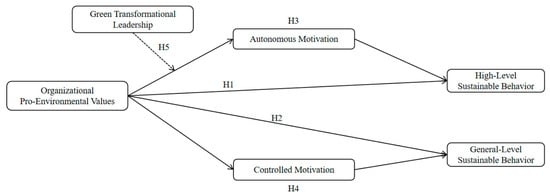
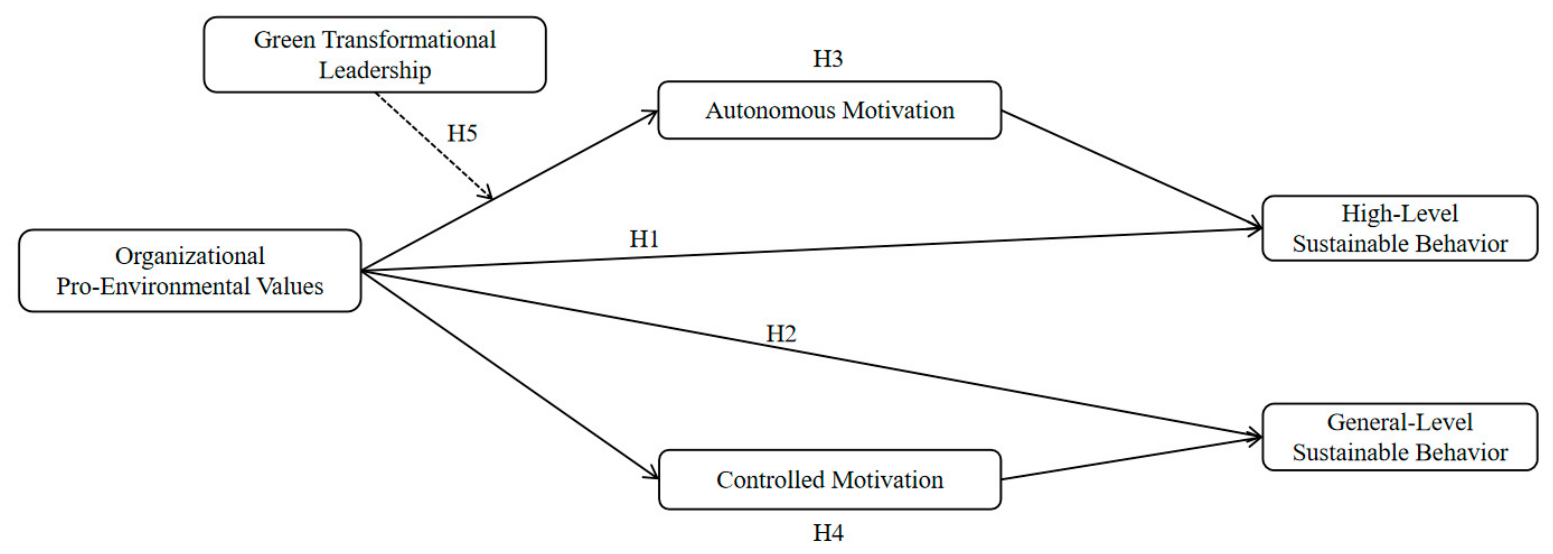
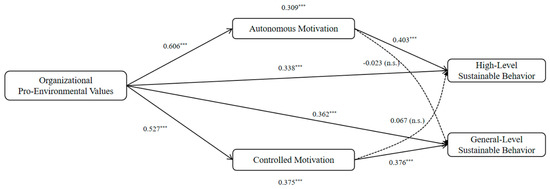
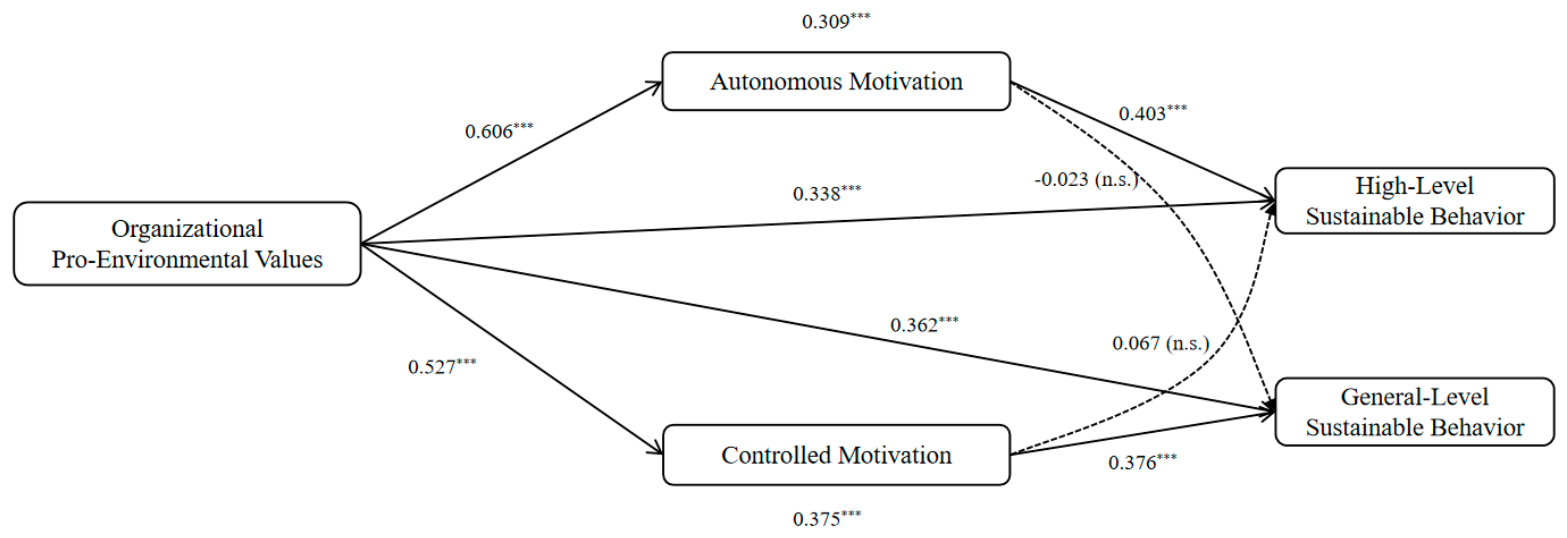
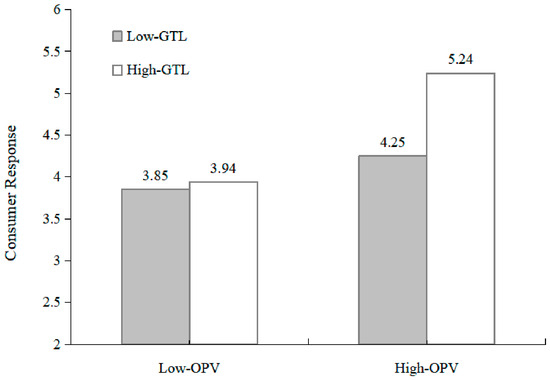
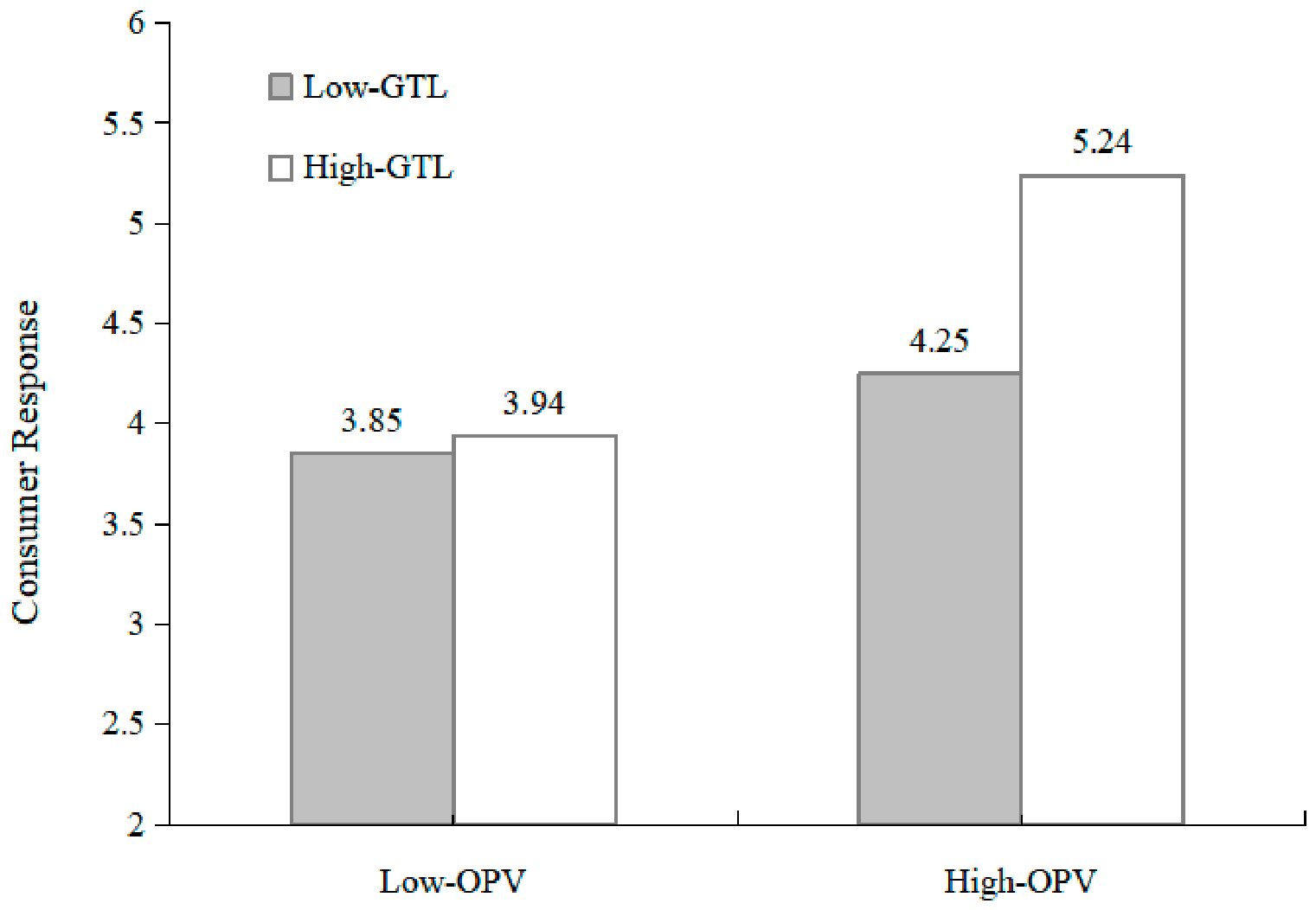

Disclaimer/Publisher’s Note: The statements, opinions and data contained in all publications are solely those of the individual author(s) and contributor(s) and not of MDPI and/or the editor(s). MDPI and/or the editor(s) disclaim responsibility for any injury to people or property resulting from any ideas, methods, instructions or products referred to in the content. |
© 2026 by the authors. Licensee MDPI, Basel, Switzerland. This article is an open access article distributed under the terms and conditions of the Creative Commons Attribution (CC BY) license.