1. Introduction
In conditions of heavy urban traffic and well-developed rail infrastructure (railways, tramways or metro lines) in cities—and, increasingly, also in suburbs—there is a growing need to protect buildings [
1], underground structures [
2] and people staying inside buildings against the influence of ground-borne vibrations [
3,
4]. This mainly concerns large cities and agglomerations, where dynamic development, infrastructure modernization and the decreasing availability of urban areas for investment result in a significant number of sources and intensities of vibration impact. A related problem is also structure-borne noise (secondary air-borne sound), which is an effect of the mechanical vibration of solid bodies [
5,
6,
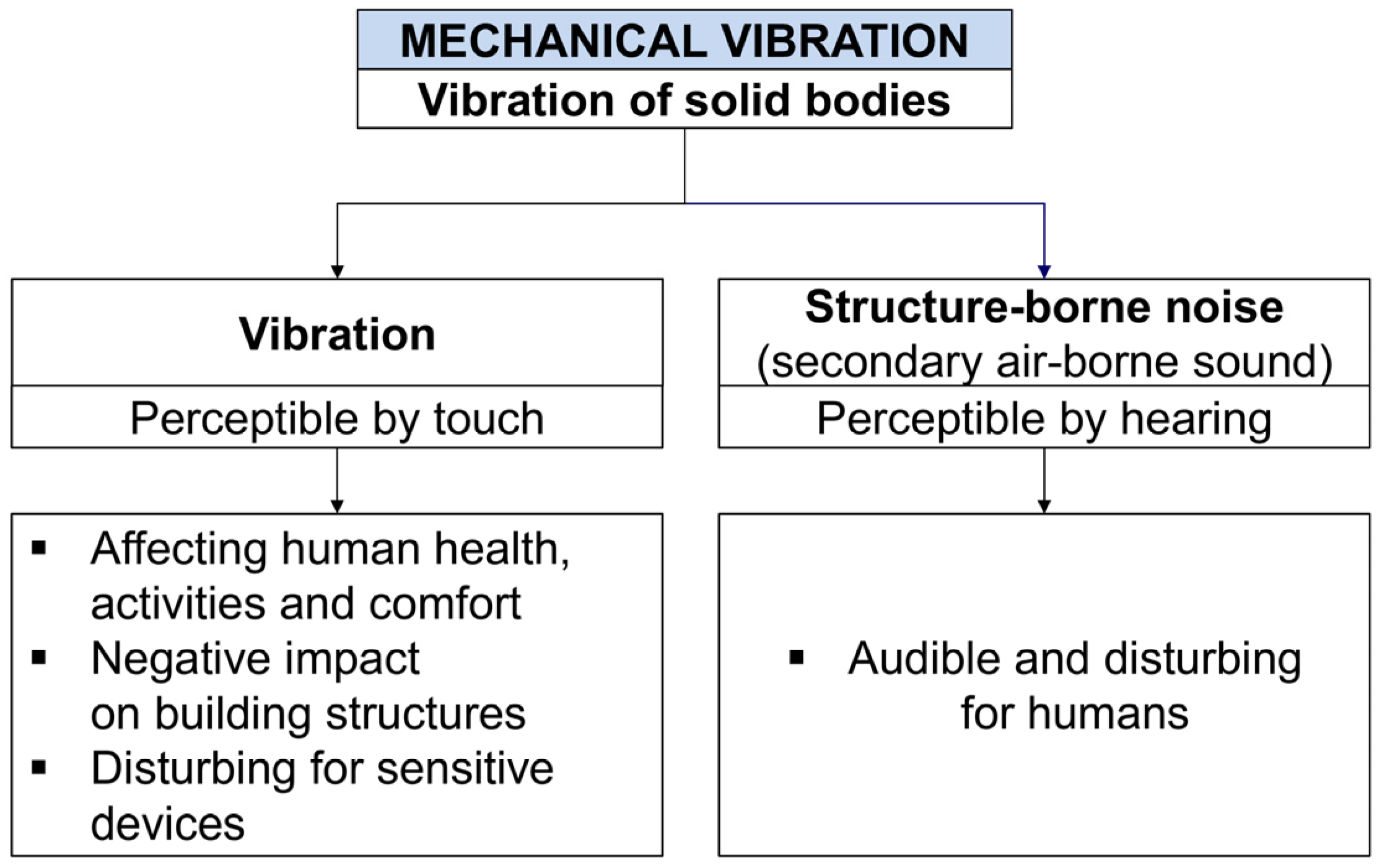
7]. It occurs when vibration generated by the source can propagate directly through the building structure (internal vibration source), or firstly through the ground into building foundations (external vibration source), and then to connected elements of the structure. Structural members start to vibrate, and the energy is re-radiated as secondary air-borne sound. It is a kind of acoustic effect; however, the source is not direct noise transmitted from one space to another (defined as room acoustics, which controls the characteristics of sound within spaces themselves). The mechanical vibration propagates in a different medium (within solid bodies) than typical sound that propagates in the air. The frequency range of vibrations perceptible to the human body affecting health, activities and comfort is between 1 Hz and 100 Hz. Structure-borne noise, as sound radiation associated with structural vibration, is in the frequency range of audible sound waves, which is between 16 Hz and 16,000 Hz. Therefore, the range in which both mechanical vibration and structure-borne sound coexist overlaps, but the difference depends on how the energy is perceived: by touch or by hearing (
Figure 1). The sensitivity of the human body to vibration depends on many factors; however, above 100 Hz, it usually decreases, while the sensitivity to sounds increases with rising frequencies. The effectiveness of energy re-radiation into the air significantly increases for frequencies above 100 Hz, and structure-borne noise is perceived as most audible. Ground-borne vibration limits are expressed in terms of the running root mean square (RMS) of the vibration velocity (in dB, ref. 10
−8 m/s). Ground- and structure-borne noise limits are expressed as A-weighting sound pressure in dB(A) units (expression of the relative loudness of sounds as perceived by the human ear). Therefore, methods of measurement, along with analyzing, preventing or reducing their effects, vary as well [
8].
In some cases, not only building structures and people, but also precise technical machines or specialized devices, which are sensitive to vibration, require protection against disruptive vibro-acoustic impact [
1,
9]. As such, the assessment of risk should be considered in terms of adverse influence on the following:
The building structure, because vibration implies additional dynamic forces acting on the structure, which have to be taken into consideration during the design stage;
People inside buildings, regarding their health and comfort of living or working;
Special devices that need to work without any external disturbances.
The problem of human exposure to noise and vibration is becoming more important and has gained emphasis due to the generally growing awareness of the need for the protection of the human environment, health and comfort [
10,
11,
12]. The subject of protecting residents and building structures against noise and vibration is also included in European Union regulations—Council Directive 97/11/EC [
13] and Directive 2002/49/EC [
14]—and in national legal regulations as well [
11]. It has become a necessity and an important design criterion in most countries [
15,
16] due to recent trends and the need to meet the requirements of sustainable development in the architecture, engineering and construction (AEC) sector. Newly designed or renovated residential and public buildings localized within a vibration impact zone must meet vibro-acoustic criteria set out in relevant standards concerning the protection of building structures and the comfort of people within the buildings. This includes identifying existing sources of vibrations in the building’s surroundings or predicting the anticipated impact of such a source, which is considered simultaneously with the design of the building. On the basis of appropriate measurements, analyses and assessments [
17,
18,
19], technical protective measures must be provided to limit vibro-acoustic effects to below the permissible level or to increase the building’s resistance to such effects.
In recent times, the protection of buildings against vibrations and structure-borne noise is possible due to current economic conditions and advanced technology. Protection can be achieved either at the source where vibrations arise (emission) — this is an active method (used, for example, in the construction of railway tracks [
20,
21], under the foundations of vibrating devices [
22])—or at the point where the vibrations are felt (perception or immission)—this is a type of passive method. Although there have been many studies on the protection of buildings against vibrations, most research is related primarily to experimental investigations of vibrations transmitted through the ground and the structure, measurement techniques, and modelling and numerical analyses or predictions, usually treated as a general approach or as a case study. This paper focuses on technology used as a passive method of protecting buildings against vibro-acoustic influence using elastomeric materials [
23,
24]. It presents a comprehensive overview of up-to-date technical solutions for resilient building foundations with elastic elements, pointing out their advantages and limitations. The article describes examples of real-world projects for special-purpose buildings that are sensitive to vibration and vibration-induced noise, highlighting current practice in the application of various mitigation measures. The various examples presented also confirm that the effectiveness of vibration isolation depends to a large extent on the selection of the most appropriate solution and materials, which are specific to each building structure.
2. Methods of Mitigation
In the case of typical external sources of vibration, such as rail traffic (passenger trains, freight trains, express trains, underground trains, and trams) and road traffic, there are several possible options for elastic building support using elastomeric materials. The option used depends on the type of structure, the building’s intended use and its requirements. The transmission of vibrations from the ground to the building structure and structure-born noise from one structural member to another can be reduced by using elastomeric components to support structural elements or entire structures subjected to high static and dynamic loads. Each of these solutions differs in terms of the size of the isolated structural surface and the execution techniques used [
25]. Generally, three types of elastic support can be distinguished: (a) full-surface decoupling, (b) strip-shaped decoupling, and (c) point-type decoupling.
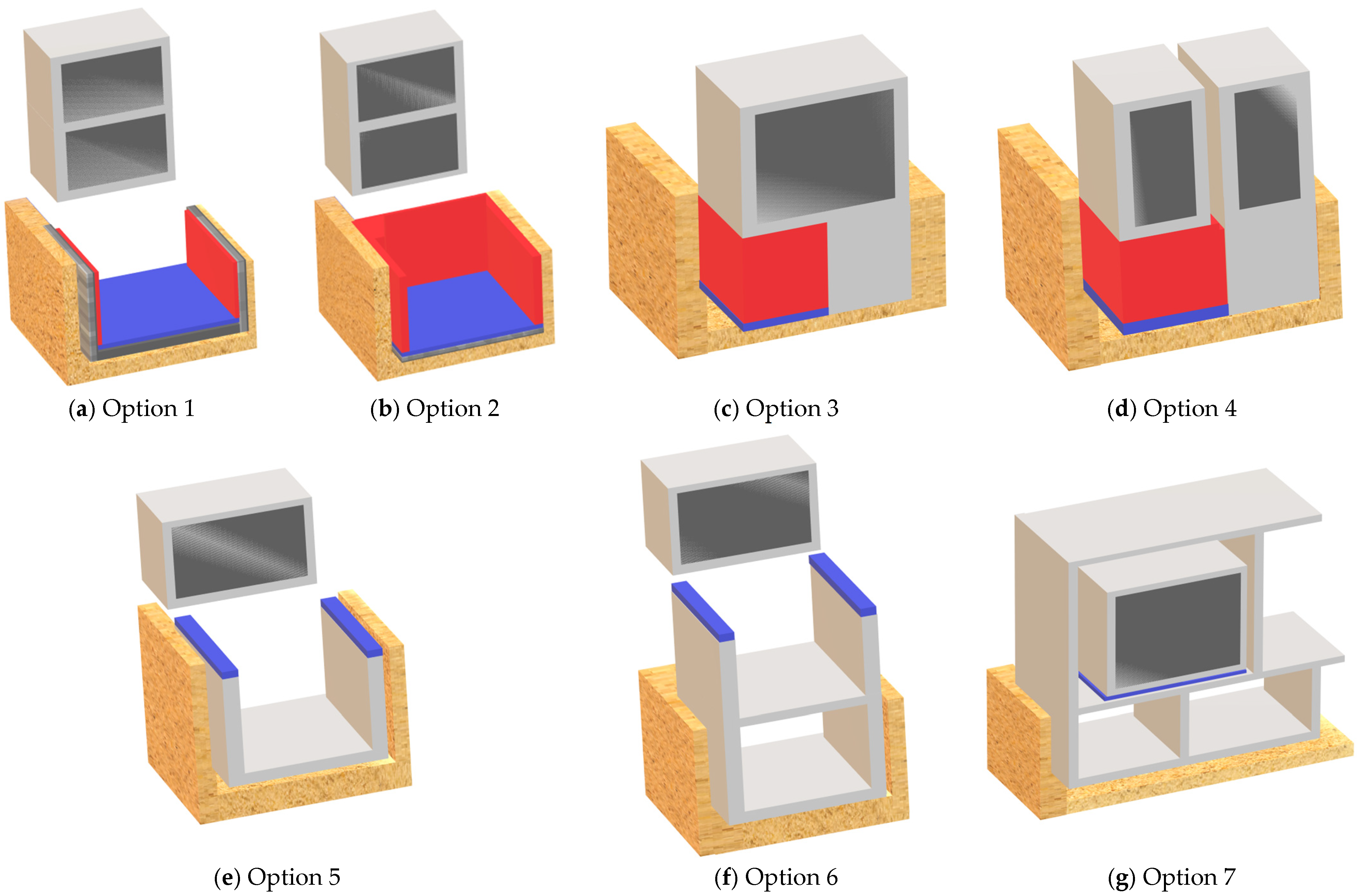
Figure 2 shows various elastic support options applied to protect buildings, numbered 1–7, which are described in detail in this section. As a general rule, the protected areas of a building must be completely separated by a flexible layer (marked in blue for vertical isolation and in red for horizontal isolation) to prevent the transmission of vibrations and structure-borne noise. Those parts of the structure requiring isolation should be separated from unprotected parts by means of an adjacent substructure or subsequent building components. The only exception to this is option 3 (shown in
Figure 2c). All possible options and types of vibration isolation measures should be analyzed individually for the considered building, and the optimal solution selected.
2.1. Vibro-Isolation of a Building in a Concrete Cage—Option 1
This solution typically involves horizontal vibration isolation of the building’s foundations and vertical vibro-isolation of the foundation walls (
Figure 2a), which can be achieved using different types of elastomeric materials. It is not overly complicated during the construction stage and, when properly executed, it provides very high levels of protection against acoustic bridges. However, the design of the concrete cage increases costs, affects the construction schedule and requires more free space than the main building structure itself. Such additional space is often not available within the plot designated for the planned investment.
2.2. Vibro-Isolation of a Building Across the Entire Underground Surface—Option 2
The entire underground structure of the building must be isolated from the surroundings to ensure protection against ground-borne vibrations (
Figure 2b). This technical solution is more complex than option 1 in terms of calculations, and sometimes also in terms of installation, but simpler, for example, when compared to options 3 and 4. The elastic support of the building must be taken into account in structural calculations during the design phase; however, the basic design of the foundations remains practically the same across the entire surface, and the use of a vibration isolation layer has no special influence on the main building structure. When the need for protection is recognized at a very late stage of the project, this solution can still be applied. Even if the structural design process is almost complete, this type of vibro-isolation can be incorporated into the design without major changes. This is a significant benefit to this type of mitigation measure. A disadvantage may be that the total amount of elastomeric material required to cover both horizontal and vertical surfaces is greater than for other methods. Nevertheless, experience from numerous applications of this particular solution shows that, overall, it may prove to be the most advantageous in terms of the total cost and potential problems compared to the other vibro-isolation options presented.
2.3. Vibro-Isolation of Part of the Building—Option 3
In this variant, only the part of the building beneath the foundation slab is insulated, whilst the remaining part rests directly on the ground (
Figure 2c). Consequently, the fundamental principle of protection mentioned above (complete separation of the structure, fully respected in options 1 and 2) is not observed here. It is likely that a significant acoustic bridge will form within the structure. This solution may be considered when the building has a very large foundation area and it is not possible to have expansion joints towards the propagation of the vibration waves. This option is extremely demanding in terms of dimensioning, requiring experience and very precise technical measurements before and during foundation excavation. The relevant dynamic characteristics of the building (natural modes and frequencies of the foundation slab, structural damping, etc.) must also be carefully taken into account. This solution can only be used if certain requirements are fulfilled, i.e., when vibration and structure-borne noise are sufficiently reduced at a precisely defined distance from the vibration source (the propagation of vibration through the isolated area, together with vibration transmitted through the non-isolated area, does not exceed permissible values) [
25]. On-site implementation is comparable to options 1 and 2, but the quantity of elastic materials required may be significantly reduced, leading to financial benefits. However, this approach is used quite rarely as it involves high risk; therefore, analysis and application should be carried out very carefully by experienced specialists. The only example of this specific application known to the author is a luxury hotel in Munich (Germany), described in [
25].
2.4. Vibro-Isolation of a Building Adjacent to Another Building That Is Not Insulated—Option 4
This solution can be applied when it is necessary to protect the entire building or a part of it adjacent to another existing building which
Is not located within the impact zone (is at a distance);
Has lower requirements regarding permissible vibration levels;
Is structurally separated (partly) by an expansion joint and does not require protection against vibration.
Therefore, the unprotected building (or a part of it) may dissipate secondary air-borne sound to a greater extent than a building equipped with protective measures.
Figure 2d shows that the solid structure (a part on the left) must be isolated from vibrations coming from the surroundings. Generally, this solution corresponds mainly to option 2, but the difference lies in the fact that a full structural expansion joint must be provided between the directly adjacent building or part thereof. The structure of a building situated near a source of vibration must be efficiently insulated from both the ground and the adjacent building. If an acoustic bridge occurs in the protected building, secondary air-borne sound may arise, and the phenomenon of avoiding acoustic bridges is widely known. This problem concerns, for example, residential terraced houses.
2.5. Vibro-Isolation of a Building at the Basement Floor Level—Option 5
This solution is applied quite rarely and is only suitable if vibration protection is not required in the basement itself. In this case, the part of the building structure above the ground floor must be completely separated from the basement using elastomeric materials. This type of separation inevitably determines that no structural member capable of transmitting structure-borne noise may cross the vibration isolation layer because this would otherwise create acoustic bridges. The requirement is quite difficult to meet and often results in the need to design a more massive building structure; i.e., a massive and stiff building core, massive stairs and elevator shafts. The problem of lateral forces and structural stability can also only be resolved through such efforts. Moreover, it is essential to ensure that the entire upper part of the building structure is completely separated from the core. This solution must be taken into account in the architectural and structural design process from the very beginning. Although in some cases a significantly smaller quantity of anti-vibration materials can be used (providing cost savings), the requirements related to this option may lead to higher total investment costs. In the case of multi-storey, narrow buildings, the solution is practically inapplicable.
2.6. Vibro-Isolation of a Building on Upper Storeys—Option 6
This type of vibro-isolation is possible if protection against vibration and secondary air-borne sound is not required on the ground floor of the building. It is, for instance, a suitable solution if the workshops, storehouses or other rooms not intended for human occupancy are located on the ground floor. Any eventual inconveniences and limitations arising from the application of option 6 correspond to those mentioned in the description of option 5.
2.7. Vibro-Isolation of the “Box in Box” Structure—Option 7
The term “box in box” roughly determines the concept of this solution itself. The design of an internal structure within an external structure (or a building within a building) is intended to ensure extremely high vibro-acoustic isolation of the former against unwanted noise and vibration from the external structure and the wider surroundings. External noise can be air-borne (transmitted through the air) or structure-borne, generated not only by urban traffic but also by operating devices, people walking in adjacent rooms, and even music in the vicinity or the sound of footsteps on staircases. This construction technique involves insulating the walls, floors and ceilings of the internal “box” and using resilient fixings to achieve the expected result. The most important factors when applying this method are the appropriate selection of materials and the precision of the on-site construction work. This option has proved to be highly effective in buildings such as theatres, cinemas, concert halls, recording studios, etc., where ensuring perfect silence is crucial.
3. Implementation Examples
3.1. High-Tech Research Centre—Implementation of Options 1 and 2
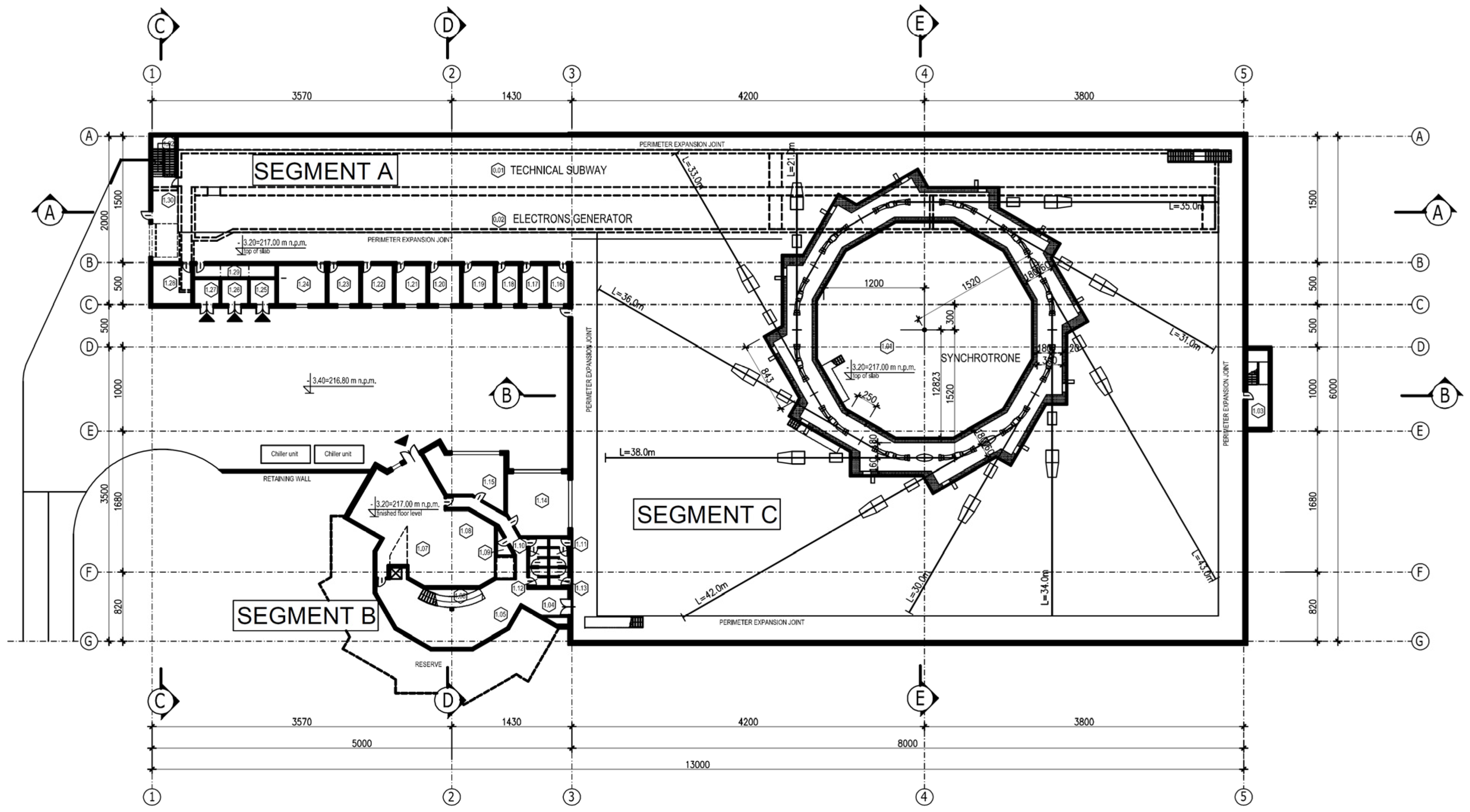
We present a high-tech research centre in Poland, which is equipped with a third-generation synchrotron with a circumference of 96 m. There are several dozen such devices in the world, most in Japan and the USA. This one is located in a building whose structure consists of three main segments, as presented in
Figure 3:
Segment A—technical tunnel (approx. 20 m × 64 m), housing an electron source, pre-accelerator (linear accelerator), booster synchrotron, storage and technical facilities;
Segment B—3-storey (including one underground) administrative and social part of the building;
Segment C—synchrotron hall with storage ring and research stations (approx. 50 m × 60 m).
Highly specialized and extremely sensitive research equipment has been installed in this building; therefore, its proper operation requires compliance with very demanding vibration criteria. Consequently, protecting this building against vibration was a priority during the design process. Several different sources of mechanical vibration and structure-born noise were taken into consideration: external (a fast tram line and a nearby road, and passage of vehicles on local roads—up to 10 m from the building) and internal (operation of power transformers, media discharges, operation of equipment such as fans, compressors, pumps, air conditioners, etc.) [
26].
The requirements related to the acceptable level of vibro-acoustic impact in the building were extremely high: (a) permissible amplitudes of vibration below 1.6 μm at frequencies up to 10 Hz and below 0.3 μm at frequencies up to 50 Hz, (b) permissible vibration velocity (resultant of three directions) below 0.0001 m/s. To ensure compliance with such strict requirements, a complex analysis was carried out. The background dynamic influences were examined during in situ measurements at the site of the future building, and some of those that could not be measured directly were predicted using a database from various projects. Analysis of a 3-D model of the entire building structure was carried out using the finite element method (FEM). Linear reinforced concrete elements (beams and columns) and surface elements (slabs, walls and pillars) with dimensions in accordance with the supplied design project were adopted. It was also assumed that all main connections between structural members are treated as connections between cast-in situ reinforced concrete elements. For the entire structure, a damping value equal to 5% of the critical damping was assumed. The analysis was conducted taking into account three stages of the structure’s service: (a) without loads resulting from finishing elements (the mass matrix in the calculation model was composed solely of the mass of structural members); (b) the completed building, without live loads but with loads caused by finishing elements; and (c) the completed building, including dead loads and live loads (reduced to 40% of characteristic values in accordance with [
16]), uniformly distributed across the individual structural members. In this approach, the arrangement of structural members corresponded to the slabs, beams or linear elements of each storey of the building. The calculations used characteristic load values determined on the basis of the construction project. The predicted dynamic excitations due to the passage of fast trams and vehicles on local roads were applied to the building’s foundations. The location of excitation sources, such as operating devices specified in the project, was determined in the FE model, and in the case of a lack of this information, any possible location within the room was considered. The vibration reception points corresponded to each of the possible points on the slabs where vibration-sensitive equipment was to be installed. The excitation impact caused by the movement of people at any point in the structure on different floors was assumed to be a time-varying force:
, where
is the excitation frequency. The dynamic load caused by the media discharge was modelled as a force resulting from the fall of water from a height [
27].
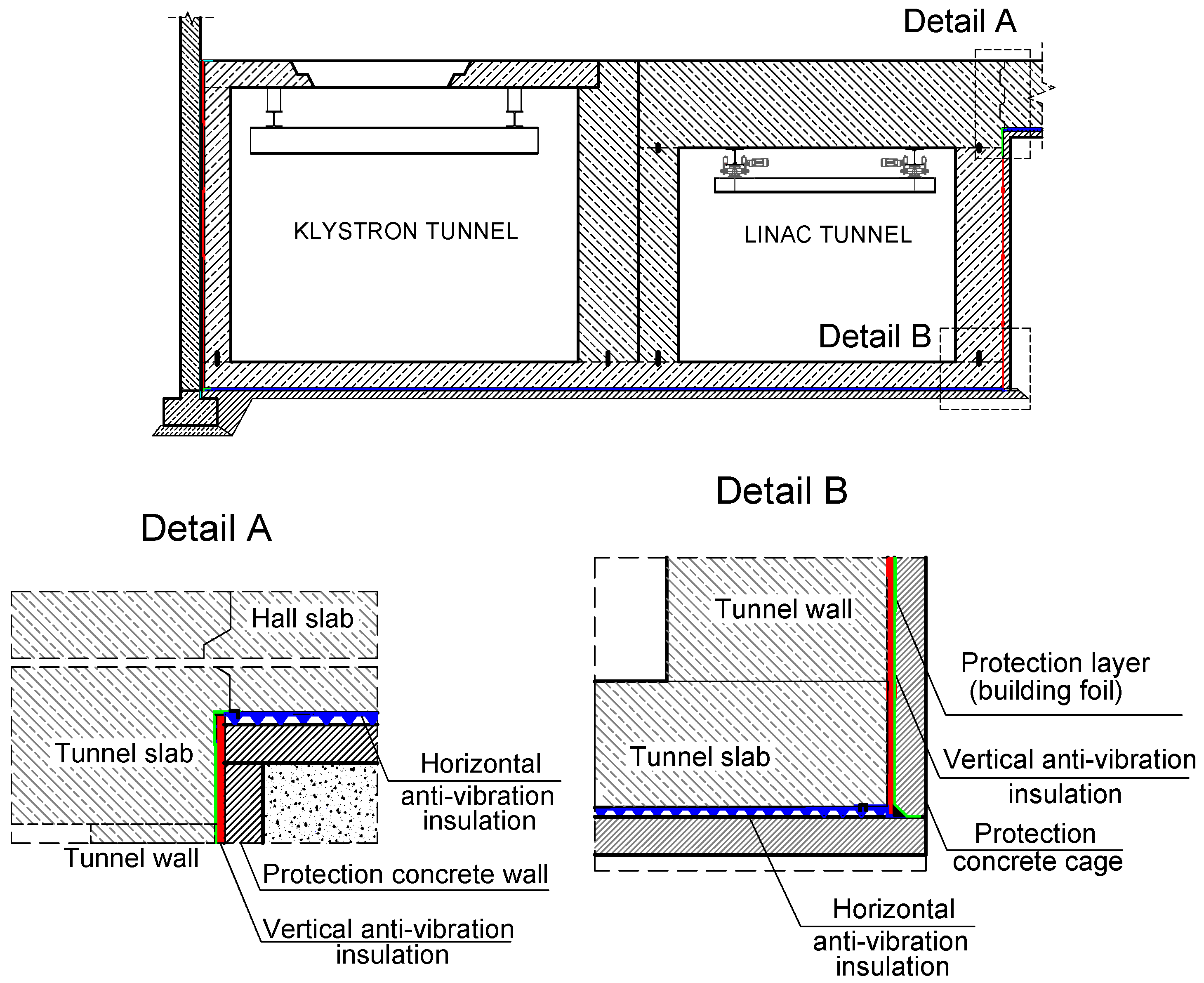
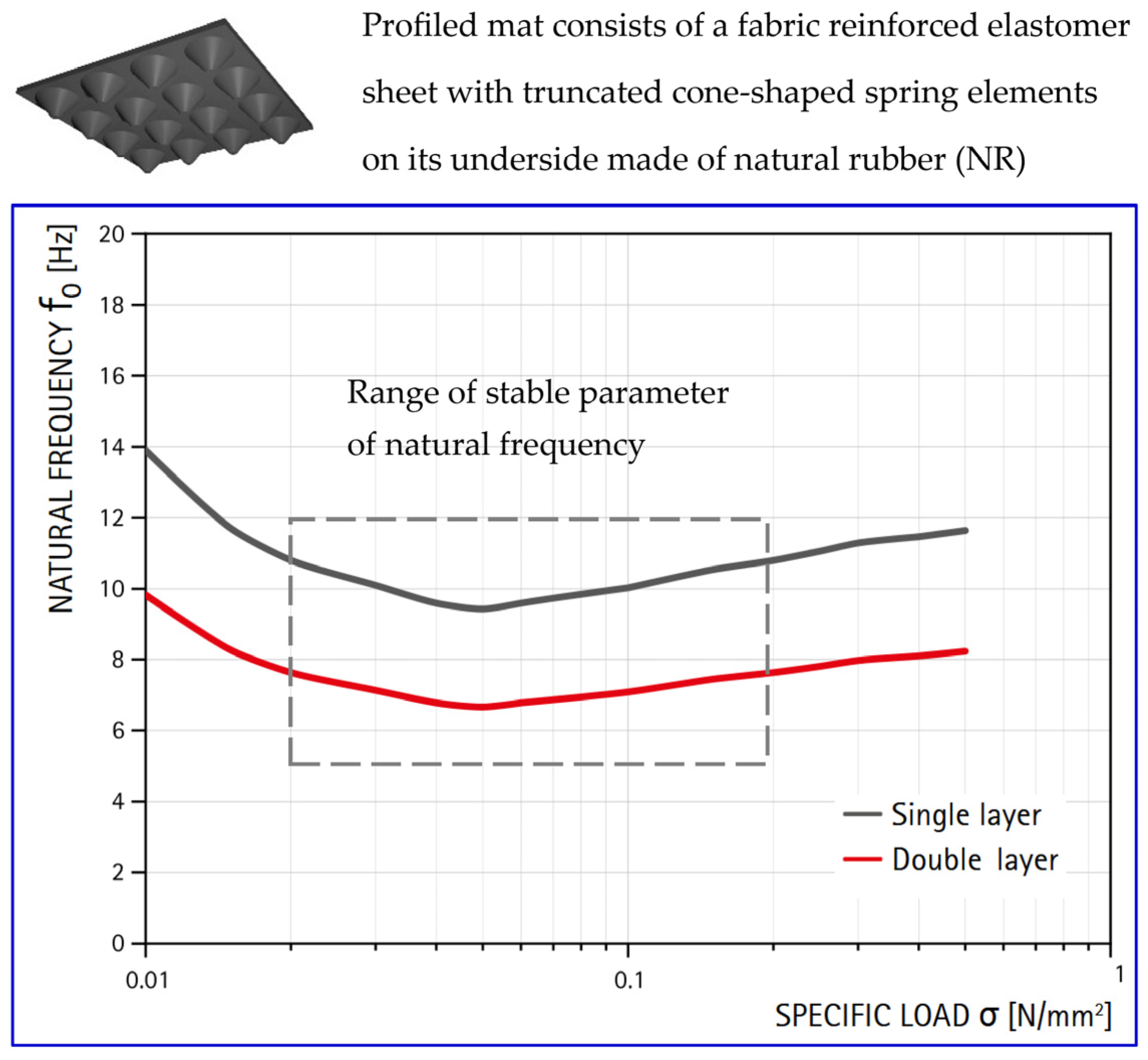
As a result of the adopted assumptions and the consideration of variants of vibration isolating materials in the numerical analyses, recommendations were formulated regarding the use of the most effective solution. Due to noticeable differences in the distribution of vertical load on the foundation slab in segments A and C, and in order to avoid the use of different materials (with varying load-bearing capacity, stiffness and deflection), it was recommended to apply a special type of elastomeric mats with a single-side profiled surface across the entire area of horizontal vibration isolation (see
Figure 4).
The mats, equipped on the underside with special truncated conical shape studs, achieve nearly uniform natural frequency across a wide range of compressive stresses (0.02–0.2 N/mm
2), as shown in
Figure 5. At the same time they are extremely mechanically stable. Their unique, profiled shape ensures an even distribution of vertical load and good control over deflection behaviour.
Segment A of the building was protected, as described in
Section 2 and as shown in
Figure 2a as option 1; i.e., by using an elastic support in a concrete cage (see
Figure 4). The vertical layer of anti-vibration insulation was made of homogenous mats, because horizontal loads cause significantly lower stresses. Horizontal vibro-isolating material was installed beneath the concrete slab of segment C (the hall with the synchrotron ring) as option 2 shown in
Figure 2b. Anti-vibration mats were installed on the walls separating segment C from the surrounding area up to the ground level.
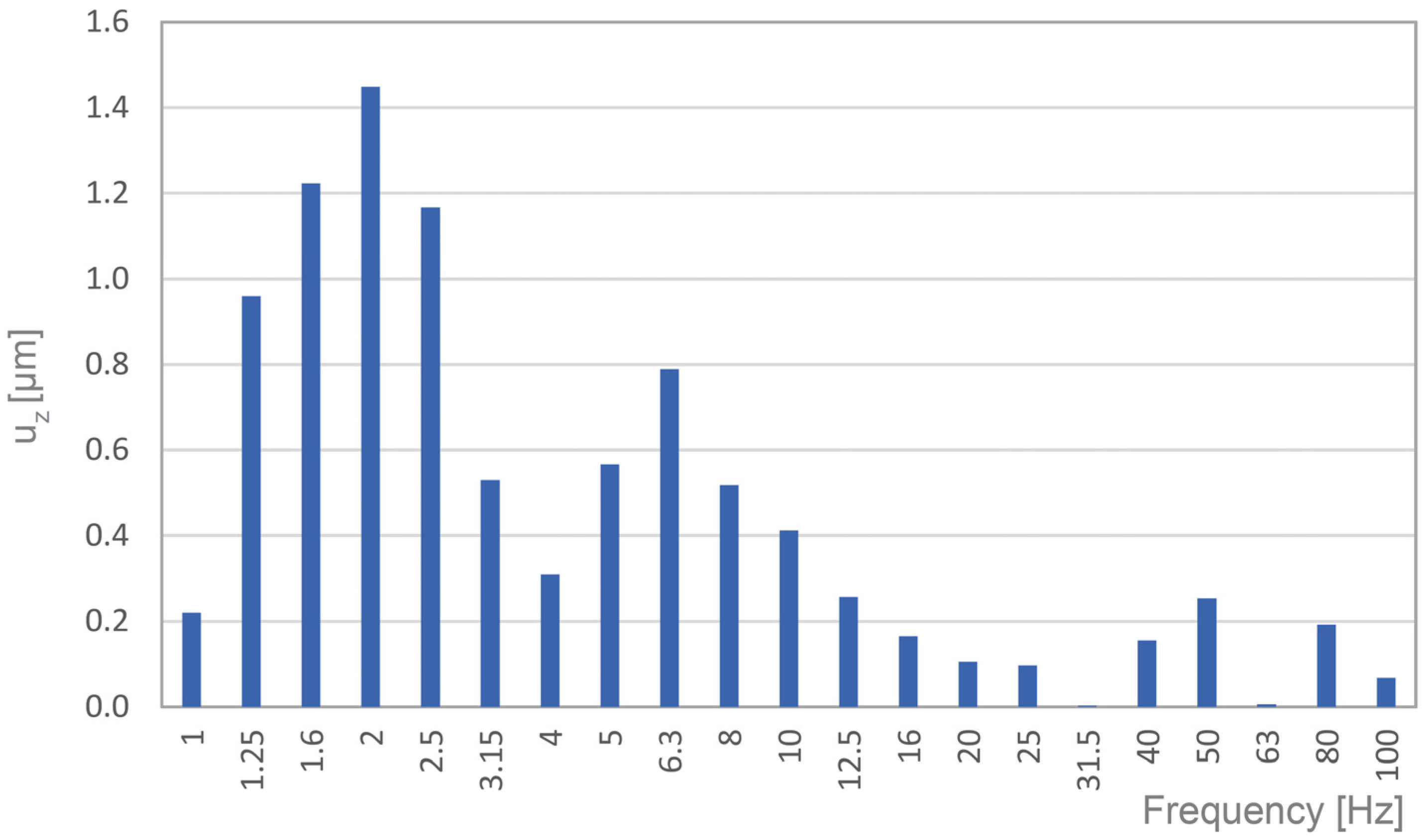
Assuming the described options of technical solutions and anti-vibration materials, numerical analyses led to outcomes that met the requirements. Vertical vibrations dominated; therefore, the results of the maximum values of vertical vibration amplitudes due to all considered excitations are presented in
Figure 6.
These values are lower than the permissible limits of 1.6 μm at frequencies up to 10 Hz and 0.3 μm at frequencies up to 50 Hz. The horizontal vibration amplitudes obtained in the analyses were less than 0.7 μm across the entire analyzed frequency band (0–100 Hz).
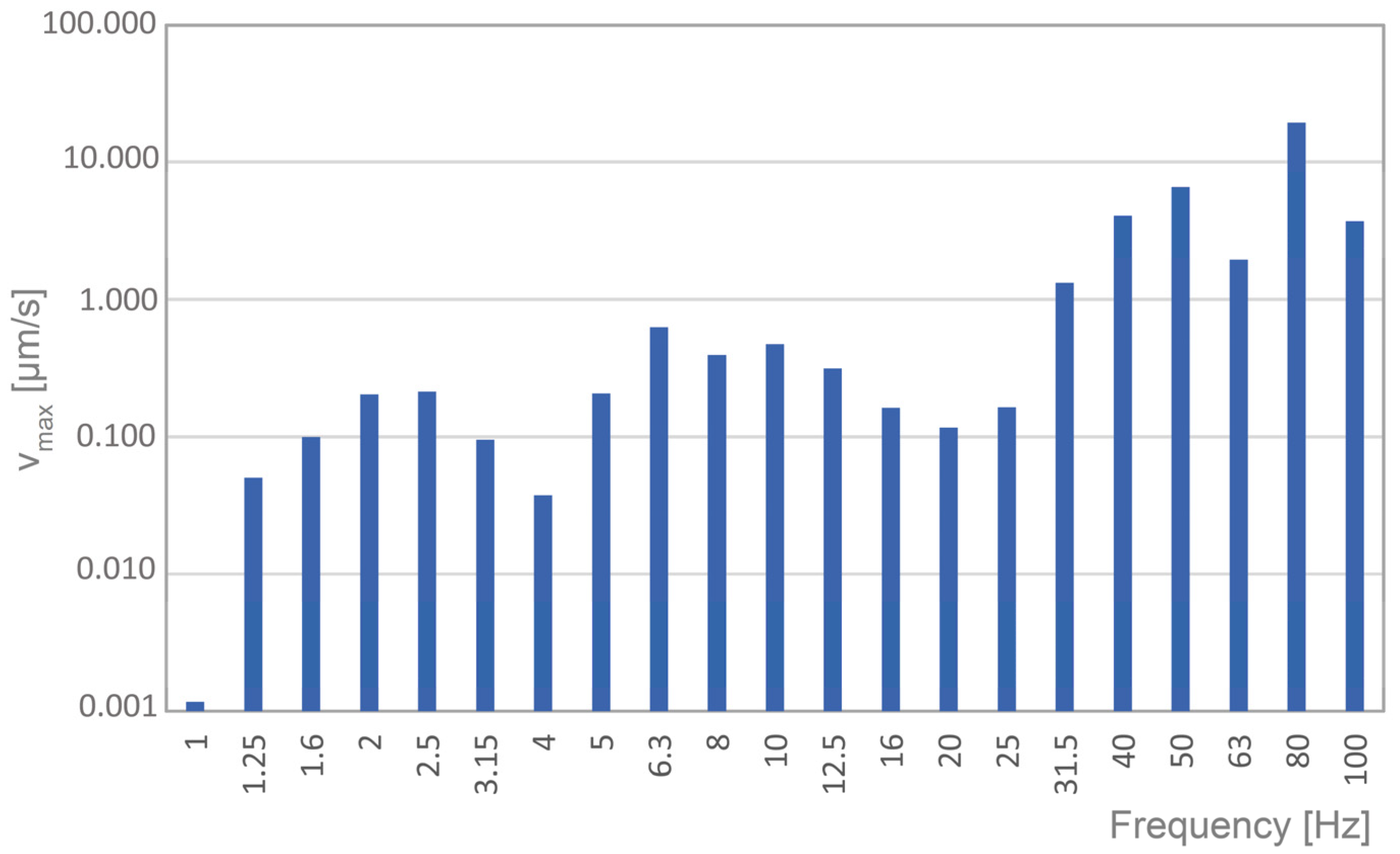
Figure 7 shows the predicted values of maximum vibration velocity amplitudes in 1/3-octave frequency bands as the resultant of three perpendicular directions:
x,
y (horizontal),
z (vertical). It can be seen that across the entire frequency range (0–100 Hz), the values obtained in the numerical analyses are lower than the permissible level of 0.0001 m/s required in the project, with a maximum value of 0.000062 m/s [
27].
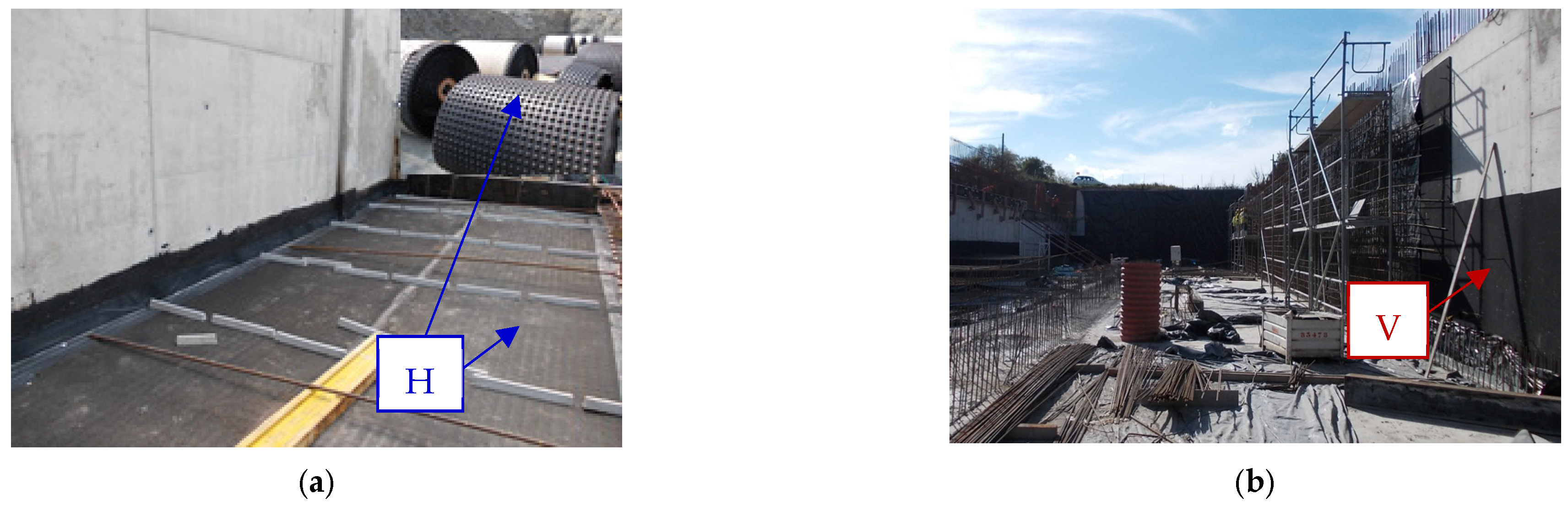
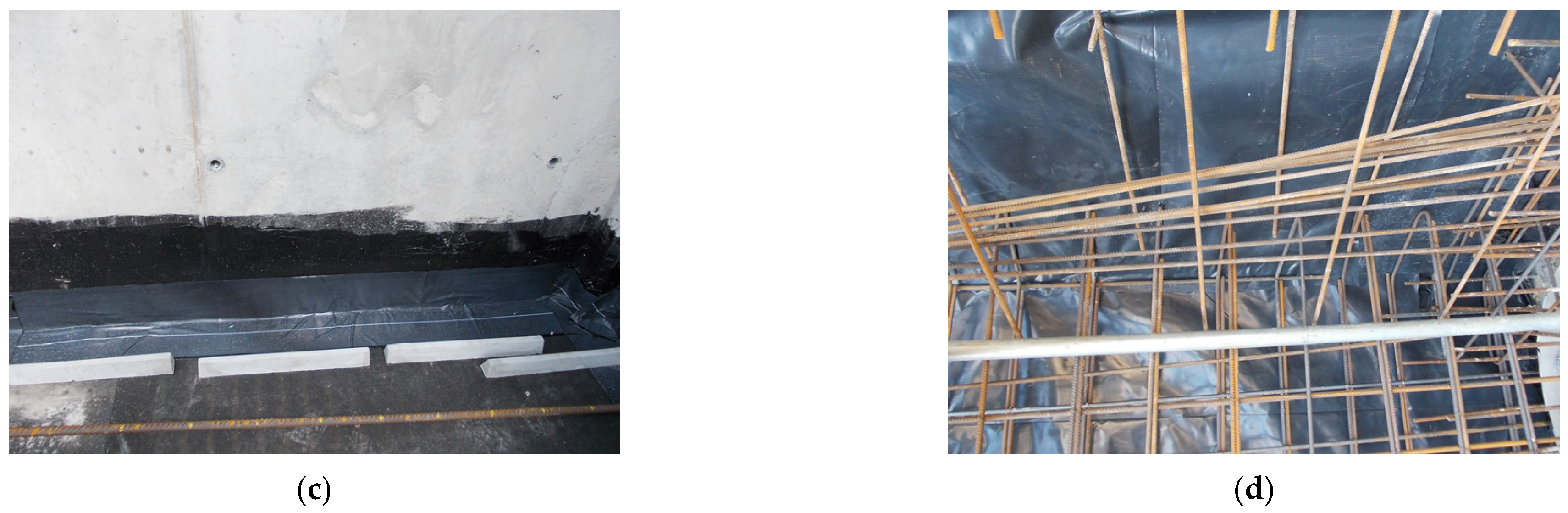
Figure 8 presents photographs from the construction site during the installation of horizontal (
Figure 8a) and vertical (
Figure 8b) anti-vibration mats in the reinforced concrete cage of the technical tunnel. Particular attention was paid to protect all joints between particular mat elements and the connections between the horizontal and vertical vibro-isolation in order to prevent structure-borne bridges during installation. The joints were sealed with self-adhesive bituminous tape, as shown in
Figure 8c, so that liquid concrete or cement slurry could not penetrate behind or beneath the vibration isolation layer. Furthermore, the entire surface of the anti-vibration insulation was covered with a durable construction foil before concrete pouring (see detail at the junction of the horizontal and vertical vibro-isolating mats in
Figure 8d).
3.2. High-Rise Office Building—Implementation of Option 4
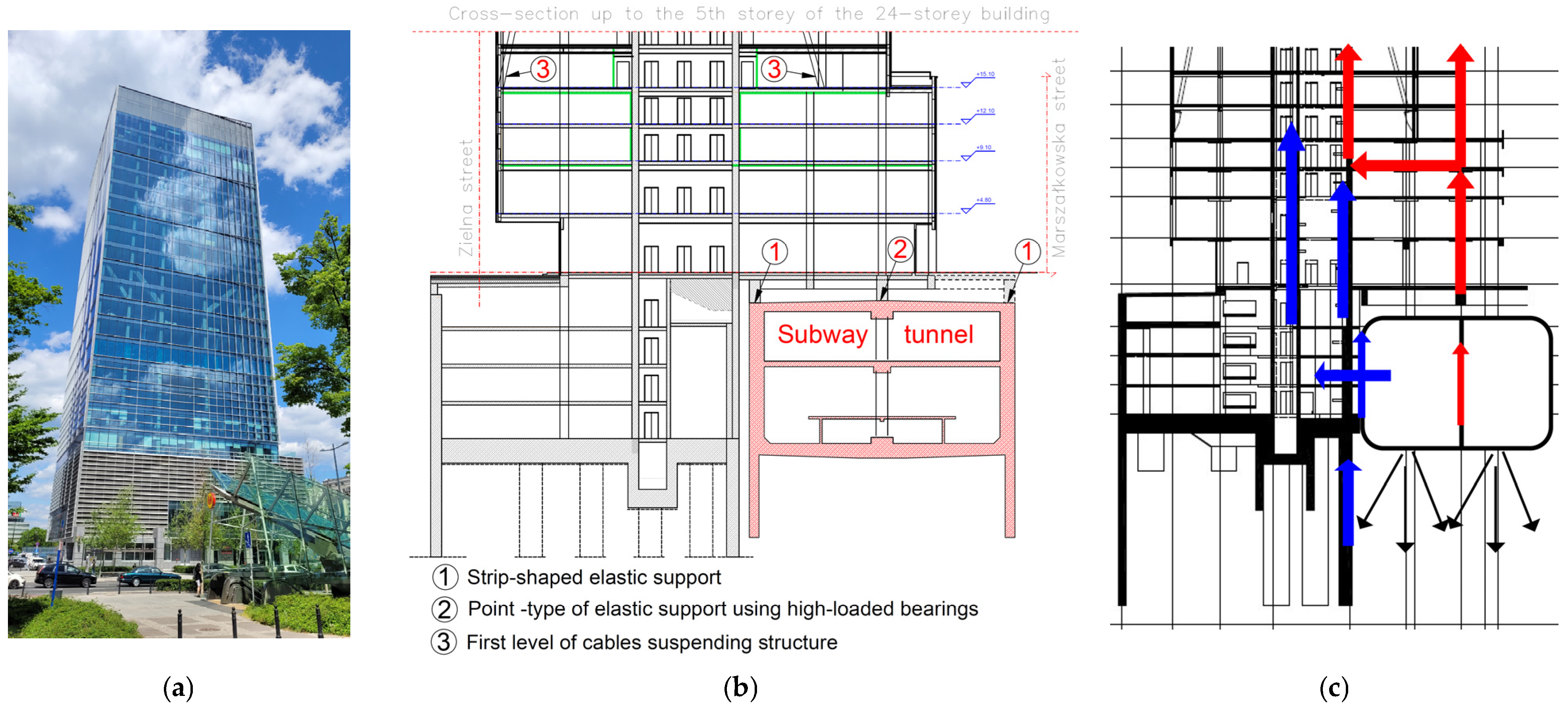
A multi-story office building located in the strict centre of the city is the case study considered in this section (
Figure 9a). At the same time, the direct vicinity of the subway and the main road with tram tracks running in the middle, presented a number of challenges in terms of structural and engineering solutions during the design and construction stage, including the problem of the vibration influence on the structure and future users of the building. All this stems from the fact that this high-rise building is situated directly above the junction of two metro lines—a single double-track subway tunnel runs directly beneath the building’s footprint, so the structure is partially supported by the tunnel (
Figure 9b).
Passing trains exert dynamic forces on the superstructure, the tunnel and the soil below, leading to vibrations in the building’s foundations [
28]. Moreover, a road and tram tracks are located in the direct vicinity. Consequently, it was necessary to carry out in situ measurements and an analysis of the future vibro-acoustic situation.
The measurements were carried out [
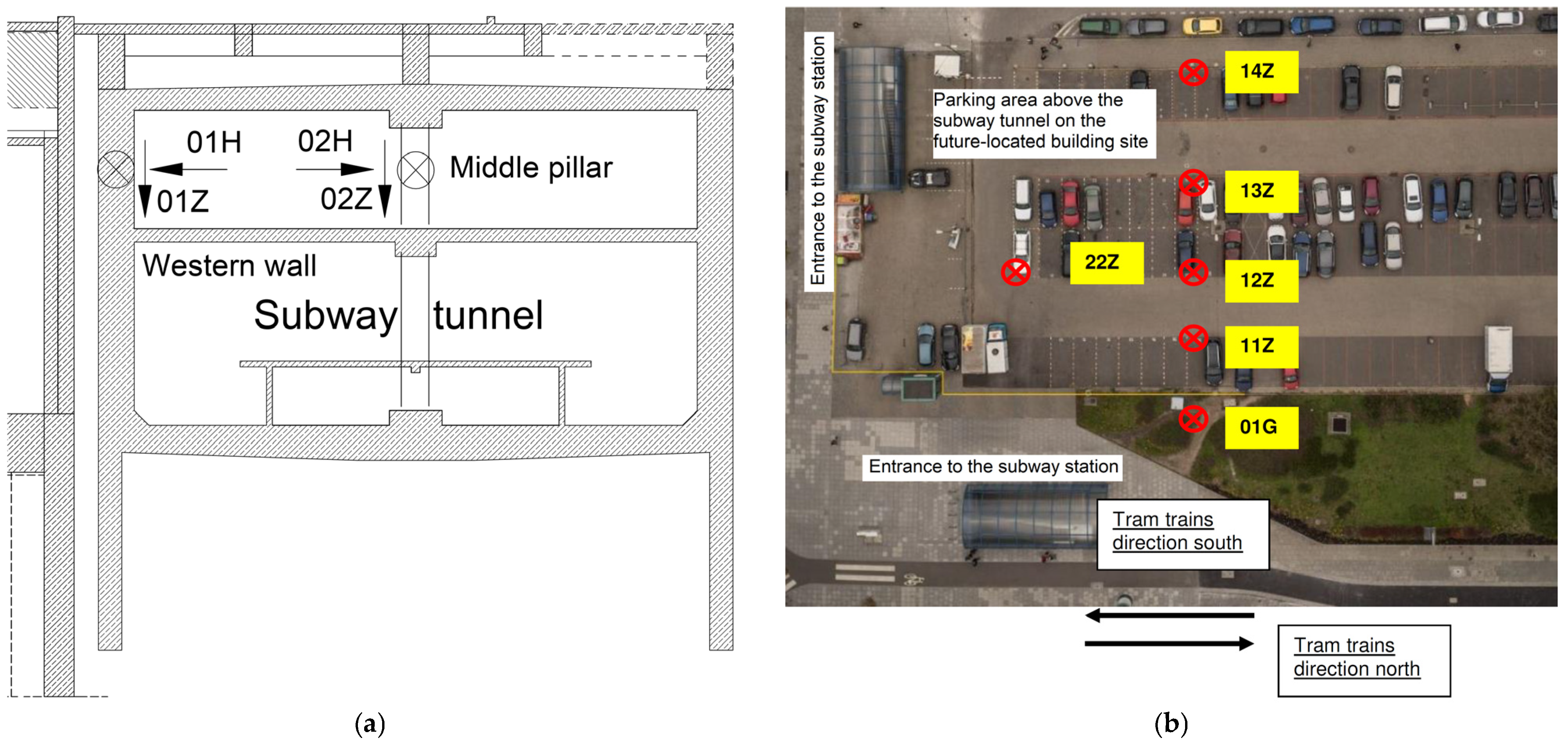
29] during normal metro line operations, and for safety reasons it was not possible to simultaneously record measurements on both the western and eastern tunnel walls. Therefore, measurements were first taken on the western wall, and then on the middle pillar at the intermediate storey of the subway station (see
Figure 10a). At each of these two points, horizontal (01H, 02H) and vertical (01Z, 02Z) vibrations were measured simultaneously and a total sum of 30 metro train runs were recorded during daily metro operations between 10.00 and 12.00 am.
At ground level of the future construction site, 22 metro train passages and 23 tram train runs (on the surface line) were recorded between 13.00 and 14.00 pm. All six ground-level measurement points, located at various distances from the metro and tram lines (as shown in
Figure 10b), were recorded simultaneously. The results of vertical vibrations at selected ground-level measurement points caused by the passage of trams and subway trains, which were of decisive importance for further dynamic analysis, are presented in
Table 1.
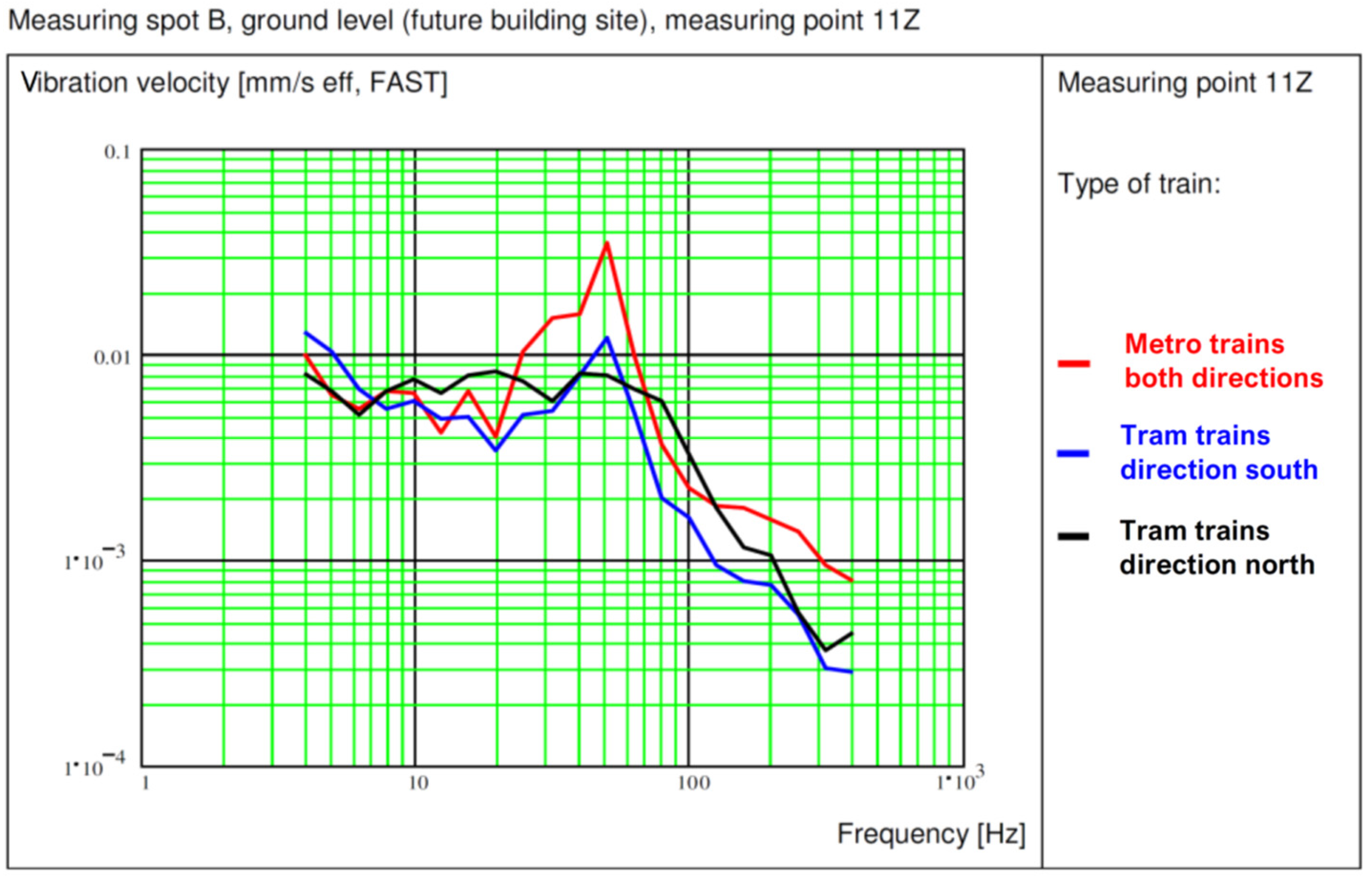
Figure 11 shows vibration velocity in the frequency domain, in representative ground-level measurement point 11Z, depending on the type of train (subway or tram).
Based on the measurements, it was found that the subway tunnel acts as a kind of shield for the building structure against vibrations propagated to the ground from the tram tracks. Therefore, subway train passages had a decisive influence on the level of future immissions in the building.
The impact of vibrations on the building structure and the people inside it was analyzed, assuming two extreme situations of possible vibration transmission from the subway tunnel to the building structure and taking into account the dynamic vertical interaction of the relevant parts of the building, as presented in
Figure 9c (red and blue scenarios), [
29]. In situ measurements and the outcomes of the prediction revealed that the vibration situation is not critical and the most important factor is the structure-borne noise. However, given the uncertainty of the prediction, it could not be excluded that some train passages might be very softly perceptible by sensitive persons.
In order to meet normative limits and ensure that the building users do not experience the negative effects of vibrations and/or secondary structure-borne noise, protective measures were analyzed and proposed. Consequently, flexible support for the plinth of the first four above-ground floors of the building on the metro tunnel structure was planned, as well as expansion joints for the underground storeys at the contact points with the tunnel wall, where elastomeric vibro-isolating materials were used. In four different scenarios, it was calculated that, with the application of the proposed mitigation measures, a result of approximately 33 dB(A) was achieved for the maximum level and 30 dB(A) in office spaces. Meanwhile, values in the range of 35–40 dB(A) constitute the limits for bedrooms at night [
30].
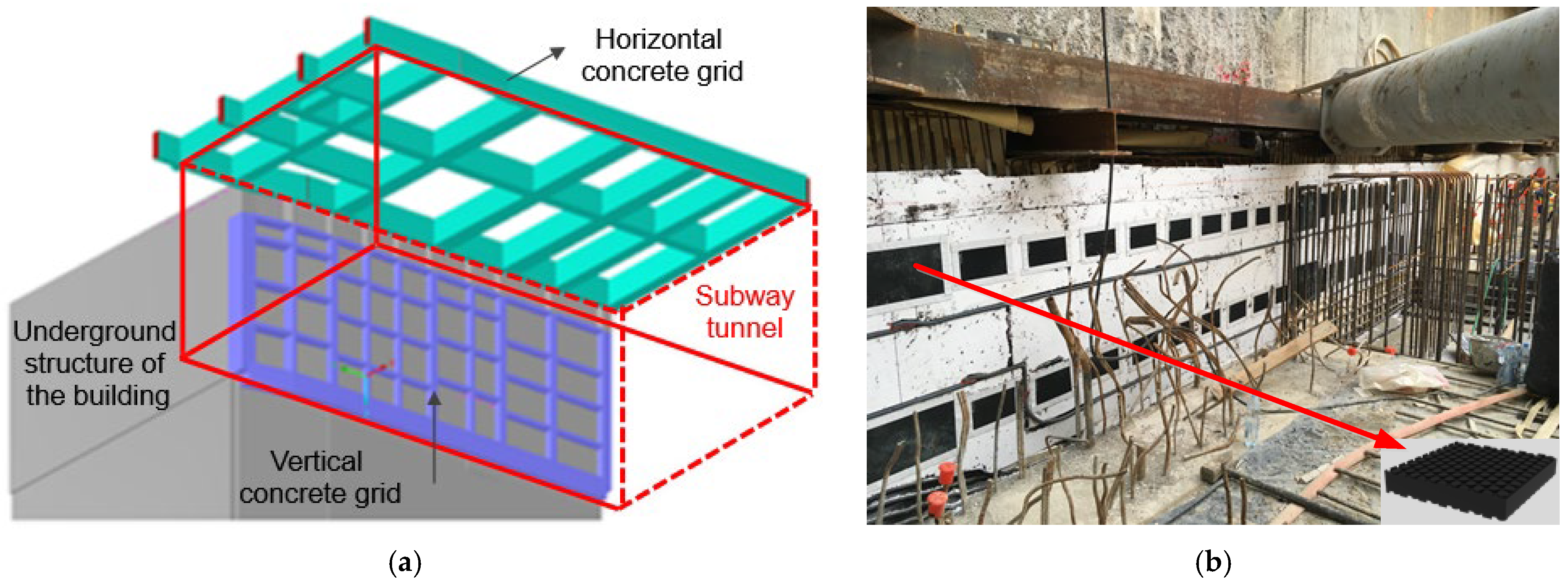
Due to the need to ensure the best possible distribution of the load from the structure onto the tunnel ceiling, a special horizontal reinforced concrete grid was designed (
Figure 12a), which provides support for the columns of the structural section located within the tunnel’s outline. Additional reduction in the load transferred to the tunnel structure was achieved by using suspended ceilings on the upper floors of the building (see
Figure 9b, No. 3). In the case of the highest concentrated loads, the horizontal grid is supported by point-type elastomeric bearings (see
Figure 9b, No. 2) reinforced with steel plates with varying deflection capabilities depending on height; i.e., perforated bearings 205-ST with thicknesses of 76 mm (7-layer), 53 mm (5-layer) and 20 mm (2-layer). On the left and right side-walls of the subway station, the grid is supported linearly by elastomeric material (NR) laid in strips (see
Figure 9b, No. 1). The second key structural member was a vertical reinforced concrete grid adjacent to the existing diaphragm wall (
Figure 12a).
At the points where the grid meets the tunnel side-wall at the level of the ceiling and the foundation slab, point-type elastomeric vibro-isolating bearings were planned (
Figure 12b). In this case, the technical and material solution required a special approach to meet the assumed stiffness parameter of the linear support while taking into account the small linear reactions resulting from the combination of vertical loads on the designed building, soil pressure, groundwater and wind, as well as the flexibility of the subway station. An additional factor was the limited scope for installing bearings in vertical joints (see
Figure 12b). Following the use of vibro-isolating materials in the building structure, the office spaces achieved a condition meeting the criteria for vibro-acoustic comfort—the immission limit values of 40 dB(A) for good quality were not exceeded by more than approximately 7 dB.
3.3. Multi-Activity Building—Implementation of Options 5 and 6
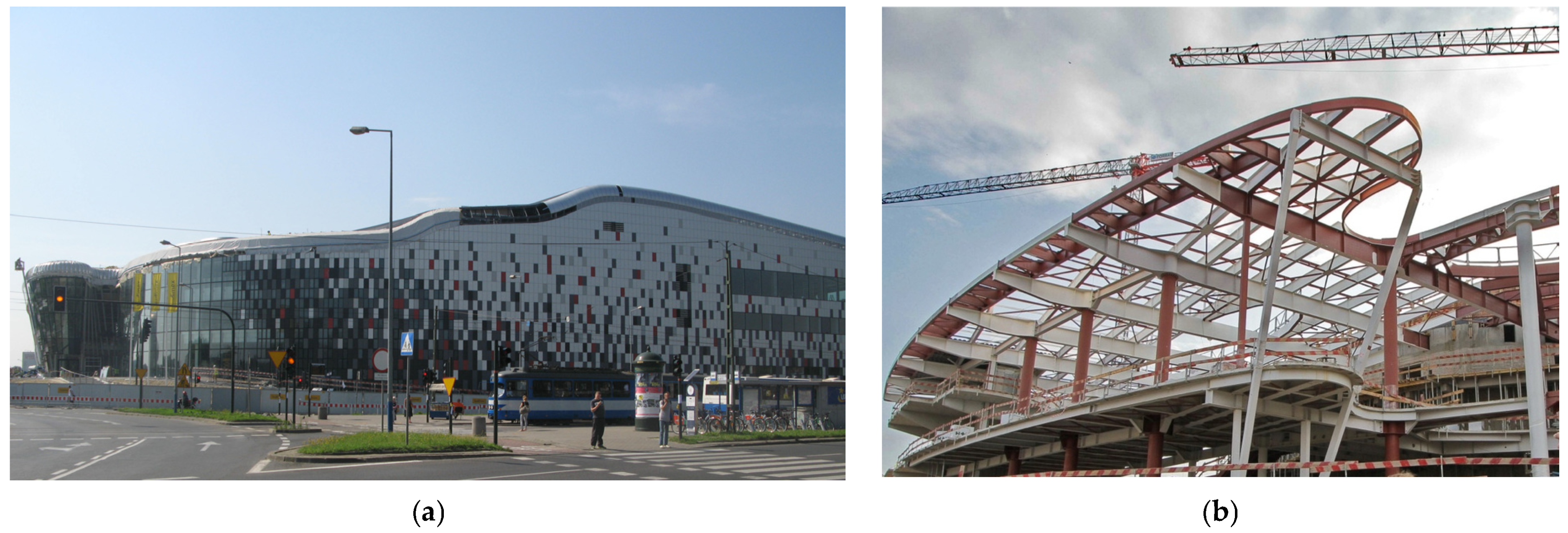
The ICE Congress Centre is a perfect venue for organizing a variety of social, business and cultural events, such as international congresses, conferences, symposia and business meetings, as well as concerts and opera, theatre or ballet performances. The nature of noise and vibration disturbances in the vicinity of the ICE building is mainly determined by the public transport system, as the facility is surrounded by a very busy network of arterial roads. A tram line, running with high regularity, is situated along one of the main roads, approximately 40 m from the building (
Figure 13a).
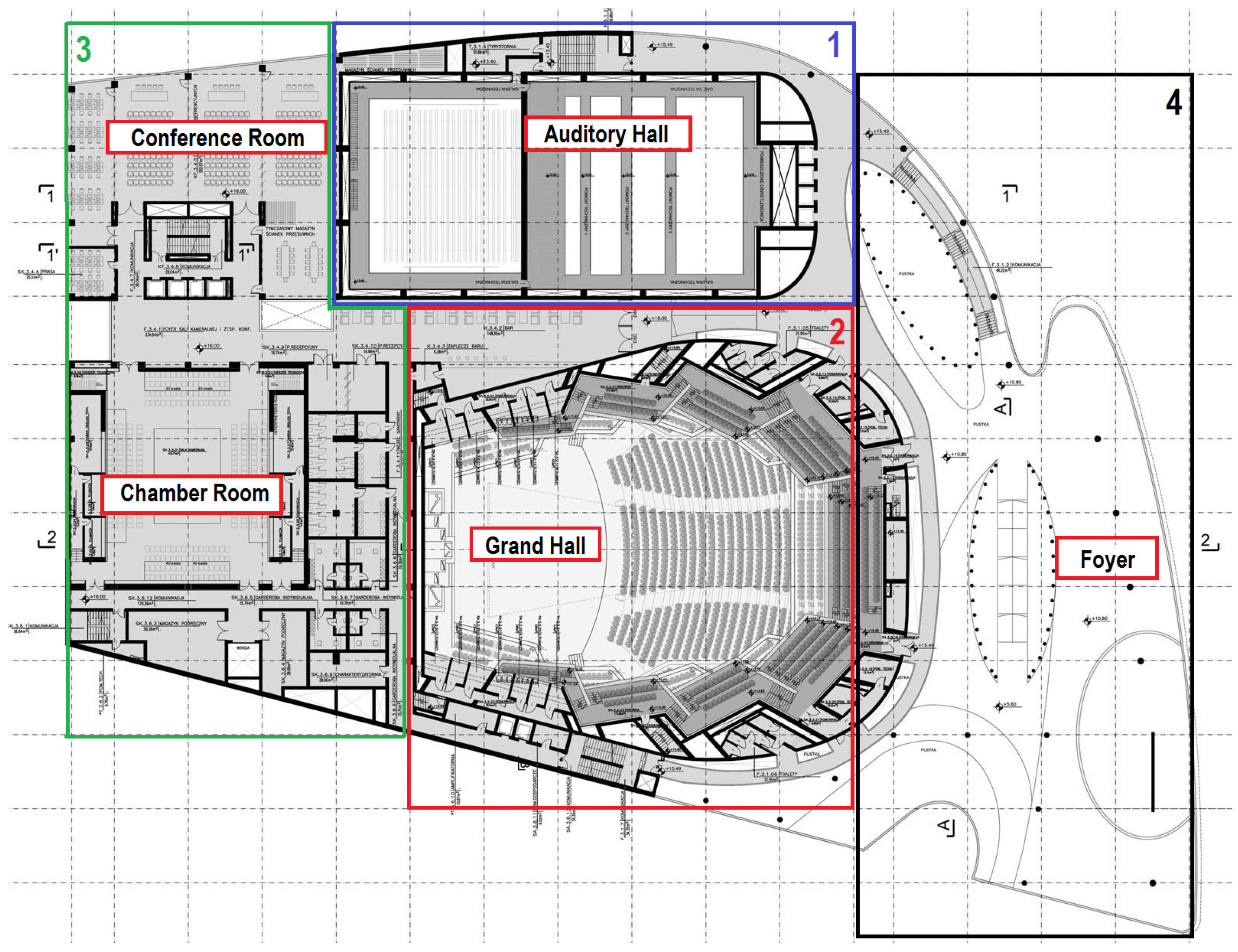
The building’s location within a vibro-acoustic impact zone was clearly recognized; therefore, the expected influence had to be taken very seriously into consideration, especially given the special-purpose and cultural character of the building. Subsequently, as a part of the design process, a study was carried out on ground-borne vibration immissions at the planned site of the new ICE building. There was concern that structural mitigation measures might be necessary to control vibrations and the associated structure-borne noise to acceptable levels within the conference centre complex. This concerned, in particular, the assessment of the risk of excessively high levels of influence in the Grand Hall or the Auditory Hall, as shown in
Figure 14.
The data obtained from the measurements were subsequently used to predict the noise levels in these halls caused by ground-borne vibrations which could be transmitted to the structural members in both spaces. By combining analytical and empirical methods, the analyses carried out allowed us to quantify the potential noise levels in the most sensitive parts of the building and enabled the evaluation of essential technical solutions for vibration isolation measures at a very early stage of the project.
One possible option was to isolate vibrations at source (active method) by introducing anti-vibration and resilience materials to the tram track. However, this solution was finally rejected by the city authorities as it would have disrupted the operation of the tram track. An alternative option aimed at minimizing the level of immissions into the building was structural isolation or the design of a “floating” structure (passive method). As the use of a “floating” building structure must be implemented at a very early stage of the design process, detailed studies were carried out on the appropriate technical solution and a vibration insulation system based on elastomeric bearings. The required natural frequency of the bearing system, allowing for a sufficient reduction in the structure-borne noise in the 63 Hz and 125 Hz octave bands, was assessed at 8–10 Hz. The technical solution selected in this case is similar to options 5 and 6 described in
Section 2. Nevertheless, it was more complicated due to the building’s sophisticated structure. As the underground part of the building was designed as a car park and technical rooms, there was no need to protect it against noise and vibrations. This allowed for implementation of mitigation measures at the basement level and/or on the upper levels of the building. Above the level of the common foundation slab, the building is divided by expansion joints into four segments: (1) Auditory Hall, (2) Grand Hall, (3) Conference and Chamber Room, and (4) Foyer (see
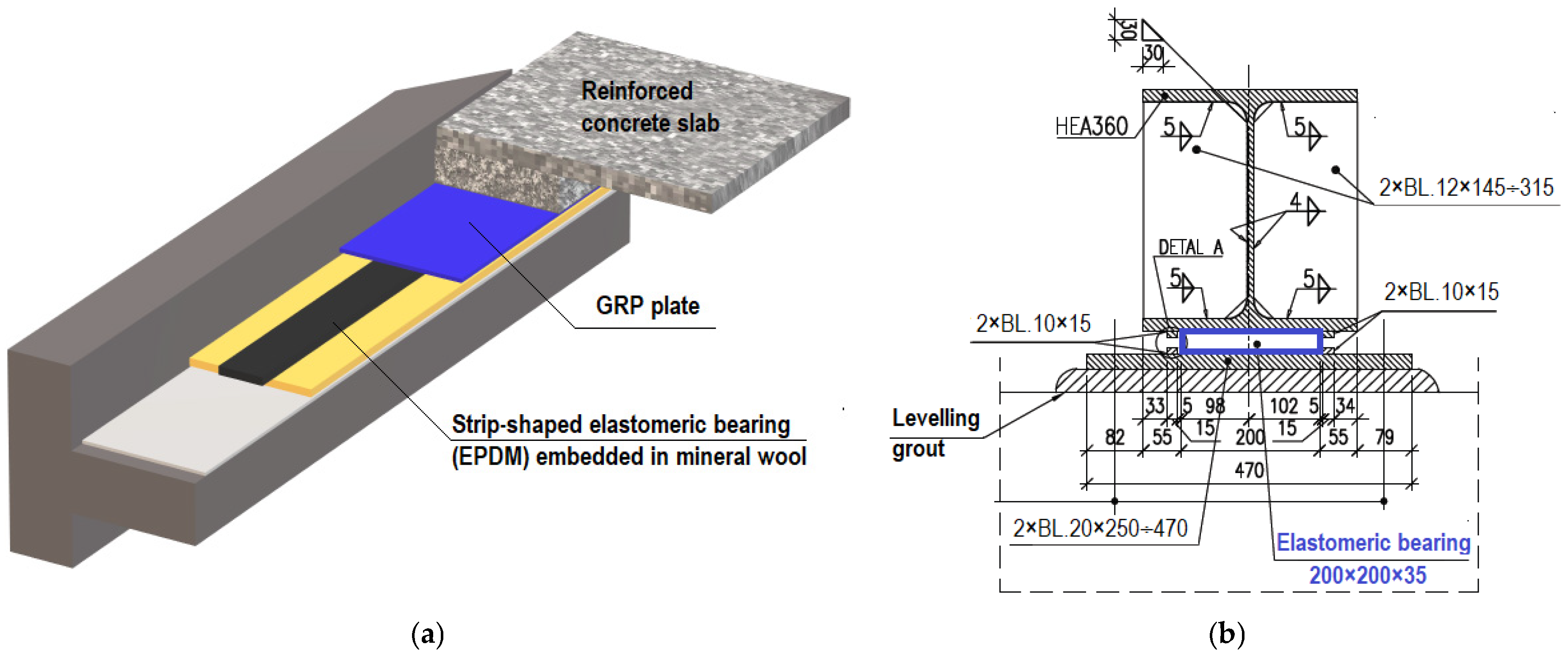
Figure 14). These segments are structurally isolated from one another using elastic materials. The reinforced concrete slabs of levels 1–3 are supported on a linear cantilever of the Grand Hall structure using double-layer elastomeric strip bearings, 2 × 15 mm thick, made of synthetic EPDM rubber (ethylene propylene diene monomer rubber), embedded in mineral wool and protected from above with GRP (glass-reinforced plastic) plates, as shown in
Figure 15a. Along the expansion joint, at the contact surfaces between the structure members of the Auditory Hall and the Grand Hall, reinforced-concrete edge beams have been used. In accordance with acoustic guidelines, bi-Trapez elastomeric bearings (EPDM) were used in the vertical expansion joints, installed as strip-type anti-vibration insulation embedded in mineral wool. The embedding of the bearings is required for cast-in situ concrete structures, as well as to ensure their fire protection. Furthermore, on each floor, at the expansion joints, elastomeric bearings were applied between the Foyer slabs and the adjacent building slabs. The steel beams of ceilings located in the space between segments 1–2 (see
Figure 14) are supported on concrete cantilevers by means of single-support elastomeric bearings that meet acoustic requirements (
Figure 15b). The roof over the 1st segment consists of a special steel truss, elastically supported on a steel perimeter beam. The roof over the 3rd segment is also a steel structure, supported on the reinforced concrete columns of the top floor by means of 35 mm thick point-type elastomeric bearings made of NR (
Figure 15b). For acoustic reasons, a 20 cm thick concrete slab rests on the steel structure (
Figure 13b) of segments 2 and 3.
The implemented technical solution, combined with the selection of suitable, high-quality elastomeric materials installed between individual structural members of the separated building segments, has led to a substantial reduction in immissions into the building interior. The crucial issue of reducing vibrations and structure-borne noise mitigation in both main halls has been effectively solved, ensuring the building’s long-term effectiveness.
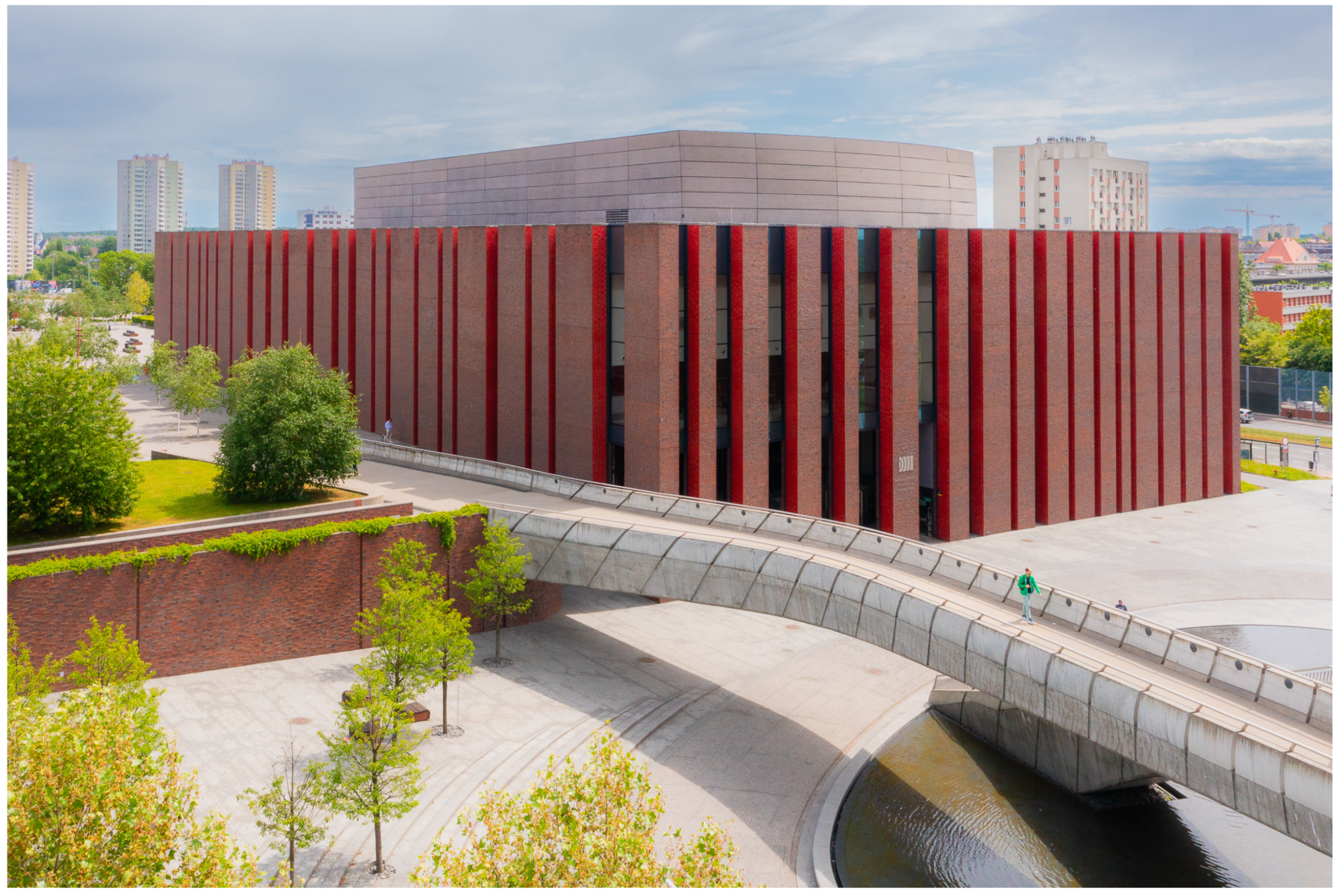
3.4. Building of the Concert Venue—Implementation of Option 7
The building shown in
Figure 16 is situated on the site of a closed coal mine, which was classified as a post-mining damaged area. This post-industrial area was seismically stabilised, and the only risk related to its nature was the possibility of discontinuous deformations resulting from previous shallow mining exploitation. Microgravimetric and GPR tests enabled the identification of a solution to this problem through soil conditioning using appropriate grouting. The building was planned in the direct vicinity of a traffic road, a tram line and an underground road. As it was designed for a special-purpose use, the architectural, structural and ventilation solutions played a decisive role in ensuring compliance with extremely important and restrictive requirements regarding vibro-acoustic conditions.
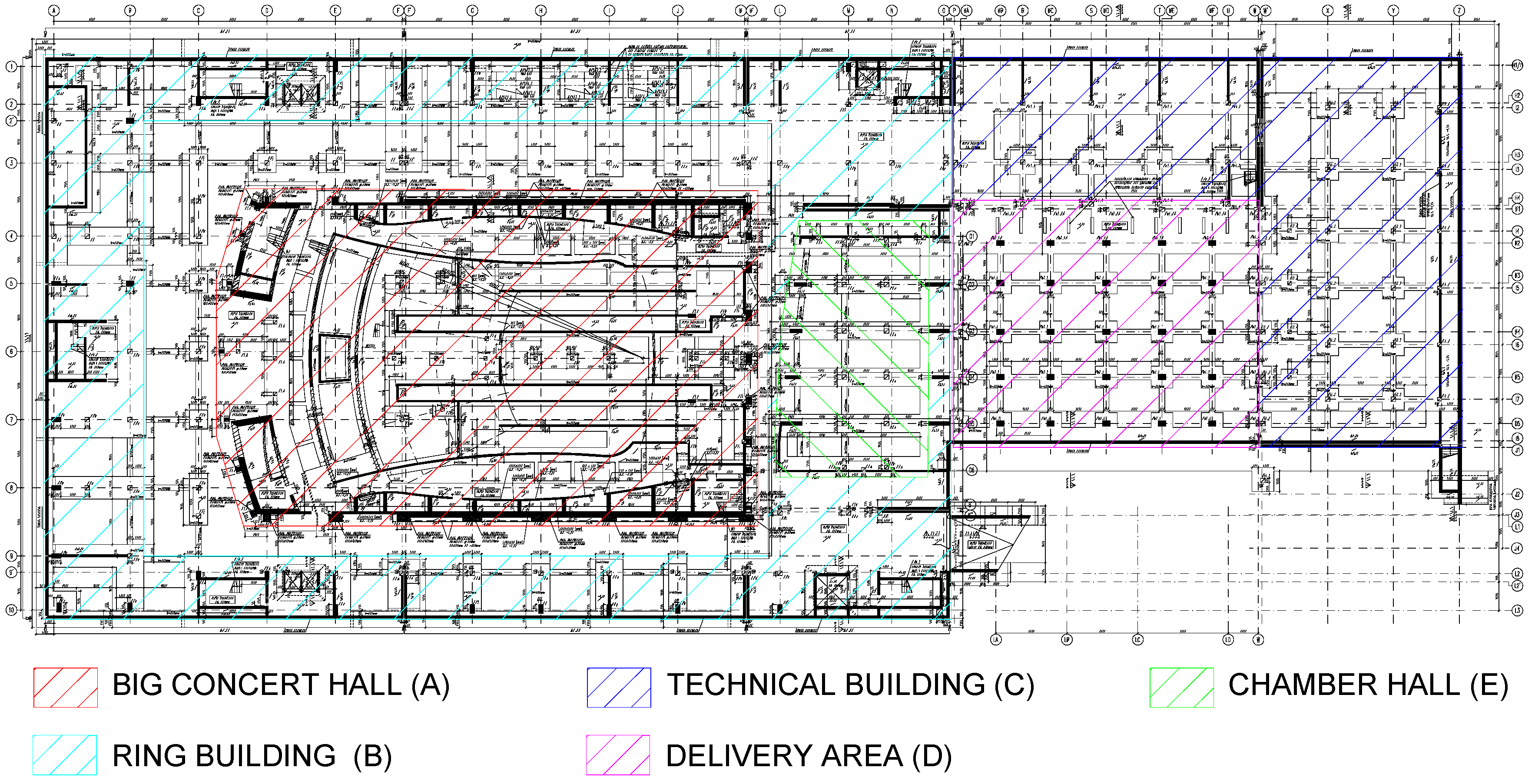
The concept involved dividing the building into several segments separated architecturally and structurally, as shown in
Figure 17: the main building with the Big Concert Hall (A), the ring-shaped building (B) surrounds the hall, and a technical building (C) with an adjacent delivery area (D). The Chamber Hall (E) and rehearsal rooms are located within the ring-shaped building area.
The main building has four storeys above ground and one underground storey designated for parking. The Big Concert Hall (A) rises above the roof of the ring-shaped building. This is a “building within building” solution, as its structure is independent and separated from the surroundings (see
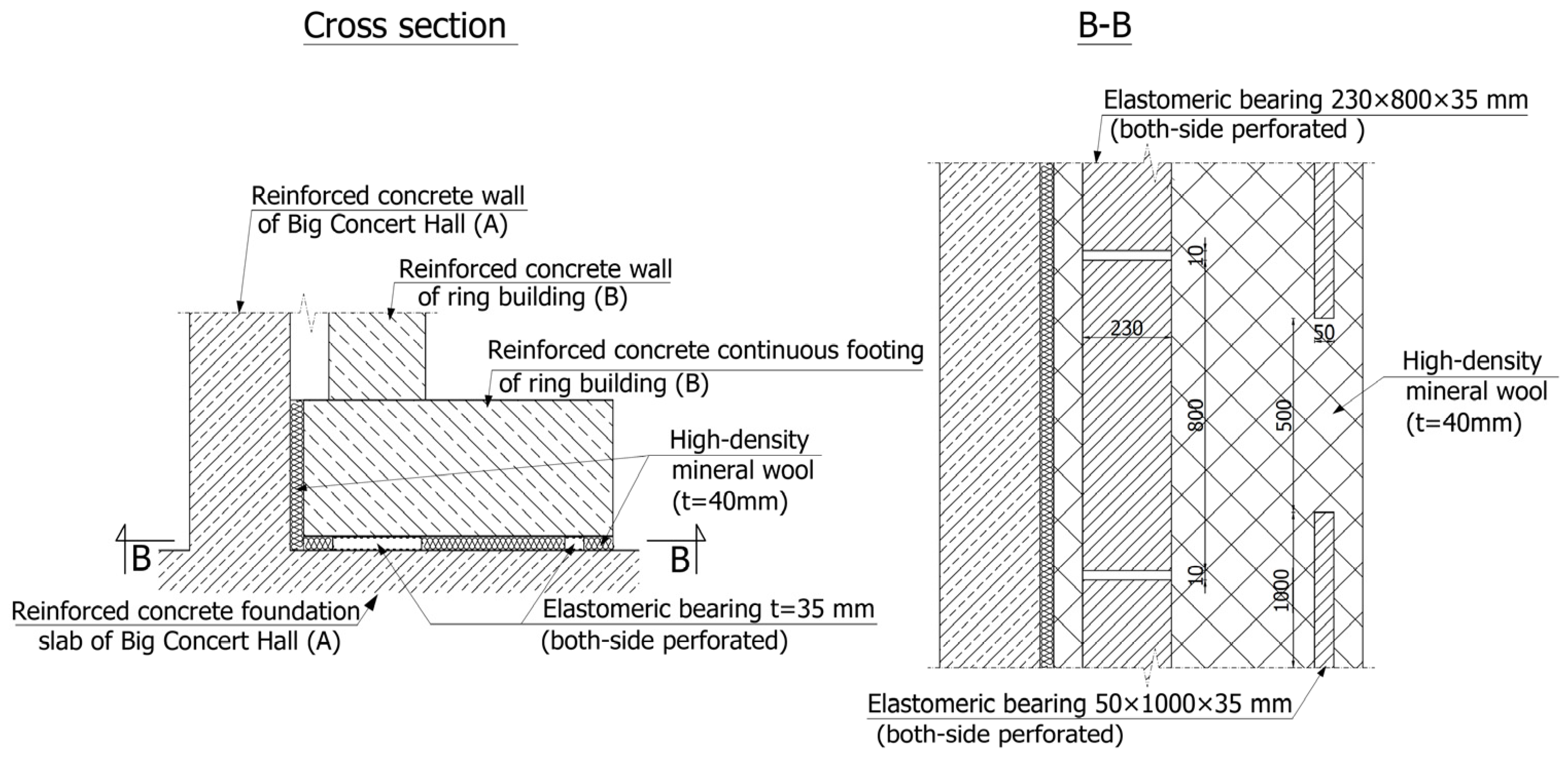
Figure 16). The main load-bearing structure of the hall was designed as a rigid, self-supporting reinforced concrete box, with foundations separate from the foundations of the adjacent buildings. For this purpose, the columns and walls of the ring-shaped building (B), which are supported by footings on the foundation slab of the hall (A), are separated by elastomeric anti-vibration materials. The type and dimensions of the elastomeric bearings are selected to achieve an appropriate stress level, ensuring the required level of vibration damping and a stable natural frequency parameter, declared at 10 Hz ± 1 Hz in accordance with acoustic guidelines. The required values are achieved by using a both-side perforated material made of natural rubber (NR). The applied solution is presented in
Figure 18. In the case of elastic support of columns, point-type decoupling is used under spot footings, whilst for walls, strip-shaped decoupling is used under continuous footings. Small 10 mm gaps between the main strip bearings, installed to carry loads transferred from the walls of the ring-shaped building, are used to allow free deformation of the elastic material in the longitudinal direction. Additional narrow strip bearings are used to ensure the structural stability of the foundations (see
Figure 18).
The structure of the Chamber Hall (E) was designed as a typical “box in box” solution. The filigree floor slabs of the internal structure rest on the reinforced concrete slab of the underground structure using the same type of strip-shaped elastomeric vibration-isolating materials. If the joints between adjacent pre-cast filigree slabs are properly sealed to prevent acoustic bridges when pouring the additional layer of concrete, there is no need to use mineral wool beneath the slab. Furthermore, between the ring-shaped building and the Big Concert Hall, there are footbridges made of reinforced concrete and steel, supported on the hall’s structure using elastomeric bearings. The roof features a skylight around the hall, and to avoid the transmission of impact structure-borne sounds, these beams are also supported on the hall’s structure using elastomeric bearings.
Effective measures to protect the structure against vibrations and structure-borne noise, combined with acoustic solutions and high-quality materials used in the interiors, give the venue outstanding capabilities. The building has been admitted into the European Concert Hall Organisation network, which brings together the most prestigious concert halls in Europe.
4. Sustainability Aspects
In accordance with design standards [
32] (Section 2.3, Table 2.1), building structures classified in the 4th service life category, are designed for a typical service lifespan of 50 years. Structures should be designed as resistant to all environmental impacts that can be expected during the construction, assembly and operation phases, whilst maintaining an appropriate level of reliability and without incurring excessive costs. External conditions affecting the durability of the building structure should be determined at the design stage so that effective preventive measures can be taken. In the examples of special-purpose buildings presented, these external conditions were related to dynamic vibration effects. In the context of a building’s structural durability, if vibrations are not properly assessed and reduced this may lead to a reduction in the building’s load-bearing capacity (i.e., cracks in concrete elements), its serviceability or, in extreme situations, may even cause damage to structural elements. The design resistances specified in the national technical approvals for elastomeric materials, applied as anti-vibration measures in the described building projects, have been tested by the manufacturer and determined in accordance with EN 1990 [
32]. Elastomers with stable technical parameters ensure unhampered functionality throughout the entire service life, which is of great importance in the application described, as they cannot be replaced once construction is complete. Vibration isolation planned in advance, correctly assessed and implemented using high-quality elastomeric materials is definitely more economic. The life-cycle costing (LCC) of the elastic support technique presented is mainly associated with initial costs (design, purchase and installation costs) and potential end-of-life disposal costs (recycling of elastomeric products following building demolition), while maintenance costs (as in the case of, for example, spring vibration isolators) or capital replacement costs are not applicable. Considering the examples presented in the paper, the most economical solution in terms of the cost of anti-vibration materials solely was the combination of options 5 and 6 in the ICE project (
Section 3.3)—several tens of thousands of euros. The corresponding cost for option 7, applied in the project described in
Section 3.4, was twice as high. The highest costs were obtained by using a combination of options 1 and 2 in the project presented in
Section 3.1, and were several times higher than in the ICE project. It should be emphasised that each case of building-vibration isolation is considered individually, and costs are in fact optimized strictly for the specific project—taking into account all aspects of ground and foundation conditions, building dimensions, structural design and the required parameters of anti-vibration materials. Protecting existing buildings is always more complicated and more expensive, and sometimes even impossible. Moreover, the losses related to the insufficient protection of a building during its service life, may ultimately far exceed the cost of implementing vibration isolation measures.
Taking into account the life cycle assessment (LCA) of the presented solutions of elastic support technique, at this stage it is possible to draw some general conclusions in the context of a consequential approach (CLCA). Of the three main endpoint indicators (covering areas of protection), such as: (a) impact on human health and quality of life comfort, (b) the natural environment and eco-system quality, (c) scarcity of natural resources. The first can be assessed as fulfilled. However, more extensive qualitative and quantitative analyses of the extension of the service life of buildings through the application of this technique have been outlined as directions for future research in the field of sustainable development.
In the presented examples of building structures, most elastomeric anti-vibration materials are made of natural rubber (NR), which is classified as a sustainable raw material as it comes from natural sources (
Hevea brasiliensis trees) that replenish over time. The chemical composition of natural rubber (NR) gives it unique properties, such as high elasticity, abrasion resistance and strength, which meet high performance requirements. Increasing global demand for NR has resulted in an increase of its production; however, it can only be cultivated in tropical regions. Consequently, the potential risk of a shortage of rubber supplies in the future has prompted a search for alternative sources of rubber materials, both natural (e.g., US-grown guayule) and synthetic [
33]. The environmental impact of NR production is well recognized [
34], but an LCA of other natural sources requires deeper evaluation to decide whether they can be beneficial for the NR industry in the future, taking sustainability into account. Synthetic rubbers, such as SBR (styrene-butadiene rubber) or EPDM (i.e., used in the ICE project), present a different set of environmental issues, mostly concerning emissions produced during manufacturing processes. The recent LCA of synthetic rubber reveals that, overall, the production of this type of rubber generates approximately 20–30% higher carbon dioxide emissions; however, comparing the environmental impact of both pathways still remains a challenge.
The Global Warming Potential (GWP) indicator for elastomeric anti-vibration materials varies not only depending on the origin of the raw material (natural vs. synthetic), but also on its density and thickness and the vulcanization process involved. In the case of mixture mats or composite bearings, the GWP also depends on the type of binder or the degree of steel reinforcement, respectively. Detailed and verified information on the CO
2 footprint is declared in Environmental Product Declarations (EPDs), but these are not yet provided for all elastomeric vibro-isolation products. Nevertheless, a brief analysis of the available data indicates that the majority of GWP values fall within the cradle-to-gate impact category (A1–A3 in accordance with EN 15804 standards [
35]), covering raw material extraction, transport and manufacturing. The estimated GWP value for vibro-isolation products made from NR averages 3.3 kg CO
2e/kg. EPDM products, as petroleum-based synthetic materials, have a higher GWP of between 4 and 5 kg CO
2e/kg. Module D, which quantifies the potential benefits arising from energy recovery (incineration) or possible material recycling, often identifies that the GWP of most elastomeric materials falls within the range of negative values. The potential for reusing rubber waste is the author’s objective of the further research.
EPD declarations are not legally mandatory in all regions, but are increasingly required in the AEC sector as the essential input data for green building certification processes (such as LEED or BREEM), which are relevant to specific applications, including special-purpose buildings. By providing transparent information on the environmental impact of products, EPDs are decision-support tools for sustainable design and construction practice, leading to the selection of materials that are technically appropriate solutions and also have reduced GWP. The amendment to the EU Construction Products Regulation (CPR) introduces an obligation to provide GWP data for selected construction products from 2026, meaning that EPDs are successively becoming in demand for AEC sector access.
5. Conclusions
The growing number and intensity of sources of dynamic influence in the human environment calls for a better understanding of each individual situation. The acceptable level of vibration impact relating to human living and working comfort is more restrictive than that concerning structural damage to buildings, and is therefore of decisive importance in design in the context of appropriate protection against vibrations. Various technical solutions and measures are available to reduce these impacts, but the fundamental objective is common: to ensure sufficient and optimized protection that meets given requirements.
In line with the postulate of sustainable development promoted in the AEC sector, technologies used to minimise noise and vibration influence should deliver effective and long-term social and economic benefits. This subject is therefore part of performance-based investment management. The technical solution to be applied, based on the prediction and assessment of dynamic impacts, can be optimized adequately to meet needs and feasible implementation conditions.
Accordingly, the key issues to be considered can be summarised as follows:
Identification of the problem in good time and taken into account at an early stage of the investment and design process;
Technical solutions based on appropriate measurements and analysis of dynamic impacts;
Provision of effective, modern mitigation measures optimized to suit requirements and feasible implementation conditions;
The use of high-quality elastomeric materials that provide long-lasting protection against vibrations without the need for maintenance or replacement;
Reliable realization of vibration isolation and follow-up control measurements.
The cases of building protection against vibration presented in this paper, in which the author was involved, demonstrate a rational approach to the problem and correct application of elastic support technique.