


Abstract
With the expanding application of digital technologies in urban renewal, more effective ways of incorporating dispersed public experience and needs into the renewal process still require further exploration. To address this issue, this research innovatively proposes an AI-assisted renewal method for historic districts driven by urban memory, constructing a continuous methodological chain from the identification of public evaluations to problem translation, to scheme generation and feedback validation. This research integrates the concept of interessement devices from Actor-Network Theory (ANT) with generative AI technologies for case application and validation. Taking Hanzheng Street as a case study, this research extracts the public’s urban memory of the historic district from online comments and identifies renewal demands. These demands were further associated with urban image elements to clarify their spatial carriers and support the subsequent generation of scene-based renewal schemes. On this basis, AI-generated images are further used to present renewed scenarios, and public evaluations of the renewal effects are collected. The results show that urban memory of Hanzheng Street can be summarized into five themes, which were further translated into five obligatory passage points (OPPs), one core issue, and corresponding renewal demands for scene units. The renewal schemes generated through this method achieved a relatively high level of public recognition overall, with mean evaluation scores ranging from 4.10 to 4.27, an overall satisfaction mean of 4.19, and a Top-2 proportion of 82.8%. By incorporating public experience into the formation of renewal schemes, this research provides a people-oriented and effective pathway for participation and feedback in the renewal of historic districts, while also offering methodological reference for the renewal of similar historic districts.
1. Introduction
1.1. Research Background and Problem Statement
Historic districts serve not only as physical carriers of urban historical context but also as vital repositories of urban memory and imagery. Urban renewal keeps moving forward, but sustainable historic districts still face a challenge that needs solving. We need to figure out how to bring public experience into the process while keeping the historic character. Urban memory embodies public life experiences and emotional attachments within specific spatiotemporal contexts [1,2], whereas urban image [3] describes the holistic spatial projection of these everyday experiences. As Wuhan’s traditional commercial hub, Hanzheng Street has long accumulated multiple layers of memory in citizens’ minds—such as “the bustling life of the marketplace” and “a wholesale trading port” [4]. In parallel, official planning documents designate Hanzheng Street as one of Wuhan’s 16 historic cultural districts and emphasize its historical status as the “Number One Street in the World” [5]. In recent years, however, Wuhan has undertaken large-scale urban renewal projects alongside infrastructure development, which has dismantled Hanzheng Street’s traditional alleyway fabric and disrupted the pedestrian experience of its historic district [6]. Therefore, although local residents still retain memories of the old scenes of Hanzheng Street, these public memories and experiences have still not been effectively protected.
Against this backdrop, the renewal of many historic districts remains predominantly driven by top-down initiatives from governments and experts, often prioritizing form restoration, functional upgrades, and investment returns [7,8]. Memory threads rooted in daily life and public experience receive comparatively limited attention, and public participation is often reduced to opinion solicitation and image promotion. Public sentiments, memories, and nuanced experiences toward cities remain difficult to systematically collect, translate, and integrate into design decisions [9]. In recent years, existing studies have begun to identify public perceptions through data sources such as online reviews and have attempted to apply these findings to renewal analysis. At the same time, generative AI has also been introduced into the conceptual expression of architectural and urban design schemes, providing new technical support for early-stage image generation and scheme comparison [10,11,12]. However, existing research still shows clear limitations in methodological linkage. Studies on urban memory have mainly focused on memory identification, interpretation of its connotations, and analysis of its cultural value. These studies have not further explained how memory can be translated into specific spatial problems and then developed into design constraints that can be incorporated into renewal design. Due to the weakness of this translation stage, urban memory remains difficult to incorporate into the workflow of AI-assisted design. Meanwhile, existing AI-based visualization studies mostly focus on image generation efficiency and visual expression effects, treating visualization outputs merely as presentation tools and lacking a feedback mechanism for incorporating public opinions into the scheme evaluation. Existing research has not yet translated urban memory into design constraints or further integrated AI-based visualization generation with public feedback evaluation to form a continuous methodological chain.
Therefore, this research takes the Hanzheng Street Historic District in Wuhan as a case study and focuses on the practical challenge that urban memory is difficult to incorporate into renewal design. It explores a bottom-up design pathway that takes urban memory as its point of departure. Through the structured representation and visual generation of urban memory, this research attempts to provide a general analytical framework and scheme-generation method for the renewal of traditional commercial districts. This research first collects online public comments on Hanzheng Street, extracts public perceptions of the district and renewal demands, and translates them into specific spatial problems. It further summarizes these spatial problems into renewal requirements and converts them into scenario conditions for AI-assisted image generation. It then generates renewal scenario images based on the current scenes and uses them as a medium for public feedback to examine the degree of alignment between the renewal concepts and public demands. It aims to build a new and operable linkage mechanism between memory continuity and spatial renewal by integrating existing participatory generative design approaches.
1.2. Literature Review and Theoretical Background
1.2.1. Urban Memory and Urban Image
Research on urban memory and urban image focuses on how the public forms memories, perceptions, and emotional attachments to cities within social spaces. Urban memory originates from collective memory theory and emphasizes that memory is constructed and sustained through mechanisms such as social frameworks, sites of memory, communicative memory, and cultural memory [1,2,13]. Discussions of urban memory have gradually expanded from the preservation of physical forms to residents’ emotional attachment, place narratives, and the continuity of everyday experience [14]. Urban image places greater emphasis on the public’s cognition and overall judgment of urban spatial structure, reflecting the holistic image of the city formed in people’s perception [15]. Lynch further explains the formation of the mental image of the city through five elements, namely paths, edges, districts, nodes, and landmarks [3]; Rossi emphasizes that the city is a complex field shaped by the interweaving of historical memory, physical form, and collective cognition [16]. On this basis, this research adopts Lynch’s five elements as the basic framework for selecting scene units, so as to ensure spatial type coverage and the operability of subsequent before-and-after renewal comparisons.
In recent years, related studies have begun to use online text data to identify public perceptions of urban space and to transform dispersed expressions into spatialized memory information through methods such as natural language processing (NLP) and geographic information systems (GIS) [17,18]. As research has deepened, studies on urban memory have gradually shifted from theoretical interpretation to empirical identification, while studies on urban image have further entered discussions of cognitive pattern analysis and planning application [19,20]. Some studies have further applied social media data to reconstruct maps of urban image perception and to evaluate planability, enabling public perception to support spatial evaluation and planning-related judgment [21,22]. However, in existing research, urban memory has mostly been used to interpret place meanings and spatial perceptions, and has not yet been sufficiently translated into spatial problems and design constraints in historic district renewal. Therefore, research on urban memory and urban image still needs to move beyond perception identification toward methodological translation that can intervene in renewal design.
1.2.2. Application of Actor-Network Theory
Actor Network Theory (ANT) provides an important perspective for understanding how multiple actors, spatial objects, and technical media jointly construct problems in urban renewal. ANT understands society as a network of relations woven together by human and non-human actors [23], in which actors include not only governments, planners, developers, and residents, but also material and technical elements such as legal texts, evaluation indicators, and algorithmic models [24,25]. Callon’s concepts of the translation process and obligatory passage points (OPPs) provide a theoretical basis for problem definition and actor mobilization [26]. In studies of urban renewal, planning practice, and heritage conservation, ANT has been used to analyze how multi-actor relations, technical devices, and heritage objects participate in spatial governance and the negotiation of disputes [27,28,29]. At the same time, discussions of interessement devices and everyday participation devices further show that actors’ attention and roles can be organized through specific media [30,31]. However, existing applications of ANT have mostly emphasized ex-post explanations of existing planning processes or heritage disputes, while rarely forming reproducible translation processes for early-stage design. Particularly in the context of incorporating urban memory into renewal design, there is still no clear pathway for using OPPs to translate dispersed public expressions into renewal problems and design constraints. Therefore, drawing on the translation logic of ANT, this research organizes urban memory, AI-generated images, and questionnaire feedback into a process-oriented translation pathway for renewal design.
1.2.3. AI Generative Design Theory
In recent years, generative AI such as diffusion models and generative adversarial networks (GANs) has become a key “sketch machine” in the early stage of architectural and urban design [32]. The basic mechanism is that it learns from many paired image–text samples. It then encodes natural-language prompts, site geometry, and functional constraints into a latent space [33]. It can also use backdiffusion or conditional sampling to create scene images that fit specific structure and style needs [34] and achieve rapid mapping from semantics to solutions. This process works better than traditional parametric modeling and hand sketching. It offers more diverse forms, realistic details, and efficient interaction. It can produce several alternative images in a short time, giving both designers and non-experts a low-barrier space to imagine design options [35].
In the fields of urban design and district renewal, related studies have mainly focused on how AI can improve the efficiency of spatial image generation and the capacity for scheme comparison. Related studies have attempted to automatically synthesize urban images under constraints such as land use and road networks, and have used tools such as Stable Diffusion to support comparisons of the spatial patterns of different schemes [36,37]. At the level of perception extraction, AI has also been used to identify spatial perception themes from street-view images, providing semantic support for design analysis [38]. Participatory planning studies have also begun to introduce text-to-image tools, using on-site keywords to support image-based expression and improve scheme understanding and communication efficiency during discussions [12]. However, in existing research, the input basis for AI generation mostly comes from planning elements and designer-defined settings, and it remains unclear how urban memory can be translated into design requirements that can constrain image generation. Therefore, research on AI-assisted urban design still needs to move beyond image generation itself toward the continuous organization of generation basis and public feedback.
In summary, existing research does not lack exploration in individual directions such as urban memory, Actor Network Theory, or AI-assisted design, but still shows insufficient methodological linkage among these lines of research (Table 1). Research on urban memory and urban image has been able to identify public perceptions and spatial cognition, but these findings have not yet been further translated into spatial problems and design constraints in renewal design. ANT research can explain the relationships among multiple actors, technical media, and spatial objects, but it has mostly been used for ex post interpretation and has not sufficiently formed a reproducible translation process for early-stage design. Research on AI-assisted urban design has improved the efficiency of image generation and scheme expression, but urban memory has not become a stable basis for generation. Particularly in the context of historic district renewal, existing research has not yet systematically established a scheme generation and feedback pathway centered on the translation of urban memory. In response to this gap, this research takes Hanzheng Street as a case study to explore an AI-assisted historic district renewal method driven by urban memory.
Table 1.
Comparative review of related studies.
1.3. Research Innovation
This research is primarily intended for researchers and practitioners in fields such as urban and rural planning, urban design, historic district conservation, and the application of digital technologies. This research provides methodological reference for problem identification, scheme expression, and public communication in the early stage of historic district renewal. In traditional historic district renewal practice, early-stage assessments usually rely on information such as field investigations, expert experience, and governmental governance objectives. Public opinions often do not play a sustained role in the initial stage of scheme formation. In the case of Hanzheng Street, existing studies have mostly focused on its historical context, commercial functions, and the evolution of spatial form, while paying insufficient attention to the memory-based evaluations and renewal demands formed by the public through everyday use. On this basis, this research first extracts public perceptions and demands regarding Hanzheng Street from online comments, then translates them into spatial problems and renewal requirements, and further uses them to generate AI-assisted renewal scenarios and conduct public evaluation. Specifically, the demand extraction results can be used to clarify the spatial problems that should be prioritized in the early stage of renewal. AI-generated scenarios can be used to translate renewal directions into comparable visual schemes. Public evaluation results can be used to assess the degree of alignment between renewal concepts and public expectations.
In response to the insufficient integration of urban memory into design, this research takes Hanzheng Street as a case and develops the following three innovations:
- (1)
- Proposing an urban memory-driven perspective for historic district renewal.
Studies such as Qiu et al. (2025) [17] and Chen et al. (2022) [18] have been able to identify urban perceptions and spatial cognition from online texts, but they have mostly remained at the level of memory description and perception measurement, without translating these findings into design inputs that can inform scheme conception. This research further translates memory information from public online comments into a problem basis for the early stage of renewal, enabling public experience to enter the processes of problem identification and scheme conception more directly.
- (2)
- Constructing a continuous methodological chain from memory identification to scheme feedback.
Awashra et al. (2025) [12] introduced text-to-image tools into participatory planning, while Zhu et al. (2025) [38] used large language models to extract spatial perception themes in historic districts. However, neither study integrated urban memory identification, design constraint translation, AI-based visualization generation, and public feedback evaluation into a continuous methodological chain. This research establishes an operable process from urban memory identification to scheme generation and feedback evaluation. Compared with existing studies in which different stages are treated separately, this process enhances the systematicity and continuity of the method.
- (3)
- Forming an efficient pathway for early-stage communication and public expression.
Studies such as Wang et al. (2025) [37] and Paananen et al. (2024) [10] have demonstrated the efficiency advantages of generative AI in scheme expression. However, their generation base mostly comes from planning elements or designer-defined settings, with a lack of validation through public feedback. At the same time, subsequent scheme presentation and public communication often require a lengthy adjustment process, making it difficult to form multiple comparable visual schemes within a short period. By combining AI image generation with comparisons against current-condition photographs, this research translates abstract demands into renewal representations that can be intuitively compared, and uses questionnaire feedback to examine public acceptance, thereby helping to improve early-stage communication efficiency and lower the threshold for participation.
2. Materials and Methods
2.1. Study Area
This research selects the Hanzheng Street Historic District in Wuhan as the study area (Figure 1). Hanzheng Street is located in the core urban area of Hankou, Wuhan, and is one of the city’s important traditional commercial districts. It is also a composite urban space integrating historic character, commercial activities, and everyday life. Compared with historic districts primarily oriented toward tourism display, Hanzheng Street has long supported multiple functions, including wholesale trade, residential life, and public interaction. Its spatial use relationships are more complex and can more intensively reflect the practical tensions among conservation continuity, functional improvement, and public perception in historic district renewal. On this basis, Hanzheng Street not only possesses distinct local characteristics but also provides an appropriate case foundation for the urban memory identification and AI-assisted renewal generation method proposed in this research.
Figure 1.
Location and Scope of Study Area: (a) Hubei Province within China; (b) Wuhan City within Hubei Province; (c) Hanzheng Street within Wuhan’s central urban area; (d) Study scope and area of Hanzheng Street Historic District (satellite base map).
In addition, Hanzheng Street has remained in a continuous process of renewal and transformation in recent years, with its spatial form, traffic organization, commercial order, and environmental quality all facing demands for adjustment. Correspondingly, a large number of public comments related to Hanzheng Street have accumulated on online platforms, covering multiple dimensions of spatial use and perceptions of renewal within the district. This gives Hanzheng Street the combined characteristics of relatively rich expressions of urban memory, relatively concentrated real-world renewal issues, and a relatively sufficient foundation of online data. These conditions are conducive to transforming dispersed public experience into renewal information that can be analyzed and translated, and to further testing the complete methodological process from comment identification to scheme generation.
The renewal of historic commercial districts in China often involves coordinating the continuity of historical memory with the improvement of spatial functions. Districts such as Dashilar in Beijing and Shangxiajiu in Guangzhou all involve issues of historic character conservation and functional continuity during renewal. Districts such as Zhongjie Street in Shenyang and Guanqian Street in Suzhou face practical issues such as maintaining tourism vitality and improving spatial quality. Against this background, Hanzheng Street also faces the issues of preserving historical memory and continuing commercial functions, thereby reflecting common challenges in the renewal of historic commercial districts. Hanzheng Street has high historical value and carries rich urban memory, but its remaining historic buildings and traditional street-lane spaces are relatively limited, meaning that urban memory is more closely attached to commercial activities, everyday interactions, and spatial-use experiences. At the same time, Hanzheng Street has long served as an important commercial and trade hub in Wuhan and still maintains active trade activities and public interaction functions. However, through continuous use, the district has gradually shown problems such as a mixed traffic order, aging spatial environments, disorderly commercial interfaces, and insufficient public experience, resulting in an urgent need for renewal. Therefore, this research selects Hanzheng Street as the case study, which can both respond to the practical problems in its own renewal and provide a reference for early-stage renewal analysis of similar historic districts.
2.2. Data Acquisition and Text Analysis
2.2.1. Data Acquisition and Sample Construction
In the data acquisition stage, this research used Hanzheng Street as the search keyword, built the data collection environment based on the GitHub open-source project MediaCrawler (accessed in April 2025), and collected publicly available Chinese comments from Weibo, Ctrip, Qunar, and Dianping using Python 3.9 scripts. The collected fields mainly included comment text, posting time, and platform source. To reduce the interference of irrelevant information with the analytical results, this research retained only Chinese comments that were publicly visible on the platforms, explicitly referred to Hanzheng Street, and contained identifiable semantic information, while excluding advertisements, pure reposts, texts weakly related to the research object, and duplicate records (Figure 2). This research used only publicly visible online comment data and did not collect or display any personally identifiable information, such as usernames, user IDs, profile images, or contact information. All comments were anonymized during data organization and analysis, and the research results are presented only in the form of aggregate statistics and summarized findings.
Figure 2.
Hanzheng Street Multi-Platform Online Comment Data Collection and Sample Construction Process (Chinese interface images are the original interface views of the data source platforms).
Among the comment samples with identifiable posting dates, the posting period ranges from November 2008 to April 2025, which can relatively continuously reflect the public’s long-term online expression regarding Hanzheng Street (Table 2). The selected platforms include Weibo, Ctrip, Qunar, and Dianping, each corresponding to different types of public expression contexts. Among them, Weibo, as an open social media platform, contains more everyday discussions surrounding Hanzheng Street and therefore accounts for the highest proportion of samples.
Table 2.
Distribution of Valid Online Comment Samples Across Platforms.
This research’s data preprocessing method references existing practices in tourism review and urban perception text mining, employing Python to uniformly clean all reviews [18]. First, the Jieba Chinese word segmentation tool was employed alongside a custom dictionary to identify place names, facilities, and local colloquial terms as semantically coherent lexical units [39]. This was combined with a generic stopword list and regular expressions to remove noise such as URLs, emoticons, colloquial filler words, and other meaningless symbols [40]. After the above processing, a standardized corpus was ultimately formed for subsequent text analysis.
2.2.2. Text Analysis Methods
Based on this, word frequency statistics are performed on the processed text to preliminarily identify high-frequency action objects and spatial objects. Simultaneously, the Latent Dirichlet Allocation (LDA) model is employed for theme modeling of comments [41]. Candidate models with varying theme counts K are compared using theme coherence scores, and the final K value is determined through human interpretability verification [42]. Sentiment analysis was applied to identify the emotional polarity expressed in online comments [43].
Sentiment analysis was conducted using the SnowNLP tool. Trained on Chinese corpora, SnowNLP is suitable for identifying sentiment tendencies in short Chinese texts and has been widely used in the analysis of social media texts such as tourism reviews and user feedback [9]. Compared with supervised learning models that require large amounts of annotated data, SnowNLP can be directly deployed without domain-specific annotated corpora, making it suitable for the processing needs of this research involving large-scale comment data from multiple platforms. SnowNLP was used to assign each comment a sentiment score on a 0–1 scale. Following the thresholding scheme adopted in this research, scores ≥ 0.6 were labelled as positive, scores ≤ 0.4 as negative, and scores between 0.4 and 0.6 as neutral. These sentiment labels were used to characterise the emotional orientation embedded in the corpus of urban memories.
To evaluate the applicability of SnowNLP to this dataset, 120 comments were randomly selected from all valid samples for manual validation, with the detailed data provided in Supplementary File S1. Two researchers independently conducted sentiment annotation and compared their results with the outputs generated by SnowNLP. The manual validation results indicate that SnowNLP demonstrates relatively reliable validity for sentiment classification in the corpus of this research and can serve as an effective tool for identifying the overall sentiment tendencies of the comments (Table 3).
Table 3.
Manual Validation Results of SnowNLP Sentiment Classification.
2.3. Methodological Framework and Process
The methodological framework of this research (Figure 3) is organized into five sequential ANT-informed modules (a–e).
Figure 3.
Methodological framework for urban memory–driven renewal based on the ANT translation process.
- Data Processing and Analysis: First, user comments related to Hanzheng Street were scraped from platforms including Weibo, Ctrip, Qunar, and Dianping. After data cleaning and word segmentation, LDA topic modeling and sentiment polarity analysis were conducted to derive the memory theme structure and positive and negative sentiment orientations. These outputs were then organized into an urban memory weight file.
- Problematisation: The memory weights and user comments were input into GPT-4o to derive preliminary information on public demands through analysis. The public demands were then consolidated based on semantic similarity to identify renewal problems, which were further translated into functional and experiential requirements for subsequent renewal.
- Interessement: According to the prompt generation rules, the renewal problems and memory weights were encoded into structured statements and combined with on-site photographs of Hanzheng Street, then input into GPT-4o to generate renewal prompts for generative AI. The prompts were then input into Stable Diffusion as textual conditions, while the current street-view photographs of Hanzheng Street were used as image reference conditions to jointly constrain the generative model, thereby producing corresponding renewal imagery.
- Enrolment: Embed the generated visualizations into an online questionnaire, inviting the public to rate the scenarios. Aggregate the results to form “Public evaluation feedback”.
- Mobilisation: The public evaluation feedback was used to drive the implementation of the proposal, enabling selected renewal strategies to be advanced based on collective evaluation outcomes.
The technical approach of this research is a continuous process that includes semantic extraction, semantic segmentation, and large language model linking. Semantic elements were extracted from online texts and organized into actionable design constraints. Finally, a large language model was employed to generate structured prompts, which drove subsequent visualization generation and public evaluation. These prompts support both visualization generation and subsequent public evaluation. The workflow begins with public urban memories. This research uses natural language processing to derive memory weights and, through problematisation, organise dispersed demands into an actionable conflict–demand framework. In the interessement stage, AI functions as an interessement device within ANT translation, rendering multi-actor demands into renewal visualizations. In the enrolment stage, these images serve as participatory interessement devices, guiding the public to make evaluations and choices. Based on the urban memories extracted in the earlier stage, this research identifies problems, generates prompts, outputs intentions, and conducts public evaluation. It then forms a basic path from public cognition to renewal expression.
2.4. Public Demand Identification and Problem Translation
In the problematisation stage, GPT-4o was introduced as a tool for textual semantic parsing and structured extraction. Through a two-stage process of semantic extraction and consolidation, structured public demands were formed, transforming dispersed expressions in online comments into analyzable information (Figure 4). In the first stage, the GPT-4o application programming interface (API) was used to semantically parse each comment according to its positive or negative sentiment and to output demand entries under each theme based on the LDA-derived theme structure. In the second stage, the demand entries were input into the GPT-4o API again for semantic-level clustering and consolidation. The consolidation process was primarily based on semantic similarity, consistency of spatial objects, and consistency in the orientation of public demands. Finally, several major categories of public demands were output under each theme.
Figure 4.
GPT-4o Demand Extraction Process.
From the perspective of Actor-Network Theory, these public demands served as the basic data for actor relationship analysis. Based on these data, the major public demands were further translated into four aspects.
- (1)
- Human actors involved in the demands: the behavioral subjects related to demand expression in the comments.
- (2)
- Non-human actors indicated by the demands: in this research, these were limited to the five elements of urban image.
- (3)
- Conflicts reflected by the demands: differences in spatial-use demands formed by different human actors around the same theme.
- (4)
- OPPs indicated by the conflicts: the core renewal issues commonly indicated by different demands were extracted.
This research then introduced expert assessment based on the demand consolidation results generated by GPT-4o. The participating experts were required to have backgrounds related to urban renewal and historic district conservation, as well as relevant experience in research, design practice, or project review. They were also required to be familiar with methods for identifying spatial elements and summarizing problems in urban design, and to have the ability to independently conduct scheme reviews and academic judgments. Before the expert assessment, this research provided the experts with unified assessment materials, including the major public demands consolidated by GPT-4o under each theme, relevant human actors, representative comment excerpts, and corresponding sentiment analysis results. These materials helped the experts understand the sources of public demands, involved actors, spatial orientations, and sentiment pressures under each theme, and served as the basis for subsequently identifying conflict relationships and proposing candidate OPPs.
The expert assessment was conducted in two rounds. The first round was an open-ended assessment, in which the experts independently proposed conflict relationships and corresponding OPPs based on the major public demands under each theme. The second round was a scoring-based assessment, in which the experts assigned comprehensive scores from 1 to 5 to the candidate results formed in the first round. The scoring mainly examined whether the candidate OPPs responded to the major public demands, whether they summarized the conflict relationships among different actors, and whether they corresponded to clear spatial elements and subsequent renewal directions. To reduce self-evaluation bias, the experts did not score the candidate results that they had proposed themselves. To examine the consistency of expert scoring, this research calculated Kendall’s coefficient of concordance based on the second-round scoring results. Since the experts did not score their own candidate results, the missing values were supplemented using the mean scores excluding self-evaluations during the calculation. Finally, the obligatory passage point for each theme was determined based on the mean score and the consistency of expert opinions.
2.5. Scene Unit Selection
To reduce the on-site photographs into renewal targets with spatial representativeness, this research adopted a two-stage screening method involving two researchers, so as to reduce the influence of any single researcher’s subjective judgment on sample composition (Table 4). Two researchers independently evaluated all photographs one by one and judged whether each photograph met the five criteria. A photograph proceeded to the next round of review only when it satisfied no fewer than four screening criteria in each of the two researchers’ assessments. Because the spatial environment of Hanzheng Street contains a large number of repetitive street segments and building interfaces, highly similar scenes of the same type inevitably appeared in the photographs. For highly similar samples within the same urban image element category, the two researchers retained only the one with the highest information density and the most direct correspondence to the relevant core issue through discussion and deliberation, while the remaining similar samples were excluded. Through the above screening procedure, a final set of scene units was established for subsequent image generation and public evaluation.
Table 4.
Criteria for Scene Unit Selection.
2.6. AI Intervention and Acceptance Evaluation Design
This research feeds the conflict issues from the problem framing stage, the memory weights from data analysis, and the update targets into a large language model (GPT-4o). GPT-4o outputs a structured prompt template for Stable Diffusion, and the prompt terms are checked against the intended content. The results from the problematisation stage remain at the analytical level and cannot be directly turned into the structured descriptive text needed for image generation. Therefore, it is necessary to establish semantic slots for reorganization and organize relevant information into effective prompt words. The prompt rules draw on Oppenlaender’s prompt modifier categories [44] and the conditional scoring and guidance methods for controllable diffusion models described by Cao et al. [45]. Prompt optimisation further combines PROMPTIST, which balances semantic relevance and aesthetic score [46], with PH2P’s late-stage timestep semantic sensitivity analysis [47]. The final prompt is organised into eight semantic slots (Table 5).
Table 5.
Semantic Slot Table.
This research uses semantic slots as simple text fields to control the model. It also sets stronger or weaker constraints based on memory weights to meet the needs of spatial meaning generation and control. During Stable Diffusion generation, this research uses one base model for image-to-image generation. The original photo is used as the input image. ControlNet constraints, such as line sketches and depth, are added to keep the massing and perspective the same [48]. In the prompt input step, all slots except the negative constraint slot are combined as the positive prompt. The negative constraint slot is used as the negative prompt. “Protected features” are put in the positive prompt. “Untouchable elements” and other unwanted factors are put in the negative prompt. During generation, the sampling method, step number, CFG scale, and random seed are kept the same. For each image, this research records the prompts, settings, and an ID number. This keeps the images comparable in style and geometric scale, and makes the results repeatable. Full Stable Diffusion settings are listed in Supplementary File S1, including the base model, ControlNet settings, sampling method, step number, CFG scale, and random seeds.
In the solution acceptance evaluation step, the questionnaire shows the original image and the updated image side by side and asks related questions for rating. For each scene, the questionnaire shows the existing photo and the matching renewal image in the same window. This helps respondents make a quick judgment and give a preference rating for the updated result [49,50]. This research used an online anonymous questionnaire to collect public evaluations. The questionnaire link was distributed through social media platforms, and members of the public passing through Hanzheng Street were also invited to complete it by scanning a QR code during the field investigation. Participation in the questionnaire was voluntary, and the opening section explained the research purpose, anonymity principle, and completion requirements, after which respondents continued to answer the questionnaire upon understanding its content. The questionnaire included a research description, 17 sets of before-and-after renewal comparison images, evaluation items transformed from the OPPs, respondents’ familiarity with Hanzheng Street, and additional comments. After the questionnaires were collected, samples with incomplete responses, obvious duplication, or abnormal scoring patterns were excluded to obtain the final valid samples.
The questionnaire is based on the key issues from the problematisation stage. These issues are turned into several items, and respondents rate the renewal image on a five-point Likert scale. Supplementary File S1 provides the complete set of items for each evaluation dimension. Scores of 4 or 5 mean “agree” or “strongly agree.” This means the image meets public renewal needs. Referencing common classifications in customer satisfaction research for CSAT/Top-2 box metrics, a Top-2 proportion of 70–85% is typically regarded as high satisfaction, while 80% or above is considered excellent [51]. The Top-2 box percentage is calculated as the proportion of valid respondents who selected 4 or 5 for a given item out of the total number of valid responses to that item, as follows:
In this formula, N4 represents the number of valid responses scoring 4 on a specific question. N5 represents the number of valid responses scoring 5. The variable N stands for the total number of valid responses for that question. This research defines ‘Passing’ as Top-2 ≥ 70% and average score ≥ 4.0, and ‘Excellent’ as Top-2 ≥ 80% and average score ≥ 4.2. These thresholds assess how well each renewal scenario and evaluation dimension addresses the aforementioned problem-oriented demands. At the same time, they show a lasting conflict between preserving urban memory and improving daily functions.
3. Results
3.1. Textual Theme Structure and Sentiment Results
User comments from platforms including Weibo, Ctrip, Qunar, and Dianping were collected as corpus material. After deduplication and cleaning, a dataset comprising 1575 Chinese online comment texts about “Hanzheng Street” was compiled to construct the Hanzheng Street Urban Memory Text Corpus. Most of the comments use everyday language and show strong feelings. After analyzing the sentiment of all comments, the sentiment results show that 69.59% of the comments are positive, 25.84% are negative, and 4.57% are neutral (Figure 5). Overall, the sentiment is mostly positive, but some negative feedback remains. An LDA model was used to extract themes from comments across multiple platforms. Theme coherence was measured with Gensim’s c_v metric. Coherence scores were compared for K from 2 to 15. At K = 5, coherence increased clearly, and the theme boundaries were clearer, so K was set to 5.
Figure 5.
Sentiment Polarity Distribution of Public Comments on Hanzheng Street.
The extracted keywords were merged with their synonyms. Related comment snippets were checked by hand to make sure the theme keywords fit the context. Each theme was named by hand based on the checked theme keywords combinations and representative original comments. Theme names were discussed and checked internally to ensure they align with the intended meaning of the theme keywords. For example, the high-weight words in Theme 1 are mostly about clothes, wholesale market, cheap, small commodities, and daily life. This suggests a scene of buying and selling on the street. This matches the everyday shopping stories in the comments. For this reason, Theme 1 is called “Local Memories.” The other themes were named in the same way: first by looking at the high-weight words, and then by checking the comment context. Ultimately, five core memory structures were identified (Table 6). To further compare the differences in sentiment across themes, the proportions of positive, neutral, and negative comments under each theme were calculated (Figure 6).
Table 6.
LDA-derived themes and representative keywords of Hanzheng Street (N = 1575 comments).
Figure 6.
Differences in Sentiment Distribution across Different Themes.
The table shows that Local Memories and Urban Renewal are the main themes of discussion. The remaining three Themes together account for approximately 51% and point more directly to specific lived experiences and governance-related demands. The cross-analysis of sentiment and Themes indicates that the comments under People-Friendly and Fashion & Commerce contain relatively high proportions of positive sentiment, while negative evaluations in both Themes are around 20% (Figure 6). This suggests that the public generally recognizes the district’s performance in terms of service quality and image renewal. Negative evaluations of Urban Renewal and Market & Transportation are both around 30%, which is above the average.
3.2. Problem Identification and Visualization Intervention
According to the translation criteria established in Section 2.4, this research translated the major public demands extracted through the two-stage GPT-4o process as the basic materials for problematisation (see Supplementary File S1 for detailed data). By using the human actor-theme intensity matrix to identify the behavioral subjects related to demand expression in the comments (Figure 7), the results show that different public demands correspond to different types of human actors. The urban image elements indicated by the major public demands were then identified, and the relevant spatial objects were mapped onto the five elements of urban image.
Figure 7.
Human actor-theme intensity matrix (visualized as a heatmap).
Based on the demand extraction data generated by GPT-4o, five experts from relevant fields were invited to conduct two rounds of assessment to determine the final OPPs, and the expert information was recorded using anonymous codes (Table 7). After reviewing the uniformly organized theme materials, the experts assessed the conflict relationships under each theme and proposed their own candidate OPPs (see Supplementary File S1 for detailed data).
Table 7.
Expert Information Table.
On this basis, this research summarized the candidate OPPs proposed by the experts and organized a second round of scoring for each OPP. After the scoring was completed, this research used the mean scores excluding self-evaluations as the basis for ranking the candidate results and adopted Kendall’s coefficient of concordance to test the consistency of expert scoring. The results show that the overall Kendall’s W for expert scoring was 0.557, with p < 0.001, indicating a relatively good level of overall consistency in expert judgments (see Supplementary File S1 for detailed data). Therefore, this research selected the candidate result with the highest mean score under each theme as the corresponding OPPs and further mapped it to the elements of urban image (Table 8).
Table 8.
Mapping Table of Problematisation Results and Urban Image Elements.
Although the spatial elements and problem emphases corresponding to each theme differ, they all point to the coordination among spatial function organization, improvement of street-block experience, and diverse public demands. Therefore, this research further consolidated them into a core issue: the alignment between Hanzheng Street’s current spatial functions and street-block experience and the public’s diverse everyday life and emotional needs.
The OPPs and core issue identified in the preceding analysis were then operationalized into specific spatial units. This research constructed a candidate scene library from 96 photographs taken during the field investigation, which were independently screened by two researchers according to a unified evaluation form (see Supplementary File S1 for detailed data). According to the evaluation results, 34 of the 96 candidate photographs entered the redundancy screening stage, whereas the remaining 62 were excluded during the initial screening. The samples entering the next round showed a relatively high overall level of suitability. The samples entering redundancy screening were further compared for duplication, and where spatial characteristics, problem orientation, and observed content were highly similar, the more representative photograph was retained. After redundancy removal, 17 duplicate samples were excluded from the 34 photographs, resulting in 17 scene units for subsequent renewal generation and public evaluation.
This research reorganized the obtained data into an eight-slot template for direct input into GPT-4o, covering memory weights, spatial problems, renewal needs, and output constraints. The “Weighted Summary” aggregates the proportion of five thematic content categories and their corresponding sentiment distributions, determining priorities for “high-impact” and “high-priority mitigation” actions.
In this setup, Ai is the comment proportion for the i theme. Ni is the negative emotion proportion for that theme. Nall stands for the overall negative emotion baseline. K is the total number of themes. The formula below calculates the average theme proportion:
This research identifies 5 themes in total, and the Nall value is 25.9% (Figure 5). Therefore, the average theme proportion and the overall negative emotion baseline are written as:
The rules for determining memory weights are as follows:
If a theme has a higher percentage of comments than the average for themes, then the theme’s content in the prompt words will be prioritized.
If the negative sentiment pressure of a theme exceeds the overall average, it is given priority in the mitigation content of the prompt.
When both of the above conditions are met, the theme shows both high salience and strong problem pressure. It therefore serves in the prompt as both a key focus of expression and a priority target for mitigation.
The spatial problems and renewal demands are then translated into descriptive text, as shown in Table 8. The prompt generation rules directly use the content from Table 5. This structure is used to generate constrained prompts with the GPT-4o API, and it works with Stable Diffusion and scenario units to produce renewal renderings. First, GPT-4o is required to parse the current semantics of scene units and then make an objective description one by one according to the specified slot table. Then, based on the memory weights and instruction text, renewal text prompts were generated within the limits of the constraint slots. The scene unit first provides an objective description of the eight slots based on their current semantic state. Then it reads the memory weights and uses the constrained slots to generate a light, low-impact action text without adding more content. The final result is a description of the scenario unit now and a list of image-to-image prompts for Stable Diffusion. In this research, all instructions and prompts generated by calling the API will be archived and recorded (see Supplementary File S1 for detailed data).
Input the generated prompts and their corresponding on-site scene unit photos into Stable Diffusion one by one. Seventeen updated renderings of Hanzheng Street were generated, with the same perspective and consistent scene meaning. Stable Diffusion’s underlying generative model uses the architecturerealmix_v11 architecture. ControlNet controlled the lines (Canny) and depth. This makes sure the generated images match the structure of the original photos. The key parameters used during the generation process were also recorded and archived in Supplementary File S1. To show the before-and-after differences of the scenario units more clearly in the questionnaire, this research presents representative samples side by side (Figure 8).
Figure 8.
Comparison of Urban Image Scenario Units in Hanzheng Street Before and After Renewal.
3.3. Acceptance and Feasibility Assessment
These were subsequently rewritten based on the five OPPs and the core issue obtained in the problematisation stage. The structured needs from different groups were rewritten into clear evaluation statements. This makes it easier for the public to rate and score them. The questionnaire survey was conducted through a combination of online distribution and on-site QR code invitations at Hanzheng Street (see Supplementary File S1 for the detailed questionnaire). After excluding questionnaires with incomplete responses, obvious duplication, or abnormal scoring patterns, a total of 140 valid samples were ultimately obtained.
The internal consistency of the questionnaire was tested, and the Cronbach’s α coefficient was 0.946. The scale shows good reliability. The respondents’ familiarity with Hanzheng Street showed an even distribution (Figure 9). The survey participants came from two groups: people who know Hanzheng Street well and some people from outside the area. People from different groups took part in this research. Doing so stops the results from leaning only toward keeping old memories. So it avoided overlooking Hanzheng Street’s future potential and its appeal to people who are new to it.
Figure 9.
Distribution of Respondents’ Familiarity with Hanzheng Street (n = 140).
The public’s overall evaluation of the 17 renewal scenarios was at a high level (Figure 10). Survey results show that the updated scenario improved clearly in every aspect. Average scores for the five parts were from 4.10 to 4.27. Also, the average score for the updated designs was 4.19. About 82.8% of the people gave a score of 4 or 5, showing that most people like the new plan for Hanzheng Street (Figure 11). In the ratings for different renewal plans, clear paths and order got the highest scores. But local character and business appeal got lower scores. The scores for business appeal were very different in each plan. This means the public is very sensitive to the business vibe. Most of the lowest scores were in road-related scenarios. Properly defining road usage during renovation is therefore essential to prevent the streets from becoming overloaded with extra functions.
Figure 10.
Heatmap of Mean Scores by Dimension and Scene.
Figure 11.
Ranking of Top-2 Box Satisfaction Rates across Scenes (values highlighted in red indicate Top-2 proportions above 85%).
The highest ratings were most frequently observed in Q10 (Figure 12), which represents an edge scenario where land and water meet. Evidently, the river scenery is a vital element of Hanzheng Street, meaning that proper renovation can significantly increase its attractiveness. Lowest ratings were mostly for the Q2 residential access roads (Figure 13). It means the public is still not satisfied with the updates to these narrow streets. At the same time, daily travel and the quality of life for Hanzheng Street residents need to be made better. When updating, the main job of each road needs to be decided first. The plan should focus on this main use and limit other extra uses.
Figure 12.
Comparison of Scene 10 Before and After Renewal: (a) Before renewal; (b) After Renewal.
Figure 13.
Comparison of Scene 2 Before and After Renewal: (a) Before renewal; (b) After Renewal (Chinese texts appearing in the images are original streetscape signs in Hanzheng Street and are retained as part of the site context).
Compared with traditional methods, the framework proposed in this research demonstrates methodological differences across three stages (Table 9). The main difference is that this research incorporates public experience throughout the early-stage renewal process, forming a continuous and efficient participatory method.
Table 9.
Comparison between Traditional Methods and the Method Proposed in This research.
4. Discussion
4.1. Discussion of the Research Results
4.1.1. Research Results and Renewal Orientation
Existing research has mainly focused on two directions: using online comments together with theme and sentiment analysis to identify differences in urban image perception [18] and applying generative artificial intelligence to image-based communication in participatory planning [12]. However, existing research has not attempted to connect these two approaches or to further examine how public views can be translated into specific renewal orientations. Innovatively, this research systematically collected user comment data from multiple online platforms and used text analysis methods to extract key information for the perceptual evaluation and analysis of the spatial quality and user experience of the existing environment in Hanzheng Street. These findings were then further transformed into renewal priorities, scene-based expressions, and scheme references to support preliminary judgment and directional guidance for future renewal. The final results show that the renewal orientation developed in this research is generally consistent with the major problems and spatial demands repeatedly reflected in public comments, and that the proposed scene-based expressions and renewal priorities are able to respond to these views in a relatively targeted manner. This indicates that the study effectively identified the main existing problems and public demands of the district, while also providing a reference for the generation and expression of future renewal schemes.
4.1.2. Visualized Evaluation and the Value of Early-Stage Communication
The visual evaluation in this research was based on the identified public demands, OPPs, and renewal problems. It was used to examine whether the visualized schemes could be understood by the public and whether they responded, at the perceptual level, to the public’s major concerns regarding historic district renewal. Visualized expression is a commonly used medium in the early-stage communication of urban design and renewal schemes. In the early stage of urban renewal, schemes are often communicated to the public through renderings, scenario images, or conceptual images. Public evaluation tends to judge whether the scheme direction is understandable and whether it aligns with everyday experience and spatial expectations. Therefore, this research selected visualized schemes as the evaluation medium, which not only accords with the conventional approach to early-stage communication but also enables the public to provide authentic responses through a familiar form of expression.
Within this framework, visual evaluation is not only a tool for scheme communication but also a key link connecting urban memory with renewal decision-making. On this basis, this research proposes an early-stage renewal method that integrates urban memory extraction, image-based expression, and public feedback. This provides a new method for public communication and scheme comparison in historic district renewal.
4.2. Limitations
4.2.1. Data Samples and Scene Screening
This research has developed a preliminary pathway from identifying public demands through online comments and translating them into OPPs to generating renewal scenarios and obtaining public feedback. Online comments can present various spontaneous opinions and user experiences. However, due to their anonymity, this research was unable to obtain complete demographic information about the commenters. Therefore, subsequent renewal work could build on the findings of this research by incorporating interviews and stratified questionnaires involving residents, merchants, tourists, managers, and other groups. This would allow further analysis of why different groups form different spatial evaluations and renewal demands. A more in-depth comparison of different groups’ specific demands regarding renewal tasks such as traffic organization, public services, and commercial order could help coordinate the demands of all parties and reduce conflicts of interest during scheme formulation.
The questionnaire in this research was mainly used to evaluate the public’s perceived acceptance of the design images for urban renewal schemes. It focused on recording respondents’ familiarity with Hanzheng Street so as to identify differences in overall evaluation across different experiential backgrounds. Therefore, information such as age, gender, occupation, and respondent identity was not further collected. The questionnaire was collected through a combination of distribution on social media platforms and on-site QR code invitations at Hanzheng Street, and the sample covered respondents with different levels of familiarity. Since participation was mainly voluntary, the sample structure may have been influenced to some extent by respondents’ interests and willingness to participate. Individuals who were more interested in Hanzheng Street, urban renewal, or image evaluation may have been more willing to participate. Future research could combine stratified sampling, on-site intercept questionnaires, and semi-structured interviews to further compare evaluation differences among groups with different usage relationships.
In the empirical phase, this research limits the target renewal scenes to the five elements of the urban image framework. This step ensures the samples cover different types and are easy to compare. This sampling method helps to generate scene samples with clear structures that are easy to visualize. However, it also limits the outward extension of object types and spatial scale to some extent. Future research could expand the types and scales of spatial objects while maintaining the same approach. Comparing different neighborhood types helped verify the method. Such tests improve its general use and ability to explain. Future research can further deepen this work in terms of data sources, case scope, and verification dimensions. By combining digital historical data, online videos, and other diverse data sources, the completeness of public experience extraction can be further improved.
4.2.2. AI Image Generation and Translation into Practice
The AI-generated images in this research mainly serve communication during the scheme exploration stage, and the related design schemes still require further verification and development in future design processes. The renewal of road organization, building facades, and public facilities shown in the images still needs to be further developed in relation to technical conditions such as structural safety, traffic organization, fire evacuation, municipal pipelines, and accessibility design. Elements involving the historic character of the district also need to be assessed based on historical archives, current-condition surveys, and conservation requirements to determine whether their materials, scale, interfaces, and local symbols conform to the historical authenticity of Hanzheng Street.
At the same time, the renewal intentions presented in AI-generated images need to be further examined through comprehensive consideration of costs, planning regulations, and implementation conditions. In future practical renewal processes, scheme transformation will also need to comprehensively consider implementation conditions such as financial investment, property-rights coordination, construction organization, and post-renewal maintenance, while complying with planning control and approval requirements for historic districts. Therefore, the AI-generated images in this research are more suitable as an early-stage medium for public communication and directional judgment. Subsequent work can further connect public feedback with technical feasibility, historic conservation requirements, and implementation pathways through multidisciplinary collaborative assessment.
4.3. Future Directions
For future research, the method proposed in this research can serve as a preliminary reference for interviews and field studies related to historic district renewal. Through the analysis of online comments, researchers can preliminarily grasp the structure of public discussions before conducting formal interviews or questionnaires. Future research could accordingly optimize interview outlines, questionnaire structures, and the focus of field observations, thereby advancing subsequent investigations based on existing public expressions. This method can help improve the problem orientation of future empirical research and provide methodological reference for identifying and continuously tracking public views in other historic district renewal cases.
Its application may be further extended in the following three aspects: (1) For administrative authorities and renewal organizers, this method can provide supporting evidence for issue identification and public communication in the early stage of renewal, helping to identify renewal priorities and frame communication topics, thereby making the decision-making process more public-oriented; (2) For design teams, public perceptions can be translated into comparable scenario-based expressions for scheme deliberation and presentation. This pathway is applicable to traditional commercial or everyday-life-oriented historic districts; (3) For future research, further in-depth investigations, such as interviews, could be conducted based on the online comment analysis in this research.
5. Conclusions
Taking the Hanzheng Street Historic District in Wuhan as a case, this research constructed and validated an AI-assisted method for generating renewal schemes based on online comments, focusing on how urban memory can enter the early stage of historic district renewal. The study provides early-stage reference for problem identification, scheme expression, and public communication in the future renewal of historic districts. The main findings are as follows:
- (1)
- Based on online comments, the main themes of urban memory related to Hanzheng Street were identified, verifying the feasibility of using such comments as an information source for problem identification in historic district renewal.
- (2)
- The results of memory analysis were transformed into a basis for generating renewal schemes and were validated through public feedback, thereby forming an operable pathway from urban memory identification to the generation of renewal expressions.
- (3)
- The questionnaire results show that this method can respond to the public demands identified in the earlier stage and provide support for the communication of future renewal schemes.
Taken together, this research verifies the feasibility of applying an AI-assisted renewal scheme generation method based on urban memory in the early stage of historic district renewal. For similar historic commercial districts that combine historic character, commercial activities, and everyday living functions, this method also has certain reference value.
Supplementary Materials
The following supporting information can be downloaded at: https://www.mdpi.com/article/10.3390/su18115688/s1, Supplementary File S1: Supporting Information for AI-Assisted Urban Renewal Scheme Design Method Based on Urban Memory, including Section S1. Manually Validated Samples; Section S2. Demand Extraction and Integrated Results; Section S3. Expert Evaluation and OPP Determination; Section S4. Scene Unit Selection; Section S5. Urban Memory Weights and Prompt Generation; Section S6. Stable Diffusion Configuration and Image Generation Parameters; Section S7. Hanzheng Street Renewal Plan Satisfaction Survey; Figure S1. Sentiment Data Used as the Basis for Expert Evaluation.
Author Contributions
Conceptualization, H.Z.; methodology, H.Z. and Y.L.; validation, Y.L., H.Z., A.C. and C.S.; formal analysis, H.Z. and Y.L.; investigation, Y.L. and Q.D.; writing—original draft preparation, Y.L. and H.Z.; writing—review and editing, H.Z., Y.L., A.C., C.S., J.D. and J.T.; visualization, Y.L.; supervision, H.Z.; project administration, H.Z. and C.S. All authors have read and agreed to the published version of the manuscript.
Funding
This research was supported by the National Natural Science Foundation of China, grant number 52378052; 2024 Guangdong Philosophy and Social Science Foundation Regular Project, grant number GD24CYS15; Shenzhen Research Initiation Funding for High-Level, Precision, and Critically-Needed Talents, grant number 827000827; Hubei University of Technology Green Industry Science and Technology Leading Program, grant number XJ2021005501; Innovation Demonstration Base of Ecological Environment Geotechnical and Ecological Restoration of Rivers and Lakes, grant number 2020EJB004; Research on the cultivation mode of design innovation ability for graduate students in the field of architectural history and theory, grant number 2024YB002 and Hubei University of Technology High-level Talent Fund, grant number NJ2023004101.
Institutional Review Board Statement
The study was conducted in accordance with the Declaration of Helsinki and approved by the Research Ethics and Science and Technology Safety Committee of Hubei University of Technology (protocol code HBUT20260002 and date of approval on 12 January 2026).
Informed Consent Statement
Informed consent was obtained from all subjects involved in the study.
Data Availability Statement
The data supporting the findings of this research are partly available in Supplementary File S1, including the archived prompts and outputs, the main image generation settings, and the questionnaire. Additional data are available from the corresponding author on reasonable request.
Conflicts of Interest
Author Junchao Duan is an employee of The Third Construction Corp. Ltd. of China Construction Third Engineering Bureau. The remaining authors declare that the research was conducted in the absence of any commercial or financial relationships that could be construed as a potential conflict of interest.
References
- Nora, P. Between Memory and History: Les Lieux de Mémoire. Representations 1989, 26, 7–24. [Google Scholar] [CrossRef] [Scilit]
- Halbwachs, M. On Collective Memory; The University of Chicago Press: Chicago, IL, USA, 1992. [Google Scholar]
- Lynch, K. The Image of the City; The MIT Press: Cambridge, MA, USA, 2008. [Google Scholar]
- Li, R.; Yao, W. The preservation and renewal of historic lanes in cities: A case study of Hanzheng Street in Wuhan City. J. China Three Gorges Univ. Humanit. Soc. Sci. 2021, 43, 105–111. (In Chinese) [Google Scholar] [CrossRef]
- Qiaokou District People’s Government of Wuhan City. Public Notice on the Conservation and Utilization Plan for Traditional Characteristic Districts in the Hanzheng Street Area. Available online: https://www.qiaokou.gov.cn/xxgk/jbxxgk/ghxx/gzjhzxqk/202410/t20241022_2471726.shtml (accessed on 30 November 2025).
- Wang, Z. On the inheritance and protection of historic districts in the process of urban renewal: A case study of Hanzheng Street in Wuhan. J. Jianghan Univ. Soc. Sci. Ed. 2015, 32, 78–82+126. (In Chinese) [Google Scholar] [CrossRef]
- Zhang, H.; Wang, F.; Guo, F.; Cai, J.; Dong, J. Urban built heritage protection and realistic dilemmas: The development process, protection system, and critical thinking of historic districts in Dalian. Built Herit. 2023, 7, 25. [Google Scholar] [CrossRef] [Scilit]
- Zhu, X.; Gan, W.; Wang, W. The protection and renewal of historical and cultural districts in the context of urban regeneration: A comparative analysis on research progress domestic and abroad. China Anc. City 2024, 38, 39–48. (In Chinese) [Google Scholar] [CrossRef]
- Qu, H.; Teh, B.T.; Nordin, N.A.; Liang, Z. Analysis of Guangzhou city image perception based on Weibo text data (2019–2023). Heliyon 2024, 10, e36577. [Google Scholar] [CrossRef] [Scilit]
- Paananen, V.; Oppenlaender, J.; Visuri, A. Using text-to-image generation for architectural design ideation. Int. J. Archit. Comput. 2024, 22, 458–474. [Google Scholar] [CrossRef] [Scilit]
- Tan, L.; Luhrs, M. Using generative AI Midjourney to enhance divergent and convergent thinking in an architect’s creative design process. Des. J. 2024, 27, 677–699. [Google Scholar] [CrossRef] [Scilit]
- Awashra, I.; Thompson, A.W.; Floress, K.; Arbuckle, J.G.; Church, S.P.; Genskow, K.; Prokopy, L.S.; Rui, Y.; Tesdell, O. Generative AI text-to-image for community participation in landscape planning. Landsc. Urban Plan. 2025, 264, 105464. [Google Scholar] [CrossRef] [Scilit]
- Assmann, J.; Czaplicka, J. Collective memory and cultural identity. New Ger. Crit. 1995, 65, 125–133. [Google Scholar] [CrossRef] [Scilit]
- Liao, C.; Yang, K. Globalization and place identity: Research of the urban historic district in a new perspective. J. Yunnan Norm. Univ. Humanit. Soc. Sci. Ed. 2014, 46, 49–56. (In Chinese) [Google Scholar]
- Downs, R.M.; Stea, D. (Eds.) Image and Environment: Cognitive Mapping and Spatial Behavior; Transaction Publishers: New Brunswick, NJ, USA, 2017. [Google Scholar]
- Rossi, A. The Architecture of the City; The MIT Press: Cambridge, MA, USA, 1984. [Google Scholar]
- Qiu, B.; Song, P.; Tao, X.; Zhou, Q.; Zhang, F. Construction of urban collective memory maps based on social media data: A case study of Nanjing, China. npj Herit. Sci. 2025, 13, 259. [Google Scholar] [CrossRef] [Scilit]
- Chen, X.; Li, J.; Han, W.; Liu, S. Urban tourism destination image perception based on LDA integrating social network and emotion analysis: The example of Wuhan. Sustainability 2022, 14, 12. [Google Scholar] [CrossRef] [Scilit]
- Zheng, Y.; Yang, J.; Dai, X.; Wang, Q.; Xie, R. Research and reflection on the cognitive model of city image under digital background. Urban. Archit. 2020, 17, 54–58+62. (In Chinese) [Google Scholar] [CrossRef]
- Zhao, M.; Chen, R. Analysis and planning application of urban image theory from the perspective of network society. Hum. Geogr. 2023, 38, 71–78. (In Chinese) [Google Scholar] [CrossRef]
- Su, L.; Chen, W.; Zhou, Y.; Fan, L. Exploring city image perception in social media big data through deep learning: A case study of Zhongshan City. Sustainability 2023, 15, 3311. [Google Scholar] [CrossRef] [Scilit]
- Huang, J.; Obracht-Prondzynska, H.; Kamrowska-Zaluska, D.; Sun, Y.; Li, L. The image of the city on social media: A comparative study using “big data” and “small data” methods in the Tri-City Region in Poland. Landsc. Urban Plan. 2021, 206, 103977. [Google Scholar] [CrossRef] [Scilit]
- Latour, B. Reassembling the Social: An Introduction to Actor-Network-Theory; Oxford University Press: Oxford, UK, 2005. [Google Scholar]
- Law, J. Notes on the theory of the actor-network: Ordering, strategy, and heterogeneity. Syst. Pract. 1992, 5, 379–393. [Google Scholar] [CrossRef] [Scilit]
- Bijker, W.E.; Law, J. (Eds.) Shaping Technology/Building Society: Studies in Sociotechnical Change; The MIT Press: Cambridge, MA, USA, 1994. [Google Scholar]
- Callon, M. Some elements of a sociology of translation: Domestication of the scallops and the fishermen of St Brieuc Bay. Sociol. Rev. 1984, 32, 196–233. [Google Scholar] [CrossRef] [Scilit]
- Bernsteiner, J.; Ninan, J. Actor-networks in sustainable transport transformation: The case of the Catharijnesingel restoration. Proc. Inst. Civ. Eng. Munic. Eng. 2024, 179, 66–78. [Google Scholar] [CrossRef] [Scilit]
- Rydin, Y. Using actor-network theory to understand planning practice: Exploring relationships between actants in regulating low-carbon commercial development. Plan. Theory 2013, 12, 23–45. [Google Scholar] [CrossRef] [Scilit]
- Hill, M.J. Assembling the historic city: Actor networks, heritage mediation, and the return of the colonial past in post-Soviet Cuba. Anthropol. Q. 2018, 91, 1235–1268. [Google Scholar] [CrossRef] [Scilit]
- Akrich, M.; Callon, M.; Latour, B.; Monaghan, A. The key to success in innovation, part I: The art of interessement. Int. J. Innov. Manag. 2002, 6, 187–206. [Google Scholar] [CrossRef] [Scilit]
- Marres, N. Material Participation: Technology, the Environment and Everyday Publics; Palgrave Macmillan: London, UK, 2012. [Google Scholar]
- Rombach, R.; Blattmann, A.; Lorenz, D.; Esser, P.; Ommer, B. High-resolution image synthesis with latent diffusion models. In Proceedings of the IEEE/CVF Conference on Computer Vision and Pattern Recognition (CVPR), New Orleans, LA, USA, 19–24 June 2022; pp. 10684–10695. [Google Scholar]
- Saharia, C.; Chan, W.; Saxena, S.; Li, L.; Whang, J.; Denton, E.; Ghasemipour, S.K.S.; Gontijo Lopes, R.; Karagol Ayan, B.; Mahdavi, S.S.; et al. Photorealistic text-to-image diffusion models with deep language understanding. Adv. Neural Inf. Process. Syst. 2022, 35, 36479–36494. [Google Scholar]
- Zhang, C.; Zhang, C.; Zhang, M.; Kweon, I.S.; Kim, J. Text-to-image diffusion models in generative AI: A survey. arXiv 2023, arXiv:2303.07909. [Google Scholar] [CrossRef] [Scilit]
- Xing, Y.; Gan, W.; Chen, Q.; Yu, P.S. AI-generated content in landscape architecture: A survey. arXiv 2025, arXiv:2503.16435. [Google Scholar] [CrossRef] [Scilit]
- He, M.; Liang, Y.; Wang, S.; Zheng, Y.; Wang, Q.; Zhuang, D.; Tian, L.; Zhao, J. Generative AI for urban design: A stepwise approach integrating human expertise with multimodal diffusion models. arXiv 2025, arXiv:2505.24260. [Google Scholar] [CrossRef] [Scilit]
- Wang, Q.; Liang, Y.; Zheng, Y.; Xu, K.; Zhao, J.; Wang, S. Generative AI for urban planning: Synthesizing satellite imagery via diffusion models. Comput. Environ. Urban Syst. 2025, 122, 102339. [Google Scholar] [CrossRef] [Scilit]
- Zhu, H.; Chang, J.; An, X.; Li, S. Global and local feature extraction of urban historical spatial perception using large language models: A case study of Harbin Central Street District. Cities 2025, 165, 106183. [Google Scholar] [CrossRef] [Scilit]
- Yu, C.; Zhao, Y. Mining of risk perception dimensions of Chinese tourists’ outbound tourism based on word vector method. Front. Psychol. 2022, 13, 1091065. [Google Scholar] [CrossRef] [Scilit]
- Wan, W.; Huang, R. Deep learning-driven public opinion analysis on the Weibo theme about AI art. Appl. Sci. 2024, 14, 3674. [Google Scholar] [CrossRef] [Scilit]
- Blei, D.M.; Ng, A.Y.; Jordan, M.I. Latent Dirichlet allocation. J. Mach. Learn. Res. 2003, 3, 993–1022. [Google Scholar]
- Röder, M.; Both, A.; Hinneburg, A. Exploring the space of topic coherence measures. In Proceedings of the Eighth ACM International Conference on Web Search and Data Mining (WSDM), Shanghai, China, 31 January–6 February 2015; pp. 399–408. [Google Scholar] [CrossRef] [Scilit]
- Liu, B. Sentiment Analysis and Opinion Mining; Springer: Cham, Switzerland, 2022. [Google Scholar]
- Oppenlaender, J. A taxonomy of prompt modifiers for text-to-image generation. Behav. Inf. Technol. 2024, 43, 3763–3776. [Google Scholar] [CrossRef] [Scilit]
- Cao, P.; Zhou, F.; Song, Q.; Yang, L. Controllable generation with text-to-image diffusion models: A survey. arXiv 2024, arXiv:2403.04279. [Google Scholar] [CrossRef] [Scilit]
- Hao, Y.; Chi, Z.; Dong, L.; Wei, F. Optimizing prompts for text-to-image generation. Adv. Neural Inf. Process. Syst. 2023, 36, 66923–66939. [Google Scholar]
- Mahajan, S.; Rahman, T.; Yi, K.M.; Sigal, L. Prompting hard or hardly prompting: Prompt inversion for text-to-image diffusion models. In Proceedings of the IEEE/CVF Conference on Computer Vision and Pattern Recognition (CVPR), Seattle, WA, USA, 17–21 June 2024; pp. 6808–6817. [Google Scholar]
- Zhang, L.; Rao, A.; Agrawala, M. Adding conditional control to text-to-image diffusion models. In Proceedings of the IEEE/CVF International Conference on Computer Vision (ICCV), Paris, France, 2–6 October 2023; pp. 3836–3847. [Google Scholar]
- Palmer, J.F.; Hoffman, R.E. Rating reliability and representation validity in scenic landscape assessments. Landsc. Urban Plan. 2001, 54, 149–161. [Google Scholar] [CrossRef] [Scilit]
- Gu, Y.; Quintana, M.; Liang, X.; Ito, K.; Yap, W.; Biljecki, F. Designing effective image-based surveys for urban visual perception. Landsc. Urban Plan. 2025, 260, 105368. [Google Scholar] [CrossRef] [Scilit]
- Morgan, N.A.; Rego, L.L. The value of different customer satisfaction and loyalty metrics in predicting business performance. Mark. Sci. 2006, 25, 426–439. [Google Scholar] [CrossRef] [Scilit]
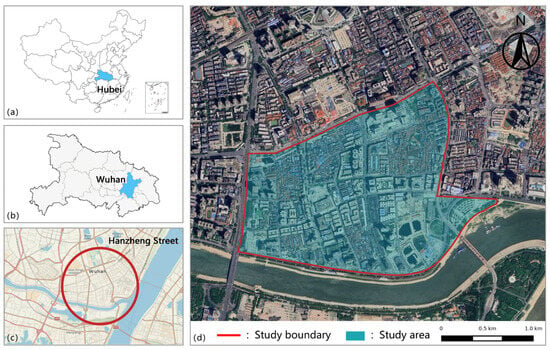
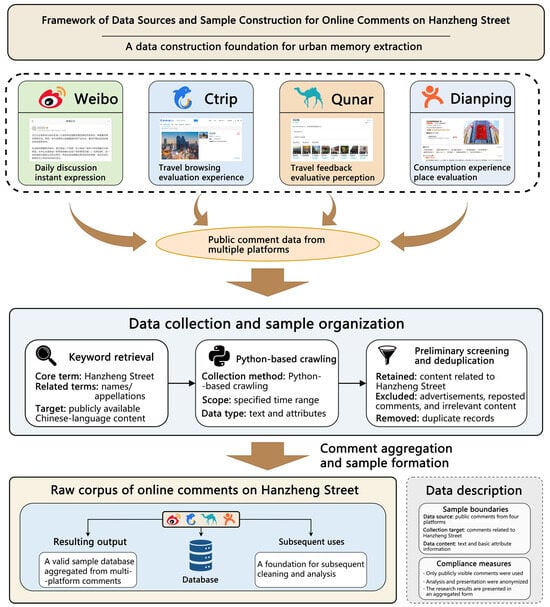
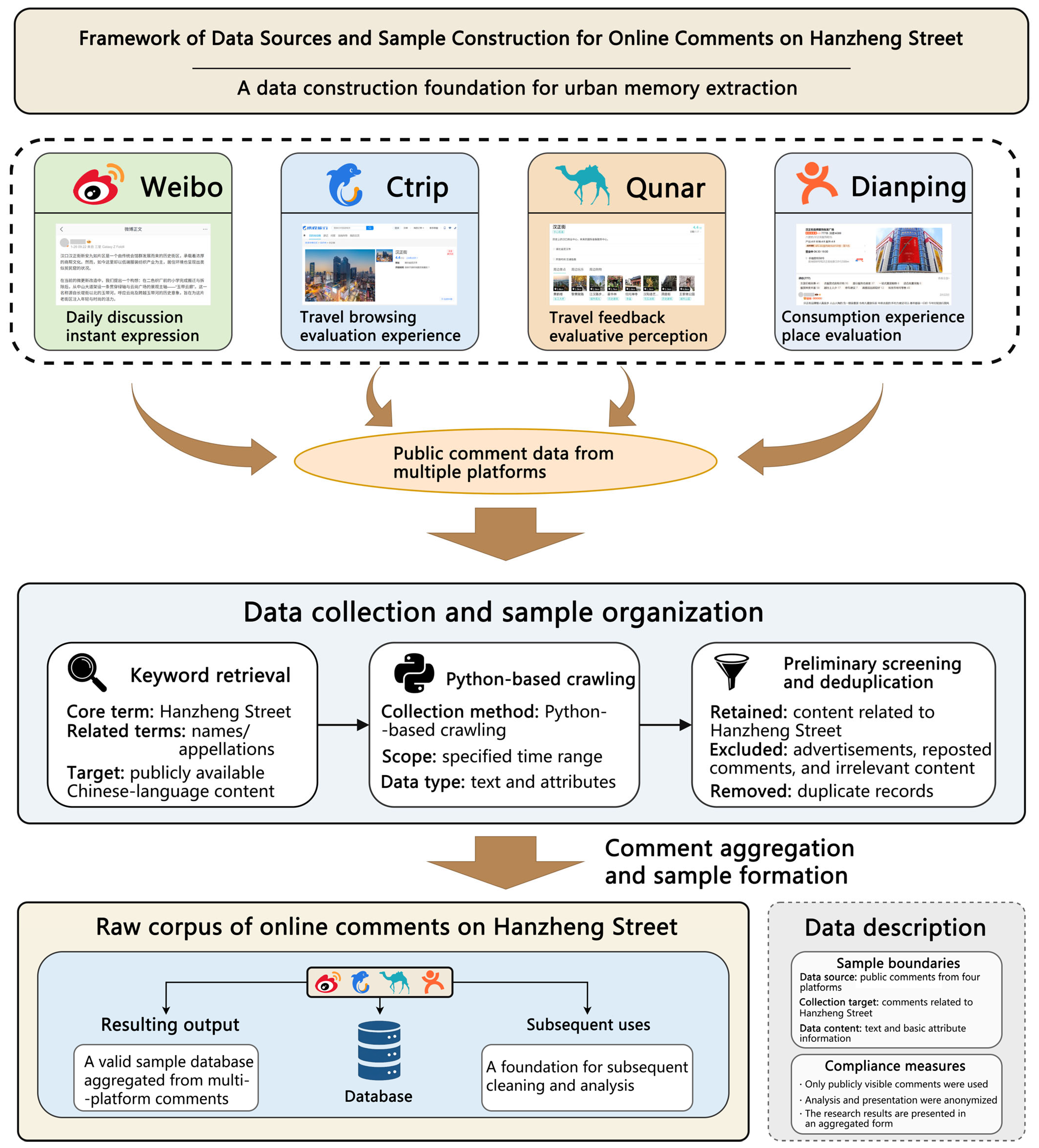
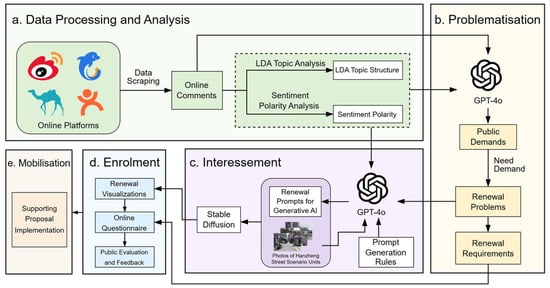
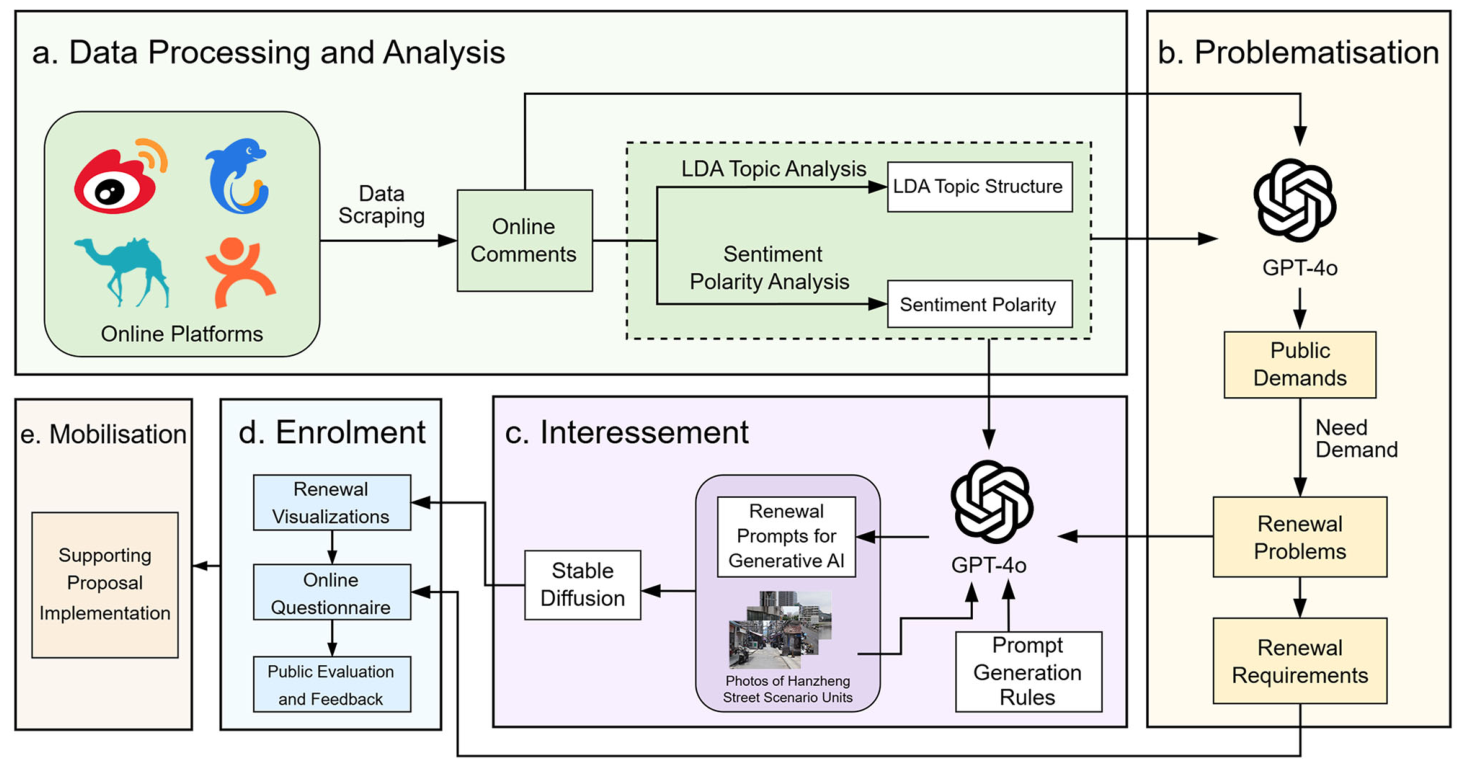
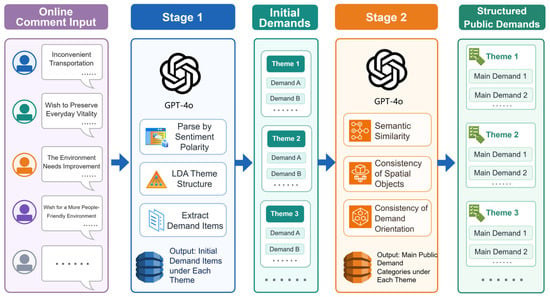
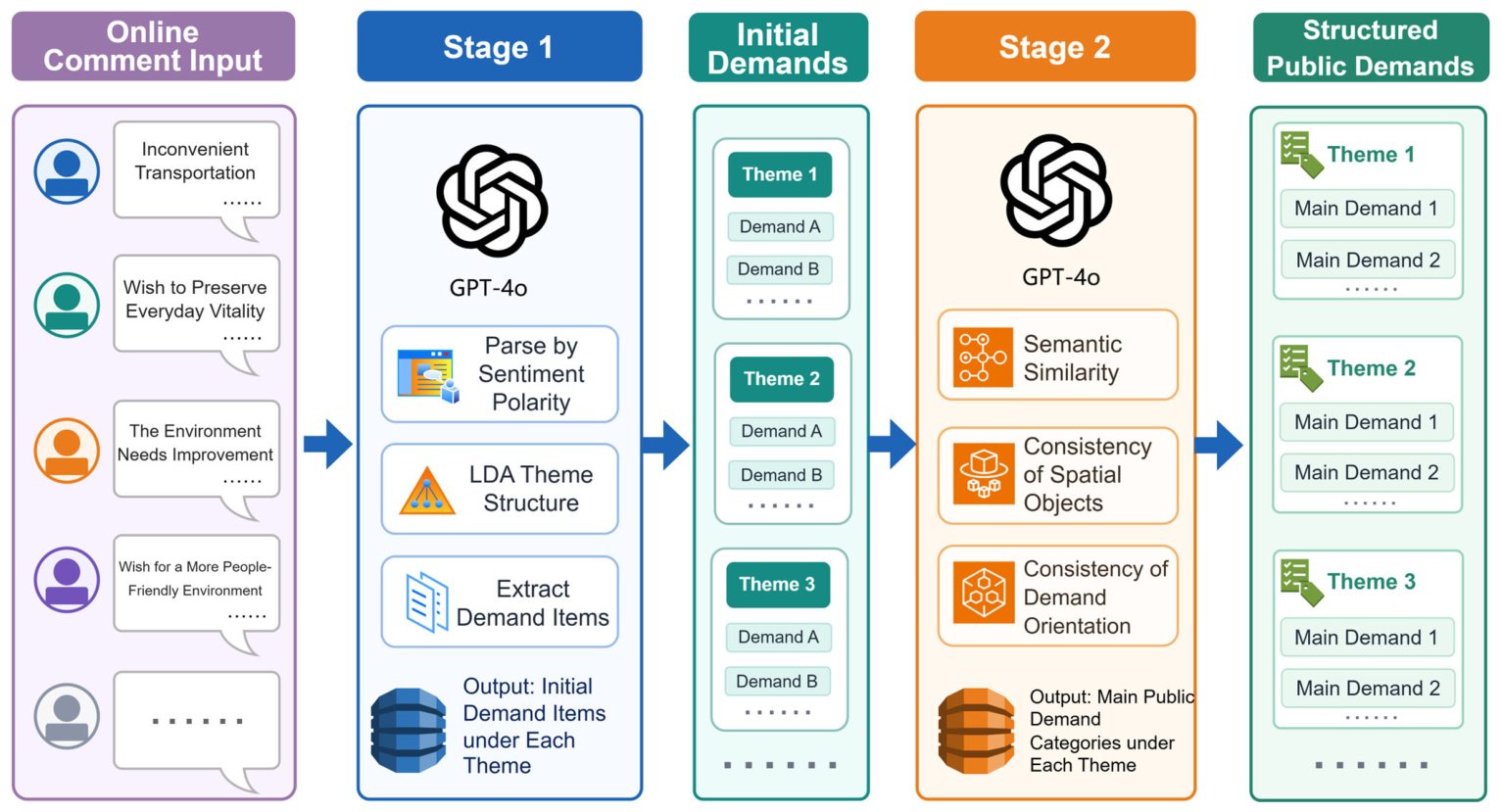
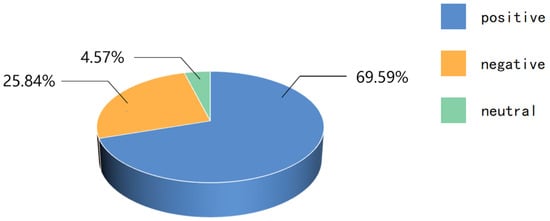
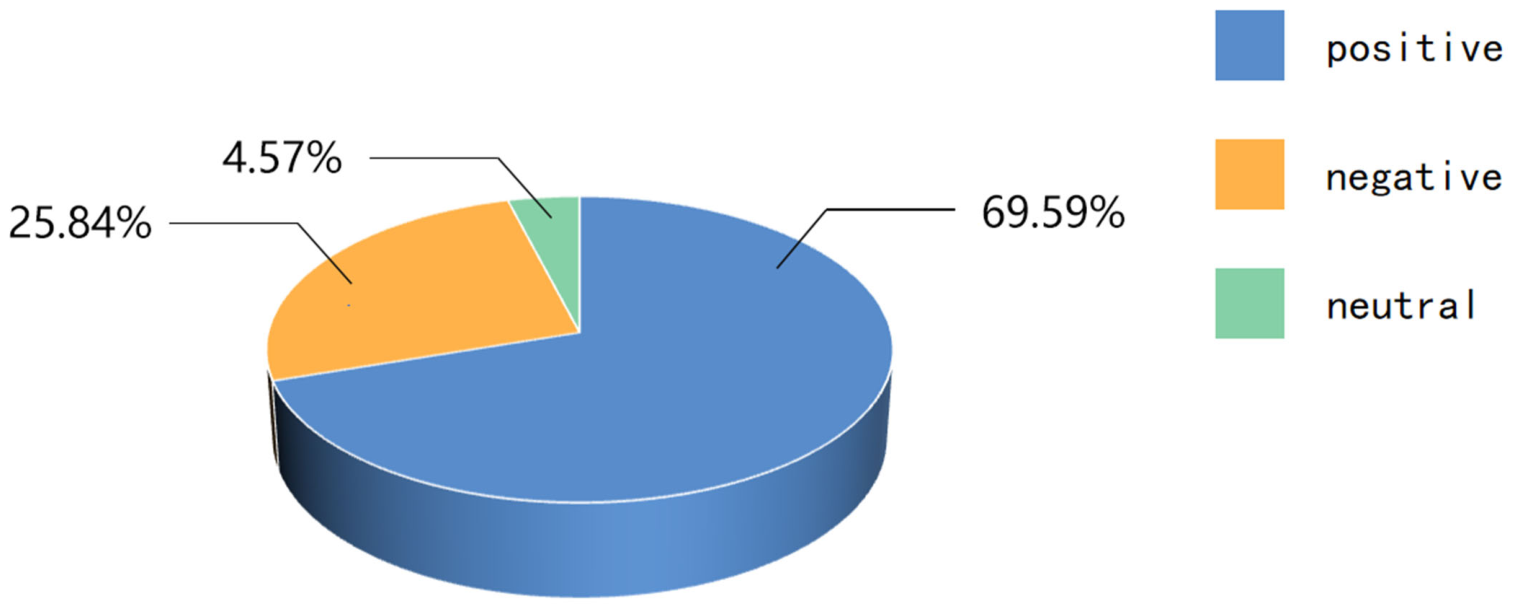
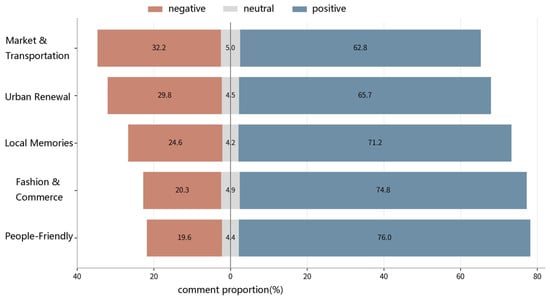
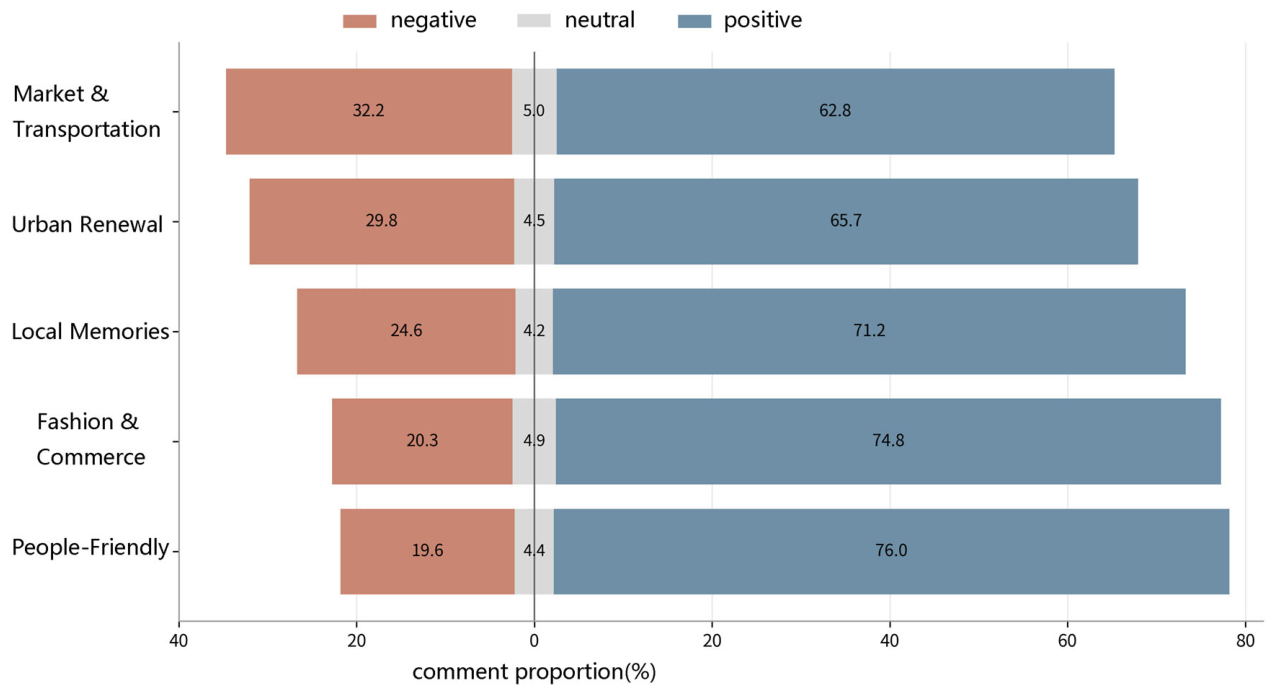
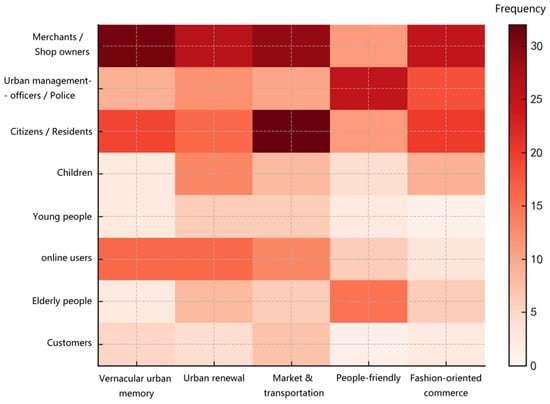
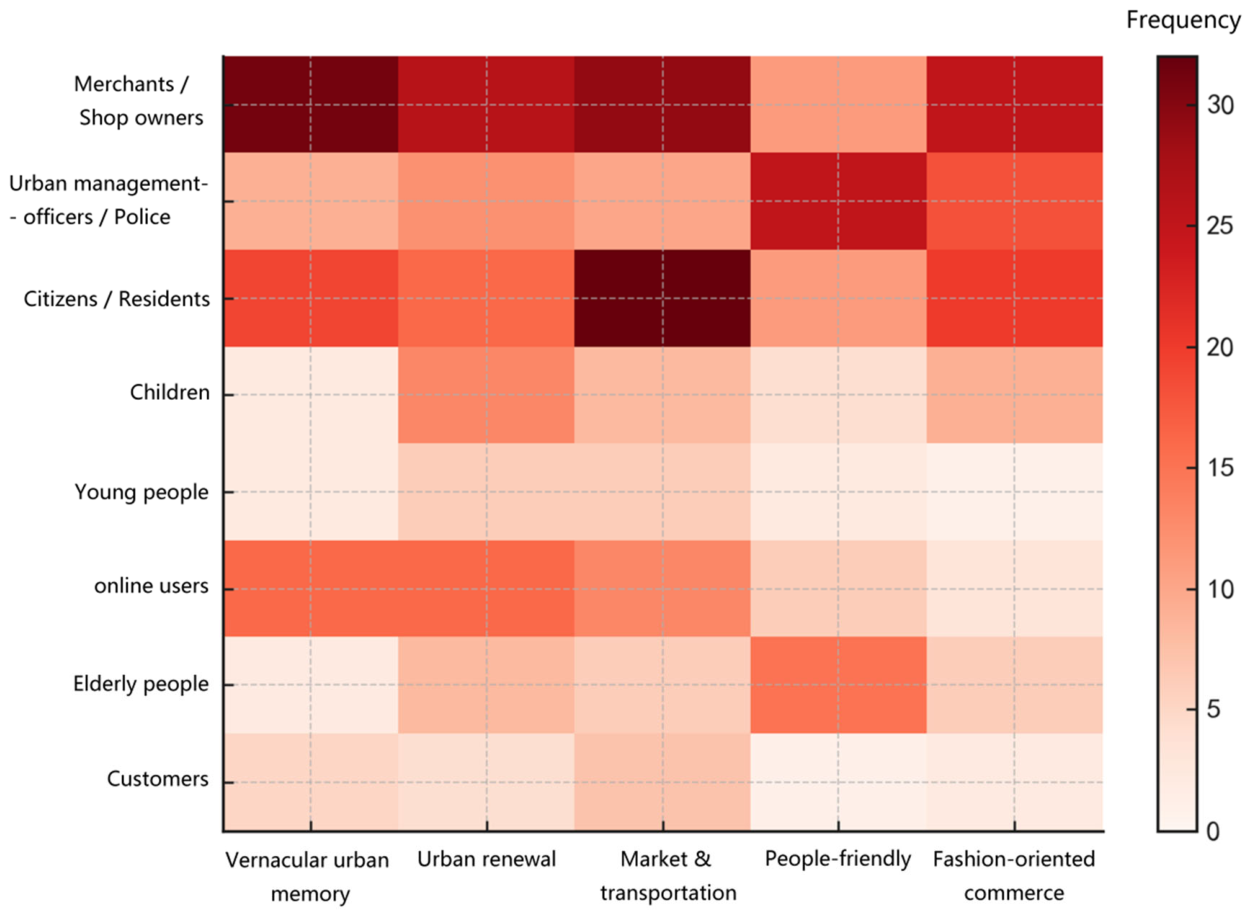
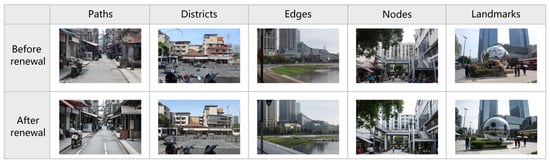
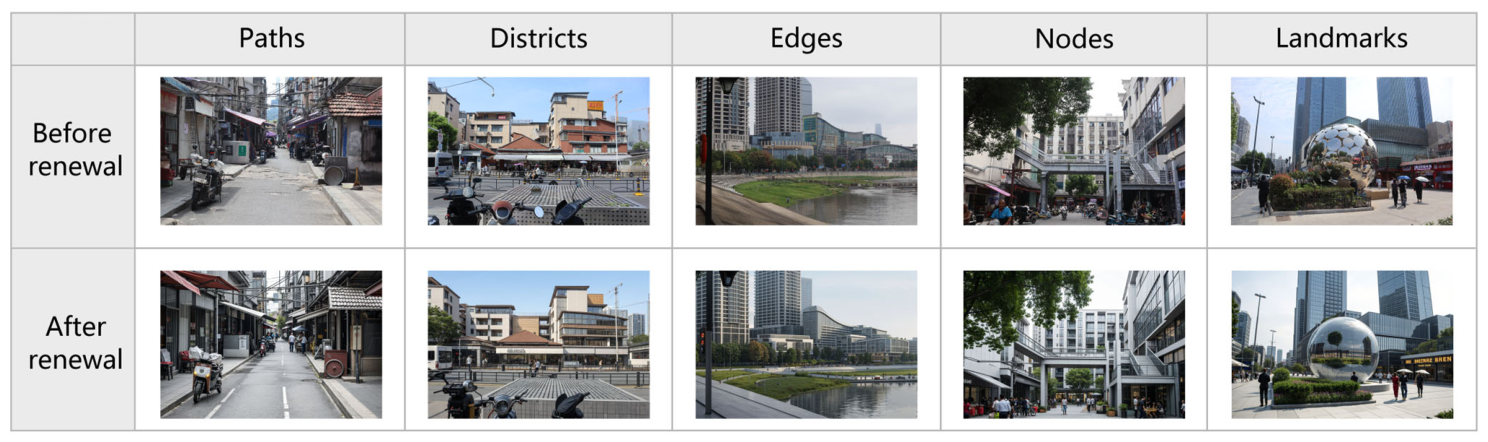
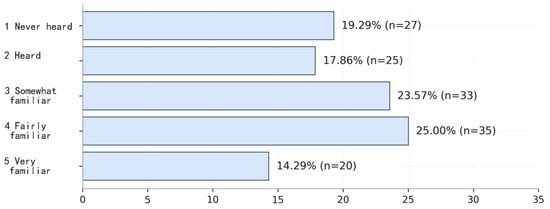
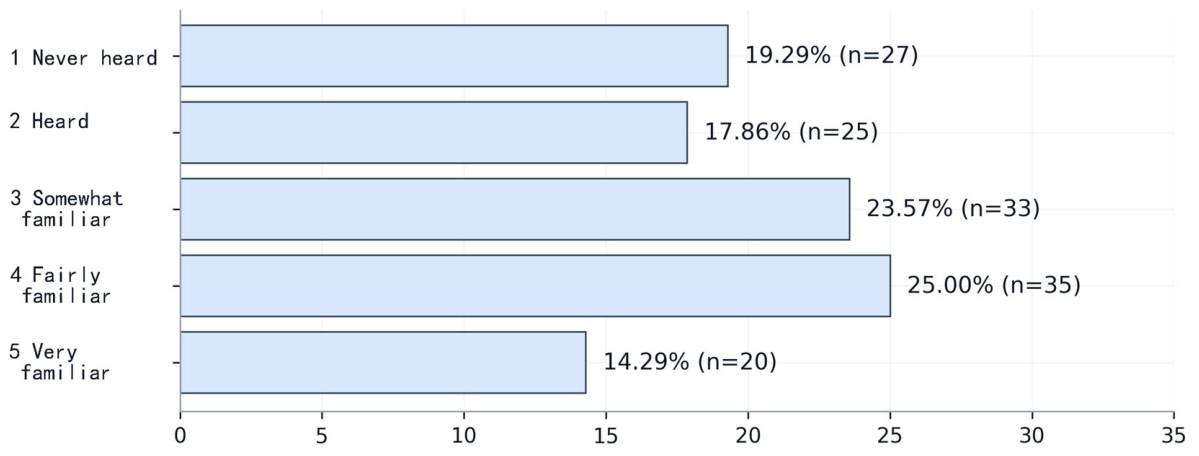
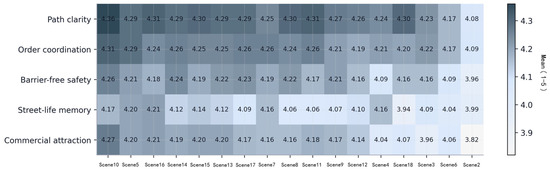
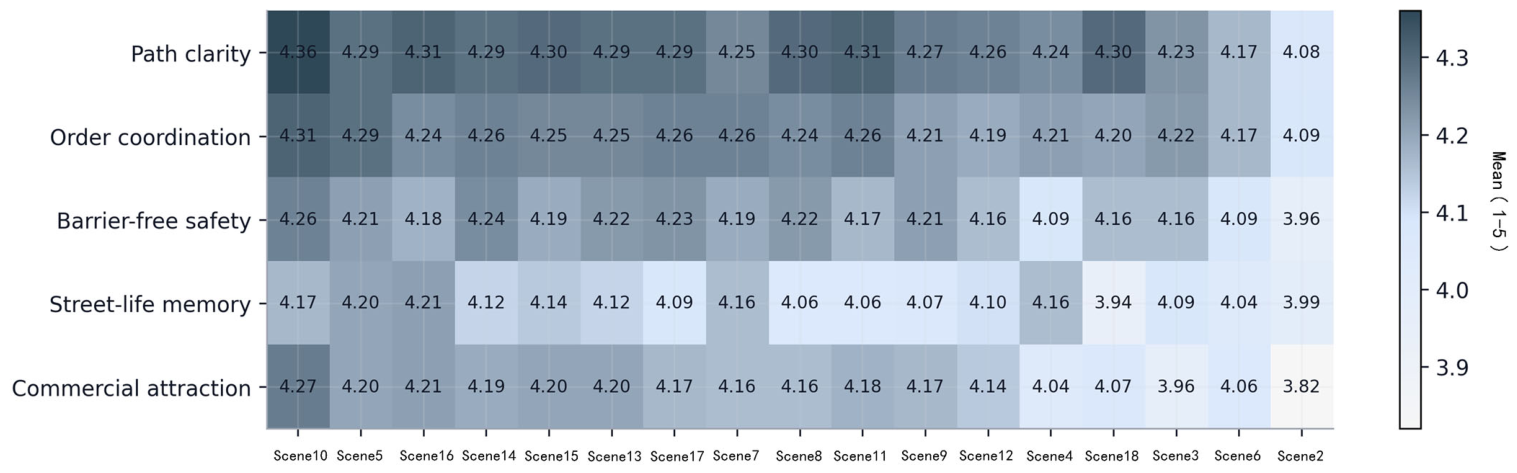
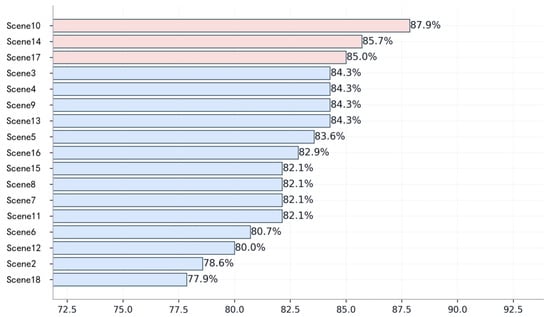
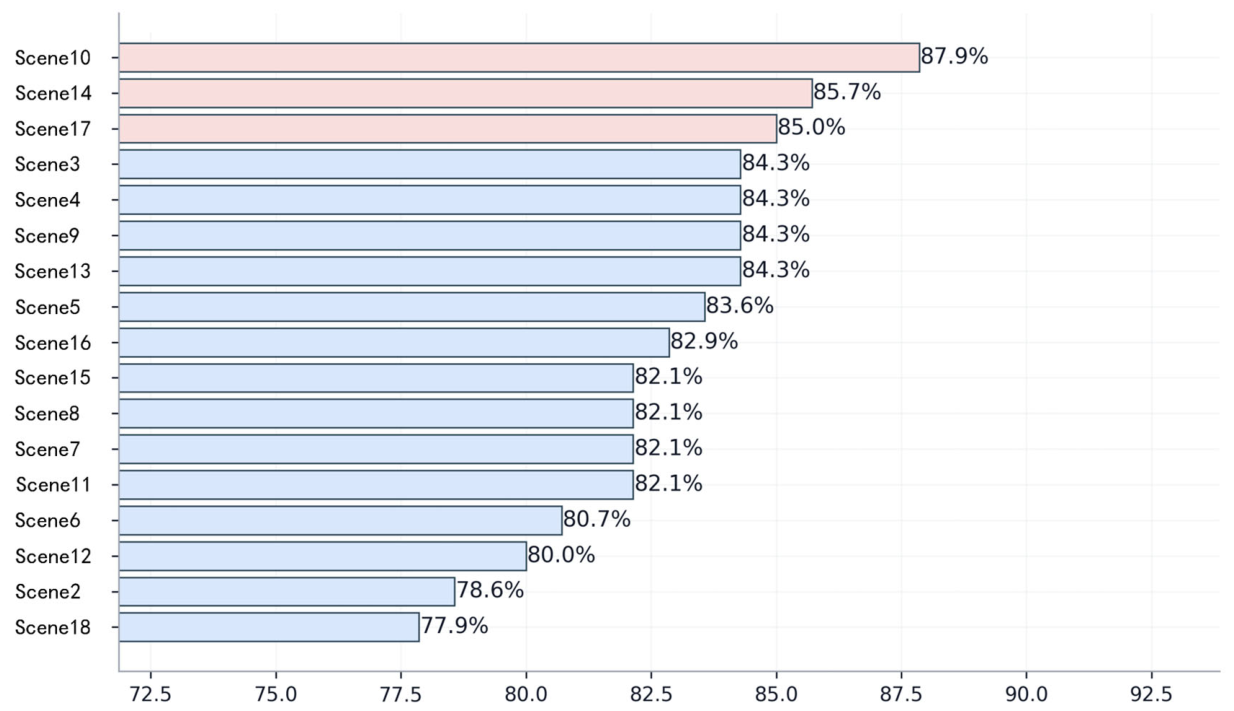
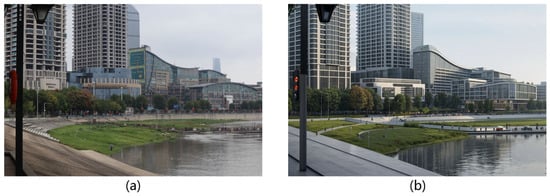
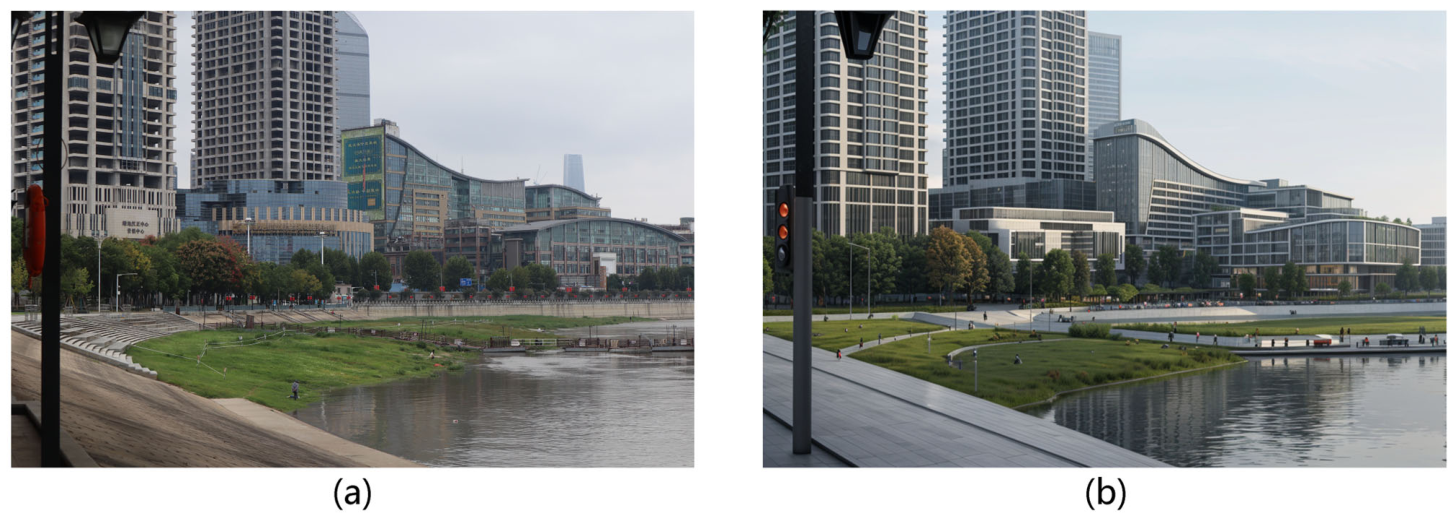
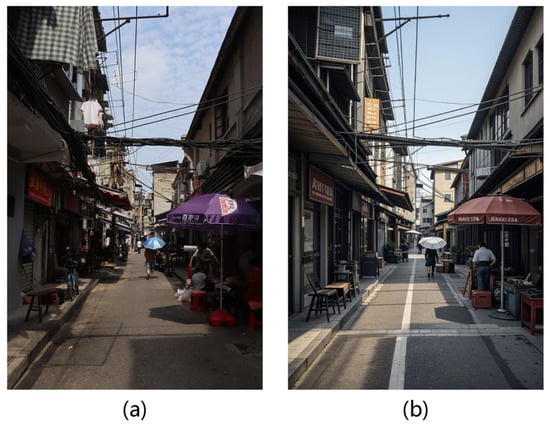
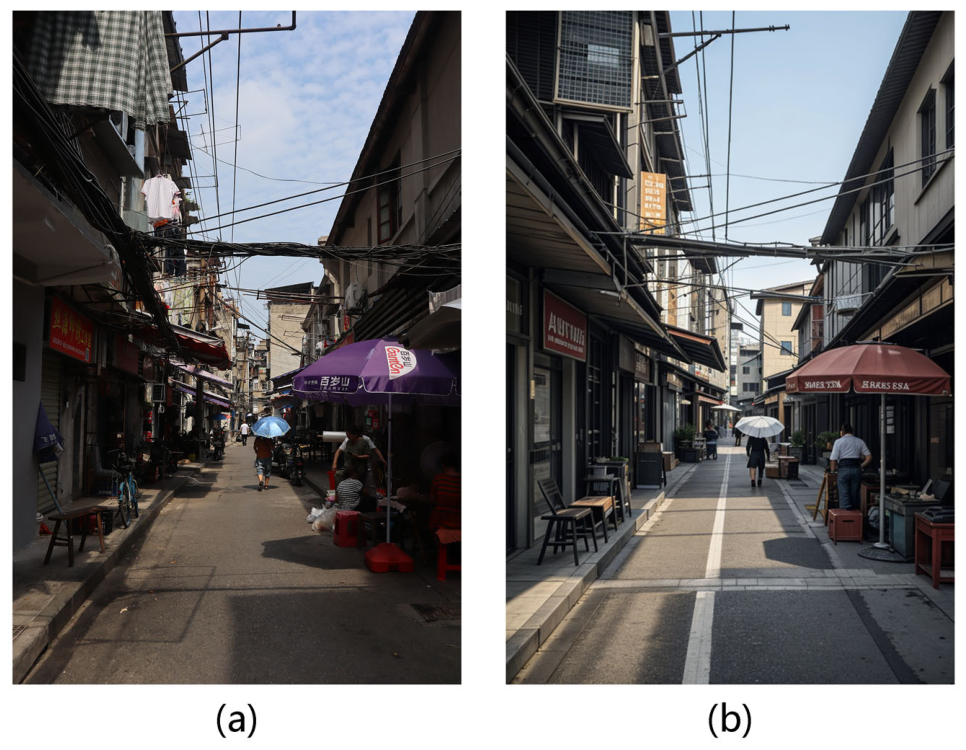

Disclaimer/Publisher’s Note: The statements, opinions and data contained in all publications are solely those of the individual author(s) and contributor(s) and not of MDPI and/or the editor(s). MDPI and/or the editor(s) disclaim responsibility for any injury to people or property resulting from any ideas, methods, instructions or products referred to in the content. |
© 2026 by the authors. Licensee MDPI, Basel, Switzerland. This article is an open access article distributed under the terms and conditions of the Creative Commons Attribution (CC BY) license.