3.1.1. Temporal and Frequency Metrics
The eye-tracking metrics associated with the Areas of Interest (AOIs) quantify the extent of participants’ attentional allocation toward hazard stimuli. These include five core parameters: Time to First Fixation (TFF), First Fixation Duration (FFD), Total Fixation Duration (TFD), Fixation Count (FC), and the first fixation sequence. A comparative analysis between the high-risk propensity cohort (Group A) and the low-risk propensity cohort (Group B) reveals distinct behavioral disparities in risk perception performance within the operational scenarios. The detailed statistical results are presented in
Table 3.
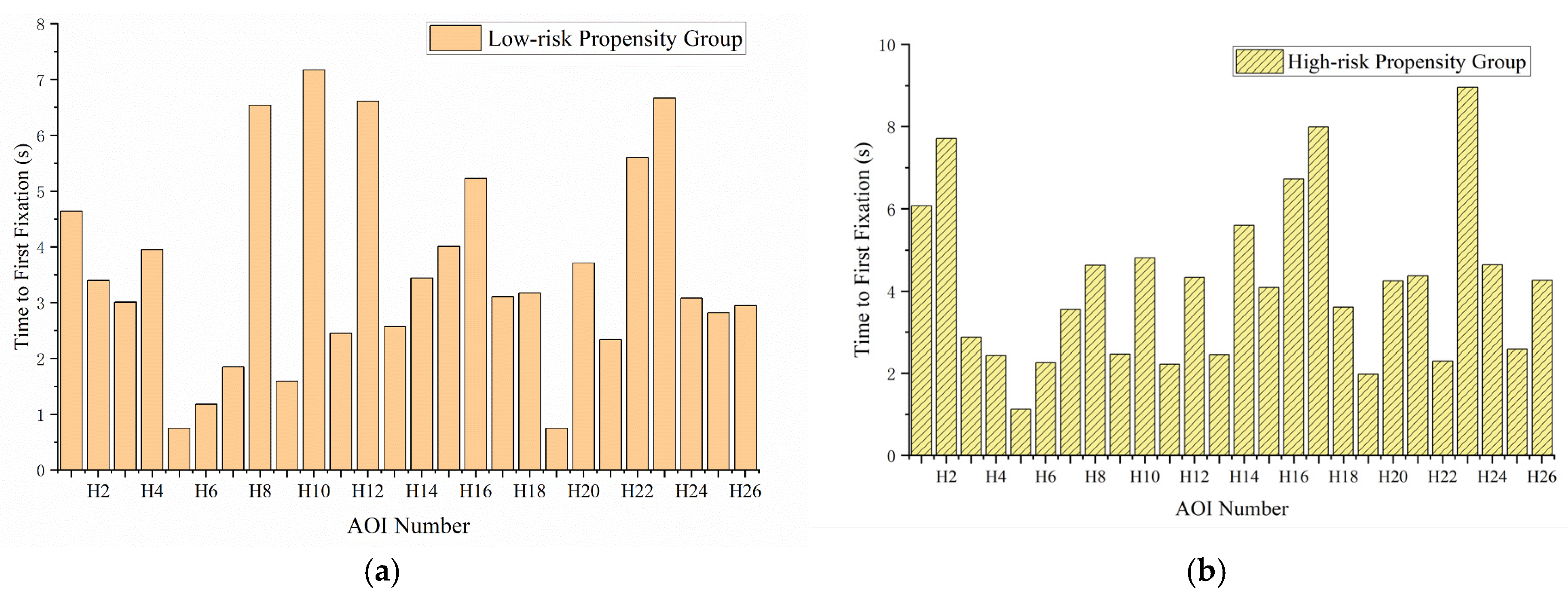
As illustrated in
Figure 5, regarding the Time to First Fixation (TFF), the two cohorts exhibited distinct disparities in visual capture efficiency across the predefined Areas of Interest (AOIs). Specifically, for hazards such as falling from height (H1), missing blind flanges for energy isolation (H2), missing respirators (H17), and gas explosions (H23), the high-risk propensity group demonstrated significantly longer TFFs compared to the low-risk propensity group. Conversely, when encountering illegal hot work operations (H8, H10), the low-risk propensity group exhibited significantly longer TFFs. Furthermore, the marginal mean differences in TFF for H3 and H15 indicate no significant variance in the initial visual attention duration between the two groups.
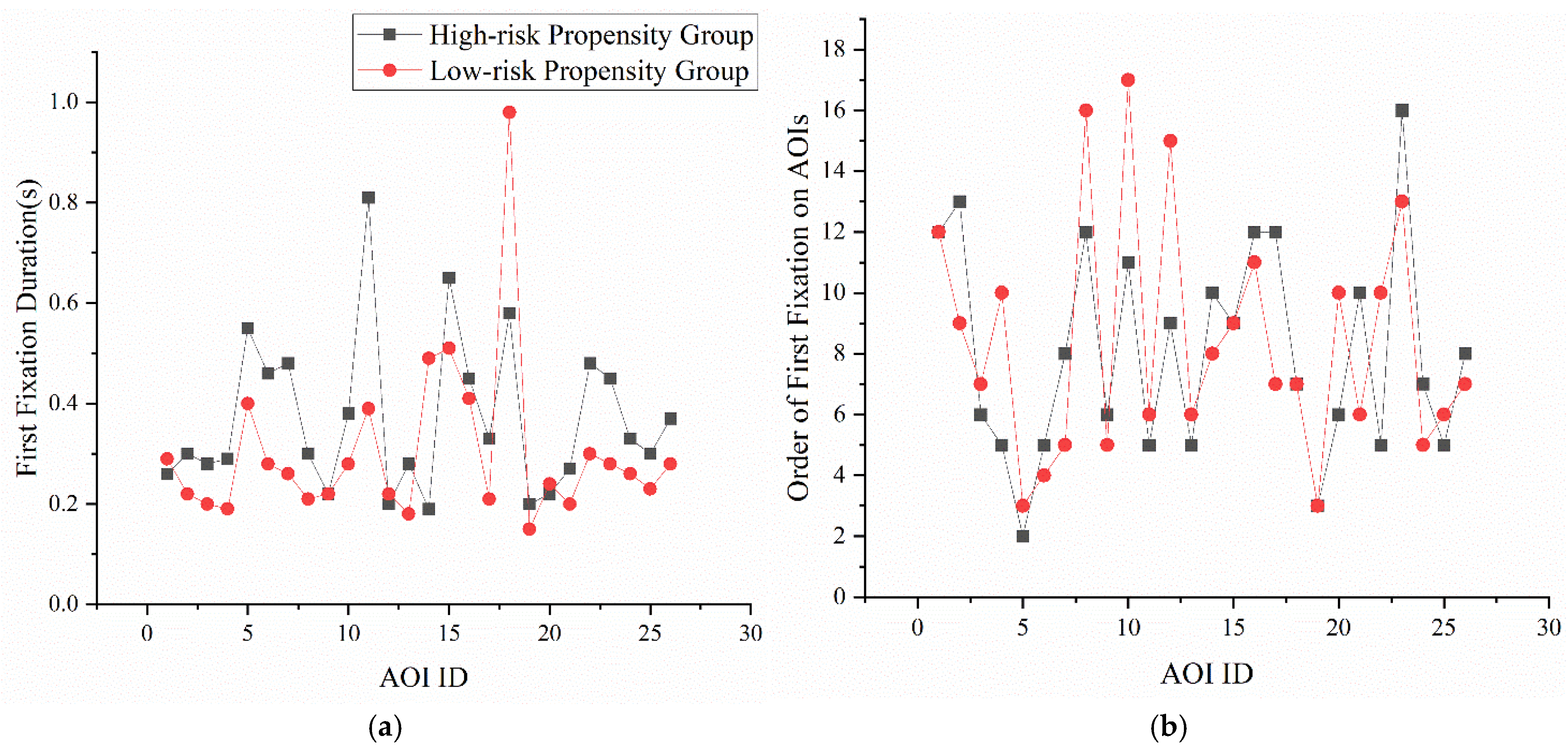
The sequence number of the first fixation on an AOI represents the total number of fixations occurring before the participant’s gaze initially enters the predefined area. Analyzing this sequence can elucidate the participants’ cognitive abilities and their early sensitivity to latent hazards. As illustrated in
Figure 6, regarding the hazard of “metal debris on the ground,” the high-risk propensity cohort demonstrated superior risk perception capabilities. Conversely, for the “missing respirator” hazard, the low-risk propensity cohort exhibited a higher level of cognitive processing.
Furthermore, the First Fixation Duration (FFD) reflects the duration of the initial gaze remaining within the AOI. As a critical metric for early attentional allocation, a combination of a short Time to First Fixation (TFF) and a prolonged FFD signifies that the participant has allocated a deeper level of visual processing and stronger attentional resources to that specific area. Data indicates that when encountering AOI 10, the high-risk propensity group exhibited a longer fixation duration; however, for AOIs such as 26, 7, and 14, their duration decreased to a lower level. In contrast, the low-risk propensity group reached a peak FFD of 0.98 s when facing AOI 18 (the maximum value across all data points), while their fixation durations for AOIs 3, 4, 17, 19, and 20 were relatively short. Overall, the FFDs for both cohorts were under 1 s, with the low-risk propensity group highly concentrated within the extremely low range of 0.15 to 0.3 s.
3.1.2. Visual Attention Distribution
Based on the oculomotor data acquired via eye-tracking technology, this study employed visual analysis methods to conduct an in-depth investigation of participants’ visual search behaviors. Within the paradigm of eye-tracking data visualization, heatmaps and scanpaths serve as two prototypical representational modalities, providing analytical insights from the dual dimensions of collective attentional distribution and individual cognitive chronometry, respectively. By integrating quantitative statistical analyses with visualization techniques, this study constructed a multidimensional framework for eye-tracking data analysis. Through the comparison of spatiotemporal pattern disparities in gaze trajectories, we elucidated the characteristics of visual search strategies among cohorts with varying risk perceptions.
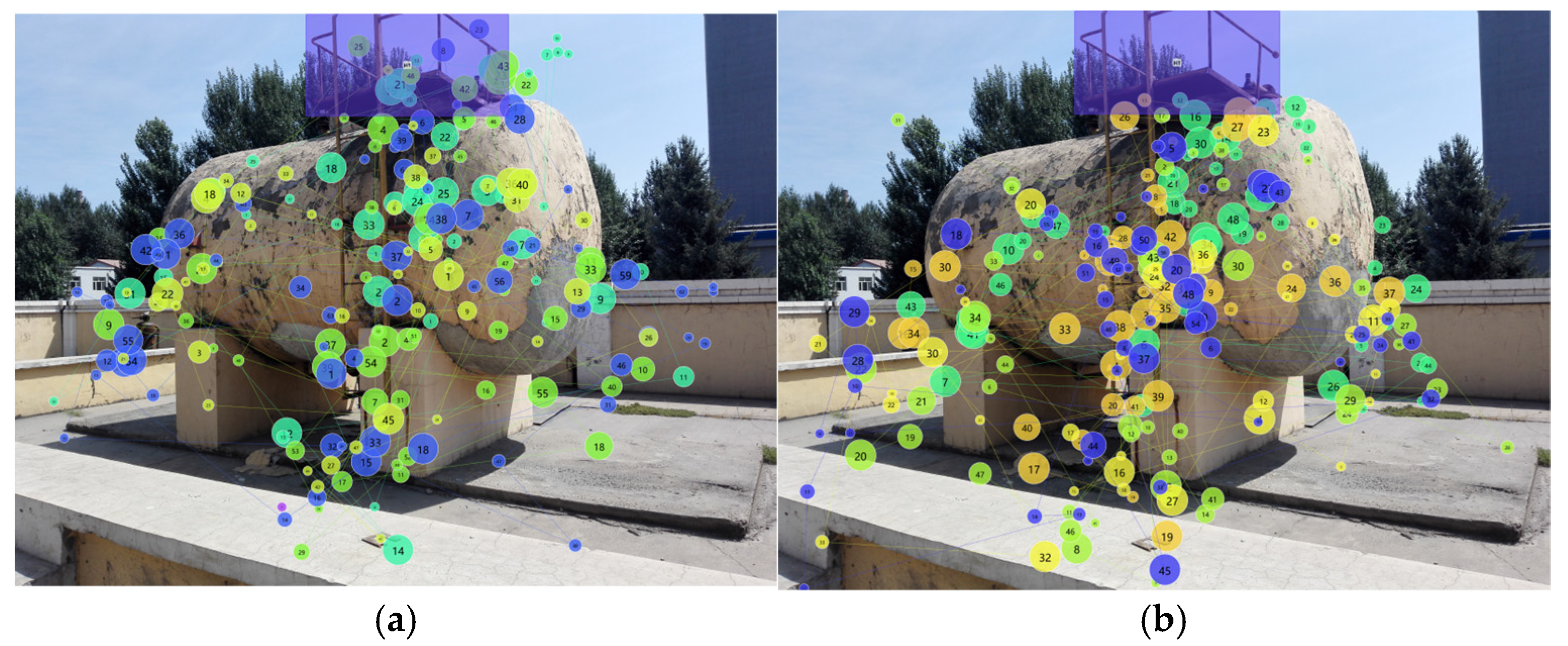
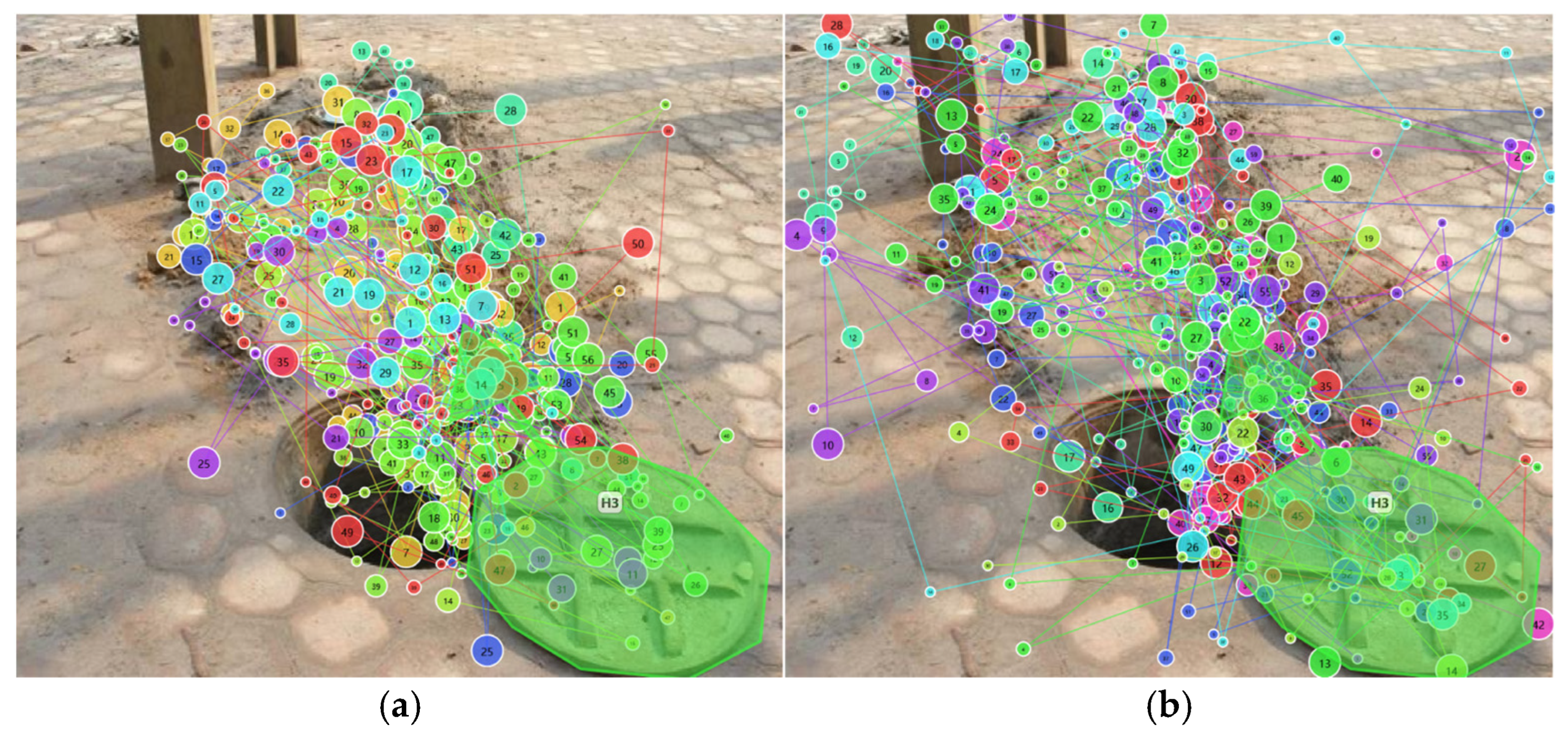
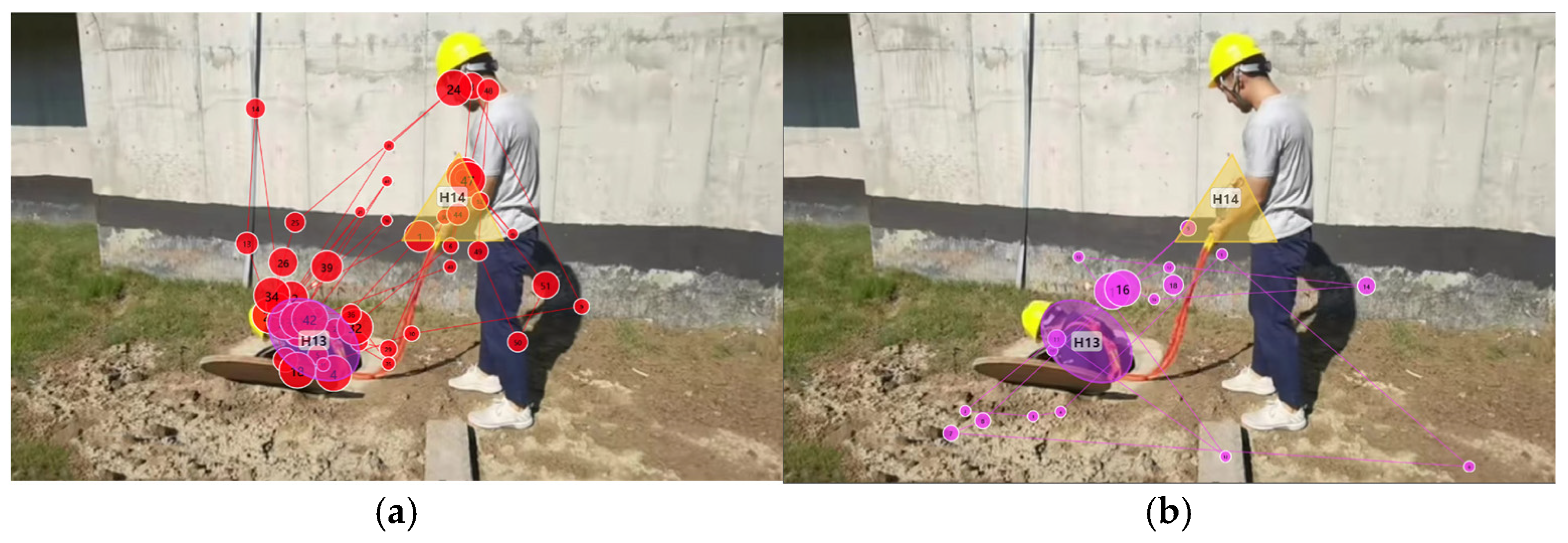
Addressing the heterogeneous risk propensity cohorts, typical samples from the low-risk propensity participants and the high-risk propensity participants (
Figure 7,
Figure 8 and
Figure 9) were selected for gaze trajectory visualization analysis. The detailed analytical results are presented in
Table 4.
By comparing the gaze trajectories for Stimulus 1 (oil storage tank) and Stimulus 3 (open manhole cover), it was revealed that the two cohorts exhibited starkly contrasting visual search patterns. The low-risk propensity group demonstrated a salient “goal-oriented” strategy: their fixations were highly concentrated on explicit hazard zones (e.g., the bottom of the storage tank and the periphery of the wellhead).
In contrast, the high-risk propensity group displayed a typical “exploratory” strategy: their fixation distribution was highly dispersed, broadly covering the upper sections and background areas of the scenes, characterized by complex trajectories and frequent saccadic jumps.
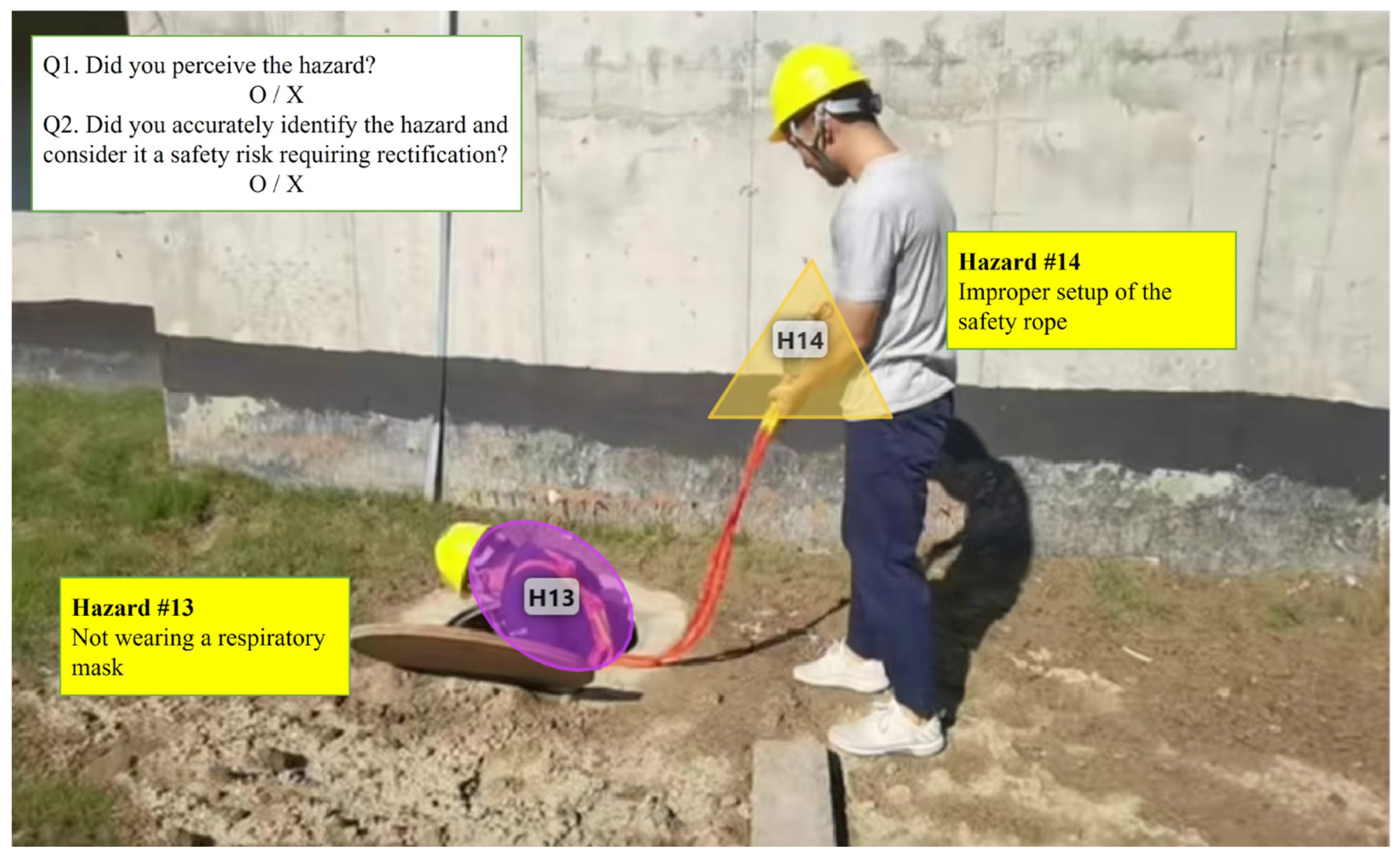
Stimulus 9 contains two specific hazards: a missing respirator and an improperly rigged safety rope. A comparison of the gaze trajectories between the two types of individuals reveals that low-risk propensity individuals generated more regressions (revisits) during the search process, yielding a higher number of fixations within the target AOIs. Conversely, while the search trajectories of high-risk propensity individuals appeared more continuous, they critically lacked sufficient sustained attention toward the identified hazards.
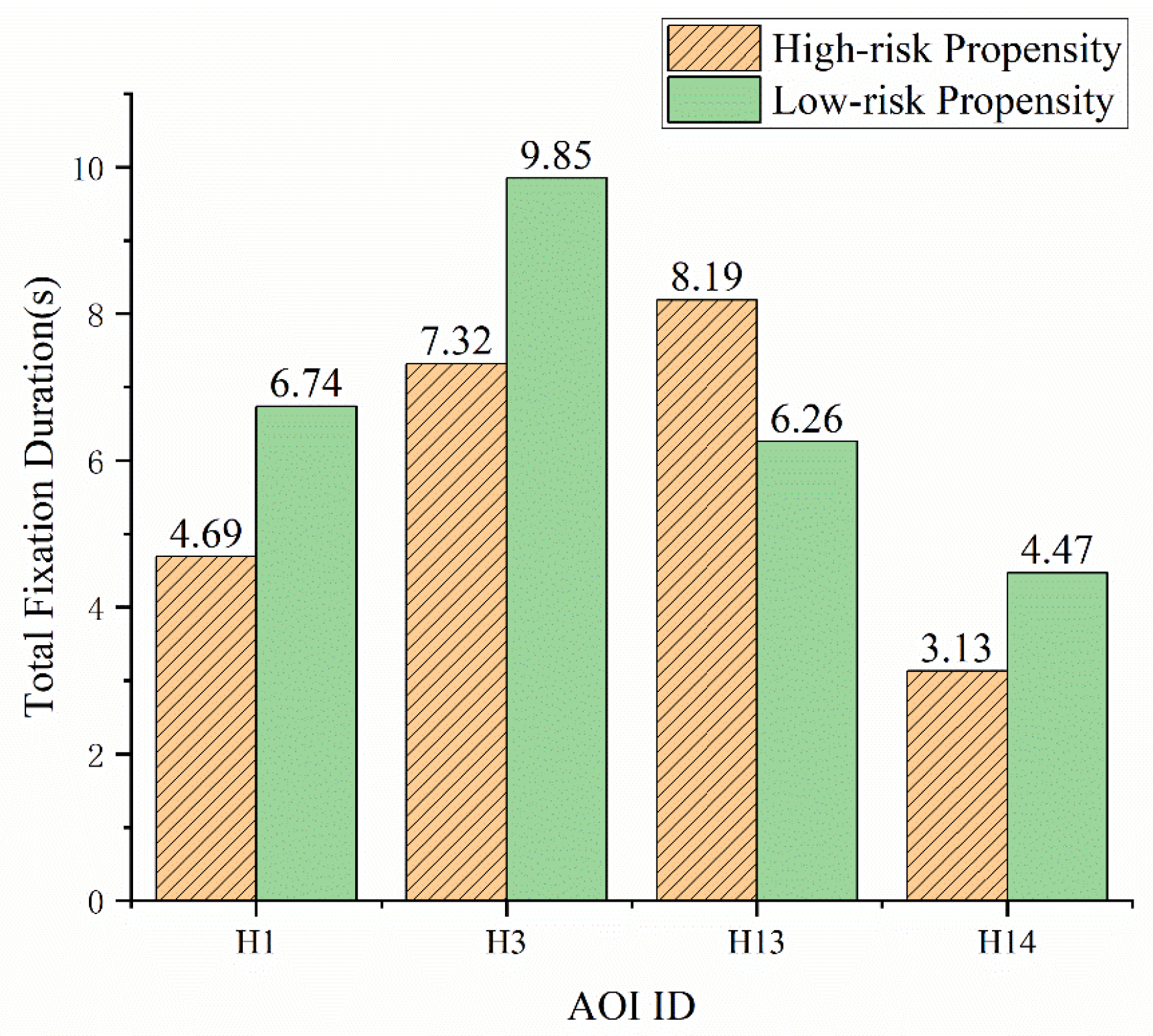
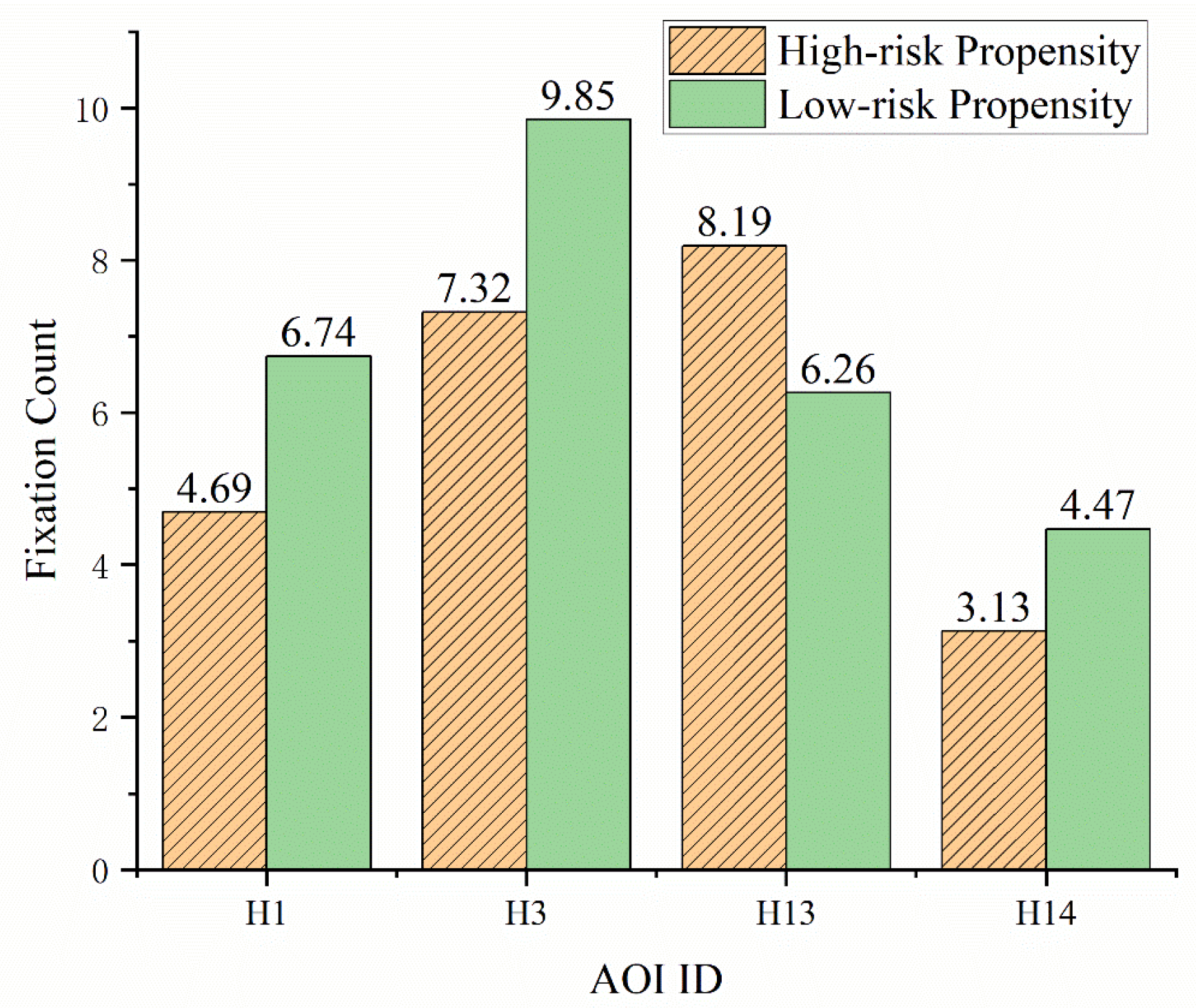
Taking the aforementioned stimuli as representative examples, the Fixation Counts (FC) within the predefined AOIs were compared between the two cohorts to analyze the influence of varying risk propensity traits. The detailed analytical results are illustrated in
Figure 10.
Comparative analysis reveals that during the identification of specific hazard factors (H1, H3, and H14) within the images, the high-risk propensity cohort lacked sustained visual attention on the corresponding Areas of Interest (AOIs). Their frequency of visual fixations within these hazard zones was relatively low. However, within the H13 hazard zone, the high-risk propensity group exhibited a higher fixation count. This anomalous performance may be largely driven by individual subjective preferences, resulting in a risk perception process that lacks typical identifiable patterns. Specifically, H13 (missing respirator) is located directly on the worker’s facial area. The high fixation count from the high-risk propensity group may be attributed to a strong “bottom-up” visual attraction to human faces, causing them to repeatedly glance at the area. However, their corresponding brief fixation durations suggest that this repetitive glancing was merely superficial scanning driven by stimulus salience, rather than a deep, “top-down” cognitive appraisal of the safety risk.
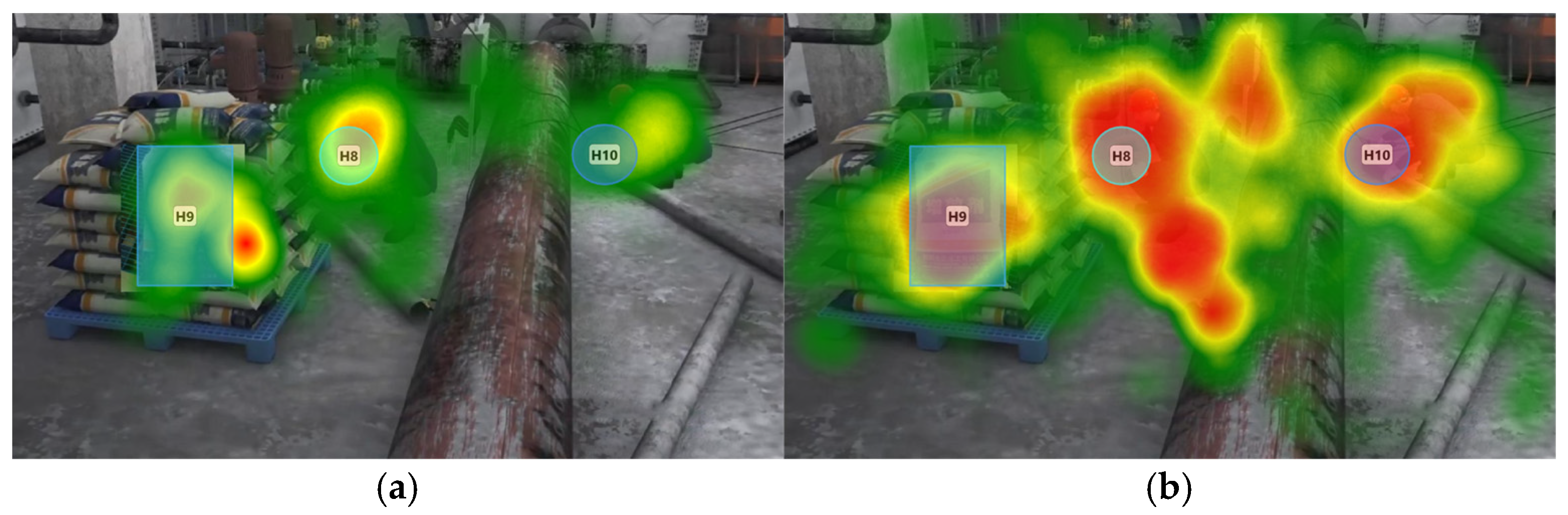
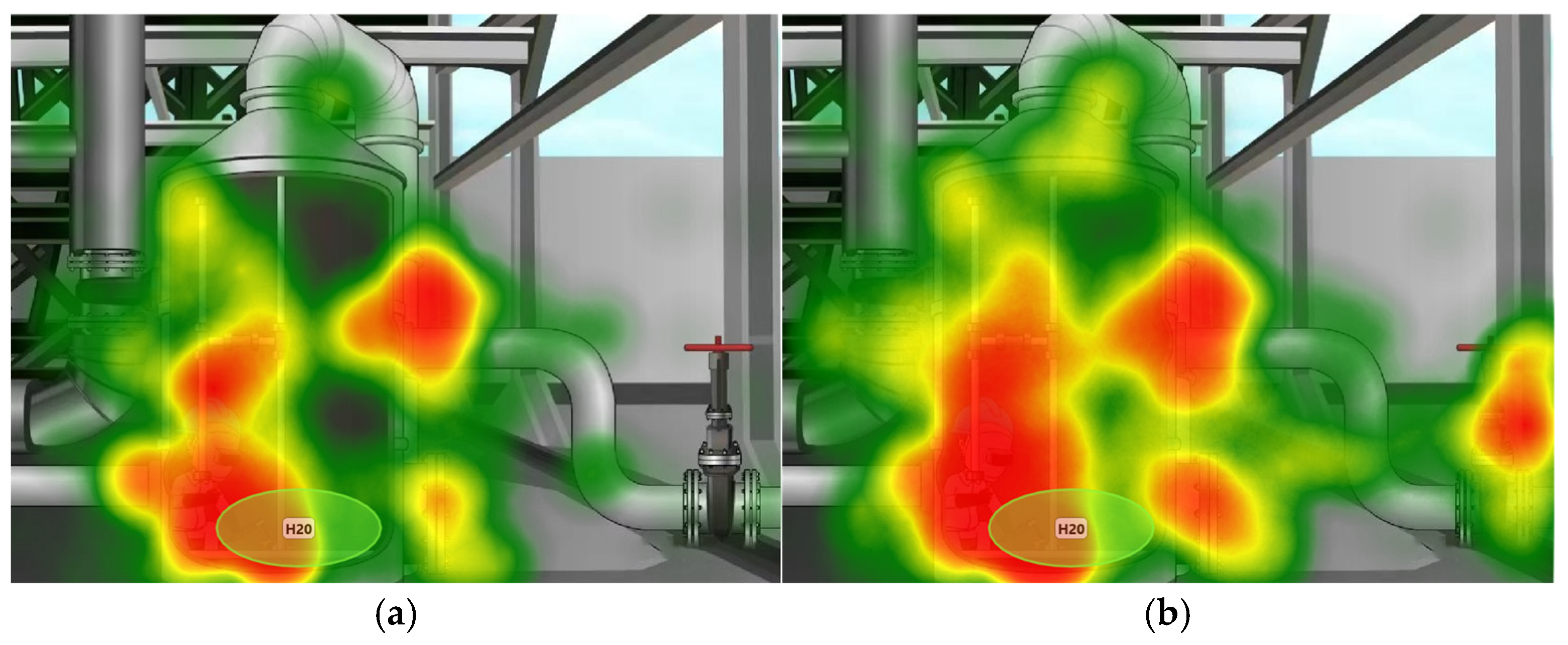
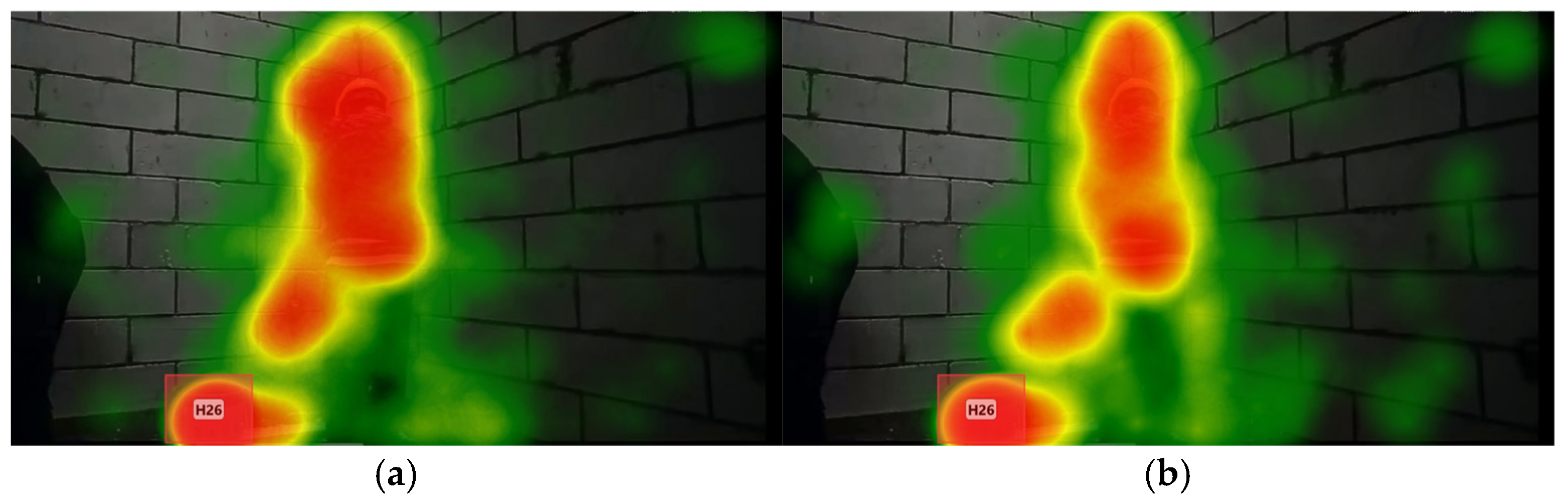
The heatmap is a commonly utilized two-dimensional data visualization method in eye-tracking experimental research. To conduct a visual analysis of the fixation heatmaps, complete datasets from typical samples representing different risk propensity traits (
Figure 11,
Figure 12 and
Figure 13) were employed. By superimposing the fixation data layer by layer, the resulting heatmap comparisons are presented in
Table 5.
Specifically for the hazards present in Stimulus 7 (illegal welding in a basement, failure to clear combustibles such as synergists around the hot work area, and illegal cutting operations), Stimulus 18 (illegal welding within confined equipment and missing blind flanges), and Stimulus 24 (painting operations in a basement with the risk of flammable gas volatilization from waterproof coatings), the visualization results (heatmaps and scanpaths) consistently demonstrated two distinct strategies. The low-risk propensity group exhibited a selective and intensive processing pattern, characterized by visual attention highly concentrated on task-relevant hazard areas with longer individual fixation durations. Conversely, the high-risk propensity group displayed an extensive but superficial scanning strategy, where gaze points were widely dispersed across the entire scene but lacked sufficient dwell time on critical safety information.
Taking the aforementioned stimuli as representative examples, the mean Total Fixation Durations (TFD) within the predefined AOIs were compared between the cohorts with different risk propensity traits. The analytical results are illustrated in
Figure 14.
Regarding fixation duration, the low-risk propensity cohort exhibited longer Total Fixation Durations (TFD) for four AOIs: H8, H9, H10, and H26. Overall, the TFD of the high-risk propensity cohort on hazard zones was lower than that of the low-risk propensity cohort; however, for hazard zones H2 and H20, their TFD was higher than that of the low-risk cohort.
The inherent characteristics and potential consequences of different hazard types vary, as do their visual representations within the images. Because each image typically contains multiple distinct hazard zones, participants may develop differentiated visual search strategies when perceiving the overall hazards embedded in the scene. Given the aforementioned disparities between the high- and low-risk propensity cohorts across four eye-tracking metrics—Time to First Fixation (TFF), First Fixation Duration (FFD), Total Fixation Duration (TFD), and Fixation Count (FC)—it is necessary to discuss the impact of individual risk propensity on eye-tracking metrics categorized by hazard type.
To further explore the interaction between risk traits and task contexts, this study categorized the 26 Areas of Interest (AOIs) into five classifications based on their hazard attributes: poisoning, asphyxiation, flammable/explosive gas, falling from height, and striking by objects (detailed in
Table 6). This classification aims to eliminate confounding effects introduced by heterogeneous hazard types and facilitate a comparative analysis. All eye-tracking metrics were averaged according to their respective hazard categories and subjected to both parametric and non-parametric tests. Based on these analyses, we determined whether the differences in risk perception capabilities between high-risk and low-risk propensity individuals were statistically significant.
The normality of the eye-tracking metrics was assessed using the Shapiro-Wilk test via SPSS 26.0 software. For all tests, the null hypothesis posited that the data followed a normal distribution. The results are presented in
Table 7.
As indicated by the normality test results in
Table 7, at a significance level of 0.05, the following eye-tracking metric datasets followed a normal distribution: Time to First Fixation (TFF) for poisoning and asphyxiation; First Fixation Duration (FFD) for flammable/explosive gas; Total Fixation Duration (TFD) for poisoning, flammable/explosive gas, and struck by objects; and Fixation Count (FC) for poisoning, asphyxiation, flammable/explosive gas, falling from height, and struck by objects. For these normally distributed datasets, the independent samples
t-test (a parametric test) was utilized for analysis. The remaining datasets exhibited non-normal distributions and were analyzed using non-parametric methods in the subsequent steps. Prior to conducting the independent samples
t-test, it is essential to verify the homogeneity of variance to ensure the statistical validity of the comparisons. Therefore, the Brown-Forsythe test was employed to assess the homogeneity of variance for the aforementioned eye-tracking metrics, with the null hypothesis positing equal variances across groups.
Table 8 presents the results of the homogeneity of variance test, including the test statistics and significance
p-values.
The results of the homogeneity of variance test revealed that all relevant eye-tracking metrics, including Time to First Fixation (TFF) for poisoning and asphyxiation, met the assumption of equal variances (
p > 0.05). Given the lack of statistical significance, the test failed to reject the null hypothesis. Consequently, the data satisfied the homogeneity of variance requirement, justifying the application of the independent samples
t-test. To evaluate the significance of differences in eye-tracking metrics between the high- and low-risk propensity cohorts across various hazard types, statistical tests were conducted accordingly. The results for the metrics analyzed via the independent samples
t-test are presented in
Table 9, while the results for those analyzed using the Kruskal-Wallis test are detailed in
Table 10.
Based on the statistical analysis results presented in
Table 9 and
Table 10, the following conclusions can be drawn:
Significant differences were observed between the cohorts with different risk propensity traits regarding the Time to First Fixation (TFF) for poisoning and falling from height hazards (p = 0.045 < 0.05; p = 0.019 < 0.05). The low-risk propensity cohort detected poisoning and falling from height hazards within the scenes significantly faster.
Significant differences existed between the cohorts concerning the Total Fixation Duration (TFD) for flammable/explosive gas and falling from height hazards (p = 0.046 < 0.05; p = 0.041 < 0.05). Compared to the high-risk propensity cohort, the low-risk propensity cohort allocated more attention to these two types of hazards.
A significant difference was found between the cohorts in the First Fixation Duration (FFD) for the falling from height hazard (p = 0.009 < 0.05). For this hazard, the low-risk propensity cohort exhibited longer observation dwell times.
Significant differences were noted between the cohorts in the Fixation Count (FC) for flammable/explosive gas and struck by objects hazards (p = 0.032 < 0.05; p = 0.048 < 0.05). During the risk perception process, the low-risk propensity cohort demonstrated more active visual search behaviors, returning their attention to hazard information areas more frequently.
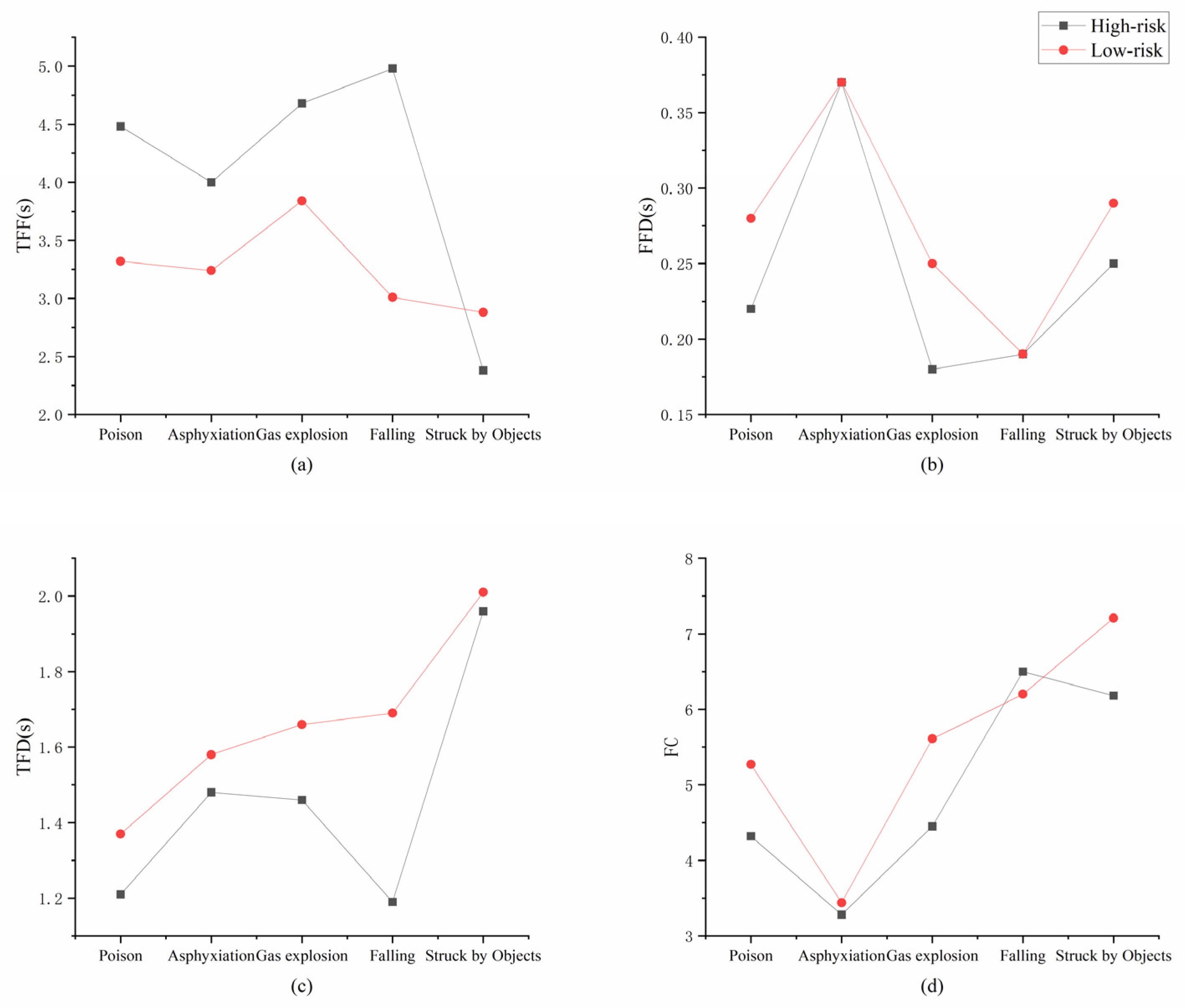
Figure 15 presents line charts of the gaze-related data for both high- and low-risk propensity cohorts across various hazard scenarios, comprising four subplots (a, b, c, and d) that illustrate participants’ gaze characteristics from the four dimensions of TFF, FFD, TFD, and FC, respectively. Overall, as shown in
Figure 15a, inter-group comparisons reveal that the TFF of the low-risk propensity cohort across all hazard types was generally shorter than that of the high-risk propensity cohort, indicating that low-risk propensity individuals locate various hazards relatively faster. When comparing across hazard types, both cohorts exhibited relatively short TFFs for falling from height hazards; notably, the TFF of the high-risk propensity cohort for struck by objects hazards decreased drastically compared to other hazard types.
Figure 15b demonstrates that for the asphyxiation hazard, the FFD of both cohorts reached their respective peaks, with the low-risk propensity cohort scoring slightly higher than the high-risk propensity cohort. Only slight differences were observed for other hazard types; the low-risk propensity cohort showed relatively longer FFDs for poisoning, flammable/explosive gas, and struck by objects hazards, indicating a more concentrated initial focus on these risks.
Figure 15c shows that both cohorts allocated a substantial amount of attention time to the struck by objects hazard.
Figure 15d indicates that the low-risk propensity cohort attended to hazards more frequently, reflecting a higher degree of risk valuation through multiple visual inspections.
In summary, when confronted with hazards such as poisoning, asphyxiation, flammable/explosive gas, falling from height, and struck by objects, the high-risk propensity cohort exhibited longer TFF, relatively lower FFD, and lower TFD and FC. These findings collectively demonstrate that high-risk propensity participants possess a poorer risk perception capability, thereby supporting Hypothesis 1.