1. Introduction
Heritage-based urban regeneration is increasingly framed as a means to sustain urban development through the improvement of cultural, social and economic dynamism. Such projects can be linked to cultural branding, tourism and UNESCO World Heritage Listing, which improves the status of heritage as a socio-cultural resource and drivers of urban transformation in fast-changing regions like the Gulf [
1,
2,
3]. The Pearling Path in Muharraq, Kingdom of Bahrain, is a case in point, where heritage sites are embedded in a larger urban narrative that bridges the past and the present. The Pearling Path extends through Muharraq’s urban fabric as a cultural route that connects heritage sites, public spaces, and historic urban settings [
2]. In this regard, Souq Al Muharraq is a critical urban space where conservation policies intersect with commercial activities and everyday social practices.
Nevertheless, although heritage redevelopment projects often succeed in producing visual and architectural rehabilitation, their long-term sustainability is disputed. Sustainable urban redevelopment involves aesthetic coherence, but also the integration of environmental performance and social inclusivity, as well as the continuity of everyday urban practices. Traditional souqs operate through fine-tuned spatial systems shaped by informal circulation, climatic responsiveness, and socially embedded interactions [
4,
5]. Even small spatial changes, such as modifications to circulation, shading, or street furniture, can affect accessibility, thermal comfort, and economic activity, especially for vulnerable street users, including elderly people, long-time residents, and small traders [
6,
7,
8]. These issues underscore the necessity to consider redevelopment not only through the visual performance but also through its overall sustainability implications.
Such tensions are evident in recent redevelopment interventions in Souq Al Muharraq.
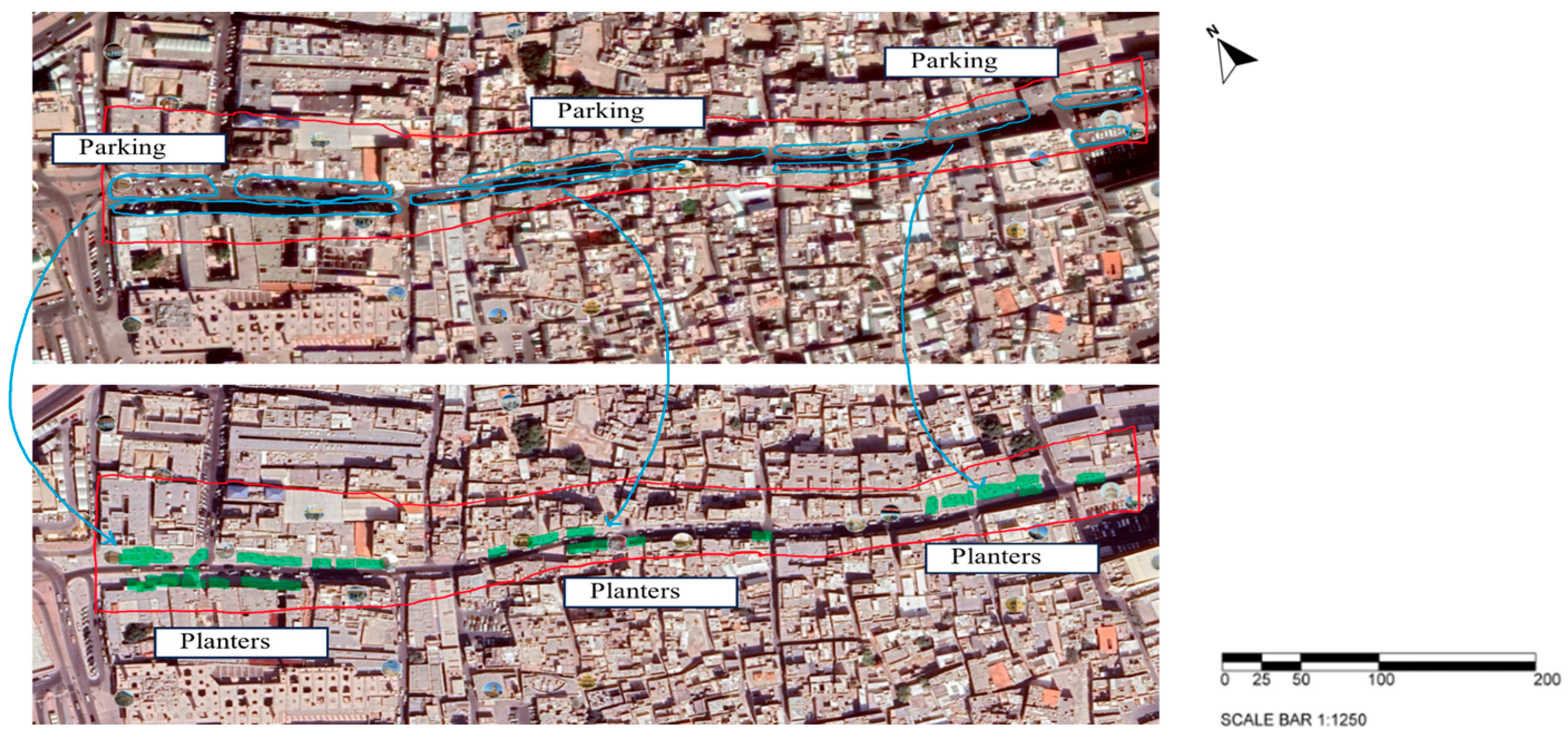
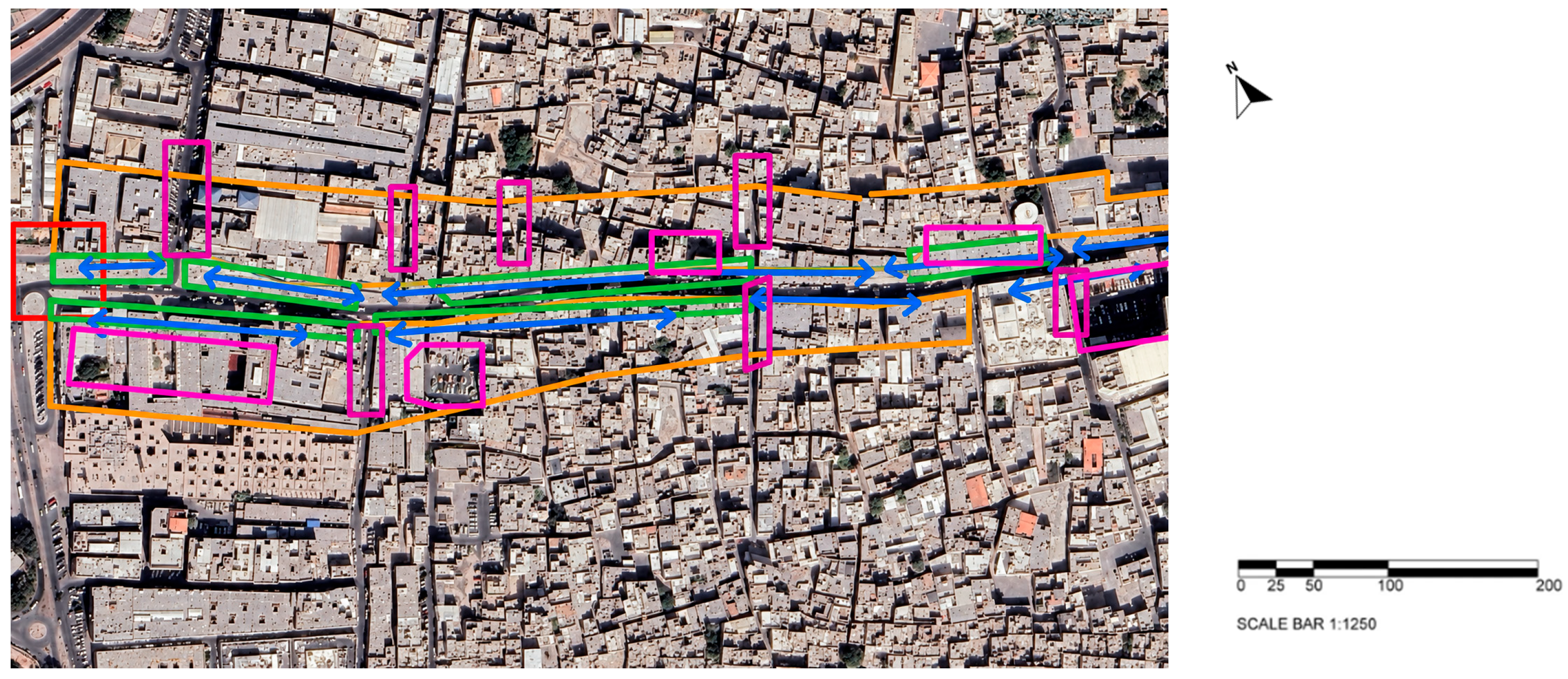
Figure 1 shows spatial changes between 2020 and 2025, including the introduction of planters and traffic-control systems that have changed the circulation patterns, decreased informal parking, and increased congestion. While these changes were intended to improve the environmental quality and user experience, they have inadvertently created problems, including altered movement patterns, limited accessibility and spatial integration. These effects are significant for the environmental, social and functional sustainability of heritage redevelopment in terms of user experience and future urban performance.
Post-Occupancy Evaluation (POE) has traditionally been employed to evaluate the performance of built environments, with a focus on technical, environmental and functional aspects of building performance [
10,
11,
12,
13]. However, conventional forms of POE have limitations in integrating embodied, experiential and culturally relevant concepts within complex heritage spaces [
11,
12]. In the meantime, the recent urban theory emphasizes participation, experience, and spatial justice as the key to sustainable urban development [
4,
14,
15]. However, current evaluative approaches are inadequate to capture user-centered and experiential aspects and therefore cannot fully evaluate the sustainability of urban redevelopment. In this context, heritage redevelopment should be perceived as a cultural and economic approach, yet it is also an essential part of sustainable urban development, and it involves the combination of environmental performance, social inclusivity, and usability in the long term.
Immersive technologies, such as Virtual Reality (VR), present an opportunity to overcome these challenges.
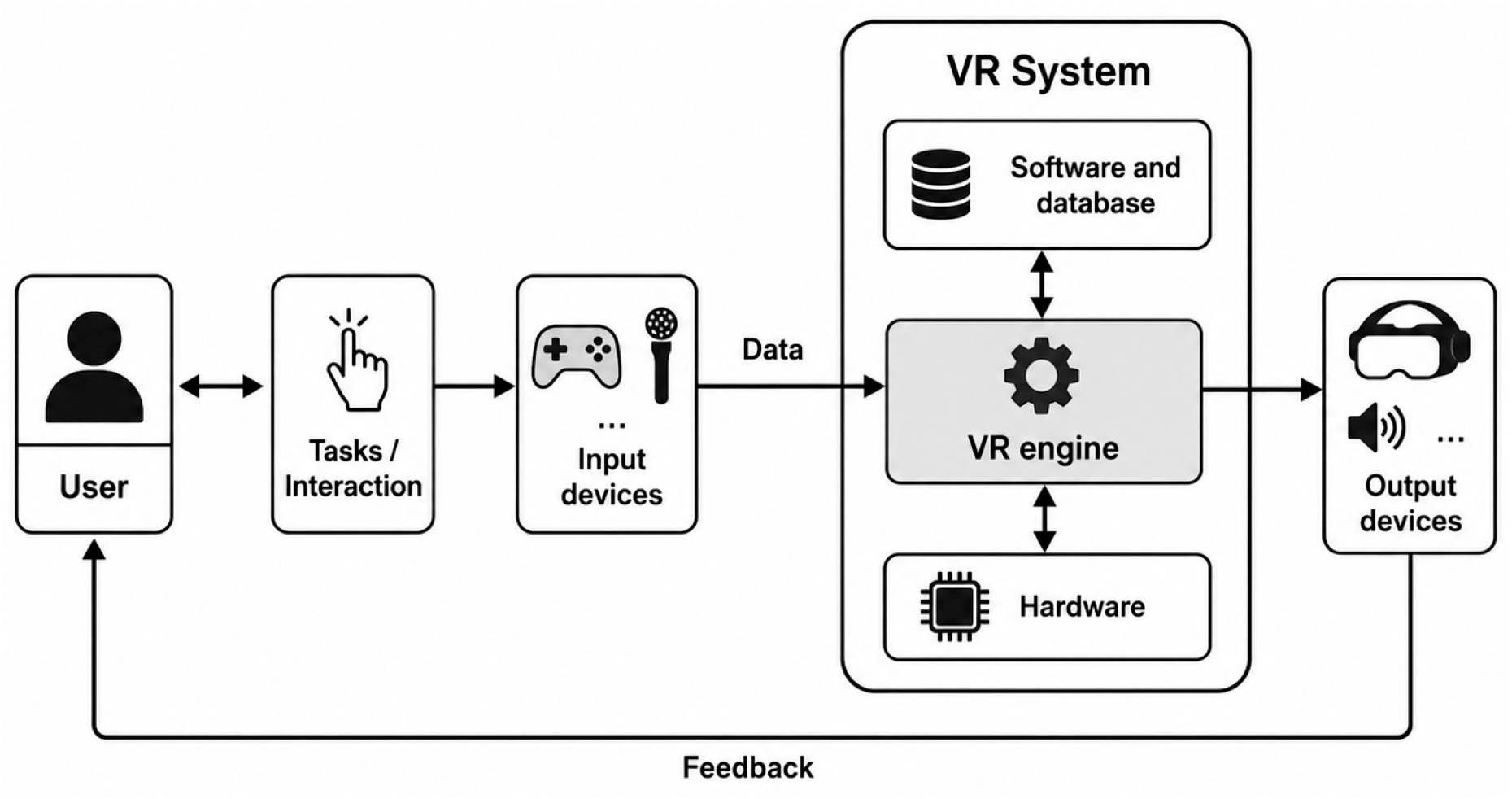
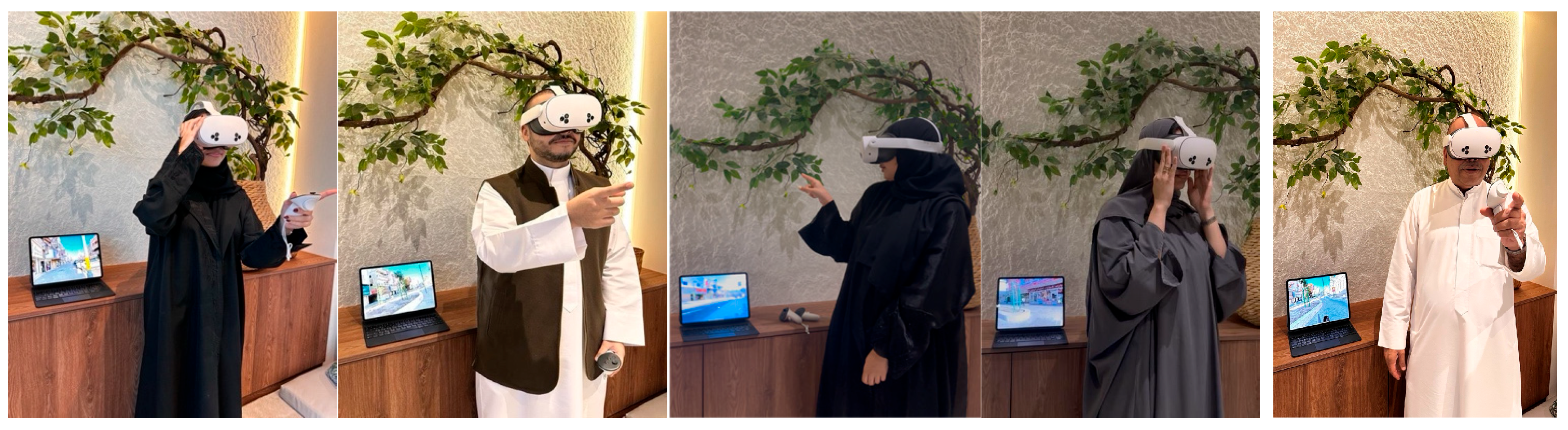
Figure 2 shows how VR enables users to experience spatial environments interactively and multisensory environments, enabling embodied spatial experiences. Despite the success of VR in communication and presentation for architecture and heritage, its use as a participatory evaluation tool has yet to be fully realized [
16,
17,
18]. Recent research also indicates that immersive environments may enhance the level of engagement, inclusive participation, and discovery of experiential and behavioral insights that could not be obtained through traditional methods of evaluation [
9,
18,
19]. Yet, the use of VR as a systematic POE tool in the context of heritage urban environments in the Gulf region is still in its beginnings.
The current study contributes to filling this gap by exploring the use of VR as a participatory tool for POE to improve the sustainability performance of heritage urban redevelopment. The study examines the case of Souq Al Muharraq in the Kingdom of Bahrain and uses a convergent mixed-method research design that integrates immersive VR walkthroughs, questionnaires, and interviews to assess spatial performance beyond the realm of aesthetics and technology.
The research is also aligned to the national and international sustainable development targets, such as Sustainable Cities and Communities sustainable development goal (SDG) 11, which requires the adoption of inclusive and sustainable urban and human settlements; SDG 16, which emphasizes institutional accountability and participatory governance; and SDG 9, which recommends the adoption of innovative digital technologies in the construction of infrastructure. These goals are achieved through VR-based POE, which weaves architectural, technological and governance considerations into a more inclusive and participatory redevelopment process [
20,
21].
This study aims to (1) assess the spatial and experiential performance of an example, the redevelopment project of the souq; (2) perceive user perceptions, emotions, and social interactions among different user groups; (3) consider expert and institutional views of the redevelopment processes; and (4) evaluate the possibilities of VR as a participatory planning-and-evaluation tool.
The novelty of this study lies in applying immersive VR not only as a visualization tool, but also as a participatory Post-Occupancy Evaluation method for sustainable heritage redevelopment. Although prior research has focused on the use of VR in architectural visualization, heritage representation, and design communication, minimal research has explored its application in assessing lived spatial performance, user memory, social belonging and spatial justice following redevelopment. This especially applies to the Gulf context, where there is a distinct gap in the post-redevelopment assessment of heritage urban settings.
This study examines immersive VR as a participatory POE tool for sustainable heritage redevelopment in Souq Al Muharraq, Bahrain. It addresses the gap between redevelopment that is visually oriented and the daily spatial experiences of users, especially in relation to thermal comfort, accessibility, social belonging, cultural continuity, and spatial justice. The study adopted a convergent mixed-method case study design that integrated site observations, 360-degree VR image walkthroughs, a survey, semi-structured interviews, and expert evaluations. The study illustrated how VR-based POE can highlight the discrepancies between design intentions and lived experience, where it can be utilized to facilitate inclusive, user-centered, and sustainable heritage redevelopment.
2. Literature Review
2.1. Heritage Redevelopment, Spatial Justice, and Everyday Urbanism in the Gulf
In heritage-led redevelopment in the Gulf, cultural branding and tourism-oriented redevelopment projects are widespread. This is frequently directed at the aesthetic and symbolic rehabilitation of heritage settings. Yet this can create a disjuncture between institutional and vernacular spatial practices [
11,
22]. In the context of sustainable urban development, heritage environments need to be seen as socio-spatial systems that need to integrate environmental performance, social inclusion, governance and everyday practices.
The latest research indicates that redevelopment, with an emphasis on aesthetic outcomes, can compromise the sustainability of urban environments by neglecting user-focused spatial performance and spatial practices. This issue is critical in the case of traditional souqs, where spatial performance depends on informal spatial patterns, climatic accommodation, and interpersonal interaction. These systems are subject to paving, shading and circulation manipulations, which lead to accessibility, thermal and social interaction issues, particularly among vulnerable users, like the elderly, locals and micro-scale traders [
22].
Such issues have increasingly been recognized in terms of spatial justice, which applies distributional and procedural justice to urban development [
4,
9]. In terms of sustainability, spatial justice is critical to achieving fairness in resource allocation, participation in urban decision-making, and cultural continuity. Therefore, heritage redevelopment should not only focus on aesthetic preservation but also adopt more sustainable approaches to urban development that account for environmental, social, and cultural aspects of urban development.
2.2. Post-Occupancy Evaluation in Heritage Environments
Post-Occupancy Evaluation has historically been used as a technical approach to evaluate building performance in relation to energy efficiency, thermal comfort and functional adequacy [
2,
3,
18]. But recent advances in sustainable urban research have broadened POE to include user experience, behavior and social dynamics as integral to the performance of space.
POE is particularly significant in assessing the sustainability of redevelopments in heritage environments because these are environments with complex cultural meanings, user groups and socio-spatial relationships.
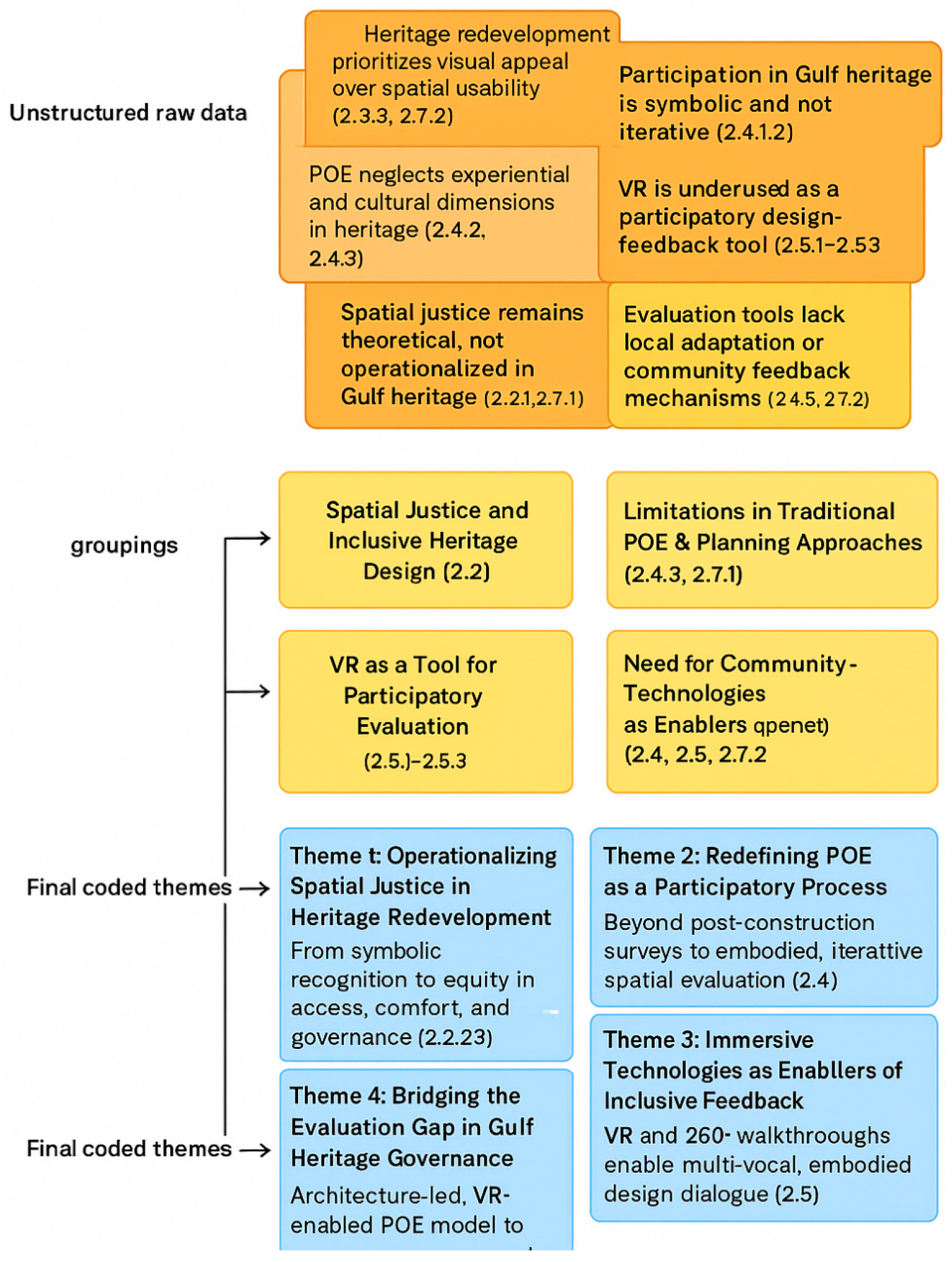
Figure 3 demonstrates reflective thematic approaches that provide the methodological background to comprehend user experience in immersive and context-specific environments that can provide a comprehensive cognition of the spatial awareness and interaction.
However, the practice of POE in the Gulf region is underdeveloped. Current practices tend to focus more on institutional and design-oriented evaluation criteria, rather than user-centered and participatory approaches [
17,
23]. This constrains the scope of POE in evaluating important sustainability criteria, such as social inclusion, cultural preservation and environmental comfort. Additionally, conventional POE methods do not embrace tacit knowledge, particularly in dense neighborhoods where microspatial alterations have the potential to affect mobility and social relations [
22,
24].
Figure 3.
Thematic coding framework showing the progression from raw data to grouped concepts and final coded themes. Orange boxes represent unstructured raw data, yellow boxes represent grouped concepts, and blue boxes represent final coded themes. Source: author [2025], based on Ref. [
25].
Figure 3.
Thematic coding framework showing the progression from raw data to grouped concepts and final coded themes. Orange boxes represent unstructured raw data, yellow boxes represent grouped concepts, and blue boxes represent final coded themes. Source: author [2025], based on Ref. [
25].
While participatory POE methods have been demonstrated to facilitate inclusive design and spatial justice [
18,
26], they have limited application in places with low public participation. This highlights the importance of developing sustainability-oriented evaluation models that consider user experience, involvement, and the performance of a city overall.
2.3. Virtual Reality as an Embodied and Participatory Post-Occupancy Tool
Virtual Reality is a valuable approach to overcome the shortcomings of traditional POE approaches in sustainable heritage urban and architectural redevelopment. Unlike static simulations, VR allows users to perceive space at full scale and in first-person, and to interact with spatial form, locomotion and environmental conditions in an embodied way [
27].
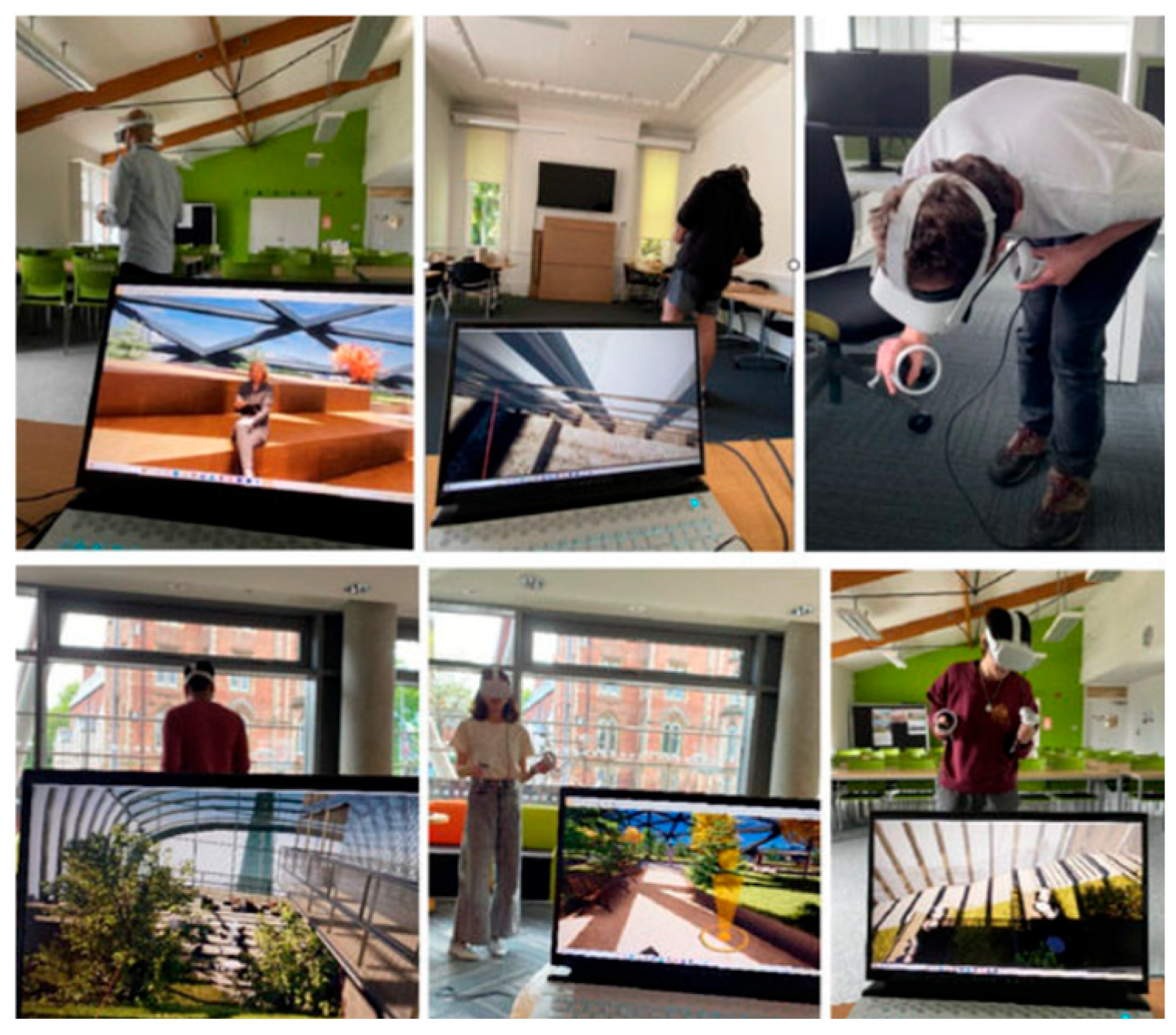
Figure 4 shows that immersive environments offer a sensory knowledge that connects the virtual to the real environment.
Research is emerging that shows VR-based POE can expose experiential, behavioral and operational problems that are not identified through traditional evaluation methods. In heritage and urban environments, VR can be used to assess the clarity of circulation, walkability, visibility, comfort, perceptual experience and more, especially for non-expert users [
14,
16,
28]. Moreover, VR has been shown to reduce participation barriers, making the process more inclusive because of the various user demographics, such as older adults and low-tech savvy users [
7,
29,
30].
More importantly, VR aids the procedural part of spatial justice in a participatory and inclusive manner [
30]. In terms of sustainability, this allows urban systems to better respond to community needs, increase transparency in governance, and increase social resilience over time. VR enables the inclusion of memory and emotion in evaluation in heritage contexts, where these factors are key elements of spatiality.
Although VR is spreading throughout the Middle East for cultural heritage projects, the use of VR for systematic POE is still limited. As illustrated in
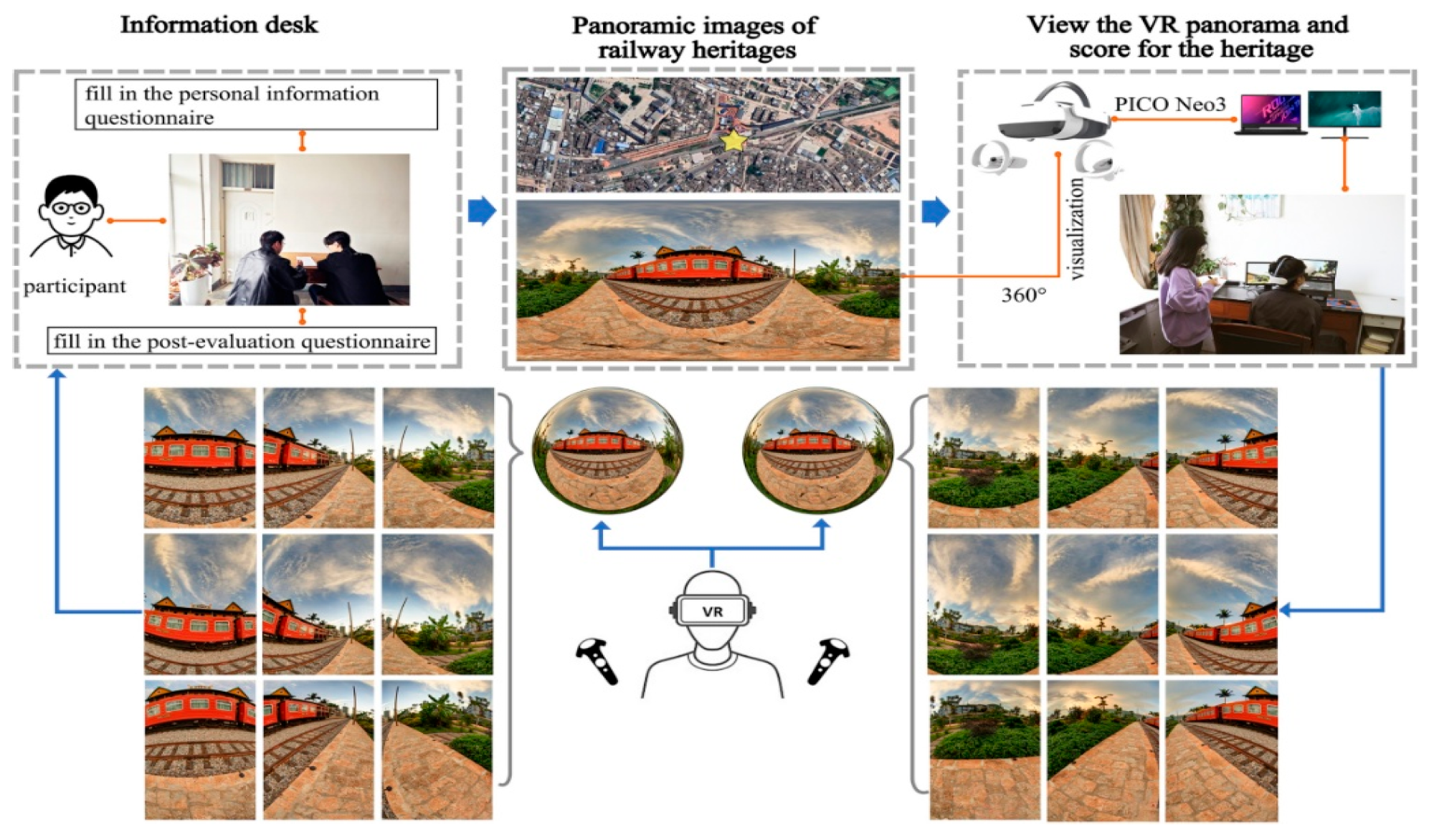
Figure 5, existing immersive workflows have been able to show how panoramic imagery can be used in association with VR interfaces to aid spatial perception and user assessment. But, VR still has a limited use in the field of sustainability evaluation [
16,
24,
31]. A gap has been identified in the use of VR to assess accessibility, social functionality and spatial justice in post-redevelopment heritage contexts [
32,
33,
34,
35].
Table 1 identifies several gaps in the literature regarding the evaluation of heritage redevelopment. These include a lack of post-redevelopment evaluation in the Gulf region, a need for more user-focused evaluation via POE, a need for more rigorous integration of VR in Post-Occupancy Evaluation, and a need for participatory and justice-focused approaches to heritage governance.
In terms of sustainability, these gaps point to the need for evaluation that considers environmental, social, cultural, and participatory aspects of sustainability. To overcome these challenges, we need to shift from visually oriented redevelopment to more experience-based approaches [
39,
40,
41].
In response to this, this study suggests VR-based POE as a participatory, integrated, and sustainable method of evaluation. This model that incorporates both immersive technologies and participatory assessment procedures enables more participatory, context-sensitive and performance-based heritage redevelopment. This contributes to the development of a sustainable heritage urbanism through the interdependence of architecture, technology, and governance procedures into an evaluative paradigm.
Overall, the literature suggests that sustainable heritage redevelopment must be considered outside the context of visual conservation or architectural restoration. The sustainability-focused evaluation needs to take into consideration the environmental performance, encompassing shade, thermal comfort, and walkability [
17,
23]; social performance, including accessibility, inclusion, and belonging [
18,
26,
29]; cultural performance, including memory, identity, and continuity of place [
11,
13,
22]; and governance performance, including participation, spatial justice, and institutional responsiveness [
4,
9,
36,
38].
In this context, VR-based POE is a method to bridge the spatial experience, user feedback, and planning evaluation into a more inclusive and evidence-based approach [
14,
16,
19,
38]. This study thus positions immersive VR as a participatory sustainability evaluation tool in identifying how heritage redevelopment performs in the post-implementation context in terms of environmental, social, cultural, and procedural performance.
3. Materials and Methods
3.1. Research Design and Methodological Approach
This research adopted a convergent mixed-method design to merge qualitative and quantitative data collected and analyzed separately and then triangulated. It is an appropriate method for heritage environments given that spatial performance includes experiential, cultural, social, environmental and functional aspects that are difficult to capture using a single method [
2,
24].
The research approach builds on the challenges identified in
Section 2, including the prioritization of visual redevelopment, the neglect of user experience, and the absence of sustainability-focused POE in the Gulf region. The research, therefore, utilizes a participatory POE through immersive VR to permit a more comprehensive sustainability performance evaluation of heritage urban settings [
9,
22].
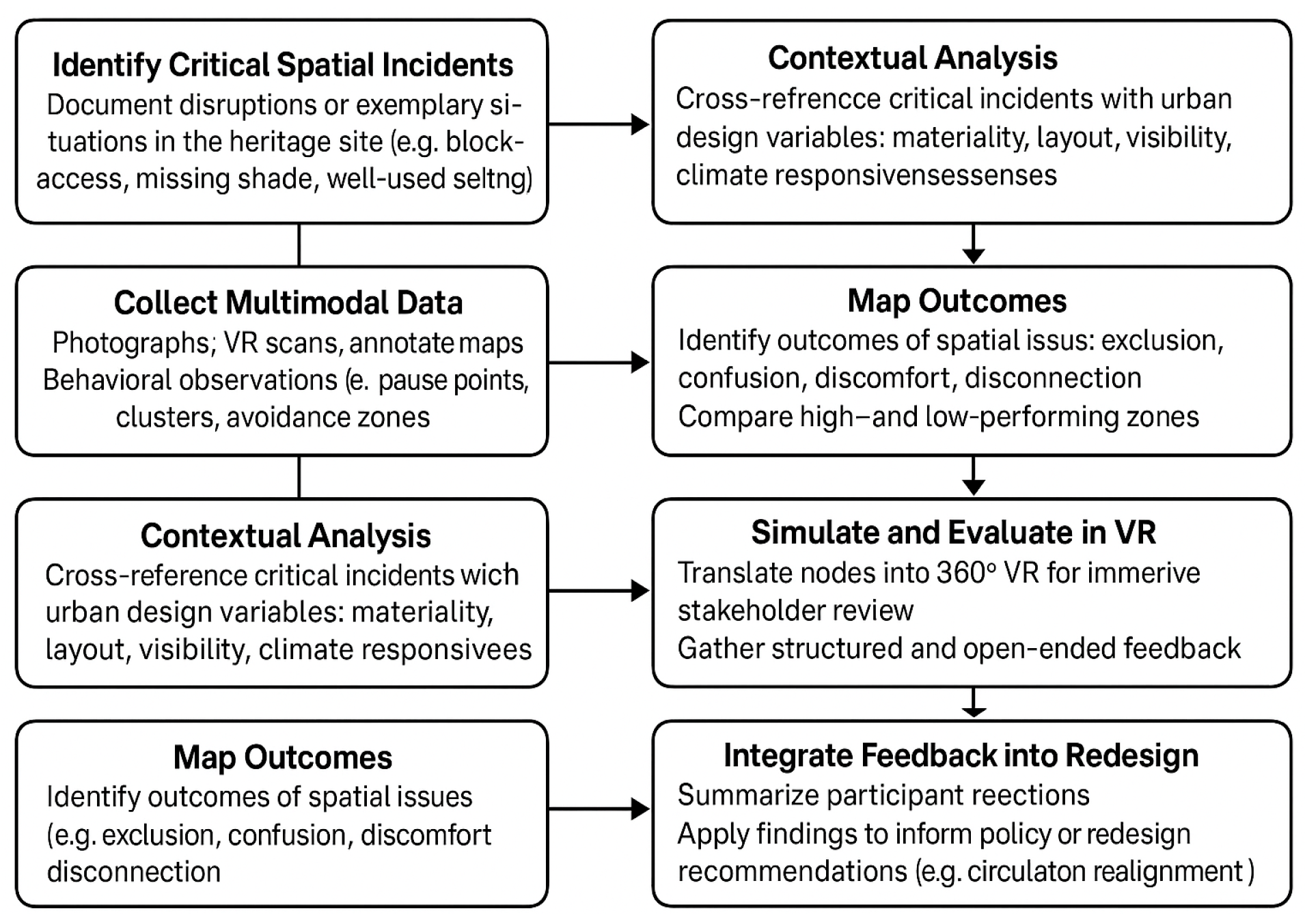
The empirical investigation was organized in four consecutive phases, consistent with mixed-method and POE methods, which integrate spatial observation, user feedback, and expert interpretation [
2,
18,
42]. First, site observations were conducted to define essential spatial concerns in Souq Al Muharraq, such as circulation conflicts, absence of shading, uncomfortable seating, and variations in the commercial visibility. Second, the Critical Incident Method (CIM) was used to select seven evaluation nodes, which enabled the study to specifically assess the spatial conditions in which redevelopment had the apparent impact of influencing accessibility, comfort, social belonging, and urban performance [
2]. Third, the nodes that were selected were recorded in 360-degree panoramic form and shown to the participants via a Meta Quest 3S headset (Meta Platforms Technologies, LLC, Menlo Park, CA, USA), in line with emerging VR-based POE modalities that enabled a user to evaluate immersive built environments [
14,
16,
19]. Fourth, participants completed a survey after the VR walkthroughs, followed by semi-structured interviews and informal discussions, where experts then evaluated the results of the sessions and interpreted user responses in relation to sustainability, spatial justice, and heritage redevelopment.
This approach to POE, unlike traditional forms of POE that are focused on technical performance audits, considers POE as an experience-centered, participatory and sustainability-oriented assessment process that draws on users’ experience of space. It allows the consideration of environmental, social, cultural and governance aspects in the assessment of redevelopment.
The methodological innovations of the convergent mixed-method approach are listed in
Table 2.
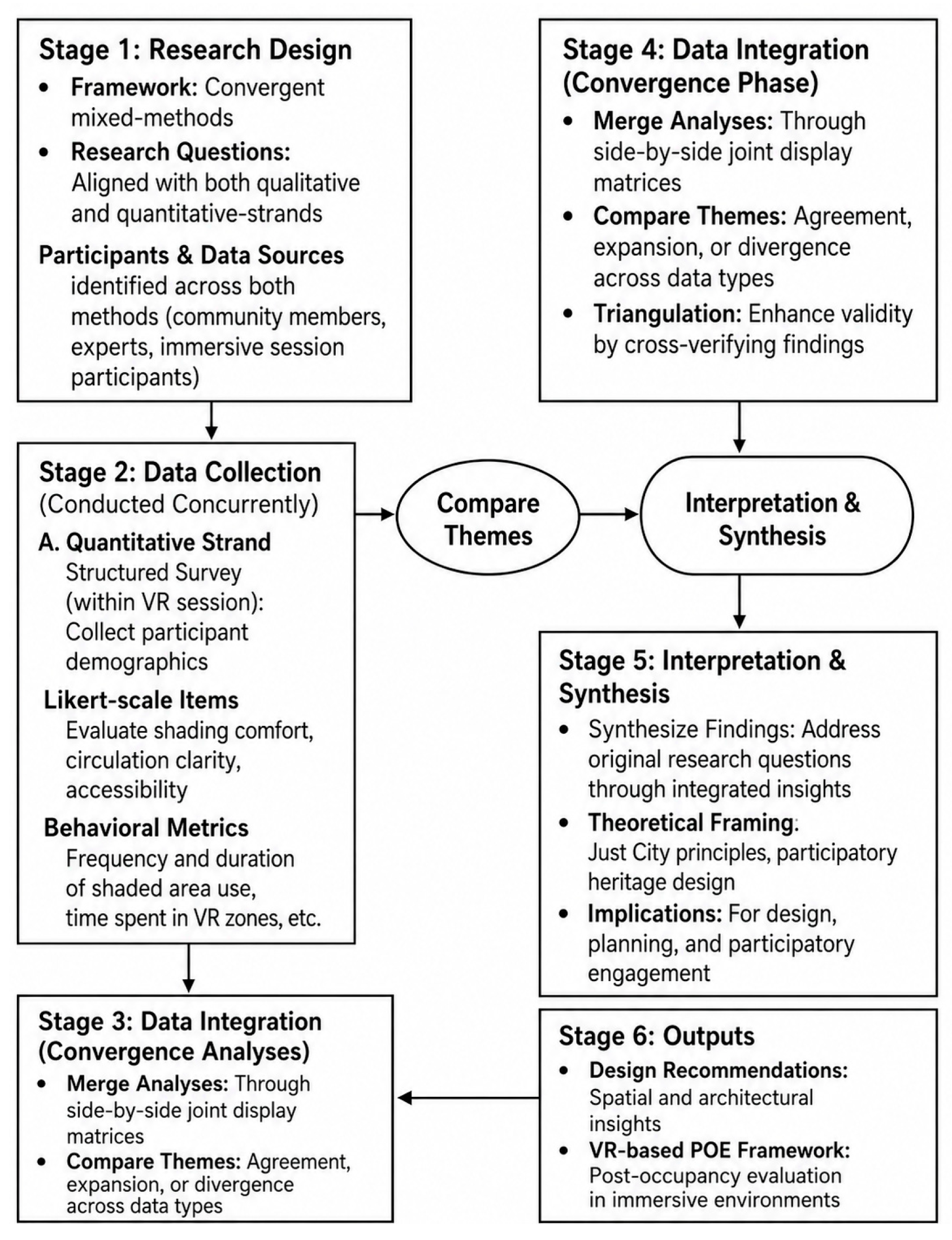
Figure 6 shows the research process and how the qualitative and quantitative strands were combined. Analytical displays allowed comparison across data sets and provided for verification and convergence of themes using the NVivo 15 software (Lumivero, Denver, CO, USA).
3.2. Case Study Context: Souq Al Muharraq
Souq Al Muharraq was chosen as a case study because it is a key element of the Pearling Path UNESCO World Heritage Site and a socio-cultural and economic center in the historic city of Bahrain. For sustainability, the souq is a key case to consider the interaction of heritage preservation and urban function, environmental quality and social equity.
The case is especially relevant to the sustainability study, as it demonstrates the discrepancy of heritage conservation, tourist-oriented redevelopment, daily commercial activity, and local social practices. Because both formal preservation agendas and vernacular spatial practices shape historic urban areas in the Gulf, they are sensitive to changes in circulation, shading, accessibility and social use [
1,
11,
12,
22]. Souq Al Muharraq, thus, offers an appropriate framework where the discussion of whether redevelopment interventions can be used to support not only the preservation of visual heritage but also the environmental comfort, social inclusion, cultural continuity, and participatory governance can be researched.
The recent architectural renovations, streetscape upgrades, and tourism-oriented redevelopments have been conducted in the souq and aimed at increasing visual continuity and heritage character. But as highlighted in
Section 2, traditional souqs are very sensitive to spatial changes. Changes in circulation, shading, landscaping and parking have also influenced walkability, thermal comfort, retail visibility and social interactions [
22].
These changes allow us to assess the sustainability of redevelopment strategies in terms of thermal comfort, accessibility and experience.
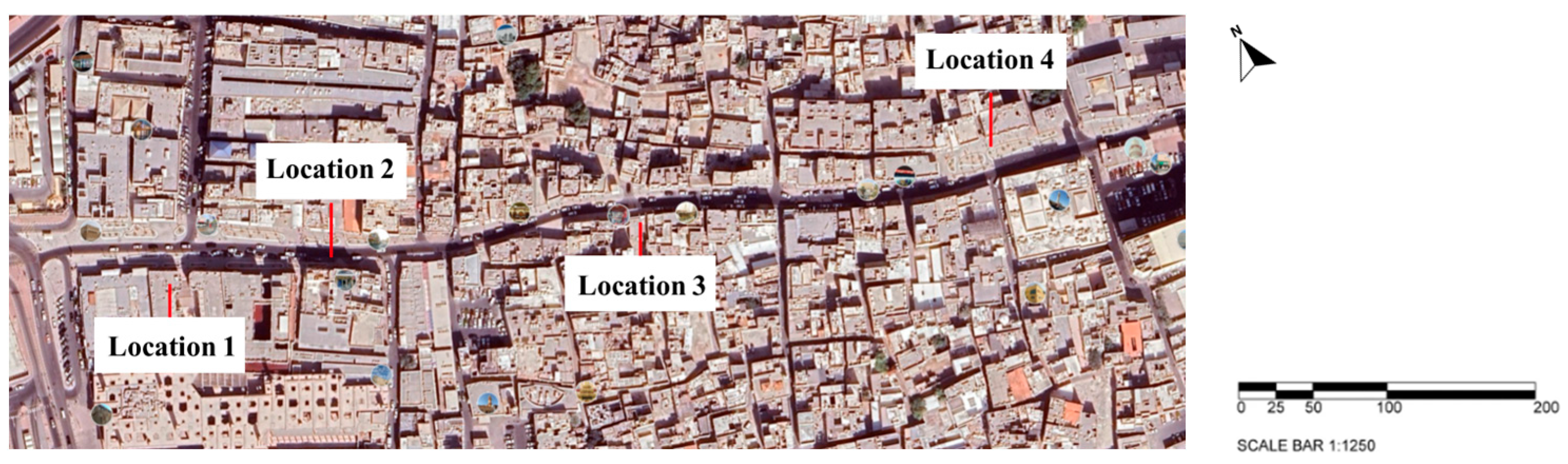
A series of site observations was conducted to determine critical spatial conditions such as bottlenecks, access restrictions, altered walking patterns, and social practices.
Figure 7 shows four key locations comprising seven evaluation nodes, which were selected based on these observations. The methodology is based on the CIM, which allows the VR scenarios to capture both negative and typical spatial conditions.
3.3. Participatory Post-Occupancy Evaluation Methods
The main methodological strategy of the study is a participatory immersive framework for POE that combines VR walkthroughs, surveys, and interviews to evaluate the spatial conditions of sustainability.
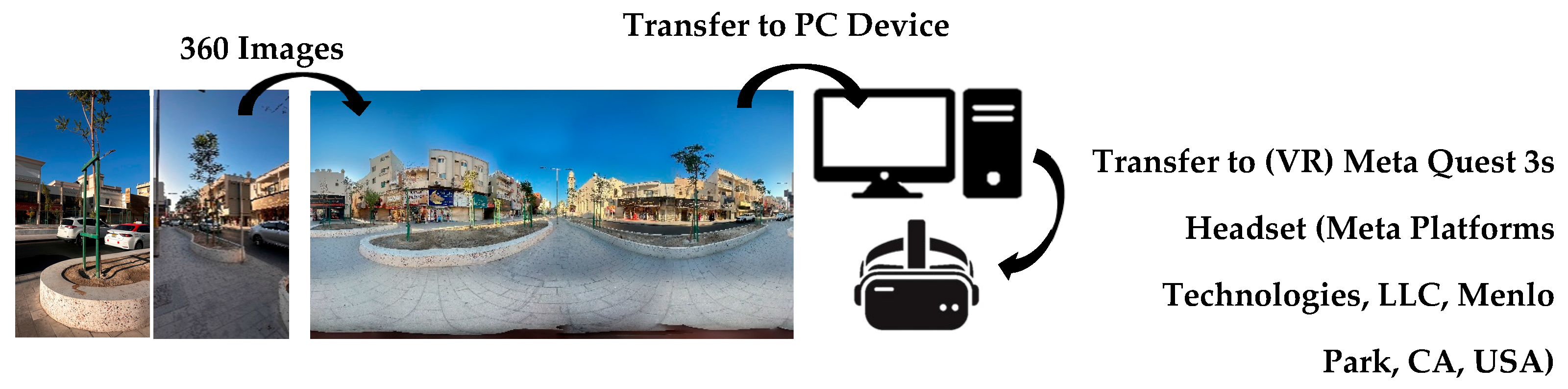
Panoramic 360-degree imagery was captured on-site using the 360 Photo Cam mobile application, version 4.0.0 (DoSpace, Inc., Nebraska, NE, USA), and presented through a Meta Quest 3S headset (Meta Platforms Technologies, LLC, Menlo Park, CA, USA), enabling participants to experience the selected locations in full scale and from a first-person point of view. In immersive conditions, participants could assess the spatial quality in terms of thermal comfort, accessibility, circulation and social usability, which are crucial elements for sustainability in urban space.
The VR deployment workflow is shown in
Figure 8. The use of panoramic imagery of the actual world allowed materiality, spatial continuity, and cultural continuity, which are fundamental indices of sustainability measurement of heritage buildings [
16].
To make it more accessible, the VR interface was designed to be user-friendly, enabling even a non-expert user (e.g., an elderly user and a shopkeeper) to participate.
Figure 9 shows that the VR scenarios were based on the evaluation nodes of the CIM, so that feedback was based on real spatial data.
After the immersive experience, participants answered a quantitative questionnaire using a Likert scale in five areas of evaluation: architectural design, urban performance, cultural experience, functional comfort and social belonging. These aspects map onto sustainable urban performance aspects of environment, social interaction and user well-being.
The key concepts were translated into measurable indicators based on direct observation and participant-reported responses. Perceived heat, shade, seating, visibility, circulation, signage, and ease of movement were used to measure thermal and functional comfort through memory-based personal experiences. The measure of social belonging and cultural experience was through the collection of space, informal interaction, memory, identity, familiarity and continuity of place. Spatial justice was measured in terms of accessibility, the equal usability of the space by user groups, and the distribution of comfort and social opportunities [
4,
9,
18,
22,
26,
29,
42].
To enhance the methodological rigor, the VR-POE process was organized around the selected sustainability-related evaluation criteria based on the literature on POE, participatory planning, VR-based spatial evaluation and heritage redevelopment [
2,
14,
16,
18,
22,
38,
42]. The seven nodes have been chosen as they represented recurring spatial concerns as observed in the site, such as accessibility, thermal discomfort, circulation conflicts, diminished commercial visibility, and loss of informal social use. Participants were then asked to assess these nodes along five POE domains, which comprise architectural design, urban performance, cultural experience, functional comfort and social belonging. This framework allowed the research to correlate the individual user perceptions with the larger environmental, social, cultural, and governance aspects of sustainable heritage redevelopment.
Participants were selected to represent different relationships with Souq Al Muharraq, including residents, visitors, shopkeepers, and tourists. The participants were recruited using purposive sampling during the VR-based POE sessions in publicly accessible places, with the aim of including users with varying degrees of familiarity, use, or professional relationship with Souq Al Muharraq. This supported a participatory POE approach that captures varied user experiences and everyday spatial needs [
18,
26,
42]. Professional experience in the fields of architecture, urban planning, heritage conservation, engineering or governance was used to select expert participants. They were to evaluate whether user responses and observed spatial problems were indicative of broader sustainability, design, and planning issues [
2,
22,
23].
The wider sustainability issues that were identified in the literature were translated into measurable POE categories using these five domains. The architectural design dealt with visual integrity, materiality and heritage qualities; the urban performance dealt with circulation, accessibility, wayfinding, and the interaction of pedestrians and vehicles; the cultural experience was about memory, identity and place continuity; the functional comfort dealt with shade, seating, thermal sense, visibility and movement; and the social belonging dealt with gathering, inclusion, informal interaction and ownership sense. A combination of these domains allowed the study to relate user perceptions to environmental, social, cultural, and participatory aspects of sustainable heritage redevelopment [
2,
14,
18,
42].
Semi-structured interviews and small group discussions aided this quantitative evaluation, recording tales of recollection, identity, inclusion, and transformation, and offering insights about the social sustainability [
9].
3.4. Data Analysis and Interpretation Strategy
The method of data analysis was descriptive statistics and Reflexive Thematic Analysis (RTA).
The quantitative data collected from the questionnaires were subjected to descriptive statistics (mean and median values) to establish trends for the five areas evaluated, and thus provide a quantitative measure of perceived sustainability performance.
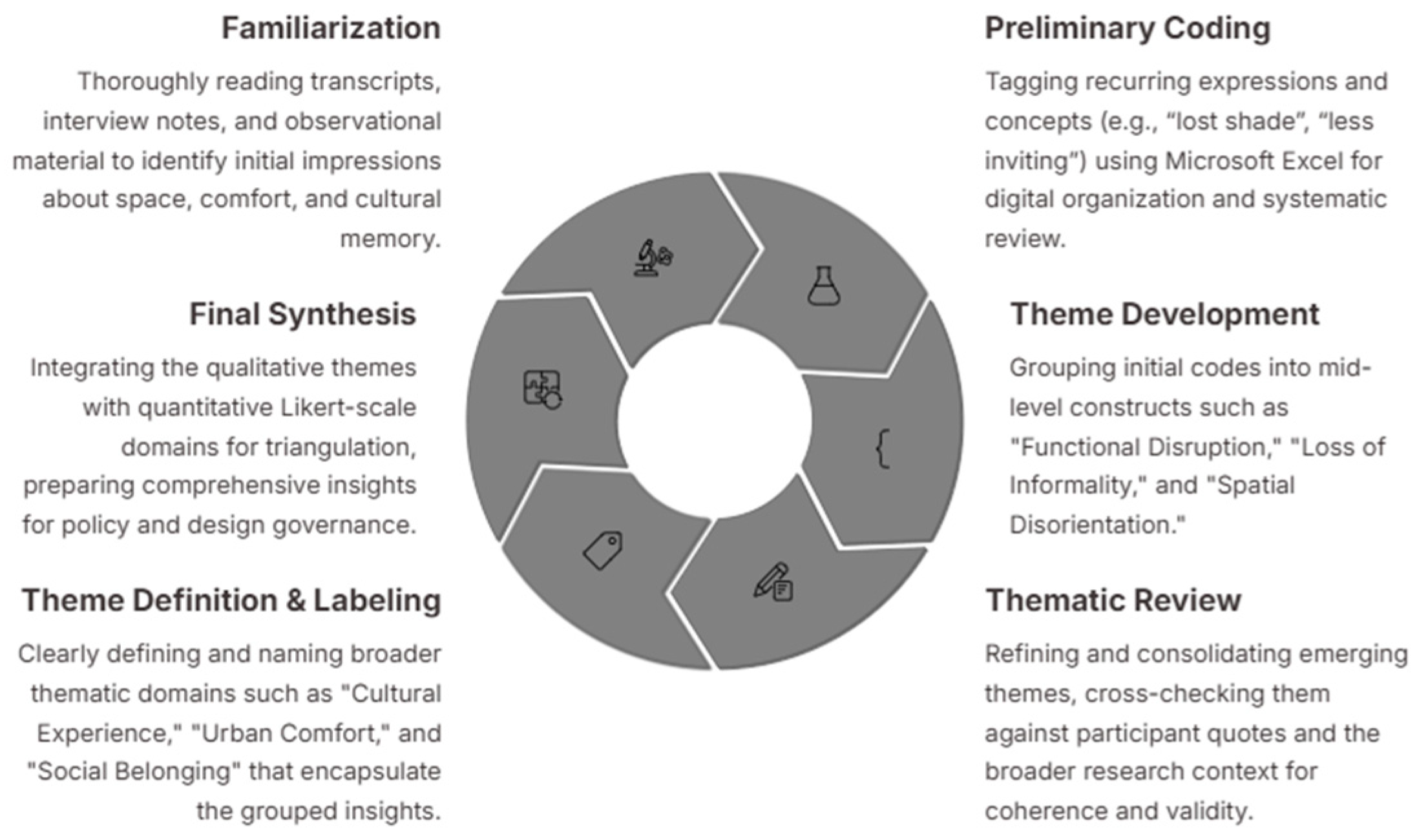
In the case of the qualitative data, i.e., the interviews, answers to the open-ended questions, and field notes, RTA was performed through the six-step process described by Braun and Clarke [
8]. This analysis was assisted by NVivo 15 software (Lumivero, Denver, CO, USA), which involves coding, naming of themes, and cross-checking to make the process rigorous and transparent.
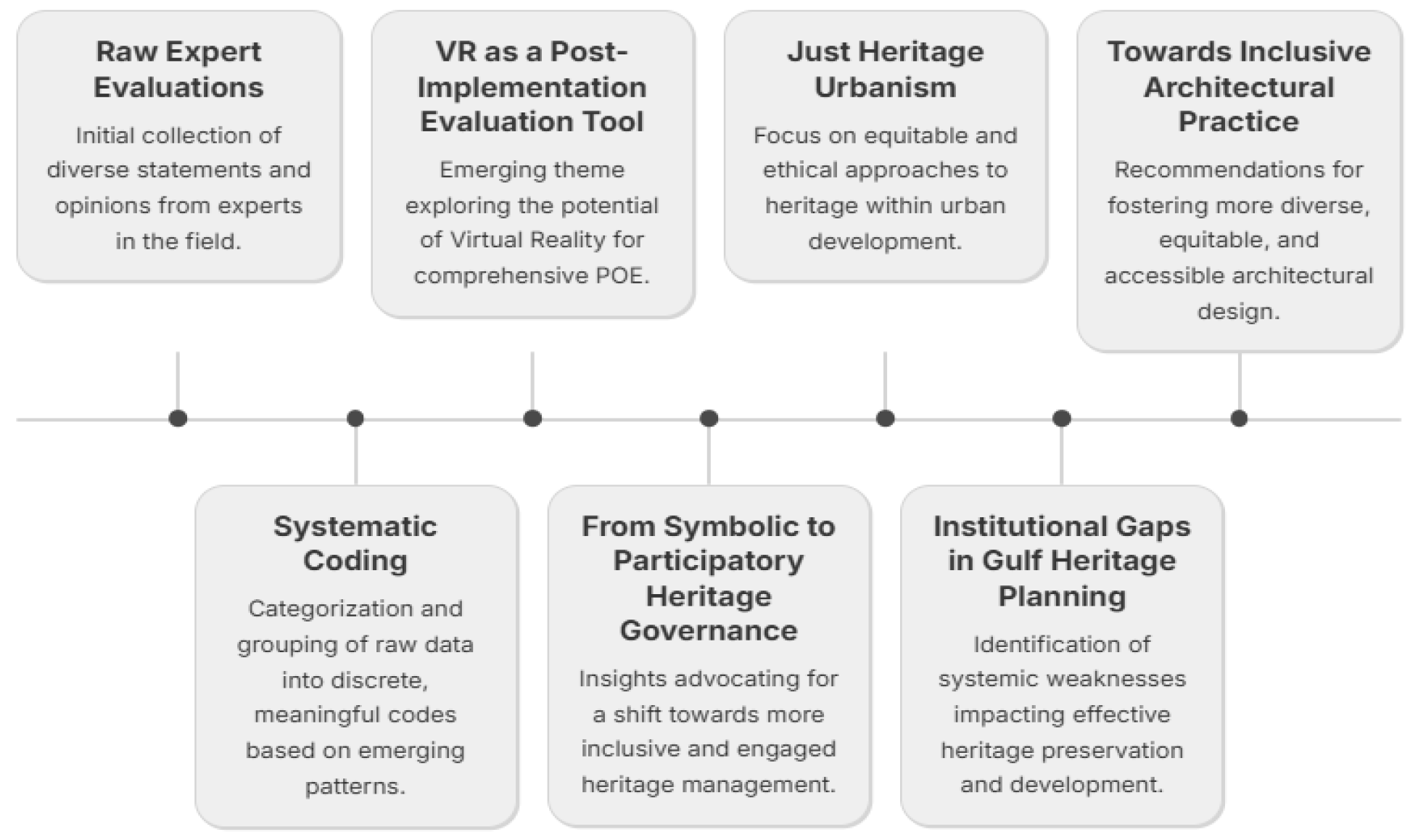
Figure 10 and
Figure 11 display the analysis process and the expert evaluation process.
Nvivo 15 software (Lumivero, Denver, CO, USA) was utilized to analyze qualitative data (interviews, responses to open questions in questionnaires, field notes and expert comments) using the RTA process, which follows the six-stage process of Braun and Clarke [
8]. Coding combined deductive codes based on the five POE domains, architectural design, urban performance, cultural experience, functional comfort, and social belonging, with inductive codes emerging as a result of participant response as it relates to memory, discomfort, accessibility, orientation, commercial visibility, and social use. Triangulation was done among the site observations, questionnaires, interviews and expert evaluation to enhance the validity [
2,
14,
18,
42]. Analytical consistency was upheld by repeated examination of the codes, themes and how they align with the research aims.
The third layer of analysis included expert assessment, in which architects, planners and heritage practitioners reviewed the results to determine the extent to which findings met sustainability goals, indicated performance shortfalls, and recommended policy measures.
The process of triangulation entailed the combination of quantitative and qualitative results and expert analysis. This enabled the similarities, differences, and complementarity of datasets to be identified, which supported the integrity of the findings and enabled the comprehensive evaluation of the sustainability performance of redevelopments [
2].
4. Results
4.1. Spatial Conditions: Site Observations and Urban Performance
4.1.1. Observed Spatial Challenges
Field observations highlight the spatial performance of the redeveloped Souq Al Muharraq as affected by recurrent physical and environmental conditions that impact the sustainability of spatial urban use. Seven observation points were mapped according to architectural significance, mobility, cultural and commercial activities (
Table 3;
Figure 12).
From various site visits, the spatial issues encountered were similar. The plantings, barriers, and furniture that blocked circulation and spatial comprehension were identified to occupy access nodes and discontinue circulation and spatial understanding. Retail nodes had decreased visibility of shop fronts, which limited engagement with merchants. Social nodes were underused due to the effects of direct sunlight, lack of shade, and impeded circulation.
Environmental observations at varying times of the day show that most nodes experience thermal discomfort during daytime hours. Seating and resting areas were underused due to poor shading, reflectivity and air ventilation. The results reveal major issues in the environmental sustainability performance, mainly in terms of thermal comfort and microclimatic adaptability.
4.1.2. Architectural and Urban Design Impacts
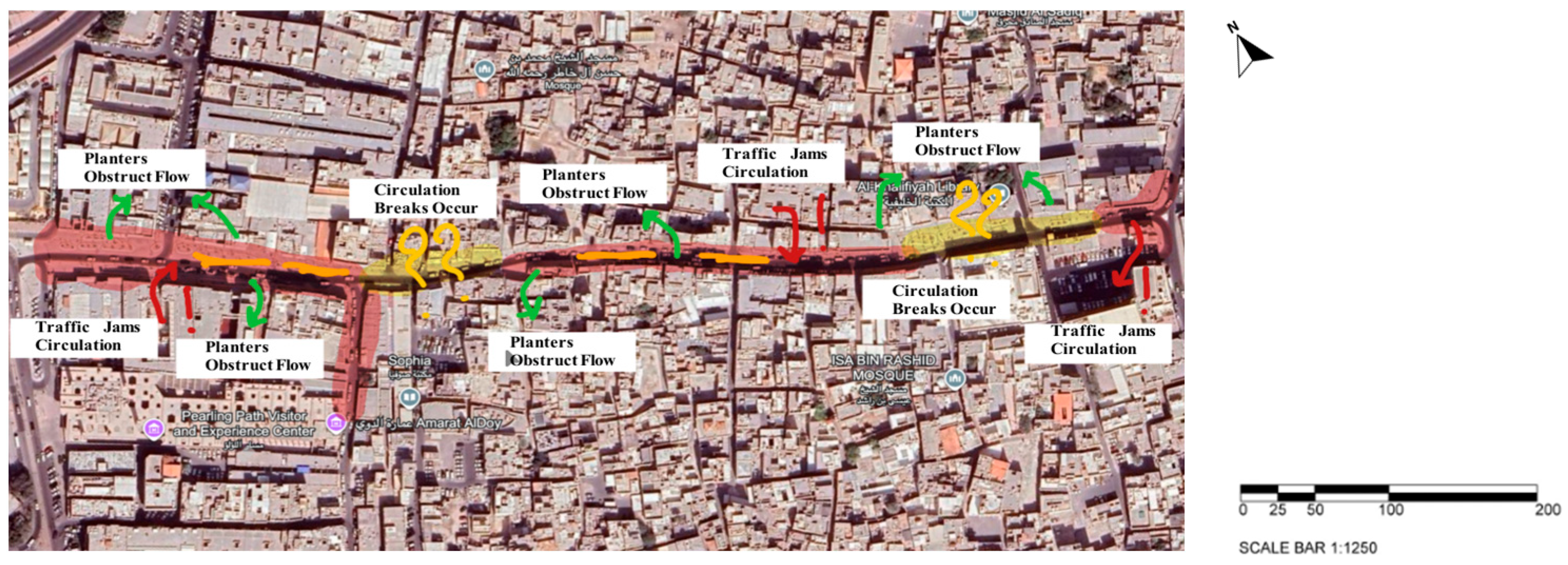
The redevelopment created uniform aesthetics. However, according to observation, it became less functional and climatically responsive. Generous open spaces were subject to excessive sun exposure, and new elements such as planters and light poles disrupted established traffic patterns.
Figure 13 shows the spatial map of the pedestrian-vehicular interaction. This demonstrated the presence of numerous bottlenecks and circulation disruptions along the souq axis. Conflicts were most apparent at Nodes 3, 4 and 5, where circulation was limited by physical obstruction and vehicle interference.
Table 4 summarizes the cumulative impact of these spatial conditions on the efficiency of circulation, accessibility and overall performance of sustainability.
Secondary alleys were found to be isolated from the main areas of activity, which indicated spatial inequalities in investment. These had low levels of lighting, accessibility and social engagement, suggesting spatial justice issues that impact social sustainability and inclusion.
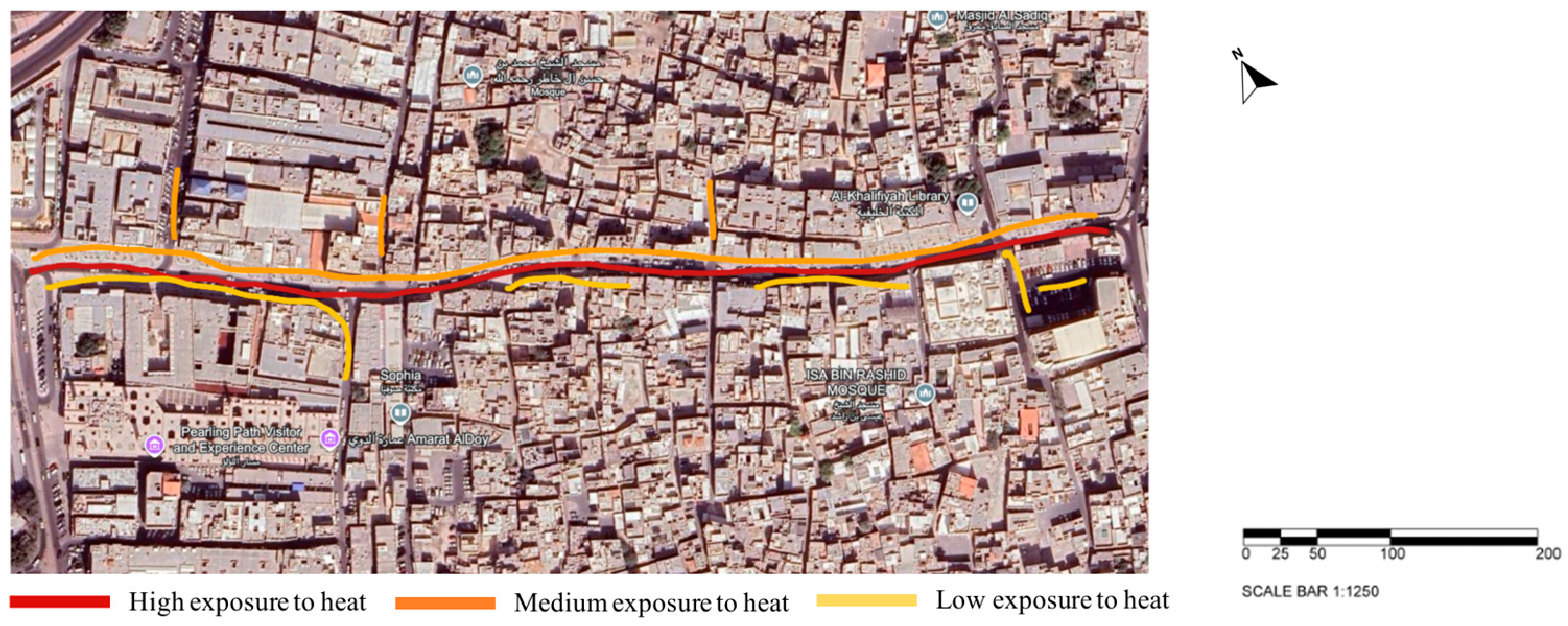
Figure 14 illustrates the thermal mapping and the effect of environmental exposure on low social activity. Thermal hotspots, especially those with a social function such as Node 7, were found to be underused. The observations assessed how users avoided open spaces and used shaded sidewalks, also showing the impact of environmental factors on the sustainable use of public space.
4.2. Community Participation Through VR-Based Post-Occupancy Evaluation
4.2.1. Participant Experience and Behavioral Response
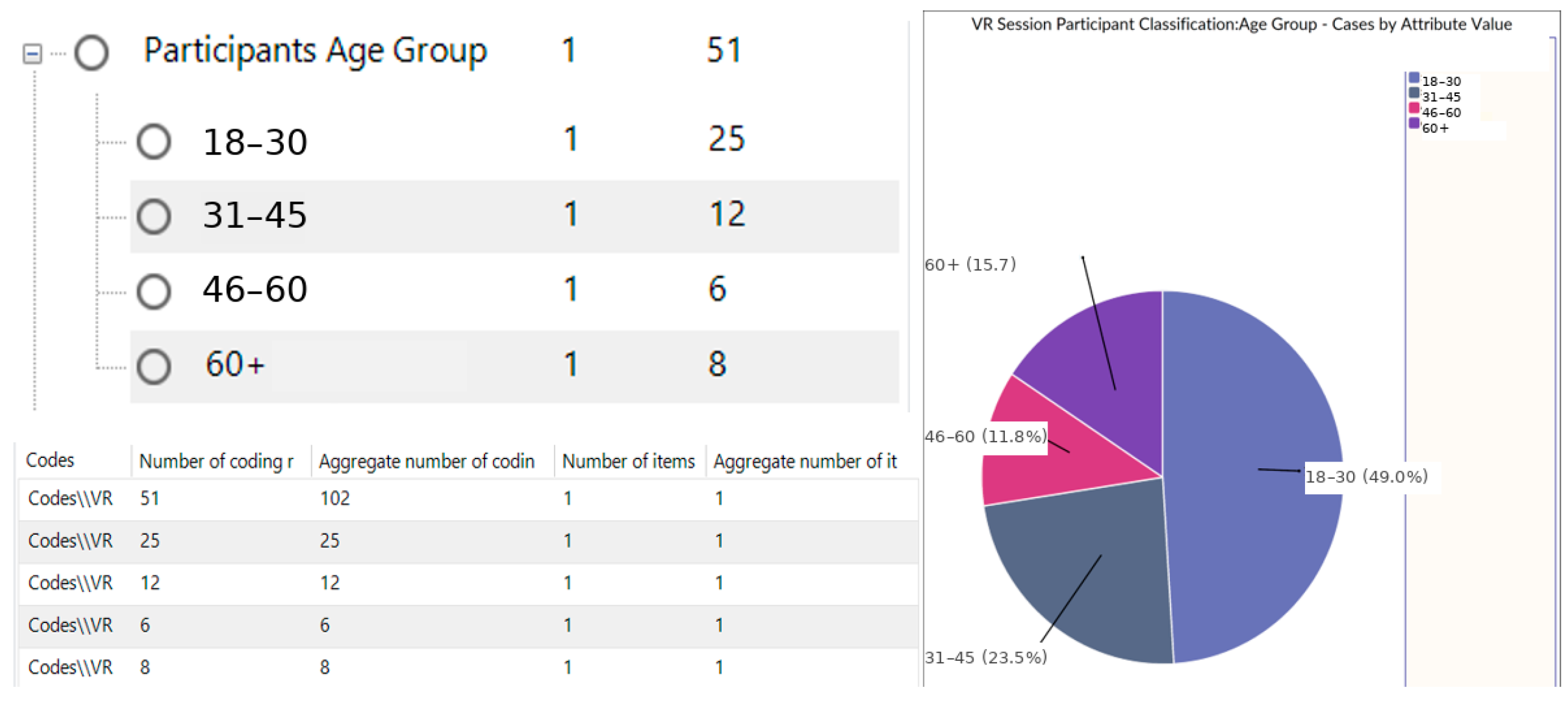
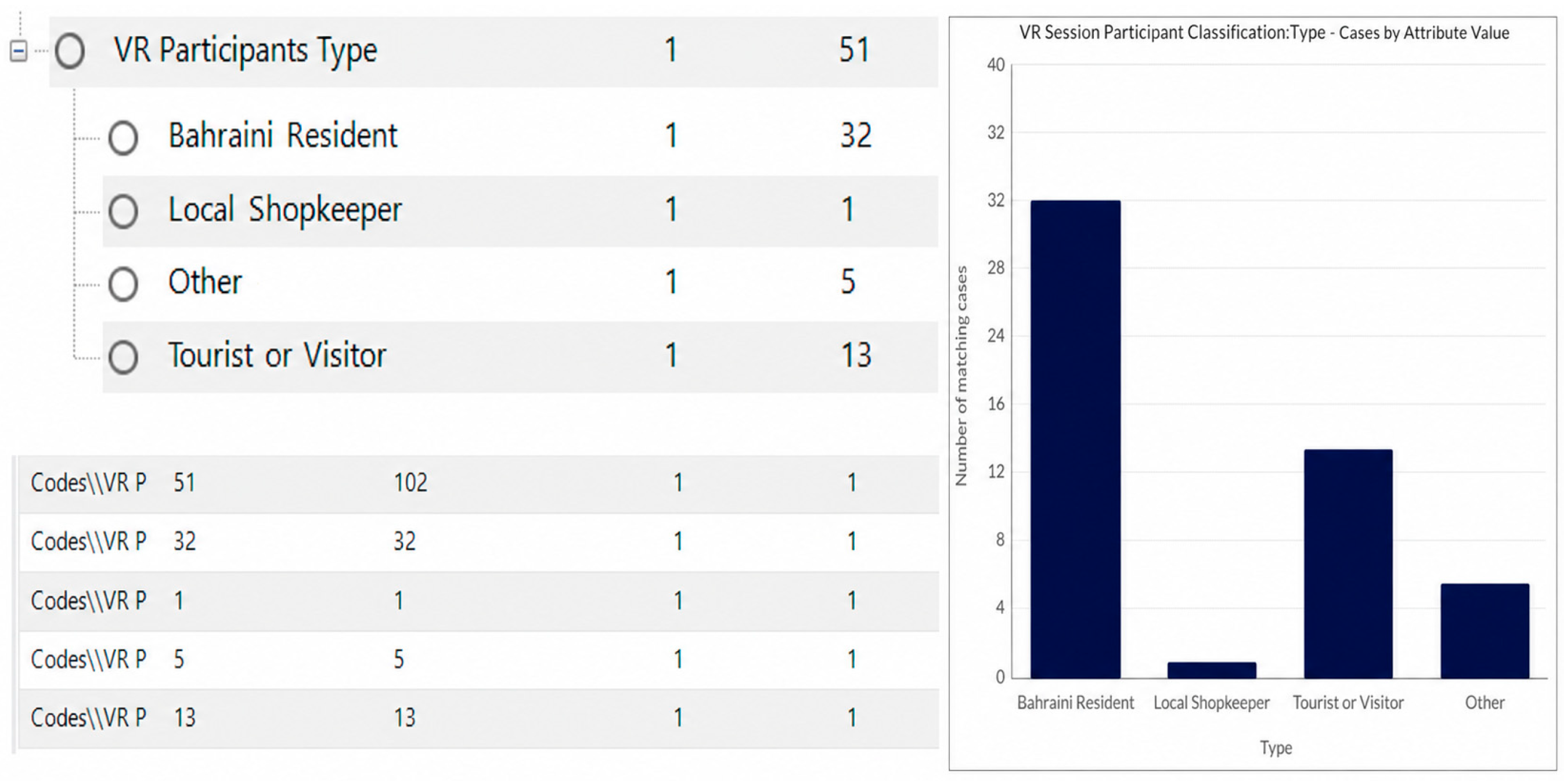
The study had 51 participants who attended four VR-based POE sessions in publicly accessible locations.
Figure 15 and
Figure 16 show that the demographic breakdown is the largest being Bahraini residents in the ages 18–30, then tourists, and, finally, shopkeepers.
In immersive walkthroughs, participants interacted with seven spatial nodes in 360-degree VR scenarios. Pauses, head nodding, verbal responses, and hesitation signaled different degrees of spatial interpretation and engagement (
Figure 17;
Table 5).
Behavioral responses varied across age groups, as summarized in
Table 6. Younger participants (18–30 years) interacted more with the VR environment and concentrated primarily on circulation, signage, and spatial legibility. On the other hand, the older participants (46 years and above) were more reflective and slower with interacting with the evaluated nodes, associating them with nostalgia and a past social usage. These patterns indicated that the effects of redevelopment do not occur uniformly among the different groups of users, especially with regard to access, usability and social sustainability.
These age disparities indicate that redevelopment was not equally experienced by the groups of users. Circulation, signage and comfort were the main aspects evaluated by younger participants, whereas older participants associated the same spaces with memory, seating, and lost social practices. This implies that sustainable redevelopment of heritage sites should consider both the functional performance and cultural continuity because the user experience will differ depending on age, spatial memory, and everyday use [
18,
22,
26,
29].
Differences were also observed among participating groups. Local residents emphasized familiarity and social use, shopkeepers focused on commercial visibility and pedestrian movement, while tourists responded mainly to visual coherence. These differences reflect distinct stakeholder priorities and demonstrate that sustainability in heritage redevelopment includes economic, social, and cultural dimensions.
4.2.2. Thematic Coding and User Perception
Interpretative qualitative data based on interviews and discussions were evaluated in five preset POE domains, i.e., urban performance, functional comfort, social belonging, cultural experience and architectural design. Another theme that appeared was emotional connection due to the recurrence of words and phrases such as memory, nostalgia and affective attachment.
The frequency analysis of the coded data revealed that such domains as functional comfort and social belonging were the most mentioned ones, and then urban performance and cultural experience (
Table 7). The youngest participants provided most of the references to circulation issues and thermal discomfort, whereas older participants focused on memory, identity, and cultural continuity. These results emphasize the need to combine the two dimensions of environmental and socio-cultural sustainability in the assessment of heritage redevelopment.
The identification of spatially specific patterns occurred at nodes (
Table 8). Aesthetic dissonance and seating loss were linked to Node 1, thermal discomfort and difficulty with orientation were linked to Node 2, and reduced social activity was linked to Node 3.
The narratives of the participants (
Table 9) demonstrated a high level of emotional reactions, such as cultural detachment, identity loss, and diminished social interaction. These results indicate that sustainability in heritage is not merely a case of physical performance but also a matter of cultural sustainability and emotional sustainability.
4.3. Expert Evaluation and Institutional Insights
The expert evaluation involved seventeen professionals in design, planning, engineering, and governance sectors. The consensus across disciplines was high on the mismatch between design intentions and user experience.
Among the critical questions associated with the environmental performance identified by experts were thermal stress, material reflectivity, and the absence of shading, limitations of access, and disruptions of circulation. Such results indicate shortcomings in environmental and functional sustainability performance.
Table 10 outlines the added value of VR-based POE. The scholars noted that the immersive assessment demonstrated behavioral, emotional, and sensory responses that were not measured by the traditional forms of assessment.
The institutional analysis indicated a lack of coordination among agencies and poor participatory structures. Processes of public consultation were reported to be available but not well incorporated into the decision-making. These results show deficiencies in the sustainability of governance, especially in terms of participation and institutional responsiveness.
As a whole, site observations, VR participant responses and expert evaluations indicated that physical issues, like loss of shading, disruption of circulation and loss of visibility, were not merely functional issues. They also influenced emotional and cultural reactions, including those of memory, belonging and continuity of place.
5. Discussion
This study’s findings reveal a persistent disconnect between heritage redevelopment interventions and daily spatial practices in Souq Al Muharraq. At the observational, participatory, and expert evaluation levels, redevelopment policies favored visual consistency and symbolic repair to functional utility, environmental comfort, and experience. These results affirm that visually oriented heritage intervention, in the absence of user-based assessment, may compromise the overall sustainability performance of the urban settings [
9,
22].
In the context of sustainability, the results indicate severe deficiencies in the areas of environmental, social, and governance. Concerning the environment, the findings affirm that poor shading, high surface reflectivity, and broken airflow are among the major causes of thermal discomfort, which restricts the utilization of the public space and diminishes the interaction between people. Socially, the results prove the lack of accessibility, the deterioration of informal relations, and uneven space use, especially in vulnerable populations of elderly users and long-term residents. Such results demonstrate a lack of both environmental and social sustainability, which justifies the adoption of performance-based evaluation methods.
These results were analyzed in terms of the theoretical framework of spatial justice, which demonstrates the existence of distributional, recognition, and procedural inequalities in the redeveloped process. Distributional injustice is manifested in the unequal distribution of environmental comfort and accessibility, whereas recognition injustice is seen in the effect of disruption of cultural continuity and place identity. The lack of integration of the community in planning and decision-making is a confirmation of procedural injustice. These dimensions are collectively important to illustrate systemic problems in attaining equitable and sustainable heritage redevelopment.
This study has contributed to sustainability by showing that the redevelopment of heritage should be measured in terms of environmental, social, cultural, and governance rather than through visual restoration alone. The study offers a framework for identifying the gaps in post-redevelopment and supporting more inclusive, adaptive, and sustainable heritage planning by connecting VR-based POE to user experience, spatial justice, and participatory evaluation.
Notably, the results are in direct correlation to the global sustainability agendas. Compared to Sustainable Development Goal (SDG) 11 (Sustainable Cities and Communities), the results show that the current redevelopment practice is inadequate to attain inclusive, safe, and accessible public spaces. In terms of SDG 16 (Peace, Justice, and Strong Institutions), the absence of effective mechanisms of participation points to the gaps in governance and the lack of institutional sensitivity to the needs of the community. Moreover, concerning SDG 9 (Industry, Innovation, and Infrastructure), the paper shows the promise of new digital technologies, including VR-enabled POE, to improve the process of infrastructure assessment and planning.
One of the significant contributions of this work is the evidence of VR as an effective, embodied, and participatory POE tool. In contrast to traditional approaches, VR-based POE records experiential, emotional, and behavioral reactions in real time, which allows a better comprehension of spatial performance. This method exposes essential sustainability-related problems, such as thermal discomfort, circulation inefficiencies, and loss of social functionality, that are not entirely reflected in the conventional evaluation systems.
The VR-based approach is an embodied and participatory type of spatial evaluation when compared to traditional POE methods. Although surveys, interviews, and site observations can be used to obtain significant user and environmental information, VR enables participants to view spatial sequences in a visual and human-scale manner that can facilitate faster reactions to circulation, visibility, comfort, and social usability. This would be of great use, especially to non-expert users who might not be able to judge abstract drawings, maps, or technical reports. Thus, VR is not suggested to replace the conventional POE but to be used as an addition that enhances user-focused assessment and helps to bring the experiential side of sustainability to the forefront [
14,
16,
19,
38].
Furthermore, VR can support more inclusive participation by enabling non-expert users to engage meaningfully in evaluation processes and contribute to more equitable urban governance. By creating a shared experiential platform, VR also helps designers, engineers, and policymakers understand user needs from a common point of reference. In this sense, VR is not only a technological tool but also a mechanism for supporting more sustainable and inclusive planning practice [
8,
14].
As shown in the triangulated results, summarized in
Table 11, the main systemic issues include the focus on aesthetic coherence over usability, marginalization of informal social practices, and the procedural shortcomings in participatory governance. These results affirm that existing redevelopment strategies are still constrained by their capacity to deal with the multidimensional needs of sustainability.
Overall, the results demonstrate that heritage redevelopment cannot be effectively evaluated through visual or technical criteria alone. Rather, the evaluation that is sustainability-focused should include the environmental performance, social inclusivity, cultural continuity, and participatory governance. In this regard, VR-enabled POE offers a solid framework for closing the gap between design intentions and lived experience.
The results of Souq Al Muharraq indicate certain post-redevelopment issues such as thermal discomfort, disruption of circulation, reduced seating, limited accessibility, and weakened social use. The broader planning implication is that sustainable heritage redevelopment should not be assessed through visual restoration alone. It should also be evaluated through performance-based criteria that address environmental comfort, social inclusion, cultural continuity, and participatory governance. In this regard, VR-based POE can inform the practice of planning, translation of lived experience into evidence that can guide the design revisions, policy decisions, and future redevelopment strategies [
14,
18,
22,
38,
42].
The study also directly addresses the research gaps identified in the literature. First, it contributes to heritage redevelopment research in the Gulf, where user-centered post-redevelopment evaluation remains limited. Second, it extends the POE literature by moving beyond technical building performance to include memory, social belonging, cultural continuity, and spatial justice. Third, it contributes to VR research by positioning VR not only as a visualization tool but also as a participatory evaluation technique capable of identifying gaps between design intentions and lived experience. Finally, the study contributes to sustainable heritage governance by demonstrating how immersive user feedback can support more inclusive and responsive redevelopment decision-making [
2,
9,
14,
18,
38,
42].
Rather than functioning only as a visualization tool, VR can be understood as an evaluative and governance-oriented mechanism that supports iterative design, improves transparency, and strengthens institutional accountability. As the case of Souq Al Muharraq demonstrates, the absence of such integrative tools may allow redevelopment to achieve visual success while compromising sustainability, social inclusion, and functionality. These findings can inform sustainable heritage urbanism by supporting experience-based, participatory, and technology-enabled assessment models that are adaptable to different socio-cultural contexts.
6. Conclusions
The present research assessed the environmental, social, and procedural effects of heritage-based redevelopment in Souq Al Muharraq through the convergent approach of mixed methods that combined site observations, VR-based POE, and expert interviews. Although the redevelopment project brought visual and architectural restoration, the results indicate that there were major discrepancies between design goals and daily spatial practices that have serious implications for the sustainability performance of the heritage urban environments.
The findings confirm that major aspects of sustainability, such as thermal comfort, accessibility, and informal social use, had been undermined, and as such, it led to functional restriction and emotional disconnection by the users, especially those who lived there long-term. These results underscore the need to incorporate environmental performance, social inclusivity and cultural continuity into heritage redevelopment procedures.
One of the key contributions made in this research is the use of VR as an embodied and participatory POE tool. The results indicate that VR can be used to capture experiential, behavioral, and culturally embedded responses that cannot be captured using traditional evaluation procedures. This makes VR a key process in the promotion of user-centered and experience-based sustainability assessment in heritage.
Despite VR supporting immersive and participatory evaluation, the 360-degree simulation was unable to fully recreate the physical and sensory conditions of Souq Al Muharraq, including heat, humidity, smell, sound, crowding, and the changing light conditions. The responses of participants may also have been affected by their knowledge of VR technology. Thus, VR was perceived in the study as a supplementary POE tool as opposed to a substitute for direct site observations, interviews, or environmental measurements [
14,
19,
24,
38].
Participant-related factors, such as age, experience with VR technology, prior knowledge of Souq Al Muharraq, spatial memory, and visual interpretation, may also have affected the comparison between conventional POE and VR-based POE. These aspects may influence the perception, navigation, and evaluation of the virtual environment by the participants. Thus, VR-based POE is to be viewed in collaboration with direct observation, interviews and expert evaluation to present a more balanced sustainability assessment [
14,
19,
38,
42].
The study also reveals procedural loopholes in existing redevelopment methods, such as participation of the community and inadequate cross-disciplinary integration. Such constraints inhibit the responsiveness of planning processes to user needs, which compromises the sustainability of governance and the responsiveness of an institution.
In practice, these findings imply that VR-based POE can be incorporated into the processes of heritage redevelopment both pre- and post-implementation. It assists early testing of circulation, shade, seating, and visibility, as well as social usability, for architects and urban designers. It offers a participatory interface in collecting user feedback from the residents, shopkeepers and visitors, as well as vulnerable populations to heritage authorities and municipalities. To policymakers, the approach can aid in more transparent and evidence-based decision-making by linking the spatial design options with the user experience, sustainability performance, and communal needs.
The findings fulfill the Sustainable Development Goal (SDG) 11 requirements, as they indicate the necessity to provide inclusive, safe, and accessible public spaces; SDG 16, since they reveal the significance of participatory governance and institutional accountability; and SDG 9, since they show how innovative digital tools, including VR-enabled POE, can improve the process of infrastructure evaluation and planning.
Overall, the study enhances sustainable heritage urbanism by developing a participatory, experience-based, and technology-driven assessment framework that will help close the gap between design intentions and the lived experience. Future studies are necessary to investigate ways of integrating VR-enabled participatory evaluation into formal policy and governance regimes in a variety of cultural and geographic settings, specifically in the Gulf and the MENA region in general.