Article

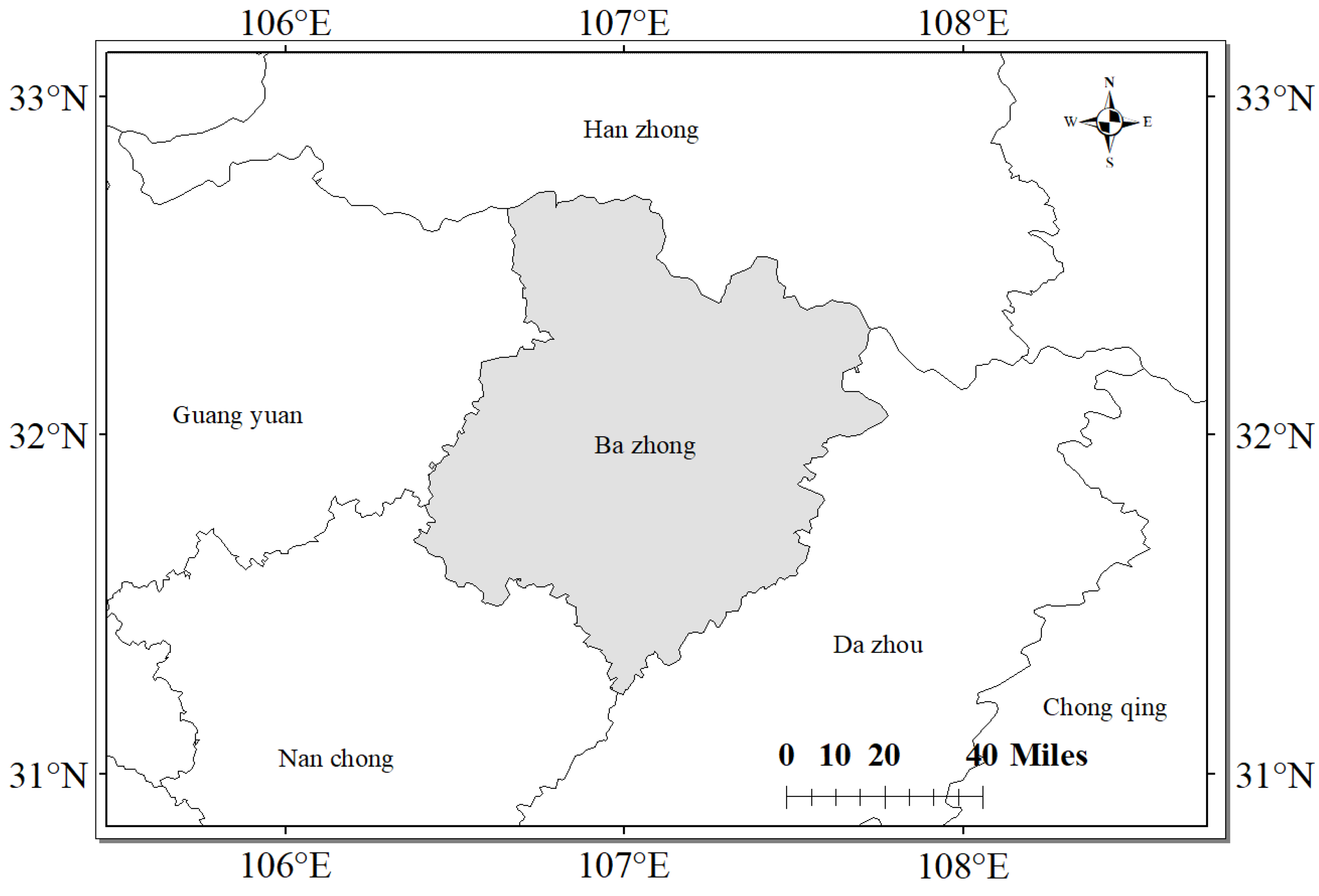
Emergy Analysis of the Agricultural Ecosystem in Bazhong, China, from 2005 to 2025
1
College of Foreign Languages and Literature, Northwest Normal University, Lanzhou 730070, China
2
College of Geography and Environmental Science, Northwest Normal University, Lanzhou 730070, China
*
Author to whom correspondence should be addressed.
Sustainability 2026, 18(10), 5039; https://doi.org/10.3390/su18105039
Submission received: 22 February 2026 / Revised: 21 April 2026 / Accepted: 13 May 2026 / Published: 16 May 2026
(This article belongs to the Special Issue Agricultural Resources Management and Sustainable Ecosystem Services)

Abstract

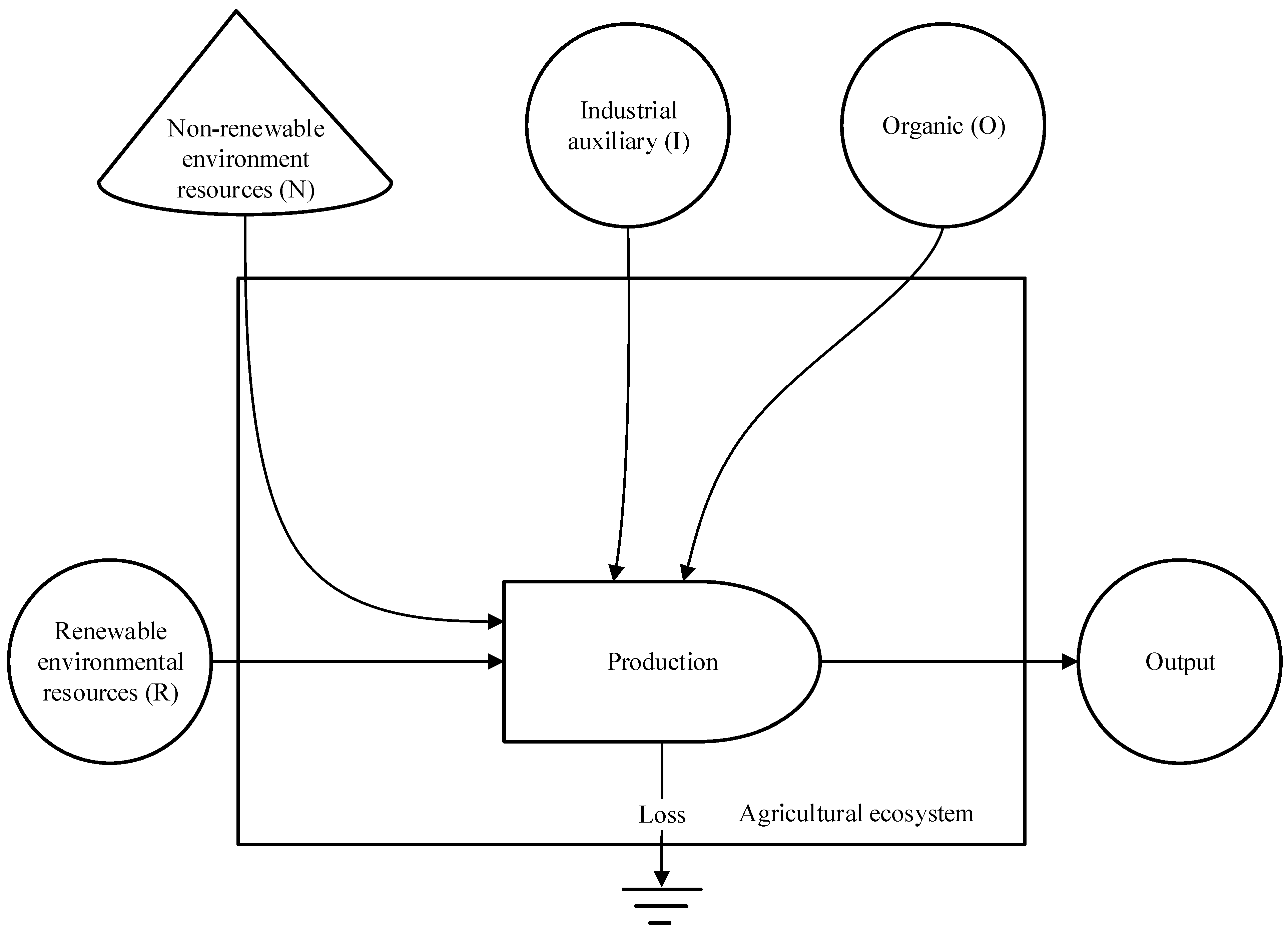
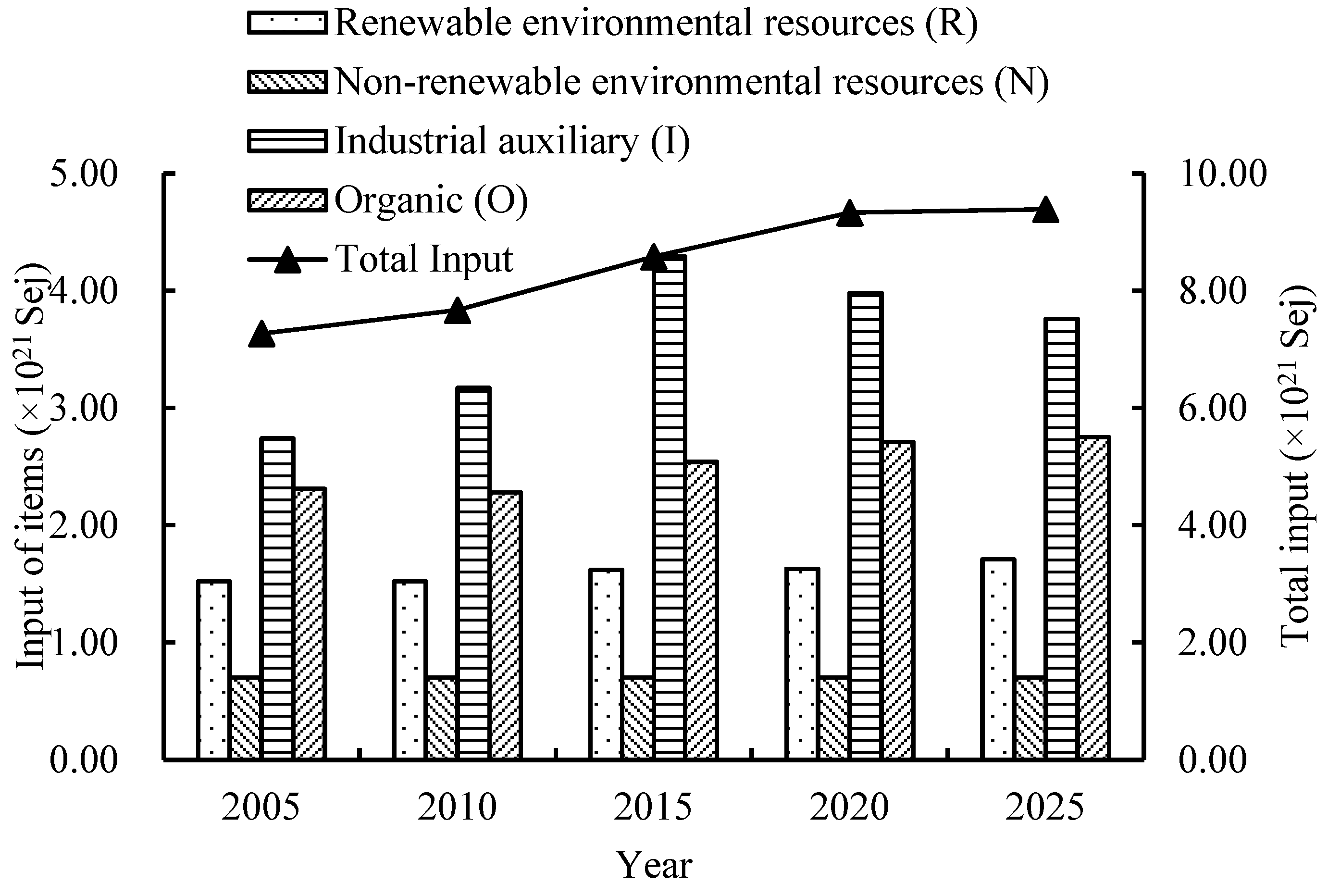
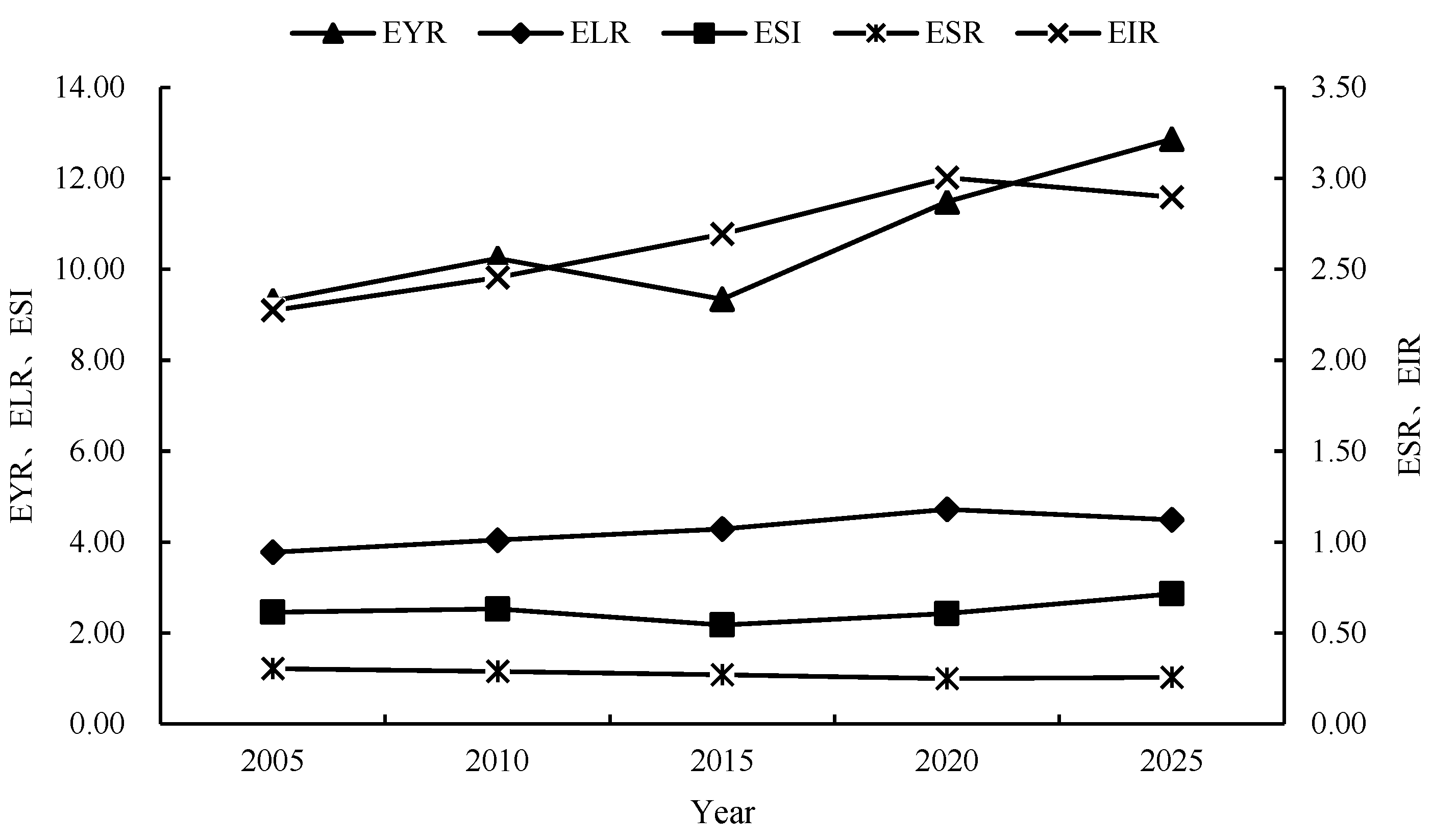
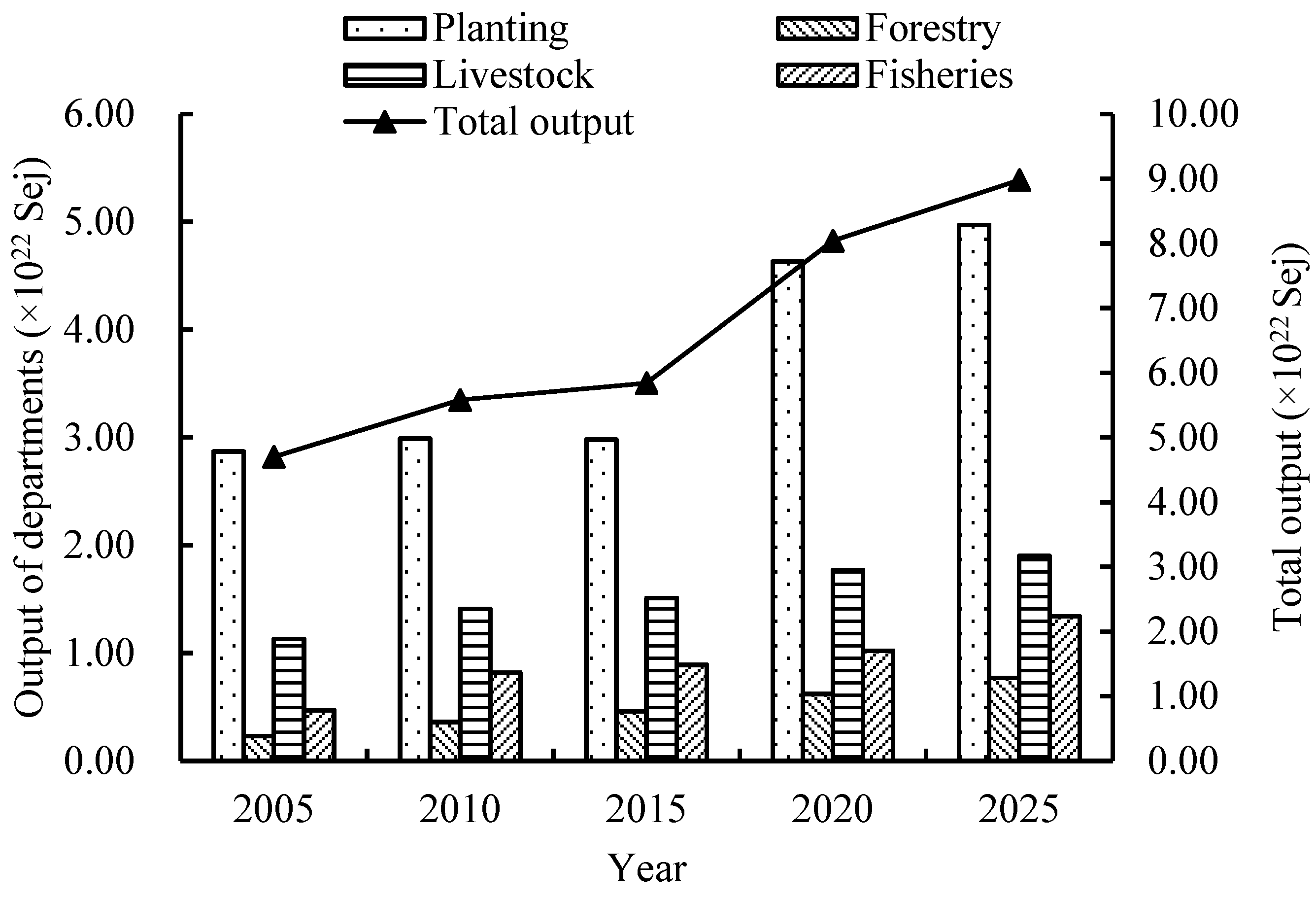
Agricultural ecosystems are vital for regional food security and ecological stability, yet their sustainability under increasing economic inputs remains uncertain. This study evaluates the agricultural ecosystem of Bazhong, northeastern Sichuan Province, to clarify its development trajectory and sustainability performance from 2005 to 2025. Using emergy analysis, emergy inputs and outputs were calculated, and five indicators, Emergy yield ratio (EYR), Emergy self-sufficiency ratio (ESR), Emergy input ratio (EIR), Environmental load ratio (ELR), and Emergy sustainability index (ESI), were applied to assess system performance. The total emergy input increased from 7.27 × 10²¹ Sej to 9.39 × 10²¹ Sej, with organic emergy forming the largest share, followed by industrial auxiliary, renewable environmental, and non-renewable environmental inputs. The total emergy output increased from 4.70 × 10²² Sej in 2005 to 8.98 × 10²² Sej in 2025, with planting forming the largest share, followed by livestock, fisheries, and forestry. From 2005 to 2025, EYR and EIR showed overall upward trends with moderate fluctuations, reflecting improvements in production efficiency and intensified economic investment. ESR declined steadily, indicating a decreasing reliance on environmental resources, while ELR generally increased, peaking in 2020, signaling growing environmental pressure. ESI rose over the period, demonstrating enhanced sustainability and improved coordination between production efficiency and environmental load. The AE remains moderately sustainable and requires further optimization of input structure and agricultural layout to enhance lasting sustainability.
Keywords: agricultural ecosystem; emergy analysis; Bazhong; sustainable development agricultural ecosystem; emergy analysis; Bazhong; sustainable development