1. Introduction
The Internet of Things (IoT), with its sensor networks, surveillance cameras, and complex monitoring and control systems, is the basic framework of smart cities. In a broad sense, the three-level vertical IoT concept, which encompasses edge, fog, and cloud computing, provides a practical framework for data-driven decision-making. In a narrow sense, the IoT concept must be adapted to the requirements of different social branches (health, education, police, military, etc.), as well as their specific services. On the other hand, the maturity of Industry 4.0 and the initial steps of Industry 5.0 have enabled the use of artificial intelligence for accelerating the development of smart environments. In line with the above, future smart policing should be one of the social areas supported by strict management and decision-making concepts. The police’s purpose in the future smart environment refers to preventing and detecting crime in physical and cyber space, as well as protecting life, property, and private and personal data. Traffic analysis and traffic jam prediction are the next most important issues for policing in smart cities. Regarding the stated principles, the authors recognized the need for improving traditional management concepts that would improve police work in all areas that are important for future smart cities. The challenge for the authors was researching policing at the intersection of the physical and cyber domains. In the article, the authors raised several important issues regarding the policing concepts in future smart cities:
A fusion of policing and the Internet of Things in a smart environment.
Hierarchical computing for better real-time police activity monitoring, short-term and long-term planning, and timely decision-making. Flat and vertical IoT computing (edge computing, fog computing, and cloud computing), management, and decision-making concepts, which are presented and analyzed in detail.
Places and roles of state-of-the-art machine learning and fuzzy logic models in the complex (multiparameter) decision-making algorithms. The last chapter is devoted to the practical application of artificial intelligence (object detection, time series forecasting, etc.) and fuzzy modeling of physical protection and cybersecurity in smart cities.
From an engineering point, is there a difference between monitoring, prediction, and strategic IoT concepts in industry processes and policing affairs? Applying the same or similar devices, systems, and mathematical theories (cameras, drones, sensors, ML time series prediction models, fuzzy decision-making algorithms...) gives us an obvious answer: no substantial difference exists. This answer is the main motivation of the authors to contribute to the development of new IoT concepts, as well as the proper selection of AI models, for prediction and decision-making in the police. The paper presents two case studies. The first addresses crime analysis using fuzzy logic, while the second concerns traffic prediction at three intersections.
The proposed IoT concept follows a coherent structure that moves from the general smart city and smart policing context to the proposed Police Internet of Things (PIoT) concept, then to hierarchical computing and vertical data flow, and finally to two case studies that illustrate forecasting and decision-making applications.
The paper presents the link between the proposed vertical concept of PIoT and two case studies as a mapping of functions to three hierarchical levels (edge–fog–cloud), so that the case studies are not just examples of machine learning/tooling phases but demonstrations of where, how, and why certain analytics are performed within PIoT.
The main contribution of the work is in the synergy of the following two hypotheses: the architecture hypothesis and the forecasting hypothesis. A vertical PIoT architecture provides a more hands-on framework for smart monitoring, forecasting, and decision-making at the physical–cyber boundary than a flat IoT approach due to explicit separation of operational, tactical, and strategic functions across levels. The edge traffic cameras and monitoring systems enable low-latency traffic jam detection and incidents. Fog-level deployment of machine learning time series models enables traffic regulation; vehicle and pedestrian detection and tracking; reliable short-term forecasting of traffic flow at intersections; and improved traffic signal management. At the cloud level, short-term and long-term data integration enables advanced analytics, strategic planning, and complex decision-making.
The content of this study is contextualized within the broader theoretical and empirical development of smart cities, IoT-based public safety systems, predictive policing, hierarchical edge–fog–cloud computing, machine-learning-based time series forecasting, and fuzzy-logic-based decision support. Previous research has shown that smart city infrastructure increasingly rely on distributed sensing, cyber–physical integration, data-driven analytics, and artificial intelligence to improve traffic management, public safety, and operational decision-making. Building on this background, the present paper extends the existing IoT and smart policing literature by proposing a police-specific vertical PIoT framework, in which operational monitoring, tactical forecasting, and strategic decision-making are explicitly mapped to edge, fog, and cloud levels. In this way, the theoretical discussion is not treated only as a general overview. Still, it is linked to two empirical case studies: traffic-flow forecasting using recurrent neural network models, and uncertainty-aware security decision-making using a Sugeno fuzzy inference system. Therefore, the proposed framework connects previous theoretical concepts with practical implementation scenarios and demonstrates how data-driven policing can be organized within a sustainable hierarchical architecture for smart city environments.
To validate the proposed concept of a vertical Police Internet of Things (PIoT), two case studies are presented that address two separate but common police problems. The first case study addresses traffic-flow forecasting of the three nearby intersections using three recurrent neural network models deployed at the fog level. Fog computing monitors the practical application of ML models for time series forecasting. The second case study addresses crime-related decision-making by applying a Sugeno fuzzy inference system at the cloud level. Cloud computing, in addition to numerous analyses of traffic issues, helps distinguish physical intrusion from cyberattacks.
The paper explicitly states that the interconnectedness of IoT devices expose them to cyber threats that may compromise police operations and sensitive information, and it identifies data integrity, cybersecurity protocols, privacy, confidentiality, and protection against malicious attacks as essential requirements of the proposed vertical PIoT framework.
1.1. Smart Cities
Smart cities are characterized by smart infrastructure: smart power grids, smart public transportation, smart medical care, smart waste disposal systems, etc. Smart cities and the Internet of Things (IoT) have revolutionized urban environments, fundamentally changing almost all social and technological spheres: lifestyle, traffic and commuting, industry and transportation, education, science, medical care, environmental protection, etc. [
1].
The terms “smart city” and “intelligent city” are often used interchangeably, and there is no universally agreed-upon distinction between them [
2]. However, several interpretations highlight potential differences, though these differences are practically negligible. A smart city refers to a city that incorporates advanced technologies and data-driven solutions to improve various aspects of urban life. It focuses on using information and communication technologies (ICT) to enhance infrastructure, transportation, energy efficiency, public services, and the quality of resident life. Smart cities utilize networked sensors, IoT devices [
3], and data analytics methods to collect and analyze information, enabling efficient resource management, better decision-making, and improved services [
4,
5].
The continuous introduction of IoT technologies implies new guidelines, recommendations, and regulations should be adopted in accordance with different needs and conditions [
6]. Smart cities leverage advanced technologies and data-driven solutions to create an urban landscape. In addition to protecting physical assets, policing in smart cities extends to cybersecurity and data protection [
7]. Private and public data will enable the police to improve their detection and response to all kinds of criminal activities [
8]. For the first time in its history, the police force is forced to enter cyberspace to manage traffic (classification and tracking of vehicles, prediction and reduction in traffic jams, etc.) and protect citizens and assets. One of the essential social elements of the smart city concept is the need for innovative policing strategies that capitalize on technology’s potential to promote an easy life and enhance public safety.
1.2. Artificial Intelligence and Smart Policing
Machine learning (ML) models can analyze historical data and patterns to predict future outcomes. The ML and fuzzy logic models are essential tools for time series forecasting and decision-making in the Industry 4.0 era [
9,
10]. The Internet of Things integrates physical operations with intelligent processes driven by artificial intelligence (AI) and automation. In the era of Industry 4.0, many factories are being transformed into smart facilities, enabling real-time monitoring of production processes, increasing energy efficiency, and data exchange between IoT devices [
11].
Until recently, the police fought physical crimes, while cyberattacks were a separate area. However, with the advent of smart environments, these two areas have merged into a single entity with terrifying negative perspectives. There is a growing convergence between preventive and reactive approaches in the fight against crime. This convergence is reflected in the integration of the cyber and physical worlds [
12,
13]. These facts require a completely new approach at the strategic decision-making level. Finally, there are many traffic policing problems devoted to traffic regulation and traffic congestion prediction. The authors accepted a thankless job to offer strategic solutions (or at least the direction of their future development) that could regulate and improve the management, planning, and decision-making processes.
Security gap identification between current and future smart city technologies has become sophisticated and harder to identify. Thanks to emerging technologies and analytical methods based on AI, predictive policing is applied to real-time crime prediction and timely crime prevention. Contemporary definitions appear to encompass technology’s pivotal role in forecasting criminal activities [
14].
The presented concept of a data-driven Police Internet of Things (PIoT) must be powered by ML and fuzzy logic models to improve the coordination of on-site activities and reduce subjectivity in decision-making. In the smart environment, predictive policing should harness the high-tech power of smart sensors, night vision and high-speed cameras, drones and quadcopters, unmanned vehicles and vessels, digital forensic instruments and tools, etc. [
15]. Open access to online applications, cloud services, and widely available smartphones and social media have dramatically improved real-time predictive policing.
Historical crime data provides valuable insights for linking crimes to the perpetrator’s modus operandi and can be used to predict potential culprits in a recent incident [
16,
17]. There are several definitions of “predictive policing” in the literature [
18]. Predictive policing involves data exploration, data and information analysis, and pattern recognition. Predictive policing entails the application of quantitative techniques to forecast criminal activities. The concept of predictive policing encompasses several benefits, particularly in terms of enhancing the efficiency and effectiveness of law enforcement [
19]. Predictive policing exhibits three key characteristics: technical, tactical, and strategic. In the context of crime, predictive policing endeavors to prevent criminal occurrences [
20].
Nowadays, AI systems are ubiquitous in the real world. Machine learning algorithms and models are already being used for face recognition, video tracking, and surveillance footage, freeing police to focus on applying their comprehensive multiparameter analysis and timely decision-making. To support decision-making, it is crucial to have systems that can generate reliable information. Information and communication technologies play a vital role in this regard [
21]. There are two main concerns about incorporating algorithms into operational decision-making. The first concern refers to an embedded bias in the algorithm [
22]. The second one refers to different police expert opinions. To avoid or at least reduce these unwanted impacts, a fuzzy decision-making algorithm should be used [
23,
24,
25].
It is necessary to point out that there are terminological ambiguities in the literature regarding models and algorithms. Algorithms are more complex structures than models that can include multiple models in one or more logical frameworks.
2. Police IoT Concept and Hierarchical Computing
As smart cities become an integral part of an urban landscape, leveraging artificial intelligence and state-of-the-art technologies to enhance life quality and efficiency, it is crucial to understand the emerging criminal and cyber threats that accompany this progress. Many researchers are continuously working together to develop, establish, and describe novel IoT services and functions involved in police practice in a smart environment. Strategic defense, protection, and security concepts require strictly defined management and decision-making frameworks in both worlds, physical and virtual.
2.1. Flat IoT Concepts
The IoT connects different devices, sensors, and systems to improve efficiency and enable new services. Initially, the flat (star and concentric) IoT concept (
Figure 1) dominated. This concept is generally accepted in urban areas and future management and control concepts of smart cities [
26]. Thanks to edge computing, flat IoT management and decision-making concept is relevant in real-time applications and decision-making processes where quick data processing and device-to-device connection at the edge level are required. To address security and protection issues, a flat concept is used for real-time monitoring, management, and data processing at the edge level between the following devices and/or systems: remote monitoring systems, security cameras and CCTV systems, single drones and swarm drones, demining robots, and autonomous police boats and cars.
Edge computing provides bandwidth optimization, decreased latency, and increased reliability. However, it has drawbacks, such as limited processing and storage on edge devices, low-level management, data synchronization, and scalability issues. The main security disadvantage of the flat concept, compared to the vertical concept, is its vulnerability to hacking and other network attacks.
2.2. Vertical IoT Concept
The mass deployment of IoT devices controlled by artificial intelligence is shaping a new reality. In the context of smart cities, the police get additional dimensions to successfully respond to the security requirements imposed by the smart environment.
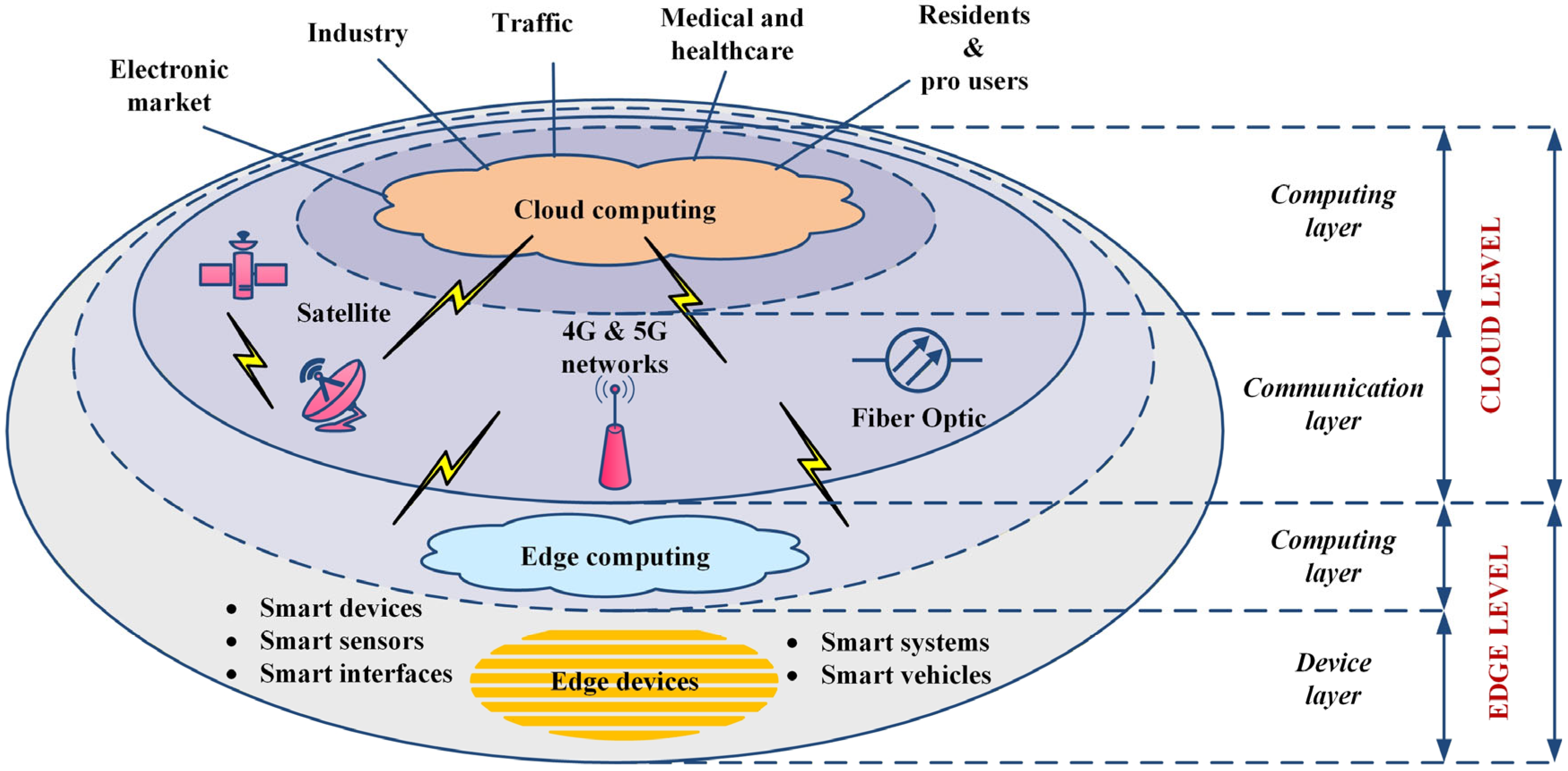
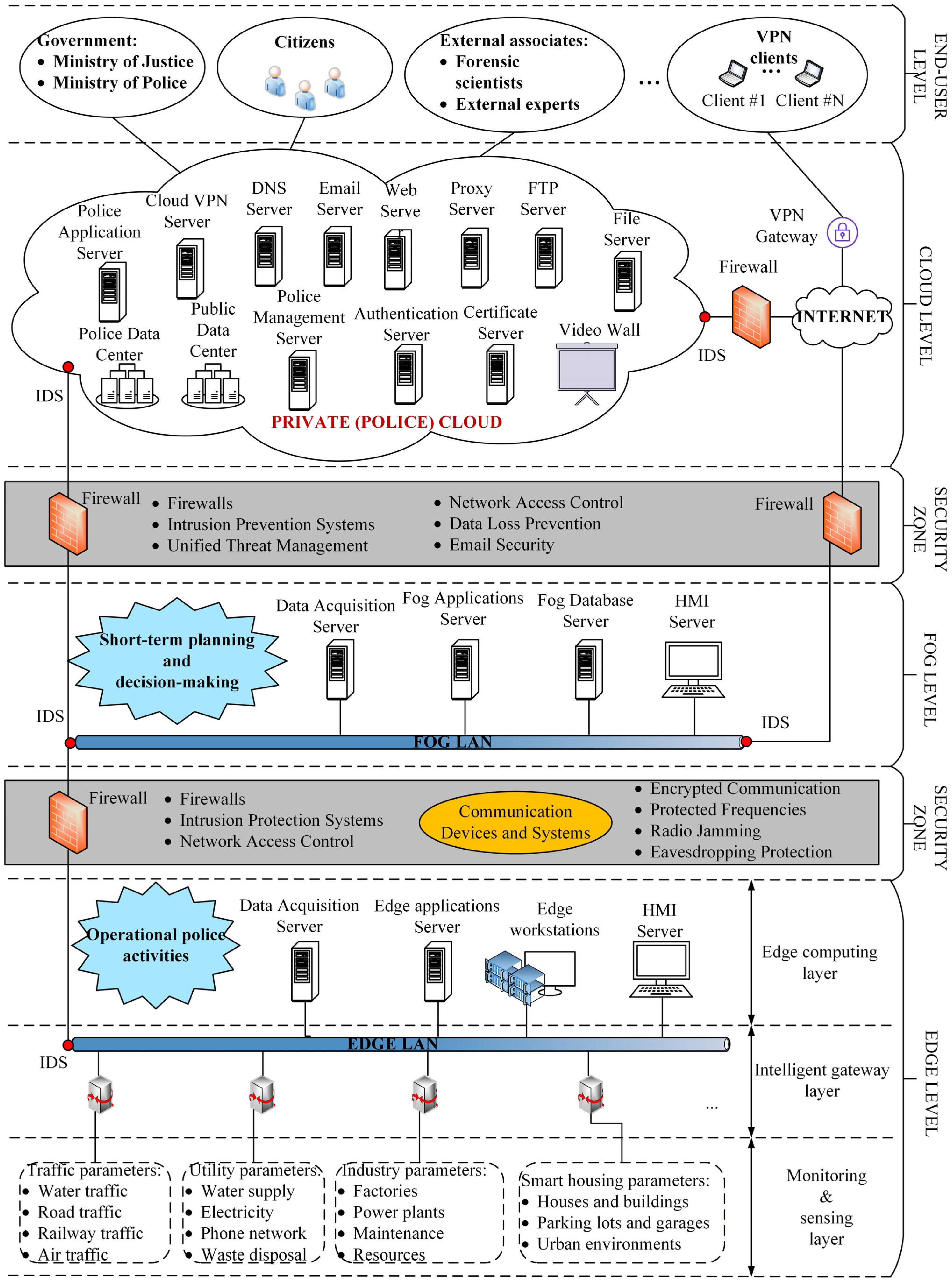
The need for an IoT vertical concept emerged as the IoT strategy developed, supported by practical applications in strategic branches (medicine, industry, military, etc.). The PIoT represents a complete union of operational, information, and security technologies. The PIoT facilitates communication and coordination between policemen and command centers using surveillance, monitoring, and communication systems. Real-time information enables faster and more reliable decision-making processes, allocates police resources effectively, and ensures a quick response to different circumstances. While the PIoT presents unprecedented opportunities, it also brings various cybersecurity challenges. The interconnectedness of IoT devices opens the door to potential cyber threats, which can compromise police operations and sensitive information. Protecting the entire PIoT concept from malicious attacks, ensuring data integrity, and maintaining cybersecurity protocols is a critical issue that the proposed vertical PIoT concept should proactively respond to. The main feature of the vertical concept (
Figure 2) is strict hierarchical management, decision-making, and computation on the following three basic levels: edge, fog, and cloud levels [
27,
28,
29,
30].
The proposed vertical PIoT concept must meet the following conditions:
As low latency as possible for data processing at the edge level.
As low latency as possible for decision-making at the fog level.
The optimal choice of machine learning algorithms for all three hierarchical computing levels.
In-depth (fortress) cybersecurity strategy with two additional security zones.
Fast information processing, planning, and decision-making at the cloud level.
Edge computing is a paradigm for fast raw data processing at the edge level of the IoT. The edge level of PIoT is in charge of fast data processing and individual or group decision-making for police action on the ground. More complex analyses are performed at the fog level of IoT. The fog level of PIoT is in charge of monitoring and coordinating police actions from the police command center. Important operational decisions are made in real time at the fog level. The cloud level of PIoT is responsible for strategic planning, public relations, and cooperation with the judicial and government. The private cloud model is proposed considering the strategic importance of the police’s role in smart cities and the police’s need for the highest security level against cyberattacks [
31]. Otherwise, ML algorithms are widely used for protection against the following cyberattacks [
32]: distributed denial-of-service (DDoS) attacks [
33], phishing, banning access to the dark web, malware detection, spam detection and classification, fraud detection, different customized attacks, etc.
The architecture is intentionally defined at the functional deployment level to remain applicable to different smart city policing environments and technological infrastructures. Its technical specificity is expressed through the allocation of sensing, preprocessing, analytics, forecasting, and decision-support functions to the edge, fog, and cloud layers.
2.3. Vertical Data Flow
Data science enables the integration of diverse data sources. Comprehensive information analysis enables the needs, challenges, and opportunities of smart cities to be understood. By utilizing machine learning algorithms, data scientists analyze historical and real-time data to generate predictive models. These models enable police planners to anticipate crime patterns and traffic jams, optimize police force allocation, and make the right decisions. Data scientists analyze data from surveillance cameras, social media, and monitoring systems to identify crime hotspots; predict incidents; and optimize emergency responses. By leveraging advanced analytics and machine learning techniques, data scientists empower smart cities to become more efficient, sustainable, and livable.
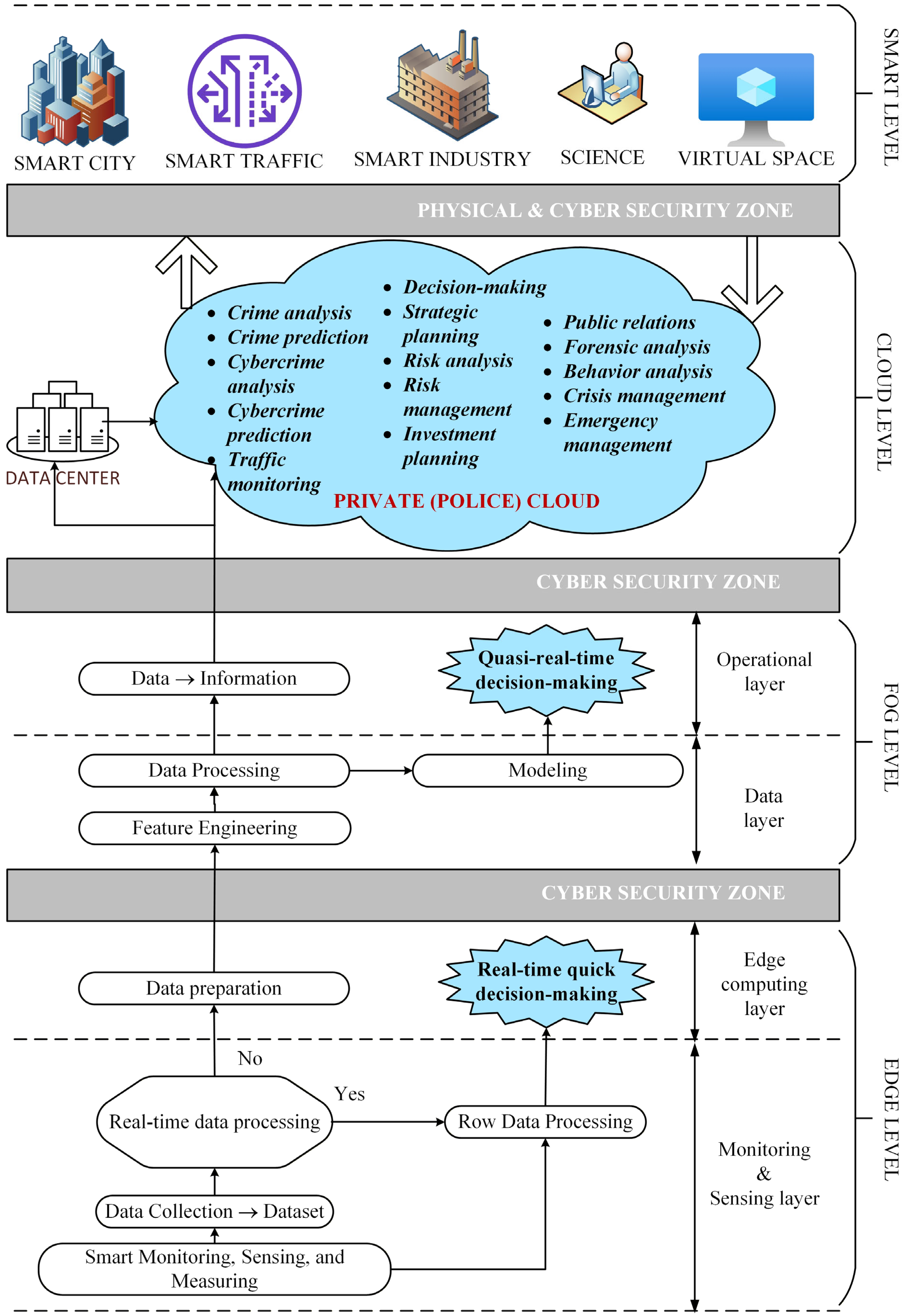
Vertical data flow (
Figure 3) and IoT have closely intertwined concepts that complement each other in data management and decision-making. Vertical data flow enables ML modeling using data from various PIoT levels. By incorporating operational, tactical, and strategic data, the ML models can capture the hidden interdependencies within the vertical concept. Implementing a robust vertical data flow strategy offers several benefits:
Data accessibility and availability.
Enhanced data quality.
Enriched feature engineering.
Efficient performance monitoring.
Agility and adaptability.
Holistic view of data.
Improved decision-making.
Vertical data flow is a fundamental concept that facilitates the seamless integration of data across different PIoT levels (
Figure 3). By aligning operational, tactical, and strategic data, police management can derive meaningful insights and make informed decisions at every level.
2.4. Edge, Fog, and Cloud Computing
Hierarchical edge, fog, and cloud computing in smart cities [
34,
35] refer to the use of data science and machine learning tools at PIoT levels, enabling efficient data and information processing. It is necessary to recognize specific hands-on applications for the implementation of hierarchical computing. The presented hierarchical computing frameworks (
Figure 2) offer a few advantages: efficient resource utilization, low latency and real-time response, scalability and flexibility, privacy and security, and resilience and redundancy.
Edge computing is employed at the lowest hierarchy level. Edge computing is particularly useful for real-time applications, such as traffic management, surveillance, object detection, and monitoring systems. Edge devices, such as sensors, cameras, and IoT devices, locally collect and process data closer to the source [
36]. These devices should be capable of transmitting relevant data to the next fog level.
Fog computing is employed at the intermediate hierarchy level. It involves partially processing and analyzing data obtained from the edge level, but with more computing resources compared to edge devices. Fog computing architecture is composed of fog nodes that receive data from IoT devices in quasi-real time. Fog computing enables low-latency services, efficient data filtering, and reductions in datasets transferred to the cloud, enhancing scalability.
Cloud computing plays a vital role at the top level of the hierarchy. It involves centralized data storage, processing, and analysis in remote data centers. Cloud infrastructure provides vast computational resources and advanced analytics capabilities. Cloud computing in smart cities supports resource-intensive tasks, long-term data storage, data aggregation across different sources, and complex data analytics supporting planning and decision-making. Cloud-based applications should be able to handle the incoming data from the edge and fog levels.
Cybersecurity issues in smart cities are of particular importance and will be one of the key research fields in the future. As data flows through multiple levels in a hierarchical computing system, it is crucial to ensure data protection, data security, data privacy, and confidentiality.
2.5. Hands-On, Data-Driven Approach to Police Forecasting and Decision-Making
Smart cities should use new IoT technologies to establish urban sustainability [
37]. In other words, the management of smart cities aims to maximize resource efficiency while improving the quality and safety of life. There are many review articles dealing with practical ML models and algorithms. The traditional division of machine learning models according to the training and learning methods includes [
38,
39,
40]: supervised learning, semi-supervised learning, unsupervised learning, and reinforcement learning. However, complex deep learning models for natural language processing (NLP), time series prediction, computer vision, object detection, etc., have appeared in the last decade [
41,
42]. Most ML models and algorithms can be used at all three hierarchical PIoT levels. However, the authors propose a shortlist of state-of-the-art deep learning models for police monitoring, tracking, detection, prediction, and analysis needs. Almost all initial scenarios for real-time policing consist of problem identification, detection, and object tracking. The final scenarios are composed of planning, forecasting, and decision-making.
There are a few main groups of state-of-the-art deep learning (time series forecasting) and fuzzy logic (fuzzy decision-making) models and algorithms for improving policing within the proposed PIoT concept:
Most of the ML models that belong to these groups are trained on extensive data sets. These training processes take a very long time and require a lot of expensive hardware resources: memory, CPUs, and GPUs. For training time reduction and equipment cost reduction, pre-trained ML models are used. These pre-trained models are then further trained on smaller datasets (fine-tuning of hyperparameters). This is a suggested approach for model training and hands-on application for hierarchical PIoT computing.
2.6. Pros and Cons: Recurrent Neural Network Models vs. Transformer Models
Recurrent neural networks (RNNs), Long Short-Term Memory (LSTM) models, and Gated Recurrent Unit (GRU) architectures have become widely adopted for time series forecasting in a broad range of application areas because they are specifically designed to learn temporal dependencies from sequential data and time series [
43,
44,
45]. LSTM and GRU architecture are extensively valuable because they address the limitations of standard RNNs by improving memory of long- and short-term patterns.
In recent years, thanks to the attention mechanism [
46], transformer models have become dominant in the processing and forecasting of multivariate time series. Complex transformer models are well-suited to long-term patterns and complex spatial dependencies for predicting traffic flow [
47]. The advantages of real-time decision-making and multi-horizon prediction in intelligent transportation systems are evident in fully automated traffic across a wider area or a larger number of connected intersections [
48]. Transformers are also suitable for vehicle clustering and anomaly detection; however, they require complex analysis of both the anomaly detector and the scenario, as well as a zoning strategy [
49], including the development of special algorithms and additional equipment for traffic monitoring.
LSTM and GRU models are well-suited for univariate time series prediction at individual intersections because they learn temporal dependencies directly from the historical sequence of measurements collected by a single camera. Compared with more complex transformer architectures, these models have lower computation costs, which is an important advantage for deployment at the edge level, where processing power, memory, and latency are limited. These models are also easy to include in the proposed Police IoT framework of vertical and hierarchical computing.
3. Case Studies
The case studies serve to operationalize the proposed vertical PIoT concept by translating it from an architectural idea into two concrete, hands-on implementable data-to-decision pipelines that explicitly rely on edge–fog–cloud deployment logic. Both studies show how PIoT-enabled policing can produce actionable outputs from traffic sensors and cameras, whether the output is short-term traffic forecasting or security-oriented decision-making.
Both case studies are designed as complementary validations of the same PIoT framework rather than as unrelated application examples. Their role is to demonstrate how the proposed architecture supports both predictive analytics at the fog level and decision-support analytics at the cloud level within a unified policing concept. Case Study #1 represents a practical smart-traffic policing scenario in which edge-level sensing is coupled with fog-level analytics and forecasting. By assigning data collection to the edge and predictive modeling to the fog layer, the study directly illustrates the operational logic of the proposed PIoT framework. Case Study #2 is designed as a hierarchical decision support scenario that demonstrates how PIoT can address security events at the intersection of the cyber and physical domains. The fuzzy inference system is therefore used not only as a conceptual model but also as a cloud-level mechanism for structured police decision-making.
3.1. Time Series Forecasting on Fog and Cloud Levels—Case Study #1
The authors used TensorFlow and Keras for RNN, LSTM, and GRU models. Both TensorFlow and Keras play essential roles in modern machine learning, enabling the development of powerful ML models. TensorFlow is an open-source machine learning library that provides a flexible framework for building and training various machine learning models, including deep neural networks. Keras is a high-level API (Application Programming Interface) for neural networks that runs on top of multiple backends, including TensorFlow, and offers user-friendly interfaces while maintaining flexibility for building complex applications. In the context of intelligent traffic in smart cities, addressing traffic congestion is a critical concern. LSTM and GRU provide a practical balance between predictive accuracy, implementation simplicity, and real-time operation for standalone edge-based traffic prediction systems.
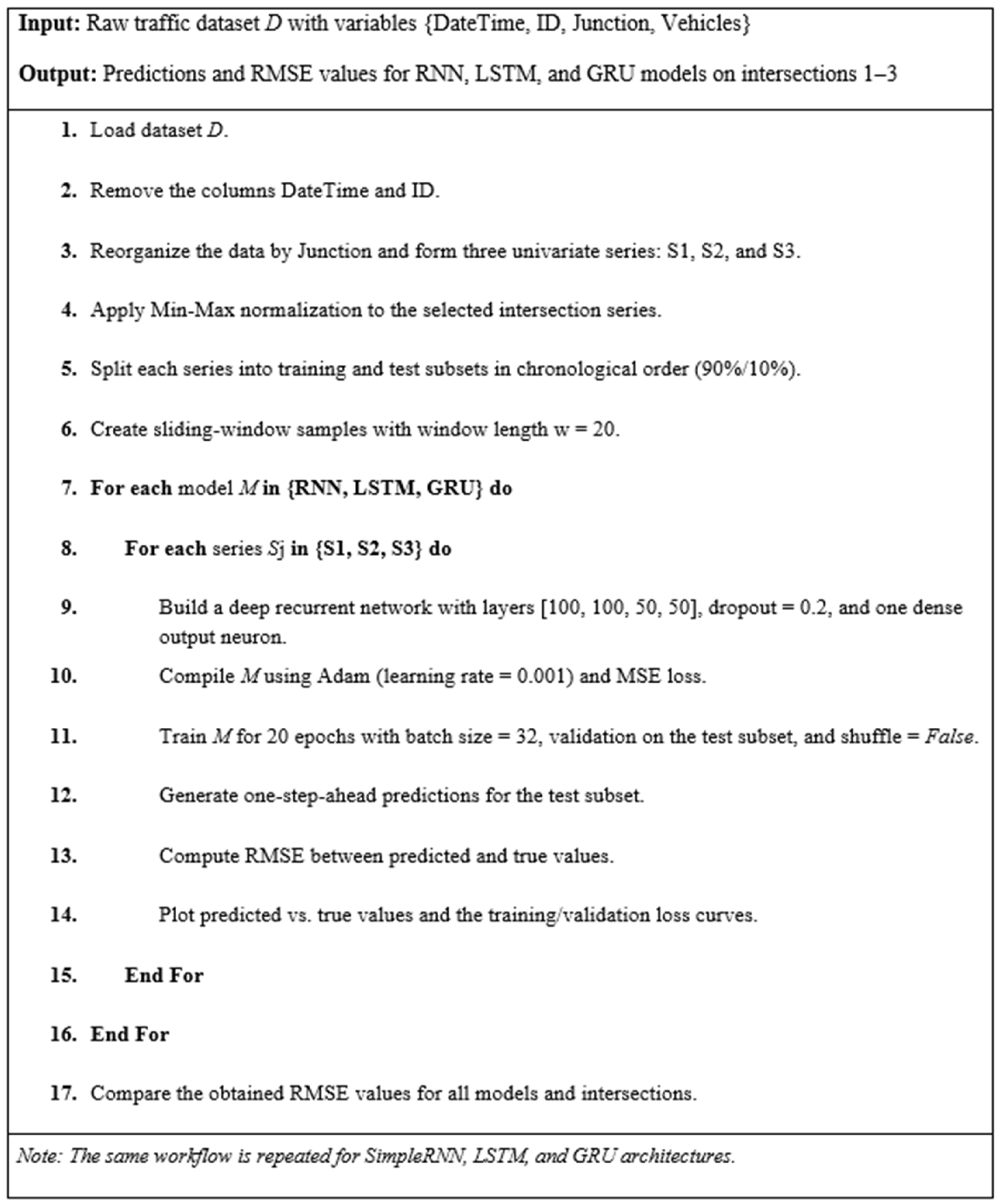
The pseudocode in
Figure 4 is included in explaining the dataset and the programming algorithm.
The proposed framework begins with acquiring the raw traffic dataset, followed by removing non-informative attributes, such as DateTime and ID, to retain only features relevant to the forecasting task. Next, the data are reorganized with respect to the junction identifier, and separate univariate time series are formed for the selected intersections. To ensure numerical stability and comparability, Min–Max normalization is applied, after which each series is divided into chronologically ordered training and testing subsets. Sliding windows are then generated to transform the original time series into learning instances suitable for recurrent deep learning models. In the subsequent stage, the RNN, LSTM, and GRU architectures are trained using an identical experimental configuration, thereby enabling consistent and unbiased comparative analysis. Once the training process is completed, one-step-ahead forecasts are produced for the test subsets of each intersection. The predictive performance is finally assessed by comparing the estimated and reference values using the RMSE (Root Mean Square Error) metric.
3.1.1. Exploratory Data Analysis (EDA)
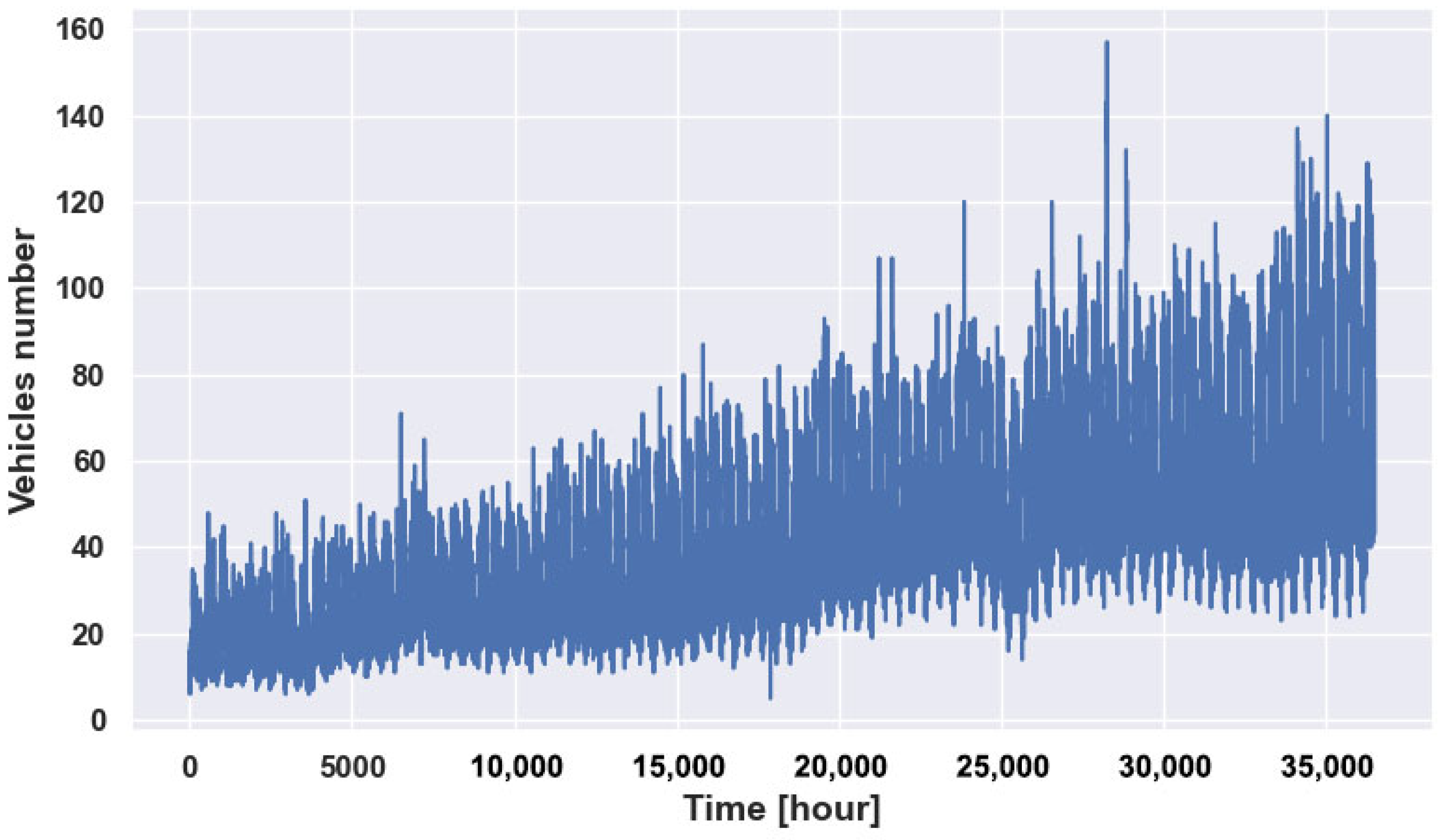
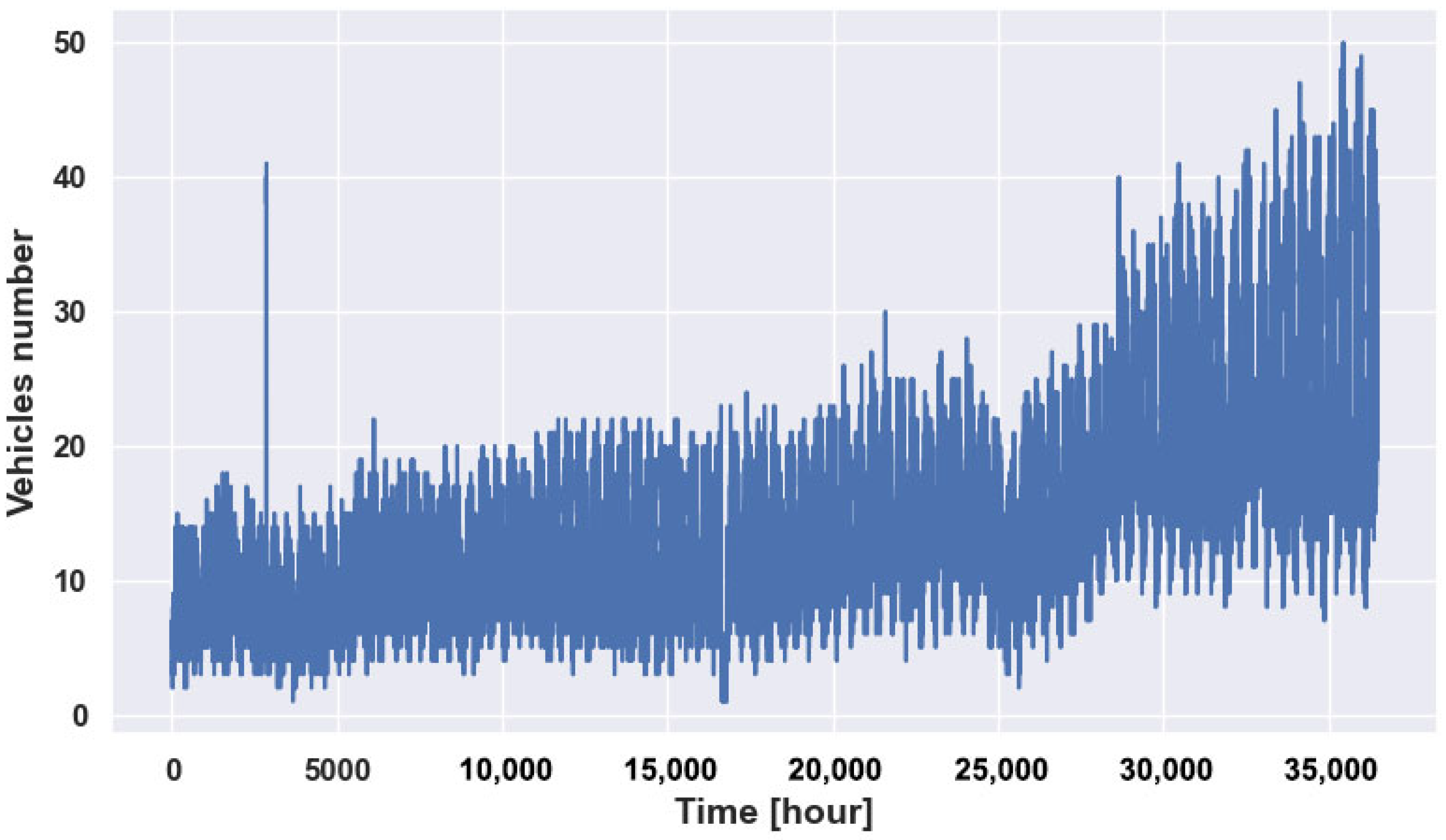
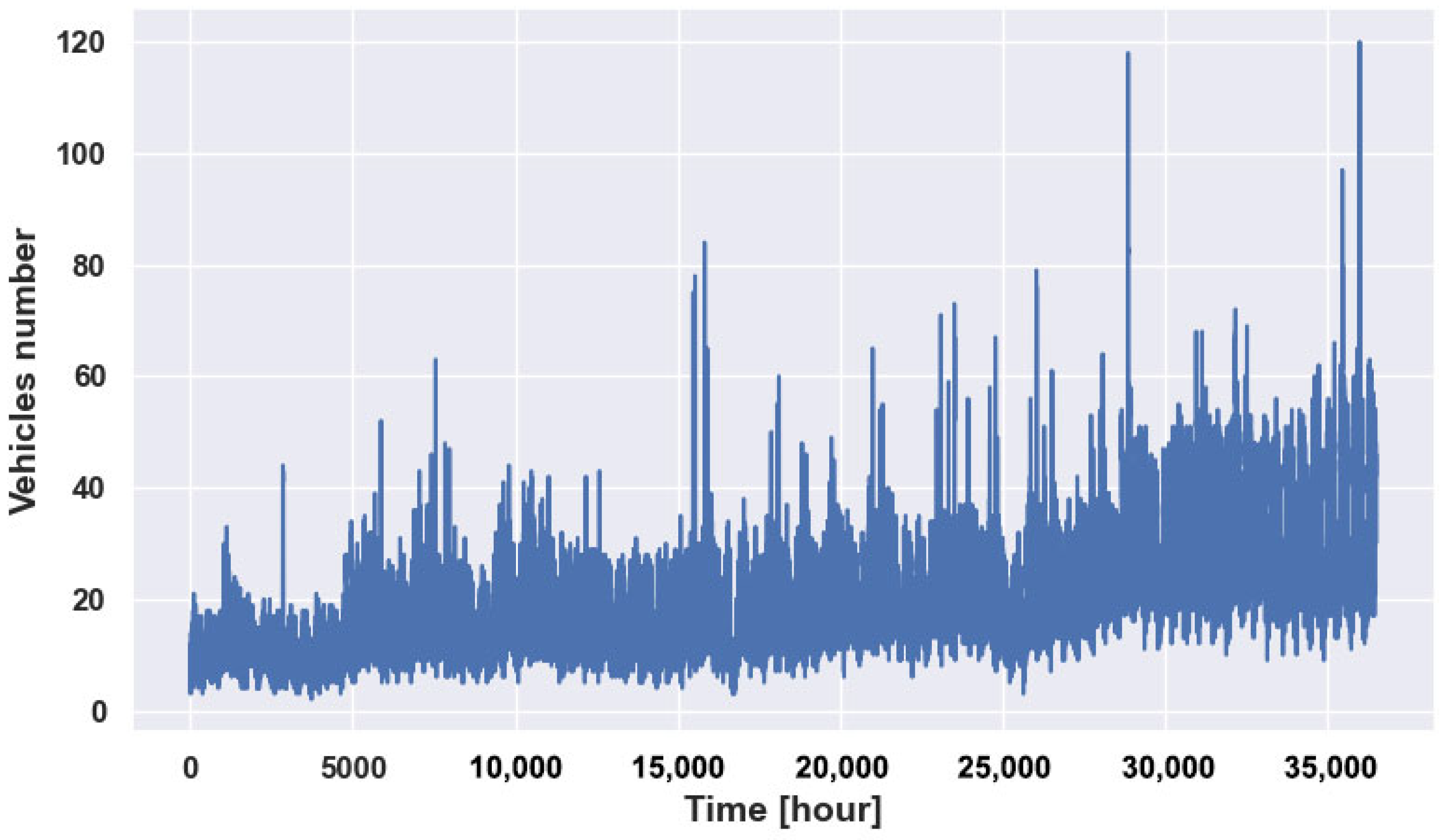
Data was collected for 4 years at three intersections and recorded by vehicle detectors and traffic cameras at the edge level of the PIoT.
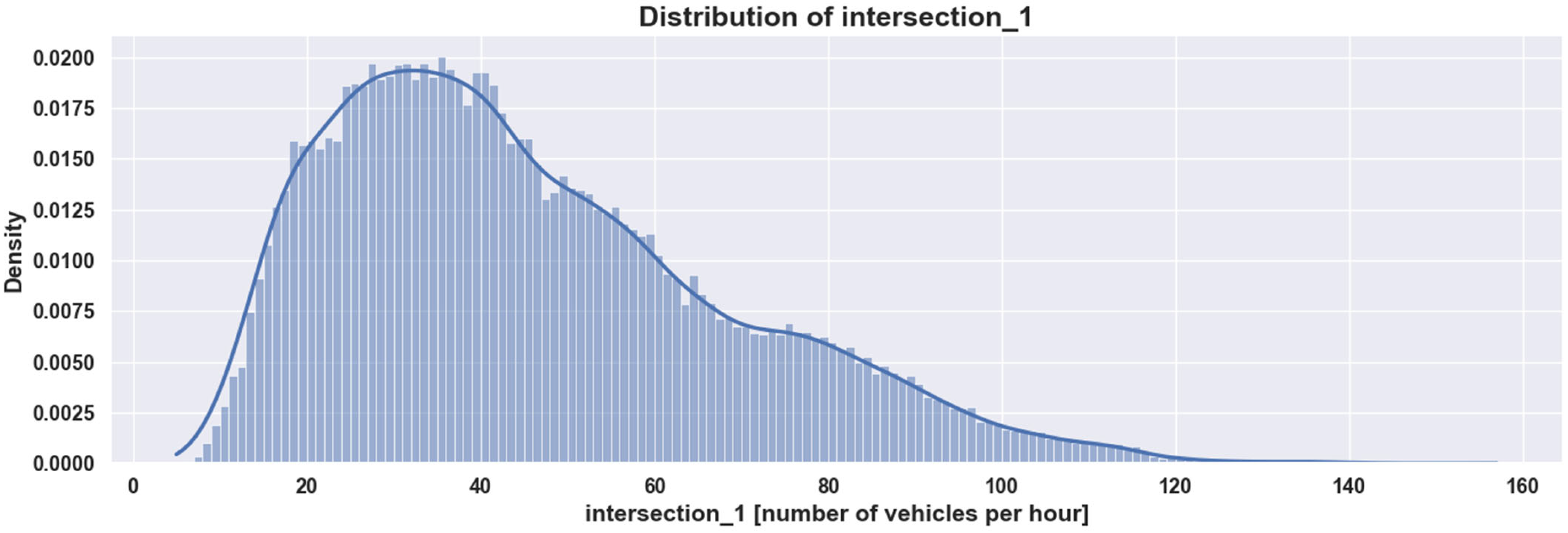
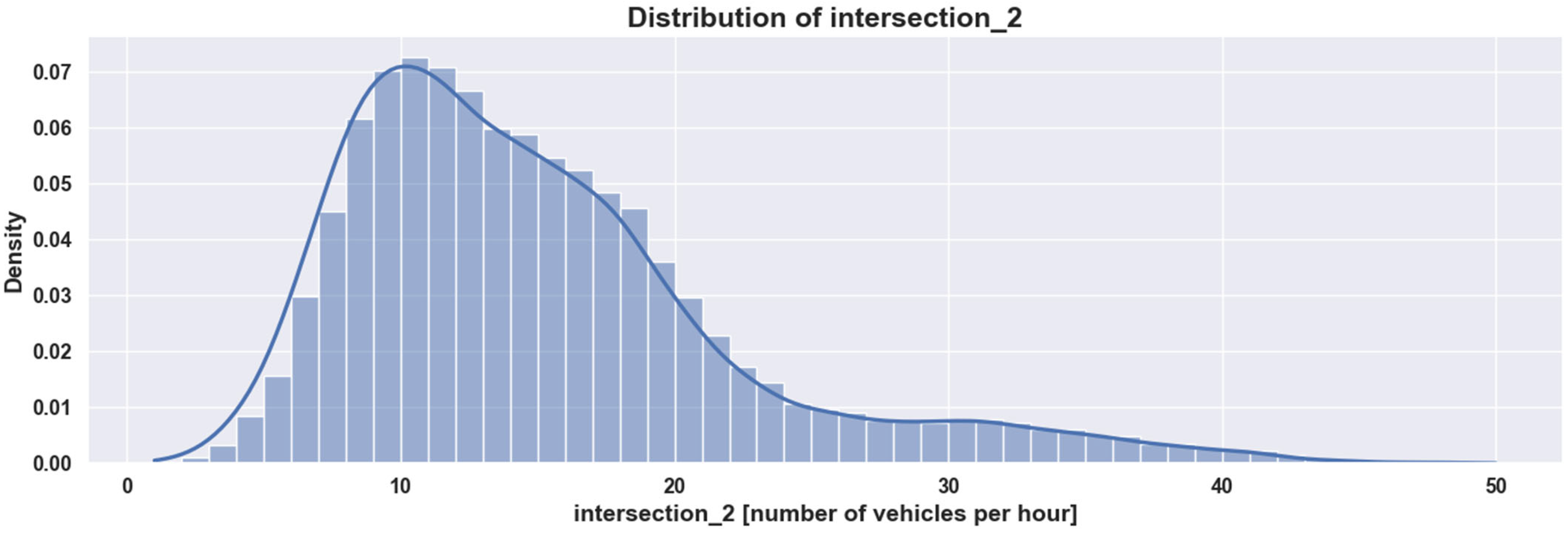
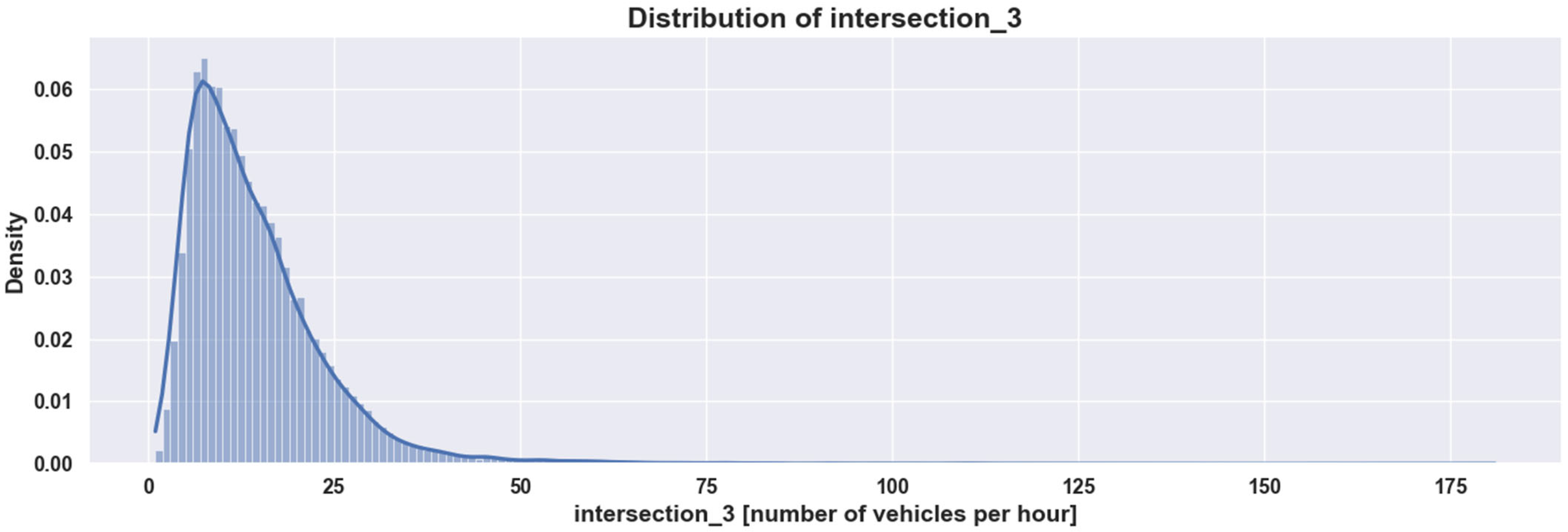
Figure 5,
Figure 6 and
Figure 7 show traffic data (number of vehicles) per intersection, while their distributions are shown in
Figure 8,
Figure 9 and
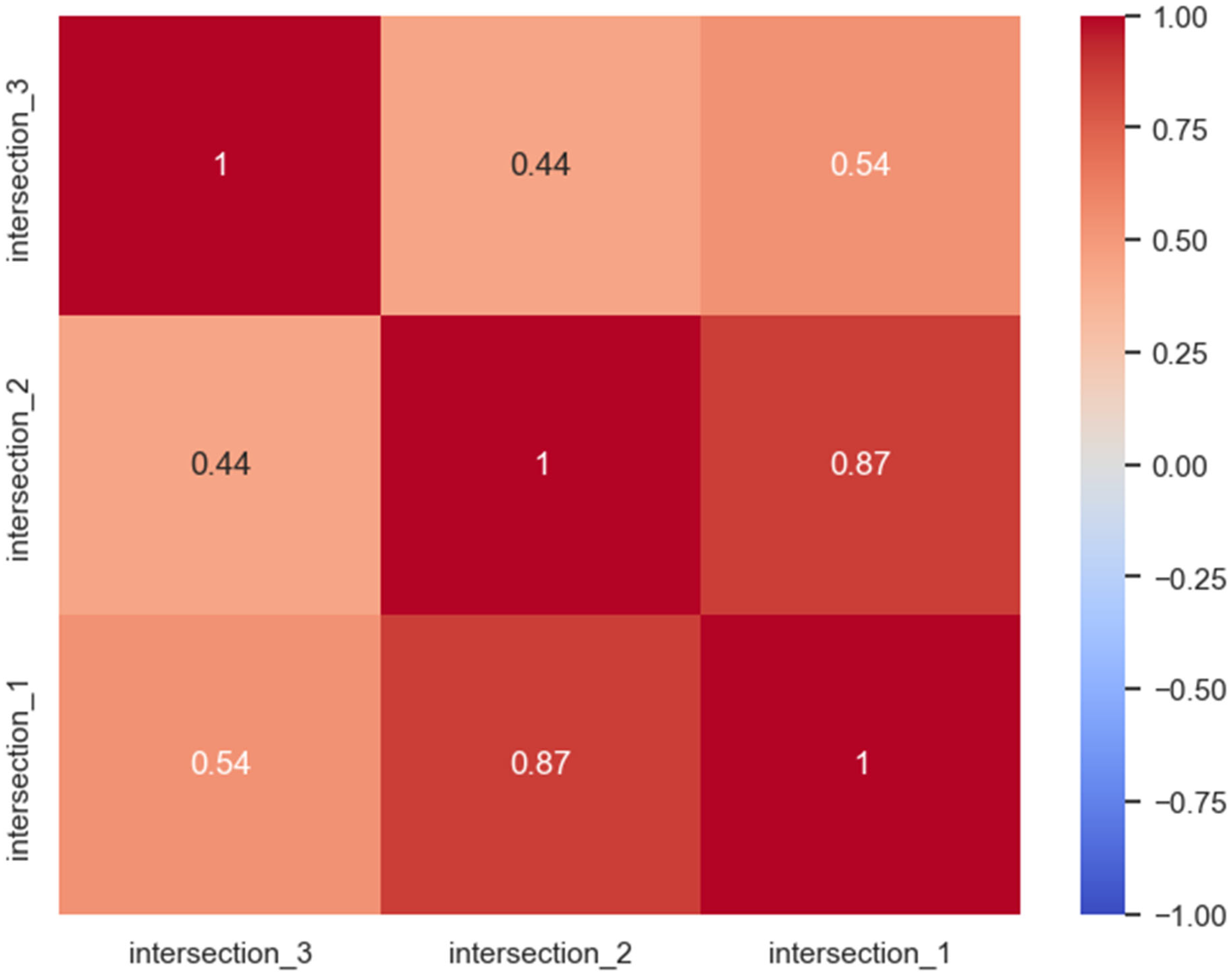
Figure 10. Comprehensive statistical analysis and data processing were performed at the PIoT fog level. The correlation matrix and heatmap (
Figure 11) are powerful tools for exploring relationships between time series. These tools allow visualization of correlations and aid in understanding how changes in one-time series impact others.
The correlation matrix is a square matrix that displays correlations between all pairs of time series from −1 (perfect negative correlation—when one increases, the other decreases) to 1 (perfect positive correlation—when one increases, the other also increases). Correlation matrices and heatmaps are valuable tools for investigating relationships in time series data. Their application enhances our understanding of data dynamics and supports informed decision-making.
3.1.2. RNN, LSTM, and GRU Models for Processing and Forecasting Time Series
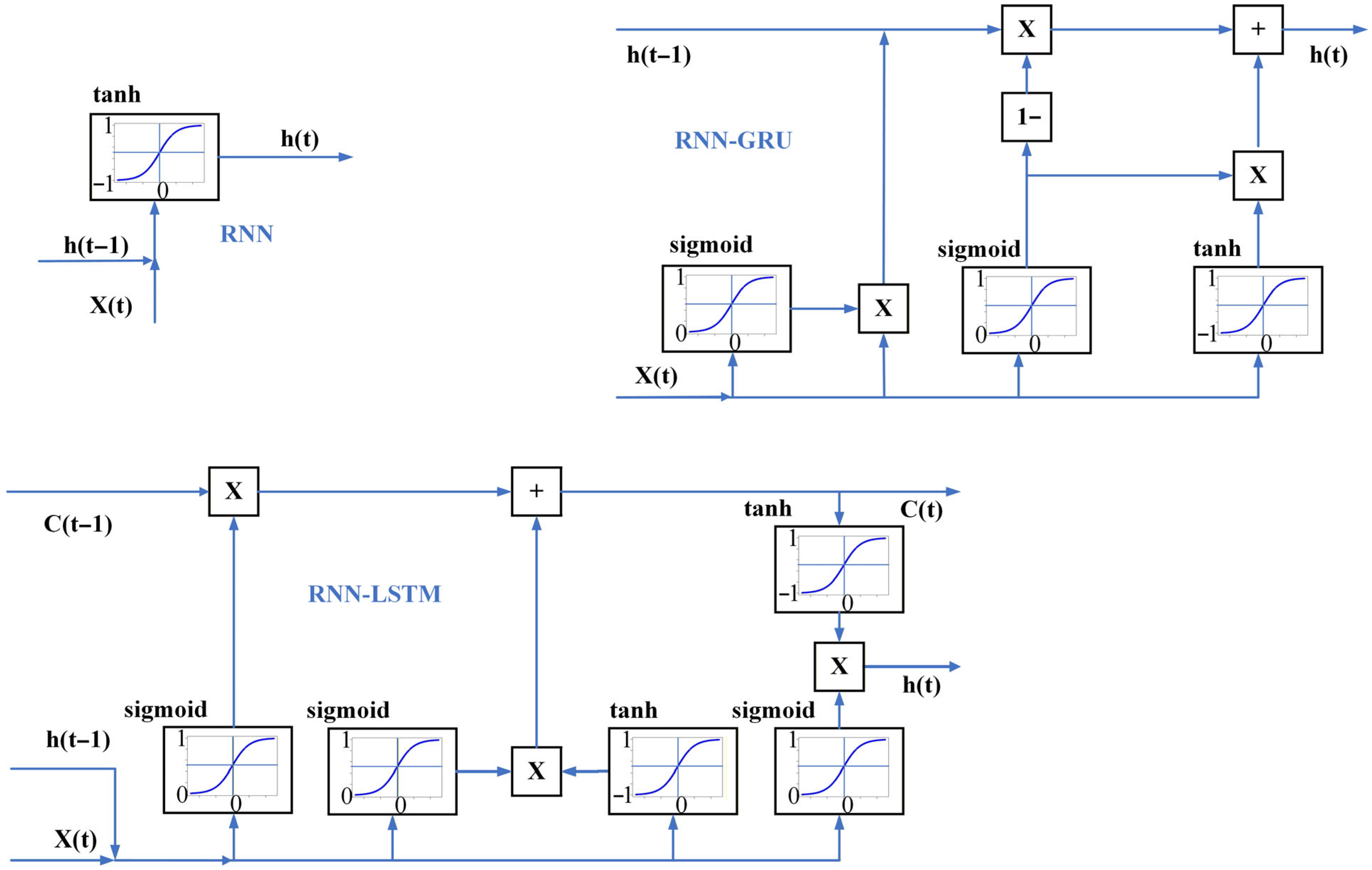
Recurrent neural networks (RNNs) are commonly used for time series analysis, time signal analysis, video frame analysis, speech recognition, and natural language processing. However, RNNs suffer from the vanishing and exploding gradient problem, which makes it hard to learn long-term dependencies. This problem was solved with the advent of GRU (Gated Recurrent Unit) and LSTM (Long Short-Term Memory) recurrent neural networks (
Figure 12). LSTM introduces additional gates and memory states, enabling better learning of long-term dependencies at the cost of higher complexity. GRU offers a compromise between the two, with fewer parameters than LSTM and lower computational burden while still improving memory handling relative to a conventional RNN. The comparison shows the trade-off between predictive capability and computational complexity: a standard RNN provides a lightweight baseline, LSTM offers stronger long-memory modeling through its gating structure, and GRU achieves a balance between representational power and computational efficiency.
LSTM and GRU are recurrent neural network architectures commonly used for time series analysis and forecasting in policing and law enforcement. Both LSTM and GRU can capture long-term dependencies and patterns in sequential data, making them suitable for analyzing and predicting crime patterns. Compared to GRU, LSTM has more gates and parameters, which increases its flexibility and expressiveness but also increases its computational complexity and danger of overfitting. GRU is less complex and faster than LSTM, but it is also less powerful and flexible because it has fewer gates and parameters. When using LSTM and GRU models for policing, it is essential to have high-quality and relevant data, including historical crime records, socioeconomic factors, behavior information, and any other relevant data.
Combining RNN, LSTM, and GRU models enables precise traffic flow prediction at intersections. These models contribute to more efficient traffic management and reduced congestion on roads. This research can focus on hyperparameter optimization and enhancing model accuracy. These models have the same six-layer architecture (
Table 1) that is suitable for application at the fog level of PIoT.
3.1.3. Model Training and Time Series Prediction
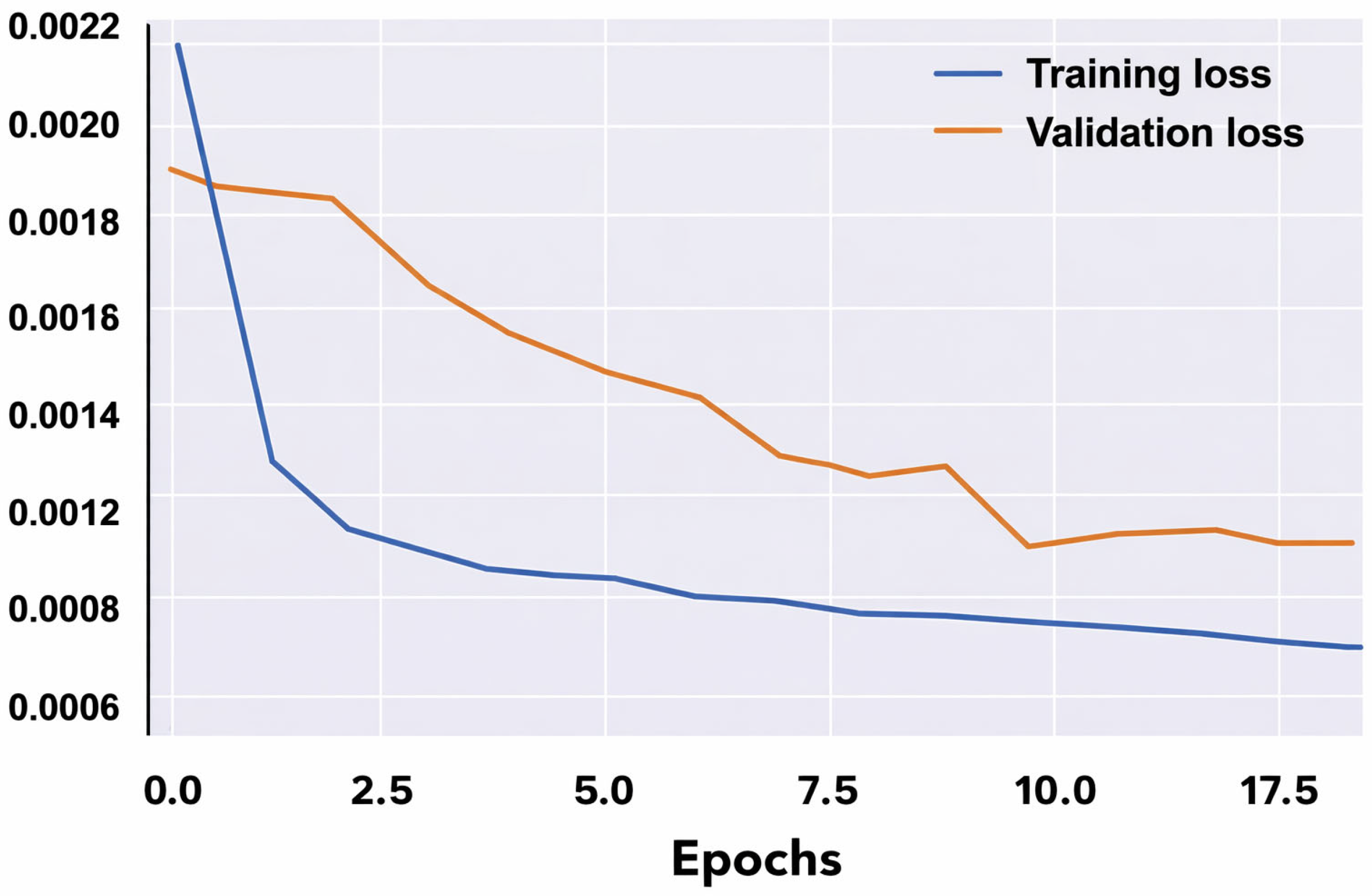
Training ML models typically involves carefully balancing multiple factors, including the learning rate, number of epochs, and monitoring training and validation loss functions. During each epoch, the model parameters are updated iteratively based on the calculated gradients. The number of epochs is another important hyperparameter that needs to be tuned to achieve optimal performance. The learning rate determines the step size at which the model updates its parameters. A small learning rate can lead to slow convergence, while a large learning rate might cause the model to overshoot the optimal solution. The loss training and validation functions measure how well the model’s predictions match the actual values. Loss functions include root mean squared error (RMSE) for regression tasks.
If the training loss function is greater than the validation loss function, it may indicate overfitting, and if the training loss function is smaller than the validation loss function (
Figure 13), it often indicates that the model is good and that the hyperparameters are well set.
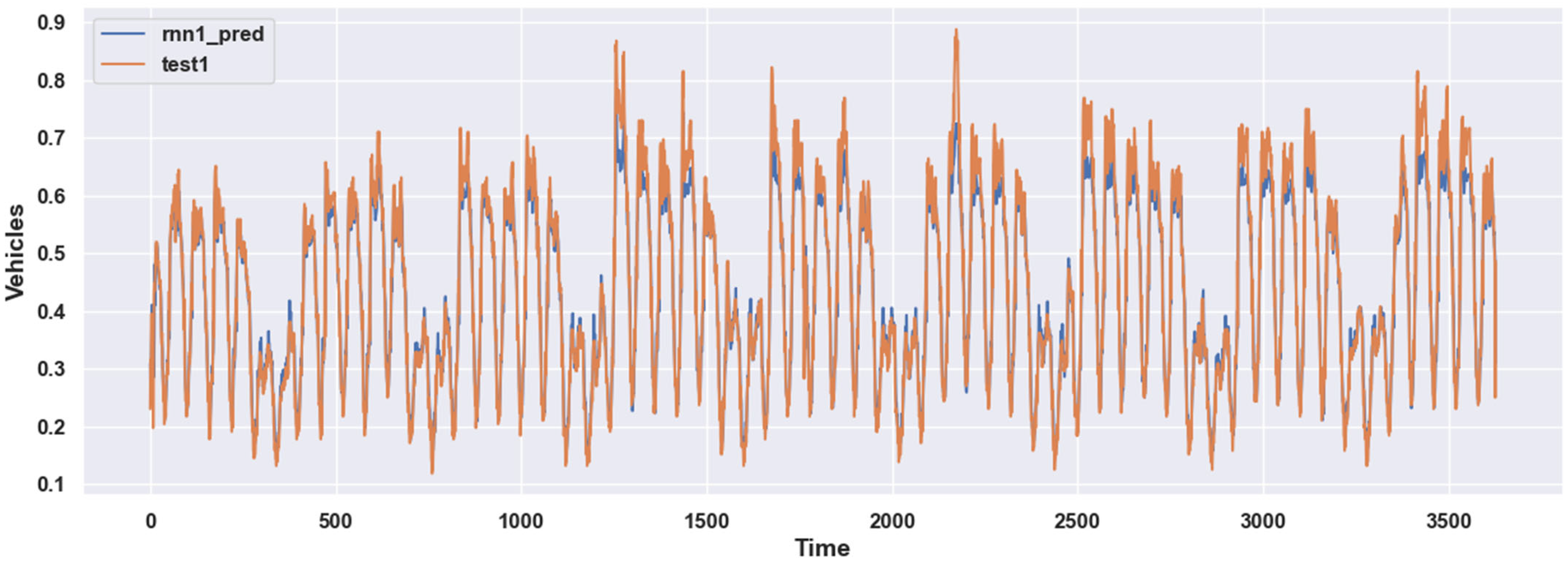
Figure 14,
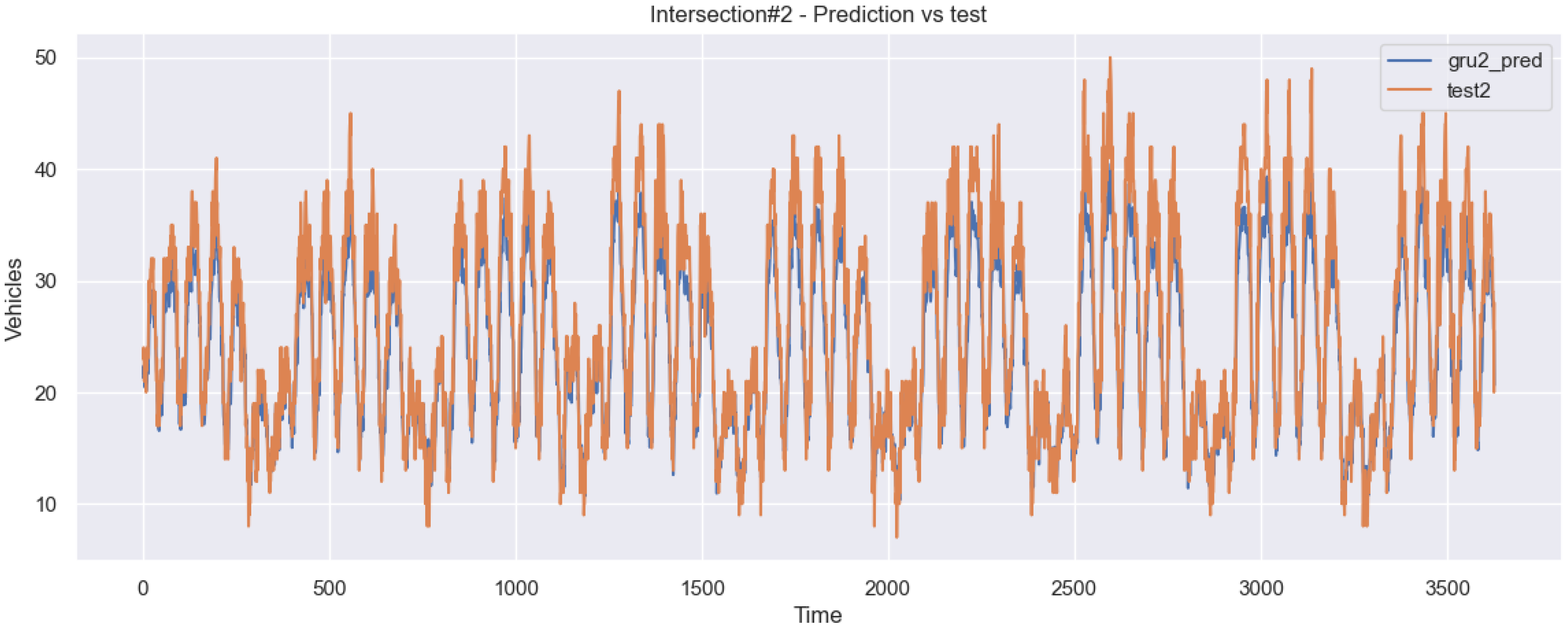
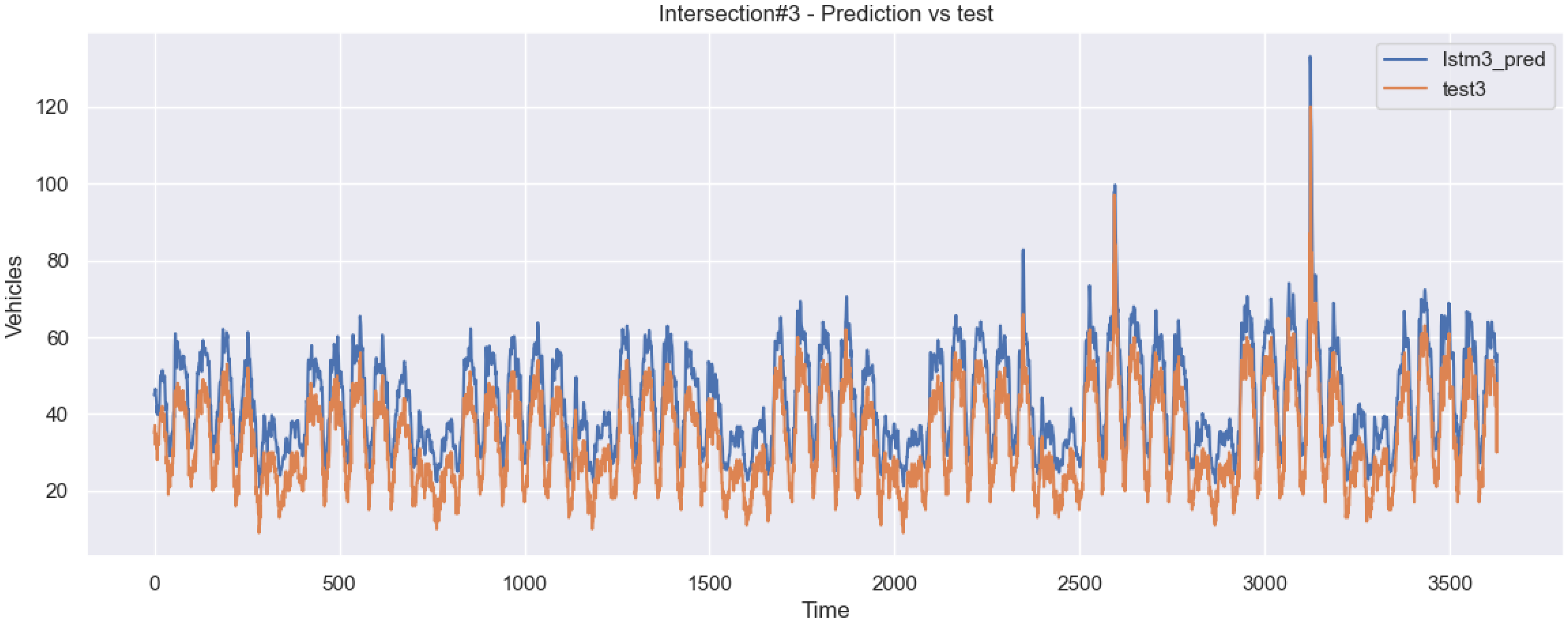
Figure 15 and
Figure 16 show the comparative results of predictions and actual test values for all three intersections, respectively.
All models have the same number of layers and the same parameters (learning rate and number of epochs). The best results (with the lowest RMSE) among the RNN, LSTM, and GRU models were selected. The values are normalized—scaled to avoid the common problem of training neural networks due to vanishing and exploding gradients. Fog computing at the PIoT fog level is responsible for EDA, neural network modeling, fitting, validation, and vehicle number prediction.
3.2. Hands-On Fuzzy Logic Approach for Police Decision-Making—Case Study #2
Fuzzy logic can indeed be applied to decision-making processes in smart policing [
50]. Fuzzy logic is a mathematical framework that deals with uncertainty and imprecision, allowing for the representation and handling of vague or ambiguous information. In the context of smart policing, fuzzy logic can help address the complexities and uncertainties associated with making decisions in law enforcement. Here is a general approach to using fuzzy logic for decision-making in smart policing:
Clearly articulate the decision-making problem.
Define all relevant input parameters and linguistic variables.
Define fuzzy (if–then) rules.
Define inference method (e.g., Mamdani, Sugeno, etc.).
Defuzzification—convert the fuzzy output into a crisp value or decision.
Evaluate the performance and fine-tune the linguistic variables, membership functions, rules, and defuzzification method based on real-world feedback and validation.
Networked monitoring and surveillance systems are frequent targets of attacks. As a result of cyberattacks, false information disrupts the police work and drains their resources. The following fuzzy model is used to identify whether there was a physical break-in to the protected object or false information due to a cyberattack. The hands-on decision-making methodology has been achieved using a fuzzy logic system and if–then rules [
51]. Sugeno and Mamdani are two popular approaches to fuzzy-logic-based systems for modeling and managing complex systems [
52]. Both approaches are used to build fuzzy inference systems, but they have some differences in their rule representation and output generation. Sugeno-type fuzzy systems are commonly used in decision-making applications.
The fuzzy workflow consists of defining the decision problem, specifying the input variables and linguistic terms, formulating fuzzy if–then rules, selecting the inference mechanism, and generating a crisp output for decision support. This fuzzy-decision role is consistent with the main objective of the proposed PIoT concept, namely, to support traceable and less subjective policing decisions under conditions of uncertainty and partial information.
There are a few models, but the hands-on usable models are type-1 and type-2 models. Fuzzy logic type-1 models are commonly used for modeling simple and moderate levels of uncertainty. They can handle problems with limited ambiguity and are suitable for predictive policing on the edge and fog levels (vehicle speed control, fraud rate estimation, etc.).
Fuzzy logic type-2 models are applied for advanced modeling of uncertainty at the cloud level. They can handle problems with crime risk assessment, personality and behavior assessments, behavior assessment of sports fans in sports arenas, political supporters in the street, etc.
A simplified scenario (
Table 2) of an unauthorized intrusion into a protected facility was modeled. The monitoring system (sensors and cameras at the edge level) of the protected facility is networked with the police system (vertical PIoT concept). An object detection algorithm is implemented at the edge level, while a tracking detection algorithm is implemented at the fog level.
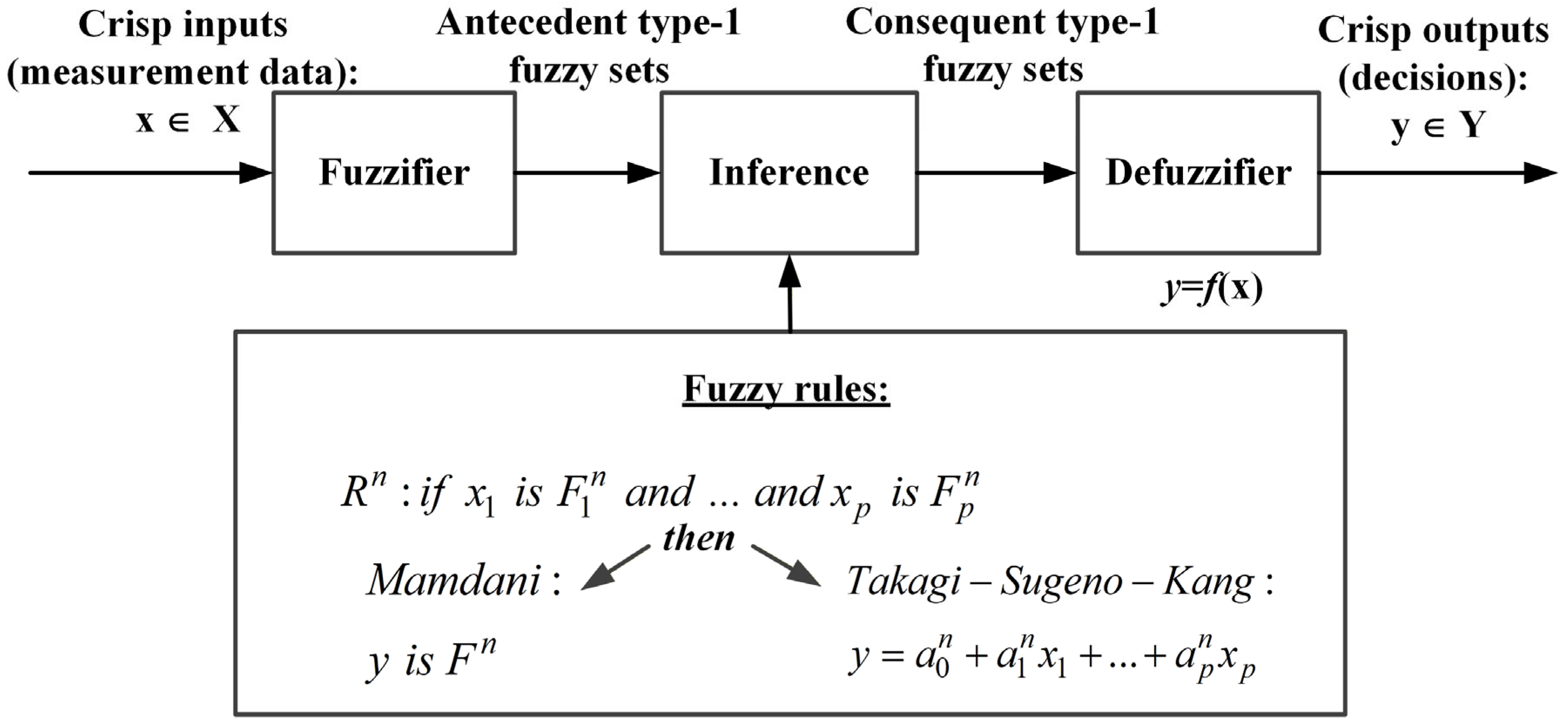
The decision-making algorithm was implemented using the Sugeno type-1 fuzzy logic system (
Figure 17) at the cloud level.
Figure 17 illustrates the standard architecture of a type-1 fuzzy logic system that transforms crisp input measurements into crisp output decisions. First, the input vector
x enters the fuzzifier, where precise numerical values are converted into antecedent type-1 fuzzy sets through corresponding membership functions. These fuzzy inputs are then processed in the inference block, which applies a set of fuzzy if–then rules (Sugeno) to model the relationship between input variables and the output. Finally, the defuzzifier converts the inferred fuzzy result into a single crisp output
y, thereby enabling practical decision-making.
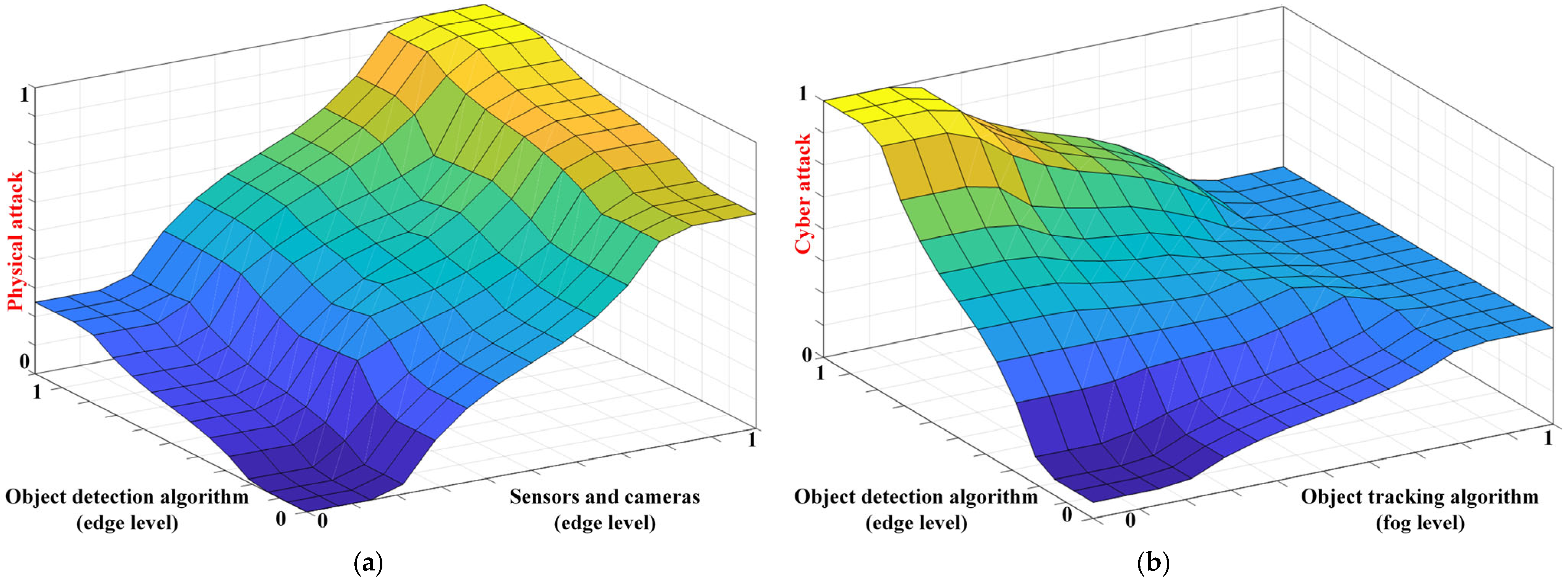
The modeling results are given for the two detection algorithms at two different hierarchical levels (
Figure 18): “physical attack” and “cyberattack”.
The 3D modeling results show the relationship between edge and fog levels, which can be generalized to cloud levels. In some cases, results and measurement data from the edge level are directly forwarded to the cloud level to support more complex decision-making algorithms. This is a common data processing approach in remote monitoring systems with internally implemented machine learning algorithms, effectively integrating edge and fog computing within a single system.
4. Discussion
The progressive advancement and widespread adoption of the IoT and Internet of Everything (IoE) technologies play a vital role in the contemporary landscape of smart cities [
53]. This trend is propelling the smart city paradigm towards large-scale data. Machine learning and fuzzy logic should greatly help the police in almost all areas (physical and cybercrime, traffic, etc.).
Collaboration among AI researchers, cybersecurity experts, policymakers, and privacy advocates is essential to developing secure and trustworthy AI systems in smart cities [
54]. It is important to note that the successful implementation of machine learning in a smart environment requires a careful approach to ethical issues and privacy concerns.
Data serves as the key driver of smart world development; however, increasing intelligence and connectivity also introduce significant risks. Smart devices are inherently exposed to cyber threats, which is why cybercrime is gaining importance compared to traditional physical crime [
13]. To respond effectively to these challenges, future policing must also transform, with data playing a central role in that evolution.
This study proposes a vertical Police Internet of Things concept that organizes sensing, analytics, and decision support across edge, fog, and cloud levels to support smart policing in both physical space and cyberspace. Its main contribution is framed as the synergy between an architecture hypothesis and a forecasting hypothesis, where the edge–fog–cloud split enables a hands-on separation of operational, tactical, and strategic functions compared with a flat IoT approach. The paper elaborates these hypotheses through two case studies that address common traffic police problems mapped to different PIoT levels.
Traffic flow was measured over four years at three nearby intersections using vehicle detectors and traffic surveillance cameras at the PIoT edge level, while the exploration analysis was conducted at the fog level. Within the EDA, the correlation matrix and its heatmap visualization (
Figure 7) provide more than a descriptive statistic: they offer an empirical “connectivity snapshot” of how congestion dynamics co-vary across intersections in the same local traffic network.
The paper includes a structured within-family comparison among RNN, LSTM, and GRU models. The three models share the same six-layer architecture, learning rate, and epoch settings. They are compared using RMSE, after which the best-performing configuration is selected for each intersection.
It is necessary to validate the proposed PIoT concept by practically incorporating ML and fuzzy logic models into hierarchical PIoT levels. Case Study #1 focuses on traffic flow forecasting for three nearby intersections, performing exploration analysis and model training. This study details the application of multiple ML models to process and predict the number of vehicles. Using the correlation matrix, the influence of the traffic flow between the intersections was determined, the traffic prediction was made, and then the accuracy of the prediction was tested. The vehicle prediction has been made by recurrent neural network families, namely RNN, Long Short-Term Memory, and Gated Recurrent Unit models. A consistent six-layer architecture is presented for these models, which enables comprehensive analysis and pragmatic deployment at the fog layer. The training procedure emphasizes tuning the learning rate and epoch count while monitoring training and validation loss functions.
To improve the clarity of the empirical results, the findings are presented through both graphical and numerical evidence. In Case Study #1, the forecasting performances of the RNN, LSTM, and GRU models are evaluated using multiple complementary metrics, including MAE, MSE, RMSE, R2, and MAPE, which provides a more complete assessment of prediction accuracy than a single-error measure. The results show the practical applicability of recurrent neural network models for short-term traffic flow forecasting at the fog level of the proposed PIoT architecture. In Case Study #2, the fuzzy logic results are presented as a decision-support mechanism that converts uncertain information from monitoring systems and detection algorithms into interpretable outputs related to physical and cyber incidents. Taken together, these empirical results clearly demonstrate how the proposed PIoT framework supports both predictive analytics and structured decision-making in smart city policing scenarios.
Table 3 shows all the standard metrics for better insight into the results.
Case Study #2 shows crime scenarios and extends the validation beyond forecasting by addressing decision-making under uncertainty using fuzzy logic at the cloud level. The stepwise fuzzy workflow, which includes defining inputs, linguistic variables, rules, inference methods, and defuzzification, supports traceable decisions that are crucial in operational policing contexts.
Taken together, both case studies address the stated challenge of policing at the intersection of the physical and cyber domains, illustrating how PIoT can coordinate sensing, prediction, and decision-making across all hierarchical levels.
The discussion of the findings is organized around a coherent interpretation of how the proposed vertical PIoT framework supports different levels of smart-policing activity. The traffic flow forecasting case study demonstrates that recurrent neural network models can provide practically useful short-term predictions at the fog level. In contrast, the fuzzy logic case study shows how uncertain and partially conflicting information from edge and fog sources can be transformed into structured decision-support outputs at the cloud level. These findings are mutually complementary rather than isolated, because they illustrate two essential functions of the same hierarchical architecture: predictive analytics and uncertainty-aware decision-making. At the same time, the interpretation remains balanced by recognizing that the presented case studies validate the functional feasibility of the framework rather than its universal superiority over all alternative IoT architectures or machine-learning approaches. Therefore, the main contribution should be understood as a structured and application-oriented integration of sensing, forecasting, and decision support within a police-specific edge–fog–cloud architecture, which provides a compelling basis for further empirical validation in larger smart city policing scenarios.
5. Conclusions
The emergence of smart cities opens up many new issues. The adaptation of the police to new security challenges in smart environments is one of the key issues. Smart policing systems rely on adapting to IoT-based concepts and ensuring high data quality and reliability.
The success of policing will largely depend on its adaptation to IoT concepts. It is important to emphasize that all IoT concepts are supported by networked computer systems and complex AI algorithms and models. The research questions address how to tailor the vertical IoT concept to police needs; how to select appropriate ML models for edge, fog, and cloud requirements; and how fuzzy models can represent real-world decision scenarios. The proposed PIoT framework emphasizes hierarchical data and information processing, where edge computing remains essential for real-time monitoring and rapid on-site actions, while fog and cloud levels enable deeper analysis, forecasting, and strategic planning.
Depending on the field of application, the working principles of several latest machine learning (ML) algorithms and models are explained in detail. By leveraging fuzzy logic, smart policing systems can handle data uncertainties and imprecise. The application of fuzzy logic enables a flexible and adaptive multiparameter decision-making process.
At the end of the paper, the application fields of the PIoT concept and ML algorithms are listed in detail. The focus of future research will be on the development and classification of ML algorithms and models that are practically applicable in cybersecurity. Overall, the evidence across forecasting and fuzzy decision-making supports the core PIoT thesis that an edge–fog–cloud architecture can unify low-latency monitoring, tactical predictive analytics, and strategic uncertainty-aware decision support for smart city policing. The novelty of the proposed PIoT framework lies in its police-specific adaptation of vertical IoT principles for monitoring, forecasting, and decision-making support in smart cities. Future work will focus on expanding PIoT application fields and advancing the development and classification of ML algorithms that are practically applicable to cybersecurity-oriented smart policing.