Experimental and TRNSYS-Based Assessment of Bio-Based Reinforced Plaster for Sustainable Building Applications
 , and
, and
Abstract
1. Introduction
1.1. Statement of the Problem
1.2. State of Art
1.2.1. Composite Materials: A Step Towards Sustainability
1.2.2. Plaster-Based Composites
1.2.3. General Background on Alfa Fibers and Coffee Grounds
1.3. Aim of This Study
- A detailed experimental investigation of advanced thermal performance indicators, including time lag and decrement factor, which are essential for evaluating dynamic thermal behavior.
- The establishment of drying kinetic profiles to better understand curing mechanisms.
- An in-depth microstructural analysis to understand the relationship between porosity and thermal behavior.
- A numerical model through the simulation of a building incorporating the optimized composites within its envelope using TRNSYS software under different Moroccan climatic conditions.
- An environmental assessment of the developed composites, aiming to evaluate their contribution to reducing the environmental footprint.
2. Materials and Methods
2.1. Raw Materials
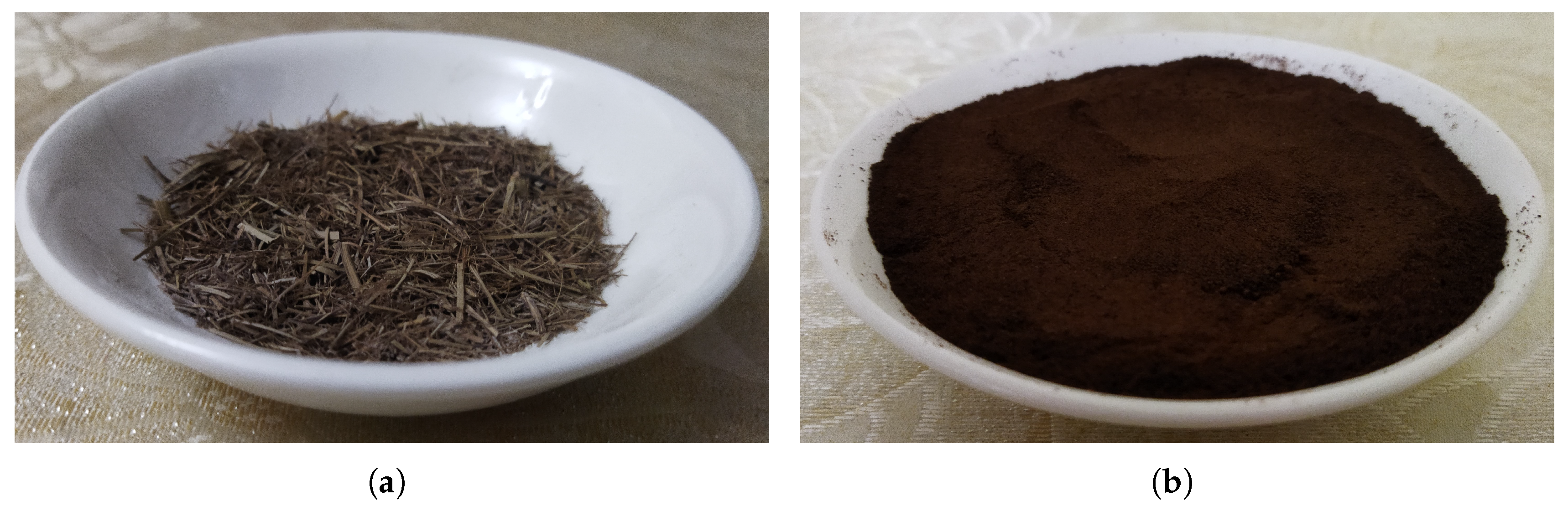
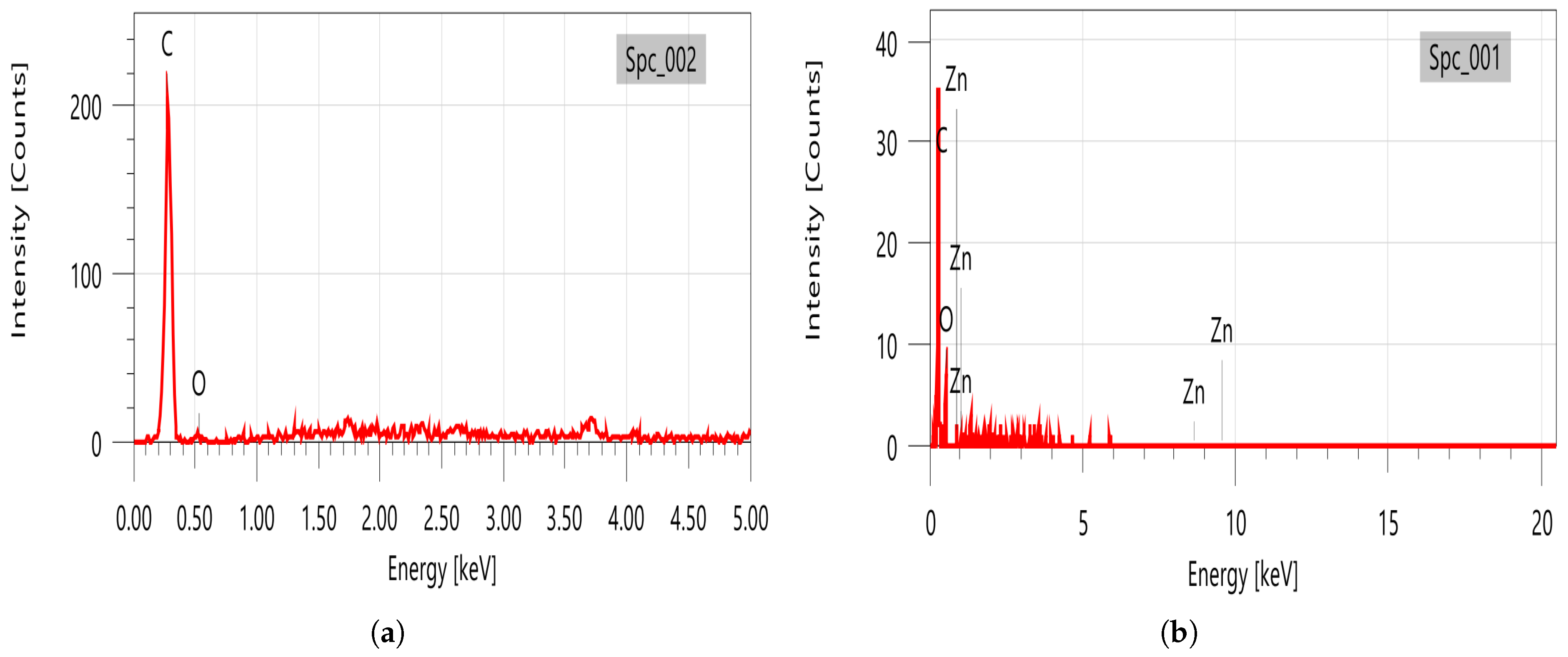
2.1.1. Natural Additives
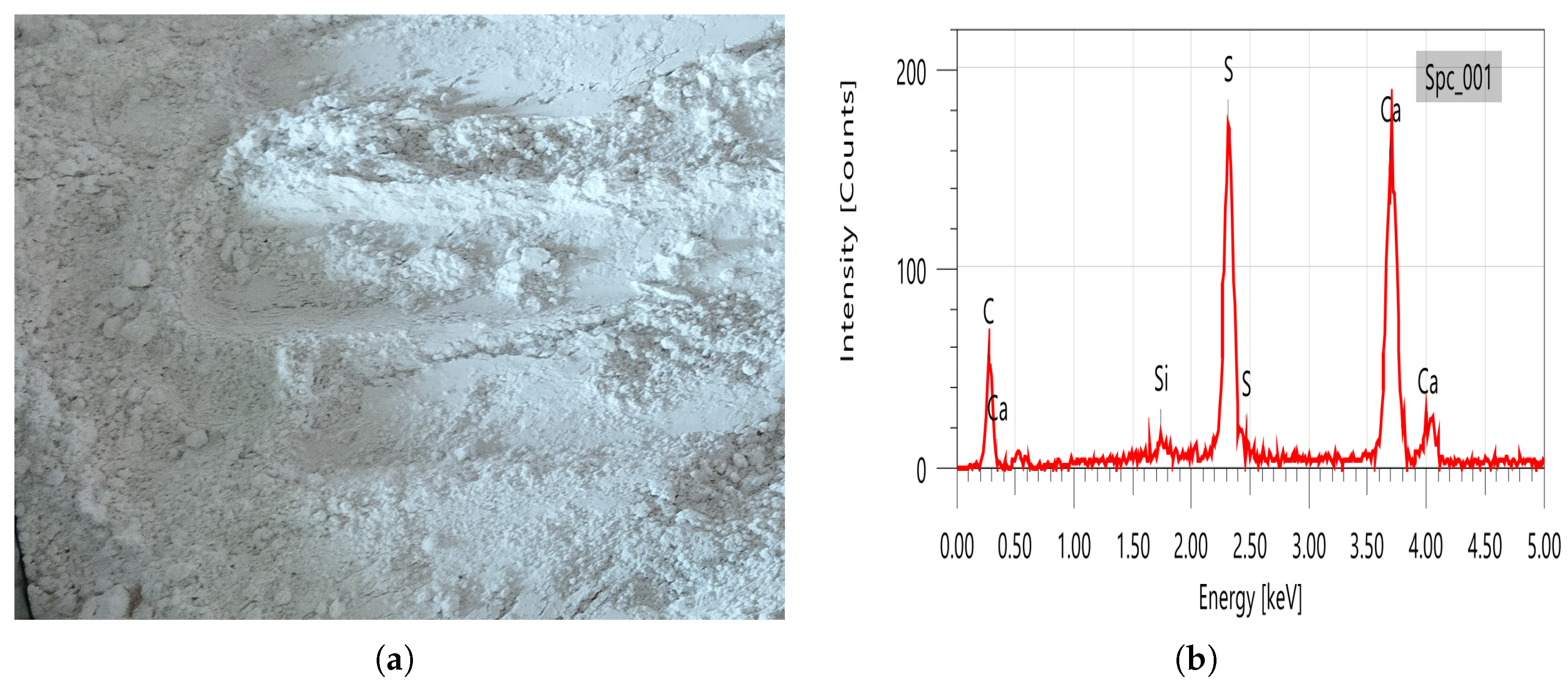
2.1.2. Binder
2.2. Design and Mixing Protocol
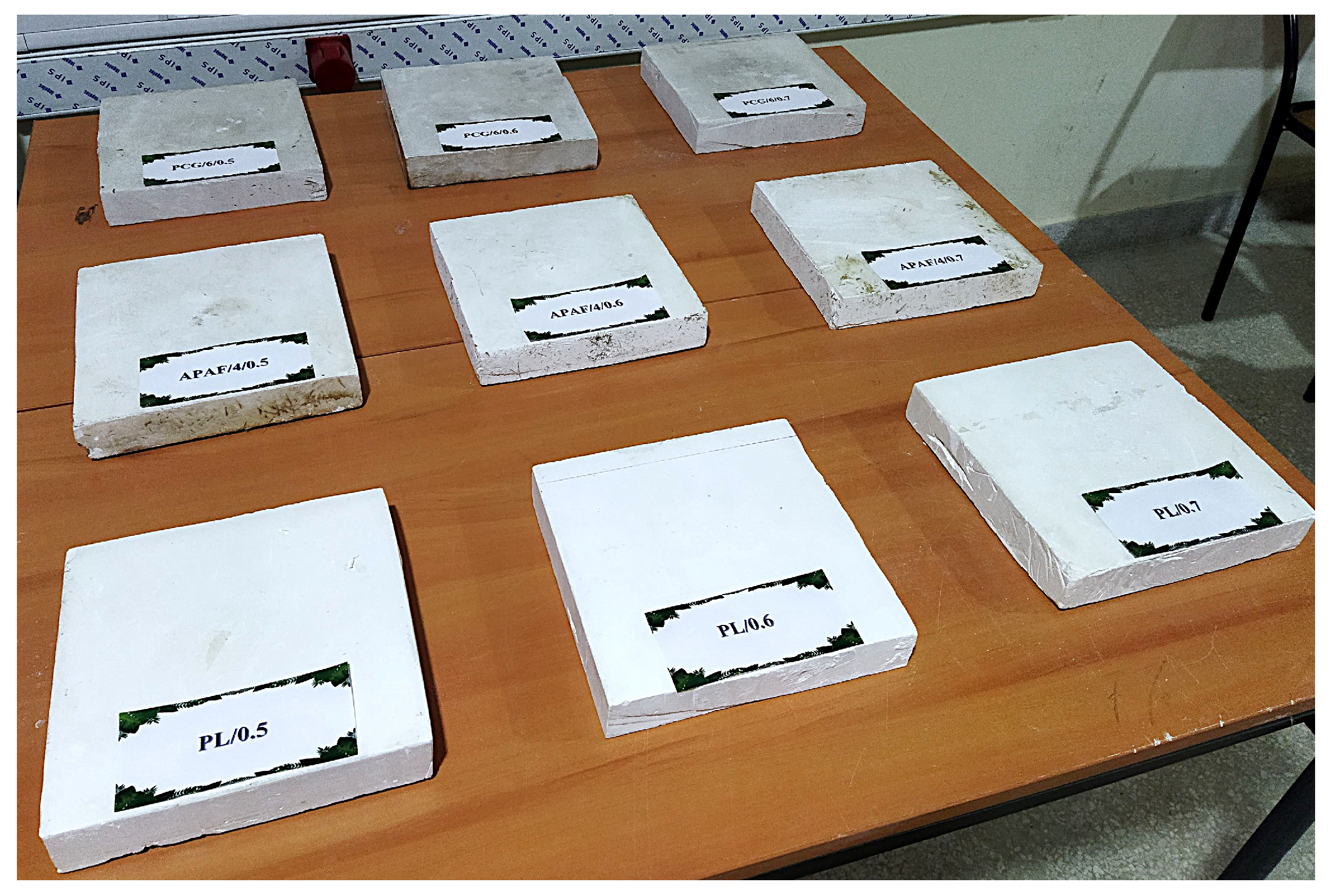
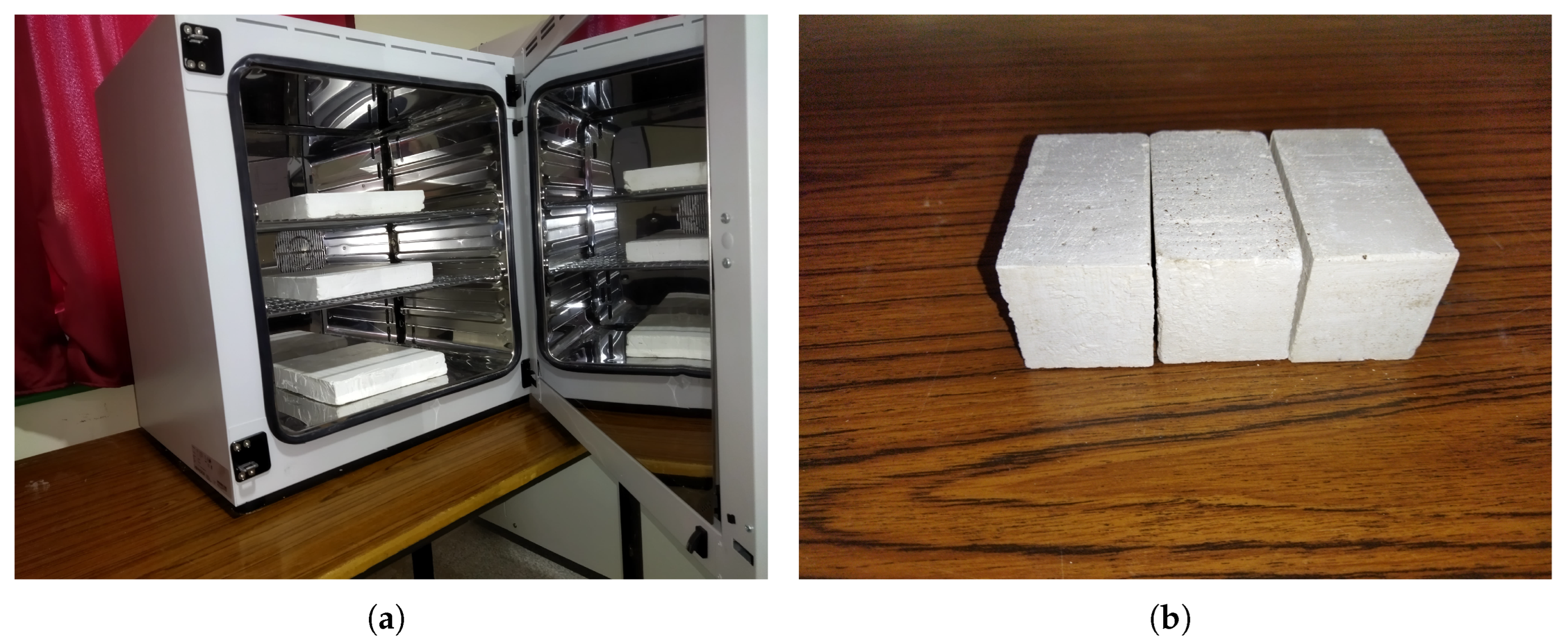
- For the formulation of pure plasters, the powder was carefully and gradually added to the water in a bucket to allow complete contact between the two substances.
- Regarding the composites based on alfa fibers, the natural aggregates were first blended with the necessary amount of water and the mixture was left to rest for 2 min. Then, the plaster powder was also sprinkled slowly with a good distribution on the water surface to enable a better adhesion of the fibers within the container.
- Concerning the plaster samples reinforced with coffee grounds, the manufacturing process was different. Initially, the appropriate quantities of the plaster powder and the coffee granules were mixed in their dry state to obtain a homogeneous texture. Then, the latter was gradually sprinkled into the water in the same way as the previous composites.
2.3. Thermal Experiments
2.3.1. Thermal Tester
2.3.2. Thermal Conductivity Measurement
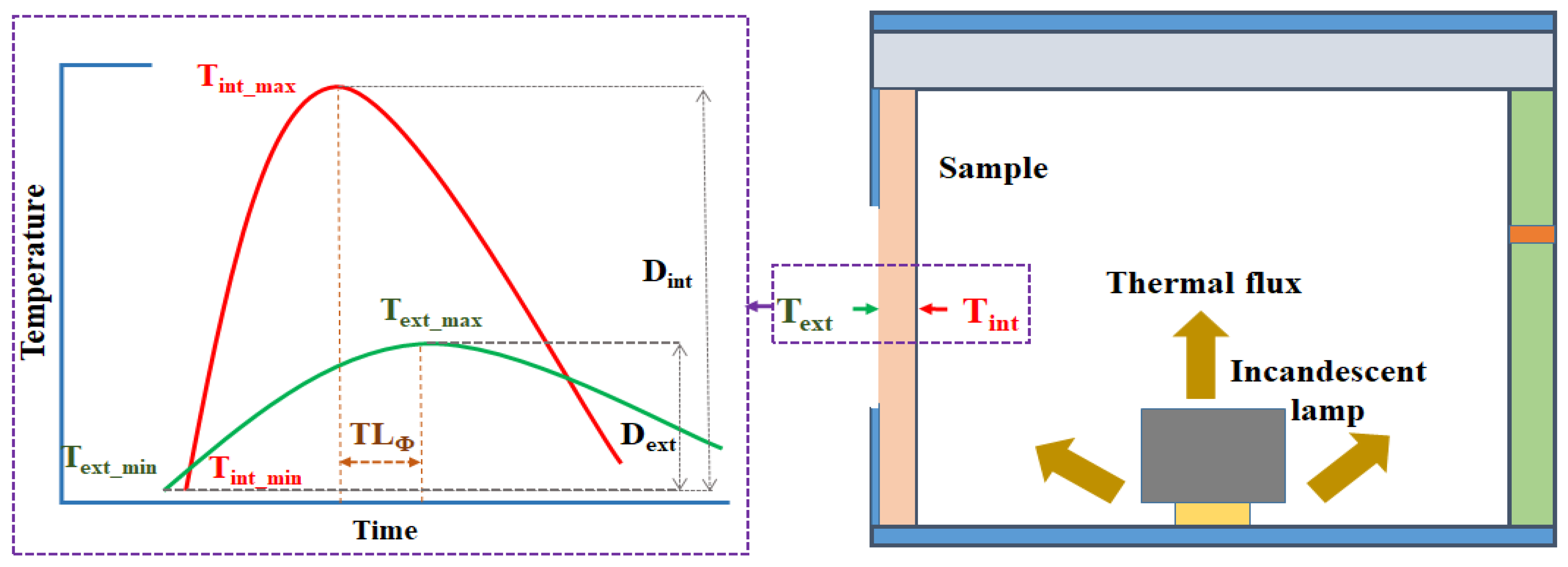
2.3.3. Thermal Behavior Characterization
3. Results and Discussion
3.1. Experimental Analysis
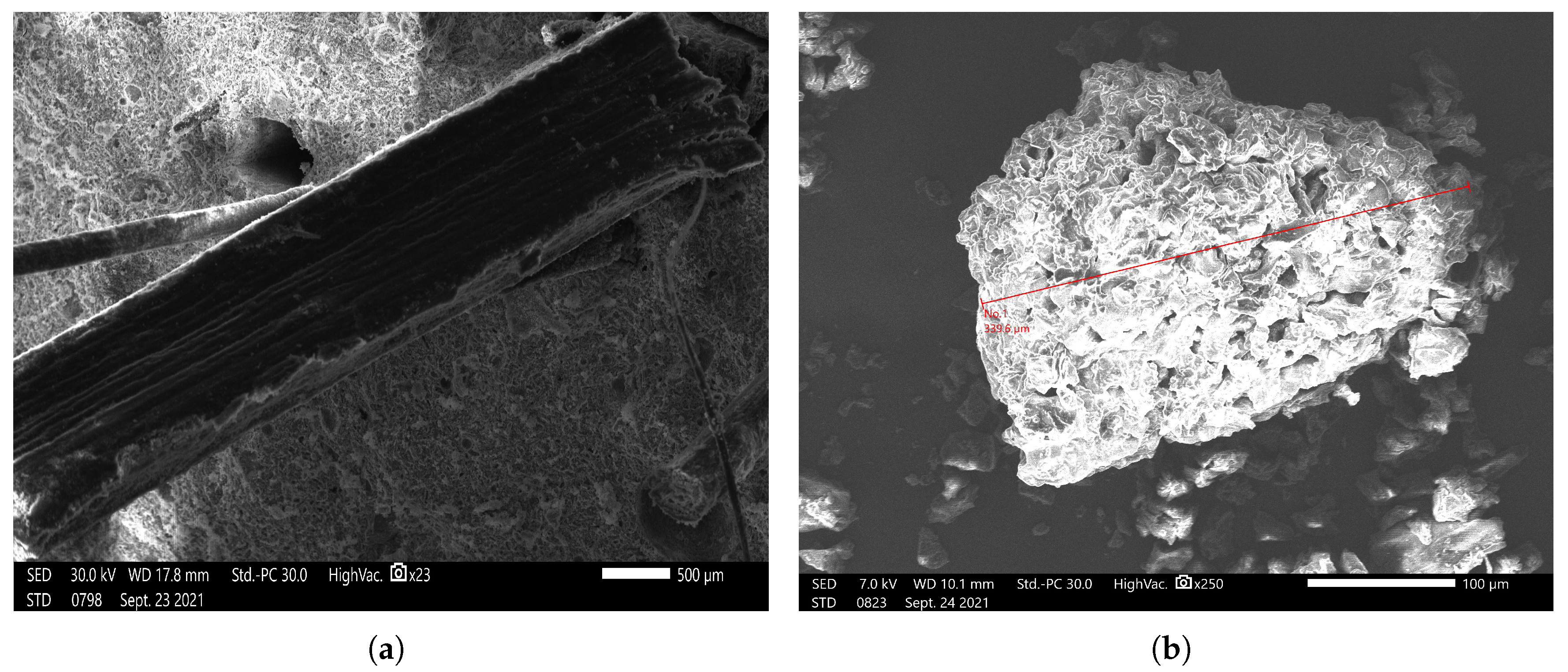
3.1.1. Microstructure Analysis of the Samples
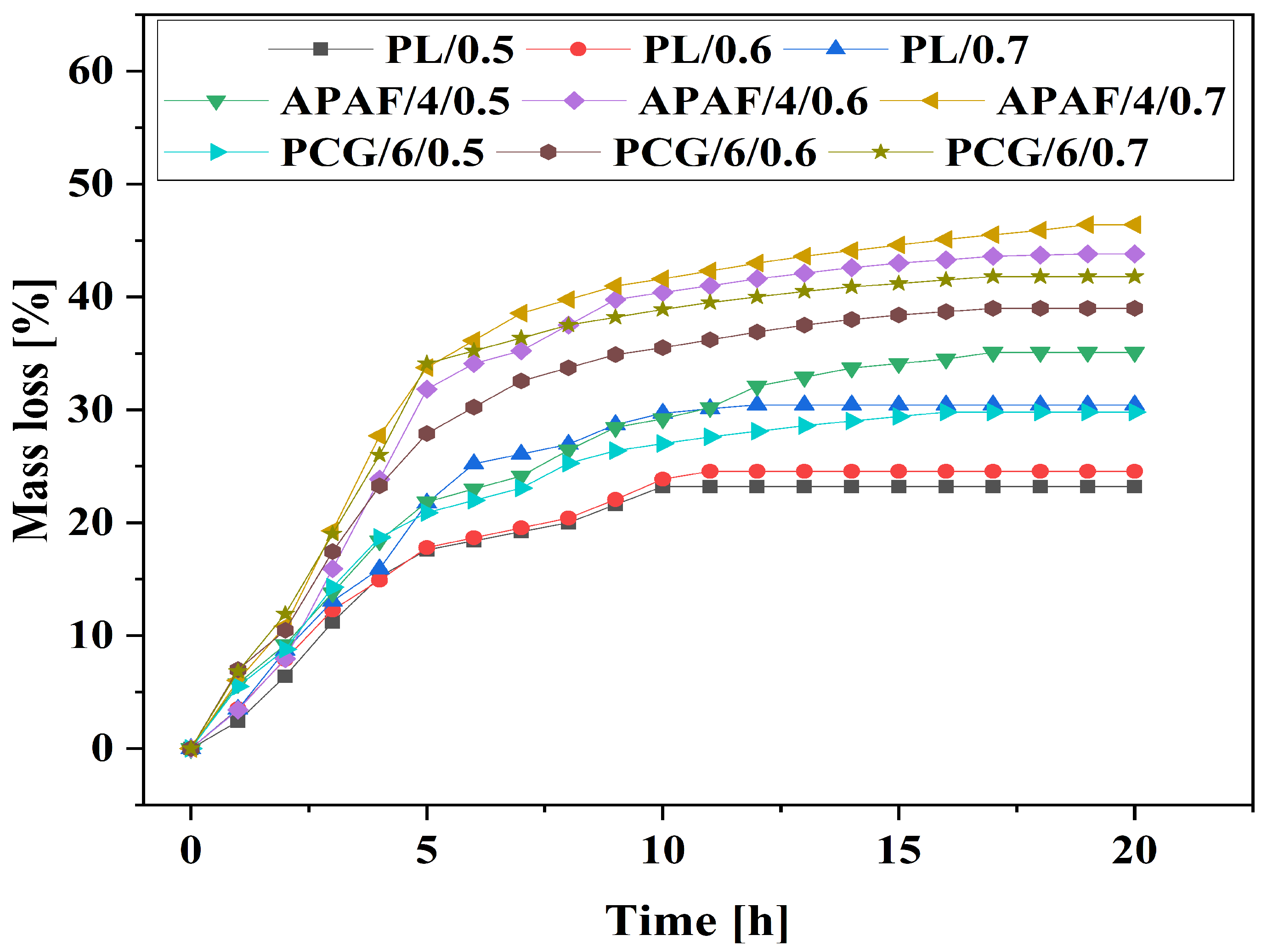
3.1.2. Drying Profile and Isothermicity
3.1.3. Evaluation of the Thermo-Physical Properties
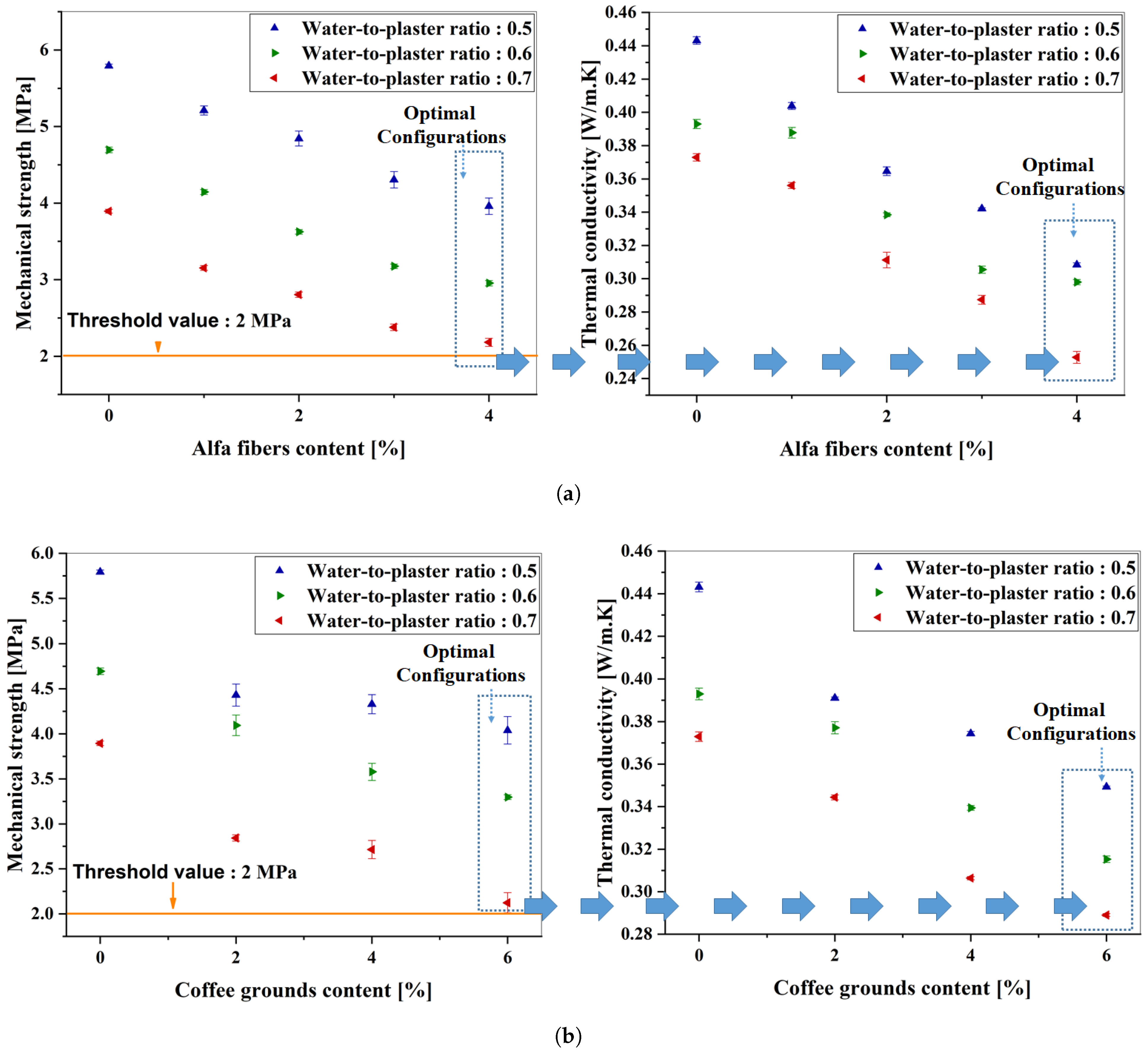
- In the case of materials made with an identical W/P rate, the thermo-physical characteristics decrease with the transition from a simple matrix to a compound one. As an example, for the category produced with a standard consistency (W/P of 0.7), the plaster density drops from 1172.2 to 1023.3 kg/m3 when using alfa fibers, and to 1087.5 kg/m3 by employing coffee grounds. The same remark can be projected on the thermal conductivity evolution. It decreases from 0.384 to 0.281 and 0.307 W/m.K when utilizing the fibrous reinforcement and the coffee particles, respectively.
- The level of water used for the samples’ preparation also appears to be an interesting influential element during aggregate addition. Thus, its increase enabled the improvement in the thermal conductivity and density for all types of composites.
- The combination of these two actions allowed the production of more insulating and less heavy pieces. However, APAF/4/0.7 and PCG/6/0.7 are considered as the configurations with the best thermo-physical properties, exhibiting significant reduction rates of 32.24 and 26.05% for thermal conductivity and 26.82 and 22.23% for density, respectively.
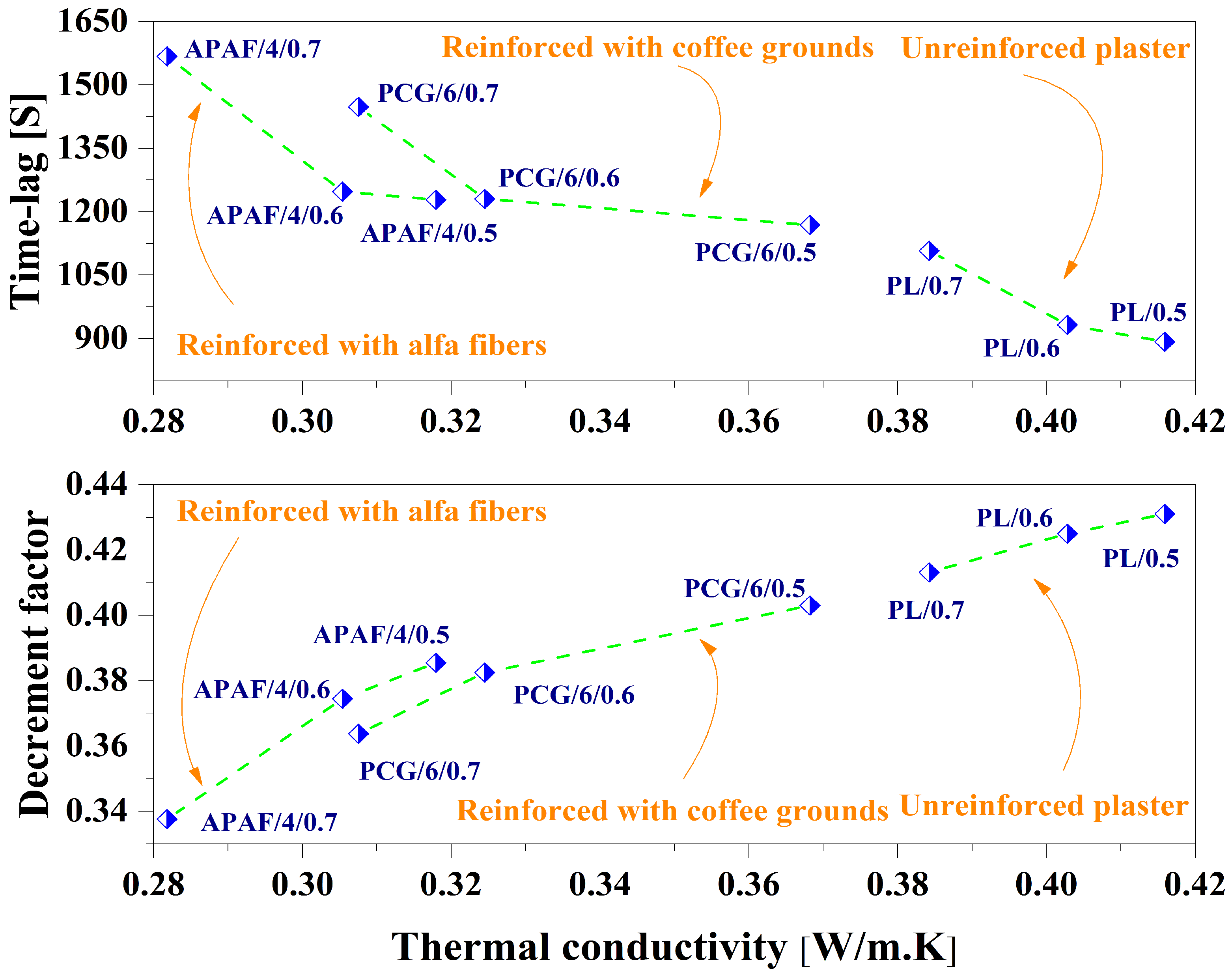
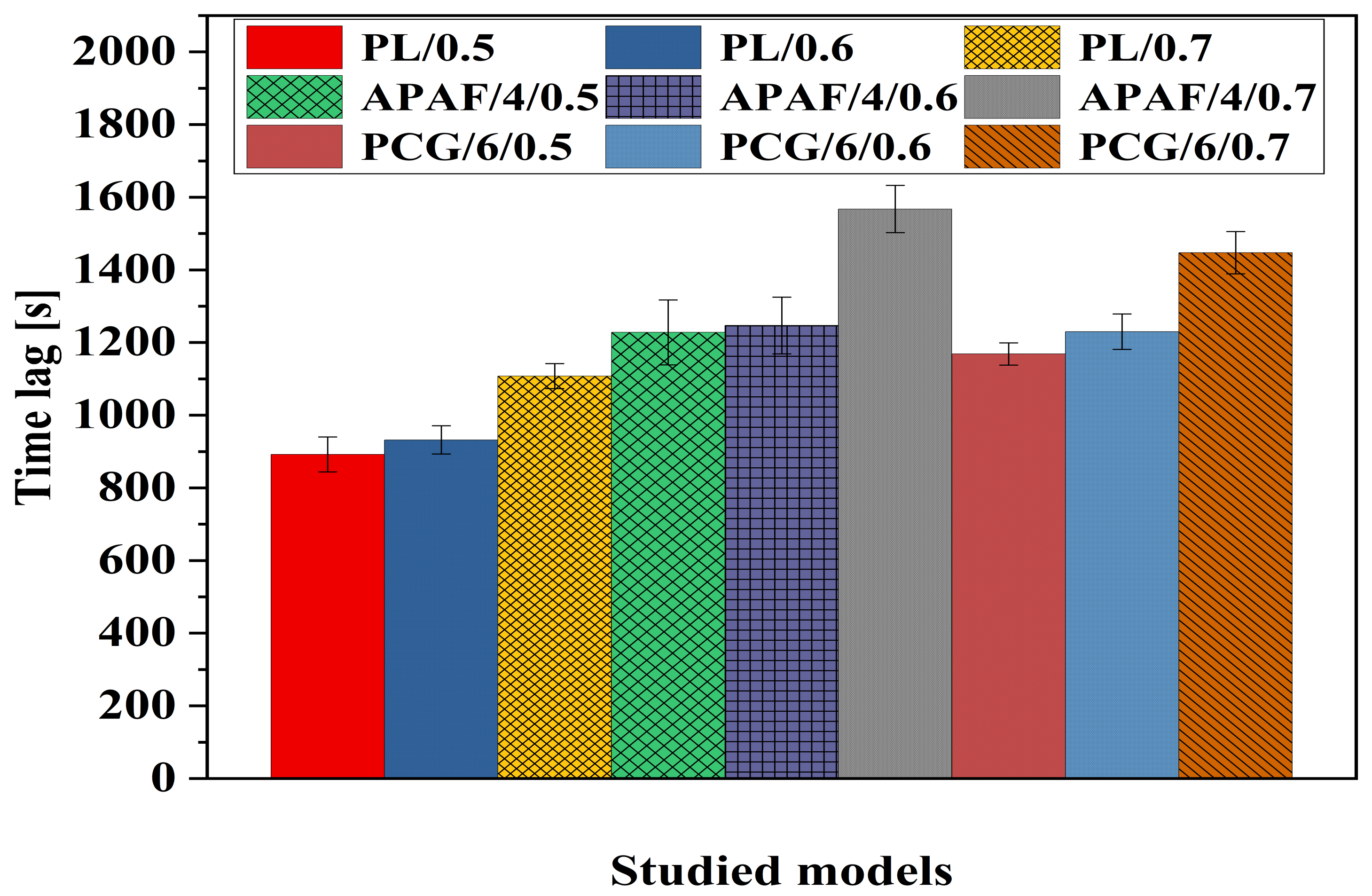
3.1.4. Assessment of the Heat Delay Capacity
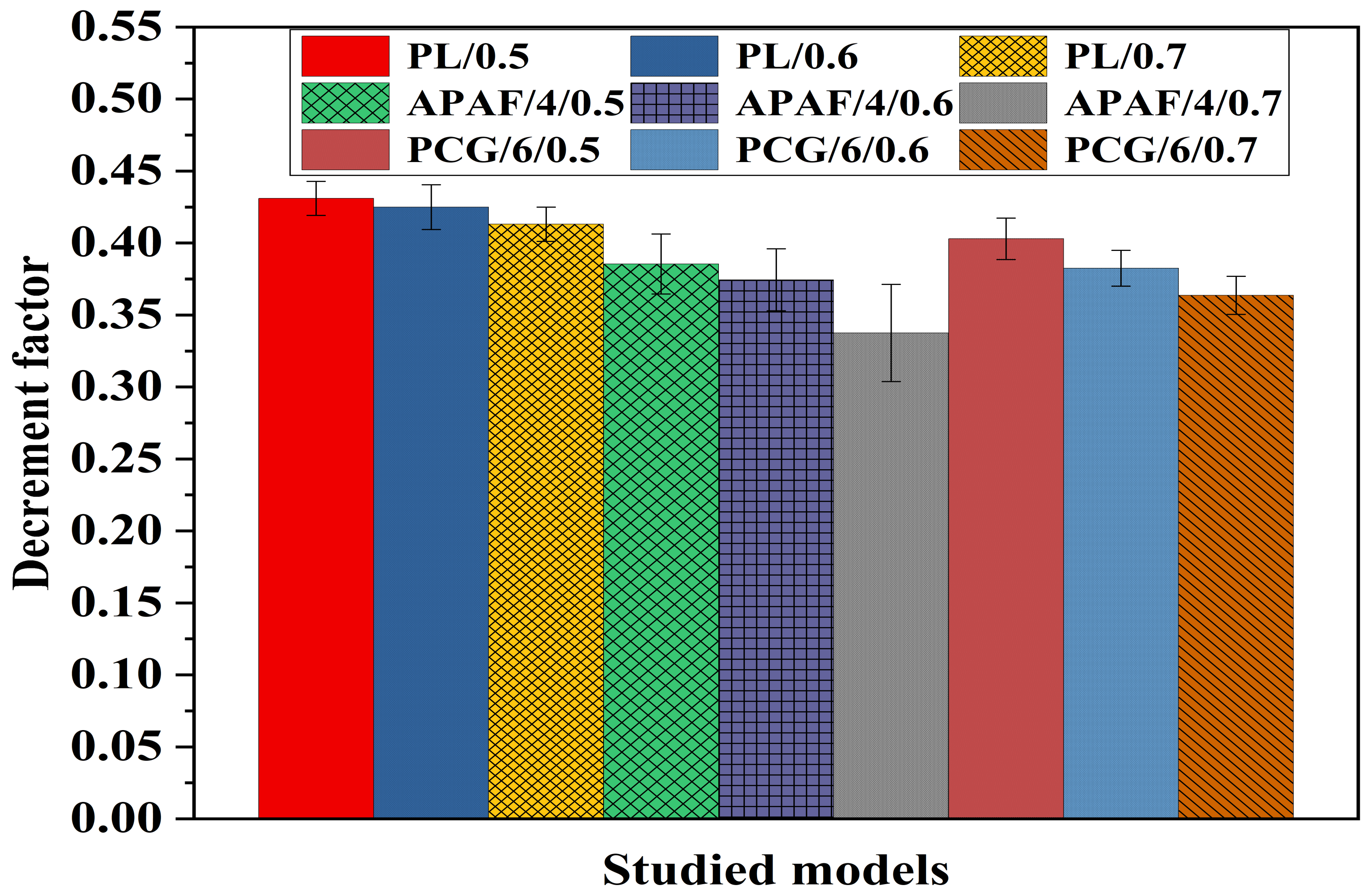
3.1.5. Thermal Performance Evaluation
3.2. Building’s Dynamic Simulation
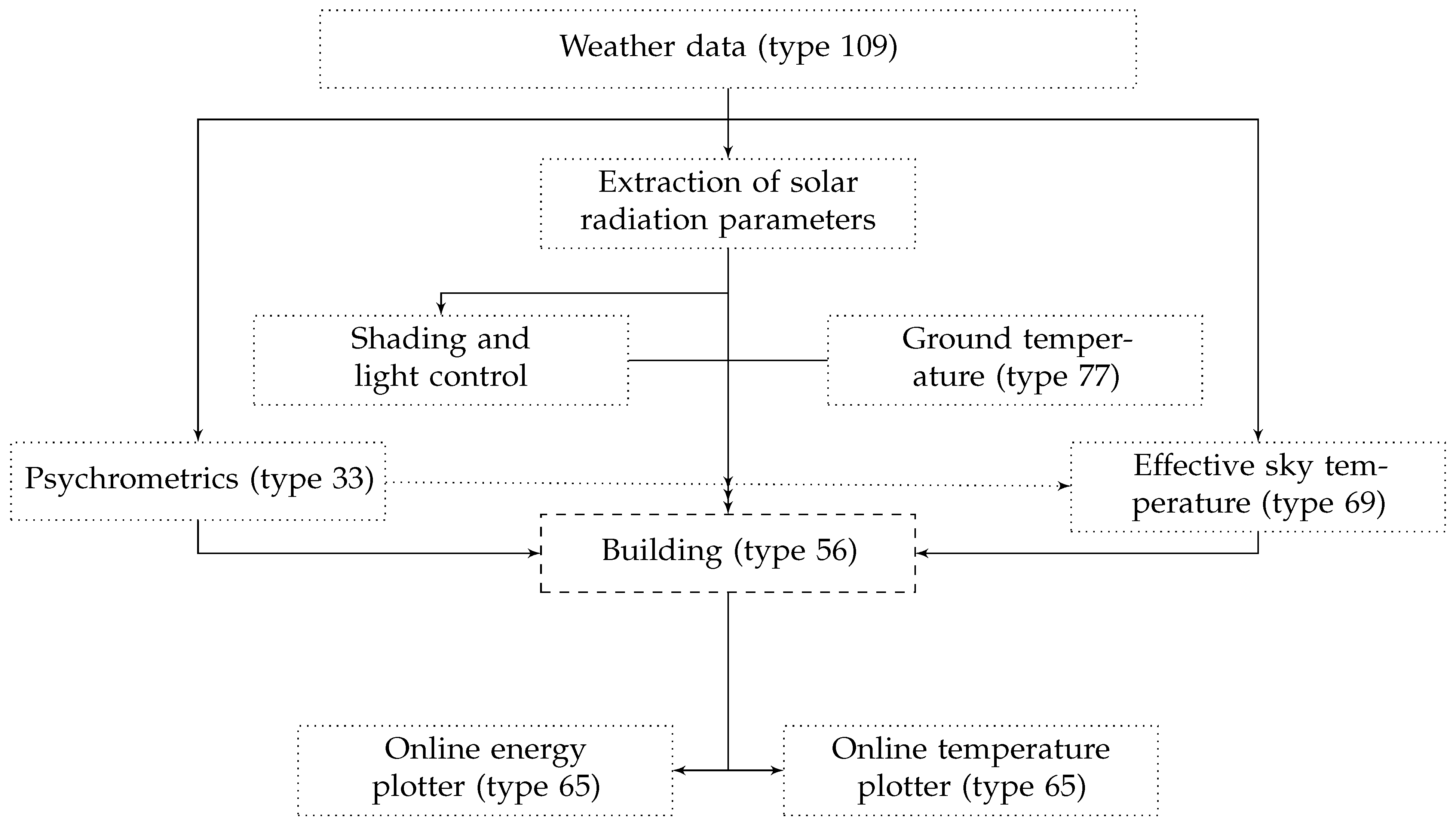
3.2.1. Simulation Methodology
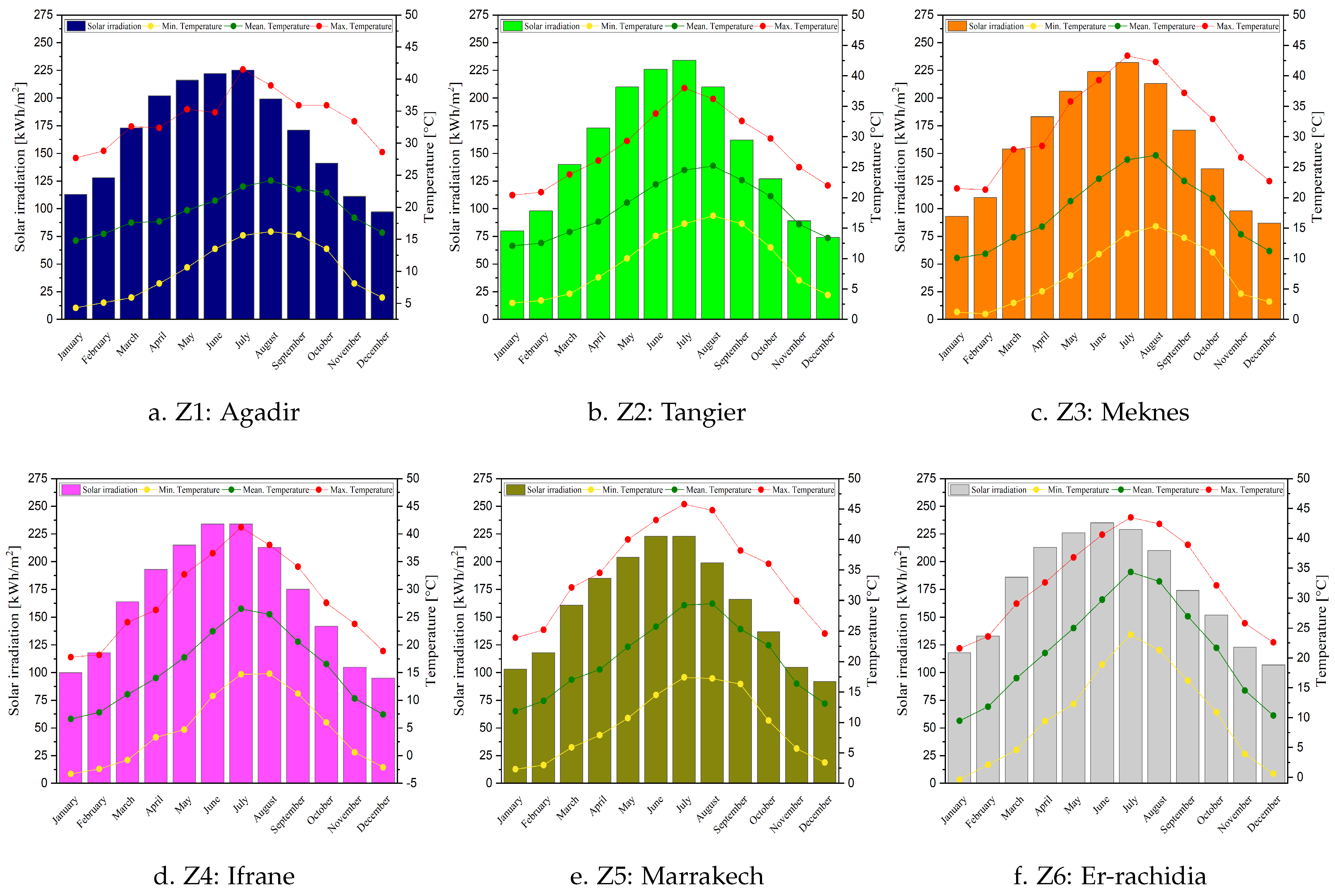
3.2.2. Overview of the Various Investigated Moroccan Climates
- Zone 1, represented by the city of Agadir, benefits from a mild Mediterranean climate. The winter periods seem to be sunny, and the summer ones are agreeably warm. Nevertheless, the maximum solar irradiation is noted during the months of July and August, with 222 and 225 kWh/m2, respectively. The average temperature varies between 14 °C in January and 25 °C in August.
- The climate of zone 2 (Tangier) is identical to the one observed in region 1. But, a greater irradiation during the summer can reach up to 234 kWh/m2 and brings warmer days. Generally, the average temperature seems softer (around 25 °C).
- The climate of zone 3 (Meknes) shows an intermediate state between the Mediterranean conditions and those of the interior thanks to its fairly high altitude (about 546 m). It is characterized, then, by its hot and dry aspect. In fact, during the year, the mean temperature varies between 10 and 26 °C. The maximum irradiation is 232 kWh/m2, noted in August.
- As for zone 4 (Ifrane), it has an elevated altitude that reaches over 1644 m. Therefore, it is distinguished by mountainous weather, where minimum temperatures can be severe during the winter months compared to other areas. Otherwise, the summer period seems to be fresher. The maximum and minimum temperatures thus observed are nearer to 41.2 and −3.3 °C, respectively.
- The effect of the semi-arid interior climate allows the cold Atlantic current to be attenuated and exposes zone 5 (Marrakech) to a very extreme level of irradiation, which subsequently brings very hot summer periods. The peak temperature can exceed 45 °C, while the median temperature can reach 29 °C in August.
- The climate of zone 6 (Er Rachidia) is deserted and hot. However, the radiation intensities received are very high compared to other zones. The maximum temperature reaches about 43 °C in the summer.
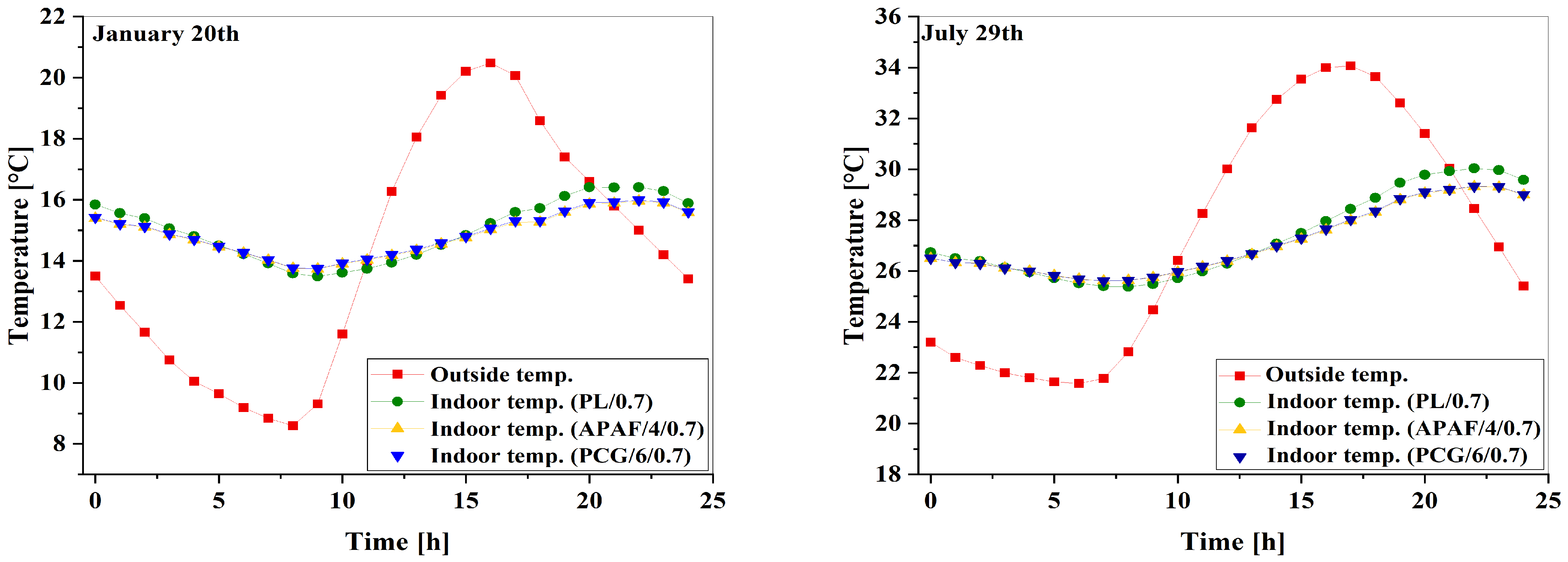
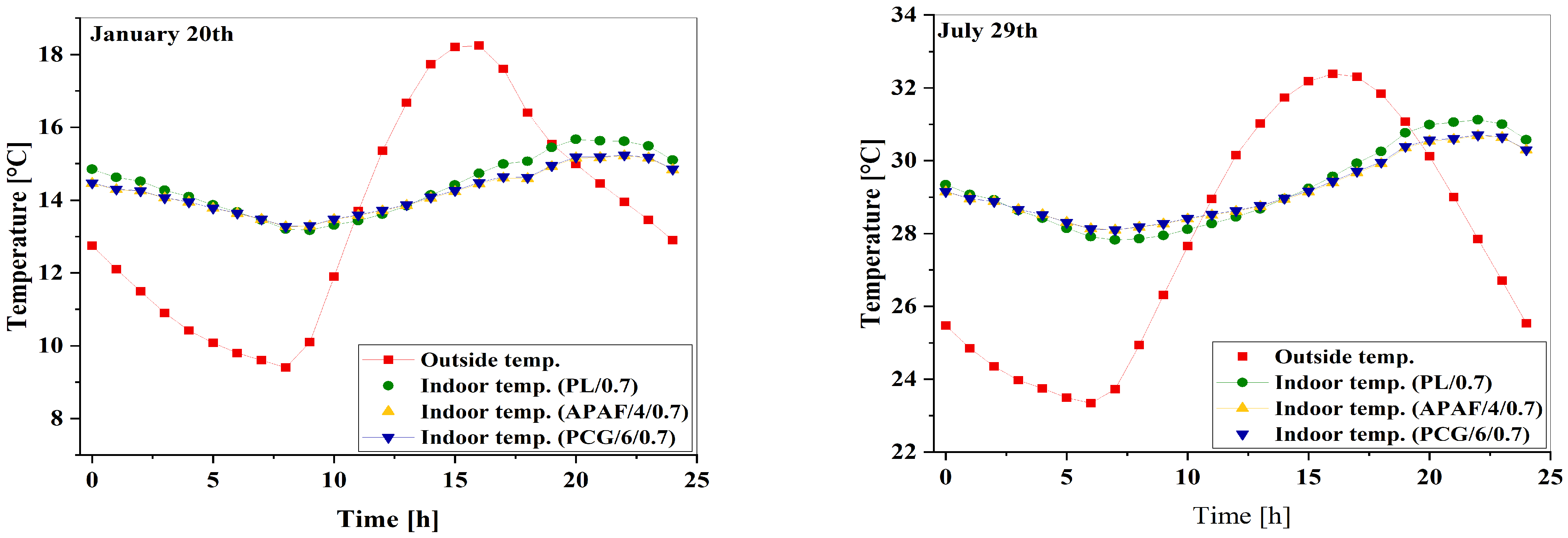
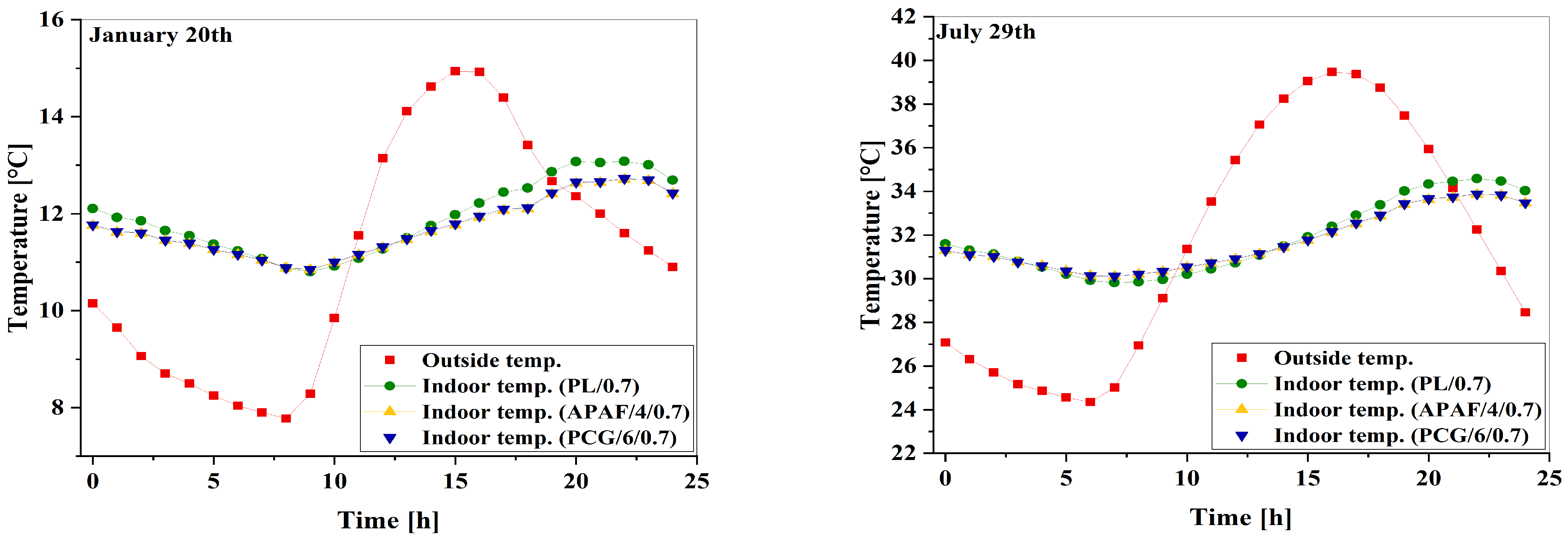
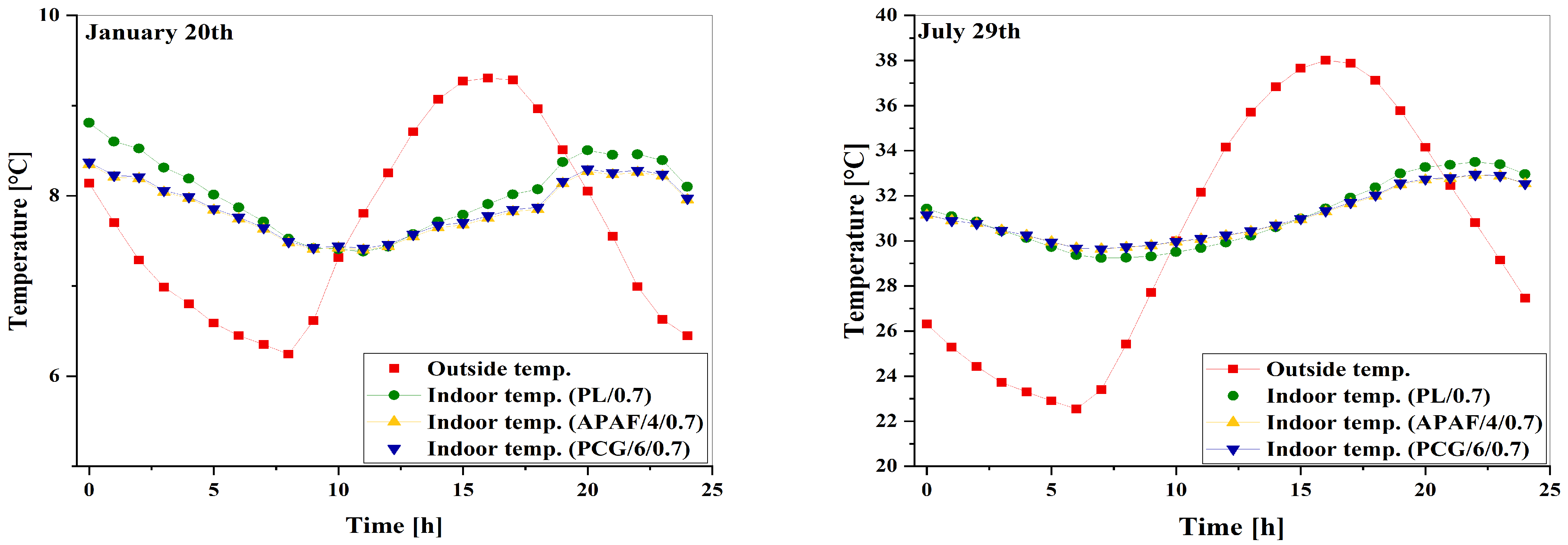
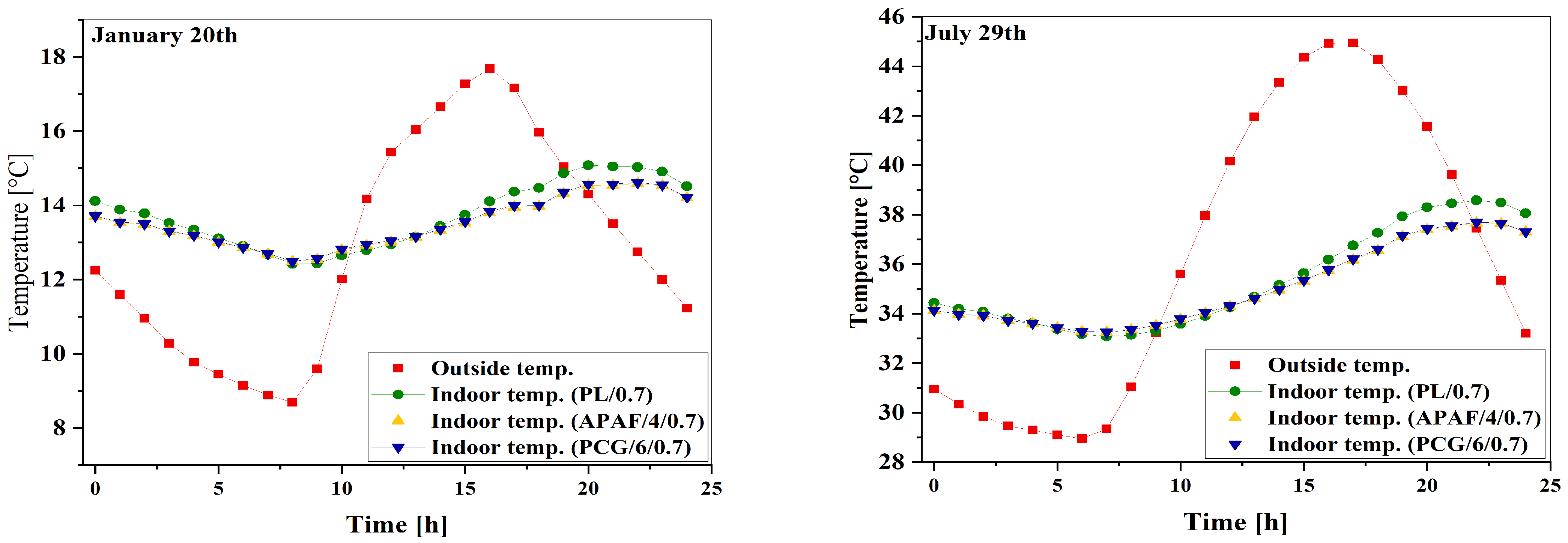
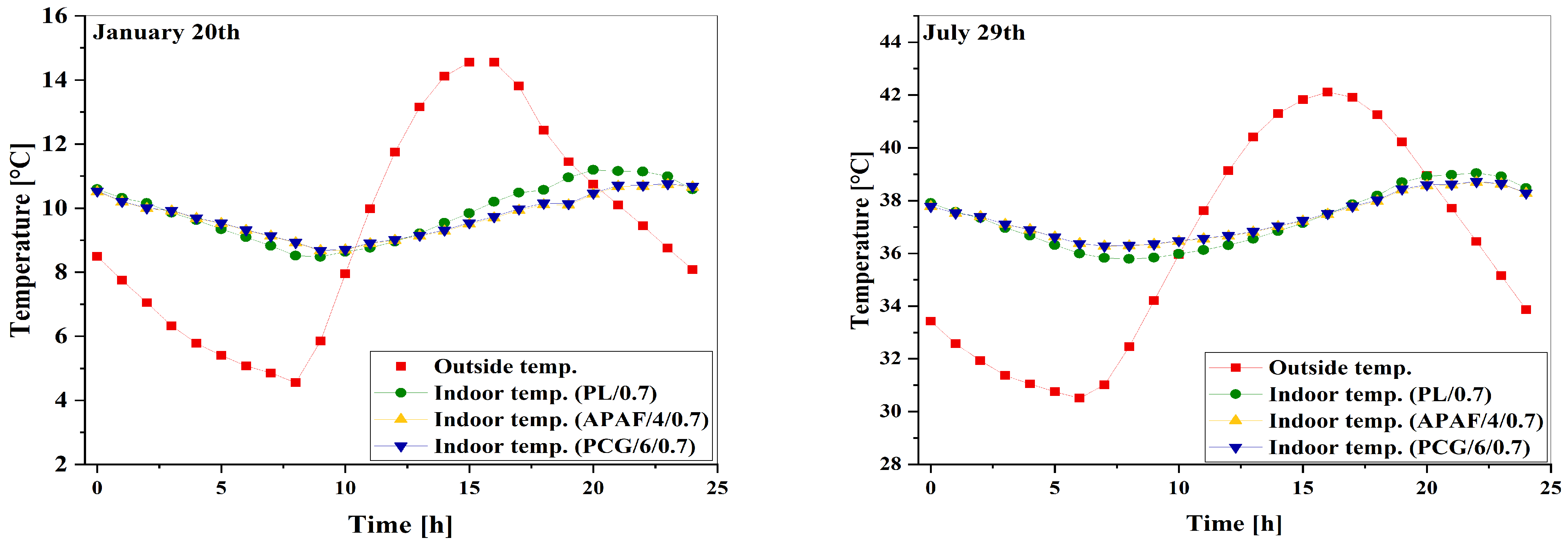
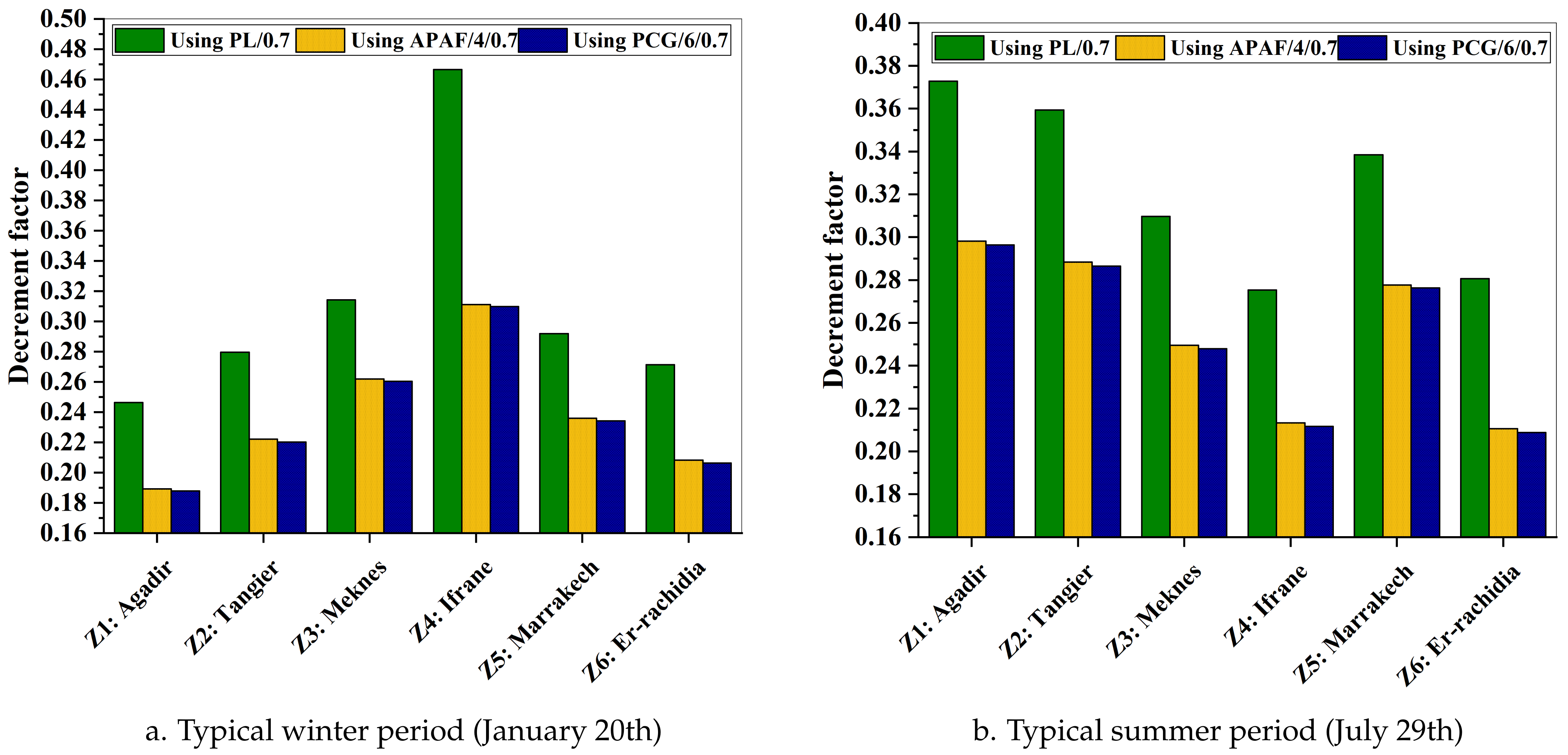
3.2.3. Analysis of the Dynamic Thermal Behavior
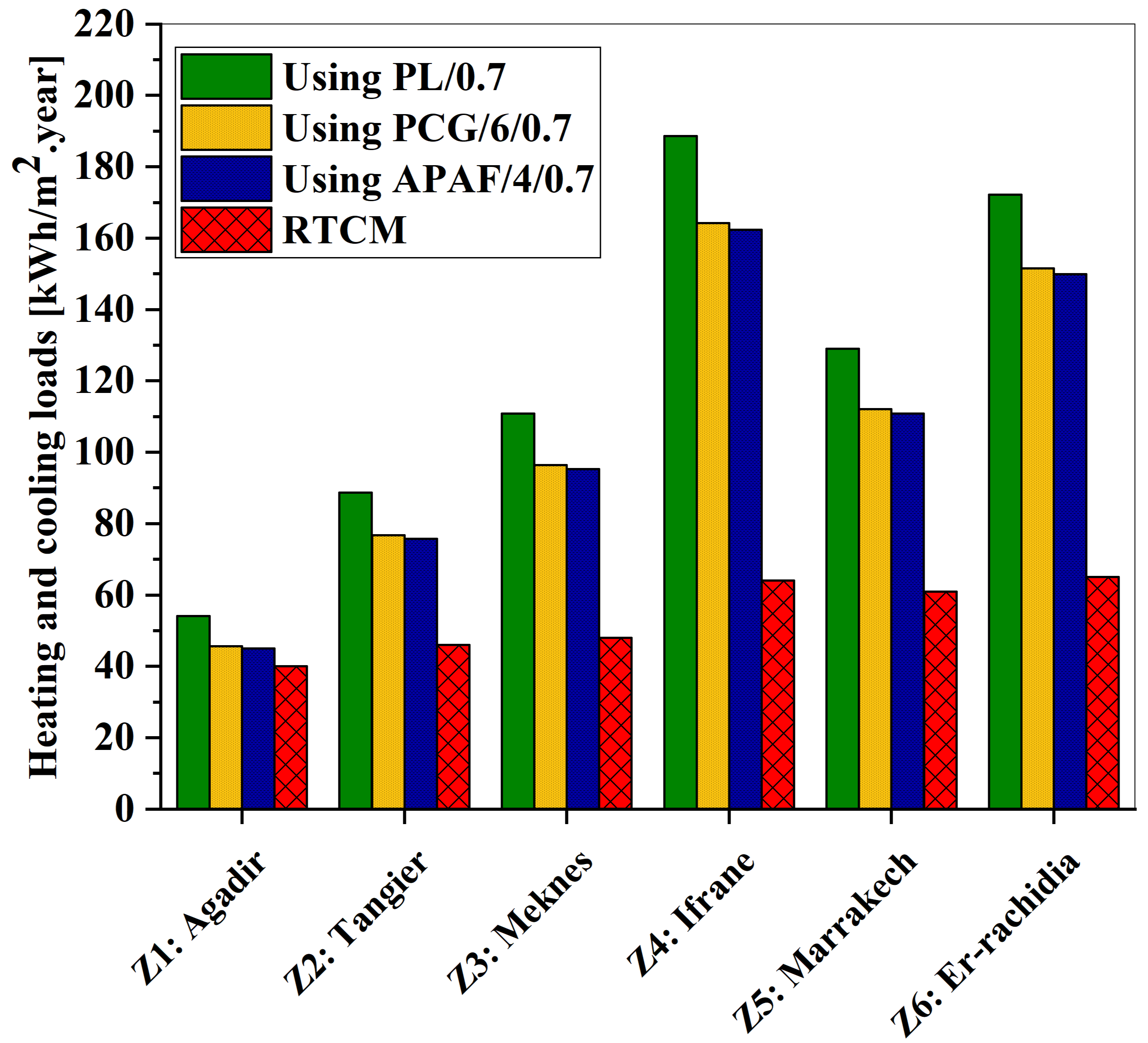
3.2.4. Analysis of Heating/Cooling Requirements and Avoided GHG
- MGHG is the total rate of GHG emitted in kgCO2eq/year;
- QH is the annual heating demand of the building, expressed in kWh/year;
- QC is the annual cooling demand of the building, expressed in kWh/year;
4. Conclusions
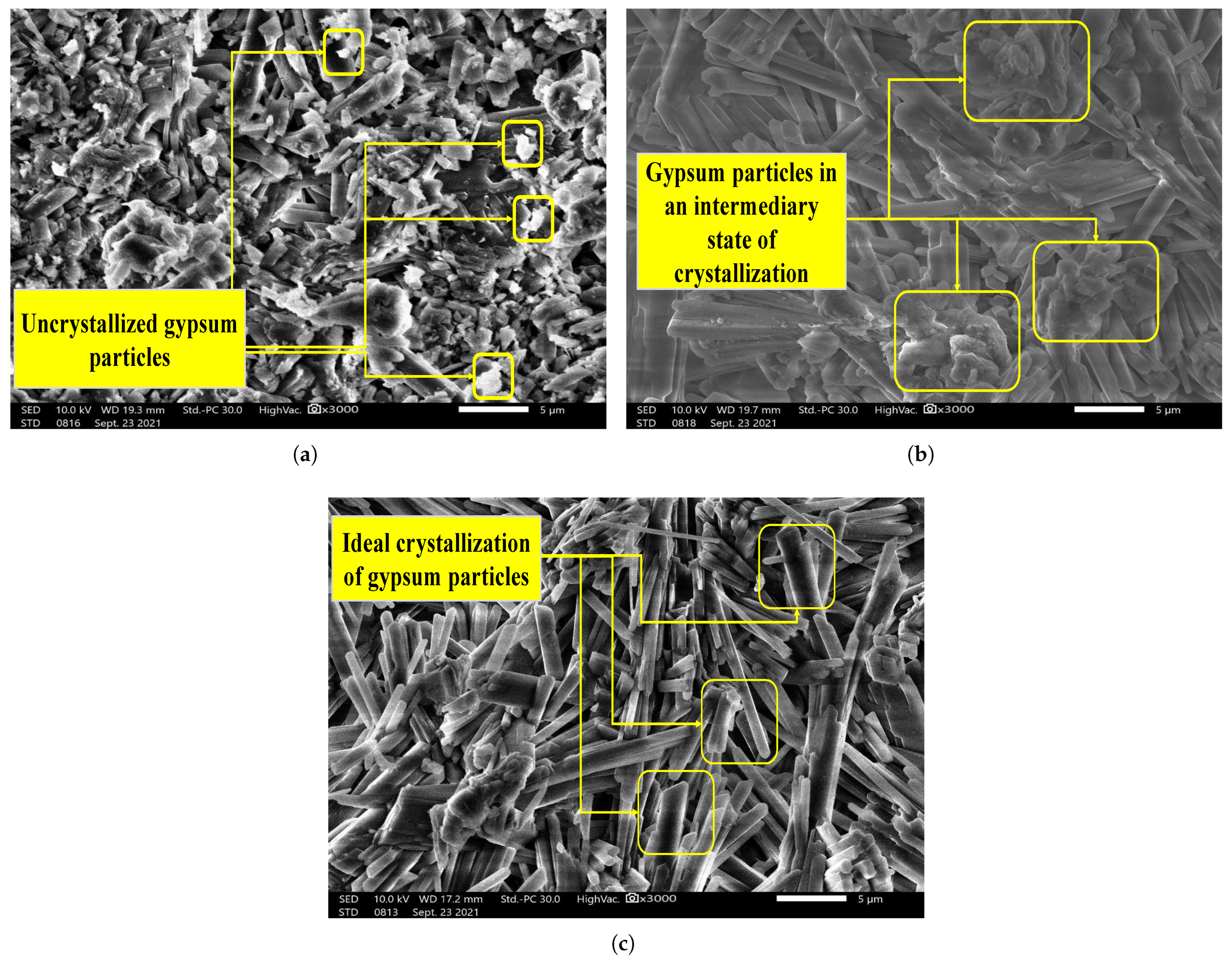
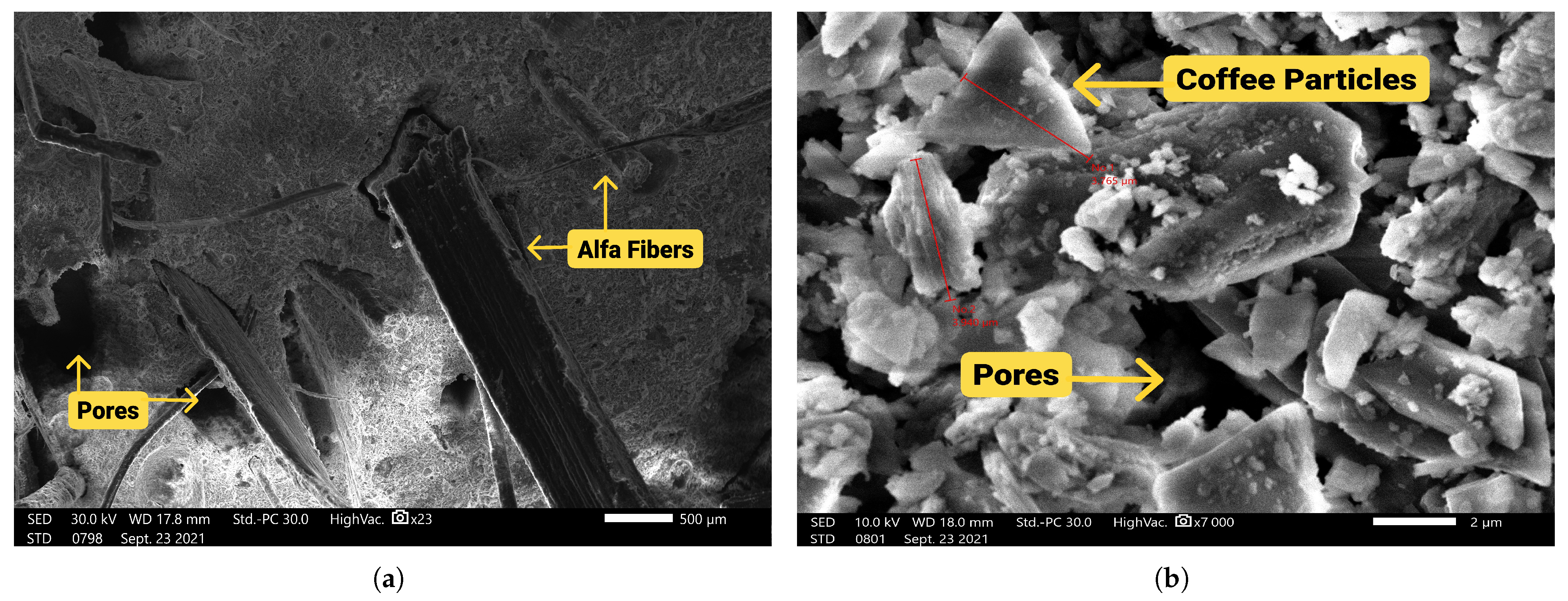
- According to the microstructure analysis, the incorporation of the admixtures increased the porosity of the composites. In addition, the increase in water content promoted the crystallization of plaster particles, further enhancing porosity.
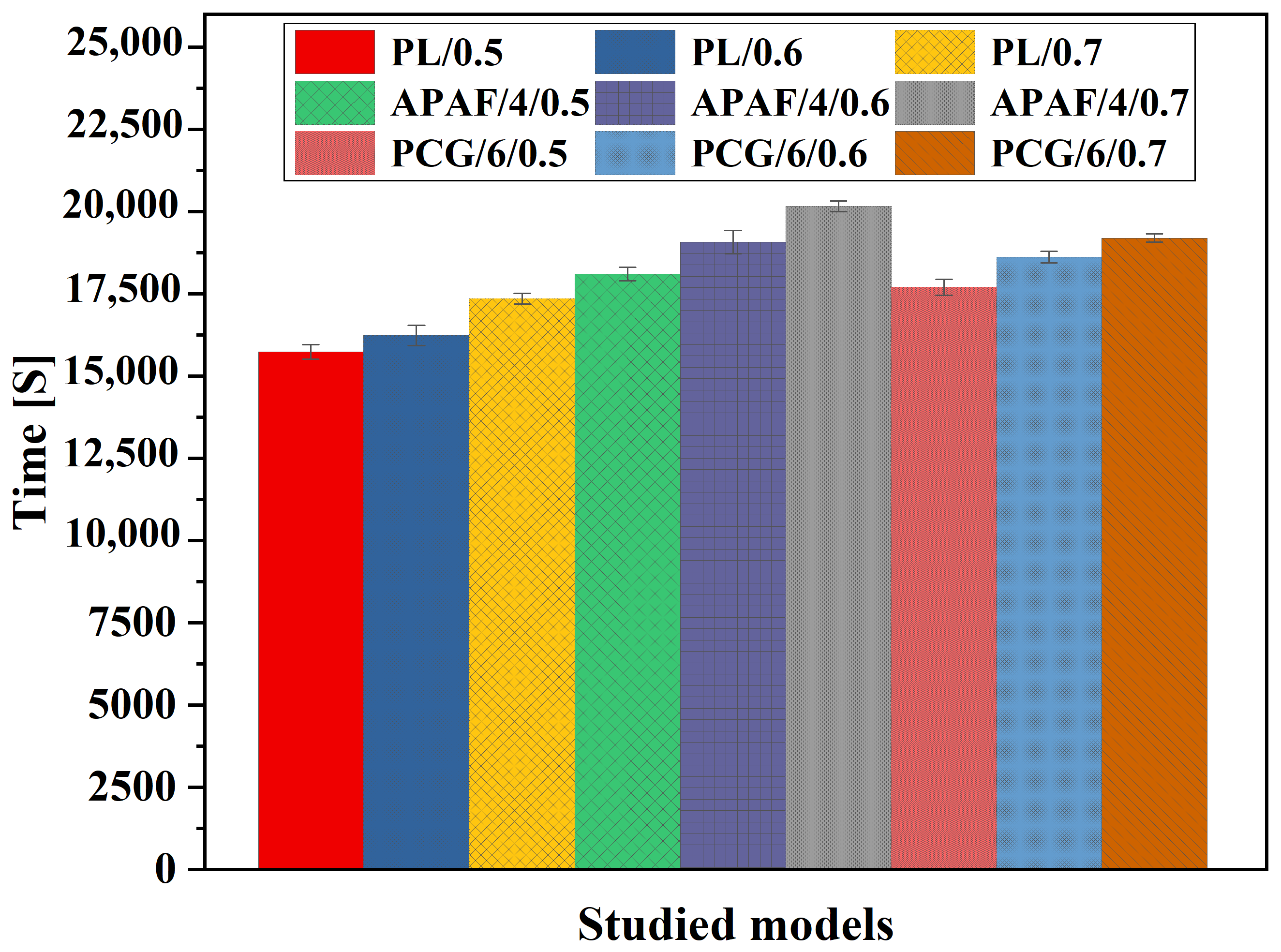
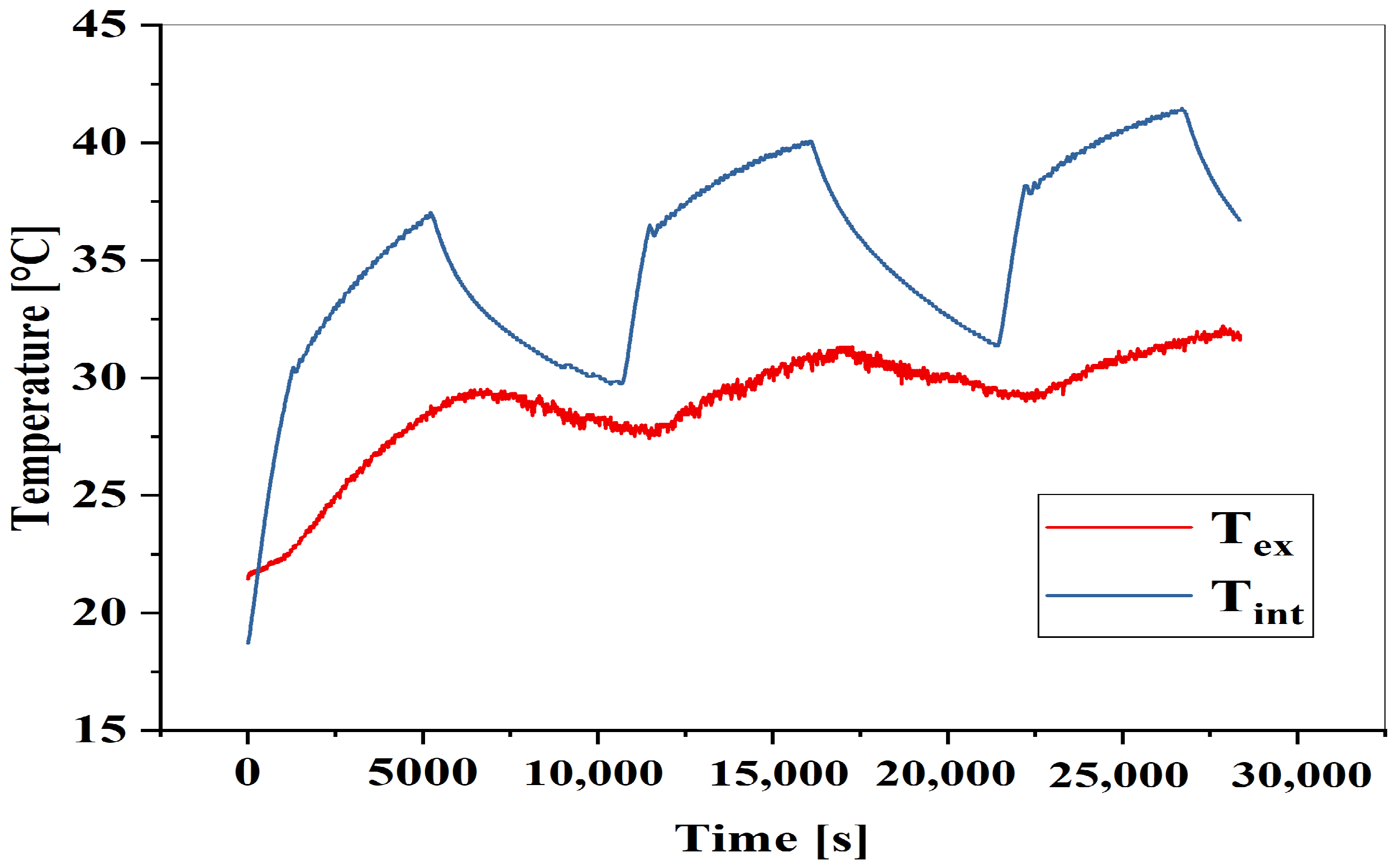
- The results showed that increasing the water content and additives improved the thermal behavior. In terms of performance, APAF/4/0.7 reduced thermal conductivity by 32.24% and density by 26.82%, while decreasing the decrement factor by 21.67% and achieving a time lag of 675.5 s. The PCG/6/0.7 composition also showed significant improvements, with a thermal amplitude reduction of 15.61%, a time lag of 555.5 s, and reductions in thermal conductivity and density by 26.05% and 22.23%, respectively.
- The integration of the optimal composites into the building delayed heat transfer in all climatic zones. In addition, the use of these bio-composites reduced heating and cooling loads, leading to the following notable energy savings: 16.3% (Agadir), 14% (Tangier), 13.5% (Meknes), 13.42% (Ifrane), 13.6% (Marrakech), and 12.5% (Er-rachidia).
- The use of PCG/6/0.7 resulted in GHG emission reductions ranging from about 11.54% to 15.37%, depending on the climatic conditions. The APAF/4/0.7 model showed even greater performance, with reductions varying between 12.48% and 16.63%.
Author Contributions
Funding
Institutional Review Board Statement
Informed Consent Statement
Data Availability Statement
Conflicts of Interest
Nomenclature
| Parameters and physical quantities | |
| e | Thickness of the sample [m] |
| f | Decrement factor |
| h | Heat exchange coefficient [W/m2K] |
| m | Mass of the sample in dry conditions [kg] |
| D | Temperature amplitude [°C] |
| M | Rate of GHG emitted [kgCO2eq/year] |
| QH | Annual heating demand of the building [kWh/year] |
| QC | Annual cooling demand of the building [kWh/year] |
| S | Surface of the sample [m2] |
| T | Temperature [°C] |
| Time lag [s] | |
| Thermal conductivity [W/m.K] | |
| Coefficient of the GHG emissions [kgCO2/kWh] | |
| Bulk density [kg/m3] | |
| Thermal energy flow through the material [W] | |
| Subscripts | |
| ext | External |
| int | Internal |
| max | Maximum |
| min | Minimum |
| Abbreviations | |
| APAF | Alfa fiber-reinforced plaster |
| COP | Performance coefficient of the electrical heating/cooling system |
| GHG | Greenhouse gas |
| PCG | Coffee ground-reinforced plaster |
| PL | Neat plaster |
| SCG | Spent coffee grounds |
| STDV | Standard deviation |
| W/P | Water mixing rate (ratio of water to plaster) |
References
- Oduyemi, O.; Okoroh, M. Building performance modelling for sustainable building design. Int. J. Sustain. Built Environ. 2016, 5, 461–469. [Google Scholar] [CrossRef]
- Pérez-Lombard, L.; Ortiz, J.; Pout, C. A review on buildings energy consumption information. Energy Build. 2008, 40, 394–398. [Google Scholar] [CrossRef]
- Verbruggen, A.; Fischedick, M.; Moomaw, W.; Weir, T.; Nadaï, A.; Nilsson, L.J.; Nyboer, J.; Sathaye, J. Renewable energy costs, potentials, barriers: Conceptual issues. Energy Policy 2010, 38, 850–861. [Google Scholar] [CrossRef]
- Chlela, F.; Husaunndee, A.; Inard, C.; Riederer, P. A new methodology for the design of low energy buildings. Energy Build. 2009, 41, 982–990. [Google Scholar] [CrossRef]
- Fong, K.F.; Lee, C.K. Towards net zero energy design for low-rise residential buildings in subtropical Hong Kong. Appl. Energy 2012, 93, 686–694. [Google Scholar] [CrossRef]
- Medjelekh, D.; Ulmet, L.; Abdou, S.; Dubois, F. A field study of thermal and hygric inertia and its effects on indoor thermal comfort: Characterization of travertine stone envelope. Build. Environ. 2016, 106, 57–77. [Google Scholar] [CrossRef]
- Dlimi, M.; Iken, O.; Agounoun, R.; Kadiri, I.; Sbai, K. Dynamic assessment of the thermal performance of hemp wool insulated external building walls according to the Moroccan climatic zoning. J. Energy Storage 2019, 26, 101007. [Google Scholar] [CrossRef]
- Santamouris, M.; Kolokotsa, D. Passive cooling dissipation techniques for buildings and other structures: The state of the art. Energy Build. 2013, 57, 74–94. [Google Scholar] [CrossRef]
- Huang, H.; Zhou, Y.; Huang, R.; Wu, H.; Sun, Y.; Huang, G.; Xu, T. Optimum insulation thicknesses and energy conservation of building thermal insulation materials in Chinese humid subtropical climate. Sustain. Cities Soc. 2020, 52, 101840. [Google Scholar] [CrossRef]
- Charai, M.; Sghiouri, H.; Mezrhab, A.; Karkri, M. Thermal insulation potential of non-industrial hemp (Moroccan cannabis sativa L.) fibers for green plaster-based building materials. J. Clean. Prod. 2021, 292, 126064. [Google Scholar] [CrossRef]
- Yang, W.; Liu, J.; Wang, Y.; Gao, S. Experimental study on the thermal conductivity of aerogel-enhanced insulating materials under various hygrothermal environments. Energy Build. 2020, 206, 109583. [Google Scholar] [CrossRef]
- Touil, M.; Rahmoun, O.; El Harti, K.; Saadani, R.; Rahmoune, M. Bio-based construction composites for improved thermal efficiency: Properties, methods, and performance. Clean. Waste Syst. 2026, 14, 100499. [Google Scholar] [CrossRef]
- Benaniba, S.; Driss, Z.; Djendel, M.; Raouache, E.; Boubaaya, R. Thermo-mechanical characterization of a bio-composite mortar reinforced with date palm fiber. J. Eng. Fibers Fabr. 2020, 15, 155892502094823. [Google Scholar] [CrossRef]
- Saghrouni, Z.; Baillis, D.; Jemni, A. Composites based on Juncus maritimus fibers for building insulation. Cem. Concr. Compos. 2020, 106, 103474. [Google Scholar] [CrossRef]
- Sen, T.; Reddy, H.N.J. Efficacy of bio derived jute FRP composite based technique for shear strength retrofitting of reinforced concrete beams and its comparative analysis. Sustain. Cities Soc. 2014, 13, 105–124. [Google Scholar] [CrossRef]
- Corbière-Nicollier, T.; Laban, B.G.; Lundquist, L.; Leterrier, Y.; Månson, J.-A.E.; Jolliet, O. Life cycle assessment of biofibres replacing glass fibres as reinforcement in plastics. Energy Build. 2001, 33, 267–287. [Google Scholar] [CrossRef]
- Zhou, C.; Shi, S.Q.; Chen, Z.; Cai, L.; Smith, L. Comparative environmental life cycle assessment of fiber reinforced cement panel between kenaf and glass fibers. J. Clean. Prod. 2018, 200, 196–204. [Google Scholar] [CrossRef]
- Hoornweg, D.; Bhada-Tata, P. What a Waste: A Global Review of Solid Waste Management; World Bank: Washington, DC, USA, 2012. [Google Scholar]
- Hoornweg, D.; Pope, K.; Kennedy, C. Population predictions for the world’s largest cities in the 21st century. Environ. Urban. 2017, 29, 195–216. [Google Scholar] [CrossRef]
- Zhao, Y.; Jiang, S.; An, Z.; Luo, B. Experimental Investigation of the Bearing-Deformation Behavior of Broken Rocks in Goafs Under Various Influencing Factors. Appl. Sci. Multidiscip. Digit. Publ. Inst. 2026, 16, 4276. [Google Scholar] [CrossRef]
- Vidales-Barriguete, A.; Pina-Ramírez, C.; Serrano-Somolinos, R.; del Río-Merino, M.; Atanes-Sanchez, E. Behavior resulting from fire in plasterboard with plastic cable waste aggregates. J. Build. Eng. 2021, 40, 102293. [Google Scholar] [CrossRef]
- Kanning, C.R.; Portella, K.F.; Bragança, M.O.G.P.; Bonato, M.M.; dos Santos, J.C.M. Banana leaves ashes as pozzolan for concrete and mortar of Portland cement. Constr. Build. Mater. 2014, 54, 460–465. [Google Scholar] [CrossRef]
- Dieyea, Y.; Sambou, V.; Faye, M.; Thiam, A.; Adj, M.; Azilinon, D. Thermo-mechanical characterization of a building material based on Typha Australis. J. Build. Eng. 2017, 9, 142–146. [Google Scholar] [CrossRef]
- Nasry, O.; Samaouali, A.; Belarouf, S.; Moufakkir, A.; Sghiouri El Idrissi, H.; Soulami, H.; El Rhaffari, Y.; Hraita, M.; Ed Dîn Fertahi, S.; Hafidi-Alaoui, A. Thermophysical properties of cement mortar containing waste glass powder. Crystals 2021, 11, 488. [Google Scholar] [CrossRef]
- Barreca, F.; Fichera, C.R. Use of olive stone as an additive in cement lime mortar to improve thermal insulation. Energy Build. 2013, 62, 507–513. [Google Scholar] [CrossRef]
- Osseni, S.O.G.; Apovo, B.D.; Ahouannou, C.; Sanya, E.A.; Jannot, Y. Thermal characterization of cement mortars doped with coconut fibers. Afr. Sci. 2016, 12, 119–129. [Google Scholar]
- Ibrahim, M.; Biwole, P.H.; Achard, P.; Wurtz, E. Aerogel-based materials for improving the building envelope’s thermal behavior: A brief review with a focus on a new aerogel-based rendering. In Energy Sustainability Through Green Energy; Springer: New Delhi, India, 2015; pp. 163–188. [Google Scholar]
- Saikia, N.; de Brito, J. Use of plastic waste as aggregate in cement mortar and concrete preparation. Constr. Build. Mater. 2012, 34, 385–401. [Google Scholar] [CrossRef]
- Al-Akhras, N.M.; Smadi, M.M. Properties of tire rubber ash mortar. Cem. Concr. Compos. 2004, 26, 821–826. [Google Scholar] [CrossRef]
- Benmansour, N.; Agoudjil, B.; Gherabli, A.; Kareche, A.; Boudenne, A. Thermal and mechanical performance of natural mortar reinforced with date palm fibers. Energy Build. 2014, 81, 98–104. [Google Scholar] [CrossRef]
- Pedreño-Rojas, M.A.; Morales-Conde, M.J.; Pérez-Gálvez, F.; Rodríguez-Linãn, C. Eco-efficient acoustic and thermal conditioning using plaster and wood waste. J. Clean. Prod. 2017, 166, 690–705. [Google Scholar] [CrossRef]
- Cheboub, T.; Senhadji, Y.; Khelafi, H.; Escadeillas, G. Investigation of engineering properties of environmentally friendly lightweight mortar. J. Clean. Prod. 2020, 249, 119406. [Google Scholar] [CrossRef]
- Jaffel, H. Caractérisation Multi-Échelles de Matériaux Poreux en Évolution: Cas du Plâtre. Ph.D. Thesis, Ecole Polytechnique X, Palaiseau, France, 2006. [Google Scholar]
- Miskinis, K.; Dikavicius, V.; Buska, A.; Banionis, K. Influence of EPS, mineral wool and plaster layers on sound and thermal insulation of a wall: A case study. Appl. Acoust. 2018, 137, 62–68. [Google Scholar] [CrossRef]
- Arikan, M.; Sobolev, K. The optimization of a gypsum-based composite material. Cem. Concr. Res. 2002, 32, 1725–1728. [Google Scholar] [CrossRef]
- Zehfuß, J.; Sander, L. Gypsum plasterboards under natural fire—Experimental investigations of thermal properties. Civ. Eng. Des. Wiley Online Libr. 2021, 3, 62–72. [Google Scholar] [CrossRef]
- Ouakarrouch, M.; Laaroussi, N.; Garoum, M. Thermal characterization of a new bio-composite building material based on plaster and waste chicken feathers. Renew. Energy Environ. Sustain. 2020, 5, 2. [Google Scholar] [CrossRef]
- Coquard, P. Résistance Mécanique des Plâtres secs et Humides. Ph.D. Thesis, Université Paul Cézanne Aix-Marseille III, Marseille, France, 1992. [Google Scholar]
- Mutuk, T.; Appacioğlu, K.; Alişir, S.; Demir, G. Thermal and mechanical evaluation of natural fibers reinforced gypsum plaster composite. J. Met. Mater. Miner. 2023, 33, 116–123. [Google Scholar] [CrossRef]
- Cuce, P.M.; Cuce, E.; Alvur, E. Advanced Thermal Insulation Plasters Derived from Hazelnut Shell Waste: A Comprehensive Experimental Research. Sustainability 2025, 17, 8209. [Google Scholar] [CrossRef]
- Mohammed Badr, R.; Amine, E.; Fatima, B.; Mohammed, R.; Meryiem, D.; Hicham, M.; Mouad, E.K.; Younes, C.; Chouaib, E. Sustainable Building Materials: Optimization and Performance Analysis of Plaster/Wood Shavings Composites for Thermal Insulation. J. Compos. Sci. 2025, 9, 289. [Google Scholar] [CrossRef]
- Boudy, P. Economie Forestière Nord Africaine; Ed Larrosse: Paris, France, 1950; pp. 777–819. [Google Scholar]
- Maaloufa, Y.; Mounir, S.; Khabbazi, A.; Kettar, J. Thermal and mechanical behavior of plaster reinforced by alpha fiber or granular cork. Int. J. Civ. Eng. Technol. 2017, 8, 1026–1040. [Google Scholar]
- Lachheb, A.; Elmarhoune, M.; Saadani, R.; Agounoun, R.; Rahmoune, M.; Sbai, K. An experimental investigation on the thermophysical properties of a composite based on natural fibers of alfa. Int. J. Mech. Mechatron. Eng. 2017, 17, 1–6. [Google Scholar]
- Sakami, S.; Boukhattem, L.; Boumhaout, M.; Benhamou, B. Development of alfa fiber-based mortar with improved thermo-mechanical properties. Appl. Sci. 2020, 10, 8021. [Google Scholar] [CrossRef]
- Crossley, O.P.; Thorpe, R.B.; Peus, D.; Lee, J. Phosphorus recovery from process wastewater by hydrothermal carbonisation of spent coffee grounds. Bioresour. Technol. 2020, 301, 122664. [Google Scholar] [CrossRef] [PubMed]
- Mussatto, S.I.; Machado, E.M.S.; Martins, S.; Teixeira, J.A. Production, composition and application of coffee and its industrial residues. Food Bioprocess Technol. 2011, 4, 661–672. [Google Scholar] [CrossRef]
- McNutt, J.; He, Q. Spent coffee grounds: A review on current utilization. J. Ind. Eng. Chem. 2019, 71, 78–88. [Google Scholar] [CrossRef]
- Samoggia, A.; Riedel, B. Consumers’ perceptions of coffee health benefits and motives for coffee consumption and purchasing. Nutrients 2019, 11, 653. [Google Scholar] [CrossRef] [PubMed]
- Atabani, A.E.; Mercimek, S.M.; Arvindnarayan, S.; Shobana, S.; Kumar, G.; Cadir, M.; Al-Muhatseb, A.A.H. Valorization of spent coffee grounds recycling as a potential alternative fuel resource in Turkey. J. Air Waste Manag. Assoc. 2018, 68, 196–214. [Google Scholar] [CrossRef]
- Manni, A.; El Haddar, A.; El Hassani, I.E.A.; El Bouari, A.; Sadik, C. Valorization of coffee waste with Moroccan clay to produce porous ceramics. Bol. Soc. Esp. Ceram. Vidr. 2019, 58, 211–220. [Google Scholar] [CrossRef]
- Velasco, P.M.; Mendivil, M.A.; Morales, M.P.; Munoz, L. Eco-fired clay bricks made by adding spent coffee grounds: A sustainable way to improve building insulation. Mater. Struct. 2016, 49, 641–650. [Google Scholar] [CrossRef]
- Touil, M.; Lachheb, A.; Saadani, R.; Kabiri, M.R.; Rahmoune, M. A new experimental strategy assessing optimal thermo-mechanical properties of plaster composites containing alfa fibers. Energy Build. 2022, 262, 111984. [Google Scholar] [CrossRef]
- Touil, M.; Lachheb, A.; Saadani, R.; Sanbi, M.; Talidi, A.; Rahmoune, M. Experimental investigation on the combined effect of water mixing ratio and spent coffee grounds on plaster properties. Therm. Sci. Eng. Prog. 2022, 36, 101488. [Google Scholar] [CrossRef]
- BS EN 13279-2:2014; Gypsum Binders and Gypsum Plasters-Part 2: Test Methods. British Standards Institution: London, UK, 2014.
- Ory, J.; Janin, G.; Thiercelin, F. Automatic fiber length measurement with the Histofibre device. ATIP Tech. Assoc. Pap. Ind. 1989, 43, 451–452. [Google Scholar]
- Kim, M.J.; Choi, S.W.; Kim, H.; Mun, S.; Lee, K.B. Simple synthesis of spent coffee ground-based microporous carbons using K2CO3 and their application to CO2 capture. Chem. Eng. J. 2020, 397, 125404. [Google Scholar] [CrossRef]
- EN 14774-1:2009; Solid Biofuels-Determination of Moisture Content-Oven Dry Method-Part 1: Total Moisture-Reference Method. European Committee for Standardization: Brussels, Belgium, 2009.
- Touil, M.; Lachheb, A.; Saadani, R.; Rahmoune, M. An experimental investigation of the water blending rate effect on the plaster’s thermo-mechanical properties. AIP Conf. Proc. 2023, 2761, 080002. [Google Scholar]
- Touil, M.; Rahmoun, O.; Lachheb, A.; Dlimi, M.; Charef, A.; Saadani, R. Modified Thermo-Physical Properties and Thermal Behavior of Plasterboards with Different Mixing Water Ratios. In International Moroccan Congress of Mechanics; Springer: Berlin/Heidelberg, Germany, 2022; pp. 225–234. [Google Scholar]
- Medina, N.F.; Barbero-Barrera, M.M. Mechanical and physical enhancement of gypsum composites through polypropylene fiber and recycled graphite filler. Constr. Build. Mater. 2017, 131, 165–177. [Google Scholar] [CrossRef]
- Navacerrada, M.A.; Fernández, P.; Díaz, C.; Pedrero, A. Thermal and acoustic properties of aluminium foams manufactured by infiltration process. Appl. Acoust. 2013, 74, 456–501. [Google Scholar] [CrossRef]
- Cui, Y.; Chen, S.; Li, L.; Wang, X.; Liu, J. Atomistic insights into the hydration behavior of NASH gel via Ca2+ substitution: A molecular dynamics simulation study. J. Non Cryst. Solids 2026, 673, 123892. [Google Scholar] [CrossRef]
- Tan, Y.; Longtin, J.P.; Sampath, S. Modeling thermal conductivity of thermal spray coatings: Comparing predictions to experiments. J. Therm. Spray Technol. 2006, 15, 545–552. [Google Scholar] [CrossRef]
- Laoubi, H.; Bederina, M.; Djoudi, A.; Goullieux, A.; Dheilly, R.M.; Queneudec, M. Study of a new plaster composite based on dune sand and expanded polystyrene. Open Civ. Eng. J. 2018, 12, 401–412. [Google Scholar] [CrossRef]
- Gutiérrez-González, S.; Gadea, J.; Rodríguez, A.; Junco, C.; Calderón, V. Lightweight plaster materials with enhanced thermal properties made with polyurethane foam wastes. Constr. Build. Mater. 2011, 28, 653–658. [Google Scholar] [CrossRef]
- Kahandawa Arachchi, K.A.D.Y.T.; Selvaratnam, A.; Gamage, J.C.P.H.; De Silva, G.I.P. Green composite plaster with modified morphology for enhanced thermal comfort. Case Stud. Constr. Mater. 2021, 15, e00611. [Google Scholar] [CrossRef]
- Flores-Alés, V.; Pérez-Fargallo, A.; Pulido Arcas, J.A.; Rubio-Bellido, C. Effect on thermal properties of mortar blocks using recycled glass. Energies 2020, 13, 5072. [Google Scholar] [CrossRef]
- Shi, Y.; Wang, Y.; Wang, L.; Wang, W.N.; Yang, T.Y. Bridge Tower Warning Method Based on Improved Multi-Rate Fusion Under Strong Wind Action. Buildings 2025, 15, 2733. [Google Scholar] [CrossRef]
- Shi, Y.; Wang, Y.; Wang, L.; Wang, W.N.; Yang, T.Y. Bridge cable performance warning method based on temperature and displacement monitoring data. Buildings 2025, 15, 2342. [Google Scholar] [CrossRef]
- TRNSYS 17. Multizone Building Modeling with Type 56 and TRNBuild; University of Wisconsin-Madison: Wisconsin, WI, USA, 2010. [Google Scholar]
- Croitoru, L.; Sarraf, M. Le Coût de la Dégradation de l’Environnement au Maroc; World Bank Group: Washington, DC, USA, 2017. [Google Scholar]
- Bourhaba, O.; Mahdaoui, M.; Ben Taher, M.A.; Ahachad, M. The Photovoltaic in Moroccan Buildings: Energy, Environmental, Economic and Job Creation Forecast Analyses. In The International Conference on Artificial Intelligence and Smart Environment; Springer: Berlin/Heidelberg, Germany, 2024; pp. 49–55. [Google Scholar]













| Additive | Thermal Conductivity (W/m.K) | Density (kg/m3) |
|---|---|---|
| Alfa fibers | 0.041 ± 2.1 × 10⁻⁴ | 211 ± 0.45 |
| Coffee grounds | 0.165 ± 2.1 × 10⁻⁴ | 419 ± 0.312 |
| SiO2 | R2O3 | CaO | MgO | Na2O + K2O | SO3 | H2O | CO2 and Volatiles |
|---|---|---|---|---|---|---|---|
| 0.46 | 0.17 | 37.61 | 0.12 | 0.03 | 53.66 | 6.16 | 1.59 |
| Plaster Content (%) | Additive Content (%) | W/P Ratio | Sample |
|---|---|---|---|
| 100 | 0 | 0.5 | PL/0.5 |
| 0.6 | PL/0.6 | ||
| 0.7 | PL/0.7 | ||
| 96 | 4 (Alfa fibers) | 0.5 | APAF/4/0.5 |
| 0.6 | APAF/4/0.6 | ||
| 0.7 | APAF/4/0.7 | ||
| 94 | 6 (Coffee grounds) | 0.5 | PCG/6/0.5 |
| 0.6 | PCG/6/0.6 | ||
| 0.7 | PCG/6/0.7 |
| Measurement Side | Tint in the Final State | Text in the Final State | ||||
|---|---|---|---|---|---|---|
| Measuring Point | T1 | T2 | T3 | T4 | T5 | T6 |
| PL/0.5 | 39.987 ± 0.027 | 39.997 ± 0.023 | 39.967 ± 0.02 | 32.337 ± 0.025 | 32.347 ± 0.027 | 32.467 ± 0.028 |
| PL/0.6 | 40.757 ± 0.021 | 40.557 ± 0.029 | 40.707 ± 0.021 | 32.377 ± 0.033 | 32.187 ± 0.035 | 32.387 ± 0.026 |
| PL/0.7 | 40.887 ± 0.022 | 40.777 ± 0.019 | 40.737 ± 0.023 | 32.147 ± 0.031 | 31.977 ± 0.025 | 32.117 ± 0.034 |
| APAF/4/0.5 | 41.957 ± 0.082 | 41.727 ± 0.068 | 41.197 ± 0.054 | 33.217 ± 0.046 | 32.977 ± 0.025 | 32.607 ± 0.061 |
| APAF/4/0.6 | 41.367 ± 0.052 | 41.947 ± 0.049 | 41.497 ± 0.074 | 32.127 ± 0.065 | 31.507 ± 0.071 | 32.137 ± 0.106 |
| APAF/4/0.7 | 41.947 ± 0.084 | 42.217 ± 0.081 | 41.567 ± 0.079 | 32.967 ± 0.11 | 33.067 ± 0.71 | 32.827 ± 0.112 |
| PCG/6/0.5 | 40.187 ± 0.036 | 40.197 ± 0.052 | 40.287 ± 0.0679 | 31.437 ± 0.067 | 31.037 ± 0.056 | 31.307 ± 0.048 |
| PCG/6/0.6 | 40.83 ± 0.074 | 40.727 ± 0.081 | 40.357 ± 0.079 | 31.597 ± 0.107 | 31.327 ± 0.83 | 31.477 ± 0.052 |
| PCG6/0.7 | 41.517 ± 0.042 | 41.367 ± 0.039 | 41.247 ± 0.045 | 32.637 ± 0.061 | 32.477 ± 0.049 | 32.487 ± 0.071 |
| Configuration | Parameters | in [kg/m3] | in [W/m.K] | |
|---|---|---|---|---|
| Current Study | Using the Box Method | |||
| PL/0.5 | Mean | 1398.4 | 0.415 | 0.443 [53] |
| STDV | 11.04 | 0.00197 | 0.00225 | |
| PL/0.6 | Mean | 1368.2 | 0.402 | 0.392 [54] |
| STDV | 9.31 | 0.00174 | 0.0027 | |
| PL/0.7 | Mean | 1172.2 | 0.384 | 0.372 [53] |
| STDV | 7.83 | 0.00341 | 0.00227 | |
| APAF/4/0.5 | Mean | 1281.2 | 0.317 | 0.308 [53] |
| STDV | 12.09 | 0.00083 | 0.00102 | |
| APAF/4/0.6 | Mean | 1092.1 | 0.305 | 0.298 |
| STDV | 10.62 | 0.00266 | 0.00154 | |
| APAF/4/0.7 | Mean | 1023.3 | 0.281 | 0.252 [53] |
| STDV | 11.04 | 0.00209 | 0.00353 | |
| PCG/6/0.5 | Mean | 1314.8 | 0.368 | 0.349 [54] |
| STDV | 3.31 | 0.00219 | 0.0004 | |
| PCG/6/0.6 | Mean | 1202.34 | 0.324 | 0.315 [54] |
| STDV | 5.62 | 0.00321 | 0.0015 | |
| PCG/6/0.7 | Mean | 1087.5 | 0.294 | 0.289 [54] |
| STDV | 4.41 | 0.00175 | 0.0006 | |
| Element | Construction Material | Thickness in [cm] | Thermal Conductivity in [W/m.K] | Density in [kg/m3] | Transmission Coefficient in [W/m2.K] |
|---|---|---|---|---|---|
| Exterior walls | Cement mortar | 2 | 1.15 | 2500 | 1.319 |
| Hollow brick | 7 | 0.807 | 918 | ||
| Air blade | 10 | 0.113 | 1 | ||
| Hollow brick | 7 | 0.807 | 918 | ||
| Cement mortar | 2 | 1.15 | 2500 | ||
| High floor | Tile | 1 | 1.3 | 2300 | With PL/0.7 |
| screed | 2 | 0.42 | 1800 | 1.620 | |
| Concrete | 4 | 2.3 | 2350 | ||
| Slab | 16 | 0.6 | 1000 | With APAF/4/0.7 | |
| PL/0.7 | 4 | 0.384 | 1172.2 | 1.498 | |
| Or, APAF/4/0.7 | 4 | 0.281 | 1023.3 | ||
| Or, PCG/6/0.7 | 4 | 0.307 | 1087.5 | PCG/6/0.7 | |
| Cement mortar | 2 | 1.15 | 2500 | 1.543 | |
| Low floor | Tile | 1 | 1.3 | 2300 | 3.033 |
| screed | 2 | 0.42 | 1800 | ||
| Cement mortar | 7 | 1.15 | 2500 | ||
| Concrete | 10 | 2.3 | 2350 |
| Configuration | M(GHG) (PL/0.7) | M(GHG) (APAF/4/0.7) | M(GHG) (PCG/6/0.7) | Avoided GHG Rate in [%] | |
|---|---|---|---|---|---|
| in [kgCO2eq/Year] | Using APAF/4/0.7 | Using PCG/6/0.7 | |||
| Z1: Agadir | 964.4 | 803.9 | 814.5 | 16.63 | 15.35 |
| Z2: Tangier | 974.7 | 814.13 | 824.8 | 16.47 | 15.37 |
| Z3: Meknes | 1987.9 | 1715.7 | 1734.3 | 13.69 | 12.75 |
| Z4: Ifrane | 3338.7 | 2877.2 | 2910.3 | 13.82 | 12.83 |
| Z5: Marrakech | 2345.2 | 2022.4 | 2046 | 13.76 | 12.75 |
| Z6: Er-rachidia | 3166.8 | 2771.6 | 2801.3 | 12.48 | 11.54 |
Disclaimer/Publisher’s Note: The statements, opinions and data contained in all publications are solely those of the individual author(s) and contributor(s) and not of MDPI and/or the editor(s). MDPI and/or the editor(s) disclaim responsibility for any injury to people or property resulting from any ideas, methods, instructions or products referred to in the content. |
© 2026 by the authors. Licensee MDPI, Basel, Switzerland. This article is an open access article distributed under the terms and conditions of the Creative Commons Attribution (CC BY) license.
Share and Cite
Rahmoun, O.; Touil, M.; Amlaf, M.; El Harti, K.; Iken, O.; Saadani, R.; Rahmoune, M. Experimental and TRNSYS-Based Assessment of Bio-Based Reinforced Plaster for Sustainable Building Applications. Sustainability 2026, 18, 4773. https://doi.org/10.3390/su18104773
Rahmoun O, Touil M, Amlaf M, El Harti K, Iken O, Saadani R, Rahmoune M. Experimental and TRNSYS-Based Assessment of Bio-Based Reinforced Plaster for Sustainable Building Applications. Sustainability. 2026; 18(10):4773. https://doi.org/10.3390/su18104773
Chicago/Turabian StyleRahmoun, Oussama, Mohamed Touil, Maryam Amlaf, Khalid El Harti, Omar Iken, Rachid Saadani, and Miloud Rahmoune. 2026. "Experimental and TRNSYS-Based Assessment of Bio-Based Reinforced Plaster for Sustainable Building Applications" Sustainability 18, no. 10: 4773. https://doi.org/10.3390/su18104773
APA StyleRahmoun, O., Touil, M., Amlaf, M., El Harti, K., Iken, O., Saadani, R., & Rahmoune, M. (2026). Experimental and TRNSYS-Based Assessment of Bio-Based Reinforced Plaster for Sustainable Building Applications. Sustainability, 18(10), 4773. https://doi.org/10.3390/su18104773