1. Introduction
With the rapid emergence of a new wave of technological revolution and industrial transformation, corporate digital–intelligent transformation has become a crucial driver of sustainable economic development [
1,
2]. In recent years, promoting the deep integration of digital technologies with the real economy and facilitating the intelligent upgrading of industries have emerged as major policy priorities for the Chinese government [
3]. However, in practice, Chinese enterprises often lack intrinsic motivation for digital–intelligent transformation due to high capital requirements, long return horizons, and considerable uncertainty [
4]. When market mechanisms fail to allocate resources efficiently, GGFs, which link proactive government intervention with efficient market mechanisms, play a critical role.
Against this backdrop, this paper investigates the impact of GGFs on corporate digital–intelligent transformation. As an innovative model for deploying fiscal resources, GGFs are increasingly recognized as a key policy instrument for driving economic transformation and high-quality development. In 2024, the Third Plenary Session of the 20th Central Committee of the CPC explicitly proposed to “better leverage the role of government investment funds.” Furthermore, the 2026 “15th Five-Year Plan” emphasizes the importance of “leveraging the guiding and driving role of government investment funds” and of “strengthening planning, guidance, and evaluation of investment directions.” Therefore, GGFs will play an increasingly significant role in China’s economic landscape. For enterprises navigating the challenging phase of transformation, GGFs can effectively alleviate financing constraints and mitigate innovation risks by providing capital leverage, risk compensation, and resource empowerment. This raises several critical questions: Can GGFs effectively promote corporate digital–intelligent transformation? What specific mechanisms underlie this effect? And which factors influence the relationship between GGFs and corporate digital–intelligent transformation? Addressing these questions not only enriches the literature on the economic impact of GGFs but also provides empirical guidance for policymakers seeking to implement targeted interventions, alleviate corporate transformation challenges, and promote the high-quality development of the real economy.
The existing literature has investigated the economic impacts of GGFs, focusing on areas such as corporate technological innovation [
5,
6], green development [
7], and investment efficiency [
8]. A limited number of studies have empirically examined the effects of GGFs on corporate digitalization [
4,
9,
10]. However, in practice, although an increasing number of firms have recognized the value of data and begun investing in digital infrastructure, they still lag in embedding and deploying advanced intelligent technologies, such as artificial intelligence, in concrete business scenarios. This suggests that the findings of existing studies on the role of GGFs in promoting corporate digitalization cannot be directly extended to the more complex context of digital–intelligent transformation. At the same time, the 15th Five-Year Plan explicitly calls for “elevating the level of digital–intelligent development.” Focusing specifically on corporate digital–intelligent transformation not only addresses the practical need to evaluate the effectiveness of policy instruments within the framework of the national digital–intelligent development strategy but also carries considerable contemporary relevance. Furthermore, although some studies have demonstrated that GGFs can significantly advance corporate digitalization, their investigation of the underlying causal mechanisms remains largely confined to traditional financial channels, such as alleviating financing constraints, reducing information asymmetry, and enhancing risk-taking capacity [
4,
9,
10]. This underexplored black box of mechanisms largely overlooks the non-financial functions of GGFs, thereby hindering a comprehensive understanding of their deeper empowering effects on enterprises.
Building on the foregoing, we construct a dataset of Chinese A-share listed companies from 2012 to 2024 and employ a DID model to empirically examine the causal impact of GGFs on corporate digital–intelligent transformation. This study makes three key contributions. First, it shifts the research focus from digitalization to digital–intelligent transformation, thereby directly extending the research context of GGFs in empowering corporate transformation and providing timely empirical evidence for evaluating policy instruments. Second, it highlights two previously underexplored mechanisms through which GGFs facilitate corporate transformation. Given the policy-oriented nature of GGFs and their investment characteristics designed to supplement, extend, and strengthen local industrial chains, GGFs also serve as conduits for policy guidance and promote knowledge spillovers. This expands the research framework on GGF empowerment mechanisms and offers a fresh perspective on how public capital can drive corporate strategic transformation via market-oriented approaches. Third, it presents heterogeneity analyses based on internal control quality, industry technological characteristics, and dynamic capabilities, thereby revealing the boundary conditions of GGF effects. The findings provide not only an empirical basis for optimizing GGF institutional design but also practical guidance for enterprises seeking to leverage policy instruments effectively to support strategic transformation.
The remainder of this paper is organized as follows.
Section 2 presents a review of the relevant literature.
Section 3 presents the theoretical analysis and the research hypotheses.
Section 4 describes the research methodology.
Section 5 reports the empirical results.
Section 6 outlines the heterogeneity analyses.
Section 7 presents the discussion. Finally,
Section 8 concludes this paper.
2. Literature Review
2.1. Economic Effects of Government-Guided Funds
GGFs, as innovative policy instruments bridging fiscal capital and market mechanisms, have become a focal point of academic research on their economic effects. Early studies primarily concentrated on the institutional design and operational mechanisms of GGFs. Cumming (2007) [
11] noted that the key to GGF success lies in balancing governmental policy objectives with market-oriented operations, thereby effectively mitigating principal–agent problems. In recent years, scholars have conducted in-depth investigations at both the micro-firm and macro-regional levels. At the micro level, a substantial body of research confirms that GGFs, acting as “patient capital,” can significantly alleviate corporate financing constraints. Through the certification effect conferred by government endorsement, they reduce information asymmetry and leverage follow-on investments from social capital [
12,
13]. Building on this foundation, GGFs are shown to foster breakthroughs in core technologies [
5], promote green transitions [
7], and enhance investment efficiency [
8], as well as merger and acquisition performance [
14]. At the macro level, GGFs serve as an important policy instrument for enhancing urban innovation vitality and generating significant spatial spillover effects [
6]. GGFs also possess strategic information regarding regional industrial mapping and the distribution of innovation resources [
15]. This enables them to facilitate the efficient integration of regional resources and, through industrial guidance effects, promote the development of regional industrial clusters, optimize industrial structures, and drive high-quality regional economic development [
15,
16,
17].
However, some studies have also revealed potential adverse effects and boundary conditions associated with GGFs. Driven by local short-term economic growth targets, certain GGFs may deviate from their policy mandate of investing in “early-stage, small-scale, hard technology” enterprises, instead gravitating towards mature-stage projects or areas subject to substantial administrative intervention [
18]. In regions with lower levels of market development, government intervention may reduce resource allocation efficiency and even exert a crowding-out effect on private capital [
17]. Furthermore, GGF involvement might inadvertently signal poor corporate financial health to the market, paradoxically increasing the cost of debt financing for enterprises [
19]. These findings indicate that the positive effects of GGFs are conditional and subject to certain limitations [
20], thereby providing a crucial theoretical foundation for the present study.
Additionally, research on the nexus between GGFs and corporate digital–intelligent transformation remains in its nascent stages. The limited existing studies primarily address the impact of GGFs on corporate digital transformation. Jia et al. (2025) [
9], using firm-level data from 2015 to 2023, find that a one-standard-deviation increase in government-guided fund (GGF) participation is associated with a 0.34% increase in corporate digital transformation intensity relative to the mean. The underlying mechanisms identified include reducing information asymmetry, alleviating financing constraints, and enhancing corporate risk-taking capacity. Han et al. (2026) [
4], adopting a patient capital perspective and drawing on city–firm matched data from 2011 to 2021, demonstrate that GGFs significantly promote corporate digital transformation through channels such as easing financing constraints and strengthening risk-taking capacity. Chao et al. (2026) [
10], employing a difference-in-differences approach, reach similar conclusions and further emphasize the critical mechanistic roles of GGFs in enhancing firms’ risk-taking capacity and alleviating financing constraints.
2.2. Drivers of Corporate Digital–Intelligent Transformation
Clarifying the progressive relationships among related concepts constitutes a theoretical prerequisite for this study. Digitization refers to the technical process of converting analog information into digital formats, with its core in localized applications at the tool level—examples include computerized accounting and office automation. Its essence is the efficient optimization of traditional business processes [
21]. Digital transformation transcends the realm of mere technological tools [
2]. It involves comprehensively reconfiguring production, operations, management, and business models using digital technologies such as big data, cloud computing, and the internet of things, emphasizing the seamless flow of information and systemic enhancement of decision-making efficiency [
22,
23]. Digital–intelligent transformation represents an advanced stage of digital transformation. It entails the deep integration of intelligent technologies—including artificial intelligence, machine learning, and deep learning—onto a digitized foundation. Its core objective is data-driven intelligent analysis, prediction, and autonomous decision-making, embedding intelligence throughout business processes and product offerings, ultimately enabling adaptive and dynamically optimized enterprise operations [
24]. Digital–intelligent transformation is characterized by significantly large capital investments, long payback periods, and high technological complexity [
25]. More importantly, it constitutes a fundamental reshaping of corporate cognition and innovation logic, imposing more stringent demands on strategic foresight, organizational learning capacity, collaborative innovation, and cross-entity knowledge sharing [
26,
27]. This, in turn, generates a need for GGFs, given their dual function of providing long-term financial support and policy direction.
Currently, the academic community has conducted extensive research on how internal and external factors drive corporate digital–intelligent transformation. On the one hand, internal factors serve as the fundamental driving force, while market mechanisms provide vital incentives. First, a firm’s resource base and strategic cognition are prerequisites for transformation. The resource-based view suggests that abundant cash flow, high-quality human capital, and strong technological innovation capabilities form the foundation for enterprises to adopt intelligent technologies [
28,
29]. Top management teams with IT or financial backgrounds can more effectively identify transformation opportunities, whereas executives’ risk-averse tendencies may hinder the transformation process [
1,
30,
31]. Additionally, for small and medium-sized enterprises (SMEs), the cognitive complexity and cognitive flexibility of top management teams can indirectly promote intelligent transformation through the mediating effect of bricolage behavior [
32]. Second, market competition and stakeholder pressure constitute important external drivers. In highly competitive product markets, enterprises are motivated to improve efficiency and quality through intelligent upgrading to maintain competitive advantages [
33]. Moreover, smart manufacturing pilot firms can significantly stimulate the intelligent catch-up of non-pilot firms through competitive pressure, institutional pressure, and learning effects [
34]. The development of regional financial markets [
35] and investor attention [
29] also act as key drivers of corporate digital–intelligent transformation.
On the other hand, government policies serve as a crucial external driver of corporate digital–intelligent transformation. Tax reductions [
36,
37], government innovation subsidies [
1], and technology–finance pilot policies [
33] have been shown to effectively encourage enterprises to increase investment in AI and smart manufacturing by lowering transformation costs and providing resource support. In recent years, China’s implementation of the value-added tax (VAT) credit refund policy [
37] and smart manufacturing pilot programs [
34] has become an important measure to accelerate corporate digital–intelligent transformation. The development of a digital government further creates a favorable external environment by reducing institutional transaction costs [
28]. Moreover, although climate policy uncertainty presents challenges, under certain conditions, it prompts enterprises to respond to risks and strengthen their resilience through intelligent transformation [
1].
2.3. Literature Summary and Research Gaps
In summary, the existing literature has systematically investigated the drivers of corporate digital–intelligent transformation from multiple perspectives, including internal corporate resources, external market conditions, and government policy orientation. Prior research consistently underscores the critical role of tax incentives, government subsidies, and related pilot policies in advancing transformation efforts. Simultaneously, some scholars have begun to examine the facilitating role of GGFs in corporate digital transformation.
Nevertheless, the extant research exhibits two primary gaps. First, while studies have separately addressed the impact of GGFs on corporate digital transformation, digital–intelligent transformation differs markedly from digital transformation in terms of technological architecture, resource requirements, and strategic complexity. Therefore, the extent to which existing findings concerning GGF-enabled corporate digital transformation can be extended to the more advanced scenario of digital–intelligent transformation remains subject to empirical verification. Second, at the mechanistic level, research on the channels through which GGFs influence corporate transformation has predominantly centered on traditional financial methods, such as easing financing constraints and reducing information asymmetry. This limited scope constrains our comprehensive understanding of the empowerment effects of GGFs and hinders the provision of empirical guidance for institutional designs to optimize corporate long-term competitiveness. Against this backdrop, using micro-level enterprise data, this study investigates the critical role of GGFs as a policy instrument in promoting corporate digital–intelligent transformation from both theoretical and empirical perspectives.
3. Theoretical Analysis and Research Hypothesis
Corporate digital–intelligent transformation is fundamentally a highly uncertain and resource-intensive strategic shift. It requires substantial long-term capital and continuous technological innovation, making firms vulnerable to severe financial frictions and capability constraints. This paper argues that the introduction of GGFs effectively addresses these bottlenecks and drives corporate digital–intelligent transformation through three main mechanisms: alleviating financing constraints, providing policy guidance, and promoting knowledge spillovers.
First, GGF involvement helps alleviate the financing constraints of invested enterprises, providing solid financial support for their digital–intelligent transformation. On the one hand, GGFs inject long-term capital into enterprises through equity investment, directly easing cash flow pressures during digital–intelligent transformation. GGFs generally do not prioritize short-term financial returns and have a high-risk tolerance. This “patient capital” attribute allows enterprises to allocate more resources to purchasing digital–intelligent equipment, building technology middle platforms, and recruiting high-end talent, thus laying a solid foundation for their digital–intelligent transformation. On the other hand, GGF involvement also exerts an important certification effect. In the financing market, information asymmetry exists between enterprises and external investors, who often struggle to accurately identify their true status and development potential. Backed by the government, GGF investment behavior sends a positive signal to the capital market that the enterprise has sound fundamentals, standardized governance, and aligns with national strategic orientations. This certification effectively reduces information asymmetry between external investors and enterprises, enhances the willingness of social capital to follow on investment, and leverages more market-oriented funds into enterprises. By alleviating financing constraints, enterprises can sustain investments in relevant areas, thereby providing adequate financial guarantees for their digital–intelligent transformation.
Second, GGFs promote digital–intelligent transformation through policy-oriented guidance that shapes managerial cognition. Digital–intelligent transformation demands substantial investment and fundamental strategic reconfiguration, yet managers, under pressure from short-term performance targets and the high trial-and-error costs of adopting advanced digital and intelligent technologies, often exhibit myopia and risk aversion, leading to insufficient attention to transformation imperatives. In recent years, digital–intelligent transformation has become a central policy objective of the Chinese government. As policy-oriented institutional investors, GGFs inherently reflect the government’s macroeconomic objectives for industrial upgrading. Following investment, GGFs, as shareholders, can convey policy intent and provide directional guidance by exercising their rights to earnings, board participation, and voting [
38]. For instance, GGFs may engage in governance by attending shareholder meetings and submitting proposals, appointing investment professionals as directors or supervisors to participate in board and supervisory governance or directly imparting forward-looking digital–intelligent development concepts and a sense of urgency to senior executives through regular strategic consultations, expert advisory sessions, and connections to model transformation projects. Consequently, this top-down policy-orientation mechanism effectively curtails managerial myopia, deepens cognitive commitment to digital–intelligent transformation, and motivates the executive team to synchronize firm strategy with national policy priorities, thereby generating endogenous impetus for transformation.
Third, GGFs facilitate digital–intelligent transformation by promoting network-based knowledge spillovers. GGFs typically exhibit a strong localization bias and operate with a strategic mandate to supplement, extend, and strengthen specific industrial chains. With access to regional industrial data and innovation resources, GGFs can accelerate corporate collaborations [
15]. As a result, when a firm receives GGF investment, it becomes embedded in a government-backed, localized innovation network. Such geographic and industrial proximity enables efficient inter-firm interactions and the sharing of practical transformation experience. In addition, GGFs create a significant certification effect, as receiving this investment serves as an implicit government endorsement. This reduces search costs between enterprises and their upstream and downstream potential strategic partners, broadens collaborative networks, and further promotes knowledge spillovers. These network-based knowledge spillovers provide firms with the external technological synergies needed to implement complex digital–intelligent transformation strategies.
Based on the theoretical analyses above, this paper proposes the following hypothesis:
Hypothesis 1. Government-guided fund investment significantly promotes corporate digital–intelligent transformation.
4. Research Design
4.1. Data Sources
Using a research sample of A-share listed companies on the Shanghai and Shenzhen stock markets from 2012 to 2024, this paper empirically examines the impact of GGFs on corporate digital–intelligent transformation. To ensure data quality and relevance to the research topic, the initial sample is processed as follows: (1) firms in the financial industry are excluded; (2) firms labeled ST or *ST are removed; (3) firms with abnormal or missing key financial indicators are excluded; and (4) all continuous variables are winsorized at the first and 99th percentiles. After these procedures, the final sample comprises 28,289 firm–year observations. Data on GGFs are obtained from the Qingke Pedata Database, while corporate financial characteristics are sourced from the CSMAR Database, with missing data supplemented by the Wind Database.
4.2. Variable Definitions
4.2.1. Dependent Variable
We construct a measurement index for enterprise digital and intelligent transformation (DIT) using text analysis on the annual reports of listed companies [
39]. The specific procedures are as follows: First, we preprocess the annual report texts using the Jieba Chinese word segmentation library in Python 3.11 and load a custom professional dictionary to ensure the integrity of technical terms. Second, we determine the initial seed word set by systematically sorting out the core vocabulary across five dimensions in the corpus: artificial intelligence, big data, cloud computing, blockchain, and digital and intelligent technology applications. Third, we use the Word2Vec machine learning model to filter highly relevant expanded words and combine manual verification to finally construct a keyword lexicon covering the following five dimensions: The artificial intelligence dimension includes 15 keywords, such as artificial intelligence, investment decision support system, intelligent data analysis, intelligent robots, machine learning, deep learning, and autonomous driving. The big data dimension includes nine keywords, such as big data, data mining, data visualization, augmented reality, mixed reality, and virtual reality. The cloud computing dimension includes 13 keywords, such as cloud computing, stream computing, graph computing, brain-inspired computing, cognitive computing, hundreds of millions of concurrent connections, and EB-level storage. The blockchain dimension includes five keywords, such as blockchain, distributed computing, and differential privacy technology. The technology application dimension includes 34 keywords, such as mobile internet, industrial internet, smart energy, intelligent customer service, intelligent marketing, Fintech, and quantitative finance. Finally, we use the dictionary method to calculate the total word occurrence frequency in the above lexicon for each annual report and take ln(1 + total word frequency) as the measurement index of enterprise digital and intelligent transformation. Intuitively, a higher DIT value indicates a more pronounced tendency of the enterprise towards digital and intelligent transformation.
4.2.2. Independent Variable
Following the methodology of Wu and Yan (2023) [
5], this paper constructs a dummy variable to indicate whether a firm has received investment from a GGF. Specifically, the dummy variable GGF takes a value of 1 for the year in which a firm receives its first equity investment from a GGF and for all subsequent years. For all years before the first investment, and for control firms that never received GGF investment during the sample period, GGF is assigned a value of 0.
4.2.3. Control Variables
Drawing on relevant studies [
1,
4], we select the following control variables: (1) firm size (Size), (2) leverage (Lev), (3) return on assets (Roa), (4) asset turnover (Ato), (5) board size (Board), (6) board independence (Indep), (7) ownership concentration (Top5), (8) firm age (Age), (9) managerial ownership (Mshare), and (10) state ownership (Soe). The definitions of the main variables used in this paper are summarized in
Table 1.
4.3. Model Specification
To investigate the impact of GGFs on corporate digital–intelligent transformation, we estimate the following baseline regression model (1):
where
represents the level of corporate digital–intelligent transformation;
is a binary indicator for GGF involvement;
is a set of controls;
and
are industry and year fixed effects; and
is the error term. Equation (1) represents a DID model. This paper focuses on the coefficient
, which captures the net impact of GGFs on enterprise digital–intelligent transformation.
5. Empirical Analysis
5.1. Descriptive Statistics Analysis
Table 2 presents the descriptive statistics for the main variables used in this study. The dependent variable, DIT, has a mean of 1.433 and a standard deviation of 1.291, indicating substantial variation in the level of digital–intelligent transformation among Chinese listed firms. The mean of GGF is 0.118, suggesting that approximately 11.8% of the observations involve firms supported by GGFs during the sample period. This indicates that GGFs have become an important financing channel for Chinese listed companies. The distribution of the control variables also falls within a reasonable range.
5.2. Baseline Regression Analysis
Table 3 presents the baseline regression results. Column (1) reports the estimates controlling only for fixed effects, while Column (2) includes the full set of control variables. In both specifications, the GGF coefficients are positive and statistically significant at the 1% level. These results indicate that GGF involvement significantly promotes corporate digital–intelligent transformation, providing support for Hypothesis 1.
5.3. Robustness Tests
5.3.1. Parallel Trend Test
A fundamental prerequisite for using a DID model is the parallel trend assumption, which requires that the treatment and control groups follow a common trend before a policy shock. To verify this assumption, we use an event study approach to examine the dynamic effects of GGFs on corporate digital–intelligent transformation. The specific model is specified as follows:
where
represents a set of dummy variables. Positive values of
j denote the
j-th year after the enterprise received investment from a GGF; negative values of
j represent the
j-th year before the investment. Given the sample period of this study, the range of
j is set from −5 to 5. To avoid perfect multicollinearity caused by including all event dummies and the constant term simultaneously, we exclude the dummy for the year immediately before treatment (
j = −1) as the reference period.
Table 4 reports the full regression results of the event study-based parallel trend test.
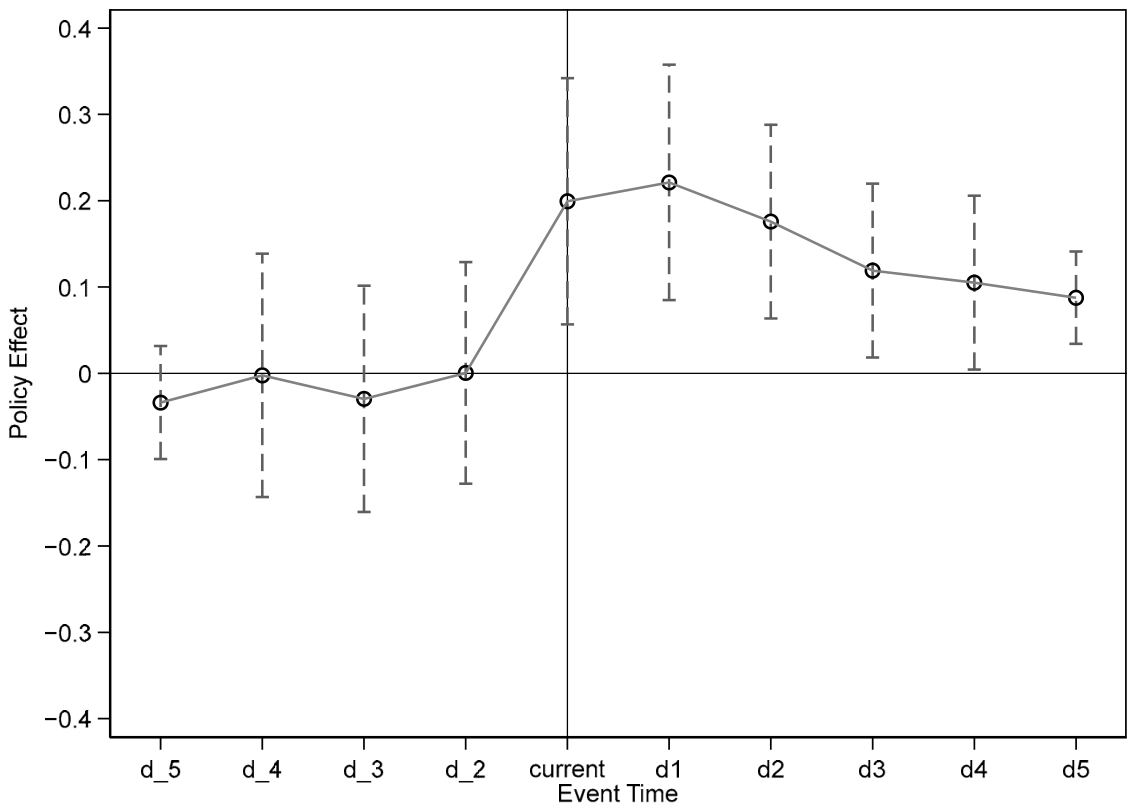
Figure 1 visualizes the estimated coefficients
along with their 90% confidence intervals. In the pre-treatment period (
j = −5 to
j = −2), none of the estimated coefficients are statistically significant at conventional levels: the coefficients for d_5, d_4, d_3, and d_2 are −0.035 (t = −0.88), −0.004 (t = −0.04), −0.030 (t = −0.37), and −0.000 (t = −0.00), respectively. These results indicate that there were no statistically significant differences in the pre-existing digital–intelligent transformation trends between the treatment and control groups before the intervention. Turning to the post-treatment period, we observe a significant and persistent promotional effect of GGFs on corporate digital–intelligent transformation. The coefficient becomes statistically significant at the 5% level in the year of GGF investment (current, λ = 0.203, t = 2.31), peaks in the first year after investment (d1, λ = 0.230, t = 2.72, significant at the 1% level), and then gradually declines but remains statistically significant throughout the entire post-treatment window (d2 to d5, all significant at the 10% level or higher). These results indicate that GGFs have a certain sustained promotional effect on corporate digital–intelligent transformation.
Collectively, the results from the event study regression validate the parallel trend assumption. This confirms that the baseline DID model specification is appropriate, and the estimated causal effect of GGFs on corporate digital–intelligent transformation is reliable.
5.3.2. Placebo Test
Another potential source of bias in our model estimation may arise from the influence of non-systematic, unobservable random factors. To mitigate such interference and ensure the robustness of our findings, we conduct a placebo test using a random sampling strategy. Specifically, we implement a randomization procedure in which both the treatment status (whether an enterprise receives investment from a GGF) and the timing of the intervention are randomly assigned across the sample. By combining these pseudo-treatment groups with pseudo-treatment years, we construct a fictitious interaction term for regression analysis. This process is repeated 1000 times, generating a distribution of 1000 estimated coefficients.
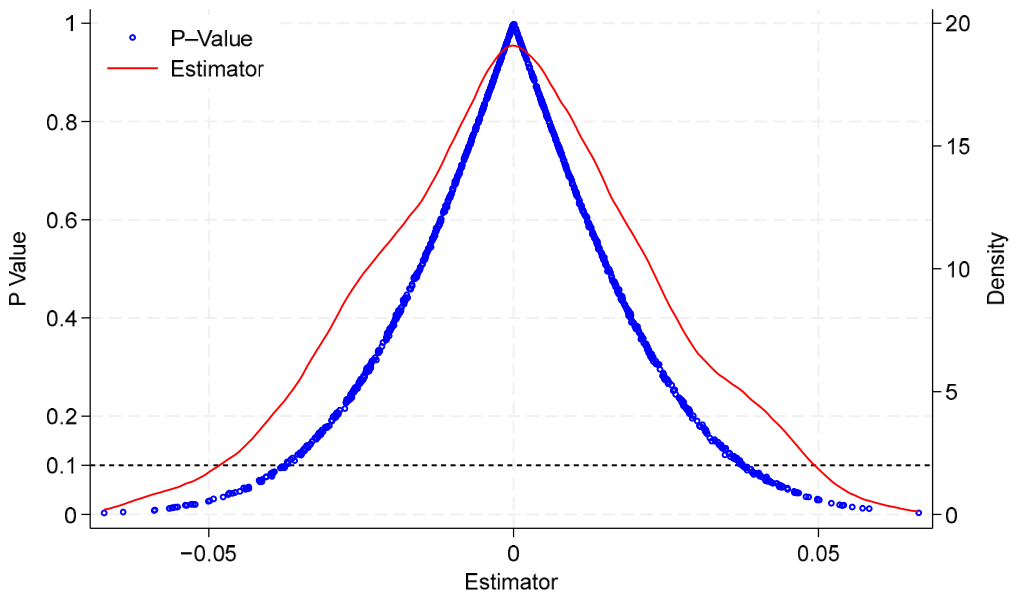
Figure 2 presents the results of this simulation, showing the kernel density and corresponding
p-values of the parameter estimates. In the figure, the red curve represents the kernel density distribution, the blue dots denote the
p-values, and the horizontal black dashed line indicates the 10% significance level. As shown, the estimated coefficients of the fictitious interaction term are centered around zero and exhibit a clear normal distribution. Furthermore, most of the
p-values lie above the horizontal dashed line, indicating that most estimates are statistically insignificant. Most importantly, the distribution of these placebo estimates is markedly different from the true baseline estimate (0.124). This evidence suggests that the impact of GGFs on corporate digital–intelligent transformation is not driven by random variation, thereby confirming the robustness of our baseline findings.
5.3.3. Replacing the Measurement of Core Variables
First, to capture firms’ substantive transformation investments, we use objective indicators as alternative measures of the dependent variable and conduct corresponding robustness tests. Specifically, the proportion of digital intangible assets (DIAs) is computed as the ratio of digital-related intangible assets—identified from the detailed notes in firms’ financial statements—to total intangible assets. The level of artificial intelligence investment (AI) is measured by the total investment in intangible assets and fixed assets related to artificial intelligence, divided by total assets. The regression results are presented in Columns (1) and (2) of
Table 5. The GGF coefficients are both significantly positive at the 1% level, indicating that GGFs substantially enhance firms’ tangible investments in digital and intelligent domains, thereby accelerating their transformation process.
Second, the explanatory variable measurement in the baseline regression adopts a dummy variable specification, which may neglect information on investment intensity. We further calculate the annual cumulative investment amount (Inv) of GGFs in each firm based on the basic information of investment events and conduct robustness tests. The regression results are shown in Column (3) of
Table 5, where the investment scale of GGFs still significantly promotes firms’ digital–intelligent transformation.
Third, considering that firms may receive investments from multiple GGFs in different periods, we further calculate the annual cumulative number of investments (Num) received by each firm based on investment events and conduct robustness tests. The regression results are presented in Column (4) of
Table 5, demonstrating that the number of GGF investments also significantly facilitates firms’ digital–intelligent transformation.
5.3.4. PSM-DID Test
Assigning GGF-backed firms to the treatment group and the remaining firms to the control group, we perform a 1:3 nearest-neighbor matching using all baseline control variables as covariates. Balancing tests indicate that the post-matching standardized biases are below 10% for all covariates, confirming satisfactory matching quality. Re-estimating the model with this matched sample produces the results shown in Column (1) of
Table 6. The GGF coefficient remains significantly positive at the 1% level, supporting the robustness of our baseline findings.
5.3.5. Excluding the Influence of Other Policies
Other concurrent policies may also affect the pace of corporate digital–intelligent transformation. To ensure that our conclusions are not biased by these factors, we include additional controls for the AI Innovative Development Pilot Zones (Policy1), Sci-Tech Finance (Policy2), and Smart City Pilots (Policy3). As reported in Columns (2) to (4) of
Table 6, the GGF coefficients remain consistently positive and statistically significant at the 1% level.
5.3.6. Instrumental Variable Method
To address endogeneity concerns arising from potential reverse causality, we select the number of established GGFs in the same city in the previous year as the instrumental variable (IV) for our core explanatory variable. This instrumental variable is valid because it satisfies both the relevance and exogeneity conditions. Regarding relevance, GGF investments exhibit pronounced geographic clustering: the GGF stock size in a city in the previous year directly affects the probability that firms in that jurisdiction receive GGF investment in the current year. Regarding exogeneity and the exclusion restriction, the number of GGFs in the previous year is a predetermined historical fact that cannot be influenced by firms’ current-year digital–intelligent transformation decisions. Moreover, as an aggregate-level characteristic of GGFs, this IV is unlikely to affect individual firms’ digital–intelligent transformation through other channels besides altering their likelihood of receiving GGF investment.
Because only one instrumental variable is used, an overidentification test cannot be performed. However, the exclusion restriction is supported by two considerations. First, the instrumental variable is predetermined in the time dimension. Second, we have already included policy variables such as the AI Innovative Development Pilot Zones (Policy1), Sci-Tech Finance (Policy2), and Smart City Pilots (Policy3), which helps rule out other policy factors that may simultaneously affect GGF establishment and corporate digital–intelligent transformation. Prior to formal regression analysis, we conducted underidentification and weak instrument tests to validate the instrumental variable. The results show that the Kleibergen–Paap rk LM statistic has a
p-value of 0.000, rejecting the null hypothesis of underidentification. The Kleibergen–Paap rk Wald F statistic is 1376.45, which exceeds the Stock–Yogo critical value of 16.38 at the 10% significance level, thus ruling out the weak instrument problem. Based on these results, we used the two-stage least squares (2SLS) method to conduct endogeneity-corrected regression estimates. Column (5) of
Table 6 reports the second-stage regression results, where the GGF coefficient remains statistically significant and positive. This confirms that the promotional effect of GGFs on corporate digital–intelligent transformation remains robust after addressing endogeneity concerns.
5.3.7. Heckman Two-Step Method
To address potential self-selection bias, we use the Heckman two-step procedure. In the first stage, we estimate a probit model to determine the probability that a firm receives GGF investment, incorporating the previously mentioned instrumental variable along with the existing control variables. From this, we calculate the Inverse Mills Ratio (IMR). In the second stage, we re-estimate Model (1) by including the IMR as an additional control variable. As reported in Column (6) of
Table 6, the GGF coefficient remains positive and statistically significant at the 1% level.
5.4. Mechanism Test
As discussed in the theoretical analysis above, GGFs facilitate enterprise digital–intelligent transformation by easing financing constraints, conveying policy directions, and promoting knowledge spillovers. The following section tests the existence of these three mechanisms.
5.4.1. Financing Constraint
Financial constraints arise from capital limitations and cost pressures, which directly impede firms’ digital–intelligent transformation [
40]. The foregoing theoretical analysis shows that GGFs not only directly inject long-term capital into firms but also channel external resources into firms through the certification effect. This better positions firms to expand their investments in digital–intelligent fields, thereby accelerating their transformation process. To test this transmission channel, we construct Models (3) and (4) and conduct a mediation effect test in conjunction with the baseline regression results of Model (1).
where
is the absolute value of the SA index, a proxy variable for financial constraints. Compared with indices such as the WW index, the SA index calculation does not rely on endogenous financial variables such as cash flow and leverage, thus exhibiting favorable exogeneity. It also boasts the advantages of easy computation, high replicability, and high cross-sample comparability, making it one of the most widely used and highly recognized measures of corporate financial constraints to date. To facilitate regression analysis, we use the absolute value of the calculated SA index, where a higher value indicates more severe financial constraints faced by firms. The meanings of the remaining symbols in Models (3) and (4) are consistent with those in Model (1).
The regression results in Column (1) of
Table 7 show that the GGF coefficient is significantly negative. The regression results in Column (2) of
Table 7 indicate that the SA coefficient is significantly negative, and the GGF coefficient is also significantly positive but smaller than the baseline regression coefficient of 0.124. Meanwhile, the results of the Sobel test confirm that the mediation effect is significant, accounting for 9.4% of the total effect. This demonstrates that GGFs can significantly promote firms’ digital–intelligent transformation by alleviating financial constraints.
5.4.2. Policy Orientation
Management’s intention to promote corporate transformation is a key driver of firms’ digital–intelligent transformation [
30]. As an important policy-based financial instrument, GGFs serve as a bridge between government policy objectives and microeconomic market entities. During the post-investment management phase, GGFs transmit policy signals to management by participating in corporate governance and providing strategic guidance, thereby enhancing management’s intention and endogenous motivation to advance digital–intelligent transformation. To test this transmission channel, we construct Models (5) and (6) and conduct a mediation effect test in conjunction with the baseline regression results of Model (1).
where
is a composite index of management’s transformation willingness, which covers five dimensions: the establishment of digital–intelligent positions by management, as well as the foresight, persistence, breadth and intensity of management’s digital–intelligent awareness [
41]. For the establishment of digital–intelligent positions by management sub-indicator, we construct a dummy variable for executives’ digital–intelligent background using the educational background information of directors, supervisors, and senior executives from the personal characteristic data of listed companies. Executives are considered to have a digital–intelligent background if their academic disciplines involve information, intelligence, software, electronics, communications, systems, networks, automation, wireless technology, or computer science. This dummy variable takes the value of 1 if any executive of the listed company has a digital–intelligent background, and 0 otherwise. The foresight, persistence, breadth, and intensity sub-indicators of management’s digital and intelligent awareness are all derived from the CSMAR database. After standardizing each sub-indicator, we generate the composite index of management’s digital–intelligent transformation awareness using the entropy weight method. The meanings of the remaining symbols in Models (5) and (6) are consistent with those in Model (1).
The regression results in Column (3) of
Table 7 show that the GGF coefficient is significantly positive. The regression results in Column (4) of
Table 7 indicate that the awareness coefficient is significantly positive, and the GGF coefficient is also significantly positive but smaller than the baseline regression coefficient of 0.124. Meanwhile, the results of the Sobel test confirm that the mediation effect is significant, accounting for 26.5% of the total effect. This demonstrates that GGFs significantly promote firms’ digital–intelligent transformation by aligning management’s strategic awareness with government policy objectives.
5.4.3. Knowledge Spillover
External knowledge is a critical driver of firms’ digital–intelligent transformation, as it can reduce trial-and-error costs and generate synergistic effects [
35]. The foregoing theoretical analysis shows that GGFs can strengthen interactions and collaborations between invested firms and their upstream and downstream partners, thereby forming knowledge spillover effects and accelerating the digital–intelligent transformation process. To test this transmission channel, we construct Models (7) and (8) and conduct a mediation effect test in conjunction with the baseline regression results of Model (1).
where
is the proxy variable for knowledge spillovers. We measure knowledge spillover effects based on the granted invention patents and utility model patents obtained through firms’ collaborative R&D activities [
42]. Specifically, in accordance with Article 8 of the Patent Law of the People’s Republic of China, a patent is defined as resulting from collaborative R&D if its applicants include not only the focal firm but also other independent third-party enterprises or organizations. We calculate the ratio of collaborative projects to R&D projects and use its one-period lagged value to measure a firm’s degree of knowledge spillovers. A higher value indicates greater collaboration between the firm and external parties and, thus, stronger knowledge spillover effects. The meanings of the remaining symbols in Models (7) and (8) are consistent with those in Model (1).
The regression results in Column (5) of
Table 7 show that the GGF coefficient is significantly positive. The regression results in Column (6) of
Table 7 indicate that the knowledge coefficient is significantly positive, and the GGF coefficient is also significantly positive but smaller than the baseline regression coefficient of 0.124. Meanwhile, the Sobel test results confirm that the mediation effect is significant, accounting for 10.1% of the total effect. The above findings demonstrate that GGFs can significantly promote firms’ digital–intelligent transformation by enhancing inter-firm knowledge spillover effects.
6. Heterogeneity Test
Based on the theoretical framework established in the previous sections, this study further examines the heterogeneous effects of GGFs on digital–intelligent transformation across three dimensions: internal control quality, industry technological characteristics, and corporate dynamic capabilities. This analysis aims to identify the boundary conditions under which GGFs effectively facilitate corporate transformation.
6.1. Internal Control Quality
As a cornerstone of corporate risk management and strategic execution, the effectiveness of internal control directly influences the rigor and sustainability of corporate decision-making. Digital–intelligent transformation is a high-investment, long-cycle, and profound strategic shift that relies heavily on management’s forward-looking vision and a stable decision-making environment. When internal control quality is high, the internal governance mechanism is more robust, providing effective oversight and checks on management. This encourages a focus on long-term competitive advantages and sustainable development rather than short-term gains. Such a favorable governance environment creates a smoother “transmission channel” for GGFs to exercise their policy guidance. On one hand, high-quality internal control helps management accurately interpret and internalize the policy signals conveyed by GGFs into corporate strategy. On the other hand, sound internal control ensures the standardized use of transformation funds, reduces agency costs, and guarantees the steady implementation of digital strategies. Therefore, this paper posits that the empowering effect of GGFs on digital–intelligent transformation is stronger in firms with higher internal control quality.
To test this hypothesis, internal control quality is measured based on the presence or absence of significant internal control deficiencies in listed companies. The sample is divided into two groups: firms with internal control deficiencies and those without. The regression results, reported in Columns (1) and (2) of
Table 8, indicate that the coefficient of GGF is significantly positive for firms without internal control deficiencies, whereas it is statistically insignificant for firms with deficiencies. These results suggest that robust internal control provides a solid institutional safeguard for GGFs, effectively amplifying their promotional effect on digital–intelligent transformation.
6.2. High-Tech Industry Affiliation
The factor endowments and technological characteristics of different industries play a significant role in shaping the trajectory of corporate digital–intelligent transformation. Firms in high-tech industries are typically at the forefront of technological innovation. Their transformation often involves deep applications in cutting-edge fields such as AI, cloud computing, and the Industrial Internet. Consequently, these firms exhibit heightened sensitivity and greater responsiveness to the policy signals conveyed by GGFs. Moreover, high-tech firms often exhibit asset-light characteristics, making it difficult for external investors to accurately assess their technological potential and transformation risks. In this context, the certification effect of GGFs can more effectively reduce financing barriers and attract follow-on social capital, thereby accelerating the R&D and application of digital–intelligent technologies. Consequently, we argue that GGFs play a more significant role in promoting digital–intelligent transformation for firms operating in high-tech industries.
To test this hypothesis, we categorize the sample into high-tech and non-high-tech sectors. As shown in Columns (3) and (4) of
Table 8, GGFs have a stronger effect on promoting transformation in high-tech firms. This finding indicates that high-tech industries, characterized by intense competition and rapid technological change, exhibit greater sensitivity and stronger endogenous demand for digital–intelligent upgrades. The participation of GGFs encourages these firms to increase relevant investments, resulting in a more pronounced facilitating effect.
6.3. Dynamic Capabilities
The ability of a firm to sense, integrate, and reconfigure internal and external resources to adapt to rapidly changing environments commonly referred to as dynamic capabilities varies significantly across organizations. Firms with high dynamic capabilities typically exhibit stronger technological acuity and organizational learning capacity. They are more effective at integrating and reconfiguring external knowledge obtained from innovation networks with their internal resources, thereby accelerating the implementation of digital–intelligent strategies. In contrast, firms with low dynamic capabilities may face bottlenecks in absorptive capacity and resource integration, which can limit the effectiveness of GGFs. As a result, these firms may struggle to fully leverage knowledge spillovers and synergistic opportunities within external networks, weakening the empowerment effect. Therefore, we posit that the promoting effect of GGFs is more pronounced in firms with stronger dynamic capabilities.
Dynamic capabilities are measured along three dimensions: absorptive capacity, innovation capacity, and adaptive capacity [
43]. The full sample is divided into two subsamples: firms with stronger dynamic capabilities and those with weaker capabilities. As shown in Columns (5) and (6) of
Table 8, the promoting effect of GGFs on digital transformation is more pronounced in firms with stronger dynamic capabilities. These findings suggest that firms with robust dynamic capabilities possess superior environmental sensing and resource reconfiguration abilities. The involvement of GGFs enhances their technological absorption and innovation in business models, thereby more effectively driving digital–intelligent transformation.
7. Discussion
Drawing on both theoretical frameworks and empirical analysis, this study concludes that GGFs significantly promote enterprises’ digital–intelligent transformation. Mechanism and heterogeneity analyses reveal that, on the one hand, GGFs facilitate digital–intelligent transformation through three channels: alleviating financing constraints, transmitting policy signals, and fostering knowledge spillovers. On the other hand, this promoting effect is more pronounced among firms with higher internal control quality, those operating in high-tech industries, and those possessing stronger dynamic capabilities.
7.1. Theoretical Implications
First, this study extends the research horizon from digital transformation to digital–intelligent transformation, theoretically responding to the scholarly call by Johnston and Cortez (2024) [
44] to distinguish between the concepts of “digitalization” and “intelligence” and providing an empirical annotation to this distinction. Digital transformation focuses on the systematic restructuring of business processes through digital technologies [
2], whereas digital–intelligent transformation further emphasizes the deep embedding of technologies such as artificial intelligence to enable data-driven intelligent decision-making and adaptive operations [
24]. This leap is accompanied by greater technological complexity, higher capital intensity, and heightened strategic uncertainty [
25]. Although studies by Jia et al. (2025) [
9], Han et al. (2026) [
4], and Chao et al. (2026) [
10] have preliminarily confirmed the enabling effect of GGFs on corporate digital transformation, whether this conclusion can be extrapolated to the higher-order form of digital–intelligent transformation has remained an open question. This study provides empirical evidence for this issue, confirming that the effectiveness boundary of GGFs as an institutional policy instrument extends to cover firms’ leap from basic digitalization to deep intelligentization. Moreover, diverging from these studies, we construct indicators of cumulative GGF investment amounts and frequencies to examine the dose–response relationship between GGFs and corporate digital–intelligent transformation. These findings enrich theoretical and empirical inquiries into how public capital drives frontier technological change in firms.
Second, at the mechanism level, this study unveils the non-financial mechanisms through which GGFs operate, offering a more comprehensive theoretical framework for understanding the significant value of government-guided funds. The existing literature has profoundly revealed the capital allocation logic of GGFs in promoting corporate innovation by alleviating financing constraints [
12,
13], reducing information asymmetry [
9], and enhancing risk-taking levels [
4,
10]. These financial functions are undoubtedly foundational. However, stopping at this point would effectively reduce GGFs to mere capital providers with a higher risk tolerance, overlooking their role as institutional intermediaries that bridge government strategic intentions with micro-level market actors. The policy guidance mechanism identified and validated in this study serves as a complement to this theoretical gap. From an institutional theory perspective, GGFs are not only capital providers but also institutional forces that carry policy directives [
38]. Drawing on the logic of institutional isomorphism, GGFs not only inject capital but also exert normative pressure through governance participation and strategic communication, shaping digital–intelligent transformation as a vital initiative aligned with national strategic expectations. This effectively corrects managerial myopia [
45] and internalizes the transformation from an optional strategic decision into an imperative choice for pursuing institutional legitimacy. Meanwhile, the knowledge spillover mechanism identified in this study extends the effectiveness of GGFs to the network level. From a signaling theory perspective, government capital injection embodies government endorsement, serving as a highly credible signal [
46] that certifies not only firm quality but also its collaboration value. Moreover, by virtue of their government background, GGFs are familiar with regional industrial and technological landscapes [
15]. The combination of these factors substantially reduces the search and coordination costs of investee firms in innovation networks, thereby promoting knowledge sharing and technological collaboration. Compared with the emphasis of Jia et al. (2025) [
9], Han et al. (2026) [
4], and Chao et al. (2026) [
10] on the financing function of GGFs, this study’s identification of policy guidance and knowledge spillover essentially reveals the non-financial functions of GGFs beyond capital supply and risk mitigation, representing an expansion of the existing mechanistic research framework.
Finally, existing studies have pointed out that GGFs may reduce resource allocation efficiency or even increase corporate debt financing costs [
18,
19], implying that the positive effects of GGFs are subject to boundary conditions. Accordingly, this study conducts a heterogeneity analysis, which also indirectly validates and deepens the theoretical understanding of the mechanisms proposed herein. First, the effect of GGFs is stronger in firms with high-quality internal controls, suggesting that the effectiveness of the policy guidance mechanism is highly contingent on the quality of internal governance. In firms with weak internal control systems, management may receive policy signals but fail to translate them into concrete strategic actions due to agency problems. This finding essentially adds an important precondition to the argument by Meng et al. (2024) [
38] that GGFs influence corporate behavior through governance participation. Second, the effect of GGFs in promoting digital–intelligent transformation is stronger in high-tech industries. High-tech sectors face rapid technological iteration and high asset specificity, and firms in these industries often encounter more severe information asymmetry in financing markets. In this context, the value of the GGF certification effect is amplified. This result is consistent with the cautionary finding of Zhao and Zhang (2025) [
18] that, if GGFs deviate from a specific direction, their effectiveness diminishes, underscoring the importance of aligning GGF investment orientation with the technological characteristics of target firms. Third, firms with stronger dynamic capabilities benefit more from GGF involvement. Knowledge spillovers do not occur automatically; even when external knowledge becomes readily accessible through networks, firms still need sufficient absorptive and integrative capacity to convert it into their own innovation output [
43]. This points to an inherent paradox in GGF policy effectiveness: the firms most capable of leveraging GGF empowerment are often those that already possess strong capabilities, while firms with weak dynamic capabilities may struggle to fully absorb the benefits brought by GGFs. This insight also offers important implications for optimizing GGFs’ differentiated investment strategies and the design of value-added services.
Nevertheless, this study has certain limitations that warrant future research. Constrained by public data availability, our sample only includes Chinese A-share listed firms, which are generally large in scale. Many SMEs also face urgent demands for digital–intelligent transformation, and they encounter more severe financial constraints, technological bottlenecks, and governance dilemmas. However, these firms could not be included in the analysis due to the lack of standardized public financial and transformation data. Future research could collect micro-level data on non-listed firms using questionnaire surveys and field investigations to further verify the impact of GGFs on digital–intelligent transformation, thereby enhancing the generalizability and policy relevance of the findings.
7.2. Policy Implications
Based on the aforementioned findings, this study proposes the following policy recommendations to leverage GGFs for corporate digital–intelligent transformation and high-quality economic development.
First, GGFs should be leveraged strategically to strengthen financial support for corporate digital–intelligent transformation. Given their pivotal role in driving this transition, policymakers should focus on deepening resource integration. We recommend fostering a collaborative ecosystem between traditional financial institutions and GGFs to develop innovative financial products and service models tailored to the needs of digital–intelligent transformation. Specifically, the government should implement robust return-compensation and risk-mitigation mechanisms to incentivize private capital participation. By crowding in social investment, GGFs can effectively expand financing channels for enterprises, reduce capital costs, and ultimately enhance long-term corporate competitiveness and sustainable development.
Second, the management and operational mechanisms of GGFs need further refinement. Our findings show that GGFs facilitate digital–intelligent transformation not only through capital injection but also by signaling policy directions and promoting knowledge spillovers. Therefore, it is essential to establish detailed incentive structures that balance short-term financial returns with long-term strategic objectives. Comprehensive performance evaluations should cover fund scale, project selection, investment orientation, and operational efficiency. In addition, GGF management agencies should strengthen their post-investment empowerment capabilities. This includes providing strategic planning support and leveraging regional industrial maps and innovation networks to facilitate cross-enterprise collaboration. Such value-added services create an enabling environment for enterprises to implement complex digital–intelligent transformation initiatives.
Third, policy coordination should be strengthened to create multi-dimensional synergies. This study’s empirical results indicate that the impact of GGFs on digital–intelligent transformation depends on factors such as internal control quality, industry characteristics, and corporate dynamic capabilities. Therefore, a “one-size-fits-all” approach should be avoided in favor of differentiated and targeted support. Enhanced assistance should be directed toward enterprises in high-tech industries, where barriers to digital–intelligent transformation are greatest. At the same time, coordinated efforts are needed to help firms optimize internal governance systems and strengthen dynamic capabilities. By aligning financial policy with industrial and corporate governance reforms, policymakers can maximize the transformative effect of GGFs and facilitate a cohesive transition toward an intelligent economy.
8. Conclusions
Accelerating corporate digital–intelligent transformation is of strategic importance for enhancing firms’ long-term competitiveness and achieving high-quality sustainable development. Taking GGFs—an innovative policy instrument that bridges government strategic intent and market resource allocation—as the research entry point, this study empirically examines the impact, transmission mechanisms, and heterogeneous characteristics of GGFs on corporate digital–intelligent transformation using a DID model and micro-level data of Chinese A-share listed firms from 2012 to 2024.
The main findings of this study are as follows. First, GGFs significantly promote corporate digital–intelligent transformation. This conclusion remains robust after a series of robustness tests, including parallel trend tests, placebo tests, alternative measures of core variables, PSM-DID, exclusion of confounding effects from other policies, IV estimation, and the Heckman two-step method. Second, mechanism analysis identifies three distinct channels through which GGFs drive transformation: (1) alleviating corporate financing constraints via direct capital injection and certification effects, (2) transmitting policy signals to guide management in strengthening strategic awareness and generating internal impetus for transformation, and (3) fostering inter-firm knowledge spillovers. Third, heterogeneity analysis shows that the promotional effect of GGFs is more pronounced in firms with higher internal control quality, in high-tech industries, and in firms with stronger dynamic capabilities. These results indicate that a firm’s internal governance environment, technological absorption capacity, and alignment with policy orientation are critical boundary conditions shaping the effectiveness of GGFs.
Based on these findings, we propose corresponding policy recommendations focusing on three key areas: fully leveraging the strategic guiding role of GGFs, optimizing fund management and operation mechanisms, and strengthening cross-departmental policy coordination. These recommendations aim to provide empirical references and decision support for government departments to implement targeted policies, for firms to effectively utilize policy resources, and for advancing the overall digital–intelligent transformation of the economy.