
Article

Deep-Sea Dilemmas: Evaluation of Public Perceptions of Deep-Sea Mineral Mining and Future of Sri Lanka’s Blue Economy

1
Department of Agribusiness Management, Faculty of Agriculture & Plantation Management, Wayamba University of Sri Lanka, Makadura 60170, Sri Lanka
2
Department of Biosystems Engineering, Faculty of Agriculture & Plantation Management, Wayamba University of Sri Lanka, Makandura 60170, Sri Lanka
3
Earth Lanka Youth Network, Honanthara South, Kesbewa 10300, Sri Lanka
*
Authors to whom correspondence should be addressed.
Sustainability 2026, 18(1), 440; https://doi.org/10.3390/su18010440 (registering DOI)
Submission received: 29 August 2025 / Revised: 4 November 2025 / Accepted: 10 November 2025 / Published: 1 January 2026
(This article belongs to the Special Issue Marketing and Sustainability in the Blue Economy)

Abstract

Seabed mining has gained widespread attention under the blue economy concept, offering economic opportunities while posing significant environmental risks. In Sri Lanka, where mining of seabed resources is growing, understanding public perceptions and preferences for seabed conservation remain crucial to ensure sustainable resource management. This study, therefore, represents the first empirical assessment of public preference and Willingness to Pay (WTP) for seabed conservation in Sri Lanka. A Discrete Choice Experiment (DCE)-based approach was employed to assess public preferences for seabed conservation. Data were collected from 630 respondents across Sri Lanka using a pre-tested self-administered structured survey. The analysis employed Conditional Logit (CL) and Random Parameter Logit (RPL) models to estimate preference heterogeneity and attribute trade-offs. The findings of the study reported strong public support, with a WTP of Sri Lankan Rupees (LKR) 3532 per household per year for seabed conservation. Younger, well-educated individuals demonstrated a significantly higher preference for seabed conservation. Biodiversity loss (66.9%), physical damage to seabed (40.7%) and exploitation of natural resources (17.8%) were recognized as major consequences of sea bed mining, highlighting the need for stringent regulatory frameworks (34%) and public engagement (44%) in sustainable seabed conservation. The RPL model revealed significant preference heterogeneity for key attributes. A significant positive preference for a 30% reduction in mineral extraction (coefficient = 0.894, p < 0.05) reinforces public preference for stricter extraction limits. A 25% reduction for biodiversity and habitat destruction (coefficient = 0.010, p < 0.05) reflects public concern for seabed conservation in the context of ongoing marine resource related economic development activities. These results underscore the importance of integrating economic valuation into seabed conservation policies, ensuring that seabed mining activities align with sustainability goals. The study suggests targeted awareness campaigns, financial incentives, and inclusive policymaking to bridge socio-economic disparities and foster long-term public support for seabed conservation. These insights provide a critical foundation for policymakers to develop balanced approaches that promote economic benefits, while safeguarding marine ecosystems within Sri Lanka’s blue economy framework.

1. Introduction

The concept of “Blue Economy” has received widespread attention recently due to its ability to provide a holistic approach to sustainable development of ocean resources, ensuring the integration of economic growth, ecosystem health, and social equity. According to the World Bank [1], the blue economy encompasses a range of economic activities, including fisheries, tourism, and seabed mining, while ensuring that ocean health is maintained. Pauli [2] has described the blue economy as a model that encourages innovative and sustainable resource use.
Seabed mining, which includes extraction of minerals and valuable resources from the ocean floor, has emerged as a major income source of global interest due to technological advancements and increasing demand for rare and critical minerals [3]. These resources, essential for manufacturing electronics, renewable energy technologies, and other industrial applications, offer a potential economic boon [4]. Deep-sea mining has gained significant attention under the blue economy concept, due to its potential to provide critical raw materials for modern technologies and clean energy systems [5]. Recent technological advancements, such as the development of autonomous underwater vehicles (AUVs) and enhanced deep-sea exploration techniques, have made seabed mining more feasible [6]. However, these advances come with environmental, social, and economic trade-offs that must be carefully evaluated to ensure sustainable practices. However, seabed mining poses significant challenges, particularly regarding its environmental, social, and economic implications.
Seabed ecosystems provide valuable ecosystem services such as carbon sequestration, nutrient cycling, and biodiversity reservoirs. Disruptions caused by mining activities, such as habitat destruction, sediment plumes, and chemical alterations, can have cascading effects on marine ecosystems and human livelihoods. A recent study by Ragnarsson et al. [7] (pp. 989–1023) has emphasized the significance of ecological consequences caused by the destruction of cold-water coral habitats due to seabed mining. Thurber et al. [8] (pp. 3941–3963) have highlighted the importance of deep-sea ecosystems in regulating the global carbon cycle. Meanwhile, Armstrong et al. [9] (pp. 2–13) have also emphasized that deep-sea ecosystems, while remote, contribute significantly to global carbon sequestration and biodiversity, underscoring the importance of their key role in sustaining life. Similarly, Levin et al. [10] (pp. 245–259) emphasize that sediment plumes and habitat destruction in mining zones damage marine biodiversity and reduce fish stocks, directly impacting coastal economies reliant on fisheries, leading to long-term ecological and economic consequences. Therefore, conservation of seabed ecosystems is of paramount importance, as these areas support a unique biodiversity and perform critical ecological functions.
Mining operations, particularly in regions like the Clarion–Clipperton Zone (CCZ), can destroy habitats and threaten unique species. Andron et al. [11] have described the cascading effects of seabed mining, emphasizing the socio-economic vulnerability of coastal populations who rely on marine resources for livelihoods and sustenance. Niner et al. [12] (p. 53) have suggested that the cost of biodiversity loss and ecosystem service disruption caused by seabed mining can range from tens to hundreds of billions of dollars, depending on the scale and location of mining operations. According to the estimations of a recent study, restoring damaged ecosystems would require billions of dollars, if possible at all, due to the slow recovery rates of deep-sea environments, making conservation efforts crucial [10]. While deep-sea mining promises economic and strategic benefits, especially for island and coastal nations like Sri Lanka, it also poses significant environmental risks, such as habitat destruction, biodiversity loss, and disruption of marine food webs [13].
In the context of deep-sea mining, this approach suggests that resource extraction should be balanced with seabed conservation. For example, Marine Protected Areas (MPAs) and no-mining zones, which are proposed as seabed mining prevention methods [13], align with the blue economy principle of protecting biodiversity, while supporting economic activities. A study by Silver et al. [14] (pp. 135–160) has identified that the blue economy also incorporates social dimensions, recognizing the importance of equitable resource distribution and the preservation of cultural values associated with the ocean. The blue economy promotes sustainability, while addressing the power imbalances that exist between high-income and low- and middle-income countries in the exploitation of marine resources [15]. For seabed mining, this entails minimizing environmental impacts through Best Management Practices (BMPs), such as reducing sediment plumes and noise pollution [16], and exploring alternative extraction methods, like in situ mining [17].
Deep-sea mining has emerged as a potential frontier for Sri Lanka in its pursuit of marine mineral resources such as polymetallic nodules, cobalt-rich crusts, and rare earth elements located on the ocean floor [18]. Several countries in the Indo-Pacific region, including India, China, and Japan, have already expressed significant interest and invested in deep-sea exploration and mining technologies, intensifying the race to tap into seabed minerals [19]. As Sri Lanka is exploring these opportunities, growing concerns have arisen regarding the environmental, social, and economic implications of such activities. Public sentiment increasingly favors the adoption of policies that protect marine biodiversity, ensure equitable resource use, and align with climate resilience goals. At the same time, there is a rising public preference for a sustainable blue economy, one that emphasizes marine conservation, fisheries, coastal tourism, and renewable ocean energy over extractive industries [20]. This tension between deep-sea mining ambitions and public inclination toward a more ecologically balanced blue economy highlights the need for inclusive, transparent decision-making processes that consider long-term environmental stewardship and community well-being.
Sri Lanka’s geographical location and marine biodiversity make its seabed ecosystems unique. The strategic location of Sri Lanka in the Indian Ocean endows it with a vast Exclusive Economic Zone (EEZ) of approximately 517,000 square kilometers, nearly eight times its land area. This expansive maritime territory encompasses diverse habitats such as seamounts, hydrothermal vents, and deep-sea coral reefs, which are vital for supporting fisheries, carbon sequestration, and coastal protection [21]. Economically, seabed mining presents potential advantages for Sri Lanka, including foreign exchange earnings, job creation, and technological advancement. However, these benefits must be carefully balanced against environmental and social risks. For instance, deep-sea mining can disrupt unique marine biodiversity and the essential role it plays in maintaining ocean health, climate regulation, and resources that coastal communities depend on [22]. Socially, seabed mining poses challenges for vulnerable coastal populations, who rely on marine resources for their livelihoods. Disruptions to these ecosystems could exacerbate poverty and inequality. Environmental degradation may also impact food security, as fish populations decline due to habitat destruction [23].
Uhlenkott et al. [24] found that, as a result of a damage inflicted 44 years ago in the Clarion–Clipperton Zone (North East Pacific region), it still possesses low biodiversity and visible mining tracks, which proves that deep-sea ecosystems are fragile and often slow to recover. Similarly, Hilmi et al. [25], has highlighted that the ecological disruptions in marine ecosystems are long lasting, suggesting that protecting blue carbon habitats and ocean floor biodiversity is urgent. From a justice and legislative aspect, many coastal and low-income communities are highly vulnerable, since they largely depend on marine resources and have fewer legislative tools to adapt when damage occurs [26]. Policymakers should therefore integrate marine ecology insights and environmental justice into seabed mining regulations to ensure both ecological sustainability and fairness.
The United Nations Development Programme (UNDP) emphasizes that the blue economy paradigm provides a sustainable development framework for low- and middle-income countries, ensuring equitable access to marine resources while promoting conservation efforts [27]. However, Sri Lanka faces several key challenges such as weak enforcement and limited resources, which hinder sustainable resource management. Strengthening the legal framework, improving monitoring, and allocating resources to enforce existing laws are crucial steps toward sustainable economic growth in a blue economy [28]. Integrating ecosystem service valuation into policies can support informed decision-making and ensure that resource extraction does not compromise marine biodiversity or community livelihoods. The National Biodiversity Strategies and Action Plan (NBSAP) of Sri Lanka has already recognized the prime importance of environmental valuation, aligning with the Aichi Biodiversity Targets, to promote the sustainable use of biodiversity and ecosystem services [29].
As underscored by Tyllianakis and Ferrini [30], several low- and middle-income countries in Southeast Asia have a tendency to actively promote blue economic initiatives as part of their broader sustainable development strategies. These initiatives emphasize the significance of expanding investments in ocean-based industries and integration of environmental conservation goals with economic growth objectives. Such initiatives can enhance both ecological resilience and economic opportunities, particularly in coastal and island nations. A recent study conducted by Gourvenec et al. [31] has highlighted the importance of well-connected systems that balance economic development with the protection of marine ecosystems to ensure sustainability in blue economy. Meanwhile, Martínez-Vázquez and Milán-García [32] have pointed out that weak governance structures, lack of reliable data, and poor coordination among key actors continue to hinder the progress toward effective management of marine ecosystems. These insights are highly important for low- and middle-income nations, where the growth of marine sectors such as deep-sea mining should be directed by clear, evidence-based, and accountable governance practices.
Ecosystem valuation offers a framework to assess the environmental costs of seabed mining, enabling informed decision-making. Marine ecosystems deliver provisioning, regulating, supporting and cultural services [33]. However, these services often remain undervalued in traditional economic analyses. Globally, valuation studies have highlighted the trade-offs between seabed mining and ecosystem services. For instance, Barbier [34] has demonstrated the importance of quantifying ecosystem services in marine policymaking, ensuring that economic activities align with sustainability goals. By integrating ecosystem service valuation into environmental impact assessments (EIAs), policymakers can better understand the full scope of costs associated with seabed mining [35].
Therefore, recognizing the economic value of marine ecosystems is critical to sustainable resource management. A recent study has posited that incorporating ecosystem service valuation into seabed mining policies ensures that environmental costs are internalized, reducing the likelihood of unsustainable practices [36]. As emphasized by Yu et al. [37], non-market valuation methods are highly beneficial for low- and middle-income countries to assess the broader impacts of deep-sea mining, ensuring that decisions reflect ecological and social considerations alongside economic factors. Mejjad & Rovere [38] have pointed out that even though ocean industries support economic development, they often fail to consider the environmental and social impacts of resource extraction. Therefore, employment of non-market valuation can help to recognize the real worth of deep-sea ecosystems and support better policy choices in developing nations.
Failure to value these ecosystems may lead to overexploitation, habitat destruction, and loss of biodiversity [39]. The opportunity costs of ignoring ecosystem services are particularly high for low- and middle-income nations like Sri Lanka, where livelihoods often depend on marine resources. Ecosystem valuation not only informs trade-offs but also supports the development of Marine Protected Areas (MPAs) and no-mining zones [40]. This approach aligns with the principles of the blue economy, promoting sustainable use while protecting marine biodiversity. According to Van Dover et al. [41], the economic cost of biodiversity loss is difficult to measure but can be approximated through the loss of ecosystem services, such as nutrient cycling and genetic resources that hold potential pharmaceutical or industrial value. Non-market valuation techniques, such as contingent valuation or choice experiments, to estimate the Willingness to Pay (WTP) for seabed conservation in mining areas have become widely recognized approaches for valuation of these precious and complicated ecosystem services [42].
Failure in incorporating ecosystem service valuation can lead to irreversible environmental degradation and loss of biodiversity, which ultimately imposes higher long-term costs [34]. Policymakers must weigh these economic opportunities against the ecological and social trade-offs, ensuring that resource extraction does not compromise marine biodiversity or the livelihoods of future generations. Despite the growing concerns on the importance of conducting coastal ecosystem valuations, there is a lack of region-specific studies, particularly for countries like Sri Lanka. Further, the public perceptions and preferences for seabed conservation have been understudied in Sri Lanka. Addressing this gap is crucial to establish a blue-economy-based sustainable seabed mining framework, tailored to local socio-economic and environmental contexts. Therefore, this study aimed to evaluate public perceptions and WTP for mitigating the environmental impacts of seabed mining in Sri Lanka for the first time. The findings of this study provide empirical evidence on necessary trade-offs to ensure sustainability in seabed mining and supports policy development in line with the blue economy framework, while offering insights into balancing economic development with environmental sustainability.

2. Methodology

2.1. Study Area

Sri Lanka is blessed with a coastline that spreads over 1738 km in length. It extends inland up to 300 m from the Mean High Water Line and 2 km towards the sea from the Mean Low Water line [43]. Around one-third of Sri Lanka’s population resides and works in coastal zones, provisioning 500,000 direct and indirect livelihood opportunities such as fishing, tourism, agriculture, and related industries [1]. The Sri Lankan coastal zone is enriched with a variety of valuable mineral deposits, including ilmenite, rutile, zircon, monazite, garnet and sillimanite, etc. [44]. The current study covered ten major districts of Sri Lanka, including Batticaloa, Colombo, Galle, Gampaha, Hambantota, Jaffna, Kalutara, Matara, Puttalam and Trincomalee, ensuring extensive geographic coverage of the coastal belt (Figure S1).

2.2. Data Collection and Survey Design

A proportionate random sample of 800 individuals, representing diverse stakeholders located across Sri Lanka, covering fishing communities, coastal communities, entrepreneurs, export industries, and aquaculturists, was recruited for data collection. Out of the respondents, only 630 individuals responded to the survey, leading to a sample size of 630 individuals. A self-administered pre-tested structured questionnaire was used as the data collection instrument. The survey was conducted across Sri Lanka between July and October 2024.
The questionnaire consisted of four sections. Section A of the questionnaire gathered demographic information such as age, gender, education, occupation, and income, while Section B focused on assessing the awareness of respondents on seabed mining, including their knowledge of extraction processes, potential environmental impacts, and the economic implications of mining activities. Section C captured respondents’ perceptions of the social, economic, and environmental impacts of seabed mining, while Section D included the choice experiment, where respondents were presented with three choice scenarios, each containing three alternatives: Choice A, Choice B, and Choice C (status quo).

2.3. Designing of the Choice Experiment

The choice experiment design focused on five key attributes, namely extraction of minerals, deterioration of seawater quality, destruction of biodiversity and habitats, monitoring and regulation, and price. The selection of attributes and levels for the Discrete Choice Experiment (DCE) followed a structured, multi-step process in order to ensure both statistical rigor and policy relevance. First, an extensive literature review was conducted, focusing on seabed and deep-sea mining, marine ecosystem valuation, and blue economy governance, particularly in the Sri Lankan context [10,45]. A series of stakeholder consultations, including focus group discussions and key informant interviews with academics, experts, government officials, and fisheries cooperative representatives, were used to refine and validate the attributes and set attribute levels to ensure contextual relevance. Each attribute was assigned with specific levels: for instance, extraction of minerals had levels of 0%, 10%, and 30%, while deterioration in seawater quality ranged from 0% to 30%. Monitoring and regulation addressed governance levels, ranging from the current state to more stringent regulations and improved community participation. The price attribute represented the annual WTP for reducing environmental impacts, with levels set at Sri Lankan Rupees (LKR) 100, LKR 250, and Rs. 500 (Table 1). A fractional factorial design was then generated to create efficient, orthogonal choice sets.

2.4. Analytical Framework

This study initially employed a Discrete Choice Experiment (DCE) to develop the utility model for seabed mining attributes. The Conditional Logit (CL) and Random Parameter Logit (RPL) models were used to estimate the seabed mining utility function and explore the differences in WTP for various attributes from different perspectives of respondents. The Conditional Logit (CL) model is used to estimate respondents’ average preferences for seabed mining attributes, assuming homogeneous preferences and utility maximization based on observable factors. In contrast, the Random Parameter Logit (RPL) model accounts for preference heterogeneity, capturing individual-level variations in choices and providing a more flexible and realistic representation of decision-making.

2.4.1. Conditional Logit Model

The Conditional Logit (CL) model, developed by McFadden [46], is widely used in choice modeling and is based on the assumption that individuals choose options to maximize utility, which is influenced by the characteristics of each option. It assumes that all respondents share similar preferences (homogeneity) and follows the independence of irrelevant alternatives (IIA) principle, emphasizing that the choice between two alternatives is unaffected by other available options [47]. To gain deeper insights and account for variation in preferences, factors such as socio-economic characteristics can be included through interaction terms or as alternative-specific constants in the utility function, as shown in Formula (1). While the CL model provides insights into the average preferences across the sample, its reliance on the IIA assumption and its inability to capture preference heterogeneity could limit its applicability in complex choice settings. Despite these limitations, the CL model is widely used in environmental valuation studies due to its simplicity and interpretability [45].
V i j = A S C j + k β k X i j k + m θ j m ( A S C j × S m i ) + k δ k n ( X i j k × S n i )
where θ j m is the coefficient vector of the interactive effect between Alternative-Specific Constant (ASC) and socio-economic background feature m of individual i; δ k n is the coefficient vector of the interactive effect between attribute k and socio-economic background feature n of individual i ( S n i ).

2.4.2. WTP for Attributes

The above model can be used to calculate the WTP for attributes at different levels, as shown in Formula (2):
W T P = V X k V p = β k β p
where V is the measurable utility, k is the estimated coefficients of non-price attributes, and p is the estimated coefficients of price attribute.

2.4.3. Random Parameter Logit Model

The Random Parameters Logit (RPL) model, also called the Mixed Logit model, improves on the Conditional Logit model by allowing for differences in individual preferences. It relaxes the IIA assumption and incorporates random variability in utility estimates, making it well-suited for analyzing choices among diverse groups [48]. Therefore, the RPL model is particularly advantageous for its ability to capture unobserved heterogeneity in preferences and account for correlations in repeated choices by the same respondent. Hypothetically, in t number of scenarios, individuals (n = 1, …, N) have j number of alternative schemes. Choice t supposes the individual n considers the alternative schemes provided by all information, and selects the alternative scheme j which has the highest utility, as shown in Formula (3):
U j t n = k = 1 k β n k X j n k   +   j t n = β n X j t n + E j t n
In this formula, the observable variable related to the scheme and characteristics of decision maker, where β n : random variable; and E j t n : unobservable error term of the decision maker. In order to allow the error terms of different alternative schemes to have correlation, the additional random element β n   is added to bring heteroskedasticity and correlation between alternative schemes, as shown in Equation (4):
β n = b n + Δ Z n Γ υ n = b n + Δ z n + η n
In Equation (4), Zn: observable data of decision maker η n : random terms that are distributed according to potential parameters. For the decision maker n, the probability of choosing path i in the alternative paths set P i n is as shown in Formula (5):
P i n = L i n β f β d β = L i n ( β ) f ( β | θ ) β d β
L i n β = e V j n ( β ) j = 1 j e V j n ( β ) = e β χ i n j = 1 j e β χ j n
where P i n : the probability for the decision maker n to choose scheme I; L i n β : choice probability of RPL; θ : mean, standard deviation, and co-variance, etc., of the density of the probability function; and f : mixture distribution.

2.5. Data Analysis

All data were entered into STATA, adhering to quality control procedures. The data from the DCE was analyzed using the econometric models: Random Parameter Logit (RPL) model and Conditional Logit (CL) model, as described above. The RPL model, suitable for capturing differences in individual preferences, was used alongside the CL model, which assumes uniform preferences for comparison. These analyses enabled estimating the public’s WTP for various seabed mining attributes, highlighting key areas for conservation and impact reduction. During the WTP estimation, protest bids were identified through follow-up questions, adhering to the standard stated preference valuation practices. Protest bids which indicated refusal to pay due to certain reasons such as governance or trust and other reasons were excluded from the WTP estimation in the dataset. Genuine zero bids, where respondents explicitly indicated unwillingness to pay or inability to pay were retained in the analysis to avoid upward bias in WTP estimates. A sensitivity analysis was conducted by comparing model results with and without protest bids to assess their effect on parameter estimates and marginal WTP values. The significance and direction of coefficients remained stable across these specifications, which indicated that the exclusion of protest bids did not affect the robustness of the results. By comparing the two models, the study aimed to identify the most realistic and strong approach for analyzing the choice experiment data.

3. Results

3.1. Socio-Demographic Characteristics

The socio-demographic details of the respondents are shown in Table 2. A majority of the participants were females (61.8%), with the majority of both genders concentrated in the 20 to 30 years age group (55.4%). In terms of education, the majority of respondents held a first degree (54.0%), with a smaller percentage that had completed master’s (8.1%) or doctoral qualifications (0.8%). All of the respondents had an education level of secondary or above, indicating a relatively educated sample likely to provide informed perceptions of seabed mining. Around half of the sample were unemployed individuals (52.8%), followed by government (11.4%) and private sector (11.4%) employment. Most of the respondents (63.7%) had an income between LKR 50,000–LKR 100,000, reflecting a relatively low-income demography, possibly due to the predominantly younger cohort.

3.2. Public Awareness and Perceived Impacts of Deep Seabed Mining

The findings of the survey highlighted that deep seabed mining was largely an unknown or distant activity for most people, with nearly 77% stating that they have no direct experience with it (Table 3). This limited awareness offers a crucial opportunity for education and community engagement before the practice becomes more widespread in their areas. Interestingly, only 23% of the study population perceived that their beach activities are not influenced by seabed mining. The majority of participants emphasized the importance of spreading knowledge to protect the seabed (74% agreed or strongly agreed). Further, around 72% of the respondents agreed or strongly agreed with the importance of conserving marine ecosystems, while a notable fraction was aware (76%) of the harmful impacts of deep-sea mining on coral reefs and other sensitive ecosystems. Only a limited fraction (34%) agreed or strongly agreed with the need for stringent policies, despite a higher fraction being dissatisfied with the current actions taken by the government authorities (64%) and media (69%) to promote seabed conservation. The significance of raising public awareness on seabed conservation was well accepted by the majority (61%), while around 43% of the respondents were willing to actively support seabed conservation activities (Table 3).

3.3. Root Causes of and Harmful Impacts of Deep-Sea Mining

The clustered column chart (Figure 1) illustrates the root causes and harmful impacts of deep seabed mining. The respondents identified the growing global demand for valuable minerals and metals (72.3%), alongside commercial (12.5%) and technological pressures (11.7%), as the main driving force for deep seabed mining, which collectively contribute to growing interest in accessing these resources. However, respondents raised significant concerns about the potential impacts, especially loss of biodiversity (66.9%), resource depletion (17.8%) and increased occurrence of natural disasters (8.9%). The side-by-side comparison shown in Figure 1 emphasizes how the most critical drivers align with significant environmental consequences, underscoring the interconnected nature of these challenges. This visualization suggests that addressing key drivers such as resource demand is vital in mitigating the harmful ecological impacts of seabed mining. This revealed a strong understanding of the interconnected nature of environmental impacts stemming from deep seabed mining, thereby highlighting the urgent need for responsive policy design, education, and community participation to protect vulnerable marine environments.

3.4. Challenges Caused by Deep Seabed Mining

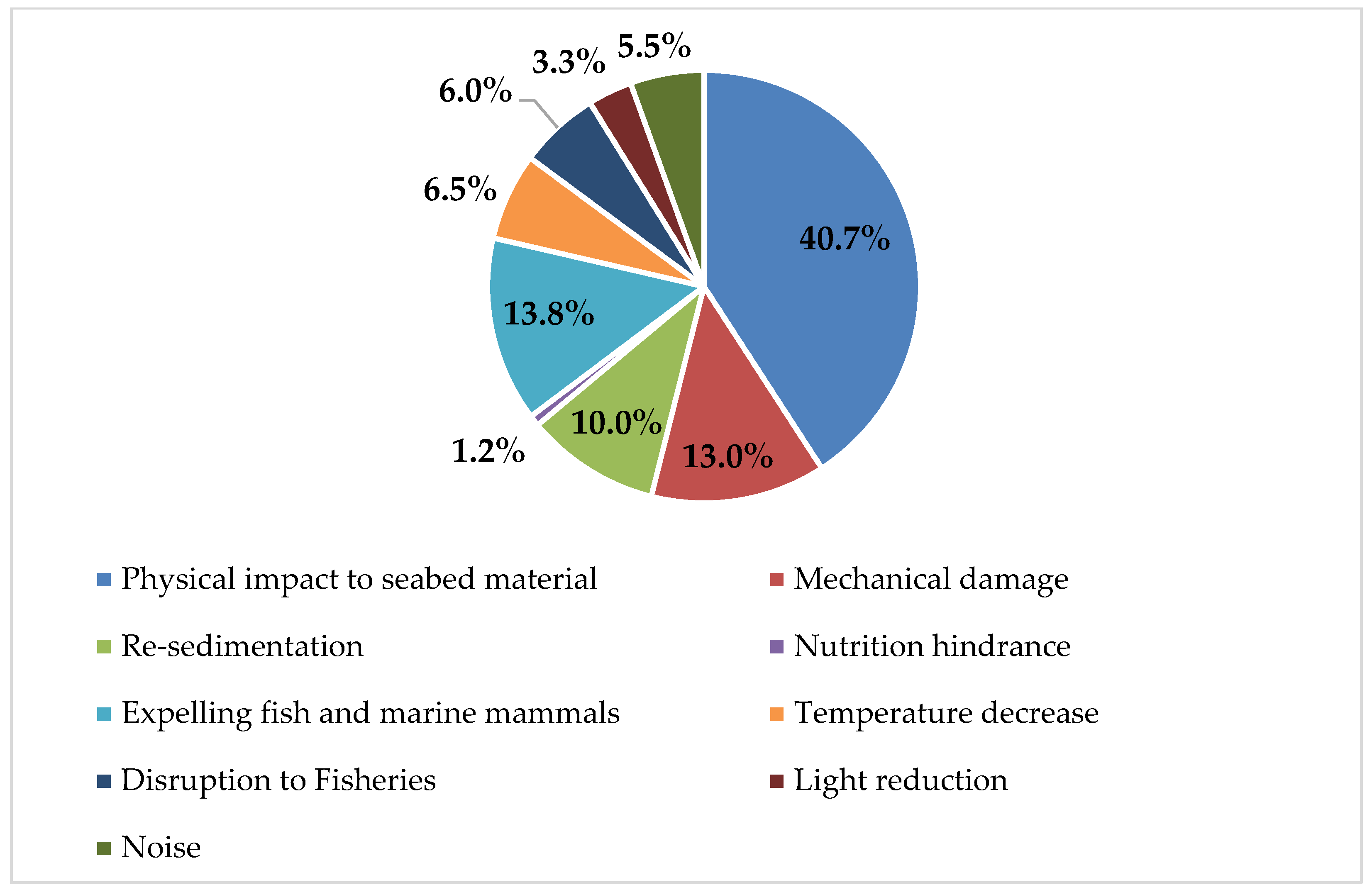
As shown in Figure 2, physical damage to the seabed (40.7%) was identified as the main challenge caused by deep seabed mining, alongside harm to marine species (13.8%) and mechanical damage to seabed (13%). Meanwhile, sediment redistribution (10%) and decrease in temperature (6.5%) were also identified as notable concerns caused by seabed mining operations. Tackling these impacts will require a combination of innovative technologies and strong regulations.

3.5. Perceptions of the Ecosystem Services Provided by Coastal Ecosystems

Respondents perceived seabed operations, such as deep-sea mining, oil and gas extraction, and bottom trawling to have both positive and negative impacts on ecosystem services (Table 4). As suggested by the results, the majority of respondents believed seabed mining to pose serious threats to marine ecosystems. Destruction of seabed habitats via physical disturbances caused by mining and trawling was identified as a major concern, leading to biodiversity loss. Further, the respondents were aware that pollution from industrial operations, including heavy metals and oil spills, contaminate water and affect marine life. Loss of habitat and species diversity could weaken ecosystem resilience and affect ecosystem services such as carbon sequestration and fisheries. Therefore, respondents perceived that disrupted ecosystems can impact local communities dependent on marine resources for livelihoods and cultural practices.

3.6. Parameter Estimation of the Choice Experiment Using CL and RPL

The utility model for attributes of seabed mining was constructed based on the Random Utility Function to understand the public perception of sea bed mining, as shown in Equation (6).
U i j = α 1 E X M i j + α 2 S W Q i j + α 3 B D H i j + α 4 M R G i j + β 1 P R I C E i j + β 2 A G E i j + β 3 I N C O M E i j + β 4 G E N D E R i j + ε i j
where i = 1, 2, 3, …, 630 (the sample size is 630).
The CL and RPL models were compared, with RPL showing a better fit (Log-likelihood = 1065.21 vs. 1017.36) and capturing preference heterogeneity. WTP estimates were observed to be stable across coding methods and after excluding outliers. Checks for attribute dominance confirmed a balanced attribute design, supporting the reliability and validity of the DCE results. The results of the empirical analysis received for the CL and RPL are collated in Table 5. The CL model assessed respondents’ average preference for seabed mining attributes, while the RPL model assessed respondents’ heterogeneous preferences for seabed mining attributes. According to the outcomes of the CL model, respondents exhibited a significant preference for maintaining the current seabed conditions. A 10% reduction in mining operations led to a positive and significant coefficient (coefficient [r] = 0.347; p < 0.05), with a WTP of LKR 1314, reflecting public support for stricter limitations on mineral extraction. For sea water quality deterioration, both scenarios demonstrated negative coefficients (r = −0.068 and r = −0.227), with WTP estimates of LKR 1661.52 and LKR 1047.24, respectively (Table 5). These results suggested strong aversion to water quality degradation, with higher WTP for mild impacts. Regarding biodiversity and habitat destruction, a 10% reduction had a positive and significant coefficient (r = 0.006), with WTP at LKR 112.86. Meanwhile, a 25% reduction was highly preferred (r = 0.445) by the respondents, with a WTP of LKR 178.38. Monitoring and regulation, whether stringent or community-based, compared to the status quo, showed positive coefficients, indicating higher public trust or preference for these measures influencing WTP.
On the other hand, the RPL model revealed a significant preference heterogeneity for key attributes. For mineral extraction, a 30% reduction had higher significance (r = 0.894) and a WTP of LKR 1618.02, further reinforcing the public preference for stricter extraction limits. Biodiversity and habitat destruction reported the highest WTP (LKR 1380.06) for a 25% reduction, reflecting a strong public concern for ecological preservation (Table 5). Similar to the CL model, monitoring and regulation methods showed positive coefficients, underscoring limited trust in such measures compared to status quo. Additional variables such as price and income also significantly influenced public preferences. A positive price coefficient (r = 0.015 for CL and r = 0.0696 for RPL) suggested cost sensitivity, while higher income levels were associated with greater WTP, highlighting the role of financial capacity in conservation preferences. Positive ASC values indicated that respondents prefer the proposed attributes over the current business as usual scenario or status quo.

4. Discussion

The study provides valuable insights into public perceptions of seabed mining, offering a nuanced understanding of preferences for sustainable resource management and conservation. Analysis revealed that respondents lack significant prior knowledge or experience regarding seabed mining, with mean scores indicating neutral or limited understanding. However, a notable enthusiasm for learning about seabed mining presents opportunities for targeted educational campaigns. Similar to the findings of Levin et al. [10], the lack of public awareness underscores the need for strong communication strategies to bridge the knowledge gap and foster informed public engagement. Respondents expressed strong environmental concerns, especially about disturbances to marine ecosystems and threats to coral reefs. These findings reflect widespread recognition of the ecological significance of marine environments among the general public. Similarly, wedding et al. [40] have emphasized the necessity of public support for biodiversity conservation in marine ecosystems. However, perceptions about the impact of seabed mining on beach activities and national policies were more divided, signaling the need for more transparent communication from policymakers and better public engagement efforts. The demographic characteristics of the respondents highlight several trends that may influence these findings. The respondents were predominantly well-educated, with most holding higher education qualifications, indicating their potential to provide informed opinions on seabed mining [49]. However, the high proportion of unemployed participants and the prevalence of lower-income individuals could influence perceptions, particularly regarding economic factors like WTP for seabed conservation.
The CL and RPL models provided complementary insights into public preferences. The CL model highlighted average preferences, showing significant aversion to degradation of seabed conditions and water quality, as evidenced by the negative coefficients and substantial WTP values. The RPL model, on the other hand, captured heterogeneous preferences, revealing stronger public support for conserving seabed conditions and limiting biodiversity destruction, with higher WTP values than those estimated by the CL model. For example, the RPL model indicated a WTP of LKR 3575.94 for maintaining current seabed conditions, compared to LKR 3325.14 in the CL model. This aligns with the findings from Campbell et al. [50], which demonstrated the value of the RPL model in accounting for individual preference variability, making it more suited for complex environmental valuation studies. Both models showed limited public trust in monitoring and regulation measures, with negative coefficients for these attributes, which is a contrast with prior studies [51].
According to the estimates of CL and RPL models, the WTP for seabed conservation among the studied population ranged from LKR 1067.86 (3.52 USD) to LKR 3575.94 (11.78 USD). A recent study conducted in China has reported WTP values ranging from 172.43 CNY (27.4 USD) to 216.20 CNY (34.3 USD) for marine conservation [52]. Meanwhile, another study conducted in South Korea has revealed WTP values ranging from 100 KRW (0.09 USD) to 152 KRW (0.14 USD) for seabed conservation [53]. Furthermore, local tourists had denoted a WTP of 2.65 USD for mangrove restoration at the Rekawa Coastal Wetland in Sri Lanka, while foreign tourists had expressed a WTP of 11.40 USD [54]. Relative to the published Southeast Asian studies, WTP for seabed conservation estimated in this study is at least on par with, and possibly higher than, much of the existing evidence. This suggests that the perceived value of seabed conservation among the Sri Lankan community is comparatively strong. This may be due to higher awareness of seabed ecosystem services, greater perceived threat, or effective framing of the conservation scenario in our survey.
According to the estimates of the regression model, the scheme with “30% less mineral extraction, 30% less deterioration of water quality, 0% destruction of biodiversity and habitat, more stringent regulations and a willingness-to-pay price of LKR 500” emerged as the most preferred scheme by respondents. This preference suggested that while respondents are willing to accept moderate environmental trade-offs, stringent regulatory measures and a higher price point can enhance the perceived desirability of the scheme. Across all provided scenarios, environmental and regulatory attributes such as the destruction of biodiversity and habitat and the stringency of monitoring and regulation appear to hold more weight in shaping preferences than price alone. This aligns with findings in similar studies [55], suggesting that public preferences tend to favor schemes that balance environmental conservation and active governance, even at a premium cost. These insights highlight the critical importance of designing seabed mining policies that prioritize biodiversity preservation integrated stringent regulatory frameworks with community involvement to align with public preferences and ensure sustainable practices [56].
Biodiversity conservation emerged as a critical factor for shaping preferences on seabed mining. Respondents strongly opposed habitat destruction, which is consistent with the findings of previous studies [9,10], which emphasized the public’s sensitivity to biodiversity loss and preference for conservation measures. Notably, price and income levels significantly influenced WTP estimates, where respondents with higher incomes demonstrate greater WTP for conservation efforts, a trend consistent with the literature on environmental economics [57].
The results also provided actionable insights for policymakers. The public’s preference for schemes that combine stringent regulations, biodiversity conservation, and community participation, even at higher price points, indicated a willingness to support sustainable practices [58]. The comparison of CL and RPL models highlights the value of incorporating heterogeneous preferences into policy design, offering a comprehensive understanding of public attitudes toward seabed conservation. Future studies should explore long-term impacts and public awareness strategies to build a robust foundation for sustainable seabed resource management. The results highlight the importance of prioritizing ecological preservation, stringent regulatory measures, and public involvement in seabed mining policies. The findings align with prior studies, underscoring the critical need to balance resource extraction with environmental protection [9].
These outcomes suggest that targeted public education and awareness campaigns on seabed conservation should prioritize younger, more educated individuals as key catalysts for broader societal engagement. Given the higher WTP expressed by these groups, they can easily be mobilized as early adopters and advocates for sustainable seabed management. The lower-income segments, despite demonstrating positive attitudes, indicate a need for financial incentive mechanisms such as subsidies, grants or other blended finance instruments to enable their equitable participation in conservation initiatives. The strong preference for stricter regulatory frameworks and reduced extraction levels underscores the importance of introducing more transparent and enforceable incentives and governance mechanisms, complemented by meaningful community participation.
The study has several limitations that should be acknowledged. Although the study employed a proportionate random sampling strategy to capture the views of diverse stakeholders involved in the management and usage of Sri Lanka’s coastal belt, certain limitations regarding sampling representativeness must be acknowledged. The age structure of the sample was relatively skewed towards younger respondents, as the majority (55.4%) fell within the 20–30 age group. This age distribution reflects both the higher willingness to participate in field surveys and higher levels of their educational attainment. The older coastal residents, who generally have stronger livelihood dependencies on coastal and marine resources, may assign different economic values to conservation interventions that could potentially result in different WTP estimates.
Even though the sampling covered ten major coastal districts, representation of urban, peri-urban and rural populations was not adequately balanced. The urban and per-urban residents often have more exposure to seabed conservation campaigns and environmental education, which in turn can translate into pro-conservation preferences and a higher stated WTP. Rural counterparts and small-scale fisher households, who may be more sensitive to livelihood trade-offs, were less represented in the sample. The educational composition of the sample was also relatively skewed toward highly educated respondents. Higher educational attainment is generally associated with higher environmental awareness, better risk perception, and willingness to contribute in some form to conservation, which could lead to upward-biased WTP estimates. Greater female participation was evident in the sample, which may reflect growing environmental engagement among women. The reliance on self-reported data introduces potential biases, such as social desirability bias and respondents’ limited understanding of seabed mining, which could influence their responses. However, the use of CL and RPL models effectively captures both observed and unobserved heterogeneity in preferences, offering strong insights into public attitudes toward seabed conservation. Additionally, the cross-sectional design captures perceptions at a single point in time, without accounting for changes in awareness or attitudes over time. Future research should address these gaps by incorporating longitudinal data, larger and more diverse samples, and qualitative methods to provide a more comprehensive understanding of the issue.

5. Conclusions

The findings revealed a significant public support for seabed conservation, with a mean WTP ranging between LKR 1067.86 and LKR 3532.02. The RPL model provided a more realistic value of LKR 3532.02 for WTP. Young, female, and educated individuals, with low-income levels, demonstrated a strong influence on the perceptions and WTP. However, financial constraints among respondents highlighted the need for government support or alternative funding mechanisms to support sustainable seabed management. It was evident that when the awareness of deep seabed mining is limited, respondents tend to denote a strong curiosity to learn more and a growing concern on its impacts. Participants emphasized the necessity for stringent regulations and collective action by community groups and government institutions to ease these impacts and protect the marine environment.
The necessity of both regulatory and market-based incentives and policy tools to promote sustainable seabed management in Sri Lanka has been underscored by the findings. Integrating these evidence-based preferences into policy design will ensure that conservation interventions are financially inclusive, socially acceptable, and ecologically effective. Public education campaigns should be implemented across the country, especially in coastal and rural areas, to raise awareness and foster greater community engagement. In addition, policy decisions should be made in consultation with stakeholders to account for their perspectives and needs. Providing financial incentives and subsidies for sustainable practices, especially to low-income groups, was recognized as an enabler of more equitable participation.
In line with the national priorities, legal and regulatory structures, the proposed policy measures can be operationalized within Sri Lanka’s existing blue economy and coastal resource management frameworks, particularly through national agencies. Implementation can be integrated into ongoing national seabed conservation plans and marine spatial planning initiatives. Potential barriers such as limited funding allocations, lack of transparency, fragmented institutional coordination and weak enforcement capacity must be acknowledged in this process. A phased approach involving public–private partnerships, effective institutional and expert network, data sharing mechanism, targeted budgetary allocations, capacity-building of enforcement agencies, as well as the establishment of multi-stakeholder governance platforms, is recommended. Further research, especially involving underrepresented communities and strengthening institutional capacity through training, technology, and collaboration, is recommended to sustain the seabed conservation in Sri Lanka, while allowing for responsible blue economic activities.

Supplementary Materials

The following supporting information can be downloaded at: https://www.mdpi.com/article/10.3390/su18010440/s1, Figure S1: Sampling Districts.

Author Contributions

Conceptualization, M.U., L.U. and N.G.; methodology, M.U., L.U. and N.G.; software, M.U.; validation, M.U. and L.U.; formal analysis, M.U. and N.G.; investigation, M.U. and L.U.; resources, M.U. and N.G.; data curation, M.U., S.D.S. and N.G.; writing—original draft preparation, N.G., M.U. and L.U.; writing—review and editing, M.U., L.U. and N.G.; visualization, N.G.; project administration, M.U. and S.D.S.; funding acquisition for APC, S.D.S. All authors have read and agreed to the published version of the manuscript.

Funding

The financial support provided by the Sustainable Ocean Alliance (SOA) under Grant number E059DSMH.

Institutional Review Board Statement

Ethical clearance for the study was obtained from the Ethics Review Committee (ERC) of the Faculty of Agriculture and Plantation Management, Wayamba University of Sri Lanka (ERC/2024/009; Approval Date: 3 April 2024).

Informed Consent Statement

Written informed consent was obtained from all study participants who volunteered for the study.

Data Availability Statement

The original contributions presented in this study are included in the article/Supplementary Material. Further inquiries can be directed to the corresponding authors.

Conflicts of Interest

The authors declare that they have no personal relationships or financial interests that can influence the work described in this study.

Abbreviations

The following abbreviations are used in this manuscript:
AUVsAutonomous Underwater Vehicles
BMPsBest Management Practices
CCZClarion–Clipperton Zone
Coeff./rCoefficient
CLConditional Logit Model
DCEDiscrete Choice Experiment
EIAsEnvironmental Impact Assessments
EEZExclusive Economic Zone
IIAIrrelevant Alternatives
MPAsMarine Protected Areas
NBSAPNational Biodiversity Strategies and Action Plan
RPLRandom Parameter Logit
SEStandard deviation
LKRSri Lankan Rupees
UNDPUnited Nations Development Programme
WTPWillingness to Pay

References

  1. The World Bank. World Bank Staff. The World Bank Annual Report 2007; World Bank: Washington, DC, USA, 2007; Available online: http://documents.worldbank.org/curated/en/732761468779449524 (accessed on 3 August 2025).
  2. Pauli, G.A. The blue economy: 10 years, 100 innovations, 100 million jobs. In The Blue Economy Series; Paradigm Publications: Boulder, CO, USA, 2010. [Google Scholar]
  3. Sharma, R. Deep-sea mining: Economic, technical, technological, and environmental considerations for sustainable development. Mar. Technol. Soc. J. 2011, 45, 28–41. [Google Scholar] [CrossRef]
  4. Toro, N.; Robles, P.; Jeldres, R.I. Seabed mineral resources, an alternative for the future of renewable energy: A critical review. Ore Geol. Rev. 2020, 126, 103699. [Google Scholar] [CrossRef]
  5. Vysetti, B. Deep-sea mineral deposits as a future source of critical metals, and environmental issues-A brief review. Miner. Miner. Mater. 2023, 2, 5. [Google Scholar] [CrossRef]
  6. Zhang, Q.; Chen, X.; Luan, L.; Sha, F.; Liu, X. Technology and equipment of deep-sea mining: State of the art and perspectives. Earth Energy Sci. 2015, 1, 65–84. [Google Scholar] [CrossRef]
  7. Ragnarsson, S.Á.; Burgos, J.M.; Kutti, T.; van den Beld, I.; Egilsdóttir, H.; Arnaud-Haond, S.; Grehan, A. The impact of anthropogenic activity on cold-water corals. In Marine Animal Forests; Springer: Berlin/Heidelberg, Germany, 2017; pp. 989–1023. [Google Scholar] [CrossRef]
  8. Thurber, A.R.; Sweetman, A.K.; Narayanaswamy, B.E.; Jones, D.O.; Ingels, J.; Hansman, R.L. Ecosystem function and services provided by the deep sea. Biogeosciences 2014, 11, 3941–3963. [Google Scholar] [CrossRef]
  9. Armstrong, C.W.; Foley, N.S.; Tinch, R.; van den Hove, S. Services from the deep: Steps towards valuation of deep-sea goods and services. Ecosyst. Serv. 2012, 2, 2–13. [Google Scholar] [CrossRef]
  10. Levin, L.A.; Mengerink, K.; Gjerde, K.M.; Rowden, A.A.; Van Dover, C.L.; Clark, M.R.; Brider, J. Defining “serious harm” to the marine environment in the context of deep-seabed mining. Mar. Policy 2016, 74, 245–259. [Google Scholar] [CrossRef]
  11. Ardron, J.; Arnaud-Haond, S.; Beaudoin, Y.; Bezaury, J.; Billet, D.; Boland, G.; Carr, M.; Cherkashov, G.; Cook, A.; Deleo, F.; et al. Environmental Management of Deep-Sea Chemosynthetic Ecosystems: Justification of and Considerations for a Spatially Based Approach; ISA Technical Study: No. 9; International Seabed Authority: Kingston, Jamaica, 2011; p. 90. [Google Scholar]
  12. Niner, H.J.; Ardron, J.A.; Escobar, E.G.; Gianni, M.; Jaeckel, A.; Jones, D.O.; Gjerde, K.M. Deep-sea mining with no net loss of biodiversity, An impossible aim. Front. Mar. Sci. 2018, 5, 53. [Google Scholar]
  13. Howard, P.; Parker, G.; Jenner, N.; Holland, T. An Assessment of the Risks and Impacts of Seabed Mining on Marine Ecosystems; Fauna and Flora International: Cambridge, UK, 2020; 336p. [Google Scholar]
  14. Silver, J.J.; Gray, N.J.; Campbell, L.M.; Fairbanks, L.W.; Gruby, R.L. Blue economy and competing discourses in international oceans governance. J. Environ. Dev. 2015, 24, 135–160. [Google Scholar] [CrossRef]
  15. Barbesgaard, M. Blue growth: Savior or ocean grabbing? J. Peasant. Stud. 2018, 45, 130–149. [Google Scholar] [CrossRef]
  16. Cuvelier, D.; Gollner, S.; Jones, D.O.; Kaiser, S.; Arbizu, P.M.; Menzel, L.; Mestre, N.C.; Morato, T.; Pham, C.; Pradillon, F.; et al. Potential mitigation and restoration actions in ecosystems impacted by seabed mining. Front. Mar. Sci. 2018, 5, 467. [Google Scholar] [CrossRef]
  17. Levin, L.A.; Amon, D.J.; Lily, H. Challenges to the sustainability of deep-seabed mining. Nat. Sustain. 2020, 3, 784–794. [Google Scholar] [CrossRef]
  18. Amalan, K.; Ratnayake, A.S.; Ratnayake, N.P.; Weththasinghe, S.M.; Dushyantha, N.; Lakmali, N.; Premasiri, R. Influence of nearshore sediment dynamics on the distribution of heavy mineral placer deposits in Sri Lanka. Environ. Earth Sci. 2018, 77, 737. [Google Scholar] [CrossRef]
  19. Agarwala, N. Sustainable exploitation of deep seabed mineral resources in the Indo-Pacific through practical cooperation under the Indo-Pacific Oceans Initiative. J. Indian Ocean. Reg. 2021, 17, 289–305. [Google Scholar]
  20. Pace, L.A.; Saritas, O.; Deidun, A. Exploring future research and innovation directions for a sustainable blue economy. Mar. Policy 2023, 148, 105433. [Google Scholar]
  21. Rathnayake, W. Sri Lanka’s Future: Towards a Blue Economy. Proceedings of the 78th Annual Sessions 2022—Part II, Sri Lanka Association for the Advancement of Science. 2022. Available online: https://www.vliz.be/imisdocs/publications/385968.pdf (accessed on 3 August 2025).
  22. United Nations Development Programme (UNDP) Sri Lanka; Lakshman Kadirgamar Institute of International Relations and Strategic Studies. Sri Lanka’s Blue Economy: A Position Paper. UNDP Sri Lanka. 2023. Available online: https://lki.lk/wp-content/uploads/2023/12/Blue-Economy-Position-Paper_UNDP-and-LKI.pdf (accessed on 3 August 2025).
  23. Arunashantha, H.; Lecture, A. Over Utilization of Coastal Resources and Its Impact: The Case of Sri Lanka. Soc. Investig. 2015, 1, 175–185. [Google Scholar]
  24. Uhlenkott, K.; Meyn, K.; Vink, A.; Martínez Arbizu, P. A review of megafauna diversity and abundance in an exploration area for polymetallic nodules in the eastern part of the Clarion Clipperton Fracture Zone (North East Pacific), and implications for potential future deep-sea mining in this area. Mar. Biodivers. 2023, 53, 22. [Google Scholar] [CrossRef]
  25. Hilmi, N.; Chami, R.; Sutherland, M.D.; Hall-Spencer, J.M.; Lebleu, L.; Benitez, M.B.; Levin, L.A. The role of blue carbon in climate change mitigation and carbon stock conservation. Front. Clim. 2021, 3, 710546. [Google Scholar] [CrossRef]
  26. O’Neill, B.F.; Schneider, M.J.; Lozano, A.G. Toward a critical environmental justice approach to ocean equity. Environ. Justice 2025, 18, 90–99. [Google Scholar] [CrossRef]
  27. United Nations Development Programme. An Ocean of Opportunities: How the Blue Economy Can Transform Sustainable Development in Small Island Developing States; UNDP: Bangkok, Thailand, 2023. [Google Scholar]
  28. Ekanayake, E.A.; Galdolage, B.S. Opportunities, challenges, and solutions in expanding the blue economy in Sri Lanka: Special reference to the fisheries sector. Asian J. Mark. Manag. 2024, 3, 106–134. [Google Scholar] [CrossRef]
  29. United Nations Development Programme (UNDP); Ministry of Mahaweli Development and Environment. Biodiversity Expenditure Review; Biodiversity Finance Initiative (BIOFIN): Colombo, Sri Lanka, 2017.
  30. Tyllianakis, E.; Ferrini, S. Personal attitudes and beliefs and willingness to pay to reduce marine plastic pollution in Indonesia. Mar. Pollut. Bull. 2021, 173, 113120. [Google Scholar] [CrossRef] [PubMed]
  31. Gourvenec, S.; Dbouk, W.; Sturt, F.; Teagle, D.A.H. Pathways to a blue economy. Curr. Opin. Environ. Sustain. 2025, 77, 101570. [Google Scholar] [CrossRef]
  32. Martínez-Vázquez, R.M.; Milán-García, J. Challenges of the blue economy: Evidence and research trends. Environ. Sci. Eur. 2021, 33, 61. [Google Scholar] [CrossRef]
  33. Kubiszewski, I.; Costanza, R.; Anderson, S.; Sutton, P. The future value of ecosystem services: Global scenarios and national implications. In Environmental Assessments; Edward Elgar Publishing: Cheltenham, UK, 2020; pp. 81–108. [Google Scholar]
  34. Barbier, E.B. The economics of aquatic ecosystems: An introduction to the special issue. Water Econ. Policy 2017, 3, 1702002. [Google Scholar] [CrossRef]
  35. Collins, P.C.; Croot, P.; Carlsson, J.; Colaço, A.; Grehan, A.; Hyeong, K.; Kennedy, R.; Mohn, C.; Smith, S.; Yamamoto, H.; et al. A primer for the environmental impact assessment of mining at seafloor massive sulfide deposits. Mar. Policy 2013, 42, 198–209. [Google Scholar] [CrossRef]
  36. Krutilla, K.; Good, D.; Toman, M.; Arin, T. Addressing fundamental uncertainty in benefit–cost analysis: The case of deep seabed mining. J. Benefit-Cost Anal. 2021, 12, 122–151. [Google Scholar] [CrossRef]
  37. Yu, T.; Liu, R.; Jin, Y. Toward ecosystem-based deep-sea governance: A review of global approaches and China’s participation. Mar. Dev. 2025, 3, 1. [Google Scholar] [CrossRef]
  38. Mejjad, N.; Rovere, M. Understanding the impacts of blue economy growth on deep-sea ecosystem services. Sustainability 2021, 13, 12478. [Google Scholar] [CrossRef]
  39. Miller, K.A.; Thompson, K.F.; Johnston, P.; Santillo, D. An overview of seabed mining including the current state of development, environmental impacts, and knowledge gaps. Front. Mar. Sci. 2018, 4, 418. [Google Scholar] [CrossRef]
  40. Wedding, L.M.; Friedlander, A.M.; Kittinger, J.N.; Watling, L.; Gaines, S.D.; Bennett, M.; Smith, C.R. From principles to practice: A spatial approach to systematic conservation planning in the deep sea. Proc. R. Soc. B Biol. Sci. 2013, 280, 20131684. [Google Scholar] [CrossRef]
  41. Van Dover, C.L.; Ardron, J.A.; Escobar, E.; Gianni, M.; Gjerde, K.M.; Jaeckel, A.; Jones, D.O.; Levin, L.A.; Niner, H.J.; Pendleton, L.; et al. Biodiversity loss from deep-sea mining. Nat. Geosci. 2017, 10, 464–465. [Google Scholar] [CrossRef]
  42. O’Connor, E.; Hynes, S.; Chen, W. Estimating the non-market benefit value of deep-sea ecosystem restoration: Evidence from a contingent valuation study of the Dohrn Canyon in the Bay of Naples. J. Environ. Manag. 2020, 275, 111180. [Google Scholar] [CrossRef] [PubMed]
  43. Balasuriya, A. Coastal area management: Biodiversity and ecological sustainability in Sri Lankan perspective. In Biodiversity and Climate Change Adaptation in Tropical Islands; Academic Press: Cambridge, MA, USA, 2018; pp. 701–724. [Google Scholar]
  44. Jayawardena, U.D. The Coastal Zone of Sri Lanka Characteristics, Problems and Prospects. In Sand Dunes of the Northern Hemisphere; Taylor & Francis Group: Abingdon, UK, 2023; pp. 383–398. [Google Scholar]
  45. Hanley, N.; Mourato, S.; Wright, R.E. Choice modelling approaches: A superior alternative for environmental valuatioin? J. Econ. Surv. 2001, 15, 435–462. [Google Scholar] [CrossRef]
  46. McFadden, D. The measurement of urban travel demand. J. Public Econ. 1974, 3, 303–328. [Google Scholar] [CrossRef]
  47. Train, K.E. Discrete Choice Methods with Simulation; Cambridge University Press: Cambridge, UK, 2009. [Google Scholar] [CrossRef]
  48. Hensher, D.A.; Greene, W.H. The Mixed Logit Model: The state of practice. Transportation 2003, 30, 133–176. [Google Scholar] [CrossRef]
  49. O’Halloran, C.; Silver, M. Awareness of ocean literacy principles and ocean conservation engagement among American adults. Front. Mar. Sci. 2022, 9, 976006. [Google Scholar] [CrossRef]
  50. Campbell, D.; Hutchinson, W.G.; Scarpa, R. Using choice experiments to explore preferences for environmental quality under economic constraints. J. Environ. Manag. 2009, 90, 3185–3194. [Google Scholar]
  51. Gjerde, K.M.; Weaver, P.; Billett, D.; Paterson, G.; Colaco, A.; Dale, A.; Greinert, J.; Hauton, C.; Jansen, F.; Arbizu, P.M.; et al. Report on the Implications of MIDAS Results for Policy Makers with Recommendations for Future Regulations to be Adopted by the EU and the ISA. No. December, 61. Future Regulations to be Adopted by the EU and the ISA; Seascape Consultants: Romsey, UK, 2016; p. 61. [Google Scholar]
  52. Yu, B.; Cai, Y.; Jin, L.; Du, B. Effects on willingness to pay for marine conservation: Evidence from Zhejiang Province, China. Sustainability 2018, 10, 2298. [Google Scholar] [CrossRef]
  53. Kim, J.-H.; Yoo, S.-H. Public perspective on the environmental impacts of sea sand mining: Evidence from a choice experiment in South Korea. Resour. Policy 2020, 69, 101811. [Google Scholar] [CrossRef]
  54. Salpage, N.D.; Aanesen, M.; Armstrong, C.W. Willingness to pay for mangrove restoration to reduce the climate change impacts on ecotourism in Rekawa coastal wetland, Sri Lanka. J. Environ. Econ. Policy 2022, 12, 19–32. [Google Scholar] [CrossRef]
  55. Wattage, P.; Glenn, H.; Mardle, S.; Van Rensburg, T.; Grehan, A.; Foley, N. Economic Value of Conserving Deep-Sea Corals in Irish Waters: A Choice Experiment Study on Marine Protected Areas. Fish. Res. 2011, 107, 59–67. [Google Scholar] [CrossRef]
  56. Subroy, V.; Rogers, A.A.; Kragt, M.E. To bait or not to bait: A discrete choice experiment on public preferences for native wildlife and conservation management in Western Australia. Ecol. Econ. 2018, 147, 114–122. [Google Scholar] [CrossRef]
  57. Pearce, D.W.; Atkinson, G.; Mourato, S. Cost-Benefit Analysis and the Environment: Recent Developments; OECD Publishing: Paris, France, 2006. [Google Scholar]
  58. Ban, N.C.; Mills, M.; Tam, J. A social–ecological approach to conservation planning: Embedding social considerations. Front. Ecol. Environ. 2013, 11, 194–202. [Google Scholar] [CrossRef]
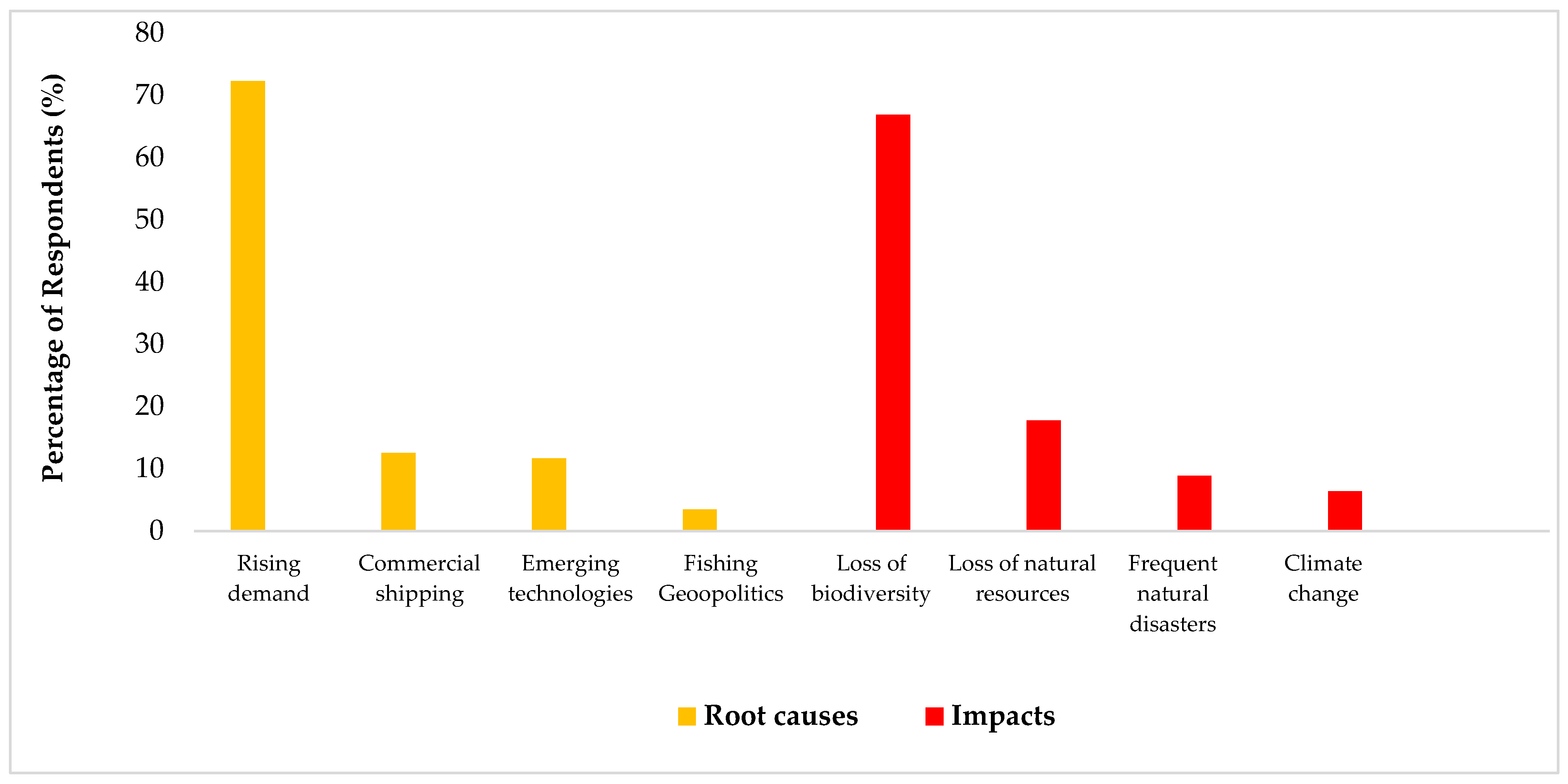
Figure 1. Causes and Impacts of Seabed Mining in Sri Lanka.
Sustainability 18 00440 g001
Figure 2. Perception of Challenges for Preventing Seabed Mining.
Sustainability 18 00440 g002
Table 1. Product Attributes and the Levels of Seabed Mining.
AttributeDescriptionLevels
Extraction of minerals
Sustainability 18 00440 i001
The percentage of minerals and resources extracted from mining10%
30%
0%
Deterioration of sea water quality
Sustainability 18 00440 i002
The percentage deterioration in the sea water quality due to the emission of nutrients, heavy metals, and organic matter concentrated in the sediments due to mining15%
30%
0%
Destruction of biodiversity and habitats
Sustainability 18 00440 i003
The percentage destruction of bio diversity and habitat due to mining10%
25%
0%
Monitoring and regulation
Sustainability 18 00440 i004
Level of governance and enforcementCurrent state of governance
More stringent regulation
Improved community participation
Price
Sustainability 18 00440 i005
Amount willing to pay for conservation per monthLKR 100
LKR 250
LKR 500
Table 2. Socio-Economic Characteristics of the Respondents.
VariableCategoryPercentage of Respondents (%)
GenderFemale61.8
Male38.2
Age
(Years)
Less than 181.6
20 to 3055.4
31 to 4530.6
46 to 6012.4
Above 600
EmploymentFisheries/Environment related7.3
Government sector job11.4
NGO3.3
Private sector job11.4
Self-employed4.1
Student8.1
Retired0
Unemployed52.8
Other1.6
Education LevelPrimary Education0
Secondary Education9.8
Diploma24.9
First Degree54.0
Master’s Degree8.1
Doctorate0.8
Professional Qualification2.4
Monthly Income
(Sri Lankan Rupees [LKR])
Less than 50,0009.8
50,001 to 100,00063.70
100,001 to 200,00022.44
200,001 to 500,0003.25
Over 500,0000.81
Table 3. Awareness and Perceptions on Seabed Mining.
StatementPercentage of Respondents (%)
Strongly DisagreeDisagreeNeutralAgreeStrongly Agree
I have heard of deep seabed mining activities in the country314614100
I want to learn more about deep seabed mining10884529
Marine environment is very important to me134112250
I believe seabed mining is harmful to coral reefs and other sensitive ecosystems13742452
There is no significant impact on my beach activities due to seabed mining282524149
We need more stringent policies to control seabed mining161535286
Media has not done enough to mobilize the public on this issue155113633
Government authorities have not done enough for seabed conservation147143926
Public awareness is essential for seabed protection138194120
I’m willing to engage in seabed conservation activities1528143310
Table 4. Perception of Operations on Ecosystem Services Provided by the Seabed.
Seabed Mining and Other Operations Provisioning ServicesRegulating Services (Maintaining Environmental Balance)Supporting Services (Essential for Ecosystem Functioning)Cultural and Recreational Services (Human Connection to the Ocean)
Food supplyRaw materialsPharmaceutical compoundsEnergy resourcesCarbon sequestrationNutrient cyclingWater purificationCoastal protectionHabitat provisionBiodiversity maintenancePrimary productionTourism and recreationSpiritual and cultural significanceScientific and educational value
SeabedDeep-sea mining—Extraction of valuable minerals++±
Oil and gas drilling++±
Sand and gravel extraction+-
Dredging—Removal of sediments for navigation, construction, or resource extraction
Infrastructure DevelopmentEnergy project installation, i.e., wind farms and tidal energy±±±++±±+±±±±++
Artificial reefs and marine structures+±±±±±+++++++
Seabed Conservation and ManagementMarine protected areas (MPAs)++++++++++++
Seabed habitat restoration++++++++++++
Sustainable fisheries management ng++++++++++++
Scientific Research and ExplorationDeep-sea exploration±±±±±±±±±±±±++
Climate change research±±±±+±±±±±±±++
Archaeological investigations±±±±±±±±+++
Note: Green: negative impacts; Pink: negative/positive impacts; Grey: positive impact.
Table 5. Empirical Estimations of CL and RPL Models.
Attribute VariablesCLRPL
Coeff.SEMWTPCoeff.SEMWTP
ASC1.16250.710 0.4331.830
Extraction of minerals (30%) (EXM1)−0.1820.25678.480.0480.3281605.96
Extraction of minerals (10%) (EXM2)0.347 *0.14013140.894 *0.4911618.02
Deterioration of the sea water quality (15%) (SWQ1)−0.0680.1261661.520.06840.287774
Deterioration of the sea water quality (30%) (SWQ2)−0.2270.2241047.240.1740.115775.98
Destruction of biodiversity and habitats (10% reduction) (BDH1)0.006 *0.011112.860.010 *0.0021191.96
Destruction of biodiversity and habitats (25% reduction) (BDH2)0.445 *0.144178.381.476 *0.5461380.06
Monitoring and regulation 1 (stringent) (MRG1)0.1230.1440.090.564 *0.669774
Monitoring and regulation 2 (community) (MRG1)0.1910.1290.610.6720.332775.98
Price0.015 *0.036 0.069 *0.048
Age0.0030.020 0.0640.023
Income0.217 *0.246 0.975 *0.274
Gender0.832 *0.127 0.922
Log-likelihood1017.36 1065.21
Note: *: Significant at 95% confidence level; Coeff.: coefficient; SE: Standard deviation; MWTP—Marginal Willingness to Pay.
Disclaimer/Publisher’s Note: The statements, opinions and data contained in all publications are solely those of the individual author(s) and contributor(s) and not of MDPI and/or the editor(s). MDPI and/or the editor(s) disclaim responsibility for any injury to people or property resulting from any ideas, methods, instructions or products referred to in the content.