

Article

Analysis of the Environmental Impact of Different Olive Grove Systems in Southern Portugal

by
Rachel Hermeto de Pádua Souza
1,*,
Rui Fragoso
1,
Carlos Marques
1,
Giacomo Falcone
2 and
Anna Irene De Luca
2
1
CEFAGE, Center for Advanced Studies in Management and Economics, Universidade de Évora, Palácio do Vimioso (Gab.224), Largo Marquês de Marialva, n.º 8, 7000-809 Évora, Portugal
2
Department of Agriculture, Mediterranea University of Reggio Calabria, Località Feo di Vito, 89122 Reggio Calabria, Italy
*
Author to whom correspondence should be addressed.
Sustainability 2026, 18(1), 430; https://doi.org/10.3390/su18010430 (registering DOI)
Submission received: 24 October 2025 / Revised: 17 December 2025 / Accepted: 22 December 2025 / Published: 1 January 2026
(This article belongs to the Special Issue Ecology and Environmental Science in Sustainable Agriculture)

Abstract

Olive grove production systems in Portugal have undergone major changes, with both high-density and super-high-density systems being implemented. Despite their higher productivity, they raise questions about their environmental impacts. Thus, this article aims to assess the environmental impacts of six olive grove systems in the Alentejo region, under different technological solutions, using a life cycle assessment (LCA) approach. Five impact categories were selected, using the hectare as the functional unit. Super-high-density systems that use a high level of inputs, mechanical harvesting, and irrigation have the highest environmental impacts for all impact categories, while traditional systems showed the lowest results in terms of environmental impacts. The greatest environmental impacts in olive production occur in the agricultural phase, and our results corroborate the literature results showing that the greatest damage is due to fertilization operations. In addition, this study provides a better understanding of the environmental impacts of olive grove production in the Portuguese context, as well as in the Mediterranean area, and the results allowed us to identify the most sustainable technological solutions. These are related to management strategies that promote the equalization of impacts for each type of production system, considering the necessary agricultural practices and ways of acting to mitigate these impacts. Adopting sustainable technological solutions can become a strategy for agriculture focused on environmental recovery rather than degradation, ensuring the availability of resources for future generations.

1. Introduction

Olive oil production in the world is concentrated in the Mediterranean basin, with 95% of total production. Spain and Italy are the main producing countries [1,2,3,4]. Portugal has been self-sufficient in olive oil since 2014 and is currently the world’s fourth largest olive oil producer, with the potential to become the third largest within ten years due to the modernization of its olive groves [5,6,7].
Olive groves with high- and super-high-density systems are mainly located in the Alentejo region, which accounts for 55% of the national olive grove area and 82% of national olive oil production [2,5,8,9]. The modernization of production systems, farm efficiency, and the excellent quality of the olive oil obtained, with more than 95% classified in the top-quality levels of virgin and extra virgin [2,7,9], have led the Alentejo region in southern Portugal to be an international benchmark.
The Alentejo is a region with a Mediterranean climate, where there has been a rapid process of agricultural intensification, particularly of olive groves and other irrigated crops [10,11]. New olive grove plantations have been implemented in super-high-density systems. However, this process of intensification is associated with production practices that can lead to worsening soil degradation, greenhouse gas emissions, and loss of biodiversity, raising concerns about the sustainability of these agricultural systems [12,13,14,15,16,17,18].
Therefore, despite the importance of the olive supply chain in the Alentejo region and in other Mediterranean areas, there is environmental damage, especially in the agricultural production phase, due to the intensification of processes [19]. The intensification of olive growing without a sustainable approach has been one of the causes of the environmental problems affecting agriculture in the Mediterranean areas of the European Union [13,15,17] and in the Alentejo region. On the other hand, sustainable intensification (SI) strategies are emerging to feed the population with the available resources and without irreversible impacts, with balance and greater application of knowledge [5].
The sustainability of food chains and farming systems is a topic of great interest among researchers. Over the last decade, many studies have used the life cycle assessment (LCA) methodology to identify environmental impacts and propose mitigation measures [14,20]. LCA has become a reference method for analyzing environmental sustainability in supply chains, including sustainability objectives, agriculture, and improving food production and consumption, as well as more efficient energy conversion and use, supporting the identification of sustainable solutions to global food challenges [21].
The olive supply chain has been one of the most analyzed since the 2000s, possibly because of the dual characteristics of its life cycle, with an agricultural stage and an industrial stage, which make it a challenging research object [14,22,23]. Within that scope, LCA is a fundamental tool for assessing environmental impacts between alternative cultivating systems and assisting in decision-making [22,24,25]. It has been used in the olive sector, either in isolation or together with other tools, to provide a holistic view in different countries, such as Italy [26] and Tunisia [27]. In Portugal, some studies have also used LCA to determine the environmental sustainability of olive groves [6,28,29,30]. Only Sales et al. [6] have carried out an exhaustive comparative analysis of different production systems for Portugal by consulting papers, agroforestry inventories, and questionnaires. To our knowledge, this is the first study to analyze various production techniques based on the implementation of agroecological practices through eco-modeling. These techniques were tested in real production scenarios and across all cultivation models characteristic of Portuguese olive growing. The results can serve as a reference for the scientific community and business sector, guiding the transition of Portuguese olive production toward sustainable models while embracing the technological innovation that characterizes modern production.
This study is based on the compilation of a primary data inventory representative of traditional, intensive, and super-intensive production scenarios. This provides a valuable tool for LCA practitioners and agricultural entrepreneurs alike, offering concrete references to the implemented agroecological techniques and their results.
While Sales et al.’s study [6] offers valuable insights into the main environmental impacts associated with the olive grove life cycle; it does not propose or evaluate alternative sustainable production systems. Our work builds on this research by explicitly designing and testing such alternative systems, enabling a comparative assessment of their environmental performance. Furthermore, our study relies primarily on original primary data collected through structured questionnaires administered to a targeted sample of Portuguese olive farmers. This approach contrasts with earlier studies, which largely relied on secondary data and literature-derived information. Using primary, farm-level data provides a more accurate representation of management practices and regional specifics, thereby strengthening the robustness and applicability of our results.
Thus, this article aims to evaluate the environmental impacts of olive groves in the Alentejo region under different technological solutions, using an LCA approach. Three production systems are considered, namely traditional, under high density, and under super-high density. Each of them was analyzed both considering business-as-usual and sustainability-oriented cultivation techniques, for a total of six scenarios. Given the increase in environmental damage due to the expansion of high-density and super-high-density olive grove systems, the evaluation of these environmental impacts is of utmost importance for farmers, researchers, technicians, and policy-makers.
This article provides several original contributions to the literature. First, it is the first study on olive groves in Portugal addressing the farm level using primary data, collected through detailed surveys and afterward validated by university experts. Similar previous studies are mainly based on secondary sources or generic inventory databases. Second, it is the first study that designs and assesses an alternative sustainability-oriented technological solution based on agroecological principles and tested under farm-level conditions. Finally, our study adopts an innovative LCA approach, where the entire lifespan and its replacement cycles were simulated, thus accounting for impacts that were usually not considered in previous studies.
This paper was developed within the framework of Sustainolive, a Horizon PRIMA international project, which aims to promote the sustainability of the olive sector through the implementation and promotion of innovative and sustainable management practices, based on agroecological concepts. Through an innovative, transdisciplinary, and multi-actor approach, it combines different types of knowledge (e.g., scientific, empirical, and traditional), disciplines (ranging from engineering to the humanities), and methodological approaches (e.g., life cycle sustainability assessment, social agricultural metabolism, and multi-criteria analysis tools) to provide practical solutions that address the complexity of the olive sector [4,26,31].
In addition to the Introduction, Section 2 presents the case study and the LCA approach used for the environmental sustainability analysis. Section 3 is dedicated to the presentation and discussion of the results. Finally, Section 4 presents the conclusion.

2. Methodology

2.1. The Case Study

Considering the diversity of Alentejo’s agroecological features and olive grove production systems, a set of six plots, which cover a wide spectrum of technological solutions in the region, was selected by experts from the University of Évora [4,31].
The plots were separated into standard and alternative. The former are standard technologies used in the Alentejo region, and the latter are recent technologies based on agroecological methods, which are proposed as alternatives. Three of these plots are conducted in rainfed systems and three in irrigated systems, one in the high-density system, and two in the super-high-density system. The main features of the selected plots are presented in Table 1, considering variety, production method, production system, harvesting, and irrigation.
To characterize the technological solutions of olive grove production, a survey was drawn up and applied to the farms of the selected plots, where data were collected in person through interviews. In addition, experts on LCA, olive growing, and irrigation were consulted to assess the data coherence and complement any missing data.

2.2. Goal and Scope

As referred to before, the main purpose of this study is to identify more sustainable alternatives for olive-growing for oil in order to provide indications to both producers and public decision-makers regarding the best land use, agronomic practices, and potential incentives linked to real environmental improvements.
The methodological approach comprises four main stages, as required by ISO 14040 [32]. The first phase regards the definition of the objective and scope, the functional units (FUs), and system boundaries. The second phase includes data collection and building the life cycle inventory (LCI). Life cycle impact assessment (LCIA) represents the third stage and is presented in the Results section, such as the interpretation phase (fourth stage), in which the main hotspots of the scenarios considered were analyzed.
The definition of the functional unit (FU) is a critical task of LCA and must be consistent with the goal of the study [23]. In this case, the FU is 1 hectare (ha) of cultivated olive grove to emphasize the usefulness of the results on a territorial basis.
The system boundaries should include all relevant life cycle stages and processes, depending on the objective and scope, and the availability and quality of data [23]. In this case, the scope of the study focuses on the olive grove production or cultivation process. The system boundaries (Figure 1) range from the extraction of raw materials to the farm gate, after the olive harvest (“from cradle-to-farm gate”). The evaluation of the production systems and technological solutions was carried out over the entire life cycle, considering all the necessary operations and inputs.
The assumed lifespan of the traditional production system was 50 years, as was the case for the high-density system. For the super-high-density system, 20 years were considered. To include the entire agricultural life cycle, a time limit of 100 years was simulated. Therefore, for the traditional rainfed system and the high-density system, 2 cycles of 50 years were considered, while for the super-high-density production system, 5 cycles were considered. The life cycle was divided into the following stages: planting stage, no production stage, increasing stage, full production stage, decreasing stage, and disposal. The operations carried out in each life stage and included in the LCA modeling process are presented in Table 2.
All stages of the olive life cycle have soil cultivation operations, except for orchard disposal. Fertilization also occurs at all stages of the life cycle, with the exception of the QSAS plot, which has fertilization only during the planting stage. Specifically, weed control and phytosanitary treatment take place in stages from the no production stage to the decreasing stage in all plots, except for the QSAS plot. The CVA plot does not undergo phytosanitary treatment. Pruning and harvesting are performed during the increasing, full production, and decreasing stages, except for the standard plot QSAS and the alternative plot VDA, which do not carry out these operations in the increasing stage. All plots have some form of mechanized harvesting, while manual harvesting is only carried out on the CVA plot. The plots that use irrigation are MNA, P18S, and P19S, and obviously, all plots have operations of disposal (explantation, transport, excavation).

2.3. Life Cycle Inventory (LCI) and Impact Assessment (LCIA)

LCI is a detailed quantification of the entire flow and processes for an FU, considering the input and output data of the olive grove production systems under standard and alternative technological solutions. Table 3 presents input data used for each olive grove technological solution per operation.
The agricultural operations include surface ploughing, shredding, pruning, fertilizing, weed control, phytosanitary control, irrigation, harvesting, and orchard disposal (explantation, transport, and excavation), which were also grouped into the following categories: fertilization, soil operations, phytosanitary control, pruning, harvesting, irrigation, explantation, transport, and excavation.
Ecoinvent was the inventory database predominantly used for background data. For indirect data regarding the manufacture of inputs used in agricultural stages, the databases Ecoinvent v.3.8 [33] and World Food LCA v.3.5 [34] were utilized.
The software SimaPro 9.4.0.2 [35] was used to model the production systems under the different technological solutions and evaluate their environmental impacts. ISO-14040 [32] served as the foundation for the general structure, principles, and basic needs for implementing the LCA model.
In this study, the method chosen to classify and characterize the inputs and outputs was ReCiPe 2016 v1.01 [36], considering the impact category indicators at medium levels (midpoint), with the environmental loads grouped according to their contribution to the environmental impacts. For the life cycle impact assessment (LCIA), impact categories selected include climate change (kg CO2 eq), water consumption (m3 water eq), terrestrial acidification (kg SO2 eq), freshwater eutrophication (kg P eq), and marine eutrophication (kg N eq). These categories have been used in recent LCA studies for the olive sector [6,14,27,37,38].

2.4. Limitations

This study acknowledges several methodological, data-related, and scope-related limitations, despite being grounded in a comprehensive inventory of primary data collected from Portuguese olive farmers.
First, given the multifunctional nature of agricultural production systems, the analysis prioritized territorial impacts over productive functions, in alignment with the defined goals and scope.
A key constraint arises from the inventory data, which were obtained from six companies exhibiting substantial heterogeneity in cultivation techniques and olive grove management practices (including conventional, integrated, organic, and biodynamic systems). Performing a statistical assessment of uncertainty across such divergent scenarios would likely yield results of limited significance. Moreover, the primary data provided by individual companies consisted of aggregated averages, which proved insufficient for conducting even basic intra-company statistical assessments.
Regarding the temporal dimension, the study evaluated production systems across their entire life cycle rather than restricting the analysis to the production phase. This approach reflects the recognition that non-production stages and variations in farming systems can exert considerable influence on environmental impacts. To minimize distortions associated with the simulated 100-year time horizon, impacts were consistently expressed as average annual values per hectare rather than cumulative figures for the full olive grove cycle.
The most critical limitation concerns biogenic carbon accounting and carbon uptake. The assessment of climate change impacts remains incomplete due to the exclusion of biogenic CO2 sequestration and storage in olive biomass (trunks, branches, leaves, roots) and soils. Olive trees, being perennial and long-lived, sequester substantial amounts of atmospheric CO2 through photosynthesis. By modeling only emission-related processes (e.g., fertilizer production, diesel combustion, irrigation energy), the study reports gross greenhouse gas (GHG) emissions rather than net life cycle balances. This omission likely overestimates the climate burden of all systems, particularly traditional and rainfed groves, where long-term carbon sequestration could offset a significant share of emissions. The exclusion of CO2 uptake was deliberate, as this aspect is addressed in dedicated experiments within the Sustainolive project, whose results are pending publication. Without incorporating this critical carbon sink process inherent to perennial crops, the study cannot claim to provide a comprehensive assessment of climate performance or the environmental sustainability of the analyzed systems.
Finally, the life cycle assessment (LCA) framework exhibits intrinsic limitations in capturing certain dimensions of agricultural production. To achieve a genuinely holistic sustainability evaluation, future research should integrate economic indicators—such as life cycle costing (LCC)—and incorporate social dimensions associated with olive grove management.

3. Results and Discussion

This study assesses the life cycle of six olive grove plots in the Alentejo region, southern Portugal, representing three production systems and two different technological solutions: three plots classified as standard and three as alternative.
The average results regarding the environmental impacts per hectare and year of the six plots studied, grouped into the categories of climate change (CC), terrestrial acidification (TA), freshwater eutrophication (FEU), marine eutrophication (MEU), and water consumption (WC), are presented in Table 4.
Firstly, the results were analyzed for major impact categories per hectare and year. As expected, the super-high-density systems showed the highest environmental impact loads, followed by the high-density and traditional systems. These results are also corroborated by the studies by Rallo et al. [16], Romero-Gámez et al. [17], and Sales et al. [6]. The P18S plot under a conventional technological super-high-density system uses high levels of fertilization, soil operations, and irrigation. This system, featuring a so-called standard technology, has the highest olive productivity but shows the strongest environmental impacts for all categories. Romero-Gámez et al. [17] and Sales et al. [6] also achieved similar results. The high-density P19S system showed intermediate load values for all categories compared to the other systems, except for marine eutrophication. The standard plot of QSAS is a traditional production system that uses a low level of inputs and mechanization and hence has the lowest environmental loads for all categories.
In comparison with the alternative traditional VDA and CVA plots, which use technological solutions based on agroecological concepts, the traditional standard QSAS plot presents the lowest impact in all categories, with a production of 2 tons of olives per hectare. The VDA plot has the highest production (2.39 t), and the CVA plot has the lowest among the three plots, with a production of 1.07 tons per hectare. The QSAS plot requires minimal intervention compared to other traditional plots. Fertilizer is only used during the planting phase, while the VDA plot uses organic fertilizer both during the planting phase and at other stages.
Comparing the super-high-density systems, under standard and alternative technologies, the conventional P18S plot shows higher loads in all categories. In the marine eutrophication category, it shows values four times higher than the organic MNA plot due to the greater quantity of pesticides used. The P18S plot also showed results two times higher in the climate change, terrestrial acidification, and freshwater eutrophication categories. The climate change impact category is associated with CO2 and NO2 emissions into the atmosphere from the manufacture and application of fertilizers, while terrestrial acidification is related to fertilizer production [17]. Eutrophication is generally influenced by phosphorus fertilization. Both plots are irrigated and show the highest impacts on water consumption, but the alternative plot has a 30% lower impact.
As expected, among the three standard technological solutions considered, the QSAS presents the lowest burdens for all impact categories. The P19S plot, corresponding to the integrated high-density production system, is an irrigated system that uses higher levels of inputs than the traditional system of the QSAS plot, hence leading to greater environmental impacts. These impacts are higher than in the QSAS plot in the categories of climate change, terrestrial acidification, freshwater eutrophication, marine eutrophication, and water consumption by 33, 55, 41, 155, and 3805 times, respectively. The super-high-density conventional production system (P18S) has the highest environmental impacts among the production systems considered in all categories. The impacts are higher than those of the high-density production system, P19S, in 45%, 48%, 42%, 56%, and 20% for the categories of climate change, terrestrial acidification, freshwater eutrophication, marine eutrophication, and water consumption, respectively.
Considering the three alternative systems, the MNA plot has the highest impact in all categories analyzed. It is a plot that has a super-high-density irrigated production system, which, compared to the other two traditional rainfed plots (VDA and CVA), uses a higher level of inputs and has a high level of mechanization. The lowest impacts are from the CVA plot for all categories, except for the freshwater eutrophication category, where the VDA plot has the lowest impacts (about 18 times less than the MNA plot). In the water consumption category, the rainfed CVA has about 394 times less impact than the MNA, which is an irrigated plot.
As stated in the section on the limitations of the study, the sequestration and storage of biogenic CO2 in olive tree biomass (trunks, branches, leaves, roots) and soils were not evaluated. However, CO2 removal processes in perennial orchards are a key factor in terms of climate change impacts, so it is worth considering this aspect. A 2016 study [39] compared the carbon sequestration results of 22 farms (1121 ha) in an area of Spain adjacent to the Alentejo region (Table 5). The authors compared three types of olive cultivation similar to those considered in the present study (conventional, intensive, and super-intensive), providing data that can also be used for the scenarios we analyzed.
In particular, it emerged that the super-intensive system shows the highest potential for carbon sequestration in both the long and short term, with a total annual rate of 4258 kg C ha−1 year−1 and 1182 kg C ha−1 year−1 in biomass; the high density allows for rapid carbon accumulation in both soil and tree biomass. This system, if managed correctly with conservation practices such as cover crops and minimum tillage, also ensures carbon stability over time.
The intensive system ranks in the middle, with a total annual rate of 2138 kg C ha−1 year−1 and 542 kg C ha−1 year−1 in biomass. Although it has less potential than the super-intensive system, it offers a good balance between productivity and carbon stock stability. Again, agronomic management is crucial to increasing soil sequestration and reducing the risk of losses.
The conventional system has the lowest annual rate, 462 kg C ha−1 year−1, with only 238 kg C ha−1 year−1 in biomass. However, traditional olive groves, due to their age, have historically accumulated significant amounts of carbon, exceeding 15 Mg ha−1. Nevertheless, inadequate soil management can lead to losses of organic carbon, making it essential to adopt conservation practices to maintain stocks over time, in accordance with the spirit in which the alternative scenarios were designed.
In addition to analyses per hectare of land area, we also carried out analyses per kilogram of product (Table 6). This is generally chosen as the FU in LCA analyses because it represents the productive function of the olive grove.
Traditional systems show the lowest environmental impacts per unit of product, confirming that low input intensity and the absence of irrigation significantly reduce environmental pressures. The QSAS plot stands out as the system with the lowest values across all categories. For example, its climate change impact is only 0.058 kg CO2 eq, and water consumption is 0.000214 m3 per kilogram of olives. These results reflect minimal fertilizer use and no irrigation, although the system’s productivity is limited to about 2 tons per hectare, which reduces its economic competitiveness.
The P19S plot, representing the high-density standard system, shows impacts that are approximately 7.5 times higher than QSAS for climate change and more than 870 times higher for water consumption. These differences are explained by irrigation and the intensive use of inputs. Compared to P18S, P19S has lower impacts in all categories, confirming its intermediate position between traditional and super-high-density systems.
The P18S plot, corresponding to the super-high-density conventional system, has the highest environmental impacts per kilogram of product in almost all categories. Its climate change impact reaches 0.63 kg CO2 eq, which is 45% higher than P19S, and marine eutrophication is 0.00269 kg N eq, almost double that of P19S. Despite its high productivity, the massive use of fertilizers and pesticides combined with intensive irrigation leads to very high environmental burdens.
Among the alternative systems, VDA performs best, showing the lowest impacts thanks to agroecological management and the absence of irrigation, with a climate change impact of 0.178 kg CO2. CVA has higher impacts than VDA in most categories, except for marine eutrophication, but remains lower than standard high-density systems. MNA, although managed under organic principles, exhibits relatively high impacts, particularly in water consumption (0.114 m3), due to its super-high-density irrigated configuration and mechanization. However, it still performs better than P18S in climate change and terrestrial acidification.
The environmental impacts of the different olive production systems analyzed throughout their life cycle, for each stage of cultivation per hectare and year, are shown in Table 7.
The full production stage has the greatest environmental impact for high-density and super-high-density production systems, for both standard (P18S and P19S) and alternative plots (MNA), where all production factors are used at the highest levels. However, for the traditional conventional production system plot, QSAS, the planting stage has the greatest impact in the MEU category, and in the other impact categories, the full production stage presents the highest values. The same happens for the alternative option, CVA, as in QSAS. For the other alternative option, VDA, the full production stage presents the greatest impact regarding all impact categories. According to Nemecek and Kagi [40], the high-density use of fertilizers can lead to various environmental problems, particularly to freshwater eutrophication due to the loss of nitrogen and phosphorus in water. In general, the lowest impacts occur at the disposal phase, as this is the phase in which there is no use of fertilizers.
The disposal stage is the least impactful for all categories in the P19S and MNA plots. For the P18S and VDA plots, the impacts are lowest in the planting stage and in the climate change category, and for other categories, the lowest values are in the disposal stage. For CVA in the marine eutrophication category, the lowest impacts are found in the no production stage, and for the other categories, the lowest values are in the disposal stage. The QSAS plot presents the lowest values for the planting stage in the climate change, marine eutrophication, and water consumption categories. In the terrestrial acidification category, the lowest impact is found in the disposal stage, and in the marine eutrophication category, in the increasing stage.
Impact calculations include direct and indirect evaluation of all equipment, sheds, and factors of production used, including diesel consumption and combustion to perform all operations (Supplementary Materials File S1).
In general, fertilization is the operation with the greatest relative impact in all impact categories, as reported by several authors [17,27,36,41]. Fertilizers refer to those distributed on the soil and applied through foliar spraying and fertigation. For the systems considered standard, the highest fertilization impacts are in the super-high-density and high-density systems of plots P18S and P19S, since the traditional QSAS only has fertilization operations in the planting phase. These high impacts are mainly due to the emissions produced during the fertilizer manufacturing processes and their application in olive growing, mainly the nitrogen fertilizers [17], as well as the diesel consumed by tractors during the application of these fertilizers. The most significant relative impacts of this operation are in the marine eutrophication category.
As the traditional standard QSAS only includes fertilizers at the planting phase, the operation’s impacts are significant but are limited to this phase. Regarding the other traditional alternatives (CVA and VDA), in the categories of climate change, terrestrial acidification, and marine eutrophication, fertilization represents the greatest impact for the three plots in the planting stage. In the terrestrial acidification category, in the other stages, CVA presents slightly higher values than VDA. The VDA plot, with the exception of the planting stage, shows greater impacts in the marine eutrophication category. In the freshwater eutrophication and water consumption category, CVA shows values well above the other two plots.
We have conducted a comparative analysis of fertilizers in our results with the papers by Sales et al. [6] and Abadallah et al. [27] (Table 8), which reveals that fertilizer recommendations follow the same density-dependent trends. In traditional orchards, the farms analyzed in our study applied less fertilizer than was reported in other studies, reflecting a more conservative philosophy based on soil nutrient supply. The plot chosen in our study for this analysis is CVA, which uses organic production methods and applies fertilizers in a more sustainable way. The other two traditional systems (QSAS and VDA) only use manure at the planting stage or only distribute phosphate in the soil, so it would not be appropriate to use them for comparison with other studies.
In contrast, when applying nitrogen in the high-density system, the plot in our paper uses 169 kg N ha−1, which is twice as much as in Abadallah et al. [27] and more than triple the nitrogen used in Sales et al. [6]. Meanwhile, Sales et al. [6] present extremely high rates of phosphorus and potassium—up to seven times higher than those of the other two studies—suggesting assumptions of lower soil fertility or a more intensive nutrient use.
Under super-high-density conditions, our results for N and P2O5 fertilizations are aligned with Abadallah et al. [27] but lower than those of Sales et al. [6], who apply the highest levels of N, P2O5, and K2O inputs.
In soil operations, surface ploughing, shredding, weed control, the necessary infrastructure and equipment, sheds, diesel, and diesel emissions are considered. Among the standard systems, the QSAS plot shows the highest impact in all categories. For the P18S and P19S plots, the major relative impacts of soil operations are for the freshwater eutrophication category (22% and 37%). For the alternative systems, the VDA plot shows the greatest burdens in soil operations, particularly in the water consumption category (values of up to 63%). The CVA plot shows the greatest impact in all other categories, with a value of 67% in the freshwater eutrophication category. The relative impact of soil operations on the MNA plot is small, but to freshwater eutrophication, only the planting stage contributes 62%.
In general, phytosanitary control using pesticides has a small relative impact in all plots studied, being the most significant for the freshwater eutrophication and water consumption categories, and only in the no production, increasing, full production, and decreasing production stages. As reported by Romero-Gámez et al. [17] and Sales et al. [6], phytosanitary control with pesticides resulted in lower environmental impacts. The QSAS plot does not use pesticides for phytosanitary control, while the VDA carries out this operation twice a year using a natural insecticide produced by a soil bacterium (Spinosad).
For pruning, the inputs considered are the use of the power saw and the fuel needed for the operation. The relative environmental impacts of pruning are significant in some categories. In the climate change and marine eutrophication categories, the QSAS plot contributes more to the impact in the full production and decreasing stages, which are stages that use pruning to maintain the balance and renewal of the olive tree canopy. Still in the marine eutrophication category, the CVA plot also has significant impacts in the same production stages. In the freshwater eutrophication category, the greatest impact contributions occur in the VDA plot, in the same stages mentioned above.
Regarding the mechanized harvesting operation, the equipment used, diesel, and related emissions were considered. However, the environmental impacts of this operation are not significant. In the climate change category, only the VDA plot shows a contribution of 28% in the full production stage, which is similar to the fertilization contribution in this same category.
For irrigation, which only occurs in plots P18S, P19S, and MNA, the inputs considered are plant irrigation (injection molding, pump, polyethylene pipes, and extrusion pipes), water, and energy consumption. For these plots, the relative environmental impact of irrigation reaches up to 99% in the water consumption category. To the freshwater eutrophication category, the MNA plot makes a significant contribution of 96% (no production stage and increasing stage) compared to other operations occurring in this plot. The disposal stage is an exception to the negative impact of irrigation.
Finally, the disposal stage includes the operations of explantation, transportation, and excavation. Explantation refers to the number of hours needed to cut down the trees with a chainsaw, while transportation considers the truck size and the wood weight to be transported, and excavation considers the soil moved in cubic meters, assuming that one olive tree moves 2 m3 of soil. In all plots and impact categories, the explantation and excavation operations have the highest relative environmental impacts, while transportation has no significant values.

4. Conclusions

Aiming to assess the environmental sustainability of olive groves in the Alentejo region, southern Portugal, three different olive grove production systems across six plots were analyzed and compared using a life cycle assessment (LCA) approach. Primary data were collected through detailed surveys with olive producers in the region, and life cycle simulations were performed using the SimaPro software.
The results clearly demonstrate that super-high-density systems, characterized by high tree density, intensive input use, mechanized harvesting, and irrigation, achieve the highest olive yields but also exhibit the greatest environmental impacts per hectare across all impact categories. Fertilization emerges as the dominant driver of these impacts, overshadowing other operations such as irrigation and mechanization. Its influence is particularly pronounced in super-high-density systems under conventional management, where intensive fertilizer application combined with diesel consumption for field operations results in severe burdens, especially in marine eutrophication and climate change categories. Even when agroecological practices are adopted, fertilization remains a critical contributor, although its relative weight varies depending on the type and timing of application. This underscores the need for strategies aimed at reducing fertilizer dependency and improving nutrient management efficiency.
Irrigation represents the second most significant driver, primarily affecting water consumption and energy-related impacts. High-density and super-high-density systems rely heavily on irrigation, amplifying these burdens, whereas traditional rainfed systems exhibit negligible impacts in this regard. The performance of the MNA system, which achieves a notable reduction in water-related impacts compared to conventional super-high-density systems, suggests that technological improvements in irrigation efficiency can substantially mitigate environmental pressures.
Mechanical operations, including soil preparation, pruning, and weed control, contribute less overall but still exert considerable influence on terrestrial acidification and freshwater eutrophication. Interestingly, their relative impact is disproportionately high in low-input systems such as QSAS, where mechanization represents a larger share of total burdens. Agroecological alternatives, while reducing some impacts, can also increase pressures in specific categories due to labor-intensive soil management practices, as observed in VDA.
The distribution of impacts across life cycle stages further highlights the complexity of olive production systems. For intensive systems, the full production stage is the most environmentally demanding, reflecting the cumulative effect of high-input use. In contrast, traditional systems concentrate their impacts during planting, while the disposal and no production phases remain comparatively insignificant. These findings indicate that mitigation efforts should prioritize the operational drivers most active during the full production stage, without neglecting the potential improvements achievable in planting practices for traditional and agroecological systems.
Based on these insights, several strategies can be recommended to reduce environmental burdens. Optimizing fertilizer use and adopting ecological alternatives with lower energy requirements and reduced greenhouse gas emissions during manufacturing and application are essential steps. Increasing the use of organic fertilization, such as incorporating shredded pruning residues into the soil, can further enhance sustainability. Farmer advisory services play a crucial role in improving cultivation practices and maximizing soil potential. Additionally, mechanical weed control instead of herbicides and biological pest control in place of synthetic pesticides represent good practices that can mitigate environmental impacts.
This study contributes to the literature on sustainable olive production by providing detailed insights into the environmental impacts of olive groves in Portugal and the Mediterranean region. It identifies the technological practices and production systems that are most sustainable and confirms that the agricultural phase—particularly fertilization—accounts for the majority of environmental damages. These findings can serve as a foundation for future comparisons and simulations of alternative management strategies.
While the results offer valuable guidance for decision-making regarding technological innovation and sustainability in olive production, further research is needed to fully capture the implications of adopting more sustainable practices. Integrating the LCA framework with life cycle costing (LCC) could provide critical environmental and economic indicators for assessing the cost–benefit of sustainable solutions. To implement a true triple bottom-line approach, future studies must also incorporate social dimensions, including impacts on local communities, labor standards, and cultural heritage preservation. Given the inherent limitations of LCA in characterizing certain aspects of agricultural production, further research should explore the nexus between agricultural intensity and environmental impact, identify sustainable thresholds, and evaluate low-impact practices. Moreover, advancements in life cycle-based approaches that integrate ecosystem service valuation for agroecological systems are essential in safeguarding the future sustainability of this vital crop.

Supplementary Materials

The following supporting information can be downloaded at: https://www.mdpi.com/article/10.3390/su18010430/s1.

Author Contributions

Conceptualization, R.H.d.P.S., R.F., C.M. and A.I.D.L.; Methodology, R.H.d.P.S., R.F., C.M. and A.I.D.L.; Software, R.H.d.P.S. and G.F.; Validation, R.F., C.M., G.F. and A.I.D.L.; Formal analysis, R.H.d.P.S., R.F., C.M. and A.I.D.L.; Investigation, R.H.d.P.S. and R.F.; Resources, G.F. and A.I.D.L.; Data curation, R.F., C.M., G.F. and A.I.D.L.; Writing—original draft, R.H.d.P.S.; Writing—review & editing, R.H.d.P.S., R.F., C.M., G.F. and A.I.D.L.; Visualization, R.F., C.M., G.F. and A.I.D.L.; Supervision, R.F., C.M. and A.I.D.L.; Project administration, R.H.d.P.S., R.F. and C.M.; Funding acquisition, A.I.D.L. All authors have read and agreed to the published version of the manuscript.

Funding

This research was partially conducted in the frame of the Sustainolive research project (https://sustainolive.eu), grant agreement no. 1811, funded by the PRIMA (Partnership for Research and Innovation in the Mediterranean Area) program, supported by the European Union, and co-funded by Horizon 2020. The authors are pleased to acknowledge the financial support from Fundação para a Ciência e Tecnologia under Project UIDB/04007/2020.

Institutional Review Board Statement

Not applicable.

Informed Consent Statement

Not applicable.

Data Availability Statement

The original contributions presented in this study are included in the article/Supplementary Material. Further inquiries can be directed to the corresponding author.

Acknowledgments

We would like to thank António Dias for all guidance on the operation of olive grove systems, Luís Leopoldo de Sousa e Silva for his valuable information on olive grove irrigation, José Munoz-Rojas for all his support with the farmers, and the six farmers who took part in this study.

Conflicts of Interest

The authors declare no conflict of interest.

References

  1. FAOSTAT Food and Agriculture Organization of the United Nations. 2020. Available online: http://www.fao.org/faostat/en/#data/QC (accessed on 12 July 2025).
  2. INE Instituto Nacional de Estadística/National Statistical Institute. Agricultural Statistics—2021/2022. Lisbon, Portugal. Available online: https://www.ine.pt/xportal/xmain?xpid=INE&xpgid=ine_destaques&DESTAQUESdest_boui=539491784&DESTAQUESmodo=2 (accessed on 25 May 2025).
  3. IOC International Olive Oil Council. Olive Oil Production Dashboard. 2024. Available online: https://www.internationaloliveoil.org/wp-content/uploads/2023/12/IOC-Olive-Oil-Dashboard.html#production-1 (accessed on 25 May 2025).
  4. Sustainolive. Projeto Sustainolive. 2021a. Available online: https://sustainolive.eu/importance-olive-grove-mediterranean-basin/?lang=en (accessed on 10 March 2025).
  5. Campello, F. Sustentabilidade dos Olivais em Portugal: Desafios e Respostas. Principia Editora: Cascais, Portugal. 2022. Available online: https://alfredodasilva150anos.pt/wp-content/uploads/2022/07/Sustentabilidade-Olivais-Portugal.pdf (accessed on 5 May 2025).
  6. Sales, H.; Figueiredo, F.; Patto, M.C.V.; Nunes, J. Assessing the environmental sustainability of Portuguese olive growing practices from a life cycle assessment perspective. J. Clean. Prod. 2022, 355, 131692. [Google Scholar] [CrossRef]
  7. Vilar, J.; Santos, P.; Cãno, S.; Caldeira, B.; Dias, P.; Rosario, L. Alentejo: A Liderar a Olivicultura Moderna Internacional. 2019. Available online: https://www.olivumsul.com/_files/ugd/a303d9_5993f29b65054e46a54accff8c90cf7f.pdf (accessed on 31 March 2025).
  8. GPP Análise Setorial do Azeite. 2020. Available online: https://www.gpp.pt/images/PEPAC/Anexo_NDICE_ANLISE_SETORIAL___AZEITE.pdf (accessed on 25 May 2025).
  9. SIAZ -Sistema de Informação do Azeite e Azeitona de Mesa. Campanha 2019-2020. Gabinete de Planeamento, Políticas e Administração Geral (GPP). 2020. Available online: https://www.gpp.pt/index.php/estatisticas-e-analises/siaz-campanha-2019-2020-azeite (accessed on 18 May 2025).
  10. EC (European Commission). Eurobarometer: Europeans, Agriculture and the CAP. Brussels, Belgium. 2020. Available online: https://europa.eu/eurobarometer/surveys/detail/2229 (accessed on 12 June 2025).
  11. Silveira, A.; Ferrão, J.; Muñoz-Rojas, J.; Pinto-Correia, T.; Guimarães, M.H.; Schmidt, L. The sustainability of agricultural intensification in the early 21st century: Insights from the olive oil production in Alentejo (Southern Portugal). In Changing Societies: Legacies and Challenges; Vol. III. The Diverse Worlds of Sustainability; Delicado, A., Domingos, N., de Sousa, L., Eds.; Imprensa de Ciências Sociais: Lisbon, Portugal, 2018; pp. 247–275. [Google Scholar] [CrossRef]
  12. Antonelli, M.; Basile, L.; Gagliardi, F.; Riccaboni, A.; Isernia, P. The AGRIFOODMED Delphi Final Report. Trends, Challenges and Policy Options for Water Management, Farming Systems and Agri-Food Value Chains in 2020–2030. PRIMA Annual Work Plan 2018. Siena, Italy. 2019. Available online: http://www.primaitaly.it/wp-content/uploads/2019/06/AGRIFOODMED-Delphi-Final-Report.pdf (accessed on 12 June 2025).
  13. Beaufoy, G. EU policies for olive farming—Unsustainable on all counts. 2001. Available online: https://wwfeu.awsassets.panda.org/downloads/olivefarmingen.pdf (accessed on 25 May 2025).
  14. Espadas-Aldana, G.; Vialle, C.; Belaud, J.P.; Vaca-Garcia, C.; Sablayrolles, C. Analysis and trends for life cycle assessment of olive oil production. Sustain. Prod. Consum. 2019, 19, 216–230. [Google Scholar] [CrossRef]
  15. Marques, C.; Carvalho, M. A agricultura e os sistemas de produção da região Alentejo de Portugal.: Evolução, situação atual e perspectivas. Rev. De Econ. E Agronegócio 2017, 15, 425–451. [Google Scholar] [CrossRef]
  16. Rallo, L.; Barranco, D.; Castro-García, S.; Connor, D.J.; del Campo, M.G.; Rallo, P. High-density olive plantations. Hortic 2013, 41, 303–383. [Google Scholar] [CrossRef]
  17. Romero-Gámez, M.; Castro-Rodríguez, J.; Suarez-Rey, E.M. Optimization of olive growing practices in Spain from a life cycle assessment perspective. J. Clean. Prod. 2017, 149, 25–37. [Google Scholar] [CrossRef]
  18. Salomone, R.; Ioppolo, G. Environmental impacts of olive oil production: A life cycle assessment case study in the province of messina. J. Clean. Prod. 2012, 28, 88–100. [Google Scholar] [CrossRef]
  19. Joumri, L.E.; Labjar, N.; Dalimi, M.; Harti, S.; Dhiba, D.; El Messaoudi, N.; Bonnefille, S.; El Hajjaji, S. Life cycle assessment (LCA) in the olive oil value chain: A descriptive review. Environ. Dev. 2023, 45, 100800. [Google Scholar] [CrossRef]
  20. Fernández-Lobato, L.; López-Sánchez, Y.; Blejman, G.; Jurado, F.; Moyano-Fuentes, J.; Vera, D. Life cycle assessment of the Spanish virgin olive oil production: A case study for Andalusian region. J. Clean. Prod. 2021, 290, 125677. [Google Scholar] [CrossRef]
  21. Notarnicola, B.; Sala, S.; Anton, A.; McLaren, S.J.; Saouter, E.; Sonesson, U. The role of life cycle assessment in supporting sustainable agri-food systems: A review of the challenges. J. Clean. Prod. 2017, 140, 399–409. [Google Scholar] [CrossRef]
  22. De Luca, A.I.; Falcone, G.; Iofrida, N.; Stillitano, T.; Strano, A.; Gulisano, G. Life Cycle Methodologies to Improve Agri-Food Systems Sustainability. Riv. Di Studi Sulla Sostenibilitá 2015, 1, 135–150. [Google Scholar] [CrossRef]
  23. Salomone, R.; Cappelletti, G.M.; Malandrino, O.; Mistretta, M.; Neri, E.; Nicoletti, G.M.; Notarnicola, B.; Pattara, C.; Russo, C.; Saija, G. Life cycle assessment in the olive oil sector. In Life Cycle Assessment in the Agri-Food Sector; Notarnicola, B., Salomone, R., Petti, L., Renzulli, P., Roma, R., Cerutti, A., Eds.; Springer Cham: Cham, Switzerland, 2015; pp. 57–121. [Google Scholar] [CrossRef]
  24. Mohamad, R.S.; Verrastro, V.; Cardone, G.; Bteich, M.R.; Favia, M.; Moretti, M.; Roma, R. Optimization of organic and conventional olive agricultural practices from a Life Cycle Assessment and Life Cycle Costing perspectives. J. Clean. Prod. 2014, 70, 78–89. [Google Scholar] [CrossRef]
  25. Pelletier, N.; Parker, R.; Henriksson, P.J.G. Environmental nutrition and LCA-Chapter 8. In Environmental Nutrition; Academic Press: Amsterdam, The Netherlands, 2019; pp. 141–156. [Google Scholar] [CrossRef]
  26. De Luca, A.I.; Iofrida, N.; González de Molina, M.; Spada, E.; Domouso, P.; Falcone, G.; Gulisano, G.; García Ruiz, R. A methodological proposal of the Sustainolive international research project to drive Mediterranean olive ecosystems toward sustainability. Front. Sustain. Food Syst. 2023, 7, 1207972. [Google Scholar] [CrossRef]
  27. Abdallah, S.B.; Parra-López, C.; Elfkih, S.; Suárez-Rey, E.M.; Romero-Gámez, M. Sustainability assessment of traditional, intensive and highly-intensive olive growing systems in Tunisia by integrating Life Cycle and Multicriteria Decision analyses. Sustain. Prod. Consum. 2022, 33, 73–87. [Google Scholar] [CrossRef]
  28. Cunha, M.S.V. Análise do ciclo de Vida do Azeite: Caso de Estudo do Azeite de Trás-os-Montes. Master’s Thesis, Instituto Politécnico of Bragança, Bragança, Portugal, 2014. [Google Scholar]
  29. Todde, G.; Murgia, L.; Deligios, P.; Almeida, R.; Carrêlo, I.; Moreira, M.; Pazzona, A.; Ledda, L.; Narvarte, L. Energy and environmental performances of hybrid photovoltaic irrigation systems in Mediterranean intensive and super-intensive olive orchards. Sci. Total Environ. 2018, 651, 2514–2523. [Google Scholar] [CrossRef] [PubMed]
  30. Ramos, J.S.; Ferreira, A.F. Techno-economic analysis and life cycle assessment of olive and wine industry co-products. Renew. Sustain. Energy Rev. 2022, 155, 111929. [Google Scholar] [CrossRef]
  31. Sustainolive. Novel Approaches to Promote the Sustainability of Olive Cultivation in the Mediterranean. D3.2 Database of Experimental Sites According to the STS Concept. 2021b. Available online: https://mel.cgiar.org/projects/sustainolive (accessed on 10 March 2025).
  32. ISO 14040; 2006 Environmental Management—Life Cycle Assessment—Principles and Framework. International Organization for Standardization: Geneva, Switzerland, 2006.
  33. Ecoinvent 2023 Ecoinvent Database, V. 3.8. Swiss Centro for Life Cycle Inventories. 2023. Available online: https://www.ecoinvent.org/database/ (accessed on 10 July 2025).
  34. Nemecek, T.; Bengoa, X.; Lansche, J.; Roesch, A.; Faist-Emmenegger, M.; Rossi, V.; Humbert, S. World Food LCA Database: Methodological Guidelines for the Life Cycle Inventory of Agricultural Products. Version 3.5. Quantis and Agroscope, Lausanne and Zurich, Switzerland. 2019. Available online: https://simapro.com/wp-content/uploads/2020/11/WFLDB_MethodologicalGuidelines_v3.5.pdf (accessed on 18 March 2025).
  35. PRé Sustainability. SimaPro 9.4: What’s New? 2022. Available online: https://simapro.com/wp-content/uploads/2022/07/SimaPro940WhatIsNew.pdf (accessed on 17 June 2025).
  36. ReCiPe 2016 v1.1 A Harmonized Life Cycle Impact Assessment Method at Midpoint and Endpoint Level Report I: Characterization. 2017. Available online: https://www.rivm.nl/sites/default/files/2018-11/Report%20ReCiPe_Update_20171002_0.pdf (accessed on 10 July 2025).
  37. De Luca, A.I.; Iofrida, N.; Falcone, G.; Stillitano, T.; Gulisano, G. Olive growing scenarios of soil management: Integrating environmental, economic and social indicators from a life-cycle perspective. Acta Hortic 2018, 1199, 209–214. [Google Scholar] [CrossRef]
  38. Fotia, K.; Mehmeti, A.; Tsirogiannis, I.; Nanos, G.; Mamolos, A.P.; Malamos, N.; Barouchas, P.; Todorovic, M. LCA-Based Environmental Performance of Olive Cultivation in Northwestern Greece: From Rainfed to Irrigated through Conventional and Smart Crop Management Practices. Water 2021, 13, 1954. [Google Scholar] [CrossRef]
  39. Lopez-Bellido, P.J.; Lopez-Bellido, L.; Fernandez-Garcia, P.; Muñoz-Romero, V.; Lopez-Bellido, F.J. Assessment of Carbon Sequestration and the Carbon Footprint in Olive Groves in Southern Spain. Carbon Manag. 2016, 7, 161–170. [Google Scholar] [CrossRef]
  40. Nemecek, T.; Kagi, T. Life Cycle Inventories of Agricultural Production Systems. Ecoinvent-Report n. 15. 2007. Available online: https://www.researchgate.net/publication/263239333_Life_Cycle_Inventories_of_Agricultural_Production_Systems (accessed on 10 March 2025).
  41. De Luca, A.I.; Falcone, G.; Stillitano, T.; Iofrida, N.; Strano, A.; Gulisano, G. Evaluation of sustainable innovations in olive growing systems: A life cycle sustainability assessment case study in southern Italy. J. Clean. Prod. 2018, 171, 1187–1202. [Google Scholar] [CrossRef]
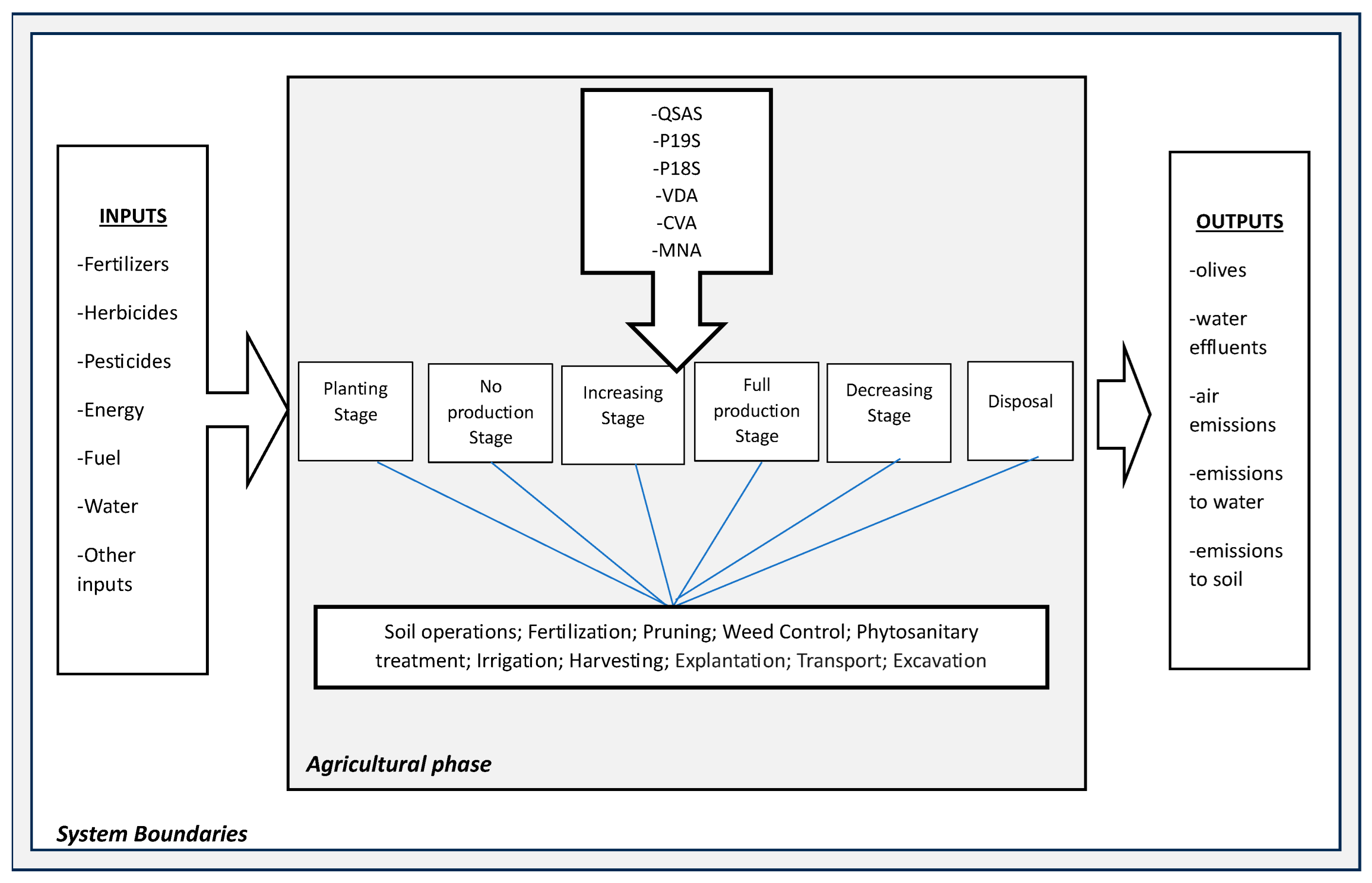
Figure 1. System boundaries. Source: Prepared by the authors.
Sustainability 18 00430 g001
Table 1. Main characteristics of the six olive cultivation systems.
StandardAlternative
QSASP19SP18SVDACVAMNA
GENERAL DATAPlot size (ha)0.5558687.1617
VarietyGalegaCordovilArbequinaGalegaGalegaArbequina
ethod of production ConventionalIntegratedConventionalOrganicIntegratedOrganic + Biodynamic
Production systemTraditionalHigh-densitySuper-high- densityTraditionalTraditionalSuper-high-density
Trees/ha602052050139811770
AGRICULTURAL PRACTICES FertilizationFertilization only for the planting stage (Manure)Foliar treatment with organic nitrogen and NPK + micronutrients; fertigation with NPK; manure only in planting stageFoliar treatment with organic nitrogen and fertigation with N-P-K + micronutrients; manure only in planting stageDistribution in the soil of manure and foliar treatment with N-P-K + micronutrients; manure on planting stageDistribution in the soil of phosphate fertilizer; manure only in planting stageDistribution in the soil of manure and foliar treatment with N-P-K + micronutrients; manure in planting stage
HarvestingSemi-mechanic with vibrator stickMechanic with trunk shakersMechanic with olive harvesterSemi-mechanic with vibrator stickManualMechanical with olive harvester
IrrigationRainfedIrrigatedIrrigatedRainfedRainfedIrrigated
Phytosanitary controlNo pesticidesSix times a year with pesticides (dodine, deltamethrin, copper compounds, difenoconazole, lambdacyhalothrin)Six times a year with pesticides (Azoxystorbin, dodine, deltamethrin, copper compounds)Twice a year with Spinosad No pesticidesFour times a year with copper sulfate
Weed controlNo herbicides are used, and control is carried out by the sheep Four times a year with herbicides (glyphosate, fluroxypyr, and flazasulfuron)Three times a year with herbicides (glyphosate, fluroxypyr)MechanicalMechanicalMechanical
SUSTAINABLE TECHNOLOGICAL SOLUTIONSCOCover cropsCultivatedSpontaneousSpontaneousCultivatedSpontaneousSpontaneous
Livestock integrationYesNoNoYesYesNo
Shredded pruningNoYesYesNoYesYes
Organic fertilizationYesYesYesYesYesYes
Source: Prepared by the authors, based on surveys of rural producers.
Table 2. Operations carried out for each stage of the six olive technological solutions.
p Soil Operations Fertilization Weed ControlPhytosanitaryPruningHarvestingIrrigationExplantationTransportExcavation
QSASPSXX--------
NPSX---------
ISX---------
FPSX---XX----
DSX---XX----
D-------XXX
P19SPSXX----X---
NPSXXXX--X---
ISXXXXXXX---
FPSXXXXXXX---
DSXXXXXXX---
D-------XXX
P18SPSXX----X---
NPSXXXX--X---
ISXXXXXXX---
FPSXXXXXXX---
DSXXXXXXX---
D-------XXX
VDAPSXX--------
NPSXXXX------
ISXXXX------
FPSXXXXXX----
DSXXXXXX----
D-------XXX
CVAPSXX--------
NPSXXX-------
ISXXX-XX----
FPSXXX-XX----
DSXXX-XX----
D-------XXX
MNAPSXX----X---
NPSXXXX--X---
ISXXXXXXX---
FPSXXXXXXX---
DSXXXXXXX---
D-------XXX
Note: “X”—executes the operation; “-“—does not execute the operation. PS—planting stage; NPS—no production Stage; IS—increasing stage; FPS—full production stage; DS—decreasing stage; D—disposal.
Table 3. Input data for the olive grove production systems (standard and alternative) per hectare and year of life cycle.
StandardAlternative
UnitQSASP19SP18SVDACVAMNACoefficient of Variation
Productivityt2.008.7215.802.391.0716.2590.74%
Agricultural Operations
Soil Management
Dieselkg6.2618.7812.5211.6912.5225.0445.12%
Fertilization
Organic Nitrogenkg 10.920.84 121.22%
Inorganic Nitrogenkg 0.82-
Nkg 169.26195.752.4 63.3484.09%
P2O5kg 27.2467.011.2 17.8698.65%
K2Okg 57.16206.092.4 32.19121.63%
Dieselkg-4.24.216.78.431.388.37%
Phytosanitary control
Copperkg-3.1874.885--4.1592.04%
Spinosadekg---1- -
Azoxystorbin/Difenoconazolekg-0.4780.092---95.77%
Dodinekg-2.2692.085---5.98%
Deltamethrinkg-0.1991.038---141.37%
Phosmetkg-1.1410.945---141.19%
Trifloxystrobinkg-0.2430.24---0.88%
Lambda-cyhalothrinkg-0.109----
Cresoximemethylkg-0.152----
Dieselkg-5.05.08.4-8.429.30%
Weed Control
Glyphosatekg-13.63217.674---18.26%
Fluroxypyrkg-1.0431.435---22.37%
Flazasulfuronkg-0.158----
Dieselkg-4.24.25.85.94.218.61%
Pruning
Chainsawh2.242.244.482.242.244.4838.73%
PetrolL44844838.73%
Harvesting
Electric stickh19--30--31.75%
Dieselkg-66.820.0--20.575.14%
Irrigation
Waterm3-17502700--200022.90%
ElectricitykWh-0.20.148--0.216.44%
Disposal
Explantationh20506040406033.7%
Transportkg501503001005030073.16%
Excavationkg1101101101101101100.0%
Table 4. Environmental impacts per hectare and year of olive production systems in the six plots studied per impact categories.
CCTAFEUMEUWC
(kg CO2 eq)(kg SO2 eq)(kg P eq)(kg N eq)(m3)
StandardQSAS1.16 × 1029.57 × 10−16.49 × 10−27.85 × 10−24.27 × 10⁻¹
P19S3.80 × 1035.23 × 1012.68 × 1001.22 × 1011.62 × 103
P18S9.96 × 1031.51 × 1026.60 × 1004.25 × 1012.42 × 103
AlternativeVDA4.25 × 1024.31 × 1001.50 × 10−14.96 × 10−14.79 × 100
CVA3.47 × 1024.23 × 1002.93 × 10−18.71 × 10−24.71 × 100
MNA4.55 × 1036.53 × 1012.77 × 1009.57 × 1001.86 × 103
Note: CC—climate change; TA—terrestrial acidification; FEU—freshwater eutrophication; MEU—marine eutrophication; WC—water consumption. P18S (organic, super-high density); P19S (integrated, high density); QSAS (conventional, traditional); VDA (organic, traditional); CVA (integrated, traditional); MNA (organic, super-high density).
Table 5. Carbon sequestration rate (kg ha−1yr−1).
Olive Tree PlantationsShootRootBiomass TotalSoil (0–30 cm)Biomass + Soil
Total
Conventional17860238224462
Intensive43810454215962138
Super-intensive958224118230764258
Source: [39].
Table 6. Environmental impacts per kg of olives in the six plots studied per impact categories.
CCTAFEUMEUWC
(kg CO2 eq)(kg SO2 eq)(kg P eq)(kg N eq)(m3)
StandardQSAS5.80 × 10−24.79 × 10−43.25 × 10−53.93 × 10−52.14 × 10−4
P19S4.36 × 10−16.00 × 10−33.07 × 10−41.40 × 10−31.86 × 10−1
P18S6.30 × 10−19.56 × 10−34.18 × 10−42.69 × 10−31.53 × 10−1
AlternativeVDA1.78 × 10−11.80 × 10−36.28 × 10−52.08 × 10−42.00 × 10−3
CVA3.24 × 10−13.95 × 10−32.74 × 10−48.14 × 10−54.40 × 10−3
MNA2.80 × 10−14.02 × 10−31.70 × 10−45.89 × 10−41.14 × 10−1
Table 7. Environmental impacts of olive grove per ha and cultivation stage in the 6 plots studied.
CCTAFEUMEUWC
(kg CO2 eq)(kg SO2 eq)(kg P eq)(kg N eq)(m3)
StandardQSASPS2.50 × 1021.56 × 1012.54 × 10−27.21 × 1001.83 × 10−1
NPS3.81 × 1026.13 × 1001.32 × 10−15.19 × 10−39.81 × 10−1
IS2.77 × 1024.46 × 1009.60 × 10−23.77 × 10−37.13 × 10−1
FPS8.29 × 1035.30 × 1014.73 × 1004.19 × 10−13.06 × 101
DS2.21 × 1031.57 × 1011.47 × 1001.36 × 10−19.76 × 100
D2.12 × 1027.85 × 10−13.38 × 10−27.23 × 10−24.35 × 10⁻¹
P19SPS9.97 × 1022.79 × 1013.39 × 10−11.29 × 1014.61 × 102
NPS8.43 × 1031.37 × 1024.93 × 1003.86 × 1012.38 × 103
IS1.91 × 1042.68 × 1021.38 × 1016.25 × 1018.07 × 103
FPS2.87 × 1053.91 × 1032.03 × 1028.99 × 1021.25 × 105
DS6.40 × 1048.84 × 1024.59 × 1012.04 × 1022.68 × 104
D5.90 × 1022.29 × 1009.40 × 10−21.81 × 10−11.14 × 100
P18SPS1.36 × 1033.56 × 1016.60 × 10−11.61 × 1016.87 × 102
NPS2.75 × 1044.39 × 1021.86 × 1011.27 × 1026.40 × 103
IS4.52 × 1046.51 × 1023.19 × 1011.78 × 1022.08 × 104
FPS7.32 × 1051.11 × 1044.85 × 1023.15 × 1031.67 × 105
DS1.87 × 1052.81 × 1031.24 × 1027.83 × 1024.66 × 104
D2.59 × 1031.31 × 1014.01 × 10−12.23 × 10−12.95 × 100
AlternativeVDAPS4.20 × 1021.35 × 1012.58 × 10−17.22 × 1001.63 × 100
NPS1.80 × 1032.78 × 1015.73 × 10−14.02 × 1002.04 × 101
IS1.94 × 1032.44 × 1015.42 × 10−13.36 × 1002.56 × 101
FPS2.88 × 1042.75 × 1021.03 × 1012.63 × 1013.24 × 102
DS9.17 × 1038.92 × 1013.33 × 1008.61 × 1001.06 × 102
D4.43 × 1021.68 × 1007.05 × 10−21.45 × 10−18.86 × 10−1
CVAPS3.09 × 1021.33 × 1017.83 × 10−27.22 × 1001.19 × 100
NPS1.81 × 1032.49 × 1011.21 × 1004.57 × 10−21.92 × 101
IS2.12 × 1032.60 × 1011.64 × 1005.90 × 10−22.91 × 101
FPS2.46 × 1042.92 × 1022.12 × 1011.03 × 1003.41 × 102
DS5.64 × 1036.58 × 1015.14 × 1002.72 × 10−18.01 × 101
D2.69 × 1021.01 × 1004.27 × 10−29.04 × 10−25.45 × 10−1
MNAPS2.53 × 1032.75 × 1013.01 × 1001.09 × 1011.88 × 101
NPS1.18 × 1041.71 × 1027.06 × 1002.05 × 1014.71 × 103
IS2.04 × 1042.69 × 1021.31 × 1012.87 × 1011.58 × 104
FPS3.70 × 1055.41 × 1032.24 × 1028.34 × 1021.31 × 105
DS4.80 × 1046.42 × 1023.01 × 1016.31 × 1013.47 × 104
D1.68 × 1038.05 × 1002.62 × 10−12.20 × 10−12.20 × 100
Note: P18S (organic, super-high-density); P19S (integrated, high density); QSAS (conventional, traditional); VDA (organic, traditional); CVA (integrated, traditional); MNA (organic, super-high density; PS—planting stage; NPS—no production stage; IS—increasing stage; FPS—full production stage; DS—decreasing stage; D—disposal; CC—climate change; TA—terrestrial acidification; FEU—freshwater eutrophication; MEU—marine eutrophication; WC—water consumption.
Table 8. Comparative fertilization inputs across studies (Kg ha−1).
Study/NutrientTraditionalHigh DensitySuper-High Density
Our paper
N2.4169.26195.75
P2O51.227.2467.01
K2O2.457.16206.09
Sales et al. [6]
N6.6448300
P2O54.01200240
K2O4.72262302
Abdallah et al. [27]
N11109145
P2O533467
K2O44294
Disclaimer/Publisher’s Note: The statements, opinions and data contained in all publications are solely those of the individual author(s) and contributor(s) and not of MDPI and/or the editor(s). MDPI and/or the editor(s) disclaim responsibility for any injury to people or property resulting from any ideas, methods, instructions or products referred to in the content.



