Article

Grain Transhipment Drives Extremely High Winter Waterbird Concentrations in the Port of Gdynia, Southern Baltic


by
Włodzimierz Meissner
Department of Vertebrate Ecology and Zoology, Faculty of Biology, University of Gdańsk, Wita Stwosza 59, 80-308 Gdańsk, Poland
Sustainability 2026, 18(1), 335; https://doi.org/10.3390/su18010335
Submission received: 5 December 2025 / Revised: 23 December 2025 / Accepted: 25 December 2025 / Published: 29 December 2025
(This article belongs to the Section Sustainability, Biodiversity and Conservation)

Abstract

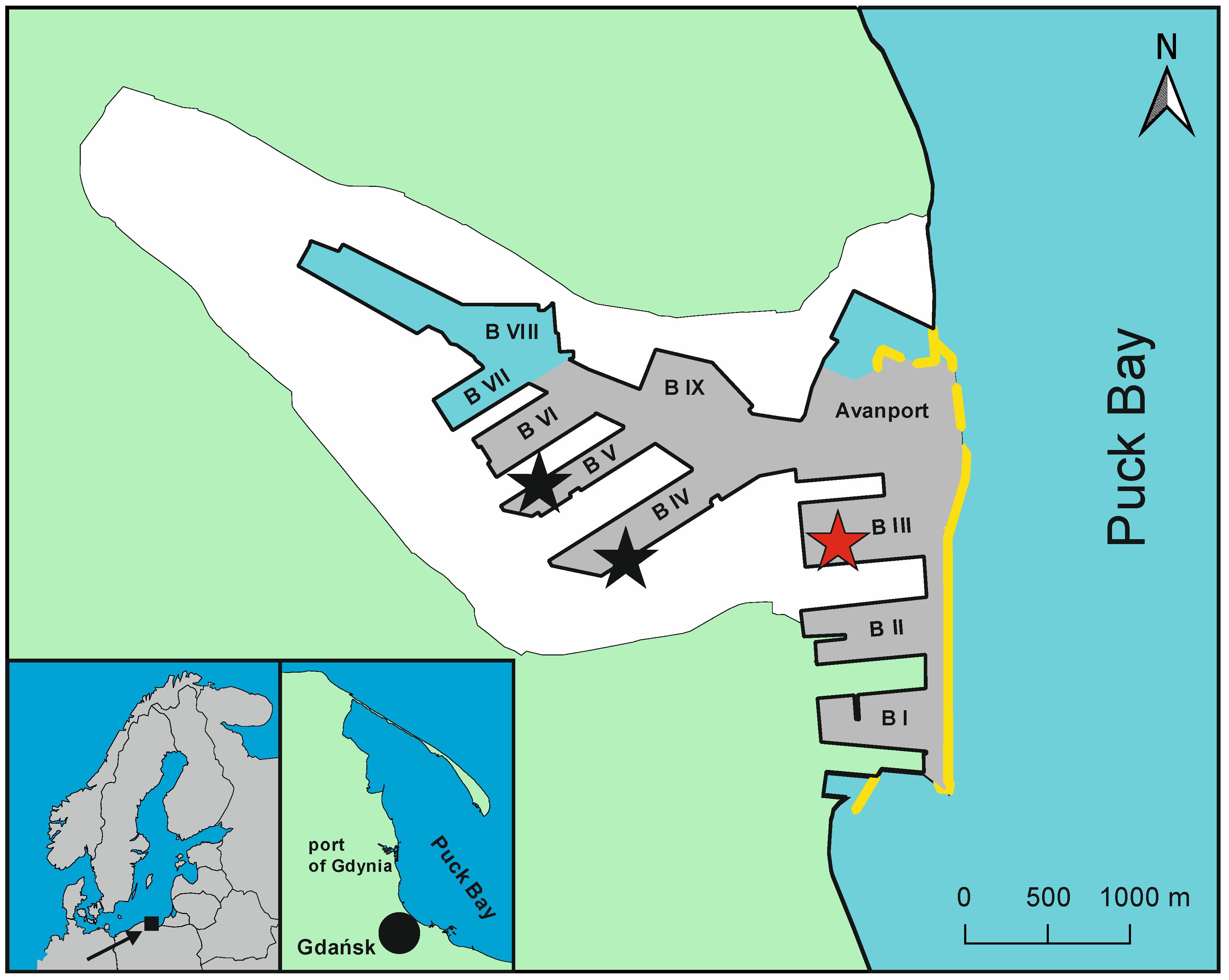
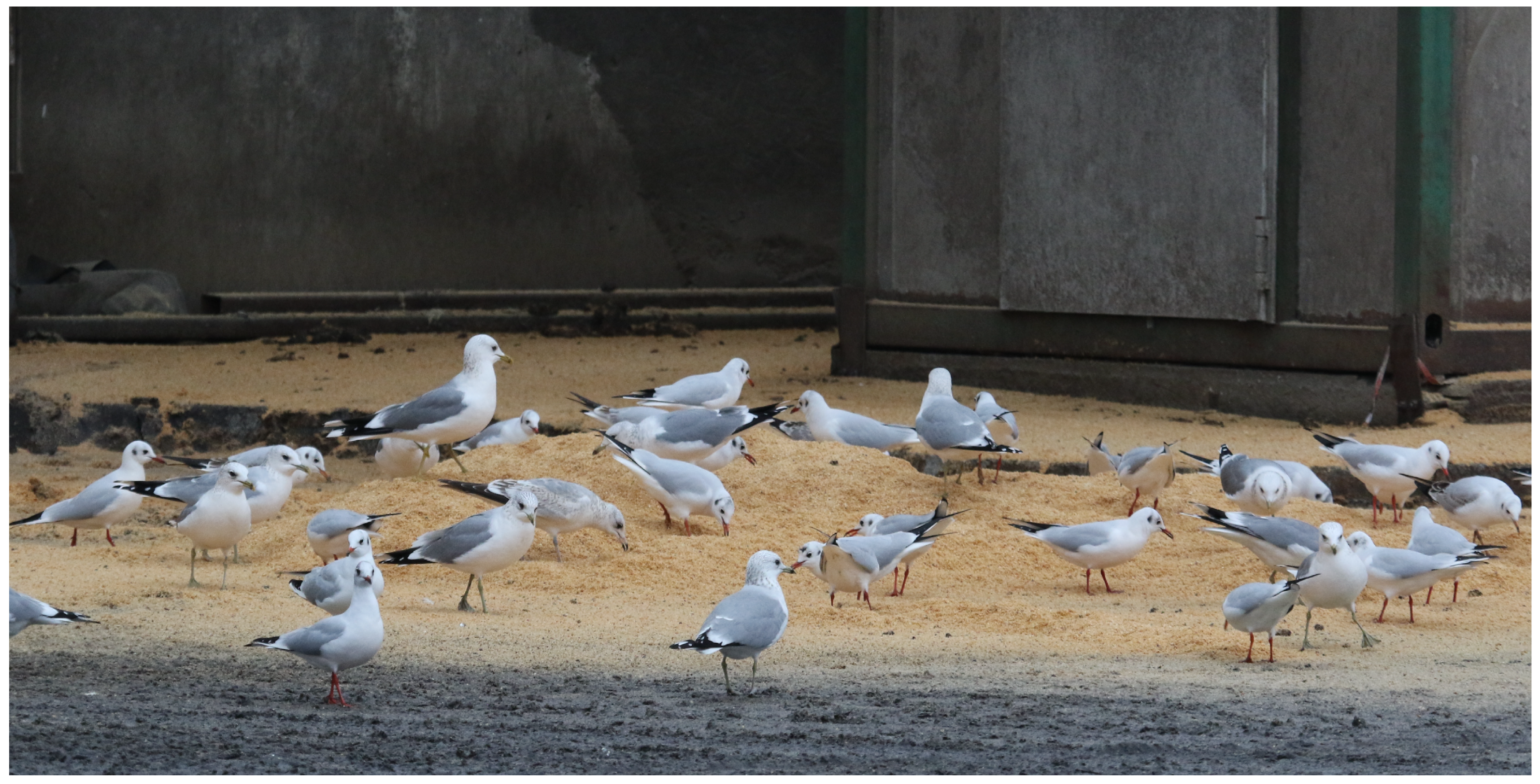
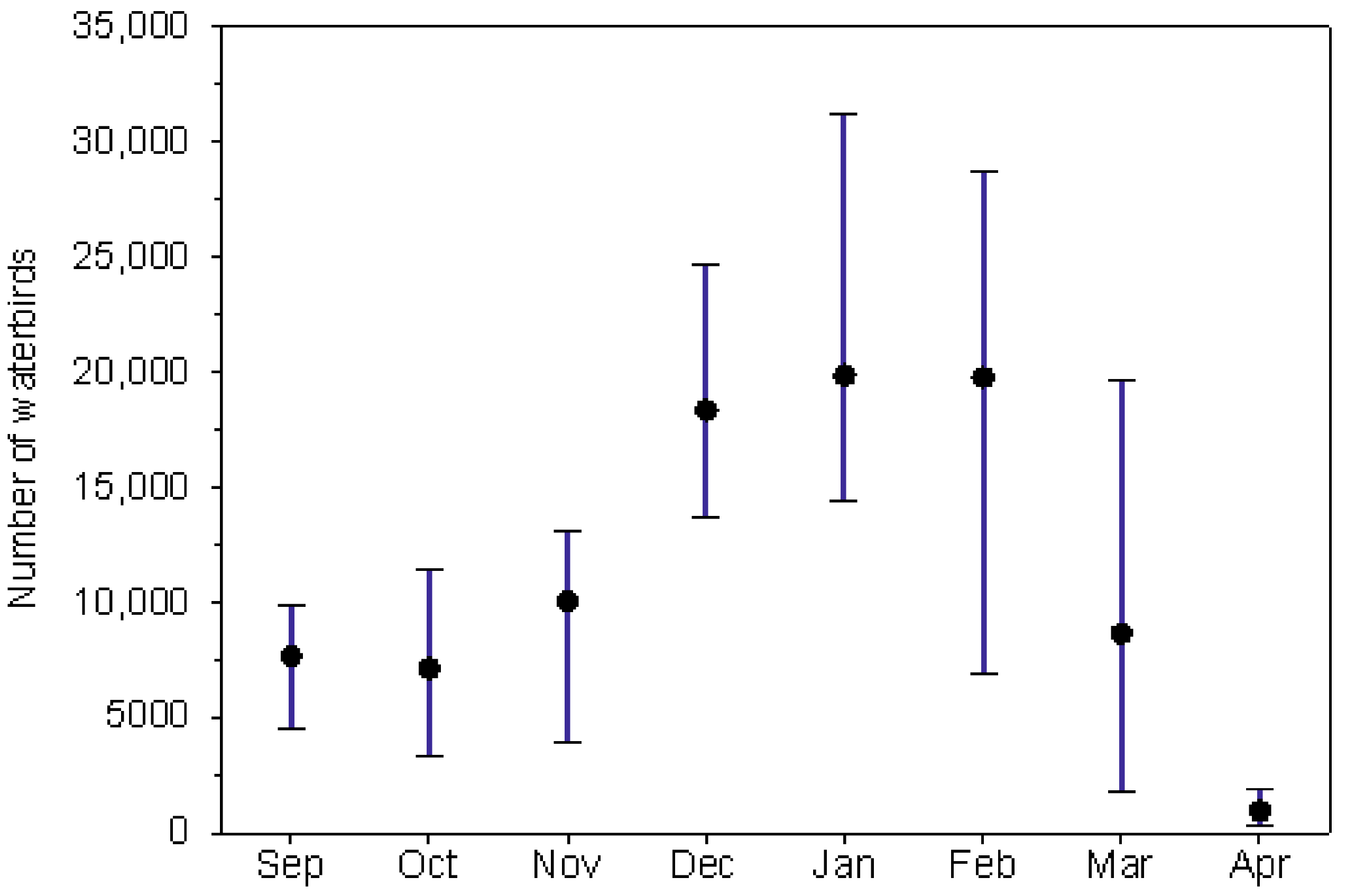
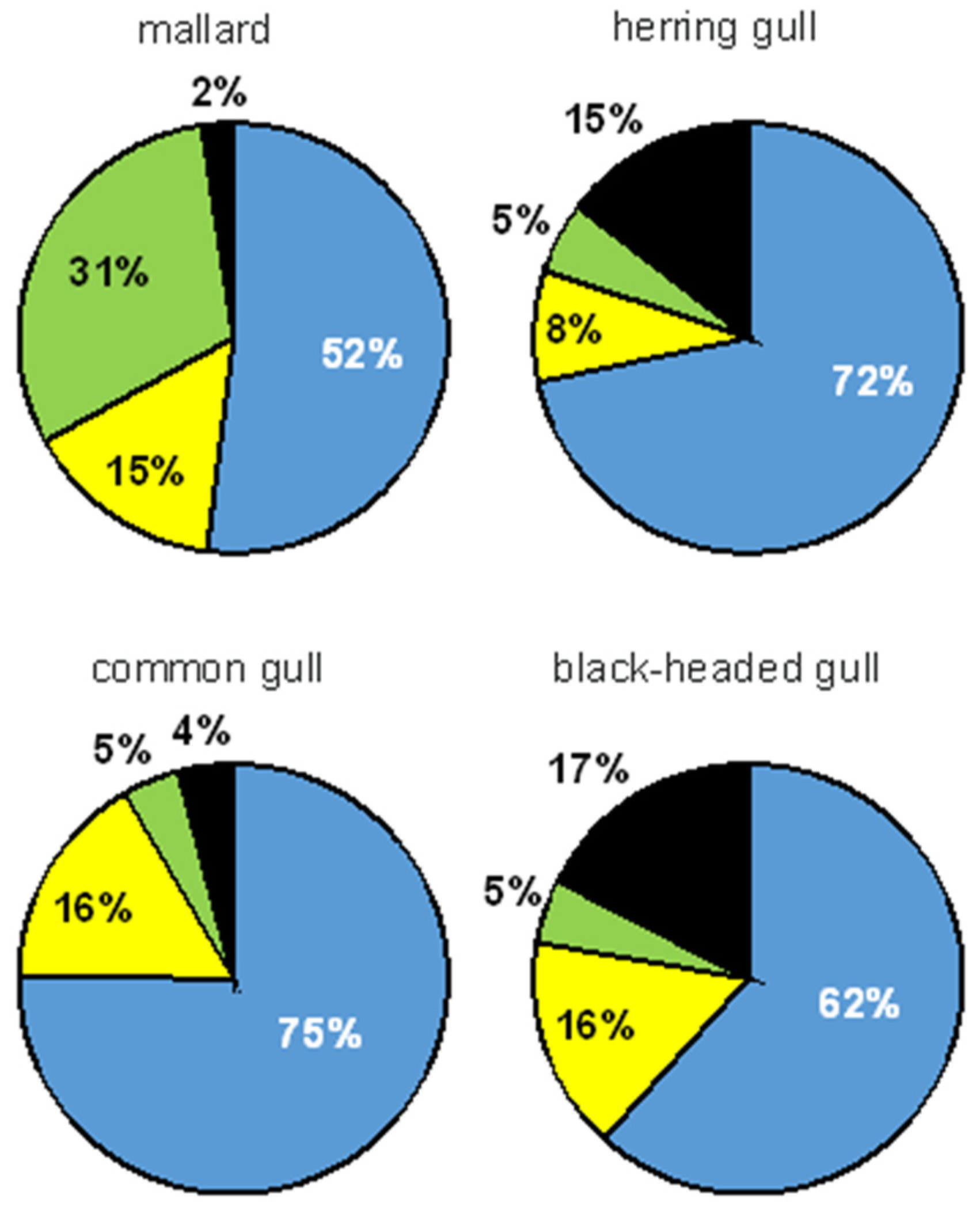
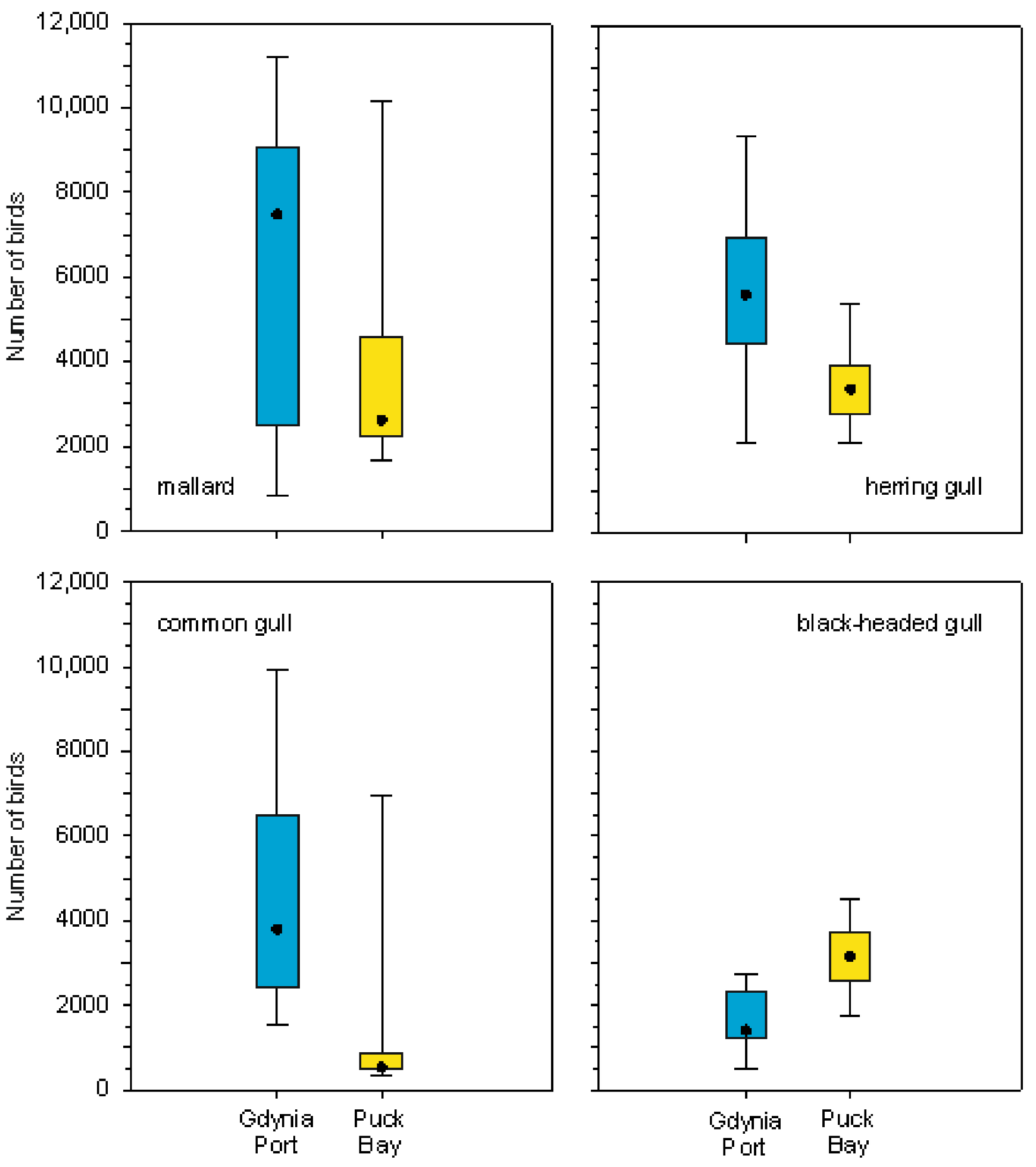
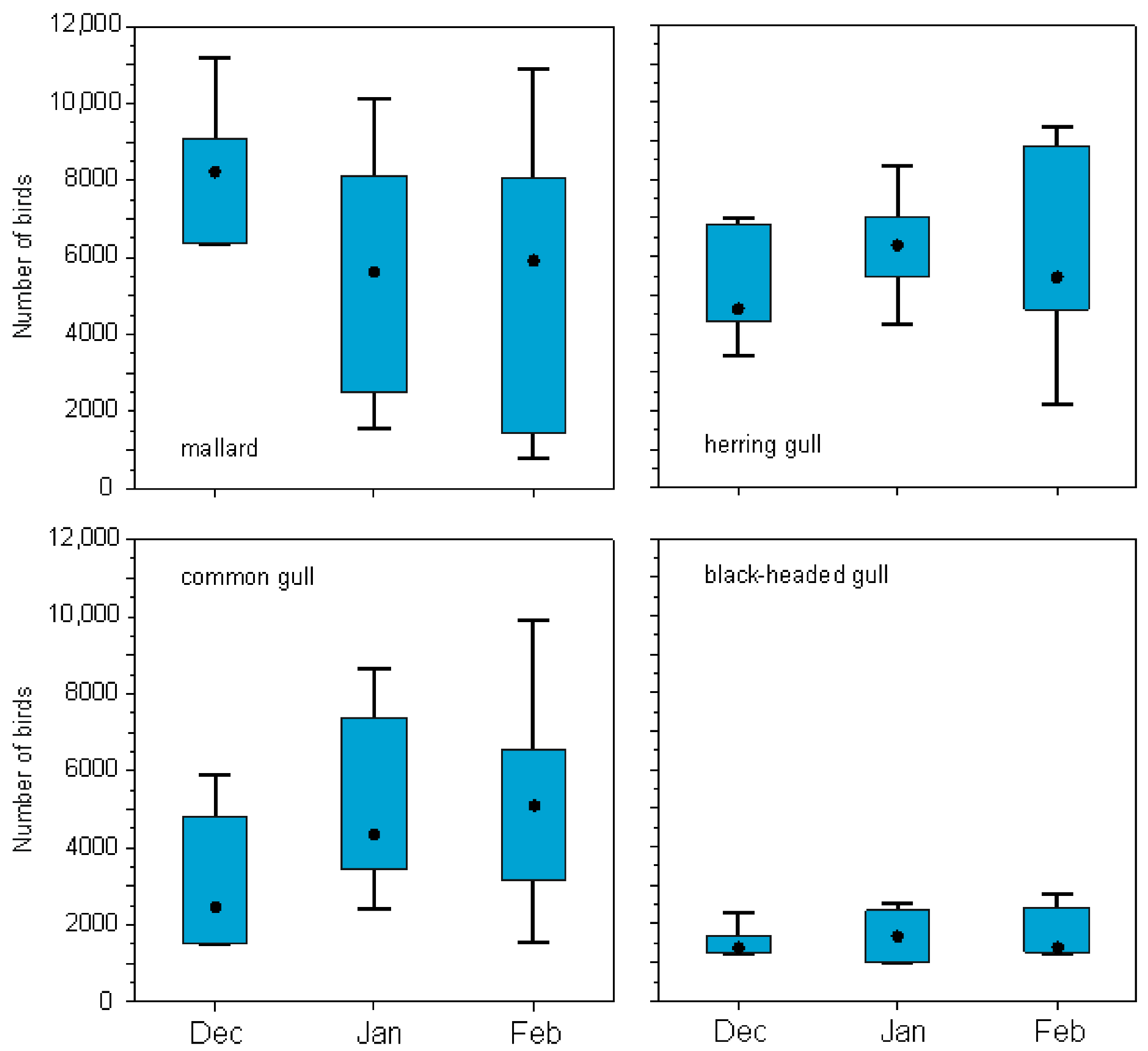
The Port of Gdynia is the largest Baltic Sea port handling agricultural products and has adopted green port policies focused on sustainable development. Despite these measures, minor, unavoidable losses occur at transhipment points. With monthly grain transhipments ranging from 62,000 to 96,000 tonnes, accidental losses provide a significant supplementary food source for birds. Four species benefit most: the mallard, herring gull, common gull, and black-headed gull. These birds congregate primarily at transhipment sites, forming one of the largest winter concentrations in Poland. Together, they account for 93–96% of all waterbirds present in the port during winter, with maximum counts of 6232 mallards, 5815 herring gulls, 4482 common gulls, and 1624 black-headed gulls. The abundance of the first three species even exceeds the average winter counts of the nearby Natura 2000 site “Puck Bay,” established for its significance for wintering waterbirds. The energy content of spilled grain is sufficient to meet the daily energy requirements of these species, supporting their high numbers. These findings suggest that, despite intensive shipping and human activity along the port’s quays, unintentional food availability at port transhipment sites can support high waterbird abundances during winter, highlighting the potential conservation value of managing incidental food resources in industrial port environments.
Keywords: grain transhipment; seaports; mallard; herring gull; common gull; black-headed gull; Puck Bay grain transhipment; seaports; mallard; herring gull; common gull; black-headed gull; Puck Bay