Spatial Variation of Phosphorus in Sediments of Baiyangdian Lake and Their Regulatory Role on Phytoplankton Communities

 ,
,
Abstract
1. Introduction
2. Materials and Methods
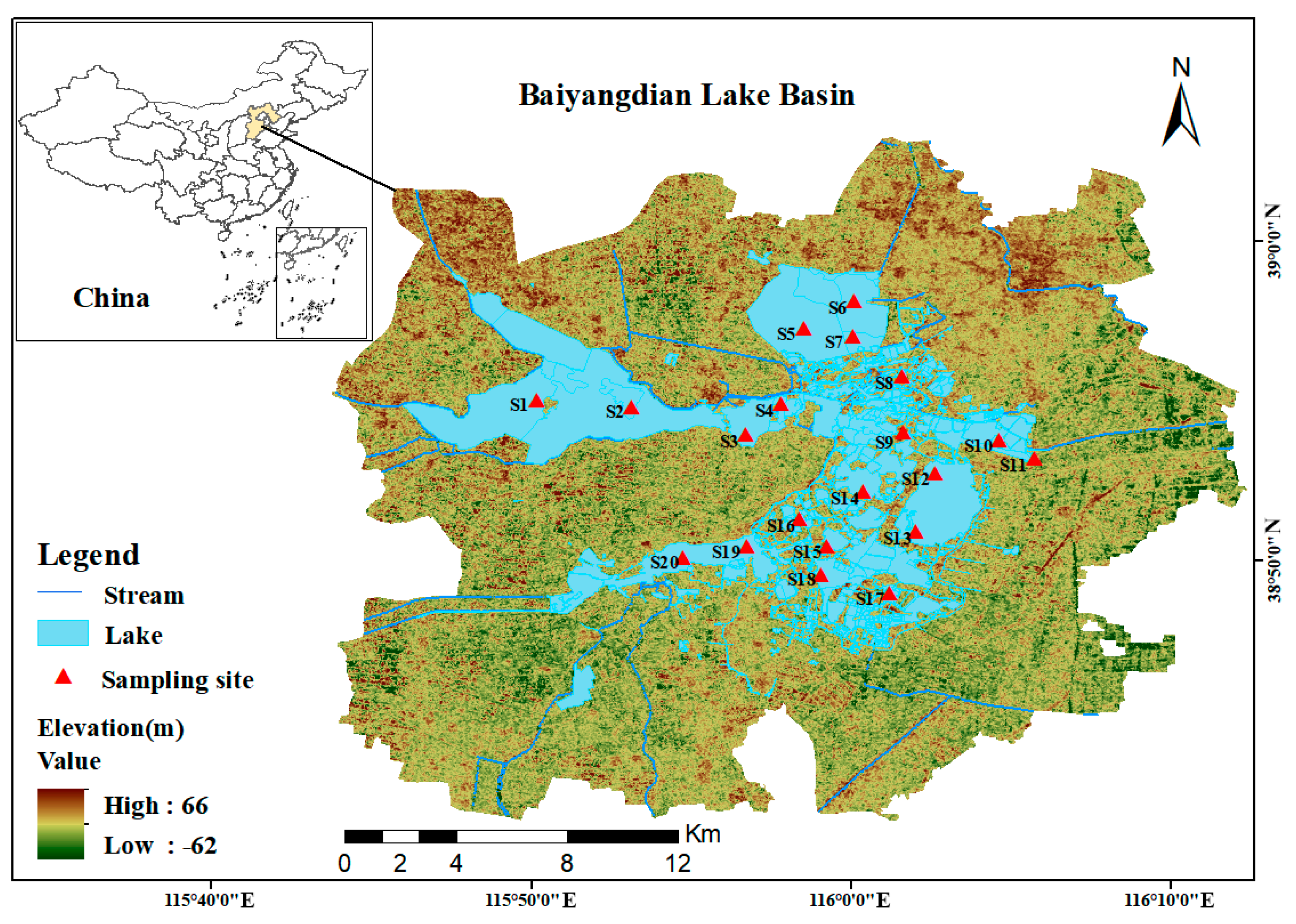
2.1. Sample Collection and Pretreatment
2.1.1. Collection of Sediment Samples
2.1.2. Collection of Phytoplankton Samples
2.2. Analysis Methods
2.2.1. Determination of Sediment Phosphorus Forms
2.2.2. Identification and Counting of Phytoplankton
2.2.3. Calculation of Community Characteristic Indices
2.3. Data Processing and Analysis
3. Results
3.1. Distribution Characteristics of Sediment Phosphorus Forms
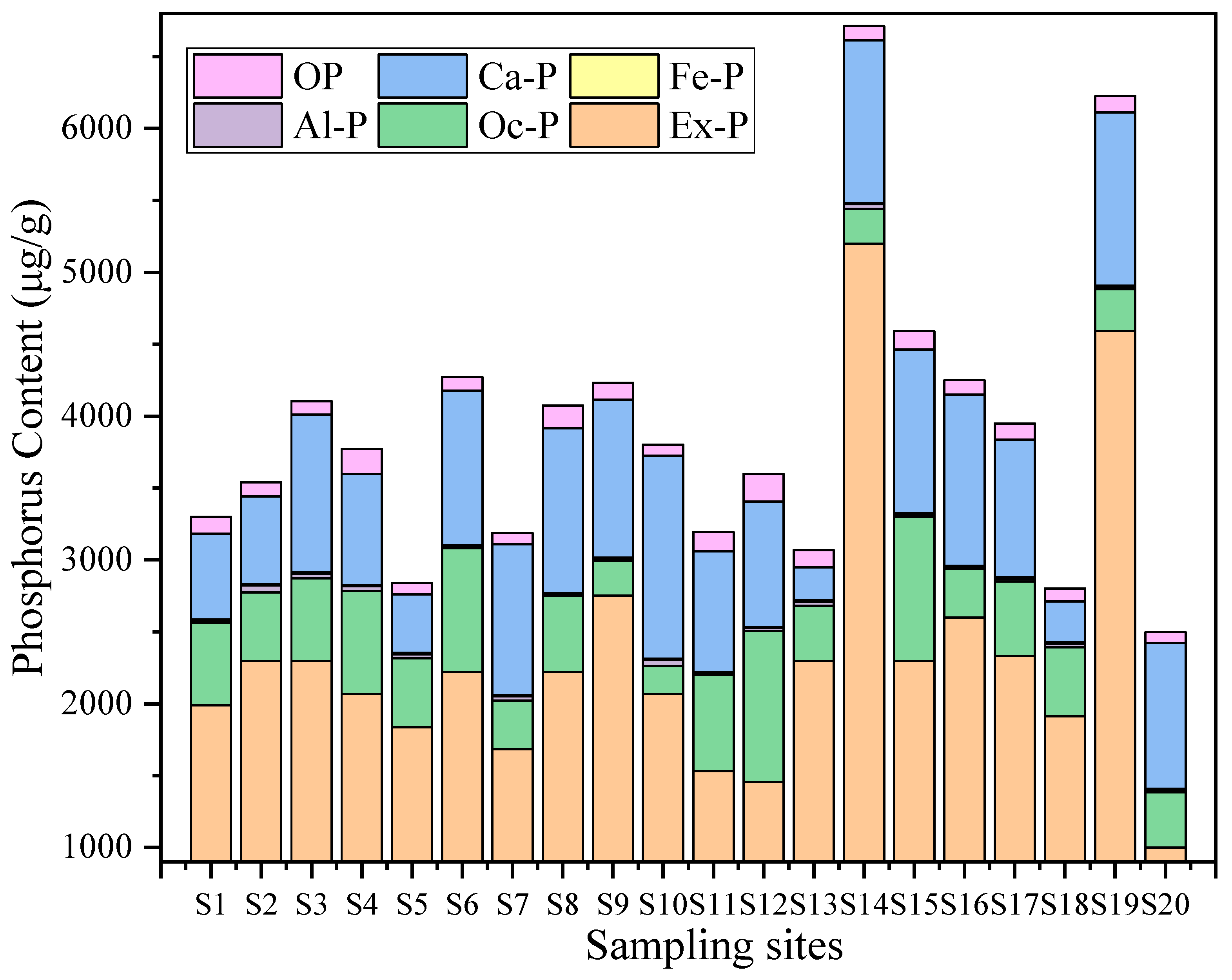
3.1.1. Composition Characteristics of Phosphorus Forms
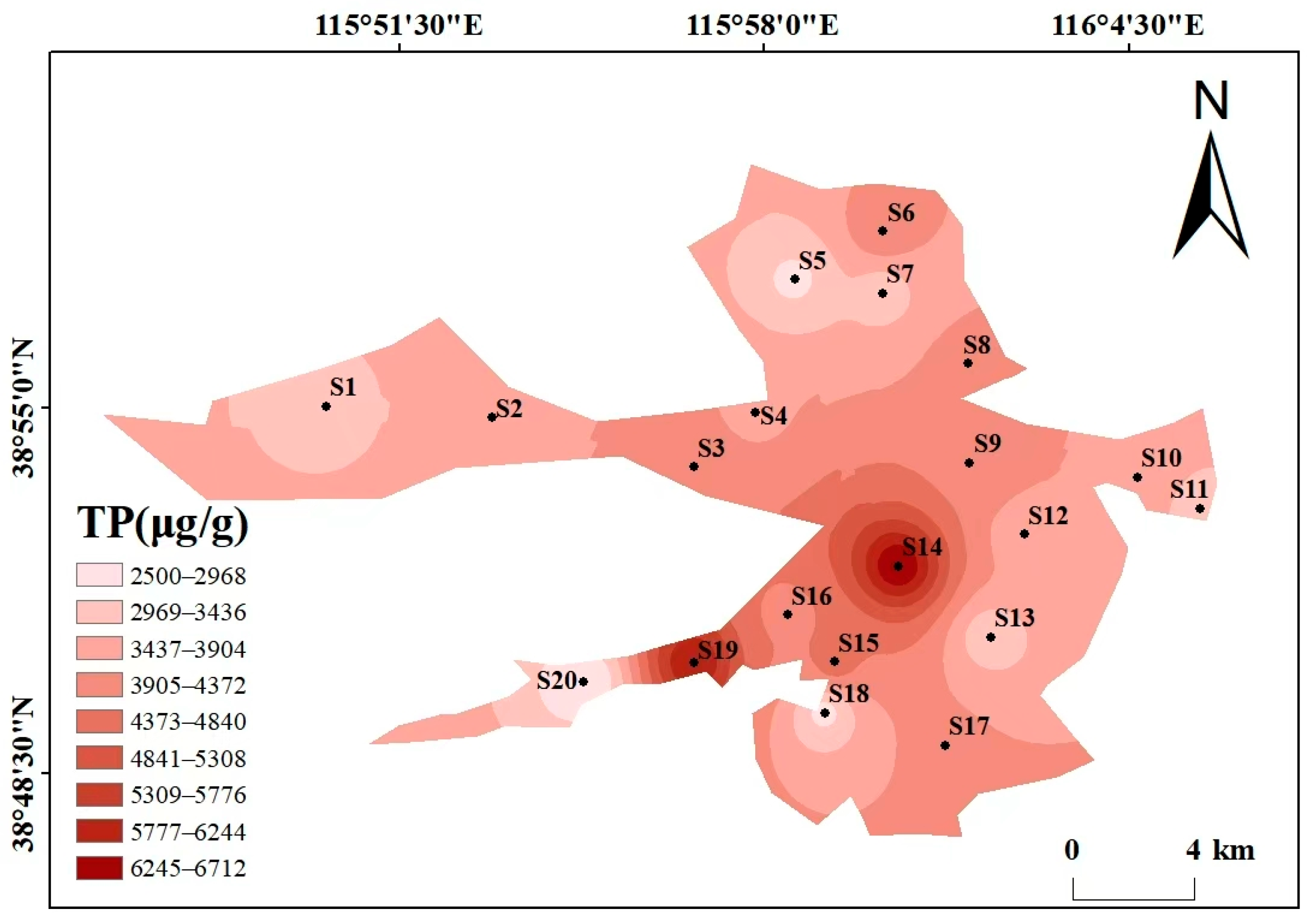
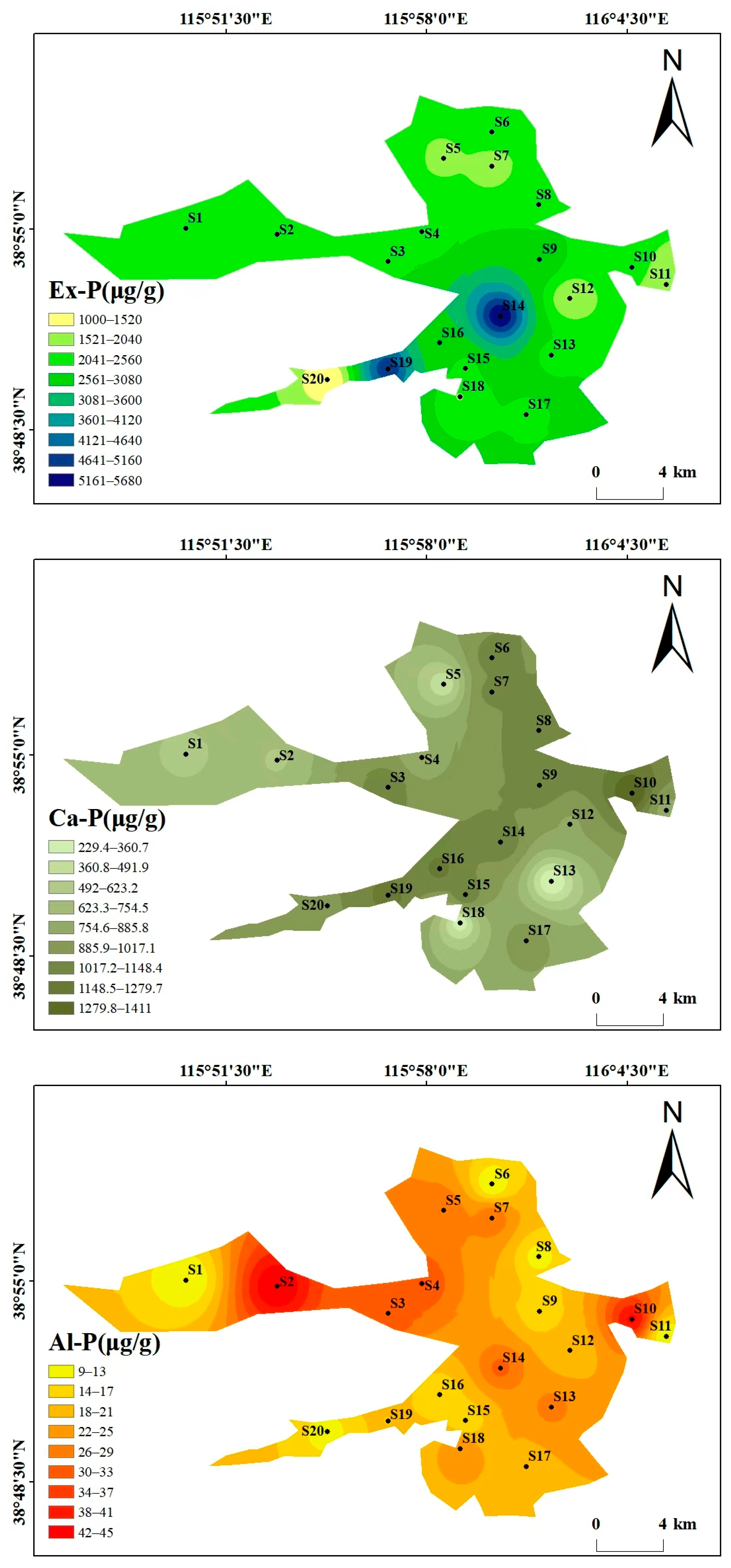
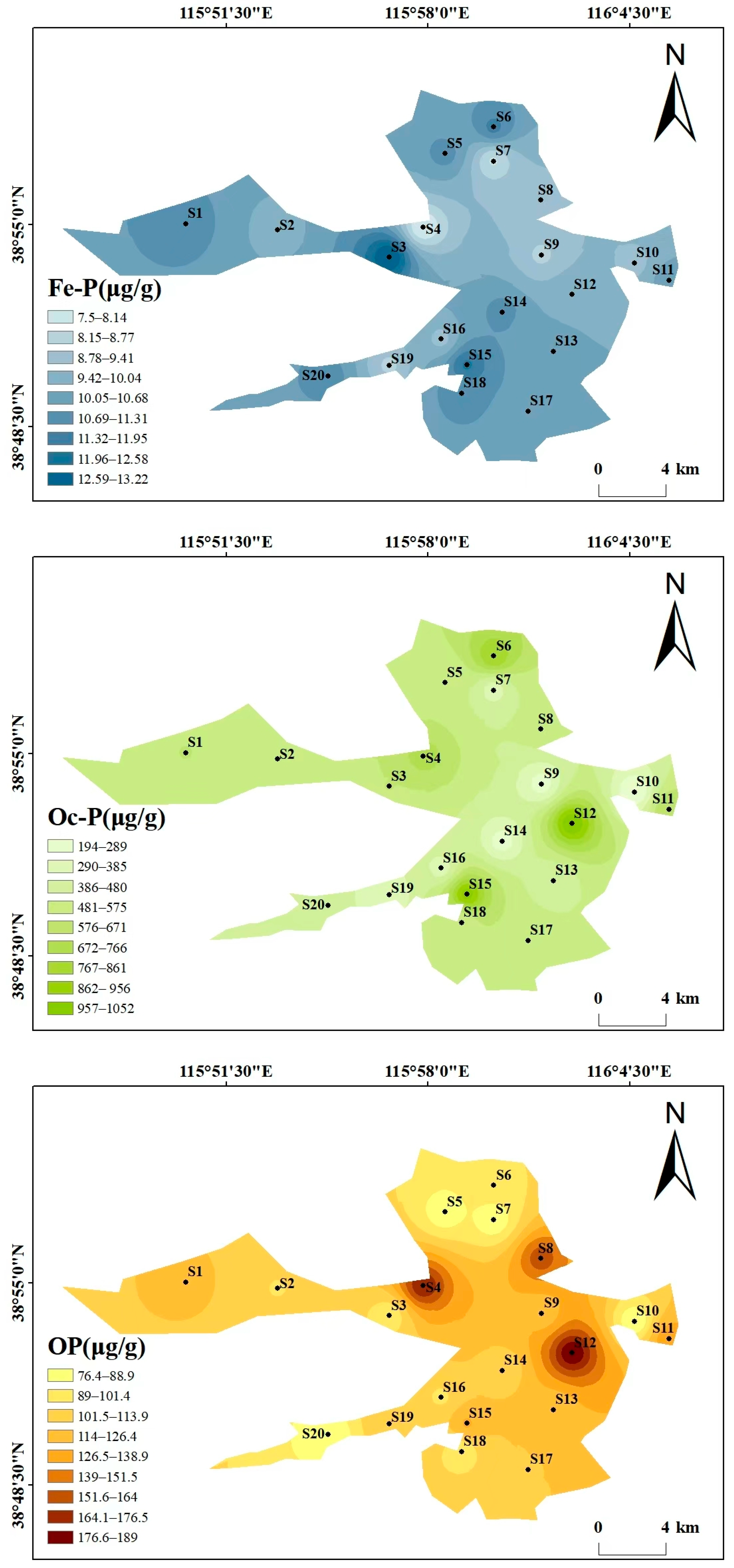
3.1.2. Spatial Distribution Characteristics
3.2. Characteristics of Phytoplankton Community Structure
3.2.1. Species Composition and Dominant Groups
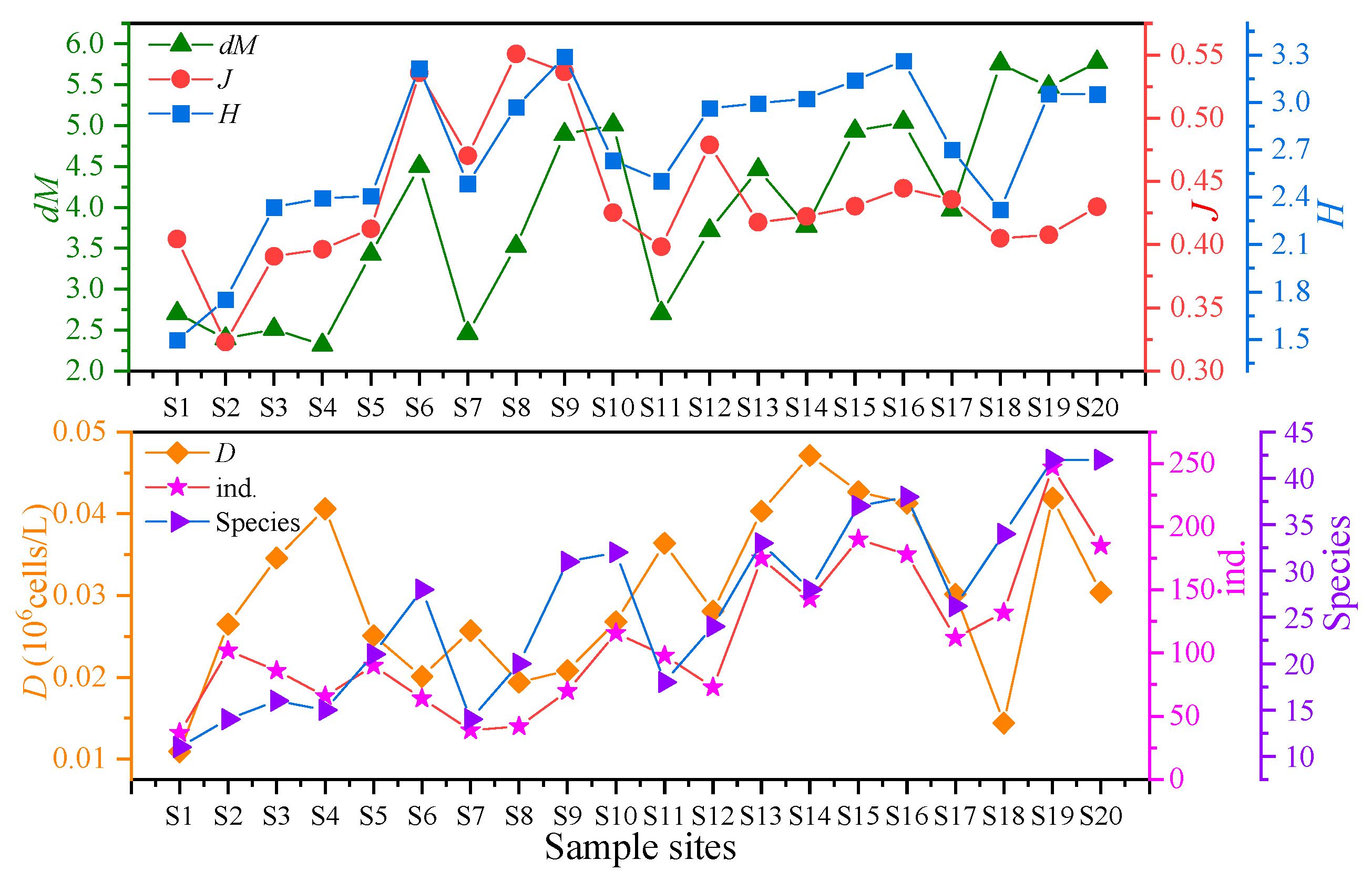
3.2.2. Diversity Indices
3.3. Correlation Analysis Between Phosphorus Forms and Phytoplankton
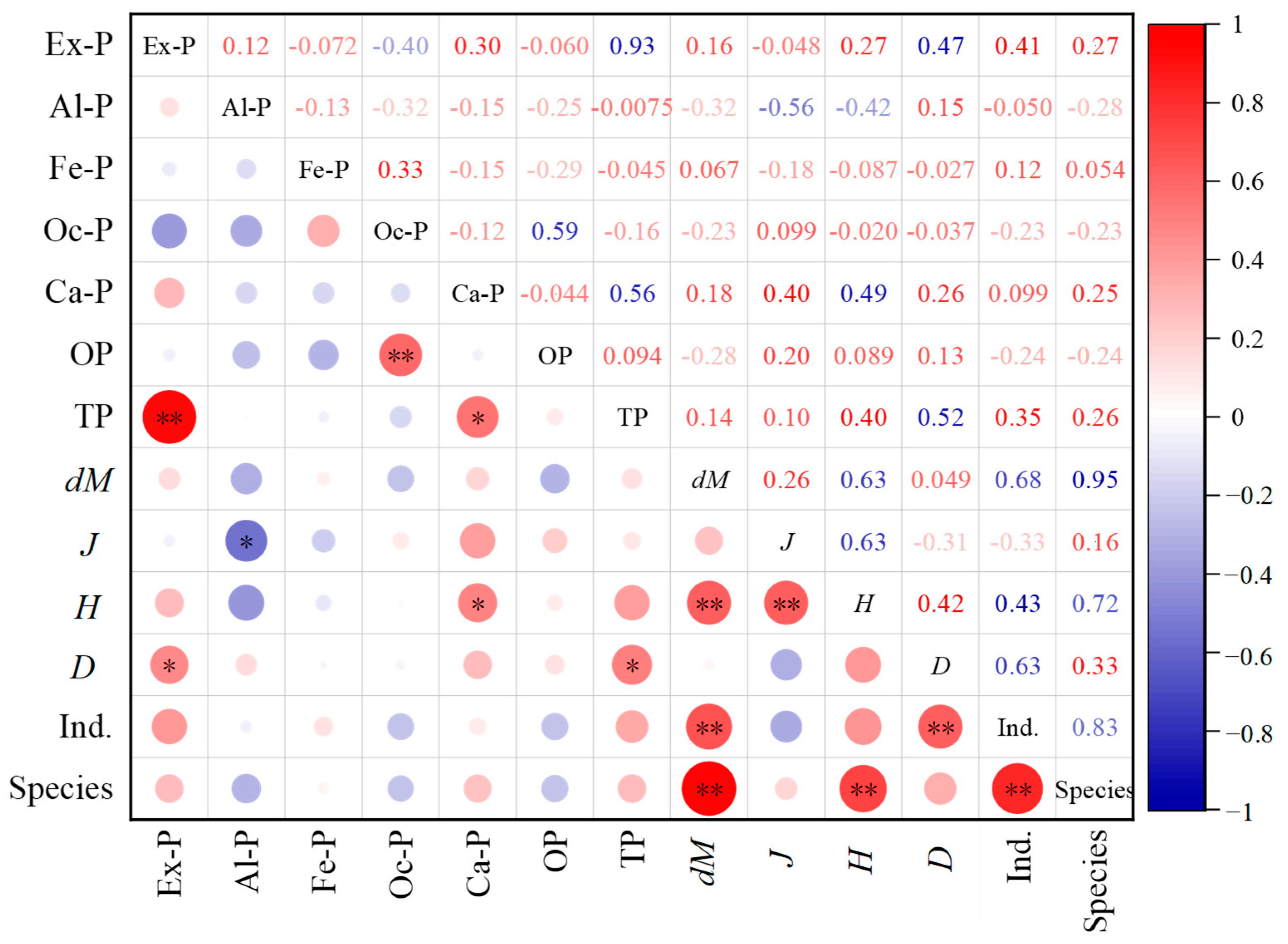
3.3.1. Pearson Correlation Analysis
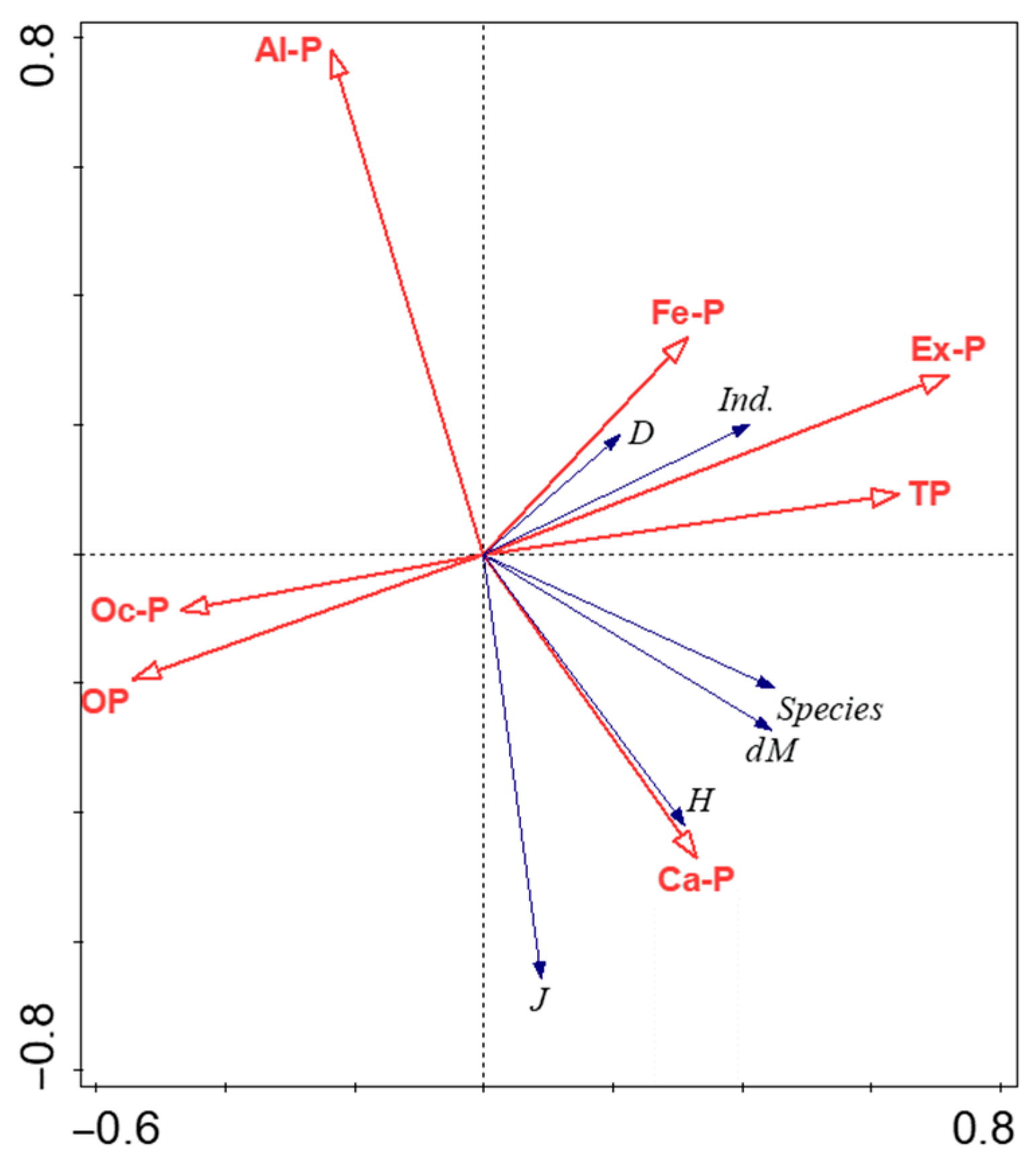
3.3.2. Redundancy Analysis (RDA)
4. Discussion
4.1. Spatial Heterogeneity and Factors Influencing of Sediment Phosphorus Forms
4.2. Factors Shaping Phytoplankton Community Structure
4.3. Effects of Different Phosphorus Forms on the Differentiation of Phytoplankton Community Structure
4.3.1. Direct Effects of Active Phosphorus
4.3.2. Potential Regulation of Inactive Phosphorus
4.3.3. Group Adaptation Strategies of Phytoplankton to Phosphorus Regulation
4.4. Limitation Analysis
5. Conclusions
Supplementary Materials
Author Contributions
Funding
Institutional Review Board Statement
Informed Consent Statement
Data Availability Statement
Acknowledgments
Conflicts of Interest
References
- Ministry of Ecology and Environment of the People’s Republic of China (MEEPRC). National Surface Water Environmental Quality Status for the Fourth Quarter of 2024 and January–December 2024. 2025. Available online: https://www.mee.gov.cn/ywdt/xwfb/202501/t20250124_1101321.shtml (accessed on 15 September 2025).
- Schindler, D.W.; Hecky, R.E.; Findlay, D.L.; Stainton, M.P.; Parker, B.R.; Paterson, M.J.; Beaty, K.G.; Lyng, M.; Kasian, S.E.M. Eutrophication of lakes cannot be controlled by reducing nitrogen input: Results of a 37-year whole-ecosystem experiment. Proc. Natl. Acad. Sci. USA 2008, 105, 11254–11258. [Google Scholar] [CrossRef] [PubMed]
- Zhao, X.; Cui, B.S.; Yang, Z.F. Study of the lowest ecological water level of Baiyangdian Lake. Acta Ecol. Sin. 2005, 25, 1033–1040. [Google Scholar]
- Liu, X.; Shi, B.; Meng, J.; Zhou, Y.Q.; Ke, X.; Wang, T.Y. Spatio-temporal Variations in the Characteristics of Water Eutrophication and Sediment Pollution in Baiyangdian Lake. Environ. Sci. 2020, 41, 2127–2136. [Google Scholar]
- Ma, W.; Feng, J.; Zhang, J.; Wang, H.; Guo, Y.; Lyu, Y.; Chen, L.; Li, X.; Zhao, M.; Liu, S. Different responses of phytoplankton taxa to water n and p inputs in a freshwater wetland: A mesocosm study. Mar. Pollut. Bull. 2025, 216, 117895. [Google Scholar] [CrossRef]
- Ruttenberg, K.C. Development of a sequential extraction method for different forms of phosphorus in marine sediments. Limnol. Oceanogr. 1992, 37, 1460–1482. [Google Scholar] [CrossRef]
- Lü, Y.B.; Zhang, M.; Yin, H.B. Phosphorus release from the sediment of a drinking water reservoir under the influence of seasonal hypoxia. Sci. Total Environ. 2024, 917, 170490. [Google Scholar]
- Sondergaard, M.; Kristensen, P.; Jeppesen, E. Phosphorus release from resuspended sediment in the shallow and wind-exposed lake Arreso, Denmark. Hydrobiologia 1992, 228, 91–99. [Google Scholar] [CrossRef]
- Jeong, Y.H.; Choi, Y.H.; Kwak, D.H. Effects of dissolved oxygen changes in the benthic environment on phosphorus flux at the sediment-water interface in a coastal brackish lake. Mar. Environ. Res. 2024, 196, 106439. [Google Scholar] [CrossRef]
- Reynolds, C.S. The Ecology of Phytoplankton; Cambridge University Press: Cambridge, UK, 2006; pp. 213–245. [Google Scholar]
- Sondergaard, M.; Jensen, J.P.; Jeppesen, E. Role of sediment and internal loading of phosphorus in shallow lakes. Hydrobiologia 2003, 506–509, 135–145. [Google Scholar] [CrossRef]
- Li, J.D.; Wang, Z.F.; Yang, H.; Liu, F.J.; Chen, X.H.; Chen, X.G.; Huang, X.G. Phosphorus forms and zinc concentrations affect the physiological ecology and sinking rate of Thalassiosira weissflogii. Mar. Pollut. Bull. 2024, 200, 116124. [Google Scholar] [CrossRef]
- Zheng, Y.; Sun, Y.; Zhang, Z.H.; Han, C.; Wang, Z.D.; Liu, C.; Li, J.; Wang, L.; Zhang, X.; Yang, Q. Evaluation of the distribution and mobility of labile phosphorus in sediment profiles of Lake Nansi, the largest eutrophic freshwater lake in northern China. Chemosphere 2023, 315, 137756. [Google Scholar] [CrossRef]
- Chen, J.; Li, D.P.; Zhu, P.Y.; Huang, Y.; Wang, R. Sedimentary Phosphorus Forms Under Disturbances and Algae in Taihu Lake. Environ. Sci. 2015, 36, 4509–4515. [Google Scholar]
- Jin, L.; Wu, Q.H.; Xie, S.J.; Chen, W.W.; Duan, C.Q.; Sun, C.Q.; Pan, Y.; Lauridsen, T.L. Phosphorus stoichiometric homeostasis of submerged macrophytes and associations with interspecific interactions and community stability in Erhai Lake, China. Water Res. 2024, 256, 121575. [Google Scholar] [CrossRef] [PubMed]
- He, J.; Sun, Y.; Lü, C.W.; Liu, E.D.; Shen, L.L. Research on phosphorus release from the surface sediments in the Daihai Lake. Acta Ecol. Sin. 2010, 30, 389–398. [Google Scholar]
- Li, J.; Ma, Y.A.; Sun, Z.Y.; Yang, J.W.; Hou, X.K.; He, L.S.; Che, F.F.; Shi, D.; Shen, D.B.; Guo, Y.Y. Characteristics and influencing factors of phosphorus release from sediments of Lake Bosten based on occurrence forms and interfacial diffusion. J. Environ. Eng. Tech. 2025, 15, 1906–1917. [Google Scholar]
- Yi, Y.J.; Lin, C.Q.; Tang, C.H. Hydrology, environment and ecological evolution of Lake Baiyangdian since 1960s. J. Lake Sci. 2020, 32, 1333–1347. [Google Scholar] [CrossRef]
- Zhu, T.Y. Investigation and Evaluation of Substrate Pollution in Zaozhaodian and Study on the Release Law of Nutrients in Sediments; Beijing Forestry University: Beijing, China, 2019. [Google Scholar]
- Li, W.Y.; Wang, S.Q.; Gu, C.K.; Tan, K.D.; Lü, J.L. Distribution characteristics and influencing factors of phosphorus forms in water-sediment from Fu River to Baiyangdian Lake. Acta Sci. Circumstantiae 2023, 43, 179–188. [Google Scholar]
- Cao, Y.; Wen, S.F.; Wang, X.; Shan, B.Q. Sediment oxygen consumption rate and oxygen deficit effect in Baiyangdian Lake. Acta Sci. Circumstantiae 2022, 42, 240–248. [Google Scholar]
- Ministry of Ecology and Environment of the People’s Republic of China (MEEPRC). HJ 1296-2023 Technical Guidelines for Water Ecological Monitoring—Aquatic Organism Monitoring and Evaluation of Lakes and Reservoirs (Trial). 2023. Available online: https://www.mee.gov.cn/ywgz/fgbz/bz/bzwb/shjbh/xgbzh/202305/t20230511_1029717.shtml (accessed on 15 September 2025).
- China National Environmental Monitoring Center (CNEMC). Technical Requirements for Aquatic Ecological Monitoring—Freshwater Phytoplankton (Trial); China National Environmental Monitoring Center: Beijing, China, 2022; No. 41. [Google Scholar]
- Ruban, V.; Pardo, P. Harmonized protocol and certified reference material for the determination of extractable contents of phosphorus in freshwater sediments—A synthesis of recent works. Fresenius J. Anal. Chem. 2001, 370, 224–228. [Google Scholar] [CrossRef]
- Hu, H.J.; Wei, Y.X. Freshwater Algae of China—Systematics, Taxonomy and Ecology; Science Press: Beijing, China, 2006; pp. 213–245. [Google Scholar]
- Wang, X.; Sun, M.; Wang, J.; Zhang, Y.; Li, Y.; Yu, H.; Yang, Z. Microcystis genotype succession and related environmental factors in Lake Taihu during cyanobacterial blooms. Microb. Ecol. 2012, 64, 986–999. [Google Scholar] [CrossRef]
- Xiong, L.; Liu, D.Y.; Wang, J.; Hu, C.; Zhao, Q.; Chen, J.; Zhang, H. Phytoplankton community structure in Lake Taiping of Anhui Province. J. Lake Sci. 2016, 28, 1066–1077. [Google Scholar] [CrossRef]
- Long, Z.Y. Study on Relationship Between Macrobenthos and Water Quality Response of Small and Medium-Sized Shallow Lakes in Western Jilin Province; Northeast Normal University: Changchun, China, 2018. [Google Scholar]
- Li, Y.Z.; Chen, H.Y.; Sun, W.C. Load estimation and source apportionment of nitrogen, phosphorus and COD in the basin of Lake Baiyang. China Environ. Sci. 2021, 1, 366–376. [Google Scholar]
- Tang, Y.S.; Wang, S.Q.; Lü, J.L.; Gu, C.K. Spatiotemporal characteristics of nitrogen and phosphorus in the water from Fu River to Lake Baiyangdian and their response to extreme rainfall. J. Lake Sci. 2025, 37, 1593–1603. [Google Scholar]
- Dong, L.M.; Liu, G.N. Phosphorus forms and its distribution characteristics in sediment cores of Baiyangdian Lake. J. Agro-Environ. Sci. 2011, 30, 711–719. [Google Scholar]
- Jeppesen, E.; Meerhoff, M.; Davidson, T.A.; Trolle, D.; Søndergaard, M.; Lauridsen, T.L. Climate change impacts on lakes: An integrated ecological perspective based on a multi-faceted approach, with special focus on shallow lakes. J. Limnol. 2014, 73, 88–111. [Google Scholar] [CrossRef]
- Shen, L.L.; He, J.; Lü, C.W.; Sun, Y. Phosphorus Release from Surface Sediment of the Hasuhai Lake. J. Agro-Environ. Sci. 2009, 28, 1219–1224. [Google Scholar]
- Hamilton, S.; Bruesewitz, D.; Horst, G.; Weed, D.; Sarnelle, O. Biogenic calcite-phosphorus precipitation as a negative feedback to lake eutrophication. Can. J. Fish. Aquat. Sci. 2009, 66, 343–350. [Google Scholar] [CrossRef]
- Kraal, P.; Slomp, C.P.; Van der Gaast, S.J.; Van Cappellen, P.; Seitaj, S.; Smolders, A.J.P. Iron and phosphorus speciation in sediments of a shallow eutrophic lake: Implications for internal phosphorus loading. Geochim. Cosmochim. Acta 2015, 150, 211–225. [Google Scholar]
- Hu, J.; Zhao, Q.; Zeng, P.; Tang, Q.; Sun, Q.; Yin, H. Warming accelerated phosphorus release from the sediment of Lake Chaohu during the decomposition of algal residues: A simulative study. PLoS ONE 2025, 20, e0314534. [Google Scholar] [CrossRef]
- Batty, L.C.; Younger, P.L.; Lindsay, S. Aluminium and Phosphate Uptake by Phragmites australis: The Role of Fe, Mn and Al Root Plaques. Ann. Bot. 2002, 89, 443–451. [Google Scholar] [CrossRef]
- Jiao, Y.; Yang, C.; He, W.; Liu, W.X.; Xu, F.L. The spatial distribution of phosphorus and their correlations in surface sediments and pore water in lake Chaohu, China. Environ. Sci. Pollut. Res. 2018, 25, 25906–25915. [Google Scholar] [CrossRef] [PubMed]
- Prasath, B.B.; Lin, Z.R.; Su, Y.P.; She, C.X.; Lin, H.; Zhang, C.W.; Yang, H. Adsorption-Release characteristics of phosphorus and the community of phosphorus accumulating organisms of Sediments in a shallow Lake. Sustainability 2021, 13, 11501. [Google Scholar] [CrossRef]
- Chen, T.; Du, X.; Chen, Y.Y.; Guo, X.Y.; Xiong, W. Metabarcoding profiling of phytoplankton communities associated with algal blooms and determining related drivers in Baiyangdian Lake. Environ. Sci. 2023, 44, 6116–6124. [Google Scholar]
- Zhou, X.S.; Li, N.; Sun, B.W.; Wang, X.H.; Zhao, Y.; Chen, Y.L.; Liu, M. Seasonal variation of plankton community structure in Lake Baiyangdian and the relationship with environmental factors. Water Resour. Hydropower Eng. 2021, 52, 110–119. [Google Scholar]
- Sun, W.Z. Seasonal Community Characteristics and Driving Mechanisms of Algae in Baiyangdian Lake; Hebei University: Baoding, China, 2022. [Google Scholar]
- Li, N.; Zhou, X.S.; Sun, B.W.; Gao, X.P.; Cui, W.Y. Spatiotemporal variation of phytoplankton community and its relationship with environmental factors in the Lake Baiyangdian. J. Lake Sci. 2020, 32, 772–783. [Google Scholar] [CrossRef]
- Strzepek, R.F.; Price, N.M.; Morel, F.M.M. Iron limitation of phytoplankton photosynthesis in the equatorial Pacific Ocean. Nature 1994, 372, 145–149. [Google Scholar] [CrossRef]
- Li, J.; Liu, Y.; Zhang, H. Temporal and spatial variations of phytoplankton community in Baiyangdian Lake and their relationship with environmental factors. J. Lake Sci. 2020, 32, 845–854. [Google Scholar]
- Reynolds, C.S.; Jaworski, G.H.M.; Cmiech, H.A.; Leedale, G.F. On the annual cycle of the blue-green alga Microcystis aeruginosa Kütz. Emend. Elenkin. Philos. Trans. R. Soc. Lond. B Biol. Sci. 1981, 293, 419–477. [Google Scholar] [CrossRef]
- Kröger, N.; Bergsdorf, C.; Sumper, M. A new calcium binding glycoprotein family constitutes a major diatom cell wall component. EMBO J. 1994, 13, 2811–2818. [Google Scholar] [CrossRef]
- Leone, G.; Vona, D.; Lo Presti, M.; Urbano, L.; Cicco, S.; Gristina, R.; Palumbo, F.; Ragni, R.; Farinola, G.M. Ca2+-in vivo doped biosilica from living Thalassiosira weissflogii diatoms: Investigation on Saos-2 biocompatibility. MRS Adv. 2017, 2, 1047–1058. [Google Scholar] [CrossRef]
- Zhang, L.; Yuan, L.J.; Xiang, J.J.; Liao, Q.G.; Zhang, D.W.; Liu, J.T. Response of the microbial community structure to the environmental factors during the extreme flood season in Poyang Lake, the largest freshwater lake in China. Front. Microbiol. 2024, 15, 1362968. [Google Scholar] [CrossRef]
- Jiang, D.X.; Hou, J.J.; Gao, W.W.; Tong, X.; Li, M.; Chu, X.; Chen, G.X. Exogenous spermidine alleviates the adverse effects of aluminum toxicity on photosystem II through improved antioxidant system and endogenous polyamine contents. Ecotoxicol. Environ. Saf. 2021, 207, 111265. [Google Scholar] [CrossRef]
- Zhu, G.W.; Qin, B.Q.; Gao, G.; Zhang, L.M.; Liu, J.R.; Hu, W.P. Fractionation of phosphorus in sediments and its relation with soluble phosphorus contents in shallow lakes located in the middle and lower reaches of Changjiang River, China. Acta Sci. Circumstantiae 2004, 24, 381–388. [Google Scholar]





| Evaluation Method | Calculation Formula | Meaning |
|---|---|---|
| Algal cell density (D) | D = Gs/Fs·Fn × V/U × Pn | Gs: effective area of the counting chamber (mm2); Fs: effective area of one field of view (mm2); Fn: count of counted fields of view; V: effective concentrated. volume after precipitation of 1 L water sample (mL); U: volume of the counting chamber (generally 0.1 mL); Pn: count of phytoplankton counted in one field of view (ind.); the unit of D is cells/L. |
| Shannon–Wiener diversity index (H) | H = −∑Pi·lnPi | Pi = ni/N, Pi: ratio of the individual count of the i-th species to the total individual count; ni: total individual count of the i-th species; N: total count of all species. |
| Margalef species richness index (dM) | dM = (S − 1)/lnN | N: total count of all species; S: total count of phytoplankton species in the sample. |
| Pielou evenness index (J) | J = H/lnS | H: Shannon–Wiener diversity index; S: total count of phytoplankton species in the sample. |
| Dominance (Y) | Y= Pi·fi | f: occurrence rate of sample individuals; species with Y > 0.02 are identified as dominant species. |
| Form | Minimum | Maximum | Average | Standard Deviation | Average Proportion of TP (%) |
|---|---|---|---|---|---|
| Ex-P | 1000.0 | 5200.0 | 2332.3 | 970.4 | 59.8% |
| Al-P | 9.3 | 45.4 | 22.1 | 11.1 | 0.6% |
| Fe-P | 7.5 | 13.2 | 10.1 | 1.4 | 0.3% |
| Ca-P | 194.0 | 1052.0 | 518.0 | 243.1 | 13.3% |
| Oc-P | 229.2 | 1411.0 | 905.9 | 326.9 | 23.2% |
| OP | 76.4 | 189.0 | 113.1 | 31.5 | 2.9% |
| TP | 2499.3 | 6713.6 | 3901.5 | 1047.4 | 100.0% |
| Algal Phylum | Total Count | Proportion (%) | High-Value Sampling Points (Number) | Ecological Indication Significance | References |
|---|---|---|---|---|---|
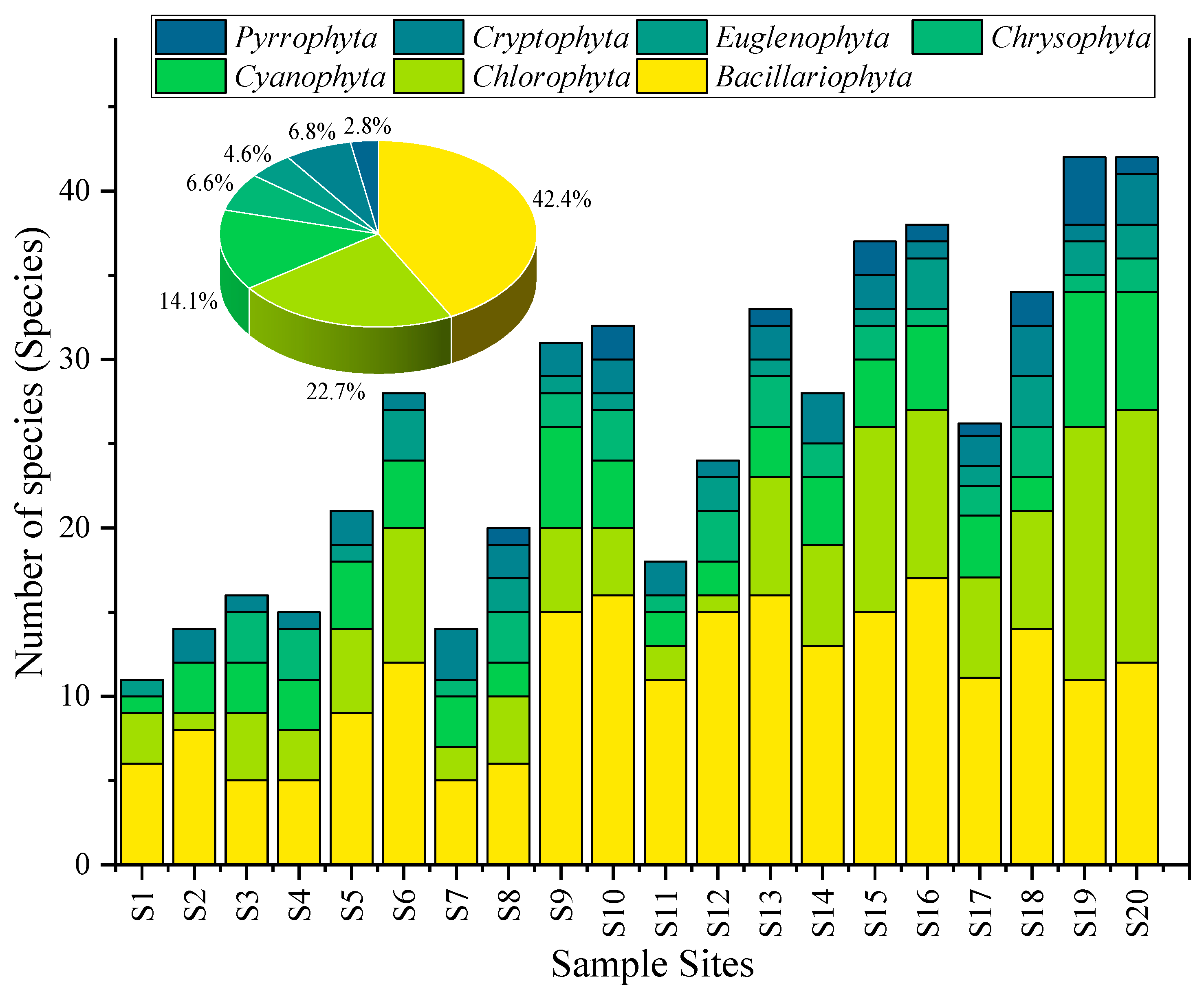
| Bacillariophyta | 214 | 43.3 | S16 (17), S10 (16), S13 (16) | Meso-eutrophic water | [10,11,25,32] |
| Chlorophyta | 113 | 22.9 | S19 (19), S20 (15), S15 (11) | Mesotrophic water | |
| Cyanophyta | 69 | 13.9 | S19 (8), S20 (7), S9 (6) | Eutrophic water | |
| Chrysophyta | 30 | 6.1 | S3, S4, S8, S10, S12, S13, S18 (All are 3) | Clean water | |
| Cryptophyta | 33 | 6.7 | S7 (3), S14 (3), S18 (3) | Mesotrophic water | |
| Euglenophyta | 21 | 4.2 | S6 (3), S16 (3), S18 (3) | Water with rich organic matter | |
| Dinophyta | 14 | 2.8 | S19 (4), S10 (2), S15 (2), S18 (2) | Clean water |
| Diversity Index | Range | Average ± Standard Deviation | High-Value Sampling Points | Low-Value Sampling Points |
|---|---|---|---|---|
| Count of species | 11~42 | 26.21 ± 10.35 | S19,S20 (42) | S1 (11) |
| dM | 2.316~5.776 | 3.892 ± 1.125 | S20 (5.776) | S4 (2.316) |
| J | 0.323~0.551 | 0.432 ± 0.068 | S8 (0.551) | S2 (0.323) |
| H | 1.496~3.289 | 2.699 ± 0.458 | S9 (3.289) | S1 (1.496) |
| Parameter | Axis 1 | Axis 2 | Axis 3 | Axis 4 |
|---|---|---|---|---|
| Eigenvalues | 0.1792 | 0.0515 | 0.0058 | 0.0001 |
| Explained variation (cumulative) (%) | 17.92 | 23.06 | 23.64 | 23.56 |
| Pseudo-canonical correlation | 0.4603 | 0.6223 | 0.5238 | 0.3784 |
| Explained fitted variation (cumulative) (%) | 75.76 | 97.53 | 99.97 | 100.00 |
Disclaimer/Publisher’s Note: The statements, opinions and data contained in all publications are solely those of the individual author(s) and contributor(s) and not of MDPI and/or the editor(s). MDPI and/or the editor(s) disclaim responsibility for any injury to people or property resulting from any ideas, methods, instructions or products referred to in the content. |
© 2025 by the authors. Licensee MDPI, Basel, Switzerland. This article is an open access article distributed under the terms and conditions of the Creative Commons Attribution (CC BY) license.
Share and Cite
Chen, Q.; Zhang, X.; Suo, L.; Wang, S.; Chang, L.; Liu, B.; Liu, Q.; Yang, Y.; Xue, R. Spatial Variation of Phosphorus in Sediments of Baiyangdian Lake and Their Regulatory Role on Phytoplankton Communities. Sustainability 2026, 18, 310. https://doi.org/10.3390/su18010310
Chen Q, Zhang X, Suo L, Wang S, Chang L, Liu B, Liu Q, Yang Y, Xue R. Spatial Variation of Phosphorus in Sediments of Baiyangdian Lake and Their Regulatory Role on Phytoplankton Communities. Sustainability. 2026; 18(1):310. https://doi.org/10.3390/su18010310
Chicago/Turabian StyleChen, Qiuying, Xinnan Zhang, Linlin Suo, Shuo Wang, Le Chang, Bei Liu, Qingyong Liu, Yang Yang, and Rui Xue. 2026. "Spatial Variation of Phosphorus in Sediments of Baiyangdian Lake and Their Regulatory Role on Phytoplankton Communities" Sustainability 18, no. 1: 310. https://doi.org/10.3390/su18010310
APA StyleChen, Q., Zhang, X., Suo, L., Wang, S., Chang, L., Liu, B., Liu, Q., Yang, Y., & Xue, R. (2026). Spatial Variation of Phosphorus in Sediments of Baiyangdian Lake and Their Regulatory Role on Phytoplankton Communities. Sustainability, 18(1), 310. https://doi.org/10.3390/su18010310