


Abstract
To address the challenges in simulating nonpoint source pollution inflow, pollutant source distribution, and migration pathways in plain river network regions, this study innovatively proposes an optimized technical framework based on the NDR module of the InVEST model. Through land use data reconstruction, DEM negative value correction, and flow accumulation threshold optimization, the framework effectively resolves key issues including pollutant receiving water identification, runoff path simulation, and pollutant migration termination determination, significantly enhancing the model’s applicability to complex river systems. Using the Taipu River as a case study, this research investigates the spatial distribution characteristics of nonpoint source pollution load inflow and its sources in major rivers within plain river network regions. Results show that in 2023, total nitrogen and total phosphorus inflows into the Taipu River were 1004.11 t/a and 83.80 t/a, respectively, with pollution loads primarily originating from the Wangning Polders in the midstream, Chengnan New District Small Watersheds and Chang Yang River Small Watersheds, mainly entering the Taipu River through tributaries such as the Beijing-Hangzhou Grand Canal and Nanzha Port. Calculations based on measured data indicate total nitrogen and total phosphorus inflows into the Taipu River were approximately 1300 t/a and 90 t/a, respectively, consistent with model predictions. Building on environmental capacity assessment results, this study proposes targeted recommendations for precision-based nonpoint source pollution control in the Taipu River basin. The findings provide scientific evidence and technical paradigms for nonpoint source pollution management and sustainable management in plain river network regions.
1. Introduction
Currently, the national government is strongly promoting the improvement of water environment quality, and the Action Program for the Protection and Construction of Beautiful Rivers and Lakes (2025–2027) is a clear requirement to deepen the systematic management of river basins and the precise implementation of policies. Scientific calculation of pollution load into the river is the basis for the rational development of pollutant discharge thresholds, supporting the fine management and sustainable use of the river [1]. Pollution loads into the river include point source pollution and nonpoint source pollution, of which nonpoint source pollution has become a difficult and bottleneck in the management of the water environment in the basin due to its decentralized sources, uncertainty of migration paths and complexity of multi-media interface processes [2]. Scientific calculation of nonpoint source pollution loads entering rivers is crucial for determining the basin water environmental capacity and implementing pollution control. Particularly in contexts where point source pollution is effectively managed, agricultural and urban nonpoint sources have become the primary pollutant sources contributing to eutrophication in some water bodies [3,4].
Typically, “nonpoint source pollution load entering a river” refers to the total mass of pollutants generated throughout an entire watershed that, through migration pathways such as surface runoff and groundwater infiltration, flows into a specific target river system within a year [5]. Current research primarily employs mechanistic or empirical models to analyze the characteristics of nonpoint source pollution loads and estimate their discharge into rivers. Mechanistic models (e.g., SWAT model and HSPF model) calculate pollutant inputs to rivers by simulating complex processes like rainfall, runoff, and pollutant transport. However, model development and parameter calibration rely heavily on extensive hydrological, water quality, and topographic data, resulting in relatively low computational efficiency and limited applicability in regions with scarce data [6]. The empirical models integrate data on land use, population density, livestock farming, precipitation, and other factors to establish a multi-factor pollution output assessment system for estimating the pollution load entering rivers. Empirical models, which do not rely on extensive observational data and can rapidly identify regional pollution load characteristics, have been widely adopted. However, due to the homogenized treatment of receiving water bodies and unclear river inflow pathways, their accuracy remains relatively low, often failing to meet the requirements for precise policy implementation in regional nonpoint source pollution control [7]. Therefore, this study aims to develop a method that not only significantly improves computational efficiency but also accurately describes pollutant spatial migration pathways, ultimately addressing the scientific calculation challenges of river inflow volumes.
In recent years, the Integrated Valuation of Ecosystem Services and Trade-offs model (InVEST model) has been widely adopted for nutrient transport simulation and assessment in watersheds due to its robust capabilities in ecosystem service evaluation [8]. The Nutrient Delivery Ratio (NDR) module within the InVEST model employs a simplified mass balance approach to describe nutrient transport patterns across spatial domains. It establishes empirical relationships for long-term steady-state nutrient flow dynamics and determines pollution load outputs in study areas through the analysis of land use/land cover (LULC) data and relevant load rates. Numerous studies have utilized the InVEST model to assess nonpoint source pollution. For instance, Mariam applied this model to simulate pollutant loads in multiple U.S. watersheds, with empirical data validating the reliability of the model’s computational results [9]. Redhead applied the model to simulate 36 river basins in the United Kingdom, quantitatively analyzing nitrogen and phosphorus nutrient discharge patterns [10]. Current research primarily focuses on estimating the overall output of nonpoint source pollution loads across entire watersheds. There is a lack of studies calculating pollution loads entering a specific river, making it impossible to provide targeted guidance for river protection and management efforts.
Through systematic optimization of the InVEST model, this study developed a pollution load inflow calculation method for single-target rivers in plain and river network regions, balancing computational efficiency with pollutant migration path analysis. The methodology is validated through application to representative rivers. This research provides technical support for targeted nonpoint source pollution control strategies in plain river network regions.
2. Overview of the Taipu River and Its Basin Division
This paper selected the Taipu River as a typical river to conduct the application and validation research of the method for the following reasons. First, the Taipu River is located in a subtropical monsoon climate zone, with an average annual temperature of 15–17 °C and an average annual precipitation of 1177 mm. It has superior natural hydrothermal conditions and a well-developed water system [11], making it a typical plain river network area, which facilitates the verification of the model’s applicability in such regions. Second, the Taipu River is also a backbone river in the Yangtze River Delta Ecological Green Integrated Development Demonstration Zone, flowing through Qingpu District of Shanghai, Wujiang District of Suzhou City in Jiangsu Province, and Jiashan County of Jiaxing City in Zhejiang Province [12]. It is one of the most economically vibrant and environmentally invested regions in China. Currently, point source pollution in the Taipu River has been effectively controlled, with pollution loads mainly coming from nonpoint sources, which facilitates the verification of the model’s effectiveness in calculating nonpoint source pollution. Third, the Taipu River is approximately 57.6 km long, with fixed hydrological and water quality monitoring sections along its course, providing effective data for model validation. Previous studies in this region mostly used the coefficient method for macro estimation of basin pollution loads [13]. Although such methods can provide total load references, their broad parameters and low spatial resolution make it difficult to accurately quantify the total pollution load entering the Taipu River, let alone identify its spatial sources and migration paths, thus failing to support refined nonpoint source pollution control decisions. Therefore, it is urgent to carry out research on the characteristics of pollution load from the surface into the Taipu River.
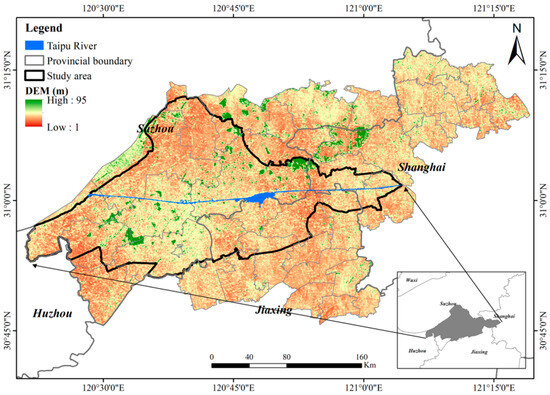
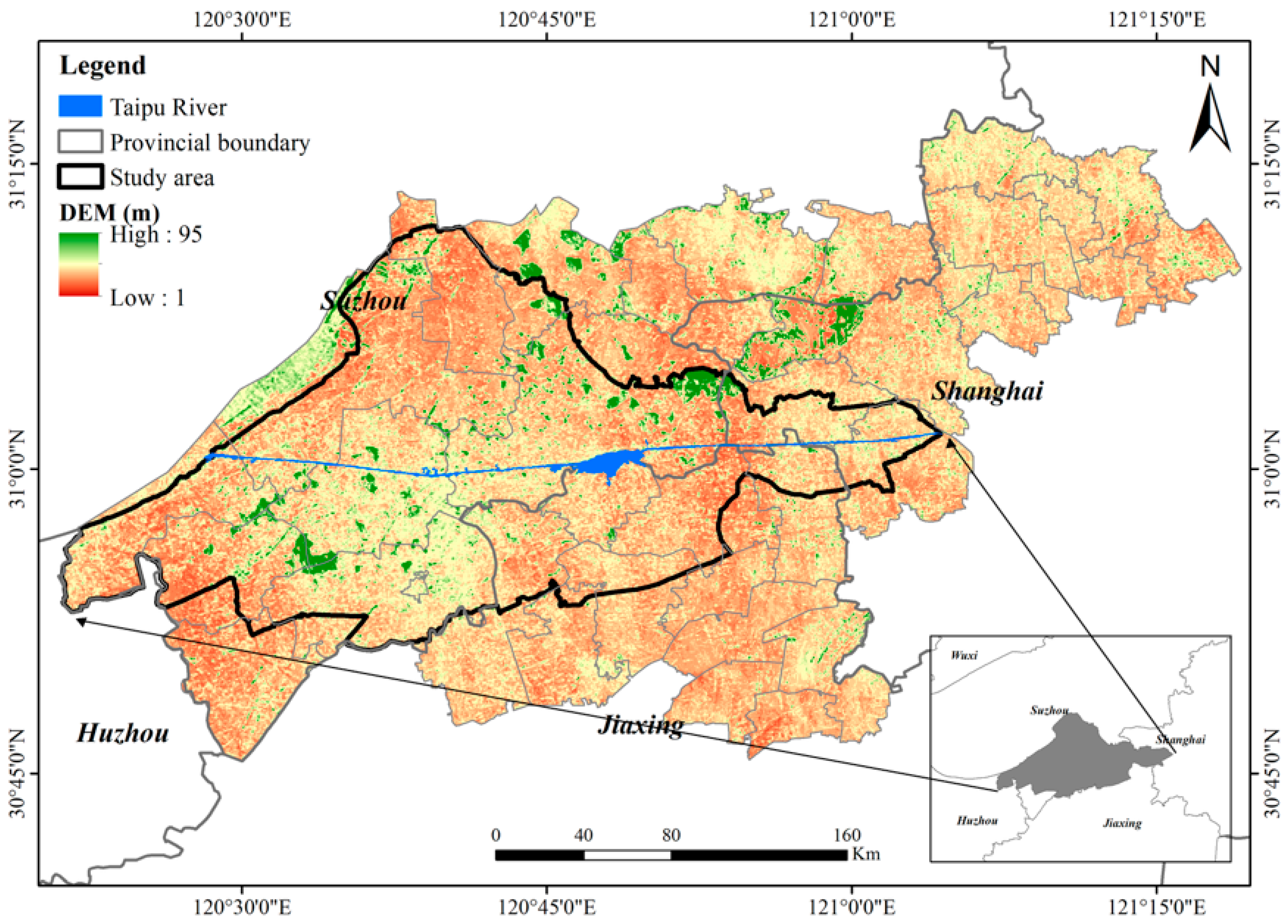
The precise delineation of catchment areas or watersheds is fundamental to calculate nonpoint source pollution load inflow. The Taipu River, situated in a typical plain river network region, features low-lying terrain and lacks distinct natural watershed boundaries. Concurrently, its location within a highly urbanized area has resulted in water management through hydraulic zoning [14]. Numerous sluice gates and pumping stations within the river system subject runoff processes to intense human interference, leading to unpredictable flow patterns. These factors collectively create significant challenges in defining the natural catchment scope (watershed) of the Taipu River. Therefore, this study adopted a hierarchical division method based on relevant water management zones to determine the boundaries of the Taipu River basin. First, based on key regional river systems (e.g., Wusong River, Qingxi River, and Hongqi Pond) and their regulated zones specified in the “Yangtze River Delta Ecological Green Integrated Development Demonstration Zone Water Resources Plan (2021–2035)”, the primary first-level catchment areas closely linked to water exchange with the Taipu River system were delineated at a larger scale. This established the study area’s position within the Taihu Lake Basin’s water resource framework and its macro-level connections with surrounding major water systems. Then, within these primary catchment areas, secondary divisions were made according to small watershed units and polder management boundaries outlined in documents like the “14th Five-Year Plan for Soil and Water Conservation in Wujiang District, Suzhou”, “Jiashan County Water Security Plan (2021–2035)”, and “Shanghai Levee Area Plan (2023–2035)”. These secondary divisions highlight water convergence, regulation, and transport characteristics in plain river network regions through polder systems and small watersheds. Ultimately, by integrating spatial layers of primary and secondary catchment areas, the study area of the Taipu River basin was delineated, covering a total area of approximately 1212 km2, as shown in Figure 1.
Figure 1.
Schematic diagram of the Taipu River basin.
3. Method and Data Sources
3.1. Calculation of Nonpoint Source Pollution Load into River
The pollution load calculation was mainly carried out by using the NDR module of the InVEST 3.14.3 workbench to simulate the surface runoff. By integrating nitrogen and phosphorus nutrient pollution loads and output coefficients for different land types, this method calculates the nitrogen and phosphorus outputs and river inflows within the study area. The main calculation formula is as follows [15]:
In the formula, (unit: kg/(hm2·a)) denotes the total nitrogen and phosphorus nutrient output of the watershed, (unit: kg/(hm2·a)) represents the nitrogen and phosphorus nutrient output of grid cell , (unit: kg/(hm2·a)) is the corrected nutrient load of pixel , and denotes the nutrient discharge coefficient for pixel . The inputs of the model include watershed boundaries, DEM data of the watershed, land use raster data, annual precipitation raster data, biophysical parameter tables, and calibration parameters. The model operation parameters were mainly determined based on the actual conditions of Taipu River and relevant literature [16,17].
According to the InVEST model’s NDR module methodology, once pollutant loads migrate along runoff pathways into water body grids (such as rivers and lakes), they are considered to have “entered the river” and terminate their migration path. This configuration is reasonable in areas with clear natural watersheds and independent water systems. However, in plains with highly developed and interconnected river networks, water bodies (tributaries, canals, lakes) themselves serve as the primary transport channels for pollutant loads, with contaminants migrating and transferring through the river network. If the model is directly applied, tributary water bodies are prematurely identified as terminal receiving water bodies, which blocks the continued downward or main channel migration pathways of pollutants. Consequently, this approach fails to accurately calculate pollutant load inflows in different river system regions or specific target rivers.
To address the aforementioned issues, this study designated the Taipu River as the sole receiving water body. Pollutants are only terminated in migration pathways when entering the Taipu River, while those flowing into other waters within the basin (such as tributaries, canals, and lakes) continue their path-based migration. This configuration better aligns with the actual hydrological process where pollutants converge into the main channel through dense river networks in plain river systems. To achieve the aforementioned process, three preprocessing steps were implemented on the model’s foundational dataset.
- (1)
- Land Use Data Reconstruction
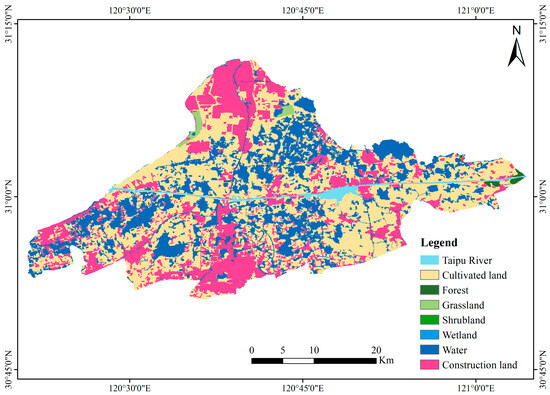
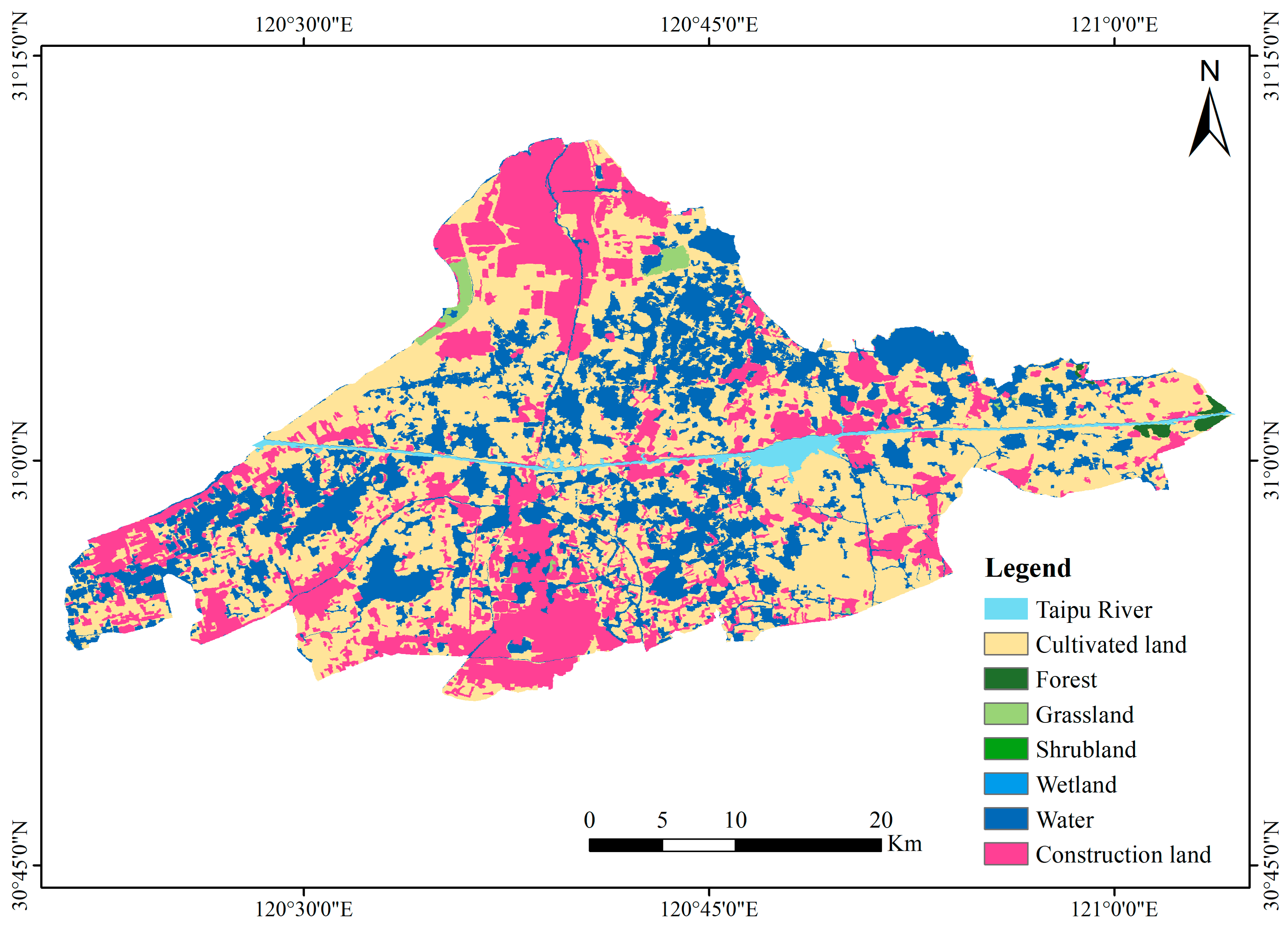
This study utilized a 30 m resolution land use raster map. Through spatial masking extraction technology, the corresponding raster cells for the Taipu River were isolated to form an independent river channel layer. This ensures that the Taipu River is treated as a distinct receiving water body, differentiated in type from surrounding water bodies (Figure 2). Meanwhile, in the biophysical property table of the model, the pollutant production coefficient for the Taipu River was set to 0 while keeping its transport efficiency parameters unchanged (Table 1). This approach ensures that other water bodies within the basin (such as tributaries and lakes) still follow the standard “pollution generation-transportation” process.
Figure 2.
Land use map of the Taipu River basin following specific extraction.
Table 1.
Model biophysical parameters.
- (2)
- Digital Elevation Model (DEM) Correction
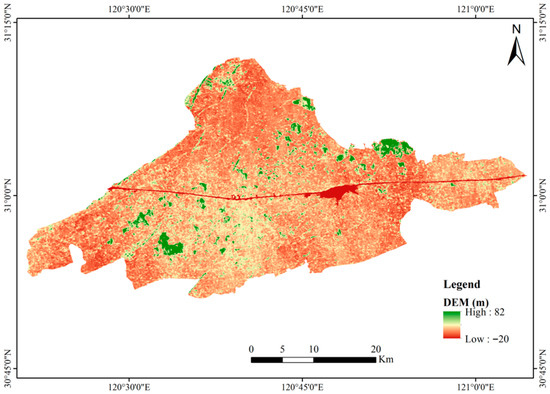
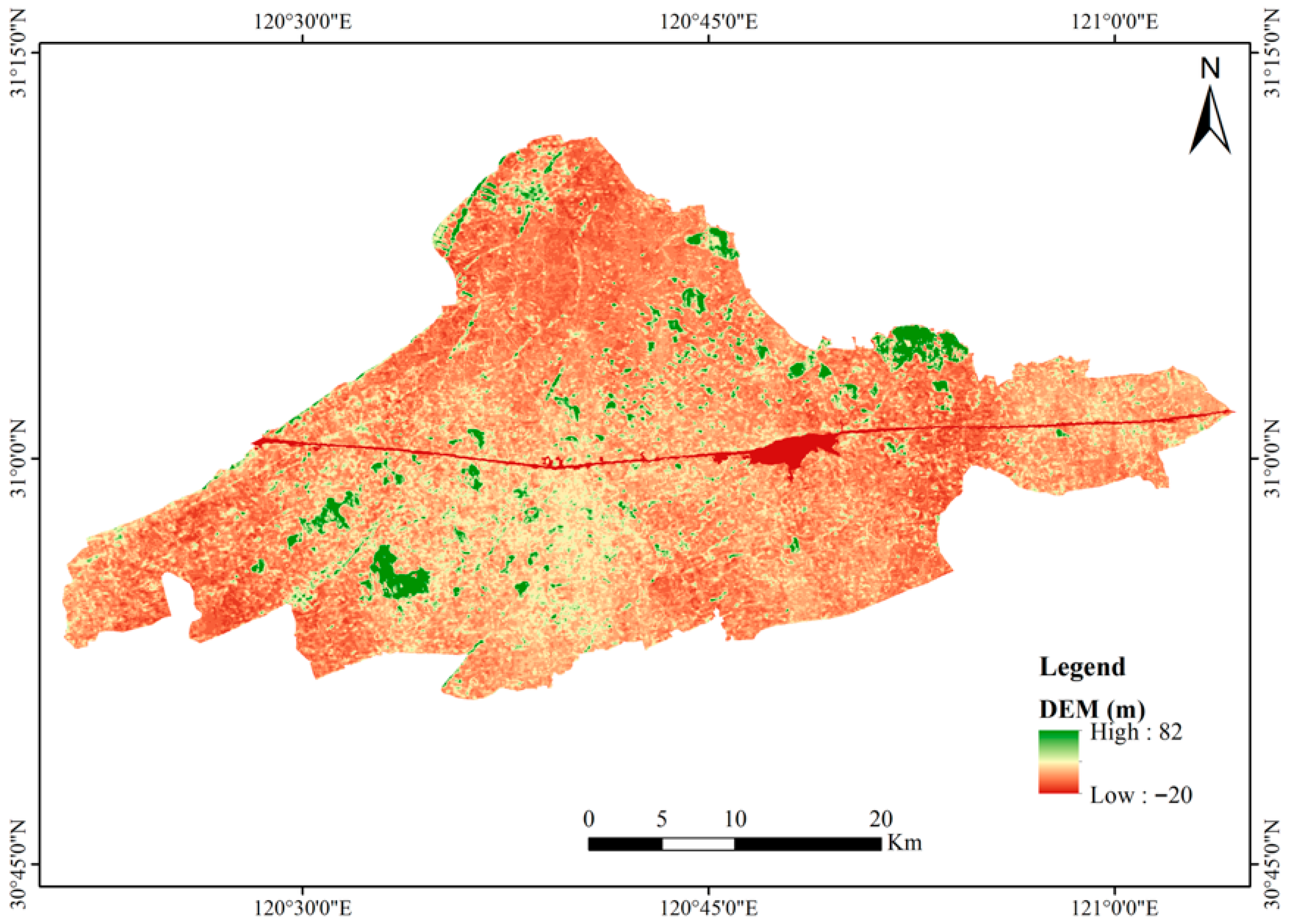
The Taipu River basin, characterized by a generally 2.5~5.0 m elevation profile, forms the “basin” within the Taihu Lake region. While the original DEM raster data provided basic topographic information, it failed to adequately represent the convergence relationships between tributaries and the Taipu River, which limited the model’s accuracy in identifying river channels during flow path calculations. To enhance the spatial recognition capability of the InVEST model for the Taipu River, the elevation values of the Taipu River were uniformly lowered to −20 m using the GIS Hydrology Toolkit, creating pronounced elevation depression features (Figure 3). This adjustment significantly increased the relative elevation difference between the Taipu River and surrounding terrain (ΔH ≥ 22 m), thereby strengthening the spatial continuity of the river channel in the data. This approach ensures model consistency in flow path calculations while maintaining proper integration of tributary inflows.
Figure 3.
Elevation map of the treated Taipu River basin.
- (3)
- Flow Accumulation Threshold Optimization
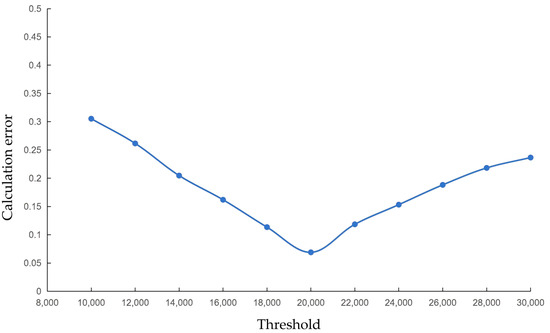
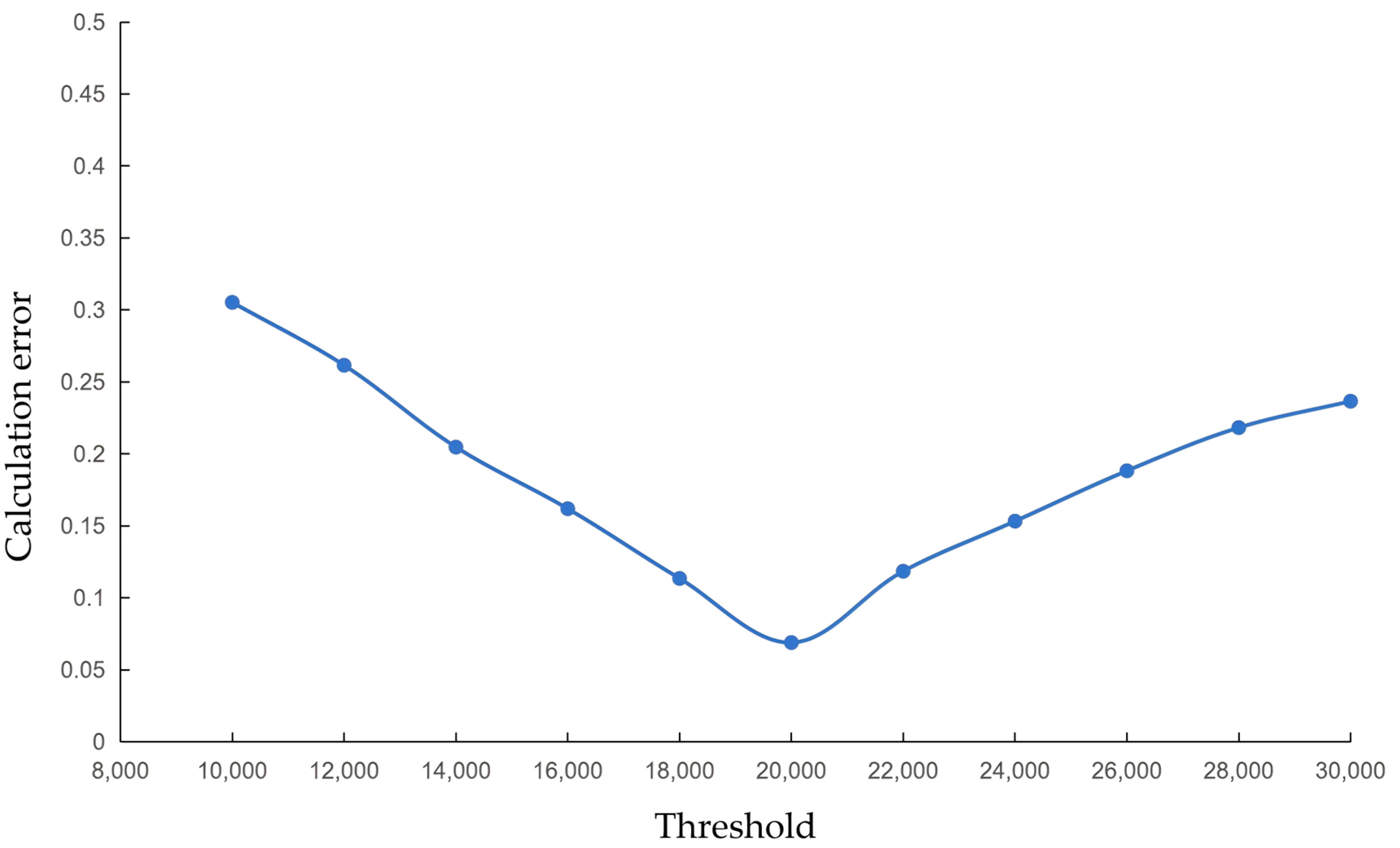
The flow accumulation threshold is a critical parameter in the InVEST model that determines river network generation density. Since the total phosphorus calculation in the InVEST model is primarily influenced by surface runoff, resulting in relatively low computational errors, sensitivity analyses were conducted on both the total phosphorus calculation error and the threshold sensitivity for watershed network identification. Parameter sensitivity tests revealed that when the threshold was below 10,000, the model identified dense river networks, causing the calculated pollution load to include many tributaries not flowing into the Taipu River. This led to an overall overestimation of total phosphorus, with an error of 30% compared to measured values. When the threshold was increased to 20,000, the model effectively identified the Taipu River channel while minimizing the identification of tributaries, resulting in a total phosphorus calculation error of only 6.9%. However, raising the threshold to 30,000 rendered most of the Taipu River’s main channel unidentifiable, leading to an underestimation of total phosphorus with an error of 23.6% (Figure 4).
Figure 4.
Threshold sensitivity analysis diagram.
Based on the aforementioned pretreatment process, this study used the NDR module of InVEST model to calculate the nitrogen and phosphorus pollution load in the Taipu River basin, realize the capture and differentiation of the target river, and calculate the nitrogen and phosphorus pollution load entering the Taipu River in the basin.
3.2. Verification of Nonpoint Source Pollution Load into River
In order to verify the reliability of the model calculations, this study employed actual measurement data for comparative validation (Table 2). Based on the annual average flow of the Taipu River, the annual loads of nitrogen and phosphorus in the Taipu River were estimated by using the load calculation formula (Formula (3)) [9]. The primary objective of this study was to calculate the inflow volume of nonpoint source pollution entering the Taipu River within the watershed. The model did not account for the influence of inflow from Taihu Lake.
Table 2.
Total nitrogen and total phosphorus water quality sampling results.
In the formula, (unit: t/a) represents the pollutant load, (unit: g/m3) represents the average pollutant concentration, and (unit: m3/s) represents the flow rate.
3.3. Environmental Capacity Calculations
- (1)
- Calculation of River Pollutant Degradation Coefficient
The integrated degradation coefficient of pollutants generalizes the series of physical, chemical, and biological reaction processes occurring in aquatic environments. It characterizes the extent of a river’s self-purification capacity and serves as a key parameter for establishing river water quality models and calculating pollution-absorption capacity. It is typically determined through experimental methods [18]. The Taipu River is classified as a small-to-medium-sized river. Therefore, this study employed a first-order kinetic equation to calculate the combined degradation coefficient for total nitrogen and total phosphorus in the Taipu River. The calculation equation is as follows,
In this formula, K (unit: d−1) represents the pollutant degradation coefficient, (unit: mg/L) and (unit: mg/L) represent the pollutant concentrations before and after degradation, respectively, and (unit: d) represents the degradation time.
The experimental method requires that the selected river section have no tributaries or discharge outlets, with a channel that is as straight as possible. The cross-sectional morphology should exhibit no significant changes, the flow velocity should be relatively stable, and the distance should not be excessively long. Based on the aforementioned requirements, this study selected two national monitoring sections—the Fenhu Bridge and Taipu River Bridge sections of the Taipu River—as the starting and ending sections. Using monthly water quality monitoring data from both sections during the annual period (March 2022 to March 2023), the comprehensive degradation coefficients for TN and TP in the Taipu River were calculated.
- (2)
- Calculation of river environmental capacity
River environmental capacity refers to the maximum amount of a pollutant that a river can contain under the design hydrological conditions and on the premise of meeting the river water quality objectives [19]. According to the “Code of practice for computation on allowable permitted assimilative capacity of water bodies”, this paper used the one-dimensional river model to calculate the environmental capacity of small- and medium-sized river reaches with flow rates below 150 m3/s. The calculation formula is as follows,
The final calculation formula was derived through comparison with relevant literature [20] and subsequent modifications,
In the formula, (unit: t/a) represents the water environmental capacity of the river section, (unit: mg/L) represents the target water quality concentration, (unit: mg/L) represents the pollutant concentration after flowing through a distance of , (unit: mg/L) represents the pollutant concentration at the initial cross-section, (unit: m) the longitudinal distance along the river section, (unit: m/s) represents the average flow velocity at the cross-section under design flow, (unit: s−1) represents the comprehensive pollutant decay coefficient, , . According to the “Master Plan for the Yangtze River Delta Ecological Green Integrated Development Demonstration Zone”, the Taipu River should meet the Class III surface water standards. Therefore, the target concentrations for total nitrogen and total phosphorus in Taipu River were set at 1 mg/L and 0.1 mg/L, respectively.
3.4. Data Sources
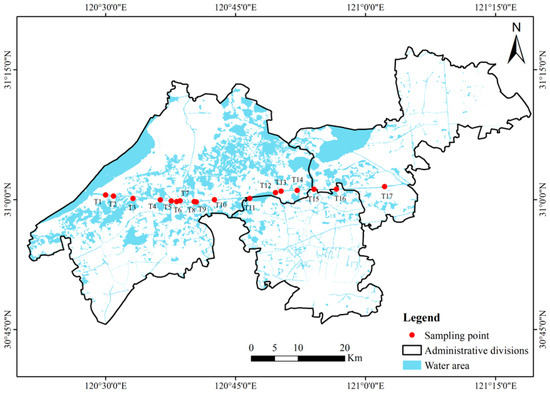
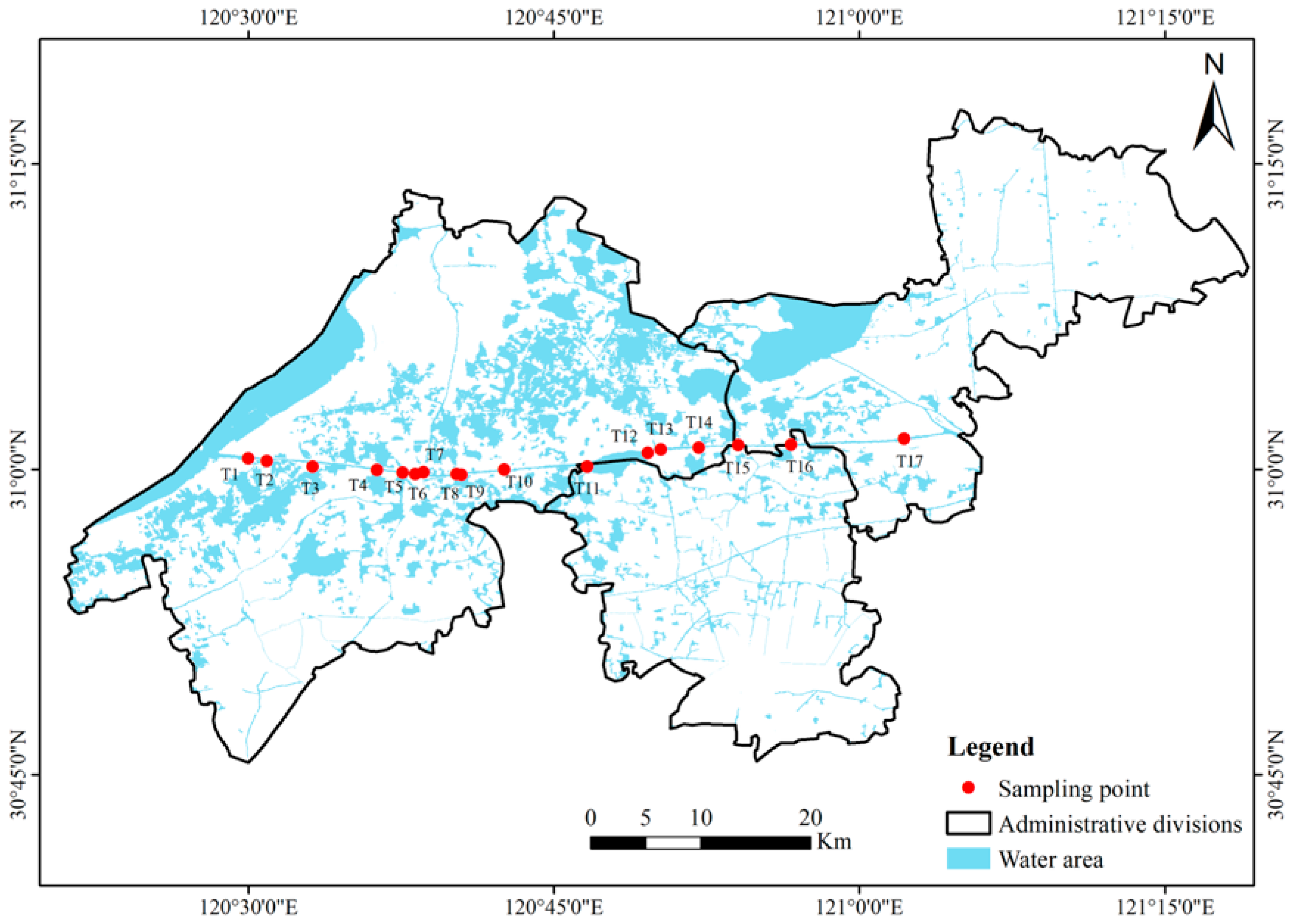
The DEM data, land use raster data, annual precipitation data, and other raster datasets used in this study for 2023 were sourced from the National Qinghai–Tibet Plateau Data Center. Spatial raster data were generated using Qgis 3.40 and uniformly standardized to a 30 m grid resolution within the WGS1984 coordinate system. The water quality data used for model validation were obtained from sampling and analysis conducted along the Taipu River in November 2023 and May 2024 (Figure 5). According to statistics from the official website of Taihu Basin Authority of Ministry of Water Resources, the average annual flow rate at the Taipu Gate section in 2023 was 128.81 m3/s, with an average annual total nitrogen concentration of 1.08 mg/L and an average annual total phosphorus concentration of 0.045 mg/L. The environmental capacity calculation utilized monitoring data from the National Surface Water Quality Automatic Monitoring Station at the Taipu River Boundary Marker and Taipu River Bridge, covering the one-year period from March 2022 to March 2023.
Figure 5.
Distribution of sampling points in Taipu River.
4. Results
4.1. Pollutant Load into the River
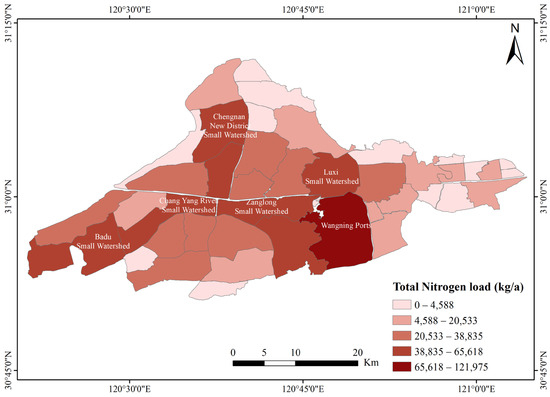
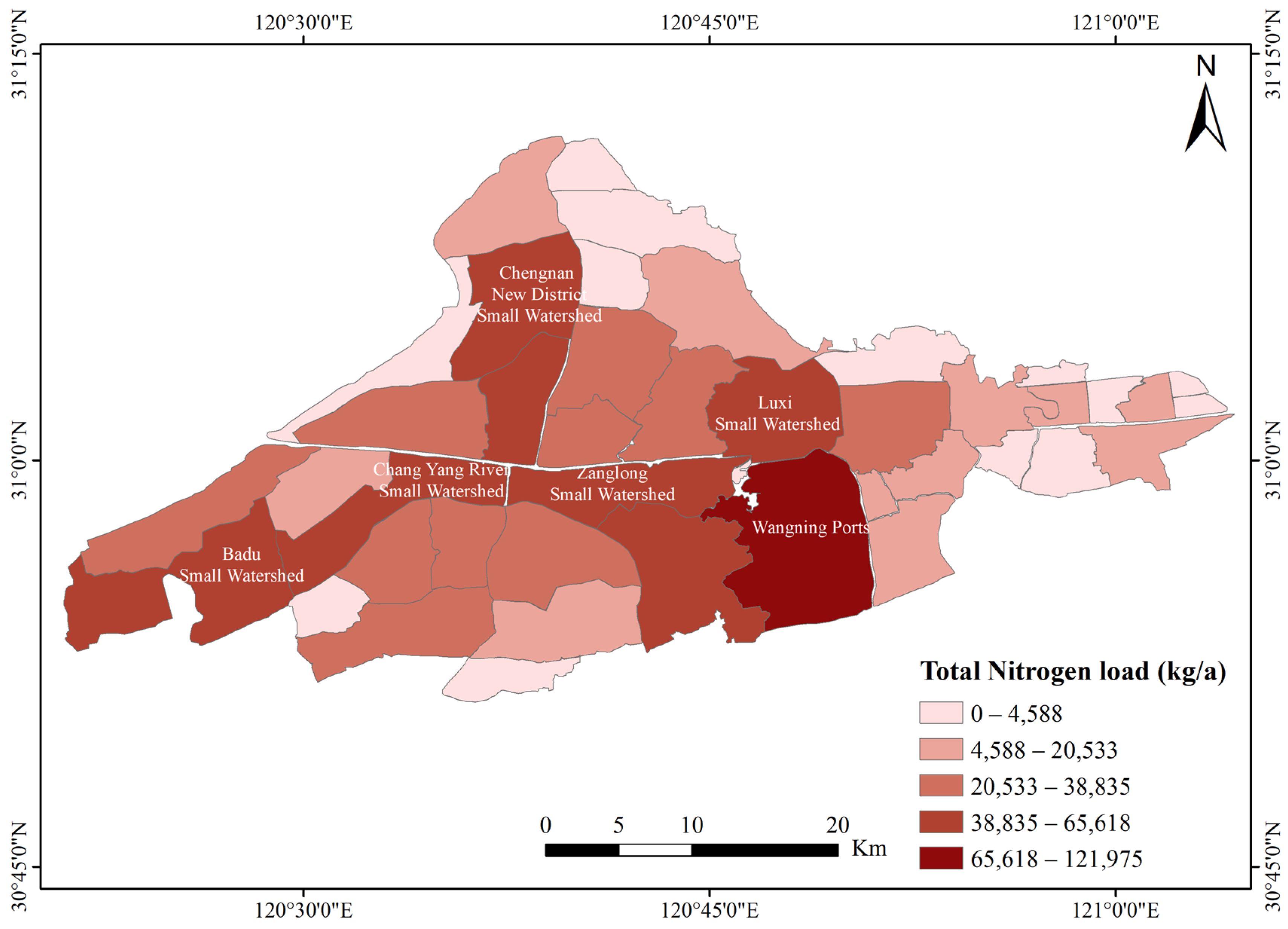
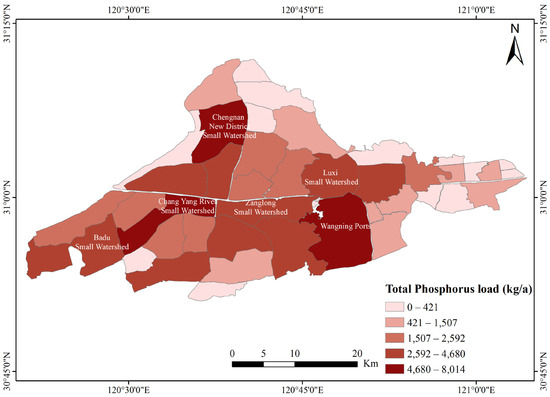
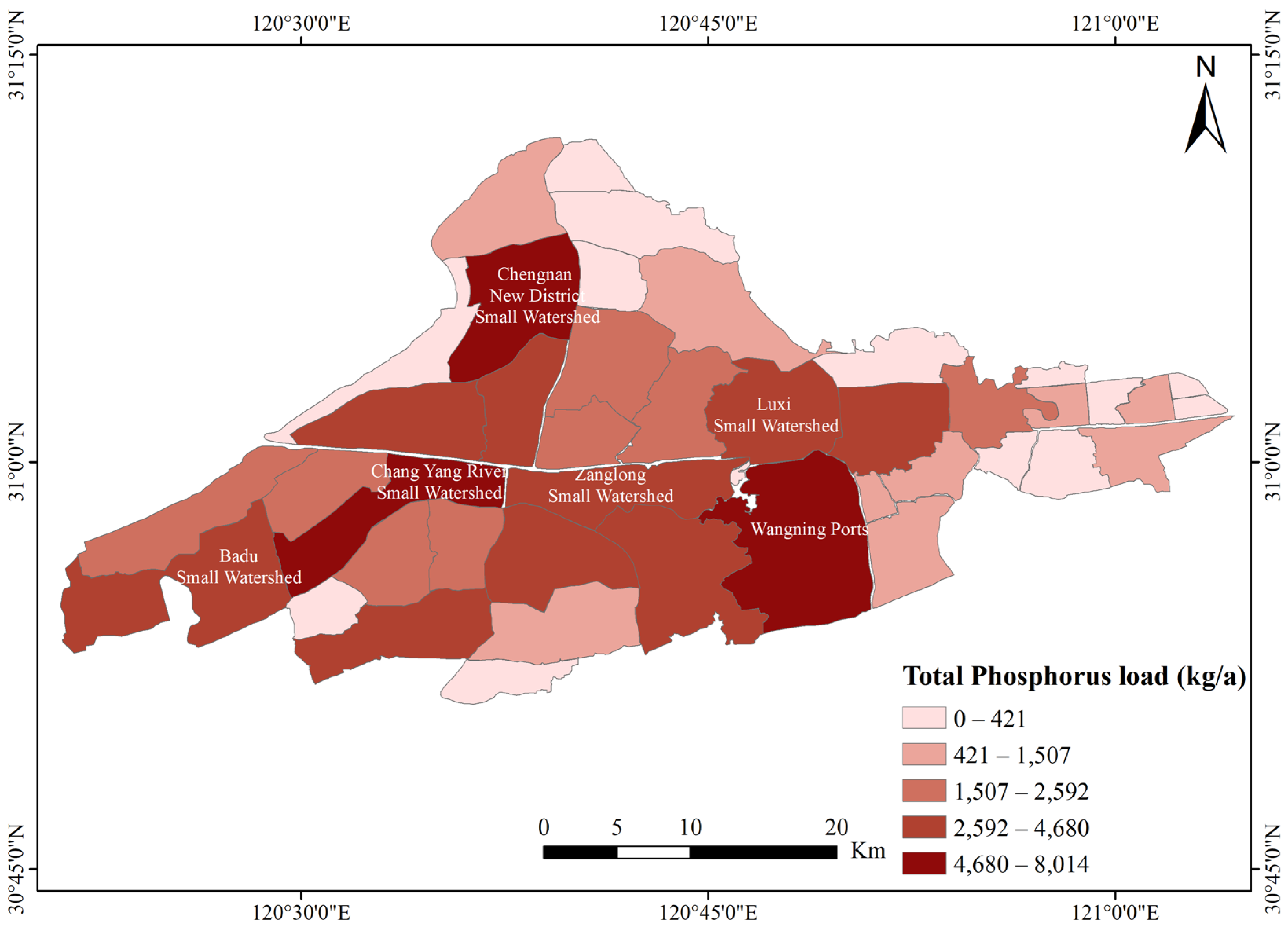
According to the model calculations results, the nonpoint source pollution load entering the Taipu River within the watershed was 1004.11 t/a for total nitrogen and 83.80 t/a for total phosphorus. As the Taipu River system is managed as polders, this study calculated the spatial distribution of river pollution loads based on polders to better guide nonpoint source pollution control in the Taipu River basin, with results shown in Figure 6 and Figure 7. The primary sources of total nitrogen pollution loads entering rivers originated from small watersheds including Wangning Polders, The Chengnan New District Small Watershed and Chang Yang River Small Watershed. Among these, Wangning Polders is predominantly cultivated land, contributing 121.975 t/a to river pollution load. This load primarily enters the Taipu River via surface runoff and tributaries of the Nanzha Port. The total phosphorus pollution load mainly comes from Wangning Polders, The Chengnan New District Small Watershed, and Chang Yang River Small Watershed. Among these, the Wangning Polders contributed 8.014 t/a, mainly entering the Taipu River via surface runoff and tributaries of the Nanzha Port. The pollution loads from the Chengnan New District Small Watershed and Chang Yang River Small Watershed primarily enter the Taipu River through the Beijing-Hangzhou Canal and the New Beijing-Hangzhou Canal.
Figure 6.
Spatial distribution of total nitrogen load into Taipu River.
Figure 7.
Spatial distribution of total phosphorus load into Taipu River.
Both total nitrogen and total phosphorus pollution loads entering rivers exhibited significant spatial heterogeneity, with a distribution pattern characterized by higher loads in the middle reaches and lower loads in the upper and lower reaches. The study area’s high-value zones for total nitrogen and total phosphorus output were primarily concentrated in the Wangning Polders, Chengnan New District Small Watershed, and Chang Yang River Small Watershed. Among these, the Wangning Polders and Chang Yang River Small Watershed were predominantly cultivated land, while the Chengnan New District Small Watershed’s land use was characterized by a mix of construction land and cultivated land. This spatial distribution pattern closely aligns with the pollution hotspots identified through long-term water quality monitoring in the Taipu River mainstream, preliminarily validating the effectiveness of our data preprocessing and model parameter settings.
4.2. Model Validation Results
According to the measured data, the annual total nitrogen load of Taipu River was about 1300 t/a, and the annual total phosphorus load was about 90 t/a, with relative errors of 23% and 7%, respectively, which were consistent with the model calculation results (Table 3). According to relevant studies, in the joint verification of multiple river basins, the average allowable error of total phosphorus was 8.5%~20.6%, and that of total nitrogen was 6.9%~23.5% [9]. This demonstrates that the riverine pollution load calculation method based on the InVEST model proposed herein exhibits high reliability and applicability in complex plain river networks.
Table 3.
Comparison of verification results.
4.3. Calculation Results of Environmental Capacity of Taipu River
Based on measured data, the comprehensive degradation coefficients for total nitrogen and phosphorus in the Taipu River were calculated as 0.104 and 0.007, respectively. The environmental capacity for total nitrogen was approximately 306.30 t/a, while that for phosphorus was about 227.40 t/a (Table 4). This indicates that under current discharge levels, the total nitrogen inflow into the Taipu River far exceeds its environmental capacity, while phosphorus still maintains some residual capacity. Based on long-term monitoring data and field investigation results, total nitrogen levels frequently exceed standards along the Tai Pu River, while total phosphorus levels occasionally exceed standards at specific monitoring points. The investigation results further confirm the status of total nitrogen and phosphorus levels.
Table 4.
Comparison of environmental capacity with total nitrogen and total phosphorus river inflow data.
5. Discussion
5.1. Spatial Heterogeneity of Pollution Load and Its Causes
The nitrogen and phosphorus loadings in the Taipu River basin exhibited a spatial pattern of “high concentrations in the middle reaches and lower levels in both upstream and downstream areas” (as shown in Figure 6 and Figure 7), which closely aligns with pollution hotspots identified through the long-term water quality monitoring data from the main channel. This further validates the reliability of the model’s findings. The formation of such spatial heterogeneity results from the combined effects of multiple factors, including natural geographical conditions, hydrological connectivity characteristics, and human activity intensity [21].
Firstly, the hydrological structure and connectivity of water systems serve as key natural drivers for pollutant accumulation in the middle reaches of the Taipu River. As a typical plain river network region, the Taipu River basin features an intricate network of waterways with high hydrological connectivity. The middle reaches of the Taipu River maintain particularly close hydraulic connections with surrounding tributaries such as the Beijing-Hangzhou Grand Canal and Nanzha Port. This extensive connectivity provides pathways for pollutant transport from tributaries to the main channel [22]. Even non-core areas like polder zones or smaller watersheds located relatively far from the main channel can contribute nonpoint source pollutants through the extensive river network. These pollutants ultimately migrate to the middle reaches of the Taipu River, significantly increasing the pollution load in these regions.
Secondly, spatial variations in land use patterns serve as a direct anthropogenic driver of pollution load differentiation. The model results indicate that high-value zones for total nitrogen and phosphorus river loads are concentrated in the midstream Wangning Polders, the Chengnan New District Small Watershed and Chang Yang River Small Watershed. These regions predominantly feature contiguous farmland with frequent agricultural fertilization activities, resulting in inherently higher nutrient export load coefficients (Table 1) [23]. Notably, Jiashan County in Jiaxing City’s southern midstream demonstrates intensive agricultural development and high-scale farming operations. The large-scale intensive agricultural production may intensify nonpoint source pollution through centralized fertilization and irrigation management. Additionally, the well-developed drainage network surrounding these areas not only performs water discharge functions but also serves as rapid transport channels for pollutants to the main stream, reducing natural retention and degradation opportunities during pollutant migration [24].
The analysis reveals that the spatial variation of nonpoint source pollution loads in the Taihu Lake Basin is determined not by a single factor, but rather by the complex interplay between natural processes and human activities. These findings provide crucial directional guidance for further quantifying the contributions of various driving factors and their spatial coupling mechanisms. They also offer significant practical insights for implementing targeted control strategies that incorporate zonal, categorical, and hierarchical approaches to manage nonpoint source pollution.
5.2. Management Recommendations
Based on the above research results and discussions, the total nitrogen pollution load of Taipu River is far beyond its environmental capacity, and the total phosphorus will occasionally exceed the standard in some points. In order to effectively control the nonpoint source pollution in Taipu River basin, the following targeted management suggestions are proposed:
- (1)
- Strengthen the management of high-load levee areas in the middle reaches
In light of the characteristics of high load areas such as Wangning Polders, the Chengnan New District Small Watershed and Chang Yang River Small Watershed in the middle reaches of Taipu River, where farmland is concentrated and agricultural nonpoint sources contribute significantly (Figure 6 and Figure 7), differentiated and precise governance should be implemented. It is recommended to promote ecological interception measures in agricultural-dominated areas such as Jiashan County, including: (1) Establishing vegetation buffer zones (with a minimum width of 30 m) in farmland-irrigation transition zones, planted with native plants that have strong nitrogen and phosphorus absorption capabilities [25]; (2) Constructing ecological channel systems along tributary riverbanks to remove pollutants through dual mechanisms of filler adsorption and plant absorption [26]; and (3) Building constructed wetlands at the outlet of high-load levee areas to enhance end-stage interception of nonpoint source pollution [27].
- (2)
- Improve the ecological function of river network
In light of the characteristics of multi-path input and wide range of migration of pollutants through tributaries in the plain river network area, the ecological regulation and purification functions of river system should be enhanced. Recommendations: (1) Implement ecological regulation through the levee area’s sluice-pump system to appropriately control tributary inflow during high-risk periods of nonpoint source pollution (e.g., flood seasons or heavy rainfall after fertilization), thereby reducing pollutant load [28]; (2) Restore and construct purification wetland systems at key tributary inflow points (e.g., Nanzha Port, Beijing-Hangzhou Grand Canal) and river network nodes, expanding wetland coverage to enhance the river network’s self-purification capacity [29]; and (3) Carry out ecological restoration of riverbanks by transforming rigid embankments into ecological ones, selecting appropriate filler substrates and vegetation configurations to strengthen pollution interception capabilities against nonpoint source pollution [30].
5.3. Model Optimization and Applicability to Plain River Network Area
In the simulation of nonpoint source pollution, the plain river network area faces significant challenges due to its flat terrain, slow water flow, highly interconnected river networks, and regulation by sluice gates and pumps [23]. The InVEST-NDR method proposed in this study not only shows acceptable accuracy in the estimation of total inflow into the river, but also shows unique advantages over the traditional pollution coefficient method and the original InVEST model.
Traditional pollution coefficients and the original InVEST model’s NDR module, when applied to plain river network regions, can only provide broad estimates of regional pollutant discharge totals and total pollutant loads entering water bodies. While both methods can improve model accuracy through extensive field surveys or experimental data, they remain unable to distinguish the pollution load capacity of target rivers in plain river networks, making it difficult to support refined river management. The nonpoint source pollution load calculation method proposed in this study has a significant advantage: even in complex plain river network regions with intricate water systems, it can efficiently identify and display spatial distribution characteristics of pollutant sources entering rivers, pollutant pathways, and river entry points (Figure 6 and Figure 7). This clear spatial distribution and transport characteristics provide direct, scientific decision-making basis for precise policy implementation and differentiated management of nonpoint source pollution. For example, for areas with major pollutant sources, reductions can be implemented at the source; for pollutant pathways, appropriate locations can be selected for interception; and for river entry points, enhanced protection efforts should be prioritized in sections with relatively poor water quality. Additionally, compared to refined models like SWAT and HSPF, the proposed method requires no long-term hydrological or meteorological data, making it more applicable to regions or periods with data scarcity.
The study attributes the model calculation errors primarily to InVEST-NDR’s simplified long-term steady-state model. While optimizing hydrological connectivity to account for plain river networks, the model inadequately considers transient impacts from groundwater inputs and sluice pump operations. In plain regions, frequent groundwater-surface water exchange may serve as a critical pathway for dissolved nitrogen (particularly nitrate nitrogen) migration, leading to calculation inaccuracies when distributing such loads. Additionally, artificial sluice pumping in plain river systems alters local water flow directions and hydraulic retention periods, thereby affecting the natural degradation processes of total nitrogen and phosphorus in river channels.
Building upon the proposed InVEST-NDR methodology, this study conducted a pilot application in the Taipu River Basin—a representative plain river network region. The results preliminarily validate the method’s reliability and advantages. However, given the inherent complexities of hydrological processes in plain river basins due to sluice and pump regulation, the dynamic impacts of human activities, and the challenges in obtaining biophysical parameters and groundwater migration data, further validation of the method’s applicability and robustness through extensive applied research is required. Additionally, optimizations should be made to address regional characteristics.
6. Conclusions
This study proposes a method based on the InVEST model for calculating pollutant loads entering river systems and their spatial distribution sources in plain river networks. Taking the Taipu River as a case study, it calculates the loads of total nitrogen and total phosphorus entering the Taipu River. Furthermore, it analyzes the spatial distribution characteristics of the sources of pollutant loads entering the river, discusses the applicability and advantages of the method, and presents the following main conclusions.
- (1)
- Model Optimization
This study employed a method for calculating nonpoint source pollution loads entering rivers, proposed by the NDR module of the InVEST model. It effectively enhances the efficiency of calculating nonpoint source pollution loads entering rivers for individual target rivers within plain river networks. Furthermore, it efficiently identifies the sources, pathways, and locations of pollution loads entering rivers, thereby providing technical methodological support for the refined management of rivers.
- (2)
- Quantification of Pollutant Loads Entering the Taihu River
In 2023, the total nitrogen and total phosphorus inputs into the Taipu River basin amounted to 1004.11 t/a and 83.80 t/a, respectively, exhibiting a spatial distribution pattern characterized by higher loads in the middle reaches and lower loads in the upper and lower reaches. Environmental capacity calculations indicate that total nitrogen inputs significantly exceed the environmental capacity, while total phosphorus, though within the capacity limits, still poses localized risks of exceeding standards. To address this, it is recommended to intensify governance efforts in high-impact midstream embankment areas and enhance the self-purification capacity of the river network.
- (3)
- Research Prospects
Future research can enhance model accuracy by integrating higher-precision localized soil biophysical parameters within this framework while accounting for hydrodynamic effects from sluice pump regulation in plain river network regions. Additionally, coupling with hydrological/water quality models or machine learning methods could enable the prediction of long-term pollution load trends and evaluation of scenario-based benefits of management measures. This approach will advance research from static source tracing to dynamic simulation and intelligent decision support systems.
Author Contributions
Conceptualization, H.Y. and F.L.; methodology, H.Y. and F.L.; software, H.Y. and F.L.; validation, H.Y.; formal analysis, H.Y. and F.L.; investigation, H.Y., F.L., X.M. and W.W.; resources, H.Y. and F.L.; data curation, H.Y. and F.L.; writing—original draft preparation, H.Y. and F.L.; writing—review and editing, H.Y., F.L., X.M., H.L., W.W. and B.; visualization, H.Y.; supervision, F.L.; project administration, B.; funding acquisition, B. All authors have read and agreed to the published version of the manuscript.
Funding
Major Scientific and Technological Projects of Ministry of Water Resources of the People’s Republic of China (SKS-2022068).
Institutional Review Board Statement
Not applicable.
Informed Consent Statement
Not applicable.
Data Availability Statement
All data generated or analyzed during this study are included in this published article.
Conflicts of Interest
Author Weiwei Wu works at Shanghai Investigation, Design & Research Institute Co., Ltd. He has NO confict of interest related to the work under consideration.
References
- Xue, L.; Hou, P.; Zhang, Z.; Shen, M.; Liu, F.; Yang, L. Application of systematic strategy for agricultural non-point source pollution control in Yangtze River basin, China. Agric. Ecosyst. Environ. 2020, 304, 107148. [Google Scholar] [CrossRef] [Scilit]
- Tian, Y.; Shen, J.; Feng, J.; Feng, J.; Wang, T.; Jiao, Y.; Wang, X. Research advancements on agricultural non-point source pollution in major lake and reservoir watersheds of China: Status, sources, monitoring, and prospects. Ecol. Indic. 2025, 178, 113981. [Google Scholar] [CrossRef] [Scilit]
- Zhang, X.; Qi, Y.; Li, H.; Sun, S.; Yin, Q. Assessing effect of best management practices in unmonitored watersheds using the coupled SWAT-BiLSTM approach. Sci. Rep. 2023, 13, 17168. [Google Scholar] [CrossRef] [Scilit] [PubMed]
- Wang, Y.; Wang, W.; Liu, L.; Wang, R.; Tang, X.; Li, Y.; Li, X. Spatial heterogeneity of the effects of river network patterns on water quality in highly urbanized city. Sci. Total Environ. 2024, 937, 173549. [Google Scholar] [CrossRef] [Scilit]
- Héctor, A.; Katie, A. InVEST 3.14.2 User’s Guide. Available online: https://www.researchgate.net/publication/323832082_InVEST_User’s_Guide (accessed on 19 March 2018).
- Özcan, Z.; Başkan, O.; Düzgün, H.; Kentel, E.; Alp, E. A pollution fate and transport model application in a semi-arid region: Is some number better than no number? Sci. Total Environ. 2017, 595, 425–440. [Google Scholar] [CrossRef] [Scilit]
- Zhu, K.; Song, D.; Zhang, L.; Zhang, S.; He, Y.; Liu, Y. Scenario Analysis of Agricultural Nonpoint Source Pollution Risks in Chengdu–Chongqing Economic Zone. Ecosyst. Health Manag. 2023, 9, 0119. [Google Scholar] [CrossRef] [Scilit]
- Mei, X.; Liu, Y.; Yue, L.; Zhang, M. The spatial and temporal evolution of habitat quality and driving factors in nature reserves: A case study of 33 forest ecosystem reserves in Guizhou Province. PeerJ 2025, 13, e19098. [Google Scholar] [CrossRef] [Scilit]
- Valladares-Castellanos, M.; de jesús Crespo, R.; XU, Y.; Douthat, T. A framework for validating watershed ecosystem service models in the United States using long-term water quality data: Applications with the InVEST Nutrient Delivery (NDR) model in Puerto Rico. Sci. Total Environ. 2024, 949, 175111. [Google Scholar] [CrossRef] [Scilit]
- Redhead, J.; May, L.; Oliver, T.; Hamel, P.; Sharp, R.; Bullock, J. National scale evaluation of the InVEST nutrient retention model in the United Kingdom. Sci. Total Environ. 2018, 610–611, 666–677. [Google Scholar] [CrossRef] [Scilit]
- Wang, J.; Tang, Q.; Yun, X.; Chen, A.; Sun, S.; Yamazaki, D. Flood inundation in the Lancang-Mekong River Basin: Assessing the role of summer monsoon. J. Hydrol. 2022, 612, 128075. [Google Scholar] [CrossRef] [Scilit]
- Tu, Y.; Luo, P.; Chien, M.; Duan, Y.; Kou, J.; Liu, S.; Li, Y. Chemical fractionation and isotopic analysis of lead in sediments from the Taipu River, integrated demonstration zone in the Yangtze River Delta, China. J. Environ. Chem. Eng. 2025, 13, 115392. [Google Scholar] [CrossRef] [Scilit]
- Li, H.; Zhou, H.; Lu, S. Survey of Environmental Pollution Sources Along the Taipu River. Tech. Superv. Water Resour. 2017, 25, 52–56. (In Chinese) [Google Scholar]
- Li, F.; Wang, Y.; Mao, L.; Tao, H.; Chen, M. Molybdenum background and pollution levels in the Taipu River, China. Environ. Chem. Lett. 2022, 20, 1009–1015. [Google Scholar] [CrossRef] [Scilit]
- Liang, J.; Li, S.; Li, X.; Li, X.; Liu, Q.; Meng, Q.; Lin, A.; Li, J. Trade-off analyses and optimization of water-related ecosystem services (WRESs) based on land use change in a typical agricultural watershed, southern China. J. Clean. Prod. 2021, 279, 123851. [Google Scholar] [CrossRef] [Scilit]
- Zhao, J.; Li, C. Investigating Ecosystem Service Trade-Offs/Synergies and Their Influencing Factors in the Yangtze River Delta Region, China. Land 2022, 11, 106. [Google Scholar] [CrossRef] [Scilit]
- Liu, C. Spatial-Temporal Evolution of Supply-Demand of Water Supply and Water Purification Service in Taihu Basin; Nanjing Agricultural University: Nanjing, China, 2019. [Google Scholar]
- Huang, B.; Hong, C.; Du, H.; Qiu, J.; Liang, X.; Tan, C.; Liu, D. Quantitative study of degradation coefficient of pollutant against the flow velocity. J. Hydrodyn. Ser. B 2017, 29, 118–123. [Google Scholar] [CrossRef] [Scilit]
- Chen, L.; Han, L.; Tan, J.; Zhou, M.; Sun, M.; Zhang, Y.; Chen, B.; Wang, C.; Liu, Z.; Fan, Y. Water Environmental Capacity Calculated Based on Point and Non-Point Source Pollution Emission Intensity under Water Quality Assurance Rates in a Tidal River Network Area. Int. J. Environ. Res. Public Health 2019, 16, 428. [Google Scholar] [CrossRef] [Scilit]
- Jin, H.; Chen, W.; Zhao, Z.; Wang, J.; Ma, W. New framework for dynamic water environmental capacity estimation integrating the hydro-environmental model and load—Duration curve method—A case study in data-scarce luanhe river basin. Int. J. Environ. Res. Public Health 2022, 19, 8389. [Google Scholar] [CrossRef] [Scilit] [PubMed]
- Dou, P.; Zuo, S.; Ren, Y.; Rodriguez, M.; Dai, S. Refined water security assessment for sustainable water management: A case study of 15 key cities in the Yangtze River Delta, China. J. Environ. Manag. 2021, 290, 112588. [Google Scholar] [CrossRef] [Scilit] [PubMed]
- Fan, J.; Li, M.; Guo, F.; Yan, Z.; Zheng, X.; Zhang, Y.; Xu, Z.; Wu, F. Priorization of River Restoration by Coupling Soil and Water Assessment Tool (SWAT) and Support Vector Machine (SVM) Models in the Taizi River Basin, Northern China. Int. J. Environ. Res. Public Health 2018, 15, 2090. [Google Scholar] [CrossRef] [Scilit]
- Yang, X.; Liu, Q.; Luo, X.; Zheng, Z. Spatial Regression and Prediction of Water Quality in a Watershed with Complex Pollution Sources. Sci. Rep. 2017, 7, 8318. [Google Scholar] [CrossRef] [Scilit]
- Li, W.; Xu, W.; Yin, G.; Zhang, X.; Zhang, Z.; Xi, B.; Lei, Q.; Zhai, L.; Zhang, Q.; Yang, L.; et al. Critical Processes and Major Factors that Drive Nitrogen Transport from Farmland to Surface Water Bodies. Front. Agric. Sci. Eng. 2023, 10, 541–552. [Google Scholar] [CrossRef] [Scilit]
- Castellano, M.; Archontoulis, S.; Helmers, M.; Poffenbarger, H.; Six, J. Sustainable intensification of agricultural drainage. Nat. Sustain. 2019, 2, 914–921. [Google Scholar] [CrossRef] [Scilit]
- Laoufi, A.; Guettaia, S.; Boudjema, A.; Derdour, A.; Almalki, A.; Bojer, A.; El-Nagdy, K.; Ali, E. Seasonal groundwater quality analysis in a drought prone agricultural region using GIS and IWQI for nitrate contamination insights. Sci. Rep. 2025, 15, 22948. [Google Scholar] [CrossRef] [Scilit] [PubMed]
- Luo, H.; Yang, J.; He, B.; Zhang, H.; Yang, M.; Deng, S.; Zuo, Y. Removal effect of typical pollutants from stormwater runoff in ecological ditches. Environ. Sci. Pollut. R. 2023, 30, 92317–92331. [Google Scholar] [CrossRef] [Scilit] [PubMed]
- Zhao, P.; Wang, R.; Li, B.; Zhang, G.; Chen, Z.; Wang, S.; Hu, X.; Hao, R. Study on the optimization of hydrodynamic characteristics and pollutant removal efficiency in integrated vertical flow constructed wetlands. Sci. Rep. 2025, 15, 6017. [Google Scholar] [CrossRef] [Scilit] [PubMed]
- Xu, J.; Jin, G.; Tang, H.; Zhang, P.; Wang, S.; Wang, Y.; Li, L. Assessing temporal variations of ammonia nitrogen concentrations and loads in the huaihe river basin in relation to policies on pollution source control. Sci. Total Environ. 2018, 642, 1386–1395. [Google Scholar] [CrossRef] [Scilit]
- Zhang, M.; Wang, L.; Mu, C.; Huang, X. Water quality change and pollution source accounting of licun river under long-term governance. Sci. Rep. 2022, 12, 2779. [Google Scholar] [CrossRef] [Scilit]

Disclaimer/Publisher’s Note: The statements, opinions and data contained in all publications are solely those of the individual author(s) and contributor(s) and not of MDPI and/or the editor(s). MDPI and/or the editor(s) disclaim responsibility for any injury to people or property resulting from any ideas, methods, instructions or products referred to in the content. |
© 2025 by the authors. Licensee MDPI, Basel, Switzerland. This article is an open access article distributed under the terms and conditions of the Creative Commons Attribution (CC BY) license.