Article

Evaluating the Greenness of Sanandaj City Using Sentinel Imagery in Google Earth Engine

1
Department of Urban Planning and Design, Faculty of Art & Architecture, University of Kurdistan, Sanandaj 66177-15175, Iran
2
Department of Crop Sciences, University of Göttingen, 37073 Göttingen, Germany
3
School of Architecture, Design and Planning, The University of Queensland, Brisbane, QLD 4072, Australia
4
Department of Petroleum Engineering, Faculty of Engineering, Koya University, Koya KOY45, Kurdistan Region, Iraq
5
UniSA-STEM, University of South Australia, Mawson Lakes, Adelaide, SA 5095, Australia
6
The Bureau of Meteorology, Level 4, 431 king Williams St., Adelaide, SA 5095, Australia
*
Author to whom correspondence should be addressed.
Sustainability 2025, 17(8), 3471; https://doi.org/10.3390/su17083471
Submission received: 7 March 2025 / Revised: 10 April 2025 / Accepted: 11 April 2025 / Published: 13 April 2025

Abstract

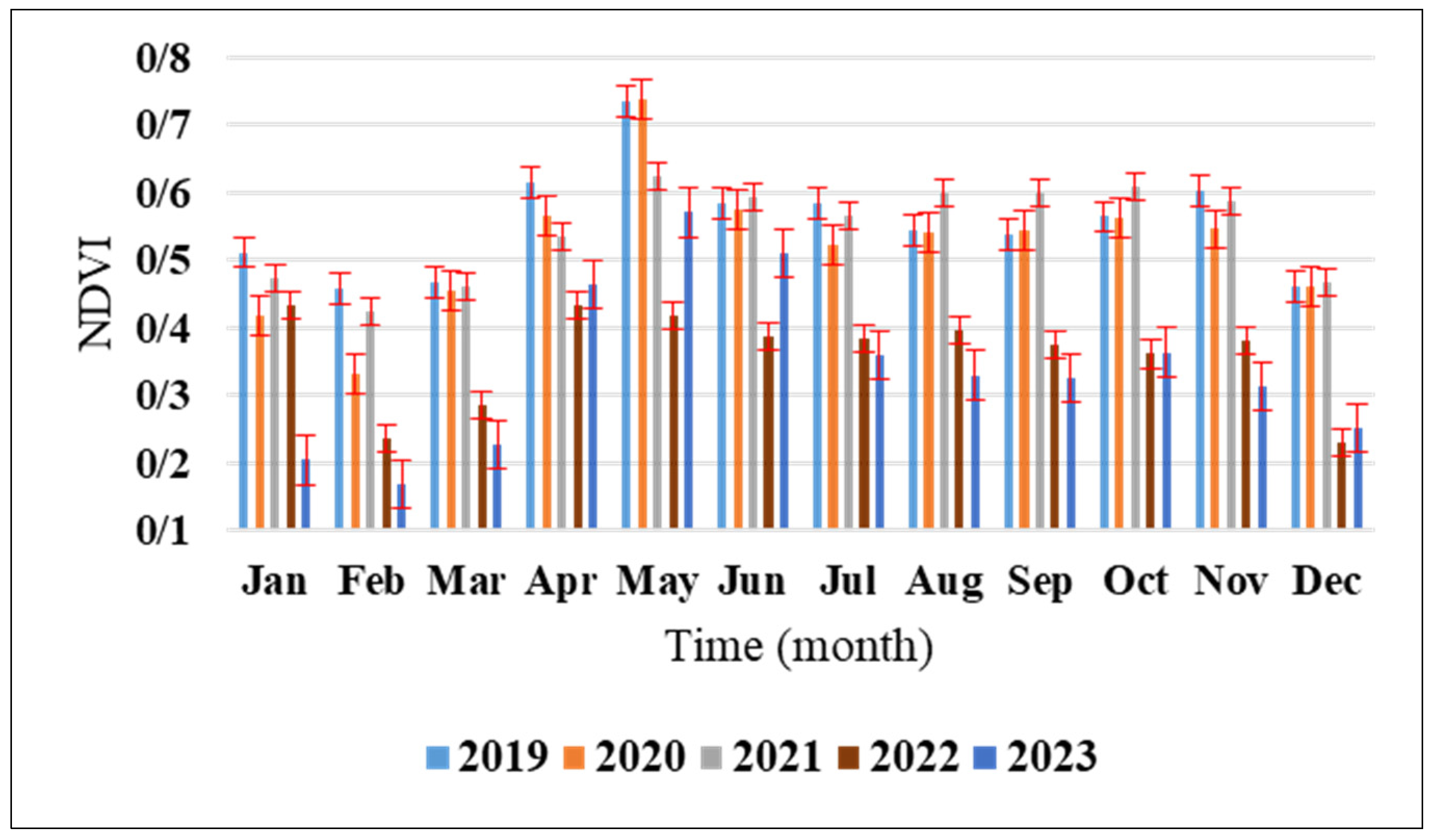
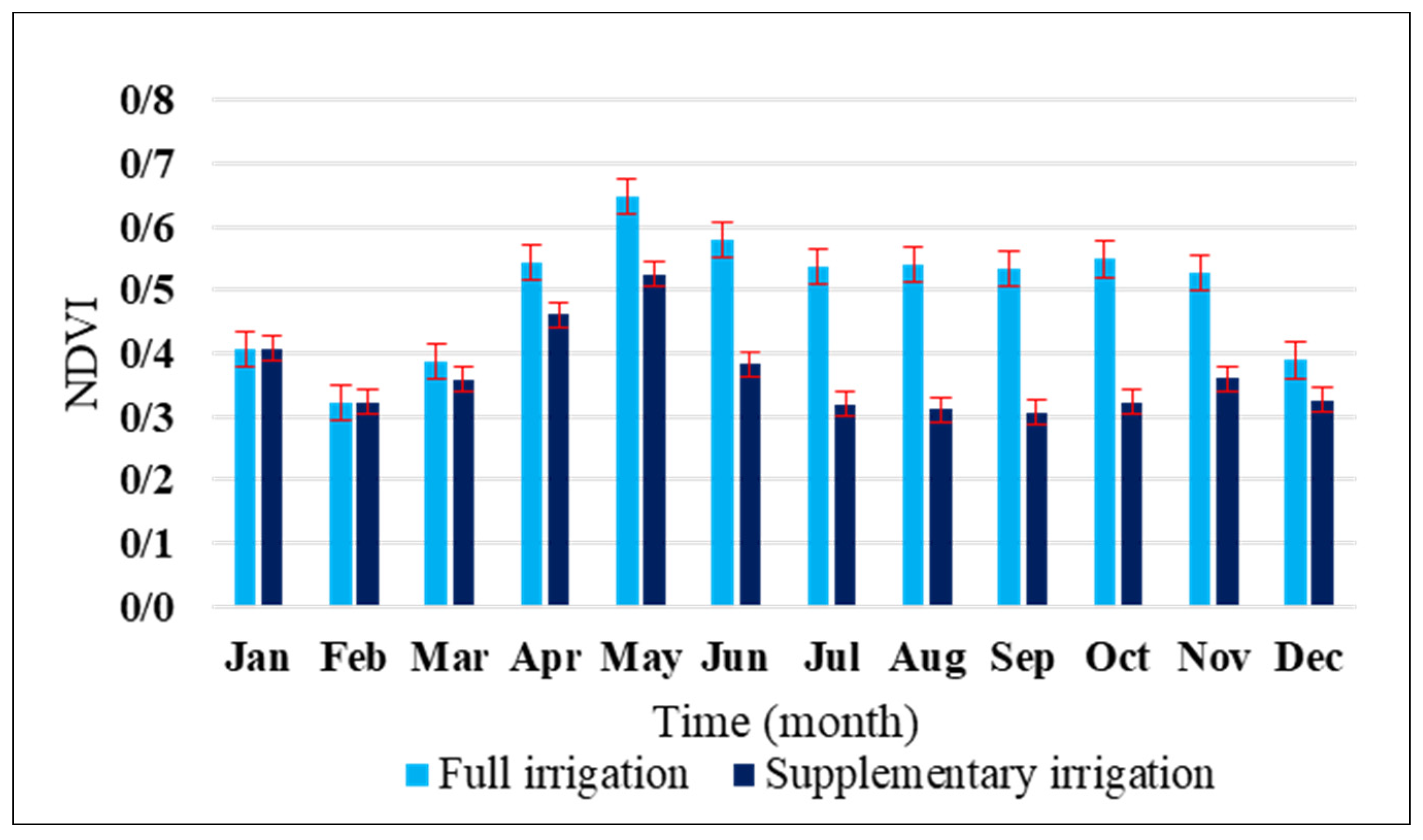
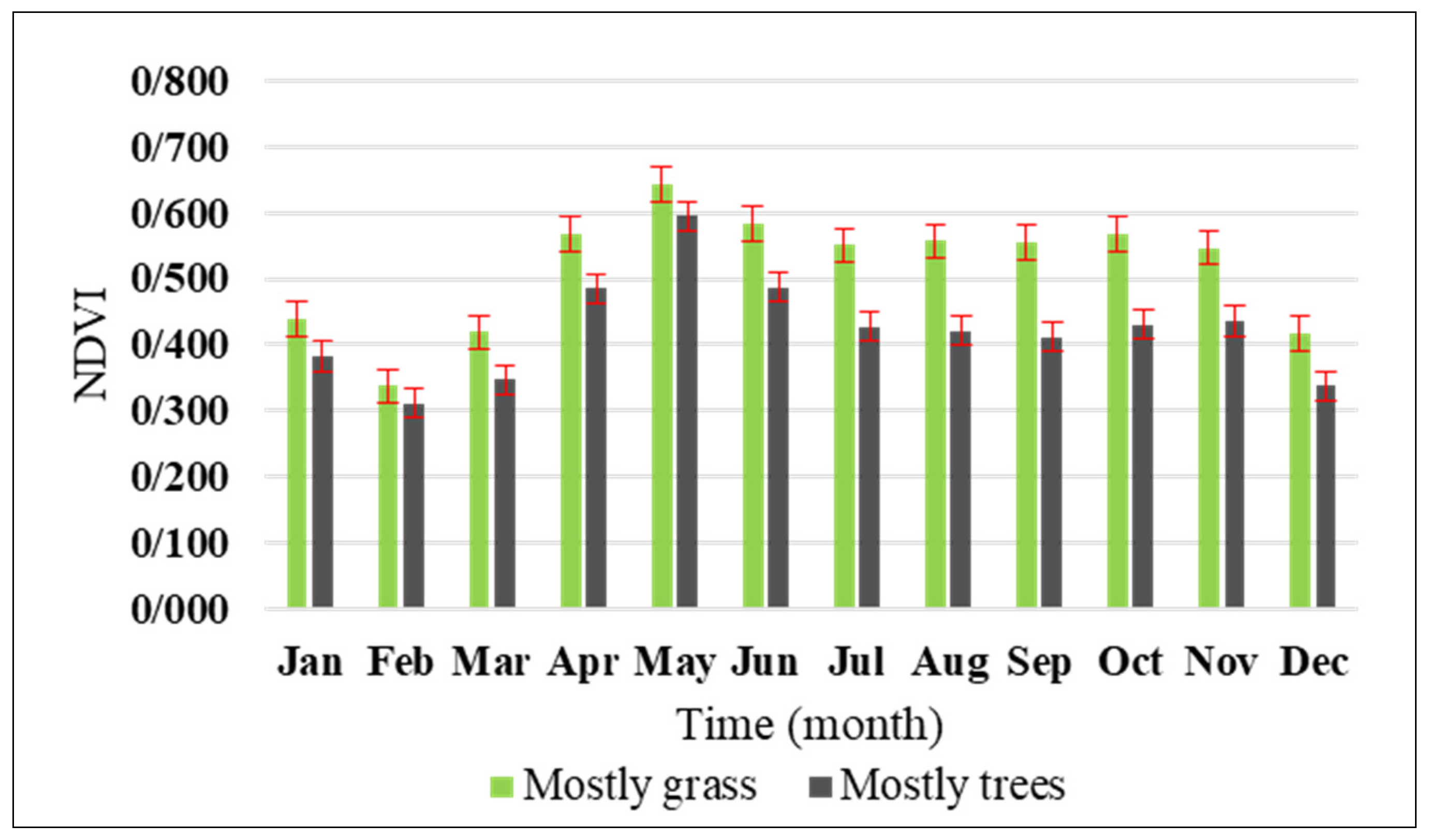
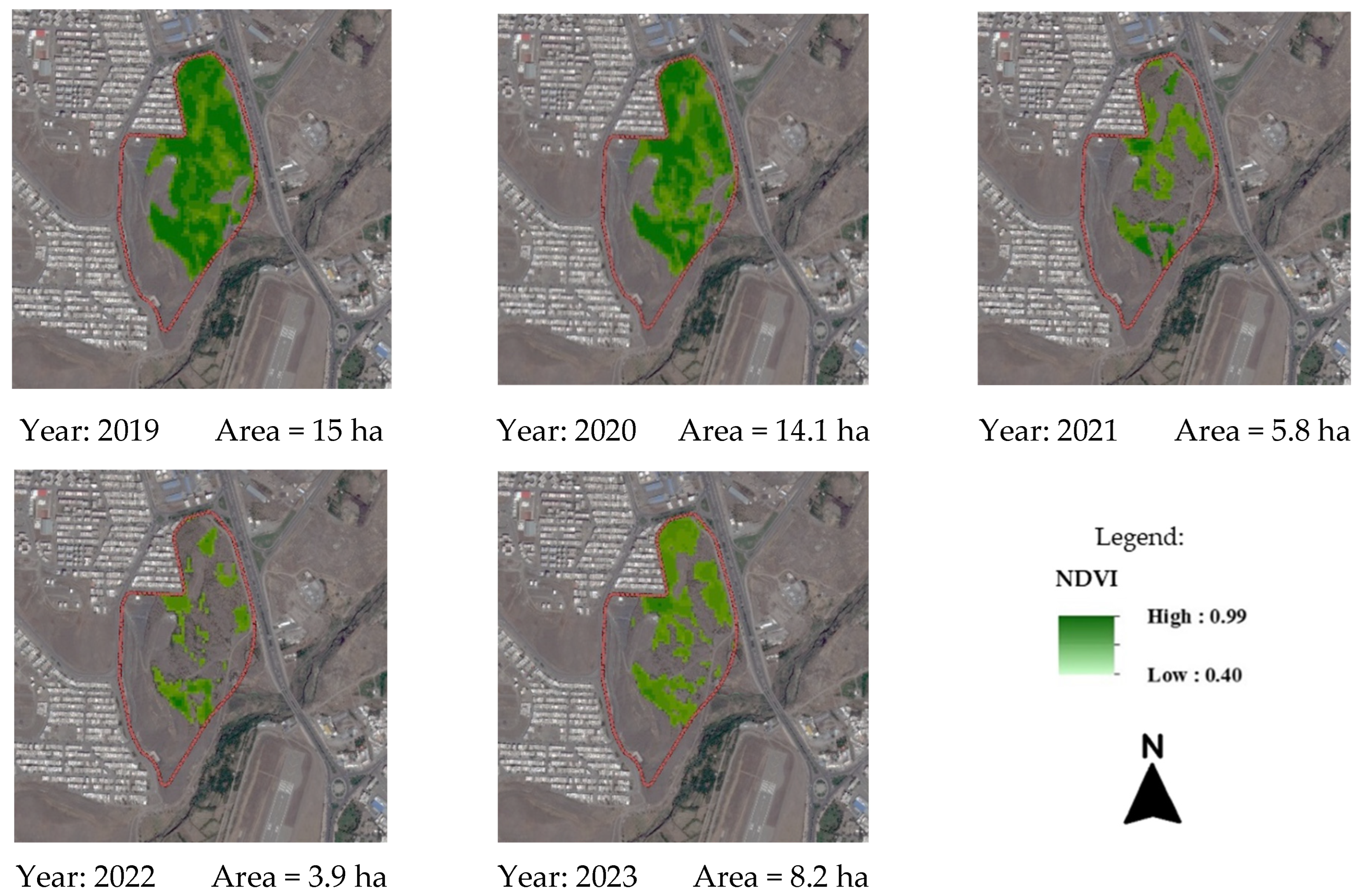
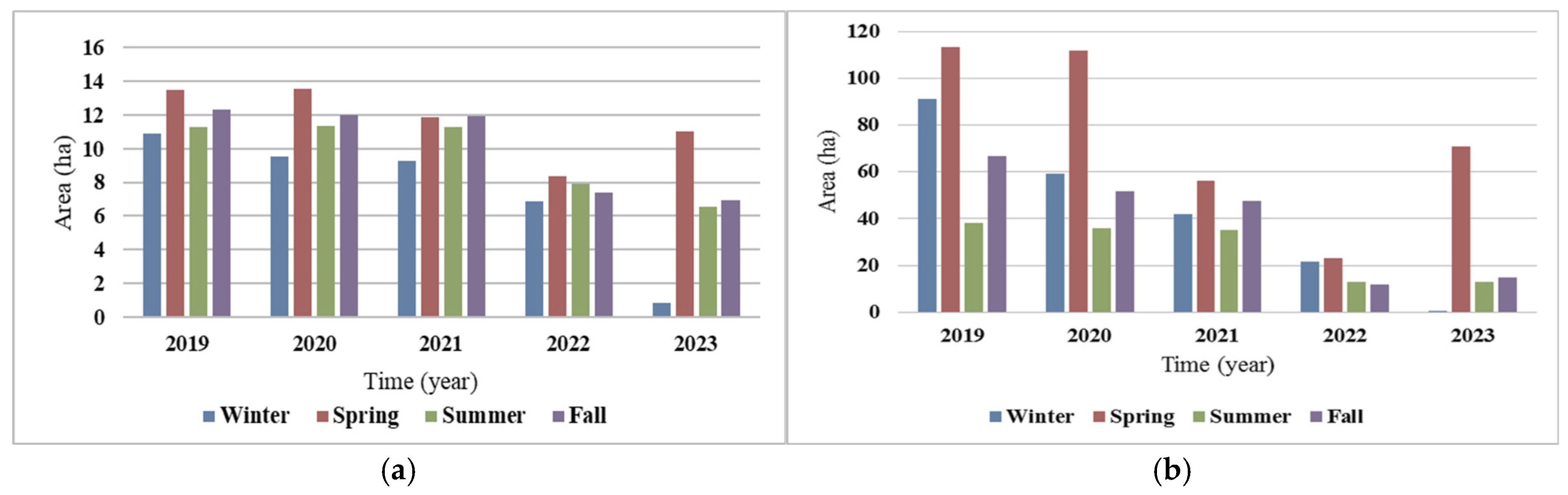
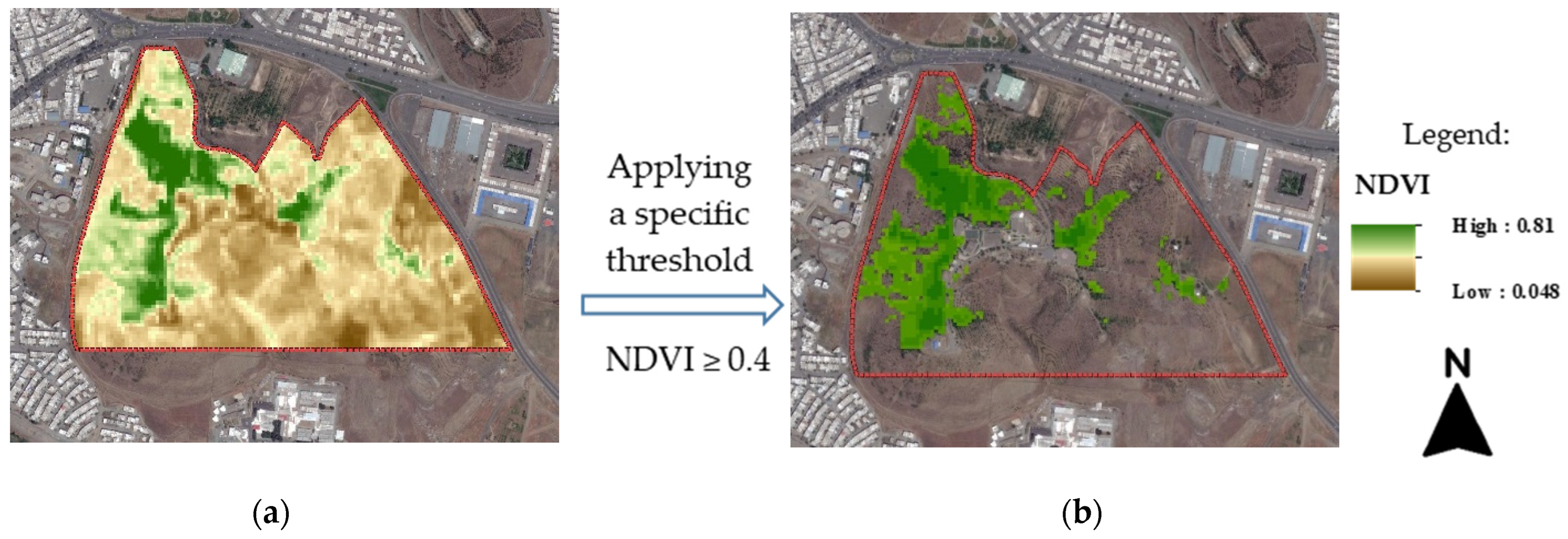
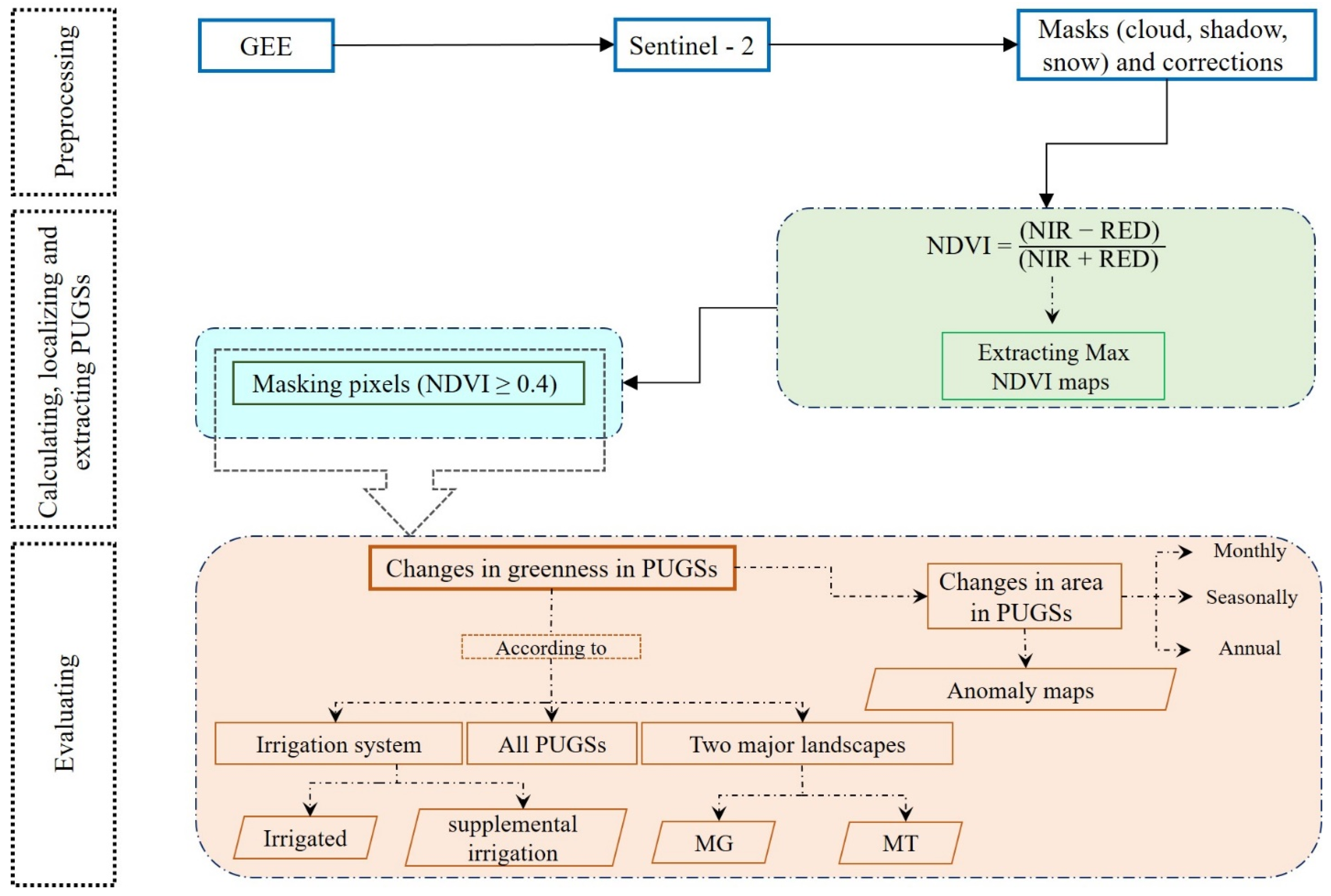
Urban greenery and cooling initiatives have become top priorities for municipalities worldwide as they contribute to improved environmental quality and urban resilience. This study leverages advancements in remote sensing (RS) and cloud-based processing to assess and monitor changes in public urban green spaces (PUGS) in Sanandaj, Iran. Using high-resolution Sentinel-2 imagery (10 m) processed in Google Earth Engine (GEE), we calculated and mapped the normalized difference vegetation index (NDVI) across 20 major PUGSs over a five-year period, from 2019 to 2023. A total of 507 Sentinel-2 images were analyzed, offering a comprehensive view of seasonal and annual greenness trends. Our findings reveal that May is the peak month for greenery, while February consistently shows the lowest NDVI values, indicating seasonal greenness variability. Specifically, the mean NDVI of PUGSs decreased significantly between 2019 and 2022, with values recorded at 0.735, 0.737, 0.622, 0.417, and 0.570 in the greenest month of each respective year, highlighting a noticeable decline in vegetation health and extent. This reduction can be attributed to water scarcity and suboptimal management practices, as evidenced by dried or underperforming green spaces in recent years. Our results underscore the potential of integrating NDVI-based assessments within urban development frameworks to more accurately define and sustain PUGSs in Sanandaj. This methodology provides a replicable approach for cities aiming to optimize urban greenery management through RS technology.
Keywords: environmental health; urban green spaces; remote sensing; Google Earth engine; Sentinel-2 imagery; NDVI; urban greening; climate adaptation environmental health; urban green spaces; remote sensing; Google Earth engine; Sentinel-2 imagery; NDVI; urban greening; climate adaptation