Article

KOH-Assisted Chemical Activation of Camelina Meal (Wild Flax) to Treat PFOA-Contaminated Wastewater

1
School of Environment and Sustainability, University of Saskatchewan, Saskatoon, SK S7N 5C8, Canada
2
Department of Chemical and Biological Engineering, University of Saskatchewan, Saskatoon, SK S7N 5A9, Canada
*
Author to whom correspondence should be addressed.
Sustainability 2025, 17(5), 2170; https://doi.org/10.3390/su17052170
Submission received: 29 January 2025 / Revised: 24 February 2025 / Accepted: 27 February 2025 / Published: 3 March 2025
(This article belongs to the Section Sustainable Chemical Engineering and Technology)

Abstract

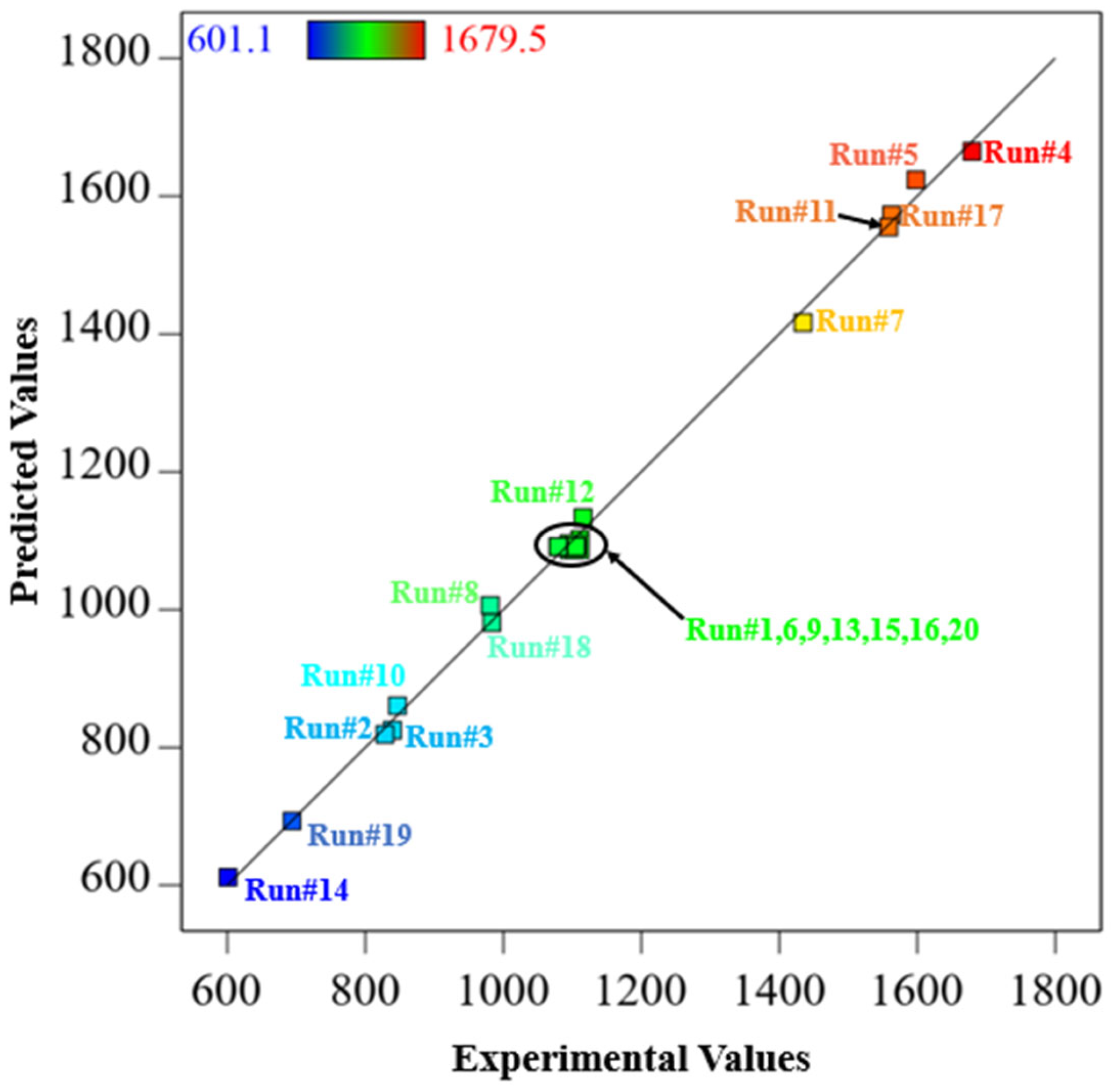
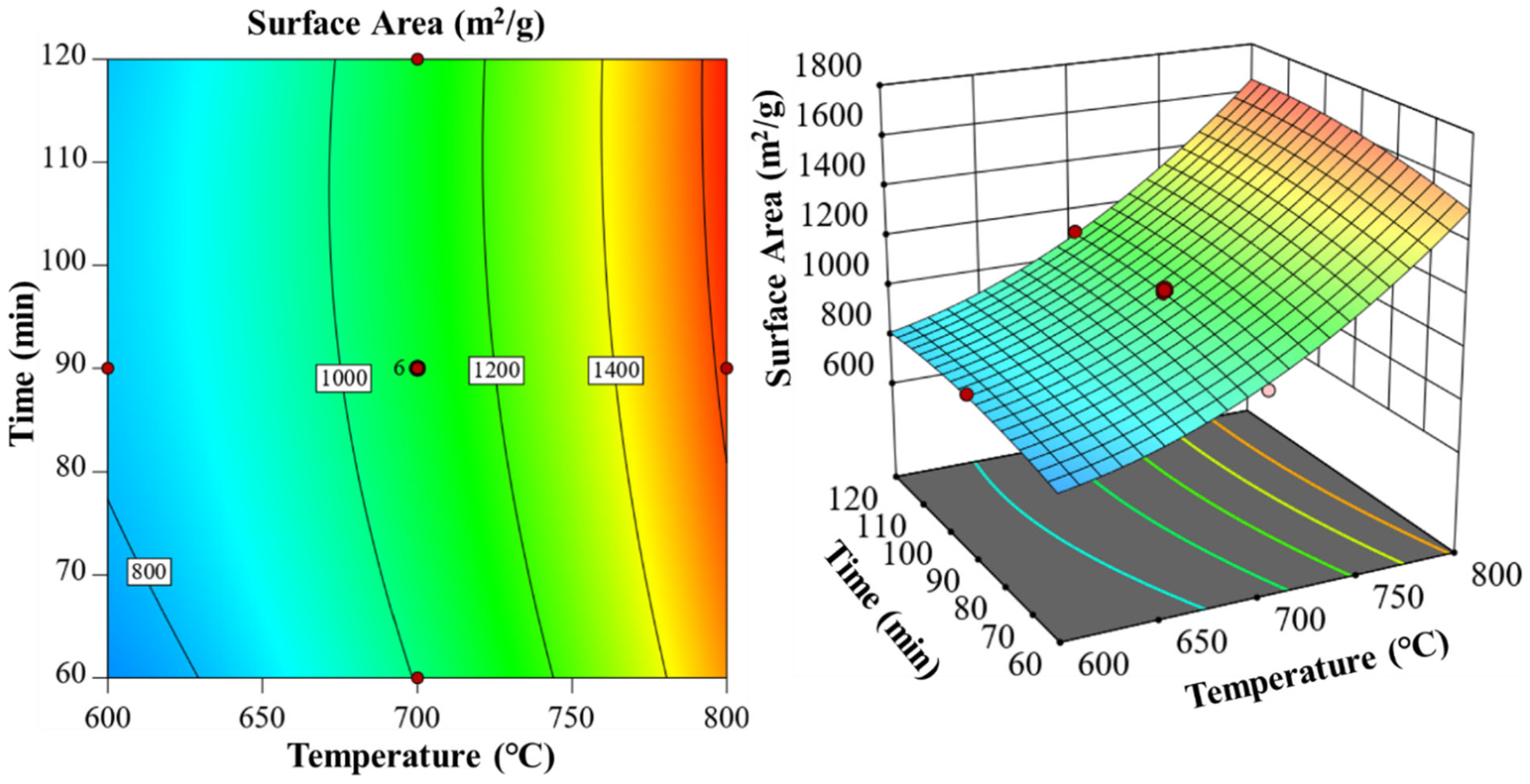
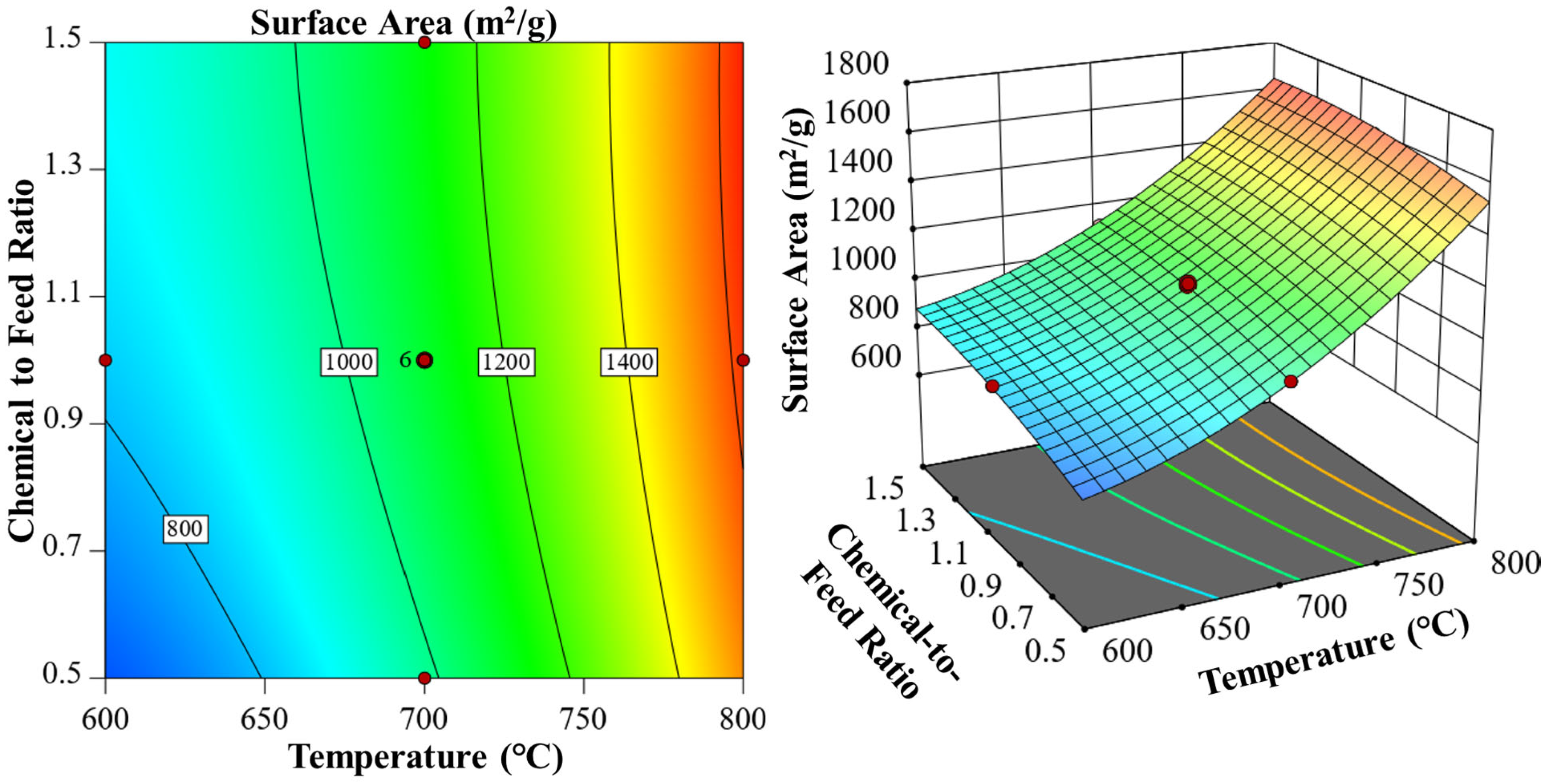
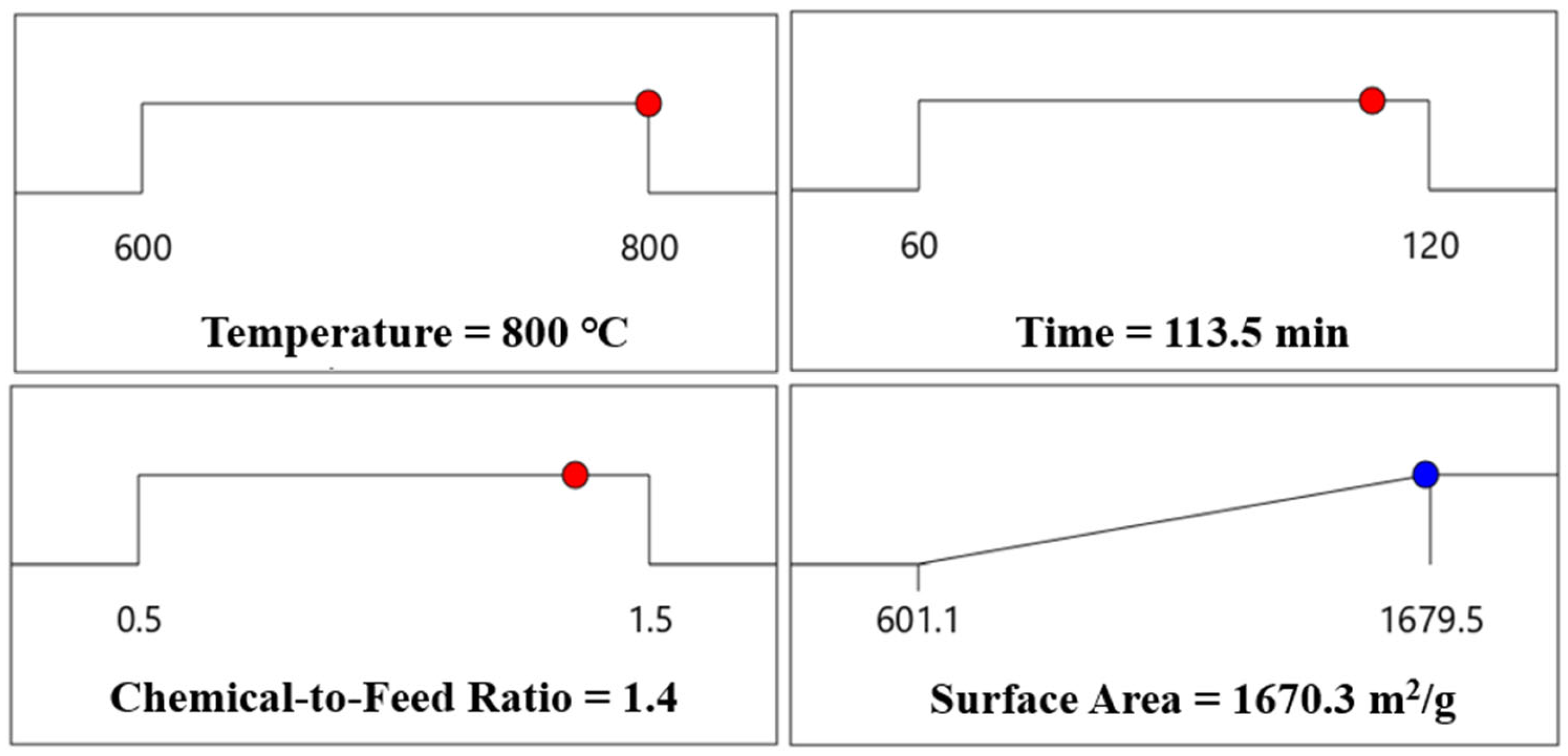
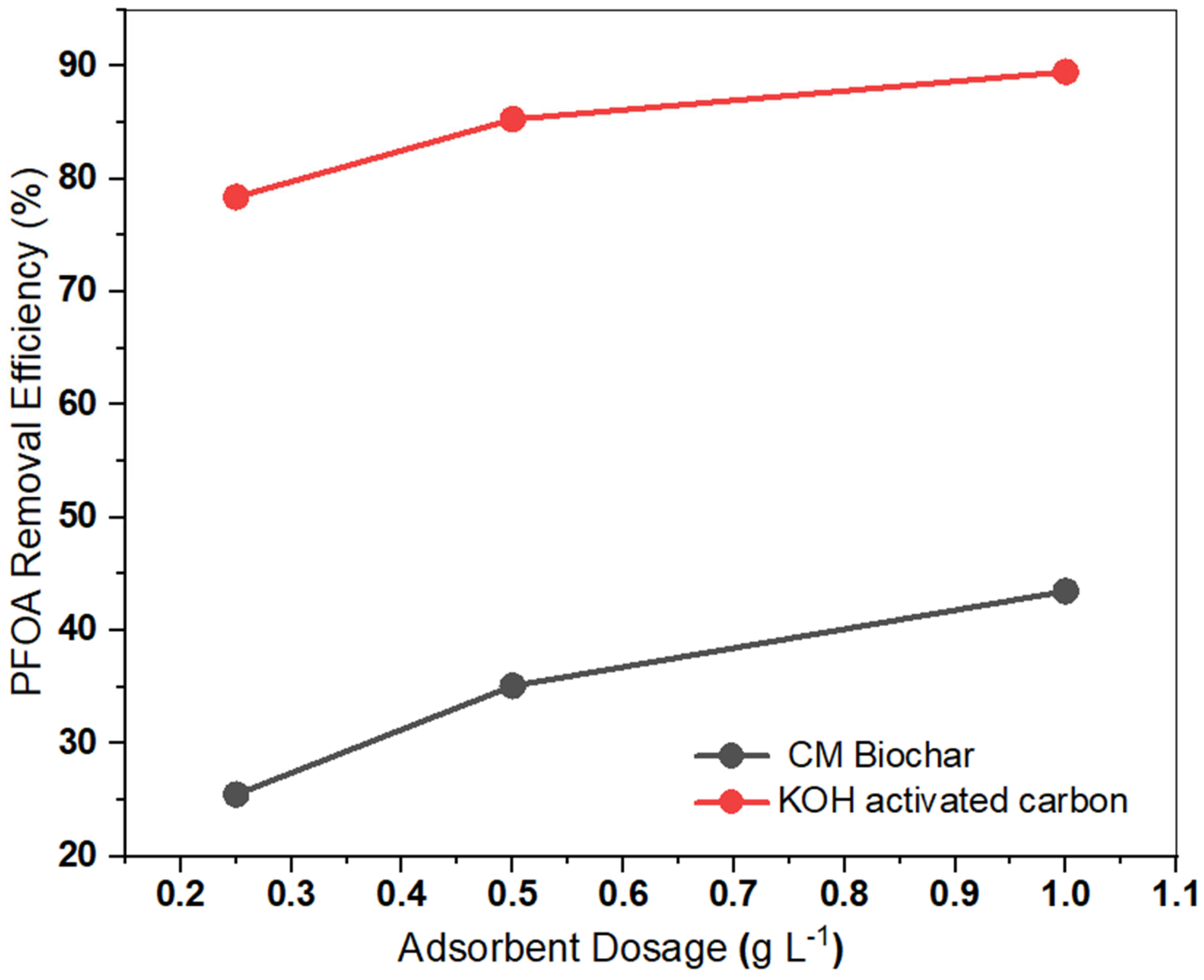
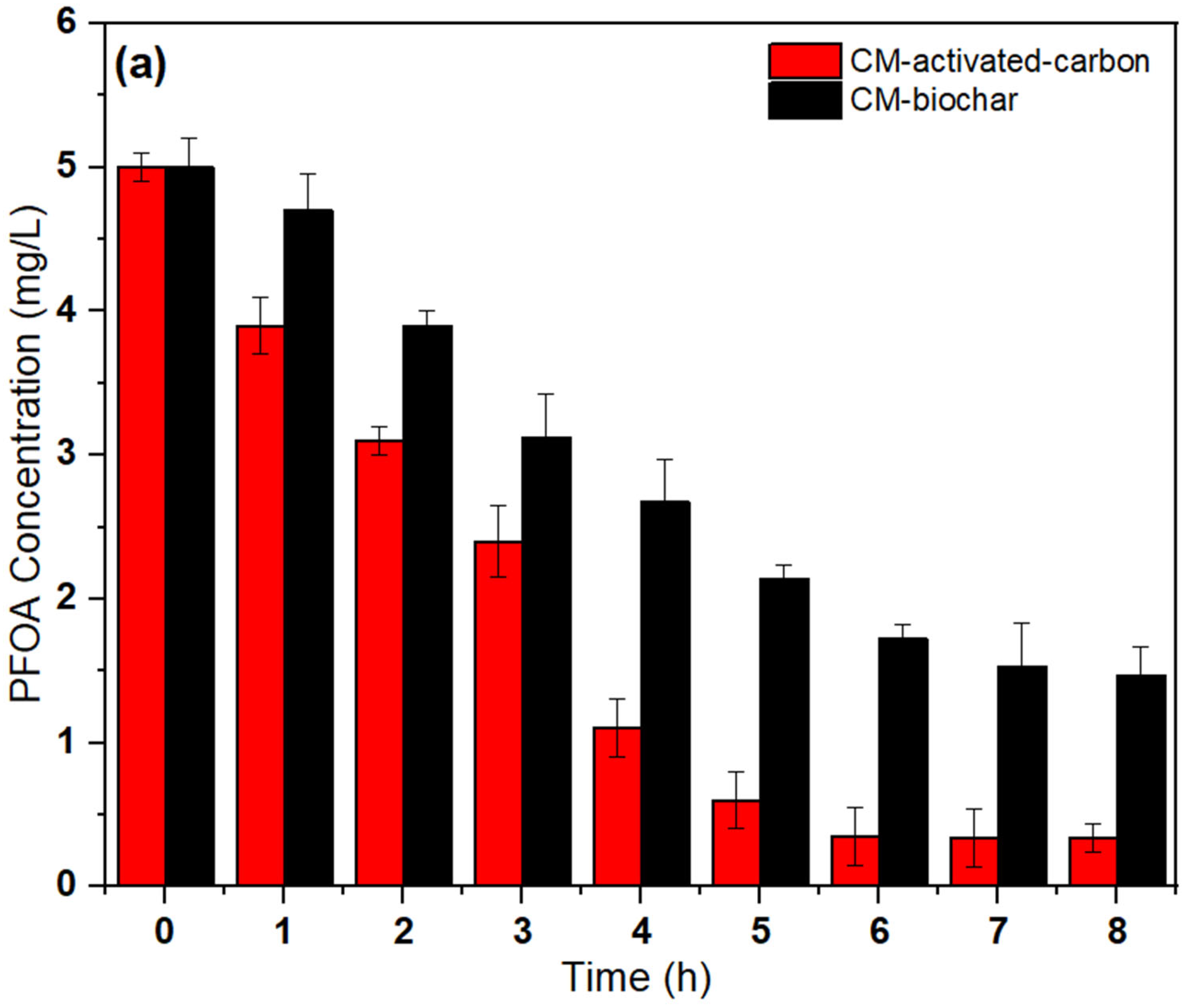
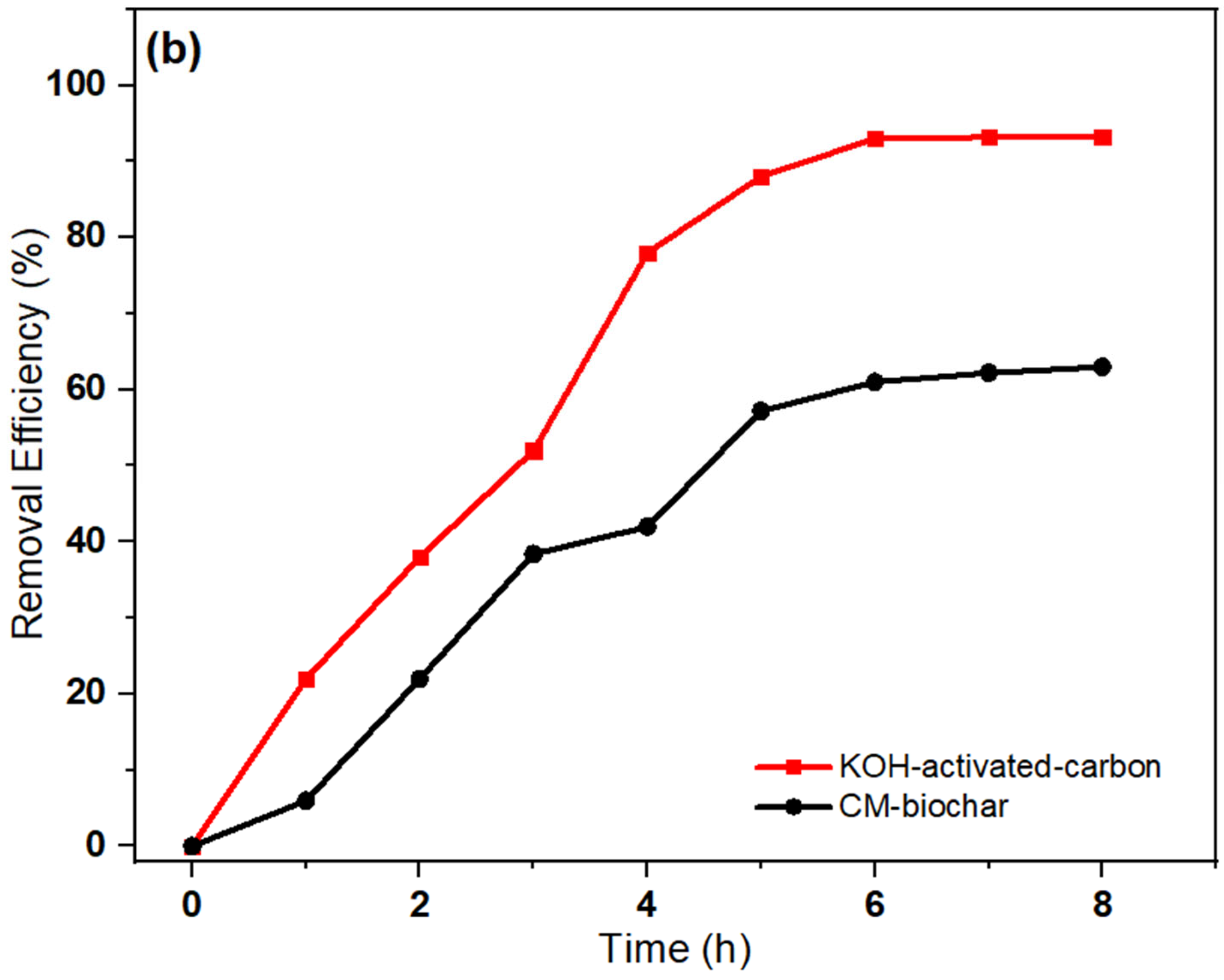
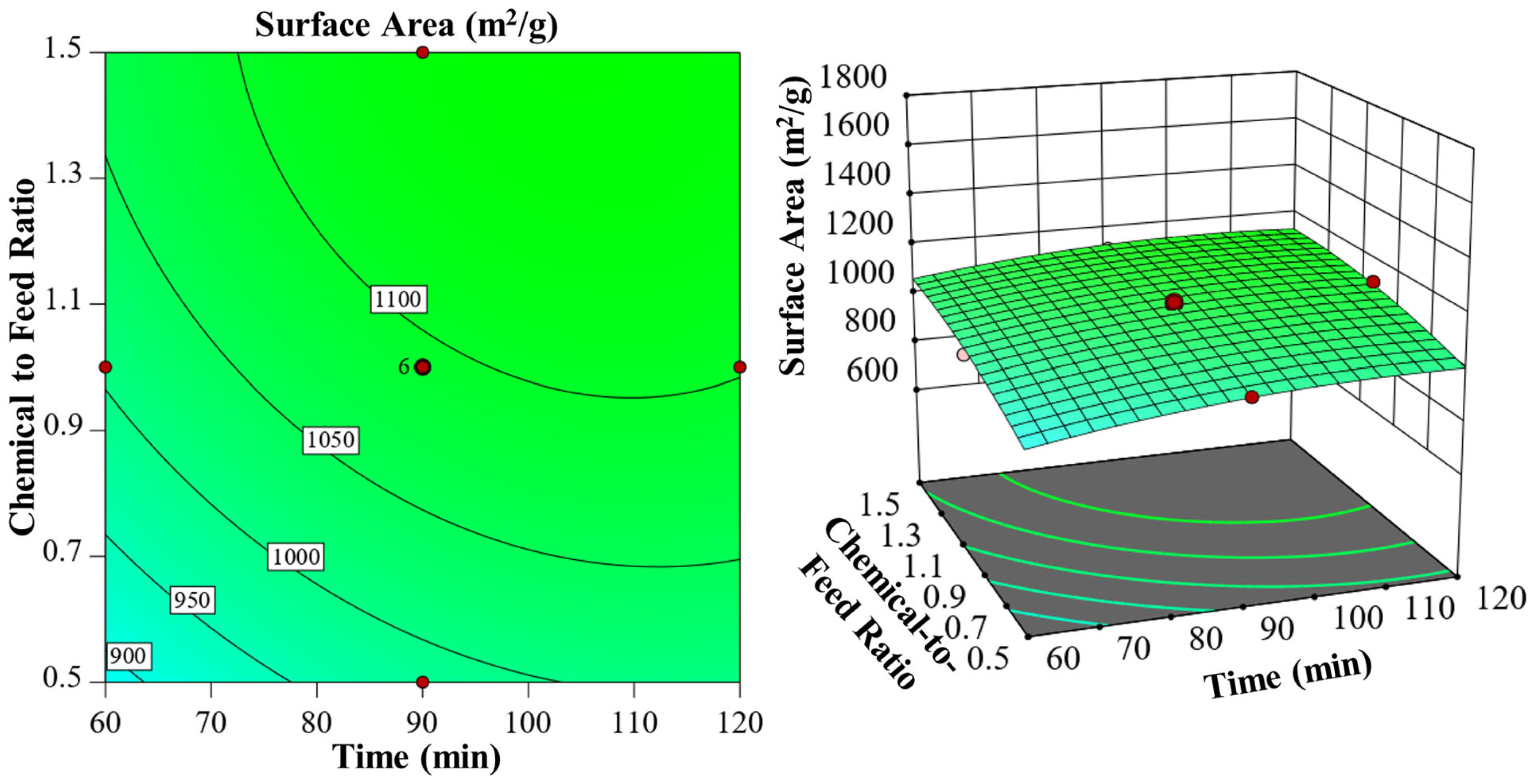
This study is constituted of the chemical activation of camelina meal (CM) biochar and the utilization of these activated carbon for the adsorption of perfluorooctanoic acid (PFOA) from water. Camelina meal, a sustainable agro-based byproduct, underwent slow pyrolysis and subsequent chemical activation with potassium carbonate (K2CO3), potassium hydroxide (KOH), and sodium hydroxide (NaOH). Among these chemical activating agents, KOH emerged as the one of most efficient activating agents, yielding activated carbon with superior surface properties and significantly higher carbon content. After the screening of the activating agents, a central composite design (CCD) was employed to optimize the critical constraints like temperature (600–900 °C), activation time (60–120 min), and KOH-to-feed ratio (0.5–1.5), with the objective of maximizing the surface area and adsorption capacities of the activated carbon samples. The activated carbon exhibited a substantial enhancement in surface area and PFOA adsorption efficacy. Optimal adsorption of PFOA was achieved using activated carbon produced at 800 °C with an activation time of 60 min and a KOH-to-feed ratio of 1.5. This material exhibited a surface area of 1558.4 m2/g and demonstrated a PFOA removal efficiency of 92.3%. The findings underscore the efficacy of chemically activated camelina meal biochar as an ecological adsorbent for the remediation of PFOA-polluted water.
Keywords: camelina meal biochar; chemical activation; central composite design; perfluorooctanoic acid; PFOA removal camelina meal biochar; chemical activation; central composite design; perfluorooctanoic acid; PFOA removal