Review

Bearing the Burden: Understanding the Multifaceted Impact of Energy Poverty on Women


by
Rosy Pradhan Shrestha
1,
Brijesh Mainali
2,*,
Charafeddine Mokhtara
3 and
Sunil Prasad Lohani
1
1
Renewable & Sustainable Energy Laboratory, Departmental of Mechanical Engineering, Kathmandu University, Kathmandu 44600, Nepal
2
Department of Built Environment and Energy Technology, Linnaeus University, 351 95 Växjö, Sweden
3
Department of Mechanical Engineering, Faculty of Technology, University of El Oued, El Oued 39000, Algeria
*
Author to whom correspondence should be addressed.
Sustainability 2025, 17(5), 2143; https://doi.org/10.3390/su17052143
Submission received: 24 December 2024 / Revised: 4 February 2025 / Accepted: 19 February 2025 / Published: 1 March 2025
(This article belongs to the Section Energy Sustainability)

Abstract

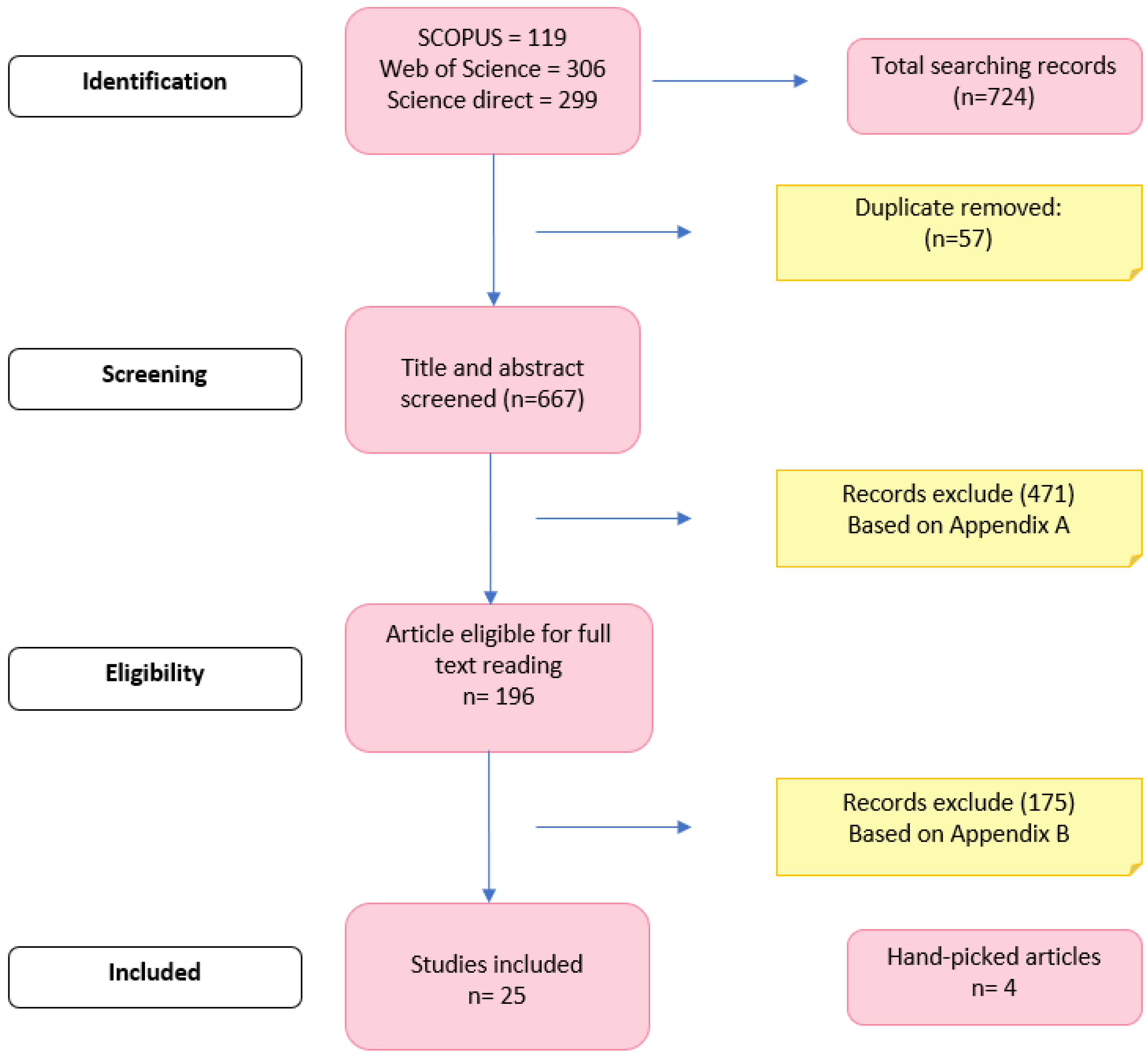
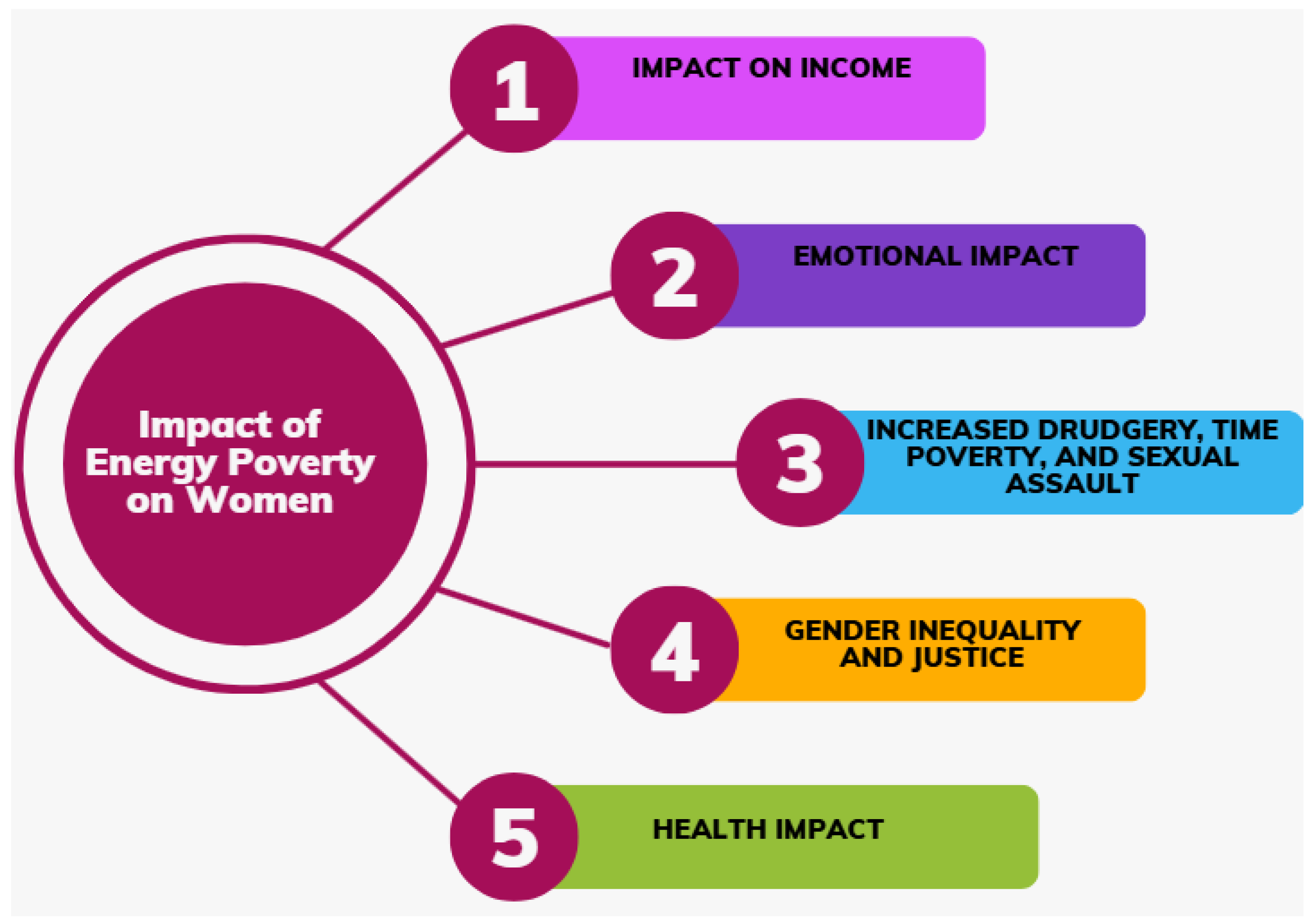
Energy poverty has evolved into a topic of global concern affecting both developing and developed countries. Energy poverty deprives the potential of numerous women to participate in family, communal, and economic activities. While energy poverty is a commonly studied subject, the existing literature often overlooks its gender dimension, specifically the effects on women. This systematic review aims to fill the current research lacuna by shedding light on the multifaceted consequences faced by women due to energy poverty. To this end, numerous articles from Scopus and Web of Science are fully analysed. The findings demonstrate the impacts on multiple aspects of women’s lives, such as health, emotional well-being, income, increased workload, and the perpetuation of inequality. Though the challenges seem a bit different in the Global South and North from a boarder perspective, coherent policies that enhance women’s empowerment with economic opportunities could minimize the potential risk of energy poverty. The review underlines the urgency of integrating a gender perspective, emphasising the necessity of interdisciplinary methods that connect energy and gender studies differently in both the Global North and South. The finding also highlights the role of socio-economic conditions, cultural norms, and the division of labour in increasing women’s vulnerability. This review highlights the crucial significance of gender-inclusive approaches in understanding and tackling energy poverty.
Keywords: energy poverty; fuel poverty; energy justice; gendered impact; vulnerability; socio-economic effects energy poverty; fuel poverty; energy justice; gendered impact; vulnerability; socio-economic effects