Article

Greener Packaging Solutions: The Social Impact of Biocomposite Lids in Colombia
by
Lady-Joana Rodríguez
1,*,
Juan D. Galvis-Nieto
2 and
Carlos E. Orrego
3
1
Instituto de Biotecnología y Agroindustria, Universidad Nacional de Colombia sede Manizales, Km 7 Vía al Magdalena, 170003 Manizales, Colombia
2
Department of Chemical Engineering, Universidad Nacional de Colombia sede Manizales, Km 7 Vía al Magdalena, 170003 Manizales, Colombia
3
Department of Physics and Chemistry, Instituto de Biotecnología y Agroindustria, Universidad Nacional de Colombia sede Manizales, Km 7 Vía al Magdalena, 170003 Manizales, Colombia
*
Author to whom correspondence should be addressed.
Sustainability 2025, 17(4), 1426; https://doi.org/10.3390/su17041426
Submission received: 18 November 2024 / Revised: 19 December 2024 / Accepted: 23 December 2024 / Published: 10 February 2025

Abstract

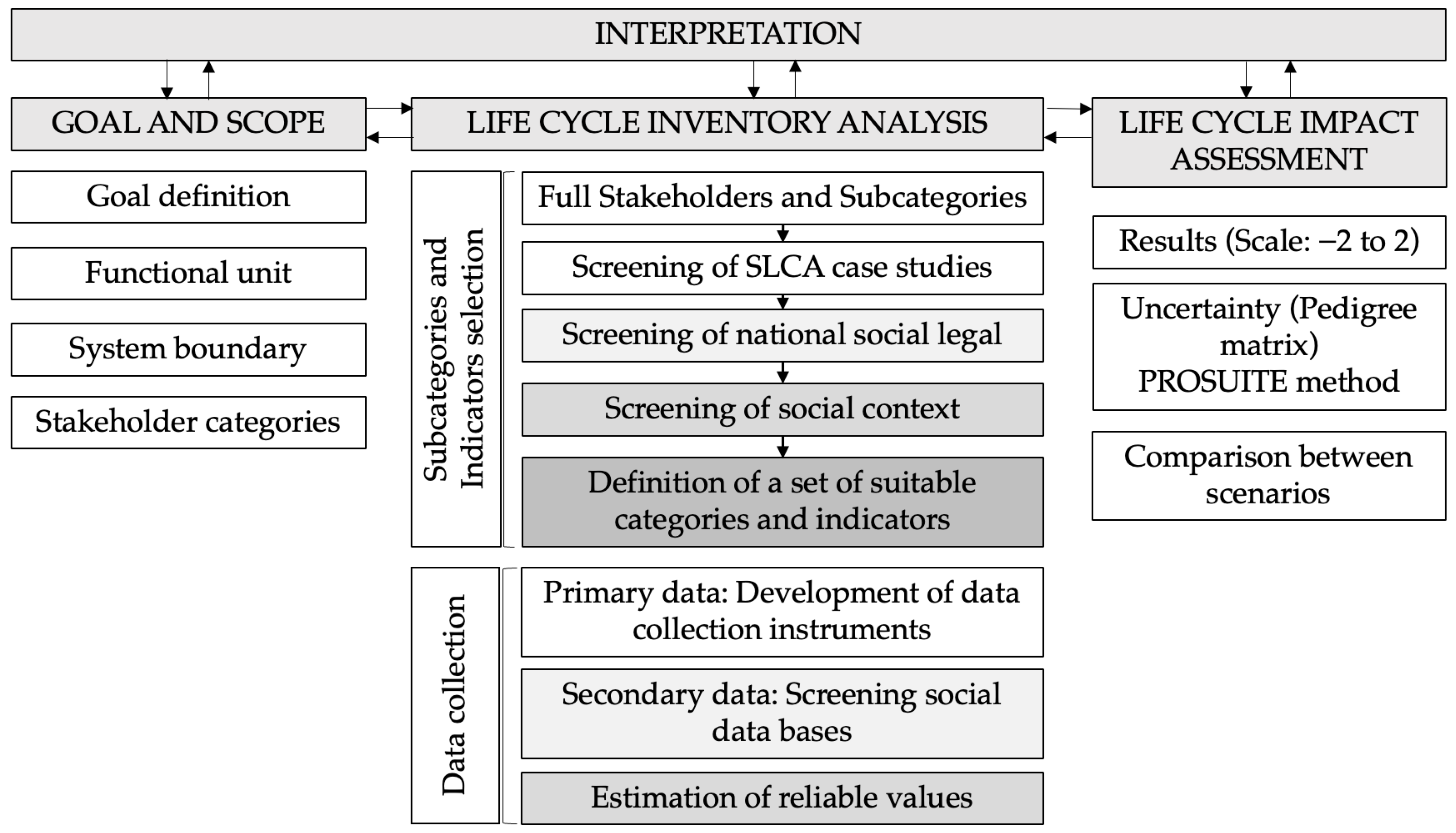
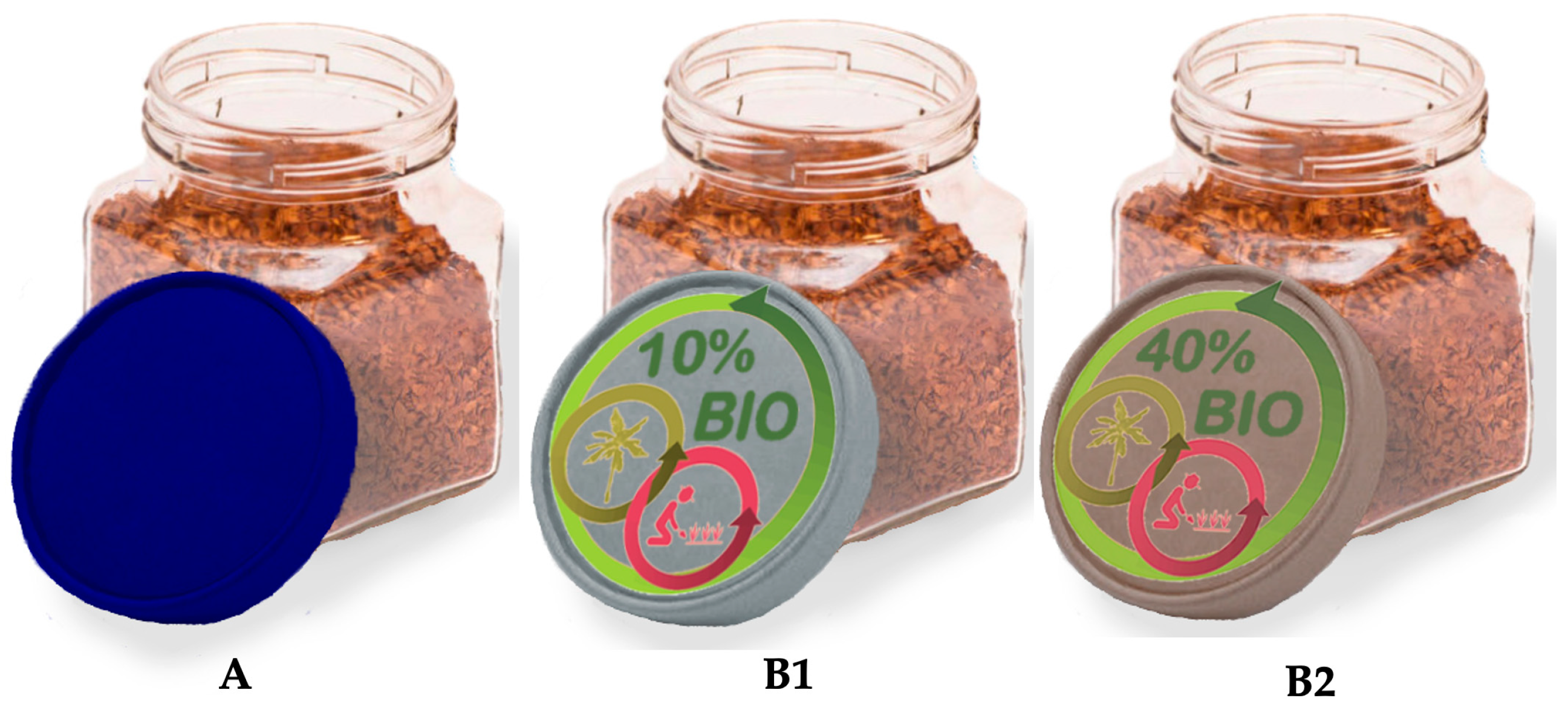
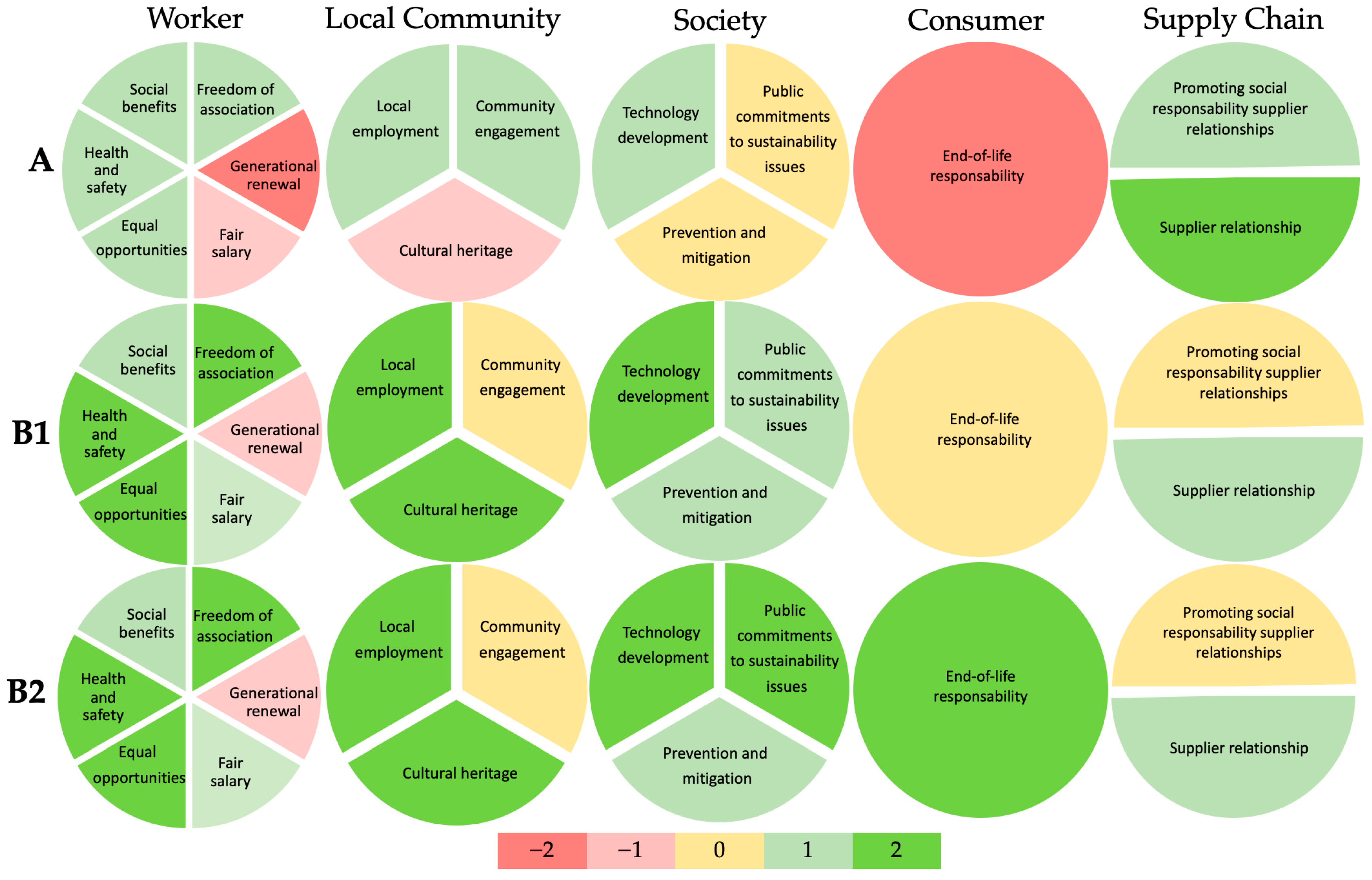
Biocomposite materials respond to market trends and regulatory pressures for environmentally friendly packaging. Few studies have assessed the social life cycle assessment (SLCA) using stakeholder indicators across the entire supply chain. The objective of this study is to provide reliable indicators and data to compare the SLCA of jar lid biocomposites filled with post-harvest banana fibers (BFs) in Colombia. Methodologies from the United Nations Environment Programme, the relevant literature, and Colombian regulations were used to select indicators. A comprehensive survey involved all stakeholders in the supply chain and consumer responsibility during the use phase. The data collected were integrated, scored, and weighted. This approach aimed to reduce uncertainty in comparing different scenarios and contribute to the standardization and integration of SLCA methods. The study highlights the significant benefits of incorporating banana fibers (BFs) into jar lids. Lids composed of 40% BFs provide notable social advantages, particularly within the agricultural sector. They contribute to improving the economic income and quality of life for farmers, transporters, and intermediaries while promoting equity among them. Additionally, these lids help preserve cultural heritage in local communities. From a corporate perspective, beyond financial gains, companies enhance their sustainability visibility by offering a product that is environmentally friendly, naturally sourced, and directly connected to farmers. Furthermore, these lids strengthen the overall social impact of the supply chain and business sector by utilizing renewable and locally available resources.
Keywords: social life cycle assessment; material selection; natural fiber; biocomposite; food packaging lid; banana crop social life cycle assessment; material selection; natural fiber; biocomposite; food packaging lid; banana crop