Article

Index of Sustainability of Water Supply Systems (ISA): An Autonomous Framework for Urban Water Sustainability Assessment in Data-Scarce Settings


by
Holger Manuel Benavides-Muñoz
Research Group R&D for the Sustainability of the Urban and Rural Water Cycle, Civil Engineering Department, Universidad Técnica Particular de Loja, Loja 110107, Ecuador
Sustainability 2025, 17(24), 11293; https://doi.org/10.3390/su172411293
Submission received: 18 November 2025 / Revised: 11 December 2025 / Accepted: 12 December 2025 / Published: 17 December 2025
(This article belongs to the Section Sustainable Water Management)

Abstract

Urban Water utilities in low- and middle-income countries face systemic challenges, including data scarcity, institutional fragmentation, and aging infrastructure, that constrain the applicability of conventional benchmarking tools reliant on peer comparisons. This study introduces and validates the Index of Sustainability of Water Supply Systems (ISA), an autonomous diagnostic framework that evaluates sustainability without external references. The ISA integrates 49 indicators across economic, social, and environmental dimensions, transforming raw utility data into standardized quality scores through non-linear conversion functions and weighted aggregation. When applied to 14 urban water systems in southern Ecuador, the ISA revealed severe sustainability deficits: all scored between 25 and 43 on a 0–100 scale, with 71% classified as poor and 29% as deficient. Key weaknesses included inadequate cost recovery, network renewal below 0.2%/year, lack of wastewater treatment, limited watershed protection, intermittent supply under 12 h/day, and persistent water quality issues. A critical failure was an Infrastructure Leakage Index > 38 in 7 of 14 systems. The ISA’s autonomous design enabled identification of systemic vulnerabilities, including governance gaps and environmental deficits. These results confirm the ISA’s practical utility as an equitable, actionable diagnostic tool for utilities and regulators to prioritize interventions and advance SDG 6 in data-constrained settings.

1. Introduction

1.1. The Urban Water Sustainability Imperative

Urban water supply systems (WSSs) constitute vital infrastructure for public health, economic activity, and ecological integrity. In low- and middle-income countries, however, these systems confront systemic stressors, including infrastructure deterioration, institutional fragmentation [1], financial constraints, and climate variability [2], that impede their capacity to deliver safe, reliable, and equitable services [3]. The United Nations estimates that over 2 billion people still lack access to safely managed drinking water [4], with intermittent supply and deteriorating quality disproportionately affecting urban populations in the Global South [5]. Achieving SDG 6 requires actionable frameworks to diagnose and address these challenges, yet operationalizing sustainability, conceived as the balance of social, economic, and environmental objectives, remains elusive in data-limited settings [4,6].

1.2. The Persistent Gap in Diagnostic Tools

Historically, utility performance has been assessed through metric benchmarking frameworks like IBNET [7] or IWA indicators [8], which rely on standardized metrics such as non-revenue water or staff productivity. While useful in data-rich environments, these approaches presuppose consistent data availability, institutional stability, and the existence of comparable peer utilities, conditions rarely met in developing contexts. Consequently, benchmarking often fails to capture context-specific vulnerabilities or penalizes utilities for structural constraints beyond their control, such as mountainous topography or rapid urbanization [9]. Recent advances in data science have demonstrated that machine-learning (ML) and data-driven approaches can substantially improve prediction accuracy in complex, data-rich hydraulic environments compared to traditional empirical or linear methods [10]. However, such advanced techniques typically require extensive, high-frequency, and high-quality datasets, including real-time sensor networks and calibrated hydraulic models, that are seldom available in small- to medium-sized utilities across low- and middle-income countries that are the focus of this study. In these data-constrained settings, the direct application of machine-learning models may be limited by data scarcity and infrastructure gaps. This context-specific limitation does not diminish the transformative potential of data-driven approaches in environments where they are feasible; rather, it underscores the need for pragmatic, context-appropriate diagnostics as a foundational step. The ISA framework is explicitly designed for such data-scarce scenarios, leveraging structured expert judgment to overcome data sparsity and extract meaningful insights from heterogeneous and often qualitative information. By establishing a clear, evidence-based diagnosis of system-wide vulnerabilities, the ISA provides the essential groundwork upon which more data-intensive, advanced analytical methods, including machine learning, can be built as institutional capacity and data infrastructure mature.

1.3. The Benchmarking Paradox and the Need for Autonomous Assessment

This mismatch generates what is termed the “benchmarking paradox”: utilities most in need of diagnostic support are precisely those least able to participate in peer-comparison exercises. In Ecuador, for instance, many municipal operators lack basic asset registries or consumption records, rendering IBNET-style indicators incalculable. Moreover, benchmarking typically omits critical sustainability dimensions, such as watershed protection, governance coherence, or environmental externalities, that are essential in regions where source degradation and institutional discontinuity undermine long-term viability [11].
The water sector requires a methodology that is autonomous, holistic, scalable, context-sensitive, and comparable.

1.4. Toward an Autonomous Diagnostic Approach

To overcome these limitations, there is an urgent need for assessment methodologies that operate independently of external reference systems. An autonomous framework must rely solely on a utility’s internal data, adapt to local hydro-geographic and institutional realities, and translate fragmented operational information into a holistic sustainability diagnosis. Importantly, such a tool should not merely rank performance but identify actionable deficits across the triad of social, economic, and environmental domains [12].
The ISA framework operates autonomously in the sense that it requires no external peer comparisons or reference databases. However, it explicitly incorporates internationally recognized standards and norms such as WHO drinking water guidelines, IWA performance indicators, and ISO 24512 standards [13] as internal reference points within its conversion functions. This autonomy allows for absolute assessment against sustainability ideals rather than relative peer performance while still maintaining alignment with established technical norms.

1.5. The ISA Framework: Origins and Core Innovation

This study presents the Index of Sustainability of Water Supply Systems (ISA), originally developed in Benavides-Muñoz’s [14] research as a response to these challenges. The ISA is a composite diagnostic index that synthesizes 49 locally adaptable indicators across 15 subcomponents, structured within the three pillars of sustainability. Its innovation lies in methodological autonomy: raw utility data are transformed into standardized quality factors (ranging from 0 to 1) through empirically derived, non-linear conversion functions and subsequently aggregated using expert-validated weights. The resulting ISA score (0–100) enables both absolute classification of sustainability levels and cross-system comparability, without requiring peer benchmarks or external databases.
Unlike IBNET which requires peer comparisons and focuses primarily on operational efficiency, or the Blue City Index which emphasizes urban water metabolism at city scale [15], the ISA provides a comprehensive, self-contained diagnostic framework specifically designed for data-scarce environments. Whereas the Urban Water Sustainability Index (UWSI) and Rural Water Sustainability Index (RWSI) focus on urban and rural contexts, respectively, the ISA uniquely integrates economic, social, and environmental dimensions through expert-calibrated non-linear conversion functions that capture critical thresholds and diminishing returns, features typically overlooked by linear indices miss [16]. This methodological advancement allows the ISA to identify sustainability deficits even when all utilities in a region perform poorly, a scenario where benchmarking fails to provide actionable insights.
ISA is therefore not a single fixed index but a methodological family with a shared conceptual nucleus and evolving computational architecture. ISA disaggregates sustainability into actionable components: asset renewal, cost recovery, service continuity, watershed protection, energy efficiency, water quality, tariffs and affordability. Managers do not receive a ranking; they receive a roadmap [11,17].
As a conceptual reference, it is useful to visualize the performance profile of an idealized water utility—one that achieves the maximum ISA score (ISA = 100) across all components. Such a profile represents a theoretical upper bound in which every indicator attains optimal quality, the three sustainability pillars are fully balanced, and no structural or operational deficits remain [12]. Presenting this ideal configuration provides a normative benchmark against which real systems can be contrasted, clarifying the multidimensional nature of the ISA structure and highlighting the full expression of its diagnostic resolution (see Figure 1).
Figure 1 illustrates the geometric expression of this ideal state, where all sub-components reach their maximum quality factor and the three pillars converge symmetrically. This diagram serves as the reference template against which deviations in real-world systems can be identified and interpreted.

1.6. Scope and Structure of This Study

This article presents the first systematic application and validation of the Index of Sustainability of Water Supply Systems (ISA) in a real-world, data-constrained context. This study is structured to first detail the ISA’s conceptual and methodological foundations, then report its application to 14 urban water utilities in southern Ecuador and finally discuss the implications of the findings for water governance in resource-limited settings. The analysis is deliberately confined to the empirical scope of the field study, without extrapolation to post-application developments, statistical validation beyond the observed data, or claims of global scalability.

1.7. Objectives of This Study

The overarching aim is to present a consolidated, validated, and publishable version of the ISA framework. Specifically, this study seeks to:
Formally present the full ISA framework, incorporating 49 indicators, weighting mechanisms, conversion functions, and aggregation methods.
Demonstrate its application to 14 Ecuadorian water utilities, covering three major hydro-geographical regions.
Compare ISA results with traditional benchmarking, highlighting the limitations of conventional KPI-based approaches.
Validate the robustness and practical utility of ISA through expert feedback, statistical analysis, and sensitivity testing.
Position ISA as an actionable, scalable tool for advancing sustainable water governance, especially in data-scarce and institutionally diverse contexts.

2. Materials and Methods

The ISA framework is constructed on a hierarchical, multi-criteria decision analysis (MCDA) foundation. Its development and validation followed a structured process, which is detailed below.

2.1. Conceptual Foundation of the ISA Framework

The Index of Sustainability for Water Supply Systems (ISA) is a diagnostic framework designed to assess the sustainability of urban water services, particularly in data-constrained contexts, as originally proposed in Benavides-Muñoz [14]. The framework is structured around three interdependent dimensions, economic, social, and environmental, reflecting the widely recognized pillars of sustainable development [18] and aligning with the principles of Integrated Water Resources Management (IWRM). Unlike conventional benchmarking approaches, the ISA operates autonomously: it does not require external peer comparisons and relies solely on internal utility information, making it suitable for diverse operational environments.
The development of the ISA was grounded in a rigorous, multi-stage indicator selection process. This process combined a comprehensive literature review with insights from the original thesis and expert consultation, starting from an initial list of over 50 potential metrics. Each potential indicator was screened based on three core criteria: its direct relevance to sustainability, its measurability in typical utility contexts, and its non-redundancy with other selected metrics. This meticulous refinement culminated in the selection of a final set of 49 indicators, which are organized into 15 subcomponents distributed across the three primary dimensions.
The distinctive methodological feature of the ISA is its use of non-linear conversion functions to transform raw performance values of these 49 indicators into standardized Quality Factors (QF) on a continuous scale from 0 (unsustainable) to 1 (optimal sustainability). These functions were not derived from statistical or machine-learning models. Instead, they were developed through a structured Delphi process [19,20] involving 12 water-sector professionals who evaluated the sustainability significance of different indicator values [21]. For each of the 49 indicators included in the ISA, experts identified the raw values corresponding to key qualitative categories of perceived sustainability (e.g., unacceptable, acceptable, adequate, ideal). The resulting functions, fitted as exponential, logarithmic, polynomial, sigmoidal, hyperbolic, or piecewise curves, encode expert judgment regarding how actual performance relates to sustainability under real operational conditions, particularly in developing-country contexts.
This conversion-function approach allows the ISA to incorporate essential engineering thresholds (e.g., minimum service pressure, maximum water losses), account for diminishing returns (e.g., marginal benefits of higher continuity or improved water quality), recognize saturation regions, and apply strong penalties to critical failures (e.g., insufficient treatment, lack of disinfection). By avoiding assumptions of linearity, the ISA offers a representation of sustainability that is more realistic and perceptually meaningful than linear scoring or benchmarking systems [22]. The aggregated ISA score, computed as a weighted sum of Quality Factors, provides a holistic and internally consistent diagnosis that supports prioritization of interventions (see Table 1). Importantly, the framework is designed to be accessible, participatory, and implementable even in utilities with limited data, as demonstrated during its validation in 14 municipal water systems in Ecuador.
The Delphi process employed in this study followed the structured methodology established by Linstone and Turoff [23] and adapted for water sector applications by Noori et al. [24]. The process consisted of three rounds: (1) Individual expert assessment of indicator importance and threshold values; (2) Anonymous sharing of these assessments with statistical summaries of group responses; (3) Facilitated discussion to resolve divergences and reach consensus. This iterative approach minimized individual bias while leveraging collective expertise, resulting in the calibrated conversion functions and weights that form the foundation of the ISA framework.
The equal weighting of the three sustainability pillars (33.4%, 33.3%, and 33.3%) was determined through a structured two-stage Delphi process. In the first stage, the 12 water-sector experts independently assigned importance weights to each pillar. In the second stage, these individual assignments were collectively discussed and refined to reach consensus. The near-equal final weights emerged from this consensus process, reflecting the experts’ judgment that all three dimensions are equally fundamental to sustainable water service provision. Within each pillar, sub-component weights were determined through a similar consensus process, with indicators within each sub-component receiving equal weights unless technical justification warranted differential treatment.
The 12 experts participating in the Delphi process included: 3 senior water utility managers (each with 15+ years of experience managing municipal systems), 4 academics specializing in water resources management (all with advanced postgraduate degrees (Master’s or PhD) in Urban Hydraulic and 10+ years of research experience), 3 regulatory officials from Ecuador’s water authority (with expertise in policy and standards), and 2 international consultants with experience implementing water projects in Latin America. This diverse group ensured balanced perspectives across operational, academic, regulatory, and international dimensions of water management.

2.2. ISA Architecture and Indicator Structure

The Index of Sustainability of Water Supply Systems (ISA) is structured as a three-level hierarchical framework designed to diagnose the sustainability of urban water supply systems in data-constrained contexts:
Three sustainability pillars: Economic, Social, and Environmental.
Fifteen subcomponents: Conceptual groupings that organize related aspects of service performance (e.g., Cost Recovery, Service Continuity, Catchment Conservation).
Forty-nine indicators: Specific, measurable variables derived from utility data and field observation (e.g., Percentage of Non-Revenue Water (NRW), Infrastructure Leakage Index (ILI), Chlorine Residual Compliance).
The selection of these 49 indicators followed a process of contextualization to align international best practices to the operational, institutional, and data limitations typical of municipal water utilities in Ecuador and similar settings [5]. This involved reviewing frameworks from the IWA, ISO 24512, IBNET [15], and other Latin American regulatory experiences, and then filtering for indicators that were technically relevant, policy-actionable, and feasible to assess with limited or partial data.
Each indicator is processed through a six-step qualitative-quantitative workflow:
Identification: Definition of the indicator’s physical meaning and relevance to sustainability.
Domain specification: Establishment of a plausible operational range [x min, x max] based on technical norms (e.g., Ecuadorian standards), literature, and field experience.
Function-type assignment: Selection of a non-linear conversion function family (e.g., exponential, logarithmic, polynomial, or piecewise) that best reflects the relationship between the raw value and perceived sustainability.
Parameter calibration: Determination of function coefficients through expert judgment. This step used a Delphi-style [18,19] process with 12 water sector professionals, including engineers, managers, and regulators, who provided qualitative assessments of what raw values correspond to “ideal”, “acceptable”, or “unsustainable” performance.
Quality Factor (QF): Transformation of the raw indicator value xi into a standardized (QF) on a scale from 0 (unsustainable) to 1 (optimal sustainability), using the calibrated function (see Equation (1)).
QF i = f i ( x i )
Weighted aggregation: Combination of all QFs into a single ISA score using expert-derived importance weights (IWi). QF depends on the conversion equation which describes each indicator.
The final ISA score is computed as a weighted sum (see Equation (2)).
I S A = i = 1 n ( QF i × IW i )
where the importance weights (IW) were also derived from the same group of 12 experts and are distributed such that the Economic, Social, and Environmental pillars each contribute approximately one-third of the total weight (33.4, 33.3, and 33.3, respectively) (see Table 1).
This architecture ensures that the ISA remains autonomous, requiring no peer comparisons, and context-sensitive, translating heterogeneous operational data into a coherent, comparable, and actionable diagnosis of system-wide sustainability.

2.3. The Role and Necessity of Conversion Functions

A fundamental limitation of conventional performance assessment in urban water supply lies in its reliance on raw indicator values, such as non-revenue water (%), staff per connection, or energy consumption (kWh/m3), as direct proxies for service quality or sustainability. As demonstrated in the research of Benavides-Muñoz [14], such raw metrics are inherently inadequate for representing the multidimensional concept of sustainability for several interrelated reasons.
First, sustainability indicators originate from heterogeneous physical, economic, and social domains and are expressed in incompatible units (e.g., hours/day for service continuity, mg/L for chlorine residual, USD/m3 for cost recovery) [25]. This heterogeneity precludes direct aggregation or meaningful comparison without a common semantic scale [26].
Second, the relationship between an indicator’s numerical value and its contribution to overall sustainability is rarely linear [27]. For example, reducing non-revenue water from 60% to 50% yields substantially less sustainability gain than reducing it from 20% to 10%, as the latter approaches an operationally viable and financially sustainable range. Likewise, marginal improvements in water quality beyond regulatory thresholds yield diminishing returns compared to restoring compliance in a previously non-compliant system. Linear normalization therefore obscures these non-linear, context-sensitive dynamics [28].
Third, sustainability is highly sensitive to thresholds and discontinuities. A chlorine residual of 0.35 mg/L may meet regulatory standards and ensure public health, whereas 0.25 mg/L, though numerically close, may allow for pathogen regrowth, representing a qualitative shift from safe to hazardous service. Raw values, especially when linearly scaled, fail to penalize such critical non-compliances appropriately.
Fourth, water systems in low- and middle-income countries operate under highly variable hydro-geographic and institutional conditions [29]. For example, gravity-fed mountain systems and pumped coastal networks differ structurally, making peer-based comparisons misleading. A low energy intensity in an Andean town reflects topography, not managerial efficiency, and should not be penalized as underperformance.
To address these limitations, the ISA framework introduces non-linear conversion functions, a core methodological innovation grounded in expert judgment rather than statistical convenience. These functions transform each raw indicator value into a standardized Quality Factor (QF), a dimensionless score between 0 (unsustainable) and 1 (optimal sustainability), that reflects perceived sustainability performance under real-world conditions.

2.4. Conversion Functions for Transforming Raw Indicators into Quality Factors (QF)

The central methodological innovation of the ISA framework lies in the transformation of heterogeneous raw indicator values into standardized Quality Factors (QF) ranging from 0 (unsustainable) to 1 (optimal sustainability). This transformation is achieved through indicator-specific, non-linear conversion functions that model how each variable contributes to sustainability under realistic operational engineering, financial, environmental, and socioeconomic constraints.
These functions were developed through a Delphi-based [20] expert elicitation process involving twelve senior water-sector professionals in Ecuador. Experts defined the sustainability perception associated with low, intermediate, and optimal performance levels for each of the 49 indicators. The resulting mathematical functions encode expert knowledge of thresholds, diminishing returns, penalty zones, and saturation effects.
Because the indicators represent diverse physical, socioeconomic, financial, and environmental processes, no single functional form is insufficient [30]. Instead, the ISA employs a family of six function types, each selected to match the behavioral pattern of the corresponding indicator.
Critically, these functions were not derived algorithmically but through a structured Delphi process [19] involving 12 experienced water professionals in Ecuador. Experts defined key reference points by answering structured questions based on technical feasibility, regulatory norms, operational experience, and service equity principles. For example, they were asked, “What Non-Revenue Water (NRW) percentage corresponds to QF = 0.8?” or “What QF should be assigned to the IWA benchmark ILI of 1, 8 and 16?”. The resulting functions, exponential, logarithmic, polynomial, sigmoidal, or piecewise, encode contextual understanding of what constitutes acceptable, deficient, or excellent performance in data-scarce, institutionally constrained environments.
The calibration procedure for the conversion functions is exemplified by the derivation for the Infrastructure Leakage Index (ILI) [31]. This function was derived by fitting the curve QF(x) = ax2 + bx + c to three expert-identified anchor points: (x1,y1) = (1.0,1.0), representing an ideal system with no losses; (x2,y2) = (8.0,0.4), representing the IWA-recommended threshold with acceptable quality; and (x3,y3) = (16.0,0.0), representing critically poor performance. Solving this system of simultaneous equations yielded the specific parameters a = 0.002524, b = −0.1091, and c = 1.107, resulting in the final conversion function of Equation (3).
QF ( ILI ) = 0.002524   ( ILI ) 2 0.1091 ( ILI ) + 1.107
This quadratic expression corresponds to the polynomial family of functions (Equation (7) in Table 2), which is used to model indicators with a clear performance peak. Similar derivations, using the appropriate functional form and expert-defined anchor points, were performed for all 49 indicator functions (QF).
Table 2 summarizes the mathematical expressions used for representative ISA indicators and illustrates how different function families are applied across the index.
The assignment of each function type summarized in Table 2 is deliberately based on the characteristic sustainability behavior of the corresponding indicator. Exponential-decay functions penalize conditions of high loss or consumption, whereas sigmoidal functions capture critical thresholds in operational and water-quality indicators. Logarithmic and hyperbolic forms represent the principle of diminishing returns comm [32] only observed in service coverage, administrative capacity, and training variables. Linear functions are used only when a strictly proportional relationship is conceptually justified, and piecewise formulations are applied to binary or compliance-based indicators governed by regulatory thresholds. This functional structure allows for the transformation from raw data to a Quality Factor, which is not a simple normalization exercise but a calibrated representation of the underlying sustainability semantics of each indicator.

2.5. A Flexible and Cyclical Management Framework

The Index of Sustainability for Water Supply Systems (ISA) is not a rigid checklist but an inherently flexible and adaptive analytical framework. While its current operational configuration integrates forty-nine specific metrics, the methodology itself imposes no fixed limit on the number, type, or scope of indicators [5]. The framework can incorporate any relevant technical, financial, environmental, or social indicator, provided it is linked to a coherent Quality Factor (QF) conversion function and an expert-derived importance weight [33]. This structural openness ensures the ISA can be tailored to the unique scale, technological capacity, and environmental context of any water utility.
This adaptability is operationalized through a structured, six-phase management cycle inspired by the Deming (Plan–Do–Check–Act) model, which transforms the ISA from a static assessment into a dynamic engine for continuous improvement (see Table 3).
  • Assessment and Baseline Establishment: A comprehensive data-gathering phase to characterize the current state of the system.
  • ISA Calculation and Diagnosis: The transformation of raw data into a holistic sustainability score and a detailed sub-component diagnosis.
  • Characterization and Prioritization: The identification of critical vulnerabilities and the ranking of intervention areas based on their severity and urgency.
  • Strategic Planning: The development of a concrete, evidence-based action plan to address the diagnosed deficits.
  • Execution: The implementation of the prioritized interventions.
  • Monitoring and Feedback: The systematic tracking of progress and the use of new data to refine the next cycle of assessment.
This iterative process ensures that sustainability is not a one-time achievement but an ongoing, institutionalized commitment to systemic improvement [5].
A core strength of the ISA is its participatory governance model. The framework is designed to be stewarded by a permanent, multidisciplinary team of utility staff, including field technicians, planners, and administrative personnel, who collectively own the assessment and planning process [5]. This internal, apolitical commission ensures that the diagnosis is grounded in operational reality and that the resulting action plans are institutionally embedded, rather than being perceived as an external or top-down audit.
Ultimately, the ISA’s methodological flexibility grants it long-term relevance. As a utility’s management maturity increases or as it faces new regulatory or environmental pressures, its indicator set can be refined, its weighting schemes recalibrated, and its conversion functions updated with new evidence [34]. In this way, the ISA functions as a living diagnostic platform, a tool that grows more precise, insightful, and strategically valuable with each application, empowering utilities to systematically manage better than before.
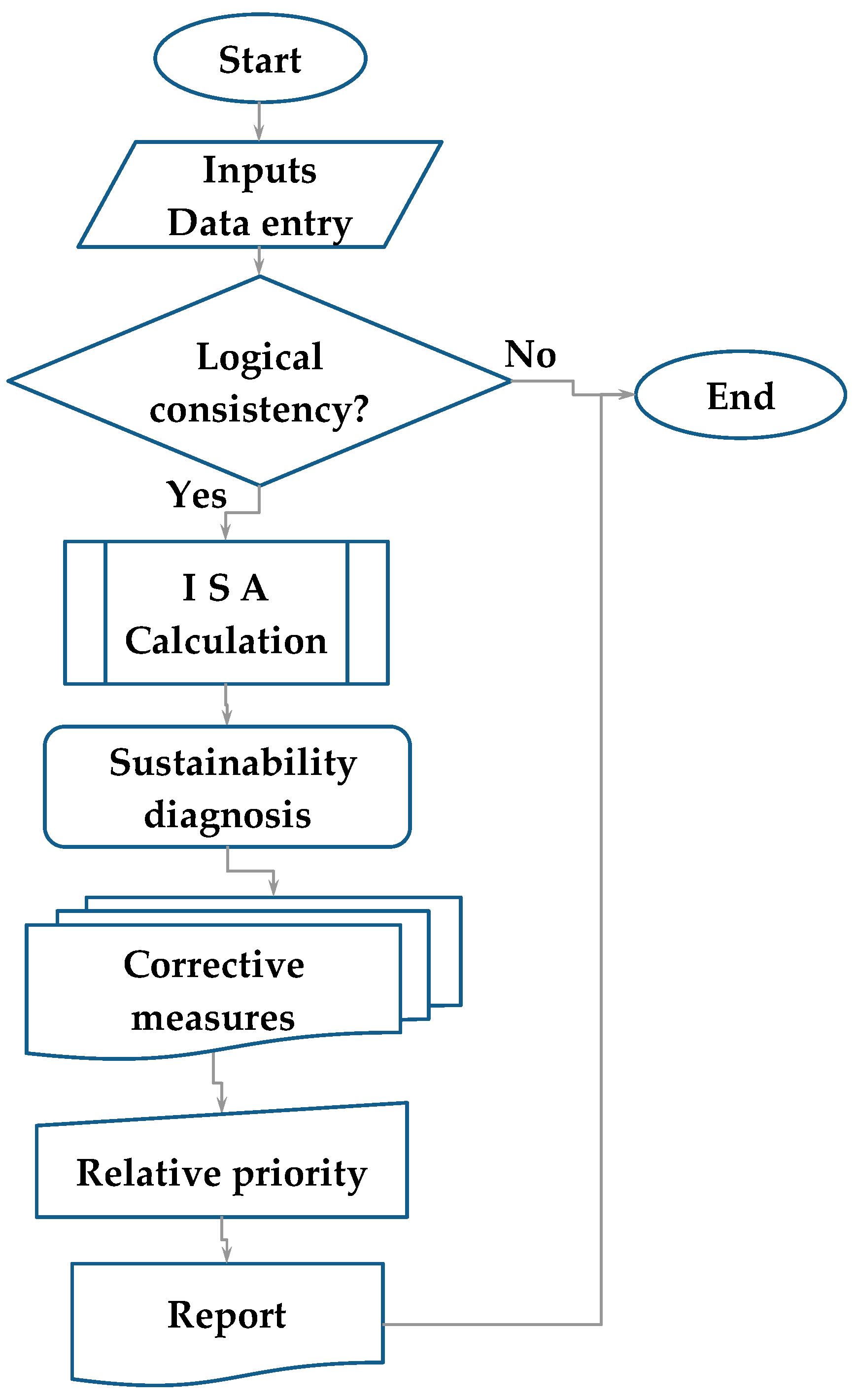
The ISA management cycle outlined above is operationalized through a sequence of steps that translate conceptual stages into a practical workflow. To support clarity and reproducibility, Figure 2 provides a process-level view of how data move through the ISA, from initial validation to diagnosis, prioritization, and reporting, illustrating the internal logic by which raw information is progressively transformed into actionable insights.
This flow-oriented representation highlights the procedural cohesion of the ISA and the points where expert judgment, data verification, and managerial decisions converge. By embedding diagnosis and planning within a continuous loop, the framework ensures that each assessment informs the next, reinforcing institutional learning and progressively strengthening long-term sustainability performance [34].

2.6. Classification and Interpretation of ISA Scores

The aggregated ISA score (0–100) enables the classification of water supply systems into five sustainability categories, providing a clear diagnostic beyond a single numerical value [35]. The classification thresholds (poor: 0–40, deficient: 41–60, regular: 61–75, good: 76–90, excellent: 91–100) were established through a combination of theoretical grounding and empirical validation. Theoretically, they align with sustainability theory suggesting that systems scoring below 40 on a 0–100 scale face critical viability challenges, as performance below such thresholds often indicates proximity to sociotechnical tipping points where systems transition into qualitatively different and less viable operational regimes [36,37]. Recent frameworks for resilience assessment have identified explicit critical points (e.g., robustness thresholds around 0.70) that mark transitions in system behavior and viability [38], supporting the use of categorical performance bands linked to distinct sustainability states [12,39].
Empirically, these thresholds were validated against the expert consensus on what constitutes minimally acceptable performance in each dimension [35,40]. For example, systems classified as “poor” consistently demonstrated multiple critical failures such as cost recovery below 50%, ILI above 15, service continuity below 12 h/day, and no wastewater treatment. This empirical validation, grounded in established regulatory assessment frameworks and utility benchmarking systems [41], confirms that the classification thresholds meaningfully differentiate between distinct sustainability states.

2.7. Model Validation and Reliability

The robustness and practical accuracy of the ISA framework, two complementary validation tests were conducted:
Cross-Validation: The expert panel was randomly partitioned into three subgroups. The conversion functions calibrated independently by each subgroup were then compared, showing high consistency (R2 > 0.85) across groups. This confirms that the consensus-derived functions represent a stable collective judgment, free from the bias of any single individual [42].
External Validation: The ISA diagnoses for 14 systems were compared against independent, comprehensive technical audits performed by external professionals in collaboration with UTPL civil engineering students. The analysis yielded a 96% concordance in identifying the most critical sustainability deficits, thereby confirming the framework’s practical diagnostic accuracy in real-world scenarios.

3. Results

The application of the Index of Sustainability of Water Supply Systems (ISA) to fourteen (14) urban water supply systems in southern Ecuador, covering contrasting hydro-geographic settings in the coastal province of El Oro and the Andean province of Loja and Amazonia Zamora Chinchipe, revealed a pervasive and multi-dimensional state of unsustainability. ISA scores ranged from 25 to 43 on a standardized 0–100 scale [14]). As summarized in Table 1, ten systems (71%) were classified as poor (poor; ISA ≤ 40) and the remaining four (29%) as deficient (41–60). None attained the threshold for a regular, good or excellent system. The mean ISA score of 33.2 reflects a generalized structural deficit across the entire sample.
These results indicate that the deficiencies observed are not isolated anomalies but reflect entrenched vulnerabilities in financial management, operational reliability, and environmental stewardship (see Table 4).
This five-tiered classification provides a standardized basis for diagnosing system health and facilitates the translation of the ISA score from a mere numerical output into a clear, actionable diagnostic category. This structure enables utilities, regulators, and planners to prioritize interventions and allocate resources effectively, even in contexts where data availability, management capacity, and environmental pressures vary significantly.

3.1. Economic Sustainability: Structural Financial and Physical Deficits

The economic pillar displayed the most severe constraints, revealing a constellation of chronic issues in asset integrity, efficiency, and cost recovery. These factors, when assessed through their indicator-specific non-linear Quality Factors (QF), converged toward systematically low scores across the sample.

3.1.1. Physical Water Losses

The Infrastructure Leakage Index (ILI) emerged as one of the strongest diagnostic indicators of system deterioration. Half of the utilities (7 out of 14) reported ILI values exceeding 38, well above the operationally acceptable threshold of 8 [14]. While the IWA recommends ILI values below eight for well-managed DMAs in developed contexts, our application of this threshold to full-network, small-scale utilities is justified by three factors: (1) The quadratic conversion function applied to ILI in the ISA framework, which captures the performance peak and subsequent decay, already accounts for operational challenges in small systems. (2) Field observations during our Ecuador case studies confirmed that even in small systems, ILI values above eight consistently correlate with unsustainable water losses, revenue shortfalls, and service interruptions. (3) The ISA applies this threshold not as an absolute pass/fail criterion but as one input within a comprehensive sustainability assessment, preventing over-penalization of systems facing structural constraints. Such levels are symptomatic of persistent leakage, advanced pipe aging, and the absence of structured leakage control or active demand management. Under the exponential decay conversion functions applied to ILI, these values correspond to some of the lowest QFs in the economic pillar.

3.1.2. Insufficient Cost Recovery

All utilities exhibited severe tariff under-recovery, with cost recovery ratios well below the minimum required to finance operations and routine maintenance. The chronic revenue shortfall forces heavy reliance on municipal transfers, which are often fragmented and unpredictable. This structural weakness leads to deferred maintenance and diminished investment capacity.

3.1.3. Negligible Infrastructure Renewal

Pipeline renewal rates were below 0.15% in every system, an order of magnitude lower than the 1–2% annual rate considered minimally adequate for sustainable asset replacement. At current renewal rates, replacement cycles exceed 600 years, indicating that most networks are aging without planned rehabilitation. These conditions generate very low QFs under the hyperbolic and exponential decline functions associated with renewal parameters.
Together, these findings indicate a systemic economic fragility that compromises long-term viability and exacerbates operational vulnerabilities.

3.2. Social Sustainability: Intermittent and Functionally Unreliable Service

Despite relatively high reported coverage, the social pillar results demonstrate that the delivered service is substantially deficient in continuity, pressure stability, and microbiological protection.

3.2.1. Intermittent Supply

Multiple systems provided fewer than 12 h of service per day, with extreme cases of 6 h/day [12]. This pattern, characteristic of chronically stressed systems, forces households to rely on rooftop storage, where stagnation and recontamination are well-documented risks. The sigmoidal QF functions applied in the continuity indicator penalize such intermittence sharply, reflecting its centrality in service reliability.

3.2.2. Water Quality Failures at the Point of Use

Residual chlorine measurements at consumer taps frequently fell outside the regulatory 0.3–1.5 mg/L range. Although treatment plant outputs were generally compliant, the quality loss within the distribution network indicates insufficient flushing, low velocities, and pressure fluctuations. The piecewise threshold conversion functions applied to residual chlorine assign disproportionate penalties to values below minimum thresholds, generating some of the lowest QFs within the social pillar.

3.2.3. Coverage vs. Delivered Service Quality

Formal network coverage averaged 88%, but this metric conceals substantial deficits in effective service. When interpreted through the ISA’s non-linear QF structure, coverage contributes comparatively little to the social pillar when continuity, pressure, and hygienic safety are persistently weak.
Overall, the social diagnosis reveals a paradox where systems “cover” most households but fail to deliver functionally safe and reliable service.

3.3. Environmental Sustainability: Systemic Failure in Stewardship

The environmental pillar presented the most uniform pattern of underperformance, with key indicators scoring at or near zero due to the absence of basic environmental management practices.

3.3.1. Absence of Wastewater Treatment

None of the fourteen systems operated a wastewater treatment facility. Consequently, 100% of domestic and commercial effluents were discharged untreated into receiving water bodies. Given the ISA’s strict threshold-based compliance criterion for wastewater treatment, this indicator consistently yield a Quality Factor (QF) of 0 across all utilities.

3.3.2. Weak or Non-Existent Source Protection

Watershed conservation and protection activities, such as land acquisition, reforestation, or buffer-zone establishment, were minimal or entirely absent. Annual investments in source protection consistently fell below 0.5% of utility revenues. The hyperbolic QF functions applied to these indicators heavily penalize such low investment levels, reflecting their long-term implications for raw water vulnerability.
This combination of untreated effluent discharge and minimal watershed protection indicates a systemic failure in environmental governance, with direct consequences for water quality, ecosystem integrity, and treatment costs.

3.4. Holistic Diagnosis and Visualization

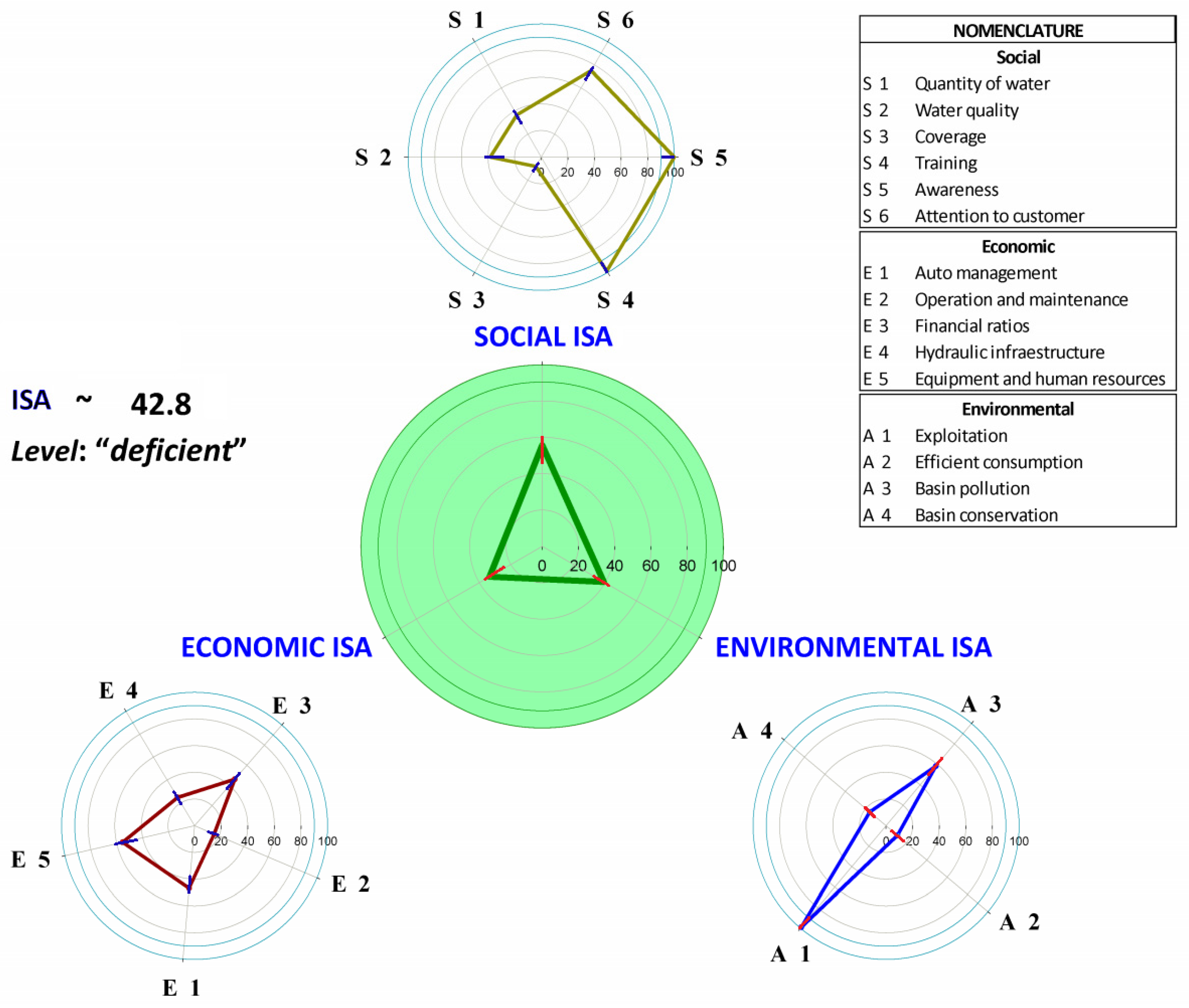
A key analytical asset of the ISA framework is its ability to transform multi-dimensional information, distributed across 15 sub-components, into an integrated and interpretable diagnostic profile. This synthesis is operationalized through spider-web diagrams, which plot the Quality Factor–weighted performance of each sub-component on a radial scale, yielding a characteristic “sustainability signature” for every water utility.
Figure 3 includes uncertainty ranges that reflect the empirically assessed reliability of the underlying data, as established in the original field validation protocol [14]. Each indicator value was classified into one of four data reliability tiers: Highly reliable (±2%), Reliable (±5%), Poorly reliable (±10%), or Very poorly reliable (±20%), based on source verifiability, measurement method, and expert judgment.
The lines forming the spider-web diagram are accompanied by small error bars at each vertex, representing the propagated uncertainty range for each sub-component, derived from the worst-case combination of its constituent indicators’ reliability tiers. This approach acknowledges the data limitations inherent in resource-constrained utilities while preserving the diagnostic clarity of the ISA framework.
As illustrated in Figure 3, the resulting visual pattern exposes the relative condition of the three pillars of sustainability. In this example, the economic axis is sharply constrained, reflecting structural deficits in cost recovery, asset maintenance, and loss control, while the social and environmental axes exhibit similarly reduced amplitudes associated with discontinuous service, limited operational reliability, and insufficient environmental stewardship.
These diagrams serve not only as analytical outputs but also as high-resolution communication tools. By translating heterogeneous indicator values into a unified geometric representation, they enable decision-makers to rapidly identify priority areas for corrective action and to link observed deficiencies with their corresponding sub-components. A detailed description of the computational sequence leading to these visualizations, including the aggregation procedure and conversion of indicators to Quality Factors, is provided in Appendix A.

3.5. Synthesis of Findings

In summary, the application of the ISA framework to the 14 urban water supply systems in southern Ecuador confirms a profound and generalized crisis of sustainability. This crisis is not attributable to a single failing but is multi-dimensional, with its roots deeply embedded in the interrelated weaknesses of the three core pillars:
Economic fragility, manifested in catastrophic levels of physical water loss, a chronic inability to recover operational and capital costs through tariffs, and a virtually non-existent rate of infrastructure renewal.
Social unreliability, characterized by highly intermittent water supply and a failure to maintain consistent water quality (particularly residual chlorine) at the consumer’s tap, which compromises the fundamental public health function of the service.
Environmental non-compliance, most starkly evidenced by the complete absence of wastewater treatment in all 14 systems and the minimal to non-existent investment in the active protection of source watersheds.
Despite these widespread challenges, the ISA framework demonstrated strong diagnostic capacity. It effectively transformed fragmented, and often qualitative, field data into a coherent, integrated, and actionable sustainability assessment. This affirms its value as a practical, context-sensitive tool for supporting evidence-based planning and targeted interventions, particularly in settings with limited monitoring infrastructure and scarce data availability.
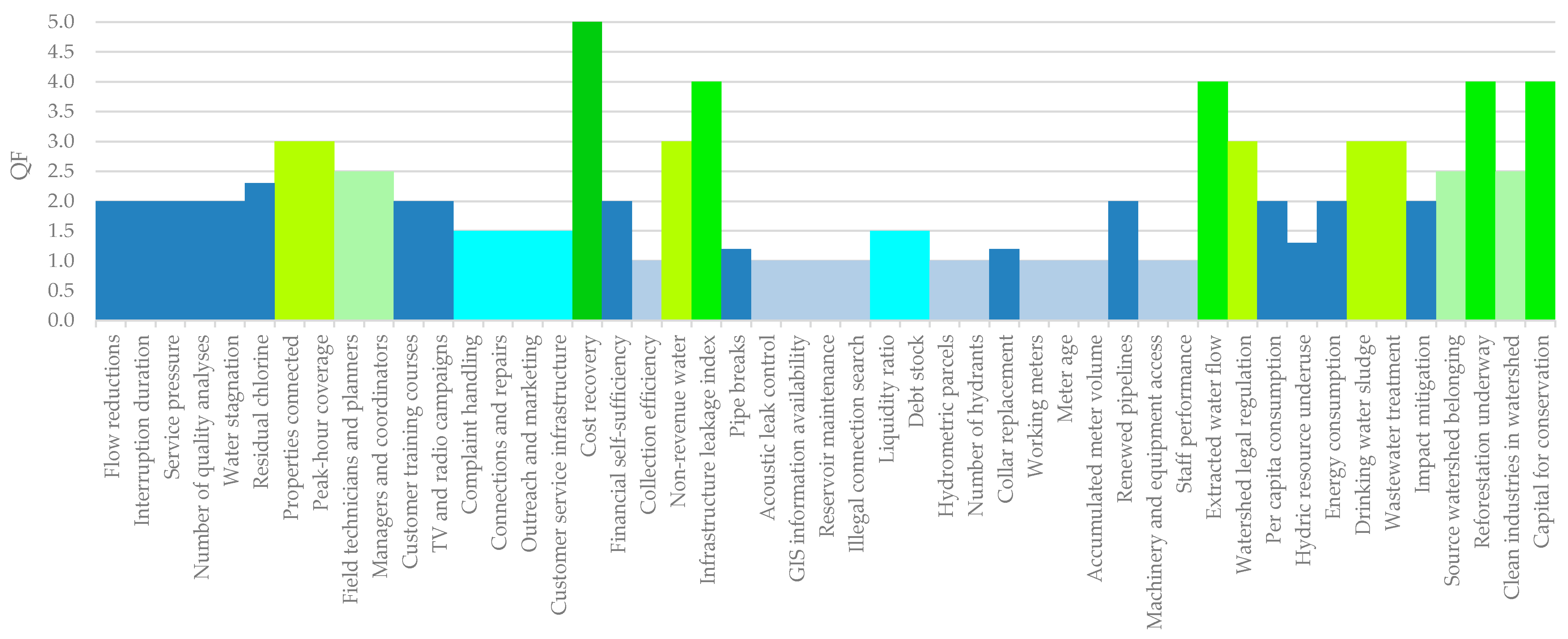
The hierarchical structure of the ISA ensures balanced consideration of all three dimensions of sustainability. Its design assigns nearly equal weight to each pillar: Economic (33.4%), Social (33.3%), and Environmental (33.3%), reflecting a deliberately multidimensional and equitable approach to sustainability evaluation. Figure 4 further illustrates the relative contribution of individual indicators within the ISA. While the pillar-level balance is preserved, certain indicators carry greater individual weight.
Notably, Cost recovery carries the highest individual weight at 5%, highlighting the critical importance of financial viability. Indicators such as Infrastructure leakage index, Extracted water flow, Reforestation underway, and Capital for conservation each account for 4% of the index. A second tier—including Properties connected, Peak-hour coverage, Non-revenue water, Watershed legal regulation, Drinking water sludge, and Wastewater treatment, contributes 3% each. The remaining indicators are assigned weights ranging from 2.5% to 1%, reflecting a broadly distributed yet intentional weighting scheme that avoids overreliance on any single metric while maintaining analytical precision.

4. Discussion

The application of the Index of Sustainability of Water Supply Systems (ISA) to fourteen urban water supply systems in southern Ecuador reveals a profound and systemic crisis of sustainability [43]. The findings are not a collection of isolated technical failures but a coherent pattern of institutional and operational fragility across the three fundamental pillars of sustainability: economic, social, and environmental. This integrated diagnosis, enabled by the ISA’s structure, moves beyond the partial and often misleading picture provided by conventional, single-dimension benchmarking.
A central finding is the near-total absence of financial viability. The consistently low scores in the economic pillar, driven by critically high structural leakage (ILI > 38 in half the systems), negligible infrastructure renewal rates (<0.15% annually), and insufficient cost recovery, depict a sector trapped in a vicious cycle of decay [44]. This is not a simple case of underfunding; it is a structural condition where the operational model is fundamentally incapable of generating the resources necessary for its own survival. The ISA’s non-linear conversion functions for these indicators correctly penalize this state severely, as a system with an ILI of 40 is not just “less efficient” than one with an ILI of 4, it is on a trajectory of inevitable collapse.
The social sustainability deficits are equally severe [45]. The widespread service intermittency (often below 12 h per day) and inconsistent chlorine residuals are not merely inconveniences; they represent a direct threat to public health and a fundamental failure of the service’s core mandate. The ISA’s diagnostic power is evident here: it treats intermittent supply not as a linear reduction in hours, but as a near-total failure of service reliability, which its sigmoidal conversion function reflects by assigning very low Quality Factors. This approach captures the real-world consequence that a household receiving water for only a few hours a day is forced to store it in rooftop tanks (aljibes), creating the very conditions for post-contamination that the treatment plant is designed to prevent.
Most starkly, the environmental pillar exposes a complete governance failure [46]. The universal absence of wastewater treatment [47], a fact confirmed in all 14 case studies, is a critical finding that would be entirely invisible to a conventional benchmarking exercise focused on operational or financial KPIs. The ISA’s explicit inclusion of this indicator, with a piecewise conversion function that assigns a Quality Factor of zero to any system without treatment, correctly identifies this as a foundational flaw. This practice, of discharging all urban sewage directly into receiving water bodies [48], not only creates severe public health risks [47] but also directly degrades the very source waters upon which these same utilities depend, creating a self-reinforcing loop of environmental and operational decline.
When applied to the same dataset, IBNET (Performance Indicators, PI = 117) provided only seven comparable metrics due to data limitations in the 14 South Ecuadorian systems under study, primarily focusing on operational efficiency (e.g., NRW, staff productivity). However, the IWA & ISO 24512 [13] (PI = 170) indicators offered better coverage. Both frameworks ranked systems relative to each other but failed to identify the absolute sustainability deficits revealed by the ISA. For example, System G07 ranked highest in both IBNET and IWA assessments due to relatively lower NRW (38%), yet the ISA identified critical environmental failures (no wastewater treatment, minimal watershed protection) that rendered it unsustainable despite operational efficiency. This demonstrates the ISA’s superior diagnostic capability for comprehensive sustainability assessment.
The ISA’s methodological strength lies in its autonomy. Unlike benchmarking, which requires a pool of comparable peers to define “good” performance, the ISA defines sustainability against an internal, expert-derived ideal. This is not a limitation but a necessity in contexts like the one studied, where the entire cohort is struggling. The ISA does not ask “Are you better than your peers?” a question with no meaningful answer when all peers are failing. Instead, it asks “How far are you from a truly sustainable state?” This reframing is crucial for moving from a culture of relative comparison to one of absolute improvement and accountability [46,49].
For prioritizing interventions based on ISA results, this framework considers: (1) the severity of deficits in each sub-component (Quality Factor below 0.5 indicates critical need); (2) the interconnectedness between components (e.g., addressing physical water losses improves both economic and environmental sustainability); (3) implementation feasibility based on technical complexity, required investment, and institutional capacity; and (4) potential for quick wins that build momentum for more challenging reforms. This prioritization approach transforms the ISA diagnosis into an actionable roadmap for sustainability improvement.
For application in other regions, the ISA framework allows for contextual adaptation through: (1) indicator substitution based on local priorities and data availability while maintaining the three-pillar structure; (2) recalibration of conversion functions using local expert panels to reflect regional operational realities; (3) adjustment of weights to reflect local sustainability priorities; and (4) modular application, allowing utilities with limited data to implement a simplified version initially and expand as data collection improves.
The issue is not marginal improvements to a functional system but the urgent need for a foundational reform. The ISA has successfully diagnosed a multidimensional pathology, yielding a clear, actionable, and evidence-based roadmap for necessary interventions. The challenge is no longer diagnostic but political and institutional: translating this robust technical diagnosis into concrete governance [50], financial [51], and operational reforms to break the cycle of unsustainability [52].

5. Conclusions

This study has applied and validated the Index of Sustainability of Water Supply Systems (ISA) as a practical and autonomous diagnostic tool for assessing urban water supply systems in data-constrained, institutional contexts. The results from its application to fourteen systems in southern Ecuador are unequivocal: the sector is in a state of profound and generalized unsustainability, with all systems classified as either “poor”, n = 10, or “deficient”, n = 4 on the ISA scale. The mean score of 33.2 is not a statistic but a stark indicator of systemic failure.
The core contribution of this work is the demonstration that the ISA’s methodological framework, specifically its use of expert-calibrated, non-linear conversion functions to transform raw operational data into standardized Quality Factors, provides a far richer and more accurate diagnosis than conventional linear benchmarking. This approach is essential for capturing the non-linear realities of water utility management, where the difference between a chlorine residual of 0.2 mg/L and 0.4 mg/L is a matter of public health, or where an infrastructure renewal rate of 0.1% is functionally equivalent to zero and guarantees long-term decay.
The key conclusions are threefold. First, economic fragility is the primary constraint, manifested in catastrophic physical losses and a chronic inability to recover costs, which precludes any prospect of long-term financial or physical sustainability. Second, social service is functionally deficient, as intermittent supply and variable water quality undermine the health and well-being of the population, despite relatively high formal coverage rates. Third, and most critically, environmental stewardship is entirely absent, with the universal lack of wastewater treatment representing a fundamental breach of the social and ecological contract of a water utility.
The ISA has proven to be an operationally feasible and institutionally relevant tool. Its reliance on data that is generally available, even in low-capacity utilities, and its output in the form of intuitive spider-web diagrams make it accessible to technical staff and local decision-makers. It provides a common language and a clear, prioritized roadmap for intervention, moving the discussion from abstract problems to concrete, component-specific actions.
In a context where the challenges are so deeply entrenched, the ISA offers a crucial first step: a shared, objective, and holistic understanding of the problem. This study confirms that the path to sustainable water services in these settings does not begin with advanced technology or massive investment alone, but with a rigorous, honest, and integrated diagnosis of the current state, a task for which the ISA is uniquely well-suited.

6. Limitations and Future Work

6.1. Limitations

Although the ISA framework provides a robust and context-appropriate approach to diagnosing sustainability in urban water supply systems, several limitations should be acknowledged to guide interpretation and future applications.
(1)
Geographic and Institutional Scope
The evaluation was conducted in fourteen systems located in southern Ecuador, a region characterized by small utilities [53], limited institutional capacity, and constrained financial autonomy [54]. While this provides valuable insight into the challenges faced by utilities in developing contexts, the findings may not fully represent the diversity of institutional arrangements and hydro-geographic conditions found elsewhere in Latin America or globally.
(2)
Data Availability and Quality
The ISA relies on routinely collected operational data, which can be incomplete or inconsistent in low-capacity utilities. Some indicators, particularly those related to environmental management and asset condition, required qualitative approximations or expert judgment due to limited documentation. Although the conversion functions mitigate data heterogeneity, the potential for measurement error remains.
(3)
Static Assessment
The ISA captures sustainability at a single point in time and does not explicitly model temporal dynamics such as seasonal variations, infrastructure aging trajectories, or the impacts of climate change. This limits the capacity to assess resilience, long-term risk exposure, or the evolution of sustainability pathways.
(4)
Subjectivity in Expert-Based Calibration
The conversion functions were calibrated through a Delphi process [18,19] with twelve national experts. While this provides contextual accuracy, it introduces a degree of subjectivity and potential bias. Broader calibration efforts involving more diverse stakeholders may refine or alter some functional relationships [17].
(5)
Limited Representation of Governance and Regulatory Dimensions
Although the ISA includes indicators relating to institutional performance, it does not explicitly quantify governance factors such as tariff-setting processes [44], regulatory enforcement, political interference, or community participation, factors that can strongly shape sustainability outcomes.
(6)
Lack of Integration with Hydro-Climatic Variability
Indicators related to water availability, drought exposure, or climate hazards were not incorporated due to data scarcity. As climate pressures intensify, this omission becomes increasingly significant.

6.2. Future Work

Building upon the insights of this study, several avenues for future research and methodological development are proposed:
(1)
Expansion of ISA Applications Across Diverse Regions
Applying the ISA to utilities in different ecological, institutional, and socio-economic settings would enable comparative analysis and external validation of the framework. Cross-country studies could explore the transferability of conversion functions and identify context-specific adaptations.
(2)
Dynamic and Predictive Modeling
Future work should incorporate temporal dynamics through integration with system dynamics models, hydraulic simulations, or predictive analytics. This would allow the ISA to assess not only current sustainability but also trajectories, tipping points, and resilience under future scenarios (e.g., climate change, population growth, tariff reforms).
(3)
Refinement of Conversion Functions
Although indicator-specific conversion functions represent a methodological strength, further refinement using:
Larger expert panels;
Machine-learning-supported calibration;
Empirical longitudinal datasets.
These could reduce subjectivity and enhance cross-context reliability. Hybrid expert–data-driven calibration approaches represent a promising line of advancement.
(4)
Integration with Climate Resilience and Water Security Metrics
Incorporating indicators related to hydrological variability, drought resilience, seasonal storage, and source diversification would strengthen the ISA’s capacity to assess long-term water security, especially under climate change.
(5)
Strengthening Governance and Institutional Indicators
Future iterations of the ISA could include metrics on:
Tariff-setting autonomy;
Regulatory compliance;
Transparency and accountability;
Institutional maturity;
Participation and stakeholder engagement.
These are increasingly recognized as critical determinants of service sustainability.
(6)
Development of a Decision-Support Platform
Operationalizing the ISA within an interactive digital tool (e.g., dashboard or GIS-based platform) could facilitate its adoption by utilities. Such a platform could automatically compute the index, visualize sustainability deficits, identify priority actions, and track progress over time.
(7)
Linking ISA Outputs to Investment and Policy Planning
Future research should explore how the ISA results can inform investment prioritization, tariff reforms, leakage management strategies, and watershed conservation programs. Embedding ISA analyses into municipal or regional planning frameworks could significantly enhance its policy impact.

Funding

This research was financially supported by the Universidad Técnica Particular de Loja (UTPL, RUC: 1190068729001) for the acquisition of computational resources through the Hydraulics Laboratory of the Department of Civil Engineering. The Universidad Técnica Particular de Loja—Ecuador also covered the Article Processing Charge (APC).

Institutional Review Board Statement

Not applicable.

Informed Consent Statement

Not applicable.

Data Availability Statement

The data supporting the findings of this study are openly available as part of the author’s doctoral dissertation, hosted in the institutional repository of the Universitat Politècnica de València. All indicator values, conversion-function inputs, and diagnostic outputs used in the ISA application can be accessed at the following link: https://doi.org/10.4995/Thesis/10251/8910.

Acknowledgments

The author gratefully acknowledges the institutional support provided by the Universidad Técnica Particular de Loja during the development of this study. No generative AI tools were used in the study design, data collection, analysis, or interpretation.

Conflicts of Interest

The author declares no conflicts of interest. The funders had no role in the design of this study; in the collection, analyses, or interpretation of data; in the writing of the manuscript; or in the decision to publish the results.

Appendix A

This appendix provides a complementary technical description of the operational logic, calculation sequence, and decision-support mechanisms underlying the application of the ISA sustainability diagnosis. The material presented here supports reproducibility and transparency, offering methodological detail that extends—but does not duplicate—the main body of this article.

Appendix A.1. Operational Application of the Sustainability Diagnosis

The sustainability assessment of a drinking-water supply system is conceived as a continuous process in which qualitative and quantitative evidence is used to identify systemic deficiencies—here referred to as pathologies. In this context, pathology denotes any administrative, legal, financial, technical, or environmental inconsistency that compromises the system’s performance or resilience. Once detected, each pathology must be linked to a corrective strategy whose actions are ranked by urgency, importance, and mandatory status, with particular attention to indicators exhibiting the lowest Quality Factor (QF) values.

Appendix A.2. Summary of the ISA Aggregation Procedure

The numerical integration that produces the ISA score follows an ordered sequence:
Indicator computation: Each indicator is derived from survey-based operational variables provided by the utility’s management.
Quality Factor determination: QF values are obtained using either graphical conversion curves or closed-form equations.
Relative indicator weight: Computed as the product of the indicator’s QF and its expert-assigned importance weight.
Subcomponent valuation: Subcomponent weights are calculated as the sum of their constituent indicator weights and then normalized to percentages for graphical representation.
Component valuation: Component scores arise from the sum of their subcomponent weights.
Final ISA score: The overall sustainability index is computed as the sum of the three components, yielding a 0–100 scale.

Appendix A.3. Systemic Considerations in ISA Application

Appendix A.3.1. Valuation Phase

The valuation phase establishes the baseline conditions of the social, economic, and environmental domains through structured data collection. Information must be complete, verifiable, and sourced directly from individuals with operational responsibility. Survey methods are recommended, as they ensure traceability and enable the technical dialogue necessary to clarify variables used in indicator formulation.

Appendix A.3.2. Diagnosis Phase

During diagnosis, value judgments are contextualized to reflect local realities. Thresholds and improvement targets are set using best practices, regulatory expectations, and resource constraints. This stage also requires iterative engagement with managers and technical teams to ensure institutional understanding of the diagnostic results and their implications.

Appendix A.3.3. Characterization Phase

Based on the aggregated ISA score, the system is assigned to its corresponding sustainability category. This classification summarizes the system’s overall status and establishes the basis for subsequent prioritization.
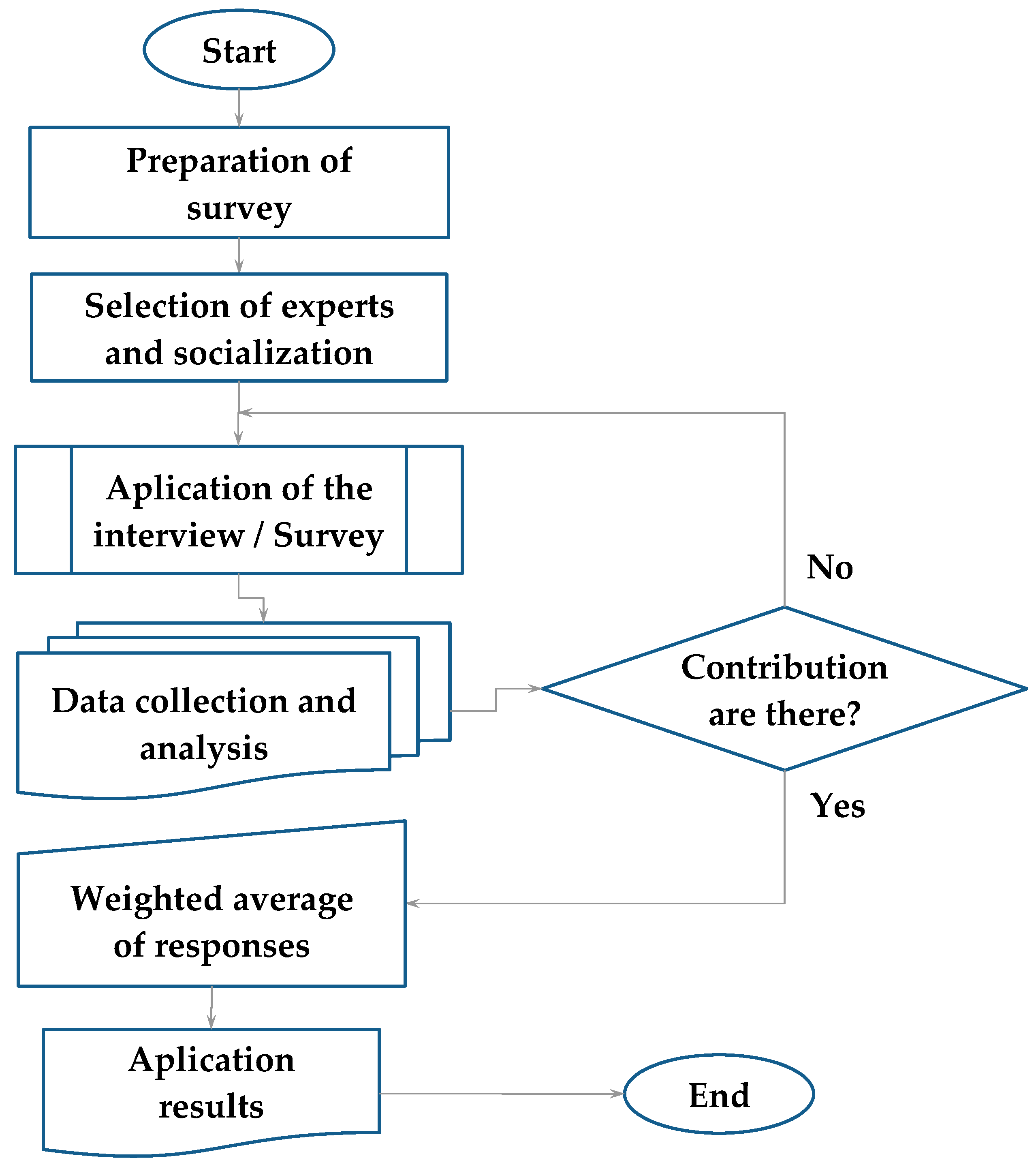
To ensure that indicator definitions, thresholds, and functional assumptions remain empirically grounded, the ISA incorporates a structured expert-elicitation and survey-validation workflow. This process refines the qualitative foundations of the methodology and guarantees the internal consistency of the data used for diagnosis (see Figure A1).
Figure A1. Workflow for Expert Consultation and Survey-Based Data Validation in the ISA Methodology.
Sustainability 17 11293 g0a1
This procedural sequence ensures that expert contributions are iteratively incorporated until conceptual agreement is reached, thereby strengthening the reliability of the indicator set and the robustness of the subsequent sustainability assessment.

Appendix A.4. Example of Indicator Conversion and Interpretation
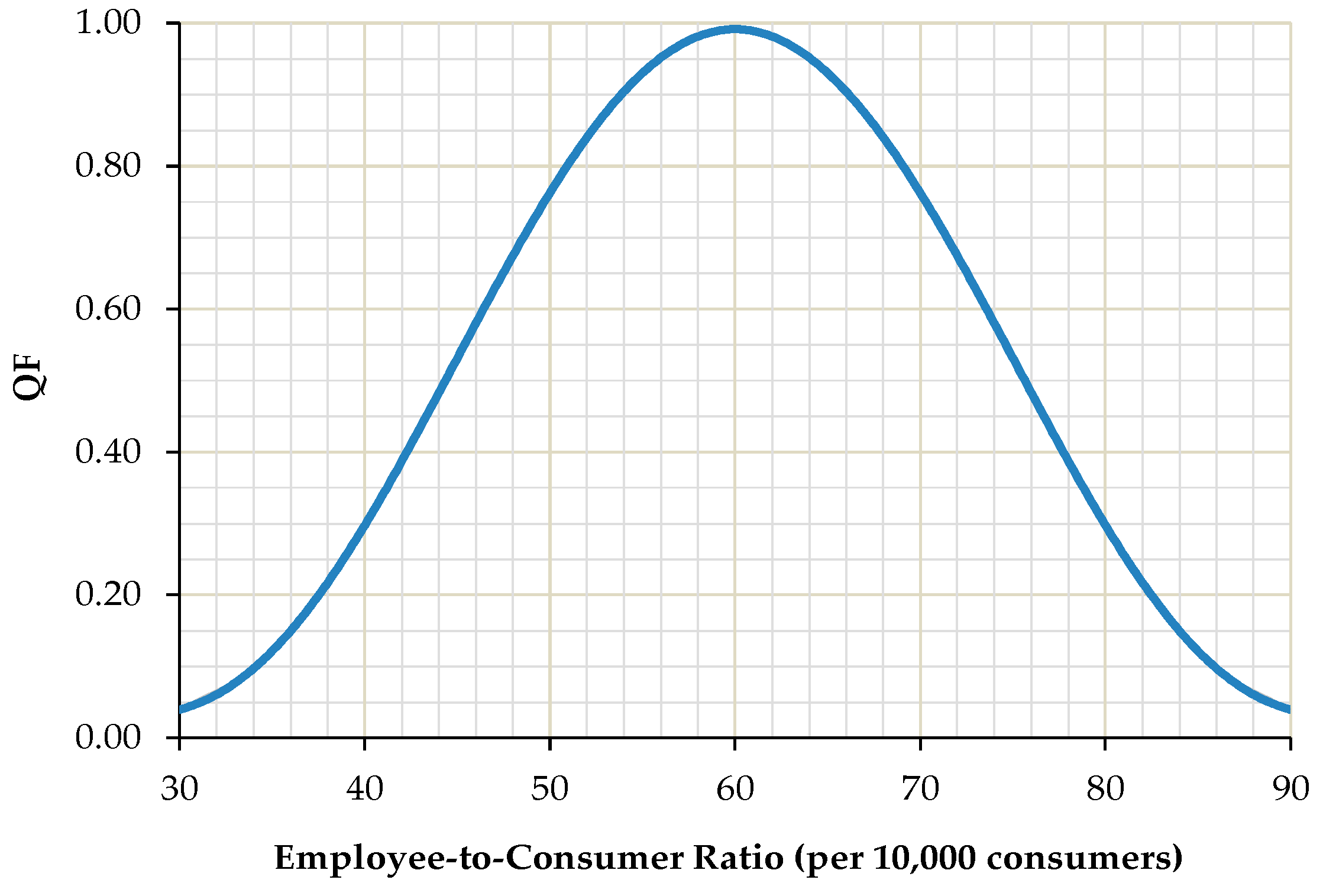
The conversion of indicator values into QF scores may rely on polynomial regressions derived from expert-validated functional forms. For example, the indicator “Number of employees per 10,000 clients” (Equation (A1)) is transformed into its corresponding QF through a sixth-degree polynomial approximation, reflecting benchmark operational ratios documented in sectoral studies. The QF thereby reflects the desirability or penalty associated with the observed condition.
N E M P = E m p l o y e e s T o t a l     C l i e n t s × 10 , 000
where Employees is the number of employees in the company for drinking water and sewage treatment.
The equation to convert the number of employees for each 10,000 clients to a quality factor is shown in Equation (A2).
QF N E M P = 6.1439 × 10 10 × ( N E M P ) 6 + 2.2118 × 10 7 × ( N E M P ) 5            3.1025 × 10 5 × ( N E M P ) 4 + 2.1376 × 10 3 × ( N E M P ) 3             7.5446 × 10 2 × ( N E M P ) 2 + 1.3066 × ( N E M P ) 8.75259
  30.0     ( N E M P ) 90.0
The quality function for the indicator number of employees in a water service company, presented here as Equation (A2), is the result of the polynomial regression (grade 6) practiced in the function represented graphically in a coordinate system (X, Y), as shown in Figure A2, which were incorporated criteria Expert Panel interviews, referring to the technical aspects frequently used in this indicator: for water and wastewater employees 5.8/1000 connections [55], and used for drinking water 3.0/1000 connections [56].
Figure A2. Number of employees per 10,000 customers.
Sustainability 17 11293 g0a2
For this calculation, first the indicator equation is used (Equation (A1) for this case); e.g., the company has 34.55 employees for each 10,000 clients. This indicator value is entered on the y axis, and the corresponding quality factor (on the x axis) is 0.13 (see Figure A2). Likewise, in the mathematical method, the corresponding conversion is carried out (Equation (A2)), where the QF is 0.1258.
In general, if you choose to include only the drinking water employees, the optimal value (for an QF = 1) is thirty for each ten thousand clients, extrapolated value of the proposal V. Cáceres [56].

Appendix A.5. Illustrative Diagnosis and Component Valuation

When applied to a representative water utility, component-level weights may yield, for instance, relative contributions such as: Economic (≈33.5%), Social (≈55.6%), and Environmental (≈39.2%). Their aggregation produces an ISA score indicative of deficient sustainability. Radar diagrams generated from subcomponent percentages support rapid visual interpretation of systemic weaknesses (see Figure 3).
Across several evaluated utilities, ISA values frequently fall below 50, suggesting widespread structural vulnerability. These trends are often consistent with complementary performance indicators such as leakage indices or cost-recovery ratios.

Appendix A.6. Corrective Action Framework

Corrective measures derived from the diagnosis may include administrative restructuring, technical upgrades, legal adjustments, compensatory interventions, or incentive mechanisms. The selection of actions must correspond to subcomponents exhibiting the lowest performance and reflect both operational feasibility and institutional governance capacity.

Appendix A.7. Prioritization Method

A prioritization matrix—combining pairwise comparison and ABC analysis—supports the ordering of corrective actions. Indicators or subcomponents are evaluated according to urgency, importance, and mandatory criteria. The resulting hierarchy guides the sequencing of interventions and enhances participatory planning among management and technical personnel.

Appendix A.8. Key Insights and Broader Inferences

The ISA methodology functions not only as a diagnostic tool but as a structured mechanism for understanding system vulnerability across the social, economic, and environmental pillars. By identifying subcomponents in critical or deficient condition, utilities gain a clear pathway for targeted improvement. The methodology’s adaptability allows for its application across diverse institutional, geographic, and regulatory contexts, facilitating cross-case learning and methodological refinement.

Appendix A.9. Recommendations for Future Development

Further methodological advances may include:
Expanded empirical validation of indicator behavior and QF conversion functions.
Context-specific refinements to the distribution of indicator importance weights.
Application across additional cities and countries to strengthen comparative insights.
Improved data availability through enhanced metering, monitoring, and information management systems.
Greater institutional familiarity with sustainability auditing frameworks.

References

  1. Maumela, K.G.; Mathaba, T.N.D.; Kao, M. An Integrated Framework for Urban Water Infrastructure Planning and Management: A Case Study for Gauteng Province, South Africa. Water 2025, 17, 2290. [Google Scholar] [CrossRef]
  2. Lebu, S.; Lee, A.; Salzberg, A.; Bauza, V. Adaptive strategies to enhance water security and resilience in low- and middle-income countries: A critical review. Sci. Total Environ. 2024, 925, 171520. [Google Scholar] [CrossRef]
  3. Beker, B.; Kansal, M. Complexities of the urban drinking water systems in Ethiopia and possible interventions for sustainability. Environ. Dev. Sustain. 2023, 26, 4629–4659. [Google Scholar] [CrossRef]
  4. UNESCO. Imminent Risk of a Global Water Crisis, Warns the UN World Water Development Report 2023. 2023. Available online: https://www.unesco.org/reports/wwdr/2023/en/water-supply-and-sanitation (accessed on 18 November 2025).
  5. Adom, R.; Simatele, M. Overcoming systemic and institutional challenges in policy implementation in South Africa’s water sector. Sustain. Water Resour. Manag. 2024, 10, 69. [Google Scholar] [CrossRef]
  6. Naeem, K.; Zghibi, A.; Elomri, A.; Mazzoni, A.; Triki, C.A. Literature Review on System Dynamics Modeling for Sustainable Management of Water Supply and Demand. Sustainability 2023, 15, 6826. [Google Scholar] [CrossRef]
  7. IBNET Benchmarking Database. World Bank Water Data. The World Bank Group. 2025. Available online: https://newibnet.org/ (accessed on 18 November 2024).
  8. Sakai, H. Review of research on performance indicators for water utilities. AQUA—Water Infrastruct. Ecosyst. Soc. 2024, 73, 167–182. [Google Scholar] [CrossRef]
  9. Bhatt, J.D. The Politics of Performance Benchmarking in Urban Water Supply: Sacrificing Equity on the Altar of Efficiency. Water Altern. 2024, 17, 415–436. [Google Scholar]
  10. Akbar, Z.; Murtaza, N.; Pasha, G.A.; Iqbal, S.; Ghumman, A.R.; Abbas, F.M. Predicting scour depth in a meandering channel with spur dike: A comparative analysis of machine learning techniques. Phys. Fluids 2025, 37, 045158. [Google Scholar] [CrossRef]
  11. Rehman, R.; Aslam, M.; Jasińska, E.; Javed, M.; Goňo, M. Guidelines for the Technical Sustainability Evaluation of the Urban Drinking Water Systems Based on Analytic Hierarchy Process. Resources 2023, 12, 8. [Google Scholar] [CrossRef]
  12. Bhatta, R.; Loc, H.; Babel, M.; Chapagain, K. Assessment and enhancement of community water supply system sustainability: A dual Framework Approach. Environ. Sustain. Indic. 2024, 24, 100486. [Google Scholar] [CrossRef]
  13. ISO 24512:2007; Activities Relating to Drinking Water and Wastewater Services—Guidelines for the Management of Drinking Water Utilities and for the Assessment of Drinking Water Services. International Organization for Standardization: Geneva, Switzerland, 2007.
  14. Benavides-Muñoz, H.M. Diagnóstico de la Sostenibilidad de un Abastecimiento de Agua e Identificación de las Propuestas que la Mejoren. Doctoral Thesis, Universitat Politècnica de València, Valencia, Spain, 2010. [Google Scholar] [CrossRef]
  15. Van den Berg, C.; Danilenko, A. The IBNET Water Supply and Sanitation Performance Blue Book: The International Benchmarking Network for Water and Sanitation Utilities Databook; World Bank Publications: Washington, DC, USA, 2011; ISBN 9780821385883. [Google Scholar]
  16. Orime, H.; Tait, S.; Boxall, J.; Shepherd, W.; Schellart, A. Evaluating the performance of water distribution network deterioration using customer-oriented performance indices. Water Supply 2024, 24, 3759–3775. [Google Scholar] [CrossRef]
  17. Namavar, M.; Moghaddam, M.; Shafiei, M. Developing an indicator-based assessment framework for assessing the sustainability of urban water management. Sustain. Prod. Consum. 2023, 40, 1–12. [Google Scholar] [CrossRef]
  18. Dominguez, I.; Oviedo-Ocaña, E.; Hurtado, K.; Barón, A.; Hall, R. Assessing Sustainability in Rural Water Supply Systems in Developing Countries Using a Novel Tool Based on Multi-Criteria Analysis. Sustainability 2019, 11, 5363. [Google Scholar] [CrossRef]
  19. Alsaeed, B.S.; Dexter, V.L.H.; Soroosh, S. A sustainable water resources management assessment framework (SWRM-AF) for arid and semi-arid regions—Part 1: Developing the conceptual framework. Sustainability 2024, 16, 2634. [Google Scholar] [CrossRef]
  20. Huang, M.-F.; Peng, L.-P. Extracting Evaluation Factors of Social Resilience in Water Resource Protection Areas Using the Fuzzy Delphi Method. Sustainability 2023, 15, 13764. [Google Scholar] [CrossRef]
  21. Parween, S.; Sinha, R. Identification of Indicators for Developing an Integrated Study on Urban Water Supply System, Planning, and Management. J. Environ. Eng. 2023, 149, 04022095. [Google Scholar] [CrossRef]
  22. Palhares, J.C.P.; Matarim, D.L.; de Sousa, R.V.; Martello, L.S. Water Performance Indicators and Benchmarks for Dairy Production Systems. Water 2024, 16, 330. [Google Scholar] [CrossRef]
  23. Linstone, H.A.; Turoff, M. The Delphi Method: Techniques and Applications; Addison-Wesley: Reading, MA, USA, 2002; Reproduction of the Original 1975 Book; Available online: https://www.researchgate.net/publication/237035943_The_Delphi_Method_Techniques_and_Applications#fullTextFileContent (accessed on 17 November 2025). [CrossRef]
  24. Noori, A.; Bonakdari, H.; Morovati, K.; Gharabaghi, B. Development of an optimal water supply plan using integrated fuzzy Delphi and fuzzy ELECTRE III methods: Case study of the Gamasiab basin. Expert Syst. 2020, 37, e12568. [Google Scholar] [CrossRef]
  25. Cabrera, E., Jr.; Estruch-Juan, E.; Gómez, E.; Del Teso, R. Comprehensive regulation of water services. Why quality of service and economic costs cannot be considered separately. Water Resour. Manag. 2022, 36, 3247–3264. [Google Scholar] [CrossRef]
  26. Moudi, M.; Gai, Q.; Yuan, H.; Guiqing, L.; Basirialmahjough, M.; Motamedi, A.; Galoie, M. A novel objective for improving the sustainability of water supply system regarding hydrological response. PLoS ONE 2023, 18, e0294578. [Google Scholar] [CrossRef] [PubMed]
  27. Vollmer, D.; Regan, H.; Andelman, S. Assessing the sustainability of freshwater systems: A critical review of composite indicators. Ambio 2016, 45, 765–780. [Google Scholar] [CrossRef] [PubMed]
  28. Jarzebski, M.P.; Karthe, D.; Chapagain, S.K.; Setiawati, M.D.; Wadumestrige Dona, C.G.; Pu, J.; Fukushi, K. Comparative Analysis of Water Sustainability Indices: A Systematic Review. Water 2024, 16, 961. [Google Scholar] [CrossRef]
  29. Stellbauer, M.; Jepson, W.; Lefore, N.; Thomson, P. Advancing multiple-use water services for development in low- and middle-income countries. Wiley Interdiscip. Rev. Water 2025, 12, e70008. [Google Scholar] [CrossRef]
  30. Crispim, D.L.; Fernandes, L.L. Application of the Rural Water Sustainability Index (RWSI) in Amazon rural communities, Pará, Brazil. Water Policy 2022, 24, 282–304. [Google Scholar] [CrossRef]
  31. García-Espinosa, J.C.; Benavides-Muñoz, H.M. Adjustment value of water leakage index in infrastructure. Dyna 2019, 86, 316–320. [Google Scholar]
  32. Abdi-Dehkordi, M.; Bozorg-Haddad, O.; Chu, X. Development of a Combined Index to Evaluate Sustainability of Water Resources Systems. Water Resour. Manag. 2021, 35, 2965–2985. [Google Scholar] [CrossRef]
  33. Azari, B.; Tabesh, M. Urban Storm Water Drainage System Optimization using a Sustainability index and LID/BMPs. Sustain. Cities Soc. 2021, 76, 103500. [Google Scholar] [CrossRef]
  34. Hadjikakou, M.; Stanford, B.; Wiedmann, T.; Rowley, H.; Kobayashi, Y.; Ishii, S.; Gaitan, J.; Johns, G.; Lundie, S.; Khan, S. A flexible framework for assessing the sustainability of alternative water supply options. Sci. Total Environ. 2019, 671, 1257–1268. [Google Scholar] [CrossRef]
  35. Kiliç, S.; Firat, M.; Yilmaz, S.; Ateş, A. A novel assessment framework for evaluation of the current implementation level of water and wastewater management practices. Water Sci. Technol. Water Supply 2023, 23, 1787–1809. [Google Scholar] [CrossRef]
  36. Berglund, E.Z.; Skarbek, M.; Kanta, L. A sociotechnical framework to characterize tipping points in water supply systems. Sustain. Cities Soc. 2023, 97, 104739. [Google Scholar] [CrossRef]
  37. Krueger, E.; McPhearson, T.; Levin, S.A. Integrated assessment of urban water supply security and resilience: Towards a streamlined approach. Environ. Res. Lett. 2022, 17, 075006. [Google Scholar] [CrossRef]
  38. Liu, J.; Shao, Z.; Wang, W. Resilience Assessment and Critical Point Identification for Urban Water Supply Systems under Uncertain Scenarios. Water 2021, 13, 2939. [Google Scholar] [CrossRef]
  39. D’Inverno, G.; Carosi, L.; Romano, G. Environmental sustainability and service quality beyond economic and financial indicators: A performance evaluation of Italian water utilities. Socio-Econ. Plan. Sci. 2021, 75, 100852. [Google Scholar] [CrossRef]
  40. Walker, N.L.; Styles, D.; Gallagher, J.; Williams, A.P. Aligning efficiency benchmarking with sustainable outcomes in the United Kingdom water sector. J. Environ. Manag. 2021, 287, 112317. [Google Scholar] [CrossRef]
  41. Navia, M.R.; González Aguilera, J.C.; Cruz Bohórquez, J.M. Avances y Retos del Sector de Agua Potable y Saneamiento en Colombia: Una Mirada Desde el Sistema AquaRating; Inter-American Development Bank: Washington, DC, USA, 2022. [Google Scholar] [CrossRef]
  42. Rohmer, J.; Chojnacki, E. Forecast of environment systems using expert judgements: Performance comparison between the possibilistic and the classical model. Environ. Syst. Decis. 2021, 41, 131–146. [Google Scholar] [CrossRef]
  43. Carril Ferreira, J.; Costa dos Santos, D.; Campos, L.C. Blue-green infrastructure in view of Integrated Urban Water Management: A novel assessment of an effectiveness index. Water Res. 2024, 257, 121658. [Google Scholar] [CrossRef]
  44. Granda-Aguilar, F.; Benavides-Muñoz, H.; Arteaga-Marín, J.; Massa-Sánchez, P.; Ochoa-Cueva, P. Sustainable Water Service Tariff Model for Integrated Watershed Management: A Case Study in the Ecuadorian Andes. Water 2024, 16, 1816. [Google Scholar] [CrossRef]
  45. Wingfield, S.; Martínez-Moscoso, A.; Quiroga, D.; Ochoa-Herrera, V. Challenges to Water Management in Ecuador: Legal Authorization, Quality Parameters, and Socio-Political Responses. Water 2021, 13, 1017. [Google Scholar] [CrossRef]
  46. Cossio, C.; Norrman, J.; McConville, J.; Mercado, Á.; Rauch, S. Indicators for sustainability assessment of small-scale wastewater treatment plants in low and lower-middle income countries. Environ. Sustain. Indic. 2020, 6, 100028. [Google Scholar] [CrossRef]
  47. Silva, J. Wastewater Treatment and Reuse for Sustainable Water Resources Management: A Systematic Literature Review. Sustainability 2023, 15, 10940. [Google Scholar] [CrossRef]
  48. Ling, J.; Germain, E.; Murphy, R.; Saroj, D. Designing a Sustainability Assessment Framework for Selecting Sustainable Wastewater Treatment Technologies in Corporate Asset Decisions. Sustainability 2021, 13, 3831. [Google Scholar] [CrossRef]
  49. Rodrigues, C.R. Indicadores para Avaliação de Comissões Gestoras de Sistemas Hídricos e sua Aplicação na Análise das Bacias da Região Metropolitana de Fortaleza. Master’s Thesis, Universidade Federal Do Ceará, Ceará, Brazil, 2014. [Google Scholar]
  50. Romano, O.; Akhmouch, A. Water Governance in Cities: Current Trends and Future Challenges. Water 2019, 11, 500. [Google Scholar] [CrossRef]
  51. Goksu, A.; Bakalian, A.; Kingdom, B.; Saltiel, G.; Mumssen, Y.; Soppe, G.; Kolker, J.; Delmon, V. Reform and Finance for the Urban Water Supply and Sanitation Sector; World Bank: Washington, DC, USA, 2019; Available online: https://www.sidalc.net/search/Record/dig-okr-1098632244/Description (accessed on 17 November 2025).
  52. Esmail, B.; Suleiman, L. Analyzing Evidence of Sustainable Urban Water Management Systems: A Review through the Lenses of Sociotechnical Transitions. Sustainability 2020, 12, 4481. [Google Scholar] [CrossRef]
  53. Adank, M.; Godfrey, S.; Butterworth, J.; Defere, E. Small town water services sustainability checks: Development and application in Ethiopia. Water Policy 2018, 20, 52–68. [Google Scholar] [CrossRef]
  54. Cossio, C.; McConville, J.; Mattsson, A.; Mercado, Á.; Norrman, J. EVAS—A practical tool to assess the sustainability of small wastewater treatment systems in low and lower-middle-income countries. Sci. Total Environ. 2020, 746, 140938. [Google Scholar] [CrossRef] [PubMed]
  55. Arana, E. Resolución de Acuerdo Tarifario Número 12. Consejo de Dirección del Instituto Nicaragüense de Acueductos y Alcantarillados (INAA). 2002. CD-RE-015-02: 7. Available online: http://www.inaa.gob.ni/normativas/CD-RE-015-02.pdf (accessed on 4 January 2010).
  56. Cáceres, V. Pago de Pasivo Laboral del SANAA Impide Municipalización del Agua en el Distrito Central; Unidad de Investigación de HRN: Tegucigalpa, Honduras, 2008; Volume 2. [Google Scholar]
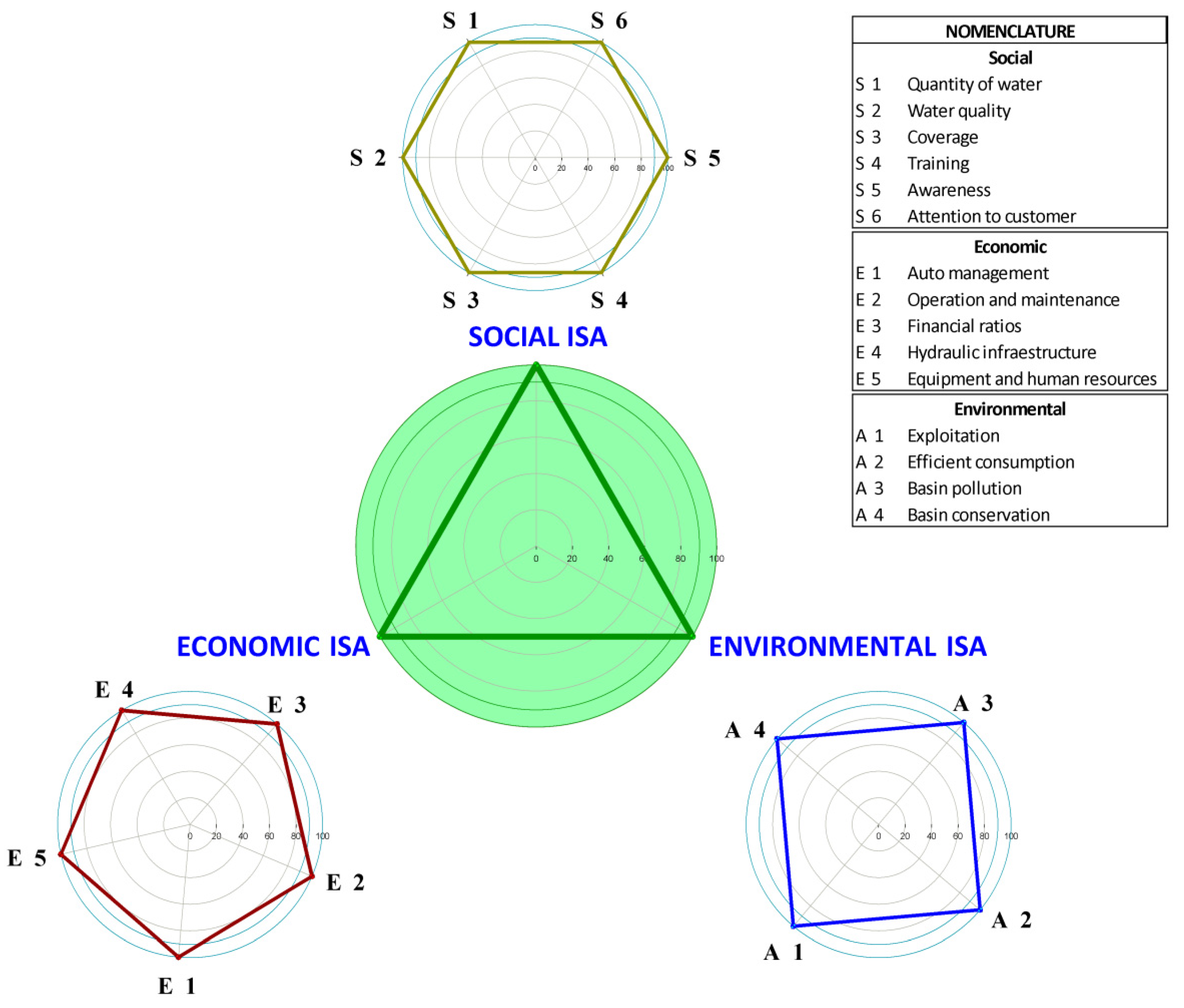
Figure 1. Spider-web diagram for Ideal System (ISA = 100), showing the performance of the 15 sub-components grouped under the economic, social, and environmental pillars.
Sustainability 17 11293 g001
Figure 2. Flowchart of the ISA Operational Procedure from Data Input to Sustainability Reporting.
Sustainability 17 11293 g002
Figure 3. Spiderweb diagram representing the Index of Sustainability of Water Supply Systems (ISA).
Sustainability 17 11293 g003
Figure 4. Hierarchical Structure of the Index of Sustainability of Water Supply Systems.
Sustainability 17 11293 g004
Table 1. ISA Indicator Hierarchy and Assigned Weighting Factors.
Social [33.3]Economic [33.4]Environmental [33.3]
SubcomponentIndicatorSubcomponentIndicatorSubcomponentIndicator
[6.0]
Operational:
Quantity
[2.0] Flow reductions[11.0]
Self-management
[5.0] Cost recovery[7.0]
Extraction & Use
[4.0] Extracted water flow
[2.0] Interruption duration[2.0] Financial self-sufficiency[3.0] Watershed legal regulation
[2.0] Service pressure[1.0] Collection efficiency[5.3]
Efficient consumption
[2.0] Per capita consumption
[6.3]
Operational:
Quality
[2.0] Number of quality analyses[3.0] Non-revenue water[1.3] Hydric resource underuse
[2.0] Water stagnation[9.2]
Operation & Maintenance
[4.0] Infrastructure leakage index[2.0] Energy consumption
[2.3] Residual chlorine[1.2] Pipe breaks[8.0]
Operational pollution
[3.0] Drinking water sludge
[6.0]
Operational:
Coverage
[3.0] Properties connected[1.0] Acoustic leak control[3.0] Wastewater treatment
[3.0] Peak-hour coverage[1.0] GIS information availability[2.0] Impact mitigation
[5.0]
Training:
Capacity-building
[2.5] Field technicians and planners[1.0] Reservoir maintenance[13.0]
Source conservation
[2.5] Source watershed belonging
[2.5] Managers and coordinators[1.0] Illegal connection search[4.0] Reforestation underway
[4.0]
Training:
Awareness
[2.0] Customer training courses[3.0]
Financial indices
[1.5] Liquidity ratio[2.5] Clean industries in watershed
[2.0] TV and radio campaigns[1.5] Debt stock[4.0] Capital for conservation
[6.0]
Customer service
[1.5] Complaint handling[8.2]
Supply infrastructure
[1.0] Hydrometric parcels
[1.5] Connections and repairs[1.0] Number of hydrants
[1.5] Outreach and marketing[1.2] Collar replacement
[1.5] Customer service infrastructure[1.0] Working meters
[1.0] Meter age
[1.0] Accumulated meter volume
[2.0] Renewed pipelines
[2.0]
Equipment & staff
[1.0] Machinery and equipment access
[1.0] Staff performance
Table 2. Quality Factor (QF) Conversion Functions for Selected ISA Indicators.
Function Type Quality Factor
(QF) Equation
Number
Equation
Modeled Behavioral Principle Typical Indicators of Application
Sigmoidal Q F ( x ) = 1 1 + e a ( x x 0 ) Equation (4)Critical Threshold and Optimal Range: Captures behavior where benefits accelerate around a central value (threshold) and saturate at the extremes, penalizing both deficiency and excess. Service Continuity, Service Pressure, Residual Chlorine, Treatment Efficiency.
Logarithmic Q F ( x ) = a   l n ( b x + c ) + d Equation (5)Diminishing Returns (for indicators where lower is better): Imposes strong penalties for initial poor performance, but the benefits decrease as the indicator improves. Ideal for modeling loss reduction. Non-Revenue Water (NRW), Energy Consumption, Operating Cost Ratios.
Exponential Q F ( x ) = a   e b x + c Equation (6)Increasing Returns (for indicators where higher is better): Models how high levels of performance produce disproportionately large sustainability benefits, incentivizing excellence. Service Coverage, Micrometering Index, Billing Effectiveness.
Polynomial Q F ( x ) = a   x 3 + b   x 2 + c   x 1 + d   Equation (7)Complex Curvature: Used when the relationship between the indicator and sustainability is complex and cannot be accurately represented by simpler functions. Offers maximum flexibility. Infrastructure Leakage Index (ILI) [29], Rehabilitation Rates, Technical Productivity.
Hyperbolic Q F ( x ) = a b x + c + d Equation (8)Impact Saturation:Reflects that initial improvements in an indicator have a large impact, but this impact diminishes drastically as performance levels increase. Common for institutional indicators. Training Coverage, Community Participation, Administrative Efficiency.
Piecewise Linear (Binary Threshold) Q F ( x ) = { 0           i f   x < x m i n   1           i f   x   x m i n Equation (9)Strict Compliance (Pass/Fail):Applies a total penalty (QF = 0) if a minimum legal or public health threshold is not met, and a full reward (QF = 1) if it is, reflecting a binary nature. Drinking Water Quality Compliance, Wastewater Treatment, Watershed Protection.
Table 3. ISA Cycle: Phases and Constituent Actions.
ISA PhasesConstituent Actions
1. AssessmentSystem Baseline
Information Gathering and Storage
Analysis and Processing
Stakeholder Consultation and Validation
ISA Calculation
2. Diagnosis and CharacterizationIndicator Aggregation
Analysis of Results
Identification of System Pathologies
Critical Deficiencies
Disaggregation of Results
Traceability
3. Action PlanAnalysis and Selection of Guidelines
Prioritization of Interventions/Actions
Development of Action Plans
Scheduling of Implementation
4. ImplementationImplementation of Plans
Project Management
Execution Control
Results Monitoring
5. Control, Monitoring of ResultsMeasurement of Achievements
Comparison with Baseline
Analysis of Deviations
Recommendations and Adjustments
6. AssessmentNew Baseline
New Indicators
Adjustments to the Method
Table 4. ISA classification for the 14 evaluated water supply systems.
ClassificationISA ThresholdNumber of Systems%
Poor0–401071
Deficient41–60429
Regular61–7500
Good76–9000
Excellent91–10000
Disclaimer/Publisher’s Note: The statements, opinions and data contained in all publications are solely those of the individual author(s) and contributor(s) and not of MDPI and/or the editor(s). MDPI and/or the editor(s) disclaim responsibility for any injury to people or property resulting from any ideas, methods, instructions or products referred to in the content.