Article

The Effects of Cluster Agglomeration and Boundary Spanning on Firms’ Dynamic Competitive Advantage: Mediation of Knowledge Renewal and Moderation of Coopetition Relationship

1
Chinese International College, Dhurakij Pundit University, Bangkok 10210, Thailand
2
International College, Krirk University, Bangkok 10220, Thailand
*
Author to whom correspondence should be addressed.
Sustainability 2025, 17(24), 11119; https://doi.org/10.3390/su172411119
Submission received: 23 October 2025 / Revised: 7 December 2025 / Accepted: 10 December 2025 / Published: 11 December 2025

Abstract

Existing research has highlighted knowledge sharing and performance outcomes within industrial clusters but provides limited insight into how firms leverage internal capabilities to transform external knowledge, as well as the coopetitive conditions under which this transformation is most effective. This study proposes an intermediary mechanism for knowledge renewal, illustrating how enterprises restructure cluster knowledge to enhance their dynamic competitive advantage. It further examines the moderating role of coopetition relationships to reveal how varying intensities of these relationships influence knowledge conversion and the formation of competitive advantage. Data from 469 enterprises across multiple industrial clusters in China were collected and analyzed using structural equation modeling. The findings indicate that cluster agglomeration and boundary spanning significantly enhance a firm’s dynamic competitive advantage through knowledge renewal, with coopetition relationship further amplifying this effect. This study contributes to bridging theoretical gaps in research on cluster agglomeration, knowledge renewal, and coopetition relationship. It offers a significant contribution to cluster studies by elucidating the knowledge transformation process and clarifying when coopetition relationship can enhance capability development.

1. Introduction

The global competitive landscape is becoming increasingly complex, companies face unprecedented challenges arising from rapid technological advancements [1,2]. A small business that once relied on stable, static resources now finds itself struggling to survive viably under the relentless pressure of global market competition. With technology evolving rapidly and consumer demands shifting quickly, firms must undertake proactivele transformations to survive in fiercely competitive markets. To cope with a highly dynamic and competitive business environment, an increasing number of enterprises opt to cluster within specific regions, leveraging geographical proximity and industrial networks to gain the advantages of resource sharing and knowledge spillovers, thereby fostering stronger and more sustainable competitive advantages [3].
Existing research on industrial clusters primarily emphasizes knowledge spillovers and innovation performance resulting from geographical proximity [3,4]. However, it rarely explores in depth how enterprises effectively transform external knowledge into sustainable competitive advantages through their internal capabilities. Additionally, most studies lack a detailed examination of the micro-level mechanisms involved in knowledge absorption, renewal, recombination, and utilization. While the importance of absorptive capacity and firm-level capabilities has been acknowledged [5,6], integrated models that link cluster externalities with internal firm dynamics remain incomplete. This gap is particularly evident in the limited empirical testing of mediating mechanisms such as knowledge renewal. Moreover, literature on collective action often overlooks governance mechanisms, coopetition relationship, and boundary spanning roles, making it challenging to explain how enterprises effectively acquire and restructure knowledge within complex relational networks. The influence of coopetition relationship on capability development remains unclear, and there is insufficient multi-level empirical evidence concerning coopetition relationship within cluster contexts. Many studies rely on cross-sectional designs and single-industry case studies [7,8], which constrain our understanding of cluster dynamics and the evolution of knowledge networks. In summary, cluster studies within the integrated framework of “cluster agglomeration × boundary spanning × knowledge renewal × coopetition relationship × dynamic competitive advantage” still exhibit significant theoretical gaps, urgently necessitating new empirical models to address these shortcomings.
While clustering facilitates knowledge diffusion and resource sharing, excessive reliance on internal relationships can lead enterprises into the pitfalls of “knowledge lock-in” and “innovation homogenization” [9]. Therefore, firms must proactively acquire heterogeneous knowledge beyond their clusters through boundary spanning activities to break path dependencies and achieve knowledge renewal [10]. Boundary spanning is regarded as a crucial means for enterprises to absorb external knowledge and identify new opportunities. However, more existing research has focused primarily on its direct effects on innovation performance or organizational learning [11,12], giving less attention to how boundary spanning operates within the broader processes of dynamic competitive advantage formation. Systematic analyses that position boundary spanning within this evolutionary framework remain limited. Knowledge renewal refers to the process through which firms transform and recreate their knowledge base by socializing, externalizing, and reintegrating existing knowledge, thereby forming new knowledge systems through organizational capture, integration, and linkage [13]. Knowledge renewal emphasizes the continuous exploratory and exploitative updating of existing knowledge within enterprises, serving as the core mechanism for transforming external knowledge into internal capabilities [14]. However, within the context of the “cluster agglomeration–boundary spanning” framework, systematic empirical research is still lacking on how knowledge renewal drives the evolution of corporate capabilities.
Furthermore, business relationships within cluster are not purely cooperative but often characterized by coopetition relationship, a dynamic interplay of competition and collaboration [3,15]. Coopetition relationship refers to a complex relationship in which two or more organizations, teams, or individuals cooperate in certain areas to achieve mutual benefits while simultaneously competing in others, thereby acting as both partners and rivals [16]. Enterprises within clusters, due to their close proximity, often find that strategies are easily observed and products readily imitated [3]. Competition for similar clientele results in varying performance outcomes among firms within the cluster. Consequently, how individual enterprises accumulate and integrate internal and external resources to build sustainable competitive advantages becomes a crucial strategic focus.
Research Gap: Existing studies on industrial clusters have predominantly focused on the effects of cluster spillovers and learning on innovation and performance [17,18]. However, fewer studies have examined how clustering facilitates the continuous renewal and reconfiguration of resources within enterprises to generate dynamic competitive advantage from the perspective of dynamic capabilities. While knowledge renewal has been identified as a crucial mechanism enabling enterprises to respond to environmental changes and strategic shifts, most research has concentrated on family businesses or temporary clusters [13,19]. The mediating mechanism linking “cluster agglomeration and boundary spanning–dynamic competitive advantage” has not yet been incorporated into the framework. Research on boundary spanning and coopetition relationships has primarily centered on network positions and innovation performance [11,12], with limited attention to how these factors integrate with cluster agglomeration and knowledge renewal. This gap hinders understanding of how enterprises within clusters enhance their dynamic competitive advantage through boundary spanning connections and coopetition interactions. To address this, the present study integrates cluster agglomeration with boundary spanning, introducing the mediating role of knowledge renewal and the moderating role of coopetition relationship. It proposes an integrated conceptual model of “cluster agglomeration, boundary spanning–knowledge renewal–dynamic competitive advantage within clusters” to fill the identified theoretical gap.

2. Literature Review and Hypotheses

2.1. Cluster Agglomeration and Dynamic Competitive Advantage

Cluster agglomeration refers to the externalities generated by the spatial proximity of enterprises and related industrial activities concentrated within the same region. These benefits include knowledge spillovers, specialized division of labor, complete supply chains, and market expansion [20]. Porter (1990) highlighted that industrial clusters enhance firms’ productivity, innovation capabilities, and competitive advantage, thereby forming the foundation for regional competitive advantage [21]. Similarly, Krugman (1991), from the perspective of new economic geography, explained that firms naturally cluster due to economies of scale, reduced transportation costs, and market potential, underscoring the crucial role of cluster in economic development and industrial growth [22].
Dynamic competitive advantage emphasizes a firm’s ability to sustain market leadership in rapidly changing environments through the continuous adaptation of strategies, technologies, and resource configurations [23]. From the microfoundations of dynamic capabilities [24,25], a firm’s dynamic competitive advantage arises from its ability to continuously sense opportunities, seize them, and reconfigure resources in uncertain environments. Clustering provides favorable conditions for the development of this capability. The dense knowledge networks and social connections within clusters enable enterprises to achieve resource integration and capability reallocation more readily through learning, sharing, and interaction [26]. The accumulation of resources and institutional legitimacy allows clustered enterprises to expand resource utilization and reconstruct capabilities [27]. However, cluster agglomeration also reveals that overly entrenched relationships or homogenized knowledge can constrain firms’ capacity for innovation and resource reorganization [28]. Collaboration with heterogeneous research institutions and the restructuring of knowledge help enterprises overcome these constraints and foster innovative dynamism [29].
Clustering theory posits that firms entering industrial clusters benefit from greater spillover knowledge, specialized labor, and resources from surrounding institutions through frequent transactions and informal interactions, enhancing innovation and performance [30]. The dynamic capability perspective emphasizes that enterprises must continuously and rapidly sense environmental changes while integrating and reorganizing internal and external resources to maintain dynamic competitive advantage in highly volatile environments [31,32]. Existing research further indicates that intense competition and close collaboration within clusters facilitate organizational learning and dynamic capabilities, thereby transforming cluster resources into sustainable competitive advantages [33]. Based on these insights, the following hypothesis is proposed:
H1. 
Cluster agglomeration exerts a positive influence on firms’ dynamic competitive advantage within clusters.
To further investigate how cluster agglomeration shape the formation of dynamic competitive advantage, scholars have conceptualized the cluster agglomeration as a multidimensional construct comprising collaborative opportunities, specialized labor, and technology sharing [34,35]. These dimensions not only represent the specific pathways through which enterprises acquire resources and interact within clusters but also reveal the diverse support mechanisms by which clustering facilitates the evolution of enterprise capabilities.
First, collaborative opportunities provide firms with access to a broad range of valuable external resources. Through inter-firm partnerships and network connections, companies can obtain scarce, inimitable resources that substantially strengthen their competitiveness [36]. Collaboration fosters trust, knowledge transfer, and mutual learning among partners, thereby enhancing firms’ resource integration and adaptive capabilities [37]. Drawing from the microfoundations of dynamic capabilities [24,25], collaborative opportunities improve firms’ sensing capabilities, making them more adept at identifying market opportunities. They also enhance firms’ seizing capabilities through better resource coordination and increase flexibility in resource restructuring via collaborative learning. Based on these insights, the following hypothesis is proposed:
H1a. 
Collaborative opportunities exert a positive influence on firms’ dynamic competitive advantage within clusters.
Specialized labor provides firms with highly skilled expertise and knowledge, thereby fostering innovation and research and development activities within clusters, and supports the overall competitiveness of firms by optimizing resource allocation and increasing labor productivity [38,39]. Within clusters, specialized professionals foster collaboration and knowledge diffusion among enterprises, thereby enhancing their market competitiveness [40]. From the perspective of the microfoundations of dynamic capabilities [24,25], specialized labor serves as a critical human resource foundation for firms’ sensing and reconfiguring capabilities. Highly skilled employees can detect technological shifts earlier, absorb external knowledge effectively, and rapidly reconfigure internal processes to sustain enduring competitive advantages. Based on these insights, the following hypothesis is proposed:
H1b. 
Specialized labor exerts a positive influence on firms’ dynamic competitive advantage within clusters.
Technology sharing plays a crucial role in accelerating knowledge transfer and enabling firms to rapidly absorb external technologies, thereby enhancing their competitive advantage [41]. Through technology sharing, enterprises can integrate external technologies into their internal research and development processes, thereby reducing research and development costs and shortening product time-to-market [42,43]. Drawing on the microfoundations of dynamic capabilities [24,25], technology sharing enhances firms’ ability to sense emerging technologies, improves their capacity to seize opportunities through collaborative innovation, and supports sustained competitive advantage via resource restructuring. Continuous knowledge exchange and co-learning enable firms to consistently renew their capabilities and strengthen their dynamic competitive advantages. Based on these insights, the following hypothesis is proposed:
H1c. 
Technology sharing exerts a positive influence on firms’ dynamic competitive advantage within clusters.

2.2. Boundary Spanning and Dynamic Competitive Advantage

Boundary spanning refers to the process through which enterprises transcend cognitive, geographical, and technological boundaries. By acquiring external heterogeneous knowledge and reconfiguring internal organizational knowledge, firms can identify new business opportunities, enter new markets, pursue new collaborations, and address the practical challenge of limited internal knowledge resources [44]. Boundary spanning behavior enables enterprises to access external technologies, markets, and resources by breaking traditional organizational boundaries [45]. Research indicates that boundary spanning not only facilitates external knowledge acquisition but also enhances competitive advantage through interactions across organizations and cross-industry interactions [46,47]. From the perspective of the microfoundations of dynamic capabilities, boundary spanning enhances an organization’s capacity to develop and renew dynamic competitive advantage in uncertain environments by stimulating three key processes: opportunity sensing, value capture, and resource reconfiguration [24,25]. As a result, boundary spanning equips firms with the capability to maintain competitiveness and achieve long-term competitive advantage [23].
Although previous studies have shown that boundary spanning promotes competitive advantage through dynamic capability mechanisms [48,49], existing research has paid limited attention to how firms transform externally acquired knowledge into dynamic competitive advantages through knowledge renewal within clusters. Based on this gap, the following hypothesis is proposed:
H2. 
Boundary spanning exerts a positive influence on firms’ dynamic competitive advantage within clusters.

2.3. Cluster Agglomeration, Knowledge Renewal, and Dynamic Competitive Advantage

Industrial clustering creates an environment marked by frequent interactions and knowledge exchange, enabling firms to acquire, diffuse, and recombine knowledge more efficiently [35]. Within clusters, firms can access technological advancements, market intelligence, and management expertise through frequent formal and informal channels. This continuous flow facilitates the updating and adaptation of existing organizational knowledge, enhancing firms’ responsiveness [50]. By drawing on absorptive capacity theory, enterprises can use their existing knowledge base to recognize and assimilate external knowledge and transform it into internal capabilities [51,52], thereby creating the conditions necessary for continuous knowledge renewal. Existing studies indicate that clusters also foster a dual mechanism of competition and cooperation: while competition encourages differentiation, cooperation provides cross-organizational knowledge sources. This interplay enables knowledge to be applied across different technological pathways, thereby promoting knowledge renewal [53,54].
Knowledge renewal involves the socialization, externalization, and reintegration of existing knowledge, enabling firms to create new knowledge systems through organizational capture, integration, and linkage [13]. In dynamic environments, firms that successfully acquire knowledge across geographic and organizational boundaries and integrate it into internal processes can respond swiftly to market opportunities and reorganize resources, thereby enhancing sustained competitive performance [55]. Based on the microfoundations of dynamic capabilities, enterprises identify external knowledge opportunities through sensing mechanisms and internalize them by leveraging their absorptive capacity. They embed newly acquired knowledge into processes and products through integration and transformation, and further optimize resource allocation through restructuring and redeployment to achieve strategic adjustment [24,25]. This micro-level mechanism clarifies how knowledge renewal translates into dynamic capabilities at the operational level, enabling firms to sustain competitive advantage in rapidly changing environments.
Although existing research has examined the role of cluster agglomeration in facilitating knowledge flows and innovation, limited attention has been paid to the underlying mechanisms through which knowledge renewal within clusters shapes dynamic competitive advantage. In the context of industrial clusters, a key question arises: how do enterprises integrate external knowledge with internal experience through knowledge renewal in order to optimize resource allocation and strategic processes, thereby forming sustained dynamic competitive advantages in rapidly changing environments? Based on this reasoning, the following hypothesis is proposed:
H3. 
Knowledge renewal mediates the relationship between cluster agglomeration and firms’ dynamic competitive advantage within clusters.

2.4. Boundary Spanning, Knowledge Renewal, and Dynamic Competitive Advantage

In studies of firms within clusters, boundary spanning is widely recognized as a critical mechanism for facilitating knowledge renewal. Enterprises acquire heterogeneous knowledge and resources through search activities that cross organizational or technological boundaries, thereby facilitating knowledge integration and re-creation [14,56]. Drawing on absorptive capacity theory, organizations can identify and internalize external knowledge by leveraging their existing knowledge base, which in turn enhances their ability to integrate new knowledge [51,52]. Prior research indicates that a firm’s dynamic capabilities consist of three core components: sensing opportunities, integrating resources, and rapidly reconfiguring organizational capabilities [31]. Knowledge renewal serves as a crucial mechanism that transforms externally acquired knowledge, obtained through boundary spanning activities, into deployable organizational resources [57]. Effective boundary spanning enhances the acquisition of external knowledge while also improving the efficiency of internal knowledge transfer through structured communication and sharing mechanisms. By reducing uncertainty and strengthening trust among collaborating organizations, it provides a strong foundation for the continuous advancement of knowledge renewal capabilities [58,59].
In dynamic competitive environment, firms must continuously optimize and reconstruct existing knowledge to maintain a competitive edge. Knowledge renewal serves as a key driver of technological and product iteration while also acting as a central mechanism enabling firms to respond effectively to rapidly changing markets [41]. Based on the microfoundations of dynamic capabilities, knowledge renewal entails perceiving external opportunities and new knowledge, integrating and transforming that knowledge for application in organizational processes and product innovation, and restructuring or redeploying resources to optimize resource allocation in support of strategic adjustments [24,25]. Through this process, enterprises can not only improve their ability to rapidly adapt to environmental changes but also strengthen organizational learning and decision-making efficiency, thereby cultivating dynamic competitive advantage [23].
Although existing studies have examined the role of boundary spanning in knowledge acquisition and innovation outcomes, limited attention has been paid to how firms effectively transform knowledge obtained through boundary spanning into dynamic competitive advantages via knowledge renewal. This is particularly evident in the context of clusters, where the specific mechanisms at work have yet to be fully clarified. For cluster-based enterprises, boundary spanning activities provide access to diverse external knowledge resources. However, how such resources are converted into sustained competitive advantages that enable firms to navigate rapidly changing market environments remains an open question. Based on this, the following hypothesis is proposed:
H4. 
Knowledge renewal mediates the relationship between boundary spanning and firms’ dynamic competitive advantage within clusters.

2.5. The Moderating Effect of Coopetition Relationship

In a fiercely competitive and rapidly changing environment, firms cannot sustain competitive advantage solely through knowledge sharing. Cluster agglomeration creates the foundational conditions for developing dynamic competitive advantage by facilitating knowledge flow, resource integration, and experience sharing among enterprises [60]. At the same time, firms often maintain both cooperative and competitive relationships simultaneously. This dual interaction pattern is referred to as coopetition relationship [16]. Existing research indicates that coopetition relationships can moderate the impact of the innovation context on firm performance and innovation outcomes [61,62]. Specifically, a healthy coopetition relationship can encourage firms within a cluster to be more willing to share information and resources, while simultaneously driving efficiency gains through competitive pressures [63]. This interplay enhances both the depth and quality of knowledge sharing, strengthens organizational learning, and improves adaptability, thereby reinforcing dynamic competitive advantage [64,65]. However, the existing literature remains limited, as it predominantly examines Western developed markets or specific industries and pays insufficient attention to how differences in firms’ absorptive capacity and the balance between cooperation and competition shape performance outcomes. This study addresses this gap by investigating how, within Chinese industrial clusters, coopetition relationship positively moderates the effect of cluster agglomeration on dynamic competitive advantage when cooperation and competition are appropriately balanced and when firms’ absorptive capacity is aligned with external knowledge flows. Therefore, the following hypothesis is proposed:
H5. 
Coopetition relationship positively moderates the impact of the cluster agglomeration on firms’ dynamic competitive advantage within clusters.
In this study, although cluster agglomeration, boundary spanning, and coopetition relationships all involve knowledge linkages among enterprises, they differ in their focal concerns. Cluster agglomeration highlights the advantages derived from knowledge sharing and resource integration within geographically concentrated environments [34]. Boundary spanning emphasizes an organization’s capacity to proactively acquire heterogeneous external knowledge [11]. Meanwhile, coopetition relationships underscore the conditional effects of knowledge flow and innovation dynamics under the simultaneous presence of cooperation and competition [66].
In today’s complex and dynamic business environment, firms enhance their dynamic competitive advantage by acquiring external knowledge, technologies, and resources across organizational boundaries [48]. In moderately competitive environments, cooperative interactions are often strengthened, enhancing the positive effects of boundary spanning [67]. Under such conditions, firms can more effectively acquire external resources through resource sharing and technological integration, improving market adaptability and reinforcing competitive advantages [68]. Under conditions of balanced cooperation and competition, and when firms’ absorptive capacities are well-aligned, a moderate level of coopetition relationship can stimulate innovation incentives and learning motivation while sustaining knowledge flow and resource integration through collaborative mechanisms. This, in turn, strengthens the efficiency with which boundary spanning activities are transformed into dynamic competitive advantages [69]. Although prior studies have shown that coopetition relationships play a moderating role in innovation contexts [62,70], most have concentrated on innovation outputs or firm performance. Far fewer have examined how coopetition relationship facilitates boundary spanning learning and resource integration, key components of boundary spanning activities, and even fewer have explored how these processes contribute to the formation of dynamic competitive advantages within clusters. This study addresses these gaps by investigating how coopetition relationship in Chinese industrial clusters positively moderates the effect of boundary spanning on dynamic competitive advantage. Based on this, the following hypotheses is proposed:
H6. 
Coopetition relationship positively moderates the effect of boundary spanning on firms’ dynamic competitive advantage within clusters.
Existing research has found that knowledge renewal enables organizations to acquire, integrate, and apply new knowledge, driving the updating and restructuring of existing knowledge bases. This process enhances market adaptability, overcomes technological bottlenecks, and generates new sources of competitive advantage [71]. Coopetition relationship strengthens the depth and breadth of collaboration, allowing firms to efficiently leverage external knowledge while protecting their core competencies. This, in turn facilitates knowledge renewal and integration, further strengthening dynamic competitive advantage [72]. The coopetition relationship between firms significantly shapes the effectiveness of knowledge renewal. When cooperation and competition are held in moderate balance, firms are better positioned to share resources, integrate external knowledge, and enhance the efficiency with which knowledge renewal is transformed into dynamic competitive advantage [73]. In contrast, when opportunistic behaviors, knowledge leakage risks, or insufficient absorptive capacity arise, heightened competition may weaken the outcomes of knowledge renewal. Therefore, this study investigates how coopetition relationship positively moderates the effect of knowledge renewal on dynamic competitive advantage within Chinese cluster contexts, specifically under conditions where cooperation and competition are balanced and firms’ absorptive capacities are well-matched. This research fills a gap in the existing literature, which has paid limited attention to the operational mechanisms underlying knowledge renewal processes. Based on this reasoning, the following hypothesis is proposed:
H7. 
Coopetition relationship positively moderates the effect of knowledge renewal on firms’ dynamic competitive advantage within clusters.
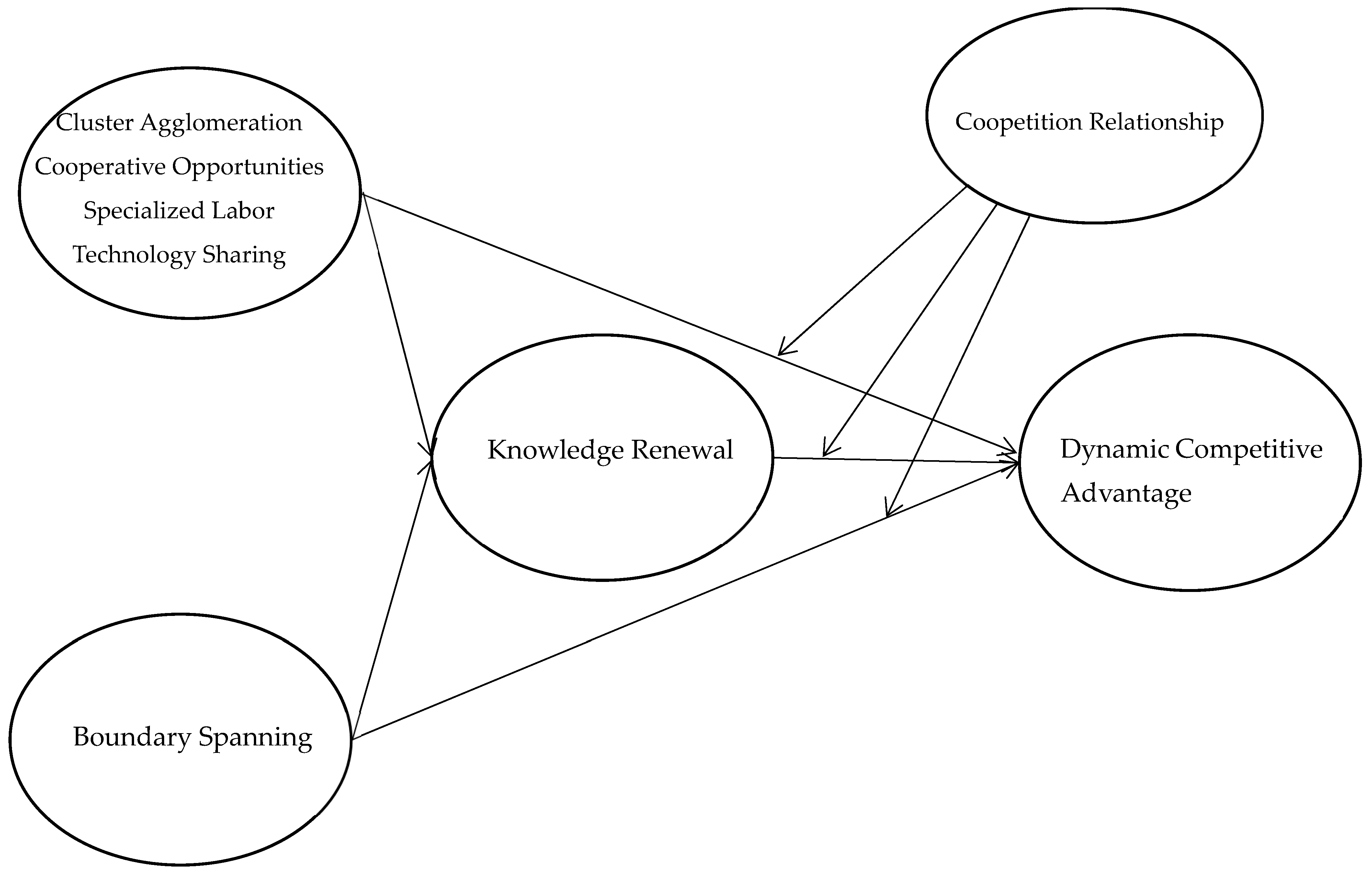
The primary focus of this study is the relationship among cluster agglomeration, boundary spanning, and the dynamic competitive advantage of firms within clusters. Based on the discussion above, the research framework of this study is presented in Figure 1.

3. Materials and Methods

3.1. Data Collection

This study focuses on enterprises located within various industrial clusters in China. The questionnaire was conducted in September 2025. The research population was drawn from the top 5000 enterprises in the electronic information industry, as listed in the China Statistical Yearbook 2024. These enterprises were classified into five categories: semiconductor integrated circuits, communication equipment, smart terminals, consumer electronics hardware, and software services. All sampled enterprises are located within the major electronics and information technology clusters in China: the Yangtze River Delta, the Pearl River Delta, and the Shenzhen area in Guangdong Province.
This study employed a stratified random sampling method. First, using industry type as the stratification criterion, 200 enterprises were randomly selected from each industry category, resulting in an initial sample of 1000 enterprises. Second, to ensure the sample accurately represented “cluster members,” this study verified the clustering attributes of the enterprises by cross-referencing publicly available sources, including local government directories of industrial parks, lists of enterprises within national and provincial-level development zones, and corporate registration address information. To ensure the representativeness and quality of the sample, participating enterprises were required to meet the following three criteria: (1) be located within an industrial cluster or economic zone; (2) maintain collaborative relationships with other enterprises within the cluster; (3) be legally registered in China.
This study was conducted at the firm level, and questionnaires were distributed to managers, including presidents, vice presidents, general managers, directors, and deputy general managers. To minimize common method bias, the questionnaire was administered to them twice separately during September. The first survey gathered cluster agglomeration and boundary spanning data, while the second collected responses on knowledge renewal, coopetition relationship, and dynamic competitive advantage. The two questionnaire distributions were conducted two weeks apart to minimize common method bias. During distribution, vice presidents completed items related to cluster agglomeration and boundary spanning; vice presidents and directors addressed knowledge renewal and coopetition relationship; and presidents and general managers assessed dynamic competitive advantage. This study employed an anonymous matching approach and standardized coding to protect participants’ personal information. Mid-level and senior managers were matched using multiple sources to further reduce common method bias. Participation was entirely voluntary, and respondents could withdraw at any stage of the questionnaire completion process.
To ensure a high response rate, follow-up reminders were sent after questionnaire distribution. As of 30 September 2025, 890 questionnaires had been returned. After excluding invalid responses due to missing values, incorrect answers, or random responses, 469 valid questionnaires were retained, yielding an effective response rate of 52.67%.

3.2. Study Design

To ensure consistency between the Chinese and English versions, the translation–back-translation procedure proposed by Bullinger et al. (1998) [74] was adopted. In addition, 30 managers were invited to review and refine the item wording to ensure semantic equivalence across the two languages. A pretest was conducted prior to the full-scale survey, and the results indicated that all items demonstrated acceptable reliability. All constructs were measured using a 7-point Likert scale (1 = Strongly Disagree, 7 = Strongly Agree).
To ensure the scientific validity of the scale and the representativeness of its measurement content, this study conducted content validity testing on five core variables prior to the formal survey. Content validity assesses the extent to which a scale comprehensively covers all essential aspects of a construct [75]. High content validity is indicated when scale items fully reflect experts’ shared understanding of the construct. The evaluation primarily focuses on item clarity, alignment with construct definitions, completeness of important dimensions, and the exclusion of irrelevant or redundant items. Before data collection, three PhD experts in Business Administration and five industry managers with over ten years of experience reviewed each variable’s items for clarity and construct relevance. Experts rated each item’s relevance using a 4-point scale (1 = not relevant, 4 = highly relevant). Based on their feedback, items with ambiguous wording, redundant content, or those deemed inapplicable to the Chinese corporate context were revised or removed. The content validity index (CVI) was then calculated, yielding item-level I-CVI values ranging from 0.83 to 1.00, well above the 0.78 threshold, and an overall scale-level S-CVI of 0.94, exceeding the acceptable standard of 0.80. These results indicate strong content representativeness and expert consensus [75]. Additionally, to control for chance agreement among experts, the adjusted Kappa coefficient was calculated, with values consistently above 0.78, demonstrating a high level of inter-rater reliability. In summary, the questionnaire exhibited excellent content validity, thoroughly encompassing the theoretical dimensions of each construct and providing a solid foundation for subsequent reliability and structural validity assessments.
To further evaluate the suitability of the scale items, a pilot survey was conducted. A total of 200 pilot questionnaires were distributed, of which 190 were returned, and 128 were deemed valid, resulting in a valid response rate of 67.4%. The items were subsequently subjected to reliability and validity analyses, as well as exploratory factor analysis. The detailed measurement and validation results are presented below.
(1)
Cluster Agglomeration: Building on the work of Porter (1998) [4], Kaplan and Norton (1996) [76], and Glaeser and Gottlieb (2009) [77], this study conceptualizes the cluster agglomeration as a multidimensional construct encompassing cooperative opportunities, specialized labor, and technology sharing. To measure the extent of cluster agglomeration, an adapted cluster agglomeration scale was used, employing 15 items in total to assess enterprises’ performance in these three aspects of cluster agglomeration, with five items corresponding to each dimension. Three items, one from each dimension, were removed, due to factor loadings below 0.6. Subsequent analyses confirmed the construct’s dimensionality and reliability, yielding Cronbach’s α of 0.922 (>0.7) and Kaiser-Meyer-Olkin (KMO) coefficient of 0.898 (>0.8), confirming suitability for factor analysis. Consequently, 12 items were retained, with four items per dimension.
(2)
Boundary Spanning: The measurement of boundary spanning was adapted from Ze et al. (2018) [12], including six items. The reliability analysis produced a Cronbach’s α coefficient of 0.969, and all items had factor loadings above 0.6. Principal component analysis with varimax rotation extracted a single factor with an eigenvalue greater than 1, explaining 86.74% of the total variance. Therefore, all six items were retained for further analysis.
(3)
Knowledge Renewal: The measurement scale for knowledge renewal was adapted from Lu et al. (2024) [14]. The initial scale included six items. Two items with factor loadings below 0.6, suggesting insufficient reliability. Among the remaining validated items, the Cronbach’s α coefficient was 0.952, indicating excellent internal consistency. Additionally, the Kaiser-Meyer-Olkin (KMO) measure of sampling adequacy was 0.860 (exceeding the 0.8 threshold), and Bartlett’s test of sphericity was significant, confirming the suitability of the data for factor analysis. Principal component analysis with varimax rotation extracted a single factor with an eigenvalue greater than 1, explaining 87.434% of the total variance. Therefore, four items were retained for further analysis.
(4)
Dynamic Competitive Advantage: The measurement scale for dynamic competitive advantage was adapted from Ma et al. (2014) [78]. The initial scale included 16 items. Four items with factor loadings below 0.6, suggesting insufficient reliability. Among the remaining validated items, the Cronbach’s α coefficient was 0.977, indicating excellent internal consistency. The Kaiser-Meyer-Olkin (KMO) measure of sampling adequacy was 0.976 (well above the 0.8 threshold), and Bartlett’s test of sphericity confirmed the data’s suitability for factor analysis. Principal component analysis with varimax rotation extracted a single factor with an eigenvalue greater than 1, explaining 80.547 of the total variance. Therefore, 12 items were retained for further analysis.
(5)
Coopetition Relationship: The measurement scale for coopetition relationship was adapted from Shu et al. (2017) [79]. The initial scale included 8 items. The reliability analysis produced a Cronbach’s α coefficient of 0.974, and all items had factor loadings above 0.6. Principal component analysis with varimax rotation extracted a single factor with an eigenvalue greater than 1, explaining 84.521% of the total variance. Therefore, all 8 items were retained for further analysis.
Table 1 presents the descriptive statistics of the formal questionnaire. Regarding company revenue, the majority of enterprises are concentrated in the ranges of 50.01–100 million yuan (21.1%), 10.01–50 million yuan (20.7%), and 100–500 million yuan (20.7%), representing the most prevalent revenue segments. Enterprises with revenues below 10 million yuan (10.4%) and above 1 billion yuan (12.2%) represent smaller proportions, indicating that the sample is predominantly composed of medium-sized firms in terms of turnover. In terms of employee size, the sample is primarily composed of firms with 1001–2000 employees (23.5%), 2001–3000 employees (22.4%), and 1000 or fewer employees (24.9%). Enterprises with 4001 or more employees account for the smallest share (10.4%), indicating that the surveyed firms are largely medium-sized in workforce. With respect to industry distribution, the sample covers semiconductor integrated circuits (20.0%), communication equipment (19.8%), smart terminals (20.3%), consumer electronics hardware (20.7%), and software services (19.2%), indicating a relatively balanced distribution and reflecting the broad coverage of industries in the survey. Finally, regarding years in operation, enterprises established between 11 and 25 years represent the largest proportion (24.5%), followed by those established between 6 and 10 years (24.1%) and those within 5 years (23.2%). Firms in operation for 31 years or more represent the smallest share (9.4%), indicating that the sample primarily comprises mid-aged and relatively young enterprises.

3.3. Research Methodology

This study utilized SPSS 26.0 and Mplus 7.4 for data analysis. Initially, descriptive statistics were conducted in SPSS to assess the mean, standard deviation, skewness, and kurtosis of the data, evaluating normality [80]. Reliability was then assessed using Cronbach’s alpha coefficient, with α > 0.70 indicating good internal consistency [81]. Confirmatory factor analysis (CFA) was subsequently performed in Mplus to examine structural validity. Model fit indices met established criteria: χ2/df < 5, CFI and TLI > 0.90, and RMSEA and SRMR < 0.08 [80]. For validity analysis, factor loadings greater than 0.50, average variance extracted > 0.50, and composite reliability > 0.70 indicated good convergent validity. Discriminant validity was confirmed by comparing the root mean square error of approximation (RMSEA) with correlation coefficients [82]. Common method bias (CMB) was assessed through Harman’s single-factor test [83] and confirmatory single-factor model testing [84], along with the full collinearity variance inflation factor (VIF) proposed by Kock (2015) [85]. Finally, structural equation modeling (SEM) was conducted using Mplus to test the proposed hypotheses. Mediation effects were examined using the bootstrap method with 5000 resamples and 95% confidence intervals [86], while moderation effects were assessed through coefficient multiplication [87]. Effects were considered significant when p < 0.05 or the confidence interval excluded zero.

4. Research Results

4.1. Reliability and Validity Analysis

As shown in Table 2, the validated formal questionnaire demonstrates that the Cronbach’s α values for cluster agglomeration, boundary spanning, knowledge renewal, dynamic competitive advantage, and coopetition relationship all exceed 0.8 [88]. Additionally, all adjusted items exhibit item-total correlations greater than 0.4, and the Cronbach’s α values after item deletion remain lower than the overall Cronbach’s α for each variable, indicating that the reliability meets the required standards and that the scales demonstrate strong internal consistency. All factor loadings for the five constructs exceed 0.5, with composite reliability (CR) values above 0.7 and average variance extracted (AVE) values above 0.5, indicating good convergent validity.
Discriminant validity examined by comparing the results of confirmatory factor analyses (CFA) conducted using Mplus 7.4. The analysis assessed multiple alternative factor models, and comparative analysis of model fit indices across alternative factor structures showed that only the five-factor model met the recommended fit criteria, whereas all other models failed to do so. The five-factor model exhibited significantly better fit compared to other models, indicating its superiority. This suggests that the variables in this study exhibit good discriminant validity (as shown in Table 3). Moreover, the correlation coefficients between the two variables are both less than the square root of the AVE (as shown in Table 4), indicating good discriminant validity.

4.2. Common Method Bias

This study employed Harman’s single-factor test method [83] to assess common method bias using SPSS. According to this method, if the variance explained by the first principal component is less than 40%, it indicates that serious common method bias is unlikely to exist. As shown in Table 5, the variance explained by the first principal component is 27.383%, which is below the 40% threshold, suggesting that the data in this study are not affected by significant common method bias.
To assess the severity of common method bias in this study, we conducted a single-factor model test using confirmatory factor analysis in Mplus 7.4 [84]. We compared the fit of the proposed measurement model against that of a single-factor model to determine which better fits the data. For the single-factor model, the fit indices were: χ2/df = 18.351 (>5), CFI = 0.384 (<0.90), TLI = 0.353 (<0.90), RMSEA = 0.192 (>0.08), and SRMR = 0.214 (>0.08), indicating poor fit. In contrast, the measurement model exhibited good fit with χ2/df = 1.390 (<5), CFI = 0.986 (>0.90), TLI = 0.985 (>0.90), RMSEA = 0.029 (<0.08), and SRMR = 0.060 (<0.08). These results demonstrate that the proposed measurement model fits the data well, while the single-factor model does not, suggesting that common method bias is unlikely to be a serious concern in this study.
This study further utilized the full collinearity variance inflation factor (VIF) proposed by Kock (2015) [85] to evaluate common method bias. As shown in Table 6, all variables exhibited VIF values below the threshold of 3.3, indicating that common method bias is unlikely to significantly influence the findings of this research.

4.3. Descriptive Statistics and Correlation Analysis

Table 4 presents the descriptive statistics and correlations among all study variables. All variables are positively correlated with one another, and these relationships are statistically significant (p < 0.050).

4.4. Empirical Analysis of Direct Effects

To examine the direct relationships among variables, this study included firm size and years of establishment as control variables to enhance robustness. As shown in Table 7, after controlling for firm size and years of establishment, the path coefficient between cluster agglomeration and dynamic competitive advantage is 0.494, which is statistically significant (p = 0.000 < 0.001). These results indicate a significant positive association between cluster agglomeration and dynamic competitive advantage, thereby supporting Hypothesis 1 (H1). Further, the path coefficients between the three dimensions of cluster agglomeration–collaborative opportunities, specialized labor, and technology sharing–and dynamic competitive advantage in the direct effect are 0.201, 0.190, and 0.132, respectively, all of which are significant (p < 0.050). These findings confirm significant positive effects of all three dimensions on dynamic competitive advantage, thereby supporting H1a, H1b, and H1c. After controlling for firm size and years of establishment, the path coefficient between boundary spanning and dynamic competitive advantage is 0.268 (p = 0.000 < 0.001), indicating a significant positive relationship, thereby supporting H2. The findings demonstrate that resource sharing and knowledge exchange facilitated by clustering serve as key mechanisms for enhancing corporate competitiveness. Theoretically, this supports the industrial clustering theory’s perspective that externalities promote dynamic learning. It also aligns with the microfoundations of dynamic capabilities, which emphasize that the formation of a firm’s dynamic competitive advantage depends on three distinct capabilities: sensing, seizing, and reconfiguring. Practically, this implies that enterprises should actively embed themselves within industrial cluster networks. By engaging in collaborative platforms and sharing technology and specialized talent, firms can improve their responsiveness to environmental changes and strengthen their innovation capabilities.
A comparative assessment of the three dimensions indicates that technology sharing exhibits the strongest relationship with dynamic competitive advantage, followed by specialized labor and collaborative opportunities. However, as the p-values are greater than 0.050, these differences are not statistically significant. This result indicates that while the various dimensions of cluster agglomeration show slight differences in their numerical relationship intensity, these differences are not statistically significant. This suggests that the enhancement of dynamic competitive advantage relies on the comprehensive and synergistic interaction among all cluster agglomeration dimensions, rather than the predominance of any single factor.

4.5. Empirical Analysis of Mediating Effects

The mediation model indicates a good overall fit according to multiple fit indices: χ2/df = 1.164 (<5), CFI = 0.995 (>0.9), and TLI = 0.994 (>0.9), RMSEA = 0.019 (<0.08), SRMR = 0.029 (<0.08), meeting the recommended criteria [89]. Firm size and years of establishment were again included as control variables to improve the robustness of the findings. As shown in Table 8, the mediating path “cluster agglomeration → knowledge renewal → dynamic competitive advantage” reveals a total effect coefficient of 0.456, with Bootstrap 95% confidence interval of [0.378, 0.535]. Because this interval does not include zero, the total effect is statistically significant. The direct effect coefficient is 0.390, with Bootstrap 95% confidence interval of [0.296, 0.484], also excludes zero, indicating that the direct effect is significant. The indirect effect is 0.066, with Bootstrap 95% confidence interval of [0.026, 0.106], again excluding zero, confirming the significance of the indirect effect. Since the direct effects are significant, the mediation is classified as partial, H3 is supported. Similarly, for the mediating pathway “boundary spanning → knowledge renewal → dynamic competitive advantage,” the total effect coefficient of 0.152, with a Bootstrap 95% confidence interval of [0.064, 0.240]. Since this interval does not include zero, the total effect is statistically significant. The direct effect coefficient is 0.119, with a Bootstrap 95% confidence interval of [0.032, 0.207], again excluding zero, suggesting that the direct effect is statistically significant. The indirect effect is 0.033, with a Bootstrap 95% confidence interval of [0.006, 0.060], again excluding zero, demonstrating that the indirect effect is significant. Given that both the total and direct effects are significant, the mediation is classified as partial, thus supporting H4.
A further comparison of the two mediating pathways shows that the effect of “cluster agglomeration → knowledge renewal → dynamic competitive advantage” is stronger and statistically more significant than that of the pathway “boundary spanning → knowledge renewal → dynamic competitive advantage.” This indicates that the mediating pathway “cluster agglomeration → knowledge renewal → dynamic competitive advantage” is more prominent and influential.
Although the mediation analysis demonstrates that knowledge renewal significantly mediates the relationships between cluster agglomeration, boundary spanning, and dynamic competitive advantage, with indirect effects of 0.066 and 0.033, respectively, the magnitudes of these effects are relatively modest. This implies that knowledge renewal is not the primary mechanism driving these relationships but rather a supplementary factor with limited impact intensity. Consequently, the direct relationships among cluster agglomeration, boundary spanning, and dynamic competitive advantage may hold greater practical importance. While knowledge renewal serves as a significant mediator, its role should be regarded as supportive rather than central.
Theoretically, these findings validate a key tenet of absorptive capacity theory: firms enhance competitiveness by acquiring and re-creating external knowledge. Furthermore, the stronger mediating effect observed for cluster agglomeration suggests that enterprises within clusters are more likely to engage in knowledge sharing and re-innovation through sustained interaction. Practically, this underscores the importance for enterprises to prioritize the cultivation of knowledge renewal mechanisms, such as implementing robust internal knowledge management systems and fostering cross-departmental innovation teams. Such efforts accelerate the conversion of external information into internal innovation outcomes, ultimately enabling the enterprise to maintain sustained competitive advantage.

4.6. Empirical Analysis of Moderating Effects

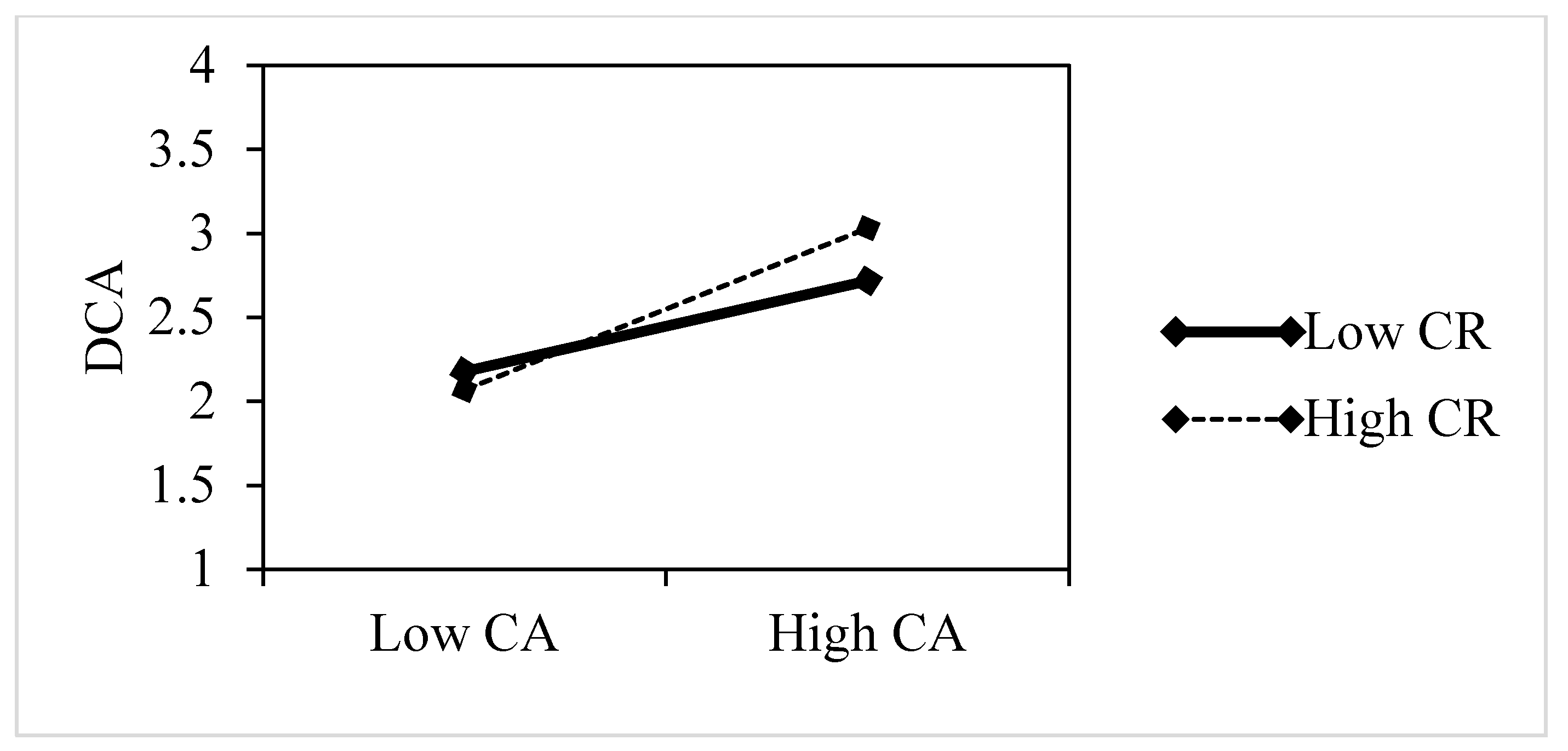
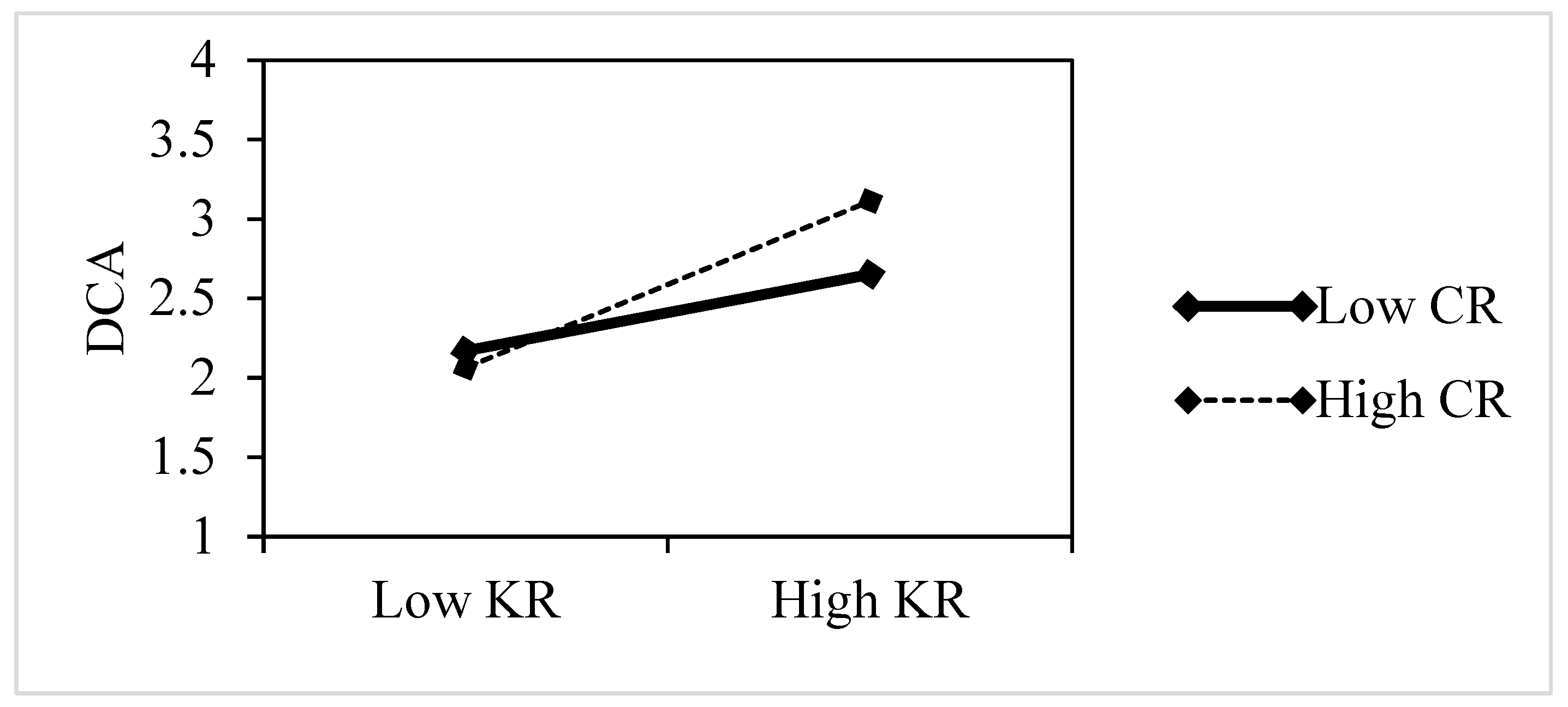
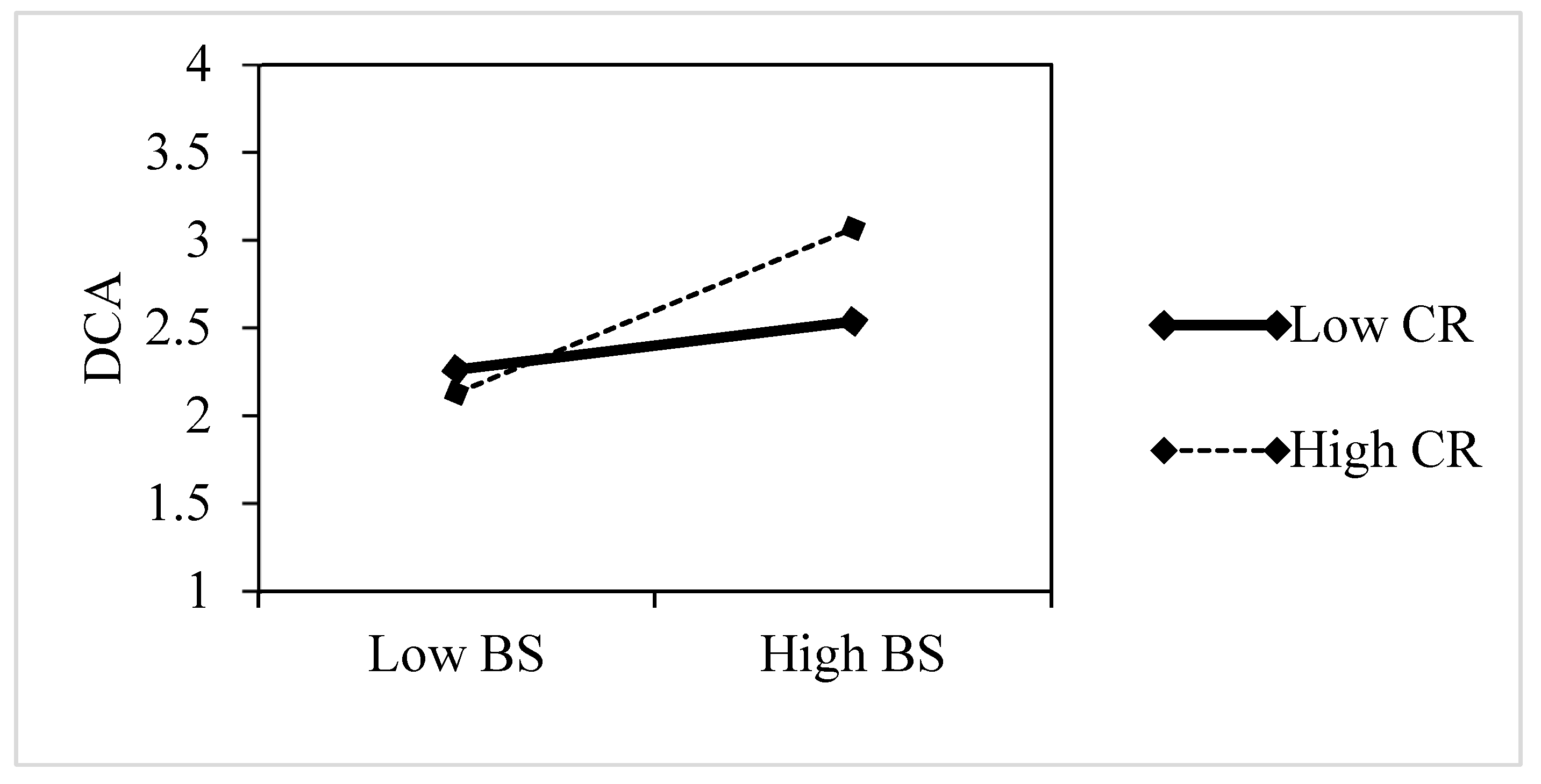
In this study, a coopetition relationship is examined as a moderating variable to analyze its influence on the relationships among cluster agglomeration, boundary spanning, knowledge renewal, and dynamic competitive advantage. To enhance robustness, firm size and years of establishment were included as control variables. As shown in Table 9, after controlling for firm size and years of establishment, the interaction coefficients for cluster agglomeration, boundary spanning, and knowledge renewal with coopetition relationship were 0.106, 0.168, and 0.142, respectively, all statistically significant (p < 0.050). These findings indicate that higher levels of coopetition relationships strengthen the positive associations between these variables and dynamic competitive advantage. To further illustrate these moderating relationships, a moderation model diagram was constructed. As depicted in the slope diagrams in Figure 2, Figure 3 and Figure 4, the slopes corresponding to high levels of coopetition relationships are noticeably steeper than those for low levels of coopetition relationship. This suggests that elevated coopetition relationships enhance the positive relationships between cluster agglomeration, boundary spanning, knowledge renewal, and dynamic competitive advantage. Overall, these findings provide robust evidence that coopetition relationships have a positive moderator role in the relationships between cluster agglomeration, boundary spanning, knowledge renewal, and dynamic competitive advantage, thus, supporting hypotheses H5, H6, and H7. From a theoretical perspective, moderate competition stimulates innovation, while coopetition relationship facilitates knowledge exchange and resource integration, jointly constituting a “cooperative-competitive” mechanism. From a practical standpoint, the slope analyses presented in Figure 2, Figure 3 and Figure 4 show steeper slopes under high levels of coopetition relationship, suggesting that firms operating within such dual environments experience significantly enhanced learning and innovation efficiency. Consequently, enterprises should cultivate cooperative norms, such as data-sharing and intellectual property agreements, and balance competitive pressures through third-party coordination mechanisms to foster a dynamic development pattern of “coopetition mutual benefit.”
Further comparison of the three moderating effects revealed no statistically significant differences, as all p-values exceeded 0.05. This indicates that the moderating effects of coopetition relationships on the associations between cluster agglomeration, boundary spanning, knowledge renewal, and dynamic competitive advantage are of comparable magnitude. Their moderating mechanisms exhibit consistency and universality rather than differentiated impacts. In other words, these three factors collectively exert positive synergistic effects within a firm’s coopetition relationship.

4.7. Analysis of Mediated Moderating Effects

To further deepen the analysis, this study examines the mediated moderation effect using the coefficient product method [87], specifically focusing on the mediating moderation role of coopetition relationship within the pathway from cluster agglomeration to dynamic competitive advantage through knowledge renewal. To enhance robustness, firm size and years of establishment were included as control variables.
As shown in Table 10, the variable IND1 serves as a mediator in the relationship between the coopetition relationship and the composite pathway “cluster agglomeratio → knowledge renewal → dynamic competitive advantage.” The results reveal that under high levels of coopetition relationship, the mediating effect value is 0.332 (p < 0.050), with a Bootstrap 95% confidence interval of [0.225, 0.440], which does not include zero, indicating a significant mediation effect. Conversely, under low levels of coopetition relationship, the mediating effect value is 0.157 (p < 0.050), with confidence interval of [0.072, 0.243], which also excluding zero and indicating significance. Moreover, the indirect effect under high coopetition relationship is significantly greater than that under low coopetition relationship, as indicated by a confidence interval of [0.058, 0.293] that excludes zero, confirming a significant difference. These results suggest that the moderating effect of high coopetition relationship is stronger than that of low coopetition relationship. Furthermore, as presented in Table 10, after controlling for firm size and years of establishment, shows that the index of mediating moderation (Index 1) is 0.024 (p < 0.050), with 95% confidence interval of [0.007, 0.042], which similarly excludes zero. This indicates that the mediating effect of the “cluster agglomeration → knowledge renewal → dynamic competitive advantage” pathway is significant.
As shown in Table 10, the variable IND2 serves as a mediator in the relationship between the coopetition relationship and the composite pathway “boundary spanning → knowledge renewal → dynamic competitive advantage.” The results reveal that under high levels of coopetition relationship, the mediating effect value is 0.207 (p < 0.050), with a Bootstrap 95% confidence interval of [0.119, 0.294], which does not include zero, indicating a significant mediation effect. Conversely, under low levels of coopetition relationship, the mediating effect value is 0.096 (p < 0.050), with confidence interval of [0.022, 0.169], which also excluding zero and indicating significance. Moreover, the indirect effect under high coopetition relationship is significantly greater than that under low coopetition relationship, as indicated by a confidence interval of [0.043, 0.179] that excludes zero, confirming a significant difference. These results suggest that the moderating effect of high coopetition relationship is stronger than that of low coopetition relationship. Furthermore, as presented in Table 10, after controlling for firm size and years of establishment, shows that the index of mediating moderation (Index 2) is 0.015 (p < 0.050), with 95% confidence interval of [0.004, 0.026], which similarly excludes zero. This indicates that the mediating effect of the “boundary spanning → knowledge renewal → dynamic competitive advantage” pathway is significant.

4.8. Endogeneity Test

The Durbin-Wu-Hausman (DWH) test examines endogeneity by comparing coefficient differences between a structural equation model and an instrumental variables model. A significant difference indicates endogeneity, whereas an insignificant difference suggests its absence [90]. This study selected regional infrastructure level and policy support intensity as instrumental variables. These variables correlate significantly with cluster agglomeration and boundary spanning activities but lack direct causal relationships with firms’ dynamic competitive advantages, satisfying the relevance and exogeneity requirements. Thus, employing these two instrumental variables effectively mitigates endogeneity concerns, producing consistent and reliable estimates.
As shown in Table 11, paths d and f represent effects without instrumental variables, while paths e and g include instrumental variables. Results show negligible, statistically insignificant differences between these coefficients (p > 0.05), indicating the absence of serious endogeneity issues.

5. Discussion

First, the empirical findings confirm H1, H1a, H1b, H1c, and H2, demonstrating significant positive relationships between cluster agglomeration, boundary spanning, and dynamic competitive advantage. This conclusion aligns with previous research emphasizing the importance of inter-firm connections and collaboration [91]. These results reinforce existing studies regarding the relationships between cluster agglomeration, boundary spanning, and corporate competitiveness across different contexts, thereby enriching the theoretical foundations of industrial clustering theory and the microfoundations of dynamic capabilities. Additionally, the findings underscore the critical roles of collaborative opportunities, specialized labor, and technology sharing within clusters. The novelty of this study lies in its comprehensive exploration of the multidimensional relationship between cluster agglomeration and dynamic competitive advantage. In particular, collaboration opportunities, specialized labor, and technology sharing, key dimensions of cluster agglomeration, illustrate how firms enhance market adaptability through intensified resource concentration, knowledge exchange, and cooperative interactions. While prior literature has acknowledged the significance of cluster agglomeration and boundary spanning, this study empirically validates these specific relationships with corporate competitiveness in varying environments, thus advancing existing theoretical perspectives.
Second, this study supports H3 and H4, underscoring the mediating role of cluster agglomeration and boundary spanning in shaping firms’ dynamic competitive advantage. This study finds that cluster agglomeration enhances firms’ knowledge absorption and re-creation capabilities by facilitating knowledge flow and technology sharing, thereby driving the process of knowledge renewal [92,93]. At the same time, boundary spanning behaviors offer firms critical pathways to access external resources and knowledge, thereby strengthening their capacity to identify and leverage emerging market opportunities [11]. This finding provides a novel theoretical explanation of how firms enhance their competitive advantage through the acquisition and integration of external knowledge, framed within absorptive capacity theory. While traditional absorptive capacity theory emphasizes a firm’s ability to identify and absorb external knowledge, it tends to overlook the dynamic transformation processes that follow knowledge absorption. This study identifies knowledge renewal as the critical mechanism through which absorptive capacity translates into dynamic competitive advantage. By integrating boundary spanning and cluster agglomeration, this research illustrates how firms continuously regenerate and renew knowledge following its acquisition, thereby constructing the “external knowledge acquisition–knowledge renewal–dynamic competitive advantage” model. This extends absorptive capacity theory beyond a static knowledge stock perspective, positioning it as a dynamic, evolutionary process. However, this relationship may be contingent upon contextual factors such as industry technological density and the institutional environment. Future studies could explore these boundary conditions to deepen understanding of absorptive capacity’s function across diverse settings.
Third, the validation of H5, H6, and H7 highlights that coopetition relationships significantly and positively moderate the relationships among cluster agglomeration, boundary spanning, knowledge renewal, and dynamic competitive advantage. In highly competitive environments, knowledge sharing and technological exchange become increasingly active, and resource integration operates more effectively, thereby amplifying the observed moderating effects [66]. The innovation of this study lies in conceptualizing the coopetition relationship as a unified relational governance factor and systematically examining its “amplifier” effect on three key mechanisms. This approach demonstrates that coopetition relationship strengthens the continuous chain formed by “structural externalities (clusters)–boundary spanning–internal knowledge renewal” within dynamic competition. However, the study also acknowledges that in declining clusters, industries with low research and development intensity, or contexts characterized by high institutional uncertainty, coopetition relationship may fail or even pose risks such as knowledge leakage. If the empirical results do not support the moderating role of coopetition relationship, this would suggest that firms’ dynamic advantages rely more heavily on internal absorption and defensive mechanisms rather than open collaborative processes. This reflective perspective avoids overemphasizing theoretical integration and points to avenues for future research.
Fourth, research innovation points: First, this study constructs an integrated model of “cluster agglomeration– boundary spanning–knowledge renewal–dynamic competitive advantage.” Previous cluster research has primarily emphasized knowledge spillovers and learning arising from geographic proximity [3,4], with limited examination of the interconnected roles of cluster agglomeration, boundary spanning, and dynamic competitive advantage. By integrating these four key constructs, this study proposes a more comprehensive analytical framework. Second, it introduces “knowledge renewal” as an intermediary mechanism in the transformation of cluster knowledge. Existing literature predominantly focuses on knowledge absorption [51] or exploration/exploitation dynamics [94]. However, there has been limited discussion on how firms restructure external knowledge. This study introduces the concept of knowledge renewal to address the shortcomings of the existing “knowledge restructuring mechanism” in cluster research. Third, it examines the moderating role of the coopetition relationship in innovation processes. While coopetition relationship, where cooperation and competition coexist [95,96], has been theoretically recognized, it remains underexplored empirically within cluster contexts. This research demonstrates how coopetition relationship moderates interactions between boundary spanning, knowledge renewal, and dynamic competitive advantage, thus filling a critical gap in cluster-related literature. Finally, this research draws on a large-scale, multi-industry empirical dataset, enhancing its external validity. Whereas many previous clustering studies have relied heavily on case studies [97], this study analyzes data from 469 enterprises across diverse industries in China, providing more representative and generalizable quantitative evidence.

6. Theoretical Implications

First, this study addresses a key theoretical gap in cluster literature concerning how external knowledge is internalized into competitive advantage. While existing research highlights knowledge spillovers from geographic concentration [3,4], there remains limited understanding of the processes through which firms transform such spillover knowledge into internal capabilities. Grounded in absorptive capacity theory [51], this study confirms the crucial mediating role of knowledge renewal. It demonstrates that enterprises must absorb, integrate, and reorganize knowledge in order to effectively transform spillover knowledge within clusters into dynamic competitive advantage. This finding extends prior discussions on knowledge dynamics in clusters by Maskell (2001) [98] and Tallman et al. (2004) [99], offering a more comprehensive model of knowledge transformation mechanisms within clusters.
Second, the study extends and deepens the concept of boundary spanning within the context of industrial clusters. Traditionally, boundary spanning refers to how technical personnel or organizational members act as information bridges between internal and external entities [100]. This research expands this concept through the lens of cluster theory, revealing that enterprises within clusters can enhance the integration and restructuring of external knowledge by engaging in cross-organizational boundary interactions, forming extensive connection networks, and accessing diverse knowledge sources. It confirms that boundary spanning is bolstered by stronger network support within clustering, thereby enriching clustering theory with new research domains and mechanisms related to externalities.
Third, the study develops a novel interactive logic of “coopetition relationship × knowledge renewal.” Literature on coopetition relationships suggests that a cooperation relationship facilitates knowledge sharing, while a competition relationship drives innovation incentives [66]. This research finds that moderate levels of coopetition relationship amplify the impact of knowledge renewal on dynamic competitive advantage, providing empirical support for the “competitive equilibrium” concept proposed by Bengtsson and Kock (2014) [101].
Fourth, it expands the external sources perspective within dynamic competitive advantage and dynamic capabilities theory. While Teece (2007) emphasized the need for firms to dynamically reallocate resources to sustain competitive advantage [31]. This study demonstrates that external cluster knowledge, once renewed, can become a source of corporate competitiveness, thereby enriching dynamic capabilities theory from an external learning perspective.

7. Practical Implications

First, firms within business clusters should adopt specific strategies for “external knowledge management.” Research shows that relying solely on passive cluster spillovers is insufficient; enterprises must actively establish processes for knowledge restructuring and renewal [35]. Enhancing knowledge renewal capabilities can be achieved by fostering cross-organizational communication platforms and engaging in collaborative external technical collaborations. To continually acquire external knowledge and technologies, enterprises should institutionalize boundary-spanning roles. For instance, establishing industry-academia liaison offices and external technology scouting teams can help systematically collect and integrate external knowledge.
Second, enterprises should be supported in effectively engaging in boundary spanning activities. Since boundary spanning significantly improves a firm’s ability to absorb external knowledge [102]. Clustered firms are encouraged to actively participate in cross-industry forums and create cross-sector project teams. These initiatives help improve the efficiency of integrating diverse external knowledge sources. Simultaneously, enterprises should establish cross-enterprise platforms, such as joint research and development centers, data-sharing platforms, and collaborative task forces, to accelerate the restructuring and commercial application of heterogeneous knowledge.
Third, provide managerial recommendations for managing coopetition relationship. This study finds that moderate levels of coopetition relationship have been found to enhance knowledge renewal outcomes, consistent with Chin (2008) concept of “rational competitive cooperation management” [103]. Companies are advised to clearly define the scope of information sharing through agreements to minimize risks such as over-dependence or conflict. To ensure effective governance while maintaining competitive-collaborative dynamics, enterprises should adopt a dual governance approach combining contractual agreements with trust-based mechanisms, including intellectual property sharing and protection. Additionally, enterprises should clearly delineate the boundaries between cooperation and competition to facilitate knowledge sharing while safeguarding core technologies.
Fourth, provide a basis for the government to formulate cluster innovation policies. Policy institutions can establish knowledge-exchange platforms, cultivate cross-disciplinary talent, and promote industrial technology cooperation to strengthen knowledge flow and innovation performance within clusters [104]. These measures will enhance the competitive edge and innovation capacity of the entire cluster. Additionally, governments should encourage enterprises within clusters to utilize policy tools such as green innovation grants, cross-enterprise collaboration subsidies, and innovation public service platforms. These strategies help mitigate innovation risks and sustain competitive advantages.

8. Conclusions

This paper systematically explores the roles of boundary spanning and cluster agglomeration in shaping firms’ dynamic competitive advantage, as well as their moderating conditions, grounded in industrial clustering theory, absorptive capacity theory, and the microfoundations of dynamic capabilities. The findings highlight that knowledge renewal serves as a significant mediator through which the two factors influence dynamic competitive advantage, while coopetition relationship reinforces this mechanism. Compared with previous studies, distinguishing this study from prior research is its construction of a multi-level framework integrating external interactions, knowledge renewal, and dynamic competitive advantage, revealing how firms achieve knowledge absorption, transformation, and capability upgrading via cross-sector collaboration and cluster cooperation. This advances beyond previous static understandings of clustering and knowledge management. Furthermore, the study indicates that the positive effects of cluster agglomeration and boundary spanning are shaped by industry technological density and institutional environments, suggesting that future research should further investigate how these effects manifest differently across various industrial and regional ecosystems. Overall, the study deepens theoretical integration between dynamic capabilities and absorptive capacity and offers actionable insights: enterprises should foster dynamic learning and resource integration through open collaboration, while governments and industrial parks ought to cultivate trustful environments that facilitate knowledge flows, thereby promoting regional innovation and sustainable competitive advantages.

9. Research Limitations and Future Directions

First, while this study focuses on the mediating role of knowledge renewal, it does not delve into its internal dimensions or evolutionary process. Future investigations could differentiate knowledge renewal into categories such as technical versus managerial or incremental versus breakthrough. By utilizing process data, such as patent filings, collaborative project timelines, and innovation conversion rates, researchers can better track firms’ dynamic resource adjustments and organizational learning, thus revealing how various types of knowledge renewal differentially impact dynamic competitive advantage.
Second, this study employed the Durbin-Wu-Hausman test to determine whether cluster agglomeration and boundary spanning, the key independent variables, exhibited endogeneity bias. The results showed that the model estimates were consistent, with no significant endogeneity issues. Second, the study established the developmental logic of “cluster agglomeration/boundary spanning → knowledge renewal → dynamic competitive advantage” based on existing theories. Finally, this study utilized 5000 bootstrap mediations and included firm size and years of establishment as control variables. It confirmed that both the direction and significance of the main path relationships remained stable. This study therefore applied multiple methodological remedies to reduce the potential influence of endogeneity on the conclusions. Future research may use panel data to further improve the generalizability of the findings.
Third, the core theoretical mechanisms, knowledge renewal as the endogenous capacity for external knowledge conversion and coopetition relationship as a conditional governance factor, are grounded in mainstream theories such as absorptive capacity theory [51,52] and the microfoundations of dynamic capabilities [24,25]. These mechanisms demonstrate strong applicability across regions and industries. From a regional perspective, they apply broadly to industrial clusters in different countries and regions, especially in emerging market economies. From an industry perspective, the framework is suitable for multiple sectors, particularly high-tech industries such as electronics and information technology, semiconductors, new energy, and biopharmaceuticals. These industries depend on knowledge spillovers and talent mobility, and firms enhance competitiveness through dynamic capabilities and knowledge renewal. Traditional industries can also strengthen innovation and competitiveness through knowledge accumulation and boundary spanning. In summary, the theoretical framework shows cross-regional and cross-industry applicability in rapidly changing markets and technological environments in emerging economies. Future studies may extend this research to other cluster contexts in emerging economies, such as Southeast Asian manufacturing, Central and Eastern European automotive industries, and Taiwan’s semiconductor sector, as well as to platform-based and innovation ecosystems that are geographically dispersed but highly interconnected. Such extensions would enhance the universality and external validity of theoretical models on industrial clusters and dynamic competitive advantage.

Author Contributions

Conceptualization, data curation, software, formal analysis, methodology, investigation, resources, project administration, validation, visualization, writing—original draft, writing—review & editing, X.X.; Investigation, resources, H.Y.; Supervision, writing—review and editing, S.T.C. All authors have read and agreed to the published version of the manuscript.

Funding

This research received no external funding.

Institutional Review Board Statement

The study was conducted in accordance with the Declaration of Helsinki, and approved by the Ethics Committee of Krirk University, approval No. 2025H1505, approval date 20 August 2025.

Informed Consent Statement

Informed consent was obtained from all subjects involved in the study.

Data Availability Statement

The original contributions presented in this study are included in the article. Further inquiries can be directed to the corresponding author.

Acknowledgments

All authors would like to thank the stakeholders interviewed for their answers and support in achieving this research.

Conflicts of Interest

The authors declare no conflicts of interest.

References

  1. Fundeanu, D.D.; Badele, C.S. The impact of regional innovative clusters on competitiveness. Procedia Soc. Behav. Sci. 2014, 124, 405–414. [Google Scholar] [CrossRef]
  2. Pietrobelli, C.; Rabellotti, R. Global value chains meet innovation systems: Are there learning opportunities for developing countries? World Dev. 2011, 39, 1261–1269. [Google Scholar] [CrossRef]
  3. Chen, S.T.; Haga, K.Y.A.; Fong, C.M. The effects of institutional legitimacy, social capital, and government relationship on clustered firms’ performance in emerging economies. J. Organ. Change Manag. 2016, 29, 529–550. [Google Scholar] [CrossRef]
  4. Porter, M.E. Clusters and the new economics of competition. Harv. Bus. Rev. 1998, 76, 77–90. [Google Scholar]
  5. Giuliani, E. Cluster absorptive capacity: Why do some clusters forge ahead and others lag behind? Eur. Urban Reg. Stud. 2005, 12, 269–288. [Google Scholar] [CrossRef]
  6. Forés, B.; Camison, C. The complementary effect of internal learning capacity and absorptive capacity on performance: The mediating role of innovation capacity. Int. J. Technol. Manag. 2011, 55, 56–81. [Google Scholar] [CrossRef]
  7. Østergaard, C.R. Knowledge flows through social networks in a cluster: Comparing university and industry links. Struct. Change Econ. Dyn. 2009, 20, 196–210. [Google Scholar] [CrossRef]
  8. Yoon, S.J.; Marhold, K.; Kang, J. Linking the firm’s knowledge network and subsequent exploratory innovation: A study based on semiconductor industry patent data. Innovation 2017, 19, 463–482. [Google Scholar] [CrossRef]
  9. Xu, R.; Zhu, X.; Wang, Y.; Gu, J.; Felzensztein, C. Inter-firm coopetition and innovation in industrial clusters: The role of institutional support. J. Bus. Ind. Mark. 2024, 39, 832–856. [Google Scholar] [CrossRef]
  10. Goerzen, A. Small firm boundary-spanning via bridging ties: Achieving international connectivity via cross-border inter-cluster alliances. J. Int. Manag. 2018, 24, 153–164. [Google Scholar] [CrossRef]
  11. Li, X.; Peng, Z.; Li, K. Impact of boundary-spanning search on firm innovation performance: A strategic knowledge integration perspective. J. Knowl. Manag. 2024, 28, 3075–3103. [Google Scholar] [CrossRef]
  12. Ze, R.; Kun, Z.; Boadu, F.; Yu, L. The effects of boundary-spanning search, network ties, and absorptive capacity for innovation: A moderated mediation examination. Sustainability 2018, 10, 3980. [Google Scholar] [CrossRef]
  13. Pérez-Pérez, M.; López-Férnandez, M.C.; Obeso, M. Knowledge, renewal and flexibility: Exploratory research in family firms. Adm. Sci. 2019, 9, 87. [Google Scholar] [CrossRef]
  14. Lu, L.; Chen, S.T.; Zhou, X. The impact of big data capability on business model transformation: Mediated by knowledge renewal and moderated by resource slack. Pak. J. Life Soc. Sci. 2024, 22, 2. [Google Scholar] [CrossRef]
  15. Gnyawali, D.R.; He, J.; Madhavan, R. Impact of co-opetition on firm competitive behavior: An empirical examination. J. Manag. 2006, 32, 507–530. [Google Scholar] [CrossRef]
  16. Cygler, J.; Sroka, W.; Solesvik, M.; Dębkowska, K. Benefits and drawbacks of coopetition: The roles of scope and durability in coopetitive relationships. Sustainability 2018, 10, 2688. [Google Scholar] [CrossRef]
  17. Claver-Cortes, E.; Marco-Lajara, B.; Manresa-Marhuenda, E. Innovation in foreign enterprises: The influence exerted by location and absorptive capacity. Technol. Anal. Strateg. Manag. 2020, 32, 936–954. [Google Scholar] [CrossRef]
  18. Hilliard, R.; Jacobson, D. Cluster versus firm-specific factors in the development of dynamic capabilities in the pharmaceutical industry in Ireland: Responses to changes in environmental protection regulations. Reg. Stud. 2011, 45, 1319–1328. [Google Scholar] [CrossRef]
  19. Gómez, J.M.; Rodríguez, Y.E. Strategic renewal of family firms to face vulnerability risks during times of crisis. Int. J. Soc. Econ. 2024, 51, 1538–1564. [Google Scholar] [CrossRef]
  20. Badr, K.; Rizk, R.; Zaki, C. Firm productivity and agglomeration economies: Evidence from Egyptian data. Appl. Econ. 2019, 51, 5528–5544. [Google Scholar] [CrossRef]
  21. Porter, M.E. The Competitive Advantage of Nations; Macmillan: Basingstoke, UK, 1990; pp. 73–90. [Google Scholar]
  22. Krugman, P. Increasing returns and economic geography. J. Polit. Econ. 1991, 99, 483–499. [Google Scholar] [CrossRef]
  23. Bari, N.; Chimhundu, R.; Chan, K.C. Dynamic capabilities to achieve corporate sustainability: A roadmap to sustained competitive advantage. Sustainability 2022, 14, 1531. [Google Scholar] [CrossRef]
  24. Teece, D.J. The foundations of enterprise performance: Dynamic and ordinary capabilities in an (economic) theory of firms. Acad. Manag. Perspect. 2014, 28, 328–352. [Google Scholar] [CrossRef]
  25. Helfat, C.E.; Peteraf, M.A. Managerial cognitive capabilities and the microfoundations of dynamic capabilities. Strateg. Manag. J. 2015, 36, 831–850. [Google Scholar] [CrossRef]
  26. Terstriep, J.; Lüthje, C. Innovation, knowledge and relations—On the role of clusters for firms’ innovativeness. Eur. Plan. Stud. 2018, 26, 2167–2199. [Google Scholar] [CrossRef]
  27. Chen, S.T.; Zhang, R.; Haga, K.Y.A. The legitimacy of clustered firms: A dynamic perspective. Int. J. e-Educ. e-Bus. e-Manag. e-Learn. 2020, 10, 145–166. [Google Scholar] [CrossRef]
  28. Zhu, S.; Pickles, J. Institutional embeddedness and regional adaptability and rigidity in a Chinese apparel cluster. Geogr. Ann. Ser. B Hum. Geogr. 2016, 98, 127–143. [Google Scholar] [CrossRef]
  29. Wei, J.; Zhou, M.; Greeven, M.; Qu, H. Economic governance, dual networks and innovative learning in five Chinese industrial clusters. Asia Pacific J. Manag. 2016, 33, 1037–1074. [Google Scholar] [CrossRef]
  30. John, C.H.; Pouder, R.W. Technology clusters versus industry clusters: Resources, networks, and regional advantages. Growth Change 2006, 37, 141–171. [Google Scholar] [CrossRef]
  31. Teece, D.J. Explicating dynamic capabilities: The nature and microfoundations of (sustainable) enterprise performance. Strateg. Manag. J. 2007, 28, 1319–1350. [Google Scholar] [CrossRef]
  32. Fainshmidt, S.; Wenger, L.; Pezeshkan, A.; Mallon, M.R. When do dynamic capabilities lead to competitive advantage? The importance of strategic fit. J. Manag. Stud. 2019, 56, 758–787. [Google Scholar] [CrossRef]
  33. Kumar, M.; Pullman, M.; Bouzdine-Chameeva, T.; Sanchez Rodrigues, V. The role of the hub-firm in developing innovation capabilities: Considering the French wine industry cluster from a resource orchestration lens. Int. J. Oper. Prod. Manag. 2022, 42, 526–551. [Google Scholar] [CrossRef]
  34. Morosini, P. Industrial clusters, knowledge integration and performance. World Dev. 2004, 32, 305–326. [Google Scholar] [CrossRef]
  35. Iammarino, S.; McCann, P. The structure and evolution of industrial clusters: Transactions, technology and knowledge spillovers. Res. Policy 2006, 35, 1018–1036. [Google Scholar] [CrossRef]
  36. Li, H.; de Zubielqui, G.C.; O’Connor, A. Entrepreneurial networking capacity of cluster firms: A social network perspective on how shared resources enhance firm performance. Small Bus. Econ. 2015, 45, 523–541. [Google Scholar] [CrossRef]
  37. Milagres, R.; Burcharth, A. Knowledge transfer in interorganizational partnerships: What do we know? Bus. Process Manag. J. 2019, 25, 27–68. [Google Scholar] [CrossRef]
  38. Lin, S.; Chen, Z.; He, Z. Rapid transportation and green technology innovation in cities—From the view of the industrial collaborative agglomeration. Appl. Sci. 2021, 11, 8110. [Google Scholar] [CrossRef]
  39. Hu, H.; Chen, Y.; Li, W. The green economic impact of a green comprehensive industry agglomeration: An example from the sports industry. Heliyon 2023, 9, e22707. [Google Scholar] [CrossRef]
  40. Jan, C.G.; Chan, C.C.; Teng, C.H. The effect of clusters on the development of the software industry in Dalian, China. Technol. Soc. 2012, 34, 163–173. [Google Scholar] [CrossRef]
  41. Yu, C.; Zhang, Z.; Lin, C.; Wu, Y.J. Knowledge creation process and sustainable competitive advantage: The role of technological innovation capabilities. Sustainability 2017, 9, 2280. [Google Scholar] [CrossRef]
  42. Lew, Y.K.; Kim, J.; Khan, Z. Technological adaptation to a platform and dependence: Value co-creation through partnerships. Asian J. Technol. Innov. 2019, 27, 71–89. [Google Scholar] [CrossRef]
  43. Liao, S.H.; Hu, D.C.; Ding, L.W. Assessing the influence of supply chain collaboration value innovation, supply chain capability and competitive advantage in Taiwan’s networking communication industry. Int. J. Prod. Econ. 2017, 191, 143–153. [Google Scholar] [CrossRef]
  44. Zobel, A.K.; Falcke, L.; Comello, S.D. A temporal perspective on boundary spanning: Engagement dynamics and implications for knowledge transfer. Organ. Sci. 2024, 35, 474–495. [Google Scholar] [CrossRef]
  45. Wang, N.; Tang, Z.; Zhang, X.; Wu, Z. Leading or following? How boundary-spanning search affects business model innovation. J. Knowl. Econ. 2025. ahead-of-print. [Google Scholar] [CrossRef]
  46. Xue, F.; Zhao, X.; Tan, Y. Digital transformation of manufacturing enterprises: An empirical study on the relationships between digital transformation, boundary spanning, and sustainable competitive advantage. Discret. Dyn. Nat. Soc. 2022, 2022, 4104314. [Google Scholar] [CrossRef]
  47. Li, M.; Liu, Y.; Feng, R. How can China’s autonomous vehicle companies use digital empowerment to improve innovation quality?—The role of digital platform capabilities and boundary-spanning search. Systems 2025, 13, 45. [Google Scholar] [CrossRef]
  48. Yang, M.; Wang, J.; Yang, J. Boundary-spanning search, knowledge integration capability and sustainable competitive advantage. Balt. J. Manag. 2021, 16, 446–464. [Google Scholar] [CrossRef]
  49. Yang, M.; Wang, J.; Zhang, X. Boundary-spanning search and sustainable competitive advantage: The mediating roles of exploratory and exploitative innovations. J. Bus. Res. 2021, 127, 290–299. [Google Scholar] [CrossRef]
  50. Xue, J. Understanding knowledge networks and knowledge flows in high technology clusters: The role of heterogeneity of knowledge contents. Innovation 2018, 20, 139–163. [Google Scholar] [CrossRef]
  51. Cohen, W.M.; Levinthal, D.A. Absorptive capacity: A new perspective on learning and innovation. Adm. Sci. Q. 1990, 35, 128–152. [Google Scholar] [CrossRef]
  52. Zahra, S.A.; George, G. Absorptive capacity: A review, reconceptualization, and extension. Acad. Manag. Rev. 2002, 27, 185–203. [Google Scholar] [CrossRef]
  53. Asheim, B.T. Temporary organisations and spatial embeddedness of learning and knowledge creation. Geogr. Ann. Ser. B Hum. Geogr. 2002, 84, 111–124. [Google Scholar] [CrossRef]
  54. Martins, J.T.; Ling, S. Local enterprise partnerships: Socialisation practices enabling business collective action in regional knowledge networks. Knowl. Process Manag. 2017, 24, 269–276. [Google Scholar] [CrossRef]
  55. Symonov, D.; Symonov, Y. Integration of knowledge management processes into a dynamic organizational environment. Artif. Intell. 2024, 29, 98–106. [Google Scholar] [CrossRef]
  56. Heavey, C.; Simsek, Z. Transactive memory systems and firm performance: An upper echelons perspective. Organ. Sci. 2015, 26, 941–959. [Google Scholar] [CrossRef]
  57. Ding, Y.M.; Yan, Y.T.; Liu, F.; Chen, Z.S. Enhancing digital transformation in construction: Strategic leadership, collaboration, and machine learning insights. Enterp. Inf. Syst. 2025, 19, 2560342. [Google Scholar] [CrossRef]
  58. Jiang, F.; Liu, L.X.; Li, J. From horizontal knowledge sharing to vertical knowledge transfer: The role of boundary-spanning commitment in international joint ventures. J. Int. Bus. Stud. 2023, 54, 182–202. [Google Scholar] [CrossRef]
  59. Liu, Y.; Meyer, K.E. Boundary spanners, HRM practices, and reverse knowledge transfer: The case of Chinese cross-border acquisitions. J. World Bus. 2020, 55, 100958. [Google Scholar] [CrossRef]
  60. Lin, C.H.; Tung, C.M.; Huang, C.T. Elucidating the industrial cluster effect from a system dynamics perspective. Technovation 2006, 26, 473–482. [Google Scholar] [CrossRef]
  61. Ritala, P. Is coopetition different from cooperation? The impact of market rivalry on value creation in alliances. Int. J. Intellect. Prop. Manag. 2009, 3, 39–55. [Google Scholar] [CrossRef]
  62. Gnyawali, D.R.; Park, B.J. Co-opetition and technological innovation in small and medium-sized enterprises: A multilevel conceptual model. J. Small Bus. Manag. 2009, 47, 308–330. [Google Scholar] [CrossRef]
  63. Zacharia, Z.; Plasch, M.; Mohan, U.; Gerschberger, M. The emerging role of coopetition within inter-firm relationships. Int. J. Logist. Manag. 2019, 30, 414–437. [Google Scholar] [CrossRef]
  64. Liu, C.H.; Horng, J.S.; Chou, S.F.; Huang, Y.C.; Chang, A.Y. How to create competitive advantage: The moderate role of organizational learning as a link between shared value, dynamic capability, differential strategy, and social capital. Asia Pac. J. Tour. Res. 2018, 23, 747–764. [Google Scholar] [CrossRef]
  65. Yuen, S.S.; Lam, H.Y. Enhancing competitiveness through strategic knowledge sharing as a driver of innovation capability and performance. Sustainability 2024, 16, 2460. [Google Scholar] [CrossRef]
  66. Abubakar, A. Competition and cooperation: A coopetition strategy for sustainable performance through serial mediation of knowledge sharing and open innovation. Glob. Knowl. Mem. Commun. 2024. ahead-of-print. [Google Scholar] [CrossRef]
  67. Huang, F.; Gardner, S.; Moayer, S. Towards a framework for strategic knowledge management practice: Integrating soft and hard systems for competitive advantage. VINE J. Inf. Knowl. Manag. Syst. 2016, 46, 492–507. [Google Scholar] [CrossRef]
  68. Arslan, B. The interplay of competitive and cooperative behavior and differential benefits in alliances. Strat. Manag. J. 2018, 39, 3222–3246. [Google Scholar] [CrossRef]
  69. Wu, X.; Yang, J.; Hasanefendic, S.; Bossink, B. Sustainable product innovation through horizontal coopetition: The role of boundary-spanning search and partner similarity. Bus. Strategy Environ. 2025, 34, 4896–4911. [Google Scholar] [CrossRef]
  70. Park, B.J.; Srivastava, M.K.; Gnyawali, D.R. Impact of coopetition in the alliance portfolio and coopetition experience on firm innovation. Technol. Anal. Strateg. Manag. 2014, 26, 893–907. [Google Scholar] [CrossRef]
  71. Burlaud, A.; Simon, F. Opening the black box of capabilities to renew the organizational and business know-how of franchises. J. Bus. Ind. Mark. 2024, 39, 651–666. [Google Scholar] [CrossRef]
  72. Chen, H.; Yao, Y.; Zan, A.; Carayannis, E.G. How does coopetition affect radical innovation? The roles of internal knowledge structure and external knowledge integration. J. Bus. Ind. Mark. 2021, 36, 1975–1987. [Google Scholar] [CrossRef]
  73. Schiavone, F.; Simoni, M. An experience-based view of co-opetition in R&D networks. Eur. J. Innov. Manag. 2011, 14, 136–154. [Google Scholar] [CrossRef]
  74. Bullinger, M.; Alonso, J.; Apolone, G.; Leplège, A.; Sullivan, M.; Wood-Dauphinee, S.; Gandek, B.; Wagner, A.; Aaronson, N.; Bech, P.; et al. Translating health status questionnaires and evaluating their quality: The IQOLA project approach. J. Clin. Epidemiol. 1998, 51, 913–923. [Google Scholar] [CrossRef]
  75. Polit, D.F.; Beck, C.T. The content validity index: Are you sure you know what’s being reported? Critique and recommendations. Res. Nurs. Health 2006, 29, 489–497. [Google Scholar] [CrossRef]
  76. Kaplan, R.S.; Norton, D.P. Using the balanced scorecard as a strategic management system. Harv. Bus. Rev. 1996, 74, 75–85. [Google Scholar]
  77. Glaeser, E.L.; Gottlieb, J.D. The wealth of cities: Agglomeration economies and spatial equilibrium in the United States. J. Econ. Lit. 2009, 47, 983–1028. [Google Scholar] [CrossRef]
  78. Ma, H.; Dong, B.; Ge, B. The relationship between entrepreneurial capability, dynamic capability, and enterprise competitive advantage. Stud. Sci. Sci. 2014, 32, 431–440. [Google Scholar] [CrossRef]
  79. Shu, C.; Jin, J.L.; Zhou, K.Z. A contingent view of partner coopetition in international joint ventures. J. Int. Mark. 2017, 25, 42–60. [Google Scholar] [CrossRef]
  80. Hair, J.F.; Wolfinbarger, M.F.; Ortinau, D.J.; Bush, R.P. Essentials of Marketing Research; McGraw-Hill: New York, NY, USA, 2010. [Google Scholar]
  81. Cronbach, L.J. Coefficient alpha and the internal structure of tests. Psychometrika 1951, 16, 297–334. [Google Scholar] [CrossRef]
  82. Fornell, C.; Larcker, D.F. Evaluating structural equation models with unobservable variables and measurement error. J. Mark. Res. 1981, 18, 39–50. [Google Scholar] [CrossRef]
  83. Harman, H.H. Modern Factor Analysis; University of Chicago Press: Chicago, IL, USA, 1976; pp. 889–890. [Google Scholar]
  84. Podsakoff, P.M.; MacKenzie, S.B.; Lee, J.Y.; Podsakoff, N.P. Common method biases in behavioral research: A critical review of the literature and recommended remedies. J. Appl. Psychol. 2003, 88, 879–903. [Google Scholar] [CrossRef]
  85. Kock, N. Common method bias in PLS-SEM: A full collinearity assessment approach. Int. J. e-Collabor. 2015, 11, 1–10. [Google Scholar] [CrossRef]
  86. Pieters, R. Meaningful mediation analysis: Plausible causal inference and informative communication. J. Consum. Res. 2017, 44, 692–716. [Google Scholar] [CrossRef]
  87. Hayes, A.F. An index and test of linear moderated mediation. Multivar. Behav. Res. 2015, 50, 1–22. [Google Scholar] [CrossRef] [PubMed]
  88. Wu, X. Practical Statistical Analysis of Questionnaires: SPSS Operation and Application; Chongqing University Press: Chongqing, China, 2010; pp. 180–185. [Google Scholar]
  89. Hu, L.T.; Bentler, P.M. Cutoff criteria for fit indexes in covariance structure analysis: Conventional criteria versus new alternatives. Struct. Equ. Model. 1999, 6, 1–55. [Google Scholar] [CrossRef]
  90. Hausman, J.A. Specification tests in econometrics. Econometrica 1978, 46, 1251–1271. [Google Scholar] [CrossRef]
  91. Tambovtsev, V.L. Clusters: Coordination, inter-firm relationships and competitive advantages. Upravlenec 2022, 13, 1. [Google Scholar] [CrossRef]
  92. Carnabuci, G.; Operti, E. Where do firms’ recombinant capabilities come from? Intraorganizational networks, knowledge, and firms’ ability to innovate through technological recombination. Strat. Manag. J. 2013, 34, 1591–1613. [Google Scholar] [CrossRef]
  93. Fioravanti, V.L.S.; Stocker, F.; Macau, F. Knowledge transfer in technological innovation clusters. Innov. Manag. Rev. 2023, 20, 43–59. [Google Scholar] [CrossRef]
  94. Liu, W. Knowledge exploitation, knowledge exploration, and competency trap. Knowl. Process Manag. 2006, 13, 144–161. [Google Scholar] [CrossRef]
  95. Gnyawali, D.R.; Ryan Charleton, T. Nuances in the interplay of competition and cooperation: Towards a theory of coopetition. J. Manag. 2018, 44, 2511–2534. [Google Scholar] [CrossRef]
  96. Czakon, W.; Srivastava, M.K.; Le Roy, F.; Gnyawali, D. Coopetition strategies: Critical issues and research directions. Long Range Plann. 2020, 53, 101948. [Google Scholar] [CrossRef]
  97. Franco, M.; Esteves, L. Inter-clustering as a network of knowledge and learning: Multiple case studies. J. Innov. Knowl. 2020, 5, 39–49. [Google Scholar] [CrossRef]
  98. Maskell, P. Knowledge creation and diffusion in geographic clusters. Int. J. Innov. Manag. 2001, 5, 213–237. [Google Scholar] [CrossRef]
  99. Tallman, S.; Jenkins, M.; Henry, N.; Pinch, S. Knowledge, clusters, and competitive advantage. Acad. Manag. Rev. 2004, 29, 258–271. [Google Scholar] [CrossRef]
  100. Cross, R.; Ernst, C.; Pasmore, B. A bridge too far? How boundary spanning networks drive organizational change and effectiveness. Organ. Dyn. 2013, 42, 81–91. [Google Scholar] [CrossRef]
  101. Bengtsson, M.; Kock, S. Coopetition—Quo vadis? Past accomplishments and future challenges. Ind. Mark. Manag. 2014, 43, 180–188. [Google Scholar] [CrossRef]
  102. Mors, M.L.; Rogan, M.; Lynch, S.E. Boundary spanning and knowledge exploration in a professional services firm. J. Prof. Organ. 2018, 5, 184–205. [Google Scholar] [CrossRef]
  103. Chin, K.S.; Chan, B.L.; Lam, P.K. Identifying and prioritizing critical success factors for coopetition strategy. Ind. Manag. Data Syst. 2008, 108, 437–454. [Google Scholar] [CrossRef]
  104. Fang, Y.; Qiu, X. Dual policy–market orchestration: New R&D institutions bridging innovation and entrepreneurship. Adm. Sci. 2025, 15, 289. [Google Scholar] [CrossRef]
Figure 1. Research Framework.
Sustainability 17 11119 g001
Figure 2. Moderating Effect of Coopetition Relationship on Cluster Agglomeration and Dynamic Competitive Advantage.
Sustainability 17 11119 g002
Figure 3. Moderating Effect of Coopetition Relationship on Boundary Spanning and Dynamic Competitive Advantage.
Sustainability 17 11119 g003
Figure 4. Moderating Effect of Coopetition Relationship on Knowledge Renewal and Dynamic Competitive Advantage.
Sustainability 17 11119 g004
Table 1. Basic Information.
Basic InformationTypesFrequencyProportion (%)
Company Revenue10 million and below4910.4
10.01–50 million9720.7
50.01–100 million9921.1
100.01–500 million9720.7
500.01 million–1 billion7014.9
1 billion and above5712.2
Employee Size1000 and below11724.9
1001–200011023.5
2001–300010522.4
3001–40008818.8
4001 and above4910.4
Industrysemiconductor integrated circuits9420
communication equipment9319.8
smart terminals9520.3
consumer electronics hardware9720.7
software services9019.2
Established Years5 years and below10923.2
6–10 years11324.1
11–25 years11524.5
25–30 years8818.8
31 years and above449.4
Table 2. Reliability and Convergent Validity Table.
Cronbach’s αMinimum Factor LoadingCRAVE
Cluster Agglomeration0.9370.8770.9810.815
Boundary Spanning0.9530.8550.9530.771
Knowledge Renewal0.9170.7750.8890.667
Dynamic Competitive Advantage0.9820.7990.9690.725
Coopetition Relationship0.9770.6990.9610.754
Table 3. Factor Structure Model Comparison.
Factorχ2/dfCFITLIRMSEASRMR
Model 1CA + BS + KR + CR + DCA18.3510.3840.3530.1920.214
Model 2CA + BS + KR + CR, DCA12.2190.6020.5820.1550.171
Model 3CA + BS + KR, CR, DCA8.9990.7170.7020.1310.128
Model 4CA + BS, KR, CR, DCA7.6830.7640.7510.1190.120
Model 5CA, BS, KR, CR, DCA1.3900.9860.9530.0290.060
Note: CA—Cluster Agglomeration; BS—Boundary Spanning; KR—Knowledge Renewal; CR—Coopetition Relationship; DCA—Dynamic Competitive Advantage.
Table 4. Distinguishing and Convergent Validity, Correlation Analysis Table.
VariableMSD12345
1. Cluster Agglomeration4.2421.2520.903
2. Boundary Spanning4.0241.3790.216 ***0.878
3. Knowledge Renewal4.1221.3450.386 ***0.297 ***0.817
4. Dynamic Competitive Advantage4.1601.5210432 ***0.264 ***0.362 ***0.851
5. Coopetition Relationship3.7601.7470.144 **0.0180.0520.118 *0.868
Note: * p < 0.050, ** p < 0.010, *** p < 0.001. Bold indicates the square root of AVE.
Table 5. Common Method Bias Test Table.
IngredientInitial EigenvalueExtract the Sum of Squared Loads
Total% of VarianceCumulative %Total% of VarianceCumulative %
114.14433.67633.67614.14433.67633.676
26.74716.06449.7396.74716.06449.739
34.69311.17560.9144.69311.17560.914
44.27510.17871.0924.27510.17871.092
52.3265.53776.6292.3265.53776.629
61.6573.94580.5741.6573.94580.574
71.5623.71984.2931.5623.71984.293
Table 6. Multicollinearity Test Table.
VariableCluster AgglomerationBoundary SpanningKnowledge RenewalCoopetition Relationship
VIF1.2131.1121.2451.021
Tolerance0.8250.9000.8030.979
Table 7. The Direct Effects Hypotheses Pathways Results.
Hypothesis Hypothesis PathEffectS.E.tp
H2Firm size → DCA0.0580.0451.2940.196
Years of establishment → DCA0.0620.0451.3770.169
BS → DCA0.2680.0446.0410.000
H1Firm size → DCA0.0740.0421.7640.078
Years of establishment → DCA0.0200.0420.4680.640
CA → DCA0.4940.04211.7220.000
H1a
H1b
H1c
Firm size →DCA0.0750.0421.7840.074
Years of establishment → DCA0.0210.0420.4930.622
CO → DCA(a)0.2010.0583.4890.000
SL → DCA(b)0.1900.0563.3720.001
TS → DCA(c)0.1320.0572.3170.020
Diff1 = a − b−0.0030.100−0.0320.974
Diff2 = a − c0.0560.1000.5640.573
Diff3 = b − c0.0590.0990.5980.550
Note: CA—Cluster Agglomeration; BS—Boundary Spanning; CO—Cooperative Opportunities; SL—Specialized Labor; TS—Technology Sharing; DCA—Dynamic Competitive Advantage.
Table 8. The Mediating Effects Hypotheses Pathways Results.
EffectHypotheses PathsEffectS.E.tpLLCIULCL
Firm size → DCA0.0500.0411.2230.221−0.0300.131
Years of establishment → DCA0.0360.0430.8540.393−0.0470.120
Direct Effect 1CA→DCA0.3900.0488.1510.0000.2960.484
Total Effect 1CA→DCA0.4560.04011.3780.0000.3780.535
Indirect Effect 1 (a)CA→KR→DCA0.0660.0203.2240.0010.0260.106
Direct Effect 2BS→DCA0.1190.0452.6700.0080.0320.207
Total Effect 2BS→DCA0.1520.0453.3850.0010.0640.240
Indirect Effect 2 (b)BS→KR→DCA0.0330.0142.3790.0170.0060.060
Diff = a − b 0.0440.0182.4080.0160.0080.080
Note: CA—Cluster Agglomeration; BS—Boundary Spanning; KR—Knowledge Renewal; DCA—Dynamic Competitive Advantage.
Table 9. The Moderating Effects Hypotheses Pathways Results.
HypothesisHypotheses PathsEffectS.E.tp
H5Firm size → DCA0.0740.0431.7190.086
Years of establishment → DCA0.0130.0430.2980.766
CA → DCA0.3760.0428.9860.000
CR → DCA0.0510.0441.1540.248
CE × CR → DCA (a)0.1060.0452.3520.019
H6Firm size → DCA0.0710.0441.6030.109
Years of establishment → DCA0.0470.0441.0580.290
BS → DCA0.2990.0446.7350.000
CR → DCA0.0970.0452.1660.030
BS × CR → DCA (b)0.1680.0473.6060.000
H7Firm size → DCA0.0560.0431.3070.191
Years of establishment → DCA0.0590.0431.3630.173
KR → DCA0.3830.0429.1690.000
CR → DCA0.0890.0442.0340.042
KR × CR → DCA (c)0.1420.0453.1460.002
DiffDiff1 = a − b−0.0750.085−0.8800.379
Diff2 = a − c−0.0440.072−0.6120.541
Diff3 = b − c0.0310.0940.3280.743
Note: CA—Cluster Agglomeration; BS—Boundary Spanning; KR—Knowledge Renewal; CR—Coopetition Relationship; DCA—Dynamic Competitive Advantage.
Table 10. The Mediating Moderation Effect Model.
EffectS.E.tpLLCIULCL
IND1High CR 10.3320.0556.0550.0000.2250.440
Low CR 10.1570.0443.6060.0000.0720.243
Diff 10.1750.0602.9240.0030.0580.293
IND2High CR 20.2070.0454.6320.0000.1190.294
Low CR 20.0960.0382.5500.0110.0220.169
Diff 20.1110.0353.2040.0010.0430.179
The Mediating Moderation Effect
EffectS.E.tpLLCIULCL
IND1Firm size → DCA0.0550.0421.3020.193−0.0280.138
Years of establishment → DCA0.0570.0451.2670.205−0.0310.146
Index 10.0240.0092.6870.0070.0070.042
IND2Firm size → DCA0.0550.0401.3740.170−0.0230.133
Years of establishment → DCA0.0590.0351.6750.094−0.0100.127
Index 20.0150.0062.6950.0070.0040.026
Note: CR—Coopetition Relationship.
Table 11. Endogeneity Test Results.
Hypotheses PathsEffectS.E.tp
CA → DCA1(d)0.4940.04211.7220.000
CA → DCA2(e)0.4960.04211.7430.000
Diff 1 = d − e−0.0020.059−0.0340.973
BS → DCA3(f)0.2680.0446.0410.000
BS → DCA4(g)0.2690.0446.0530.000
Diff 2 = f − g−0.0010.062−0.0160.987
Note: CA—Cluster Agglomeration; BS—Boundary Spanning; DCA—Dynamic Competitive Advantage.
Disclaimer/Publisher’s Note: The statements, opinions and data contained in all publications are solely those of the individual author(s) and contributor(s) and not of MDPI and/or the editor(s). MDPI and/or the editor(s) disclaim responsibility for any injury to people or property resulting from any ideas, methods, instructions or products referred to in the content.