

Article

Can Agricultural Insurance Promote Agricultural Modernization?—Evidence from China During 2008–2023


1
International Business School, Shaanxi Normal University, Xi’an 710100, China
2
School of Mathematics and Data Science, Changji University, Changji 831100, China
*
Author to whom correspondence should be addressed.
Sustainability 2025, 17(23), 10856; https://doi.org/10.3390/su172310856 (registering DOI)
Submission received: 12 September 2025 / Revised: 14 November 2025 / Accepted: 28 November 2025 / Published: 4 December 2025

Abstract

Agricultural insurance, as a stabilizer, is crucial for the promotion of agricultural modernization. Therefore, exploring the impact mechanism of agricultural insurance on agricultural modernization and seeking ways to promote it has important practical significance. This study uses China’s provincial panel data from 2008 to 2023 to empirically analyze the direct effect of agricultural insurance on agricultural modernization. The mediation effect, spatial Durbin, and threshold models are used to further explore the internal mechanism of agricultural insurance on agricultural modernization. Results reveal that (1) agricultural insurance plays a significant role in promoting agricultural modernization, with its robustness verified across various models and endogeneity tests. (2) Agricultural insurance can promote agricultural modernization effectively by expanding the scale of agricultural operations, increasing agricultural capital input, enhancing agricultural technology input, and promoting green agricultural production. (3) Agricultural insurance has a positive spatial spillover effect on the development of agricultural modernization in neighboring provinces. Furthermore, there is a threshold effect of agricultural insurance in promoting agricultural modernization, showing stronger effects in rural areas where the human capital level exceeds the single threshold or where the economic development level falls between the single and triple thresholds. (4) Heterogeneity analysis reveals that agricultural insurance exerts stronger promotional effects on agricultural modernization in non-grain-producing regions, in eastern and central areas, and during the initial stages of insurance development. The study proposes recommendations such as the differentiated promotion of agricultural insurance, enhancing the directionality of agricultural insurance policies, and improving the linkage mechanism between agricultural insurance and credit.

1. Introduction

With the global population continuing to grow, climate change intensifying, markets frequently fluctuating, and pressure on resources and the environment increasing, traditional agricultural production models are facing unprecedented challenges; these pose a severe obstacle in achieving the United Nations Sustainable Development Goals (SDGs) of zero hunger and eradicating poverty. According to the Food and Agriculture Organization of the United Nations, as of 2024, approximately 673 million persons worldwide still face chronic hunger. This harsh reality highlights the urgency of transforming the global food system. There is a need to comprehensively improve agricultural production efficiency for global food security. Further, climate change and resource constraints are forcing the transformation of agricultural production methods, and the sustainable development of agriculture requires both agricultural transformation and ecological environment protection. Traditional agricultural production models are no longer able to adapt to these increasingly complex demands. Therefore, they need to be modernized. According to the historical experience of developed countries, agricultural modernization can achieve food security, increase farmers’ income, and promote sustainable agricultural development. Agricultural modernization is essentially a systematic transition from traditional to modern agriculture, with core features including mechanization, intelligence, greenness, and integration. Agricultural modernization has become a core strategy for addressing food security challenges and achieving SDGs and is an important path for global agricultural development. However, how can the modernization of agriculture be promoted?
The most direct and core function of agricultural insurance is risk transfer and economic compensation, thereby diminishing the impact of natural disasters and market fluctuations on income. The agricultural insurance system in the United States is the most developed, and its income insurance products are the most popular. Its stable risk protection mechanism enables farmers to invest more funds and technology and adopt new agricultural production methods, thereby promoting agricultural modernization. The agricultural insurance system in Japan has enhanced farmers’ sense of participation and protection level through refined product design and efficient processes. Its legal protection provides stable psychological expectations for farmers, encouraging them to expand investment scale and introduce advanced technology. It can be observed that agricultural insurance, as both a key risk management tool and a policy tool, is evolving from the traditional post-disaster compensation mechanism to an important engine for promoting agricultural modernization. In recent years, China has accelerated the establishment of an agricultural insurance system. It has fully implemented the policies of the three major grain crop full cost insurance and introduced nationwide income insurance, continuously improving the coverage and protection level of agricultural insurance. The Chinese experience demonstrates that only an agricultural policy system, compatible with its own resource conditions, development stage, and social culture, can drive the truly endogenous agricultural transformation originating from within. However, overall, China’s agricultural insurance system is still characterized as “wide coverage, low protection” and “lightweight.” Its guarantee level is far lower than that of insurance systems in countries such as the United States and Japan [1]; this restricts its efficiency in risk diversification and production guarantee, thereby weakening its role in driving agricultural modernization. Therefore, can agricultural insurance effectively promote agricultural modernization in China? What are its implementation paths and characteristics? This study attempts to answer these questions and provide solutions for promoting agricultural modernization in China and achieving sustainable agricultural development.
Existing research generally agrees that agricultural insurance plays a positive role in promoting the scale of agricultural production, increasing farmers’ income, and facilitating green transformation in the process of agricultural modernization [2,3,4]. Some scholars note that agricultural insurance, with its risk-diversification function, reduces the inherent uncertainty of agricultural production, thereby motivating farmers to adopt new technologies and varieties more actively [5,6]. Other scholars find that agricultural insurance enhances farmers’ confidence and ability to invest by ensuring relative income stability, enhancing their capability to expand reproduction, and improving living conditions. They indicate that this income stability effect is crucial for agricultural modernization [7]. Some scholars also find that agricultural insurance increases the credit supply of financial institutions to the agricultural sector by improving farmers’ credibility and repayment ability. They indicate that this credit enhancement effect is crucial for alleviating funding bottlenecks in the process of agricultural modernization [8]. However, others hold negative attitudes. They believe that, in low-income countries with weak contract enforcement mechanisms, agricultural insurance may inhibit the adoption of modern agricultural inputs, thereby negatively impacting agricultural modernization [9]. Research on China’s major grain-producing areas reveals an “inverted U-shaped” relationship between agricultural insurance compensation and the level of green agricultural development, indicating that its impact is not always positive [10].
Although the impact of agricultural insurance on agricultural modernization has been widely discussed [11], existing research tends to be fragmented in perspective, focusing mostly on single dimensions, such as land size, income, technology, or green production, and lacking a systematic integrated analysis. Additionally, existing research focuses mostly on the poverty alleviation stage and fails to extend to the new era of consolidating poverty alleviation achievements and comprehensive rural revitalization. Therefore, this study is based on the strategic background of consolidating poverty alleviation achievements and promoting comprehensive rural revitalization, combined with the reality of Chinese agriculture and the development trend of insurance. Through this, it aims to offset the limitations of existing research through a systematic analysis, combining theory and empirical evidence. It focuses on four intermediary transmission mechanisms: expanding agricultural production scale, increasing capital investment, enhancing agricultural technology investment, and promoting green production, to examine the specific impact mechanism of agricultural insurance on agricultural modernization. Overall, this study also evaluates the other effects of agricultural insurance on agricultural modernization, providing guidance for improving its quality, enhancing its efficiency, and stimulating the vitality of modern agricultural production.
This study has potential research value in its novelty, discussed in this paragraph. First, after clearly defining the core concepts, an evaluation index system consistent with the connotations of agricultural insurance and agricultural modernization is established. Second, in terms of theoretical mechanisms, this study analyzes not only the direct effects of agricultural insurance on agricultural modernization, but also its mediating role by systematically incorporating four dimensions into the intermediate transmission mechanism: expanding agricultural operation scale, increasing agricultural capital investment, enhancing agricultural technology investment, and promoting agricultural green development; additionally, the spatial spillover effects of agricultural insurance on agricultural modernization are analyzed, as well as the non-linear threshold characteristic effects based on the level of rural human capital and economic development, revealing the inherent logic and framework system of agricultural insurance promoting agricultural modernization development. Third, this study empirically tests the direct, intermediary, spatial spillover, and threshold effects of agricultural insurance on agricultural modernization with data from 30 provinces in China (Tibet, Hong Kong, Macao, and Taiwan are excluded due to incomplete or inconsistent agricultural statistics) from 2008 to 2023. Fourth, the sample is categorized by region, grain-production, and level of agricultural insurance development, to study the heterogeneity of the impact of agricultural insurance on agricultural modernization in the eastern, central, and western regions, major (non) grain-producing areas, and different levels of agricultural insurance development. The focus is on differentiated needs, and how agricultural insurance can meet this heterogeneity and help promote agricultural modernization. The results of this study aim to help improve the quality and efficiency of agricultural insurance and provide decision-making references for accelerating agricultural modernization.

2. Theoretical Analysis and Research Hypotheses

2.1. The Direct Effect of Agricultural Insurance on Agricultural Modernization

China has entered a new stage of consolidating the achievements of poverty alleviation and connecting with the comprehensive revitalization of rural areas, and agricultural insurance has been entrusted with the new function of accelerating agricultural modernization. The 14th Five-Year Plan emphasizes that agricultural insurance is indispensable for achieving agricultural modernization [12]. First, by dispersing and transferring natural and market risks in agricultural production before disasters occur, agricultural insurance reduces the associated uncertainty and risks, thereby enhancing the willingness of farmers to invest in modern agricultural technologies [13]. It also attracts labor to agricultural production and management, which slows down the outflow of rural labor [14], optimizes labor allocation, and improves the output efficiency per unit of labor. As an important financial tool, agricultural insurance can effectively mitigate potential risks in modern agricultural production and reduce economic losses for farmers [15], thereby “generating” and “infusing” vitality into rural industrial upgrading, optimal allocation of agricultural resource elements, and agricultural technological innovation [16,17]. Second, agricultural insurance compensates farmers for their losses after disasters, reducing agricultural investment and technological reform risks, and promotes agricultural economic transformation and growth. Alongside enhancing the resilience of the agricultural industry chain [18], it strengthens farmers’ confidence in purchasing insurance, enabling agricultural insurance institutions or companies to effectively gather financial resources, enhances financing and credit enhancement functions, promotes the smooth flow of information, transportation, and technology within the agricultural industry chain, achieves vertical connection of the entire industry chain, regulates industrial benefit distribution behavior; promotes contractual cooperation relationships between leading enterprises and various market operators upstream and downstream, achieves diversification of organizational and business models, and enhances the stability and efficiency of the agricultural management system [19]. It is evident that agricultural insurance can optimize labor allocation, promote modern agricultural technological innovation, enhance the resilience of the agricultural industry chain, stabilize the market, improve benefit linkages, and effectively advance the process of agricultural modernization by dispersing risks before disasters and compensating for losses after disasters. Therefore, the following research hypotheses are proposed:
Hypothesis 1:
Agricultural insurance can promote agricultural modernization.

2.2. The Indirect Effect of Agricultural Insurance on Agricultural Modernization

The form of agricultural management integrating land, labor, capital, and management expands the scale of agricultural production, thereby improving agricultural labor productivity, land output rate, and the commoditization rate of agricultural products [20]. Large-scale operations are a prerequisite and an important part of agricultural modernization. Agricultural insurance promotes agricultural modernization by stimulating farmers to expand their business scale. First, agricultural insurance reduces the risks of agricultural production through pre-disaster risk diversification, making farmers more willing to invest in land, technology, and management. It even encourages the utilization of idle, abandoned, or inefficiently used land for agricultural production, contributing to large-scale and intensified land use and improving the level of agricultural modernization, production efficiency, land output rate, and utilization rate. Second, through post-disaster risk loss compensation, agricultural insurance stabilizes farmers’ incomes and enables them to quickly carry out post-disaster reconstruction. This stability enhances farmers’ confidence, stimulates them to reinvest, expands the scale of agricultural production, and promotes agricultural modernization. Third, the combination of agricultural insurance and the futures market, known as the “insurance + futures” model, can stabilize fluctuations in agricultural product prices and prevent farmers from being harmed by low prices. This provides a more stable market environment for large-scale operations, thereby promoting agricultural modernization.
Hypothesis 2a:
Agricultural insurance promotes agricultural modernization by driving the scale of agricultural operations.
Agricultural capital investment refers to the investments made by agricultural operating entities in agricultural production [21]. By reducing the risks associated with agricultural production, agricultural insurance boosts farmers’ confidence in investing in agriculture, promotes private investment in agricultural scale-up, and increases capital inputs, such as agricultural credit funds, thereby positively impacting agricultural modernization. First, through policy incentives, agricultural insurance encourages farmers to participate, enhancing their ability to cope with risks. Its protective nature helps to disperse pre-disaster risks and compensate for post-disaster losses, motivating farmers to expand production scale and increase capital investment, thus promoting agricultural modernization. Second, agricultural insurance provides a fundamental safeguard for capital investment in agriculture. By activating the enthusiasm for agricultural credit through policies, such as insurance policy collateralization, “government-insurance-guarantee,” and “bank-insurance-guarantee,” it not only enhances farmers’ ability to obtain loans [22], but also enables agricultural producers, including leading agricultural companies, to accumulate capital in a relatively short period, make large-scale investments to acquire modern agricultural technologies, and promote agricultural modernization. Therefore, the following research hypotheses are proposed:
Hypothesis 2b:
Agricultural insurance promotes agricultural modernization by enhancing agricultural capital investment.
Agricultural technology investment refers to the process of applying advanced agricultural science and technology to agricultural production and continuously improving the contribution rate of emerging technologies to agricultural production [23]. Investment in agricultural technology is a key factor driving agricultural modernization. Agricultural insurance enhances such investments, thereby advancing agricultural modernization. First, agricultural insurance provides economic security and reduces financial risks associated with agricultural production. Even if the adoption of new technologies causes uncertainties or risks, economic compensation can be obtained, making agricultural producers (including leading agricultural companies and farmers) more willing to invest in new technologies, thereby promoting agricultural modernization. Second, agricultural insurance companies often collaborate with agricultural technology institutions or companies to jointly develop products and services tailored for agricultural production, such as agricultural monitoring systems that can detect temperature, soil moisture, pests and diseases in real-time, assisting agricultural producers in making scientific planting decisions. Agricultural insurance acts as a bridge between promotion of advanced agricultural technologies and agricultural modernization [24]. Third, agricultural insurance promotes the adoption of agricultural technologies through the implementation of different incentive policies. For example, agricultural insurance companies can formulate preferential policies for farmers employing specific agricultural technologies, such as lowering premiums or increasing compensation ratios, to encourage more agricultural producers to adopt advanced technologies, thereby enhancing the technological level of the entire agricultural industry and driving agricultural modernization.
Hypothesis 2c:
Agricultural insurance promotes agricultural modernization by increasing investment in agricultural technology.
Green agricultural production is guided by the concept of green development, with ecological and environmental protection as the basic codes of conduct. It involves scaling up, specialization, and greening the production methods of factors, such as labor and land, ultimately achieving organic coordination and unity of economic, social, and ecological benefits. Agricultural insurance drives agricultural modernization by promoting one of its important components in the new development stage, i.e., green agricultural production. First, through its risk-dispersing and loss-compensating functions, agricultural insurance stabilizes the expected returns of agricultural production, effectively alleviates farmers’ risk aversion psychology, increases farmers’ willingness to invest in green production technologies (such as the application of green agricultural technologies, e.g., fine sowing and straw return to the fields), and rationally uses chemical fertilizers and pesticides, which reduces investment in environmental pollution factors, promotes green agricultural production, thereby promoting agricultural modernization. Secondly, agricultural insurance ensures stable agricultural production and farmers’ income, increases the risk preference of agricultural decision-makers, optimizes the inflow and outflow of land resources, directly promotes the scale operation of agriculture, thereby achieving economies of scale, reducing the amount of chemicals used per unit area, promoting green agricultural production, and advancing agricultural modernization. Agricultural insurance has green and inclusive effects [25]. Therefore, the following research hypothesis is proposed:
Hypothesis 2d:
Agricultural insurance promotes agricultural modernization by facilitating green agricultural production.
Based on the above, the research hypotheses can be summarized as:
Hypothesis 2:
Agricultural insurance can indirectly promote agricultural modernization by driving the scale of agricultural operations, enhancing agricultural capital investment, increasing agricultural technology investment, and facilitating green agricultural production.

2.3. The Spatial Spillover Effect of Agricultural Insurance on Agricultural Modernization

Agricultural insurance has special regionality and spillover properties, with a spatial spillover effect on the agricultural modernization of neighboring and related areas. First, adjacent areas often experience similar natural disasters. While agricultural insurance transfers and disperses the natural risks and protects agricultural production in a region, it also enables coordinated regional disaster prevention through joint defense mechanisms such as disaster prevention projects to reduce secondary risks in neighboring areas. Therefore, it demonstrates a spatial spillover effect on the development of agricultural modernization. Second, to reduce uncertainty in the local agricultural system, agricultural insurance promotes the spatial diffusion and coordination of technology, capital, policies, and information. This special spillover breaks the limitations of geographical boundaries, promotes a larger-scale integration of agricultural resources, market integration and institutional innovation, ultimately forming a modern development pattern of “point-to-surface.” Therefore, it has a spatial spillover effect on agricultural modernization. Therefore, the following research hypothesis is proposed:
Hypothesis 3:
Agricultural insurance has a positive spatial spillover effect on agricultural modernization.

2.4. The Threshold Effect of Agricultural Insurance on Agricultural Modernization

The strength of the promotional effect of agricultural insurance on agricultural modernization may be influenced by the level of rural human capital and economic development [26]. First, from the perspective of rural human capital, there are significant differences in the educational backgrounds of agricultural workers across different regions, leading to variations in the awareness of and attention to agricultural insurance. Normally, the promoting effect of agricultural insurance on agricultural modernization is more significant in areas with high levels of human capital. The higher the level of rural human capital in a region, the greater the focus on agricultural insurance, and agricultural producers are more likely to choose insurance products suitable for agricultural risk management, making the effect of agricultural insurance in boosting agricultural modernization more evident. Conversely, in areas with low levels of human capital, limited awareness of agricultural insurance makes producers more inclined to adopt investment strategies that maintain existing production. Secondly, from the perspective of economic development levels, differences in geographical environment, resource endowment, and development policies lead to variations in economic development across regions. Generally, less-developed regions tend to rely on small-scale farming, resulting in high insurance transaction costs and difficulties in forming sustainable business models. These regions also lack the IoT and weather stations necessary for precise underwriting, leaving insurance practices in the “coarse compensation” stage. However, rapidly developing regions have advantages in terms of agricultural innovation and entrepreneurship. The “interconnectivity” and “synergy” of agricultural insurance can be quickly and accurately learned, recognized, and thereby integrated with traditional agriculture, accelerating the modernization of local agriculture. In more developed regions, the land transfer rate is high, and farmers and enterprises are more willing to invest in large-scale operations. They are also more sensitive to risks and demonstrate a stable and long-term willingness to invest in agricultural insurance, further accelerating the process of agricultural modernization. In highly economically developed regions, with well-established agricultural infrastructure and mature technology, the direct impact of natural disasters is significantly reduced, and agriculture is in a stage primarily driven by technology, capital, and markets. It is difficult to match the traditional agricultural insurance functions of guaranteeing output and costs with those of modern risk management. In summary, the promotion of agricultural modernization by agricultural insurance may exhibit non-linear threshold characteristics based on rural human capital levels and a non-linear positive “U”-shaped threshold characteristic based on economic development levels. Therefore, the following research hypothesis is proposed:
Hypothesis 4:
The promotion of modernization through agricultural insurance presents non-linear threshold characteristics, based on the level of rural human capital and economic development.
Based on the multidimensional analysis above, the core role of agricultural insurance in influencing agricultural modernization can be outlined, as shown in Figure 1.

3. Materials and Methods

3.1. Model

3.1.1. Baseline Regression Model

Following Hsiao [27], the baseline regression model is set as follows:
L n m o a i t = α 0 + α 1 B Z i t + λ C o n t r o l i t + μ i + δ i + ε i
In Equation (1), L n m o a i t represents the agricultural modernization. B Z i t denotes the agricultural insurance level. C o n t r o l i t is control variables. μ i refers to province fixed effects, δ i is the time fixed effect. ε i t is the random error term. α 0 , α 1 , and λ are parameters to be estimated, with α 1 being the core parameter.

3.1.2. Mediation Effect Model

This study explores the indirect effects of expanding business scale, increasing capital investment, enhancing technological investment, and promoting green production. Following Wen et al. [28], the mediation effect model is defined as:
M i d d l e i t = β 0 + β 1 B Z i t + λ C o n t r o l i t + μ i + δ t + ε i t
L n m o a i t = γ 0 + γ 1 B Z i t + γ 2 M i d d l e i t + λ C o n t r o l i t + μ i + δ t + ε i t
In Equations (2) and (3), M i d d l e i t represents the intermediary variables, including driving the scale of agricultural operations (Scal), enhancing agricultural capital investment (Cap), increasing agricultural technology investment (Tec), and facilitating green agricultural production (Gre). Meanwhile, β 1 , γ 1 and γ 2 are the parameters of particular interest in the mediation effect model. The definitions of other variables are the same as in Equation (1).

3.1.3. Spatial Spillover Effect Model

To explore the spatial spillover effects of agricultural insurance on agricultural modernization, following Griffith [29], the spatial Durbin model is set as follows:
L n m o a i t = γ 0 + ρ ω L n m o a i t + γ 1 B Z i t + λ C o n t r o l i t + δ ω B Z i t + θ ω C o n t r o l i t + μ i + δ t + ε i t
In Equation (4), ω represents the spatial weight matrix, ρ is the spatial autoregressive coefficient, δ indicates the elasticity coefficient of the spatial interaction term of agricultural insurance on the impact of agricultural modernization, and θ is the coefficient of the spatial interaction terms of control variables.

3.1.4. Threshold Effect Model

According to theoretical analysis, the promotion of modernization through agricultural insurance presents non-linear threshold characteristics, based on the level of rural human capital and economic development. Following Hansen [30], the threshold effect model is constructed as follows:
L n m o a i t = α 0 + α 1 B Z i t × I p i t < δ 1 + α 2 B Z i t × I δ 1 p i t < δ 2 + δ 3 B Z i t × I δ 2 p i t < δ 3 + α 4 B Z i t × I p i t δ 3 + δ c Z i t + λ i + μ i + ε i t
In Equation (5), p i t   is the threshold variable; δ 1 and δ 2   are different threshold values; I ( · ) is an indicator function used to segment the sample based on the threshold values.

3.2. Variable Selection

3.2.1. Core Explanatory Variable

Agricultural insurance originated from hail disaster insurance in Germany in the 1980s. Huang Da first defined agricultural insurance as an insurance that provides economic protection for agricultural entities in the process of production, nurturing, and growth due to natural disasters or accidents [31]. Some studies also believe that agricultural insurance is an important risk management policy [32]. This article draws on the research of China’s Agricultural Insurance Regulations and defines agricultural insurance as an insurance activity in which insurance institutions, based on agricultural insurance contracts, assume the responsibility of compensating for property losses caused by natural disasters, accidents, epidemics, diseases, and other insurance accidents suffered by insured persons in planting, forestry, animal husbandry, and fishery production due to the insured subject matter [33]. Referring to reference [34], the agricultural insurance density (in hundred per person), which is the ratio of agricultural insurance premium income to rural population, is used to measure the level of agricultural insurance. The density of agricultural insurance reflects the amount of per capita premium income in the statistical area. The higher the density of agricultural insurance, the deeper the degree of insurance coverage for the agricultural population in the economy.

3.2.2. Dependent Variable

Agricultural modernization is a multidimensional and complex process that covers all aspects of agriculture [35]. Some studies suggest that the process of agricultural modernization improves agricultural production efficiency, productivity, and sustainability through the use of advanced technology, scientific methods, and management tools [36]. This article believes that agricultural modernization is a long-term dynamic development process that comprehensively improves the level of agricultural production mechanization, digitization, greening, agricultural production efficiency, and agricultural market stability. Unlike traditional production processes in the past, it is a process that advances synchronously with industrialization and urbanization. Drawing on the research of [37], an evaluation index system for agricultural modernization development level was constructed from four aspects: agricultural mechanization, digitization, greening, and agricultural development level (as shown in Table 1). To ensure the objectivity and reliability of the research results, this study uses the entropy weight method to measure the level of agricultural modernization. At the same time, to suppress the potential impact of extreme values, the measurement results were logarithmized.

3.2.3. Mediating Variables

The scale of agricultural operation is measured by the per capita contracted cultivated land area of households (mu per 10,000 people); agricultural capital investment is represented by the amount of agricultural expenditure per unit of cultivated land area (billion CNY/thousand hectares); agricultural technology investment is measured by the number of authorized agricultural patents (units); and green agricultural production is represented by agricultural carbon emissions per unit of cultivated land area (100 million CNY per thousand hectares). All the above intermediary variables are log-transformed to mitigate the impact of extreme values.

3.2.4. Control Variables

Drawing on the research of [38], the control variables and their measurement methods selected in this article are as follows: the level of economic development (Pgdp) is measured by per capita GDP (unit: 10,000 CNY/person); The agricultural structure (Prop) is defined as the proportion of the total output value of agriculture, forestry, animal husbandry, and fisheries to the regional GDP; The level of openness to the outside world (Ope) is measured by the proportion of total import and export volume to GDP; Agricultural labor input (Lab) is expressed as the number of primary industry employees per unit cultivated land area (unit: 10,000 people/1000 hectares); The level of rural human capital (Edu) is calculated by weighted sum of the years of education at each stage and their proportion of personnel.

3.3. Data Sources

China piloted the implementation of financial subsidy policies for agricultural insurance in 2007, embarking on the path of policy-based agricultural insurance, followed by a period of rapid development. This study selects 30 Chinese provinces from 2008 to 2023 as the research sample. The data are mainly sourced from the Rural Statistical Yearbooks, Statistical Yearbooks of various provinces, China Statistical Yearbook, China Rural Statistical Yearbook, China Insurance Yearbook, China Agricultural Yearbook, etc., spanning from 2009 to 2024. Due to missing data in some years or regions, linear interpolation is used to supplement the missing data. Descriptive statistics of all variables are reported in Table 2.

4. Results

4.1. Baseline Regression Test

In order to explore the impact of agricultural insurance on agricultural modernization, we conduct a baseline regression model for empirical tests. The baseline regression results are shown in Table 3.
In column (1), without control variables, the coefficient of BZ is 0.005, which is significantly positive at the 1% level. This indicates that agricultural insurance significantly promotes agricultural modernization, providing preliminary support for Hypothesis 1. Column (2)–(6) gradually incorporate additional control variables on the basis of column (1); the regression coefficients of agricultural insurance are all positive, and the null hypothesis is rejected at a significance level of 1%, confirming Hypothesis 1. Furthermore, the regression coefficient of the control variable in column (6) shows that the degree of openness to the outside world has a significant promoting effect on agricultural modernization. The reason may be that openness to the outside world can directly improve agricultural production efficiency by importing advanced agricultural machinery and equipment, introducing agricultural technology and management experience. The proportion of agriculture has a significant negative effect on the development of agricultural modernization, which may be due to the fact that most economies with a high proportion of agriculture are still maintaining traditional agricultural production and have little funding, technology, and talent to promote agricultural modernization. The labor input is not significant for the development of agricultural modernization in China, possibly because the higher the labor input, the lower the labor quality and cost, and farmers tend to rely on manpower rather than purchasing machinery, which hinders agricultural modernization. The role of human capital level and economic development level in agricultural modernization is not significant, possibly due to the overall low level of human capital and economic development in rural China, which has not yet reached the threshold required for agricultural modernization.

4.2. Robustness Test

4.2.1. Replace the Dependent Variable

To conduct robustness testing, this study replaced the measurement indicators of agricultural modernization (covering four dimensions: input, output, rural society, and sustainable development), and once again used the entropy weight method for calculation. As shown in column (1) of Table 4, the coefficient of agricultural insurance remains significantly positive at the 1% level, confirming the robustness of the benchmark results.

4.2.2. Exclude Municipalities Directly Under the Central Government

Given the unique political, economic, and geographical characteristics of municipalities directly under the central government, their agricultural insurance and modernization levels are generally higher. To eliminate the interference of this special sample on the overall estimation, this study conducted regression after excluding municipalities directly under the central government. The results in column (2) of Table 4 show that the coefficient of agricultural insurance is still significantly positive at the 5% level, which further confirms its role in promoting the modernization process of agriculture and indicates the robustness of the benchmark conclusion.

4.2.3. Add Control Variables

Adding more control variables to the model and observing whether the results are affected further controlled the annual average temperature (Natu) to eliminate the interference of natural conditions. The results in column (3) of Table 4 show that the regression coefficient of agricultural insurance is still significantly positive at the 1% level, which confirms once again that its significant promoting effect on agricultural modernization is robust.

4.2.4. Perform Tail-Reduction Processing

Tail-down processing can replace outliers in the sample that exceeds the specific percentile range of the variable with a critical value, thereby avoiding the regression results being affected by outliers. In this study, all variables were subjected to 1% constriction treatment before regression. The regression results in column (4) of Table 4 show that the regression coefficient of agricultural insurance is still significantly positive at the 1% level, which confirms once again that its significant promoting effect on agricultural modernization is robust.

4.2.5. Lagged Explanatory Variable

Incorporating the lagged explanatory variables into the baseline regression model (1) can effectively alleviate the reverse causal relationship. According to column (5) of Table 4, it is found that the coefficient in front of the lagged explanatory variable is still significantly positive at the 5% level, indicating that the causal relationship between agricultural insurance and promoting agricultural modernization is significant, and the benchmark regression results are robust.

4.3. Endogeneity Test

The impact of agricultural insurance on agricultural modernization requires vigilance against the interference of reverse causality. In other words, the process of agricultural modernization itself will generate greater demand for agricultural insurance, which in turn will drive up premium income, which may lead to previous estimates being biased. This article selects urban-rural income gap as an instrumental variable and uses the IV-2SLS method to alleviate endogenous problems. Effective instrumental variables must meet both correlation and exogenousness: (1) The larger the urban-rural income gap, the more restricted the income of rural residents, which in turn inhibits their purchase of agricultural insurance, and also restricts investment in agricultural human capital, which is not conducive to expanding agricultural production and reducing the demand for agricultural insurance. (2)After effectively controlling for a series of variables that affect agricultural modernization, when the urban-rural income gap widens, it may exacerbate the income uncertainty of rural residents, thereby stimulating the demand for agricultural insurance. However, agricultural modernization requires long-term investment and technological accumulation, and the urban-rural income gap will not directly provide these incentives, only through the agricultural insurance channel. At this point, urban-rural income gap tends to reflect market forces, indicating that it is an exogenous variable for the impact of agricultural insurance on agricultural modernization. This article uses the Theil index to measure the income gap between urban and rural areas. The larger the Theil index, the greater the income gap between urban and rural areas [39]. The specific regression results are shown in Table 5.
In Table 5, columns (1) and (2) are the regression results without adding control variables, while columns (3) and (4) are the regression results with adding control variables. From the results, we can see that: Firstly, the KP-LM test values of the instrument variables are 29.481 and 12.788, respectively, and the p-values are 0.000, which rejects the unrecognized null hypothesis. Secondly, columns (1) and (3) represent the first stage regression results of 2SLS, and it was found that the urban-rural income gap is significantly negative for agricultural insurance at the 5% level, indicating that the urban-rural income gap is significantly correlated with agricultural insurance. At the same time, the KP-F test values are 52.864 and 23.830, which are much larger than the critical empirical value of 10% of 16.38, which rejects the null hypothesis of weak instrument variables. Thirdly, columns (2) and (4) are the results of the second stage of the 2SLS. Combining the results of the baseline regression with the impact of agricultural insurance on agricultural modernization reveals that after eliminating the negative impact of the urban-rural income gap, the regression results are more effective than the baseline regression results. This not only alleviates the endogeneity problem to a certain extent, but also further supports the baseline regression results and Hypothesis 1.

4.4. Mechanism Test

4.4.1. Mediation Effect Test

Previous theoretical analyses have found that agricultural insurance indirectly promotes agricultural modernization by encouraging farmers to expand their business scale, invest in capital and technology, and promote green production. Based on this, the existence of this indirect effect was empirically tested according to the intermediary effect model established earlier. The results are presented in Table 6.
Table 6 shows that agricultural insurance significantly promotes agricultural modernization to varying degrees by incentivizing farmers to expand their business scale, increase capital and technology investment, and promote green production, supporting research Hypotheses 2.

4.4.2. Spatial Spillover Effect Test

Theoretical analysis has found that the special regional “linkage” and “synergy” based on agricultural insurance can accelerate the process of agricultural modernization in surrounding areas, and agricultural insurance will have spatial spillover effects on agricultural modernization. Based on this, the geographic distance matrix was selected as the spatial weight matrix, and Moran’s I index was used to test the spatial correlation between agricultural insurance and agricultural modernization development. The results are summarized in Table 7.
Table 7 exhibits: (i) agricultural modernization has significant spatial autocorrelation under the weight of geographical distance between 2008 and 2023; (ii) although the spatial correlation of agricultural insurance begins to show a brief downward trend, overall, it demonstrates an upward trend. A possible reason is the widening regional development differences in the development of agricultural insurance, which is related to factors, such as policy regulation, unbalanced technological progress and internal structural adjustment of regional areas. It shows that high- and low-value regions are intertwined, reflecting the deep-seated regional contradictions in the early stages of the development of policy-based agricultural insurance.
To select the optimal model, it is necessary to judge based on the test results in Table 8: the LM and robust LM statistics are significantly positive, indicating the coexistence of spatial lag and spatial error effects, and the spatial Durbin model is superior; the Wald and LR statistics of the spatial lag model and spatial error model are significantly positive, indicating that the spatial Durbin model will not degrade into the spatial lag model and spatial error model; the Hausman statistic is significantly positive, indicating that the fixed effects spatial Durbin model is preferred; the results of LR time and spatial fixed effects have joint significance, so a spatiotemporal dual fixed model should be selected. Accordingly, the spatial Durbin model with dual spatiotemporal fixation was ultimately chosen to explore the spatial spillover effects of agricultural insurance on agricultural modernization. At the same time, the geographic distance matrix was replaced with a spatial adjacency matrix and an economic geographic nested matrix for robustness testing. The estimated results are shown in Table 8.
Column (2) of Table 9 shows the spatial spillover effect of agricultural insurance on agricultural modernization at the 1% significance level based on the geographical distance matrix test after adding a series of control variables to Column (1). The third and fourth columns show the transformation spatial weight matrices, which further examine the spatial spillover effects of the impact of agricultural insurance on agricultural modernization under the spatial adjacency and economic geography nested matrices, respectively. These results confirm the robustness of research Hypothesis 3.
This study also employs the partial differential method for effect decomposition to accurately evaluate the local and spillover effects of agricultural insurance (Table 9). Under different spatial matrices, both direct and indirect effects are significantly positive at the 1% level, with the latter consistently dominating numerically. This indicates that the cross-regional positive impact of agricultural insurance through spatial channels is a key path for promoting the modernization of agriculture.

4.4.3. Threshold Effect Test

Drawing on the existing literature [40] and the theoretical analysis presented earlier, the promotion of agricultural modernization by agricultural insurance may exhibit a non-linear threshold effect based on the level of rural human capital and economic development. Therefore, the levels of rural human capital and economic development were introduced as threshold variables into the model, and the threshold existence test was conducted using 300 self-repeated sampling methods. The results are shown in Table 10.
Table 10 shows that the level of rural human capital only passes the single threshold test, while the level of economic development significantly passes the triple threshold test. Then, the threshold effect test is conducted, and the results are shown in Table 11.
Column (1) of Table 11 shows that the regression coefficient of agricultural insurance is not significant when the level of rural human capital has not crossed the threshold; when the level of rural human capital crosses the threshold, the regression coefficient of agricultural insurance is significantly 0.075. This indicates that the role of agricultural insurance in promoting agricultural modernization is more significant when the level of rural human capital is above the threshold. Column (2) of Table 10 shows that in provinces with lower levels of economic development ( P g d p i t < 2.183 ), the impact of agricultural insurance on agricultural modernization is not significant; in provinces with average economic development level ( 2.183 P g d p i t < 3.189 ), the impact of agricultural insurance on agricultural modernization is significantly 0.036; in provinces with higher levels of economic development ( 3.189 P g d p i t < 13.617 ), the impact of agricultural insurance on agricultural modernization is significant at the 5% level, with a coefficient of 0.046; in provinces with higher levels of economic development ( P g d p i t 13.617 ), the impact of agricultural insurance on agricultural modernization is not significant. Therefore, it can be seen that the role of agricultural insurance in promoting agricultural modernization is stronger in provinces with an intermediate level of economic development.

4.5. Heterogeneity Tests

4.5.1. Spatial Heterogeneity

The development of agricultural insurance and modernization in China presents significant regional imbalances with obvious heterogeneity and development gaps between different regions. According to the “Method for Dividing the Eastern, Central, and North-eastern Regions” released by the National Bureau of Statistics, each province in China is divided into the eastern, central, western, and north-eastern regions, considering various factors, such as geographical location, economic development level, and social history. According to the recognition standards of the National Bureau of Statistics and the Ministry of Agriculture and Rural Affairs, considering the status and function of grain production in the country, 13 provinces are considered major grain-producing areas. There are significant differences between the eastern and central western regions in terms of natural endowments, such as agricultural soil, water, light, and heat, as well as economic development levels. There are significant differences between major grain-producing and non-major grain-producing areas in terms of “agricultural production conditions, policy support” and other dimensions. Therefore, based on the above different classifications, this article studies the regional heterogeneity of the impact of agricultural insurance on agricultural modernization. The regression results are presented in Table 12.
Columns (1) and (2) of Table 12 show: (i) agricultural insurance has a significant negative effect on agricultural modernization in major grain-producing areas. The main reason may be that these areas have a single production structure, mainly relying on traditional grain cultivation and natural disaster insurance. Such insurance focuses on “guaranteeing production” rather than “promoting upgrading,” and has limited incentive effects on agricultural modernization technology; (ii) it has a significant positive effect in non-grain-producing areas, mainly due to the fact that these areas mainly focus on developing economic crops, characteristic agriculture, or high value-added industries, facing more market risks. Agricultural insurance is often combined with income insurance and price index insurance in such areas, directly reducing market risks and promoting farmers’ investment in implementing agricultural or technological upgrades.
Columns (3) to (6) of Table 12 show that the impact of agricultural insurance on the development of agricultural modernization is significantly positive in the eastern and central regions of China. This is primarily due to relatively high rural disposable income and strong insurance awareness in these regions. Farmers who purchase agricultural insurance can reconfigure their production factors, which is beneficial for the development of agricultural modernization. Secondly, the impact effect is not significant in the western and north-eastern regions. This could be due to lower levels of rural human capital and agricultural labor in the western regions, which often passively purchase agricultural insurance with a relatively small impact on their production behavior. The land in Northeast China is fertile, and the level of agricultural mechanization and production efficiency is high. The purchase of agricultural insurance has a relatively small impact on its production behavior.

4.5.2. Hierarchical Heterogeneity

Agricultural insurance varies considerably in terms of farmers’ production behavior and agricultural production methods at different stages of development, thereby significantly impacting agricultural modernization. Therefore, to study the impact of different levels of agricultural insurance coverage on agricultural modernization, the research method of reference [41] was used to divide agricultural insurance into three subsamples based on the third percentile of insurance density. The sample was divided into three subsamples: primary, intermediate, and advanced stages of agricultural insurance development. Within different sample ranges, the differential characteristics of the impact of agricultural insurance on agricultural modernization were analyzed, and the specific regression results are shown in Table 13.
Table 13 shows that the impact of primary stage agricultural insurance on agricultural modernization development is significantly positive. Comparing the columns of Table 3 (6), it is found that the role of primary stage agricultural insurance in promoting agricultural modernization is lower than that of the whole sample. The impact of agricultural insurance on agricultural modernization in the intermediate stage is significantly negative. The possible reason is that with the development of agricultural insurance and the national subsidy policy for agricultural insurance reaching a certain stage, farmers inevitably experience serious adverse selection and moral risks in the production process. The impact of agricultural insurance on agricultural modernization in the advanced stage is not significant. The possible reason is that products in the advanced stage usually cover traditional risks, such as natural disasters, pests and diseases, but agricultural modernization faces more risks like market fluctuations, technology applications, etc., which have not been fully included in the insurance category.

5. Conclusions and Policy Implications

5.1. Conclusions

Based on a theoretical mechanism analysis, this study empirically analyzes the impact of agricultural insurance on agricultural modernization and its mechanisms using panel data from 30 provinces in mainland China from 2008 to 2023. The benchmark regression results showed that the estimated coefficient was 0.004 after adding a series of control variables and was significant at the 1% level, indicating that agricultural insurance can significantly promote agricultural modernization. This conclusion was consistent after multiple robustness tests, such as replacing the dependent variable, excluding municipalities directly under the central government, adding control variables, tail trimming, and lagged explanatory variables, and passing the instrumental variable endogeneity test. The mediation effect model showed that agricultural insurance can indirectly promote the process of agricultural modernization at different levels of significance by encouraging farmers to expand their production and operation scales, increasing investment in agricultural production funds and technology, and promoting green agricultural production. The spatial spillover effect model indicated a significant positive spatial correlation between agricultural insurance and modernization in various Chinese provinces at the 1% level, which can effectively promote the coordinated improvement of agricultural modernization in neighboring regions. The threshold effect model revealed a threshold effect on the impact of agricultural insurance on agricultural modernization. The results of the heterogeneity analysis indicated that agricultural insurance significantly promotes the modernization of agriculture in the eastern and central regions of China, whereas its effect on the western and north-eastern regions is not significant. Agricultural insurance also has a significant promoting effect on non-grain-producing areas and a reverse effect on grain-producing areas. Furthermore, it can significantly promote agricultural modernization in the initial stage, but in the intermediate stage, it has a significant reverse effect, and in the advanced stage, it has a positive effect, that is, it has an overall “inverted U-shaped” trend.

5.2. Policy Implications

5.2.1. Overall Suggestions for China

This study has some suggestions and implications for policy. First, it suggests a differentiated promotion of agricultural insurance and an improvement in agricultural insurance protection. Based on the actual and influencing factors of agricultural development in various regions, a differentiated guarantee operation model should be implemented to meet the risk protection needs of different farmers, crops, and regions. The efficiency of agricultural insurance protection should be improved by focusing on solving practical problems, such as “less compensation,” “difficulty in claim settlement,” and “difficulty in supervision”. Furthermore, technological empowerment and data-sharing should be used to improve the accuracy and efficiency of underwriting claims, improve farmers’ trust and satisfaction with agricultural insurance, thereby improving agricultural insurance coverage. Another suggestion is regarding the enhancement of policy orientation of agricultural insurance and guidance to farmers for integration with modern agricultural production methods. The fiscal subsidy policy for agricultural insurance should be optimized, and farmers should be assisted in optimizing the allocation of production factors, so as to boost the agricultural economy, and encourage agricultural production to shift toward modern development. A third policy suggestion is regarding easing of agricultural credit constraints and innovation in the linkage mechanism between agricultural insurance and financial instruments. By enriching financial products and services related to agricultural insurance, we can promote the integration of farmers with social capital and market mechanisms, thus improving financial support for agricultural insurance to promote agricultural modernization. This creates a win-win situation for farmers, financial institutions, and agricultural insurance companies. The fourth suggestion is to implement effective curbs on moral hazard and adverse selection in agricultural insurance. Supervision efforts, accurate underwriting and claim settlement should be enhanced, while inappropriate selection of insured households caused by information asymmetry and inappropriate determination of insurance premium rates should be reduced. The actual production during the insurance period should be tracked and appropriate reward and punishment measures undertaken to mitigate adverse factors associated with agricultural insurance on agricultural modernization. Finally, the level of economic development is not a sufficient condition for agricultural modernization. Based on each region’s economic development level, and in combination with local policies and systems, innovative technologies should be effectively promoted to maximize potential economic development. Technologies adapted to local human capital levels should be simultaneously developed. Highly skilled talent should be incentivized to participate in agriculture through entrepreneurial subsidies and land-transfer incentives.

5.2.2. Differentiated Suggestions for China’s Eastern, Central, Western and North-Eastern Regions

The following suggestions can be adopted in the Eastern region. First, China should continue to improve the financial system, innovate and customize diversified insurance products, support large-scale operations, and obtain financing through insurance credit enhancements. Second, technical risks should be dispersed through high value-added agricultural insurance and the policies of local governments should be structured to link agricultural insurance with green agriculture and other policies.
The following suggestions can be adopted in the central region. On the premise that fiscal subsidies prioritize ensuring stable grain output, the combination of insurance products and agricultural technology should be strengthened, and agricultural mechanization should be prioritized.
The following suggestions can be adopted in the western region. In the new era of consolidating the achievements of poverty alleviation and comprehensive rural revitalization, the corresponding policies should focus on enhancing the density and depth of agricultural insurance in the western region, and design “meteorological index insurance” for droughts, sandstorms, etc., covering special crops, such as potatoes and wolfberry, and use agricultural insurance to compensate for the disadvantages of harsh agricultural production environment and low rural development in the western region. The following recommendations can be adopted in the North-east region. A “black soil protection insurance,” bundling premiums with conservation tillage techniques, should be designed and cooperatives with comprehensive “insurance, credit, and warehousing” services should be established to support the grain deep processing industry chain.

Author Contributions

Conceptualization, H.L. and Q.W. (Qinmei Wang); Data curation, H.L. and Q.W. (Qi Wang); Formal analysis, H.L.; Funding acquisition, H.L.; Methodology, H.L. and Q.W. (Qi Wang); Supervision, Q.W. (Qinmei Wang); Validation, H.L. and Q.W. (Qi Wang); Writing—original draft, H.L.; Writing—review and editing, H.L. and Q.W. (Qinmei Wang). All authors have read and agreed to the published version of the manuscript.

Funding

This research was funded by National Social Science Foundation Youth Project (25CJY055), the Ministry of Education Humanities and Social Sciences Research Project (24XJJC790001) and Shaanxi Provincial Social Science Foundation project (2022D035).

Institutional Review Board Statement

Not applicable.

Informed Consent Statement

Not applicable.

Data Availability Statement

The original contributions presented in this study are included in the article. Further inquiries can be directed to the corresponding author.

Acknowledgments

The authors greatly appreciate the anonymous reviewers for their very valuable comments on this article.

Conflicts of Interest

The authors declare no conflicts of interest.

References

  1. Fu, L.-S.; Qin, T.; Li, G.-Q.; Wang, S.-G. Efficiency of Agricultural Insurance in Facilitating Modern Agriculture Development: From the Perspective of Production Factor Allocation. Sustainability 2024, 16, 6223. [Google Scholar] [CrossRef]
  2. van Dijk, M.P. Crop Insurance, a Frugal Innovation in Tanzania, Helps Small Maize Farmers and Contributes to an Emerging Land Market. Land 2022, 11, 954. [Google Scholar] [CrossRef]
  3. Tan, C.; Tao, J.; Yi, L.; He, J.; Huang, Q. Dynamic Relationship between Agricultural Technology Progress, Agricultural Insurance and Farmers’ Income. Agriculture 2022, 12, 1331. [Google Scholar] [CrossRef]
  4. Ye, L.; Zhu, D. The Role of Agricultural Insurance in the Coordinated Development of Green Agriculture and Farmers’ Income: Mechanism Analysis and Empirical Evidence. Contemp. Soc. Sci. 2025, 10, 45–65. [Google Scholar] [CrossRef]
  5. Möhring, N.; Dalhaus, T.; Enjolras, G.; Finger, R. Crop insurance and pesticide use in European agriculture. Agric. Syst. 2020, 184, 102902. [Google Scholar] [CrossRef]
  6. Goodrich, B.; Yu, J.; Davidson, K.; Goh, G. Rainfall timing, forage growth, and insuring forage: Linking producer perceptions to observational data. Am. J. Agric. Econ. 2025. [Google Scholar] [CrossRef]
  7. Singh, P.; Agrawal, G. Development, present status and performance analysis of agriculture insurance schemes in India. Int. J. Soc. Econ. 2020, 47, 461–481. [Google Scholar] [CrossRef]
  8. Hazell, P.; Varangis, P. Best practices for subsidizing agricultural insurance. Glob. Food Secur. 2020, 25, 100326. [Google Scholar] [CrossRef]
  9. Bulte, E.; Lensink, R. Why agricultural insurance may slow down agricultural development. Am. J. Agric. Econ. 2022, 105, 1197–1220. [Google Scholar] [CrossRef]
  10. Jiao, Y.X.; Jiang, S.Z.; Fei, Q. Can agriculture insurance help improve the level of green development in agriculture: Evaluation based on 13 major grain producing regions. Insur. Res. 2023, 11, 61–77. [Google Scholar]
  11. Hou, D.; Wang, X. How does agricultural insurance influence grain production scale? An income-mediated perspective. Front. Sustain. Food Syst. 2025, 9, 1524874. [Google Scholar] [CrossRef]
  12. Ren, T.; Yang, Y. How Agricultural Insurance Affects Farmers’ Household Savings Rate: Based on Two Phase Survey Data from Five Provinces. Agric. Technol. Econ. 2023, 5, 49–63. [Google Scholar] [CrossRef]
  13. Yan, F.; Yi, F.; Zhang, Q. The Reducing Effect of Agricultural Insurance on the Use of ChemicalFertilizer: A Re-examination from the Perspective of Dual Constraints of Credit and Information. China Rural Econ. 2024, 10, 20–41. [Google Scholar] [CrossRef]
  14. Wei, J.; Yang, R. Effect of agricultural insurance on the allocation of household labor resourcesunder the impact of income risk: Case study of Shandong, Henan and Guizhou. J. Arid. Land Resour. Environ. 2021, 35, 53–59. [Google Scholar] [CrossRef]
  15. Li, Q. The Dynamic Effects of Agricultural Insurance Development on the Optimization of Agricultural Industrial Structure—Generalized Method of Moments Estimation Based on Dynamic Panel Model. IOP Conf. Ser. Earth Environ. Sci. 2021, 831, 012039. [Google Scholar] [CrossRef]
  16. Hazell, P.B.R. The appropriate role of agricultural insurance in developing countries. J. Int. Dev. 1992, 4, 567–581. [Google Scholar] [CrossRef]
  17. Alam, A.S.A.F.; Begum, H.; Masud, M.M.; Al-Amin, A.Q.; Filho, W.L. Agriculture insurance for disaster risk reduction: A case study of Malaysia. Int. J. Disaster Risk Reduct. 2020, 47, 101626. [Google Scholar] [CrossRef]
  18. Sulewski, P.; Kłoczko-Gajewska, A. Farmers’ risk perception, risk aversion and strategies to cope with production risk: An empirical study from Poland. Stud. Agric. Econ. 2014, 116, 140–147. [Google Scholar] [CrossRef]
  19. Zeng, Y. Introduction to Digital Insurance; Higher Education Press: Beijing, China, 2023. [Google Scholar]
  20. Xu, Q.; Yin, R. A review of research on moderate scale management of agricultural land in China. China Land Sci. 2010, 24, 75–81. [Google Scholar] [CrossRef]
  21. Zhang, Z.; Mu, Y.; Hou, L. Does Participation in Agricultural Insurance Optimize Factor Allocation? An Analysis of Endogenous Farmers’ Insurance Decision-making and ItsEffect on Production. China Rural Econ. 2018, 10, 53–70. [Google Scholar] [CrossRef]
  22. Hong, M.; Tian, M.; Wang, J. Digital Inclusive Finance, Agricultural Industrial Structure Optimization and Agricultural Green Total Factor Productivity. Sustainability 2022, 14, 11450. [Google Scholar] [CrossRef]
  23. Zheng, Y.-Y.; Zhu, T.-H.; Jia, W. Does Internet use promote the adoption of agricultural technology? Evidence from 1449 farm households in 14 Chinese provinces. J. Integr. Agric. 2022, 21, 282–292. [Google Scholar] [CrossRef]
  24. Dong, Y.; Gu, L. Can Policy-Based Agricultural Insurance Promote Agricultural Carbon Emission Reduction? Causal Inference Based on Double Machine Learning. Sustainability 2025, 17, 4086. [Google Scholar] [CrossRef]
  25. Zhou, Y.; Yin, Z. Has agricultural insurance promoted green development in Chinese agriculture? J. Huazhong Agric. Univ. Soc. Sci. Ed. 2024, 1, 49–61. [Google Scholar] [CrossRef]
  26. Chao, R.; Li, J. The impact of agricultural production agglomeration on agricultural economic resilience: Based on spatial spillover and threshold effect test. Front. Sustain. Food Syst. 2024, 8, 1464732. [Google Scholar] [CrossRef]
  27. Hsiao, C. Analysis of Panel Data; Cambridge University Press: Cambridge, UK, 2014. [Google Scholar] [CrossRef]
  28. Wen, Z.; Ye, B. Mediation Effect Analysis: Development of Methods Models. Adv. Psychol. Sci. 2014, 22, 731–745. [Google Scholar] [CrossRef]
  29. Griffith, A.D. Spatial Econometrics: Methods and Models. Econ. Geogr. 2016, 65, 160–162. [Google Scholar]
  30. Hansen, B.E. Threshold effects in non-dynamic panels: Estimation, testing, and inference. J. Econom. 1999, 93, 345–368. [Google Scholar] [CrossRef]
  31. Lium, W.; Sun, L.; Tuo, G. Research on the Impact Mechanism of Agricultural Insurance on Farmers’ Income: Based on the Moderated Mediating Effect. Agric. Technol. Econ. 2022, 6, 4–18. [Google Scholar] [CrossRef]
  32. Li, L. Strategies to enhance the ability of rural households to resist economic risks under agricultural insurance system management. Glob. Vis. Res. 2025, 2, 56–60. [Google Scholar] [CrossRef]
  33. Li, D.; Tuo, G.; Long, W. Agricultural Risk and Agricultural Insurance; Higher Education Press: Beijing, China, 2017. [Google Scholar]
  34. Fu, L.; Qin, T.; Wang, S. The Factor Allocation Effect and Mechanism of Agricultural Insurance: Based on the Perspective of Supporting Modern Agricultural Development. Resour. Sci. 2022, 44, 1980–1993. [Google Scholar]
  35. State Council of China 2021. Advance Rural Revitalization Across the Board, Accelerate Agricultural and Rural Modernization. Available online: http://www.gov.cn/gongbao/content/2021/content_5591401.htm (accessed on 10 September 2024). (In Chinese)
  36. Liu, M.; Fang, X.; Ren, J. Accelerating the modernization of agriculture and rural areas in China. China Agric. Econ. Rev. 2023, 15, 871–880. [Google Scholar] [CrossRef]
  37. Huang, T.; Huang, Q. Rural Public Science and Technology Services, Land Productivity, and Agricultural Modernization: Case Study of Southwest China. Land 2025, 14, 1530. [Google Scholar] [CrossRef]
  38. Li, Y.; You, X.; Sun, X.; Chen, J. Dynamic assessment and pathway optimization of agricultural modernization in China under the sustainability framework: An empirical study based on dynamic QCA analysis. J. Clean. Prod. 2024, 479, 144072. [Google Scholar] [CrossRef]
  39. Wang, X.; Piesse, J. Inequality and the Urban–rural Divide in China: Effects of Regressive Taxation. China World Econ. 2010, 18, 36–55. [Google Scholar] [CrossRef]
  40. Yao, W.; Sun, Z. The Impact of the Digital Economy on High-Quality Development of Agriculture: A China Case Study. Sustainability 2023, 15, 5745. [Google Scholar] [CrossRef]
  41. Ying, H.; Dehong, L. Agricultural Insurance, Factor Allocation, and Farmers’ Income. J. S. China Agric. Univ. Soc. Sci. Ed. 2021, 20, 41–53. [Google Scholar]
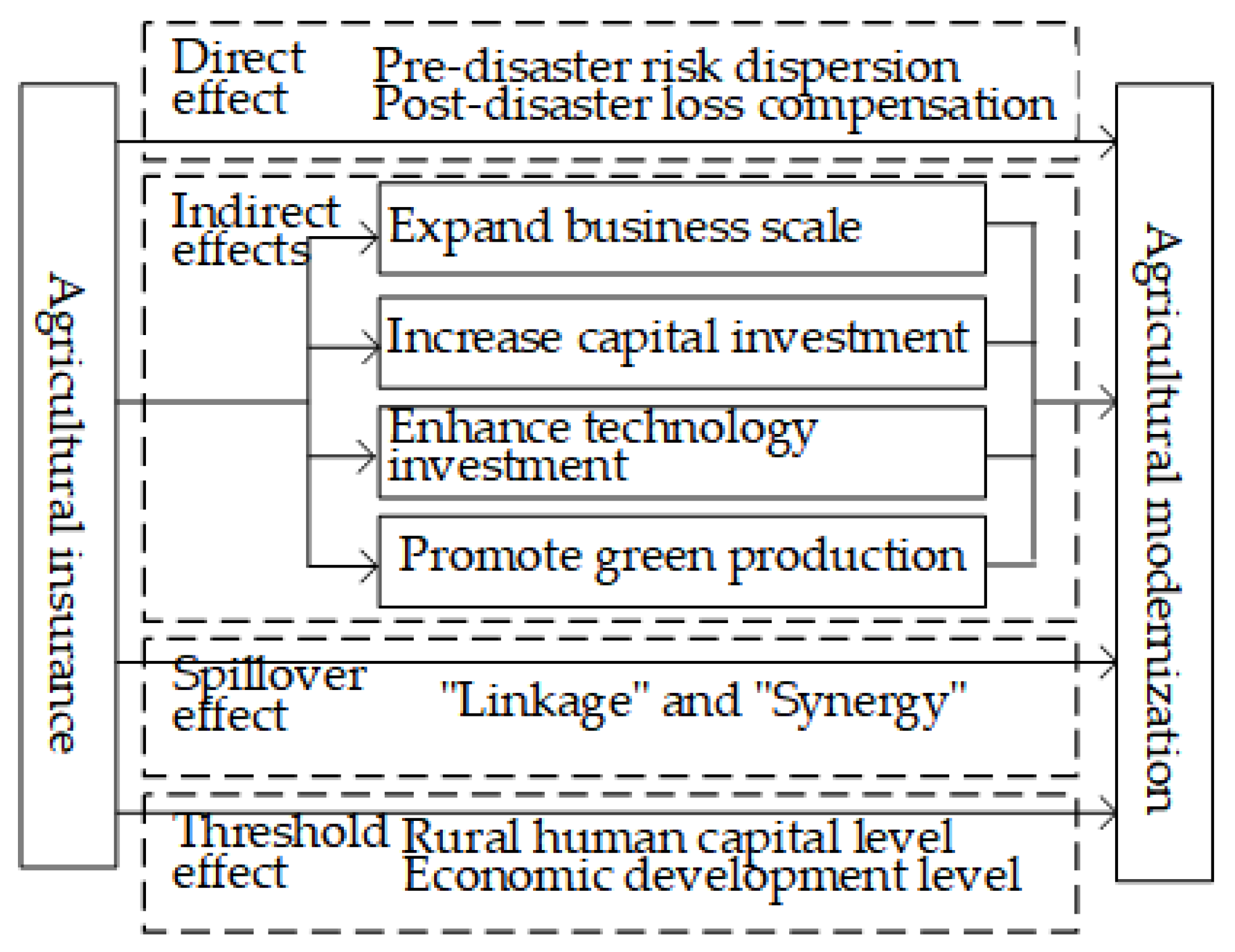
Figure 1. Theoretical mechanism diagram of analysis.
Sustainability 17 10856 g001
Table 1. Evaluation index system for agricultural modernization.
Target LayerSystem LayerSystem LayerDefinitionUnitAttribute
Agricultural Modernization Agricultural MechanizationMechanical Power per Unit Cultivated Areathe ratio of total agricultural machinery power to cultivated land areaten thousand kilowatts per thousand hectares(+)
Agricultural DigitalizationInternet Penetration Ratethe ratio of the number of internet users in a region to the region’s population%(+)
Digital Inclusive Financethe development level of digital inclusive finance(+)
Green AgriculturePesticide Usage per Unit of Cultivated LandThe ratio of pesticide usage to cultivated land areaTons per thousand hectares(−)
Fertilizer Usage per Unit of Cultivated Landratio of agricultural fertilizer usage to cultivated land areaTons per thousand hectares(−)
Agricultural Development LevelRural per Capital Disposable Incomethe ratio of rural residents’ disposable income to the rural populationCNY per person(+)
Grain Yield per Unit Cultivated Land Areathe ratio of grain output to cultivated land areaten thousand tons per thousand hectares(+)
Agricultural Labor ProductivityThe ratio of added value to employment in the primary industryten thousand CNY per person(+)
Table 2. Descriptive Statistics.
VariablesSymbolNMeanSDMinMax
Dependent variableLnmoa4807.6890.5446.3569.026
Core explanatory variableBZ48024.731.7541.14727.63
Mediating VariablesScal48010.020.6518.73911.88
Cap4802.7140.9750.2256.438
Tec48010.061.5735.42913.68
Gre4802.1090.5150.9093.181
Control variablesPgdp4805.4813.2520.97020.03
Prop48010.005.4050.20028.70
Ope4800.2640.2770.0071.549
Lab4800.2180.1130.02750.552
Edu4807.8010.6615.87810.32
Table 3. Baseline regression Results.
(1)(2)(3)(4)(5)(6)
BZ0.005 ***0.004 ***0.004 ***0.004 ***0.004 ***0.004 ***
(2.83)(3.05)(3.12)(3.26)(3.47)(3.09)
Pgdp −0.007−0.007 *−0.002−0.002−0.004
(−1.54)(−1.78)(−0.35)(−0.44)(−0.77)
Prop −0.072 ***−0.056 ***−0.057 ***−0.057 ***
(−3.95)(−3.42)(−3.59)(−3.67)
Ope 0.090 **0.082 **0.082 **
(2.66)(2.30)(2.29)
Lab −0.058−0.053
(−0.92)(−0.88)
Edu 0.018
(1.38)
Constant6.757 ***6.798 ***6.825 ***6.772 ***6.791 ***6.667 ***
(167.88)(191.37)(205.94)(162.92)(153.34)(63.42)
Individual FEYYYYYY
Time FEYYYYYY
N480480480480480480
R20.9960.9960.9970.9970.9970.997
F2201.2892502.4773100.4897407.45010,923.1809801.720
Note: Numbers in parentheses indicate t-test, * denotes p < 0.1, ** denotes p < 0.05, *** denotes p < 0.01. Unless otherwise specified, all subsequent tables are the same as this table.
Table 4. Robustness test results.
VariableReplace the Dependent VariableExclude Municipalities Directly Under the Central GovernmentAdd Control VariablesPerform Tail-Reduction ProcessingLagged Explanatory Variable
(1)(2)(3)(4)(5)
BZ0.014 ***0.003 **0.004 ***0.009 **0.003 ***
(2.78)(2.43)(3.21)(2.45)(3.07)
L1.BZ 0.003 **
(2.60)
Pgdp0.005−0.001−0.004−0.004−0.003
(0.27)(−0.14)(−0.73)(−1.53)(−0.67)
Prop0.005−0.055 ***−0.056 ***−0.065 ***−0.057 ***
(0.07)(−4.38)(−3.68)(−3.96)(−3.70)
Ope−0.0690.056 *0.081 **0.082 ***0.080 **
(−0.64)(1.84)(2.36)(3.84)(2.24)
Lab0.157−0.047−0.053−0.048−0.057
(0.53)(−0.75)(−0.90)(−1.32)(−0.94)
Edu−0.1350.0270.0170.0060.017
(−0.73)(1.58)(1.31)(0.80)(1.28)
Natu −0.009
(−1.07)
Constant10.175 ***6.563 ***6.780 ***6.656 ***6.630 ***
(7.83)(49.92)(50.05)(68.87)(61.89)
Time FEYYYYY
Individual FEYYYYY
R20.6300.9970.9970.9960.997
N480480480480480
Table 5. Endogeneity test results.
Variable(1)(2)(3)(4)
IV-2SLS
BZLnmoaBZLnmoa
Gap−18.437 *** −13.896 **
(−3.11)(−1.79)
BZ 0.140 *** 0.220 ***
(6.85)(3.85)
Control variableNNYY
Constant25.311 *** 23.768 ***
(33.12)(16.69)
Kleibergen−Paap rk LM29.48112.788
[0.000][0.000]
Kleibergen−Paap Wald rk F52.86423.830
{16.38}{16.38}
Time FEYYYY
Individual FEYYYY
N480480480480
R20.8880.9830.8940.965
Table 6. Mediation effect test results.
(1)(2)(3)(4)(5)(6)(7)(8)
ScalLnmoaCapLnmoaTecLnmoaGreLnmoa
BZ0.015 *0.003 *0.022 **0.003 **0.033 *0.003 **0.021 *0.002 *
(1.74)(2.03)(2.47)(2.57)(2.02)(2.26)(2.00)(1.78)
Scal 0.085 ***
(5.09)
Cap 0.042 **
(2.12)
Tec 0.035 ***
(3.46)
Gre 0.070 ***
(1.78)
Control variableYYYYYYYY
Constant9.129 ***5.889 ***0.0106.663 ***7.885 ***6.393 ***0.886 *6.605 ***
(17.50)(33.90)(0.28)(62.06)(9.09)(46.18)(1.98)(55.68)
Individual FEYYYYYYYY
Time FEYYYYYYYY
N480480480480480480480480
R20.7170.9970.9290.9970.9390.9970.3920.997
F128.3417,042.59260.8758,083.78801.4017,866.5725.5554,266.32
Table 7. The spatial autocorrelation test results.
YearLnmoaBZ
Moran’s Ip-Value *Moran’s Ip-Value *
20080.1950.0000.0190.070
20090.1920.0000.0410.020
20100.1960.000−0.0060.048
20110.1990.0000.0380.020
20120.1990.0000.0630.003
20130.2000.0000.0580.005
20140.2000.0000.0430.017
20150.1970.0000.0650.003
20160.1930.0000.0890.000
20170.1910.0000.0830.001
20180.1900.0000.0750.001
20190.1890.0000.0810.001
20200.1870.0000.0950.000
20210.1870.0000.0860.000
20220.1870.0000.0770.001
20230.1860.0000.0700.002
Table 8. Spatial econometric model test results.
Test MethodEigenvalueTest MethodEigenvalue
LM Spatial Lag517.287 ***Wald Spatial Lag37.70 ***
LM Spatial Error241.277 ***Wald Spatial Error43.18 ***
Robust LM Spatial Lag336.022 ***Hausman Test20.60 ***
Robust LM Spatial Error60.012 ***LR Test (Fixed Spatial Effect)64.40 ***
LR Spatial Lag101.97 ***LR Test (Fixed Time Effect)1262.41 ***
LR Spatial Error119.64 ***
Table 9. Regression results of spatial spillover effects.
Variable(1)(2)(3)(4)
Geographic Distance MatrixGeographic Distance MatrixSpatial Adjacency MatrixEconomic Geography Nesting Matrix
BZ0.005 ***0.006 ***0.004 ***0.004 ***
(3.98)(3.31)(3.31)(3.47)
W * BZ0.006 ***0.005 **0.005 **0.026 ***
(2.81)(2.14)(2.14)(3.02)
W * Lnmoa0.505 ***0.463 ***0.463 ***0.272 **
(10.50)(9.49)(9.49)(2.38)
Direct Effect0.006 ***0.004 ***0.004 ***0.005 ***
(4.36)(3.84)(3.84)(3.80)
Indirect effects0.161 ***0.110 ***0.011 ***0.035 ***
(3.75)(3.17)(3.17)(3.14)
Total effect0.022 ***0.015 ***0.015 ***0.040 ***
(4.16)(3.85)(3.85)(3.49)
Control variableYYYY
Time FEYYYY
Individual FEYYYY
N480480480480
Log-L1083.06771115.07701115.07701079.2243
R20.8790.6910.6910.919
Table 10. Threshold existence test.
Number of ThresholdRural Human Capital Level (Edu)Economic Development Level (Pgdp)
F-ValueThreshold ValueF-ValueThreshold Value
Single threshold34.68 **7.1105341.11 ***2.183
Double threshold 120.20 ***3.189
Three thresholds 143.36 ***13.617
Table 11. Threshold effect regression results.
Threshold RangeModerating Variables
Rural Human Capital Level (Edu) (1)Economic Development Level (Pgdp) (2)
BZ p it < δ 1 0.0660.027
(1.69)(1.39)
BZ δ 1 p it < δ 2 0.075 *0.036 *
(1.92)(1.93)
BZ δ 2 p it < δ 3 0.046 **
(2.48)
BZ p it δ 3 0.029
(1.45)
Control variableYY
N480480
F181.12774.24
R20.9010.963
Table 12. Spatial heterogeneity analysis.
Major Grain-Producing Areas (1)Non-Grain-Producing Areas (2)Eastern Region (3)Central Region (4)Western Region (5)Northeast Region (6)
BZ−0.017 *0.003 **0.218 ***0.142 ***0.024−0.020
(−2.17)(2.81)(6.54)(6.84)(1.53)(−0.68)
Pgdp0.009−0.011 *0.064 ***0.132 ***0.209 ***0.326 ***
(1.21)(−1.89)(7.49)(10.46)(13.12)(8.92)
Prop−0.172−0.003 *−1.828 ***0.527−0.140 ***0.902 ***
(−1.15)(−1.81)(−3.12)(0.40)(−3.77)(2.98)
Ope0.156 **0.081 *−0.166 *0.956 ***−0.523−1.189 ***
(2.25)(1.75)(−1.93)(5.49)(0.99)(−5.41)
Lab−0.043−0.007−0.366 **−0.526−0.254−0.858
(−0.49)(−0.08)(−2.11)(−1.42)(−0.78)(−0.78)
Edu0.0100.007−0.056 *0.0940.192 ***−0.081
(0.54)(0.51)(−1.90)(1.61)(1.95)(0.67)
Constant7.214 ***6.757 ***2.949 ***2.745 ***4.742 ***6.300 ***
(27.39)(75.76)(3.61)(3.44)(9.04)(4.29)
Time FEYYYYYY
Individual FEYYYYYY
N2082721609617648
R20.9990.9970.9710.9540.9420.976
Table 13. Hierarchical heterogeneity analysis.
Full SamplePrimary StageIntermediate StageAdvanced Stage
(1)(2)(3)(4)
BZ0.004 ***0.001 ***−0.033 ***0.008
(3.09)(2.85)(−2.95)(0.45)
Pgdp−0.004−0.001−0.004−0.000
(−0.77)(0.06)(−0.75)(−0.11)
Prop−0.057 ***0.0180.049 *−0.058
(−3.67)(0.80)(−1.97)(−0.68)
Ope0.082 **0.155 ***−0.053 **0.023
(2.29)(3.50)(−2.36)(0.57)
Lab−0.053−0.032−0.0700.039
(−0.88)(−0.57)(−1.28)(1.32)
Edu0.018−0.002−0.0010.004
(1.38)(0.07)(−0.12)(0.32)
Constant6.667 ***6.746 ***7.710 ***7.120 ***
(63.42)(34.90)(23.97)(14.45)
Time FEYYYY
Individual FEYYYY
N480144192144
R20.9970.9960.9970.995
Disclaimer/Publisher’s Note: The statements, opinions and data contained in all publications are solely those of the individual author(s) and contributor(s) and not of MDPI and/or the editor(s). MDPI and/or the editor(s) disclaim responsibility for any injury to people or property resulting from any ideas, methods, instructions or products referred to in the content.


