Article

Sustainable Accounting Under EU Sustainability Regulations: Comparative Evidence from Romania and European Case Studies on CSRD Implementation


by
Grigorescu Petronela Alice
1,
Liță Andreea Nicoleta
1,
Gălețeanu Florinel
1,
Coman Dan Marius
1,* and
Valentin Radu
2
1
Doctoral School of Economics and Humanities, Valahia University of Targoviste, 130004 Targoviste, Romania
2
Faculty of Economics, Valahia University of Targoviste, 130004 Targoviste, Romania
*
Author to whom correspondence should be addressed.
Sustainability 2025, 17(23), 10746; https://doi.org/10.3390/su172310746
Submission received: 6 November 2025 / Revised: 26 November 2025 / Accepted: 30 November 2025 / Published: 1 December 2025
(This article belongs to the Section Economic and Business Aspects of Sustainability)

Abstract

This study examines how sustainability accounting practices are integrated into a Romanian medium-sized enterprise in the context of the Corporate Sustainability Reporting Directive (CSRD), addressing the lack of applied evidence from Central and Eastern Europe. The research uses a qualitative single-case study design based on internal documents, ESG and financial reports, carbon accounting data, and six semi-structured interviews with key organizational actors. The methodological framework includes mapping ESG data flows within accounting systems, applying an extended Return on Investment (eROI) model, and using an internal carbon price to assess the environmental benefits of energy-efficiency investments. The results show a structural transformation of the accounting function, including expanded sustainability-related roles, integration of ESG indicators into budgeting and reporting cycles, and improved transparency in evaluating investment projects. The use of analytical tools strengthened decision-making, increasing the assessed return of the investment portfolio when environmental and operational co-benefits were incorporated. The analysis also identifies key barriers—fragmented data systems, limited ESG expertise, and partial digitalization—and enabling factors such as CFO leadership and cross-functional collaboration. The study concludes that accountants play a strategic role in operationalizing CSRD requirements and demonstrates how SMEs can integrate financial, environmental, and operational metrics to support sustainability-oriented decisions. The findings provide theoretical contributions and practical guidance for organizations seeking to improve sustainability accounting in line with EU regulations.

1. Introduction

Over the last decade, sustainability reporting has evolved significantly, moving from a voluntary practice to a strategic requirement, in many cases imposed by international and European regulations such as the Corporate Sustainability Reporting Directive (CSRD), as well as Environmental, Social, and Governance (ESG) standards and the Global Reporting Initiative (GRI). Since the early days of the accounting profession, the role of sustainability reporting has evolved continuously in line with societal needs, and the demand for reporting and assurance of sustainability elements is no exception. Starting with voluntary reporting on sustainable development, the role of the accounting profession in addressing sustainability issues has been a topic of interest [1], with its relevance increasing with the emergence of legal regulations such as European Union Directive 2022/2464 (EU)—CSRD [2], which gives accountants a central role in sustainability reporting [3].
Despite the growing body of literature on CSRD implementation across Western Europe, applied studies focusing on small and medium-sized enterprises in Central and Eastern European countries remain scarce. This research addresses this gap by providing empirical evidence from Romania, offering context-specific insights into how accountants operationalize sustainability accounting under the EU’s new regulatory framework.
This transition reflects the growing pressures from investors, regulators, and civil society on companies to provide clear, transparent, and comparable information not only on financial performance but also on their environmental and social impacts [4,5].
In this context, the accounting function is undergoing a profound transformation. Accountants, who were traditionally regarded as technical professionals primarily focused on financial compliance, are now expected to become strategic partners in decision-making processes, to integrate ESG indicators into accounting systems and to develop competencies in emerging areas such as sustainability data analysis and integrated reporting [6]. This shift requires not only technological adaptations, through the implementation of ERP systems and automated data collection tools, but also significant organizational and cultural changes [5,6]. The premise of this research is that in the current context of the transition toward sustainable economies, the accounting profession is called upon to expand its traditional role, becoming a key actor in measuring, monitoring, and reporting sustainability performance [7]. Accountants in companies with substantial environmental or social impacts will be involved in measuring, recording, and interpreting sustainability issues [8].
The sector’s significance is clear in Romania’s green energy market, which has experienced rapid growth in recent years due to pressure from the European Green Deal and the milestones established by the National Recovery and Resilience Plan (NRRP). Companies in this sector face increasingly strict reporting and compliance standards, not only to reduce emissions and comply with the EU Taxonomy but also to incorporate principles of sustainable governance [9]. In this context, the role of the accounting profession becomes vital for ensuring financial transparency and supporting decision-making by providing relevant information on environmental and social performance. This makes accountants key players in the transition to a green economy [10]. By integrating environmental factors into financial systems, green accounting not only improves transparency in environmental reporting but also redefines the economic value of natural resources, thereby promoting sustainable business practices [11].
Nevertheless, the academic literature points out a lack of applied studies that show how the accounting function directly contributes to integrating sustainability, especially in medium-sized enterprises in emerging economies like Romania [12]. This gap is clear in the absence of single-case studies in Central and Eastern Europe and the limited empirical evidence on the adoption of innovative tools such as internal carbon pricing, extended ROI, or climate risk simulations, even though SMEs are a vital part of the economy and face unique resource constraints [4].
This paper addresses this gap by conducting a case study on EcoTech Solutions, a Romanian medium-sized enterprise, with specific objectives: to analyze the role of accounting professionals in integrating ESG data into accounting systems and corporate decision-making; to identify the tools and methodologies used in sustainability reporting and in supporting strategic decisions; and to highlight the challenges and success factors that shape the transformation of the accounting function in the context of sustainability. Based on these objectives, the study proposes a framework for other SMEs to align their accounting practices with sustainability requirements and international regulations.
This study contributes to the CSRD implementation literature by extending empirical evidence to Central and Eastern Europe and by operationalizing the double materiality principle within an SME context. It further enriches the debate on sustainable accounting by connecting European regulatory frameworks with practical organizational transformation.
Given that the research is based on a single-case study, the findings aim for analytical rather than statistical generalization. Therefore, the conclusions depend on the context and are mainly transferable to SMEs operating in sectors with high sustainability focus. This study makes a new theoretical contribution by documenting the first empirical implementation of extended ROI and internal carbon pricing within a Romanian SME, among the earliest in Central and Eastern Europe. By linking CSRD requirements with operational sustainability accounting tools, the paper expands existing scholarship [3], demonstrating how SMEs implement ESG integration despite limited digital maturity.
This paper is structured as follows. Section 2 reviews the relevant literature and formulates the research hypotheses. Section 3 outlines the methodology and case study design. Section 4 presents the results and discusses their implications in relation to the literature. Section 5 concludes the paper, highlighting theoretical and practical contributions, as well as limitations and future research directions.

2. Literature Review

2.1. The Evolution of Sustainability Accounting

Over the past thirty years, sustainability accounting has shifted from a supplementary reporting tool to a strategic framework that integrates environmental and social factors into corporate decision-making. Early methods focused on voluntarily disclosing non-financial data to stakeholders [13], but recent advances position accounting as a facilitator of sustainable value creation [7]. Scholars such as [14,15] have long advocated for accounting systems capable of capturing ecological realities, arguing that traditional financial accounting underestimates environmental impacts and externalities.
The institutionalization of sustainability accounting has been further reinforced by professional organizations such as [6,16], which highlight the importance for accountants to develop skills in ESG assurance, data analytics, and climate risk assessment. These efforts have gradually shifted the role of accountants—from simply recording data to becoming strategic advisors who help incorporate environmental, social, and governance (ESG) information into management control systems.
Recent studies highlight the connection between digital transformation and sustainability, showing that adopting ERP systems, automation, and big data analytics improves ESG data reliability and traceability [5,17]. This shift supports moving from symbolic sustainability reporting to meaningful integration within financial performance metrics, thereby changing how organizations view accountability and value creation [18].

2.2. The Emergence of the CSRD and ESRS Frameworks

The Corporate Sustainability Reporting Directive (CSRD), adopted by the European Union in 2022, marks a major shift from voluntary to required sustainability disclosure. It expands the Non-Financial Reporting Directive (NFRD) by adding detailed requirements for double materiality, standardized metrics, and external assurance [2,19]. The related European Sustainability Reporting Standards (ESRS) further implement the directive, promoting comparability and consistency across member states [20].
Together with the EU Taxonomy and the Corporate Sustainability Due Diligence Directive (CSDDD), the CSRD is part of the European regulatory package aimed at integrating sustainability considerations into corporate governance, investment, and risk management. This alignment ensures consistency between reporting requirements, financial disclosures, and corporate accountability across EU member states.
Conceptual analyses [19,21] describe the CSRD as a legal and institutional innovation that fundamentally changes corporate governance and accountability. These frameworks encourage companies to disclose not only how sustainability issues influence their financial performance (an outside-in perspective) but also how their actions affect society and the environment (an inside-out perspective). This dual approach—known as double materiality—places accountants at the center of sustainability reporting and assurance [3,22].
In practice, implementing the CSRD presents significant challenges. Studies identify barriers such as fragmented IT systems, inconsistent ESG data, and skill gaps among accounting professionals [23]. Meanwhile, technological integration, leadership commitment, and cross-functional collaboration are recognized as key enablers of successful compliance [24,25].

2.3. Empirical Evidence Across EU Member States: A Comparative Synthesis

While the literature on sustainability reporting is rapidly expanding, empirical research addressing CSRD implementation remains unevenly distributed across Europe. Most studies focus on Western economies such as Germany, Italy, and the Netherlands, whereas Central and Eastern European (CEE) countries are underrepresented [3,12].
Table 1 summarizes 15 international studies published between 2024 and 2025 that analyze the readiness, implementation processes, and impacts of the CSRD and sustainability accounting practices across EU member states.
The comparative analysis identifies several consistent patterns. Studies from Western Europe (Germany, Italy, Sweden) highlight proactive adaptation and higher levels of digital maturity [23,26,27]. In contrast, evidence from Central and Eastern Europe (Poland, Bulgaria, Romania) indicates delayed adoption, limited IT integration, and a lack of ESG expertise [3].
These contrasts highlight the contextual factors affecting CSRD implementation. Western companies usually see sustainability reporting as a strategic chance to engage stakeholders, while firms in emerging EU economies mainly consider it a compliance burden. However, several case studies—including EcoTech Solutions (Romania)—show increasing awareness among accountants of their ability to influence sustainable decisions, confirming the profession’s transformative potential [11,28].
Taken together, the literature suggests a convergence on the strategic importance of accountants in achieving compliance with CSRD and ESRS, but there remains a persistent divergence in system maturity, data quality, and professional skills across EU regions. These insights justify the current study’s focus on Romania as a representative example for understanding the dynamics of sustainability accounting within a developing regulatory and institutional environment.
Building on this conceptual foundation, the research hypotheses were designed to examine how accountants translate the CSRD’s dual materiality requirements into practical tools and organizational processes.
Table 1. Comparative Overview of International Studies on CSRD Implementation and Sustainable Accounting.
Author (Year)Country/RegionMethodologyKey Indicators/VariablesMain Findings
Hummel (2024) [20]European UnionConceptual and legal analysisCSRD legal framework, ESRS, EU TaxonomyHighlights the transition from voluntary to mandatory sustainability reporting and the harmonization of EU standards.
Pantazi (2024) [19]EU (legal perspective)Doctrinal/comparative studyLegal requirements, disclosure obligations, and corporate transparencyDemonstrates the legal impact of CSRD, emphasizing accountability and compliance across EU firms.
Kosi & Relard (2024) [23]GermanyEmpirical surveyCSRD readiness, IT infrastructure, ESG competenciesOnly 42% of firms report full preparedness; significant gaps in digitalization and ESG training.
Ebner (2024) [26]GermanyMultiple-case studyReporting practices, accountants’ roles, internal processesFamily-owned firms treat CSRD as a compliance exercise rather than a strategic initiative.
Krasodomska et al. (2024) [3]PolandCross-sectional surveyAccountants’ perceptions, institutional and personal factorsModerate acceptance of CSRD; barriers include lack of training and high implementation costs.
Raimo (2025) [24]Europe (multinational sample)Content analysisQuality of integrated reports, alignment with ESRS and GRIESG reporting quality varies widely; many firms fail to meet comparability and transparency criteria.
Mangiuc et al. (2025) [21]EU (conceptual)Theoretical studyCSRD paradigm, sustainability accounting rolesDefines CSRD as a paradigm shift requiring new competencies and integrated accountability.
Lammers (2025) [25]NetherlandsMultiple-case studyCSRD preparation processes, ESG governance, internal reportingIdentifies weak integration between financial and sustainability information systems.
Christensen (2024) [28]GlobalTheoretical analysisSustainability accounting, climate-risk managementArgues that accounting is evolving into a strategic instrument for managing climate-related risks.
Romé (2024) [27]SwedenSingle-case studyCSRD implementation processes, resource allocationLarger firms are more advanced; SMEs face difficulties in collecting and verifying ESG data.
Bulgaria—CSRD Readiness Assessment (2025) [29]BulgariaMixed methods (survey + interviews)Readiness level, institutional barriers, and accountants’ perceptionLow overall readiness; main barriers are a lack of local ESRS guidance and a weak IT infrastructure.
Shipbuilding Network Study (2025) [6]EU (industrial network)Case studyValue-chain reporting, sectoral ESG indicatorsShows that CSRD fosters collaborative ESG data reporting across industrial partners.
Integrated Reporting and CSRD (2025) [30]EuropeContent analysisCorrelation between financial and non-financial indicatorsDemonstrates convergence between integrated reporting and CSRD; emphasizes the need for accountant training.
Accounting for Sustainability: The New CSRD (2024) [17]Global (EU-focused)Conceptual/normative analysisESRS implementation, implications for the accounting professionStresses the need to redefine accounting competencies and adopt digital ESG tools.
Source: Own research.

2.4. Derivation of Research Hypotheses

The literature reviewed in Section 2.1, Section 2.2, Section 2.3 emphasizes the expanding strategic role of accountants in sustainability reporting, the rising dependence on analytical tools for ESG integration, and the contextual challenges of CSRD implementation across EU countries. Building on these insights, the following hypotheses are developed:
H1. 
Accounting professionals play a significant role in integrating ESG data into accounting systems, thereby enhancing both financial and non-financial reporting.
Empirical studies [3,24,26] confirm that the quality of sustainability reporting depends largely on accountants’ capacity to collect, validate, and interpret ESG indicators within integrated information systems.
H2. 
The application of advanced analytical tools and reporting mechanisms (e.g., internal carbon pricing, extended ROI, ESG dashboards) has a positive impact on sustainability-oriented decision-making.
Research on environmental accounting and climate-risk management [18,27,28] shows that analytical tools improve decision usefulness by monetizing environmental impacts and linking them to corporate performance.
H3. 
The transformation of the accounting function toward sustainability is conditioned by identifiable challenges (e.g., data quality, IT fragmentation, skill gaps) and facilitated by specific success factors such as CFO leadership, cross-functional collaboration, and investment in digital solutions.
Comparative evidence from Germany, Poland, and Bulgaria [3,23] indicates that organizational leadership, training, and digital integration are key enablers of effective CSRD adoption.

3. Methodology

This study uses a single-case study design to examine how sustainability accounting practices are applied within a real organizational setting under the EU Corporate Sustainability Reporting Directive (CSRD). A qualitative approach was selected because it allows for a deep understanding of internal processes, decision-making mechanisms, and the changing role of accounting professionals—elements that large-scale quantitative analyses cannot capture. The research design follows the principles of contextual investigation, data triangulation, and explanation-building outlined in [31].
Romania was chosen as the primary setting for the research to demonstrate and validate patterns identified in previous European studies on CSRD implementation. Following the pattern-matching logic outlined in [31], empirical evidence from EcoTech Solutions S.A., a Romanian medium-sized enterprise in the renewable energy technology sector, was systematically compared with findings from similar studies in Germany, Poland, Italy, and Bulgaria. This comparative approach allows the research to determine whether the Romanian case replicates or diverges from broader European trends in sustainable accounting and regulatory adaptation. Accordingly, the single-case design supports analytical generalization, connecting national-level evidence to the wider European discussion on CSRD compliance.
Data for the analysis was gathered from internal financial and sustainability reports, accounting records, policy documents, and benchmarking studies covering 2019–2024, during which CSRD requirements were gradually introduced. To improve methodological transparency and data accuracy, internal document analysis was complemented by six semi-structured interviews with key organizational members: the CFO, the Head of Sustainability Accounting, two controllers, an ESG reporting specialist, and an operations engineer.
Interviews lasted between 45 and 70 min and followed a set protocol focused on ESG data flows, integration challenges, decision-making processes, and the adoption of sustainability accounting tools. All interviews were conducted with participants’ consent, audio-recorded, and transcribed for systematic analysis. Participation was voluntary, and confidentiality was maintained by anonymizing all personal identifiers.
Triangulation was achieved through cross-verification of interview insights, internal documents, ESG dashboards, and financial records. Data quality was evaluated based on three criteria—completeness, traceability, and consistency across reporting cycles. Potential researcher bias was minimized through member checking: preliminary interpretations were reviewed with two interview participants (the CFO and the Head of Sustainability Accounting).
The company was chosen because of its comprehensive sustainability strategy, early implementation of integrated reporting, and substantial exposure to EU environmental regulations. Its profile, shown in Table 2, confirms that EcoTech Solutions is a relevant case study for understanding how accountants incorporate ESG data and oversee sustainability performance within medium-sized enterprises.
The company was chosen because of its comprehensive sustainability plan, early adoption of integrated reporting, and significant exposure to EU environmental regulations. Its profile, shown in Table 2, confirms that EcoTech Solutions is an important example for studying how accountants incorporate ESG data and handle sustainability performance within medium-sized businesses.
Methodologically, the study combines pattern matching with explanation building. The three hypotheses (H1–H3) derived from the literature were compared to the case company’s observed practices to identify similarities and differences from theoretical expectations. This iterative process allowed for validating conceptual assumptions with empirical evidence.
Additionally, quantitative techniques complemented the qualitative analysis. These included cost–benefit assessments and extended Return on Investment (eROI) calculations for sustainability projects. An internal carbon-pricing mechanism (EUR 150/tCO2e) was used to monetize emission reductions, in line with international guidelines such as the Task Force on Climate-related Financial Disclosures [32] and the High-Level Commission on Carbon Prices [33]. No simulations or stochastic modeling techniques were used in this study.
In summary, the methodological design (Figure 1) integrates qualitative depth with quantitative rigor. By combining case-based contextualization and analytical benchmarking, the study offers robust insights into how Romanian accounting professionals operationalize sustainability under EU regulatory frameworks, contributing to both theory refinement and practical guidance for SMEs in Central and Eastern Europe.
All data was collected with the company’s consent, ensuring confidentiality and compliance with research ethics standards.

4. Results and Discussion

4.1. Transformation of the Accounting Function

The transformation of the accounting function at EcoTech Solutions reflects a structural and cultural shift toward sustainability integration. The finance department expanded to 17 specialists, of which four positions were dedicated exclusively to sustainability accounting and ESG reporting. Table 3 presents the new departmental structure, indicating the percentage of time allocated to sustainability activities.
The percentages in Table 3 are derived from time-allocation data extracted from the internal timesheet system, complemented by managerial estimates validated during interviews. ESG tasks include carbon accounting, emissions verification, CSRD/ESRS data preparation, ESG due diligence documentation, and sustainability KPI monitoring.
Similar restructuring of accounting departments has been observed in German [26] and Italian [27] enterprises, though their ESG integration levels are higher due to stronger digital infrastructures. In contrast, the Bulgarian study [34] confirms a pattern similar to that in Romania, with limited data traceability and partial implementation of ESG dashboards. The results confirm hypothesis H1, supporting the view that accountants have moved beyond compliance roles and now act as sustainability facilitators, connecting financial and non-financial information.

4.2. ESG Data Integration and Reporting Practices

The transition from traditional to sustainable accounting at EcoTech Solutions involved progressively integrating environmental and social dimensions into all reporting and budgeting processes. Table 4 summarizes the comparative transformation of accounting procedures.
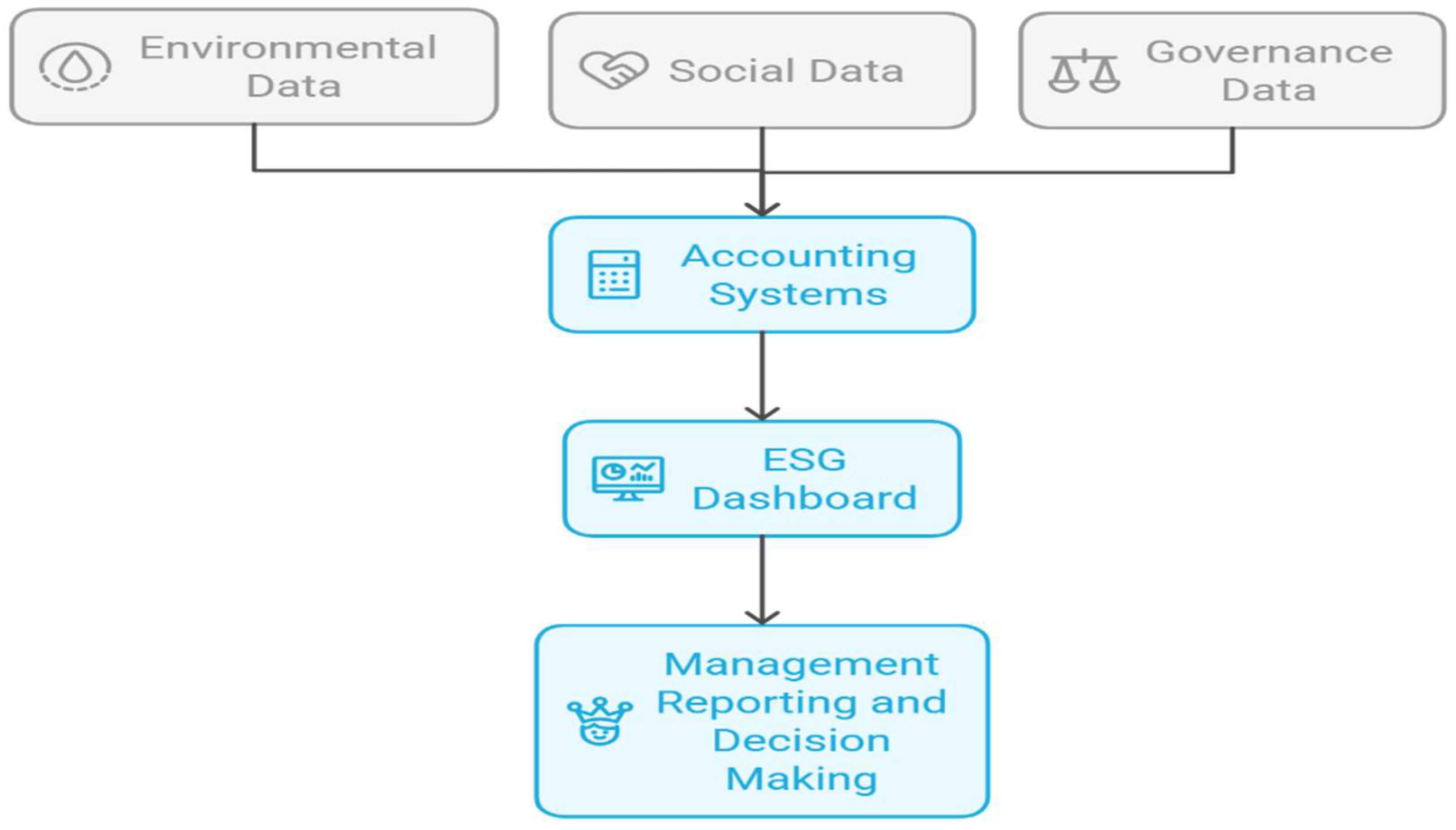
Figure 2 illustrates the ESG data integration workflow, showing how environmental and social indicators enter the accounting system and support managerial reporting.
The improvements reported in Table 4 were calculated through internal benchmarking by comparing the 2020–2021 baseline with 2023–2024 performance data. Metrics come from: KPI dashboards (closing time, data reconciliation time); internal audit reports (cost allocation transparency score); budgeting variance analyses (budget accuracy). All calculations follow the company’s internal performance methodology, which is audited annually by an external financial auditor.
The Romanian case aligns with findings from [24], which observed inconsistent ESG integration in European integrated reports. However, while Western companies—especially in Germany and Italy—focus heavily on double materiality disclosures [35], Romanian and Bulgarian SMEs are still early in adoption, facing fragmented IT systems and limited ESG data quality.
These findings reinforce H1, confirming that accountants’ involvement in ESG integration enhances reporting coherence but is still constrained by infrastructural and data limitations in Eastern Europe.

4.3. Accountants’ Role and Skills in the CSRD Context

The case study shows that EcoTech’s accountants needed new skills in ESG analytics, climate risk modeling, and sustainability assurance. Internal training sessions were introduced to familiarize them with CSRD, ESRS, and GRI frameworks.
Echoing [3], EcoTech’s professionals initially reported a lack of ESG expertise and a heavy reliance on CFO leadership for methodological guidance. This observation supports [16] findings on the ongoing skills gap in ESG accounting across Europe. In comparison, Italian companies [27] demonstrate a higher level of professional readiness due to established sustainability training programs. Meanwhile, the Bulgarian and Polish studies highlight the same initial learning curve seen in Romania. These findings validate H3, emphasizing the need for ongoing professional education and cross-functional collaboration to achieve CSRD compliance.

4.4. Barriers and Enablers Across the EU

The implementation of sustainability accounting at EcoTech faced three main barriers: fragmented IT systems, limited ESG data quality, and a lack of specialized knowledge. These challenges reflect those identified in other Eastern European studies [3,34]. At the same time, the company’s progress was supported by several key factors: strong CFO leadership, collaboration between accounting and operations teams, and strategic digital investments in ERP and ESG dashboards. In comparison, Western firms (Germany, Netherlands) reported similar enablers—particularly digitalization and top-management commitment [25,26], but encountered fewer infrastructural barriers.
Table 5 summarizes the key barriers and enablers identified in the Romanian case in relation to European evidence.
Table 5 confirms H3, demonstrating that the transformation of the accounting function depends on both internal leadership and digital readiness. Romania’s experience shows that organizational will and adaptive learning can partially compensate for limited infrastructure, a pattern consistent with findings across Eastern Europe.

4.5. Extended ROI and Internal Carbon Pricing (Comparative Insight)

EcoTech adopted innovative financial tools—an internal carbon price of EUR 150/tCO2e and an extended ROI (eROI) model that quantifies environmental and social benefits. Table 6 shows the calculation results for energy efficiency projects carried out in 2024.
To improve methodological transparency, the extended ROI (eROI) model used in this study includes three categories of benefits: (1) environmental benefits monetized at an internal carbon price of EUR 150/tCO2e; (2) social benefits like reduced occupational risk, valued using the avoided-incident cost method; and (3) operational benefits such as lower maintenance costs, better equipment reliability, and less downtime. Only the environmental component is explicitly shown in Table 6 due to confidentiality restrictions on internal operational and social performance data.
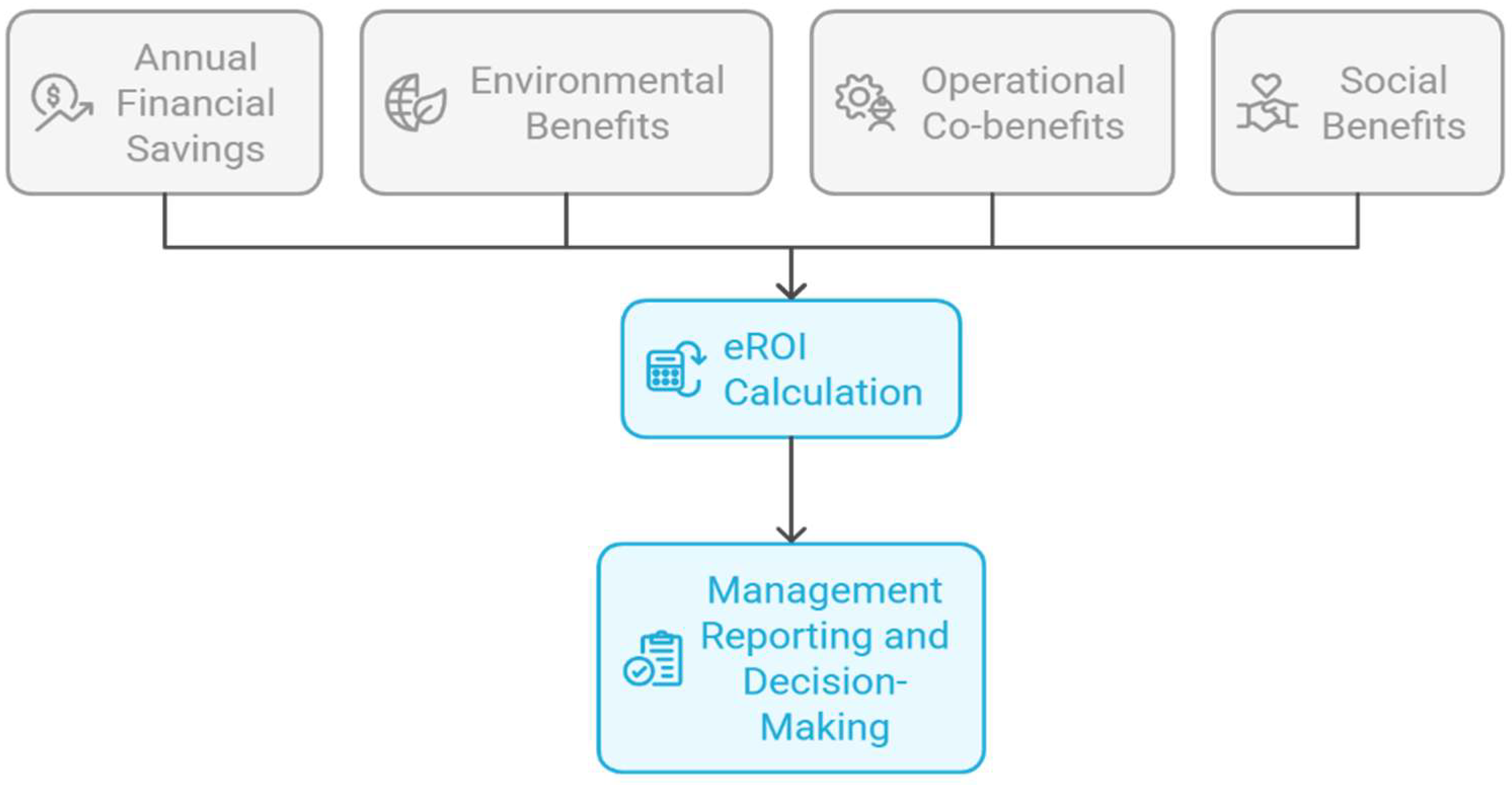
Figure 3 presents the structure of the extended ROI (eROI) model, highlighting the integration of financial, environmental, operational, and social components.
The classic ROI (22.7%) is calculated strictly based on financial savings. In contrast, the extended ROI (approximately 50%) includes monetized environmental benefits (EUR 86,850/year) and operational co-benefits from projects such as modernizing building management systems and installing heat-recovery systems.
This clarification explains the difference between the two ROI values noted by the reviewer. Additional details are provided in Appendix A.
EcoTech’s adoption of an internal carbon price aligns with Western benchmarks [33], but it remains uncommon among Eastern European SMEs, as similar mechanisms were not found in the Bulgarian and Polish studies. This evidence supports H2, confirming that using analytical tools improves sustainability-focused decision-making and strengthens the business case for green investments.
Additional evidence from the case study confirms that these analytical tools influenced concrete managerial decisions. First, the photovoltaic project—initially situated at the margin of financial feasibility—was approved after the internal carbon price raised the extended ROI above the investment threshold. Second, the ESG supplier scoring system led to the exclusion of two low-rated suppliers from a 2023 tender. Third, the ESG dashboard highlighted a Q3 2023 rise in Scope 2 emissions—i.e., indirect emissions from purchased electricity—prompting the CFO to fast-track the LED-sensor upgrade project. These decisions were validated through interviews with the CFO and the Head of Sustainability Accounting.
Further methodological details regarding the structure of the extended ROI model and the composition of its financial, environmental, operational, and social components are provided in Appendix A. This additional information supports the transparency of the calculations presented in Table 6 and clarifies the distinctions between the classic ROI and the extended ROI used in this study.

4.6. Interpreting the Results in a Comparative Context

Although the quantitative results are more illustrative than statistically significant, they align with broader European trends concerning sustainability integration in managerial accounting. Similar to findings from Germany and Italy—where firms demonstrate a higher maturity of ESG data systems and more advanced integration of sustainability indicators into management control structures [26,27]—the Romanian case shows that EcoTech is still in the early stages of incorporating ESG information into decision-making processes [36].
Unlike Western firms, which increasingly incorporate sustainability metrics into risk management frameworks and digital reporting systems, Romanian SMEs still mainly depend on operational evidence, financial indicators, and internal performance dashboards, rather than advanced analytical or predictive modeling tools. However, adopting tools such as extended ROI, internal carbon pricing, and ESG dashboards shows that significant progress can be made even without advanced modeling techniques.
The results show that incorporating ESG indicators into budgeting, investment evaluation, and performance management has influenced EcoTech’s decision-making processes, supporting a gradual shift in the accounting function. This pattern aligns with evidence from Poland and Bulgaria, where studies similarly report incremental but meaningful improvements in ESG integration within SMEs.
Overall, the findings confirm that Romanian accountants are increasingly taking on strategic roles in sustainability transformation, although at a slower pace than their Western European counterparts. The comparative discussion validates hypotheses H1–H3 and shows how national regulatory environments, digital readiness, and growing professional skills continue to influence the pace and extent of CSRD implementation across EU member states.
Unlike previous studies that focus on readiness or perceptions, this research offers concrete empirical evidence of how financial tools such as eROI and internal carbon pricing impact managerial decisions in an SME setting. It extends prior conceptual work in Central and Eastern Europe and improves the understanding of how accounting innovations support CSRD requirements at the firm level.

5. Conclusions

This paper presents empirical evidence on how accounting professionals can serve as pivotal agents in integrating sustainability into corporate practices, using the case of EcoTech Solutions, a Romanian medium-sized enterprise. By embedding ESG considerations into budgeting, investment appraisal, reporting, and performance management, accountants have extended their traditional role and positioned themselves as strategic advisors within the corporate sustainability agenda.
By focusing on a medium-sized enterprise in Romania, this research addresses an identified gap in the current European literature, which remains dominated by Western and large-firm perspectives. The study thus complements existing evidence from Germany, Poland, and Italy, positioning Romania and Central-Eastern Europe within the broader debate on CSRD implementation and sustainable accounting practices. Through comparative pattern matching [31,36], the Romanian case validates and contextualizes trends observed in other EU member states, revealing both convergent and distinctive patterns of sustainability adoption among SMEs.

5.1. Theoretical Contributions

The study contributes to sustainability accounting theory by demonstrating how SMEs in emerging European markets can operationalize CSRD requirements through analytical tools such as extended ROI and internal carbon pricing.
The study advances the literature on sustainability accounting by empirically validating the principle of double materiality and demonstrating its operationalization in a real organizational context. In relation to H1, the results confirm that accounting processes have undergone structural transformation and that ESG indicators have been effectively integrated into financial and managerial reporting systems (Table 1, Table 2 and Table 3). The implementation of internal carbon pricing and extended ROI methodologies illustrates how environmental and social metrics can be monetized and embedded in investment decisions, thereby addressing long-standing critiques of symbolic sustainability reporting [14,30,37,38].
The findings further support the argument that genuine sustainability integration requires accountants to go beyond compliance and take on strategic roles in shaping organizational decision-making [22,29].
It is important to note that the validation of hypotheses H1–H3 was achieved through pattern matching rather than statistical testing, consistent with case study standards [31]. This methodological choice strengthens the explanatory power of the results, confirming that accountants are instrumental in bridging financial and non-financial dimensions of performance under the CSRD framework.

5.2. Comparative Insights Across the EU

The Romanian case contributes to the comparative European literature by highlighting both shared and context-specific dynamics in CSRD implementation. While German and Italian firms show greater maturity due to advanced digital infrastructures and established ESG governance [26,27], Romanian and Bulgarian SMEs display similar developmental trajectories characterized by resource constraints and partial ESG data integration. These differences underscore the influence of institutional readiness, digitalization, and professional training on the pace of sustainability transformation across the EU.
The study therefore enriches the European discussion by introducing evidence from an underrepresented context—Central and Eastern Europe—and by showing how convergence toward CSRD compliance follows differentiated national pathways.

5.3. Practical Implications and Transferability

From a managerial perspective, the research provides a transferable framework to help SMEs align with CSRD and ESRS requirements. In relation to H2, the application of advanced analytical tools, such as extended ROI and internal carbon pricing (Table 5), demonstrates that environmental and social impacts can be monetized to strengthen the economic rationale for sustainability investments.
The restructuring of the accounting function (Table 2) and the integration of ESG indicators into managerial processes (Table 3) highlight actionable practices that can guide other medium-sized enterprises in their sustainability transition. In accordance with H3, the study also identifies enabling conditions—CFO leadership, cross-functional collaboration, and digital investment—that help overcome barriers such as fragmented IT systems and limited ESG expertise (Table 4).
Together, these findings support the development of a five-pillar sustainability accounting framework—governance and strategy, information systems, analytical tools, reporting and assurance, and capacity building—that can be replicated by SMEs across Eastern Europe to accelerate CSRD compliance.
The proposed framework also provides actionable insights for policymakers seeking to enhance CSRD readiness through targeted support programs for SMEs in Eastern Europe.

5.4. Policy Implications

The findings indicate that policymakers should develop CSRD support programs customized for SMEs’ limited digital and analytical skills. Enhancing national training programs for accountants, increasing access to ESG data systems, and incentivizing the use of tools like extended ROI and internal carbon pricing could speed up the adoption of sustainability practices among Romanian and Eastern European SMEs. These insights are especially relevant for regulators aiming to reduce implementation gaps between Western and Eastern EU member states.

5.5. Limitations and Future Research

As a single-case study, the research offers analytical rather than statistical generalization. While the context of EcoTech Solutions—a renewable energy company—may not fully represent all industries, the depth of investigation provides unique insights into internal processes, challenges, and success factors of CSRD implementation.
EcoTech operates in the renewable-energy technology sector, which is inherently focused on sustainability. This makes the firm more advanced than a typical Romanian SME. Therefore, findings should be viewed as conditionally transferable, particularly to sectors affected by EU green regulations, but they are not statistically representative of all SMEs. This limitation increases explanatory validity while decreasing generalizability—a common trade-off in single-case study research [31].
Future research should build on this study through multi-case and cross-country analyses to test the transferability of the identified practices. Quantitative validation using larger datasets could further assess the effectiveness of extended ROI, internal carbon pricing, and climate-risk modeling in supporting sustainable decision-making.

5.6. Concluding Remarks

The EcoTech case demonstrates that accountants can transcend their traditional technical roles to become architects of corporate sustainability transformation. By combining financial and non-financial metrics into coherent frameworks, organizations can align profitability with long-term environmental and social objectives. This dual contribution—empirical validation of double materiality (H1), demonstration of the decision-making benefits of analytical tools (H2), and identification of organizational enablers of sustainability transformation (H3)—confirms the strategic relevance of the accounting profession in the era of sustainability.
Ultimately, the study shows that the CSRD and EU sustainability regulations are reshaping accounting practices in Romania, positioning compliance not merely as a regulatory obligation but as a driver of innovation, competitiveness, and long-term value creation for SMEs across Central and Eastern Europe.
The study helps bridge the gap between theory and practice by demonstrating how regulatory compliance can evolve into a source of strategic advantage, transforming sustainability from a reporting requirement into a catalyst for organizational excellence and competitive differentiation.
The study shows that accounting professionals can take a strategic role in integrating sustainability into corporate decision-making by using tools like extended ROI and internal carbon pricing. These tools help companies to systematically and transparently gain environmental and operational benefits without needing complex analysis or risk-simulation methods. This makes the approach easier to adopt and share with other small- to medium-sized enterprises (SMEs) facing similar resource constraints, emphasizing the significance of sustainability-focused accounting tools for CSRD implementation.

Author Contributions

Conceptualization, C.D.M. and G.P.A.; Methodology, L.A.N.; Software, C.D.M.; Validation, G.P.A. and L.A.N.; Formal analysis, C.D.M.; Investigation, G.P.A. and L.A.N.; Resources, G.F.; Data curation, V.R.; Writing—original draft, C.D.M.; Writing—review and editing, C.D.M. and G.P.A.; Project administration, C.D.M. All authors have read and agreed to the published version of the manuscript.

Funding

This research received no external funding.

Institutional Review Board Statement

Not applicable.

Informed Consent Statement

Not applicable.

Data Availability Statement

The data used in this study are owned by the company under analysis and are not publicly available. Their disclosure or use for publication purposes requires the company’s prior consent.

Conflicts of Interest

The authors declare no conflicts of interest.

Appendix A. Extended ROI (eROI) Model Structure

Appendix A.1. Conceptual Structure of the Extended ROI Model

The extended ROI (eROI) model applied in this study integrates financial, environmental, operational, and social effects of sustainability investments into a unified performance indicator. It expands the traditional financial ROI by monetizing non-financial impacts in line with international sustainability accounting guidelines.
The general formula used is:
eROI = Financial   Savings + Environmental   Benefits + Operational   Co benefits + Social   Benefits Investment   Cost

Appendix A.2. Components of the eROI Mode

Appendix A.2.1. Financial Savings

Financial savings represent the direct reduction of energy and resource expenses derived from the implementation of energy-efficiency projects. These values are obtained from internal post-implementation monitoring systems and validated by the controlling department.

Appendix A.2.2. Environmental Benefits

Environmental benefits are monetized through the internal carbon price adopted by the company (EUR 150/tCO2e). Emission reductions associated with each project are calculated through the company’s carbon accounting system and converted into monetary terms using:
Environmental Benefits (EUR) = GHG Emission Reduction (tCO2e) × Internal Carbon Price (EUR 150/tCO2e)

Appendix A.2.3. Operational Co-Benefits

Operational co-benefits include improvements that enhance operational efficiency but do not appear directly in financial savings: (i) reduced equipment downtime; (ii) lower maintenance and servicing costs; (iii) improved reliability of technical systems; (iv) productivity increases linked to system stability.
Although operational co-benefits were included in the overall eROI calculation, detailed project-level figures remain confidential and are therefore not disclosed in Table 6.

Appendix A.2.4. Social Benefits

Social benefits include improvements in workplace safety resulting from modernized, more stable energy systems. These benefits were valued internally using the avoided-incident cost method, which estimates the financial impact of preventing operational or safety-related incidents.
For confidentiality reasons, the numerical details of these calculations are not disclosed.

Appendix A.2.5. Confidentiality Note

Only environmental benefits are shown explicitly in Table 6 because they rely on publicly standardizable parameters (tCO2e reductions × internal carbon price).
Social and operational components contain internal performance data that cannot be shared publicly; however, they are included in the final eROI calculation.

Appendix A.2.6. Data Sources and Key Assumptions

The data used in the eROI calculations were extracted from the company’s internal systems: financial savings from the energy monitoring platform, environmental data from the carbon accounting database, and operational co-benefits from maintenance and reliability logs.
Key assumptions include constant energy prices over the evaluation period and stable system performance as documented in engineering reports. These assumptions allow for methodological transparency while preserving data confidentiality.

Appendix A.3. Example of Extended ROI Calculation (Generic Illustration)

To illustrate the calculation method without disclosing proprietary values, the following generic steps summarize the eROI process applied:
  • Calculate financial savings based on reductions in annual electricity or heating use.
  • Monetize environmental benefits by applying the internal carbon price to annual emission reductions.
  • Estimate operational co-benefits, including reduced maintenance costs and productivity gains.
  • Apply the eROI formula, integrating all components relative to initial investment costs.
The combined effect of these components explains why the extended ROI value (approximately 50%) is significantly higher than the classic financial ROI (22.7%).

Appendix A.4. Alignment with International Guidelines

The methodological structure of the eROI model is aligned with:
Task Force on Climate-related Financial Disclosures (TCFD, 2017)—guidance on the quantification and monetization of carbon-related impacts.
High-Level Commission on Carbon Prices (Stiglitz & Stern, 2017)—recommendations regarding the use of internal carbon pricing as a decision-making tool.
These alignments reinforce the methodological robustness of the approach adopted in this case study.

References

  1. Kalbouneh, A.; Aburisheh, K.; Shaheen, L.; Aldabbas, Q. The Intellectual Structure of Sustainability Accounting in the Corporate Environment: A Literature Review. Cogent Bus. Manag. 2023, 10, 2211370. [Google Scholar] [CrossRef]
  2. European Parliament. Corporate Sustainability Reporting Directive (CSRD); L322/15; Official Journal of the European Union: Brussels, Belgum, 2022. [Google Scholar]
  3. Krasodomska, J.; Zarzycka, E.; Zieniuk, P. Exploring Multi-Level Drivers of Accountants’ Opinions on the Changes Introduced by the Corporate Sustainability Reporting Directive. Account. Eur. 2024, 22, 308–325. [Google Scholar] [CrossRef]
  4. Petrescu, A.G.; Bîlcan, F.R.; Petrescu, M.; Holban Oncioiu, I.; Türkeș, M.C.; Căpușneanu, S. Assessing the Benefits of the Sustainability Reporting Practices in the Top Romanian Companies. Sustainability 2020, 12, 3470. [Google Scholar] [CrossRef]
  5. Dumitru, V.F.; Chersan, I.C.; Gorgan, C. Early Disclosure of the Double Materiality Concept in a European Oil and Gas Company. In Proceedings of the 9th BASIQ International Conference on New Trends in Sustainable Business and Consumption, Oradea, Romania, 26–28 June 2025; ASE Publishing: Bucharest, Romania, 2023; pp. 425–432. [Google Scholar] [CrossRef]
  6. Tănase, L.C.; Radu, V.; Tăbîrcă, A.I.; State, V.; Radu, F.; Marcu, L.; Voinea, C.M. Measuring CSR with Accounting Information Systems Through a Managerial Model for Sustainable Economic Development. Sustainability 2025, 17, 4712. [Google Scholar] [CrossRef]
  7. Adams, C.A.; Larrinaga, C. Progress: Engaging with the Challenges of Developing Sustainability Accounting and Accountability. Account. Audit. Account. J. 2019, 32, 2367–2394. [Google Scholar] [CrossRef]
  8. Che Kasim, C.F.; Yusoff, H.; Mohd Fahmi, F. Accountants’ Roles in Sustainability Accounting and Reporting: The Preliminary Findings. Corp. Gov. Organ. Behav. Rev. 2024, 8, 50–59. [Google Scholar] [CrossRef]
  9. European Commission. Romania’s Recovery and Resilience Plan; European Commission: Brussels, Belgum, 2021.
  10. Petricică, A.E. The Role of Accountants and the Accounting Profession in Achieving Sustainable Development. Proc. Int. Conf. Bus. Excell. 2023, 17, 752–762. [Google Scholar] [CrossRef]
  11. Pramesti, A.A.; Novita, F. Hwihanus. The Role of Green Accounting in Promoting a Green Economy: Integrating Environmental Considerations into Financial Systems for Sustainable Development. JIMU J. Ilm. Multidiscip. 2024, 2, 517–527. [Google Scholar] [CrossRef]
  12. Gherai, D.S.; Sabău Popa, D.C.; Rus, L.; Matica, D.E.; Mare, C. The Impact of Romanian Internal Auditors in ESG Reporting and Sustainable Development Goals. Sustainability 2024, 16, 8680. [Google Scholar] [CrossRef]
  13. O’Dwyer, B.; Unerman, J. Fostering Rigour in Sustainability Accounting Research. Account. Organ. Soc. 2016, 49, 32–40. [Google Scholar] [CrossRef]
  14. Gray, R. Is Accounting for Sustainability Actually Accounting for Sustainability … and How Would We Know? Account. Organ. Soc. 2010, 35, 47–62. [Google Scholar] [CrossRef]
  15. Hopwood, A.G. Accounting and the Environment. Account. Organ. Soc. 2009, 34, 433–439. [Google Scholar] [CrossRef]
  16. International Federation of Accountants (IFAC). Professional Accountants in Business: A Framework for ESG Competency; IFAC: New York, NY, USA, 2020; Available online: https://www.ifac.org/news-events/2022-08/companies-investors-and-professional-accountants-add-their-voices-call-global-alignment-between (accessed on 11 September 2025).
  17. Sakiewicz, P.; Ober, J.; Kopiec, M. Challenges and Opportunities for CSRD Adoption in Poland. Technol. Organ. Manag. Ser. 2024, 214, 235–254. [Google Scholar] [CrossRef]
  18. Schaltegger, S.; Burritt, R. Contemporary Environmental Accounting: Issues, Concepts and Practice; Routledge: London, UK, 2000. [Google Scholar] [CrossRef]
  19. Pantazi, T. The Introduction of Mandatory Corporate Sustainability Reporting in the EU and the Question of Enforcement. Eur. Bus. Organ. Law Rev. 2024, 25, 509–532. [Google Scholar] [CrossRef]
  20. Hummel, K.; Jobst, D. An Overview of Corporate Sustainability Reporting Legislation in the European Union. Account. Eur. 2024, 21, 320–355. [Google Scholar] [CrossRef]
  21. Mangiuc, D.-M.; Kagitci, M. CSRD as a Paradigm Shift in Sustainability Reporting: From Voluntary Practice to Legal Requirement. Amfiteatru Econ. 2025, 27, 1193–1208. [Google Scholar] [CrossRef] [PubMed]
  22. Adams, C.A.; McNicholas, P. Making a Difference: Sustainability Reporting, Accountability and Organisational Change. Account. Audit. Account. J. 2007, 20, 382–402. [Google Scholar] [CrossRef]
  23. Kosi, U.; Relard, S. Are Firms Ready for the Corporate Sustainability Reporting Directive? Bus. Res. 2024, 17, 123–140. [Google Scholar] [CrossRef]
  24. Raimo, N.; L’Abate, V.; Sica, D.; Vitolla, F. Integrated Reporting and the Corporate Sustainability Reporting Directive: Bridging the Gap or Growing Apart? Manag. Decis. 2025; ahead of print. [Google Scholar] [CrossRef]
  25. Lammers, R. Adapting to the CSRD: A Multiple Case Study on How Companies Are Preparing. Master’s Thesis, Wageningen University and Research, Wageningen, The Netherlands, 2025. Available online: https://edepot.wur.nl/689537 (accessed on 18 September 2025).
  26. Ebner, R. Multiple Case Study Analysis on the Consequences of Mandatory Sustainability Reporting in Private German Family Firms. Jr. Manag. Sci. 2024, 9, 1540–1566. [Google Scholar] [CrossRef]
  27. Romé, M.; Renz, J. Driving Sustainability through Regulation: A Case Study of CSRD Implementation in Companies. Master’s Thesis, Jönköping University, Jönköping, Sweden, 2024. Available online: https://hj.diva-portal.org/smash/get/diva2:1864124/FULLTEXT01.pdf (accessed on 18 September 2025).
  28. Christensen, H.; Hales, J.; O’Dwyer, B.; Peecher, M.E. Accounting for Sustainability and Climate Change: Special Section Overview. Account. Organ. Soc. 2024, 113, 101568. [Google Scholar] [CrossRef]
  29. Kolev, D.; Dikova, V. Corporate Sustainability Reporting in Bulgaria: Challenges and Opportunities. Econstor Work. Pap. 2025, 1937764230. [Google Scholar]
  30. Rep Romić, A.; Remlein, M.; Venturelli, A.; Pizzi, S. Assessment of the Readiness for the Corporate Sustainability Reporting Directive (CSRD). In The Corporate Sustainability Reporting Directive (CSRD): A Practitioner’s Guide; Routledge: London, UK, 2025; Chapter 20. [Google Scholar] [CrossRef]
  31. Yin, R.K. Case Study Research and Applications: Design and Methods, 6th ed.; SAGE: Thousand Oaks, CA, USA, 2018. [Google Scholar]
  32. Task Force on Climate-Related Financial Disclosures (TCFD). Final Report: Recommendations of the Task Force on Climate-Related Financial Disclosures; Financial Stability Board: Basel, Switzerland, 2017; Available online: https://assets.bbhub.io/company/sites/60/2020/10/FINAL-2017-TCFD-Report-11052018.pdf (accessed on 25 September 2025).
  33. Stiglitz, J.E.; Stern, N.; Duan, M.; Edenhofer, O.; Giraud, G.; Heal, G.M.; Winkler, H. Report of the High-Level Commission on Carbon Prices; World Bank: Washington, DC, USA, 2017. [Google Scholar] [CrossRef]
  34. CSRD Implementation in Bulgaria. CSRD-Directive.eu. 2024. Available online: https://csrd-directive.eu/csrd-harmonization-europe/csrd-implementation-bulgaria/ (accessed on 27 August 2025).
  35. Macuda, M.; Kobiela-Pionnier, A. The Double Materiality Concept in Polish Listed Companies. Zesz. Teoretyczne Rachun. 2025, 49, 63–97. [Google Scholar] [CrossRef]
  36. Albu, N.; Albu, C.N.; Filip, A. Corporate Reporting in Central and Eastern Europe: Issues, Challenges and Research Opportunities. Account. Eur. 2017, 14, 249–260. [Google Scholar] [CrossRef]
  37. Boiral, O. Sustainability Reports as Simulacra? A Counter-Account of A and A+ GRI Reports. Account. Audit. Account. J. 2013, 26, 1036–1071. [Google Scholar] [CrossRef]
  38. Shakour, A.; Alaodat, H.; Alghazawi, A.; Al-Qaisi, E. The Role of Environmental Accounting in Sustainable Development: An Empirical Study. J. Appl. Econ. 2018, 8, 71–87. [Google Scholar]
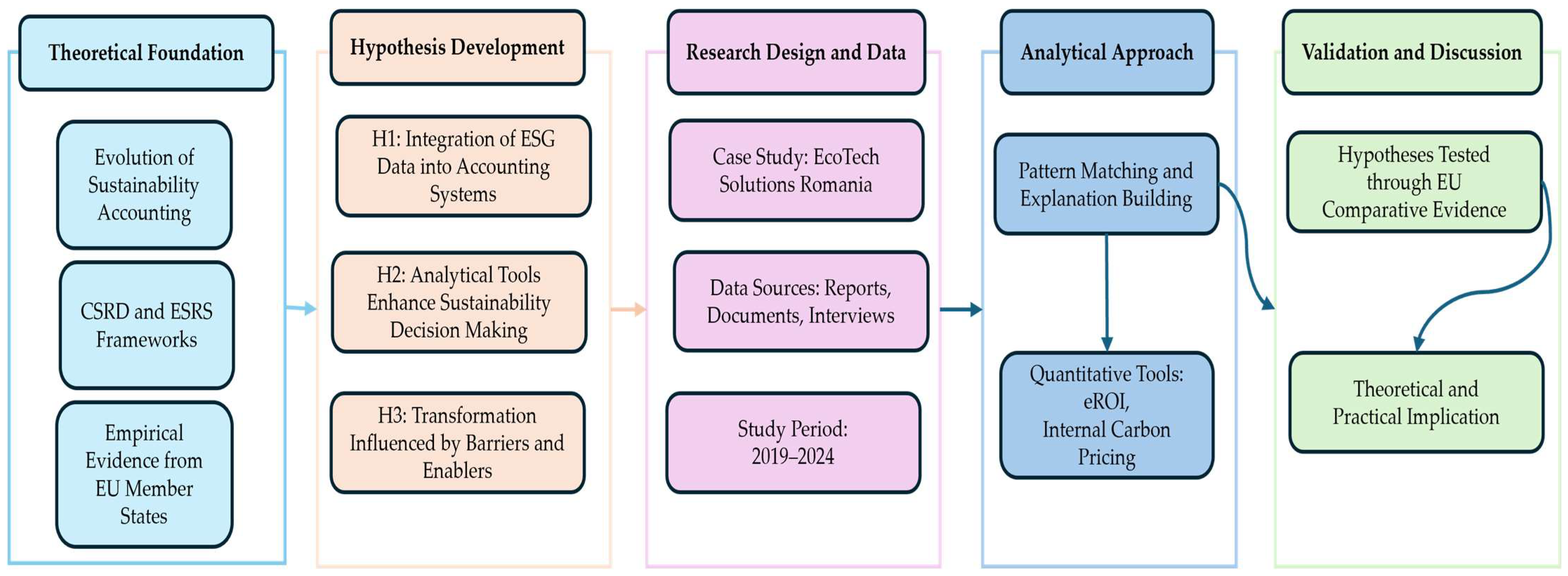
Figure 1. Research Framework. Source: Own processing with Eraser.io.
Sustainability 17 10746 g001
Figure 2. ESG Data Integration Workflow. Source: Own processing with Napkin.ai.
Sustainability 17 10746 g002
Figure 3. Structure of the Extended ROI (eROI) Model. Source: Own processing with Napkin.ai.
Sustainability 17 10746 g003
Table 2. Company Profile (2024).
IndicatorValue (2024)Change 2020–2024
TurnoverEUR 42 million+127%
Employees280+75%
EBITDAEUR 8.4 million+112%
Export markets7 EU countries+4
Emission intensity18.6 tCO2e/million EUR−32%
% revenues from green products78%+23pp
R&D investmentEUR 3.8 million+146%
Source: Company internal reports (2019–2024; calculations based on 2020 baseline).
Table 3. Departmental Structure (2024).
SubdivisionSpecialists% Time on SustainabilityMain ESG Roles
Financial Accounting525%ESG disclosure integration
Controlling and Reporting440%ESG KPI monitoring
Taxation215%Green tax incentives
Sustainability Accounting4100%Carbon accounting, CSRD/GRI reporting
Treasury210%ESG risk management, green financing
Source: EcoTech internal reports, 2024.
Table 4. Comparative Transformation of Accounting Processes: From Traditional to Sustainable Approaches.
Accounting ProcessPre-TransformationPost-TransformationImprovement IndicatorsImplementation Challenges
Monthly closingExclusively financialIntegrated with ESG KPIsTime reduction: 18%Data reconciliation from diverse sources
BudgetingCenter-basedActivity-based + ImpactAccuracy +24%Quantification of non-financial variables
Cost allocationTraditional criteriaIncludes ESG factorsTransparency +35%Complex allocation methodologies
Asset managementHistorical costTotal cost of ownership + impactROI calculated +12%Evaluation of externalities
Note: The percentages shown in the table (e.g., +18%, +32%) represent relative improvements observed through internal benchmarking between traditional and sustainable accounting practices at EcoTech. They serve as approximate indicators of efficiency and transparency improvements rather than precise statistical calculations.
Table 5. Barriers and Enablers of CSRD Implementation: Romania vs. EU Studies.
CategoryRomanian Case (EcoTech)Comparable Findings in EU Studies
Data QualityInconsistent, fragmentedSimilar in Bulgaria and Poland
IT InfrastructureLimited ERP integrationAdvances in Germany and Italy
Skills and TrainingPartial, CFO-ledStronger in Italy and the Netherlands
LeadershipStrong CFO commitmentCommon success factor across the EU
Cross-functional collaborationEstablished ESG committeeSimilar trend in Germany and the Netherlands
Source: Author’s elaboration based on empirical data from EcoTech (2019–2024) and comparative evidence from EU studies [3,23,24,25,26,27,34].
Table 6. Cost-benefit Analysis of Energy Efficiency Projects (2024 Portfolio).
ProjectInvestment (EUR)Annual Financial Savings (EUR)Classic Payback (Years)Emission Reduction (tCO2e/Year)Monetized Benefits (EUR/Year)
Photovoltaic park380,00082,0004.618527,750
BMS modernization165,00042,0003.97611,400
Heat recovery120,00028,0004.3629300
LED + sensors85,00032,0002.7487200
Cogeneration420,00076,0005.512418,600
Thermal insulation140,00038,0003.78412,600
Total1,310,000298,0004.457986,850
Source: EcoTech internal calculations, 2024.
Disclaimer/Publisher’s Note: The statements, opinions and data contained in all publications are solely those of the individual author(s) and contributor(s) and not of MDPI and/or the editor(s). MDPI and/or the editor(s) disclaim responsibility for any injury to people or property resulting from any ideas, methods, instructions or products referred to in the content.