Article

Experimental Investigation of Biodiesel Fuels Obtained by Enriching the Content of Vegetable and Waste Oils with Nanoparticles and Modeling of Data Obtained from the Produced Fuel Samples Using Artificial Intelligence


by
Ahmet Beyzade Demirpolat
1,
Muhammed Mustafa Uyar
2 and
Aydın Çıtlak
3,*
1
Department of Electronics and Automation, Vocational School of Arapgir, Malatya Turgut Özal University, Malatya 44800, Türkiye
2
Department of Motor Vehicles and Transportation Technologies, Vocational School of Arapgir, Malatya Turgut Özal University, Malatya 44800, Türkiye
3
Faculty of Engineering, Mechanical Engineering, Fırat University, Elazığ 23200, Türkiye
*
Author to whom correspondence should be addressed.
Sustainability 2025, 17(23), 10689; https://doi.org/10.3390/su172310689
Submission received: 22 October 2025 / Revised: 13 November 2025 / Accepted: 21 November 2025 / Published: 28 November 2025

Abstract

The objective of this study is to investigate the effects of Mn2O3 nanoparticle additives on the performance and emission characteristics of biodiesel fuels produced from vegetable- and waste-based oils. Biodiesel fuels were synthesized via the transesterification process, after which Mn2O3 nanoparticles were blended in different concentrations (50, 75, and 100 ppm). The prepared fuels were tested in a single-cylinder diesel engine operating under constant speed and variable load conditions. Engine performance parameters such as specific fuel consumption (SFC) and thermal efficiency, along with emission indicators including CO, HC, NOx, smoke opacity, and exhaust gas temperature, were systematically analyzed. Additionally, the experimental findings were modeled and validated using the machine learning-based linear regression method. The addition of Mn2O3 nanoparticles significantly improved combustion and emission performance. Among all samples, the COB10+ 100 ppm Mn2O3 fuel exhibited the best overall performance, achieving a 37.50% reduction in CO, 38.8% reduction in HC, and 33.84% reduction in smoke (soot) emissions compared to conventional diesel. This fuel also demonstrated an increase in thermal efficiency comparable to that of diesel. The improvement in thermal efficiency was attributed to enhanced the in-cylinder temperature, reduced ignition delay, and shorter combustion duration. Furthermore, the use of waste-derived vegetable oils contributed to lower production costs and a reduction in environmental impact. The linear regression model yielded an optimum prediction accuracy with a mean squared error of 5.86 × 10⁻⁶ for CO emission data. These findings indicate that Mn2O3 nanoparticles can effectively enhance the performance and sustainability of biodiesel fuels while maintaining economic and ecological advantages.

1. Introduction

The rapid advancement of industrialization and population growth has significantly increased global energy demand, resulting in greater fossil fuel consumption and severe environmental degradation. Consequently, there has been a global effort to identify alternative, renewable, and sustainable energy sources that can reduce dependency on fossil fuels and mitigate environmental impacts. Among these alternatives, biodiesel has emerged as a promising candidate due to its biodegradability, renewability, and lower emissions of harmful pollutants compared to conventional diesel fuels [1]. However, certain limitations, such as high viscosity, poor volatility, and lower thermal efficiency, restrict its large-scale application in internal combustion engines. To overcome these limitations, researchers have explored the use of nanoparticle additives to improve biodiesel’s combustion characteristics and emission performance. Numerous studies have reported that nanoparticles—particularly metal oxides such as TiO2, CuO, CeO2, and Mn2O3—enhance oxidation reactions, promote more complete combustion, and reduce emissions such as CO, HC, and smoke [2,3,4]. Khan et al. investigated the influence of various nanoparticle additives on diesel engines and observed significant reductions in emission levels, identifying Mn2O3 as the most effective additive in minimizing CO emissions [2]. Similarly, Tiwari et al. [3] produced biodiesel fuels containing SiO2 nanoparticles and applied artificial intelligence–based modeling techniques (Taguchi and RSM methods) to evaluate performance. Their results demonstrated an improvement of 1.6–4.8% in brake thermal efficiency (BTE) and a reduction of 8.55–15.33% in brake specific fuel consumption (BSFC). Rajak et al. [4] also reported that nanoparticle-doped biodiesel improved CO and smoke emissions while slightly reducing NOx emissions, based on artificial neural network modeling. Other researchers have focused on optimizing nanoparticle concentrations and identifying ideal blends for improved combustion characteristics. Ardebili et al. [5] tested biodiesel and aviation fuel mixtures and emphasized optimum operating conditions for lower BSFC and CO values. Rao et al. [6] employed TiO2 nanoparticles in biodiesel production, reporting increased oxidation stability through the addition of oxyhydrogen gas. Ramalingam et al. [7] found that biodiesel blended with CuO nanoparticles (100 ppm) achieved comparable results to diesel fuel, highlighting nanoparticle-enhanced biodiesel as a sustainable energy alternative. Akalın [8] investigated bio-oil production from Spirulina microalgae under hydrothermal conditions, reporting a 36% yield at 350 °C, thereby demonstrating the potential of microalgae as a renewable feedstock. Uyar and Aydın [9] utilized waste oil sludge for biodiesel production via pyrolysis and confirmed that the obtained fuels could be used in diesel engines while reducing emissions. Sathya et al. [10] emphasized the economic benefits of microalgae-based biodiesel, whereas Fadhil [11] evaluated the suitability of Prunus armeniaca seed kernel oil as a feedstock for biofuel production and reported that the resulting biodiesel met ASTM D6751 fuel quality specifications. Aydın and Çelik [12] produced biodiesel from cottonseed oil and added CeO2 nanoparticles, observing improved calorific value and reduced viscosity and density. Similarly, Çınar and Akyüz [13] analyzed the effects of Cu2O and Al2O3 nanoparticles, finding that 100 ppm additives provided superior performance and emission outcomes. Hazar et al. [14] studied diesel–isopropyl alcohol blends containing dodecanol and reported reduced CO and HC emissions, albeit with a slight increase in NOx. Khan et al. [15] explored combining biomass sources with nanoparticles and identified Moringa-silver nanoparticle combinations as the most effective based on the Adaptive Neuro-Fuzzy Interface System (ANFIS). Ghanbari et al. [16] used carbon nanotube and nanosilver additives, achieving a 2% increase in engine power, a 7.08% reduction in SFC, and a 25.17% decrease in CO emissions. Their genetic programming model yielded R2 values between 0.93 and 1, demonstrating strong prediction accuracy. Singh et al. [17] developed hybrid biodiesel fuels containing multi-walled carbon nanotubes, achieving a 19.74% increase in thermal efficiency and a 13.79% reduction in SFC, with a 20.83% decrease in HC emissions. Aydın et al. [18] produced biodiesel from grape processing residues and reported that increasing biodiesel content led to lower CO, HC, and smoke emissions, while Mn-based and propylene glycol additives further enhanced performance. Despite these advancements, there remains a clear research gap regarding the combined application of nanotechnology-enhanced biodiesel production and artificial intelligence-based modeling, especially when using waste- and vegetable-based oils as feedstocks. Artificial intelligence (AI) and machine learning (ML) techniques have proven valuable in modeling nonlinear interactions between fuel composition, combustion efficiency, and emission parameters [3,4,5,8,16]. Machine learning methods, such as linear regression, enable the optimization of biodiesel formulations by minimizing prediction errors and identifying key variables influencing fuel behavior. Therefore, the main objective of this study is to produce environmentally friendly biodiesel fuels using vegetable and waste oils, enhance their performance with Mn2O3 nanoparticle additives, and employ a machine learning linear regression model to determine the optimal nanoparticle concentration that provides maximum emission reduction and combustion efficiency. This research contributes to sustainable fuel development by combining nanotechnology and artificial intelligence to achieve cleaner combustion, reduced environmental impact, and improved fuel performance while utilizing renewable and waste-based resources.

2. Materials and Methods

This section presents the materials utilized in this study, the experimental procedures applied, and the modeling approaches developed. Biodiesel fuels containing Mn2O3 additives were produced using the transesterification reaction from vegetable and waste oils during the preparation stage. The produced biodiesels were dried using a vacuum evaporator to remove moisture content and residual methanol. During this stage, the mild heating and reduced pressure conditions also facilitated the partial removal of free fatty acids (FFA) through evaporation and separation of volatile impurities. Mn2O3 was used as a heterogeneous catalyst to accelerate the transesterification reaction in biodiesel production, facilitate product separation, and make the process more economical and environmentally friendly. The suitability of the Mn2O3 nanoparticle properties was determined by SEM, TEM, and XRD analyses. In this study, waste vegetable oil was used as the raw material for biodiesel production. Methanol (≥99.8%, Merck, Darmstadt, Germany) and sodium hydroxide (NaOH, ≥98%, Sigma-Aldrich, St. Louis, MO, USA) were used as reagents in the transesterification process. The manganese(III) oxide (Mn2O3) nanoparticles employed as additives were obtained from Nanografi Nano Technology (Ankara, Türkiye) with a purity of ≥99.5% and an average particle size of <50 nm. The analysis of fuel samples was evaluated under laboratory conditions. These fuel samples were found to be within ASTM standards. An ultrasonic bath was used to ensure the homogeneous distribution of biodiesel fuels and Mn2O3 nanoparticle mixtures. After using the ultrasonic bath, the homogeneity of the mixture was supported by a high-frequency homogenizer. After producing Mn2O3-added biodiesel fuel samples using various experimental production methods with vegetable and waste oils, tests were performed in the experimental setup. A detailed schematic and description of the experimental setup are provided in Section 2.6 (Experiment Setup). The experiments were conducted using a Kama Reis KDK 7500 CE (İstanbul, Türkiye) model, single-cylinder, four-stroke, water-cooled diesel generator without any structural modifications. Mn2O3 nanoparticle-doped biodiesel fuel samples produced from vegetable and waste oils through the transesterification method were tested under controlled laboratory conditions. The engine was operated until it reached a stable operating temperature, after which the fuels were tested sequentially at loads of 2, 4, 6, and 8 kW. Each test condition was repeated five times, and the average of stable measurements was used for analysis. Before switching between fuels, the fuel line was completely purged to remove any residues from the previous sample. The parameters evaluated in this study included thermal efficiency, specific fuel consumption (g/kWh), carbon monoxide (CO, %), nitrogen oxides (NOx, ppm), hydrocarbons (HC, ppm), exhaust gas temperature (°C), and smoke opacity levels. Exhaust gas emissions were analyzed using a BOSCH BEA 250 D exhaust gas analyzer (Stuttgart, Germany) equipped with an LCD graphic display. The device measures soot concentration in the exhaust gas both as a percentage and in (m−1) units, ensuring accurate determination of smoke opacity and other gaseous emissions. Smoke opacity was additionally verified using an AVL 437 smoke meter (Graz, Austria). The exhaust gas temperature was measured using an infrared thermometer with a measurement range of −40 to 400 °C and an accuracy of ±1 °C. The non-contact feature of the device provided precise and reliable temperature readings during engine operation. Thermal efficiency and specific fuel consumption were calculated based on the measured torque, engine speed, and fuel flow rate data. This experimental setup allowed reliable, repeatable, and accurate measurements under different load conditions, ensuring the validity of the obtained results. Machine learning applications are actively used in data modeling to obtain optimal biodiesel fuel production results. The model is created with the existing data set and the algorithm used. In our study, the linear regression method, one of the machine learning methods, was used. This method uses independent variables to determine the target prediction value. In this way, it attempts to calculate the error rate between the prediction and the available variables. There are significant gaps in the literature regarding the analysis of fuel sample data obtained in our study in terms of economic and environmental impacts and the support of these analyses with modeling. For these reasons, linear regression analysis was used in our study to analyze the proximity of fuel sample data to the results at an optimal level.

2.1. Reaction Parameters

In the biodiesel production process, waste vegetable oils were subjected to a transesterification reaction using methanol and NaOH as the alcohol and catalyst, respectively. The reaction was carried out at a temperature of 60 ± 2 °C for 90 min under constant stirring at 600 rpm. The molar ratio of methanol to oil was maintained at 6:1, and 1 wt% NaOH (based on oil weight) was used as the alkaline catalyst. After completion of the reaction, the mixture was allowed to settle for 8 h to enable phase separation of biodiesel and glycerol. The upper biodiesel layer was collected, washed with distilled water to remove residual catalyst and methanol, and dried using a vacuum evaporator to eliminate moisture. These parameters were optimized based on preliminary tests to achieve high conversion efficiency and stable fuel properties.

2.2. Fuel Sample Production

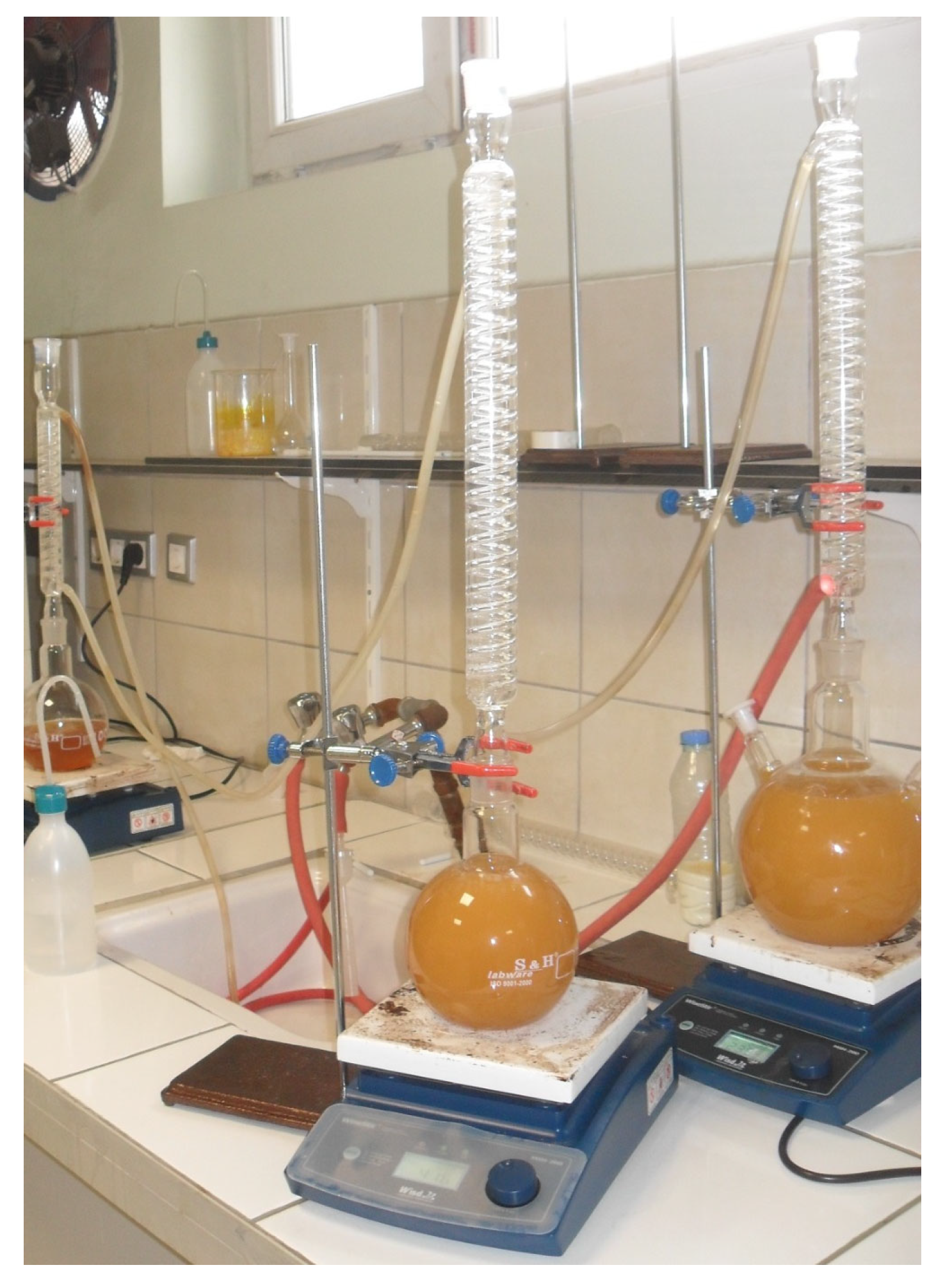
Biodiesel fuels containing Mn2O3 additives were produced via the transesterification reaction, which is recognized as one of the most effective and commonly used methods for biodiesel synthesis from vegetable and waste oils. In this process, used vegetable oil, methanol, and NaOH were reacted together under controlled conditions. Following the completion of the reaction, the resulting mixture was separated from glycerin using a separation funnel. The upper biodiesel layer was subsequently washed several times with distilled water to remove impurities and residual catalysts. Finally, an evaporator was employed to eliminate any remaining moisture and free fatty acids from the fuel samples. The evaporator device used in the final stage of biodiesel purification is illustrated in Figure 1.
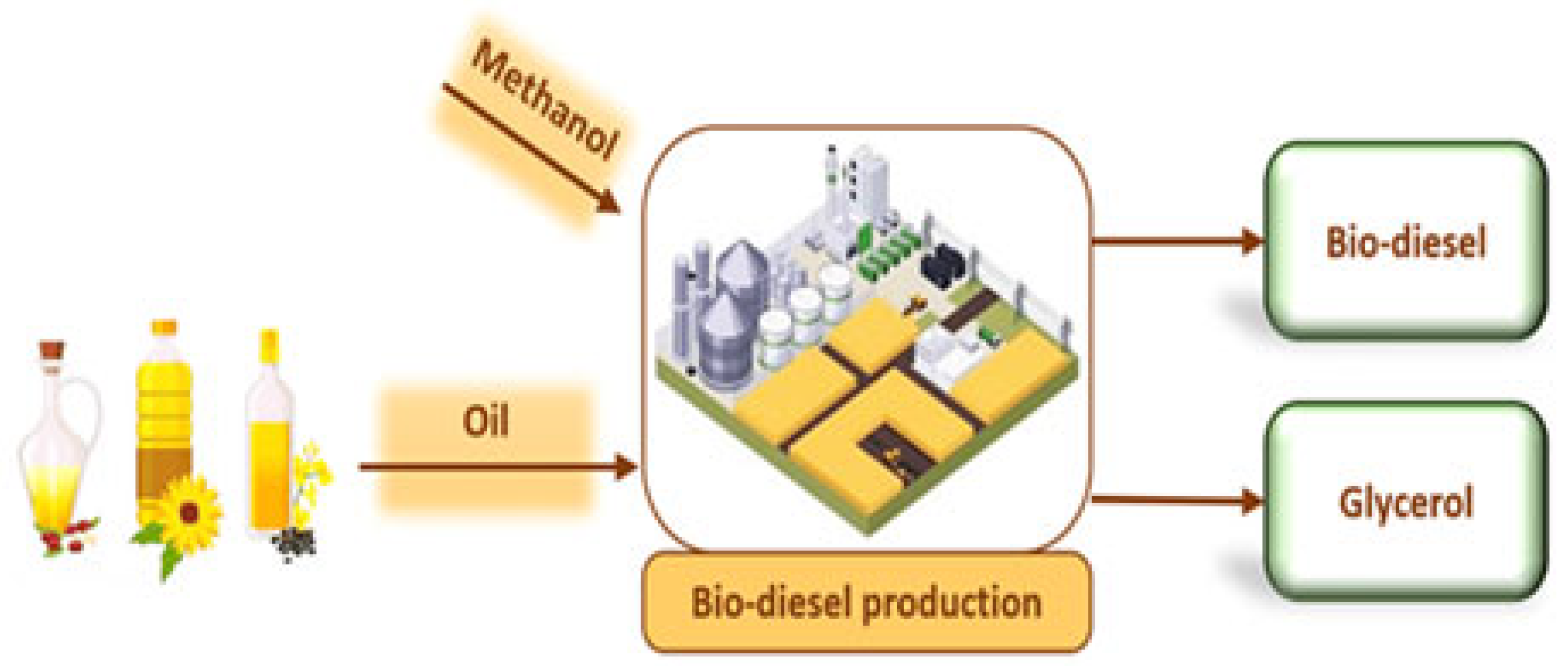
Cottonseed oil and waste sunflower oil were used as feedstocks for biodiesel production. The oils were heated to 60 °C prior to the transesterification reaction. In a separate container, a reaction mixture of methanol and NaOH was prepared. The amount of methanol corresponded to 20% of the oil volume, while 0.4% NaOH by weight of the oil was added as a catalyst. After both mixtures were prepared, they were combined and stirred continuously for two hours to complete the transesterification process. The overall biodiesel production procedure is illustrated in Figure 2.
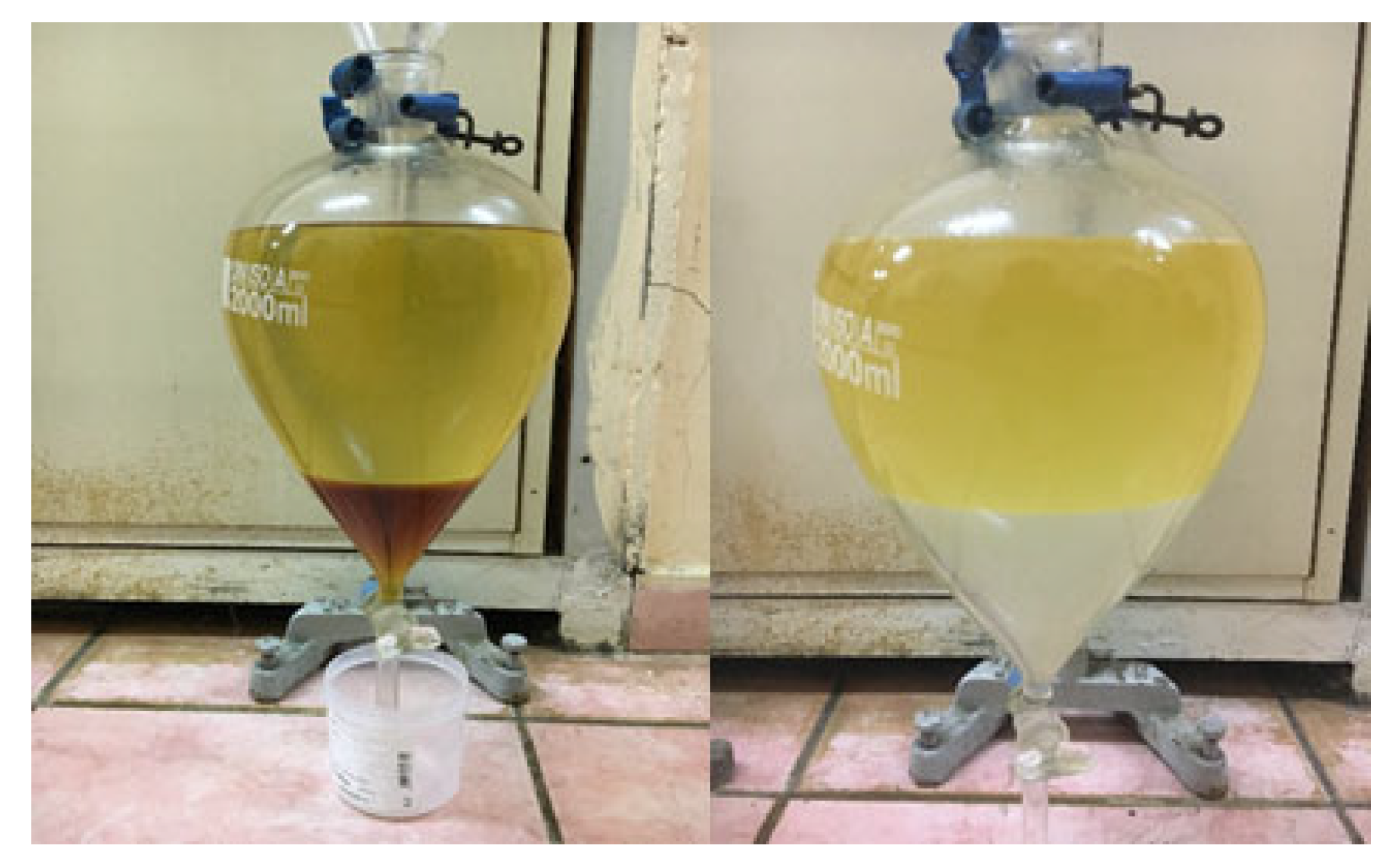
The product obtained upon the completion of the reaction was transferred to the separatory funnel. As a result of sufficient waiting in the separation funnel, the glycerin phase was collected in the substrate. The glycerin in the sample treated in the separation funnel was separated. In the next step, the solution was washed with pure water to finalize the product. This process is shown in Figure 3. In the final stage, a vacuum evaporation process was applied to remove residual moisture and finalize the biodiesel production. The produced biodiesel from plant sources was then blended with 10% biodiesel (by volume) and 90% diesel fuel, resulting in fuel mixtures suitable for engine testing. The chemical properties of the blended fuels were determined under laboratory conditions. The cotton oil biodiesel blend was labeled COB10, and the waste sunflower oil biodiesel blend was labeled WSOB10. These preparation steps are illustrated in Figure 3.
In the last stage, the evaporation stage was applied to finalize the production of biodiesel, and the final biodiesel was produced. Biodiesel produced from plant sources was mixed with 10% diesel fuel. The chemical properties of this new fuel mixture were determined under laboratory conditions. The cotton oil biodiesel used in our study was named COB10. Another fuel sample, a 10% blend of waste sunflower oil, was named WSOB10. These stages are shown in Figure 4.

2.3. Chemical Analysis of Fuel Samples

The chemical properties of the biodiesel fuel samples produced were determined under laboratory conditions. The same type of analysis was repeated several times, and it was observed that the variation between the obtained results did not exceed 2%. The averaged values of these consistent results are presented in Table 1.

2.4. Nanoparticle Addition to Fuel Samples

At this stage, the technical properties of the Mn2O3 nanoparticle used in this study were analyzed. In this research, Mn2O3 nanoparticles were directly utilized as a heterogeneous catalyst in the transesterification process of vegetable and waste oils for biodiesel production. The catalyst was added to the reaction mixture to accelerate the conversion of triglycerides into methyl esters, facilitate product separation, and make the overall process more economical and environmentally friendly. For this reason, Mn2O3 nanoparticles were used in this study as an additive to biodiesel after production, since their high oxygen storage capacity, catalytic surface activity, and nano-scale dispersion ability contribute to improved combustion efficiency and reduced exhaust emissions. The content of the analyzes includes SEM, TEM and XRD images. As a result of these analyzes, it was determined that the properties of the Mn2O3 nanoparticle used were appropriate. The production stages of Mn2O3 doped biodiesel fuels used in the study are given in detail.

2.4.1. Mn2O3 Particle Technical Specifications

Mn2O3 particle technical specifications are shown in Table 2.

2.4.2. Mn2O3 Nanoparticle SEM Image

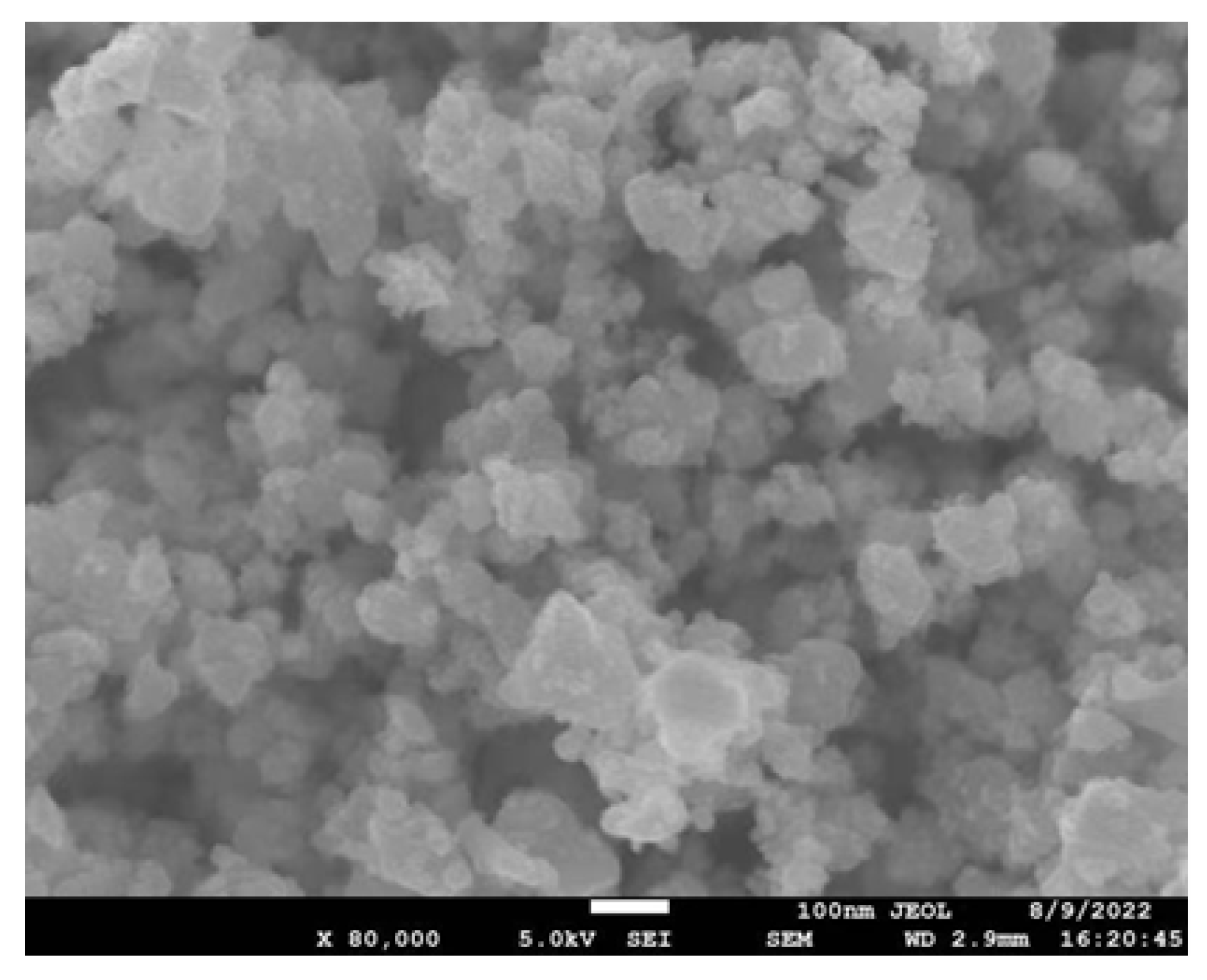
The Mn2O3 nanoparticles used in this study were obtained from Nanografi Nano Technology (Ankara, Türkiye). The supplier provided scanning electron microscopy (SEM) images to verify the morphological structure of the nanoparticles. As shown in Figure 5, the Mn2O3 nanoparticles exhibit a homogeneous and nearly spherical morphology with minimal agglomeration. The particle sizes are distributed in the nano-scale range, consistent with the supplier’s technical data sheet and previously reported Mn2O3 characteristics in the literature [19]. The observed morphology indicates that the Mn2O3 nanoparticles maintain high surface area and structural uniformity, which are desirable for enhanced surface reactivity when used as an additive in biodiesel fuel formulations. These results confirm that the nanoparticles conform to the expected structural features of Mn2O3 as reported in similar studies.

2.4.3. TEM Image of Mn2O3

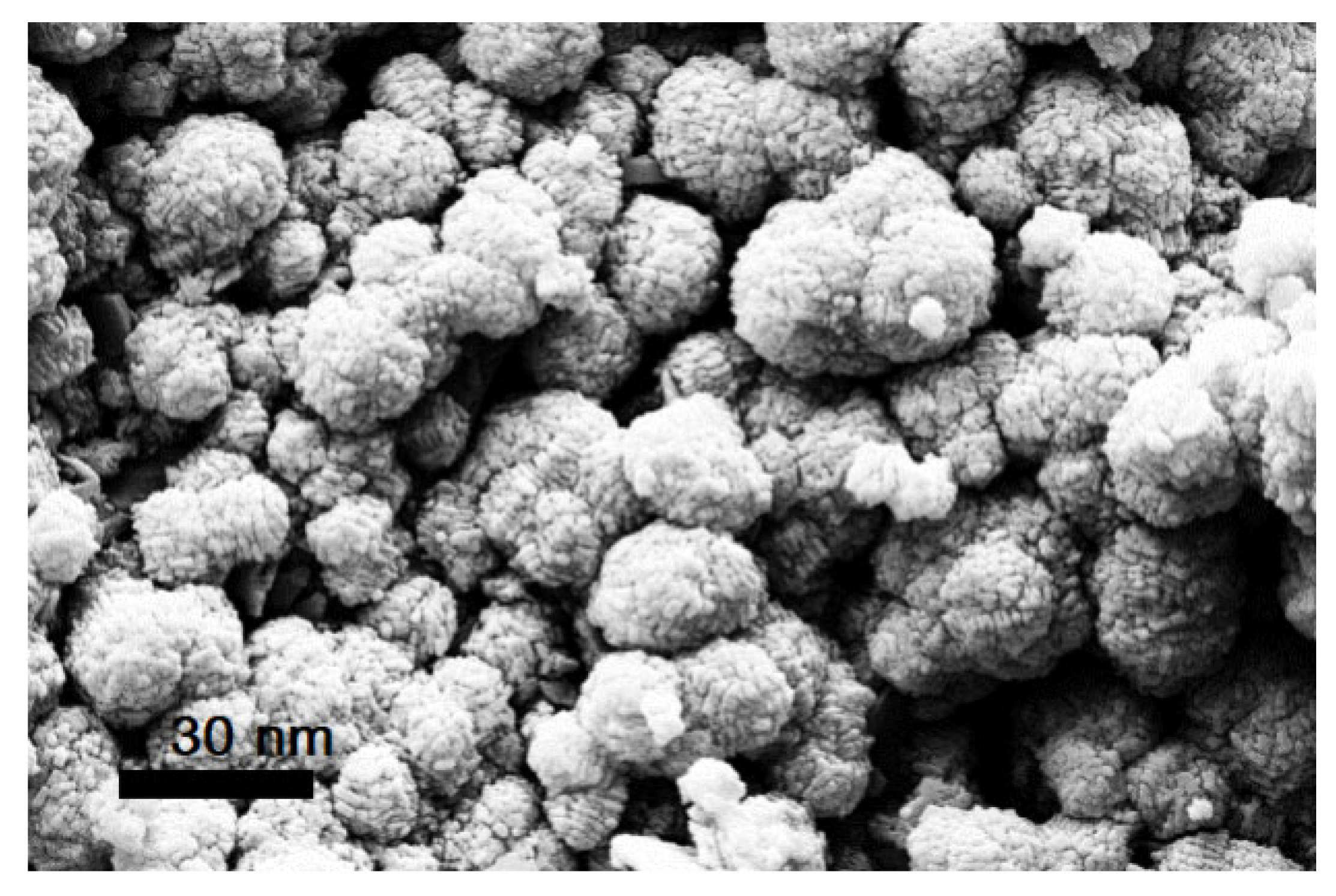
The transmission electron microscopy (TEM) images of the Mn2O3 nanoparticles, provided by Nanografi Nanotechnology Inc., are presented in Figure 6. The TEM micrographs further validate the nano-scale size and crystalline integrity of the Mn2O3 particles. The images reveal that the nanoparticles possess a well-defined spherical structure with particle sizes generally below 100 nm. The clear and uniform contrast observed in the TEM image confirms the crystalline nature of Mn2O3, consistent with the cubic crystal structure reported in the standard JCPDS 41-1442 reference pattern. These structural properties support the suitability of the Mn2O3 nanoparticles for application as a fuel additive, contributing to improved combustion efficiency and reduced emissions in biodiesel blends.

2.4.4. X-Ray Diffraction (XRD) Analysis of Mn2O3 Nanoparticles

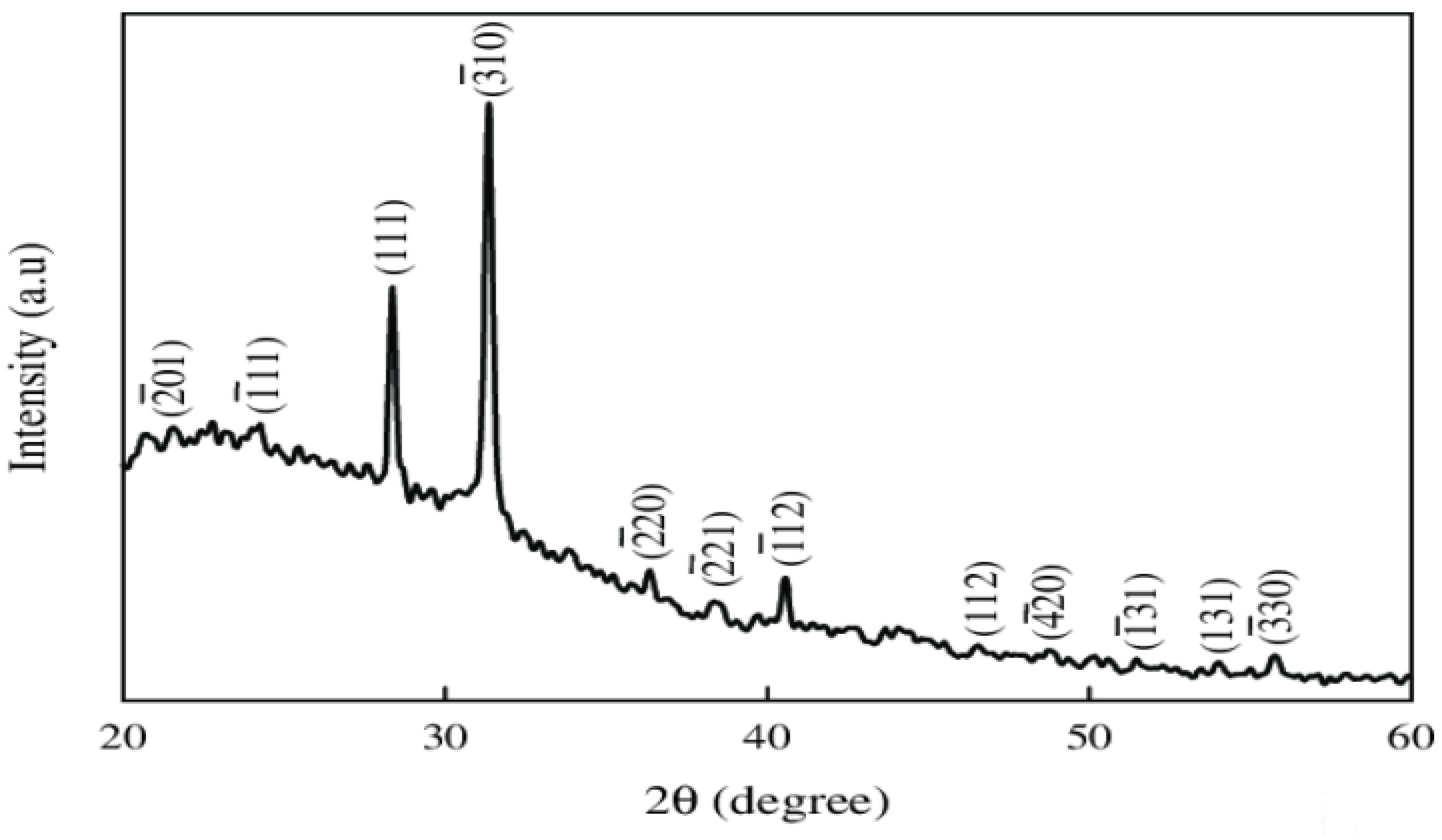
The Mn2O3 nanoparticles used in this study were not synthesized in the laboratory but were commercially supplied by Nanografi Nanotechnology Inc. (Turkey). The supplier provided the corresponding X-ray diffraction (XRD) data to verify the crystalline structure and phase purity of the material. As shown in Figure 7, the XRD pattern indicates that the Mn2O3 nanoparticles possess a pure and well-crystallized cubic structure, consistent with the standard reference pattern (JCPDS 41-1442). The absence of any secondary or impurity peaks confirms the structural integrity and high phase purity of the material. These findings validate that the Mn2O3 nanoparticles conform to standard specifications and are suitable for use as an additive in biodiesel formulations.
The X-ray diffraction (XRD) pattern of the commercial Mn2O3 nanoparticles (Nanografi, ≥99% purity) used in this study is presented in Figure 7. The diffraction peaks were observed at approximately 22.1°, 32.2°, 38.7°, 41.0°, 48.4°, 54.1°, and 56.2° 2θ values, corresponding to the (201), (310), (221), (112), (420), (131), and (330) crystal planes, respectively. These reflections are consistent with the cubic bixbyite Mn2O3 structure (JCPDS card No: 41-1442), confirming the phase purity of the material provided by the supplier. The absence of additional peaks related to Mn3O4 or MnO2 indicates that the nanoparticles consist predominantly of a single crystalline phase. According to the supplier’s analysis, the material exhibits high crystallinity, with an estimated crystallite size of around 30 nm. This size range corresponds well with the morphological features observed in the SEM and TEM images supplied by the manufacturer. The consistency between these structural and morphological data supports the reliability of the characterization. Although no Rietveld refinement was performed in this study, the obtained diffraction pattern aligns closely with the reference data for Mn2O3. Future work could incorporate Rietveld analysis to obtain more precise lattice parameters, microstrain information, and quantitative phase composition. Overall, the XRD results confirm that the Mn2O3 nanoparticles used in this research possess a well-defined cubic crystalline structure. Such structural regularity is expected to enhance their catalytic activity and surface reactivity, contributing positively to the combustion and emission performance of biodiesel fuels.

2.5. Biodiesel Blend with Mn2O3 Nanoparticles

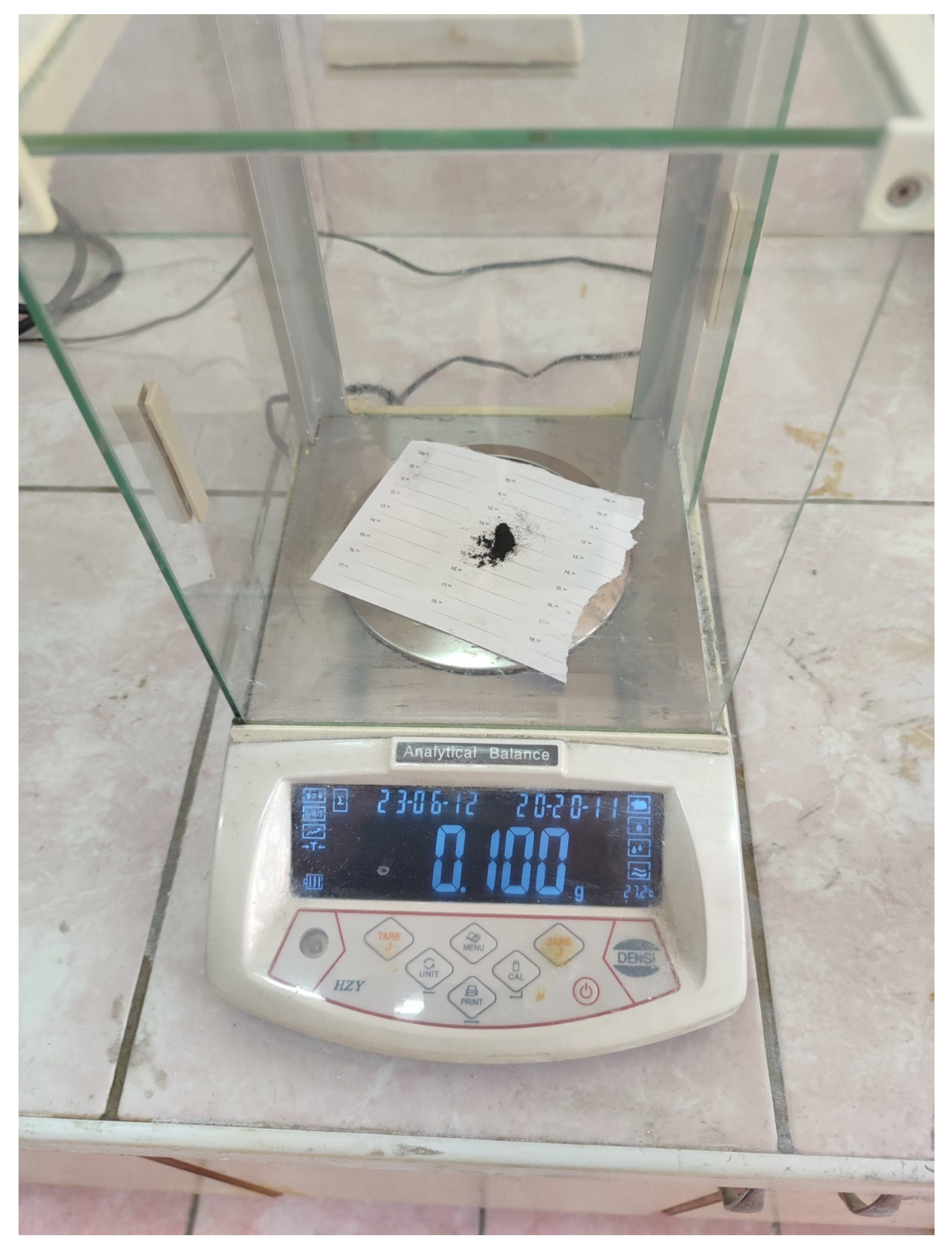
The plant-based environmentally friendly biodiesel fuel produced by us was mixed with diesel fuel at a rate of 10%. The fuel samples, which were mixed at a rate of 10%, were mixed with Mn2O3 nanoparticle additives at rates of 50, 75 and 100 ppm. The analysis of the fuel samples were evaluated under laboratory conditions. These fuel samples were found to be within ASTM standards and the study continued. Ultrasonic bath was used to ensure homogeneous dispersion of biodiesel fuels and Mn2O3 nanoparticle mixtures. After the use of ultrasonic bath, the homogeneity of the mixture was supported with a high-frequency homogenizer. In order to determine the amount of Mn2O3 nanoparticles used in ppm, a balance capable of precise measurement was used. An image of the precision balance used is given in Figure 8.
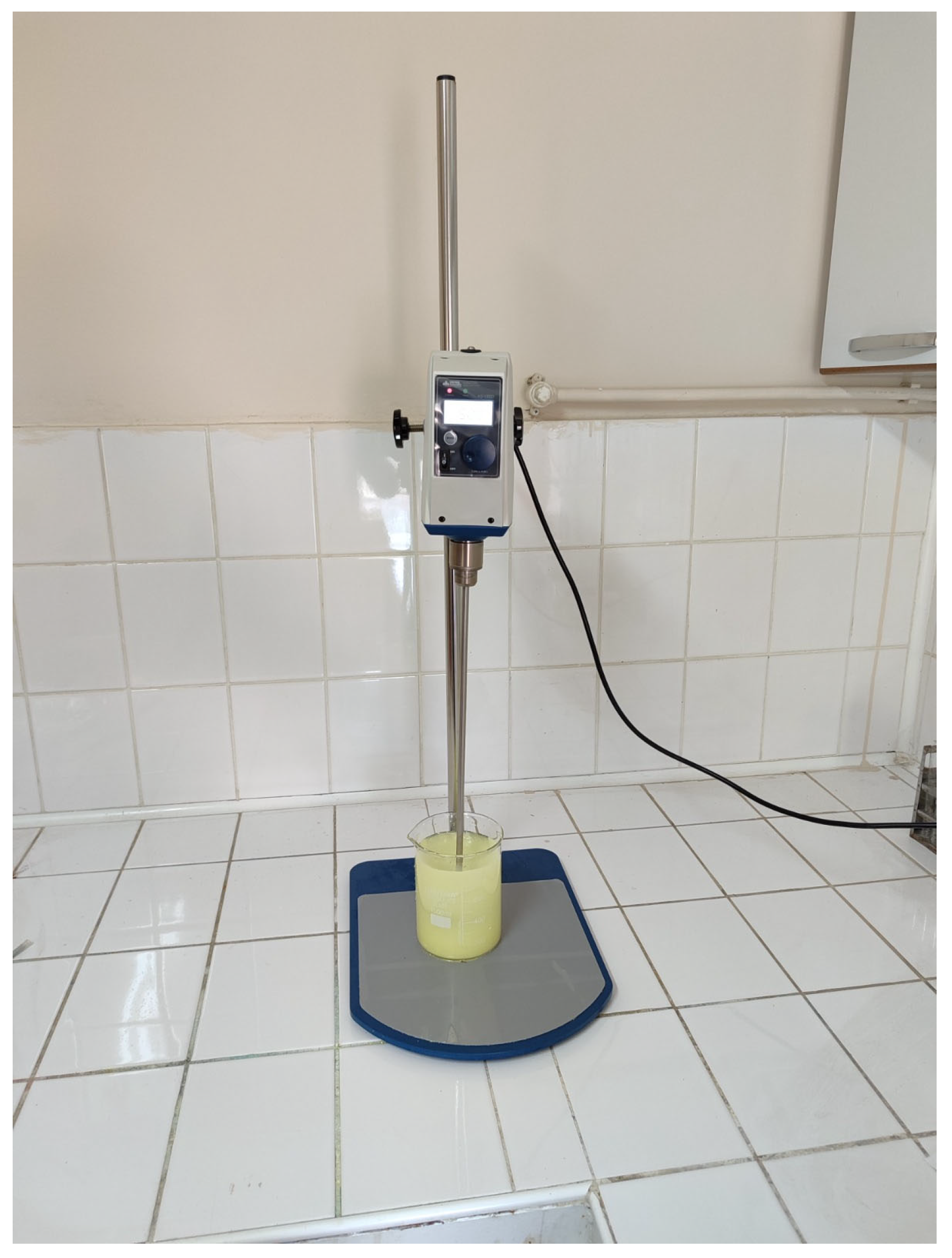
An HFC was used to ensure homogeneous distribution of Mn2O3 nanoparticles in the fuel. An HFC used for the addition of Mn2O3 nanoparticle additive to fuel samples containing 10% biodiesel is given in Figure 9.
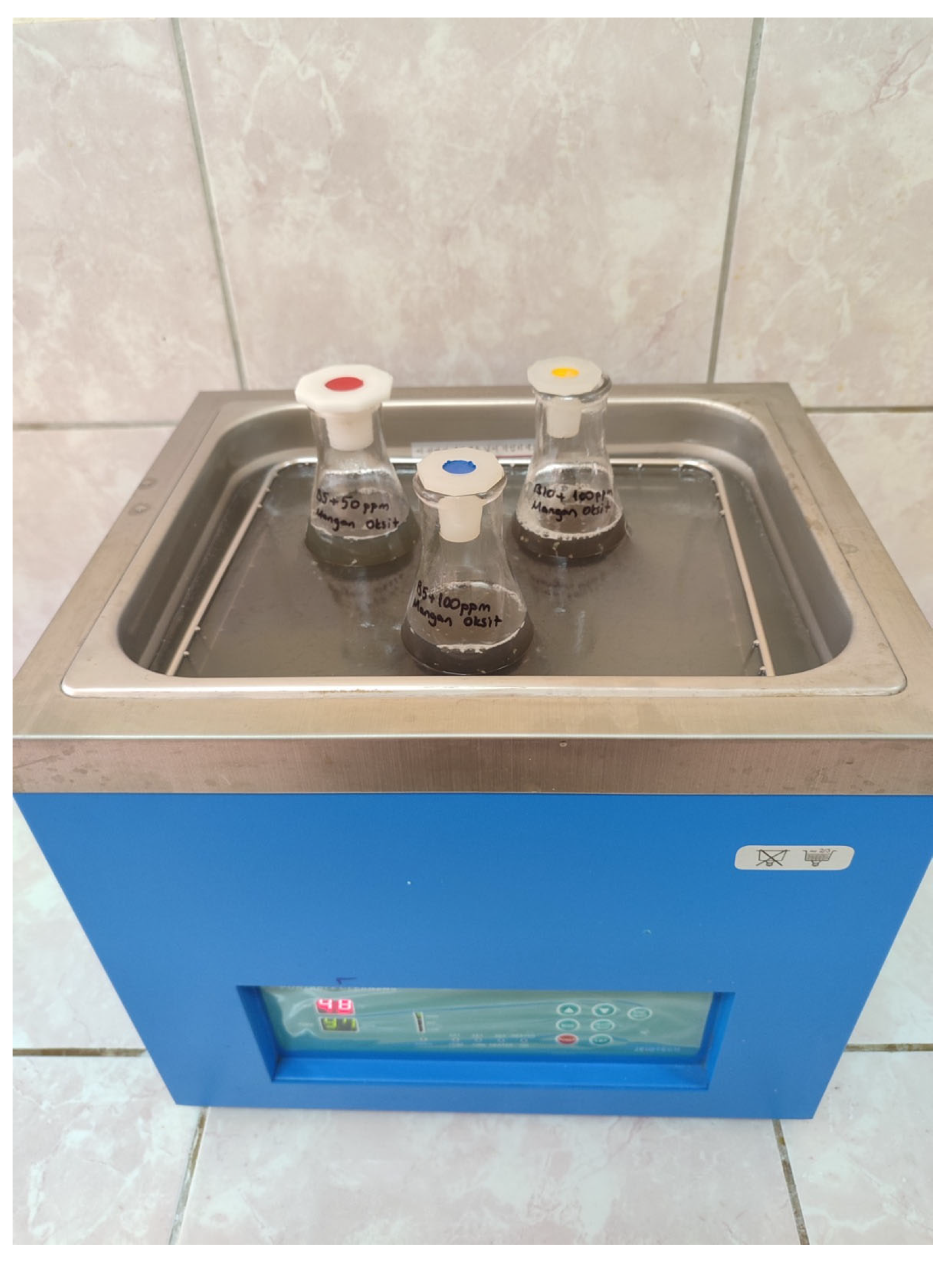
Following the use of the HFC to ensure homogeneity, samples were subjected to various treatments in the ultrasonic bath. It works on the principle of mixing the nanoparticle in the mixture by optimizing the distribution to ensure homogeneity by emitting ultrasonic waves. The ultrasonic wave transmits energy to the fuel mixture. With this energy propagation, cavitation takes place. The vibration created by the implosion of the bubbles formed during the cavitation phase ensures the mixing of the fuel and the nanoparticle. The ultrasonic bath device that mixes the fuel and Mn2O3 nanoparticles is shown in Figure 10.
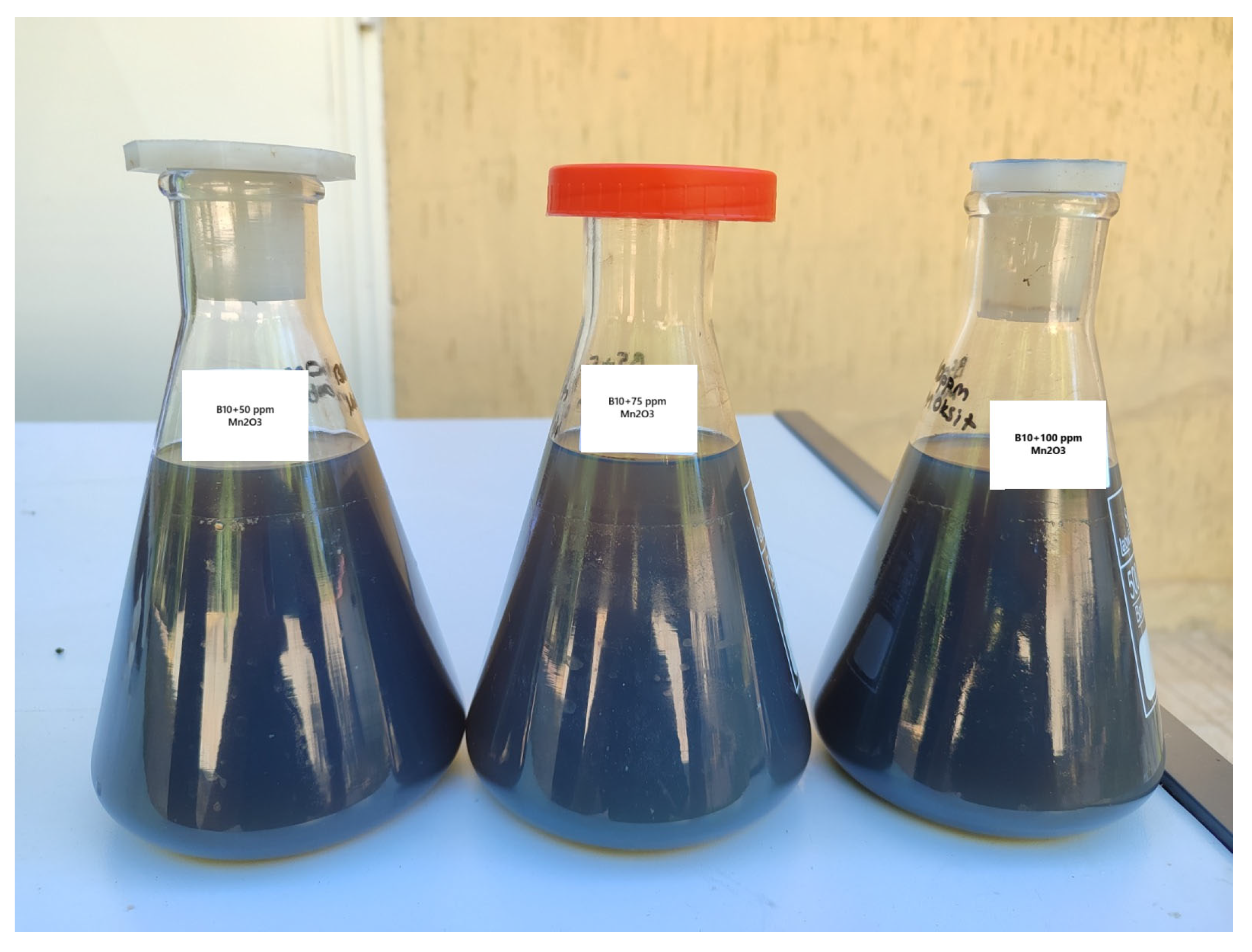
Some visualizations of the blending of Mn2O3 nanoparticles with biodiesel fuel at ratios of 50, 75 and 100 ppm are given in Figure 11.
Biodiesel produced from plant sources was blended with 10% diesel fuel. The cotton oil biodiesel used in our study was named COB10. Another fuel sample, a 10% blend of waste sunflower oil, was named WSOB10. COB10 and WSOB10 fuels were homogeneously mixed with 50, 75 and 100 ppm Mn2O3 nanoparticles via ultrasonic bath. The chemical properties of this new fuel blend were determined under laboratory conditions. The nomenclature given to the test fuels are WSOB10, WSOB10+ 50 ppm Mn2O3, WSOB10+ 75 ppm Mn2O3 and WSOB10+ 100 ppm Mn2O3 and COB10, COB10+ 50 ppm Mn2O3, COB10+ 75 ppm Mn2O3 and COB10+ 100 ppm Mn2O3.

2.6. Experiment Setup

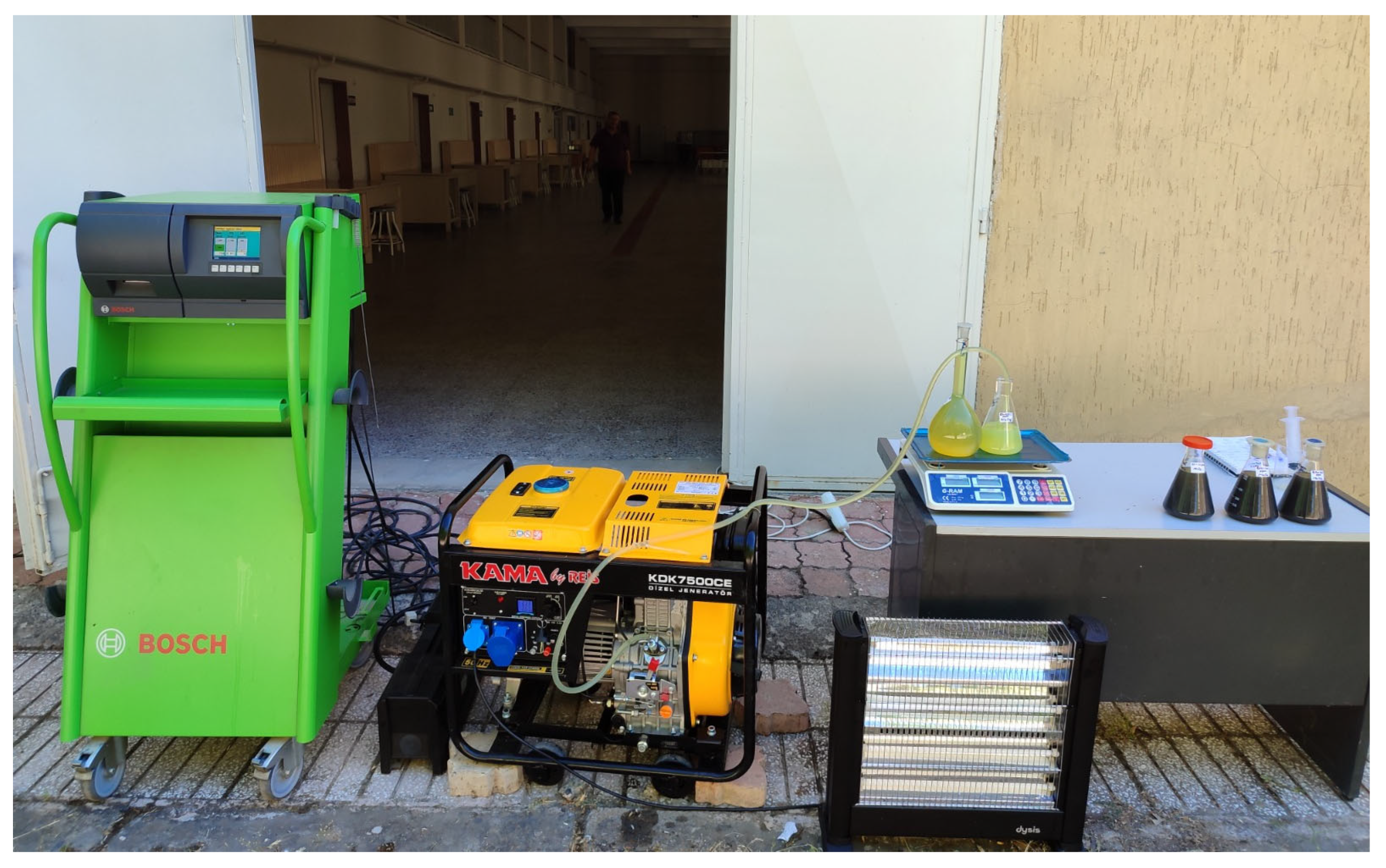
The experimental setup used in this study is shown in Figure 12. The engine used in the experiments was not supported by any additional design. After producing Mn2O3 doped biodiesel fuel samples through various experimental production methods using vegetable and waste oils, tests were carried out in the experimental setup. The engine was operated until the engine temperature reached the desired level and then the fuels were tested gradually at loads of 2, 4, 6 and 8 kW. The tests were repeated five times for all fuel samples and the stable measurements were averaged. The parameters measured in this study include thermal efficiency, specific fuel consumption (g/kWh), carbon monoxide (CO, %), nitrogen oxides (NOx, ppm), hydrocarbons (HC, ppm), exhaust gas temperature (°C), and smoke opacity levels. Stable data was recorded as a result of a series of five repeated tests. Before changing fuel types, it was ensured that all residues from the previous fuel had been cleaned. The engine tests were conducted using a locally manufactured Kama brand Reis KDK 7500 CE model diesel generator. No modifications were made to any parts of the engine or generator units during the tests, and fuel samples were tested under standard conditions.

2.6.1. Calculation Method

Specific Fuel Consumption
Specific fuel consumption is defined as the ratio of the volumetric fuel consumed during the test procedures to the power obtained from the engine. At the end of the experiments, calculations were performed using the method shown in Equations (1) and (2):
B = 500 × ρ y × 3.6 Δ t
  • B: Hourly fuel consumption (kg/h);
  • Δt: Time during which 500 mL of fuel is consumed;
  • ρy: Fuel density (kg/L);
b e = B P e
  • be: Specific fuel consumption (kg/kWh);
  • Pe: Engine power (kW).
Thermal Efficiency
Thermal efficiency is determined by the ratio of the energy provided by the engine’s indicated power to the total energy supplied to the engine by the fuel. The calculation method was performed using the method shown in Equation (3):
η t = 3600 N e B H u = 3600 N e N e b e H u = 3600 b e H u
  • B: Hourly fuel consumption (kg/h);
  • Ne: Effective motor power (kW);
  • ηt: Thermal efficiency;
  • Hu: Lower heating value of fuel (kJ/kg).

2.6.2. Error Analysis

Many studies have been conducted during the examination phase of fuel samples. In this direction, uncertainty analysis was preferred to determine the sensitivity of the examination. Factors such as the state of the environment and calibration are determining factors in error analysis. The uncertainty analysis approach was employed to evaluate the experimental errors, and the overall uncertainty (U, expressed in percent) was obtained by calculating the square root of the sum of the squares of the influencing parameters (e.g., u S F C , u T E ). The general form of error analysis is expressed in Equation (4):
U = u S F C 2 + u T E 2 + u N O x 2 + u C O 2 + u H C 2 + u S E 2 + u E G T 2
U = 1.05 2 + 0.2837 2 + 1 2 + 0.01 2 + 1 2 + 0.1 2 + 0.1 2 = ± 1.789 %

2.7. Machine Learning System (MLS)

In order to achieve optimum biodiesel fuel production results, machine learning applications are actively used in modeling data. MLS is a method that utilizes mathematical and statistical sciences and is based on building models and predictions using data obtained from computer software studies. The model is created with the existing data set and the algorithm used. Linear regression method, one of the machine learning methods, was used in our study. This method uses independent variables to determine the target forecast value. In this way, it tries to calculate the error rate between the forecast and the variables at hand. There are noticeable gaps in the literature in terms of analyzing the data of the fuel samples obtained in our study in terms of economic and environmental impacts and supporting these analyzes with modeling. In order to overcome these deficiencies, the use of machine learning software programs in data modeling has become extremely important. For these reasons, linear regression analysis was used in our study in order to analyze the proximity of the fuel sample data to the results at the optimum level. A schematic view of the machine learning model used in our study is given in Figure 13.
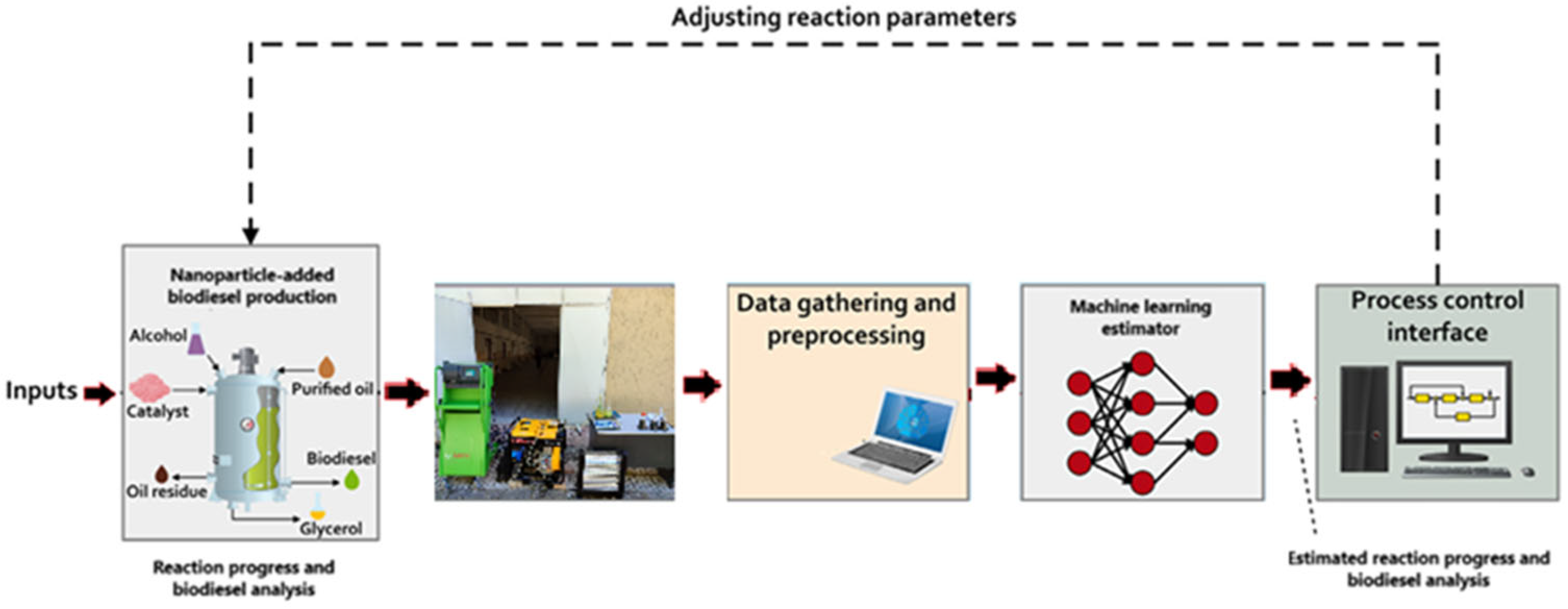
If we were to summarize all stages of our study in a single figure, it would be depicted as shown in Figure 14.

2.8. Optimization and Artificial Intelligence Modeling

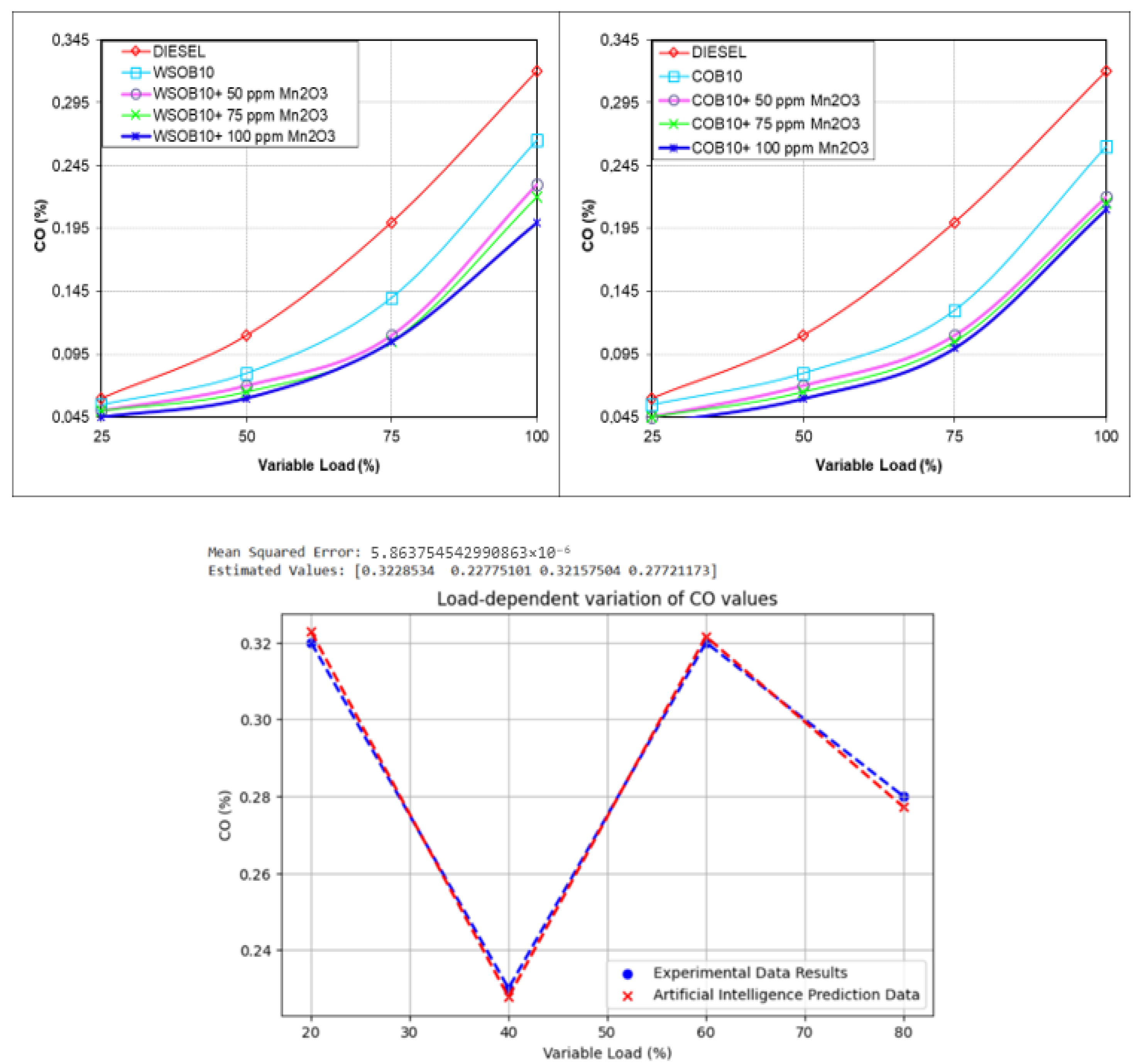
In this study, a machine learning-based optimization approach was applied to analyze and predict the performance and emission characteristics of Mn2O3 nanoparticle-added biodiesel fuels. The modeling was performed using the linear regression method, one of the most widely applied supervised learning algorithms for quantitative prediction tasks. The input data used for the model consisted of experimentally measured parameters, including engine load, specific fuel consumption (SFC), exhaust gas temperature, CO, HC, NOx, smoke opacity, and thermal efficiency. The data were normalized before analysis to eliminate unit-dependent biases. The model was trained using 80% of the experimental data set, and the remaining 20% was used for validation to assess predictive performance. The primary objective of this modeling process was to identify the optimum Mn2O3 nanoparticle concentration that minimizes emissions and SFC while maximizing thermal efficiency. The linear regression analysis revealed a strong correlation between the measured and predicted values of CO emissions, with an R2 value of 0.987 and a mean squared error (MSE) of 5.86 × 10⁻⁶, indicating high model accuracy. The results also demonstrated that the model successfully captured the nonlinear tendencies in emission reduction with increasing nanoparticle concentration up to 100 ppm. The results of the optimization analysis confirmed that the COB10+ 100 ppm Mn2O3 fuel blend yielded the most favorable overall performance and emission profile. The modeling results were consistent with experimental findings, validating the reliability of the linear regression approach in predicting biodiesel fuel behavior. These outcomes emphasize that artificial intelligence–based models can serve as powerful tools to optimize biodiesel fuel formulations by minimizing experimental costs and predicting the best-performing compositions under various engine load conditions.

3. Results

3.1. Investigation of Specific Fuel Consumption Values

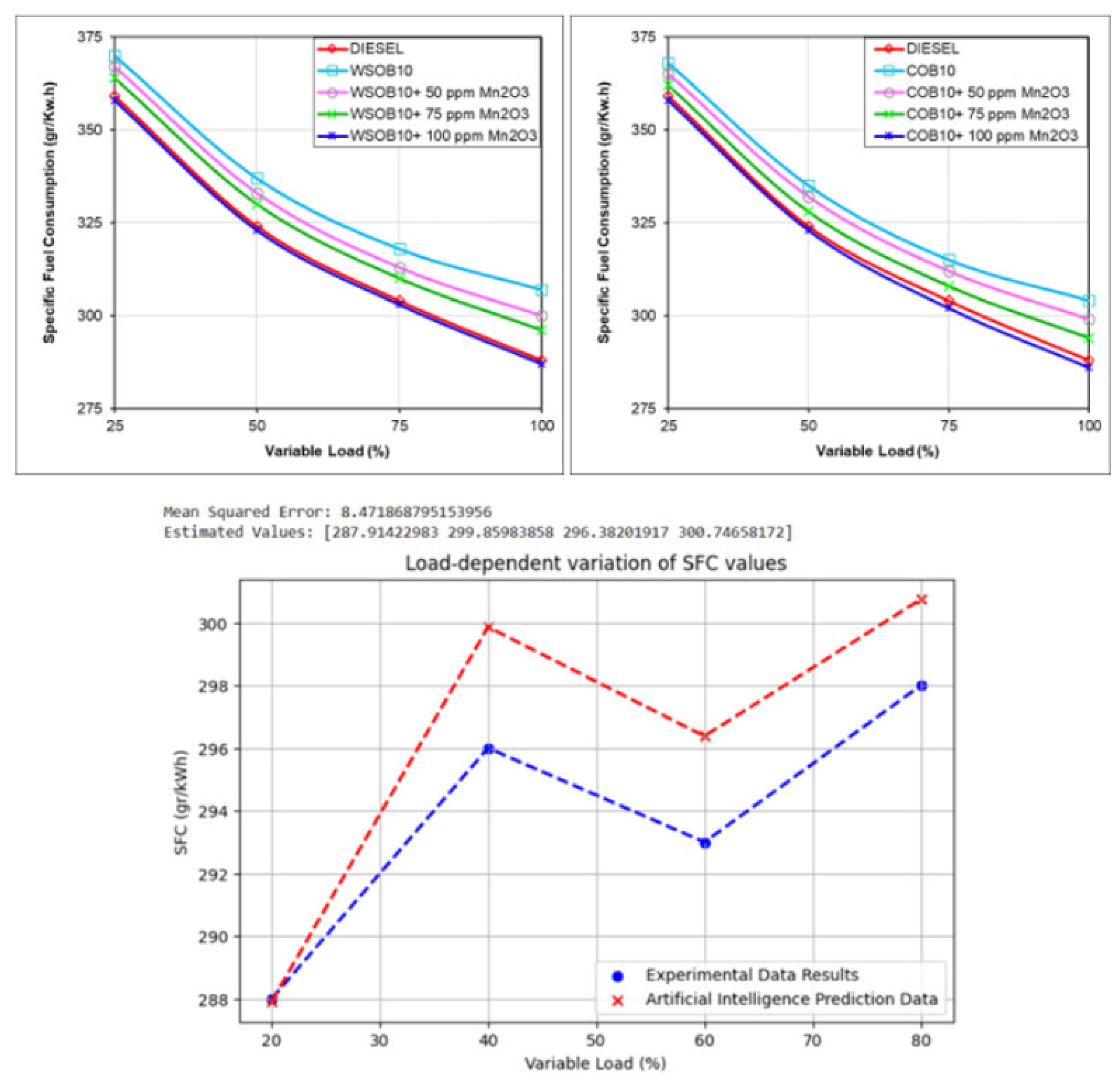
The specific fuel consumption (SFC) results obtained from the analysis of the fuel samples tested in the experiments are presented in Figure 15. The positive contribution of the addition of Mn2O3 nanoparticles to the fuel to the SFC values of the samples is seen when the graphs are examined. The positive influence of Mn2O3 nanoparticle addition can be attributed to factors such as enhanced combustion quality and increased thermal efficiency. Among the tested fuels, the lowest value was observed for the COB10+ 100 ppm Mn2O3 blend, whereas the highest value was obtained for the WSOB10 fuel. In the control phase of the fuel samples, it was observed that the SFC was negatively affected by the increase in thermal performance with the increase in load. The reasons for the high SFC value in biodiesel fuels can be listed as the high oxygen content, high viscosity and high density of biodiesel fuel. This increase in biodiesel fuel samples was observed to decrease with the addition of Mn2O3 nanoparticles [20].

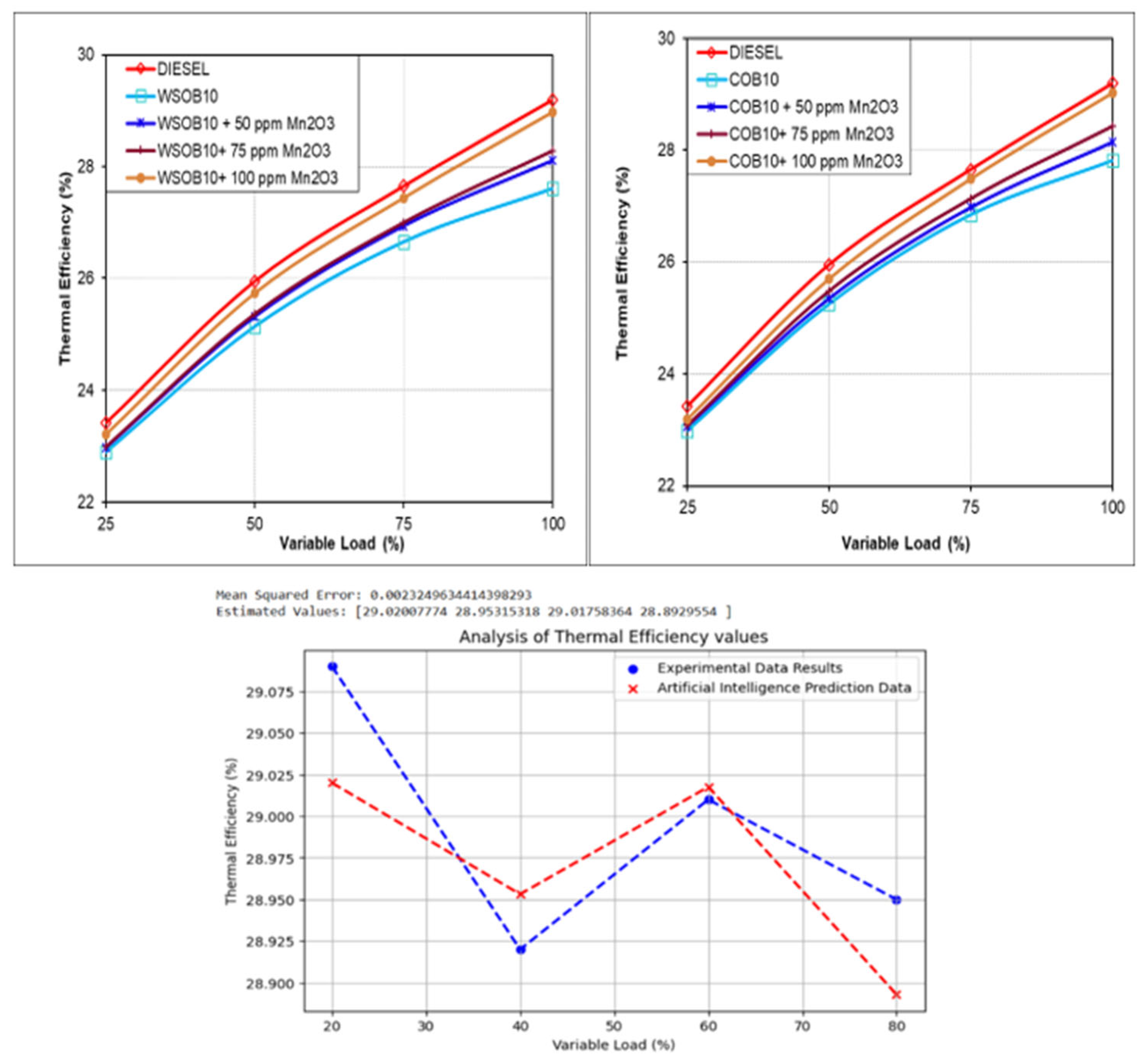
3.2. Analysis of Thermal Efficiency Parameters

Thermal efficiency values were calculated with the operation of the engine. Thermal efficiency changes with increasing load are shown in Figure 16. While determining the thermal efficiency values, experiments were performed more than once at the same stage and calculated by taking the average. The data calculated at 4 different load values were plotted as shown in the figure. When the thermal efficiency values were compared, it was observed that the lowest value was observed in the WSOB10 fuel sample and the highest value was observed in the WSOB10+ 100 ppm Mn2O3 fuel sample. The most important issue in determining the thermal efficiency is the calorific value of the fuel. In addition, density and viscosity values can also be said to be important considerations in thermal efficiency. High viscosity value negatively affects the thermal efficiency [21].

3.3. Investigation of NOx Emission Values

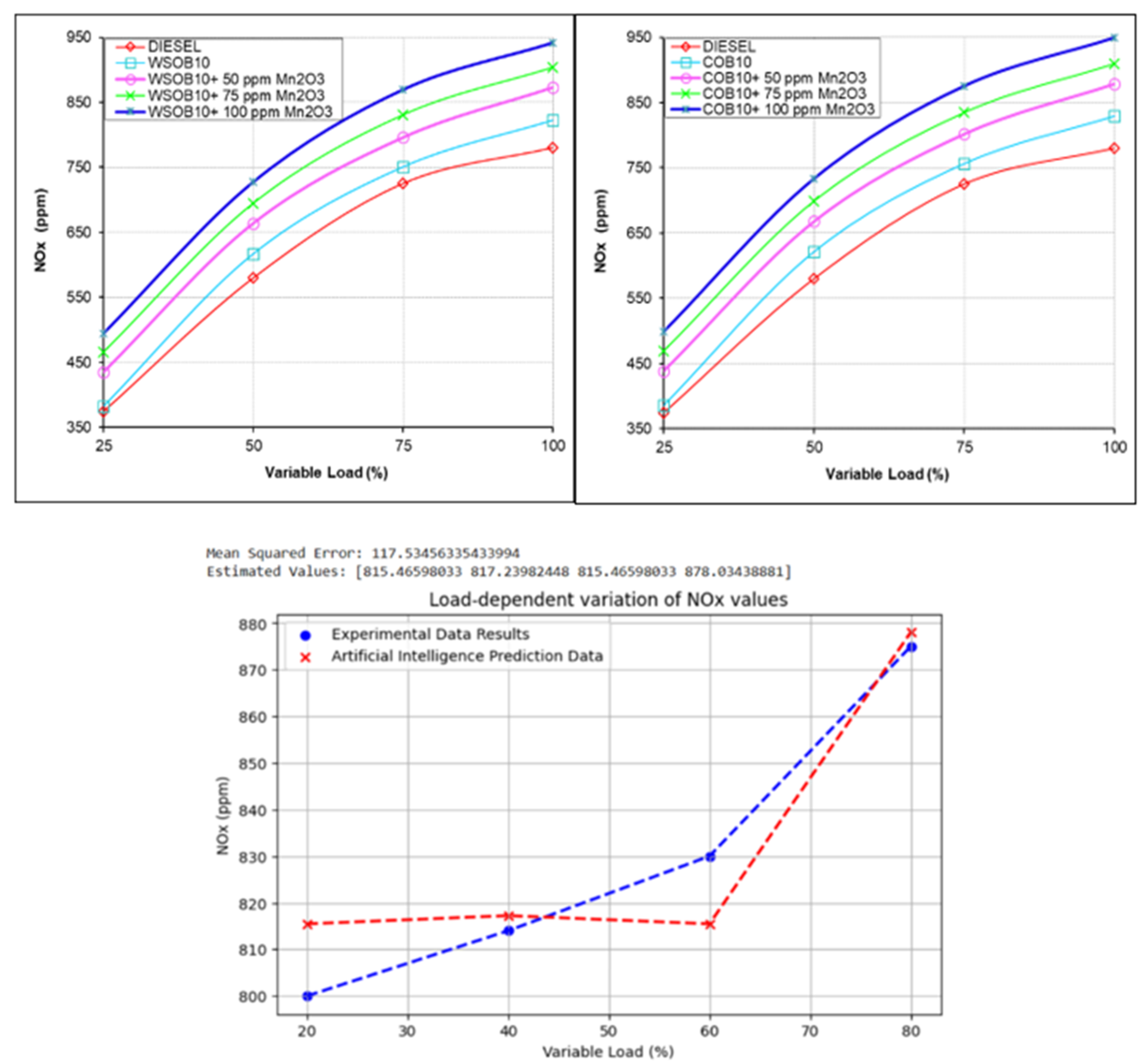
Excessive increase in temperature and high pressure in the cylinder can be listed as the cause of NOx emissions. In addition to these factors, ignition delays and changes in combustion duration are thought to increase NOx formation. NOx values obtained by using the test fuels in the experimental setup are given in Figure 17. The lowest data was found in diesel fuel and the highest data was found in COB10+ 100 ppm Mn2O3 fuel. This phenomenon occurs due to the higher oxygen content present in biodiesel. High oxygen will cause combustion to reach high temperatures and this will increase NOx values [22].

3.4. Investigation of CO Emission Values

The CO data obtained as a result of the experiments are shown in Figure 18. CO emissions increase when the oxygen content is low [23]. It was observed that the lowest result from CO data was COB10+ 100 ppm Mn2O3. The highest result was observed to be diesel. It was interpreted that the increase in the amount of biodiesel and the increase in the oxygen ratio caused the CO values to decrease. This decrease increased even more with the addition of nanoparticles.

3.5. Investigation of HC Emission Values

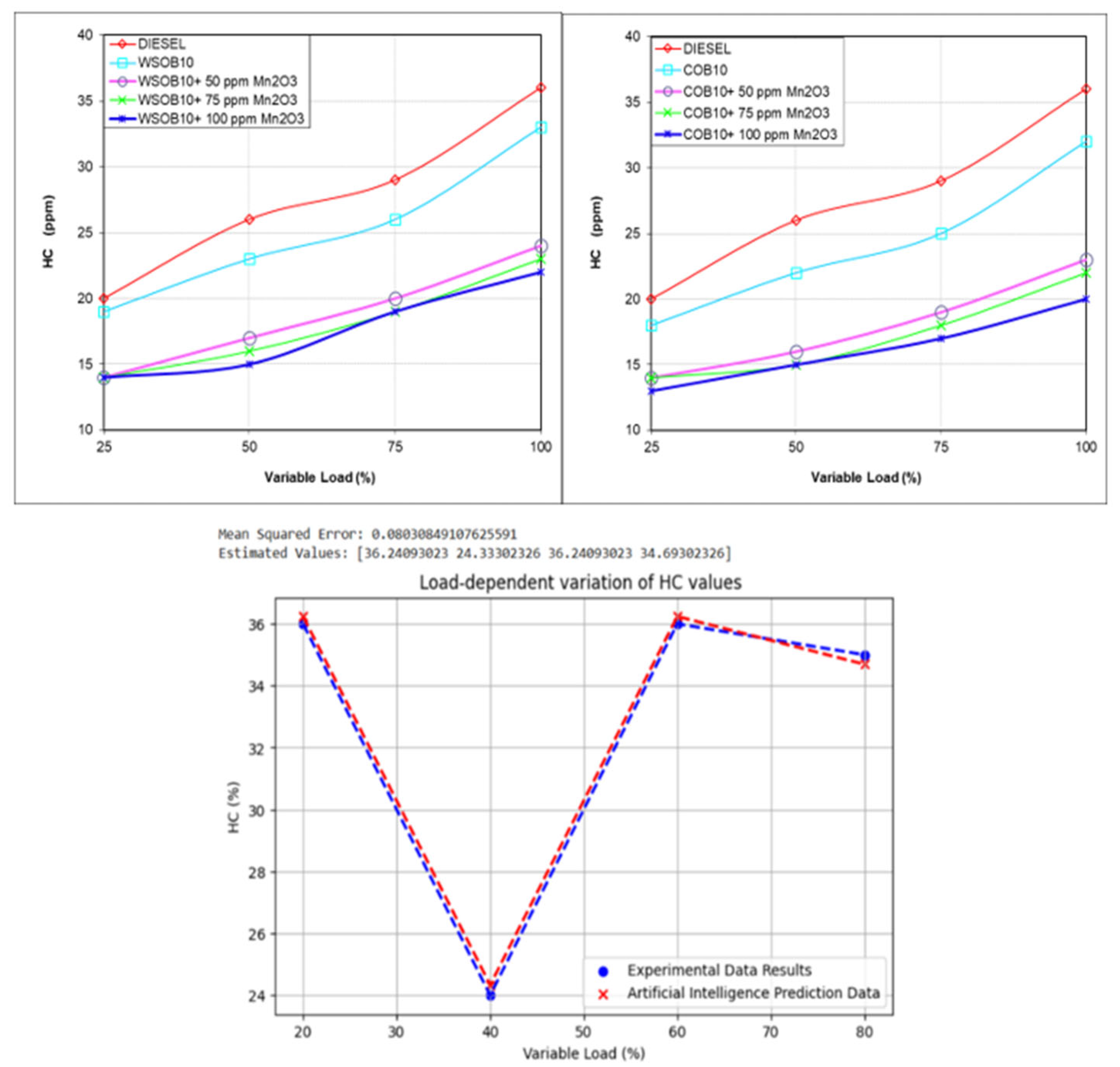
The HC data obtained from the experiments are shown in Figure 19. HC emissions are caused by incomplete cycles and unburned gases remaining from the previous cycle [24]. The lowest value was observed for the COB10+ 100 ppm Mn2O3 fuel, whereas the highest value corresponded to diesel fuel. Parameters such as higher cetane number and increased oxygen content, attributed to the biodiesel component, were found to positively influence the reduction in HC emissions. This observation is further supported by the elevated exhaust outlet temperatures of fuels containing higher proportions of biodiesel. The addition of Mn2O3 nanoparticles was found to make an additional positive contribution to the reduction in HC emissions.

3.6. Investigation of Smoke Emission Values

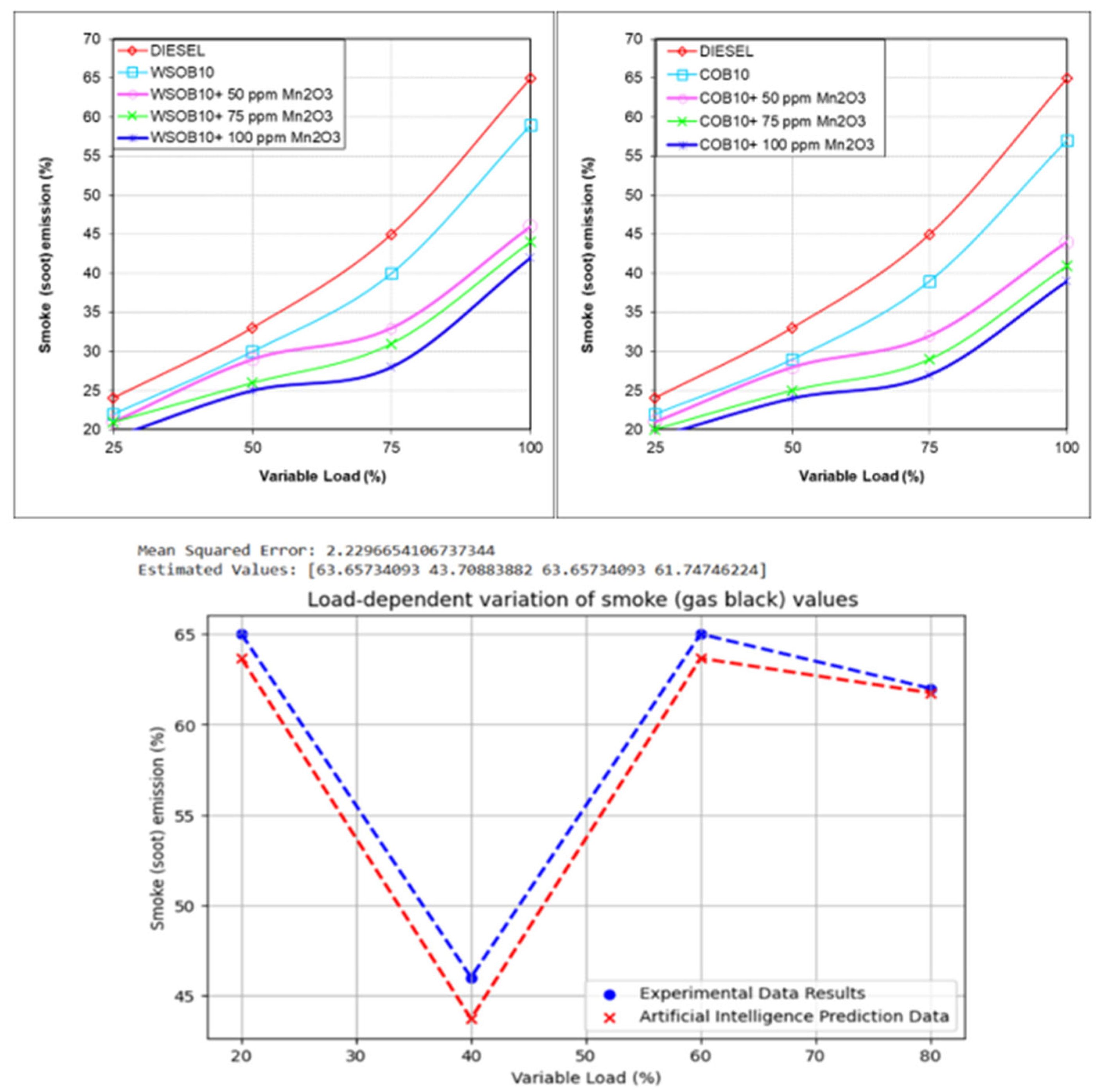
The smoke data obtained as a result of the experiments are shown in Figure 20. High temperatures inside the flame and turbulent mixing are seen as the causes of smoke formation [25]. It was observed that the lowest result from the smoke data was COB10+ 100 ppm Mn2O3. The highest result was observed to be diesel. It was determined that the decrease in smoke data decreased with the increase in the amount of biodiesel. The inclusion of Mn2O3 nanoparticles was found to further enhance the reduction in smoke (soot) emissions.

3.7. Investigation of Exhaust Gas Temperature Emission Values

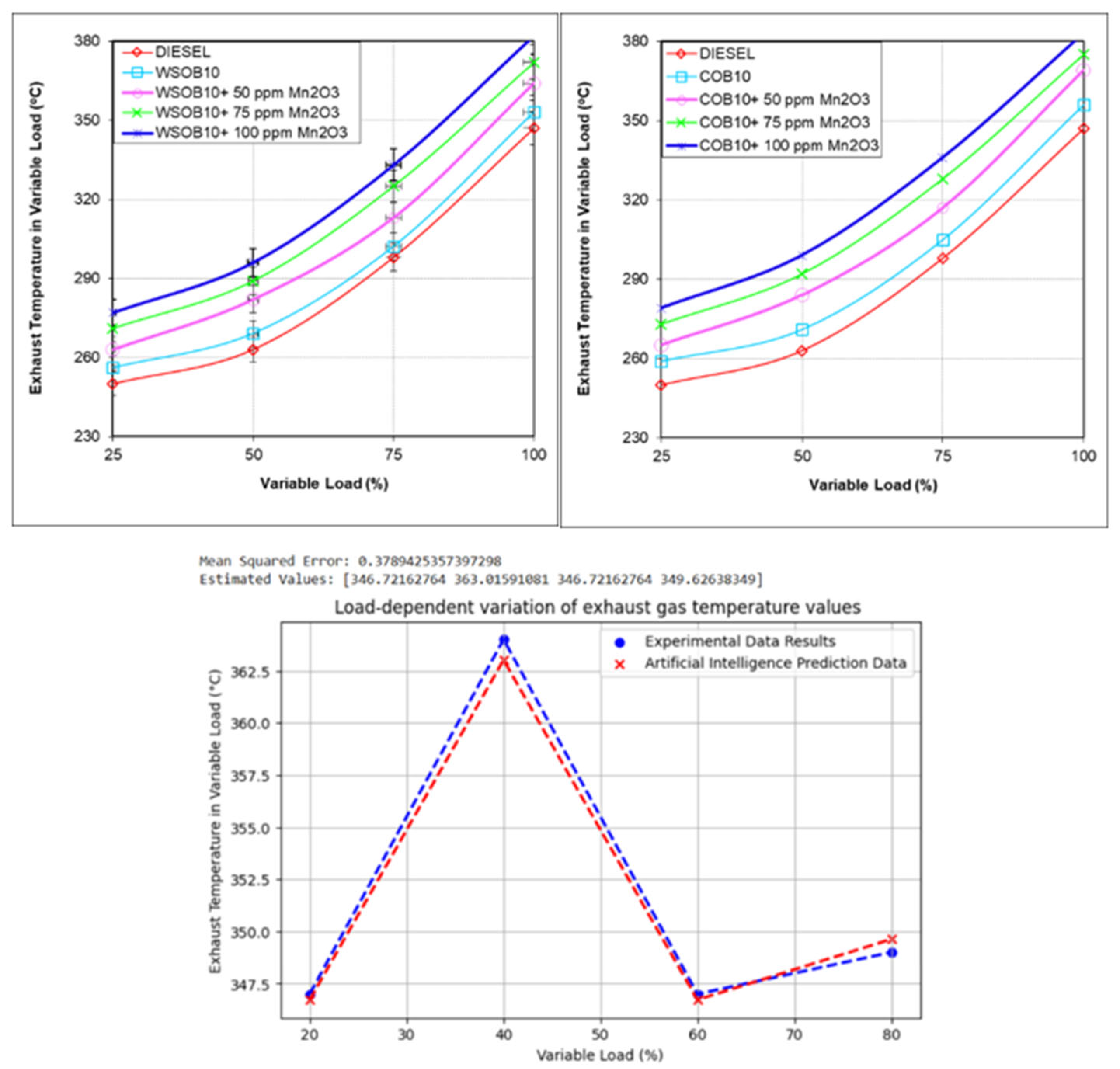
The data obtained as a result of the experiments are shown in Figure 21. The analysis revealed that diesel fuel exhibited the lowest values, whereas the COB10+ 100 ppm Mn2O3 blend showed the highest. The elevated exhaust outlet temperature values are attributed to effective factors such as higher oxygen content and increased cetane number present in biodiesel-based fuels [26].

4. Conclusions and Discussion

This study experimentally and computationally investigated the effects of Mn2O3 nanoparticle additives on the performance and emission characteristics of biodiesel fuels produced from waste vegetable oils through the transesterification method. The results demonstrated that Mn2O3 nanoparticles effectively improved the limitations of biodiesel by enhancing combustion efficiency, reducing harmful emissions, and slightly increasing thermal efficiency. TEM and SEM analyses verified that the Mn2O3 nanoparticles were uniformly distributed within the biodiesel matrix and exhibited a spherical morphology with an average particle size below 50 nm. This structural uniformity likely supported the improved combustion efficiency and reduced emission levels observed in the experimental results. Among all tested blends, the COB10+ 100 ppm Mn2O3 fuel exhibited the most favorable performance, with a 3.25% improvement in thermal efficiency, a 2.08% decrease in specific fuel consumption, and substantial reductions in CO (37.50%), HC (38.8%), and smoke (33.84%) emissions. These findings confirm that Mn2O3 additives can serve as an efficient and eco-friendly enhancement for biodiesel-based fuels without requiring any modifications to conventional diesel engines. The outcomes also emphasize the environmental and economic advantages of utilizing waste-derived feedstocks. The fuel formulations developed in this research demonstrate a dual benefit—lower production costs and reduced ecological impact—highlighting the potential of integrating nanotechnology with renewable energy resources in sustainable fuel design. Furthermore, the integration of artificial intelligence modeling using linear regression provided strong predictive accuracy, particularly in CO emission estimation (MSE = 5.86 × 10⁻⁶), confirming the utility of machine learning in optimizing biodiesel processes. Despite its promising results, this study has several limitations. The experiments were conducted under controlled laboratory conditions with a single-cylinder engine, and long-term operational effects such as engine durability, injector wear, and fuel stability were not assessed. Additionally, while NOx emissions were observed to increase slightly with biodiesel content, no specific mitigation strategies were investigated. Future studies should therefore focus on long-term durability testing, advanced combustion optimization techniques, and NOx reduction strategies (e.g., exhaust gas recirculation, timing adjustment, or fuel formulation tuning). A techno-economic assessment of Mn2O3 nanoparticle use at an industrial scale would also be valuable to evaluate its commercial feasibility.
In conclusion, the present research offers an innovative and environmentally sustainable pathway for biodiesel improvement through the synergistic use of waste oils, nanomaterials, and artificial intelligence. This integrative approach represents a significant step toward greener, high-performance alternative fuels that align with global efforts for carbon-neutral energy systems.
The significant findings of this research can be summarized as follows:
  • Mn2O3 nanoparticle additives significantly improved the combustion efficiency and reduced harmful emissions in biodiesel–diesel blends;
  • The optimal fuel blend (COB10+ 100 ppm Mn2O3) achieved a 3.25% increase in thermal efficiency and 2.08% decrease in specific fuel consumption;
  • Substantial reductions were observed in CO (37.50%), HC (38.8%), and smoke (33.84%) emissions compared to diesel fuel;
  • Artificial intelligence modeling using the linear regression method accurately predicted emission parameters, with a mean squared error of 5.86 × 10⁻⁶ for CO;
  • Mn2O3-doped biodiesel fuels produced from waste vegetable oils provide an economical and eco-friendly alternative without requiring engine modifications;
  • Future research should focus on long-term durability tests, NOx mitigation strategies, and techno-economic analyses to enhance practical applicability.

Author Contributions

A.B.D.: Conceptualization, Methodology, Investigation, Resources, Writing—Original Draft, Writing—Review and Editing, and Project Administration. A.Ç.: Supervision, Resources. M.M.U.: Methodology, Resources, Writing—Original Draft, Writing—Review and Editing, and Project Administration. All authors have read and agreed to the published version of the manuscript.

Funding

This research received no external funding.

Institutional Review Board Statement

Not applicable.

Informed Consent Statement

Not applicable.

Data Availability Statement

The data that has been used is confidential.

Acknowledgments

This project is supported by Fırat University Research Fund Project Number: MF.25.112. All authors express their gratitude to the relevant institution for their support.

Conflicts of Interest

We can confirm that there are no known conflicts of interest associated with this publication and there has been no significant financial support for this work that could have influenced its outcome.

References

  1. Gupta, V.; Singh, K.P. Machine learning-driven predictive modeling of biodiesel characteristics with heterogeneous catalysts: A review. Mach. Learn. 2023, 55, 4301–4315. [Google Scholar]
  2. Khan, O.; Ali, V.; Parvez, M.; Alhodaib, A.; Yahya, Z.; Yadav, A.K.; Ağbulut, Ü. Exploring the performance of biodiesel-hydrogen blends with diverse nanoparticles in diesel engine: A hybrid machine learning K-means clustering approach with weighted performance metrics. Int. J. Hydrogen Energy 2024, 78, 547–563. [Google Scholar] [CrossRef]
  3. Tiwari, C.; Dwivedi, G.; Verma, T.N. Experimental study of diesel engine performance and emissions from microalgae fuel blends with SiO2 nanoadditives: RSM and Taguchi optimization. Environ. Sci. Pollut. Res. 2025, 32, 19596–19617. [Google Scholar] [CrossRef]
  4. Rajak, U.; Panchal, M.; Dasore, A.; Verma, T.N.; Chaurasiya, P.K. Predict the characteristics of the DI engine with various injection timings by Glycine max oil biofuel using artificial neural networks. Environ. Sci. Pollut. Res. 2025, 32, 19546–19561. [Google Scholar] [CrossRef] [PubMed]
  5. Ardebili, S.M.S.; Kocakulak, T.; Aytav, E.; Calam, A. Investigation of the effect of JP-8 fuel and biodiesel fuel mixture on engine performance and emissions by experimental and statistical methods. Energy 2022, 254, 124155. [Google Scholar] [CrossRef]
  6. Rao, S.S.; Paparao, J.; Raju, M.V.J.; Kumar, S. Effect of nanoparticle-doped biofuel in a dual-fuel diesel engine with oxy-hydrogen gas. Int. J. Hydrogen Energy 2024, 70, 146–158. [Google Scholar]
  7. Ramalingam, S.; Munuswamy, D.B.; Devarajan, Y. Combustion enhancement and emission reduction in RCCI engine using green synthesized CuO nanoparticles with Cymbopogon martinii methyl ester and phytol blends. Ind. Crops Prod. 2024, 218, 118969. [Google Scholar] [CrossRef]
  8. Akalın, M. Hydrothermal liquefaction of microalgae with metal halides for bio-crude production. J. Fac. Eng. Archit. Gazi Univ. 2019, 34, 845–853. [Google Scholar]
  9. Uyar, M.; Aydın, H. Production of low sulfur diesel-like fuel from crude oil wastes by pyrolytic distillation and its usage in a diesel engine. Energy 2022, 244, 122683. [Google Scholar] [CrossRef]
  10. Sathya, A.B.; Thirunavukkarasu, A.; Nithya, R.; Nandan, A.; Sakthishobana, K.; Kola, A.K.; Deepanraj, B. Microalgal biofuel production: Potential challenges and prospective research. Fuel 2023, 332, 126199. [Google Scholar] [CrossRef]
  11. Fadhil, A.B. Evaluation of apricot (Prunus armeniaca L.) seed kernel as a potential feedstock for the production of liquid bio-fuels and activated carbons. Energy Convers. Manag. 2017, 133, 307–317. [Google Scholar] [CrossRef]
  12. Aydın, B.; Çelik, M. Investigation of the effect of cerium oxide (CeO2) nanoparticle added biodiesel-diesel (B20) blend on performance and emissions. Afyon Kocatepe Univ. J. Sci. Eng. Sci. 2022, 22, 689–702. [Google Scholar]
  13. Cinar, G.; Akyuz, O. Investigation of the effect of Cu2O and Al2O3 nanoparticles on engine performance and emissions. Eur. J. Sci. Technol. 2022, 53–61. [Google Scholar] [CrossRef]
  14. Hazar, H.; Uyar, M. Experimental investigation of isopropyl alcohol (IPA)/diesel blends in a diesel engine for improved exhaust emissions. Int. J. Automot. Eng. Technol. 2015, 4, 1–6. [Google Scholar] [CrossRef]
  15. Khan, O.; Parvez, M.; Alhodaib, A.; Yahya, Z.; Ahamad, T.; Yadav, A.K.; Shukla, A.K. Development and selection of lignocellulose biomass and nano-additive combination for co-pyrolysis operation in power generation using hybrid prediction and machine learning model: A K-means cluster approach. Sustain. Energy Technol. Assess. 2024, 72, 104061. [Google Scholar] [CrossRef]
  16. Ghanbari, M.; Najafi, G.; Ghobadian, B.; Yusaf, T.; Carlucci, A.P.; Kiani, M.K.D. Performance and emission characteristics of a CI engine using nanoparticle additives in biodiesel-diesel blends and modeling with GP approach. Fuel 2017, 202, 699–716. [Google Scholar] [CrossRef]
  17. Singh, B.; Srivastava, A.K.; Prakash, O. Effect on combustion performance and emission behavior of diesel engine fueled with hybrid biodiesel produced from a novel ternary oil mixture incorporated with nano additive. Energy Sources Part A Recover. Util. Environ. Eff. 2024, 46, 6566–6585. [Google Scholar] [CrossRef]
  18. Hazar, H.; Uyar, M.; Aydın, H.; Sap, E. Usage of methyl ester produced from waste grape and Mn additive as alternative diesel fuel. Sci. Bull. Petru Maior Univ. Targu Mures 2017, 14, 5–11. [Google Scholar] [CrossRef]
  19. ISO/TR 18196:2016; Nanotechnologies—Terminology and Definitions for Nano-Objects. International Organization for Standardization: Geneva, Switzerland, 2016.
  20. Kalaimurugan, K.; Karthikeyan, S.; Periyasamy, M.; Mahendran, G. Emission analysis of CI engine with CeO2 nanoparticles added Perchloric oleoabundans biodiesel-diesel fuel blends. Mater. Today Proc. 2020, 33, 2877–2881. [Google Scholar] [CrossRef]
  21. Banapurmath, N.R.; Tewari, P.G.; Hosmath, R.S. Performance and emission characteristics of a DI compression ignition engine operated on Honge, Jatropha and Sesame oil methyl esters. Renew. Energy 2008, 33, 1982–1988. [Google Scholar] [CrossRef]
  22. Mathiyazhagan, M.; Ganapathi, A. Factors affecting biodiesel production. Res. Plant Biol. 2011, 1, 1–5. [Google Scholar]
  23. Lapuerta, M.; Armas, O.; Rodriguez-Fernandez, J. Effect of biodiesel fuels on engine emissions. Prog. Energy Combust. Sci. 2008, 34, 198–223. [Google Scholar] [CrossRef]
  24. Lapuerta, M.; Rodriguez-Fernandez, J.; Agudelo, J.R. Diesel particulate emissions from used cooking oil biodiesel. Bioresour. Technol. 2008, 99, 731–740. [Google Scholar] [CrossRef] [PubMed]
  25. Kumar, M.S.; Kerihuel, A.; Belletre, J.; Tazerout, M. Experimental investigation on the use of preheated animal fat as fuel in a compression ignition engine. Renew. Energy 2005, 30, 1443–1456. [Google Scholar] [CrossRef]
  26. Gülüm, M.; Yesilyurt, M.K.; Bilgin, A. The modeling and analysis of transesterification reaction conditions in the selection of optimal biodiesel yield and viscosity. Environ. Sci. Pollut. Res. 2020, 27, 10351–10366. [Google Scholar] [CrossRef] [PubMed]
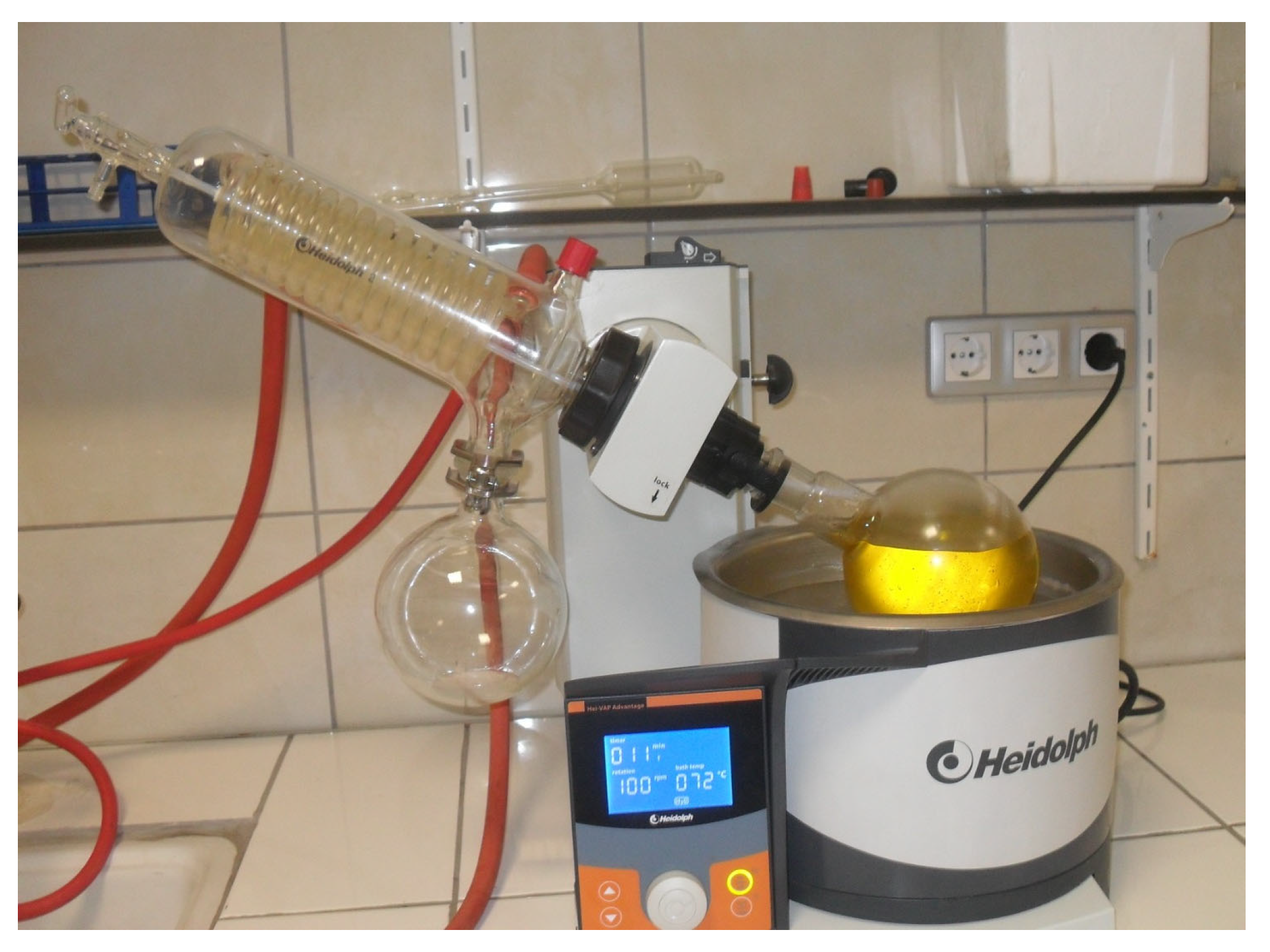
Figure 1. Evaporation process.
Sustainability 17 10689 g001
Figure 2. Transesterification reaction.
Sustainability 17 10689 g002
Figure 3. Phase separation and washing process.
Sustainability 17 10689 g003
Figure 4. Biodiesel production diagram.
Sustainability 17 10689 g004
Figure 5. SEM image of manganese oxide (Mn2O3) nanoparticles.
Sustainability 17 10689 g005
Figure 6. Transmission electron microscopy (TEM) image of Mn2O3 nanoparticles.
Sustainability 17 10689 g006
Figure 7. XRD analysis of Mn2O3 nanoparticles.
Sustainability 17 10689 g007
Figure 8. Digital weight measurement instrument.
Sustainability 17 10689 g008
Figure 9. High-frequency homogenizer (HFC).
Sustainability 17 10689 g009
Figure 10. The ultrasonic bath used for dispersing nanoparticles into the fuel.
Sustainability 17 10689 g010
Figure 11. Representative images of fuel samples containing nanoparticles.
Sustainability 17 10689 g011
Figure 12. The experimental setup.
Sustainability 17 10689 g012
Figure 13. A schematic of machine learning system process stages.
Sustainability 17 10689 g013
Figure 14. Schematic view of modeling analysis of nanoparticle doped biodiesel fuels with machine learning method.
Sustainability 17 10689 g014
Figure 15. Experimental and AI-based modeling of load-dependent variations in specific fuel consumption (SFC).
Sustainability 17 10689 g015
Figure 16. Thermal efficiency analysis of thermal efficiency values with experimental and artificial intelligence modeling.
Sustainability 17 10689 g016
Figure 17. Experimental and artificial intelligence modeling of load-dependent variation in NOx values.
Sustainability 17 10689 g017
Figure 18. Experimental and artificial intelligence modeling of load-dependent variation in CO values.
Sustainability 17 10689 g018
Figure 19. Experimental and AI-based modeling of load-dependent variations in HC emissions.
Sustainability 17 10689 g019
Figure 20. Experimental and artificial intelligence modeling of load-dependent variation in smoke (black gas) values.
Sustainability 17 10689 g020
Figure 21. Experimental and AI-based modeling of load-dependent variations in exhaust gas temperature.
Sustainability 17 10689 g021
Table 1. The Characteristics of the Fuel Samples Produced.
Fuel TypeDensity (g/cm3)Viscosity (mm2/s)Cetane Number (CN)Lower Heating Value (kJ/kg)
Diesel Fuel0.83703.32151.5042,816
%100 COB0.86503.61254.1540,202
%100 WSOB0.87904.38053.9039,420
COB100.84053.34951.8542,555
COB10+ 50 ppm Mn2O30.85384.17154.5042,760
COB10+ 75 ppm Mn2O30.85444.20454.9043,075
COB10+ 100 ppm Mn2O30.85514.23655.5543,375
WSOB100.84123.42751.8042,478
WSOB10+ 50 ppm Mn2O30.85464.25154.4542,685
WSOB10+ 75 ppm Mn2O30.85544.27354.8042,998
WSOB10+ 100 ppm Mn2O30.85634.29855.4543,300
Table 2. Technical Contents of Mn2O3 Nanoparticles.
Mn2O3 Information
NameMn2O3
CAS Number1317-34-6
NumberNG04SO2501
NotationMn2O3
Purity Percentage99.5+%
Elemental Analysis Certificate Information
KSiCaCoCuFeMgNaPSrZn
17.3 µg/g21.5 µg/g88.6 µg/g0.02%28.9 µg/g0.02%108 µg/g0.16%0.03%1.53 µg/g33.4 µg/g
Disclaimer/Publisher’s Note: The statements, opinions and data contained in all publications are solely those of the individual author(s) and contributor(s) and not of MDPI and/or the editor(s). MDPI and/or the editor(s) disclaim responsibility for any injury to people or property resulting from any ideas, methods, instructions or products referred to in the content.