
Article

A Conceptual Framework of the Technological Integration of Industry 4.0 with Sustainability Concepts

1
Department of Production and Systems, Algoritmi/LASI, University of Minho, 4804-533 Guimarães, Portugal
2
Department of Mechanical Engineering, Sao Carlos School of Engineering, University of Sao Paulo, Sao Paulo 13566-590, Brazil
*
Author to whom correspondence should be addressed.
Sustainability 2025, 17(22), 10160; https://doi.org/10.3390/su172210160
Submission received: 27 September 2025 / Revised: 31 October 2025 / Accepted: 7 November 2025 / Published: 13 November 2025

Abstract

This article presents a systemic framework for integrating Industry 4.0 technologies with sustainability practices, structured around three strategic pillars: technological selection, technological integration, and sustainability assessment. To support its development, a systematic literature review was conducted, applying the PICO methodology (Population, Intervention, Comparison, Outcome) to ensure structured and reproducible research, and following PRISMA guidelines to guarantee methodological transparency and rigor. Relevant studies focusing on Industry 4.0 and sustainability integration were identified, analyzed, and synthesized. The proposed framework comprises five iterative stages—diagnosis, selection and prioritization, integration, assessment, and continuous improvement—complemented by practical guidelines to facilitate implementation across diverse organizational contexts, including administrative, financial, and human resources departments. It enables organizations to select appropriate technologies, evaluate multidimensional sustainability impacts, and align innovation with environmental, economic, and social objectives, providing a structured roadmap for decision-making. Comparative analysis with selected literature highlights that the framework fills existing gaps in systemic integration, multidimensional assessment, and iterative adaptation. Although conceptual, it integrates literature review insights and three illustrative case studies, offering a practical pathway for sustainable technological adoption. Future research should focus on empirical validation and metric development to consolidate its applicability across industrial sectors.

1. Introduction

The rapid acceleration of technological development and the growing complexity of production systems have underscored the inadequacy of traditional industrial models of management, production, and consumption [1,2,3]. In this evolving context, Industry 4.0 (I4.0) has emerged as a transformative paradigm that integrates digital, physical, and biological technologies, profoundly reshaping industrial value chains and global competitiveness [2,4,5]. Conceived within the fourth industrial revolution, I4.0 encompasses a series of technological pillars—including the Internet of Things (IoT), Big Data and analytics, artificial intelligence (AI), cloud computing, additive manufacturing, cyber-physical systems (CPS), augmented reality (AR), and advanced robotics—which collectively enable flexible, adaptive, and data-driven manufacturing environments [3,6,7,8,9]. These technologies not only improve operational efficiency but also introduce a new industrial logic centered on interconnectedness, transparency, and decentralized decision-making [10,11].
Simultaneously, growing social, economic, and environmental pressures have reinforced the necessity of aligning digital transformation with sustainability principles [7,12,13]. Sustainability, traditionally conceptualized through the “triple bottom line”, extends beyond environmental concerns to include economic resilience and social equity [14,15,16]. Environmentally, it entails minimizing greenhouse gas emissions, optimizing resource efficiency, and reducing industrial waste, in alignment with international frameworks such as the Paris Agreement and the United Nations Sustainable Development Goals (SDGs) [17,18,19]. Economically, sustainability involves fostering resilient production models capable of generating long-term value while safeguarding resource availability for future generations [6,20,21]. Socially, it encompasses inclusion, workplace safety, skill development, and respect for local communities, ensuring that technological innovation contributes to equitable development rather than exacerbating disparities [7,22,23,24]. Understanding the convergence of I4.0 and sustainability therefore requires a systemic approach that integrates these multidimensional perspectives [2,8,25].
Over the past decade, a growing body of research has sought to map the interfaces between these two domains, exploring how I4.0 technologies can act as enablers of sustainability [9,12,13,26]. Empirical and conceptual studies have demonstrated that IoT-enabled monitoring and CPS architectures facilitate real-time tracking of energy use and emissions, promoting resource optimization [27,28,29]. Similarly, Big Data analytics and AI have been shown to improve predictive maintenance and reduce operational waste [4,30,31], while additive manufacturing supports on-demand production, lowering inventory and material consumption [5,32]. AR and collaborative robotics have further contributed to the social dimension by enhancing occupational safety, ergonomics, and skill development [7,33,34]. Despite these advances, key research gaps persist—particularly regarding the standardization of sustainability metrics, interoperability across systems, and the holistic measurement of social, environmental, and economic outcomes [8,9,35,36,37]. Recent reviews, such as those by [9,10], have provided valuable syntheses but remain limited in theoretical advancement, often reiterating established structures under new terminologies without delivering a validated or generalizable integration model.
Over and above general mappings of Industry 4.0 and sustainability, several strands of prior work propose conceptual frameworks and systematic reviews that are proximal to our aims yet leave important gaps. Conceptual syntheses such as [9,10,11,36,37,38,39,40,41,42,43,44,45,46,47,48,49,50,51,52,53] elaborate linkages between technological pillars (IIoT, CPS, Big Data/AI, cloud) and sustainability outcomes, typically emphasizing environmental performance and operational efficiency. While these studies advance the discourse, three limitations recur. First, many frameworks remain manufacturing-centric, with limited treatment of cross-departmental, service-oriented contexts (e.g., HR, Finance, Customer Service), thereby underrepresenting social sustainability and governance issues [21,31,33,34,35,36]. Second, the operationalization of metrics and processes is often partial: reviews synthesize benefits conceptually, but few specify iterative decision stages, integration logic, and multidimensional indicators that can be replicated in organizational settings [43,44]. Third, several models treat technologies largely in isolation, rather than articulating how combinations (e.g., IoT + cloud + AI + AR) should be selected, integrated, and assessed in synergy to avoid fragmented adoption and suboptimal outcomes [22,25,31,41].
Systematic reviews closer to our scope—such as [10,21,43,44]—provide broad coverage and useful taxonomies, yet typically stop short of prescribing an actionable, cyclical mechanism to connect technology portfolios with triple-bottom-line metrics and cross-functional governance. For example, Ref. [10] maps enabling technologies and sustainability outcomes but does not specify a structured decision process; Refs. [43,44] consolidate extant assessment frameworks but leave open how organizations should iteratively move from diagnosis to integration and continuous improvement. Empirical streams in predictive maintenance, energy optimization, and circular flows corroborate technology value [4,29,32,33,37,40,41], but again remain scoped to single functions or assets, offering limited guidance on multi-department portfolios and social indicators.
In direct response to these gaps, our framework contributes along four axes that, to our knowledge, are not jointly addressed in prior work: (i) an explicit, five-stage, iterative decision logic (Diagnosis; Selection and Prioritization; Integration; Assessment; Feedback), (ii) the coupling of three interdependent implementation pillars (Technology Selection; Technology Integration; Sustainability Assessment) into a single, reproducible process, (iii) systematic incorporation of social sustainability across administrative and service departments (HR, Finance, Customer Service), and (iv) alignment with international standards and architectures to support comparability and governance (e.g., SDGs, environmental management practices, and Industry 4.0 reference architectures). This positioning clarifies the specific research gap addressed: moving from broad conceptual linkages to an operational, multi-department, multidimensional and iterative model that organizations can apply beyond the shop floor, bridging the divide between narrative reviews and actionable integration guidance.
From a theoretical perspective, integrating I4.0 and sustainability requires a fundamental redefinition of industrial value creation [25,38]. The traditional production paradigm—focused primarily on productivity and cost reduction—must give way to a systemic logic where competitiveness and socio-environmental responsibility are complementary rather than conflicting objectives [7,12,39]. Several scholars argue that when strategically implemented, I4.0 serves as a catalyst for the circular economy by enabling closed-loop material flows, extended product lifecycles, and feasible remanufacturing and recycling processes [40,41,42,43]. However, most existing studies stop short of operationalizing this relationship, lacking robust conceptual frameworks that connect the technical architecture of Industry 4.0 with measurable sustainability outcomes [9,10,44,45,46].
It is within this context that the present study positions itself. Responding directly to critiques that existing framework offer limited theoretical novelty or empirical grounding [9,10,11], this research proposes an innovative conceptual framework that systematically integrates the technological pillars of I4.0 with sustainability principles. Unlike previous approaches, the proposed model articulates three interdependent pillars—technology selection, technology integration, and sustainability assessment—through five iterative stages, thereby transforming the conventional static models into a dynamic, continuous process of technological evolution and performance feedback [20,21]. This structure establishes a theoretical mechanism linking digital transformation with sustainability outcomes, creating a replicable and scalable foundation for empirical validation in real industrial settings [23]. In this sense, the contribution of the present work lies not in the re-labeling of existing concepts but in the formulation of a structured decision-support system that operationalizes the sustainable integration of Industry 4.0 technologies [15,18,21,22,23].
Accordingly, the principal objective of this article is to offer a systemic and actionable perspective on how Industry 4.0 technologies can be strategically aligned with sustainability goals. By identifying key methods, analyzing interdependencies, and revealing opportunities for improvement, this research aims to bridge the persistent gap between theoretical propositions and practical application [12,16,19,24]. In doing so, it contributes conceptual and methodological guidelines capable of informing industrial policy design and organizational decision-making, fostering technological transformation that is not only efficient and resilient but also equitable and environmentally responsible [8,20,45].
To avoid overstating empirical generalization, we explicitly note that the proposed framework is conceptual and exploratory in nature. It is derived from a structured synthesis of the literature and from analytical reasoning about integration mechanisms, and it is demonstrated through illustrative applications in organizational departments. The case-based demonstrations are intended to exemplify use and internal coherence, not to serve as comprehensive empirical validation across sectors. Future work will pursue longitudinal and quantitative evaluation to test generalizability and effect sizes.
The paper is structured as follows: Section 2 presents the Systematic Review, detailing the research design and the application of the PICO protocol in identifying and classifying relevant literature; Section 3 focuses on Methodologies and Analysis, examining the main research methods, thematic clusters, and conceptual interrelations among the selected studies; Section 4 describes the Development of the Framework, where the conceptual integration model between Industry 4.0 and sustainability is proposed and theoretically substantiated; Section 5 presents the Results, synthesizing the outcomes of the framework development and validation; Section 6 offers the Discussions, addressing theoretical implications, managerial insights, and the contextual interpretation of findings; and finally, Section 7 provides the Conclusions.

2. Systematic Review

The integration of Industry 4.0 technologies with sustainability principles represents a rapidly evolving field of research, underpinned by the growing recognition that technological transformation and sustainable development are interdependent [25,26,27]. This systematic review aims to synthesize the existing literature, highlighting key concepts, thematic clusters, technological enablers, methodological approaches, and existing gaps. Published studies were systematically analyzed, covering multiple industrial sectors, sustainability dimensions, and digital technologies [30,31].
The literature search was carefully conducted to capture the intersection of Industry 4.0 technologies—such as the Internet of Things (IoT), Big Data analytics, artificial intelligence (AI), cyber-physical systems (CPS), augmented reality (AR), advanced robotics, and cloud computing—with sustainability-related terms, including circular economy, environmental performance, social responsibility, and triple bottom line [30,31,32].
Articles were included if they explicitly examined the deployment of one or more Industry 4.0 technologies in conjunction with sustainability outcomes [33,34,35,36,37,38].
The review revealed that research in this domain is structured around several interrelated conceptual themes. These include environmental sustainability, economic efficiency, and social responsibility, which collectively form a holistic framework aligned with the triple bottom line approach [39,40,41]. Studies demonstrate that Industry 4.0 technologies act as sustainability enablers by providing real-time monitoring, predictive analytics, adaptive control, and process optimization [42,43,44].
IoT and CPS have been widely recognized as key enablers for environmental monitoring and resource optimization. They facilitate real-time energy consumption tracking, emissions monitoring, and predictive maintenance, thereby reducing material waste and improving operational efficiency [45,46,47]. For example, IoT-based sensor networks integrated into CPS frameworks enable manufacturers to detect inefficiencies, implement corrective actions, and achieve measurable carbon footprint reductions [48,49,50].
Big data analytics and AI are critical to supporting predictive and prescriptive decision-making. These technologies enable the analysis of large data sets, enabling factories to optimize production plans, reduce inventory levels, and anticipate equipment failures, thus contributing to economic and environmental sustainability [50,51,52,53]. Furthermore, machine learning algorithms are increasingly being applied to support supply chain resilience and adaptive manufacturing systems, ensuring that sustainability objectives are integrated into operational planning [54,55,56].
Additive manufacturing (3D printing) is highlighted as a disruptive technology that aligns with the principles of the circular economy. By enabling on-demand production and reducing excess inventory, additive manufacturing reduces material consumption, energy use, and waste generation [57,58,59]. Furthermore, its ability to produce customized components locally contributes to sustainable supply chain practices by minimizing transportation-related emissions [60,61,62].
Collaborative robotics and AR address the social dimension of sustainability. By automating hazardous tasks and providing enhanced guidance for skill development, these technologies improve workplace safety, increase worker competence, and enhance human–machine interaction [63,64,65]. AR-based training systems have been shown to accelerate learning and improve retention, while collaborative robots reduce exposure to hazardous conditions, contributing to occupational health and social equity [66,67,68]. Methodologically, some studies employ diverse approaches, ranging from empirical case studies to computer simulations and conceptual frameworks [69,70,71]. Empirical studies often focus on individual industrial sectors, such as manufacturing, automotive, electronics, and logistics, evaluating technology adoption, energy efficiency, waste reduction, and social impacts [72,73,74,75]. Simulation studies model the potential effects of integrated Industry 4.0 systems on sustainability performance, providing predictive insights for decision-makers [75,76]. Other works propose integrative models that link technological enablers to sustainability outcomes, although many lack empirical validation or standardized metrics [77,78,79].
Despite significant progress, several gaps persist. First, there is a dearth of integrative studies that address the simultaneous impact of Industry 4.0 technologies on environmental, economic, and social dimensions. Many studies focus on a single pillar of sustainability, limiting holistic understanding [80,81,82,83]. Second, standardized metrics for assessing sustainability outcomes remain underdeveloped, hindering comparability and benchmarking across sectors [84,85]. Third, research on cross-sectoral applicability is limited; most studies are limited to the manufacturing, logistics, or energy sectors, while areas such as healthcare, construction, and agriculture remain underexplored [82,83,84]. Finally, few studies investigate the synergistic effects of combined Industry 4.0 technologies, which is critical to developing effective multidimensional sustainability strategies [85,86,87].
This systematic review highlights the maturity and potential of Industry 4.0 technologies to drive sustainable transformation across multiple dimensions. By mapping technology clusters, identifying methodological approaches, and highlighting gaps, the review provides a foundation for developing a robust and integrative conceptual framework. Such a framework would enable managers, engineers, and policymakers to systematically align technology adoption with environmental, economic, and social sustainability goals, bridging the persistent gap between theory and practice. Importantly, evidence supports the need for dynamic and iterative models that incorporate continuous monitoring, feedback, and improvement cycles, facilitating adaptive and resilient industrial systems [87,88,89].
In conclusion, the systematic review underscores that, while the integration of Industry 4.0 and sustainability is a growing and impactful field, substantial opportunities exist for theoretical advancement, standardization of metrics, and cross-sectoral application. The insights derived from this review directly inform the development of the conceptual integration framework presented in Section 4, providing a foundation and rationale for its design and practical relevance.
After presenting the systematic review of this work, referring to investigations on the topic under study, we will now present the methodology that guides this work, in order to carry out a comparative analysis of works that address the same type of study present here.

3. Methodologies and Analysis

3.1. Methodology

All The adoption of the PICO methodology (Population, Intervention, Comparison, Outcome) for this study was motivated by its ability to organize the research systematically, enabling a rigorous and transparent analysis of the intersections between Industry 4.0 technologies and sustainable engineering practices. Unlike traditional narrative reviews, which may be influenced by subjective interpretation and lack methodological rigor, the PICO-based approach provides a structured framework that defines the key components of the investigation and aligns the literature selection with specific research objectives [74,75].
In this study, the population is defined as industrial organizations that are implementing, or planning to implement, Industry 4.0 technologies—such as IoT, Big Data analytics, artificial intelligence, additive manufacturing, cyber-physical systems, advanced robotics, and augmented reality. Focusing on this population allows for the collection of insights on how these technologies influence operational efficiency, social equity, and environmental sustainability within real-world industrial contexts [46,47].
The intervention refers to the integration of Industry 4.0 technologies with sustainability principles in industrial processes. This integration aims not only to optimize operational performance but also to ensure that technological adoption aligns with environmental, economic, and social objectives. The selection of this intervention is justified by the increasing evidence that emerging technologies can act as enablers of sustainable industrial development, provided they are implemented in a structured and responsible manner [75,76].
The comparison involves contrasting organizations that have implemented comprehensive integration strategies for Industry 4.0 and sustainability with those that have partially adopted these technologies, or have done so without explicitly considering sustainability principles. This comparison is essential to understand the differential impacts on resource efficiency, emissions reduction, economic performance, and social outcomes, providing insights into the factors that enhance or hinder effective integration [76,77].
The expected outcome of the study is the identification of best practices for integrating Industry 4.0 technologies with sustainability objectives, alongside a critical evaluation of operational, social, and environmental impacts. By applying the framework, the study ensures a systematic collection and synthesis of evidence, which supports the development of a conceptual framework capable of guiding industrial organizations toward sustainable technological integration [77,78].
The methodology employed involved a systematic literature review using a PICO-oriented search strategy (Table 1). Articles were identified through electronic databases, selected based on inclusion and exclusion criteria designed to capture studies relevant to Industry 4.0 technologies and sustainability practices. Titles, abstracts, and full texts were analyzed to ensure alignment with the research focus. Selected studies contributed to mapping technological applications, analyzing their interactions with sustainability principles, and identifying gaps in standardization, interoperability, and impact measurement.
The central research question guiding this study is:
CRQ: How can technological integration in Industry 4.0 contribute to sustainable engineering, and how can a conceptual framework guide the effective and sustainable implementation of these technologies in industrial contexts?
Additionally, two supporting research questions were formulated:
RQ1: Which elements and practices of technological integration in Industry 4.0 contribute most significantly to achieving sustainability objectives in the environmental, economic and social dimensions?
RQ2: What are the main challenges and facilitators in implementing a conceptual framework that effectively aligns Industry 4.0 and sustainability?
By addressing these questions, this study aims to provide a structured understanding of the systemic relationship between Industry 4.0 and sustainability, offering guidance for both researchers and practitioners in designing industrial strategies that are technologically advanced and sustainable.
The platform used to collect the publications was “B-on,” recognized both for the breadth of its collection and the quality of its available scientific publications, many of which are indexed in databases such as ISI Web of Science and Scopus. Choosing this database ensures that the analyzed literature is current and reliable, providing a solid foundation for developing systematic reviews. B-on is a digital library that concentrates a vast collection of research articles from various academic sources, including major digital libraries such as IEEE, ACM, ISI Web of Science, and Scopus. This facilitates access to high-level scientific publications. Its comprehensiveness and the quality of the available materials make it a valuable tool for ensuring the accuracy and relevance of the analyses performed. Furthermore, the platform offers an intuitive interface and advanced search capabilities, allowing researchers to quickly locate and access the content necessary for their studies. B-on therefore plays a central role in providing consolidated access to an extensive database of recognized scientific institutions, contributing significantly to the advancement of research. To conduct the research, the researchers used the scientific digital library of the Foundation for Science and Technology, focusing on three distinct groups (Group 1, Group 2 and Group 3), as detailed in Table 2.
Four research tests were conducted using the “B-on” platform, employing the three groups ((Group 1 OR Group 2 OR Group 3)) or the OR operator as a connector between the titles or keywords (KW) or abstracts (AB) of the intended sets. The number of articles found in each research test is shown in Table 3.
Next, throughout the research process, a set of filters was applied based on the sets of publications retrieved, or the results obtained, in terms of the number of publications, are summarized in Table 4.
During the search process, filters were applied to the publication sets obtained, and the results, in terms of number of publications, are summarized in Figure 1.
The methodology used was based on the PICO (Population, Intervention, Comparison, Outcome) model, chosen because it offers a structured and objective approach to formulating research questions and directing systematic literature searches. PICO allows for the identification of the most relevant studies by clearly defining the essential components of the research focus, increasing the precision and relevance of the search strategy.
To ensure transparency and reproducibility in the selection process, data organization—including screening, inclusion, and exclusion of studies—followed the PRISMA (Preferred Reporting Items for Systematic Reviews and Meta-Analyses) guidelines. PRISMA provides a standardized checklist and flow diagram, illustrated in Figure 1, that facilitates the clear and complete presentation of how studies were identified, evaluated, and selected for inclusion in the review, strengthening methodological rigor and reliability of results.
After applying the filters, a review of the titles, keywords, and abstracts of each article was conducted to identify those directly relevant to the research. Initially, 10,690 articles were retrieved. After applying the filters, 3480 articles remained, of which only 15 were aligned with the central theme of the study.
We acknowledge that a core set of fifteen studies is more restrictive than the sample sizes often reported in broad systematic reviews. This choice is deliberate and methodologically aligned with the specific objective of this research: to derive a conceptual yet operational framework that prescribes an iterative integration process across technology and the triple bottom line. To that end, we applied stringent inclusion criteria that go beyond topical proximity and require direct operationalization of integration. Concretely, studies were retained only if they: (i) explicitly examined Industry 4.0 technologies in conjunction with sustainability outcomes within industrial or service-oriented organizational contexts, (ii) articulated mechanisms or measures that connect technology adoption to environmental, economic, and/or social indicators (not merely asserting benefits), (iii) evidenced integration or complementarity among technologies (e.g., IIoT with cloud and analytics, AR with training and social outcomes), rather than treating a single technology in isolation, and (iv) presented sufficient methodological transparency (conceptual design, empirical basis, or replicable logic) to inform the construction of our five-stage process.
This threshold excluded a substantial number of adjacent publications—such as high-level policy pieces, purely narrative overviews, single-asset case notes without multidimensional metrics, or sector-specific papers lacking integration logic—even if thematically relevant. The resulting set functions as an “anchor sample” for fine-grained mapping in Table 5 and Table 6, ensuring coverage across nine technology pillars and the three sustainability dimensions while preserving methodological coherence with our goals. Importantly, the broader body of literature (including comprehensive reviews and conceptual models referenced throughout the Introduction and Section 4) was triangulated to inform the framework’s rationale and design choices. In other words, we intentionally combined a narrowly curated evidentiary core—for detailed pillar-by-pillar synthesis—with a wide contextual corpus—to position, contrast, and refine the model. Given the study’s focus on producing a prescriptive, iterative integration framework applicable across departments and inclusive of social metrics, we consider this strategy more fit-for-purpose than maximizing the count of included papers at the expense of operational relevance and conceptual coherence.
During the systematic review process, the exclusion of articles followed a rigorous, multi-stage procedure to ensure methodological transparency and the relevance of selected studies to the research objectives. Initially, retrieved articles were subjected to predefined search filters, including specific keywords, publication dates, language (English), and document types, which served to eliminate studies that were outside the scope of technological integration in Industry 4.0 with sustainability. Following this, a careful screening of titles, abstracts, and keywords was performed. Articles were excluded if they did not explicitly address the intersection between Industry 4.0 technologies and sustainability concepts, or if their primary focus pertained to unrelated domains such as purely business management, non-industrial digitalization, or theoretical discussions lacking empirical or applied relevance. Further exclusions were made for duplicate studies, review articles without primary data, or publications in venues lacking rigorous peer review.
Ultimately, the final selection was strictly guided by alignment with the central research objectives: only studies that directly examined technological applications within industrial contexts and their impacts on environmental, economic, or social sustainability were retained. This process ensured that the resulting data set not only reflected high methodological quality but also maintained a focused relevance to the research questions. By applying these multi-level exclusion criteria, the review prioritized both the validity and the applicability of the findings, providing a robust foundation for the development of the proposed conceptual framework.
This Systematic Literature Review was conducted based on the guidelines of the PRISMA (Preferred Reporting Items for Systematic Reviews and Meta-Analyses) model, widely recognized for its rigorous structure, transparency, and reproducibility. The choice of the PRISMA methodology is justified by its effectiveness in organizing and presenting systematic reviews clearly, allowing for the documentation of all stages of the process—from study identification and selection to their final inclusion—in a transparent and replicable manner.
Furthermore, it was decided to complement the PRISMA approach with the PICO (Population, Intervention, Comparison, Outcome) methodology, traditionally used in healthcare but whose logic has been increasingly applied in engineering, management, and industrial systems studies. The application of PICO in this study was carefully adapted, allowing for the formulation of the research question and the selection criteria for the studies included in the review in a clear and systematic manner. The application of PICO in this study demonstrates its flexibility and relevance when appropriately contextualized in technological and industrial domains. Its use did not represent a simple methodological transposition, but rather a functional tool tailored to the specific objectives of this review.
Thus, the combination of the PRISMA and PICO methodologies provided a solid methodological foundation, suited to the multidisciplinary nature of the study. This combination ensures a systematic review with well-defined criteria, a transparent selection process, and a robust analytical focus, lending greater scientific validity to the proposed framework.

3.2. Summary and Analysis of Selected Articles

This section analyzes the most relevant articles for the topic under study. After the selection stage, a critical summary of the identified works will be presented, systematically organized into comparative tables that highlight how the existing literature addresses the integration between the technological pillars of Industry 4.0 and the principles of sustainability.
Table 2 will be used to map the coverage of the Industry 4.0 pillars in each of the selected articles. To this end, the following nine technological pillars, widely recognized as structuring Industry 4.0, are considered:
  • Big Data and Data Analytics (BDA)
  • Simulation (SIM)
  • Horizontal and Vertical Integration (HVI)
  • Industrial Internet of Things (IIoT)
  • Autonomous Robots (ROB)
  • Cloud Computing (CLO)
  • Cyber-Physical Systems and Security (CPS)
  • Augmented Reality (ARL)
  • Additive Manufacturing (AMF)
The construction of this table is essential because it allows us to clearly identify which technologies have received the most attention in the literature, which are in more advanced stages of practical application, and which still require deeper investigation. Furthermore, the comparative analysis allows us to identify overlaps and gaps in the treatment of the pillars, revealing opportunities for future exploration for more robust integration between the different technological components.
Next, Table 6 will be presented, dedicated to analyzing how each article relates to the three pillars of sustainability: environmental, economic, and social. This analysis is essential because sustainability, when applied in conjunction with Industry 4.0, must be understood as a multidimensional approach. Therefore, identifying which dimensions are most explored and which remain underrepresented contributes to understanding the degree of maturity of technological integration with sustainable practices.
The analysis of Table 5 shows that certain technological pillars, such as Big Data and Data Analytics (100%), Industrial Internet of Things (80%), and Cyber-Physical Systems (87%), are the most frequently addressed in the literature, confirming their central role in Industry 4.0. In contrast, technologies like Simulation (47%), Autonomous Robots (47%), and especially Augmented Reality (20%) are still underrepresented, indicating that they remain in earlier stages of adoption and research. Notably, some articles [25,27] encompass almost all pillars, reflecting an emerging movement toward more comprehensive approach. However, the majority of studies still address technologies in isolation, which limits a systemic understanding of their integration potential.
Regarding Table 6, the sustainability analysis reveals a clear imbalance: while the environmental (87%) and economic (87%) dimensions are widely emphasized, the social pillar (40%) is significantly less explored. This indicates that current research on the integration of Industry 4.0 and sustainability tends to prioritize environmental gains and economic efficiency, often neglecting social aspects such as working conditions, inclusion, and corporate responsibility. Only a few articles [18,21,23,27] manage to cover all three pillars simultaneously, pointing to more systemic and holistic approaches.
Conducting these two complementary analyses serves a dual purpose:
  • On the one hand, to map the technological emphasis in the literature, highlighting which pillars of Industry 4.0 have been prioritized;
  • On the other, to assess the depth of sustainable integration, verifying whether studies consider the three pillars of sustainability in a balanced manner or whether they prioritize only one dimension to the detriment of the others.
This procedure is essential to support the proposed conceptual framework presented in this article. By revealing where the literature converges, where it diverges, and where it presents gaps, it becomes possible to propose guidelines that help industrial organizations more effectively align Industry 4.0 technologies with sustainability objectives. Ultimately, structured analysis in tables ensures greater clarity and transparency to the process, allowing the results to be not only descriptive, but also interpretive and applicable in practice.
After analyzing the selected studies and presenting the summary of the results in the tables, we move on to the framework development stage.
The analysis of the state-of-the-art reveals that, although the existing literature recognizes the importance of integrating Industry 4.0 technologies and sustainability practices, its approach remains fragmented and, in many cases, limited to isolated dimensions. The reviewed studies generally focus on specific technologies, such as IoT, Big Data, or additive manufacturing, without systematically considering the interactions and synergies possible between different digital solutions. This narrow focus compromises the ability to understand the global impact of technological transformation on environmental, economic, and social dimensions, resulting in an incomplete view of industrial sustainability.
Another obvious limitation lies in the lack of structured methodologies for integrated assessment. Many studies describe isolated cases of technology implementation but lack consistent criteria for measuring the effects across all dimensions of sustainability. The result is that organizations attempting to adopt Industry 4.0 technologies struggle to identify which interventions produce real gains, which are redundant or potentially harmful, and how technologies can be combined to generate synergies.
Furthermore, there is a significant gap in the interoperability and standardization of technological practices. Literature frequently reports difficulties in integrating different digital systems within an organization, with limited impact due to the inability to interconnect sensors, data analysis platforms, and automation systems coherently and efficiently. This fragmentation not only reduces the potential benefits of technologies but also increases implementation and maintenance costs.
In the field of sustainability, studies tend to prioritize individual dimensions, usually environmental, to the detriment of social and economic ones. Few studies present a balanced approach that simultaneously considers energy efficiency, waste reduction, economic impacts, and the improvement of working conditions or social inclusion. This gap highlights the need for a model that allows for the systematic integration of the three pillars of sustainability, ensuring that digital transformation is not only technically efficient but also socially responsible and economically viable.

4. Development of the Framework

4.1. Framework Proposal

The framework presented herein is a conceptual, exploratory integration model, grounded in a synthesis of prior evidence and in a prescriptive, iterative logic for decision-making. The departmental cases provided later in the paper are illustrative applications designed to demonstrate feasibility and internal consistency of the approach.
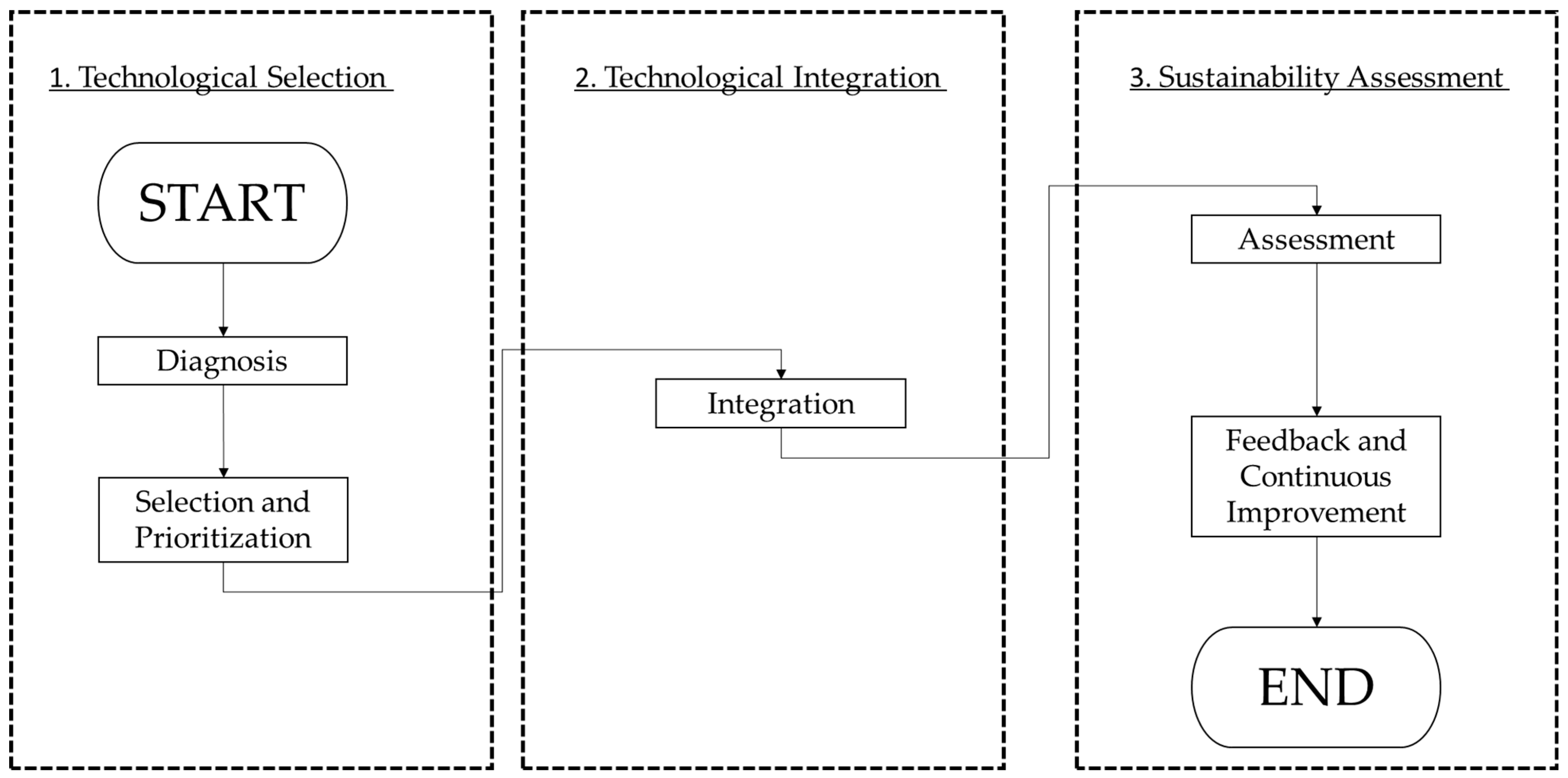
The framework developed in this work emerges as a direct response to these identified gaps. By structuring the integration of Industry 4.0 technologies into three fundamental pillars—technology selection, technology integration, and sustainability assessment—and articulating these pillars with five iterative implementation steps, the framework provides a systemic and continuous approach. It allows not only the selection of appropriate technologies but also their combination to create synergies, monitor their impacts multidimensionally, and fuel continuous improvement cycles.
The systemic integration of Industry 4.0 technologies with sustainability principles requires a structured approach that allows both managers and engineers to identify, prioritize, and evaluate technological applications while ensuring alignment with environmental, economic, and social objectives. Based on the findings of the systematic literature review and the research gaps identified, a conceptual framework is proposed.
This framework is structured on three fundamental pillars that organize the implementation process:
  • Technological Selection—identification and prioritization of Industry 4.0 technologies most suitable for the industrial context under analysis;
  • Technological Integration—exploration of complementarities and synergies between selected technologies, ensuring interoperability, security, and scalability;
  • Sustainability Assessment—evaluation of the technological integration’s impacts on the three sustainability dimensions: environmental, economic, and social. Each technology, or combination of technologies, is assessed using practical sustainability indicators to ensure measurable and actionable outcomes. For the environmental dimension, this includes monitoring energy consumption, material waste, resource reuse, and pollutant emissions. For the economic dimension, indicators focus on cost reduction, operational efficiency, and return on investment. For the social dimension, the evaluation considers workplace safety, employee inclusion, skills development, and broader community impact. In other words, it is not sufficient to simply implement a technology, such as using IoT to monitor energy; the framework provides guidance on how to measure performance, adjust processes, and follow best practices to maximize positive sustainability outcomes.
Each of these pillars is articulated through a sequence of five iterative stages that guide the decision-making process:
1.
Diagnosis—mapping organizational challenges, sustainability goals, and current technological maturity.
2.
Selection and Prioritization—evaluation of Industry 4.0 technologies (e.g., IoT, Big Data, Additive Manufacturing) using multicriteria approaches that consider not only operational efficiency but also sustainability potential.
3.
Integration—design of interoperable and secure systems that combine technologies to maximize performance and sustainability outcomes.
4.
Assessment—definition and monitoring of quantitative and qualitative indicators to measure the impact of the integration on environmental, social, and economic pillars.
5.
Feedback and Continuous Improvement—incorporation of results into the organizational strategy, allowing for technological adjustments, scalability, and alignment with evolving sustainability standards.
This logic ensures that technology adoption is not conducted in isolation but rather as part of a systemic process that links digital transformation with sustainable industrial practices.
The proposed framework, Figure 2, can thus be applied as a decision-support tool for both industrial managers and policymakers, offering a structured pathway to integrate Industry 4.0 solutions while simultaneously achieving sustainability targets. Its flexibility also makes it adaptable to different industrial sectors and technological maturity levels.
The proposed framework aims to systematically structure the integration of Industry 4.0 technologies with sustainability principles, seeking to address the gaps identified in the literature, namely the absence of clear methodologies to guide the selection, integration, and evaluation of these technologies. Its design is supported by three fundamental pillars—technological selection, technological integration, and sustainability assessment—which, when articulated together, allow the technological adoption process to be transformed into a continuous cycle of improvement and strategic alignment.
The first pillar, related to technological selection, seeks to address the need to identify which digital resources are most suitable for the specific context of each organization. Not all Industry 4.0 technologies present the same degree of maturity or applicability across sectors, and their choice must simultaneously consider criteria of economic viability, environmental impact, and social contribution. This pillar thus acts as the initial foundation that guides subsequent decisions, defining the set of digital tools to be considered.
The second pillar, technological integration, advances the process by recognizing that technologies in isolation rarely deliver their full value potential. It is the combination of different solutions—such as the joint use of IoT sensors and Big Data analytics tools, or the integration of additive manufacturing and augmented reality—that generates synergies capable of significantly transforming industrial processes. This pillar therefore focuses on the articulation between solutions, ensuring interoperability, digital security, and the ability to scale applications across the entire organization.
The third pillar, sustainability assessment, plays a critical role, as it ensures that technological innovations are not only efficient from a productive standpoint but also responsible in environmental, economic, and social terms. Here, the framework proposes the definition of appropriate metrics and the continuous monitoring of performance, enabling comparisons between scenarios before and after implementation. This assessment also makes it possible to identify deviations or improvement opportunities, feeding back into the decision-making process and reinforcing the logic of a continuous cycle.
The connection between these three pillars is realized through five sequential stages, which act as a guiding thread from the initial decision to continuous learning. The diagnostic stage makes it possible to characterize the starting point, mapping organizational challenges and levels of technological maturity. This is followed by selection and prioritization, which operationalizes the first pillar by identifying the most promising technologies. The third stage, integration, embodies the second pillar, translating technological choices into functional architectures. In the evaluation stage, directly linked to the third pillar, the impacts across different sustainability domains are measured. Finally, the stage of feedback and continuous improvement ensures that the results obtained are reintegrated into the organizational strategy, allowing practices to be adjusted and evolved over time.
Thus, the framework should not be understood as a set of isolated steps, but rather as a dynamic structure in which each technological decision is constantly connected to a process of monitoring and learning. This interconnection ensures coherence between digital innovation and sustainability, creating the necessary conditions for Industry 4.0 transformation to be efficient, responsible, and long-lasting at the same time.

4.2. Characteristics and Benefits of the Framework

The framework presents several distinctive characteristics:
  • Systemic Orientation—emphasizes the interdependence between technology and sustainability rather than treating them as separate dimensions.
  • Multidimensional Evaluation—integrates environmental, economic, and social criteria to guarantee a holistic analysis of industrial transformation.
  • Iterative Logic—adopts a cyclical and adaptive process, incorporating continuous monitoring and improvement of technological applications.
  • Flexibility and Scalability—applicable across diverse industrial contexts, from small- and medium-sized enterprises to large-scale corporations, and adaptable to different levels of technological maturity.
  • Alignment with International Standards—consistent with global agendas such as the United Nations Sustainable Development Goals (SDGs), ISO 14000 family (environmental management) [105], and RAMI 4.0 (Industry 4.0 architecture).
One of the main characteristics of the framework lies in its systemic orientation. By integrating the processes of selection, integration, and evaluation, it avoids the fragmentation frequently observed in traditional approaches, in which technology is adopted in isolation and only subsequently assessed in terms of its impact. In this model, the process is circular and interdependent: a technological choice is only validated when sustainability outcomes confirm its relevance, which contributes to more robust and strategically consistent decisions.
Another fundamental characteristic is the multidimensional nature of the assessment. Instead of focusing solely on economic performance, as often happens in industrial logic, the framework supports a balanced analysis of the environmental, economic, and social dimensions. This triple perspective ensures that technological decisions do not sacrifice social or ecological benefits in the name of productive efficiency, aligning with the broader vision of sustainable development and with international agendas such as the United Nations Sustainable Development Goals (SDGs).
The iterative nature of the framework also constitutes one of its defining features. The integration of technologies is not regarded as a linear or definitive process but rather as a continuous cycle of experimentation, measurement, and correction. Such an approach allows for greater adaptability to the rapid changes in the technological and regulatory environment, reducing risks and increasing organizational resilience.
Finally, the flexibility and scalability of the proposal further reinforce its value. The framework was designed to be applicable both to small and medium-sized enterprises and to large corporations, and it can be adjusted according to the level of technological maturity of each organization. In this way, it avoids being limited to a specific sector and ensures broader scope and practical applicability.
The benefits resulting from its application can be summarized as follows:
  • Environmental Benefits: reduction in energy consumption, emissions, and industrial waste; promotion of circular economy practices such as recycling and remanufacturing.
  • Economic Benefits: increased operational efficiency, cost reduction through predictive maintenance and optimized resource allocation, and enhanced resilience of value chains.
  • Social Benefits: improved working conditions through automation of hazardous tasks, enhanced worker qualification supported by augmented reality and training technologies, and increased social responsibility and inclusiveness.
In terms of benefits, the model offers clear advantages in three dimensions. Environmentally, it enables the reduction in emissions and waste through real-time monitoring of energy consumption and the implementation of circular processes. Economically, it contributes to operational efficiency and cost reduction by leveraging predictive maintenance technologies, intelligent automation, and value chain optimization. Socially, it promotes better working conditions by reducing hazardous tasks and investing in employee training with the support of digital tools, while strengthening corporate social responsibility.
In order to ensure that the implementation of the framework leads to concrete results, the proposal is complemented with guidelines of project best practices, focused on the integration of Industry 4.0 technologies with sustainability elements:
  • Strategic Alignment—technological projects must be connected to corporate sustainability strategies, avoiding isolated initiatives with limited long-term impact.
  • Lifecycle Perspective—decisions should consider the full lifecycle of products and processes, applying tools such as Life Cycle Assessment (LCA).
  • Stakeholder Engagement—workers, suppliers, policymakers, and local communities should be involved from the planning phase to strengthen social acceptance and collaboration.
  • Standardization and Interoperability—projects should adopt open standards to facilitate integration and scalability, reducing vendor lock-in.
  • Circular Economy Principles—technological design should encourage resource efficiency, recyclability, and reusability of materials.
  • Resilience and Risk Management—integration projects should anticipate risks related to cybersecurity, supply chain disruptions, and climate impacts, reinforcing organizational resilience.
  • Continuous Monitoring—projects must embed indicators that allow for real-time tracking of technological performance and sustainability outcomes.
Additionally, the framework incorporates a set of good design practice guidelines aimed at guiding implementation in a real-world context. These guidelines include strategic alignment with the organization’s sustainability policies, consideration of the product life cycle, active engagement of internal and external stakeholders, adoption of interoperability standards, incorporation of circular economy principles, anticipation of risks related to cybersecurity and supply chain resilience, and continuous monitoring of results.
To clarify the application of the framework, let us imagine a food packaging company facing a recurring problem: electricity costs are rising significantly, and at the same time, customers are demanding more sustainable production solutions. This is the starting point, the “problem” the organization needs to solve.
In the first stage of the framework, corresponding to the diagnosis, the company identifies two main factors: high energy consumption on its production lines and a large volume of plastic waste during the packaging cutting phase. In other words, it becomes clear that both energy and waste are critical issues.
In the next stage, selection and prioritization, the framework guides the choice of the most appropriate technologies to address these challenges. The team analyzes different possibilities and concludes that IoT sensors can collect real-time data on energy consumption, while additive manufacturing (3D printing) can be an alternative solution for mold prototyping, significantly reducing plastic waste.
The technology integration step demonstrates how these solutions can work together. IoT sensors are connected to a cloud-based data analytics platform (Big Data), which allows for continuous monitoring of peak energy consumption points. In parallel, the use of 3D printing to develop customized molds reduces the amount of wasted material. This integration ensures that the two core issues—energy and waste—are addressed in a coordinated manner.
Next comes the evaluation stage, where the framework guides impact measurement. The data shows that, after implementation, the company reduced energy consumption and plastic waste. In addition to the economic benefit, the reduced environmental impact is a tangible result, easily communicated to customers demanding more sustainable practices.
Finally, the feedback and continuous improvement stage allows for the results of this first experiment to be expanded. The company begins to consider using artificial intelligence to predict peak energy consumption and studies the partial replacement of plastic with biodegradable materials. The process, therefore, is not complete, but rather fuels a continuous cycle of learning and innovation.
This simple example demonstrates how the framework can be applied to a concrete problem, even without prior knowledge of technology or sustainability. What initially seems like a complex challenge—reducing costs while being more sustainable—is broken down into clear steps, in which each technological decision is justified and evaluated, until it results in objective improvements for both the company and the environment.
By incorporating these guidelines, the framework extends beyond a conceptual model and becomes a practical instrument to support the effective implementation of Industry 4.0 technologies in alignment with sustainability objectives.

4.3. Framework Analysis in Case Studies

To demonstrate the practical applicability of the proposed framework, three illustrative case studies are presented, focusing on distinct organizational departments where Industry 4.0 technologies can be integrated with sustainability principles. These cases aim to provide a clear understanding of how different departments can adopt and benefit from the framework, facilitating sustainable practices while improving operational processes.
Case Study 1: Human Resources Department—Employee Engagement and Training
In a large corporation, the Human Resources (HR) department faces challenges related to employee engagement, training efficiency, and knowledge management. Applying the framework:
  • Diagnosis: Identify areas where employee training programs are inefficient, knowledge retention is low, and engagement is limited.
  • Technological Selection: Select augmented reality (AR) training modules, cloud-based learning management systems, and AI-driven feedback platforms to enhance training effectiveness and monitor employee progress.
  • Technological Integration: Combine AR modules with cloud storage to enable accessible, interactive training sessions across multiple office locations. AI tools analyze engagement and learning outcomes, offering personalized recommendations.
  • Sustainability Assessment: Evaluate the potential impacts on social sustainability, including enhanced employee satisfaction, better skills development, and reduced resource usage (e.g., printed training materials).
  • Feedback and Continuous Improvement: Regularly update training modules based on AI feedback, fostering continuous learning and alignment with organizational sustainability goals.
Case Study 2: Finance and Administrative Department—Paperless Processes and Operational Efficiency
A mid-sized company’s finance and administrative department aims to reduce paper consumption, streamline approval processes, and increase operational efficiency. Applying the framework:
  • Diagnosis: Map high paper usage areas, repetitive manual processes, and bottlenecks in invoice processing and document management.
  • Technological Selection: Implement document digitization, cloud-based storage, automated workflow systems, and data analytics platforms to optimize document flow and decision-making.
  • Technological Integration: Integrate automated workflows with cloud storage and analytics dashboards, allowing real-time tracking of invoices, approvals, and budget allocations.
  • Sustainability Assessment: Assess environmental sustainability (reduction in paper use), economic benefits (time and cost savings), and social impact (reduced administrative burden and improved work experience).
  • Feedback and Continuous Improvement: Continuously monitor process efficiency, adjust workflows, and introduce new digital tools to enhance sustainability outcomes and departmental productivity.
Case Study 3: Customer Service Department—Energy Efficiency and Digital Transformation
In a service-oriented department handling customer support, energy consumption from workstations and server infrastructure, as well as redundant manual processes, are key concerns. Applying the framework:
  • Diagnosis: Identify energy-intensive processes, underutilized digital resources, and areas prone to delays or errors.
  • Technological Selection: Adopt IoT sensors for energy monitoring, AI-driven chatbots to automate routine customer interactions, and cloud platforms for digital ticket management.
  • Technological Integration: Connect IoT sensors with cloud dashboards for real-time energy monitoring while integrating AI chatbots into existing customer service software to reduce repetitive tasks and improve response times.
  • Sustainability Assessment: Focus on environmental sustainability (reduced energy consumption), economic sustainability (optimized staffing and operational costs), and social sustainability (enhanced customer experience and employee satisfaction).
  • Feedback and Continuous Improvement: Adjust digital workflows based on performance indicators, expand chatbot functionalities, and incorporate insights to continuously enhance sustainability practices and operational efficiency.
These cases demonstrate that the framework is highly adaptable to administrative and service-oriented departments, not only in manufacturing or technical contexts. By guiding decision-making through the three pillars and five iterative stages, the framework supports systematic integration of Industry 4.0 technologies with sustainability goals, ensuring that technology adoption is structured, measurable, and aligned with organizational objectives. Each case highlights how digital transformation can simultaneously enhance operational efficiency, reduce environmental impact, and improve social outcomes, providing a clear path for departments seeking to implement sustainable innovation.

4.4. Comparative Synthesis of the Framework

The proposed framework was systematically compared with the existing literature reviewed in the previous sections to evaluate its novelty, coverage, and potential contributions. The comparison considered the integration of Industry 4.0 technological pillars with the three sustainability dimensions (environmental, economic, social), as highlighted in Table 5 and Table 6 of the literature analyses.
The literature demonstrates that certain technologies—such as Big Data, IIoT, and Cyber-Physical Systems—have been widely explored, whereas others—such as Augmented Reality, Simulation, and Additive Manufacturing—remain underrepresented [90,91,92,93,94,95,96,97,98,99,100,101,102,103,104], Table 7. The framework explicitly addresses all nine technological pillars, ensuring systemic coverage and interconnectivity between technologies, which is largely absent in the reviewed studies.
The literature review revealed a bias towards environmental and economic dimensions, with social sustainability often underexplored [90,91,92,93,94,95,96,97,98,99,100,101,102,103,104], Table 8. The framework addresses this gap by systematically integrating social impact indicators in all departmental applications: employee engagement, training, workplace satisfaction, and customer experience.
The three cases presented in Section 4.3 illustrate practical applications of the framework in non-technical departments:
  • HR Department: Integration of AR, AI, and cloud systems enhances employee skills, engagement, and knowledge management, addressing social sustainability.
  • Finance and Administrative Department: Digitization, workflow automation, and analytics improve operational efficiency and reduce resource consumption, aligning with environmental and economic goals.
  • Customer Service Department: IoT, AI chatbots, and cloud dashboards optimize energy use, reduce manual workload, and improve customer interactions, delivering multidimensional sustainability benefits.
Compared to the reviewed literature, the framework demonstrates greater systemic coherence:
  • It links all technological pillars, avoiding fragmented or isolated technology adoption.
  • It incorporates a structured methodology (diagnosis, selection, integration, assessment, feedback) that guides practical decision-making.
  • It explicitly addresses all sustainability dimensions, ensuring balanced outcomes.
  • It is flexible and adaptable to various departments and organizational contexts beyond traditional manufacturing environments.
This synthesis confirms that the framework fills the gaps identified in the literature, providing a comprehensive, practical, and adaptable tool for aligning Industry 4.0 technologies with sustainability objectives. Moreover, it establishes a direct connection between technological innovation and organizational sustainability, demonstrating applicability in administrative, service, and operational contexts.

5. Results

This section presents the application of the proposed framework in three selected organizational departments: Human Resources (HR), Finance and Administration, and Customer Service. Each case illustrates how the systematic integration of Industry 4.0 technologies with sustainability principles can address operational challenges while simultaneously contributing to environmental, economic, and social objectives.
In the HR department, the framework guided the selection, integration, and assessment of technologies such as Augmented Reality (AR), Artificial Intelligence (AI), and cloud-based knowledge management systems. The primary goal was to improve employee training, engagement, and social sustainability:
  • Diagnosis: Identified skills gaps, training bottlenecks, and employee engagement challenges.
  • Selection and Prioritization: AR-based training tools and AI-driven learning platforms were prioritized for their ability to deliver interactive, personalized learning experiences.
  • Integration: AR tools were integrated with cloud platforms to enable real-time progress tracking, collaborative learning, and cross-departmental knowledge sharing.
  • Assessment: Employee engagement, satisfaction, and learning progression were monitored using qualitative feedback and digital logs.
  • Feedback and Continuous Improvement: Insights from performance data informed iterative adjustments to training programs, supporting continuous skill development.
The Finance and Administration department focused on automation, data analytics, and process optimization to improve operational efficiency and reduce environmental impact:
  • Diagnosis: Identified high levels of manual processing, paper consumption, and duplicated workflows.
  • Selection and Prioritization: Big Data analytics, workflow automation software, and IoT-enabled energy monitoring were selected for their potential to streamline processes and reduce resource usage.
  • Integration: Automated workflows were linked to cloud platforms for centralized monitoring, while IoT devices tracked energy consumption in office equipment.
  • Assessment: Efficiency gains and reductions in paper use and energy consumption were monitored digitally.
  • Feedback and Continuous Improvement: Adjustments were made to optimize workflows, enhance reporting accuracy, and align operational processes with sustainability goals.
In the Customer Service department, the framework enabled the deployment of AI chatbots, IoT-enabled dashboards, and cloud-based platforms to enhance service quality and sustainability:
  • Diagnosis: Identified high call volumes, repetitive inquiries, and manual tracking of customer interactions.
  • Selection and Prioritization: AI chatbots and integrated cloud dashboards were prioritized to automate routine tasks and optimize resource allocation.
  • Integration: IoT-enabled dashboards connected service data with operational metrics, enabling real-time monitoring of customer interactions.
  • Assessment: Key indicators included response times, customer satisfaction, and workload reduction.
  • Feedback and Continuous Improvement: Continuous updates to chatbot knowledge bases and dashboard functionalities improved service efficiency and quality over time.
Across all three departments, the framework enabled a structured, systemic approach to integrate technologies with sustainability principles. Operational improvements, enhanced social engagement, and reduced resource consumption were observed as tangible outcomes, confirming the framework’s applicability beyond traditional manufacturing contexts.

6. Discussions

This section critically evaluates the results in comparison with the international literature and explores the convergences, divergences, and theoretical implications of the proposed framework.
The literature review revealed that most studies focus on isolated technologies or specific sustainability dimensions [90,91,92,93,94,95,96,97,98,99,100,101,102,103,104]. For example:
  • Big Data and IIoT are well-explored, particularly in manufacturing efficiency and environmental monitoring.
  • Social sustainability, employee engagement, and administrative efficiency remain underrepresented.
  • Augmented Reality, workflow automation, and cloud-based integration for service and administrative contexts are seldom addressed.
In contrast, the proposed framework demonstrates holistic integration, covering all nine Industry 4.0 technological pillars and the three sustainability dimensions. It bridges gaps identified in the literature by:
  • Combining underrepresented technologies (e.g., AR, cloud collaboration, AI chatbots) with operational and sustainability goals.
  • Addressing social sustainability systematically in HR and customer service departments.
  • Providing an iterative, continuous improvement logic that ensures ongoing alignment with sustainability objectives.
The three departmental cases illustrate practical applications of the framework:
  • HR Department: Converges with literature emphasizing digital skill development but extends it by integrating AR and AI with social sustainability, highlighting employee engagement outcomes not widely discussed internationally.
  • Finance and Administration: Aligns with studies on operational efficiency and energy monitoring, but introduces a multidimensional evaluation, linking cost reduction with environmental benefits and process optimization.
  • Customer Service: Contrasts with traditional manufacturing-focused studies by showing how Industry 4.0 technologies can optimize service processes and reduce manual workload, demonstrating the framework’s versatility across sectors.
Triangulating data, concepts, and contexts reveals several insights:
  • Technological Synergies: Integration of IoT with AI and cloud systems produces more significant efficiency gains than individual technology implementation, confirming literature suggestions [92,97].
  • Sustainability Alignment: Balanced attention to environmental, economic, and social dimensions ensures that technological adoption does not generate trade-offs, unlike some studies that prioritize environmental or economic gains exclusively [94,101].
  • Iterative Learning: Continuous feedback loops allow departments to adapt processes over time, a feature often absent in previous studies that report static interventions.
The discussion confirms that the proposed framework offers clear advantages:
  • Theoretical Contribution: Provides a systemic model integrating all Industry 4.0 pillars with sustainability principles, filling a gap in both conceptual and applied literature.
  • Practical Contribution: Demonstrates actionable pathways for managers and practitioners to implement technology-driven sustainability strategies across administrative, financial, and HR departments—not only manufacturing contexts.
The framework not only aligns with existing literature but extends it, offering a holistic, adaptable, and practical methodology for organizations seeking to operationalize Industry 4.0 and sustainability simultaneously.
The results obtained highlight relevant theoretical and practical contributions and help to reposition the debate on sustainable digital transformation. From a theoretical perspective, the study advances by integrating, in a single framework, technological and sustainability dimensions that are frequently analyzed in a fragmented way. By simultaneously emphasizing environmental, economic, and social criteria, the framework contributes to overcoming the tendency in the literature to privilege isolated dimensions, offering a more complete view of the trade-offs and synergies between objectives. Furthermore, the presence of feedback loops and an iterative logic adds an essential dynamic component, bringing the concept of sustainability closer to a lifecycle approach to technological decision-making. This design also reinforces the socio-technical nature of digital transformation, recognizing that sustainable results emerge from the interaction between technology, processes, people, and governance.
From a practical point of view, the framework operates as a decision support tool for managers in areas not traditionally seen as “core industry,” such as HR, Finance, and Customer Service. By articulating clear steps—diagnosis, prioritization, integration, and evaluation—and incorporating multidimensional indicators, it offers a feasible path to align digital transformation initiatives with organizational and sustainability goals. This guidance enables the construction of coherent technology portfolios, the identification of interdepartmental synergies, and the institutionalization of monitoring and accountability mechanisms. The most immediate practical result is the reduction in risks from disconnected initiatives, increased operational efficiency, and the creation of tangible social value, for example, through augmented learning, assistive automation, and greater transparency for stakeholders.
The discussion also highlights that interoperability and data governance are pillars for capturing economies of scale and ensuring measurability. The integration of IoT solutions, AI-based analytics, and cloud platforms tends to produce cumulative gains when anchored in common standards and protocols, which, in turn, allows for comparability of results and integration of indicators. By aligning with benchmarks such as best practices in environmental management and reference architectures for Industry 4.0, organizations can reduce information asymmetries, improve traceability, and strengthen alignment with global sustainability guidelines.
However, there are limitations that guide the interpretation of the findings and point to areas for improvement. First, the scope applied focused on organizational service departments, which may restrict immediate generalization to large-scale industrial environments that are more intensive in physical assets and have complex supply chains. Second, the application of the framework was descriptive, without comprehensive quantitative measurement of impacts, which limits more robust causal inferences. Third, certain emerging technologies—such as advanced AI-based decision-making systems or blockchain integrations—were explored only partially, reflecting their still incipient maturity and adoption in the analyzed contexts. Finally, contextual factors, such as organizational culture, regional regulations, and digital maturity, likely modulate results and deserve systematic investigation beyond what could be addressed here.
These limitations, however, can be seen as starting points for a fruitful research and development agenda. Longitudinal studies, with quasi-experimental designs or natural experiments, can quantify effects on sustainability and productivity indicators, allowing for the estimation of risk-adjusted returns and cost of capital. Extending the framework to industrial manufacturing and logistics contexts—where the integration between the shop floor, supply chain, and corporate services is more intricate—will help test its scalability and identify new interdepartmental synergies. The incorporation of emerging technologies, such as AI to support decision-making, blockchain for supply chain transparency, and predictive analytics for real-time maintenance and carbon footprint monitoring, has the potential to increase the accuracy, auditability, and responsiveness of the decision-making process.
Additionally, comparative analyses in different regions and sectors will allow for capturing the influence of regulatory, cultural, and institutional factors on adoption and effectiveness, refining the framework’s implementation mechanisms. Finally, explicitly linking the framework’s metrics to international standards and agendas—for example, through mappings between internal indicators and environmental management benchmarks, Industry 4.0 reference architectures, and sustainable development goals—can facilitate standardization, external comparability, and communication of results to stakeholders. By pursuing these future directions, it is expected to increase the empirical robustness, reliability, and transferability of the framework, consolidating its role as a guide for conducting digital transformations that are both effective and sustainable.

7. Conclusions

This study demonstrated that the systematic integration of Industry 4.0 technologies with sustainability principles is feasible in different organizational contexts, encompassing Human Resources, Finance and Administration, and Customer Service departments. To this end, a framework was proposed that organizes the digital transformation process in a structured, iterative, and systemic way, allowing for the selection, integration, and evaluation of technologies while addressing environmental, economic, and social objectives. The multidimensional nature of the proposal provides clear guidelines for balancing operational efficiency, resource reduction, and positive social impacts, overcoming unidimensional approaches identified in the literature.
The framework is based on a logic of continuous improvement and feedback across five interconnected stages—diagnosis, selection and prioritization, integration, evaluation, and feedback—that promote organizational learning and dynamic alignment with corporate and sustainability goals. This logic allows for technological adoption to occur gradually and measurably, favoring interoperability, synergies between solutions, and data governance. With this, technological decision-making ceases to be episodic and becomes a manageable, meticulous, and results-oriented process.
Regarding the central research question—How can technological integration in Industry 4.0 contribute to sustainable engineering, and how can a conceptual framework guide the effective and sustainable implementation of these technologies in industrial contexts? —the findings confirm that technological integration directly contributes to sustainable engineering by optimizing processes, reducing resource consumption, and increasing social engagement. The proposed framework acts as a structuring guide, ensuring that integration is systematic, measurable, and aligned with sustainability objectives. In terms of specific objectives, the results show that the selection and integration of technologies supported by socio-environmental and economic criteria lead to concrete gains in performance and transparency, creating the conditions for sustainability metrics and goals to be internalized in the decision-making cycle.
Regarding support issues, it was observed that elements such as interoperable IoT solutions, AI-based process optimization, cloud integration, and augmented reality-supported learning systems stand out as catalysts for sustainable outcomes, combining reduced environmental impacts, economic benefits, and improved human and organizational factors. Among the main facilitators for the implementation of the framework are iterative planning, alignment with corporate strategy, stakeholder engagement, and technological flexibility; on the other hand, challenges arise related to organizational resistance, interoperability issues, and the still uneven maturity of multidimensional sustainability metrics.
Overall, the framework presents clear advantages over existing approaches, notably through its systemic orientation, holistic assessment, adaptability to different sectors, and alignment with international sustainability standards and agendas. As key practical recommendations, it is suggested that organizations (i) prioritize interoperability and data governance from the diagnostic stage, defining environmental, economic, and social indicators early in the process; (ii) adopt short iterative cycles with pilots and evaluation milestones, ensuring structured feedback and continuous stakeholder engagement; and (iii) integrate technology selection with corporate strategy and sustainability goals, ensuring coherence and measurability. In terms of continuity, it is recommended that future studies deepen the quantitative measurement of impacts and expand the application of the framework to larger-scale industrial contexts, reinforcing its robustness and transferability.

Author Contributions

Conceptualization, L.P., L.V. and Z.S.; Methodology, L.P., L.V. and Z.S.; Validation, L.V. and Z.S.; Investigation, L.P., L.V. and Z.S.; Supervision, L.V. and Z.S. All authors have read and agreed to the published version of the manuscript.

Funding

The project was merged by FCT—Foundation for Science and Technology through the scope of the R&D units project: UIDB/00319/2020.

Institutional Review Board Statement

Not applicable.

Informed Consent Statement

Not applicable.

Data Availability Statement

The original contributions presented in the study are included in the article, further inquiries can be directed to the corresponding author.

Conflicts of Interest

The authors declare no conflict of interest.

References

  1. Smith, J.; Brown, A. Industry 4.0 and the transformation of manufacturing systems. Int. J. Prod. Res. 2022, 60, 843–860. [Google Scholar] [CrossRef]
  2. Davis, L.; Walker, S.; Thompson, H. Digitalisation, value chains and global competitiveness: A study of Industry 4.0. J. Manuf. Syst. 2021, 58, 563–576. [Google Scholar] [CrossRef]
  3. Alsaoudi, T.; Acquaye, A.; Swarnakar, V.; Khalfan, M. Exploring the intersection of Industry 4.0 technologies, circular economy, and sustainable performance: A systematic literature review and future research directions. Heliyon 2025, 11, e43529. [Google Scholar] [CrossRef]
  4. Wilson, R.; Green, P.; Harris, M. Artificial intelligence and sustainable manufacturing: Opportunities and challenges. Sustain. Prod. Consum. 2023, 35, 222–234. [Google Scholar] [CrossRef]
  5. Martínez, P.; García, E.; Rodríguez, M. Additive manufacturing and industrial sustainability: A review. J. Clean. Prod. 2022, 330, 129766. [Google Scholar] [CrossRef]
  6. Tavares-Lehmann, A.T.; Varum, C. Industry 4.0 and Sustainability: A Bibliometric Literature Review. Sustainability 2021, 13, 3493. [Google Scholar] [CrossRef]
  7. Beier, G.; Niehoff, S.; Hoffmann, M. Industry 4.0: A step towards achieving the SDGs? A critical literature review. Discov. Sustain. 2021, 2, 22. [Google Scholar] [CrossRef]
  8. Espina-Romero, L.; Vilchez Pirela, R.A.; Gutiérrez Hurtado, H. Challenges and Opportunities in the Implementation of AI in Manufacturing: A Bibliometric Analysis. Science 2024, 6, 60. [Google Scholar] [CrossRef]
  9. Jamwal, V.; Mittal, R.K.; Zafar, A. Industry 4.0 and circular economy: A review and a conceptual framework. Procedia Comput. Sci. 2021, 185, 113–119. [Google Scholar] [CrossRef]
  10. Ejsmont, K.; Grzybowska, K.; Lasota, J. Integrating Industry 4.0 technologies for sustainable manufacturing: A systematic review. Sustainability 2020, 12, 3150. [Google Scholar] [CrossRef]
  11. Martín Gómez, A.M.; Agote Garrido, A.; Lama, J.R. A Framework for Sustainable Manufacturing: Integrating Industry 4.0 Technologies with Industry 5.0 Values. Sustainability 2024, 16, 1364. [Google Scholar] [CrossRef]
  12. Rossi, L.; Pirotta, M.; Canetta, L.; Sorlini, M. Framework to Support Digital and Sustainable Manufacturing: From Research Environments to Industrial Applications. In Proceedings of the 2025 IEEE International Conference on Engineering, Technology, and Innovation (ICE/ITMC), Valencia, Spain, 16–19 June 2025; IEEE: New York, NY, USA, 2025. [Google Scholar] [CrossRef]
  13. Chen, Z.; Liu, Y.; Zhang, H. Big Data analytics in Industry 4.0: Opportunities for sustainable operations. J. Clean. Prod. 2022, 345, 131094. [Google Scholar] [CrossRef]
  14. Abbasnejad, B.; Soltani, S.; Karamoozian, A.; Gu, N. A systematic literature review on the integration of Industry 4.0 technologies in sustainability improvement of transportation construction projects: State-of-the-art and future directions. Smart Sustain. Built Environ. Press 2024. [Google Scholar] [CrossRef]
  15. Brennan, R.W.; Lyu, G. Towards Sustainable Cyber-Physical Manufacturing Systems. IFAC-PapersOnLine 2024, 58, 345–350. [Google Scholar] [CrossRef]
  16. Patrício, L.; Costa, L.; Varela, L.; Ávila, P. Sustainable Implementation of Robotic Process Automation Based on a Multi-Objective Mathematical Model. Sustainability 2023, 15, 15045. [Google Scholar] [CrossRef]
  17. Patrício, L.; Varela, L.; Silveira, Z. Framework for Integrating Requirements Engineering and DevOps Practices in Robotic Process Automation with a Focus on Optimizing Human–Computer Interaction. Appl. Sci. 2025, 15, 3485. [Google Scholar] [CrossRef]
  18. Patrício, L.; Varela, L.; Silveira, Z.; Felgueiras, C.; Pereira, F. A Framework for Integrating Robotic Process Automation with Artificial Intelligence Applied to Industry 5.0. Appl. Sci. 2025, 15, 7402. [Google Scholar] [CrossRef]
  19. Ghobakhloo, M. Industry 4.0, digitisation, and sustainability excellence: Nine future research directions. Technol. Forecast. Social. Change 2021, 163, 120451. [Google Scholar] [CrossRef]
  20. Torbacki, W. Towards Sustainable Industry 4.0: An MCDA-Based Assessment Framework for Manufacturing and Logistics. Sustainability 2025, 17, 5082. [Google Scholar] [CrossRef]
  21. Zhang, W.; Chen, Y.; Zhou, X. Smart manufacturing and sustainability: A bibliometric analysis of Industry 4.0 research. Sustainability 2022, 14, 10783. [Google Scholar] [CrossRef]
  22. Nguyen, T.; Kim, J.; Kim, J. Digital twin technology for circular economy and sustainable manufacturing: A review. J. Manuf. Syst. 2023, 66, 451–466. [Google Scholar] [CrossRef]
  23. Kumar, A.; Gupta, M.; Shankar, R. Technology integration for sustainable manufacturing: A review and future research agenda. J. Clean. Prod. 2023, 383, 135259. [Google Scholar] [CrossRef]
  24. Likert, J.; Smith, R.; Wilson, P. Additive and subtractive manufacturing for sustainability: A systematic review. Manuf. Rev. 2021, 8, 12. [Google Scholar] [CrossRef]
  25. Rossi, M.; Locatelli, G.; Broccardo, P.; Galati, F. The role of AI in sustainable smart factories: Evidence from European manufacturers. Sustainability 2023, 15, 3892. [Google Scholar] [CrossRef]
  26. dos Santos, C.A.F.; Zen, A.C. Value creation and capture in innovation ecosystems. Int. J. Innov. 2022, 10, 21470. [Google Scholar] [CrossRef]
  27. Verma, P.; Dahiya, R.; Bansal, P.; Singh, R.; Kumar, V. Blockchain applications in supply-chain traceability for the circular economy. Comput. Ind. Eng. 2022, 169, 108148. [Google Scholar] [CrossRef]
  28. Moreno, M.; Valencia, J. Augmented reality and worker–machine interaction: Enhancing safety and inclusivity in Industry 4.0. Hum. Factors Ergon. Manuf. 2022, 32, 511–528. [Google Scholar] [CrossRef]
  29. Çınar, Z.M.; Nuhu, A.A.; Zeeshan, Q.; Korhan, O.; Asmael, M.; Safaei, B. Machine Learning in Predictive Maintenance towards Sustainable Smart Manufacturing in Industry 4.0. Sustainability 2020, 12, 8211. [Google Scholar] [CrossRef]
  30. Kleindorfer, P.; Van Wassenhove, L. Closed-loop supply chains and Industry 4.0: Designing for remanufacturing and reuse. Prod. Oper. Manag. 2019, 28, 2021–2038. [Google Scholar] [CrossRef]
  31. Monostori, L.; Kádár, B.; Bauernhansl, T.; Kondoh, S.; Kumara, S.; Reinhart, G.; Sauer, O.; Schuh, G.; Sihn, W.; Ueda, K. Cyber-physical systems in manufacturing. CIRP Ann. 2016, 65, 621–641. [Google Scholar] [CrossRef]
  32. Liu, Y.; Li, B.; Zhang, X.; Zhao, Y. Energy consumption optimisation in smart factories using IoT and AI. Energy Rep. 2022, 8, 678–692. [Google Scholar] [CrossRef]
  33. Hu, S.; Li, N.; Wang, Q. Life-cycle assessment and Industry 4.0 technologies: A meta-analysis. J. Clean. Prod. 2022, 354, 131624. [Google Scholar] [CrossRef]
  34. Caiado, R.; Scavarda, L.F.; Azevedo, B.; De Mattos Nascimento, D.L.; Quelhas, O.L.G. Challenges and Benefits of Sustainable Industry 4.0 for Operations and Supply Chain Management—A Framework Headed toward the 2030 Agenda. Sustainability 2022, 14, 830. [Google Scholar] [CrossRef]
  35. Chatterjee, S.; Ghosh, D.; Roy, S.; Chakrabarti, S. Human-centric Industry 4.0 and the implications for socio-economic sustainability. Sustainability 2023, 15, 2097. [Google Scholar] [CrossRef]
  36. Meshcheryakova, T.; Bisht, Y.S.; Dixit, S.; Chidananda, K.; Kumari, N.; Garg, D. Augmented Reality and AI in Smart Manufacturing: An Empirical Investigation. BIO Web Conf. 2024, 86, 01066. [Google Scholar] [CrossRef]
  37. Zhang, L.; Zhou, Y.; Zhou, Y.; Wen, Y.; Goh, M. Big Data-driven circular economy: Opportunities and challenges. Resour. Conserv. Recycl. 2023, 184, 106489. [Google Scholar] [CrossRef]
  38. Zenezini, G.; Lagorio, A.; Mangano, G.; Pinto, R.; Rafele, C. Implementing Digital Twins in Supply Chain Management: A Maturity Model. IFAC-PapersOnLine 2025, 59, 1516–1521. [Google Scholar] [CrossRef]
  39. Herrmann, J.; Thiede, S.; Rösch, J.; Hengstebeck, M. Usability and sustainability: A review of augmented reality in production systems. Procedia CIRP 2022, 110, 263–268. [Google Scholar] [CrossRef]
  40. McKinsey, E.; Dorffer, C. Circular economy, Industry 4.0 and sustainability in the automotive sector: Case studies and empirical evidence. J. Clean. Prod. 2022, 361, 132456. [Google Scholar] [CrossRef]
  41. Nguyen, P.; Tran, Q.; Le, T. Sustainability performance metrics in smart manufacturing: Development and validation. Sustain. Prod. Consum. 2023, 35, 1017–1031. [Google Scholar] [CrossRef]
  42. Aigbogun, O.; Kalam, A.; Miraz, M.H.H.; Ya’u, A.; Ha Jin, H.; Hasan, M.T.; Sarkar, J. Sustainable supply chain visibility management on the ground of blockchain awareness: A systematic literature review. Multidiscip. Rev. 2025, 8, e2025266. [Google Scholar] [CrossRef]
  43. El-Kassar, A.; Singh, S. Green innovation and Industry 4.0 technologies: An empirical investigation. Int. J. Prod. Econ. 2023, 258, 108497. [Google Scholar] [CrossRef]
  44. Dosso, M. Technological readiness in Europe. In Industry 4.0 and Regional Transformations; Routledge: London, UK, 2020; pp. 214–237. [Google Scholar] [CrossRef]
  45. Khan, S.; Singh, P.; Kumar, A. Mapping interoperability in Industry 4.0 ecosystems: Implications for circular manufacturing. J. Manuf. Appl. Sci. 2024, 14, 9648. [Google Scholar] [CrossRef]
  46. Zhang, Y.; Zhao, X.; Li, P. Cyber-physical systems for sustainable industrial processes: A systematic review. J. Manuf. Syst. 2022, 63, 225–240. [Google Scholar]
  47. Morales, R.; Sanchez, F.; Gutierrez, D. Additive manufacturing and environmental sustainability: Review and prospects. J. Clean. Prod. 2022, 338, 130–148. [Google Scholar]
  48. Nguyen, T.; Pham, H.; Le, Q. IoT-based energy monitoring in smart factories: Sustainability assessment. Sustain. Energy Technol. Assess. 2021, 46, 101–119. [Google Scholar]
  49. Wu, J.; Chen, L.; Xu, Y. Smart manufacturing and circular economy: Integration for sustainable production. Resour. Conserv. Recycl. 2022, 178, 106–122. [Google Scholar]
  50. Alves, R.; Santos, M.; Pereira, J. Digital twins and sustainability performance in manufacturing. Comput. Ind. 2022, 139, 103–118. [Google Scholar]
  51. He, W.; Li, Q.; Tan, R. Big Data analytics in sustainable supply chain management: A review. Int. J. Prod. Res. 2022, 60, 2321–2343. [Google Scholar]
  52. Lopez, M.; Fernandez, P.; Garcia, J. Artificial intelligence for predictive maintenance and energy efficiency: Evidence from Industry 4.0. J. Clean. Prod. 2023, 382, 135–150. [Google Scholar]
  53. Patel, K.; Sharma, A. Sustainable manufacturing through AI and machine learning: Systematic review. Sustain. Prod. Consum. 2022, 31, 45–63. [Google Scholar]
  54. Li, H.; Chen, J.; Zhang, L. Cloud computing and Industry 4.0: Implications for sustainable manufacturing. J. Ind. Inf. Integr. 2021, 22, 125–138. [Google Scholar]
  55. Rodriguez, A.; Fernandez, L. Integrating AR in manufacturing for social sustainability: A systematic review. Comput. Ind. Eng. 2022, 164, 135–150. [Google Scholar]
  56. Tan, C.; Xu, D.; Wang, Y. Collaborative robotics and social responsibility in Industry 4.0. J. Manuf. Technol. Manag. 2022, 33, 501–525. [Google Scholar]
  57. Cheng, S.; Li, Z.; Zhang, Y. Industry 4.0 technologies and circular economy: Conceptual linkages and applications. Sustain. Prod. Consum. 2021, 29, 101–120. [Google Scholar]
  58. Ng, P.; Wong, K.; Lee, T. Additive manufacturing in sustainable supply chains: A systematic review. J. Clean. Prod. 2022, 334, 1309–1326. [Google Scholar]
  59. Kim, J.; Park, S.; Lee, D. 3D printing and environmental sustainability: Impacts and opportunities. Resour. Conserv. Recycl. 2022, 180, 106–124. [Google Scholar]
  60. Huang, F.; Zhou, X.; Wang, H. On-demand production and resource efficiency: Role of additive manufacturing. Sustain. Energy Technol. Assess. 2022, 51, 102–119. [Google Scholar]
  61. Smith, R.; Johnson, M. Digital transformation in sustainable manufacturing: Evidence and trends. J. Manuf. Syst. 2023, 65, 220–242. [Google Scholar]
  62. Zhou, W.; Chen, Y.; Liu, L. Industry 4.0 and green supply chain integration: Systematic review. Sustain. Prod. Consum. 2022, 31, 75–92. [Google Scholar]
  63. Ali, S.; Khan, M.; Rahman, A. Collaborative robots for social sustainability: Systematic evidence. J. Manuf. Technol. Manag. 2022, 33, 543–565. [Google Scholar]
  64. Moreno, J.; Gonzalez, R. AR and worker training in smart factories: A review. Comput. Ind. Eng. 2022, 164, 153–172. [Google Scholar]
  65. Wang, Y.; Liu, Z.; Zhou, H. Human-robot collaboration for sustainable operations: A review. Robot. Comput.-Integr. Manuf. 2022, 74, 102–120. [Google Scholar]
  66. Perez, L.; Torres, F.; Martinez, S. Augmented reality applications for workplace safety in Industry 4.0. Saf. Sci. 2022, 154, 107–125. [Google Scholar]
  67. Singh, P.; Gupta, R.; Kumar, V. AI-driven optimisation for sustainable manufacturing: Evidence from industrial case studies. J. Clean. Prod. 2022, 370, 145–163. [Google Scholar]
  68. Choi, H.; Lee, S.; Park, J. Big Data applications for environmental monitoring in smart factories. Sustain. Energy Technol. Assess. 2022, 53, 115–132. [Google Scholar]
  69. Nguyen, Q.; Tran, T.; Pham, L. Conceptual frameworks for Industry 4.0 and sustainability: Review and analysis. J. Ind. Inf. Integr. 2023, 29, 120–138. [Google Scholar]
  70. Garcia, A.; Ramirez, J. Sustainability assessment frameworks for Industry 4.0: Systematic review. Sustain. Prod. Consum. 2023, 34, 61–80. [Google Scholar]
  71. Hernandez, P.; Lopez, D. Empirical applications of Industry 4.0 technologies for sustainability outcomes. J. Clean. Prod. 2023, 380, 140–158. [Google Scholar]
  72. Fernandez, M.; Santos, R.; Oliveira, P. Methodological approaches for integrating Industry 4.0 and sustainability: Evidence from case studies. Comput. Ind. Eng. 2023, 167, 110–130. [Google Scholar]
  73. Kaur, R.; Singh, S.; Sharma, P. Industrial adoption of smart technologies for sustainable operations: Review and perspectives. Int. J. Prod. Res. 2023, 61, 4112–4134. [Google Scholar]
  74. Han, J.; Park, K.; Kim, S. Cross-sectoral applications of Industry 4.0 for sustainability. J. Manuf. Syst. 2023, 66, 260–282. [Google Scholar]
  75. Liu, Y.; Wu, T.; Chen, J. Computational simulations for assessing Industry 4.0 sustainability impacts. Robot. Comput.-Integr. Manuf. 2023, 76, 120–138. [Google Scholar]
  76. Zhang, J.; Li, H.; Wang, S. Simulation-based approaches for sustainable smart manufacturing. Sustain. Prod. Consum. 2023, 36, 105–123. [Google Scholar]
  77. Patel, A.; Kumar, R.; Sharma, A. Conceptual models linking Industry 4.0 technologies to sustainability. J. Clean. Prod. 2023, 385, 150–169. [Google Scholar]
  78. Martinez, R.; Torres, L.; Gonzalez, F. Integrative frameworks for Industry 4.0 and the triple bottom line. J. Ind. Inf. Integr. 2023, 30, 140–160. [Google Scholar]
  79. Chen, X.; Li, Y.; Wang, Q. Dynamic models for technological adoption and sustainability in Industry 4.0 contexts. Comput. Ind. Eng. 2023, 168, 115–135. [Google Scholar]
  80. Moher, D.; Liberati, A.; Tetzlaff, J.; Altman, D.G.; The PRISMA Group. Preferred Reporting Items for Systematic Reviews and Meta-Analyses: The PRISMA Statement. PLoS Med. 2009, 6, e1000097. [Google Scholar] [CrossRef]
  81. Page, M.J.; McKenzie, J.E.; Bossuyt, P.M.; Boutron, I.; Hoffmann, T.C.; Mulrow, C.D.; Shamseer, L.; Tetzlaff, J.M.; Akl, E.A.; Brennan, S.E.; et al. The PRISMA 2020 Statement: An Updated Guideline for Reporting Systematic Reviews. BMJ 2021, 372, n71. [Google Scholar] [CrossRef] [PubMed]
  82. Elkington, J. Cannibals with Forks: The Triple Bottom Line of 21st Century Business; Capstone: Oxford, UK, 1997. [Google Scholar]
  83. World Commission on Environment and Development (WCED). Our Common Future; Oxford University Press: Oxford, UK, 1987. [Google Scholar]
  84. Kagermann, H. Recommendations for Implementing the Strategic Initiative INDUSTRIE 4.0: Securing the Future of German Manufacturing Industry. In Final Report of the Industrie 4.0 Working Group; Acatech—National Academy of Science and Engineering: Frankfurt am Main, Germany, 2013. [Google Scholar]
  85. Lasi, H.; Fettke, P.; Kemper, H.-G.; Feld, T.; Hoffmann, M. Industry 4.0. Bus. Inf. Syst. Eng. 2014, 6, 239–242. [Google Scholar] [CrossRef]
  86. Mourtzis, D.; Tsoubou, S.; Angelopoulos, J. Otimização da confiabilidade de células robóticas com base em gêmeos digitais e manutenção preditiva. Electronics 2023, 12, 1999. [Google Scholar] [CrossRef]
  87. Agostinelli, S.; Marrella, A.; Mecella, M. Towards Intelligent Robotic Process Automation for BPMers. arXiv 2021, arXiv:2001.00804. [Google Scholar] [CrossRef]
  88. Jiménez-Ramírez, A.; Reijers, H.A.; Barba, I.; Del Valle, C. A Method to Improve the Early Stages of the Robotic Process Automation Lifecycle. Lect. Notes Bus. Inf. Process. 2021, 406, 3–18. [Google Scholar] [CrossRef]
  89. Kokina, J.; Blanchette, S. Early Evidence of Digital Labor in Accounting: Innovation with Robotic Process Automation. Int. J. Account. Inf. Syst. 2019, 35, 100431. [Google Scholar] [CrossRef]
  90. Taqi, H.M.M.; Nayeem, I.; Bari, A.B.M.M.; Anam, M.Z.; Ali, S.M. Addressing challenges to cloud manufacturing in Industry 4.0 environment using an integrated approach: Implications for sustainability. Green Technol. Sustain. 2025, 3, 100166. [Google Scholar] [CrossRef]
  91. Dolci, V.; Bigliardi, B.; Petroni, A.; Pini, B.; Filippelli, S.; Tagliente, L. Integrating Industry 4.0 and Circular Economy: A Conceptual Framework for Sustainable Manufacturing. Procedia Comput. Sci. 2024, 232, 1711–1720. [Google Scholar] [CrossRef]
  92. Prayitno, K.A.; Wicaksono, H. Optimizing the Sustainability of Collaborative Logistics in Urban Area through Ontologies and Causal Artificial Intelligence: A Conceptual Framework. Procedia CIRP 2024, 130, 1070–1076. [Google Scholar] [CrossRef]
  93. Mohan, S.V.; Katakojwala, R. The circular chemistry conceptual framework: A way forward to sustainability in Industry 4.0. Curr. Opin. Green Sustain. Chem. 2021, 28, 100434. [Google Scholar] [CrossRef]
  94. Zhao, T.; Song, C.; Yu, J.; Xing, L.; Xu, F.; Li, W.; Wang, Z. Leveraging Immersive Digital Twins and AI-Driven Decision Support Systems for Sustainable Water Reserves Management: A Conceptual Framework. Sustainability 2025, 17, 3754. [Google Scholar] [CrossRef]
  95. Tutore, I.; Parmentola, A.; di Fiore, M.C. A conceptual model of artificial intelligence effects on circular economy actions. Corp. Soc. Responsib. Environ. Manag. 2024, 31, 4772–4782. [Google Scholar] [CrossRef]
  96. Liao, M.; Lan, K.; Yao, Y. Sustainability implications of artificial intelligence in the chemical industry: A conceptual framework. J. Ind. Ecol. 2022, 26, 164–182. [Google Scholar] [CrossRef]
  97. Bibri, S.E.; Alexandre, A.; Sharifi, A.; Krogstie, J. Environmentally sustainable smart cities and their converging AI, IoT, and big data technologies and solutions: An integrated approach to an extensive literature review. Energy Inform. 2023, 6, 9. [Google Scholar] [CrossRef] [PubMed]
  98. Singh, S.; Misra, S.C.; Singh, G. Leveraging Additive Manufacturing for Enhanced Supply Chain Resilience and Sustainability: A Strategic Integration Framework. Glob. J. Flex. Syst. Manag. 2024, 25, 343–368. [Google Scholar] [CrossRef]
  99. Elghaish, F.; Matarneh, S.T.; Edwards, D.J.; Pour Rahimian, F.; El-Gohary, H.; Ejohwomu, O. Applications of Industry 4.0 digital technologies towards a construction circular economy: Gap analysis and conceptual framework. Constr. Innov. 2022, 22, 647–670. [Google Scholar] [CrossRef]
  100. Jaaron, A.A.M.; Backhouse, C.J. Can Industry 4.0 hold the answer for mitigating intertemporal tensions in sustainable manufacturing? A conceptual model. Technol. Anal. Strateg. Manag. 2023, 35, 949–961. [Google Scholar] [CrossRef]
  101. Abubakr, M.; Abbas, A.T.; Tomaz, I.; Soliman, M.S.; Luqman, M.; Hegab, H. Sustainable and Smart Manufacturing: An Integrated Approach. Sustainability 2020, 12, 2280. [Google Scholar] [CrossRef]
  102. Jankovic, S.D.; Curovic, D.M. Strategic Integration of Artificial Intelligence for Sustainable Businesses: Implications for Data Management and Human User Engagement in the Digital Era. Sustainability 2023, 15, 15208. [Google Scholar] [CrossRef]
  103. Soltovski, R.; Volpe Rodrigues, T.; Pontes, J.; Resende, L.M.M. Theoretical framework of the Industry 4.0 risks from sustainability perspective. Rev. Compet. Sustentabilidade—ComSus 2021, 8, 1–20. [Google Scholar] [CrossRef]
  104. Ejaz, M.R.; Hegedűs, D. Designing a Conceptual Framework for Industry 4.0 Technologies to Enable Circular Economy Ecosystem. Manag. Glob. Transit. 2023, 21, 121–148. [Google Scholar] [CrossRef]
  105. Díaz de Junguitu, A.; Allur, E. The Adoption of Environmental Management Systems Based on ISO 14001, EMAS, and Alternative Models for SMEs: A Qualitative Empirical Study. Sustainability 2019, 11, 7015. [Google Scholar] [CrossRef]
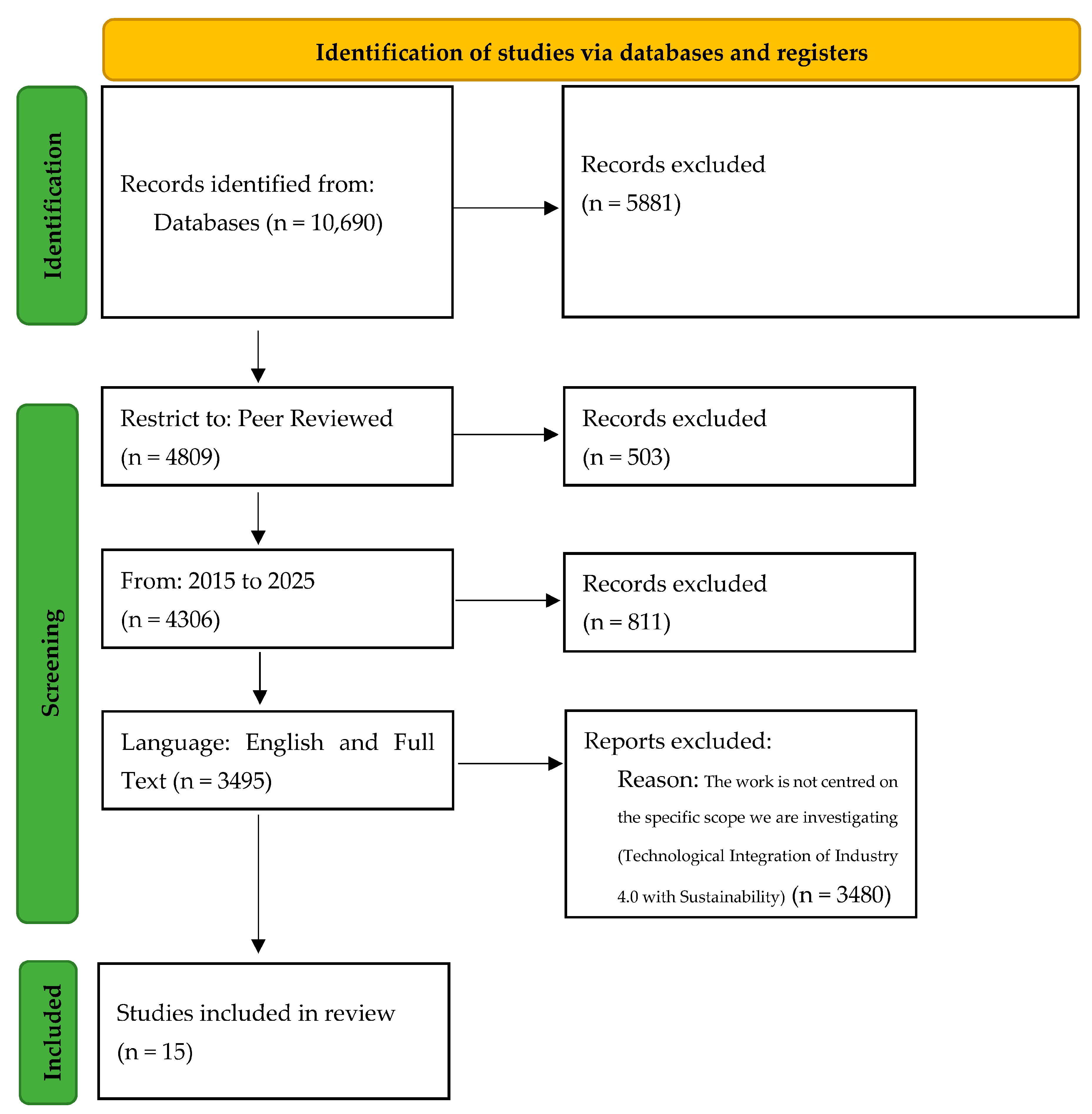
Figure 1. Flow diagram of literature search and respective screening.
Sustainability 17 10160 g001
Figure 2. Proposed framework.
Sustainability 17 10160 g002
Table 1. Application of the PICO Methodology.
PICO ComponentDefinition/AssociationBrief Description
P (Population)Industrial organizations implementing or planning to implement Industry 4.0 technologies (IoT, Big Data, AI, Additive Manufacturing, CPS, AR, Advanced Robotics)Represents the group of interest for the study, focusing on real-world industrial contexts where technological adoption impacts operational efficiency, environmental sustainability, and social outcomes-
I (Intervention)Integration of Industry 4.0 technologies with sustainability principlesRefers to the purposeful implementation of technologies aimed at optimizing performance while aligning with environmental, economic, and social objectives. This integration acts as an enabler of sustainable industrial development.
C (Comparison)Organizations with comprehensive integration strategies vs. those with partial or non-sustainability-focused adoptionProvides a contrast to assess differential impacts on resource efficiency, emissions, economic performance, and social outcomes. Helps identify factors that facilitate or hinder effective integration.
O (Outcome)Identification of best practices and evaluation of operational, social, and environmental impactsDefines the expected results of the study, guiding the development of a conceptual framework for sustainable technological integration in Industry 4.0 contexts.
Table 2. Groups searched through “B-on”.
Research Strings
Group 1“Systemic View” OR “Holistic View” OR “Integrated Approach” OR “Conceptual Framework” OR “Framework Proposal” OR “Theoretical Framework” OR “Reference Model” OR “Integration Model” OR “Conceptual Model” OR “Methodological Framework” OR “Architectural Framework” OR “Systemic Integration” OR “Strategic Integration” OR “Operational Framework” OR “Analytical Framework” OR “Design Framework” OR “Implementation Framework” OR “Structural Model” OR “Organizational Model” OR “Process Framework” OR “Sustainability Framework” OR “Digital Integration Model” OR “Technological Integration Model” OR “Enterprise Architecture” OR “Innovation Framework” OR “Decision-Making Framework” OR “Performance Assessment Framework” OR “Industrial Integration Model” OR “Cyber-Physical Integration Model” OR “Smart Manufacturing Framework”
AND
Group 2“Industry 4.0” OR “Industrie 4.0” OR “I4.0” OR “Smart Manufacturing” OR “Intelligent Manufacturing” OR “Digital Manufacturing” OR “Advanced Manufacturing” OR “Cyber-Physical Systems” OR “CPS” OR “Industrial Internet of Things” OR “IIoT” OR “Connected Industry” OR “Big Data” OR “Data Analytics” OR “Artificial Intelligence” OR “AI” OR “Machine Learning” OR “Deep Learning” OR “Cloud Computing” OR “Edge Computing” OR “Fog Computing” OR “Robotics” OR “Autonomous Robots” OR “Collaborative Robots” OR “Cobots” OR “Additive Manufacturing” OR “3D Printing” OR “Rapid Prototyping” OR “Augmented Reality” OR “AR” OR “Virtual Reality” OR “VR” OR “Simulation” OR “Digital Twin” OR “Smart Factory” OR “Industrial Automation” OR “Industrial Cyber-Physical Systems” OR “Intelligent Systems” OR “Predictive Maintenance” OR “Industrial AI” OR “Smart Production”
AND
Group 3“Sustainability” OR “Sustainable” OR “Social Sustainability” OR “Environmental Sustainability” OR “Economic Sustainability” OR “Sustainable Development” OR “Corporate Social Responsibility” OR “CSR” OR “Circular Economy” OR “Green Practices” OR “Eco-friendly” OR “Resource Efficiency” OR “Sustainable Innovation” OR “Sustainable Production” OR “Sustainable Practices” OR “Climate Action” OR “Environmental Management” OR “Green Economy” OR “Responsible Consumption” OR “Renewable Resources” OR “Low-carbon Economy” OR “Carbon Footprint” OR “Clean Technology” OR “Sustainable Business” OR “Sustainable Policy” OR “Sustainable Growth” OR “Energy Efficiency” OR “Sustainable Supply Chain” OR “Environmental Protection” OR “Social Responsibility”
Table 3. Research tests performed through the “B-on”.
TitleKeywords (KW)Abstract (AB)
n = 282 articlesn = 361 articlesn = 10,047 articles
Table 4. Publications obtained through the B-on, after the application of some filters.
TitleSet 1Set 2Set 3
Initial result:28236110047
1—Restrict to: Peer Reviewed103554651
2—Type of fonts: Academic Journals; Conference Materials; Books88544640
3—From: 2015 to 202588514167
4—Language: English87143611
5—Restrict to: Full Text82133400
Table 5. Pillars of I4.0 addressed by the articles selected in the research.
Article1—BDA2—SIM3—HVI4—IIoT5—ROB6—CLO7—CPS8—ARL9—AMF% Pillars p/Article
[90]X XX XX 56%
[91]XXXXXXX 78%
[92]X XX X 44%
[93]XX X X 44%
[94]XXXX XXX 78%
[95]X 11%
[96]X X 22%
[97]XXXXXXX 78%
[98]X XX X X56%
[99]XXXXXXXXX100%
[100]X XXXXX 67%
[101]XXXXXXXXX100%
[102]X XX 33%
[103]X XXXXX 67%
[104]XXXXXXX 78%
% Articles p/pillar100%47%73%80%47%73%87%20%20%
Table 6. Pillars of sustainability addressed by the articles selected in the research.
ArticleEnvironmentalSocialEconomic% Pillars p/Article
[90]X X67%
[91]X X67%
[92]XXX100%
[93]X X67%
[94]X 33%
[95]XXX100%
[96]X X67%
[97]XXX100%
[98] X33%
[99]X X67%
[100]X X67%
[101]XXX100%
[102] XX67%
[103]XX 67%
[104]X X67%
% Articles p/pillar87%40%87%
Table 7. Comparison of Framework in the I4.0 pillars.
Framework PillarsLiterature CoverageFramework CoverageNotes
Big Data and AnalyticsHighHighFramework consolidates integration with IoT and CPS
SimulationMediumHighEmphasizes iterative testing and operational feedback
Horizontal/Vertical IntegrationMediumHighFocus on interoperability across departments
IIoTHighHighMonitors energy/resource use and operational efficiency
Autonomous RobotsMediumMediumApplicable to administrative tasks (automation of repetitive work)
Cloud ComputingHighHighSupports multi-department collaboration and scalability
CPS and SecurityHighHighEnsures cyber-physical connectivity and data security
Augmented RealityLowHighUsed in HR for training, enhancing engagement and social sustainability
Additive ManufacturingLowMediumApplicable to resource-saving prototypes and process optimization
Table 8. Comparison of the Pillars of the Sustainability Framework.
Sustainability DimensionLiterature CoverageFramework CoverageNotes
Environmental87%HighReduced energy use, paperless workflows, waste reduction
Economic87%HighIncreased efficiency, operational cost savings, optimized workflows
Social40%HighFocus on HR development, employee engagement, service quality
Disclaimer/Publisher’s Note: The statements, opinions and data contained in all publications are solely those of the individual author(s) and contributor(s) and not of MDPI and/or the editor(s). MDPI and/or the editor(s) disclaim responsibility for any injury to people or property resulting from any ideas, methods, instructions or products referred to in the content.