Article

Advancing Sustainable Tourism Through Smart Wheelchair Optimization: A Mixed-Integer Linear Programming Framework for Inclusive Travel

by
Pannee Suanpang
1,2,
Thanatchai Kulworawanichpong
3,*,
Chanchai Techawatcharapaikul
4,
Pitchaya Jamjuntr
4,
Fazida Karim
2,* and
Kittisak Wongmahesak
2,5,6,*
1
Department of Information Technology, Suan Dusit University, Bangkok 10300, Thailand
2
Faculty of Business and Management, Universiti Sultan Zainal Abidin, Kuala Terengganu 21300, Malaysia
3
School of Electrical Engineering, Suranaree University of Technology, Nakhon Ratchasima 30000, Thailand
4
Department of Electrical Engineering, King Mongkut’s University of Technology Thonburi, Bangkok 10140, Thailand
5
Faculty of Political Science, North Bangkok University, Bangkok 10220, Thailand
6
Publication Research Institute and Community Service, Universitas Muhammadiyah Sidenreng Rappang, Sidenreng Rappang Regency 91651, Sulawesi Selatan, Indonesia
*
Authors to whom correspondence should be addressed.
Sustainability 2025, 17(21), 9458; https://doi.org/10.3390/su17219458
Submission received: 19 September 2025 / Revised: 15 October 2025 / Accepted: 19 October 2025 / Published: 24 October 2025

Abstract

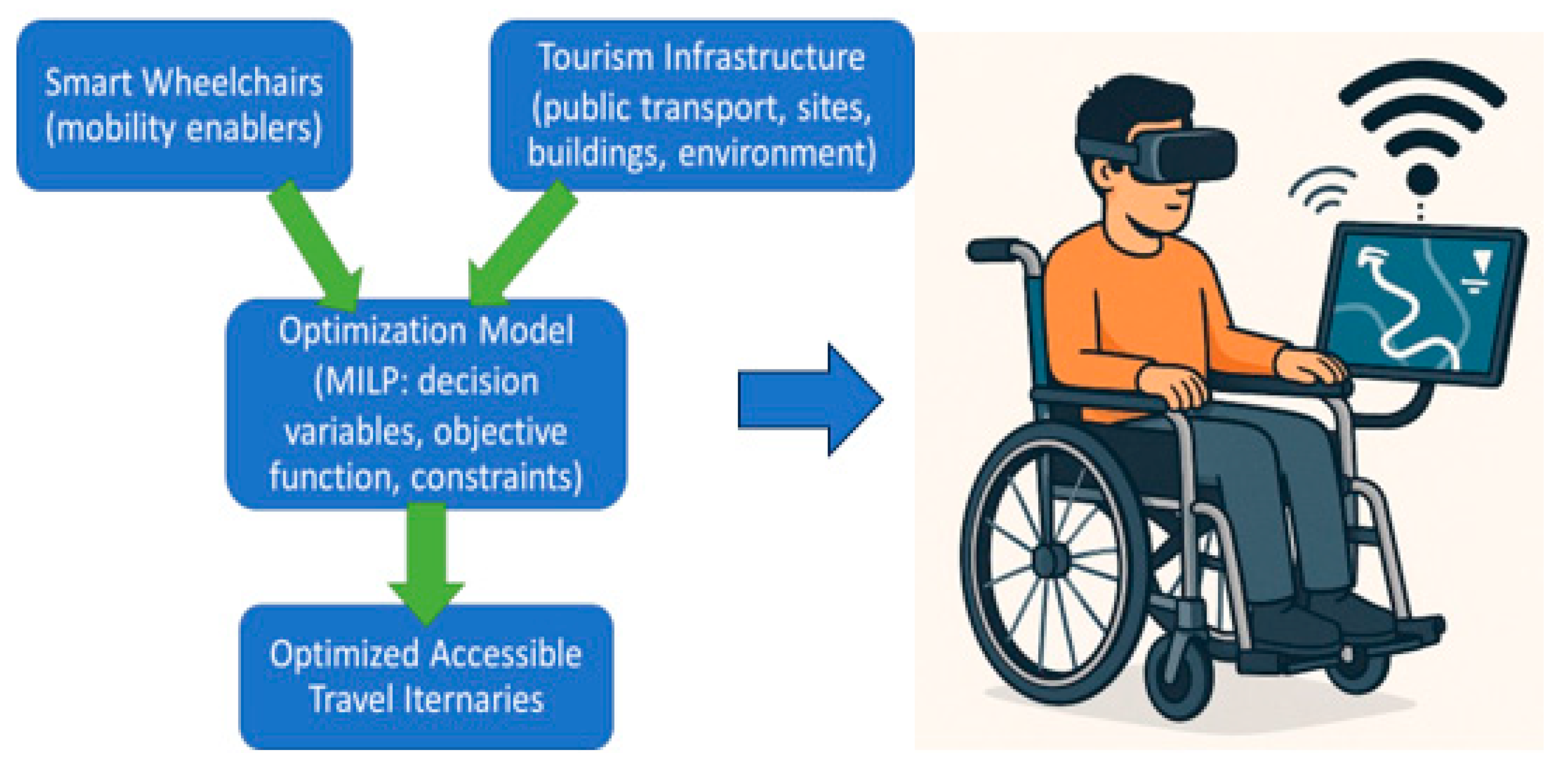
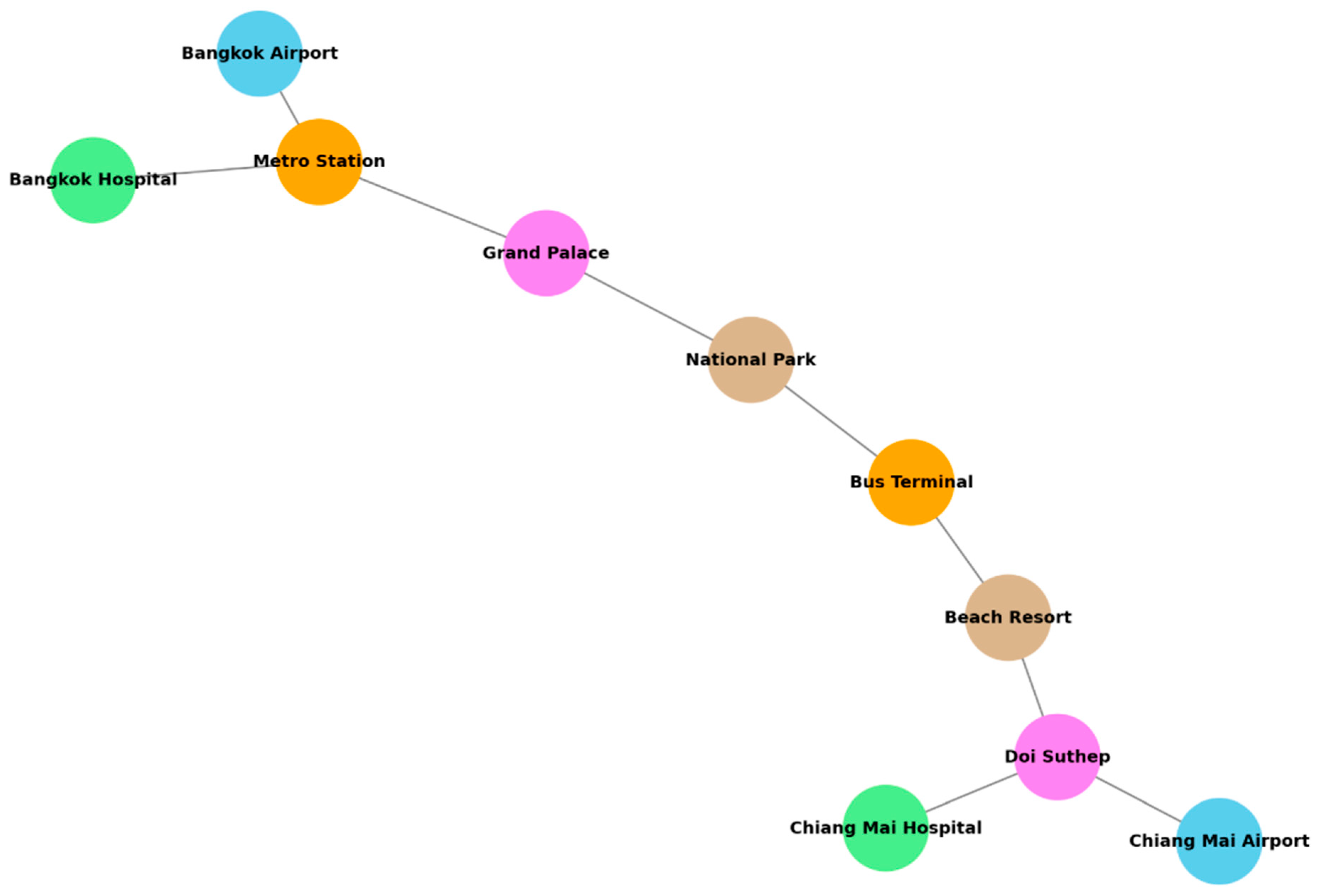
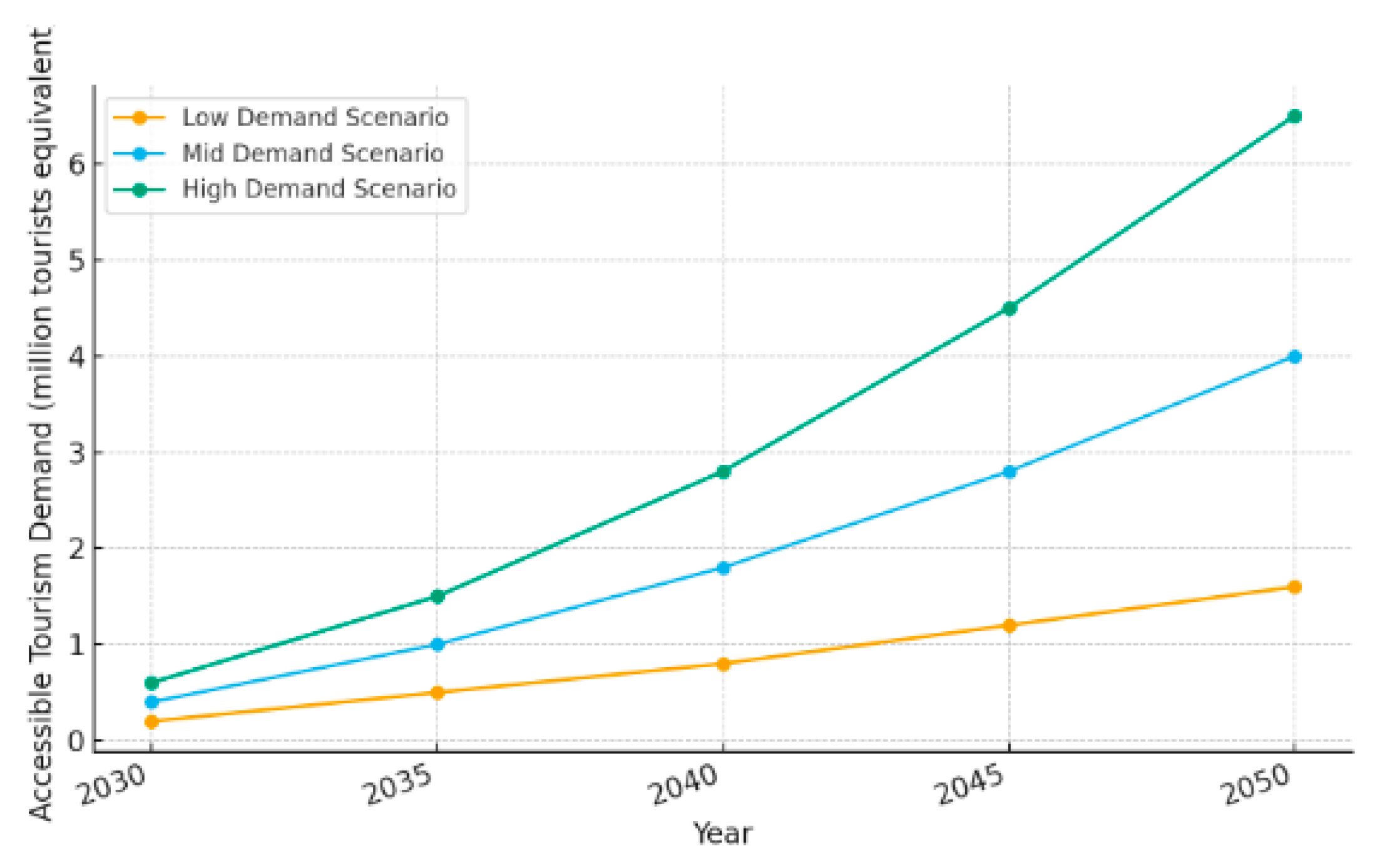
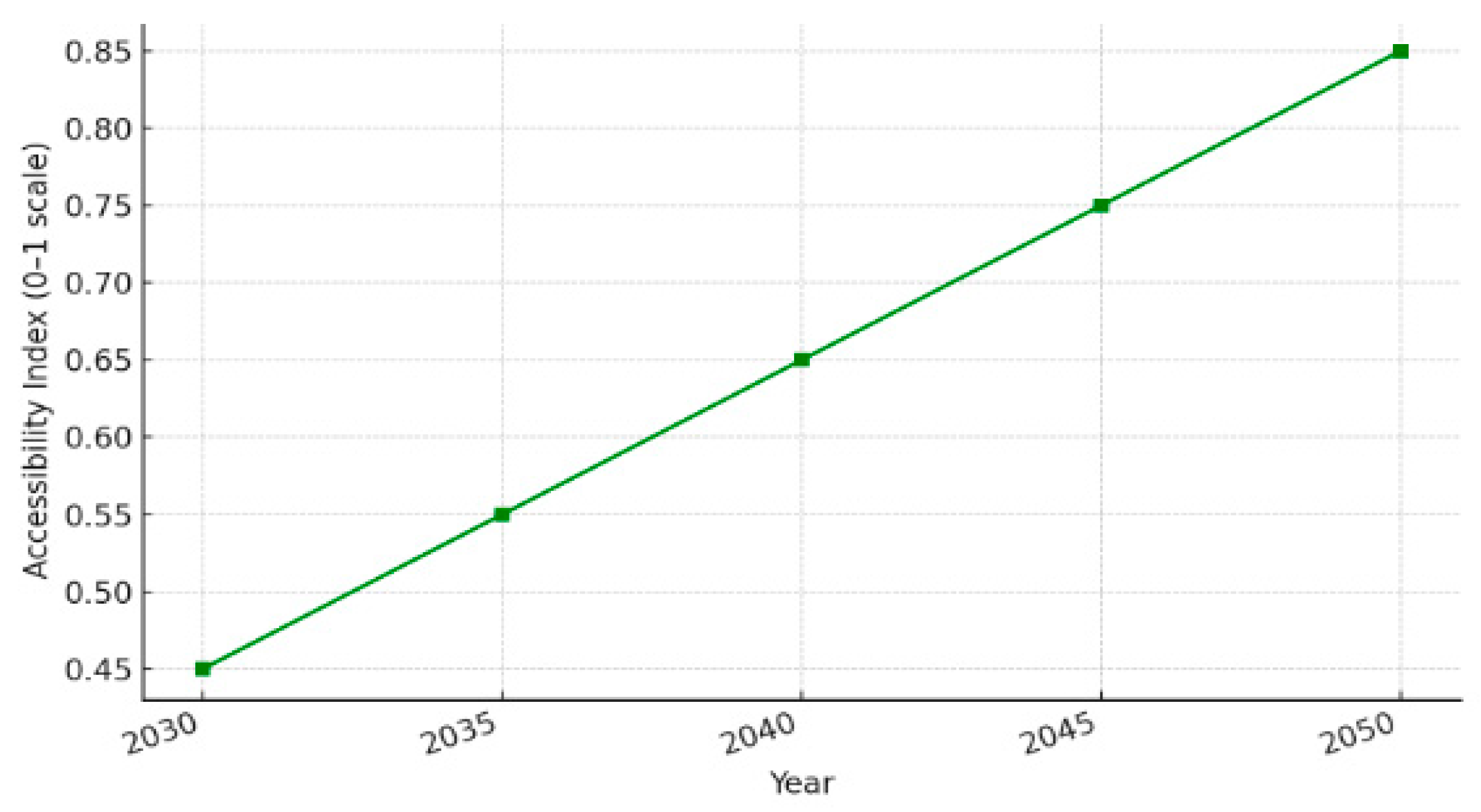
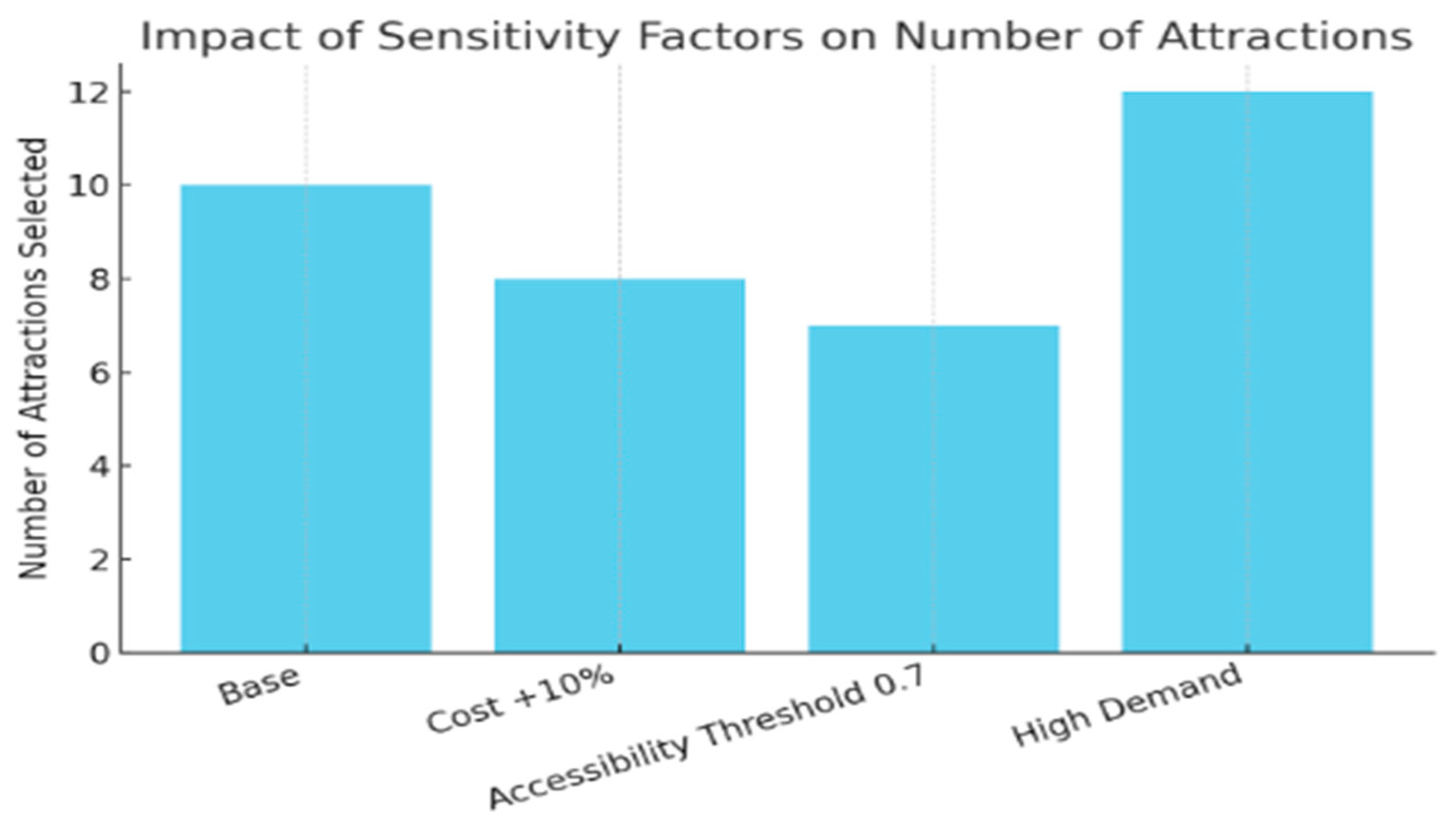
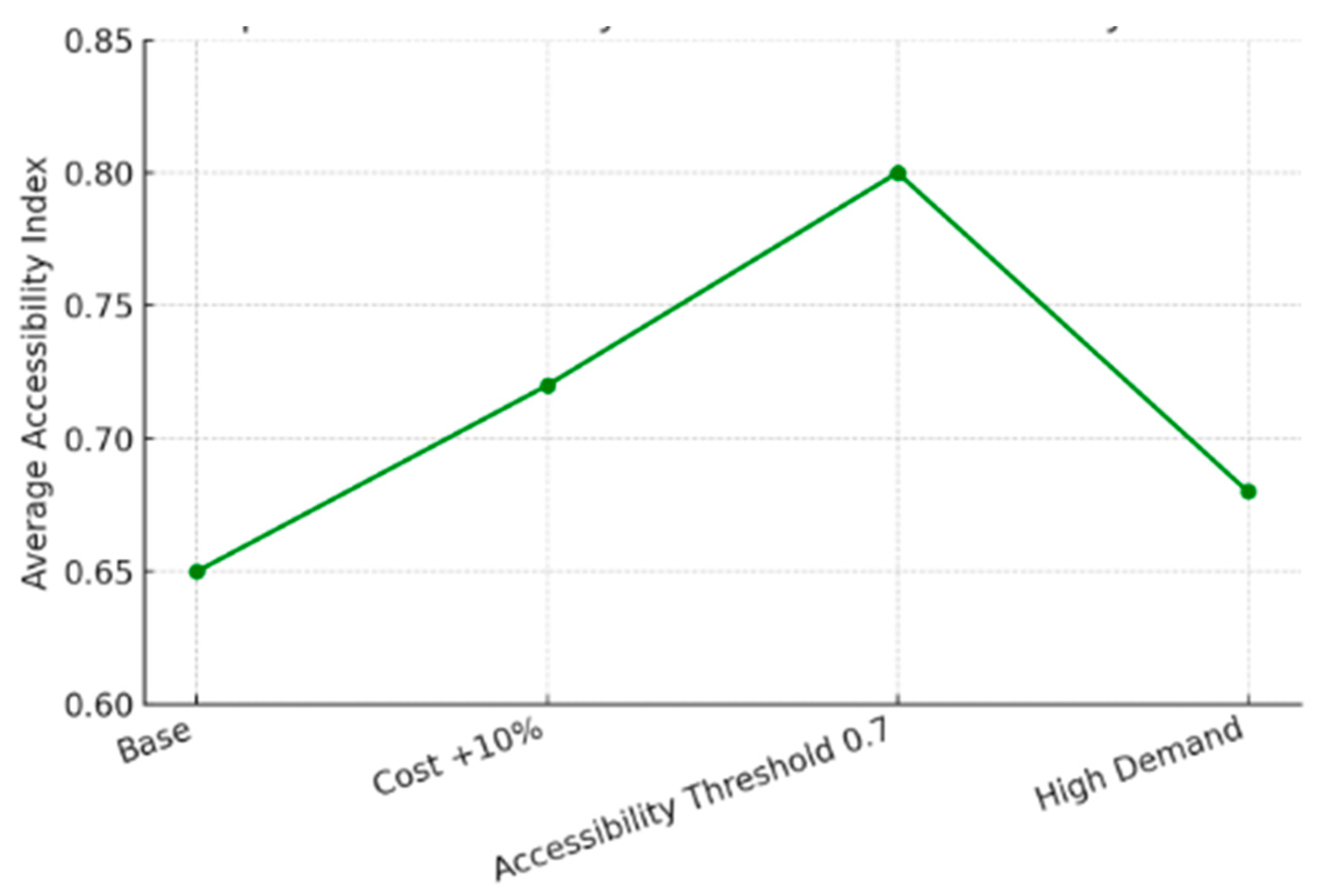
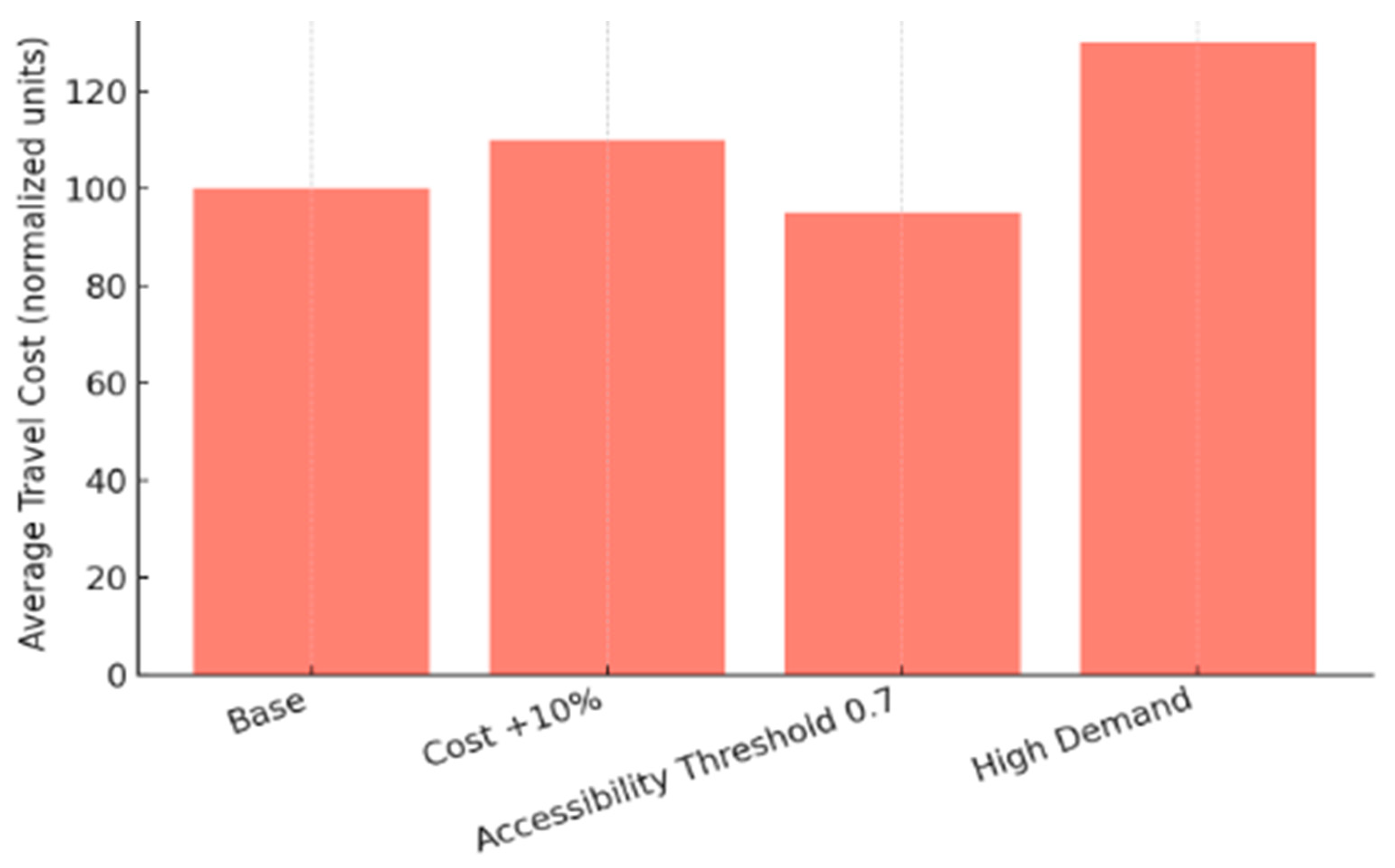
Accessible tourism is a critical aspect of sustainable development, yet many Southeast Asian destinations lack sufficient infrastructure and services for elderly and disabled travelers. This study develops a Mixed-Integer Linear Programming (MILP) framework to optimize travel itineraries, balancing cost, accessibility, and cultural–environmental priorities. A national accessibility database for Thailand was created, encompassing airports, hospitals, public transport nodes, cultural landmarks, and natural attractions. Compared to baseline conventional itineraries—defined as standard travel routes planned without specific accessibility considerations or optimization techniques—the MILP-optimized routes reduce average travel time by 15–20% and improve accessibility scores by 25%. Sensitivity analyses reveal trade-offs between economic efficiency, inclusivity, and infrastructure capacity, while a schematic accessibility network highlights structural fragmentation among airports, hospitals, and secondary attractions. Scenario analyses show that stricter accessibility thresholds improve inclusivity (index: 0.65 to 0.80) but restrict destination options, whereas high-demand scenarios increase costs and reduce inclusivity. A survey of 30 smart wheelchair users indicates high satisfaction with individualized programs and GPS connectivity. These findings underscore the need for investment in multimodal integration, accessibility upgrades, and a national database to enhance inclusive tourism planning. The framework is transferable to other ASEAN countries, contributing to SDG 3, 8, and 11. Overall, this study should be viewed as a prototype or exploratory contribution, with limitations in real-time applicability, generalizability, and implementation of environmental and ethical aspects.
Keywords: smart wheelchair; accessible tourism; mixed-integer linear programming (MILP); post-rehabilitation mobility; sustainable development goals (SDGs); Thailand case study smart wheelchair; accessible tourism; mixed-integer linear programming (MILP); post-rehabilitation mobility; sustainable development goals (SDGs); Thailand case study