Article

Theoretical Framework for Virtual Logistics Centers Creation

by
Vytautas Paulauskas
1,
Ludmiła Filina-Dawidowicz
2,*,
Viktoras Senčila
1,
Donatas Paulauskas
1 and
Birutė Plačienė
1
1
Marine Engineering Department, Klaipeda University, H. Manto Str. 84, LT-92294 Klaipeda, Lithuania
2
Faculty of Maritime Technology and Transport, West Pomeranian University of Technology, Szczecin, Ave. Piastów 41, 71-065 Szczecin, Poland
*
Author to whom correspondence should be addressed.
Sustainability 2024, 16(9), 3680; https://doi.org/10.3390/su16093680
Submission received: 23 March 2024 / Revised: 21 April 2024 / Accepted: 23 April 2024 / Published: 28 April 2024

Abstract

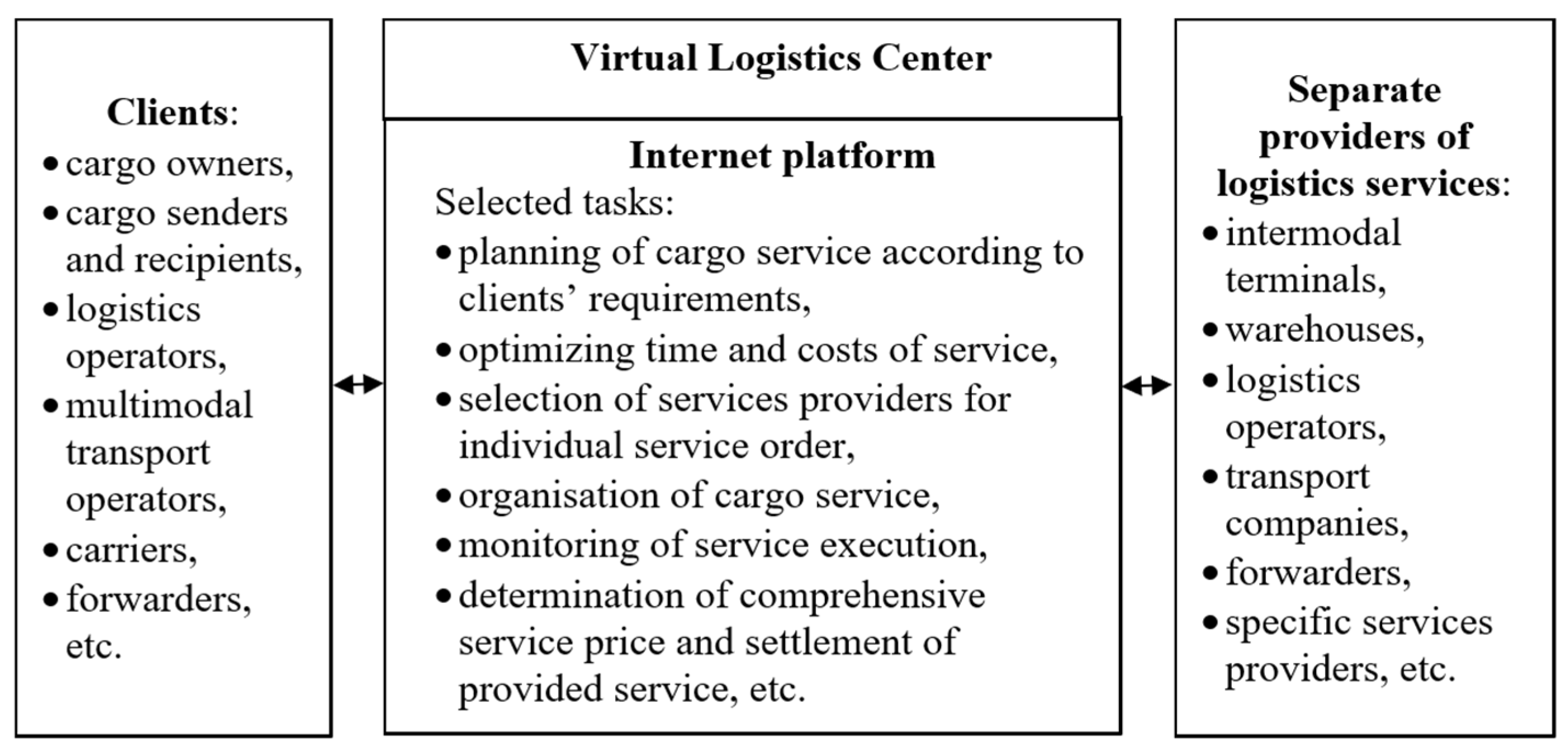
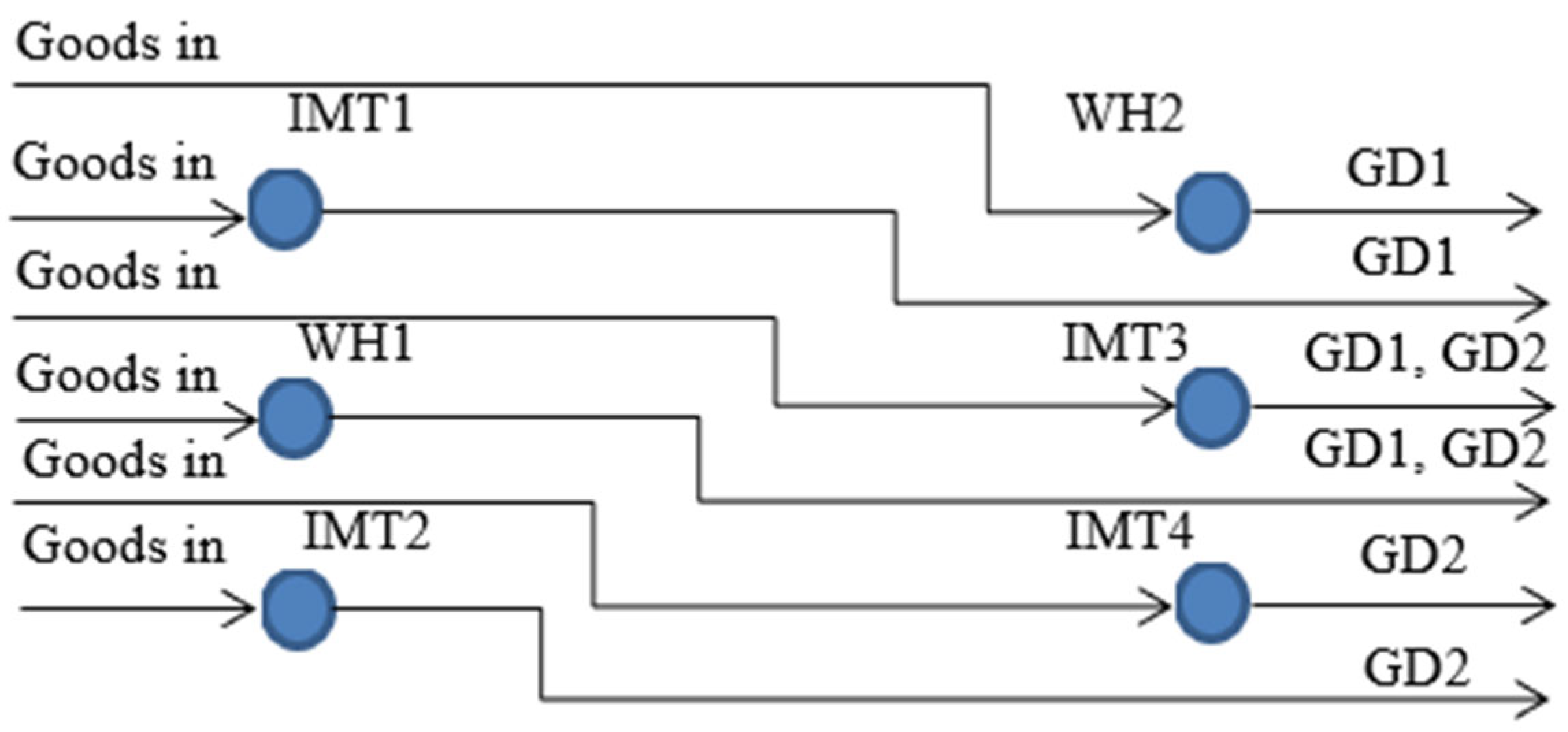
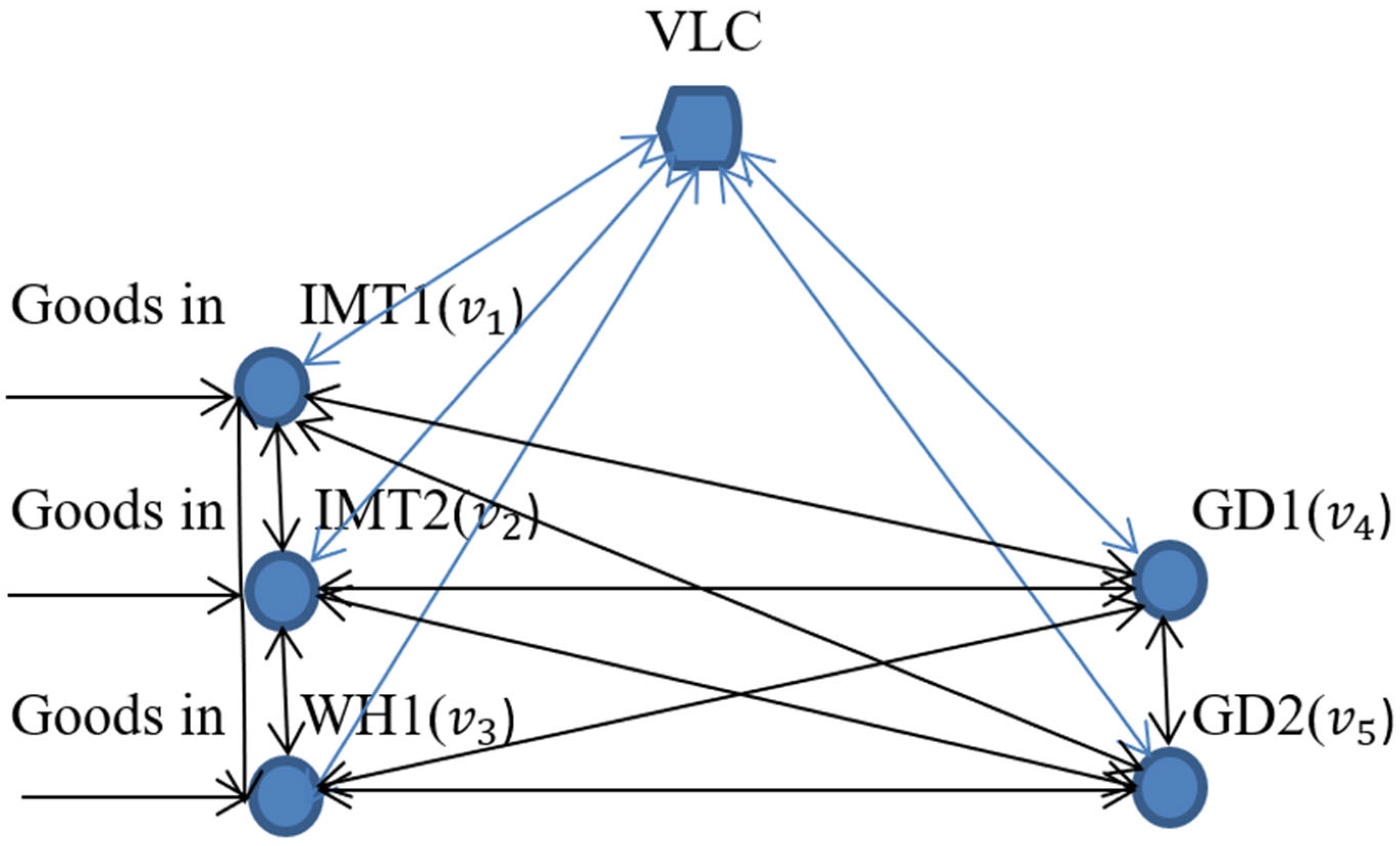
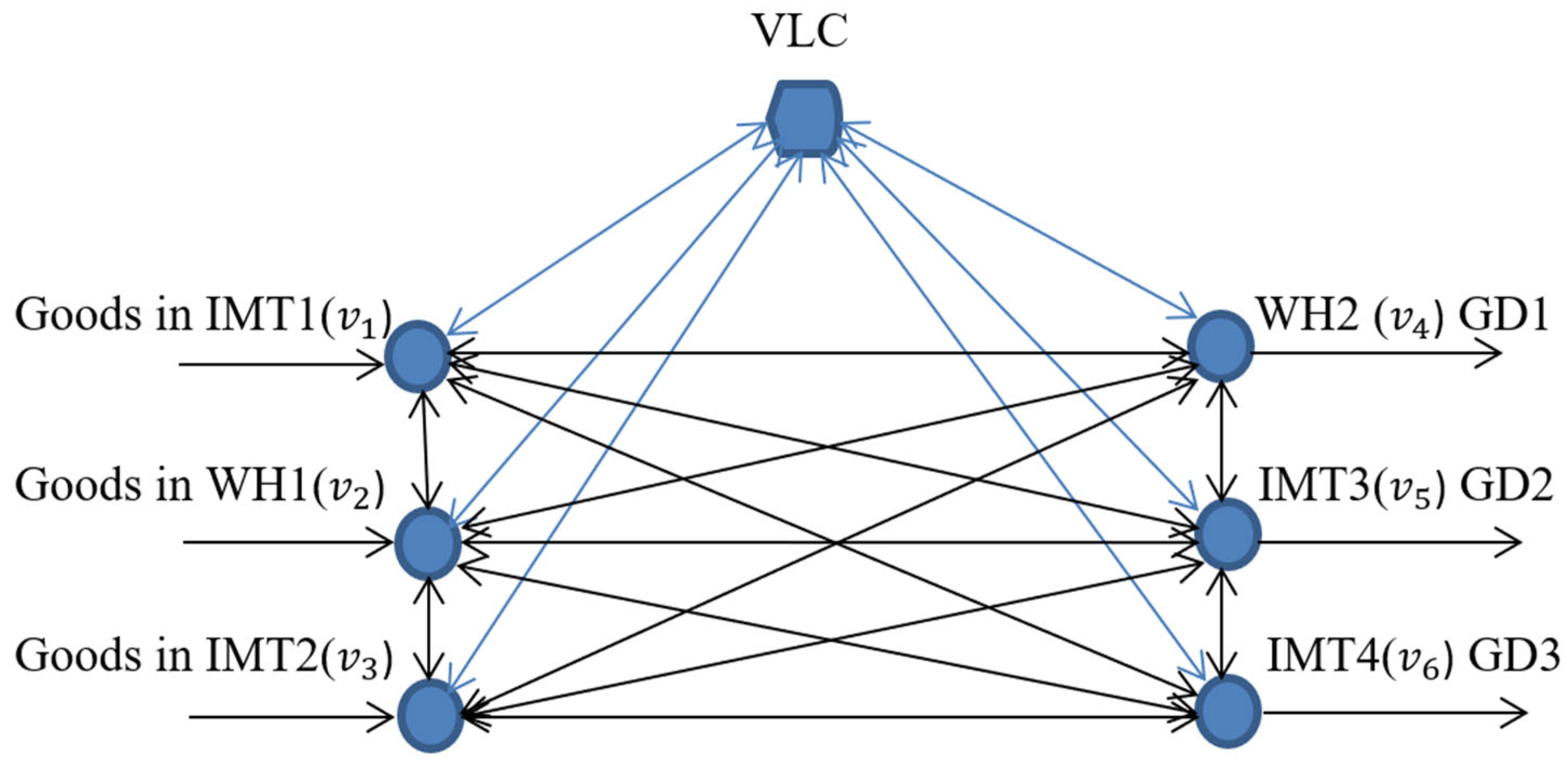
Intermodal terminals and warehouses operate in different countries and deliver specific services to their customers. For many clients, it is important to receive a full set of the logistics services delivered by a single operator. However, individual intermodal terminals and warehouses may face challenges with providing these services, e.g., just-in-time goods delivery, goods distribution, cargo handling in non-standard situations, and others. In such cases, the cooperation between logistics companies may be required to organize the comprehensive service of cargo within supply chains. One of the possible solutions is to integrate transport and logistics services providers, establishing their cooperation within one virtual logistics center. The aim of this article is to justify theoretically the possibility of creating such a center by combining services performed by the intermodal terminals and warehouses already in operation under a single entity, in order to minimize the cost of logistics services and the time of goods delivery, as well as to create a comprehensive range of logistics services needed by customers. The relevance of the article and the novelty of the idea are associated with justification of the possibility of combining the activities of intermodal terminals and warehouses located separately in the region in order to improve the logistical service of customers. The theoretical basis for creating a virtual logistics center is based on graph theory methods. The article presents a theoretical model, based on a system of edges and vertices of the graph tree, which corresponds to the activities performed by separately located intermodal terminals and individual warehouses. The discussion is focused on the current problems of creating virtual logistics centers. The research results may be interesting for the managers of intermodal terminals, warehouses, and logistics centers, as well as other decision-makers involved in supply chains implementation and development.
Keywords: virtual logistics center; service offer; supply chain; goods transportation; warehouse; intermodal terminal; graph theory virtual logistics center; service offer; supply chain; goods transportation; warehouse; intermodal terminal; graph theory