Article

Construction and Evaluation of a Traditional Village Tourism Imagery Element System Based on Xidi Village

1
School of Tourism and Convention and Exhibition, Hefei University, Hefei 230601, China
2
School of Economics and Management, Anhui Agricultural University, Hefei 230036, China
*
Author to whom correspondence should be addressed.
Sustainability 2024, 16(9), 3679; https://doi.org/10.3390/su16093679
Submission received: 11 March 2024 / Revised: 23 April 2024 / Accepted: 23 April 2024 / Published: 28 April 2024

Abstract

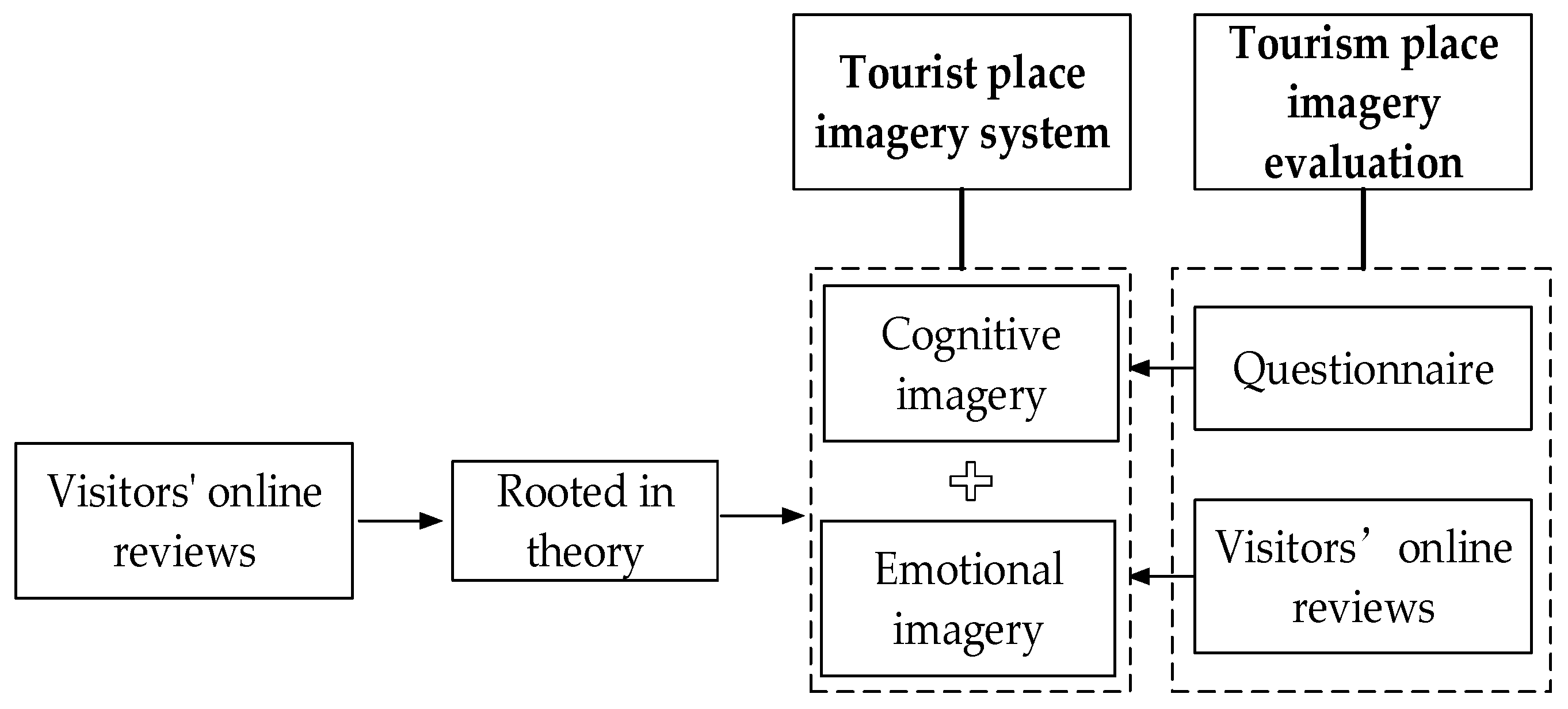
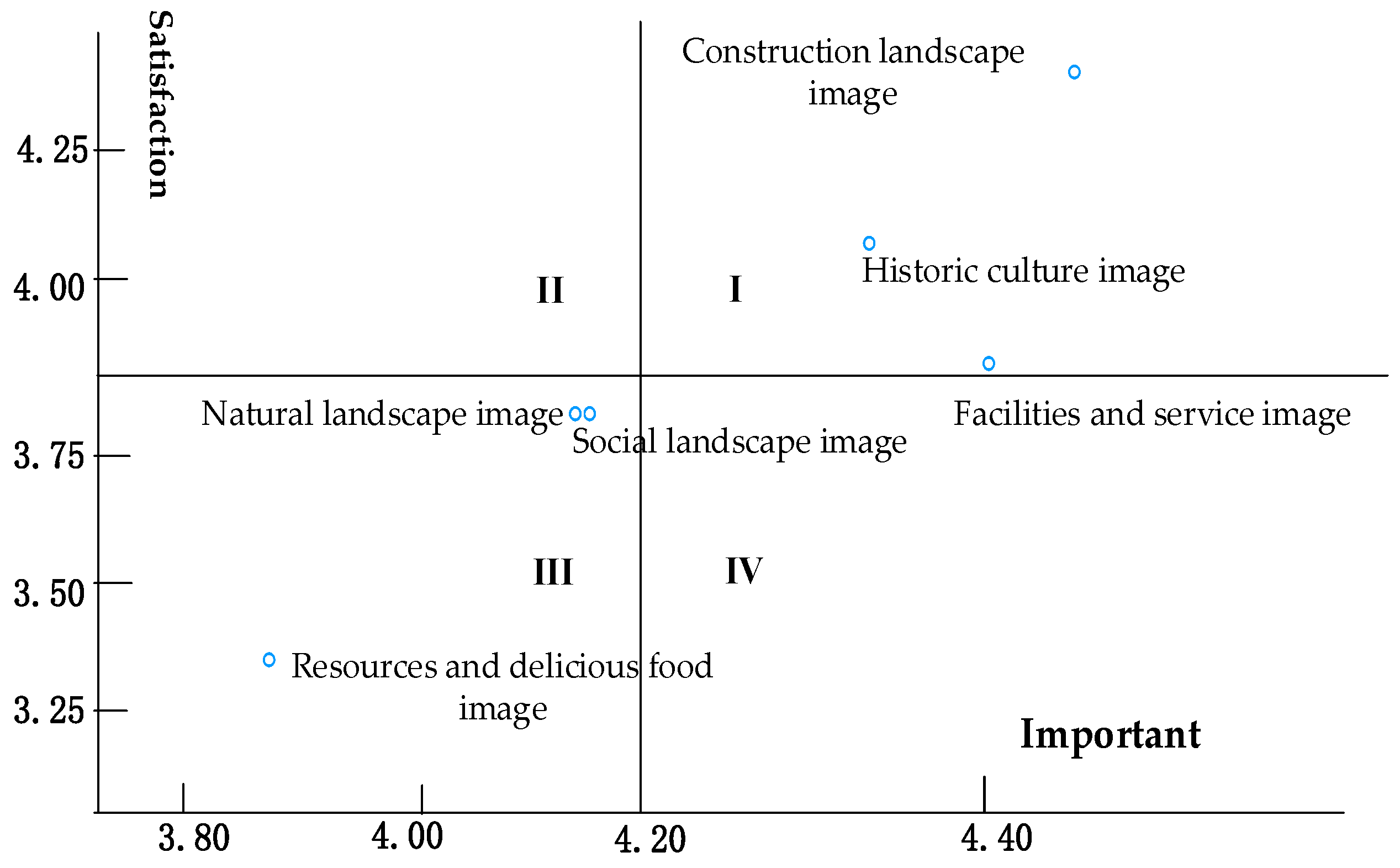
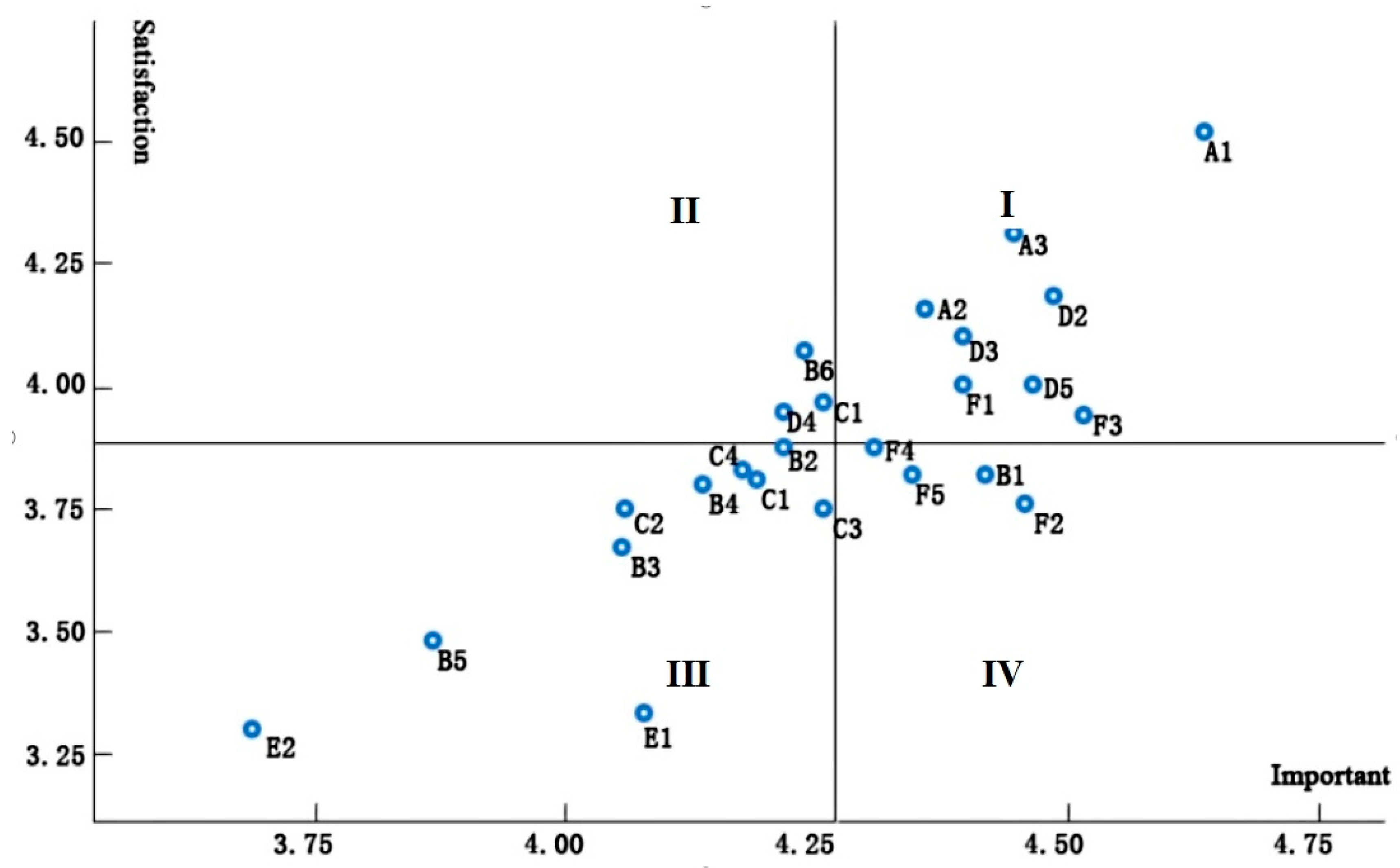
Tourism imagery is one of the decision variables for tourists’ travel intentions and behavior. Traditional village tourism imagery studies mostly focus on tourist space, landscape imagery, etc. Few overall imagery studies have been conducted. This paper integrates non-structural and structural methods, uses three-level coding based on rooting theory, constructs a traditional village tourism place imagery element system through network text analysis, designs and analyzes questionnaires accordingly, and empirically evaluates the tourism imagery of Xidi village in Anhui Province. The results show that the overall satisfaction of tourists is less than important, indicating that there is a systematic deficiency in the perception of tourism place imagery of Xidi village. The dimensional IPA analysis shows that the three dimensions of natural landscape, social landscape, and physical cuisine are in the improvement area. According to the supplementary IPA factor analysis, factors such as natural phenomena, historical figures, clan history, watershed, accommodation, ticket systems, and guide services need important attention, improvement, and promotion. The results of the emotional analysis are dominated by positive images, but attention needs to be paid to the negative impact of negative images. Based on the above findings, recommendations are proposed to improve the layout of the development, and enhance the service facilities and quality based on these findings.
Keywords: traditional tourism village; tourism intention element system; tourism image evaluation; Xidi traditional tourism village; tourism intention element system; tourism image evaluation; Xidi